


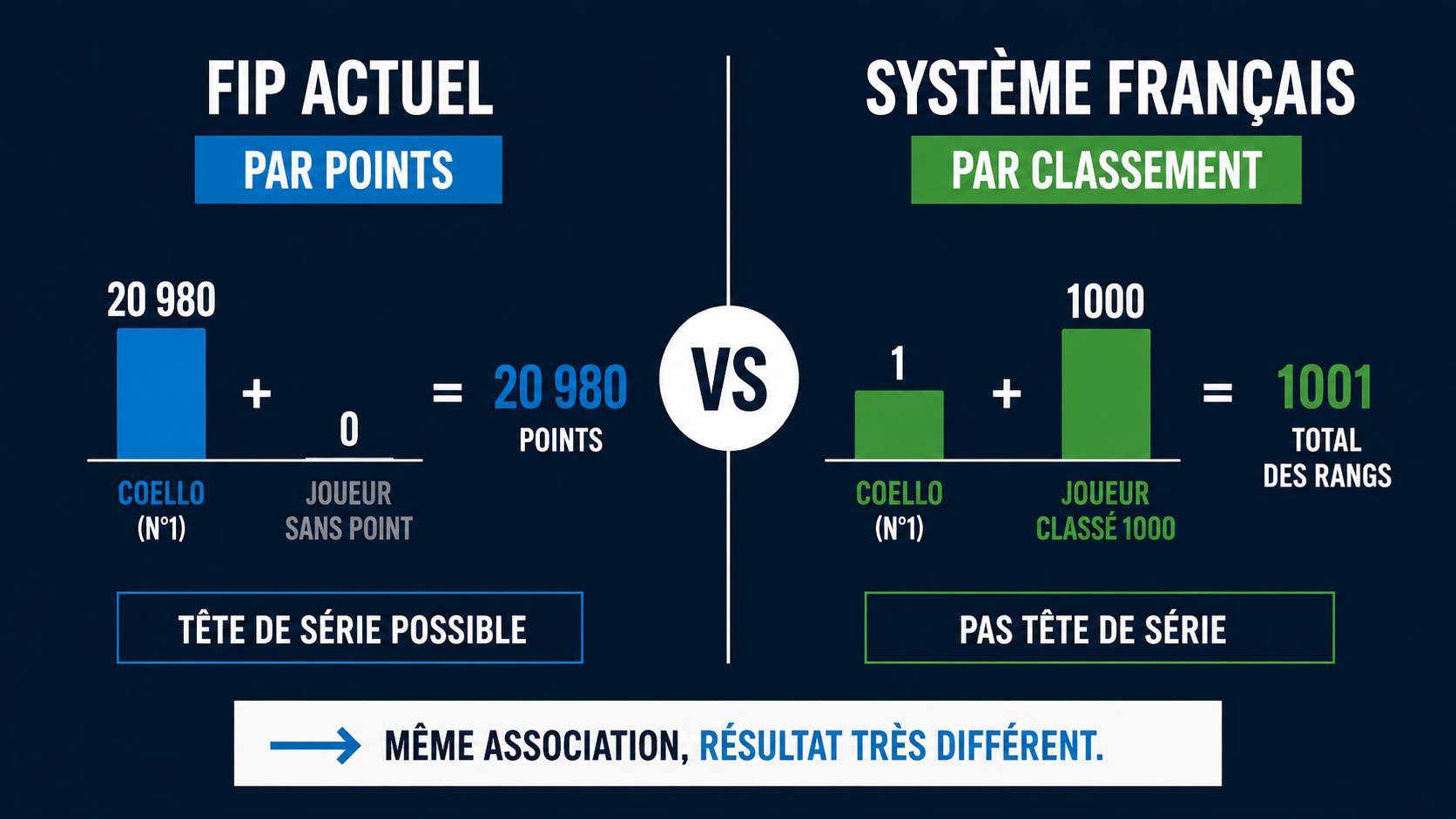







Le FIP ranking can produce surprising situations when it comes to determining the weight of a pair. Internationally, these are the The points of both players are added together. Consequently, the considerable capital of a top-level player can almost single-handedly propel a very unbalanced association among the seeded players. In an extreme case, Arturo Coello could even team up with a player without any FIP points and still remain ahead of a pair made up of two members of the world's top 10 An anomaly that raises two questions: Should we add up the rankings rather than the points, as in France, and take poor performances into account more fully?
Le FIP Gold of Belgrade has once again highlighted very unbalanced partnerships: a player well established in the world rankings can team up with a partner very far down in the hierarchy and, thanks to their single point total, allow the pair to obtain a very favorable position in a bracket.
These associations are perfectly compliant with regulations. Therefore, it is not the players who are at fault, but the method of calculating the weight of the pairs.
And a relatively simple solution may already exist: to take inspiration from the French system and add up the rankings rather than the points.
With FIP points, only one player can "wear" the pair
The problem stems from the very high concentration of points at the top of the world rankings.
Let's look at the current figures:
| Player | Rank | Points |
|---|---|---|
| Arturo Coello | 1 | 20 980 |
| Agustín Tapia | 1 | 20 980 |
| Alejandro Galán | 3 | 17 820 |
| Federico Chingotto | 3 | 17 820 |
| Juan Lebrón | 5 | 8 310 |
| Leo Augsburg | 6 | 7 690 |
Now let's imagine that Arturo Coello is playing with a player who has no FIP points. .
| Dummy pair | Calculation by FIP points | Weight |
|---|---|---|
| Coello + player with 0 points | 20 + 980 | 20 980 |
| Lebrón + Augsburger | 8 + 310 | 16 000 |
The result is quite spectacular: Coello partnered with a newcomer would overtake a Lebrón/Augsburger pairing in the order of the pairs.
In certain configurations of the table, Coello could even be seeded No. 3 with a partner who has no points .
Mathematically, the system works. From a sporting perspective, the result raises questions.
With the French system, the result would be completely different
In France, the logic is much simpler: we add the ranks of the two players , and not their points total.
Let's apply this principle to the same example, imagining that Coello's partner is ranked 1000th in the world:
| Pair | Adding the ranks | Pair weight |
|---|---|---|
| Lebrón / Augsburger | 5 + 6 | 11 |
| Coello / No. 1000 | 1 + 1000 | 1001 |
This time, it was impossible for the world number 1 to almost entirely compensate for his partner's ranking.
And perhaps this is where the French system seems more coherent for a sport played by two people: Both players truly contribute to the value of the pair.
Hybrid pairs are merely the consequence
The association Cepero / Golestan at FIP Gold in Belgrade is a recent example of these so-called "hybrid" pairs, but the debate goes far beyond their case.
Why criticize players for using a possibility offered by the rules?
The real question is rather: Should the ranking system allow a single player to give so much weight to an extremely unbalanced pair?
Moving from adding up points to a addition of rankings This would naturally limit these situations, without prohibiting any partnerships. A top player could still play with a very low-ranked player, but the pair would be placed in the draw taking into account the ranking level of both partners.
And why not also introduce the notion of "against"?
A second development could complement this reform.
As has existed in French tennis, we could consider a form of underperformance Losing to players who are far behind in the rankings could have an impact, however limited, on the player's record.
This would avoid a system that essentially operates in only one direction: Great performances are rewarded, but huge underperformances have much less direct impact.
It would obviously be necessary to put in place safeguards for young players on the rise, those returning from injury, or players artificially under-classified.
But the two principles could work together: Adding up the rankings to determine the true weight of a pair and better taking into account poor performances to establish the true level of a player.
The French system is certainly not directly applicable to the international circuit. But it does raise a very simple question: In a sport that is necessarily played in pairs, is it logical that the points total of a single player can almost determine the value of the entire pair?

Franck Binisti discovered padel at the Club des Pyramides in 2009 in the Paris region. Since then, padel has been part of his life. You often see him touring France to cover major French padel events.























































































 Düsseldorf P2: Tapia/Coello still too strong for Stupa/Sanz, third consecutive title for the world number 1s
 Prod'homme and Marin defeat Mitjana/Henrion to win the P1000 HUDDL Aizenay
 A perfect tournament for Gortzounian and Vignat who take the title at the P1000 Verneuil Padel Club
 France or Portugal, Spain or Argentina: Miguel Lamperti ranks the best padel nations
 Cédric Lavoye: "Hard work pays off" and a first FIP tournament in Guadeloupe is in his sights
 Nicolas Rouanet is preparing his return in 2027: “With Bastien Blanqué, I would never say no”
 Leygue/Blanqué respond bluntly to the criticism: "You can say what you want... We're putting all our money and our lives into this."
 Padel rankings October 2026: more than 150,000 men ranked in France
 P1000 Verneuil Padel Club – Results / Live / Schedule
 West Padel opens its 4 indoor courts in Montivilliers on November 5th
 With Galán tired and Coki Nieto sidelined, is the infernal pace of the circuit starting to take its toll on the players?
 Milan P1: Thomas Leygue launches his qualifying campaign with Jesús Moya
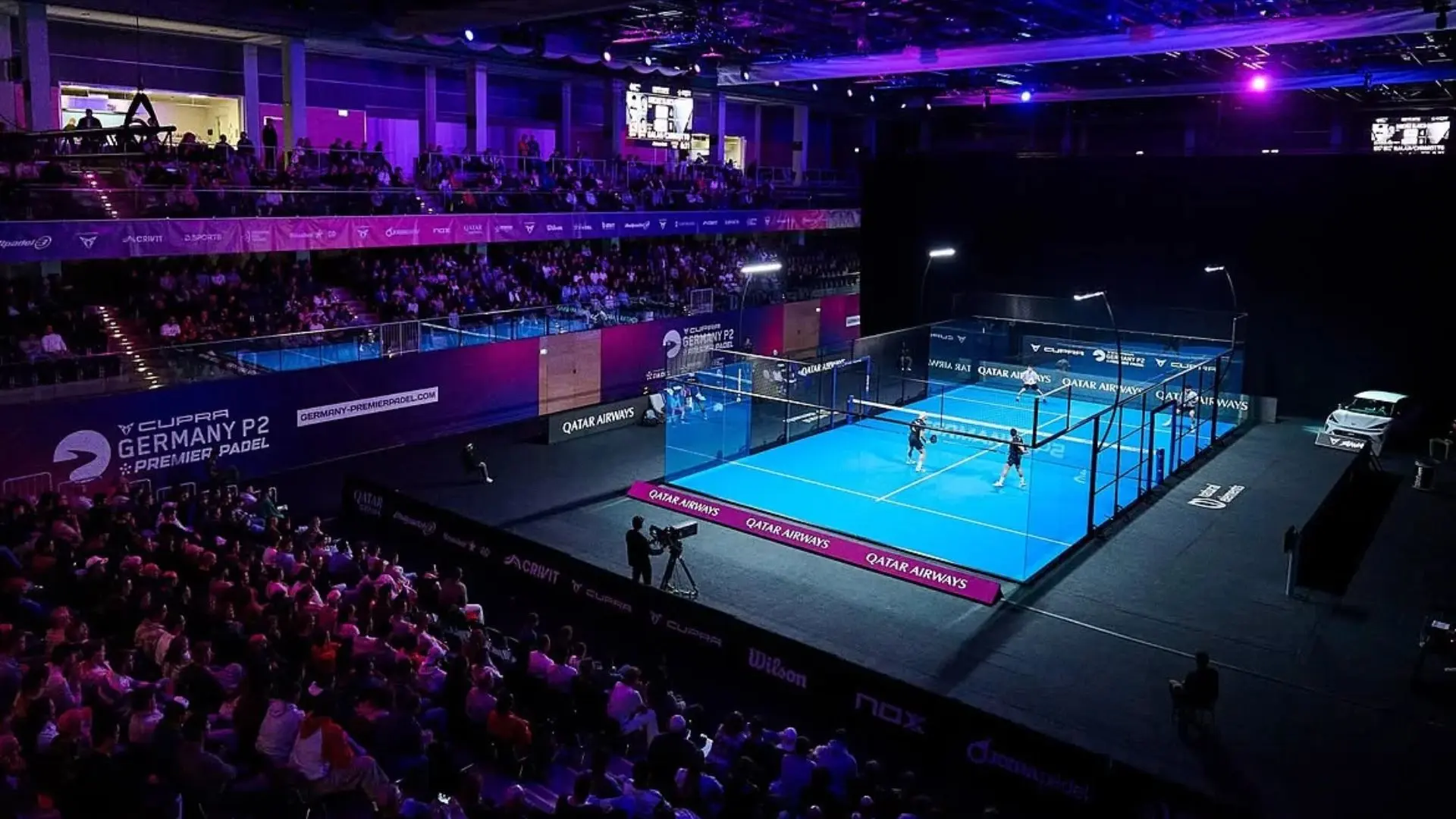 Germany P2: The fastest quarter-finals in history Premier Padel
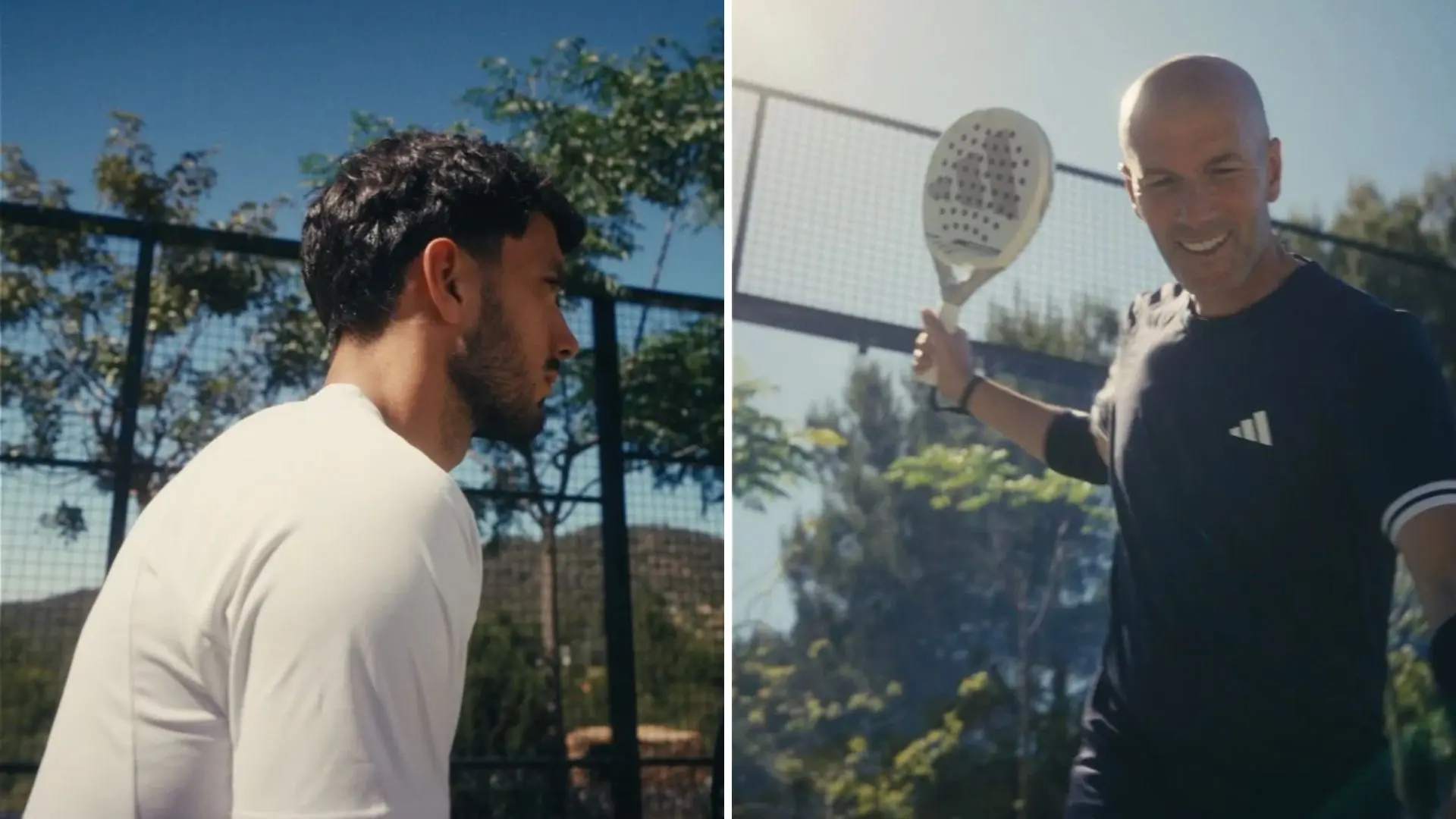 Zidane and Galán reunited on the track to launch the Metalbone ZZ
 For sale: two padel clubs in Mauritius, starting from 330,000 euros
 How much does it actually cost to organize a FIP Bronze event?
 Padel How Lidl is transforming Crivit into a fully-fledged sports brand with Steffi Graf
 Compagnie des Alpes is accelerating its involvement in padel with PadelCity: a new step in its European strategy
 Les Pyramides: after 12 padel courts, the club is focusing on youth training
 Health Care Padel Tour 2026: What if your next padel tournament was played in Barcelona?
 FAST Padel Academy continues its development and establishes itself in Liège.
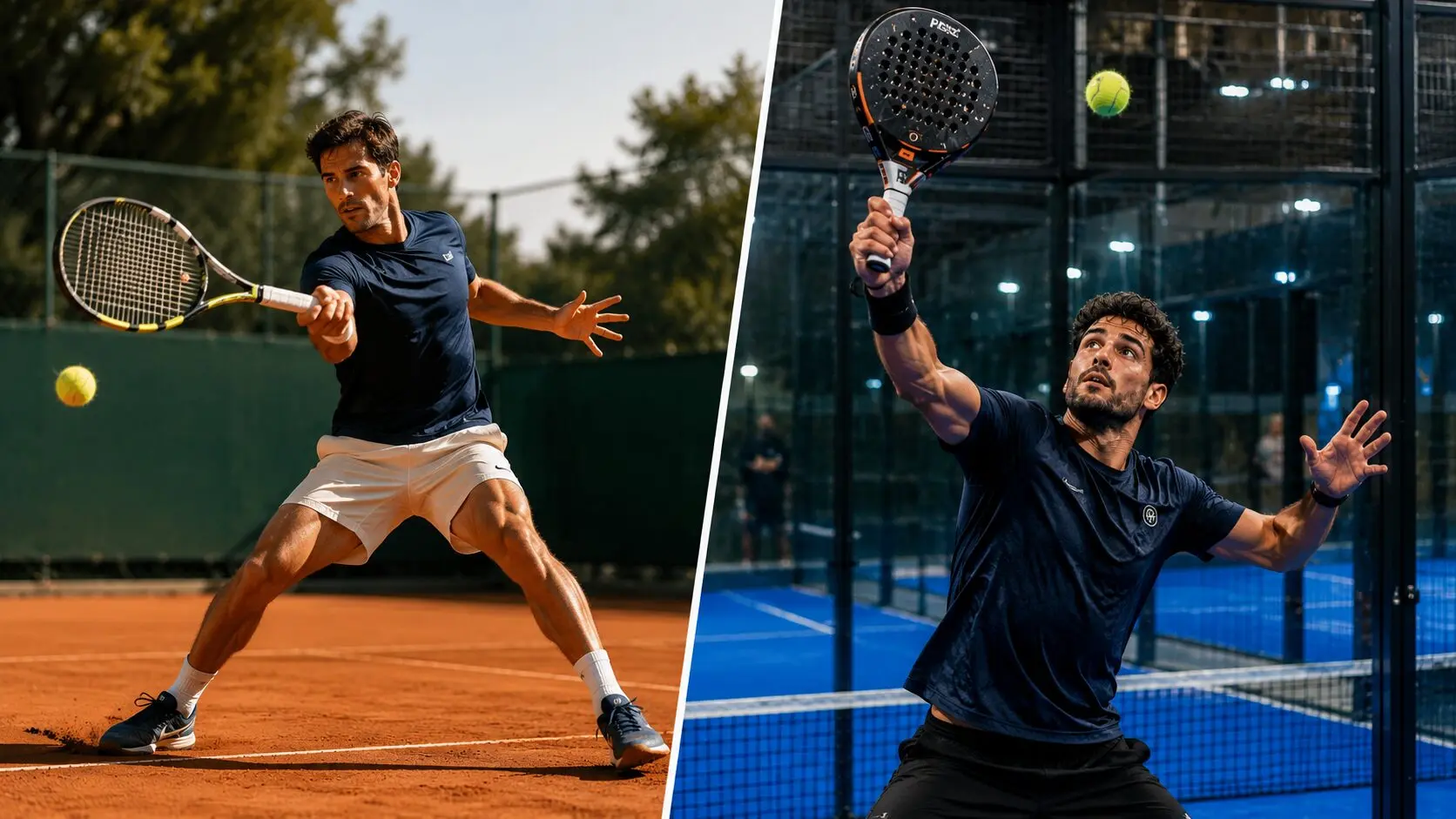 What the analysis of the stroke reveals: tennis forehand vs. padel bandeja
 Has the bandeja disappeared from modern padel?
 Flat forehand in padel: 5 exercises from Cristian Álvarez to gain control and efficiency
 Why knowing how to play on the right and left can make all the difference
 Tapia reveals his recipe for beating Coello / Tapia: "I would bet everything on myself"
 How Coello defused Chingotto's game plan
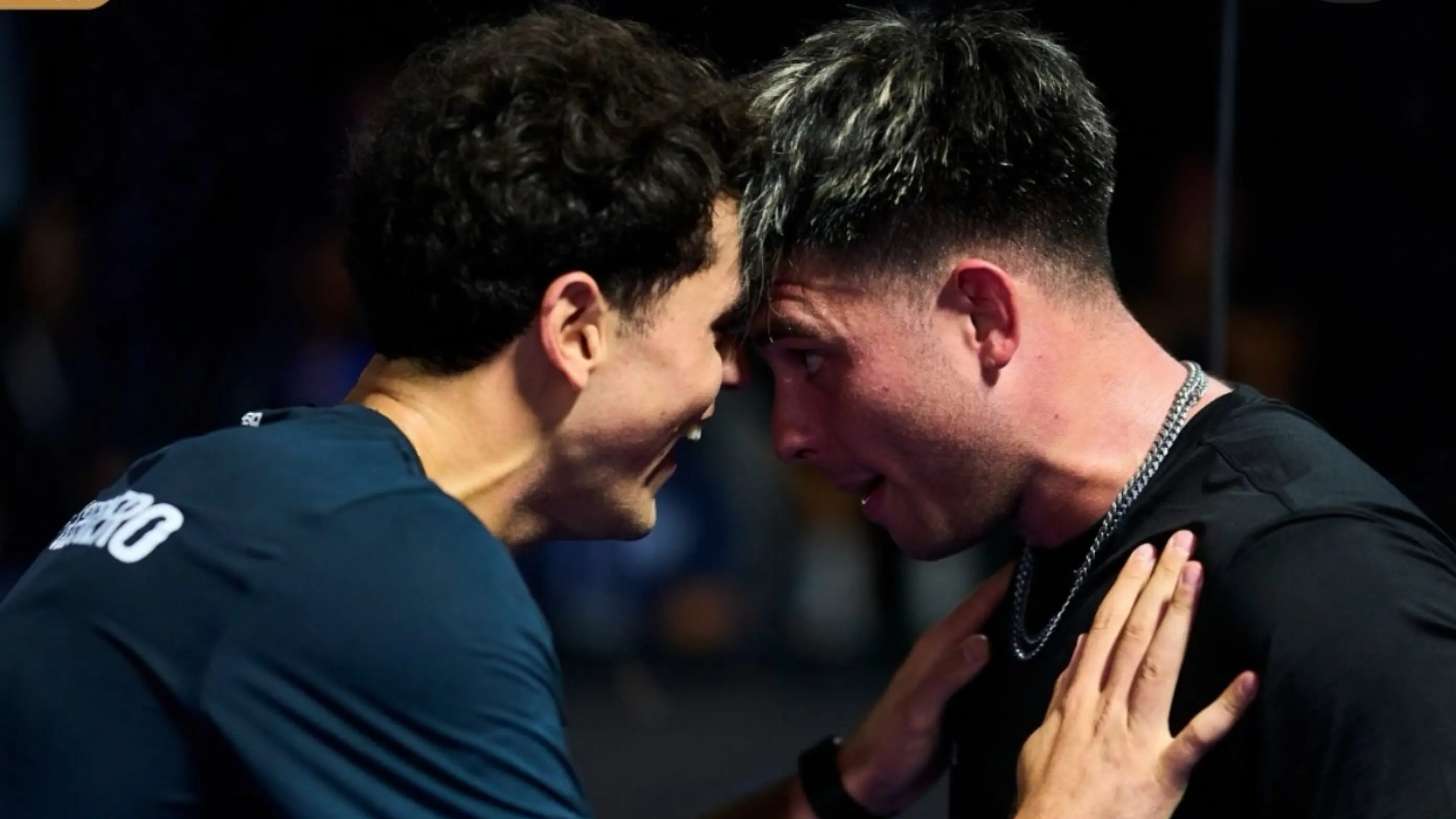 In padel, does the chemistry between a pair count as much as individual skill?
 Summer changes padel… but what if the real challenge wasn't hitting harder?
 Neither FIP Tour nor World Team Championship: the unique format of padel at the Mediterranean Games
 Premier Padel : when television can lengthen players' breaks
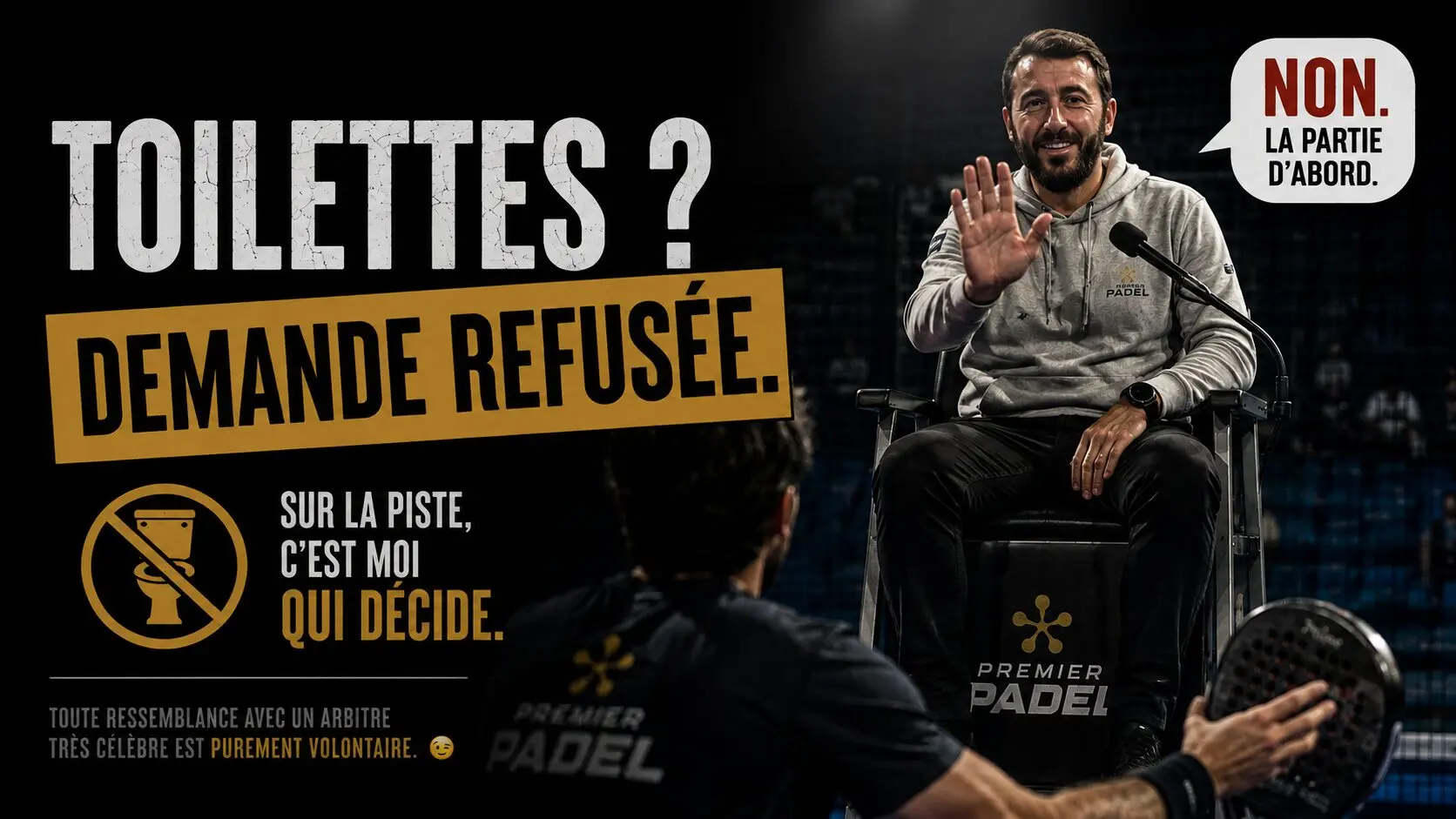 Premier Padel Yes, a referee can refuse a player permission to go to the toilet
 Julien Seurin opens up about his mental state: "There are far more doubts than moments of happiness."
 More than a year later, Thomas Leygue is back in the top 150: behind the scenes of a comeback that's still unfinished
 Padel vs squash vs badminton: the scientific ranking of cardio intensity
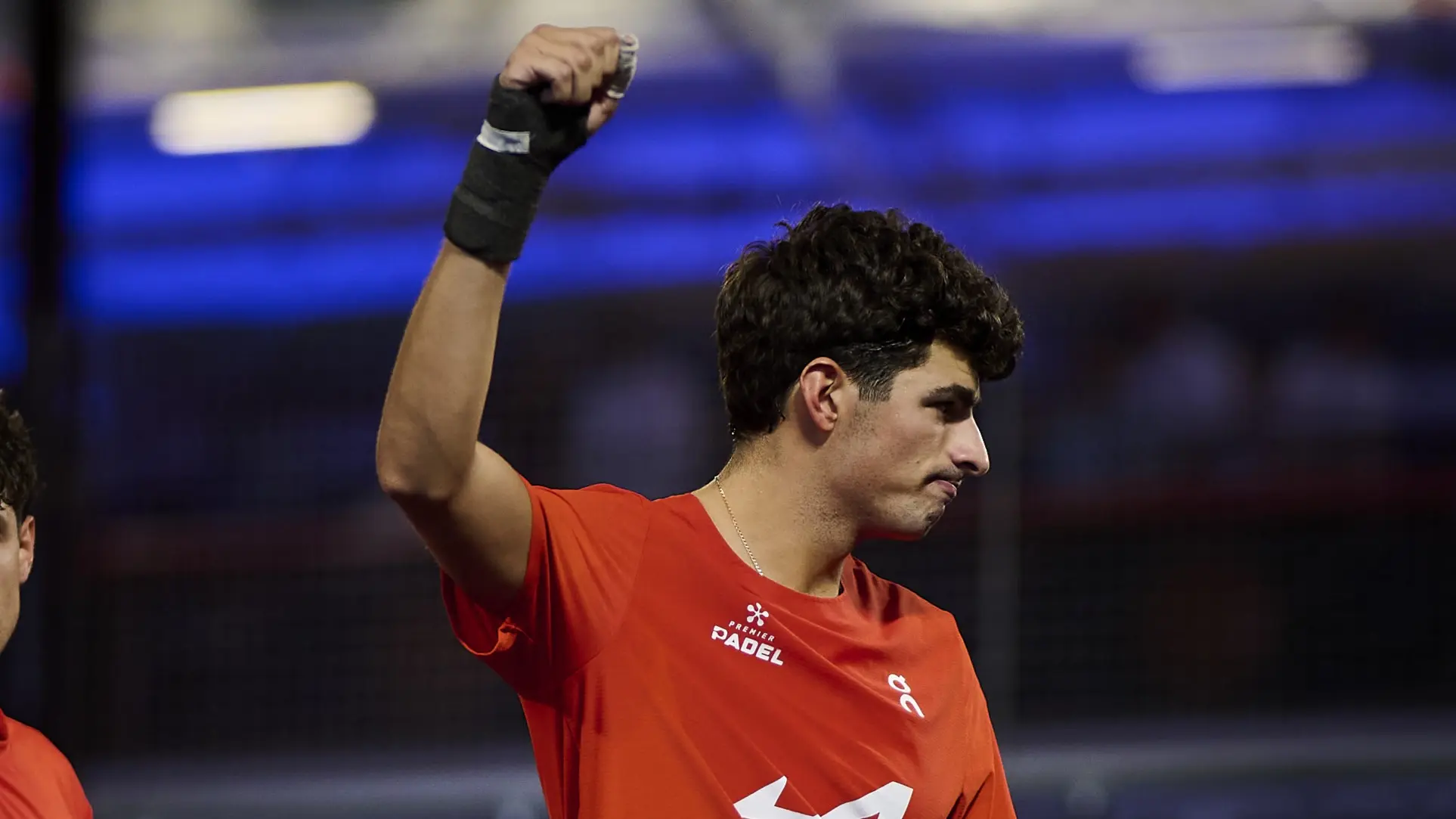 Why does Arturo Coello play with his right hand bandaged?
 What if your progress in padel depended on what nobody else is looking at?
It makes me want to do a FIP coached with Coello
How much do you think he'll take?! 5000? 10000?
Interesting article. I advocate, at least for the French rankings, for a bonus/penalty system based on one's ranking in the tournament. For example: pair ranked 12th in the tournament, you finish 6th => Bonus. Pair ranked 6th in the tournament, you finish 12th => Penalty. This would help balance the rankings and avoid the "Hanouna" phenomenon, while also rewarding those who perform well and who, undoubtedly, should climb the rankings faster (I'm thinking of strong pairs who play very few tournaments). In the medium term, such a measure would make the rankings more consistent. There would still need to be a tolerance of a few places for both the penalty and the bonus.