

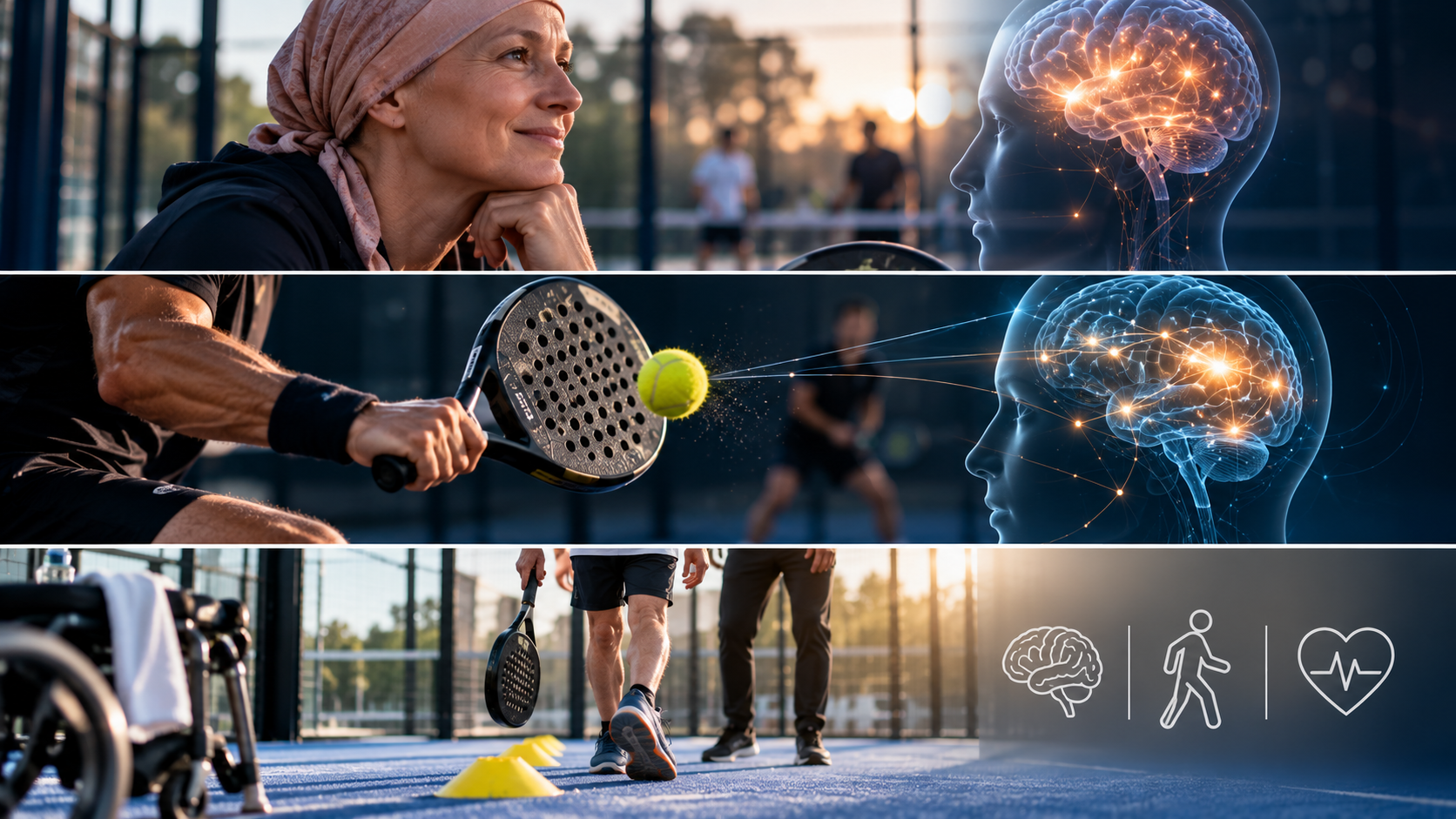








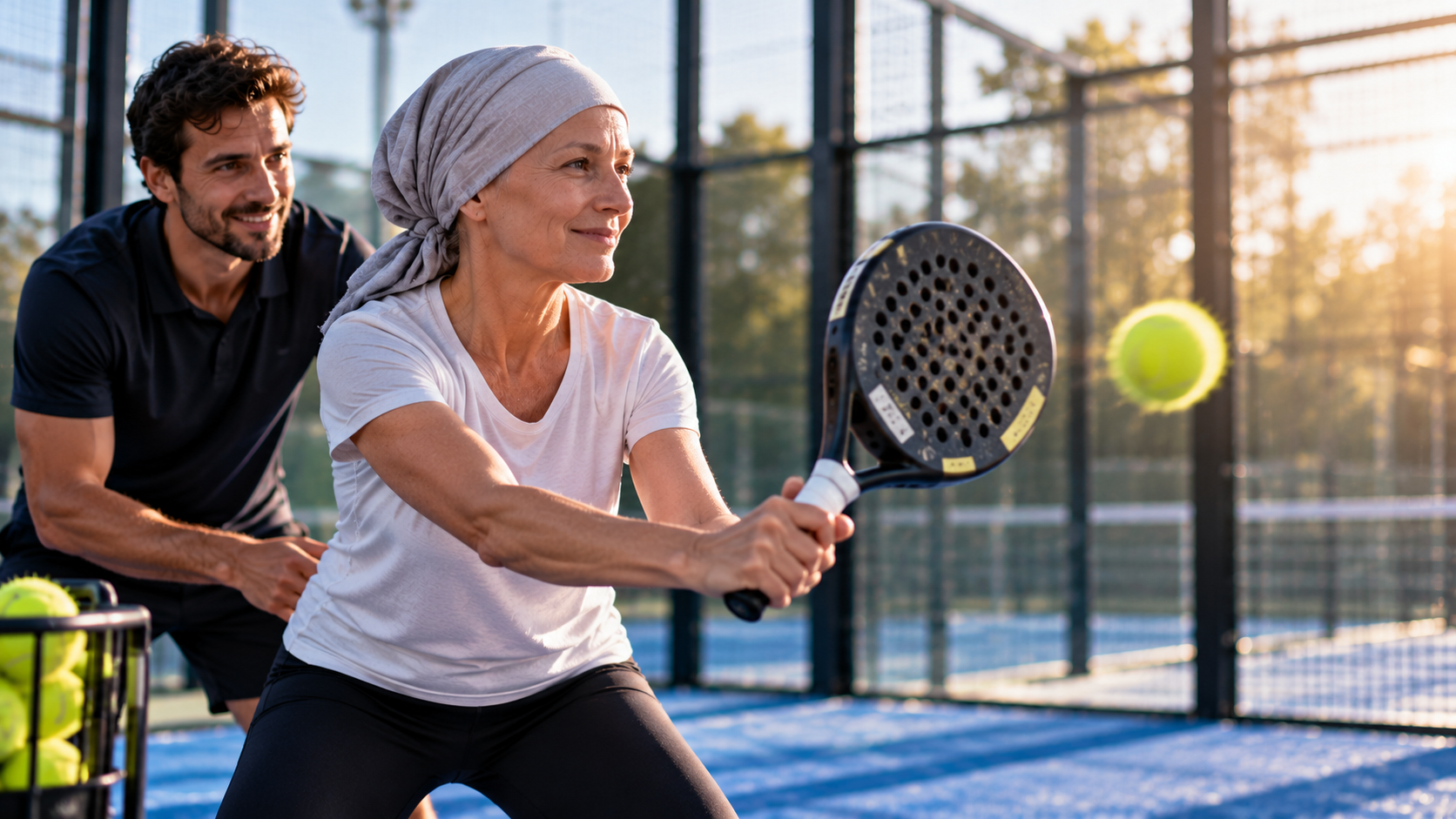
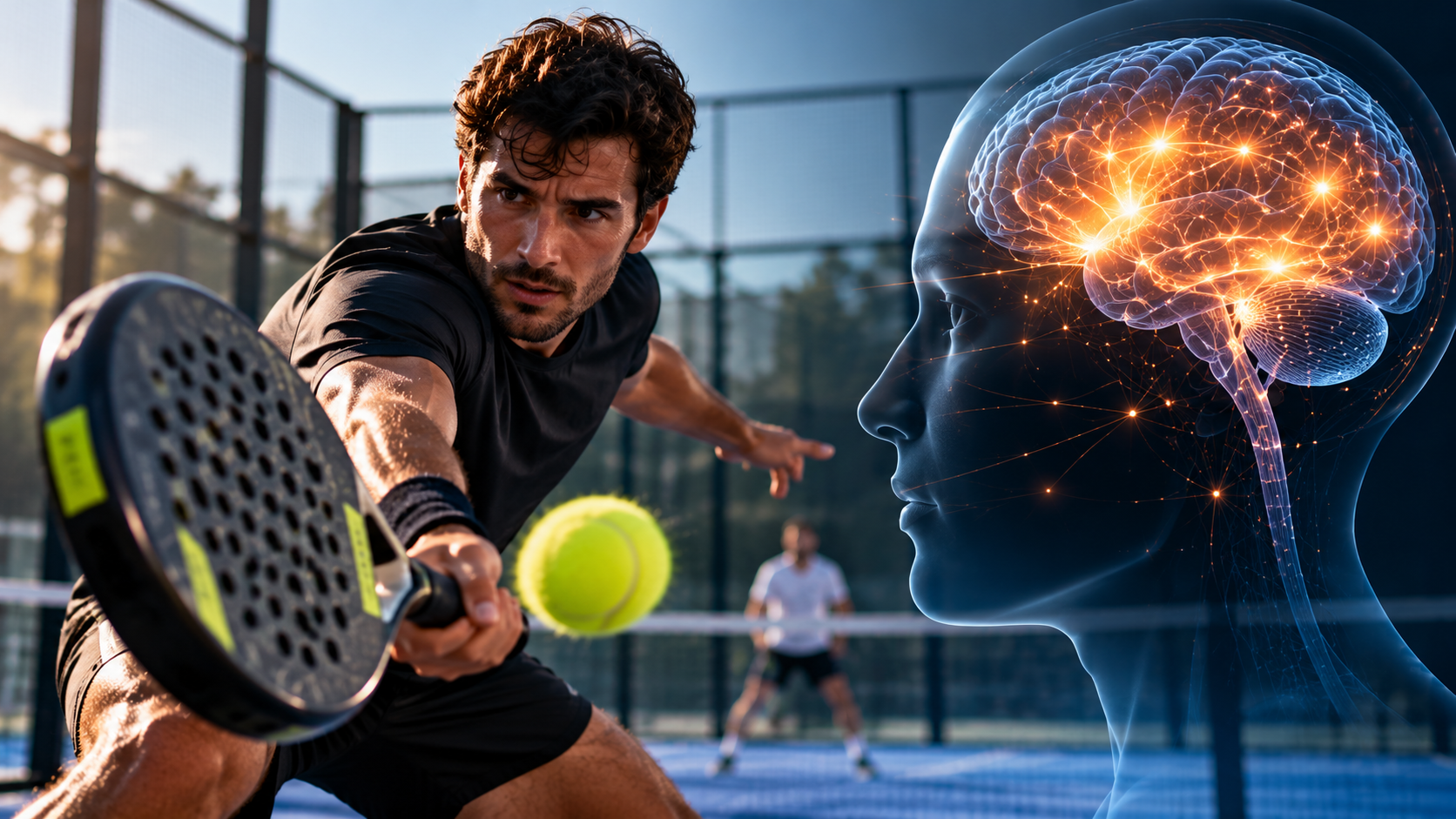
Could padel become an ally in cognitive recovery after cancer? This is the path explored by Andoni Moreno Alcaraz , specialist in neuroscience applied to sport and certified level 2 padel coach. In a work devoted to the neurological consequences of chemotherapy, he proposes to study the effects of an adapted practice of padel on memory, attention and certain brain functions.
The idea may seem surprising. Yet, it is based on a simple observation: Playing padel is not just about running and hitting a ball. The brain must constantly analyze trajectories, anticipate rebounds, make decisions, and coordinate movements.
These features could be of interest to some people experiencing cognitive difficulties after cancer treatment.
Chemobrain, a sometimes overlooked side effect of cancer treatments
After chemotherapy, some patients experience difficulties with memory, concentration, or reasoning.
This phenomenon is often referred to by the English term "chemobrain" , literally "chemo brain".
Doctors speak more broadly of cognitive impairments associated with cancer and its treatments .
In practical terms, a person may have more difficulty retaining information, following a conversation, or performing multiple tasks simultaneously.
Information processing speed can also be affected. The brain then takes longer to analyze a situation and produce a response.
These disorders do not affect all patients. They can also be influenced by fatigue, sleep, stress, or certain associated treatments.
Le National Cancer Institute The American cancer research organization acknowledges these difficulties and points out that they can sometimes persist after the end of treatments.
Why does padel interest Andoni Moreno Alcaraz?
In his work entitled “Efects of Padel Therapy in Neurogénesis and Cognitive Rehabilitation related to Neurotoxicity by Quimiotherapia”Andoni Moreno Alcaraz argues for the potential benefits of physical activity that combines movement and cognitive stimulation.
Padel has precisely this characteristic.
When a ball hits the back glass, the player must anticipate its trajectory, assess its speed, move, and choose the appropriate action.
These operations require, in particular, attention, coordination and decision-making capabilities.
In neuroscience, we talk about executive functions to designate certain capacities enabling one to plan, adapt and control one's actions.
Padel also requires spatial awareness, which is essential for positioning oneself on the court and anticipating movements.
According to Moreno Alcaraz's hypothesis, this combination could constitute an interesting stimulus in the context of cognitive recovery.
What does science actually say about sport after chemotherapy?
The benefits of physical activity during and after cancer are already the subject of much research.
International recommendations in oncology recognize, in particular, its value in improving physical condition, reducing certain forms of fatigue and contributing to quality of life.
Regarding cognitive functions, the scientific results are encouraging, even if the studies remain heterogeneous.
Several studies suggest that physical exercise could help improve certain abilities, including attention, working memory, and executive functions.
La working memory This corresponds to our ability to temporarily retain information for immediate use. It is what comes into play, for example, when we remember an instruction before carrying it out.
But there is an important difference between demonstrating the general benefits of physical activity and proving the effectiveness of a particular sport.
No data presented in Moreno Alcaraz's work currently allows us to claim that padel is more effective than walking, cycling or other adapted physical activities.
A scientific hypothesis that remains to be proven
Andoni Moreno Alcaraz proposes to evaluate the effects of an adapted padel program over a period of six months.
The objective would be, in particular, to observe the evolution of cognitive performance and certain brain characteristics using medical imaging examinations.
He is particularly interested in the neuroplasticity , that is, the brain's ability to modify its connections and functioning in response to experiences and learning.
His work also evokes the neurogenesis , which refers to the formation of new neurons.
However, caution is advised: brain stimulation during physical activity does not automatically demonstrate the creation of new neurons or the repair of lesions caused by treatments.
The document presented is a research proposal. It does not provide clinical trial results to confirm these effects in patients.
Padel, a new way to aid recovery?
The value of this reflection lies in opening up the range of activities that can be studied in rehabilitation programs after cancer.
Padel combines physical exercise, coordination, anticipation, and social interaction. These characteristics could make it an interesting and adapted form of the sport for some patients.
But this must absolutely take into account their state of health, particularly in the presence of significant fatigue, balance disorders or neuropathies caused by treatments.
Padel is therefore not a treatment for chemobrain. It currently represents a research hypothesis that deserves to be evaluated.
Through his work, Andoni Moreno Alcaraz invites us to look at padel from a different angle: no longer solely as a leisure or competitive sport, but as an activity whose characteristics could be of interest in certain recovery pathways.
This perspective will now need to be tested against rigorous clinical studies.
Sources and references
- Andoni Moreno Alcaraz, Padel Therapy Effects in Neurogenesis and Cognitive Rehabilitation related to Neurotoxicity by Quimiotherapiadocument sent to Padel Magazine.
- National Cancer Institute, Cognitive Impairment in Adults with Cancer.
- Campbell KL et al., Exercise Guidelines for Cancer Survivors: Consensus Statement from International Multidisciplinary Roundtable, Medicine & Science in Sports & Exercise, 2019.






























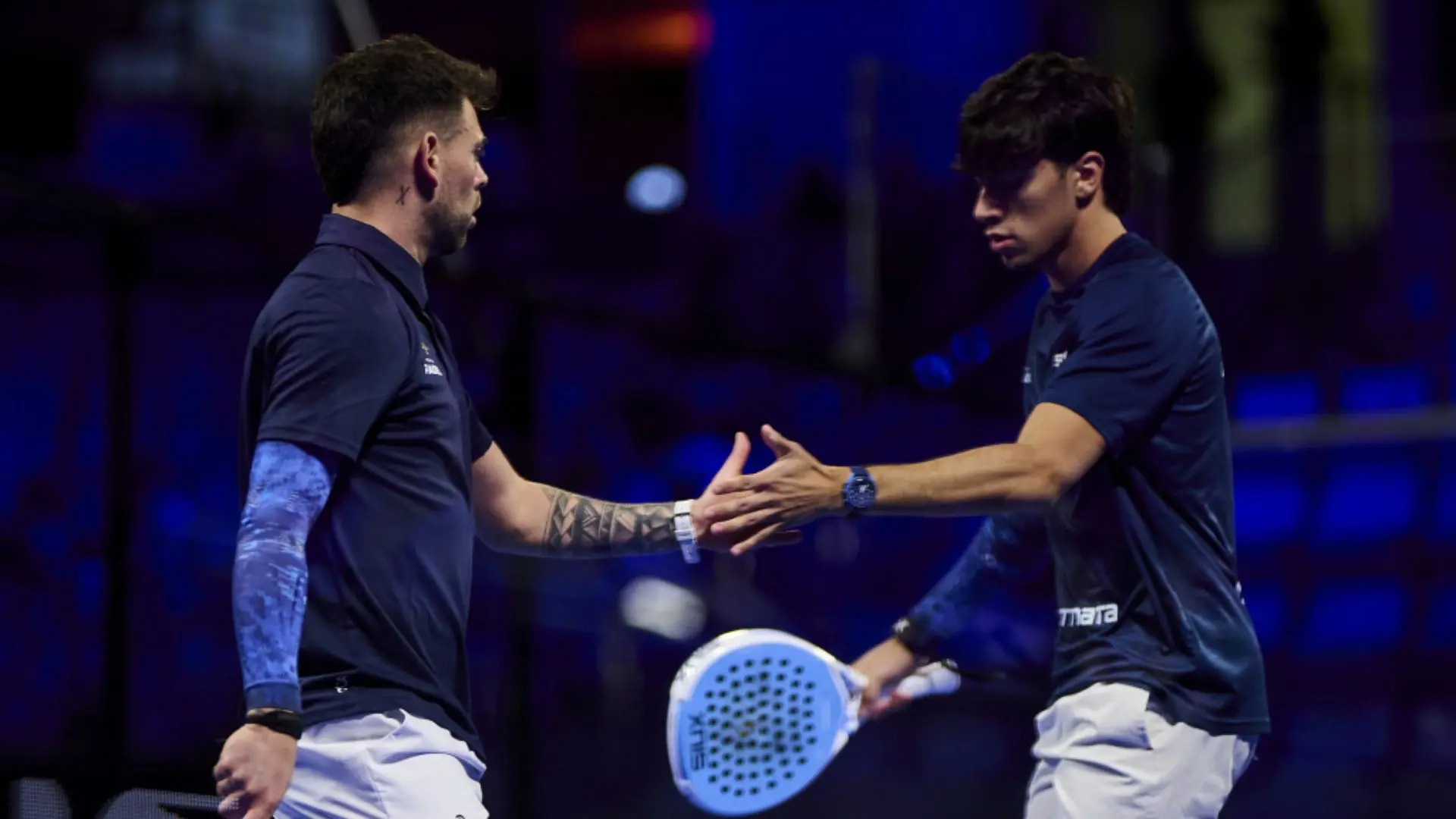 Dubai P1 – Libaak and Alfonso solid against Garrido / De Pascual to secure their first final on Premier Padel and reignite the race to the Finals
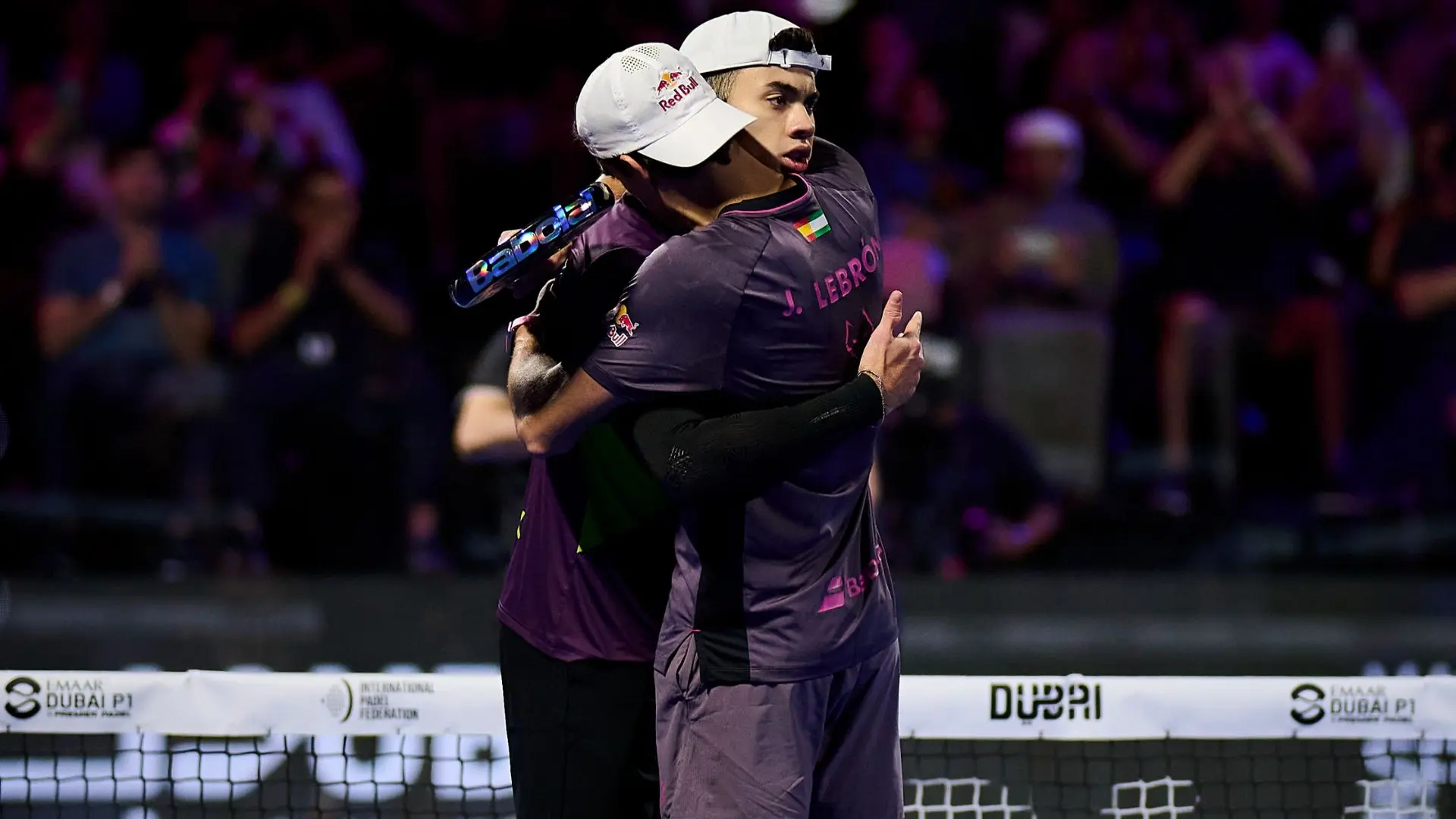 Dubai P1 – Too strong for Abbate / Dal Bianco, Lebrón and Augsburger race towards the final
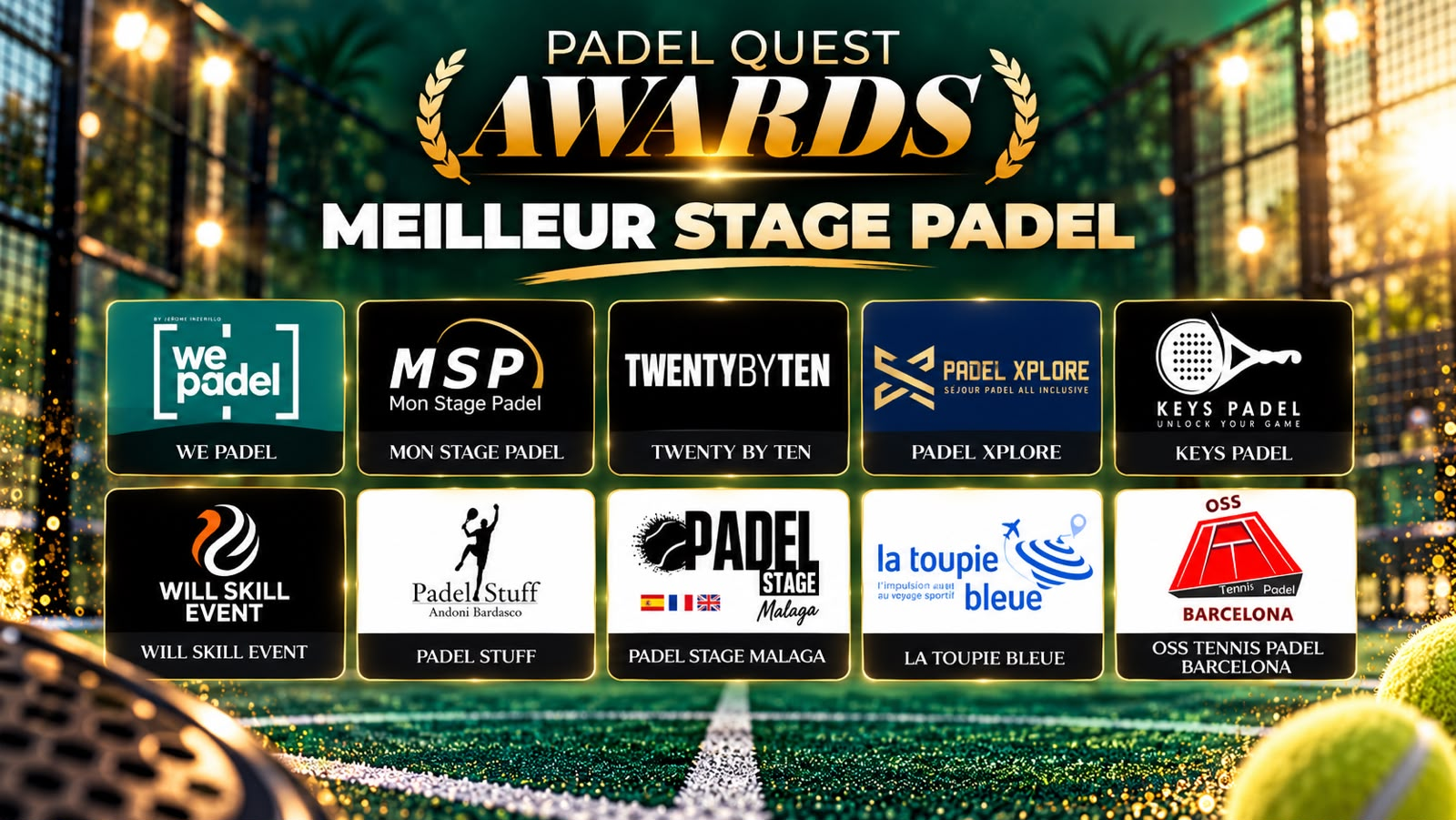
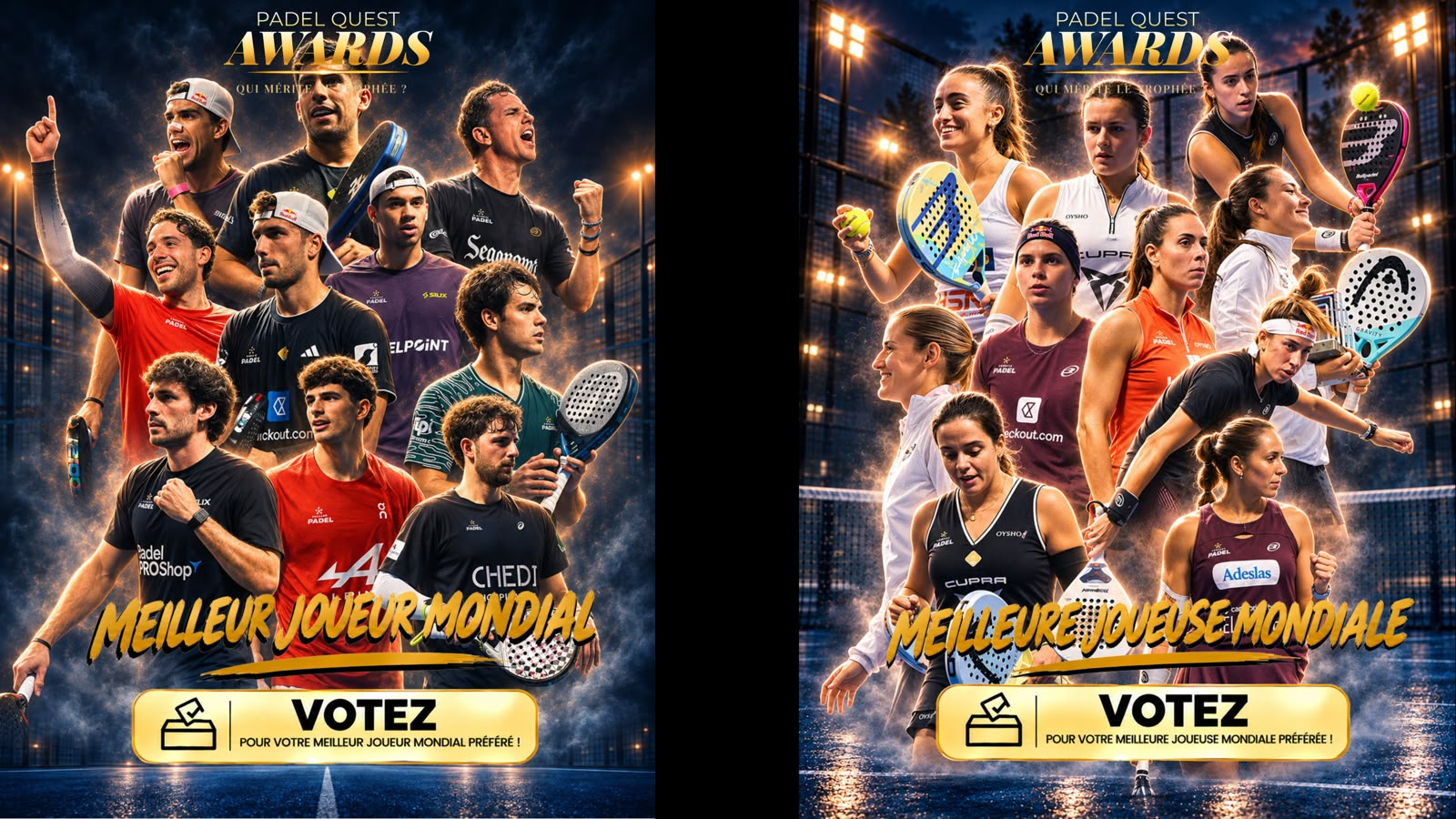 Padel Quest Awards: presentation of the final category, the stars of international padel, tonight at 18pm
 "We're not a tournament club": the gamble taken by the two Henry sisters who are hosting a P3000 at The Break Padel Club
 Gonzalo Alfonso on his split with Tolito Aguirre: "It was painful, sad"
 2026 World Championships – Ustero in tears, Triay facing Brea: the world champions' confessions
 Paquito Navarro: "This is probably my last match with Spain."
 JAP1, JAP2: How to become a padel referee and what are the prospects?
 P2000: Scatena / Sescun, Courrin / Basso, Mansart / Bognard… the first pairs entered for the December events
 4PADEL Football Cup: Lille kicks off season 2 with a victory for Cheyrou/Cygan against Mandanda/Danic
 P3000 Bouillargues – Results / Live / Schedule
 Garrido / De Pascual: target Sanz and stay the course to reach the semi-finals
 FIP Silver Como – An XXL quarter-final awaits Boronad / Robert against Diestro / Fernández Lancha
 Javier Rodríguez Piris: “I would like Spain to host the World Championships in 2030”
 Dubai P1 – From qualifiers to semi-finals: Abate becomes the first Italian to reach the semi-finals of a tournament Premier Padel male
 Padel, weight training, and even HYROX: clubs are changing their model
 Padel court rentals: a global market estimated at 4,6 billion euros
 FIP Beyond: the new global padel circuit for amateurs and seniors
 More than 6,300 FIP-ranked players: professional padel is becoming international, but Spain dominates
 OSS Barcelona – Why Spain and France aren't yet playing in the same league
 Cancer and rehabilitation: could padel become a therapeutic tool?
 Padel injuries: ankle, knee, elbow, eye… what the latest figures reveal
 Shocking turn of events at Dubai P1: Coello and Tapia have also withdrawn!
 Padel serve: a good serve is especially good preparation for the third shot.
 What the analysis of the stroke reveals: tennis forehand vs. padel bandeja
 Has the bandeja disappeared from modern padel?
 Flat forehand in padel: 5 exercises from Cristian Álvarez to gain control and efficiency
 Why can Libaak/Alfonso beat almost everyone… except Coello/Tapia?
 Tapia reveals his recipe for beating Coello / Tapia: "I would bet everything on myself"
 How Coello defused Chingotto's game plan
 In padel, does the chemistry between a pair count as much as individual skill?
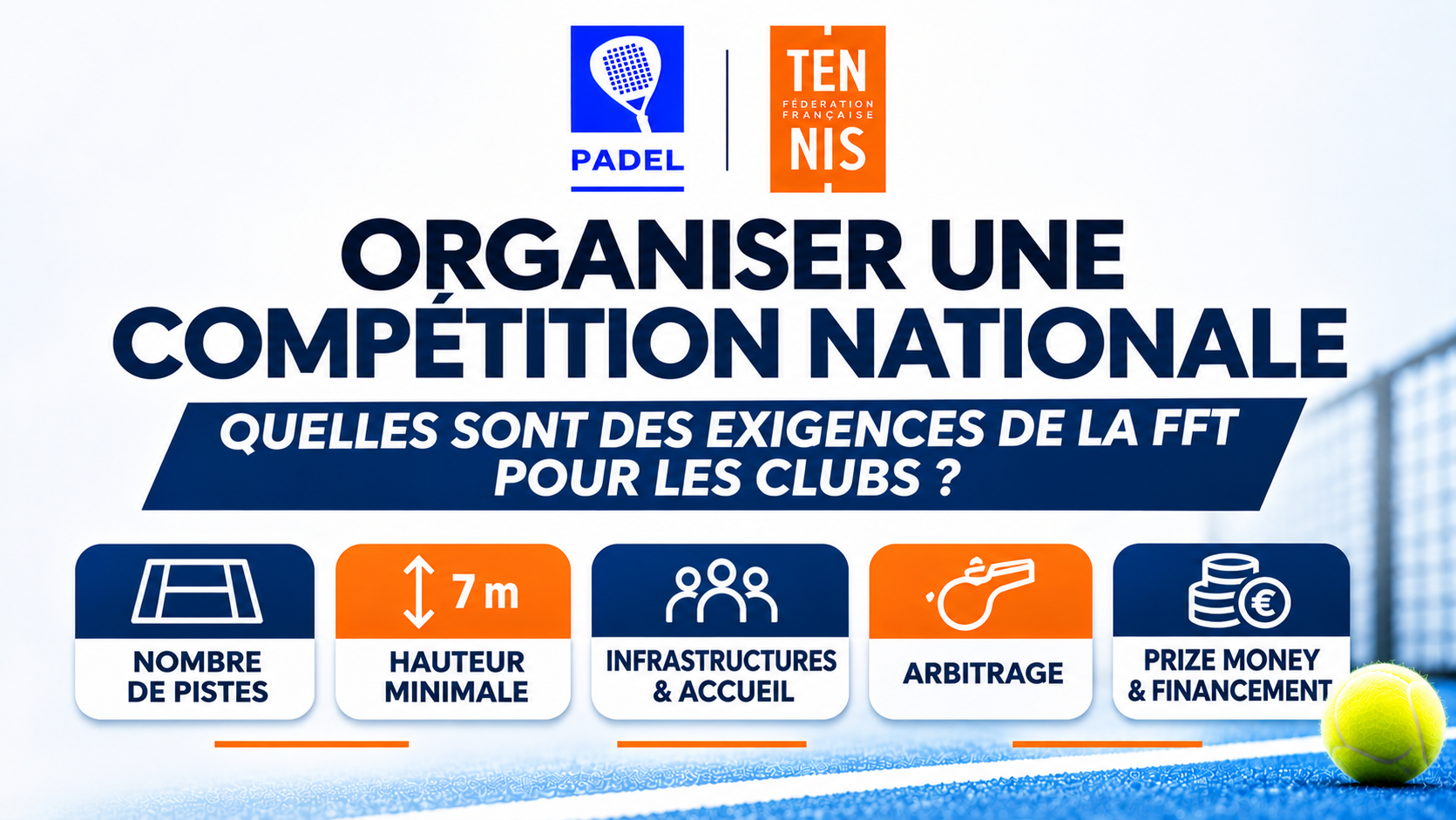 Organising a national padel competition: what are the FFT's requirements for clubs?
 Organising a P2000 or a P3000: how much does it really cost clubs?
 P2000 or P3000: what are the differences in prize money, format and organization in 2028?
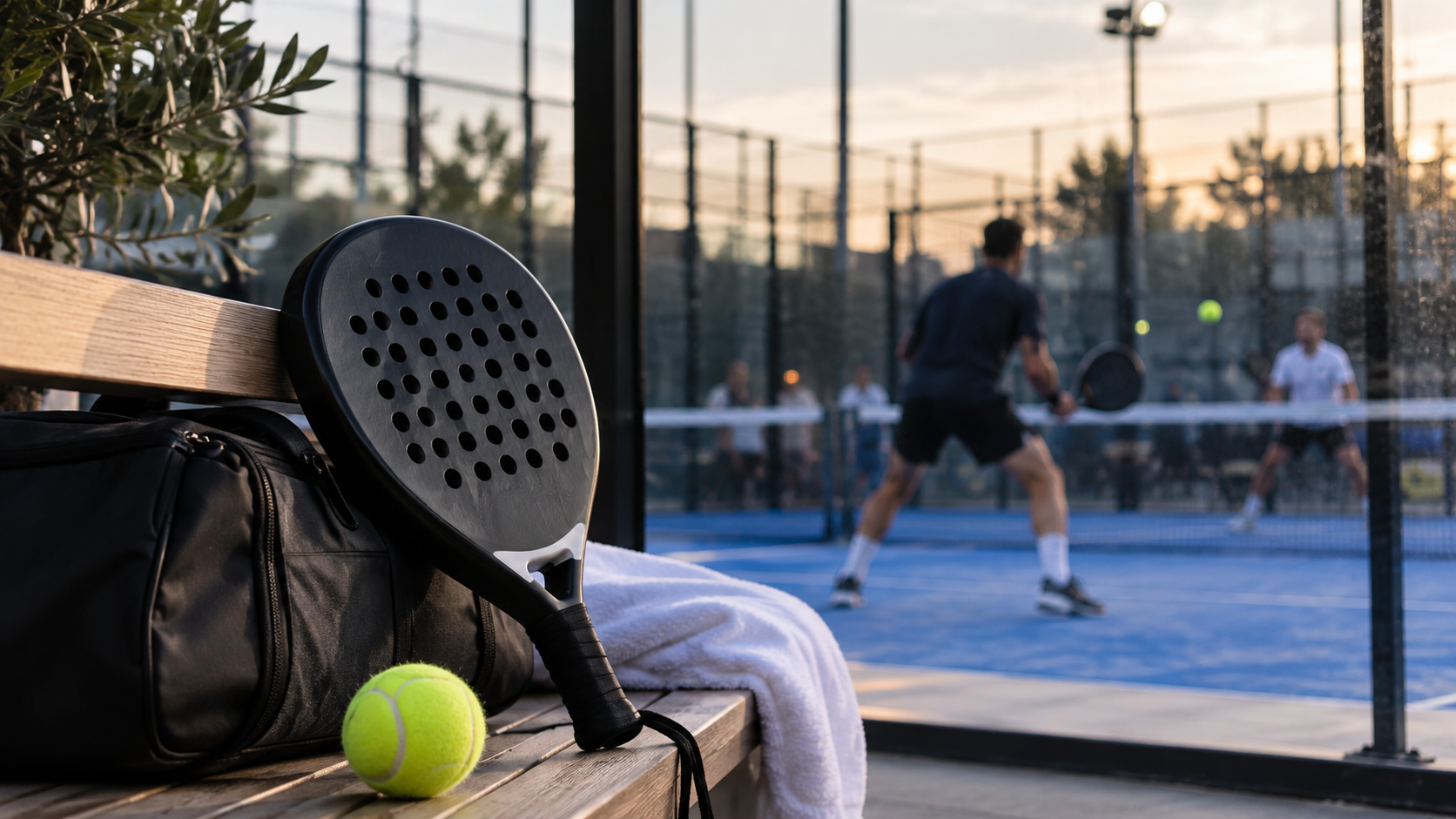 Do you lose your ranking? Padel FFT after more than a year without a license / without competition?
 Memory, reflexes, concentration: what happens in our brain when we play padel?
 Padel Quest Awards: Ten specialists in the running for the title of best padel training camp of the year
 Padel Xperience: The Academy opens on November 2nd in Marcheprime, ahead of the complex's inauguration in 2027
 All Saints' Day – Les Pyramides are organizing a padel training camp for adults with a P50 tournament to close out the week