

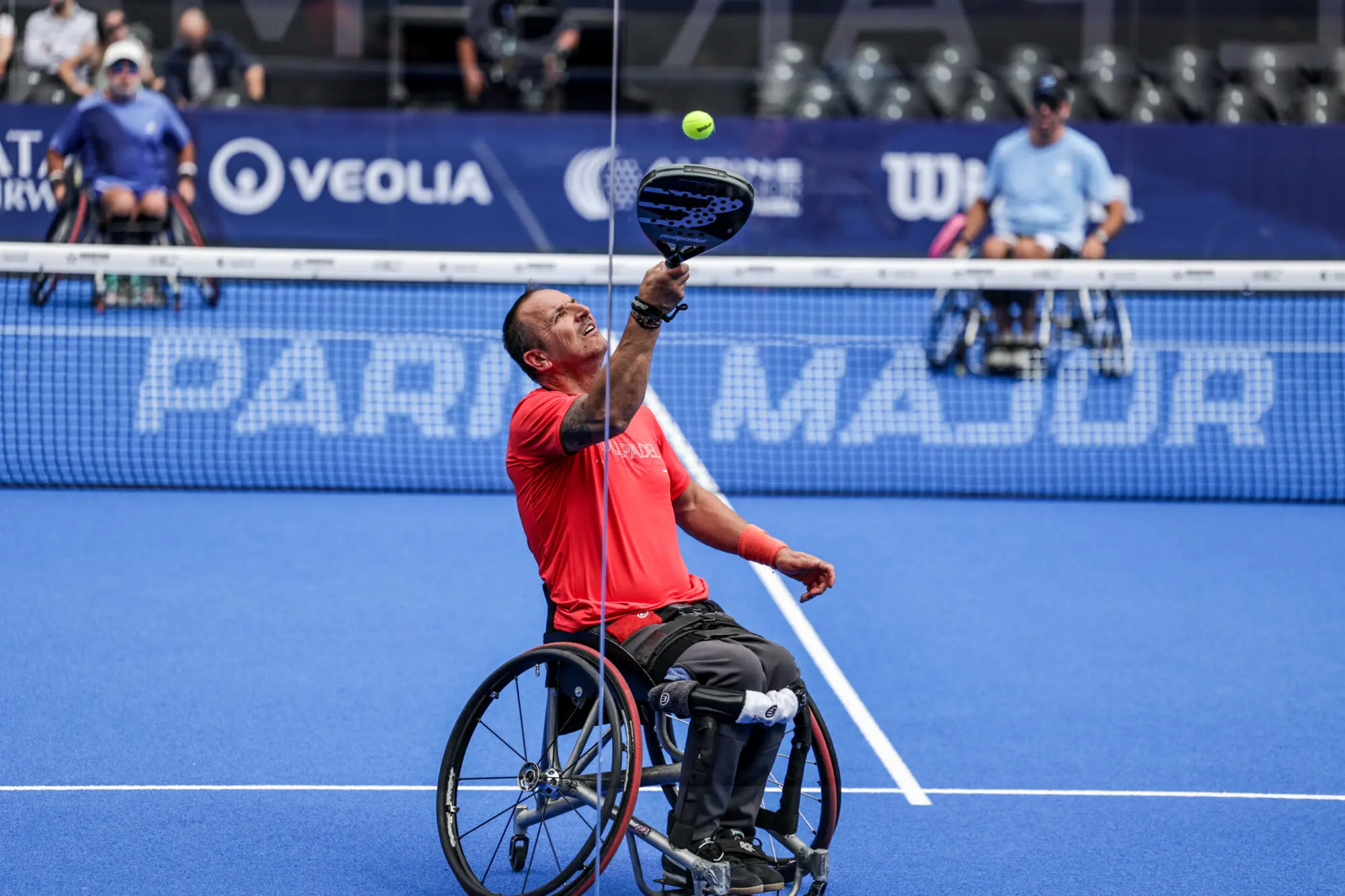







World number 1 in wheelchair padel and nine-time Spanish champion, Edorta de Anta was present at Roland-Garros for the Paris Major 2026. A few weeks after participating in the Tarbes international tournament, the Spaniard had the opportunity to set foot on the Philippe-Chatrier during the exhibition organized before the finals.
For Padel Magazine Edorta de Anta looks back on her journey, her beginnings after her accident, the structuring of wheelchair padel in Spain, the economic difficulties faced by players and the still necessary development of a true international circuit.
Padel Magazine How did you discover wheelchair padel?
Edorta de Anta: After my accident, when I left the hospital, my main desire was to get back into sports. Once home, I started contacting the federations for information.
I first practiced the Basque pelota, with a pala , at the fronton. Then a wheelchair padel clinic was organized at the Real Club de Tenis de San Sebastián. We were invited to come and try it out.
And from the very first time, it was love at first sight with padel. Little by little, I put Basque pelota aside more and more to dedicate myself to padel.
Is it easy to find players to train with in wheelchair padel?
It's inevitably more complicated because there aren't many of us playing in wheelchairs yet.
Some regions have a larger pool of talent, in particular Madrid, Valencia or Barcelona Elsewhere, we are much more limited.
Most of the time, we therefore train with standing players and we meet the other wheelchair players during competitions.
Who is your coach and how often do you train?
My coach is Iñaki López “Chapu” .
Today, I dedicate myself completely to this activity. I train practically every day of the week, either in the morning or afternoon. This is in addition to sessions of bodybuilding and swimming .
Is the Spanish wheelchair padel circuit well developed today?
We have been playing wheelchair padel in Spain for about 17 or 18 years .
Today, we have a circuit that includes approximately 18 tests including the Spanish pairs championship and the championship of the autonomous communities.
In practice, this usually represents a national tournament every two weeks , organized in different regions of Spain.
Is it possible to make a living financially from wheelchair padel?
It's very complicated.
Depending on the tournament category, there may be between 1 500 and 2 000 euros , but this sum is generally used to contribute to the travel expenses of all the players.
Then, some brands support us by providing equipment or clothing.
For the rest, each player must try to find it individually. sponsors, partners, or foundations capable of accompanying him. This helps to offset some of the costs associated with the circuit.
Is Spain ahead of other countries?
I think we were pioneers in creating a true wheelchair padel circuit.
We arrived at about 140 licenses and 150 players .
But other countries are making progress. France is developing very rapidly Italy also has many players and, internationally, there is also Argentina.
Little by little, wheelchair padel is therefore starting to develop in more countries.
Is there already a true international wheelchair padel circuit?
Not really yet.
For a long time, competitions organized in Spain could welcome international players. But with the changes that have taken place between federations dedicated to adapted sport and traditional federations, this has somewhat stopped.
However, we have already competed in competitions in France or Italy .
The problem is that there is still a lack of genuine international integration that would allow for... points, a world ranking and a structured circuit .
This is one of the next important steps.
Did the players themselves participate in the development of wheelchair padel?
Enormously.
We've been in this sport for about 18 years and, for about ten years, it's really the players themselves who drove the project forward .
When we joined the federation dedicated to disability, we received much more support and the tournaments became more regulated and structured.
Today, we joined the traditional federation. I think this is a very important step towards true international integration and structured global competition .
What is currently lacking in wheelchair padel to reach the next level?
The goal is precisely to achieve this international structure.
We already have competitions and several countries where the sport is progressing, but now we need to be able to fully integrate into the international system, to have tournaments that really count. a global ranking and points system .
This would be a very important step for our sport.
You just played at Roland-Garros on Philippe-Chatrier court. What did you feel?
It's incredible.
Less than a month ago, we were at the tournament of Tarbes in France. The president of the federation was present and announced to us that four players would have the opportunity to come here.
Everything then happened very quickly and the organization was spectacular.
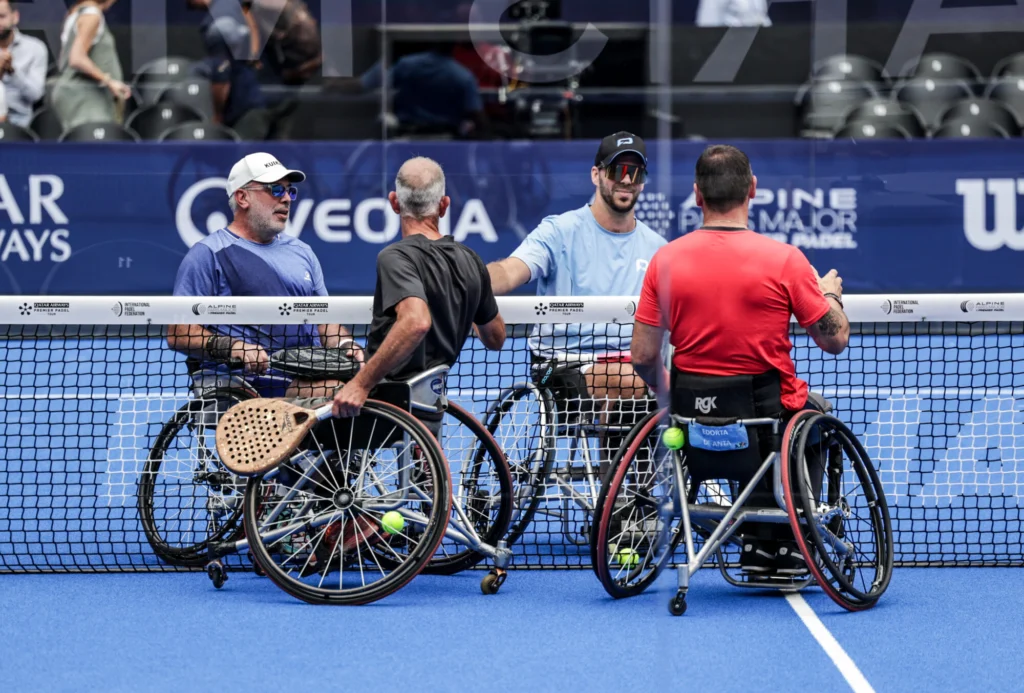
For me, it's like a dream .
Being able to spend several days here, train at Roland-Garros and finally play on the Philippe-Chatrier … It's something incredible.
“A dream” on the Philippe-Chatrier
For Edorta de Anta, this presence at Paris Major 2026 It therefore goes far beyond the scope of a simple exhibition.
It also illustrates the path taken by the padel chair , a discipline still under construction internationally but already particularly structured in Spain.
After nearly two decades of development and years during which the players themselves have contributed to advancing their discipline, the ambition is now clear: to cross national borders, to structure a truly international circuit and to have a recognized world ranking.
And an appearance on Philippe-Chatrier, in front of the Roland-Garros crowd, is definitely a great showcase to continue in this direction.

Franck Binisti discovered padel at the Club des Pyramides in 2009 in the Paris region. Since then, padel has been part of his life. You often see him touring France to cover major French padel events.

























































 Martina Calvo after her revenge on Sánchez / Ustero: “Your question served as motivation for me! »
 Düsseldorf P2: Tapia/Coello still too strong for Stupa/Sanz, third consecutive title for the world number 1s
 Prod'homme and Marin defeat Mitjana/Henrion to win the P1000 HUDDL Aizenay
 France or Portugal, Spain or Argentina: Miguel Lamperti ranks the best padel nations
 Cédric Lavoye: "Hard work pays off" and a first FIP tournament in Guadeloupe is in his sights
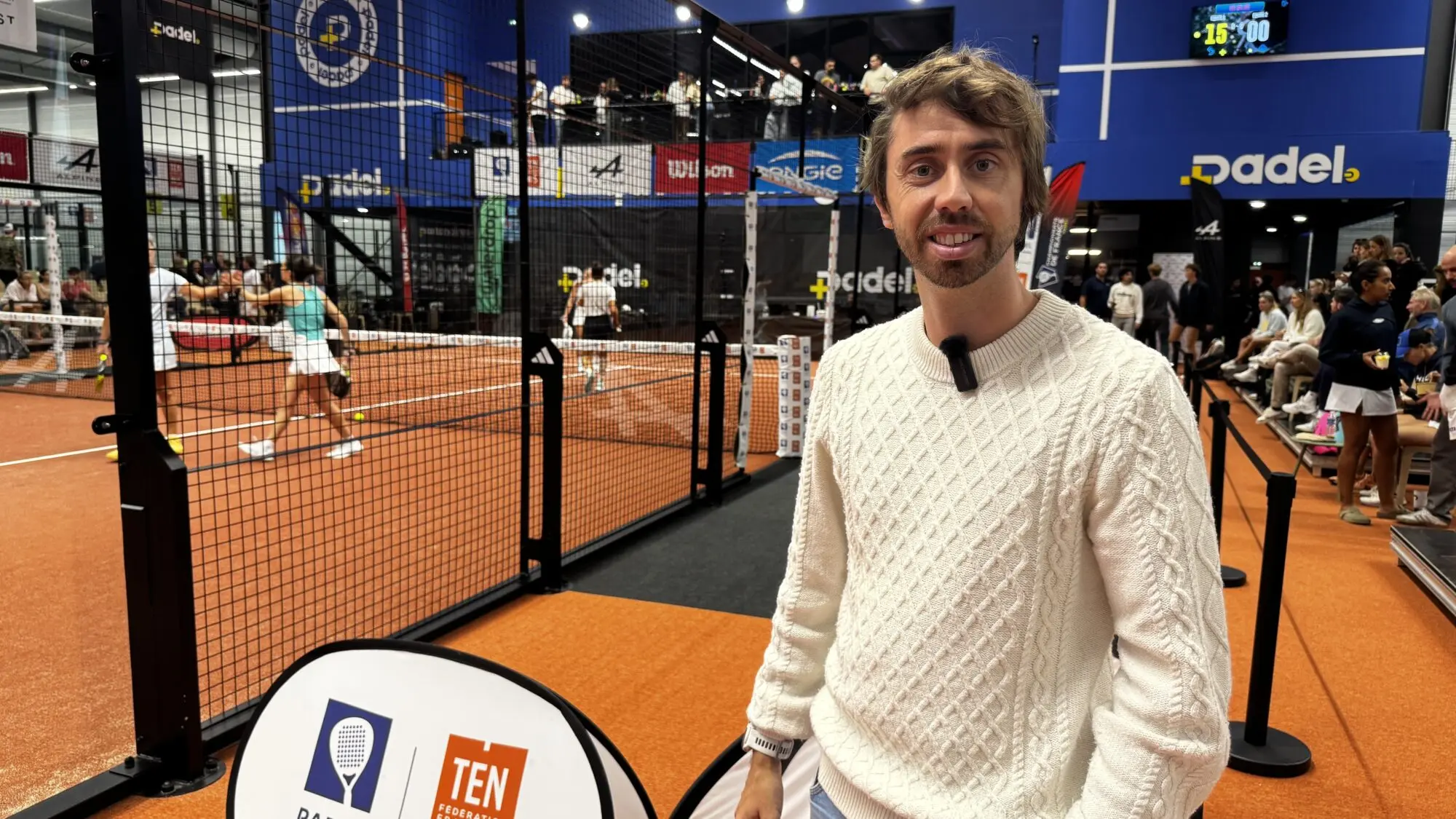 Nicolas Rouanet is preparing his return in 2027: “With Bastien Blanqué, I would never say no”
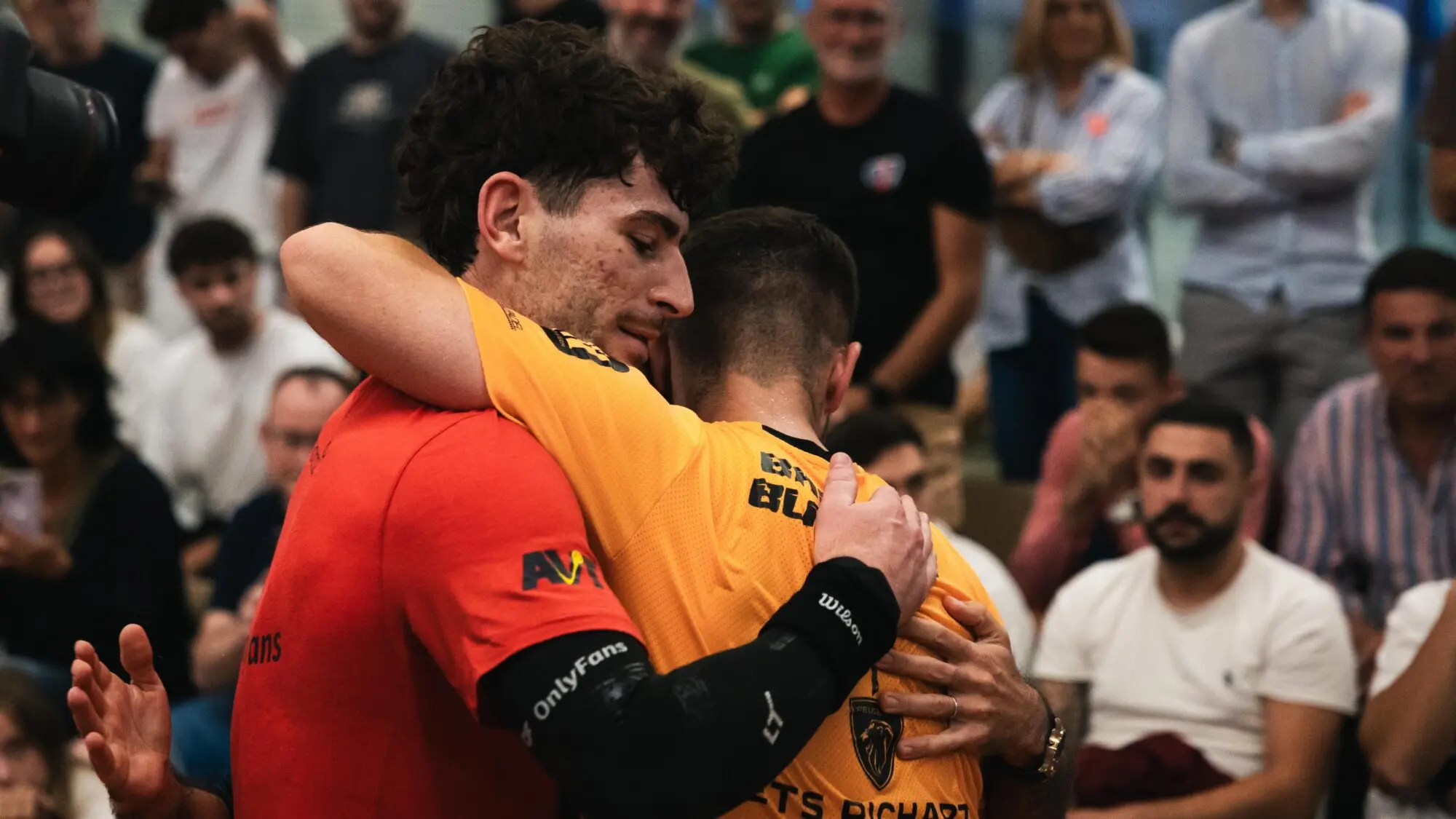 Leygue/Blanqué respond bluntly to the criticism: "You can say what you want... We're putting all our money and our lives into this."
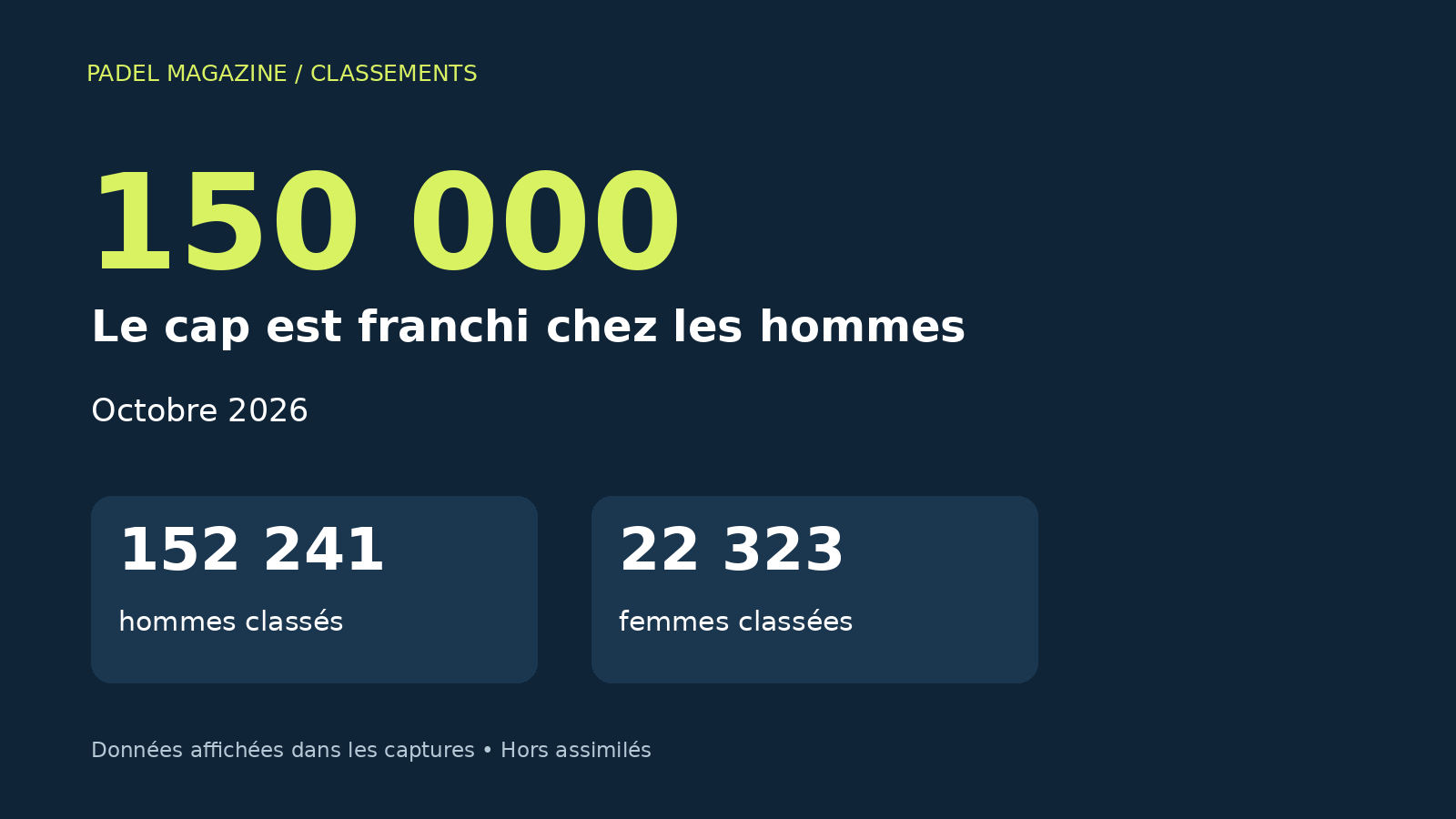 Padel rankings October 2026: more than 150,000 men ranked in France
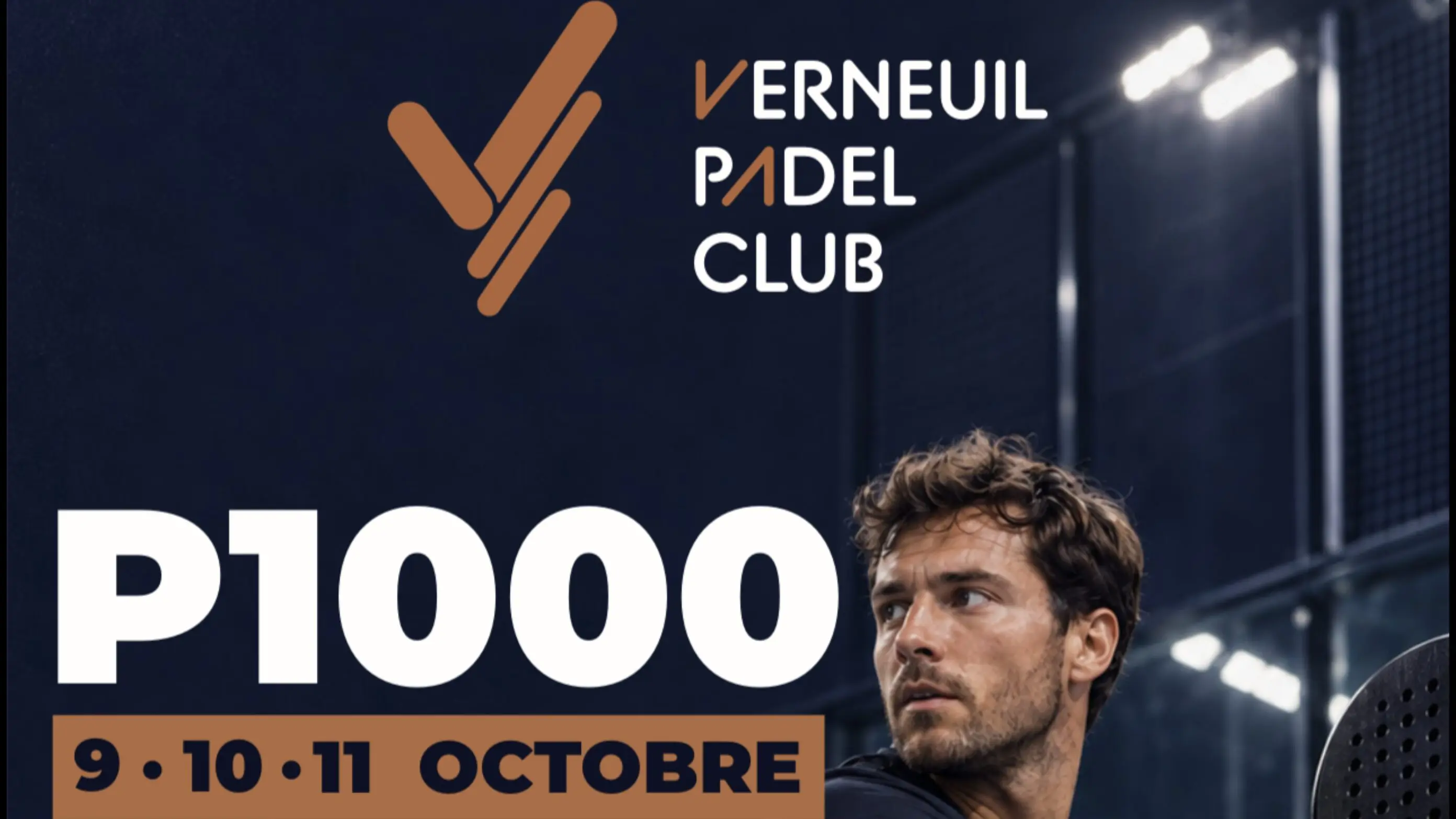 P1000 Verneuil Padel Club – Results / Live / Schedule
 West Padel opens its 4 indoor courts in Montivilliers on November 5th
 With Galán tired and Coki Nieto sidelined, is the infernal pace of the circuit starting to take its toll on the players?
 Milan P1: Thomas Leygue launches his qualifying campaign with Jesús Moya
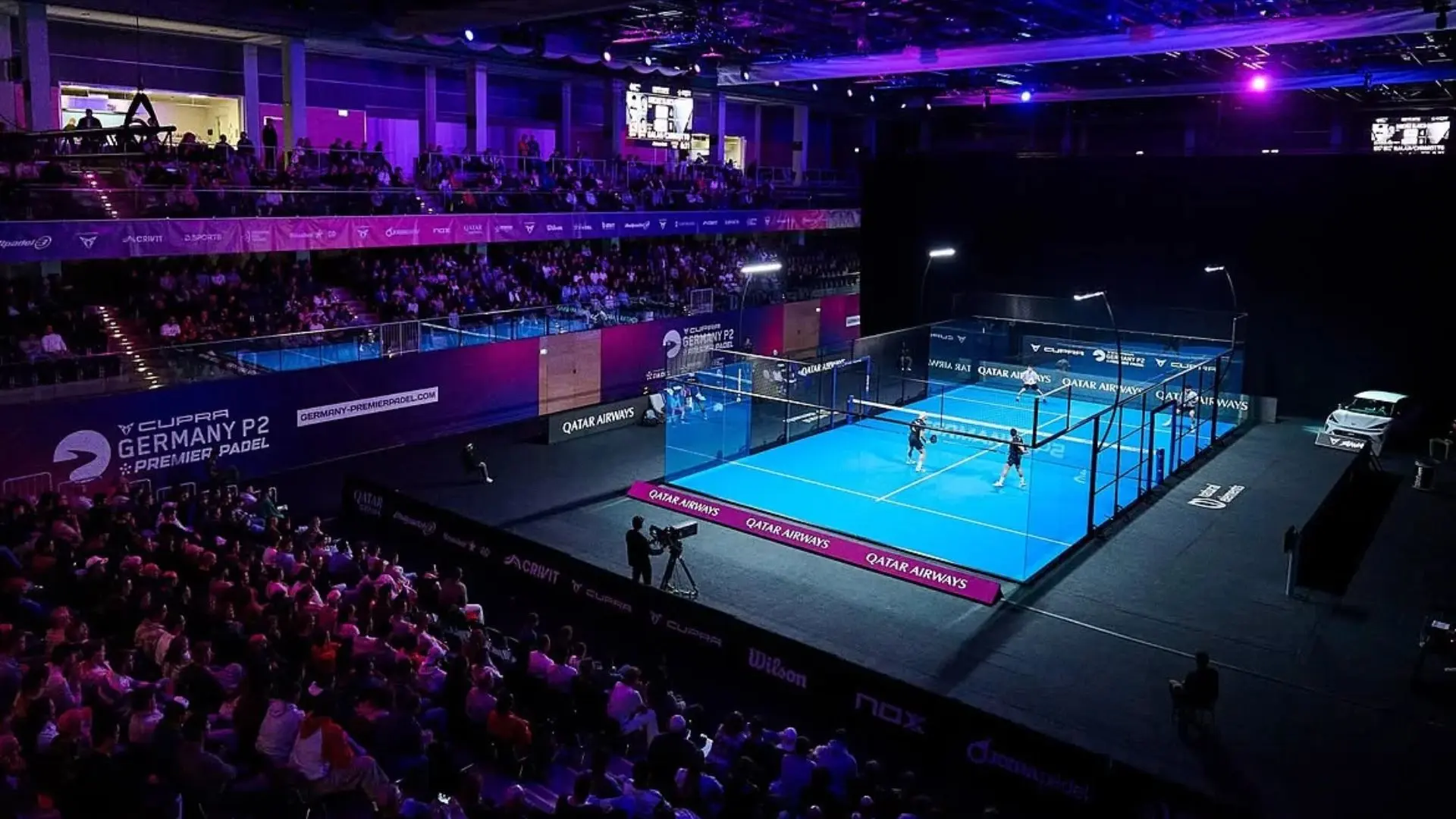 Germany P2: The fastest quarter-finals in history Premier Padel
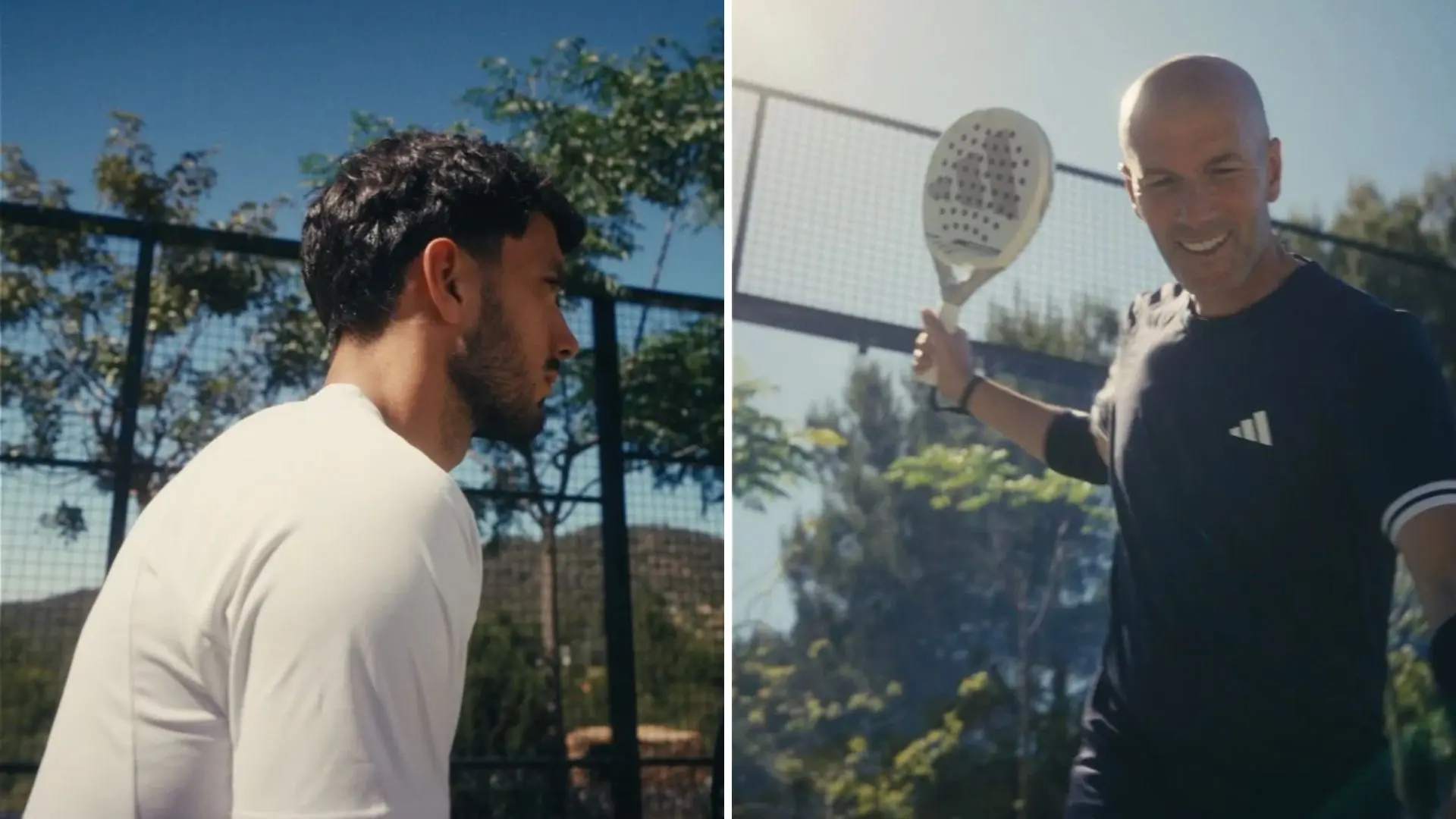 Zidane and Galán reunited on the track to launch the Metalbone ZZ
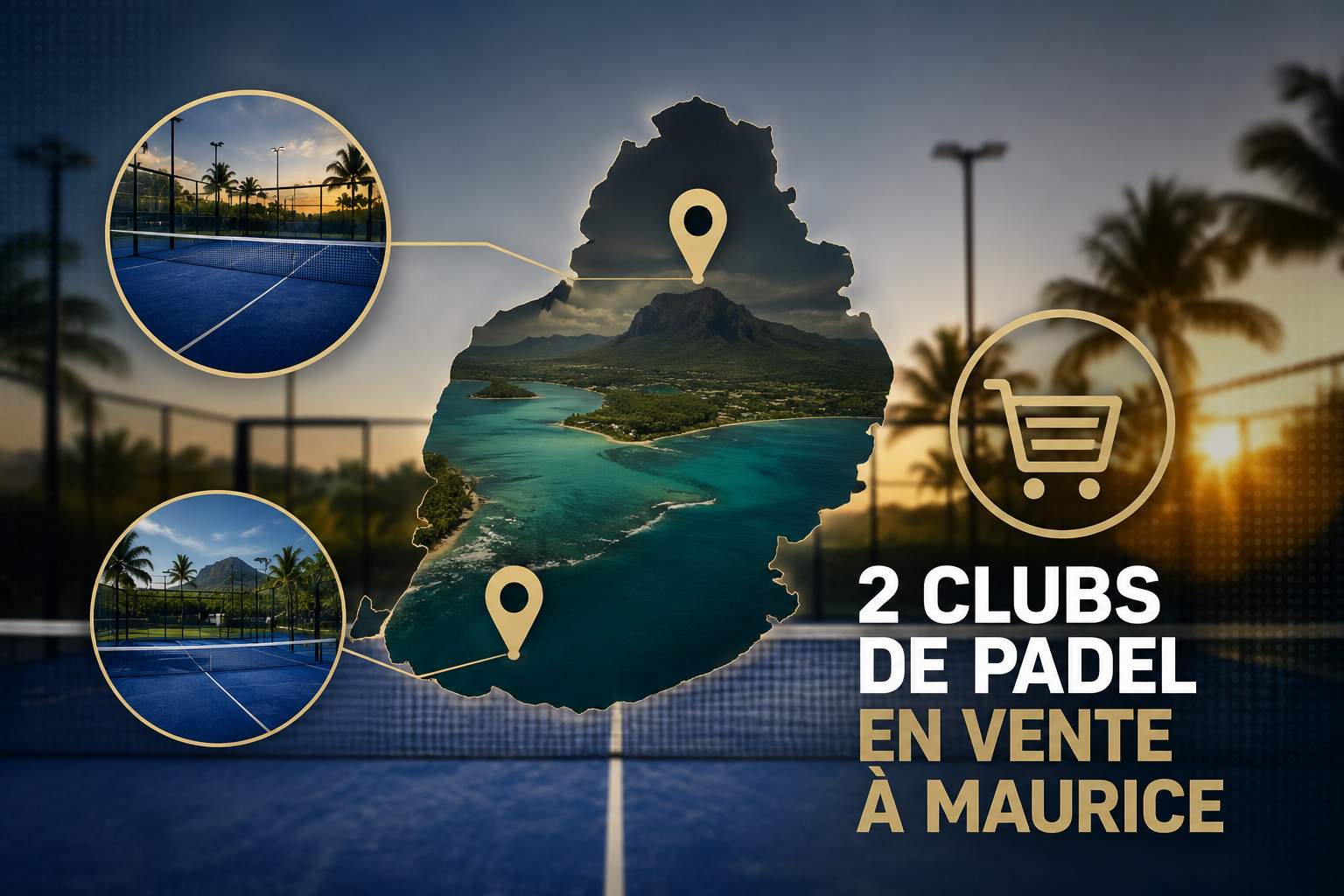 For sale: two padel clubs in Mauritius, starting from 330,000 euros
 How much does it actually cost to organize a FIP Bronze event?
 Padel How Lidl is transforming Crivit into a fully-fledged sports brand with Steffi Graf
 Compagnie des Alpes is accelerating its involvement in padel with PadelCity: a new step in its European strategy
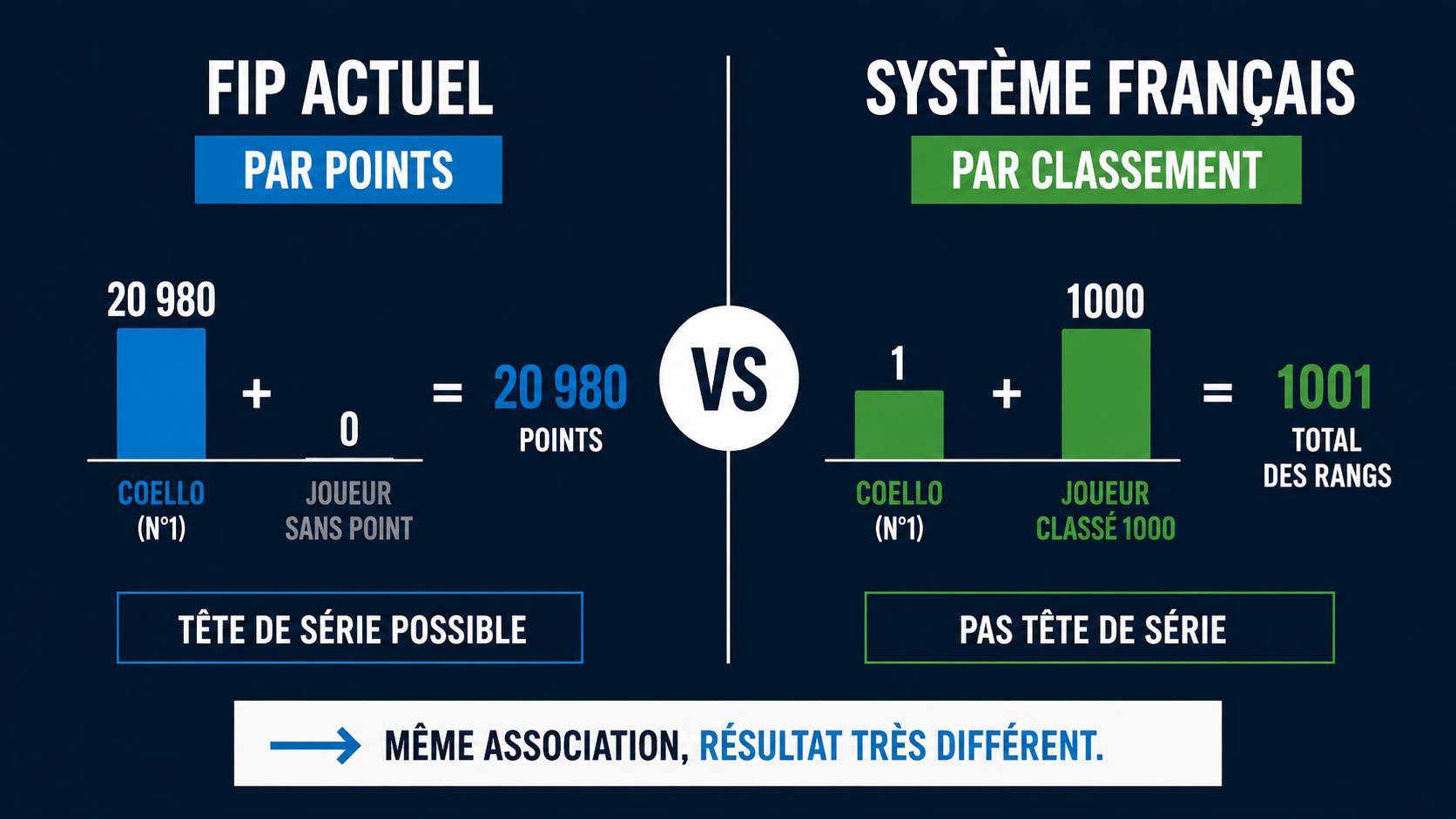 Coello with a player at 0 points ahead of two top 10 players: should the FIP ranking be reviewed?
 Les Pyramides: after 12 padel courts, the club is focusing on youth training
 Health Care Padel Tour 2026: What if your next padel tournament was played in Barcelona?
 FAST Padel Academy continues its development and establishes itself in Liège.
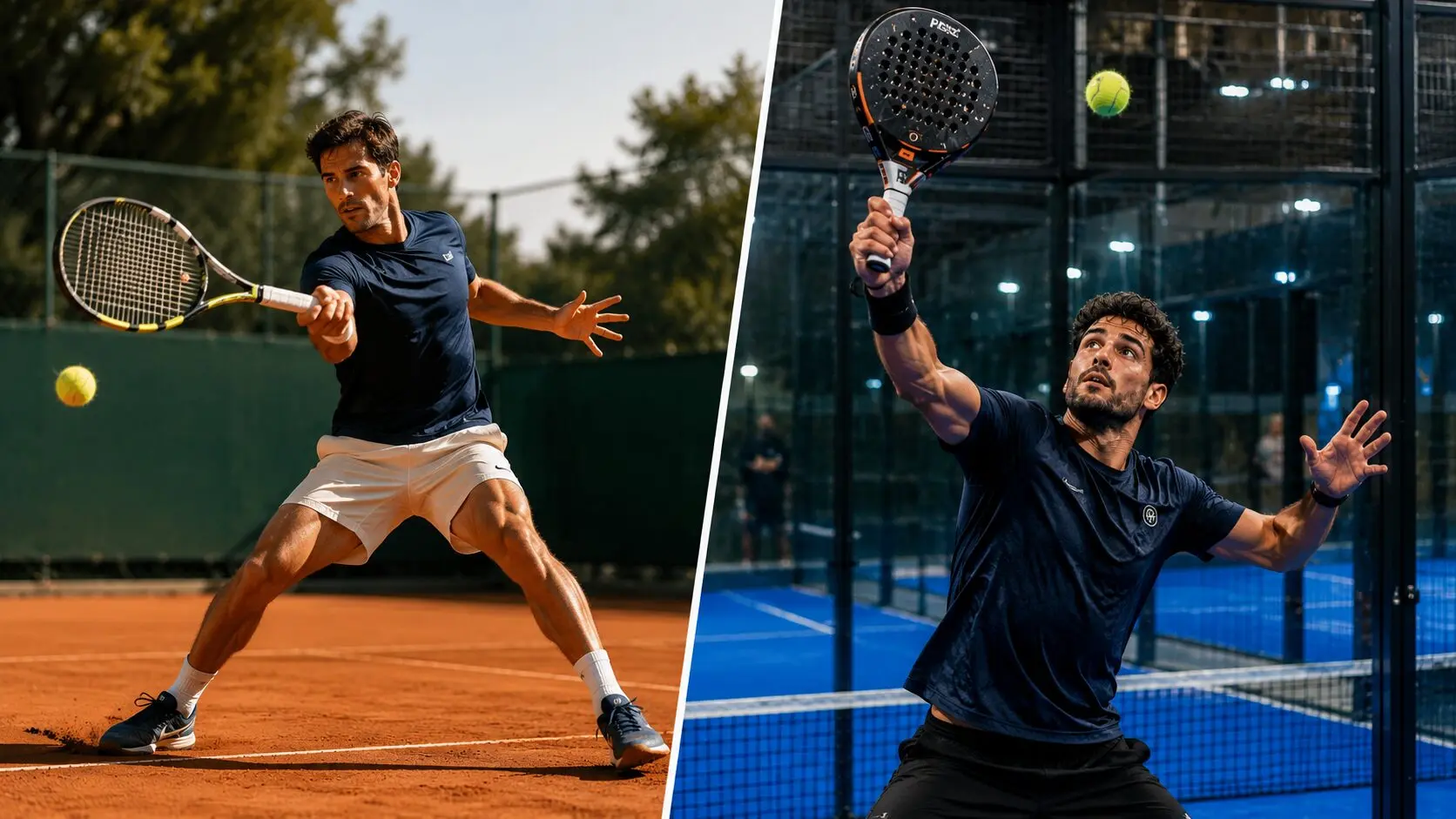 What the analysis of the stroke reveals: tennis forehand vs. padel bandeja
 Has the bandeja disappeared from modern padel?
 Flat forehand in padel: 5 exercises from Cristian Álvarez to gain control and efficiency
 Why knowing how to play on the right and left can make all the difference
 Tapia reveals his recipe for beating Coello / Tapia: "I would bet everything on myself"
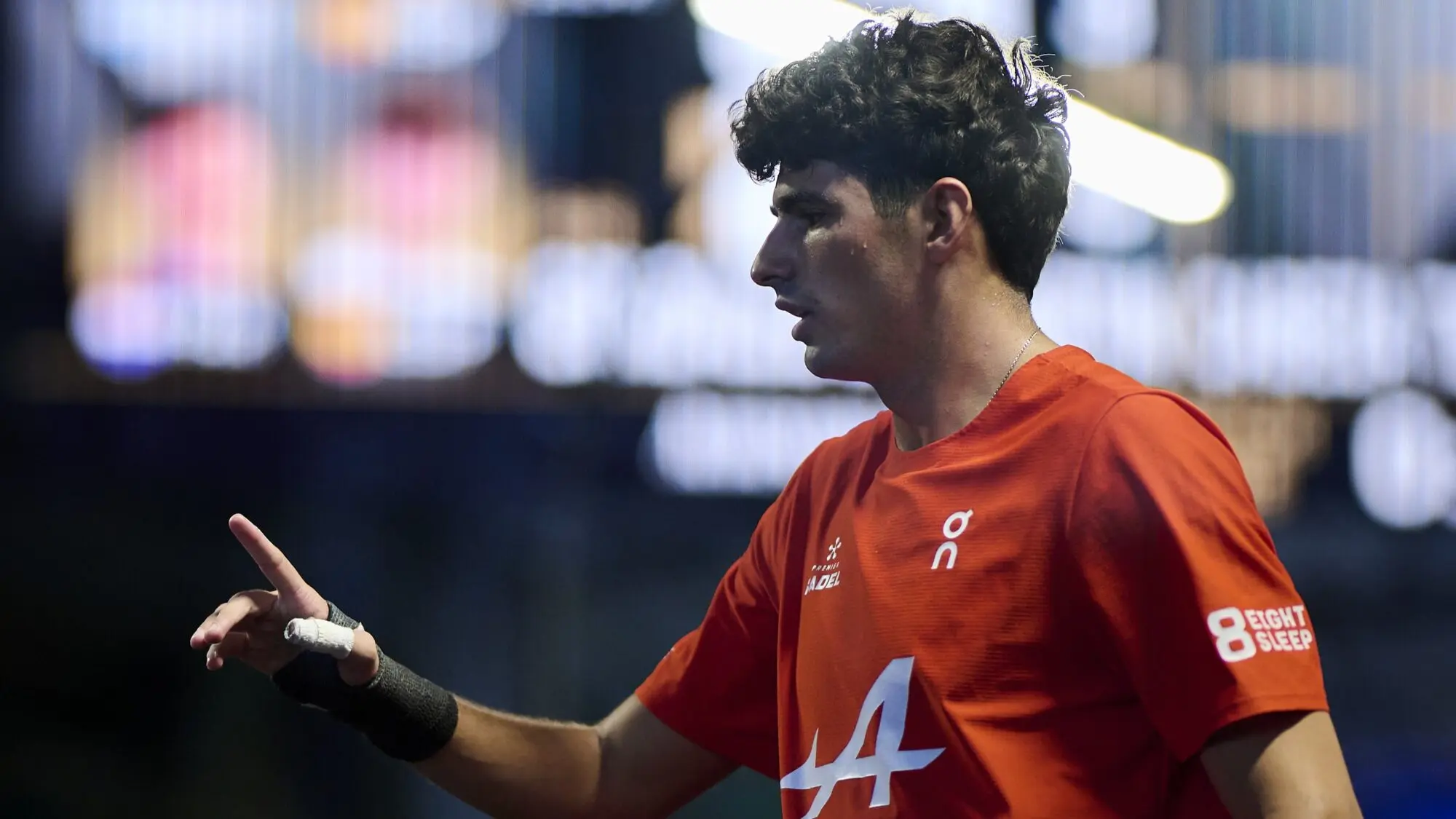 How Coello defused Chingotto's game plan
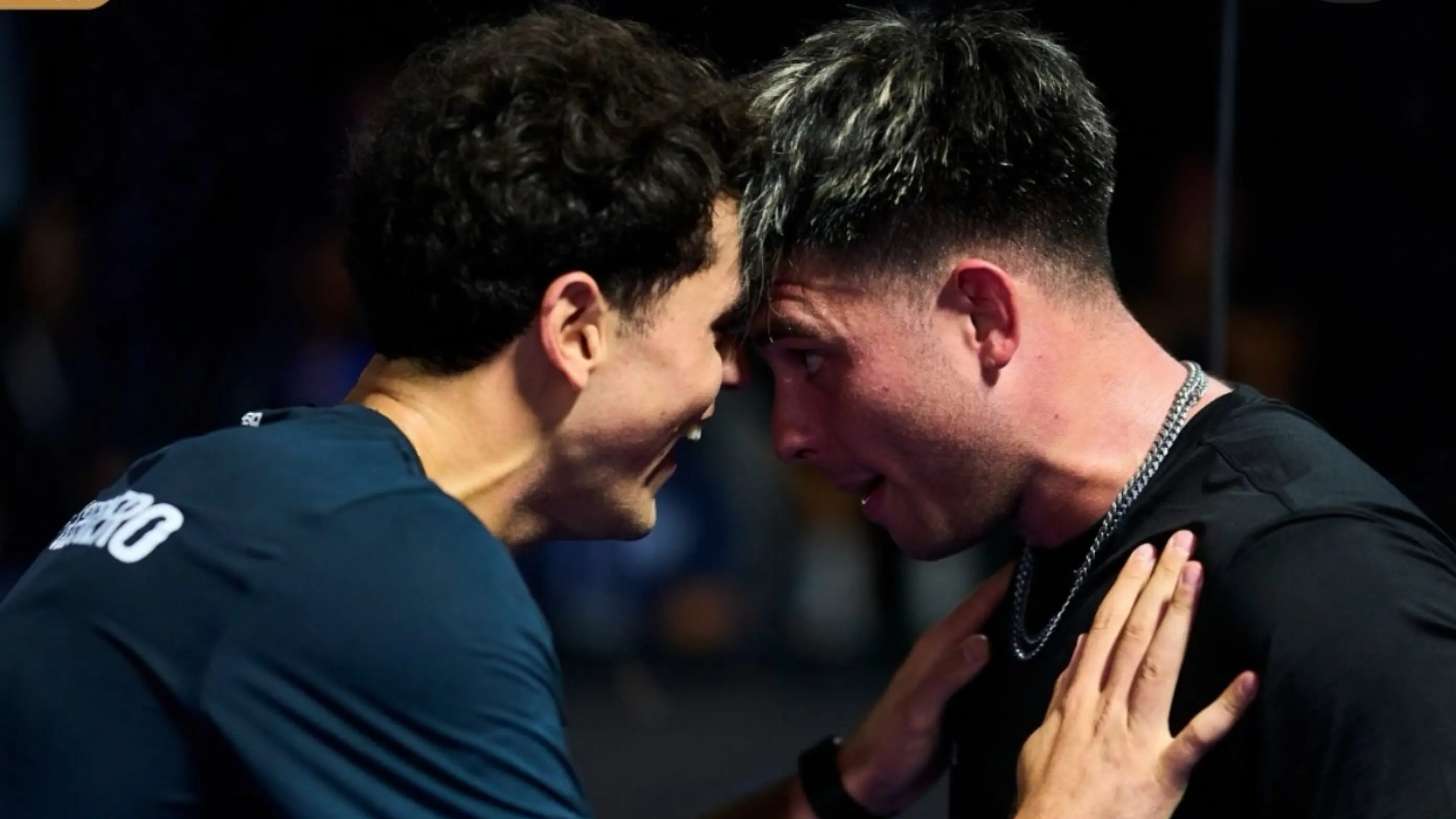 In padel, does the chemistry between a pair count as much as individual skill?
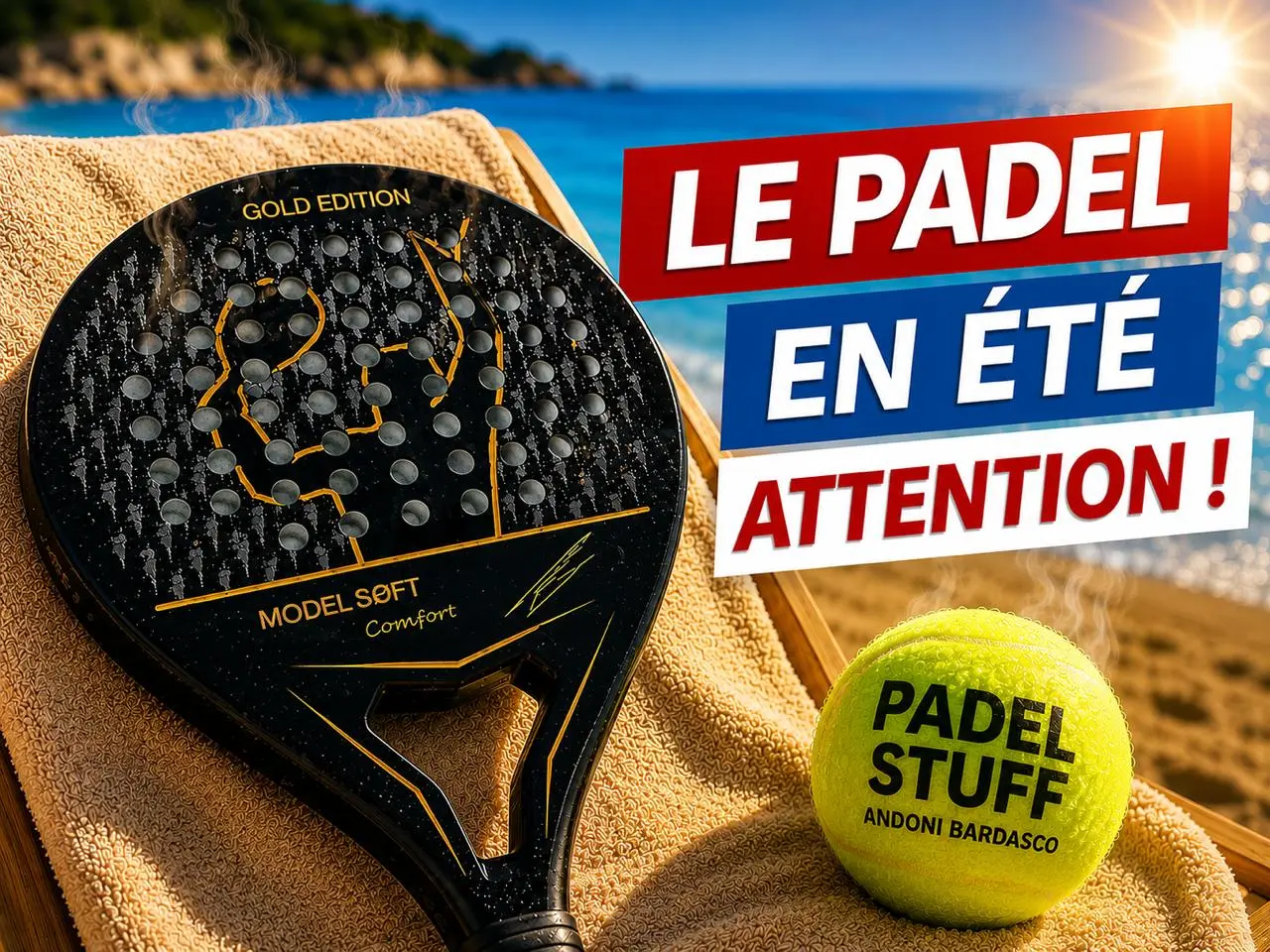 Summer changes padel… but what if the real challenge wasn't hitting harder?
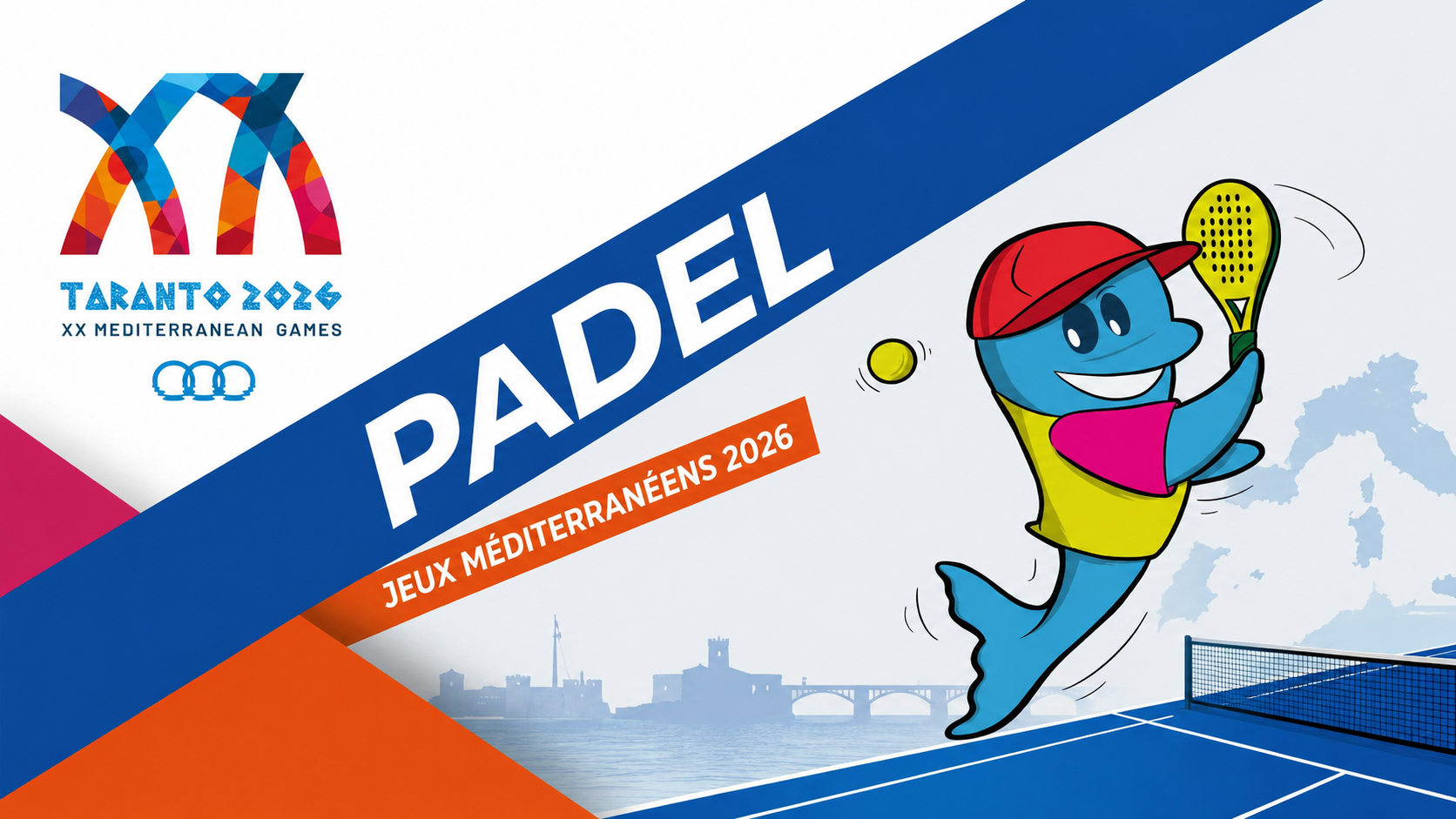 Neither FIP Tour nor World Team Championship: the unique format of padel at the Mediterranean Games
 Premier Padel : when television can lengthen players' breaks
 Premier Padel Yes, a referee can refuse a player permission to go to the toilet
 Julien Seurin opens up about his mental state: "There are far more doubts than moments of happiness."
 More than a year later, Thomas Leygue is back in the top 150: behind the scenes of a comeback that's still unfinished
 Padel vs squash vs badminton: the scientific ranking of cardio intensity
 Why does Arturo Coello play with his right hand bandaged?
 What if your progress in padel depended on what nobody else is looking at?