









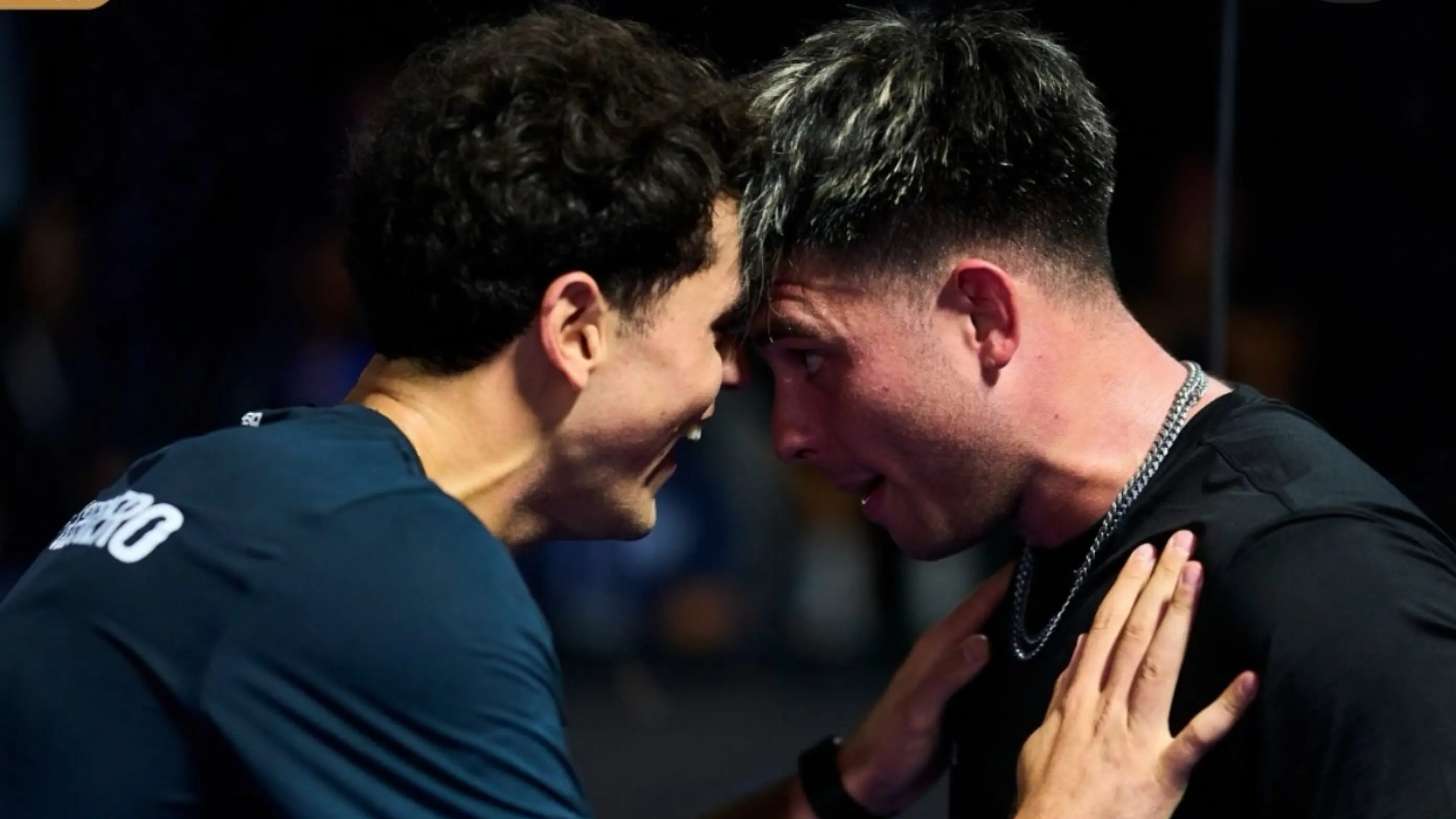
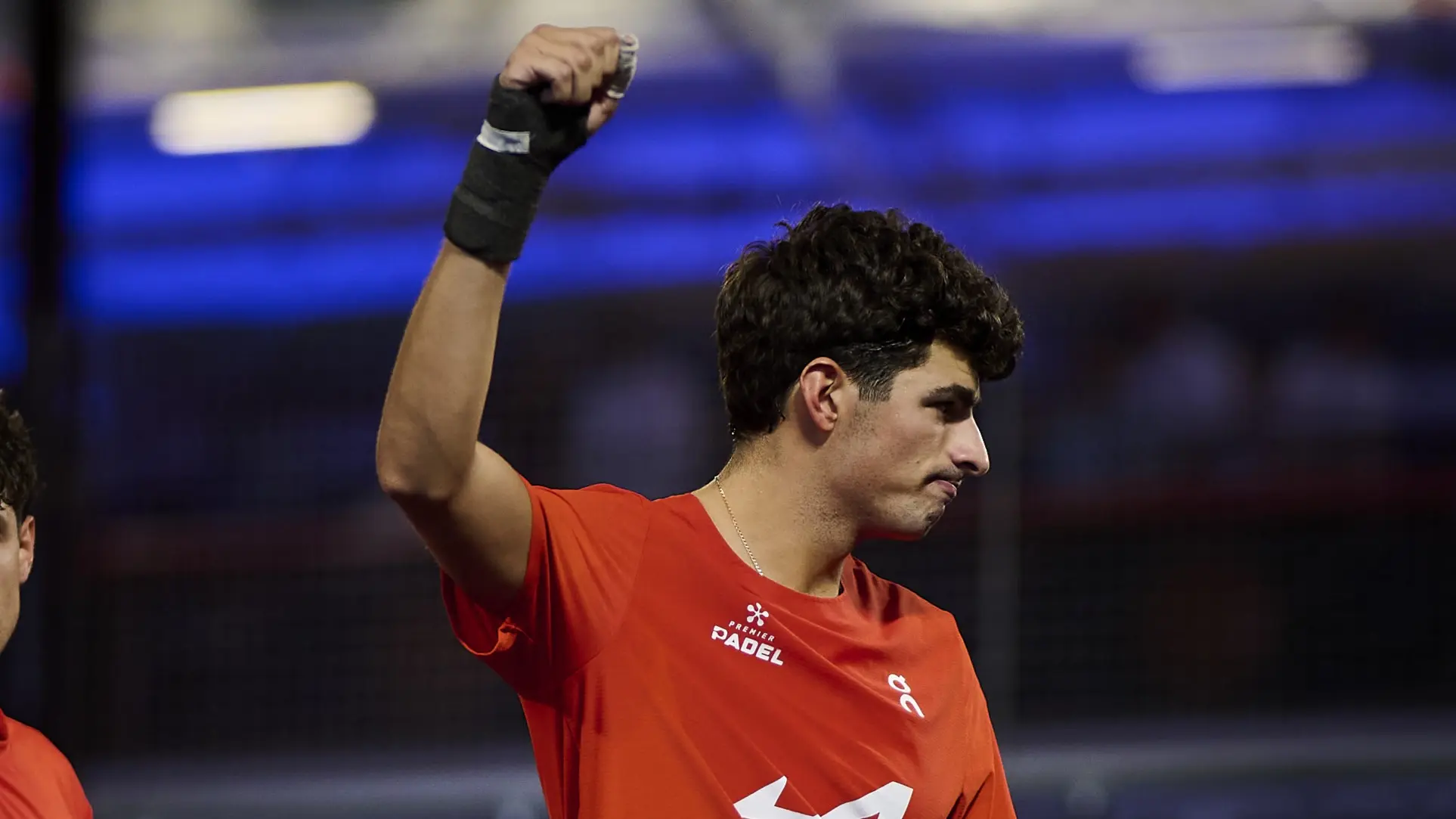
The complementary nature of Federico Chingotto and Alejandro Galán goes beyond simply combining the Argentine's consistency with the Spaniard's power. When Galán becomes frustrated with his performance and seems trapped by his mistakes, Chingotto often plays a crucial role: he keeps the pair alive, restores a positive dynamic, and helps his partner regain his intensity. Their quarter-final match at the Madrid P1 tournament provided yet another example of this.
Galán's demanding nature, a force sometimes difficult to channel
Alejandro Galán possesses one of the most complete games on the tour. His net play, his ability to attack in the middle, and his powerful smash allow him to quickly shift the balance of a match. This dominance, however, rests on a constant demand for excellence.
When his level of play falls short of his own standards, his body language sometimes changes. A mistake seems to linger in the next point, a missed opportunity leads to frustration, and Galán may give the impression of immediately searching for the shot that will erase the previous one.
This exacting standard is also one of his greatest strengths. It has propelled him to the top of the padel world. But on days when he's not feeling his best, it can trap him in a quest for perfection that further complicates his match.
It is precisely in these moments that Chingotto's influence becomes particularly visible.
Chingotto doesn't just stabilize the game
Tactically, Chingotto's role is clearly defined. The Argentinian defends, extends rallies, gives away few free points, and allows Galán to occupy a great deal of space. But his contribution goes far beyond mere consistency.
Chingotto continues to talk, encourage, and celebrate important points, even when he himself isn't playing a perfect match. He doesn't necessarily let the pair's emotional state depend on the immediate quality of Galán's play.
He thus creates a form of continuity. When his partner becomes annoyed or withdraws, Chingotto maintains an external energy: a gesture, a word or a celebration capable of bringing the team back into the present.
The Argentinian himself summarized this philosophy by explaining: "Teamwork helps us to curb a negative situation and redirect it as quickly as possible." This statement helps us understand that this ability to interrupt negative dynamics is not just instinctive: it is part of the desired functioning of the pair.
Madrid, a particularly clear illustration
The Madrid P1 quarter-final against Paquito Navarro and Martín Di Nenno perfectly illustrated this complementarity. Galán had a start to the match far from his best. Less influential, visibly frustrated by some mistakes, he struggled to impose his usual energy.
On the other side, Di Nenno was playing an extremely precise match. The Argentinian chose his positions well, made few mistakes, and allowed Paquito more freedom to play. The first set, won 6-4 by Navarro and Di Nenno, rewarded this mastery.
During this period, Chingotto didn't necessarily play perfect padel. He also suffered and made some inaccuracies. But he continued to carry the pair with his attitude, to challenge Galán, and to maintain a collective intensity while his partner still seemed absorbed by his difficulties.
Gradually, Galán regained his form. He became more present in the center, more active in the air, and above all, more expressive. His voice and energy returned, along with his influence on the match. Chingotto and Galán ultimately turned the game around. 4/6 6/3 7/6 , after a decisive tie-break won 7-5.
A complementarity that works in both directions
Galán offers Chingotto something few players can: clinical finishing, immense coverage in the center, and the opportunity to finish points the Argentinian has patiently built up. His presence frees Chingotto from some of the offensive burden.
But the balance also works in the other direction. When Galán fails to immediately express this superiority, Chingotto gives him time. He absorbs some of the pressure, maintains the exchanges, and prevents his partner's frustration from automatically becoming that of the entire pair.
Chingotto has already explained that Galán helped him unlock a new version of himself. On the track, the Argentinian sometimes seems to return the favor: he allows Galán to get out of his slumps without having to immediately return to an exceptional level.
Make the imperfect version of Galán competitive
The best pairs don't win simply when both players are performing at their best simultaneously. They are distinguished above all by their ability to get through periods when one of them doubts, pushes hard, or temporarily loses their bearings.
This is perhaps one of Chingotto's most important contributions. He doesn't just make Galán more tactically dangerous; he makes his imperfect version even more competitive.
The Madrid quarter-final is therefore not simply the story of a comeback. It more broadly reveals the role played by Chingotto since the beginning of their partnership: that of a catalyst capable of keeping the pair together until Galán rediscovered his game, his voice and his energy.

I discovered the Padel I stumbled into Spain at a campsite. I was instantly hooked; passionate about padel, I follow international and regional news with the same excitement as the sport itself.































































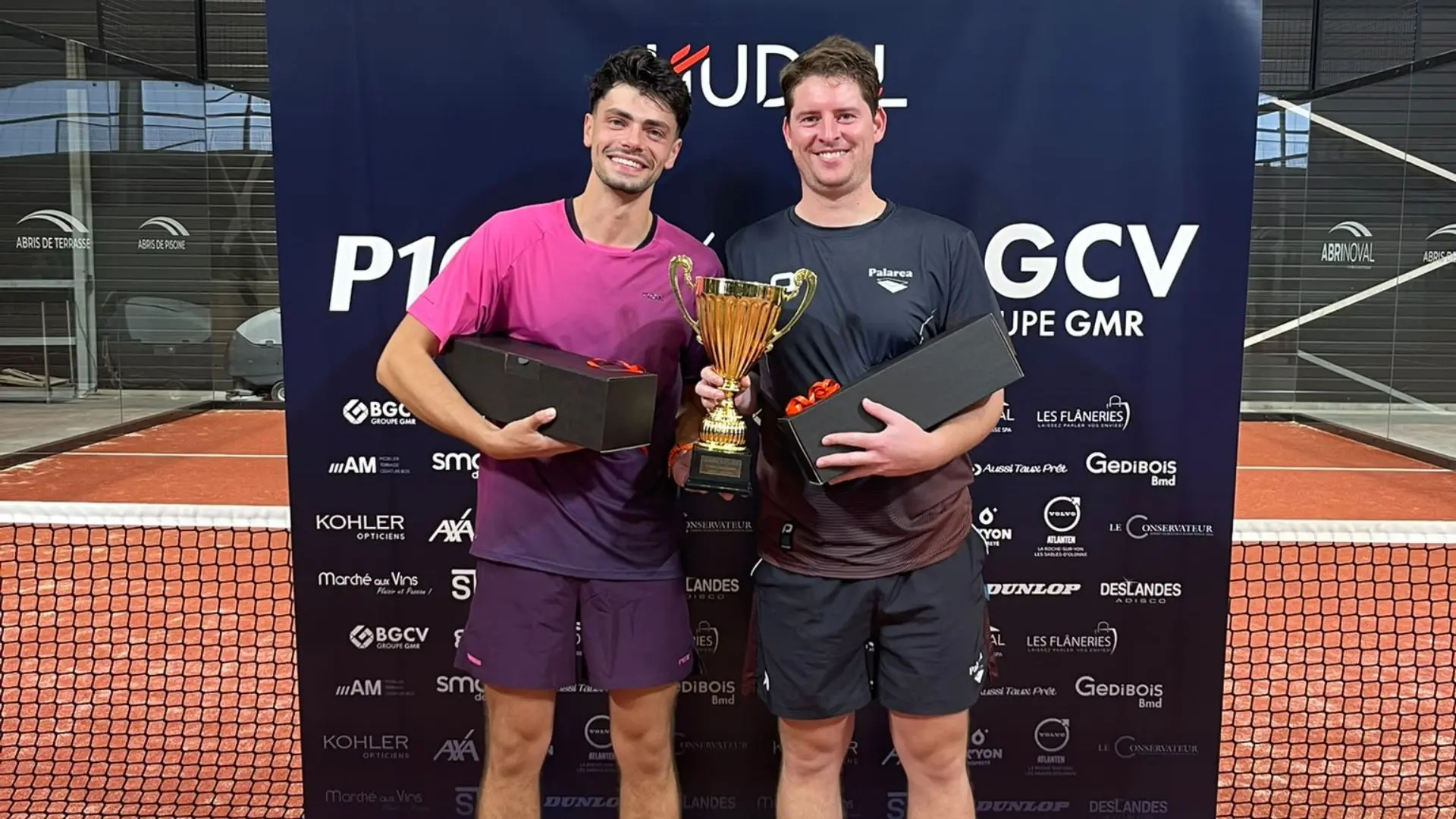 Prod'homme and Marin defeat Mitjana/Henrion to win the P1000 HUDDL Aizenay
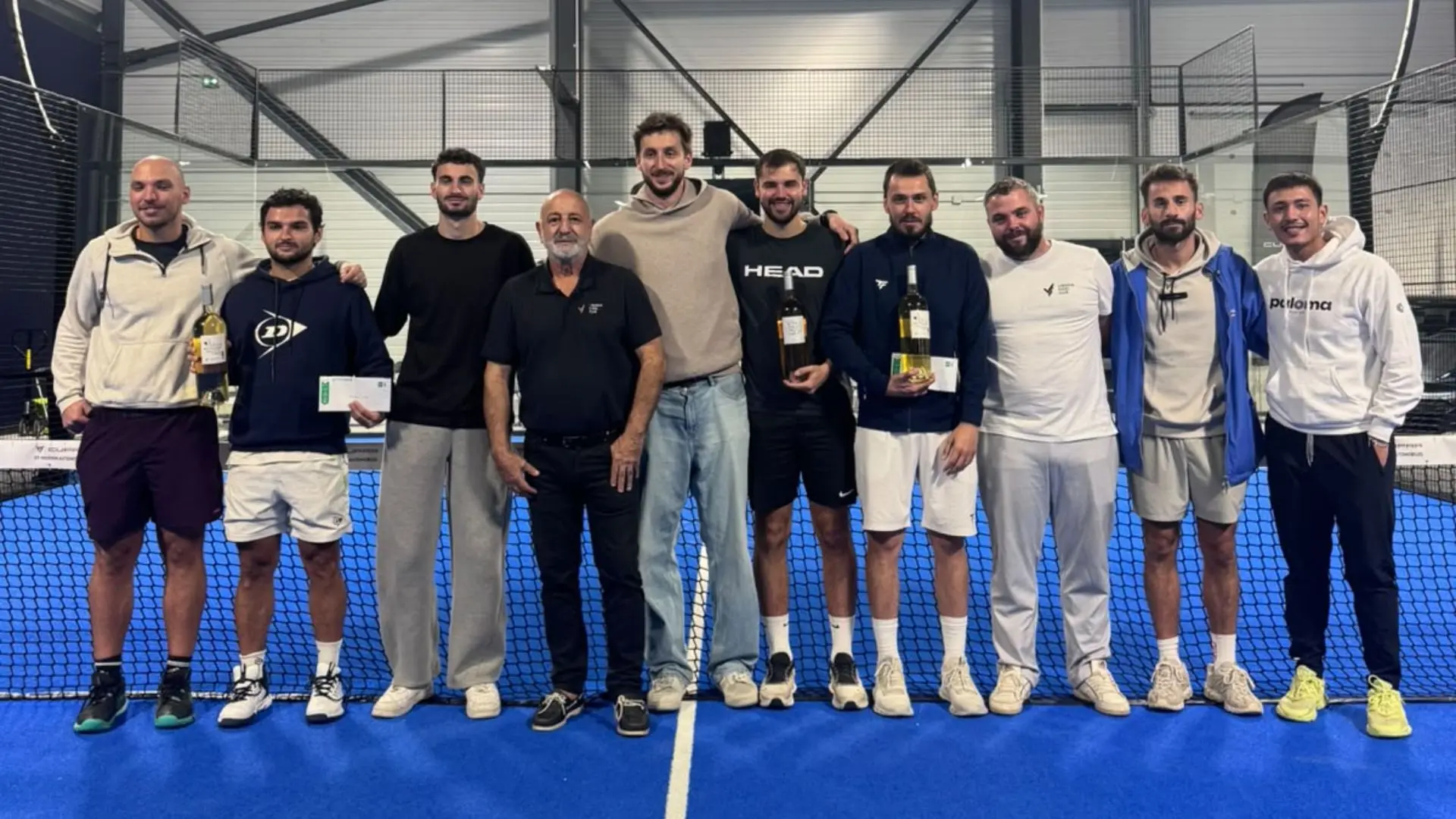 A perfect tournament for Gortzounian and Vignat who take the title at the P1000 Verneuil Padel Club
 In a demonstration of skill, Fernández and Calvo took their revenge on Sánchez/Ustero and secured the title at Düsseldorf P2
 France or Portugal, Spain or Argentina: Miguel Lamperti ranks the best padel nations
 Cédric Lavoye: "Hard work pays off" and a first FIP tournament in Guadeloupe is in his sights
 Nicolas Rouanet is preparing his return in 2027: “With Bastien Blanqué, I would never say no”
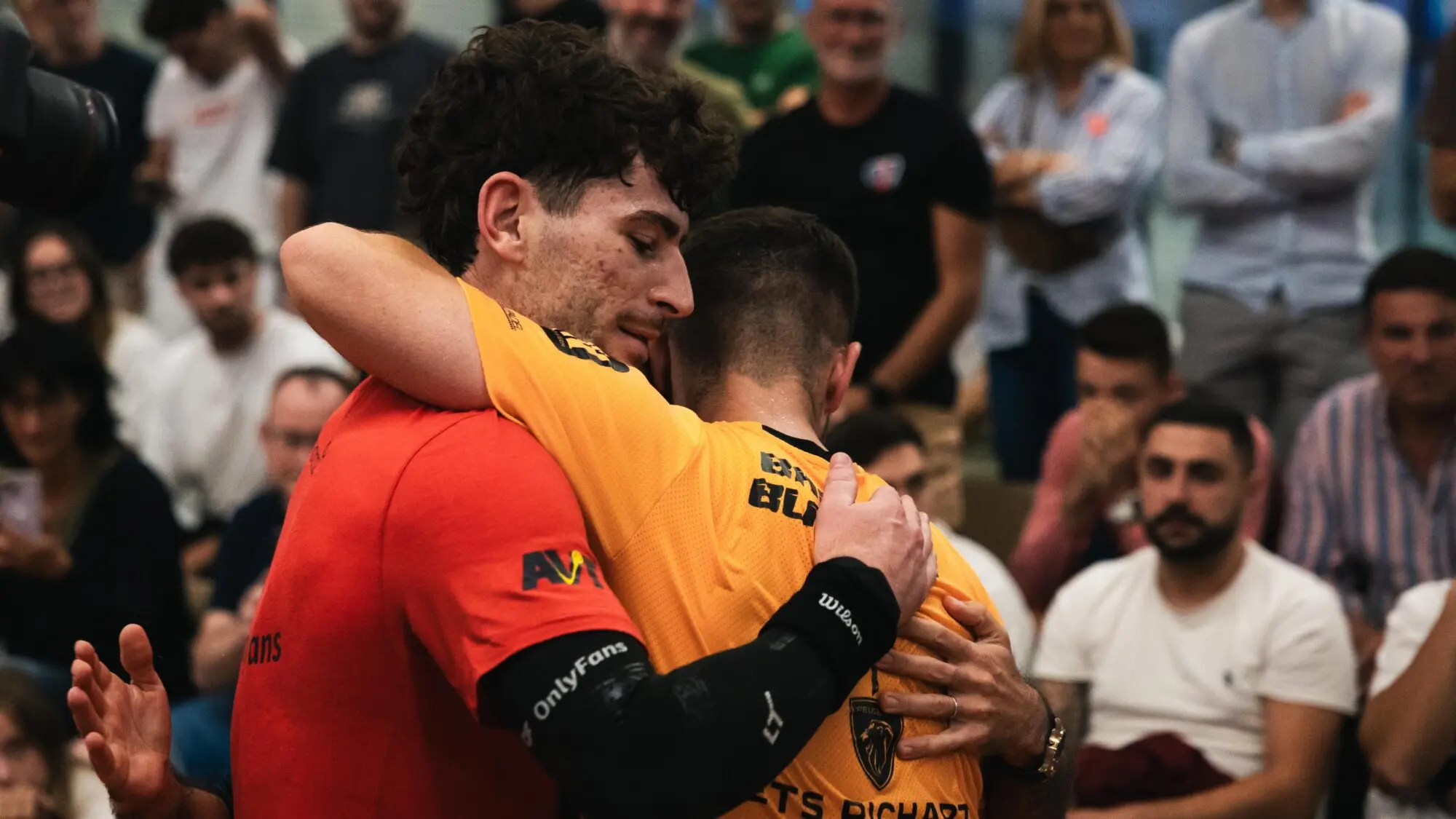 Leygue/Blanqué respond bluntly to the criticism: "You can say what you want... We're putting all our money and our lives into this."
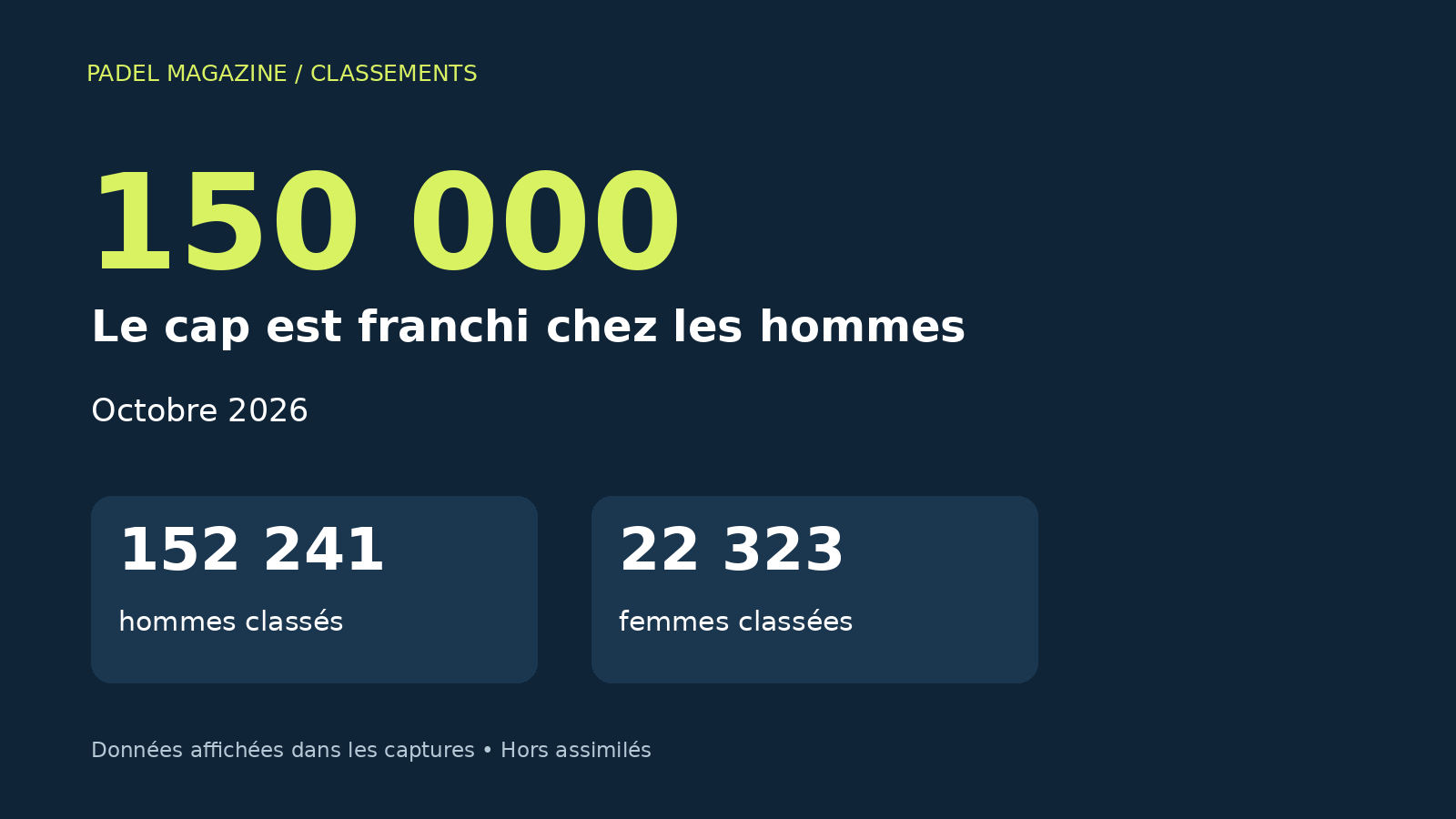 Padel rankings October 2026: more than 150,000 men ranked in France
 P1000 Verneuil Padel Club – Results / Live / Schedule
 West Padel opens its 4 indoor courts in Montivilliers on November 5th
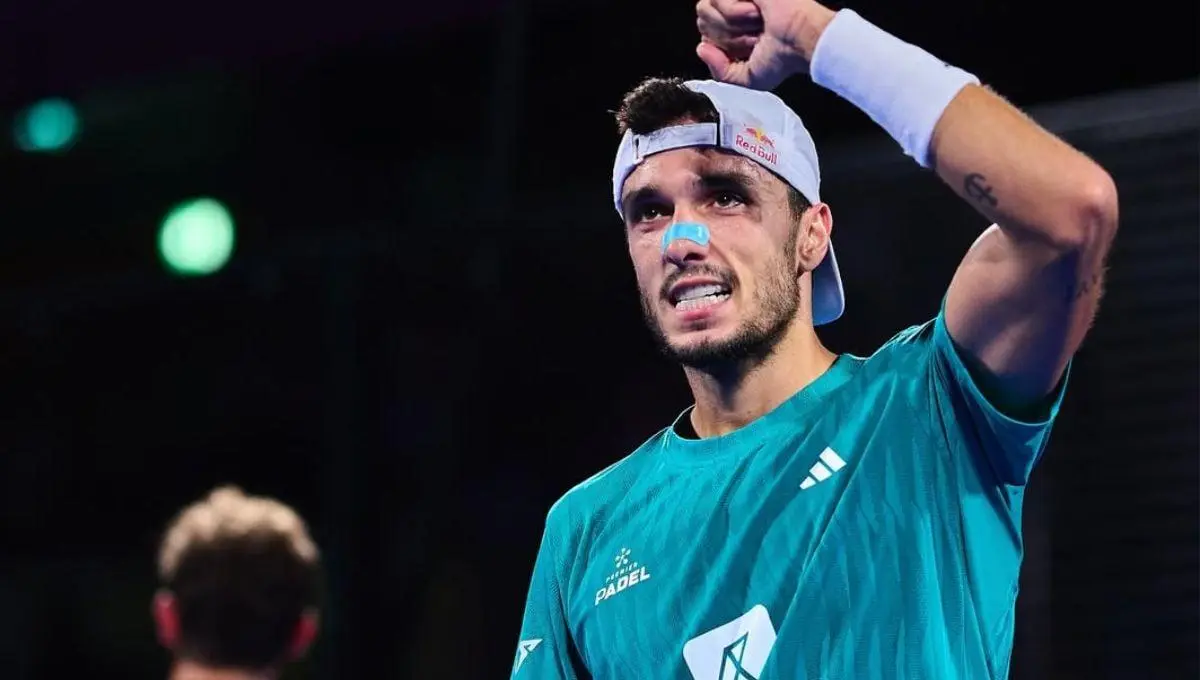 With Galán tired and Coki Nieto sidelined, is the infernal pace of the circuit starting to take its toll on the players?
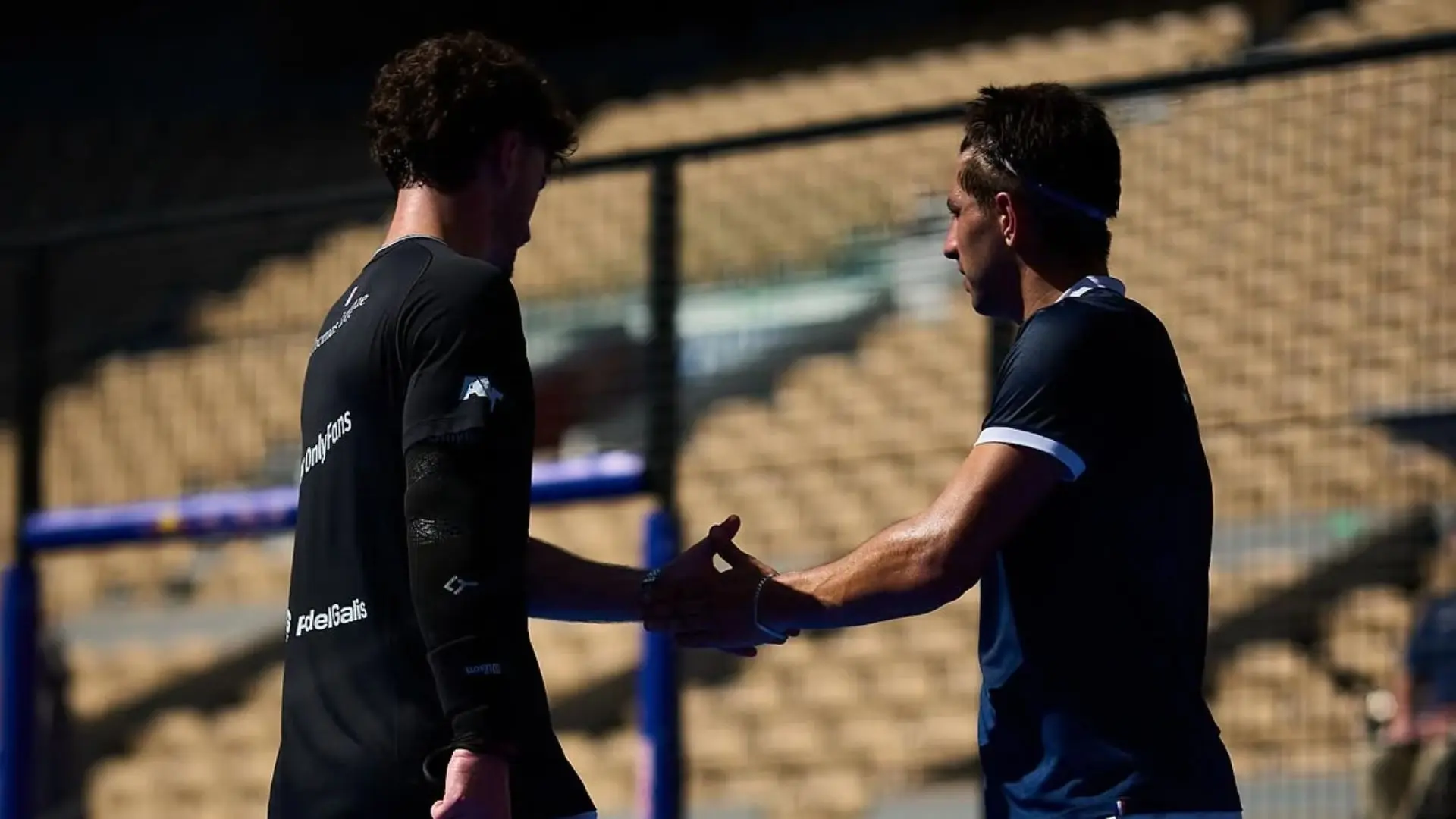 Milan P1: Thomas Leygue launches his qualifying campaign with Jesús Moya
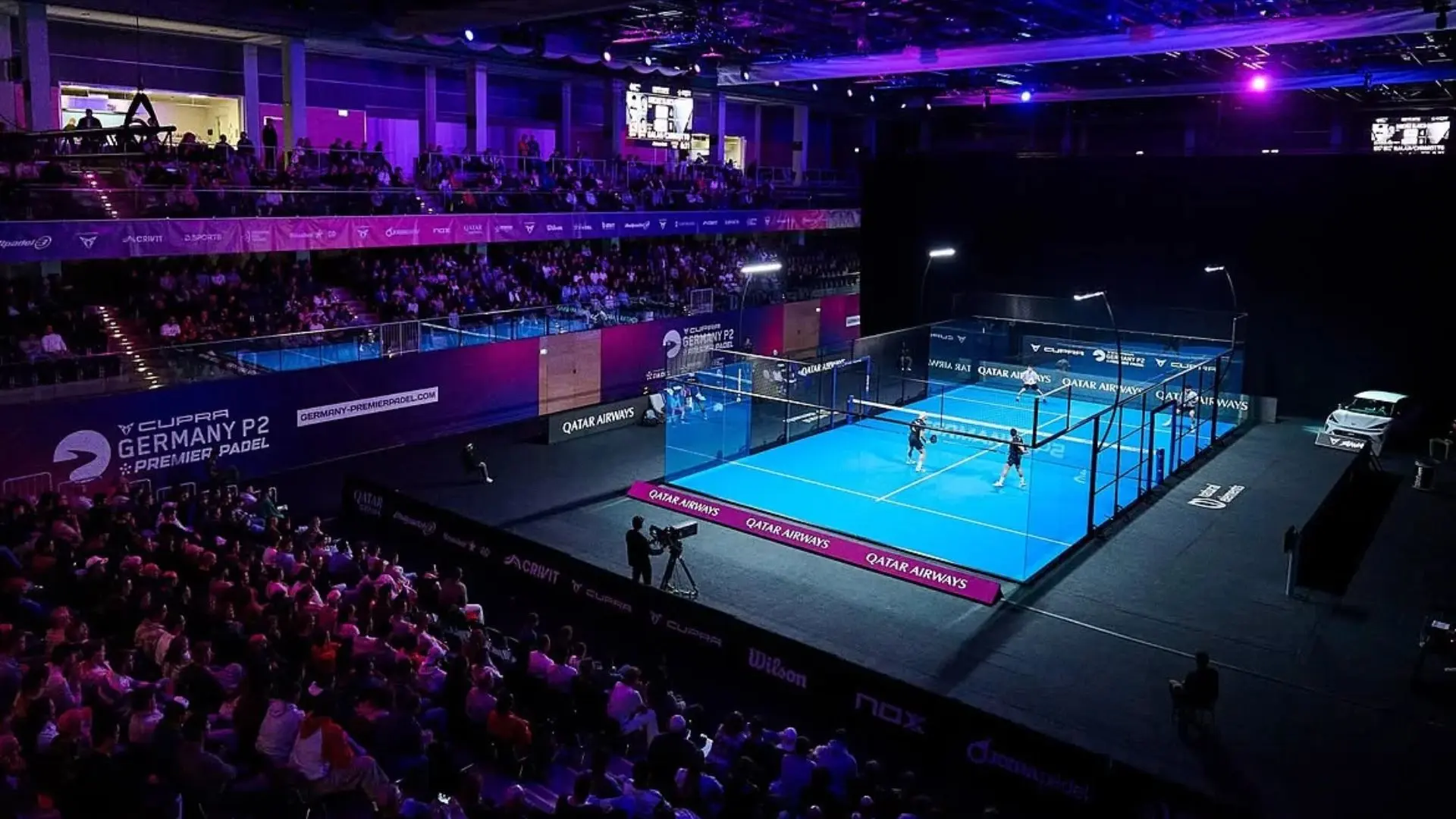 Germany P2: The fastest quarter-finals in history Premier Padel
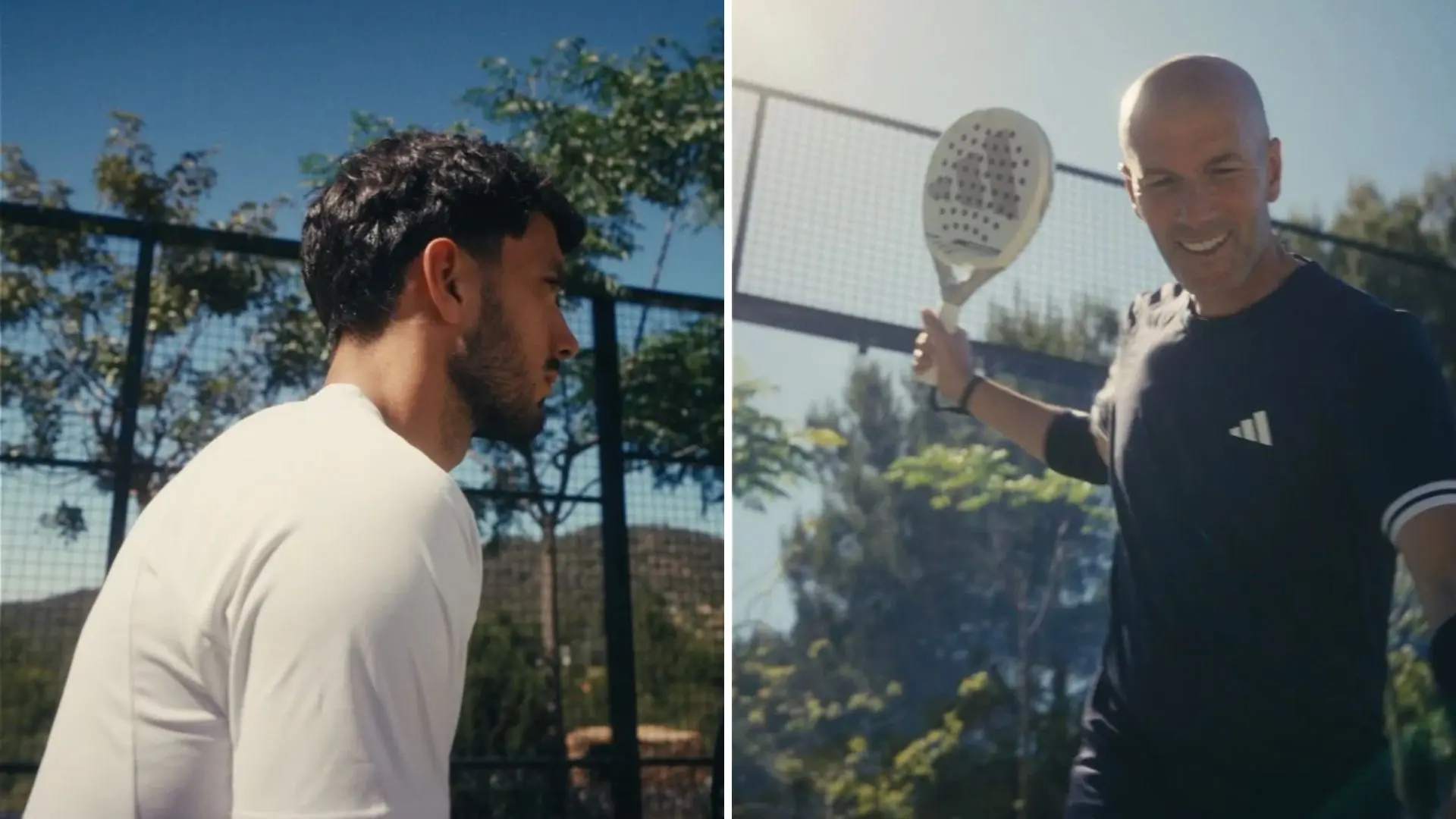 Zidane and Galán reunited on the track to launch the Metalbone ZZ
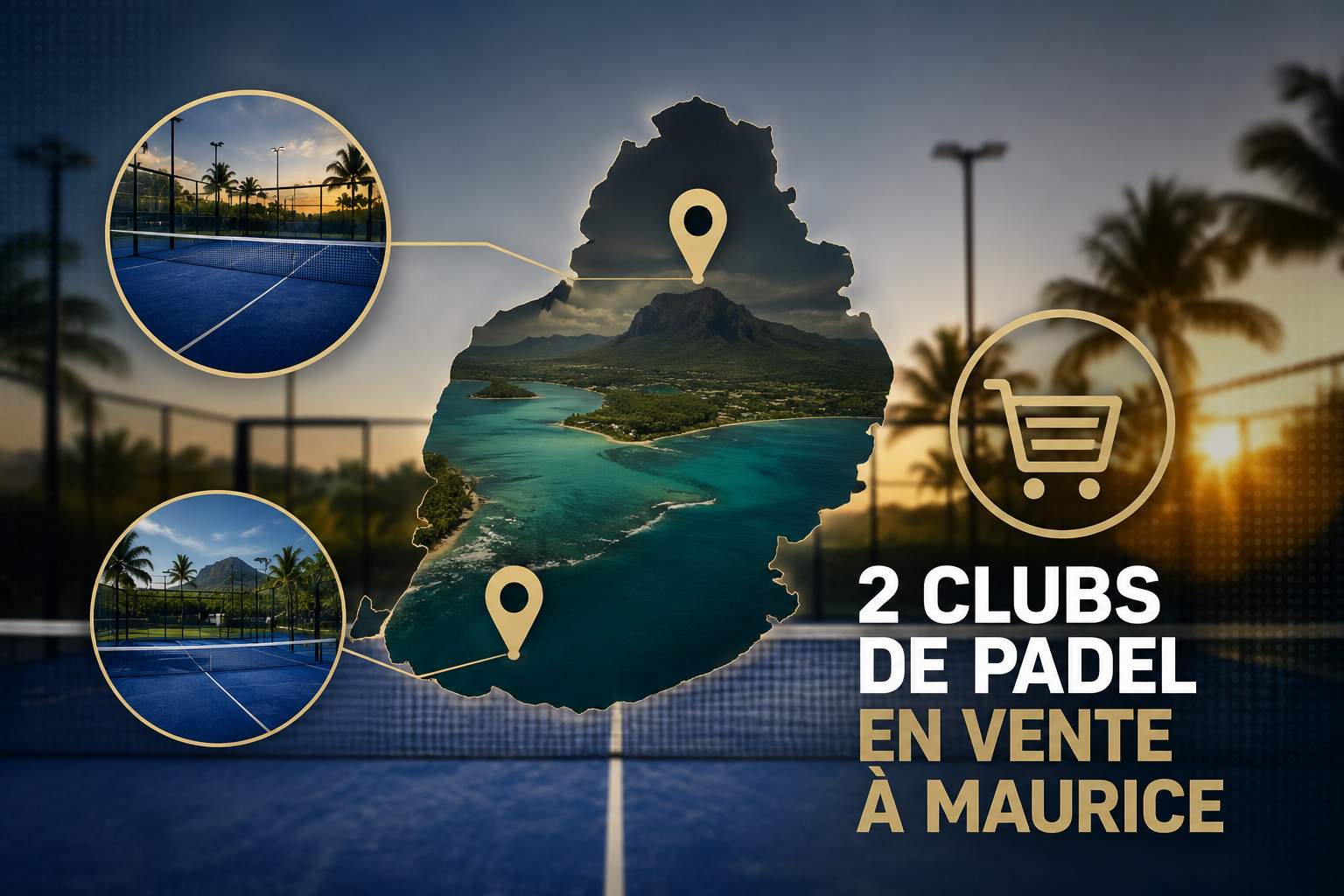 For sale: two padel clubs in Mauritius, starting from 330,000 euros
 How much does it actually cost to organize a FIP Bronze event?
 Padel How Lidl is transforming Crivit into a fully-fledged sports brand with Steffi Graf
 Compagnie des Alpes is accelerating its involvement in padel with PadelCity: a new step in its European strategy
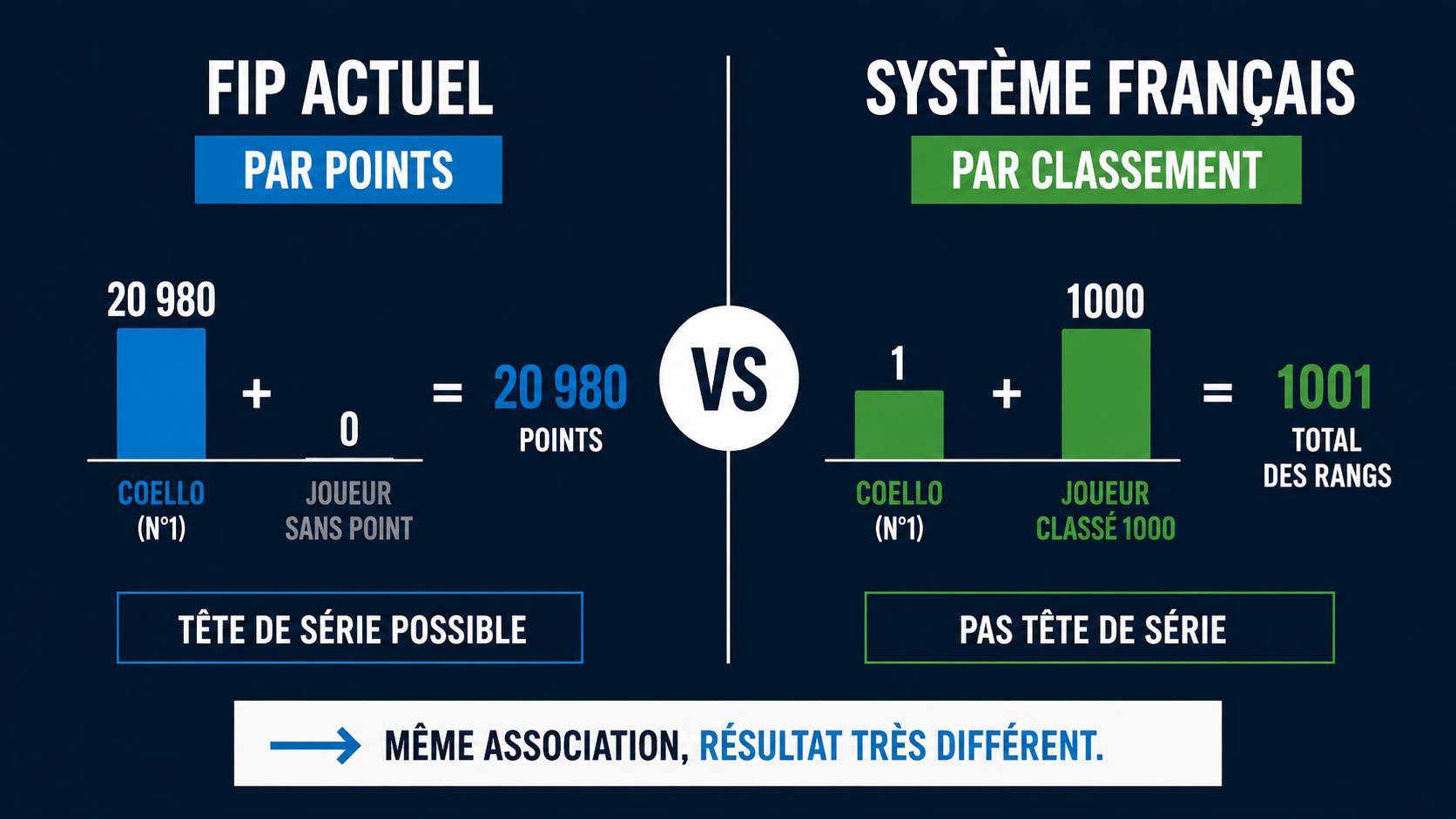 Coello with a player at 0 points ahead of two top 10 players: should the FIP ranking be reviewed?
 Les Pyramides: after 12 padel courts, the club is focusing on youth training
 Health Care Padel Tour 2026: What if your next padel tournament was played in Barcelona?
 FAST Padel Academy continues its development and establishes itself in Liège.
 What the analysis of the stroke reveals: tennis forehand vs. padel bandeja
 Has the bandeja disappeared from modern padel?
 Flat forehand in padel: 5 exercises from Cristian Álvarez to gain control and efficiency
 Why knowing how to play on the right and left can make all the difference
 Tapia reveals his recipe for beating Coello / Tapia: "I would bet everything on myself"
 How Coello defused Chingotto's game plan
 In padel, does the chemistry between a pair count as much as individual skill?
 Summer changes padel… but what if the real challenge wasn't hitting harder?
 Neither FIP Tour nor World Team Championship: the unique format of padel at the Mediterranean Games
 Premier Padel : when television can lengthen players' breaks
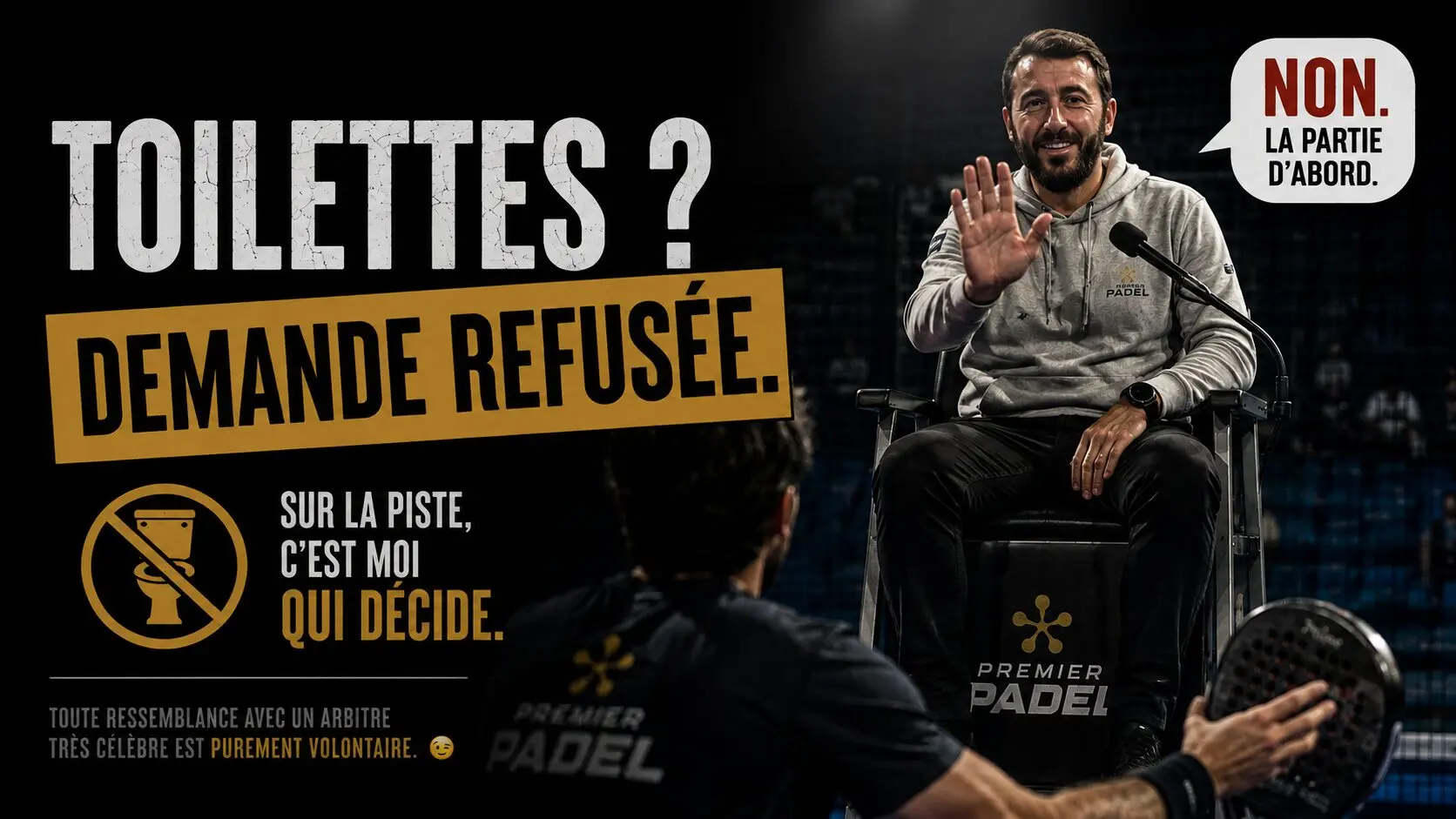 Premier Padel Yes, a referee can refuse a player permission to go to the toilet
 Julien Seurin opens up about his mental state: "There are far more doubts than moments of happiness."
 More than a year later, Thomas Leygue is back in the top 150: behind the scenes of a comeback that's still unfinished
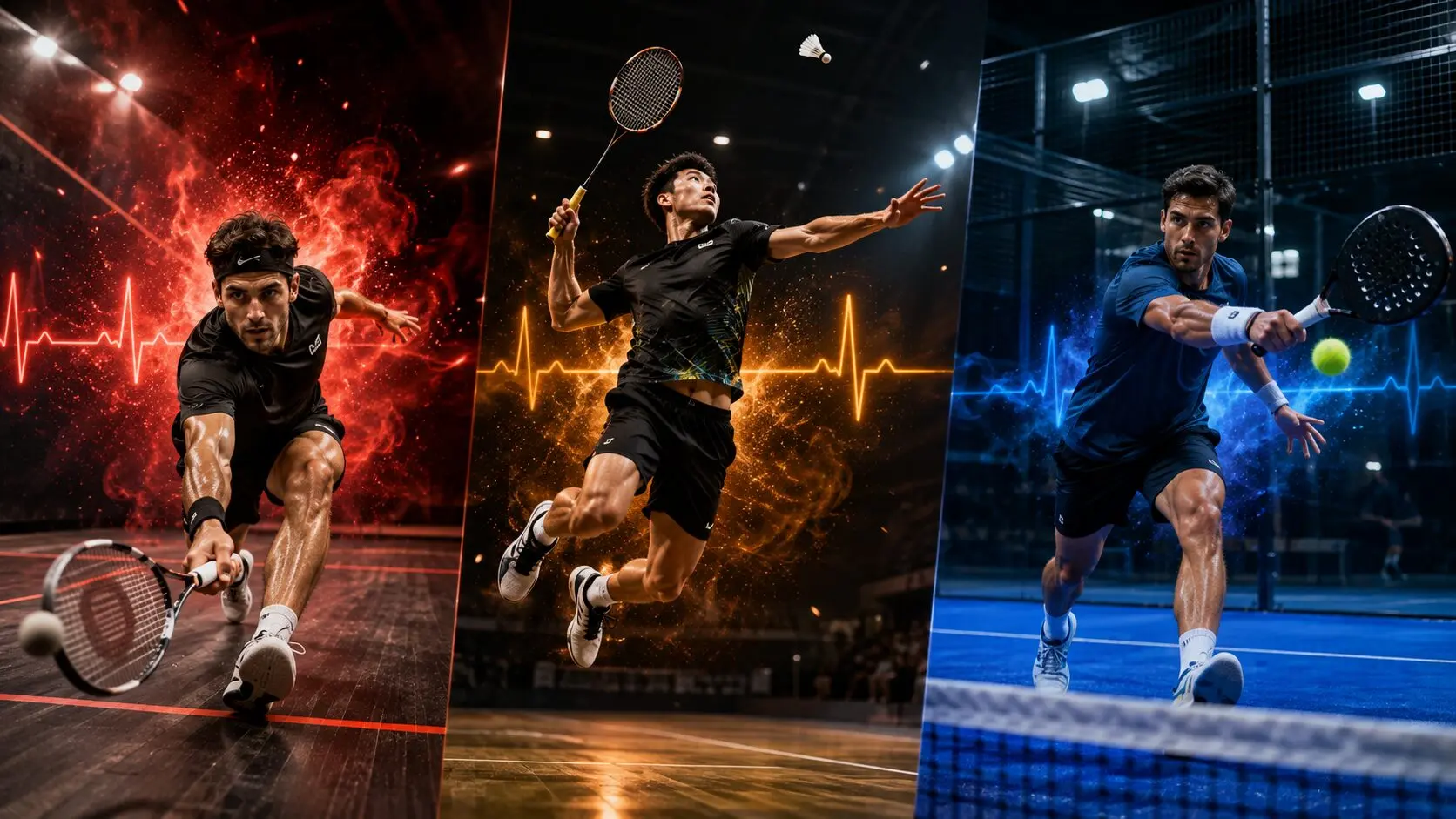 Padel vs squash vs badminton: the scientific ranking of cardio intensity
 Why does Arturo Coello play with his right hand bandaged?
 What if your progress in padel depended on what nobody else is looking at?