


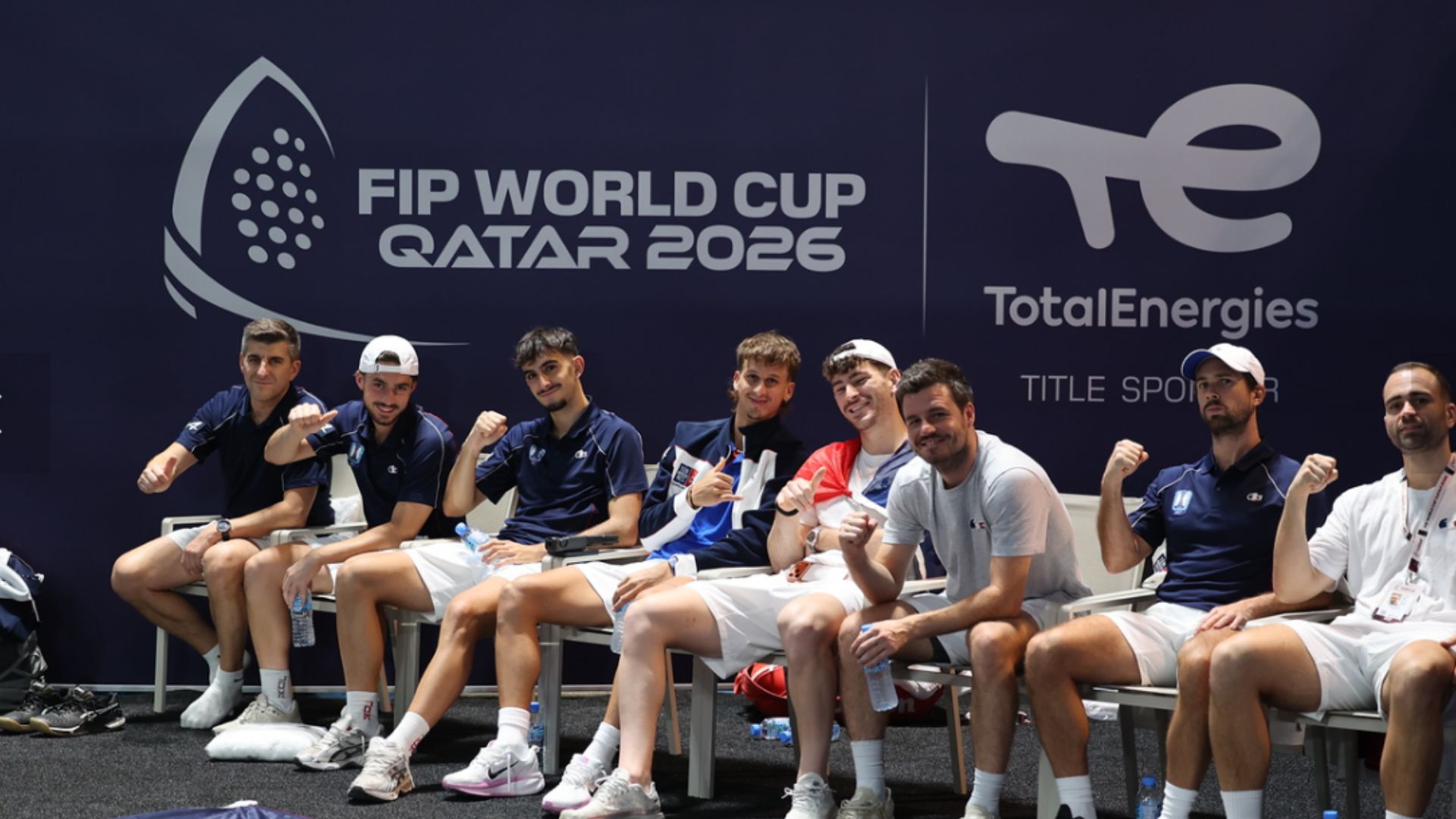








The World Cup was supposed to begin with a victory against the Netherlands before allowing Les Bleus to face, almost with complete freedom, the Argentinian powerhouse. The scenario completely changed on Monday in Doha. Defeated 2-1 by the Dutch in a match that seemed within their grasp, France has already used up a large part of its margin for error.
Dylan Guichard and Timéo Fonteny lost 6-1, 7-5 to Sten Richters and Thijs Roper. Maxime Joris and Johan Bergeron then saved the day for the French team after losing the first set, defeating Meijer/Nolten 1-6, 6-3, 7-5. Everything then came down to the third match, where Thomas Leygue and Bastien Blanqué, the reigning French champions, lost 6-4, 1-6, 6-3 to Bart Van Opstal and Julian Prins.
The defeat is undoubtedly a major disappointment. Above all, it offers valuable lessons ahead of France's upcoming match against Argentina. Because against a lineup featuring Tapia, Chingotto, Stupaczuk, Di Nenno, Augsburger, Libaak, Alfonso, and Arce, simply trying to replicate the three starting pairings used against the Netherlands seems hardly justifiable.
The question for Pablo Ayma is now simple: How can we build two French pairs capable of achieving a tremendous feat?
The Netherlands have blown the planned scenario out of the water.
On paper, the French lineup against the Netherlands made a certain amount of sense. Guichard and Fonteny brought together two of the most talented French players of the new generation. Leygue and Blanqué formed the most experienced and nationally renowned pairing, just a few weeks after their French championship title. In midfield, Joris and Bergeron were expected to provide stability.
But the trail told a different story.
Guichard and Fonteny had an extremely difficult start to the match before finding their form in the second set. Leygue and Blanqué also showed they could completely turn their matches around by dominating the second set, but were unable to maintain that momentum in the third.
Conversely, the only French pair to win was the one that had the worst start. Down 6-1 initially, Joris and Bergeron managed to stay in the match, turn the tide, and then clinch the point at the end of the third set.
Before facing Argentina, this result must definitely be taken into consideration.
First decision: not to break up Joris/Bergeron
In such a short competition, confidence counts for a lot. And Maxime Joris and Johan Bergeron have just earned France's only point against the Netherlands.
There are obviously partnerships that are theoretically stronger on paper, but why immediately break up a pair that has just responded well under pressure?
Their victory wasn't perfect. The 1/6 score in the first set is a reminder of that. But their ability to stay in the match, to turn the tide, and above all to close out the third set 7/5 is exactly the kind of scenario France will need against Argentina.
Facing players superior in almost every individual aspect of the game, Les Bleus will likely not be able to control matches from start to finish. They will need to weather periods of pressure, dig deep, and be able to capitalize on opportunities when they arise.
Joris-Bergeron have just done just that.
First pair: Maxime Joris – Johan Bergeron.
Leygue/Guichard: combining the two main French arms
This is probably the most offensive option.
Thomas Leygue and Dylan Guichard are currently the two French players who have shown the most ability to compete against top-level international players. Guichard notably defeated Sanyo Gutiérrez and Javi Garrido in Lyon this season with Adam Axelsson, while Leygue became the first Frenchman to reach the fourth round of a Grand Slam tournament in September, at Roland-Garros.
Above all, the partnership is naturally complementary: Guichard is left-footed and plays on the right, while Leygue can occupy the left side.
Against the Netherlands, Pablo Ayma opted to separate his two highest-ranked players to distribute the strength, but this choice didn't pay off. Against Argentina, the strategy could be completely different.
France will not be the favorite in any of the three matches. Therefore, it may no longer be in their interest to seek three balanced partnerships. They must instead create at least one pairing capable of genuinely troubling an Argentinian duo for an hour and a half.
Leygue–Guichard is probably the one with the highest ceiling.
Leygue brings power, aerial coverage, and the ability to finish points. Guichard can create a lot of space on the right, accelerate with his left foot, and support a large part of the build-up play.
It would be a gamble. But against Argentina, not taking a gamble might be even more dangerous.
Second pair: Thomas Leygue – Dylan Guichard.
And for the third? Blanqué/Boronad rather than reproducing Blanqué/Leygue
This is where the choice becomes much more difficult.
The temptation would obviously be to keep Blanqué and Leygue in the starting lineup. The two men have just won the French championship together and possess an understanding that can't be recreated in a few days. Their defeat against the Netherlands shouldn't erase everything they've built.
But moving Leygue with Guichard forces the third duo to be rebuilt.
An association Bastien Blanqué / Yoan Boronad would make sense. Moreover, it is not entirely experimental: the two men have already shared the track on the FIP circuit this season.
Blanqué would bring immense experience from team competitions, while Boronad would offer his freshness, his quality of ball and above all a form of carefree attitude which could be valuable in a match where the pressure would be largely on the Argentinian side.
There would also be an interesting generational logic: surrounding the young Frenchman with a player who knows this type of match perfectly rather than throwing two very young players together against a world champion team.
Third pair: Bastien Blanqué – Yoan Boronad.
This would leave Timéo Fonteny and Jérémy Robert on the bench for this match. A difficult decision indeed, given that Fonteny is one of France's great talents and already a prominent figure on the international circuit, but he is coming off a tough match against the Netherlands.
Why not simply keep Guichard / Fonteny?
Because Argentina is not the Netherlands.
Guichard and Fonteny are perfectly capable of bouncing back from their defeat. At only 19 years old, this kind of match is also part of learning at the highest level. The FIP itself presents Fonteny, Boronad, and Robert as the core of the new French generation.
But the accounting situation changes the way we think.
Facing an Argentinian team that started its World Cup by inflicting a 3-0 defeat on Australia, Stupaczuk–Chingotto 6/1 6/1, Augsburger–Di Nenno 6/0 6/0 and Alfonso–Arce 6/1 6/0, France needs to create associations capable of stepping out of their comfort zone.
Simply reproducing the same pairings after a defeat against the Netherlands would be like hoping that the same system will work against infinitely stronger opposition.
Pablo Ayma could choose to continue in this direction. But the moment seems to call for taking a risk.
The real question is: which Argentina will show up?
And that's where the puzzle becomes almost unsolvable.
On the first day, Argentina was able to leave out Tapia, Libaak, and several other options while fielding three extremely strong pairings. Stupaczuk played with Chingotto, Augsburger with Di Nenno, and Alfonso with Arce. All three matches were won quickly.
Rodri Ovide and Gaby Reca also have Tino Libaak and, most importantly, Agustín Tapia, the world number one. Argentina's depth therefore allows for almost any strategy.
Tapia and Chingotto would be a formidable partnership. Stupaczuk and Di Nenno could reunite the Superpibes. Libaak and Augsburger have already secured Argentina's decisive point in the 2024 World Cup final. Alfonso and Arce have developed their own understanding after years of playing together.
France will therefore probably not find a “good” Argentinian pair to target.
She should rather ask herself which French association can impose something, regardless of the opponent.
Don't look for three miracles, but two opportunities
That's ultimately the whole difference between the match against the Netherlands and the one against Argentina.
Against the Dutch, France needed to be superior throughout the entire match. Therefore, it was in their best interest to distribute their strengths in order to field three solid pairs.
Against the reigning world champions, this strategy reaches its limits.
To win an international match, you need two points. Not three.
France may therefore need to accept being more vulnerable in one of the matches to increase its chances in the other two. A Leygue/Guichard pairing would concentrate much of France's potential. Joris-Bergeron would retain the only winning combination from the first matchday. Blanqué/Boronad would bring a mix of experience and youth to the third pitch.
Leygue / Guichard.
Joris / Bergeron.
Blanqué / Boronad.
That would be a bold choice. And certainly not without risk. The third pairing is also the most likely to be changed; we could give Jérémy Robert a chance, or play two youngsters who know each other inside out: Fonteny/Boronad.
But after the defeat against the Netherlands, France is no longer in a position where it can simply manage its World Cup campaign. Only the top two teams in the group will advance to the quarterfinals, and Les Bleus are now under pressure in a group that includes the reigning world champions, Argentina.
The objective against Argentina cannot therefore be to limit the damage. We must try to create two games.
Two matches that remained close long enough for the pressure to shift. Two matches in which a French pair could begin to believe they had something special. Two opportunities to transform a seemingly impossible confrontation into one of the greatest achievements in the history of French padel.
After the Dutch disappointment, Les Bleus may no longer have much to protect.
And that is precisely what could make them dangerous.

I discovered the Padel I stumbled into Spain at a campsite. I was instantly hooked; passionate about padel, I follow international and regional news with the same excitement as the sport itself.















































































 FIP Platinum Aguascalientes: Bahurel faces a big challenge, the favorites enter the fray
 Behind the scenes of Padel Reference: Meeting those who keep the company going
 After Rivesaltes, ViaPadel has big plans for the Paris region with a 10-track project
 Blanqué / Joris: a mastered P3000, a first title and a delightful anecdote with Chingotto
 Libaak / Alfonso: why they want to continue together in 2027
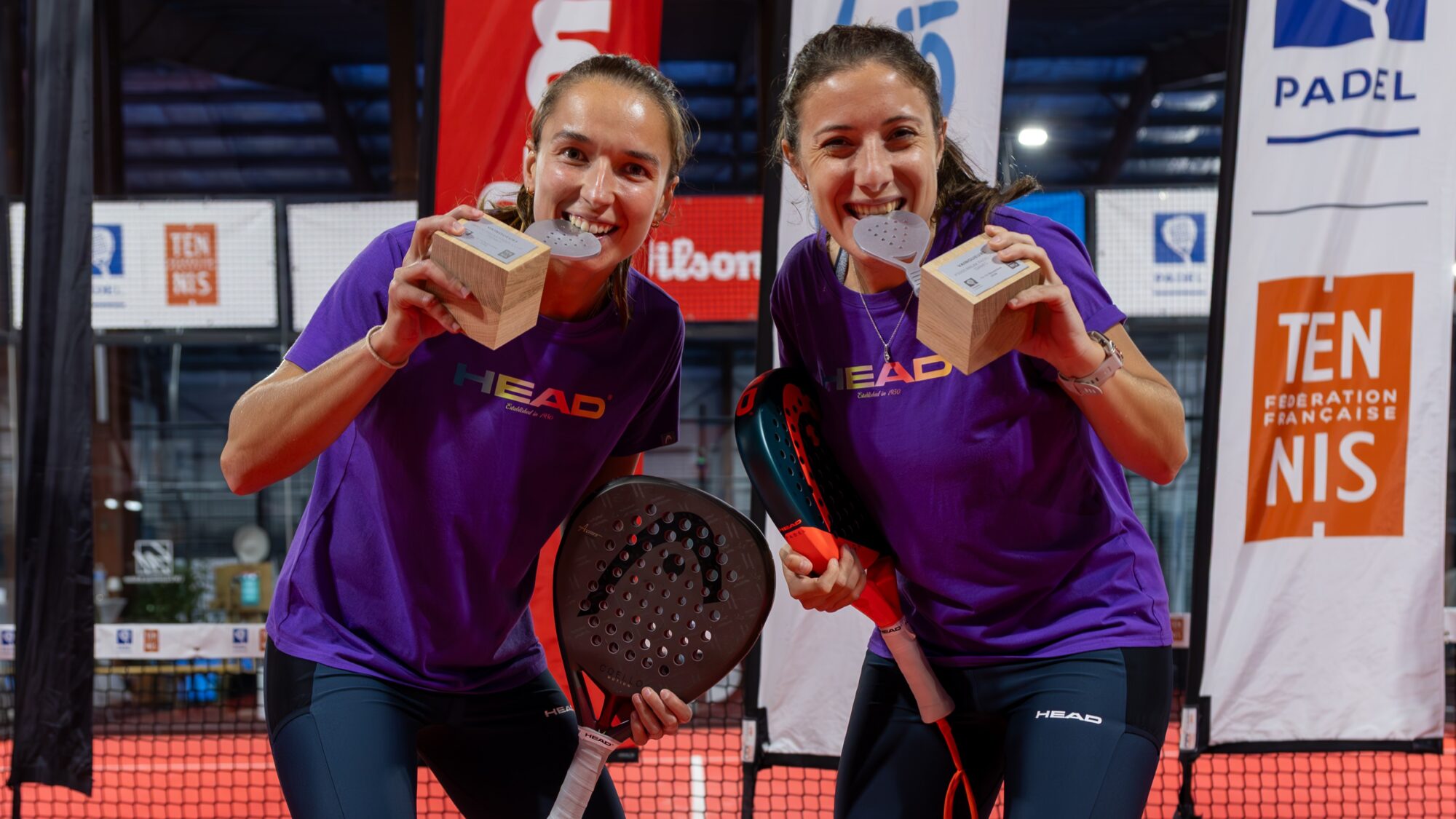 “My vision was blurry”: Clara Mansart recounts her eventful P3000 final – Lucile Pothier will tackle the FIP in France in 2027
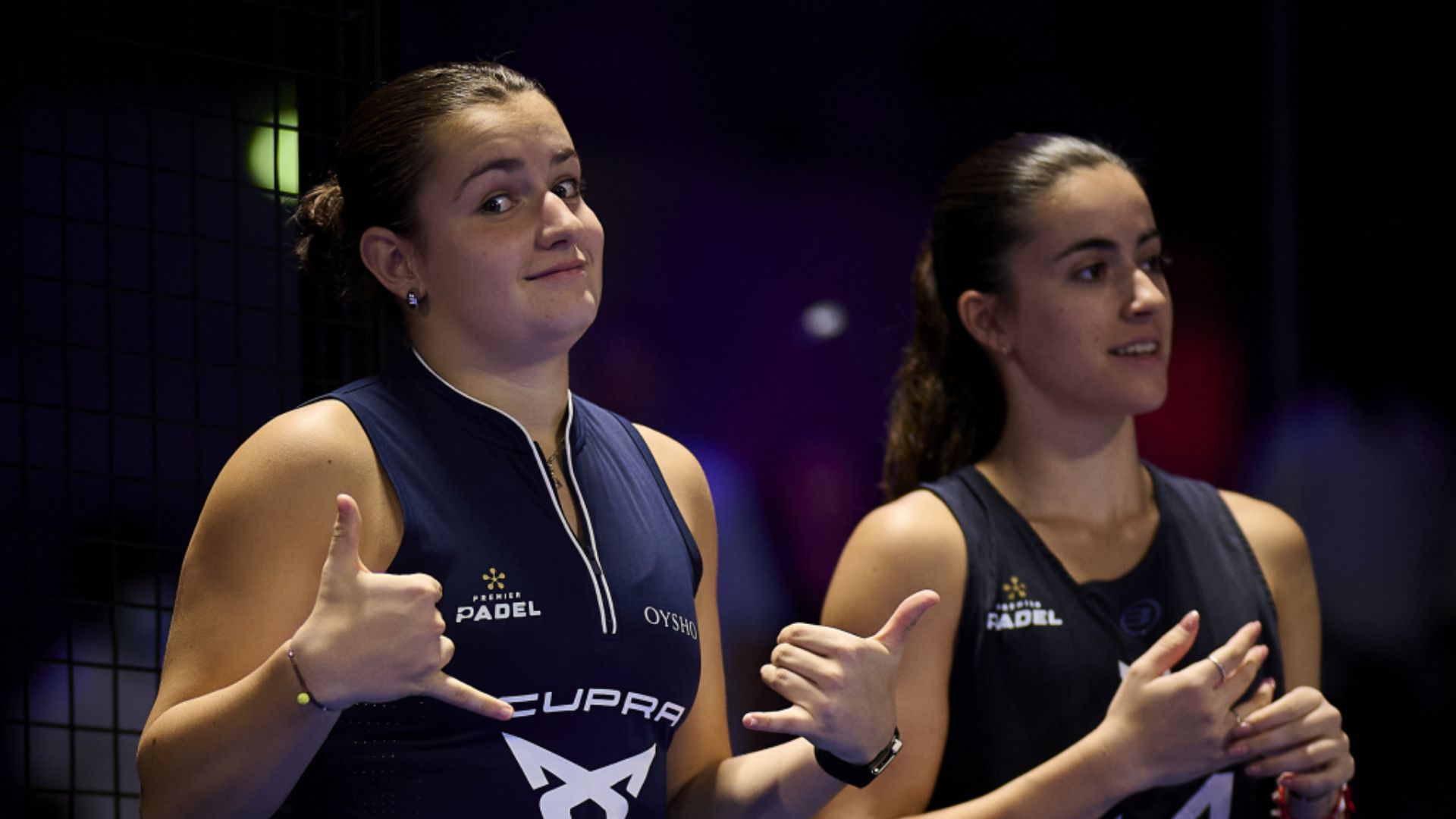 Dubai P1 – Fernández / Calvo: “Any of the three best pairs could be world number 1”
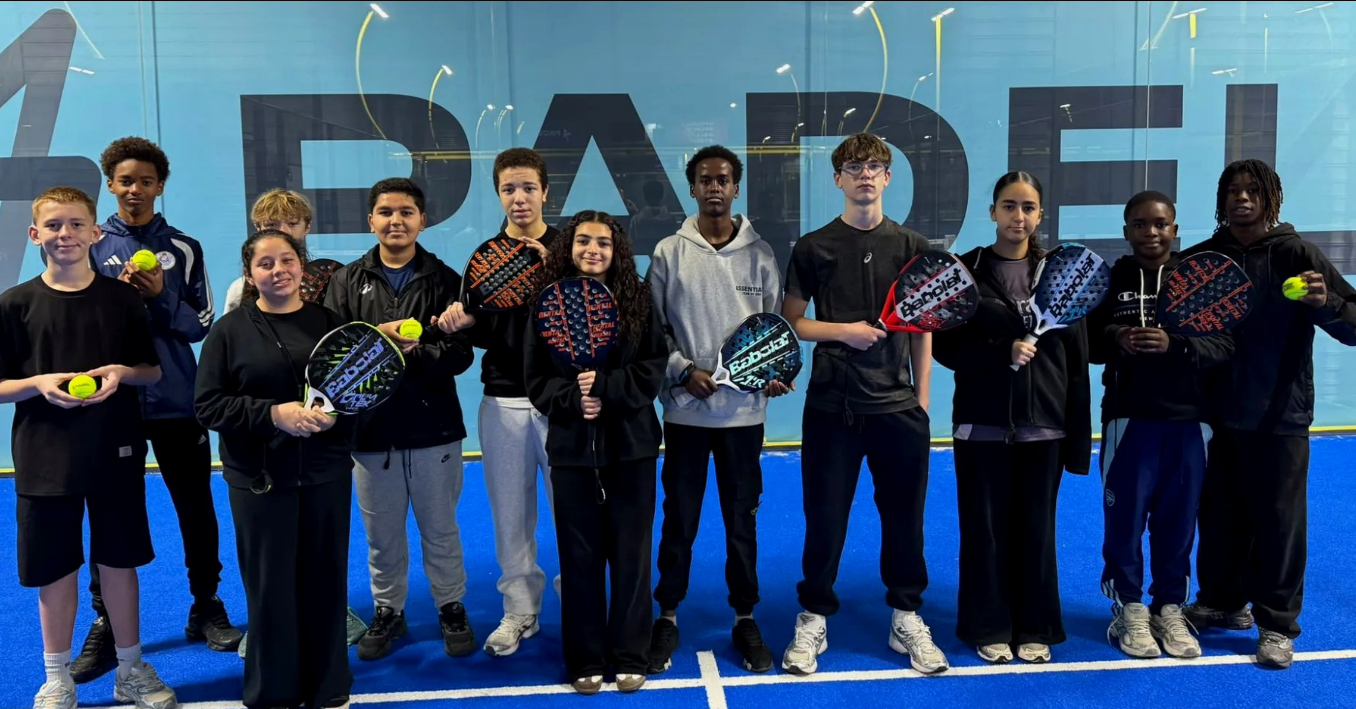 In Amiens, padel enters the school system: 55 middle school students, six schools and a model to follow?
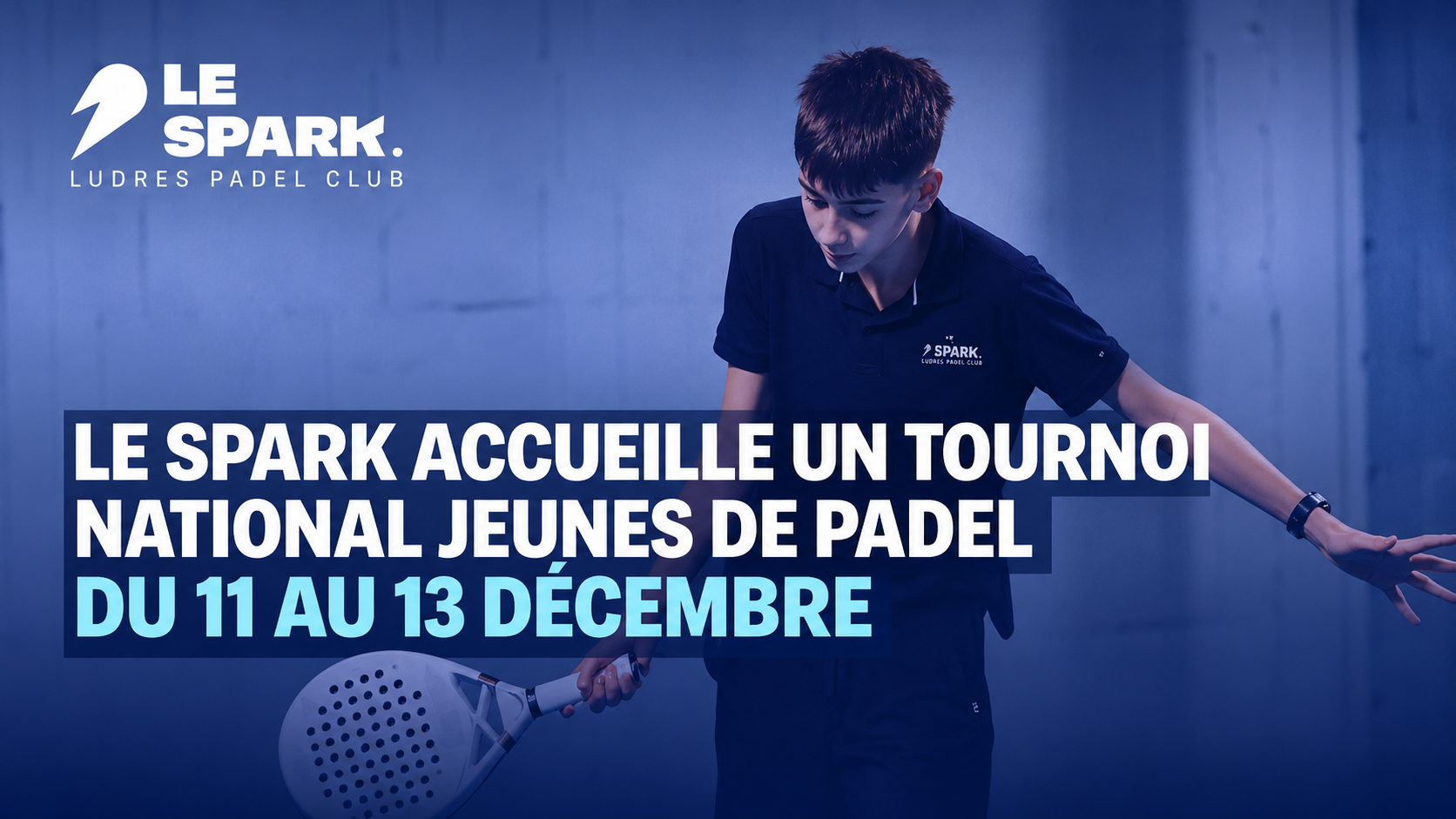 The Grand Est region is hosting the elite of French padel for the first time in the youth category.
 Finals: when a pair risks qualifying… only halfway
 Coello/Tapia: A look back at seven unexpected defeats since 2023
 Physicality in professional padel: between spectacular transformations and the importance of talent
 Premier Padel 2026 Finals: Barcelona aims to reclaim its world record in Buenos Aires
 In the United States PadelTennis and pickleball are one: the multifunctional club model continues its rise
 Padel, weight training, and even HYROX: clubs are changing their model
 Padel court rentals: a global market estimated at 4,6 billion euros
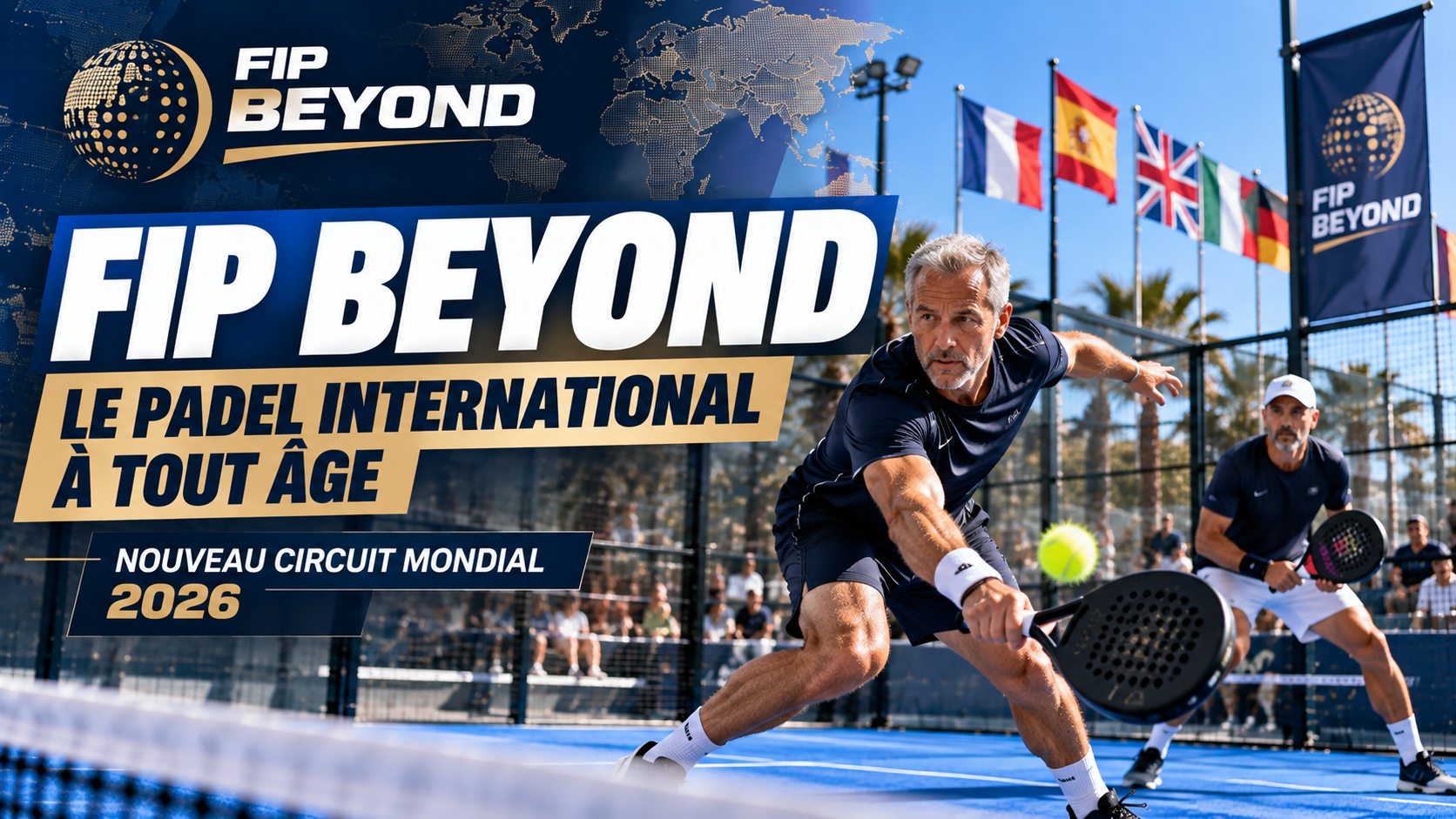 FIP Beyond: the new global padel circuit for amateurs and seniors
 OSS Barcelona – Why Spain and France aren't yet playing in the same league
 Cancer and rehabilitation: could padel become a therapeutic tool?
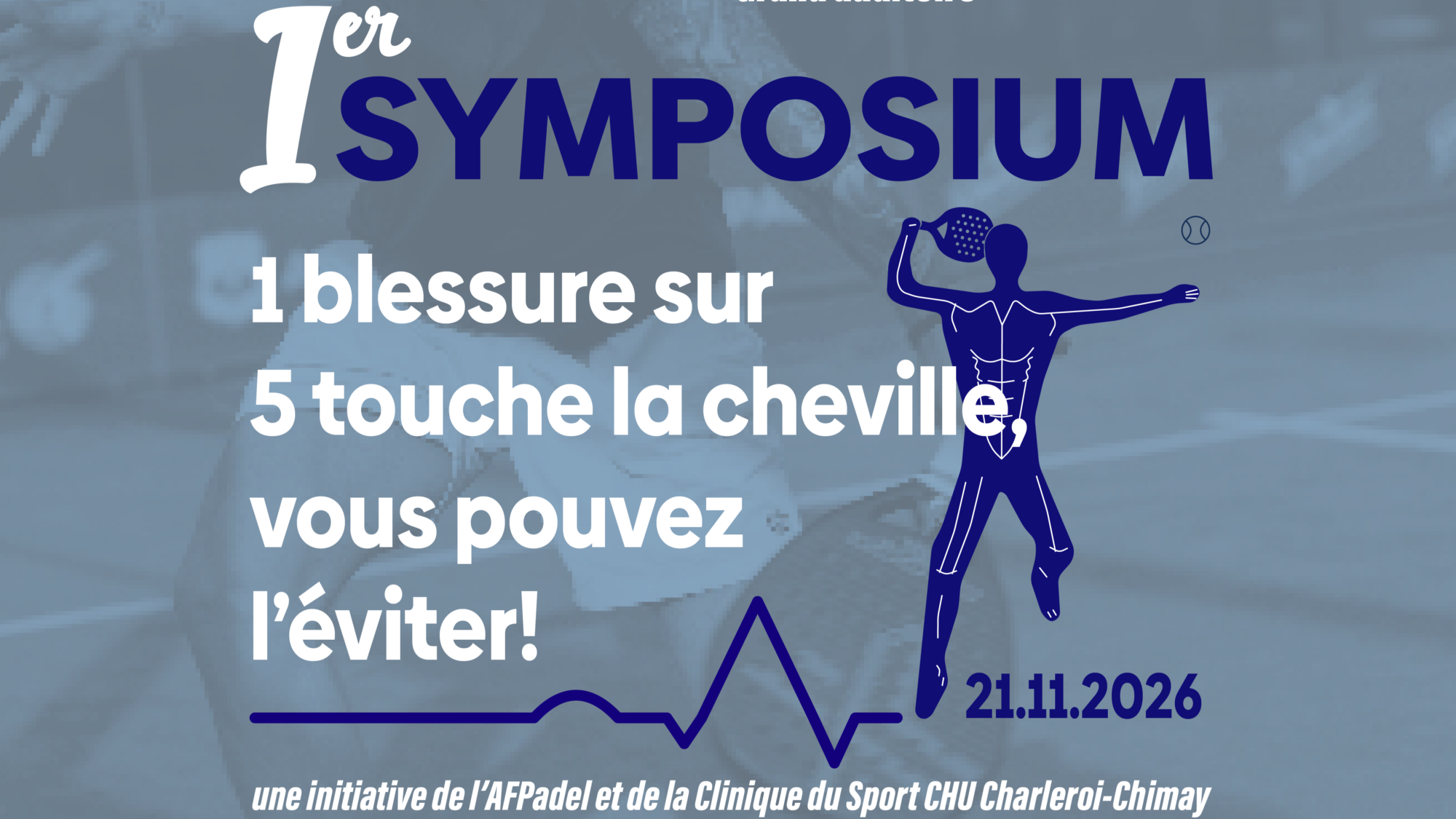 Padel injuries: ankle, knee, elbow, eye… what the latest figures reveal
 Shocking turn of events at Dubai P1: Coello and Tapia have also withdrawn!
 Padel serve: a good serve is especially good preparation for the third shot.
 What the analysis of the stroke reveals: tennis forehand vs. padel bandeja
 Has the bandeja disappeared from modern padel?
 Flat forehand in padel: 5 exercises from Cristian Álvarez to gain control and efficiency
 Why can Libaak/Alfonso beat almost everyone… except Coello/Tapia?
 Tapia reveals his recipe for beating Coello / Tapia: "I would bet everything on myself"
 How Coello defused Chingotto's game plan
 In padel, does the chemistry between a pair count as much as individual skill?
 Organising a national padel competition: what are the FFT's requirements for clubs?
 Organising a P2000 or a P3000: how much does it really cost clubs?
 P2000 or P3000: what are the differences in prize money, format and organization in 2028?
 Do you lose your ranking? Padel FFT after more than a year without a license / without competition?
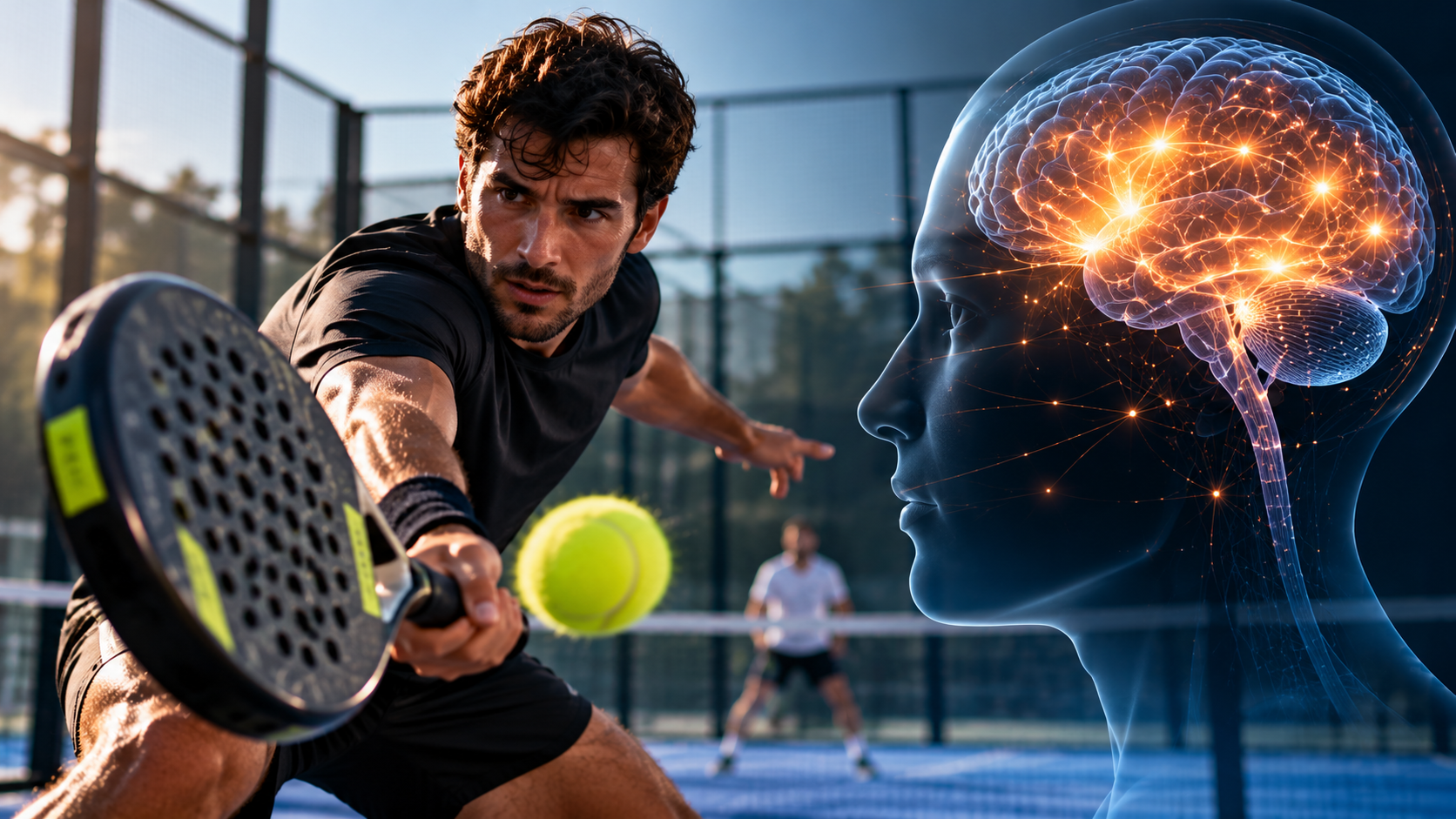 Memory, reflexes, concentration: what happens in our brain when we play padel?
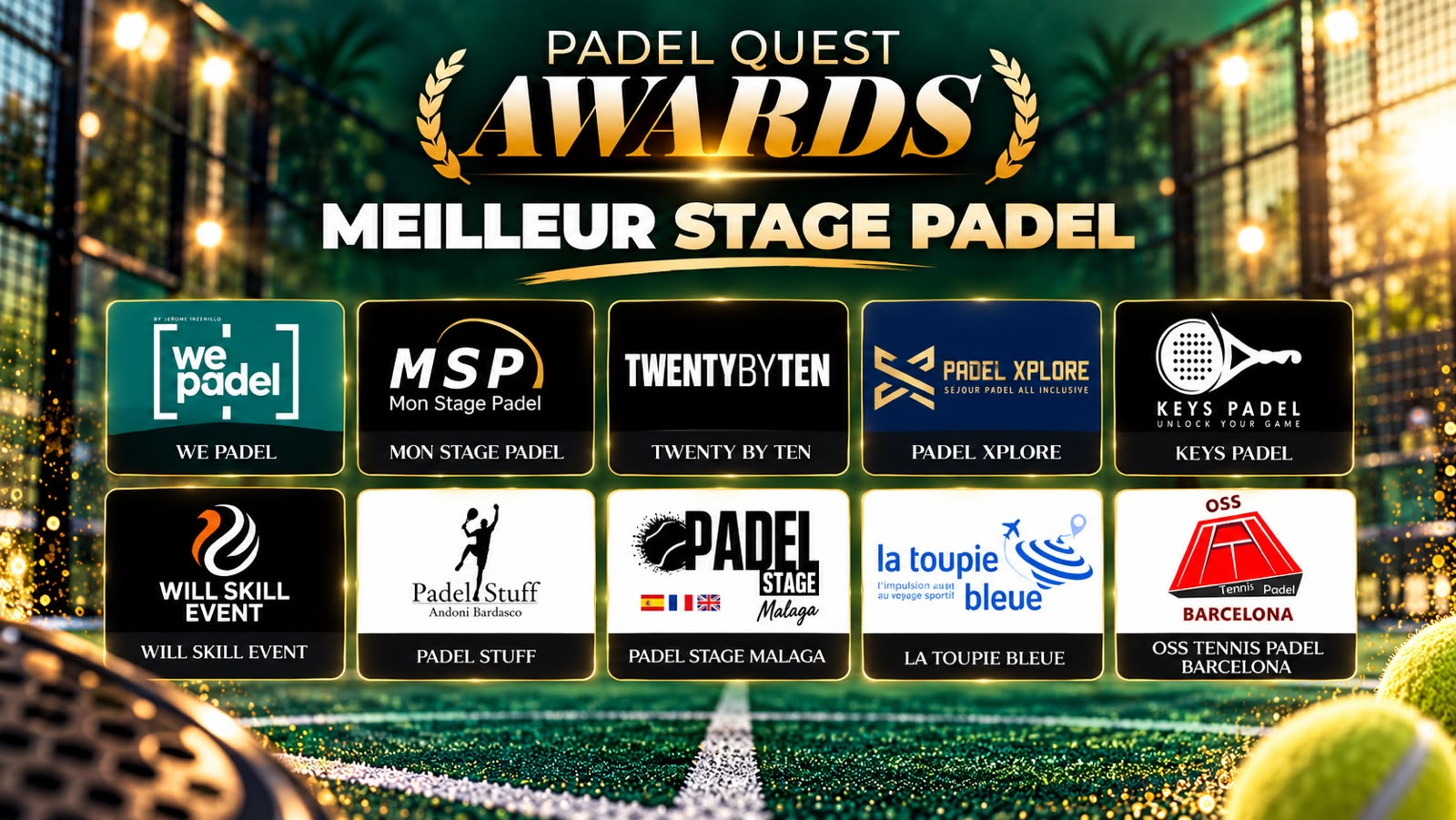 Padel Quest Awards: Ten specialists in the running for the title of best padel training camp of the year
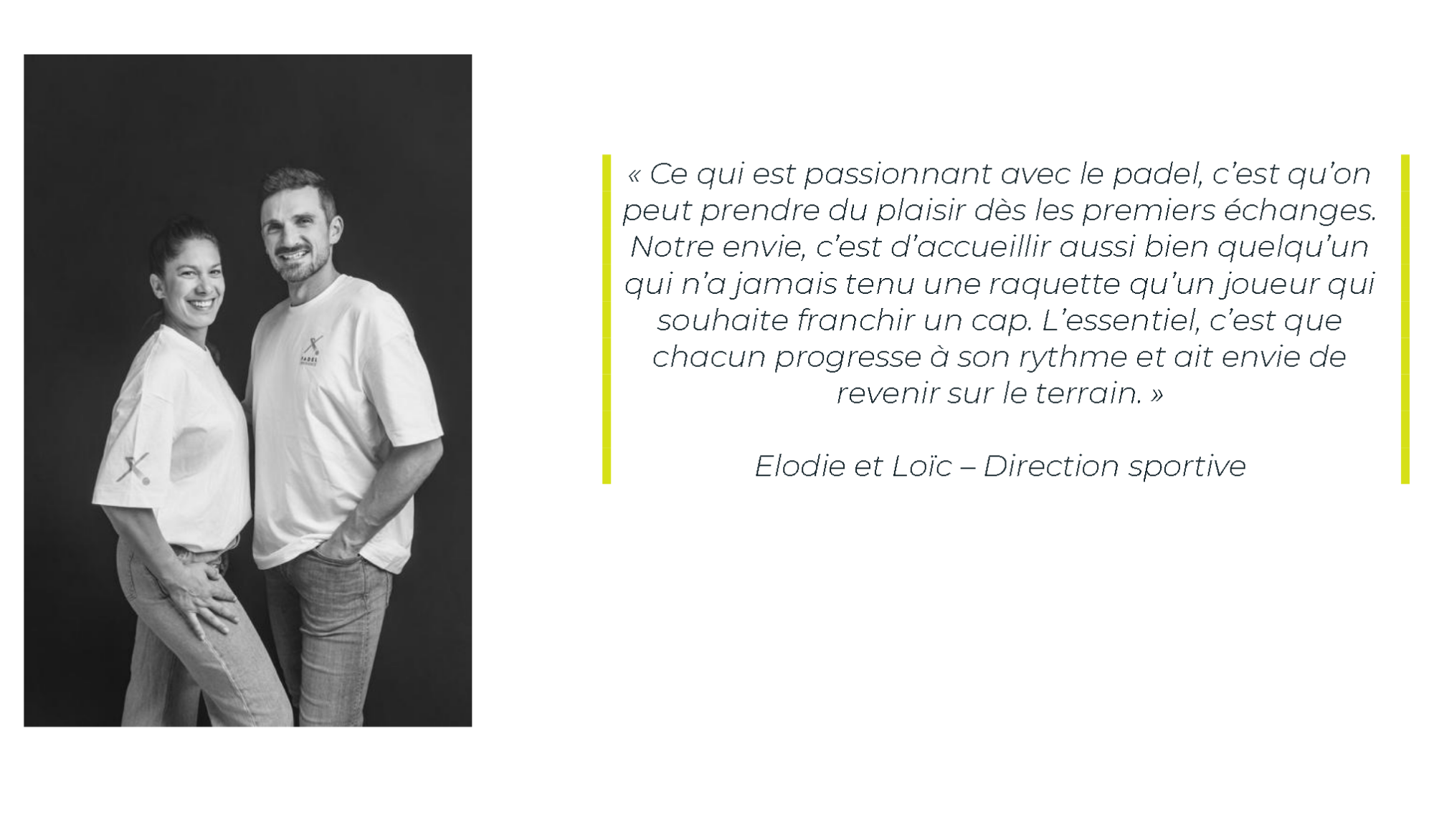 Padel Xperience: The Academy opens on November 2nd in Marcheprime, ahead of the complex's inauguration in 2027
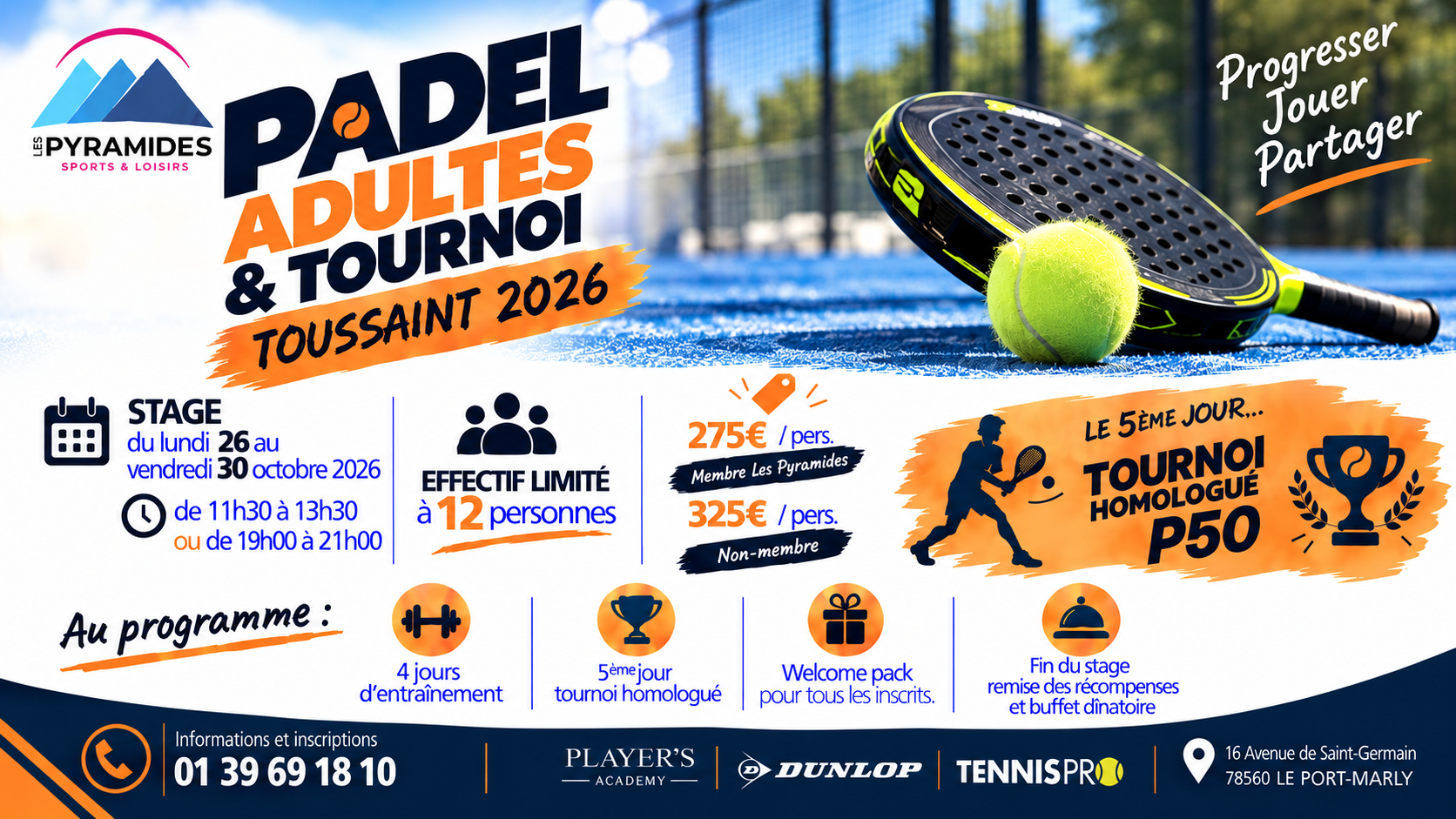 All Saints' Day – Les Pyramides are organizing a padel training camp for adults with a P50 tournament to close out the week