

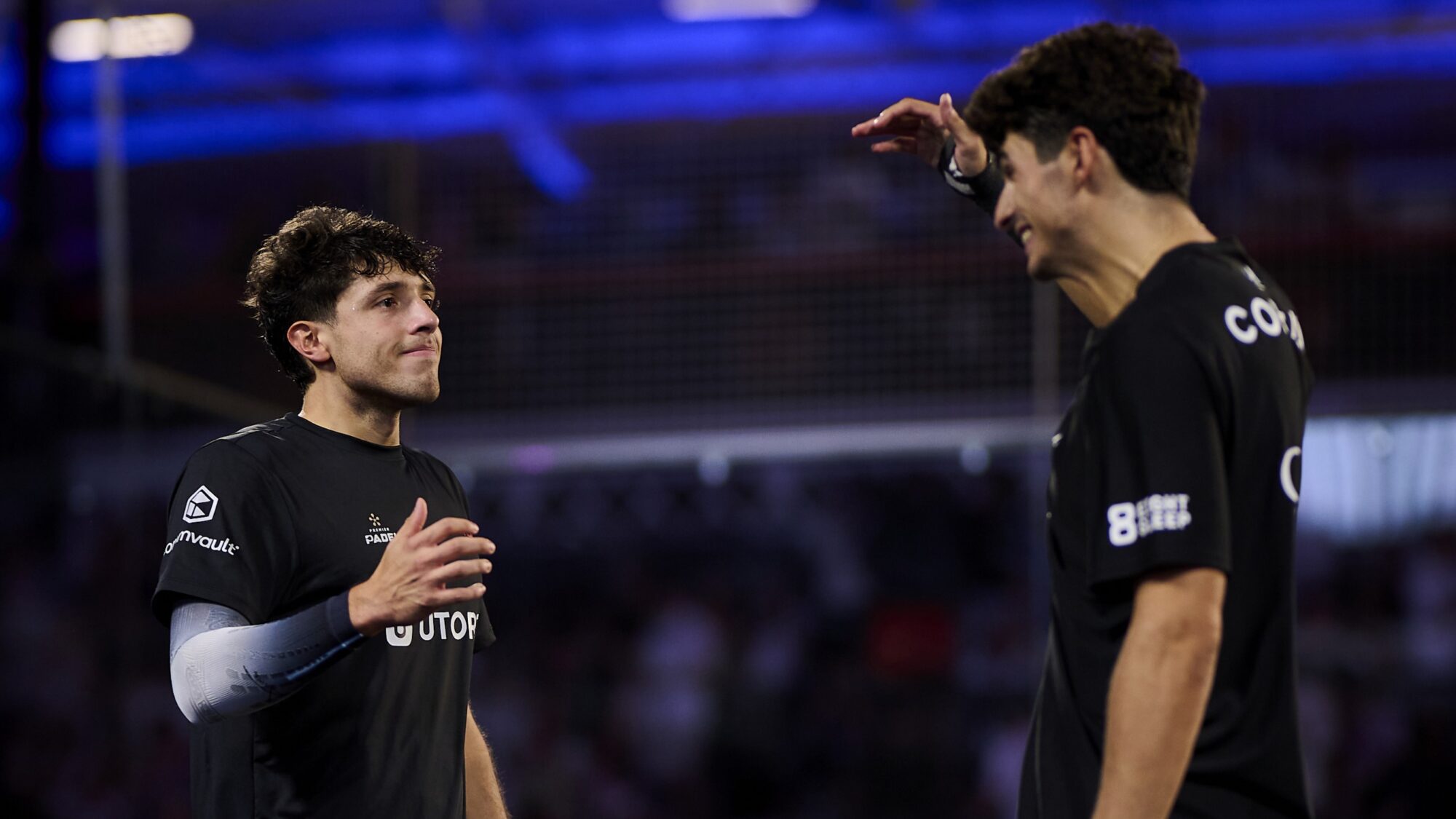







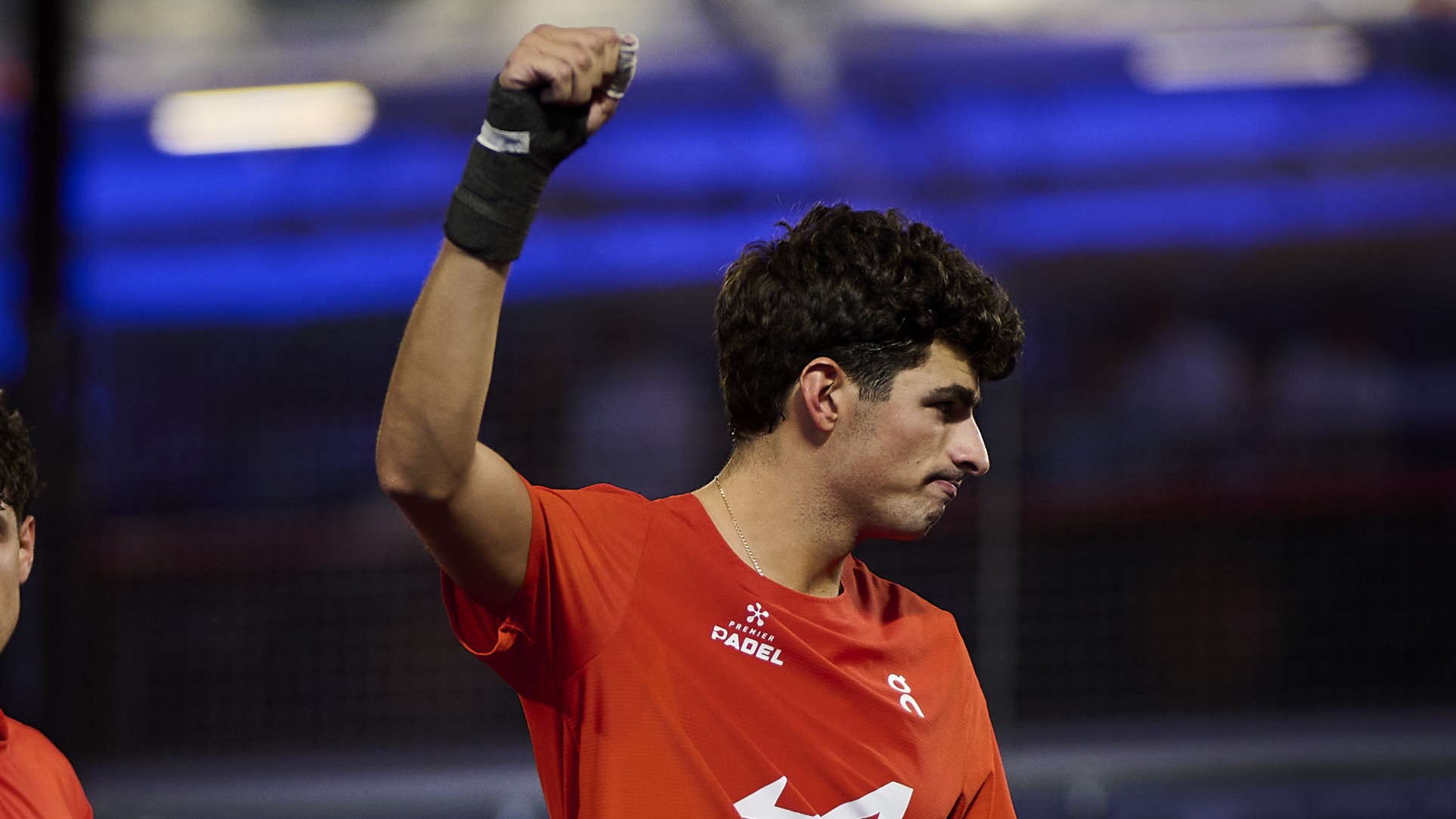
After being defeated by Juan Lebrón and Leo Augsburger in the Brussels P2 final, the Arturo Coello–Agustín Tapia duo have since won their next four encounters without dropping a single set. Their Paris Major semi-final victory, 7-5, 6-3, speaks less to a sustained dominance than to an almost total mastery of the decisive moments.
Two openings were enough
The score of the Paris semi-final might suggest a relatively comfortable victory for the number 1s. However, the unfolding of the first set tells the story of a match that was balanced for a long time.
The first eleven service games were won. At 3-3, Lebrón and Augsburger even had the first two break points of the match. Coello and Tapia saved them before patiently waiting their turn.
This opportunity came at 6-5. On their first break point, which was also a set point, the number 1s immediately punished their opponents. An almost identical scenario played out in the second set: a single opportunity at 3-2 and another immediate conversion.
The results perfectly summarize the difference between the two teams: Coello–Tapia converted two break points out of two, while Lebrón–Augsburger converted none out of two. The favorites then closed out the match with a shutout, after only 1 hour and 06 minutes.
Coello and Tapia therefore didn't need to create many opportunities. They protected their serve when under pressure, then won each of the points that could truly change the course of the match.
Brussels, the warning that changed the dynamic
In April, Lebrón and Augsburger had nevertheless achieved what no other pair had yet accomplished this season: beating the number 1 seeds in the final. After losing the first set, they had won 2/6 6/3 6/3 in Brussels.
This victory suggested the beginnings of a new rivalry. Augsburger's power, combined with Lebrón's ability to accelerate, defend, and occupy the center, seemed capable of causing lasting problems for Coello and Tapia.
The answer was clear. Since Brussels, the number 1s have won the following four encounters:
- 6/2 6/1 in Asunción;
- 6/4 6/4 in Valladolid;
- 6/2 6/2 in Málaga;
- 7/5 6/3 in Paris.
The annual balance sheet now reaches seven wins to one Coello and Tapia are in favor. Most importantly, Lebrón and Augsburger haven't won a single set in their last four encounters.
No longer provide Augsburger with the balls he expects
The final in Málaga provided the most precise tactical indications of this evolution. The statistics of Padel Intelligence then showed a very significant drop in the offensive production of Lebrón and Augsburger compared to their semi-final victory against Galán–Chingotto.
They hadn't earned a single break point and had only produced 14 winners, compared to 25 for their opponents. Augsburger's case was particularly revealing: his smash volume had dropped from 25 attempts in the semi-final to just nine in the final.
The analysis highlighted, in particular, the deep lobs and aggressive volleys of Coello and Tapia. The objective was not necessarily to beat Augsburger in a power contest, but to reduce the number of balls he could comfortably hit while moving forward.
The distinction is important. Neutralizing a finisher doesn't mean waiting for them to make mistakes. It means first forcing them to play their shots overhead from less favorable positions, and then being ready to defend the next ball. The power remains, but the conditions that allow it to be unleashed gradually disappear.
Paris, a different kind of victory than Málaga
However, it would be unwise to claim, without a complete video review, that Coello and Tapia reproduced exactly the same plan at Roland-Garros.
Unlike in Málaga, Lebrón and Augsburger managed to put the number 1 players' serves under pressure this time. Their two break points at 3-3 prove that they got into the match and had a real opportunity to take control of the first set.
But they failed to maintain that pressure. Once those two opportunities were eliminated, they didn't get another break point. Coello and Tapia, on the other hand, converted their only two chances.
The next stage of the analysis will therefore need to focus on four specific sequences: the two break points saved at 3-3, the break at 6-5, the break obtained at 3-2 in the second set, and the final love game. The quality of the returns, the depth of the lobs against Augsburger, his smash choices, and Lebrón's coverage of the center will help determine whether Málaga's game plan was truly implemented.
Lebrón–Augsburger must now find a second way
Lebrón and Augsburger remain capable of beating almost any pair on the tour thanks to their intensity and offensive power. But Coello and Tapia seem to have gradually reduced their reliance on direct confrontation.
The number one players now know how to navigate periods when their opponents dictate the pace. They don't need to dominate every game: they simply need to stay in touch, protect their serve, and wait for the first dip in accuracy.
For Lebrón and Augsburger, the question therefore becomes broader than that of smash efficiency. Can they build up play for long enough when an immediate attack isn't available? Can they apply consistent pressure on the return rather than relying on a few explosive sequences?
In Brussels, they had opened a breach. Four matches later, Coello and Tapia seem to have closed it. To transform this lopsided confrontation into a true rivalry, Lebrón and Augsburger will now have to find another way in.

I discovered the Padel I stumbled into Spain at a campsite. I was instantly hooked; passionate about padel, I follow international and regional news with the same excitement as the sport itself.









































































 Martina Calvo after her revenge on Sánchez / Ustero: “Your question served as motivation for me! »
 Düsseldorf P2: Tapia/Coello still too strong for Stupa/Sanz, third consecutive title for the world number 1s
 Prod'homme and Marin defeat Mitjana/Henrion to win the P1000 HUDDL Aizenay
 France or Portugal, Spain or Argentina: Miguel Lamperti ranks the best padel nations
 Cédric Lavoye: "Hard work pays off" and a first FIP tournament in Guadeloupe is in his sights
 Nicolas Rouanet is preparing his return in 2027: “With Bastien Blanqué, I would never say no”
 Leygue/Blanqué respond bluntly to the criticism: "You can say what you want... We're putting all our money and our lives into this."
 Padel rankings October 2026: more than 150,000 men ranked in France
 P1000 Verneuil Padel Club – Results / Live / Schedule
 West Padel opens its 4 indoor courts in Montivilliers on November 5th
 With Galán tired and Coki Nieto sidelined, is the infernal pace of the circuit starting to take its toll on the players?
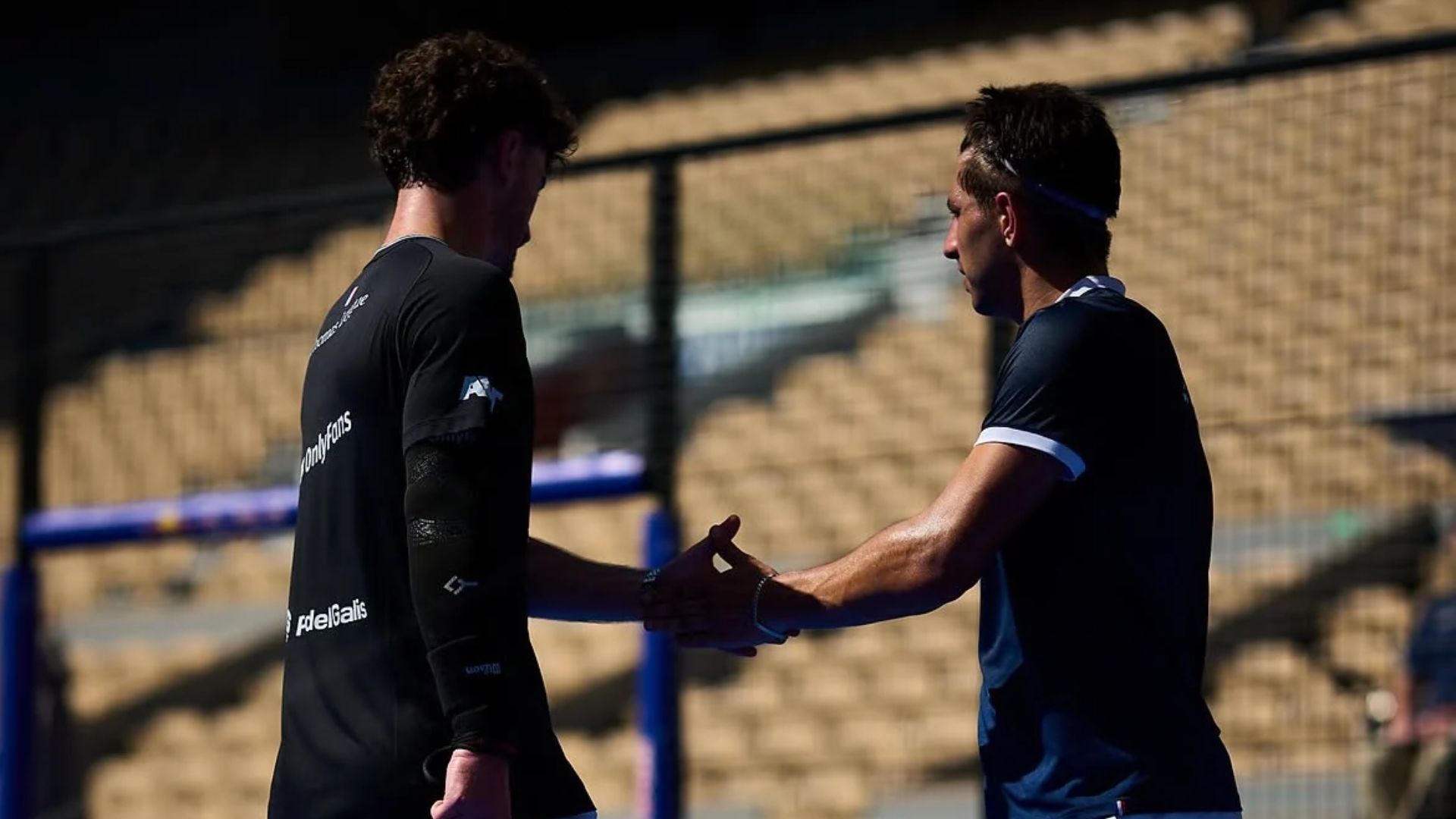 Milan P1: Thomas Leygue launches his qualifying campaign with Jesús Moya
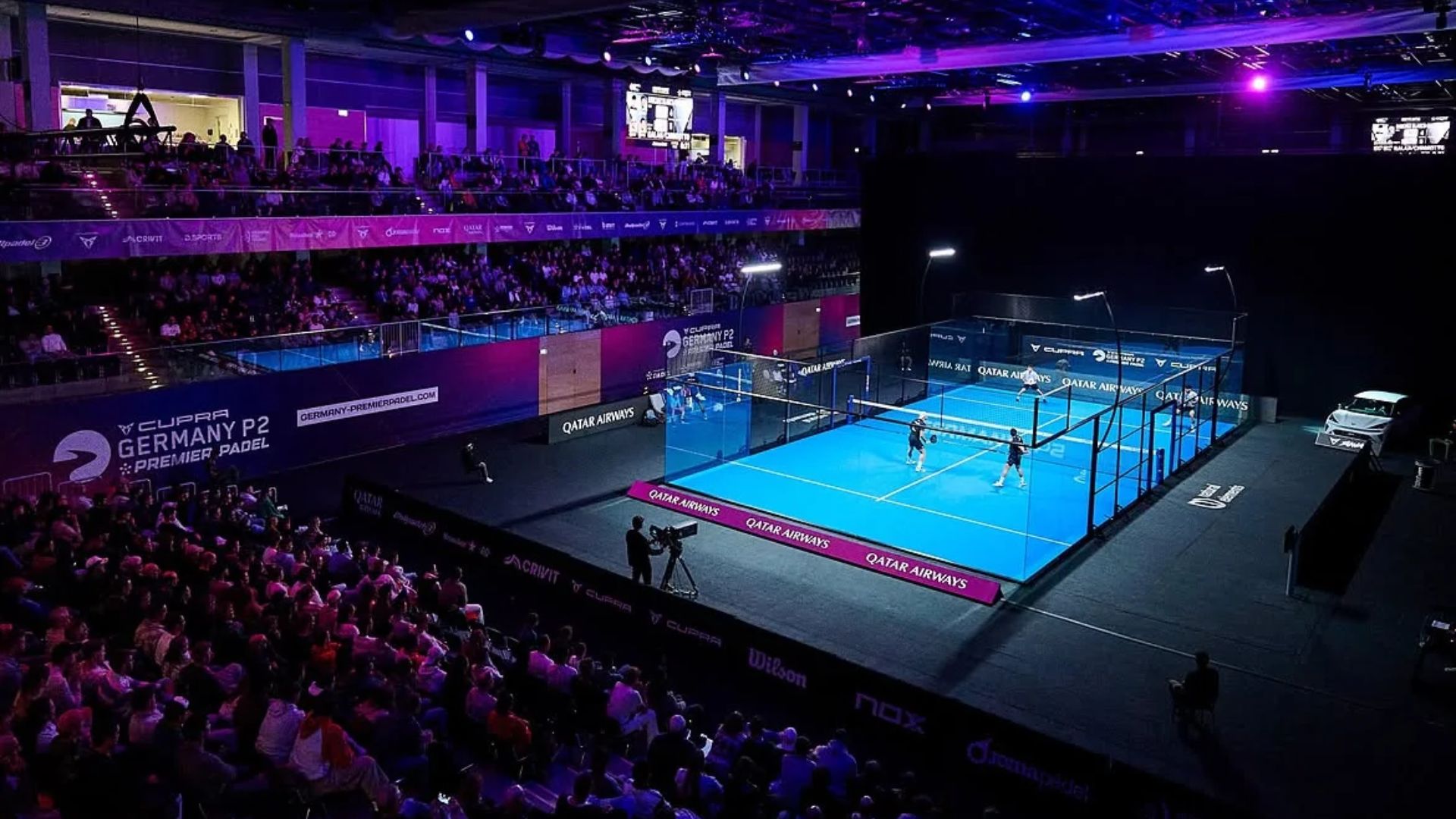 Germany P2: The fastest quarter-finals in history Premier Padel
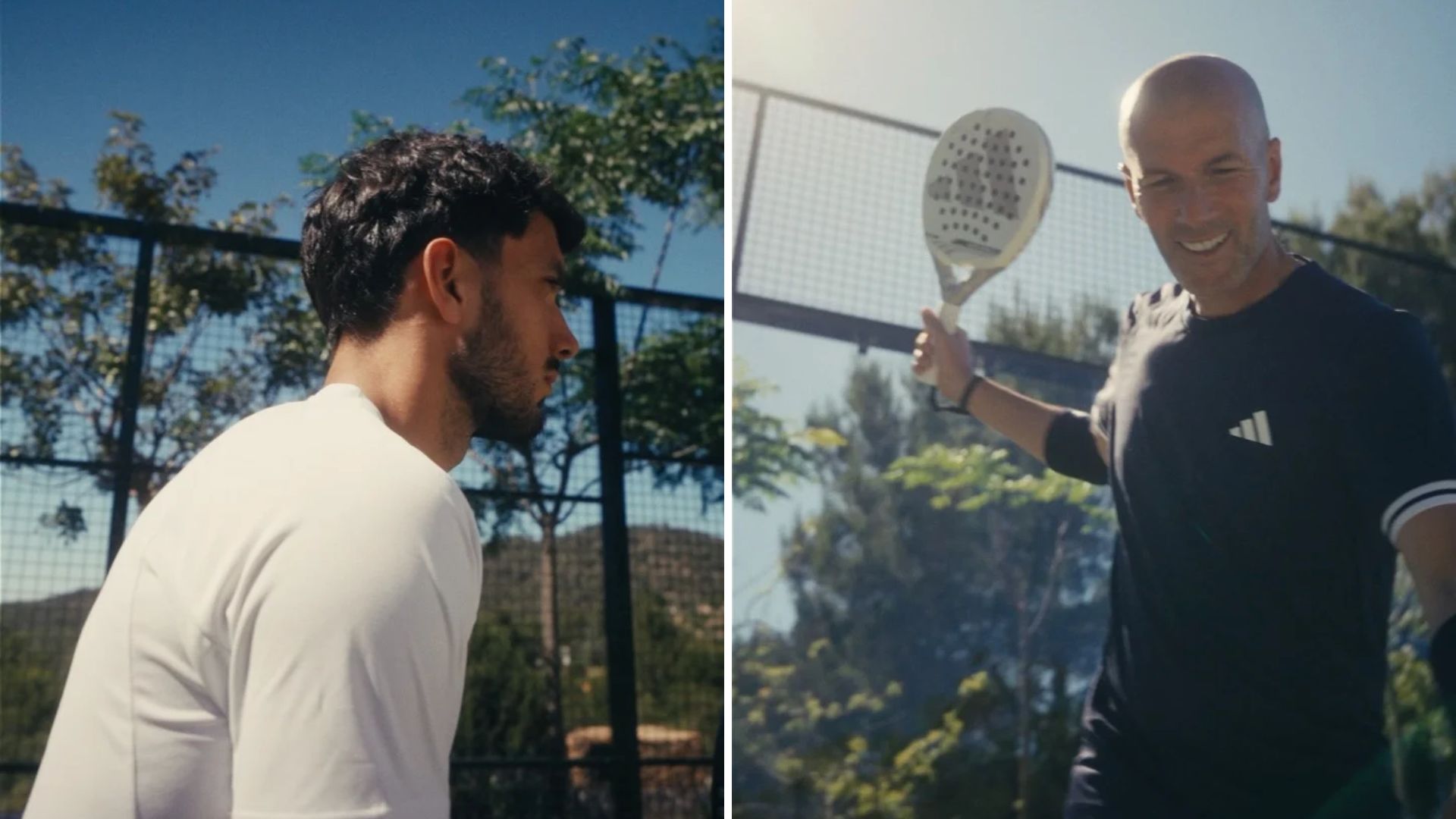 Zidane and Galán reunited on the track to launch the Metalbone ZZ
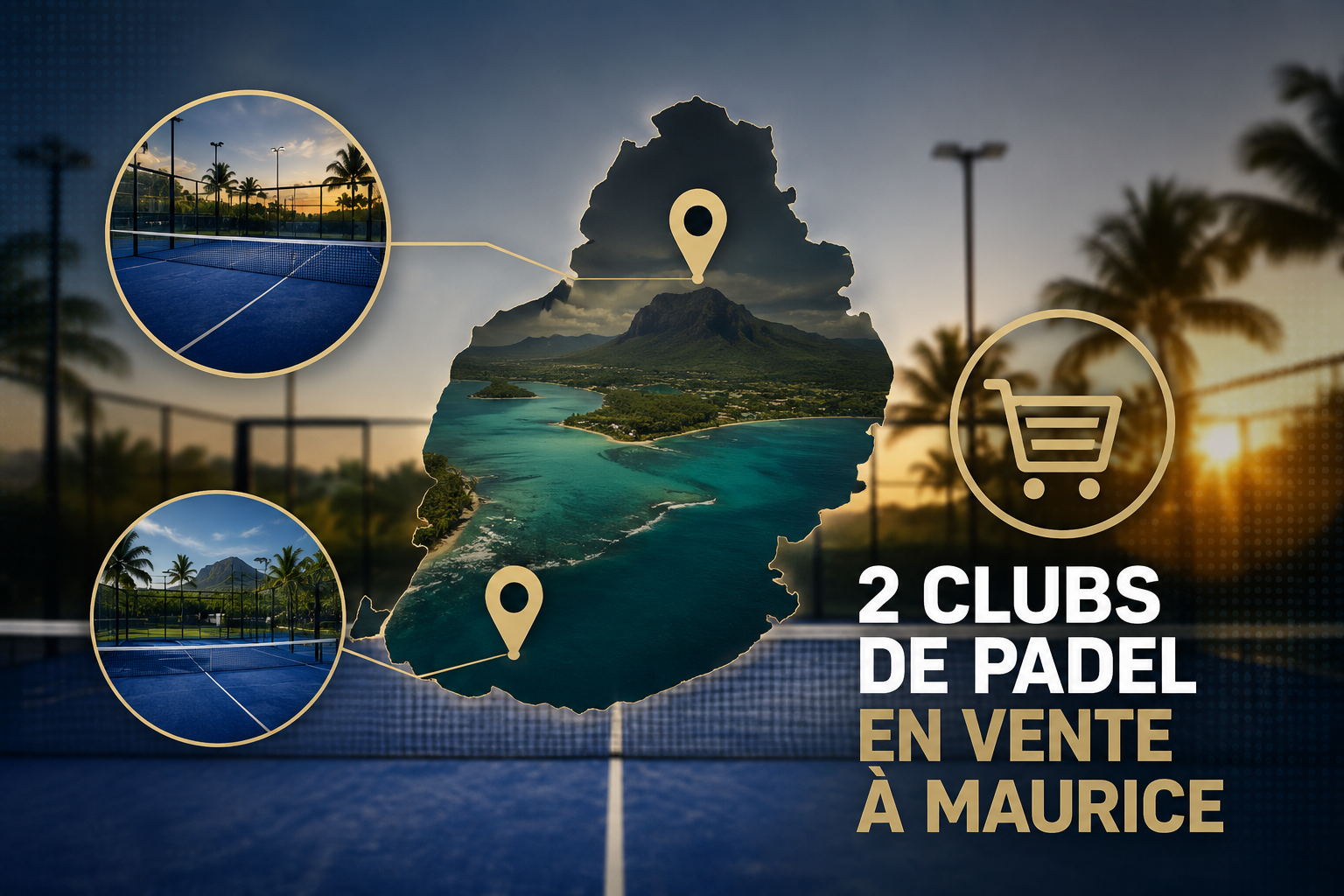 For sale: two padel clubs in Mauritius, starting from 330,000 euros
 How much does it actually cost to organize a FIP Bronze event?
 Padel How Lidl is transforming Crivit into a fully-fledged sports brand with Steffi Graf
 Compagnie des Alpes is accelerating its involvement in padel with PadelCity: a new step in its European strategy
 Coello with a player at 0 points ahead of two top 10 players: should the FIP ranking be reviewed?
 Les Pyramides: after 12 padel courts, the club is focusing on youth training
 Health Care Padel Tour 2026: What if your next padel tournament was played in Barcelona?
 FAST Padel Academy continues its development and establishes itself in Liège.
 What the analysis of the stroke reveals: tennis forehand vs. padel bandeja
 Has the bandeja disappeared from modern padel?
 Flat forehand in padel: 5 exercises from Cristian Álvarez to gain control and efficiency
 Why knowing how to play on the right and left can make all the difference
 Tapia reveals his recipe for beating Coello / Tapia: "I would bet everything on myself"
 How Coello defused Chingotto's game plan
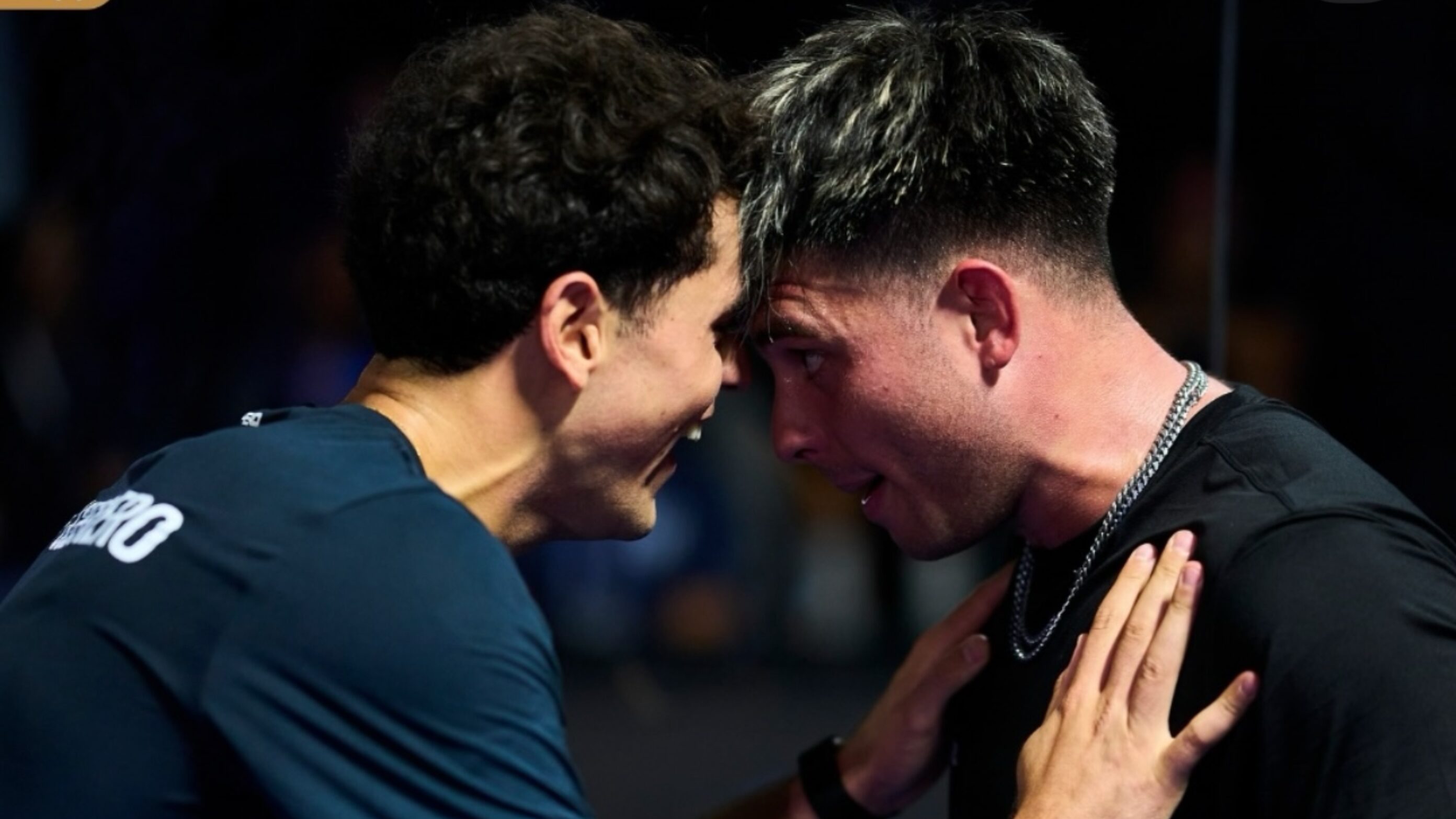 In padel, does the chemistry between a pair count as much as individual skill?
 Summer changes padel… but what if the real challenge wasn't hitting harder?
 Neither FIP Tour nor World Team Championship: the unique format of padel at the Mediterranean Games
 Premier Padel : when television can lengthen players' breaks
 Premier Padel Yes, a referee can refuse a player permission to go to the toilet
 Julien Seurin opens up about his mental state: "There are far more doubts than moments of happiness."
 More than a year later, Thomas Leygue is back in the top 150: behind the scenes of a comeback that's still unfinished
 Padel vs squash vs badminton: the scientific ranking of cardio intensity
 Why does Arturo Coello play with his right hand bandaged?
 What if your progress in padel depended on what nobody else is looking at?