

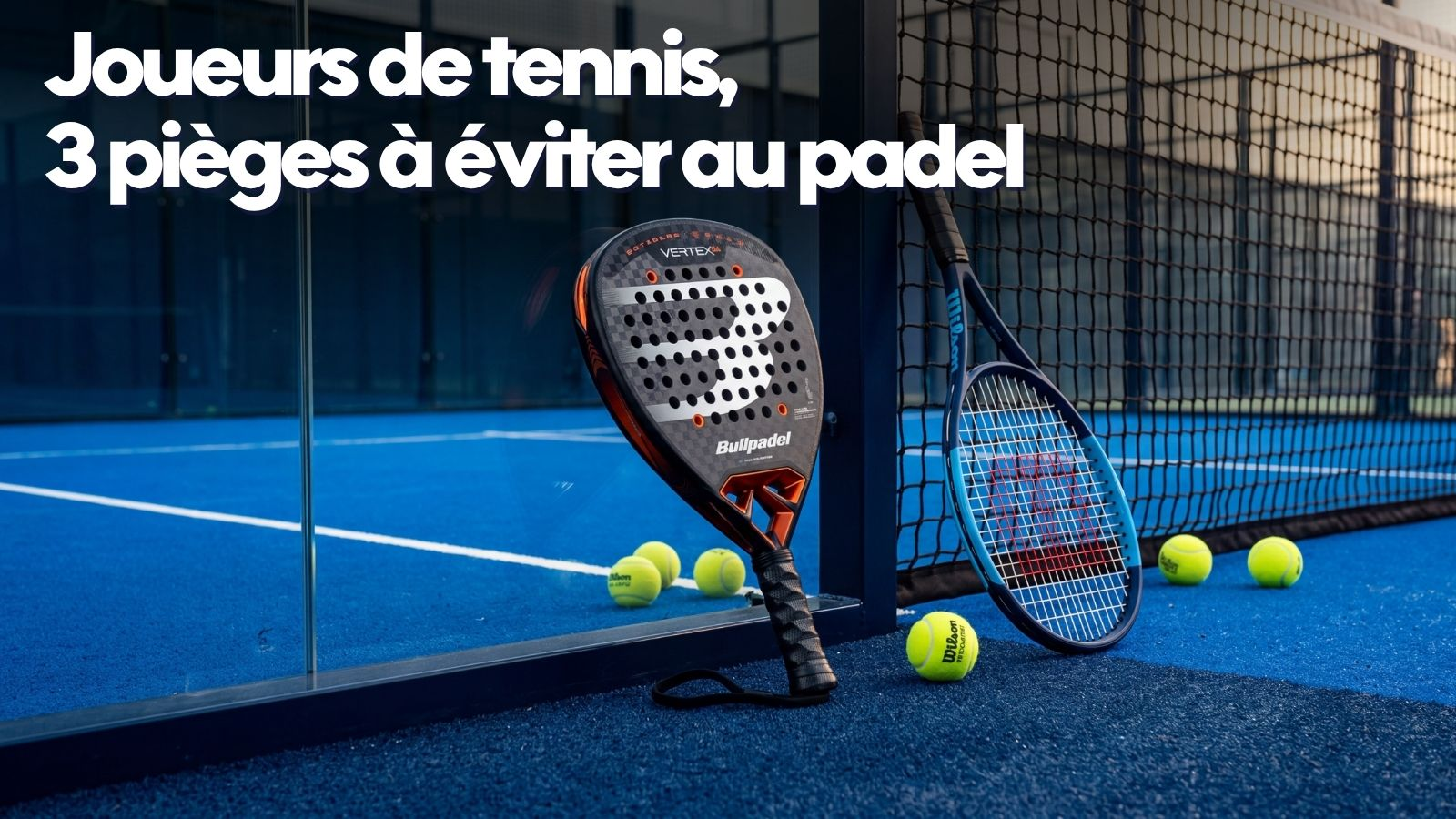








Switching from tennis to padel may seem natural. The two sports share certain characteristics: a snowshoeingA ball, a net, and rallies that demand coordination and precision. Yet, the technical and tactical differences are significant. Players from a tennis background often possess advantages that allow them to progress quickly, but certain habits can also slow their adaptation. Here's what you need to know. three common mistakes to avoid to successfully transition to padel according to French Padel Shop.
1. Choosing a racket that is too heavy or too demanding
This is one of the first pitfalls for former tennis players. Accustomed to hitting hard and handling a relatively heavy racket, some immediately favor a rigid, powerful, diamond-shaped padel racket .
A choice that can quickly become restrictive.
Unlike tennis, padel presents numerous defensive challenges, particularly with rebounds off the glass walls. Players must frequently make short movements, react quickly, and adapt their preparation.
A racket that is too heavy, with a high balance, can complicate these phases of play and increase muscle fatigue.
Which racket should I choose to start with?
A round racket , generally more forgiving and maneuverable, is an interesting option for discovering the specifics of padel.
Players who already possess good tennis technique can also consider a water droplet-shaped racket offering a compromise between power and control.
The main thing is to prioritize:
- Un low or intermediate balance to facilitate movement.
- Un weight to his physical condition.
- A good tolerance for off-center shots .
- Sufficient comfort to carry out the exchanges.
Power will come gradually with mastery of the specific padel techniques.
2. Thinking that all tennis shoes are suitable for padel
Another common mistake: arriving on a padel court with tennis shoes without checking their compatibility with the surface.
While both disciplines heavily rely on footwork, movement in padel has some unique characteristics: rapid changes of direction, lateral movements, rotations and reversing towards the windows .
Tennis shoes designed for clay courts, with their herringbone soles, can be suitable for many padel courts, including those with sand.
On the other hand, some shoes designed for hard surfaces may offer less suitable grip depending on the type of synthetic turf.
How to choose your padel shoes?
Three criteria deserve particular attention.
Adhesion: The base must be suitable for the type of surface being covered. Herringbone or hybrid base plates can be adapted depending on the amount of sand and the nature of the surface.
Maintaining: Lateral reinforcements and heel stability are important to support changes of direction.
Cushioning and comfort: They should allow for a series of movements without excessive discomfort.
Therefore, it is not always necessary to buy specific shoes for your first game. However, for regular practice, Equipment adapted to the frequently used slopes becomes important .
3. Maintain your tennis positioning reflexes
This is probably the most important adaptation.
In tennis, the player often tries to catch the ball before it passes him and to control the rally from his baseline.
In padel, the presence of glass profoundly changes the logic of the game.
A ball that passes behind the player is not necessarily lost. It can bounce off the glass and offer a new defensive opportunity.
Former tennis players sometimes tend to want to hit systematically before the bounce off the wall, to accelerate too quickly or to stay at the back of the court.
However, padel relies heavily on patience, point building and space management .
Power alone is not enough. A well-placed shot, a change of pace, or a lob can be much more effective than a fast shot.
Learning to move around in pairs
Another fundamental difference: Padel is played in doubles which requires ongoing coordination with its partner.
The two players generally need to evolve together, maintaining a coherent organization.
In the offensive phase, the objective is to take the net , a strategic position to put opponents under pressure.
In defense, players must learn to drop back, use the glass, and wait for a favorable opportunity to regain the initiative.
Staying too long in the intermediate zone, between the back of the court and the net, often exposes the pair to balls that are difficult to deal with.
For players coming from a tennis background, the main lesson is therefore to no longer reason solely individually, but to build each point with your partner .
Tennis is an advantage, provided you know how to adapt.
Tennis players generally have an interesting technical base to discover padel: coordination, reading trajectories, quality of stroke and experience of rallies.
But these gains do not guarantee immediate adaptation.
Padel requires learning to Utilize the glass, slow down the game when necessary, master the lob, and build points collectively. .
The choice of equipment should accompany this learning process, without seeking to exactly reproduce the sensations of tennis.
The best transition is not necessarily that of the player who hits the hardest, but that of the one who most quickly accepts to change their habits.






























































 Dubai P1 – Fernández / Calvo: “Any of the three best pairs could be world number 1”
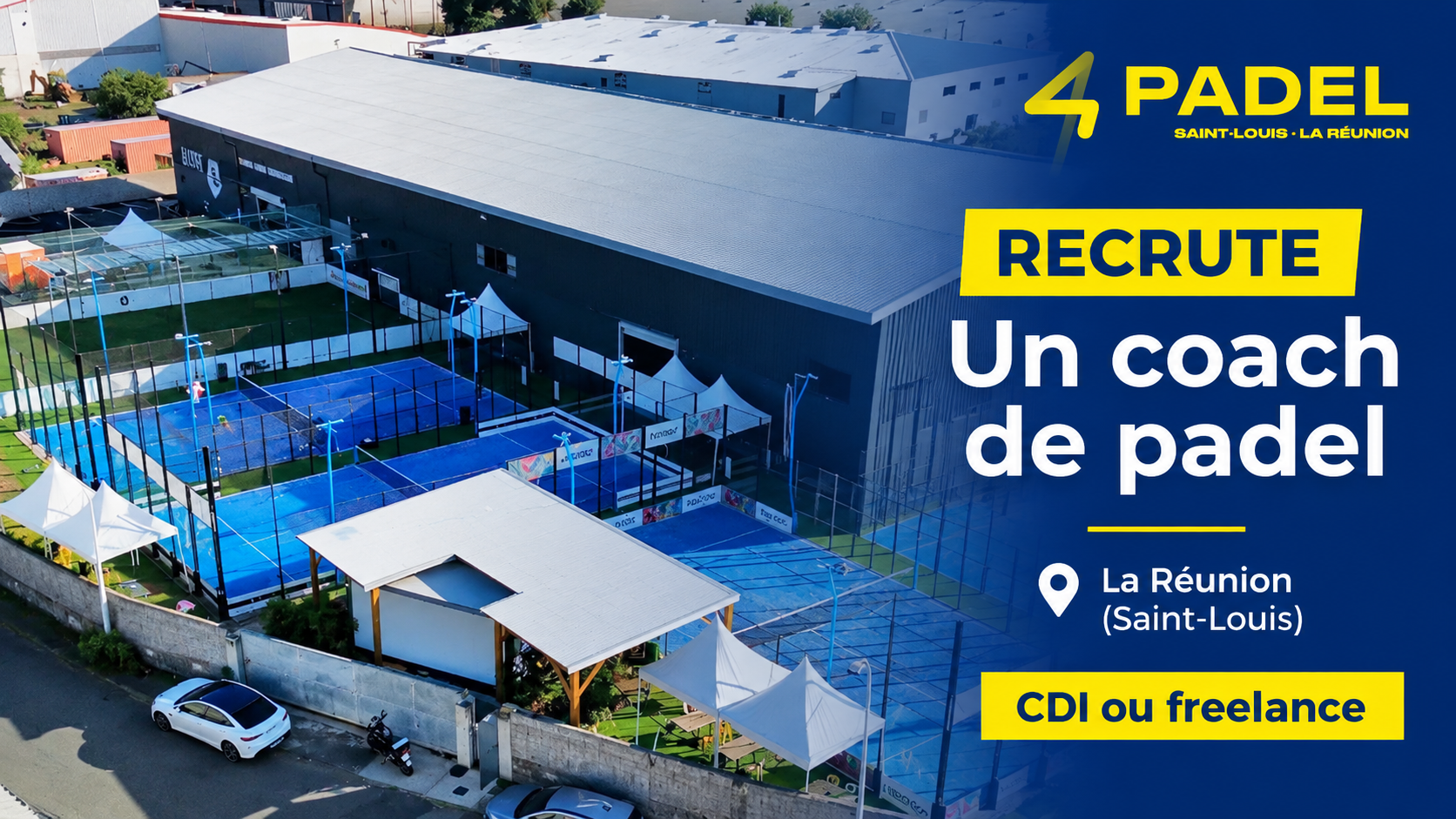 4PADEL is recruiting a padel coach in Reunion Island: permanent contract or freelance
 Three consecutive serves in the Dubai final: the recurring umpiring error Premier Padel
 Dubai P1: One tournament too many after the World Championships?
 Two and a half years to create a padel racket: HEAD reveals the manufacturing secrets of its 2027 models
 Javier Rodríguez Piris: “I would like Spain to host the World Championships in 2030”
 "We're not a tournament club": the gamble taken by the two Henry sisters who are hosting a P3000 at The Break Padel Club
 P3000 Break Padel Club – Down a set, Pothier and Mansart find the strength to join Dardaine/Senjean in the final
 Dubai P1 – Where to watch the finals live? TV schedule, fixtures and times
 P3000 Break Padel Club – Where to watch the semi-finals? Schedule, posters and times
 Dubai P1 – How much did the tournament champions and players earn? A breakdown of the prize money and FIP points
 Padel, weight training, and even HYROX: clubs are changing their model
 Padel court rentals: a global market estimated at 4,6 billion euros
 FIP Beyond: the new global padel circuit for amateurs and seniors
 More than 6,300 FIP-ranked players: professional padel is becoming international, but Spain dominates
 OSS Barcelona – Why Spain and France aren't yet playing in the same league
 Cancer and rehabilitation: could padel become a therapeutic tool?
 Padel injuries: ankle, knee, elbow, eye… what the latest figures reveal
 Shocking turn of events at Dubai P1: Coello and Tapia have also withdrawn!
 Padel serve: a good serve is especially good preparation for the third shot.
 What the analysis of the stroke reveals: tennis forehand vs. padel bandeja
 Has the bandeja disappeared from modern padel?
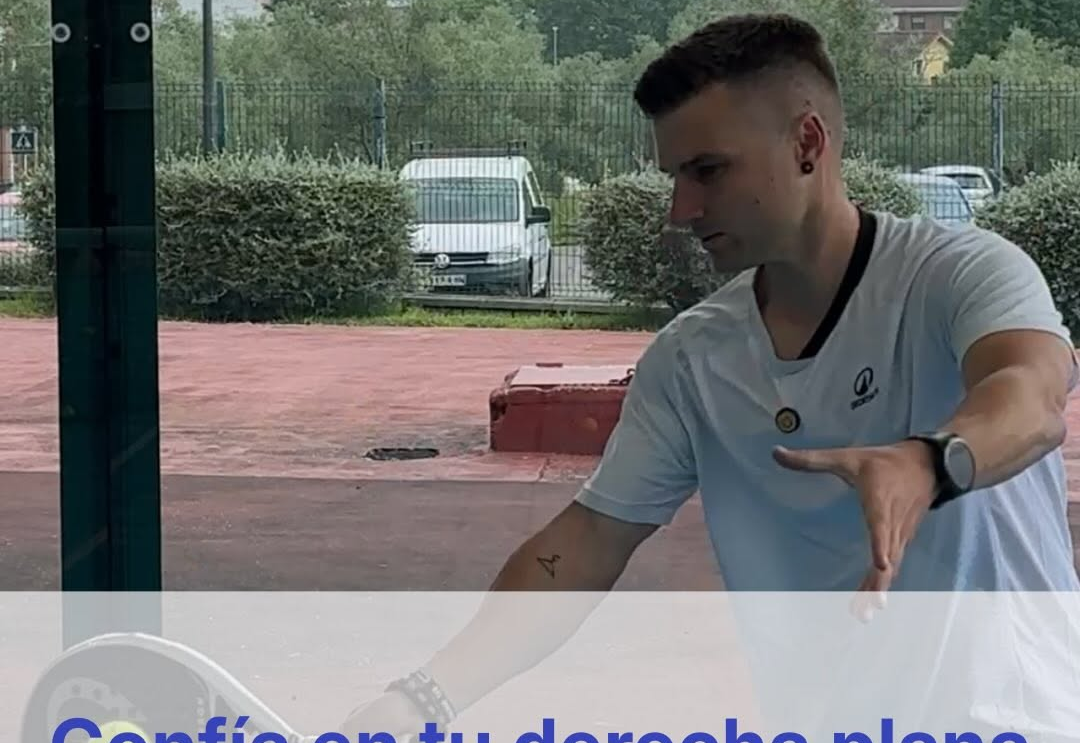 Flat forehand in padel: 5 exercises from Cristian Álvarez to gain control and efficiency
 Why can Libaak/Alfonso beat almost everyone… except Coello/Tapia?
 Tapia reveals his recipe for beating Coello / Tapia: "I would bet everything on myself"
 How Coello defused Chingotto's game plan
 In padel, does the chemistry between a pair count as much as individual skill?
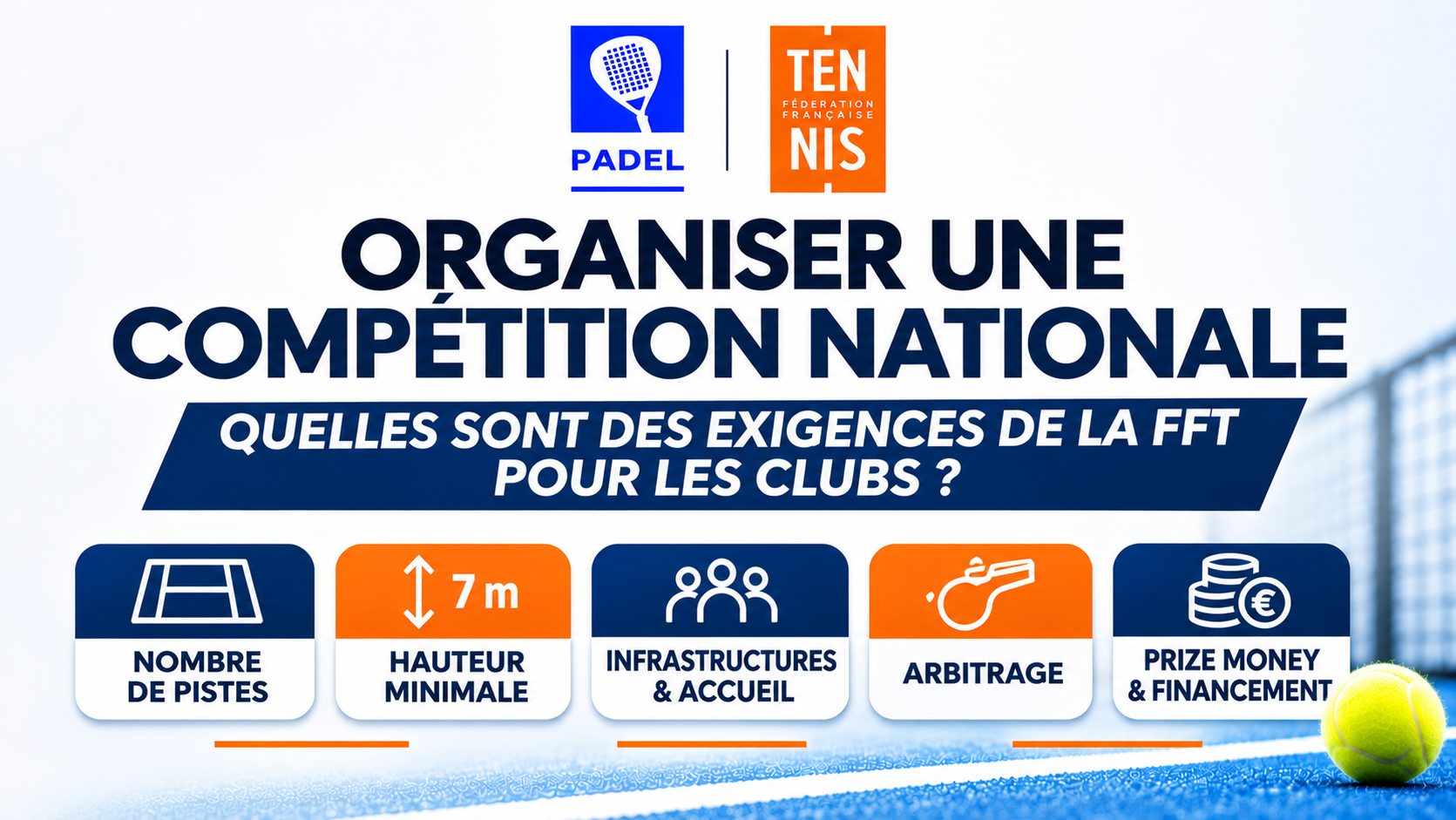 Organising a national padel competition: what are the FFT's requirements for clubs?
 Organising a P2000 or a P3000: how much does it really cost clubs?
 P2000 or P3000: what are the differences in prize money, format and organization in 2028?
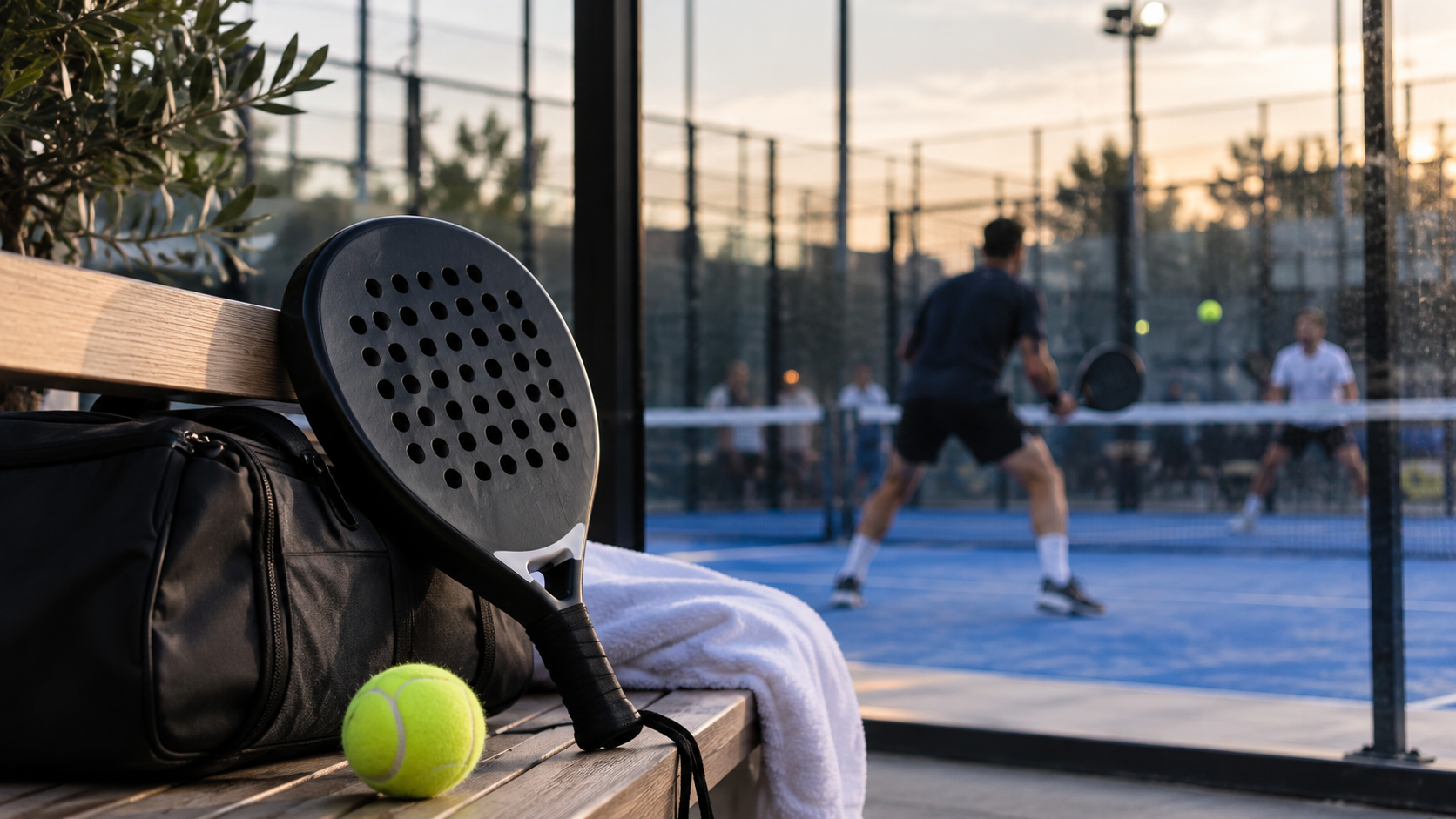 Do you lose your ranking? Padel FFT after more than a year without a license / without competition?
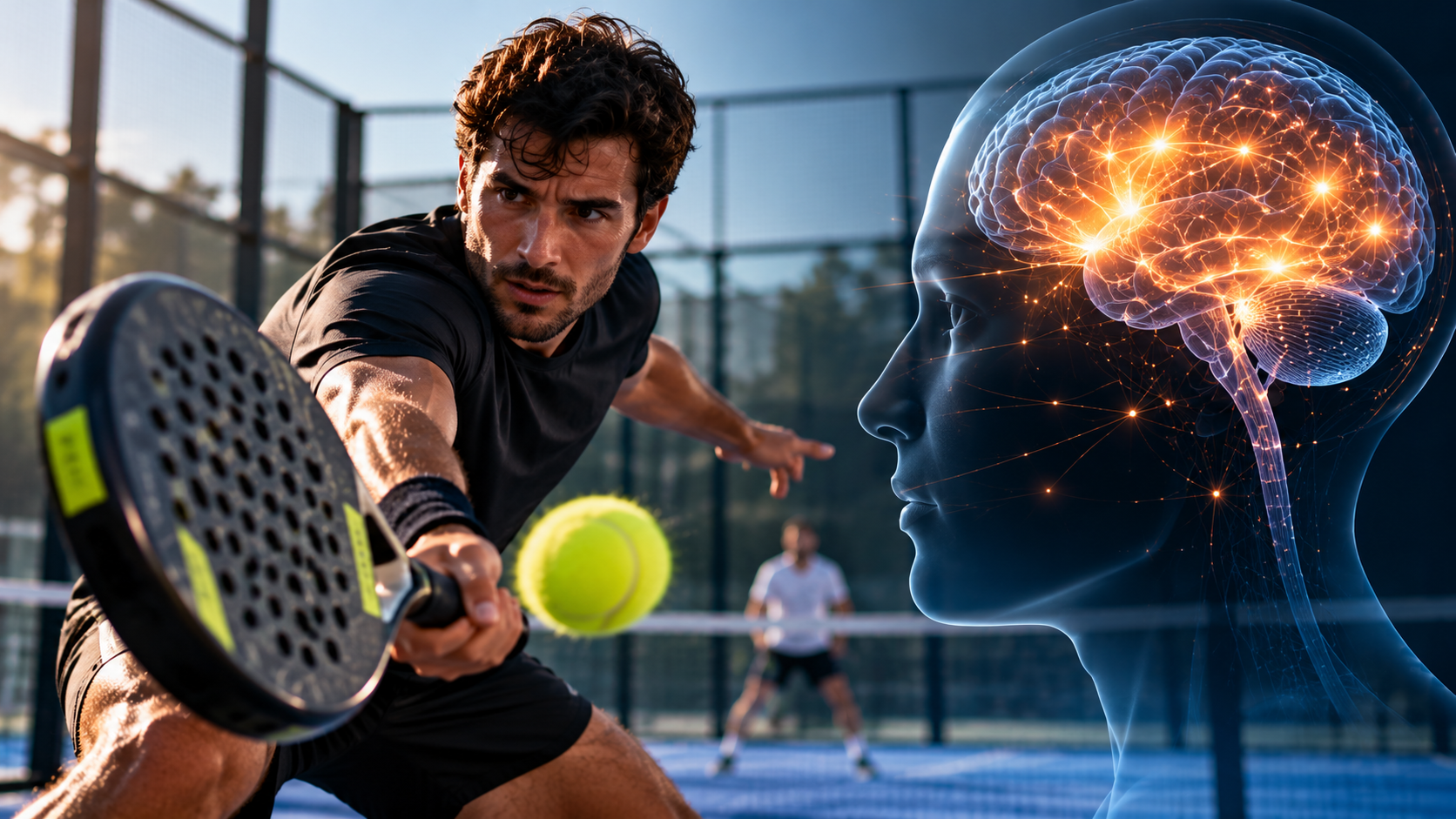 Memory, reflexes, concentration: what happens in our brain when we play padel?
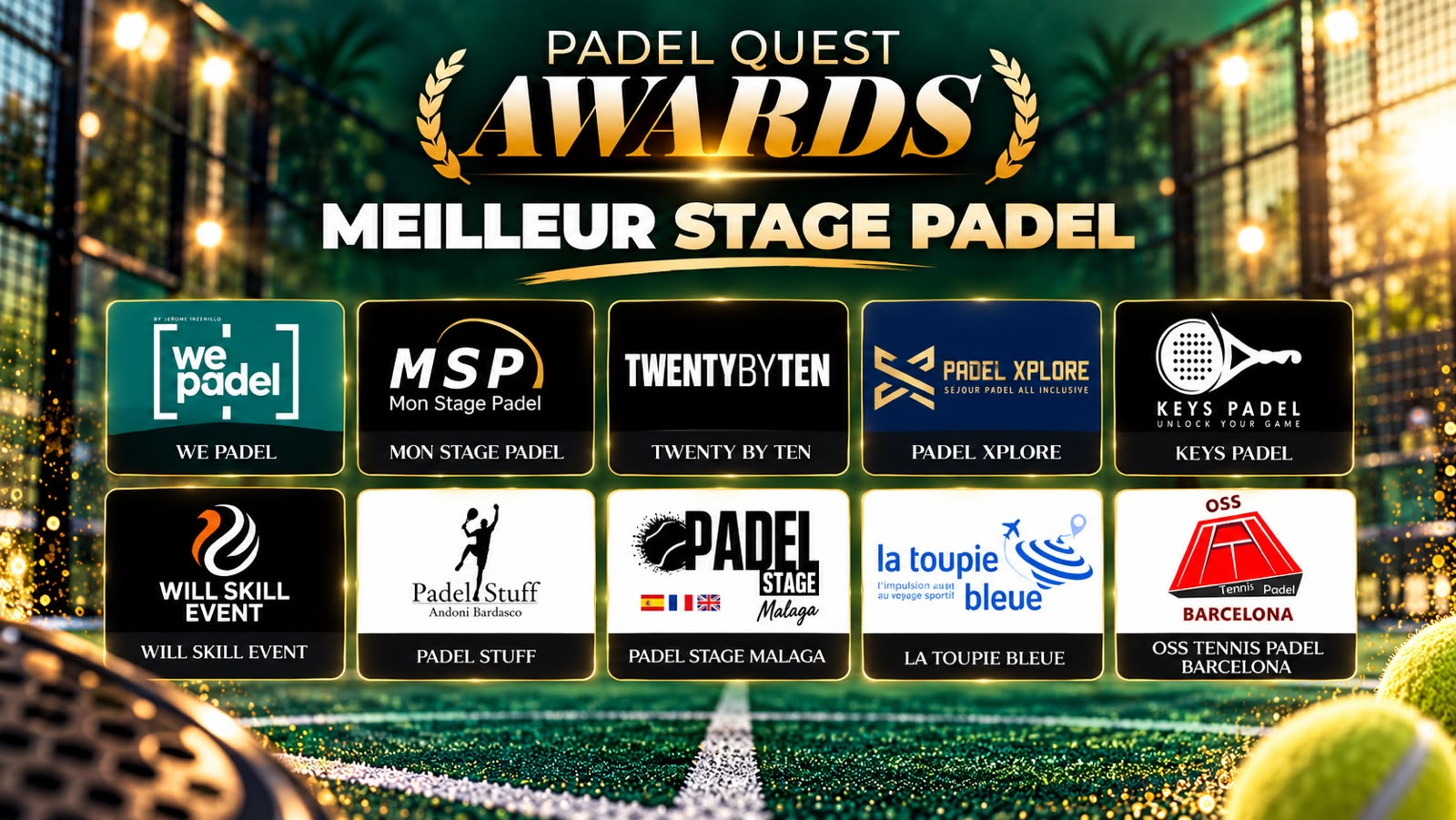 Padel Quest Awards: Ten specialists in the running for the title of best padel training camp of the year
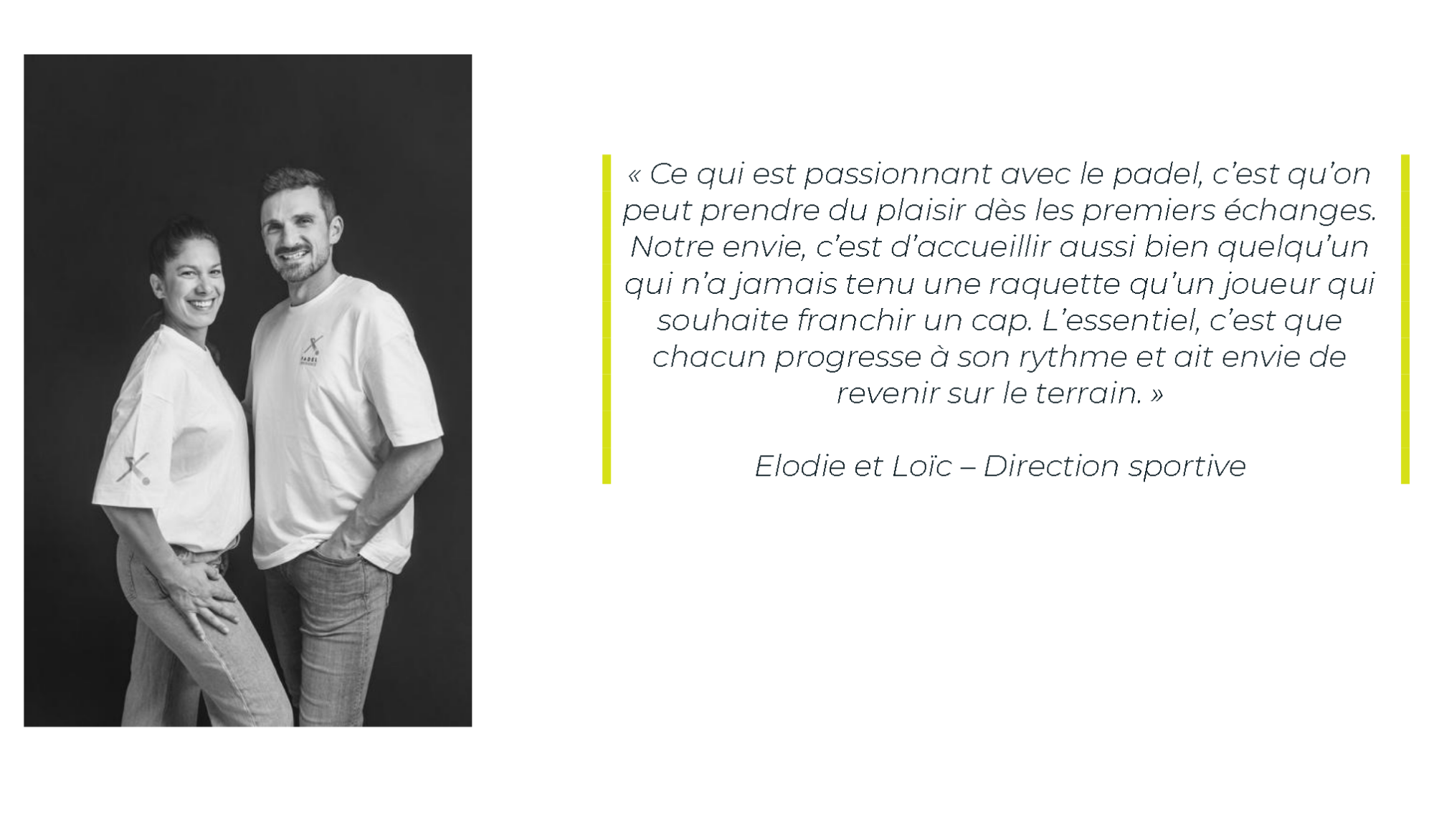 Padel Xperience: The Academy opens on November 2nd in Marcheprime, ahead of the complex's inauguration in 2027
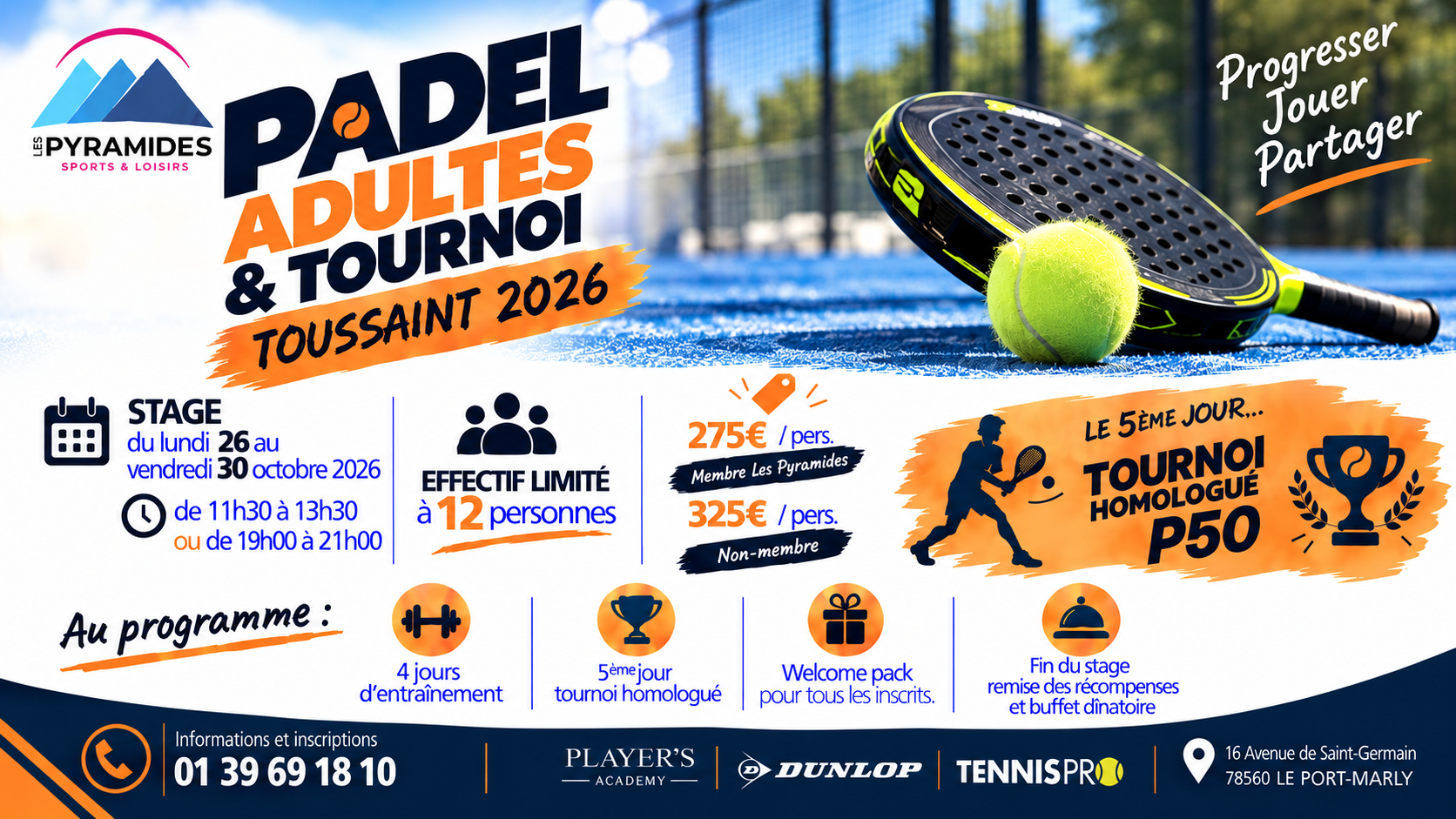 All Saints' Day – Les Pyramides are organizing a padel training camp for adults with a P50 tournament to close out the week