









Rotterdam, Düsseldorf, Milan: three tournaments in three weeks, with no real break for the players as they continue their final rounds. As the season enters its final stretch, the first signs of fatigue seem to be appearing on the courts. Ale Galán's attitude during his round of 16 match in Düsseldorf and Coki Nieto's withdrawal illustrate a problem that could become increasingly significant in the coming weeks.
A less sharp-tongued and visibly relieved Galán
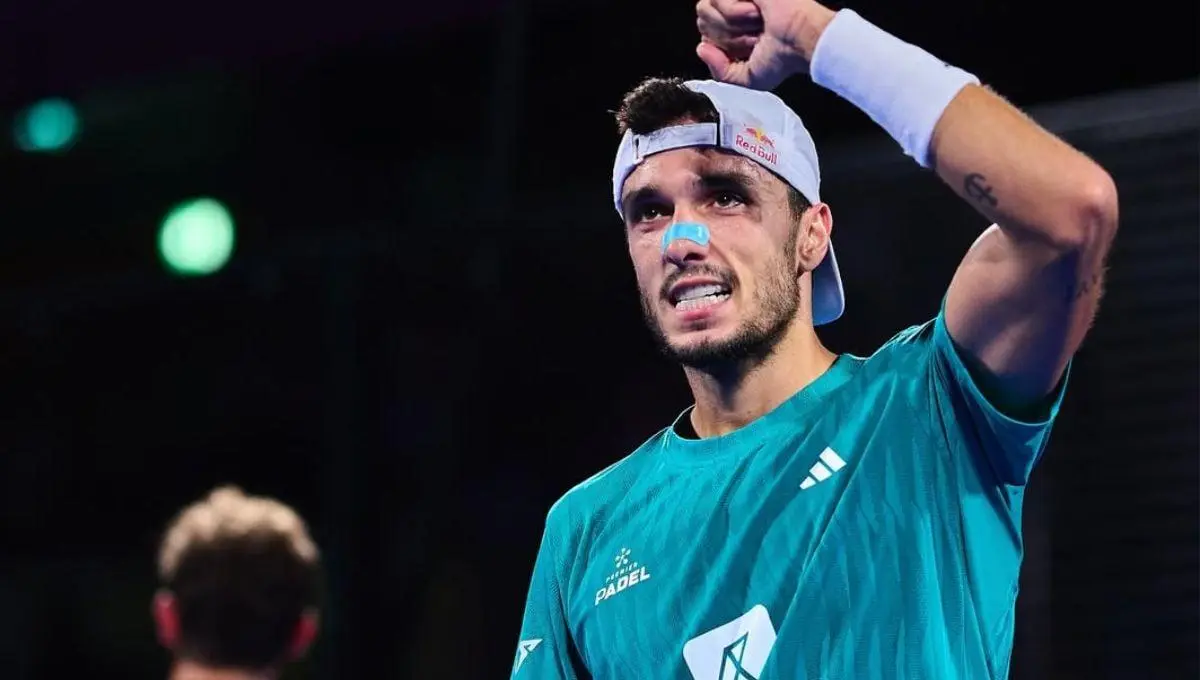
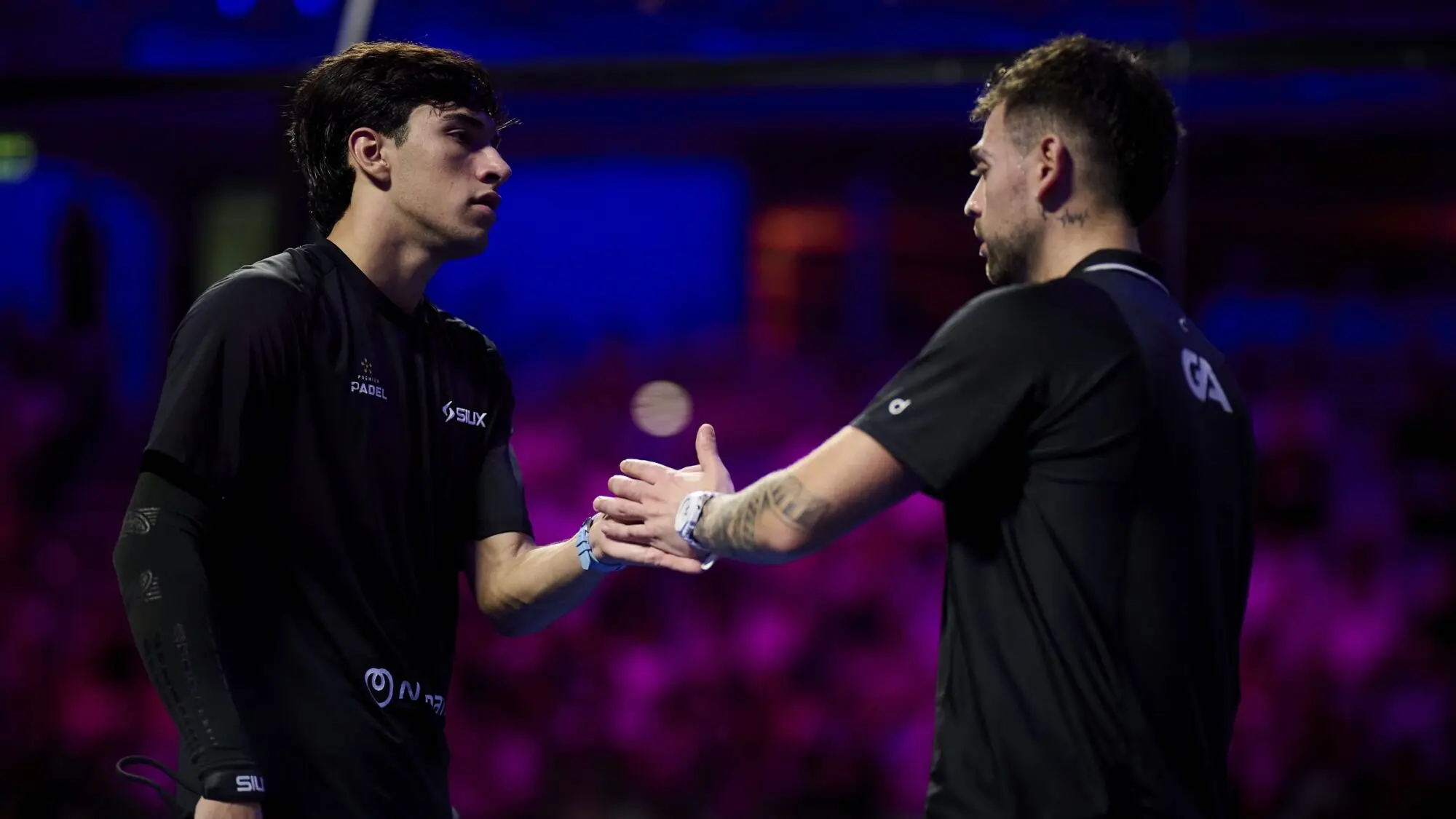
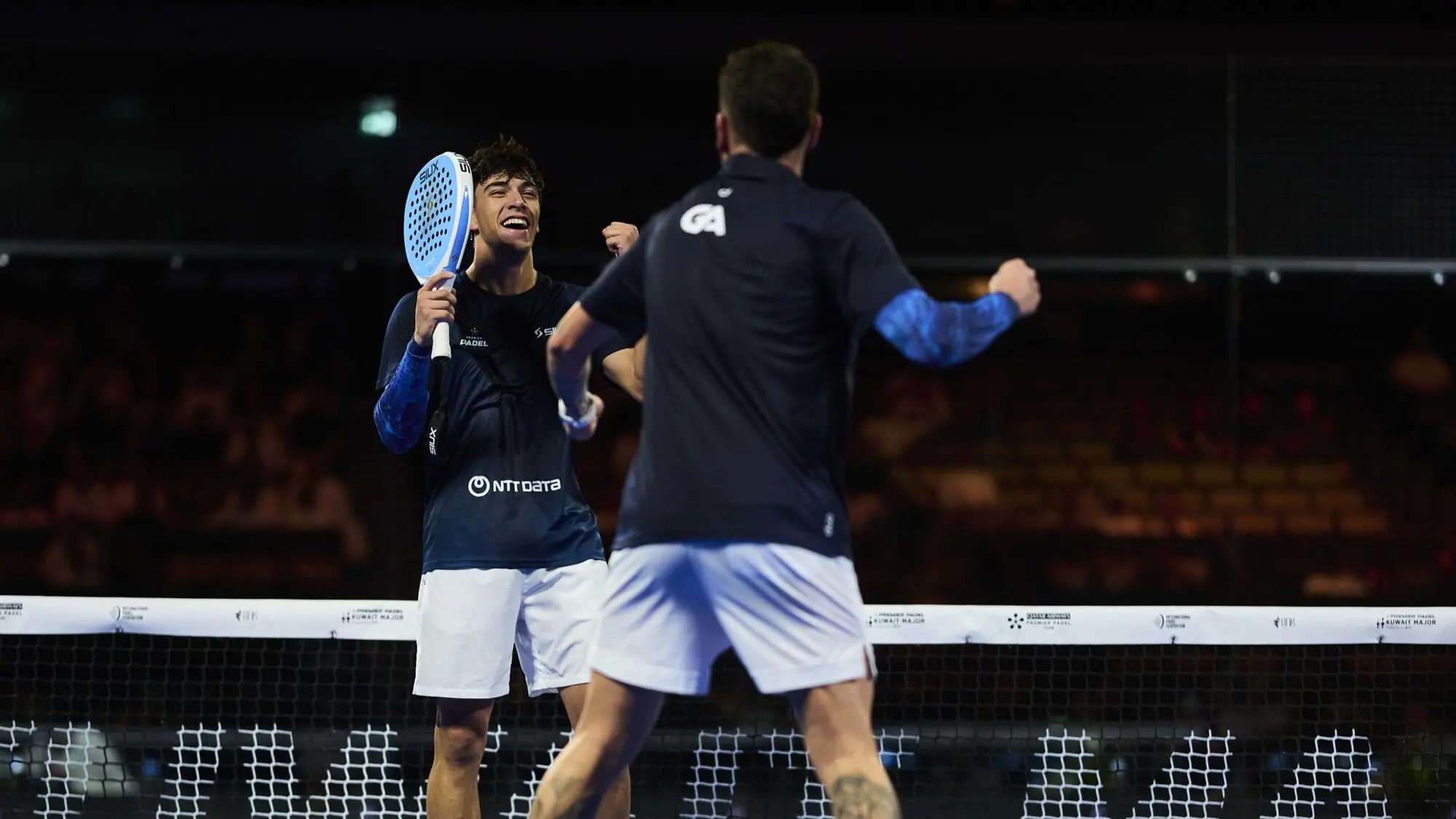
The image was quite revealing. At the end of their round of 16 match against Javi Garrido and Juani De Pascual, which they narrowly won 4/6 6/1 7/5, Ale Galán seemed almost more relieved than happy to have won the match Usually explosive, demonstrative, and particularly intense in his play, the Spaniard seemed to be feeling the physical strain, with less freshness and consistency than usual. His body language was less expressive, and even his face appeared drawn, marked by a certain fatigue.
While Galán and Chingotto ultimately lived up to their status, they had to battle for three sets to overcome a particularly enterprising pair. It would obviously be an oversimplification to attribute their difficulties solely to fatigue, as Garrido and De Pascual certainly posed some problems for them. But this match raises a question: To what extent does the accumulation of matches begin to take its toll on the body, even for the best players in the world?
In Galán's case, the question is particularly interesting. His padel relies on considerable physical intensity, with explosive movements, extensive court coverage, and the ability to abruptly accelerate rallies. When his energy starts to wane, even slightly, this entire system can be disrupted. A fraction of a second's delay on a ball, a less precise volley, or a slower recovery can sometimes be enough to turn a rally around. And against opponents capable of maintaining a high level of aggression, these small details can become decisive.
Coki Nieto, an early warning sign
The case of Coki Nieto is even more concrete. After reaching the semi-finals of the Rotterdam P2 tournament with Mike Yanguas, the Spaniard was forced to withdraw from the Düsseldorf tournament, citing persistent physical discomfort and the need to rest for a few days to recover. Without a precise diagnosis, it's difficult to gauge the severity of his problem, but this decision highlights the challenge of competing in a series of tournaments without compromising one's physical condition.
Nieto is not necessarily an isolated case. Several matches in Düsseldorf also illustrated the intensity of the efforts demanded of the players. In the women's competition, Alejandra Salazar and Aranzazu Osoro had to fight a grueling battle. 3:31 against the Martínez sisters , before facing Ari Sánchez and Andrea Ustero in the quarter-finals the very next day. A considerable physical exertion that inevitably leaves little time for full recovery.
The problem isn't solely the length of the matches. Travel between cities, changes in playing conditions, training sessions, media obligations, and the constant pressure of competition all contribute to the physical strain. At this level, recovery has become an essential component of performance, just as important as tactical or technical preparation.
Milan is already arriving, and the season is far from over.
The calendar, however, offers no real respite. After Rotterdam from September 28 to October 4 and Düsseldorf from October 5 to 11, the players will immediately return to the circuit in Milan, where the main draw begins on October 12. For those who reach the finals in Germany, the time available to recover and prepare for the Italian P1 will be particularly limited.
And the stakes go far beyond this European tour. With the Kuwait Major, Dubai P1, and Mexico Major still on the schedule, not to mention the World Championships and the Premier Padel The finals and the end of the season promise to be particularly demanding. The points to defend, the race for top world rankings, and the qualifications for Barcelona naturally push players to increase their participation, sometimes at the expense of rest.
This accumulation could also alter the balance of power on the court. Pairs capable of finishing their matches quickly, managing their intensity, or adapting their game to their physical condition could have a significant advantage. Conversely, players whose padel relies primarily on explosiveness and constant physical exertion could be more susceptible to fluctuations in performance.
The question is therefore no longer just who plays the best padel, but also who will be able to maintain their best level until the end. Galán's relief in Düsseldorf, coupled with Coki Nieto's forced withdrawal, isn't enough to establish a general trend, but it's an interesting signal to watch. As tournaments continue, physical freshness could become an increasingly decisive factor in the world rankings.
In Milan, the favorites will remain the same on paper. It remains to be seen whether their bodies will still allow them to fully express their talent.

I discovered the Padel I stumbled into Spain at a campsite. I was instantly hooked; passionate about padel, I follow international and regional news with the same excitement as the sport itself.








































































 FIP Tour – From Mexico to Belgium, via Sweden and Ghana: the French are present on all fronts this week
 In the United States PadelTennis and pickleball are one: the multifunctional club model continues its rise
 Blanqué / Joris: a mastered P3000, a first title and a delightful anecdote with Chingotto
 Libaak / Alfonso: why they want to continue together in 2027
 “My vision was blurry”: Clara Mansart recounts her eventful P3000 final – Lucile Pothier will tackle the FIP in France in 2027
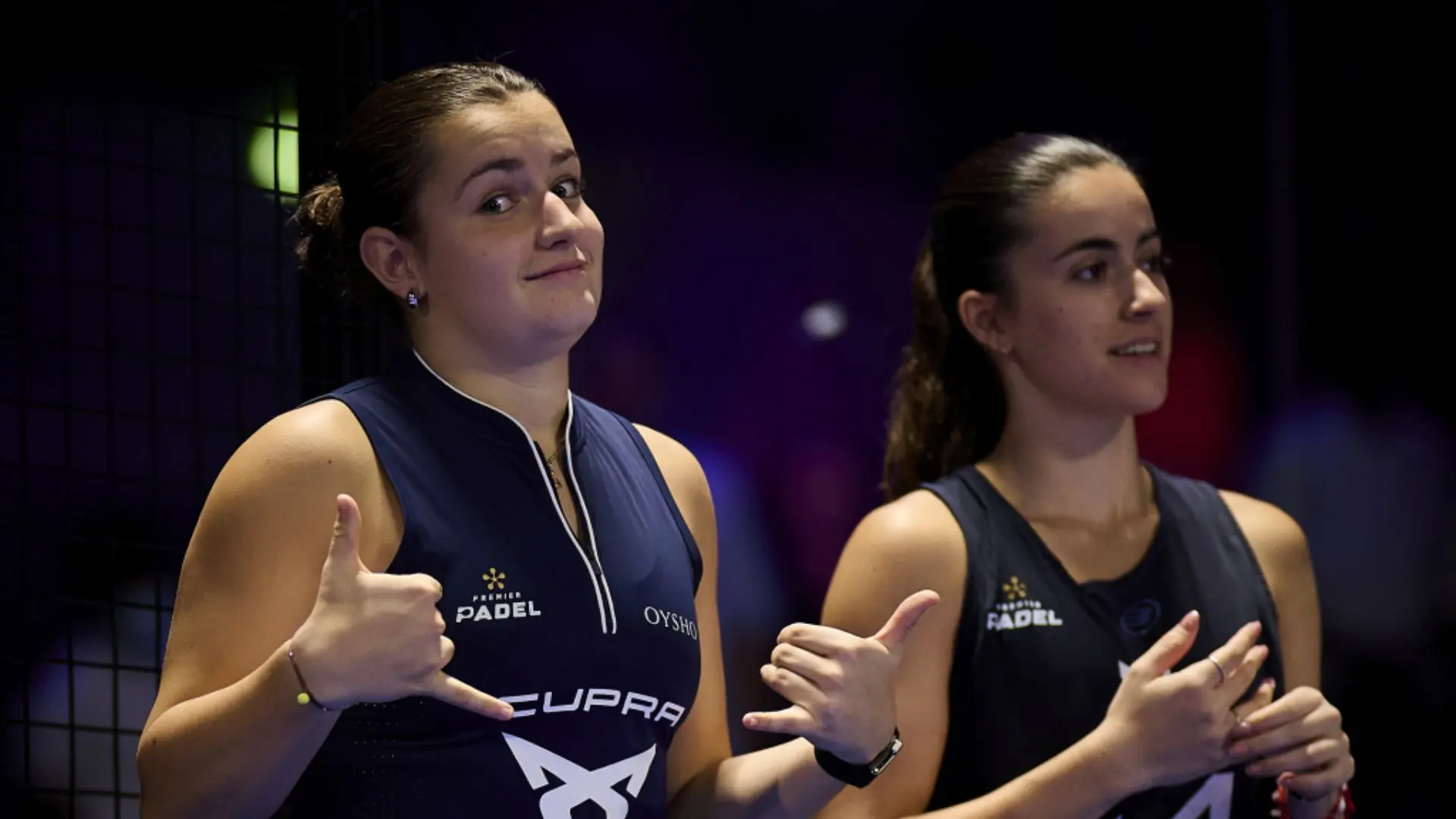 Dubai P1 – Fernández / Calvo: “Any of the three best pairs could be world number 1”
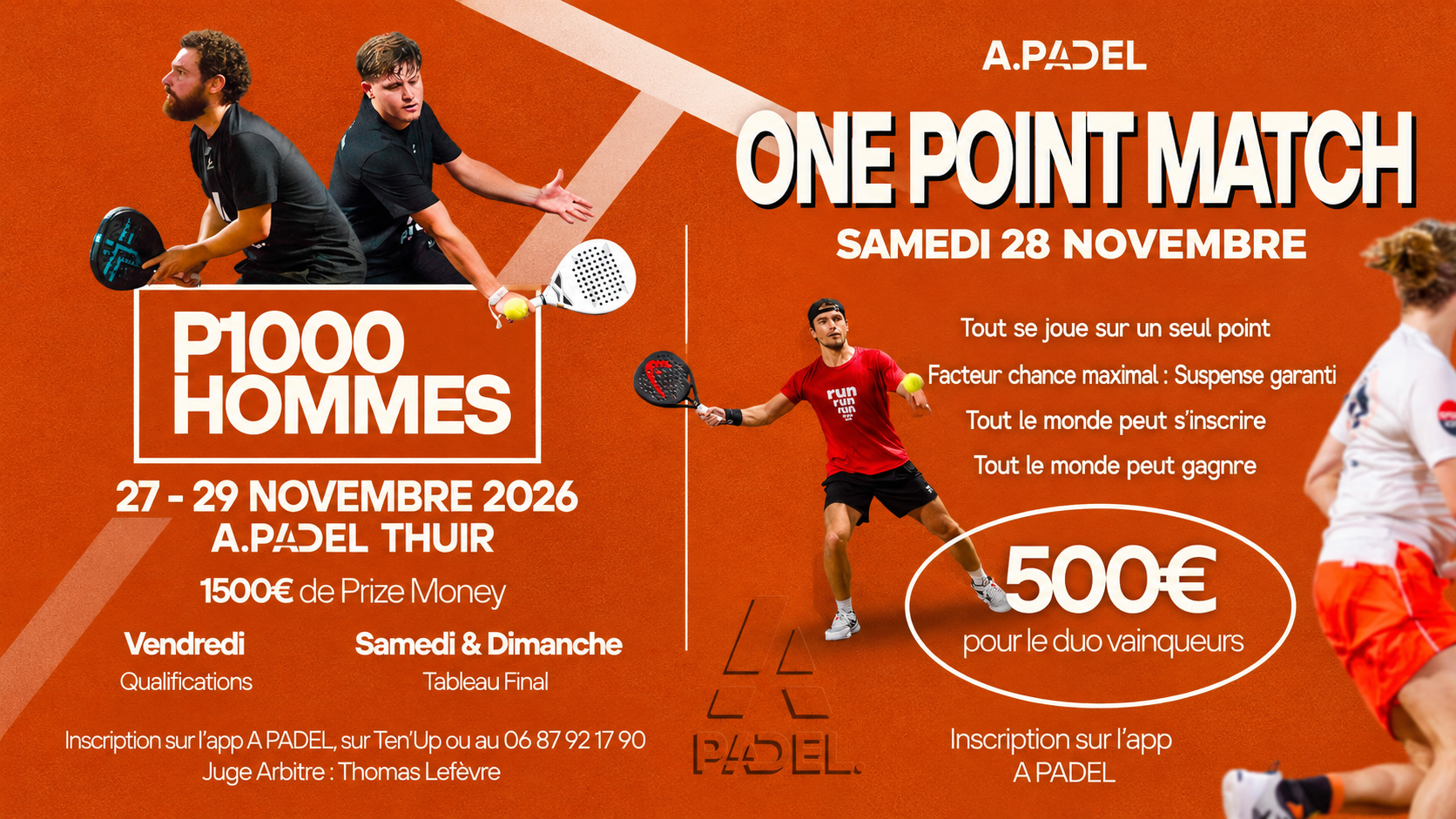 P1000 A PADEL: €1,500 prize money and a One Point Match in Thuir from November 27th to 29th
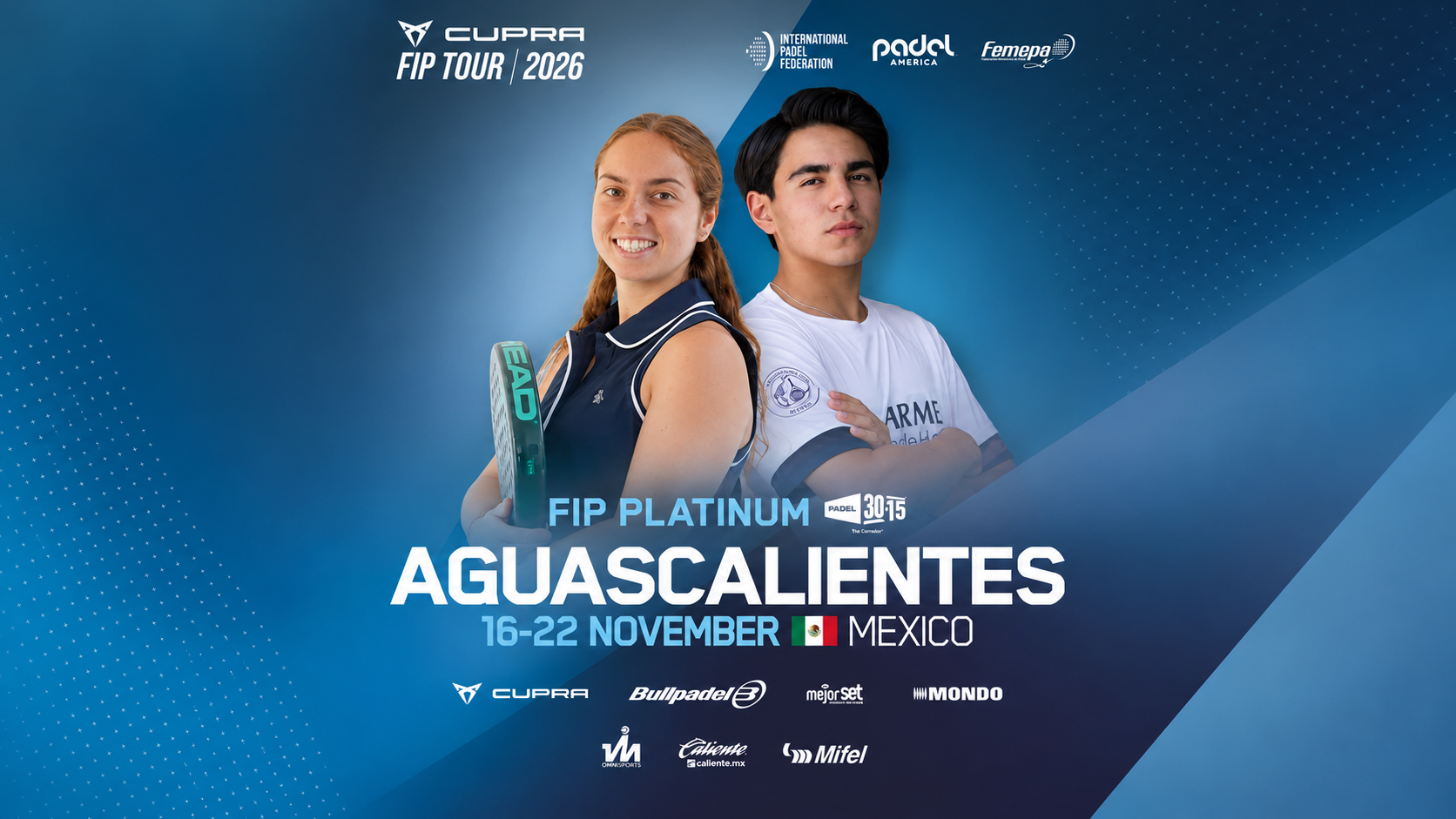 Guichard faces a major challenge, Fonteny and Bahurel have opportunities in the first round of the FIP Platinum Aguascalientes
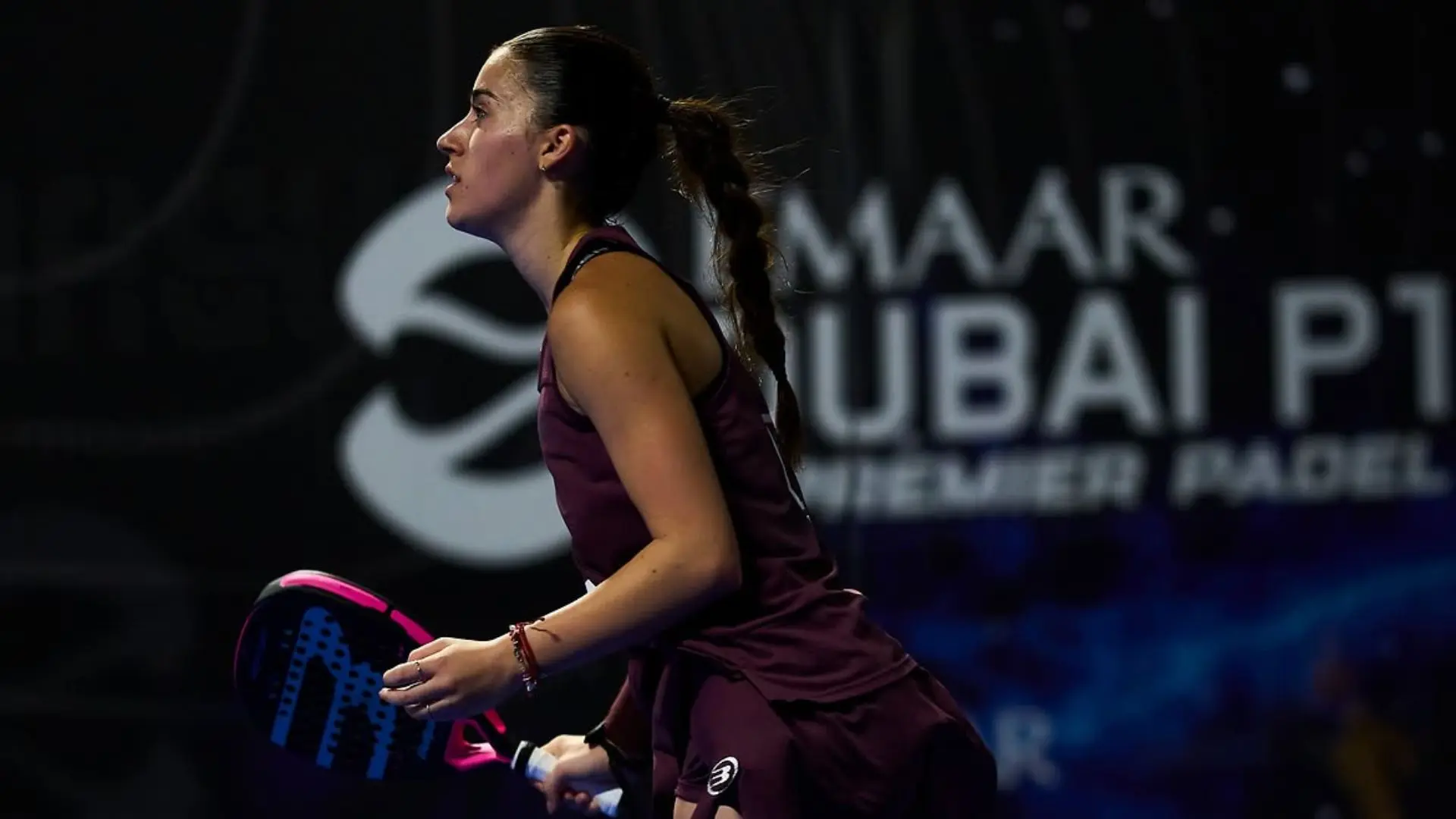 Claudia Fernández: at 20, much more than a playmaker
 Alfonso, Nieto, Libaak, Salazar… Who will snag the last tickets for the Premier Padel Finals?
 Padel, weight training, and even HYROX: clubs are changing their model
 Padel court rentals: a global market estimated at 4,6 billion euros
 FIP Beyond: the new global padel circuit for amateurs and seniors
 OSS Barcelona – Why Spain and France aren't yet playing in the same league
 Cancer and rehabilitation: could padel become a therapeutic tool?
 Padel injuries: ankle, knee, elbow, eye… what the latest figures reveal
 Shocking turn of events at Dubai P1: Coello and Tapia have also withdrawn!
 Padel serve: a good serve is especially good preparation for the third shot.
 What the analysis of the stroke reveals: tennis forehand vs. padel bandeja
 Has the bandeja disappeared from modern padel?
 Flat forehand in padel: 5 exercises from Cristian Álvarez to gain control and efficiency
 Why can Libaak/Alfonso beat almost everyone… except Coello/Tapia?
 Tapia reveals his recipe for beating Coello / Tapia: "I would bet everything on myself"
 How Coello defused Chingotto's game plan
 In padel, does the chemistry between a pair count as much as individual skill?
 Organising a national padel competition: what are the FFT's requirements for clubs?
 Organising a P2000 or a P3000: how much does it really cost clubs?
 P2000 or P3000: what are the differences in prize money, format and organization in 2028?
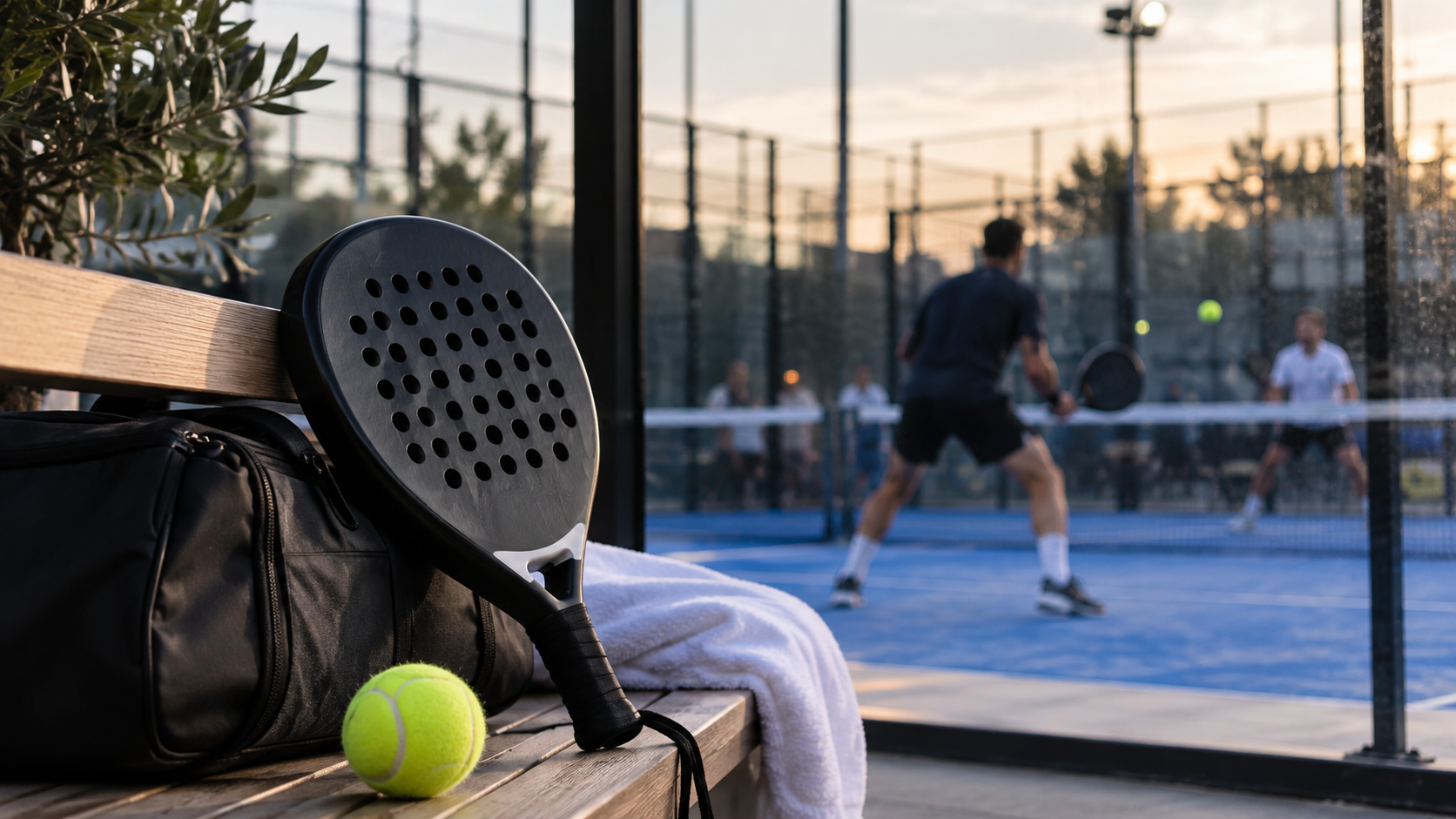 Do you lose your ranking? Padel FFT after more than a year without a license / without competition?
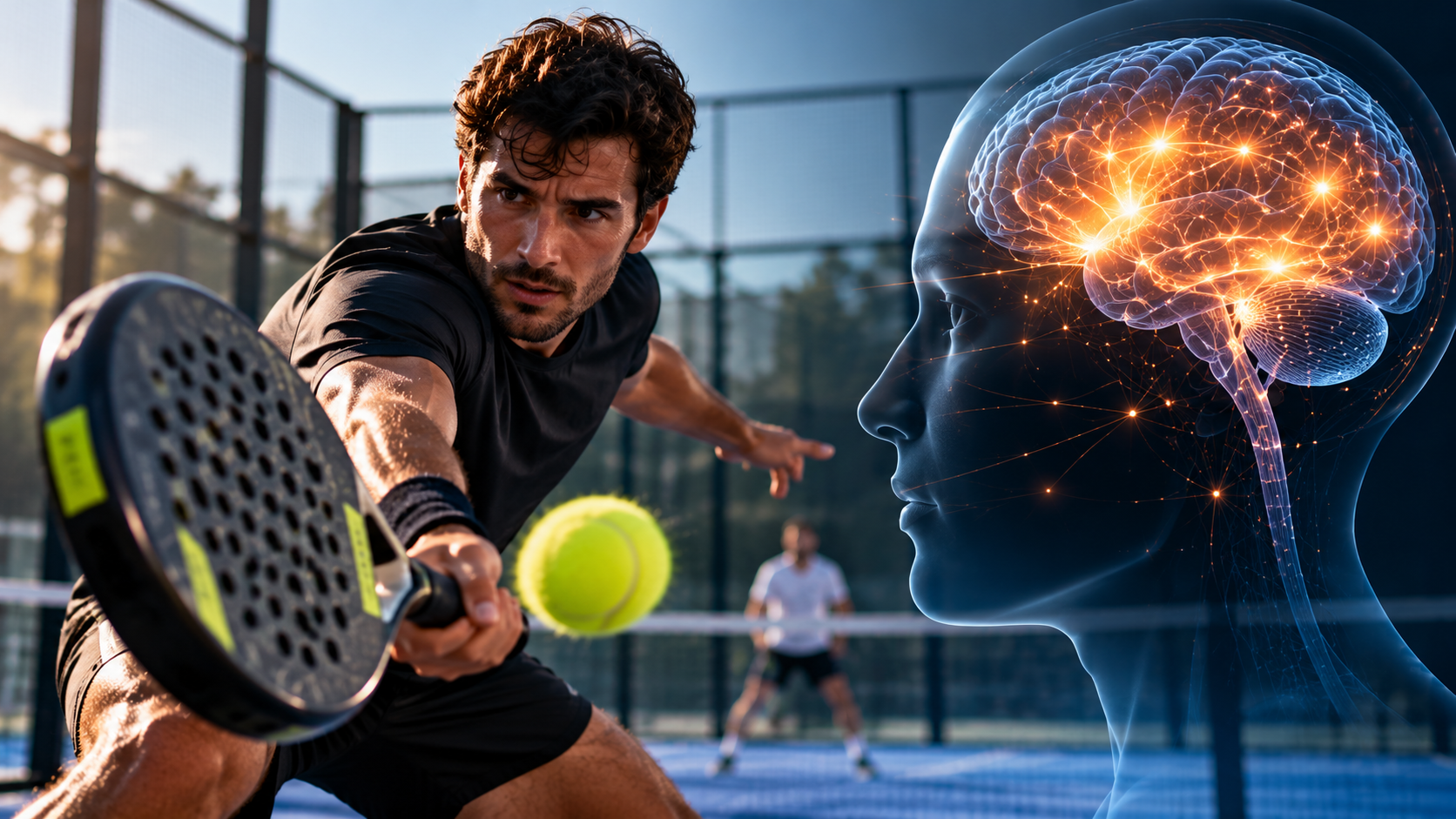 Memory, reflexes, concentration: what happens in our brain when we play padel?
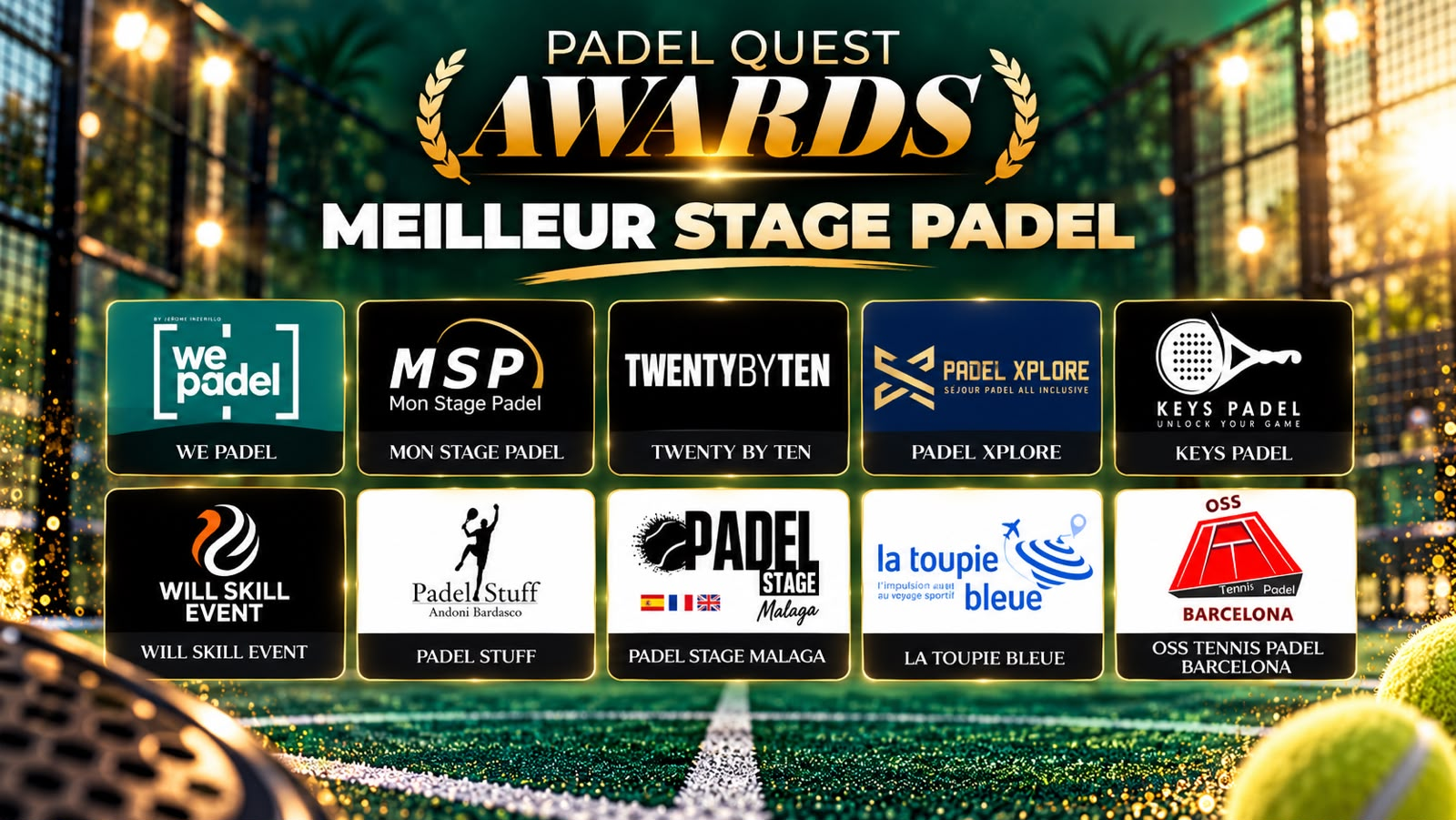 Padel Quest Awards: Ten specialists in the running for the title of best padel training camp of the year
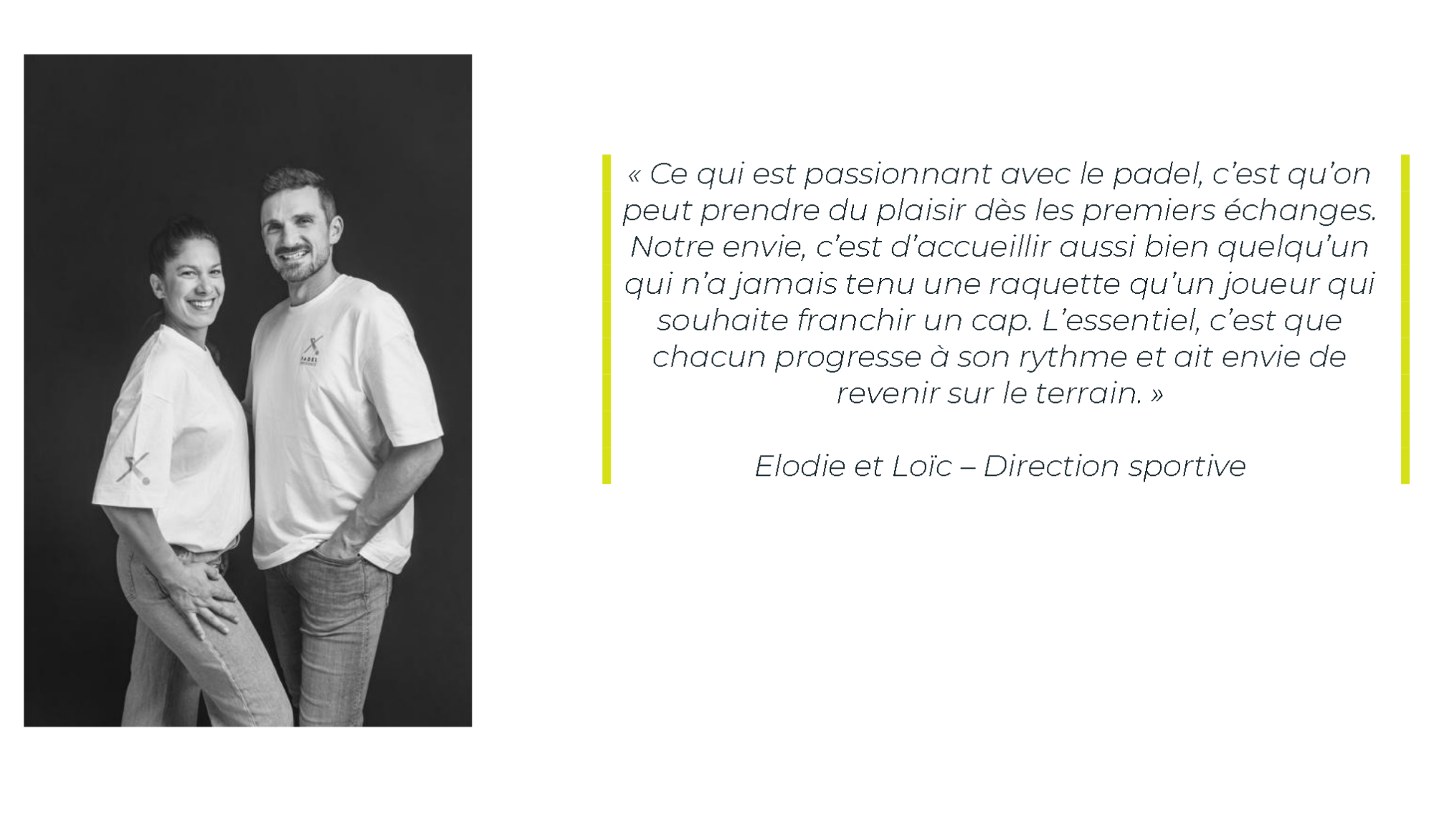 Padel Xperience: The Academy opens on November 2nd in Marcheprime, ahead of the complex's inauguration in 2027
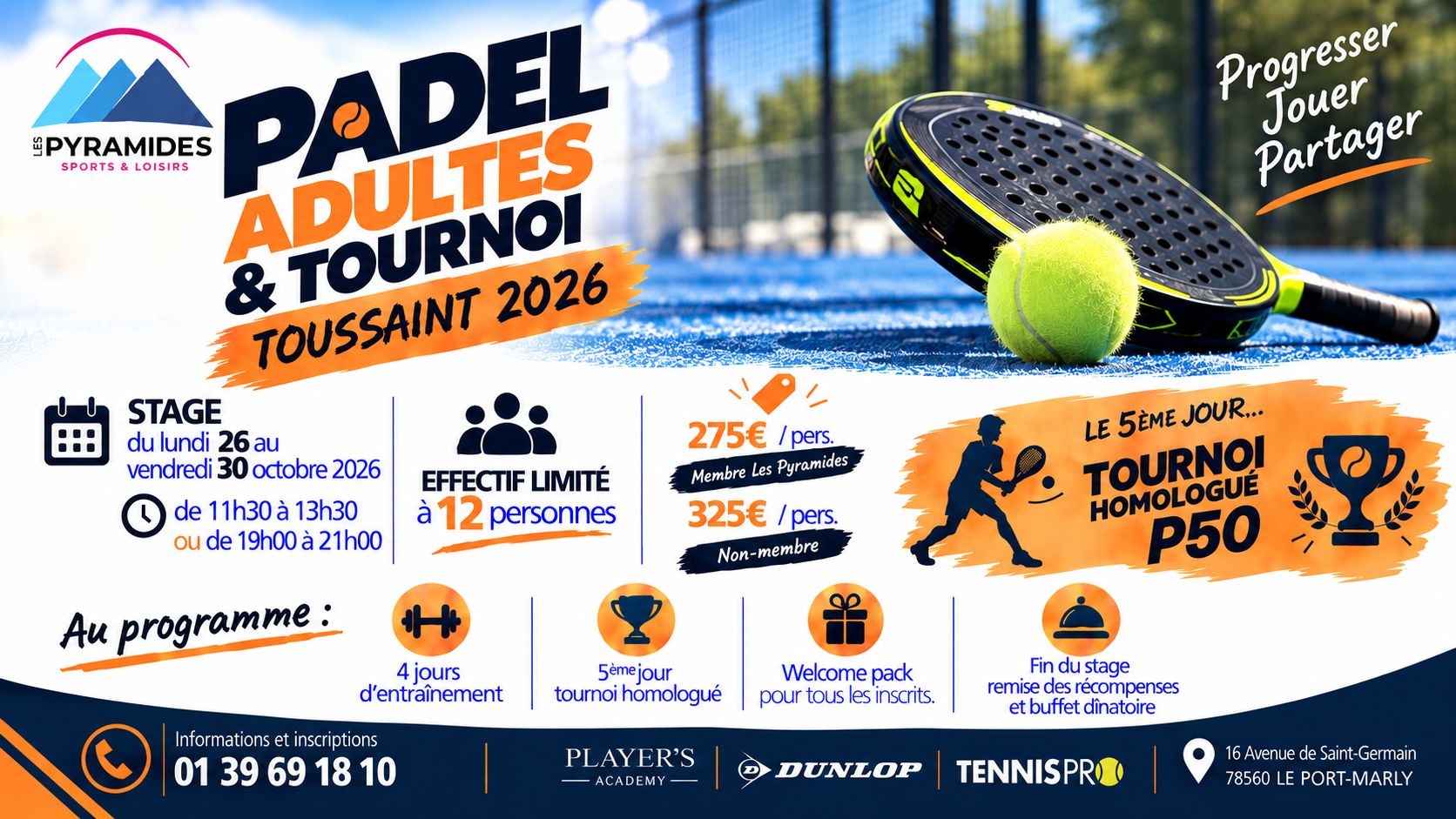 All Saints' Day – Les Pyramides are organizing a padel training camp for adults with a P50 tournament to close out the week