








Two matches, six days apart, and two scenarios that seem almost incompatible.
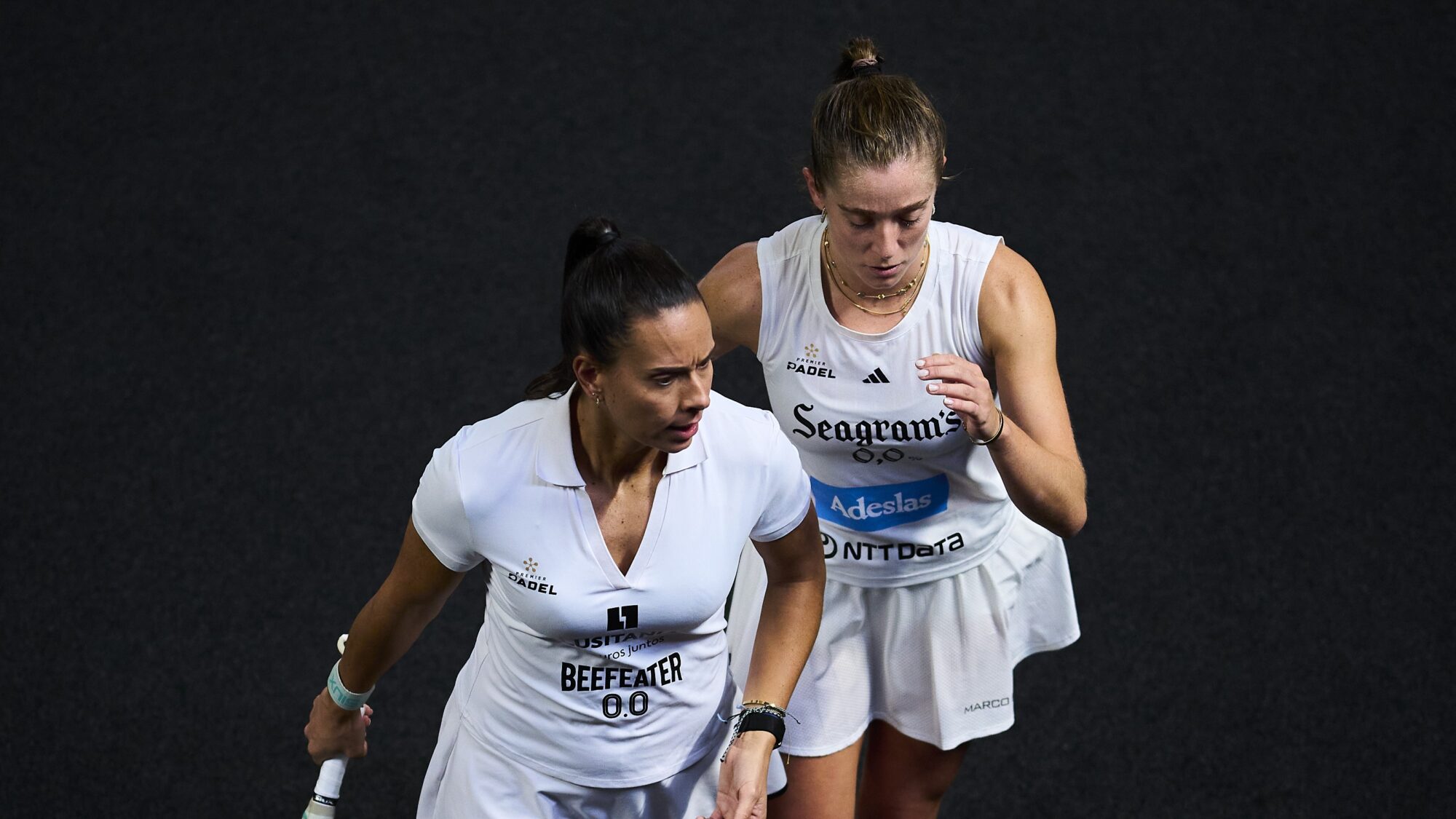
To Madrid, Paula Josemaría and Bea González swept Marta Ortega and Sofia Araújo 6/0 6/2 in the quarter-finals. A one-sided match, during which the Spanish pair immediately imposed their rhythm. Six days later, on Philippe-Chatrier court, the balance of power had completely shifted: Ortega and Araújo won 2/6 7/6 7/6 after a 3-hour and 15-minute battle and five saved match points. .
A simple consequence of the much slower conditions at Roland-Garros, or the first real tactical response found by the Spanish-Portuguese pair?
With Rotterdam approaching, where the four players could meet again, the question deserves to be asked.
Madrid: Impossible to escape the pressure
The 6/0 6/2 Madrid match first tells the story of Ortega and Araújo's inability to establish their own sequence of play.
Against Josemaría and González, the danger lies precisely there. When the Spanish pair can play close enough to the net and take the ball early, Paula Josemaría speeds up the tempo enormously , while Bea González has her full aerial repertoire at her disposal to close out the points.
Ortega and Araújo then find themselves in a difficult pattern to break: defend low, play a lob under pressure, suffer another shot over the head and start again.
Madrid almost never gave the number 5 pair time to set up anything else.
The problem, therefore, was not only to defend more, but to find how to transform a defense into a real opportunity to regain the net .
In Paris, the lob becomes much more important
This is probably one of the first things to look at in the Parisian revenge.
Against Bea González, not all lobs are created equal. A poorly executed lob that allows her to position herself under the ball often only delays the inevitable for a few seconds. The real objective is to force her to play the ball backward or to lengthen the trajectory enough to prevent Josemaría and González from maintaining an ideal offensive position.
At Roland-Garros, the slower conditions obviously helped.
The ball comes out less easily, the final smash is harder to find and a pair capable of defending several additional shots can gradually shift the rally.
But Ortega and Araújo were particularly successful in to prolong these sequences long enough to alter the balance of power .
The second set provides the best illustration of this. They begin to make the match much more physical, resist more in the rallies and even obtain four set points at 6/5 before finally snatching the set in the tie-break.
It is no longer Josemaría–González who systematically chooses the duration and rhythm of the point.
Pushing away Paula Josemaría before looking for Bea González
This is perhaps where the most interesting development lies. The danger would be to reduce the plan to: lobber Bea González .
The real issue is more global. We need to prevent Paula Josemaría from playing too often forward and too early in the rally.
When she can advance on the ball, take the center, or cut off a trajectory, her explosiveness immediately gives her partner a head start. Conversely, when she has to defend a few inches lower or play an extra ball from the back, the structure of the point changes.
Ortega possesses precisely the qualities needed to work this area: variation in height, precision and the ability to accept several shots without immediately seeking the winning shot.
The objective then becomes less about win the point directly than to gradually shift the average position of the opponents.
Once Josemaría is pushed back, Araújo can get further into the field.
Araújo: the difference when the point becomes neutral
This is probably Paris' second major key. Sofia Araújo finished the match with 33 winning shots to only eight unforced errors In a match where the pressure kept increasing, it's considerable.
Because Araújo doesn't need to dominate the point from the very first shot to be dangerous. If Ortega manages to prolong the rally and bring the pair back to a neutral position, the Portuguese player can then use her power to turn the point around.
The division of roles then becomes much clearer: Ortega stabilizes, builds and absorbs; Araújo can accelerate when a real window appears.
The center, another essential area of the duel
Facing Josemaría and González, the management of the center also becomes fundamental.
If Ortega and Araújo spread out too far to protect their diagonals, Paula can occupy that space and accelerate. But overly aggressive coverage immediately exposes the outside players.
The challenge, therefore, is to remain compact enough to prevent Josemaría from systematically taking the initiative between the two players, without giving up too much ground on the sides.
This is also what allows Ortega and Araújo, when they retrieve the net, to keep it a little longer .
And against such an explosive pair, a few extra shots played from an attacking position can completely change the complexion of a game.
But Paris does not yet constitute proof
This is where Rotterdam becomes interesting. Because the Parisian result remains extremely unusual.
Josemaría and González obtained five match balls , including three in the decisive tie-break when they were leading 6-3. They were therefore just a few points away from winning this match despite everything.
To say that Ortega and Araújo have now definitively found the solution would therefore be an exaggeration. Paris is demonstrating rather that they have found a configuration in which the duel becomes playable .
And the conditions at Roland-Garros probably accentuated the effectiveness of this strategy: more time to defend, fewer immediately decisive aerial shots and more opportunities to rebuild the point.
On a faster track, will the same quality of lob give Ortega enough time to get back to the front? Will Araújo be able to maintain the same performance when she has less time to prepare her accelerations? And above all, will Bea González regain her ability to finish points over the head?
Rotterdam as the third act
A third confrontation could allow us to distinguish two things.
So Paris will essentially remain the product of a very particular context: a slow track, an interminable match and five match points saved.
Either Ortega and Araújo manage to reproduce several elements — depth of lobs, ability to repel Josemaría, occupation of the center and better net retention — and then we will have to consider that something has really changed in this duel.
They may not have found it yet la key. But after Madrid, Paris at least showed that they had found a first one.

I discovered the Padel I stumbled into Spain at a campsite. I was instantly hooked; passionate about padel, I follow international and regional news with the same excitement as the sport itself.








































































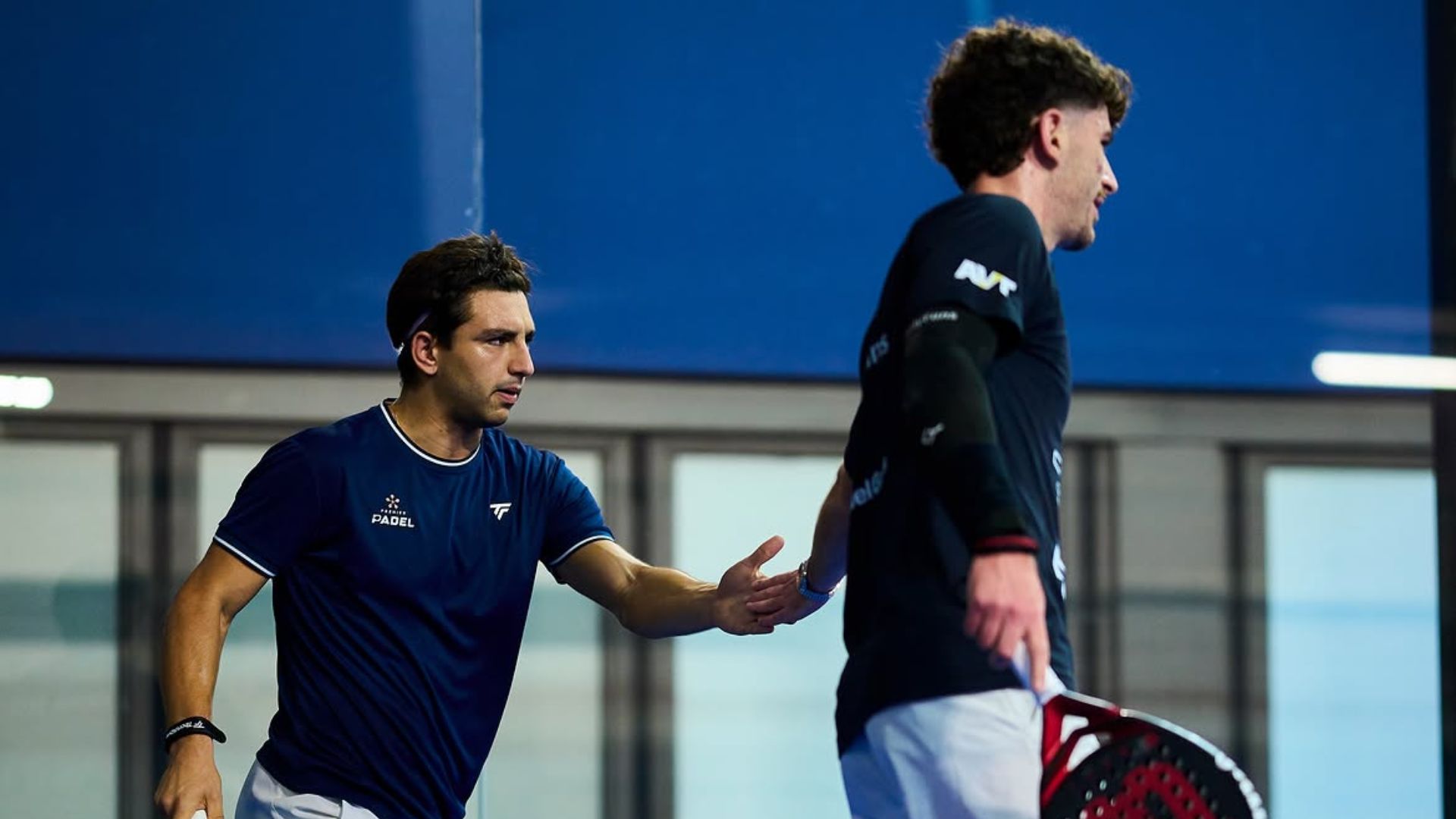 Disappointment for Leygue and Moya who came very close to knocking out Sánchez/Capra in the final round of Milan P1 qualifying.
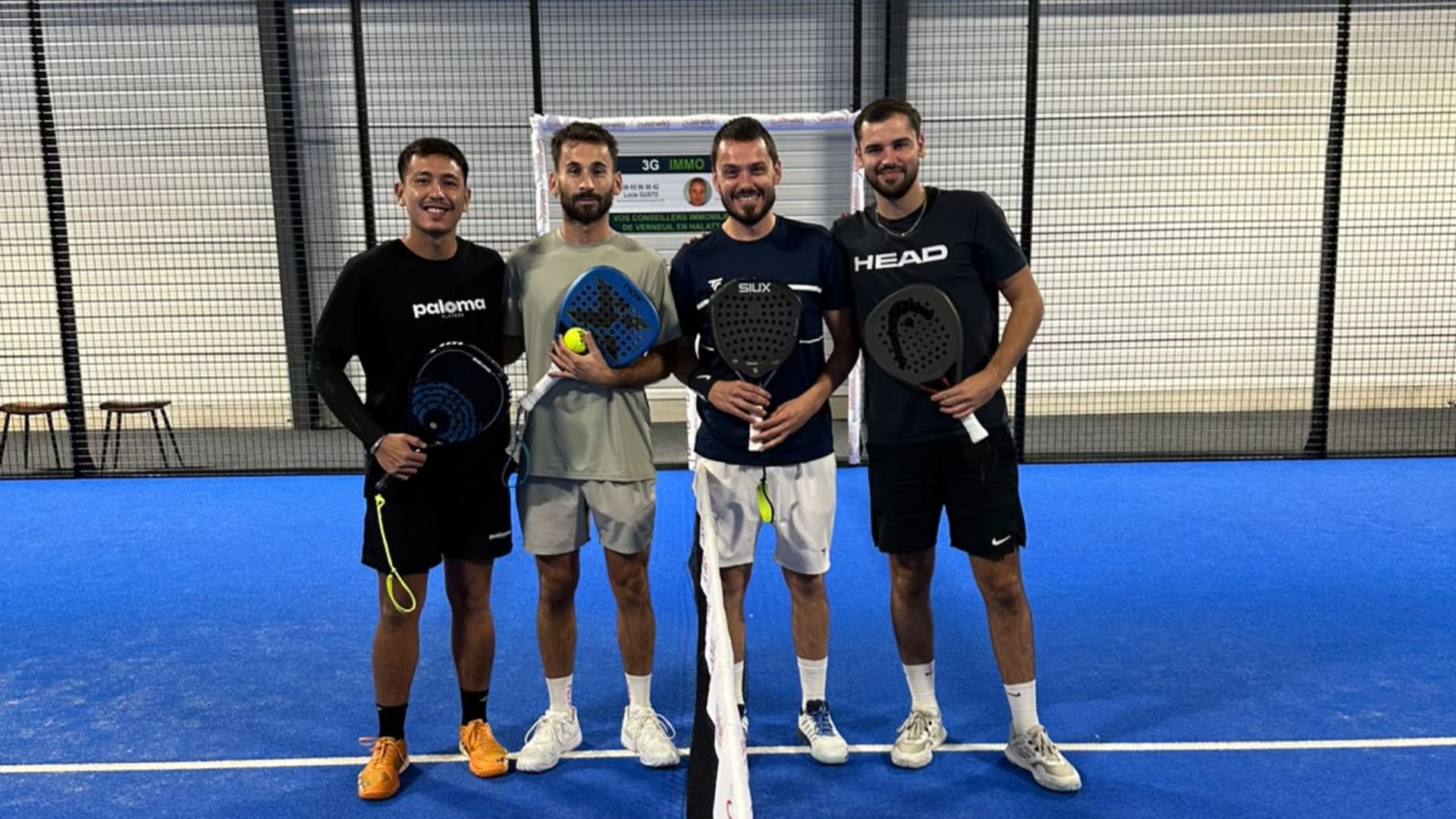 P1000 Verneuil: Gortzounian/Vignat cruise, Bisiaux/Daumont knock down TS2 to reach the final
 P1000 HUDDL Aizenay: Henrion and Mitjana maintain their position, Prod'homme/Marin overturn Truong/Dulac to reach the final
 France or Portugal, Spain or Argentina: Miguel Lamperti ranks the best padel nations
 Cédric Lavoye: "Hard work pays off" and a first FIP tournament in Guadeloupe is in his sights
 Nicolas Rouanet is preparing his return in 2027: “With Bastien Blanqué, I would never say no”
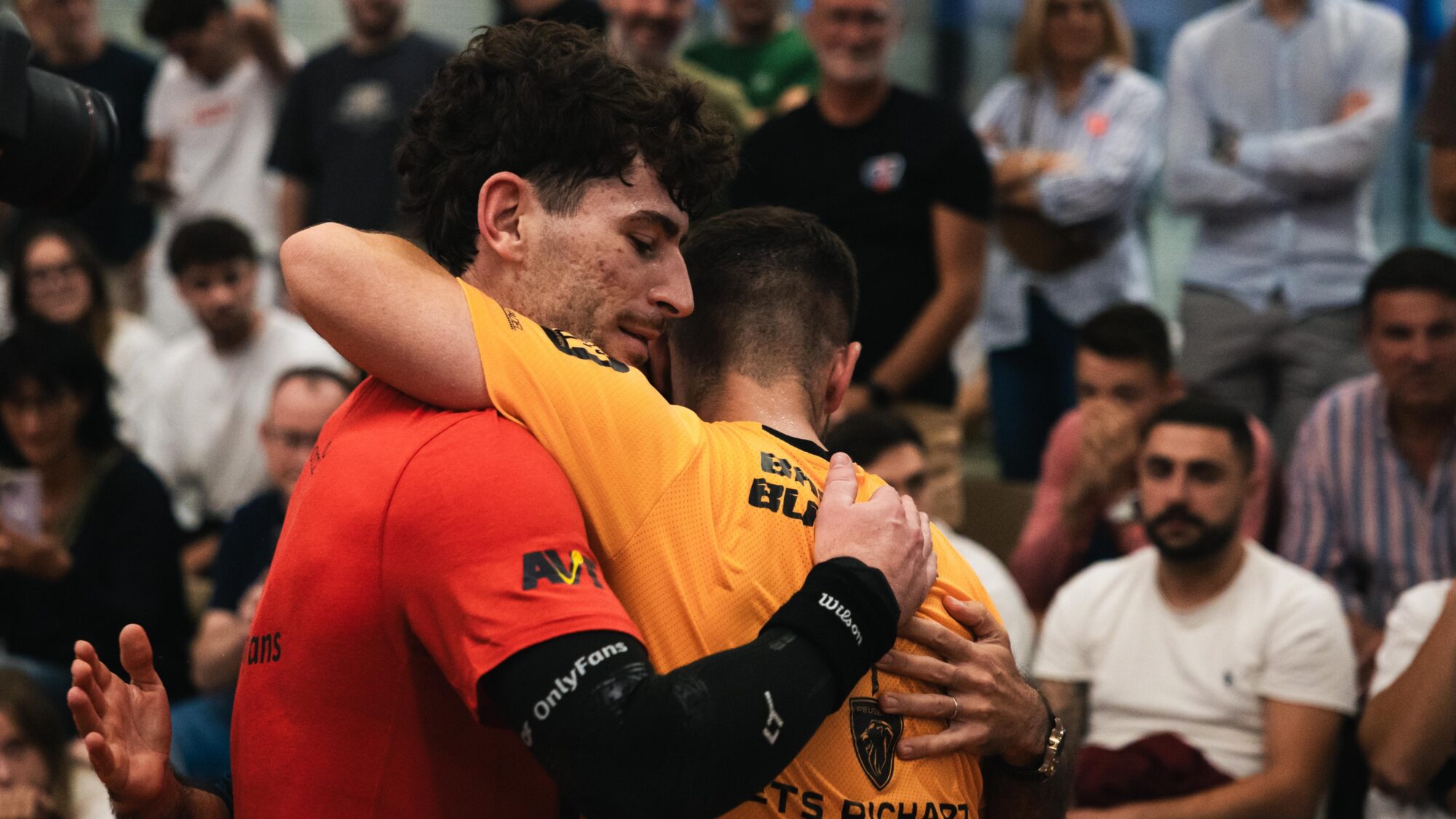 Leygue/Blanqué respond bluntly to the criticism: "You can say what you want... We're putting all our money and our lives into this."
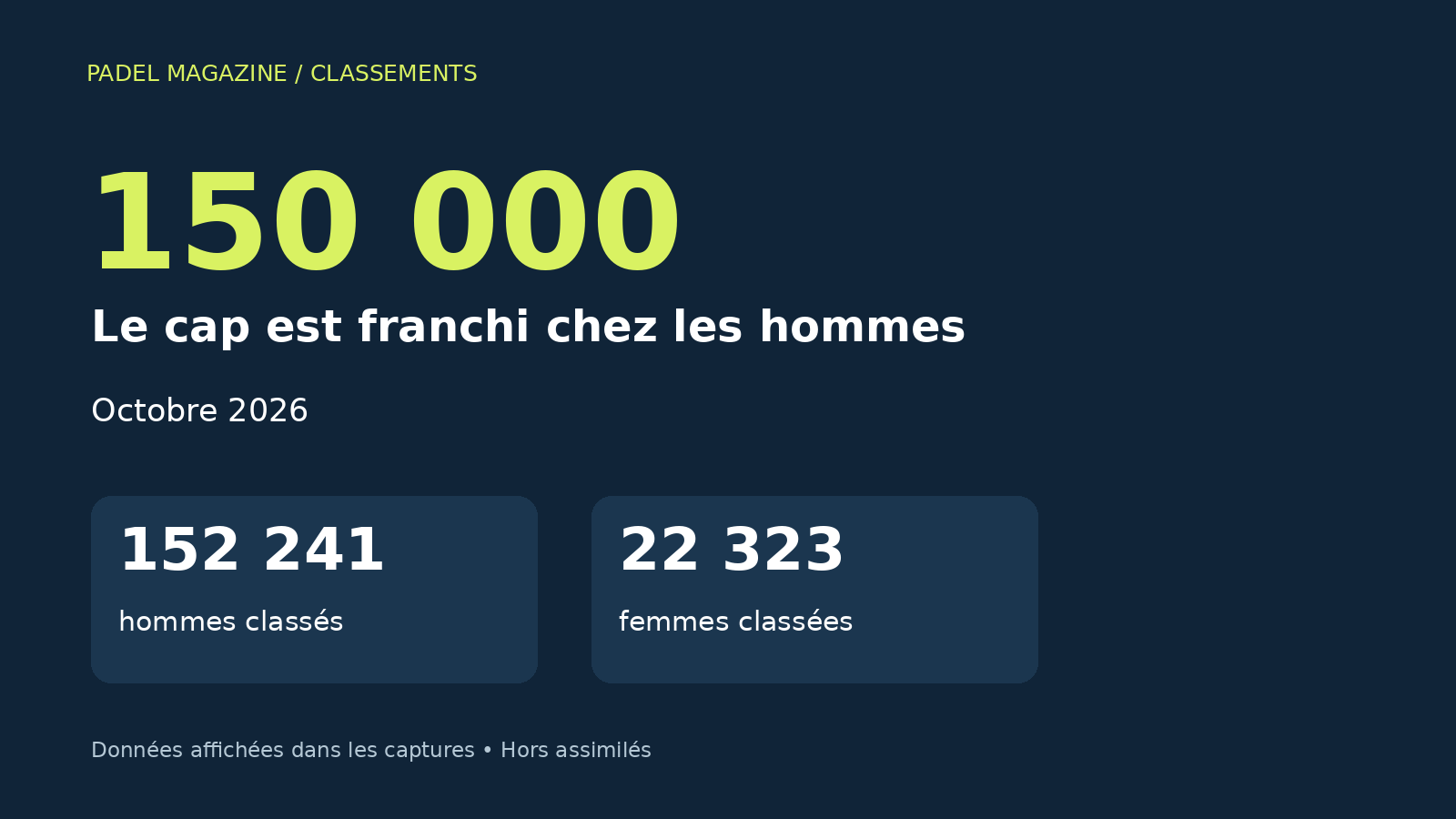 Padel rankings October 2026: more than 150,000 men ranked in France
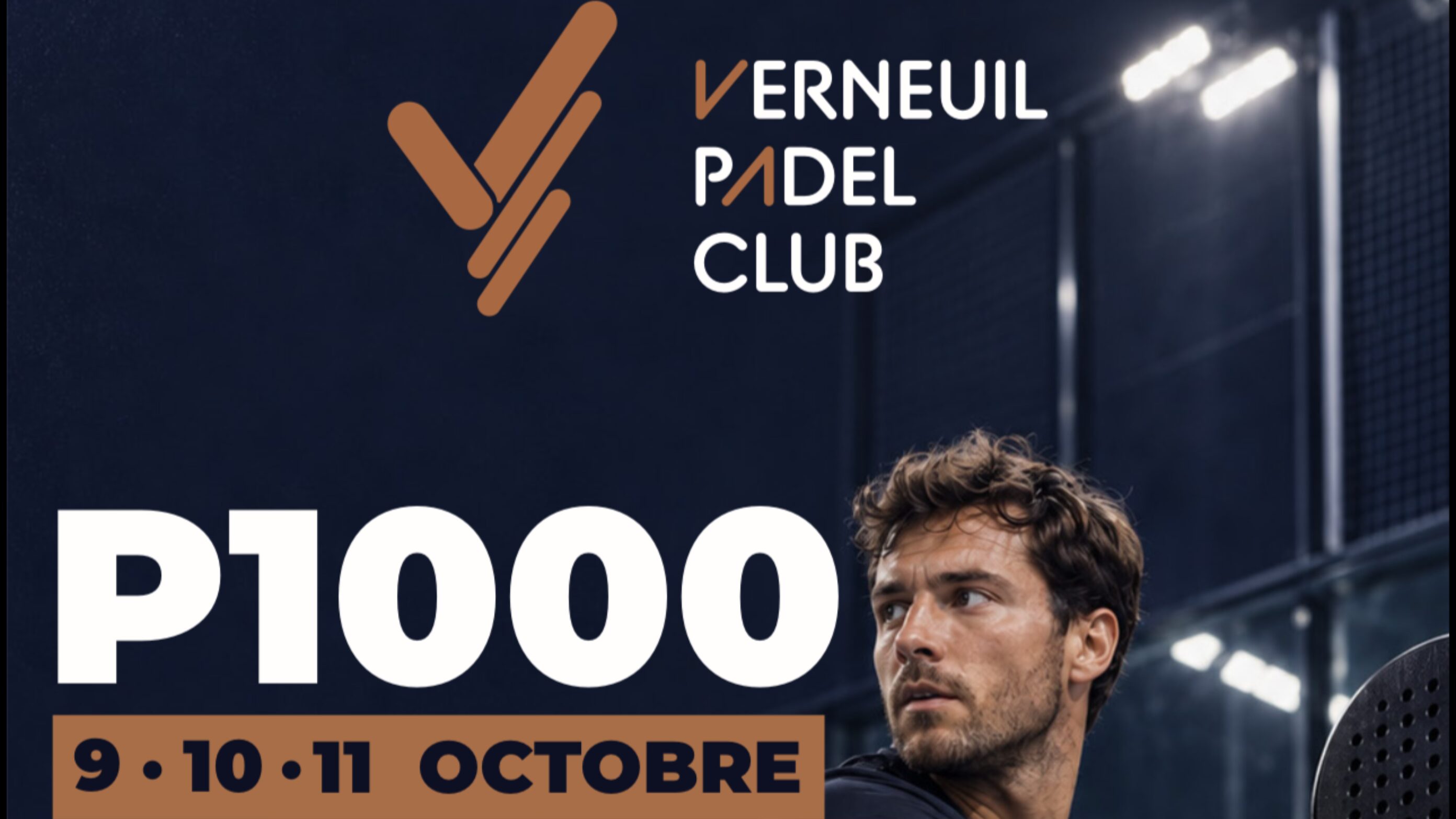 P1000 Verneuil Padel Club – Results / Live / Schedule
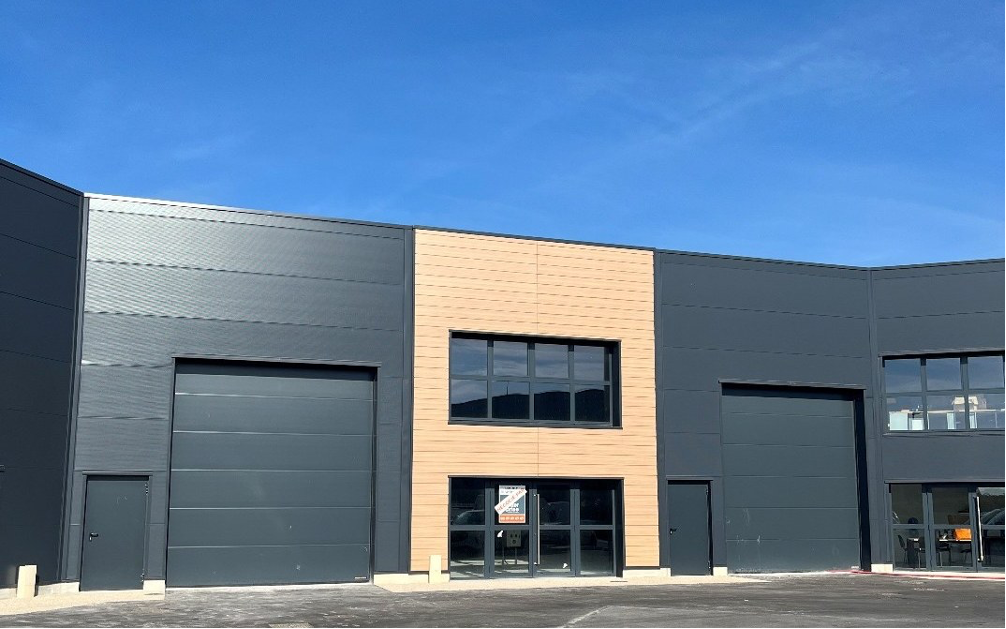 West Padel opens its 4 indoor courts in Montivilliers on November 5th
 With Galán tired and Coki Nieto sidelined, is the infernal pace of the circuit starting to take its toll on the players?
 Milan P1: Thomas Leygue launches his qualifying campaign with Jesús Moya
 Germany P2: The fastest quarter-finals in history Premier Padel
 Zidane and Galán reunited on the track to launch the Metalbone ZZ
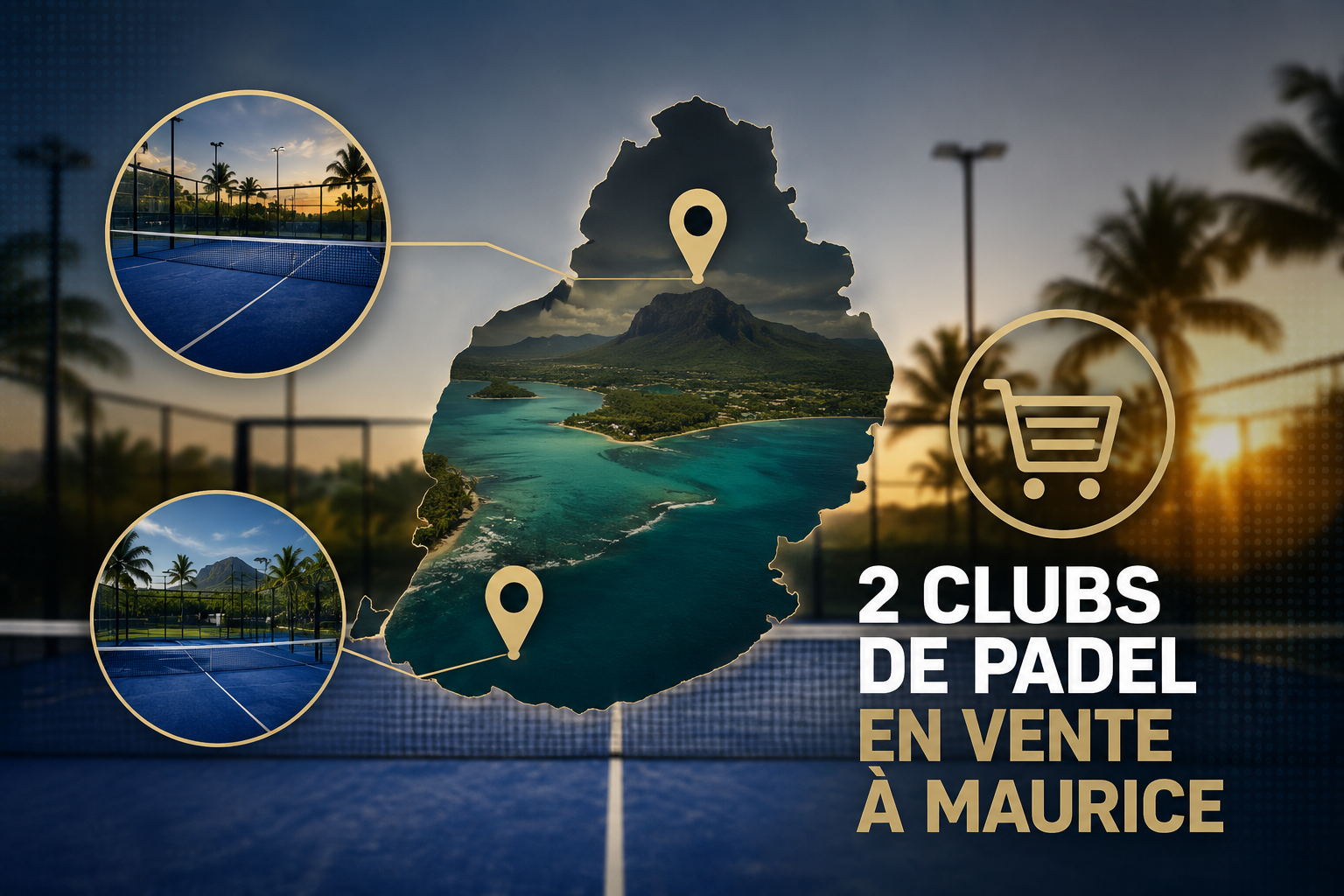 For sale: two padel clubs in Mauritius, starting from 330,000 euros
 How much does it actually cost to organize a FIP Bronze event?
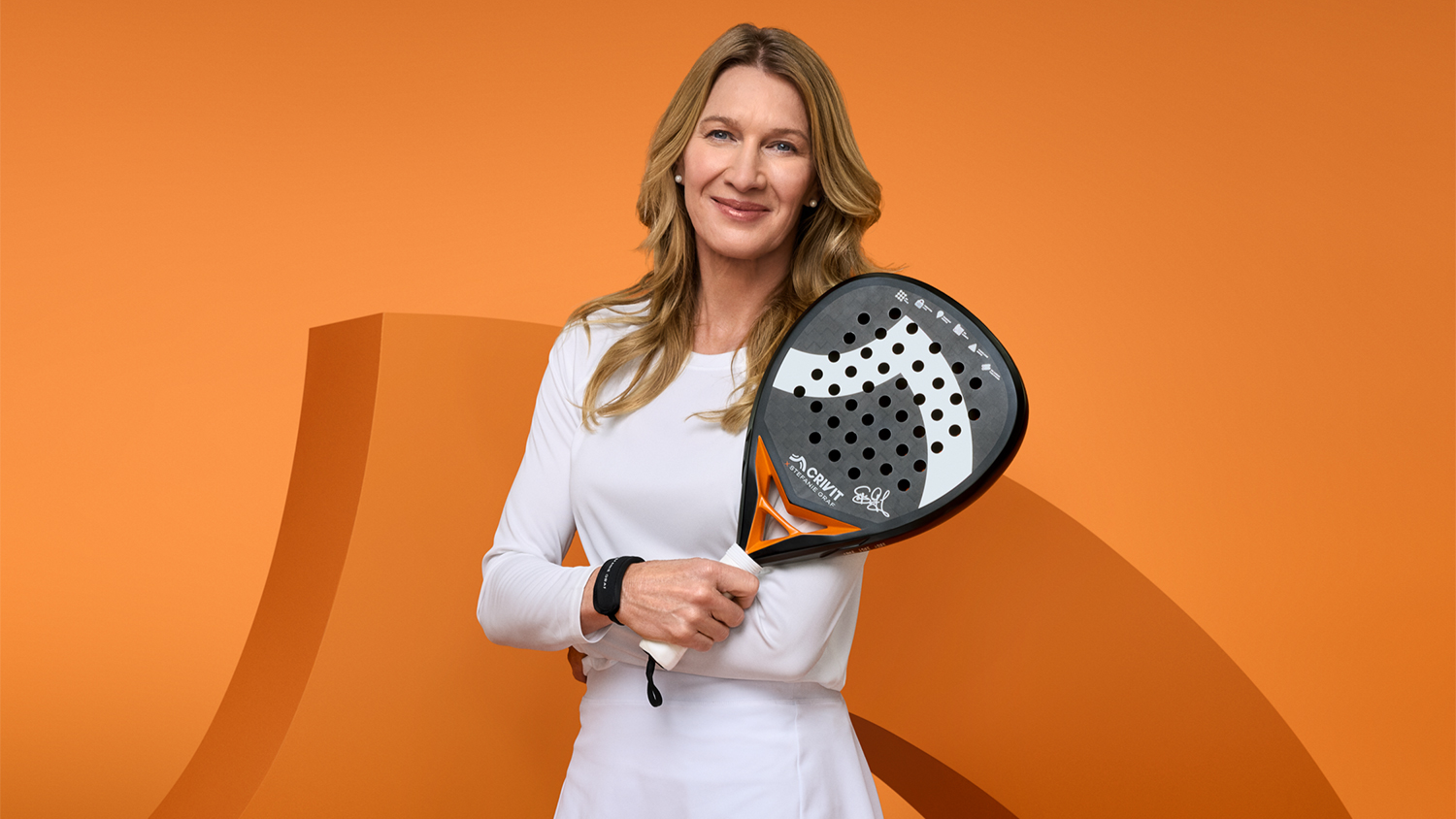 Padel How Lidl is transforming Crivit into a fully-fledged sports brand with Steffi Graf
 Compagnie des Alpes is accelerating its involvement in padel with PadelCity: a new step in its European strategy
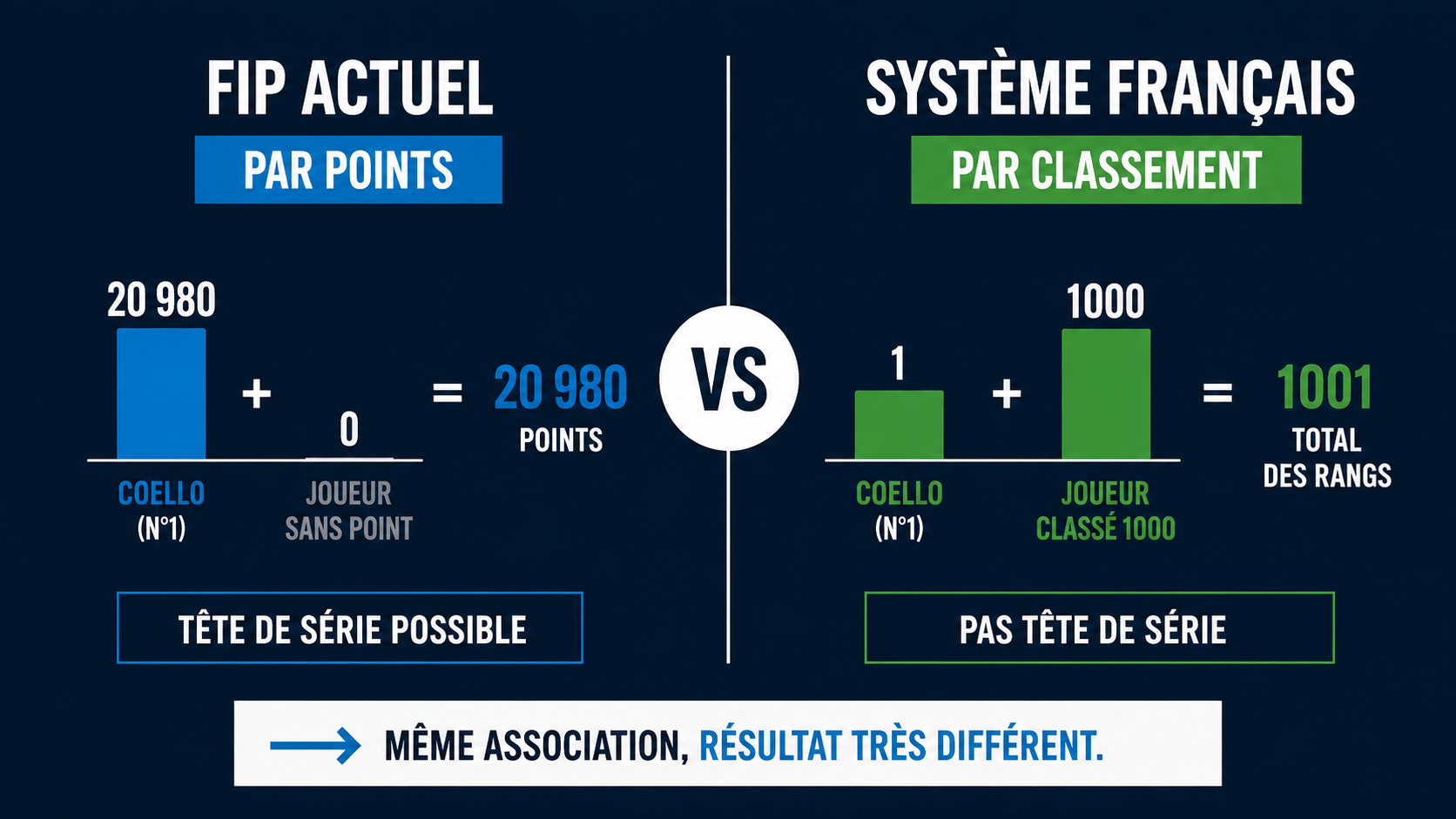 Coello with a player at 0 points ahead of two top 10 players: should the FIP ranking be reviewed?
 Les Pyramides: after 12 padel courts, the club is focusing on youth training
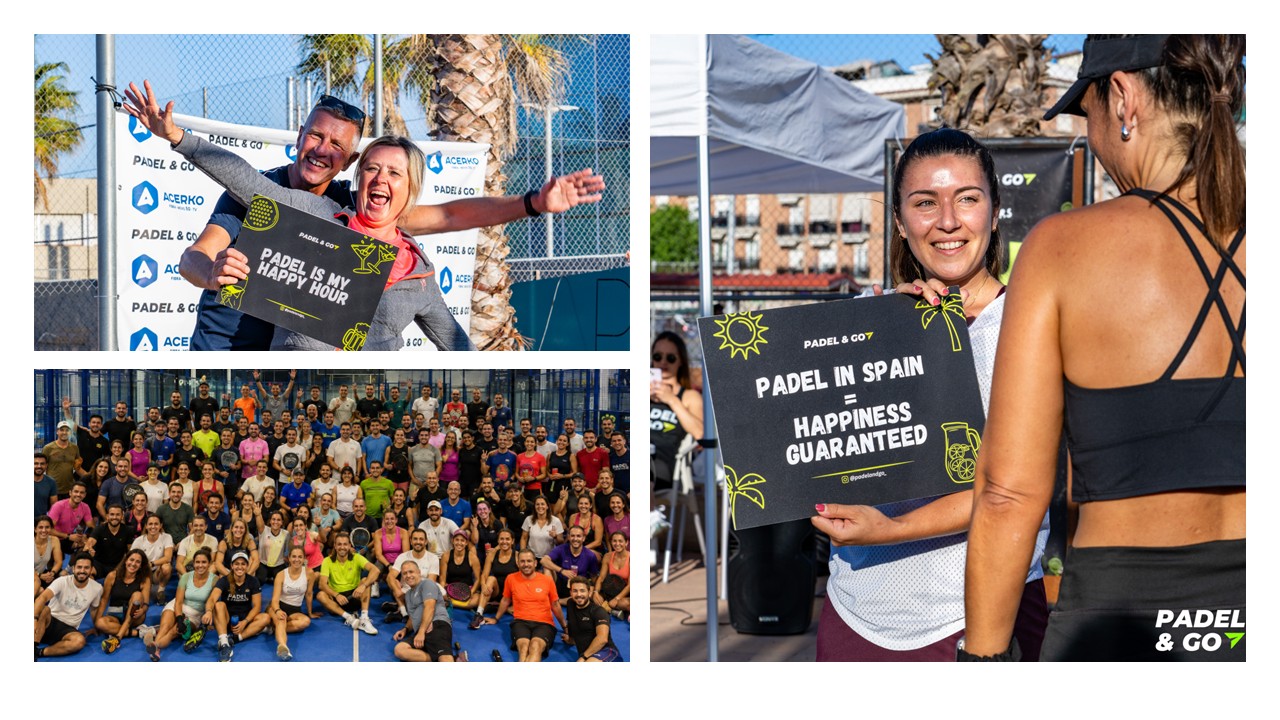 Health Care Padel Tour 2026: What if your next padel tournament was played in Barcelona?
 FAST Padel Academy continues its development and establishes itself in Liège.
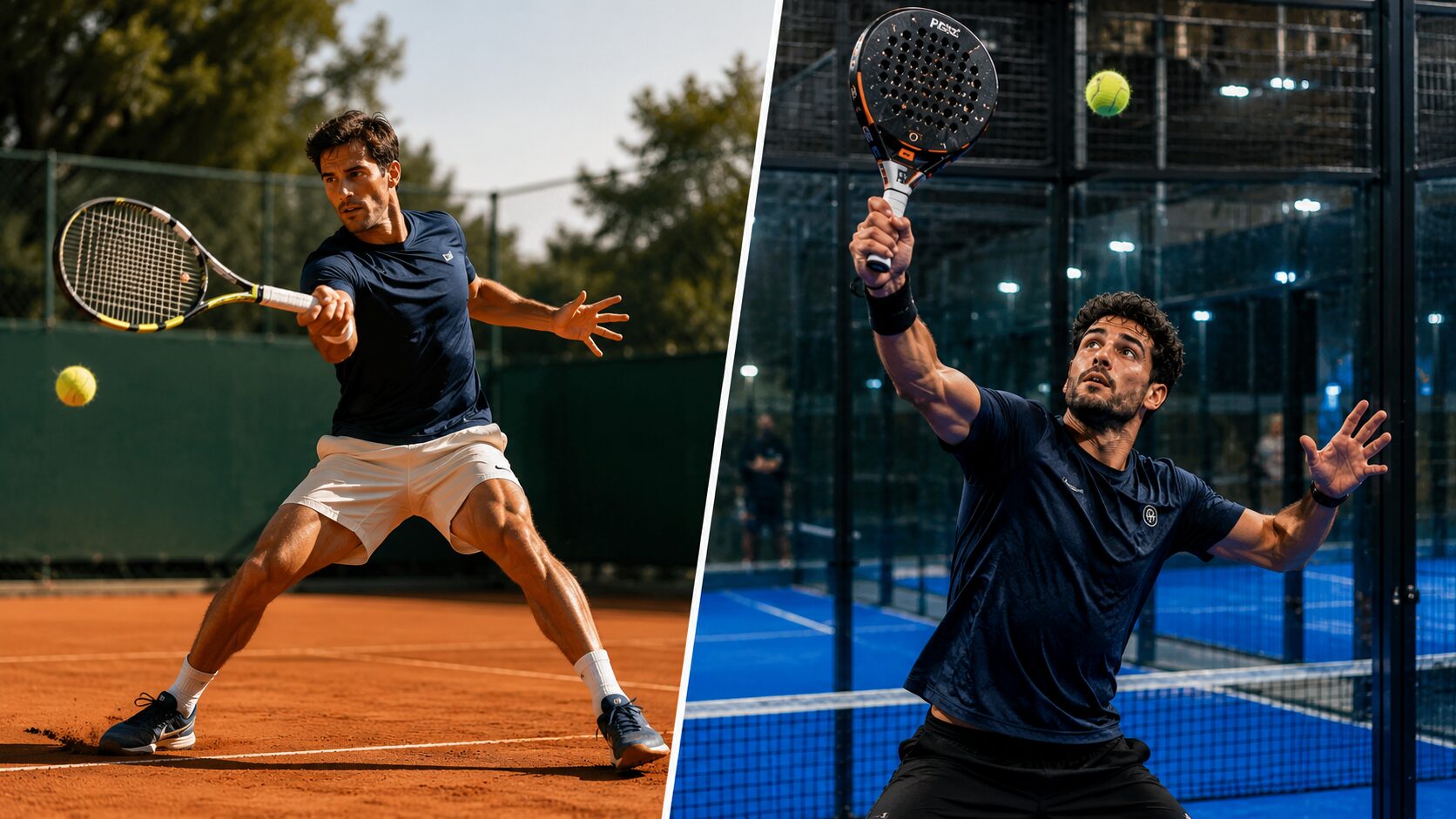 What the analysis of the stroke reveals: tennis forehand vs. padel bandeja
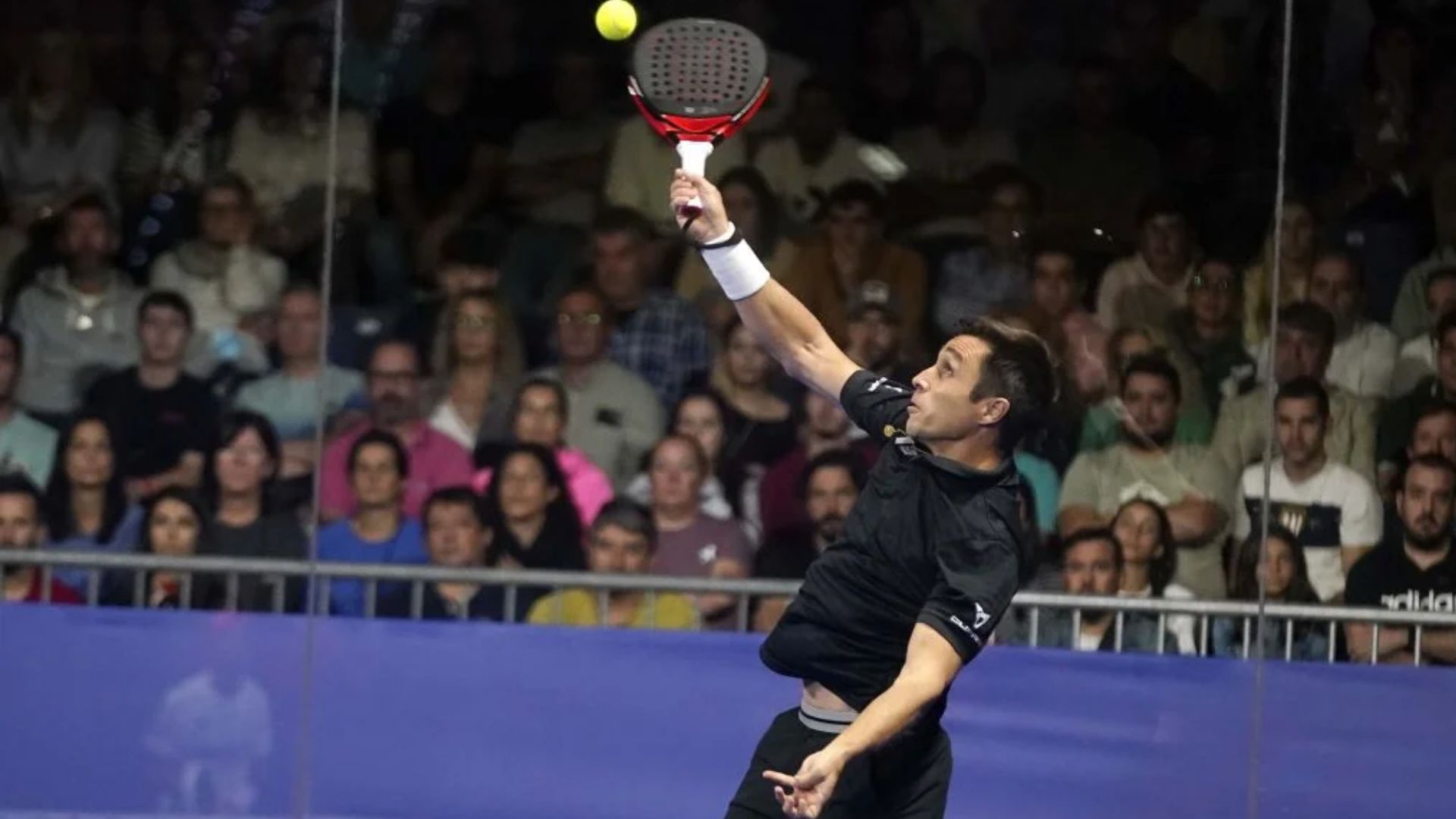 Has the bandeja disappeared from modern padel?
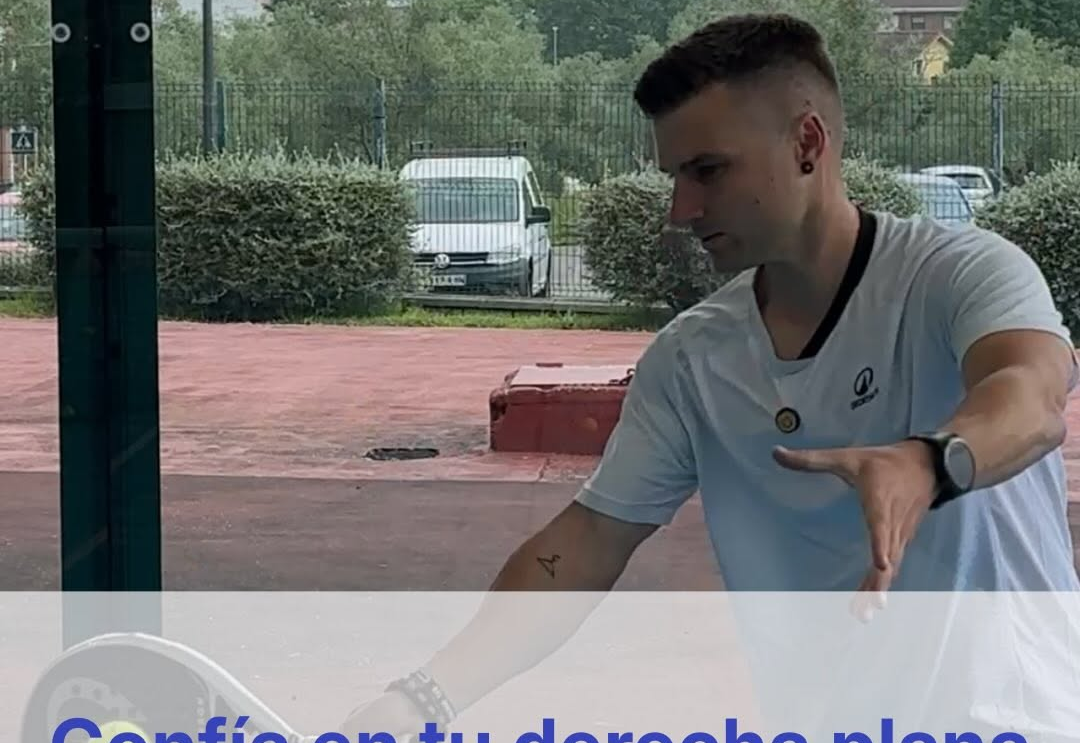 Flat forehand in padel: 5 exercises from Cristian Álvarez to gain control and efficiency
 Why knowing how to play on the right and left can make all the difference
 Tapia reveals his recipe for beating Coello / Tapia: "I would bet everything on myself"
 How Coello defused Chingotto's game plan
 In padel, does the chemistry between a pair count as much as individual skill?
 Summer changes padel… but what if the real challenge wasn't hitting harder?
 Neither FIP Tour nor World Team Championship: the unique format of padel at the Mediterranean Games
 Premier Padel : when television can lengthen players' breaks
 Premier Padel Yes, a referee can refuse a player permission to go to the toilet
 Julien Seurin opens up about his mental state: "There are far more doubts than moments of happiness."
 More than a year later, Thomas Leygue is back in the top 150: behind the scenes of a comeback that's still unfinished
 Padel vs squash vs badminton: the scientific ranking of cardio intensity
 Why does Arturo Coello play with his right hand bandaged?
 What if your progress in padel depended on what nobody else is looking at?