







When discussing equipment around a tennis court, the conversation almost always revolves around the same subject: the pala. It's the star piece, the one that everyone scrutinizes, compares, and weighs.
However, in padel, as in all other racket sports, there is no one element more important than the other: there are two inseparable pillars to progress, have fun and above all limit the risk of injury.
On one hand, the racket, obviously. Well chosen, tailored to your level and your arm, it provides forgiveness to smooth out imperfections in your stroke and protects you from tendonitis caused by excessive weight or a sponge that is too stiff.
But on the other hand, there are the shoes. And the equation is the same: a suitable model improves sensations thanks to comfort and lightness, while providing important joint safety thanks to support and grip.
Buying a state-of-the-art racket for €300 to play with worn-out or unsuitable running shoes is a bad idea. Just like investing in a high-end pair of shoes to play with a racket that's too demanding for your skill level.
Of course, one can always enter the race without paying the same attention to both elements, but that means accepting to evolve within more unpredictable and sometimes less safe conditions These two pieces of equipment deserve the same level of attention.
Because on a 20x10, the foot is king. It pivots, brakes, accelerates, stabilizes, and performs all these movements in a fraction of a second. A poorly designed shoe, and your footing becomes less precise, leading to a loss of confidence when the pace picks up.
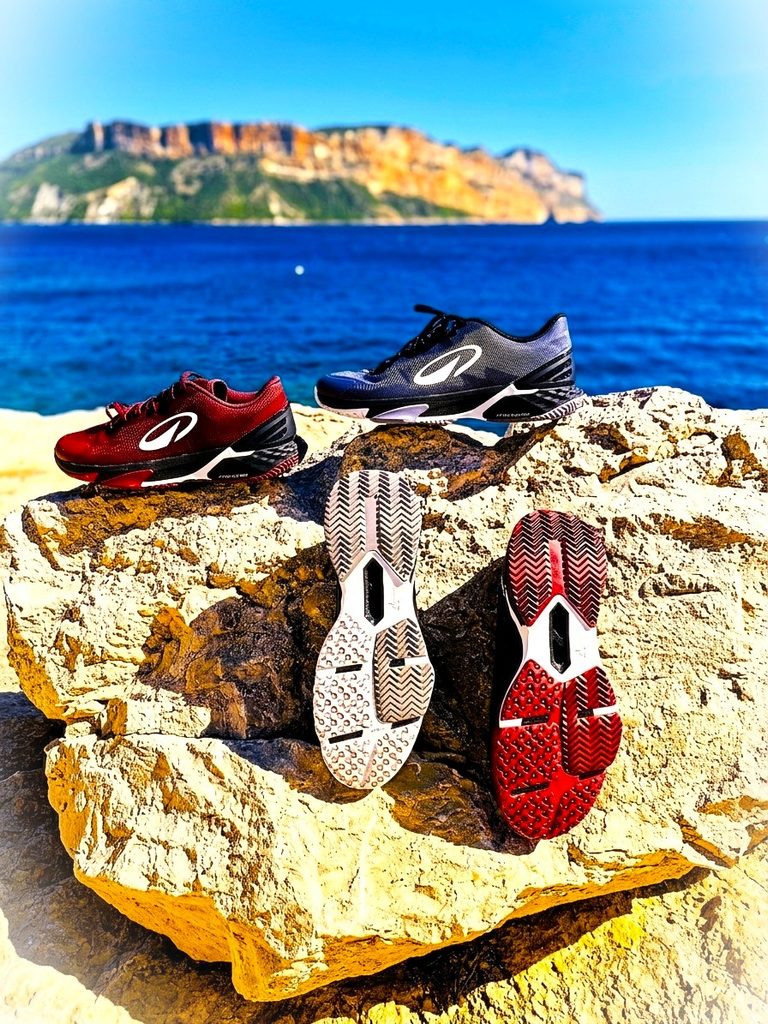
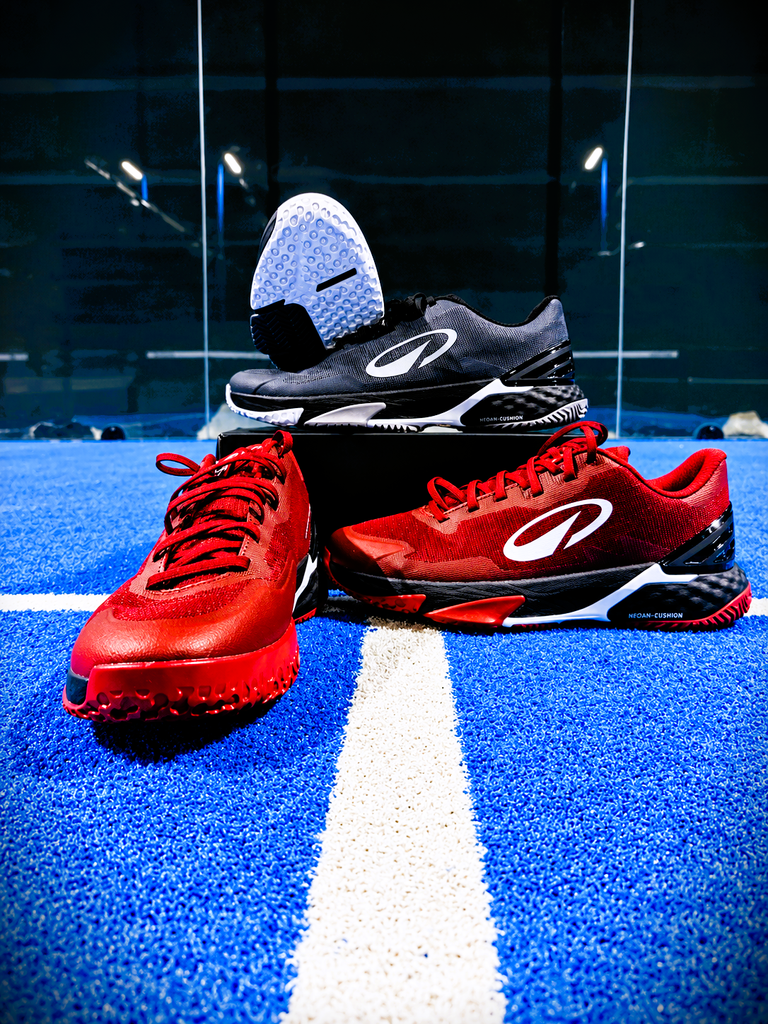
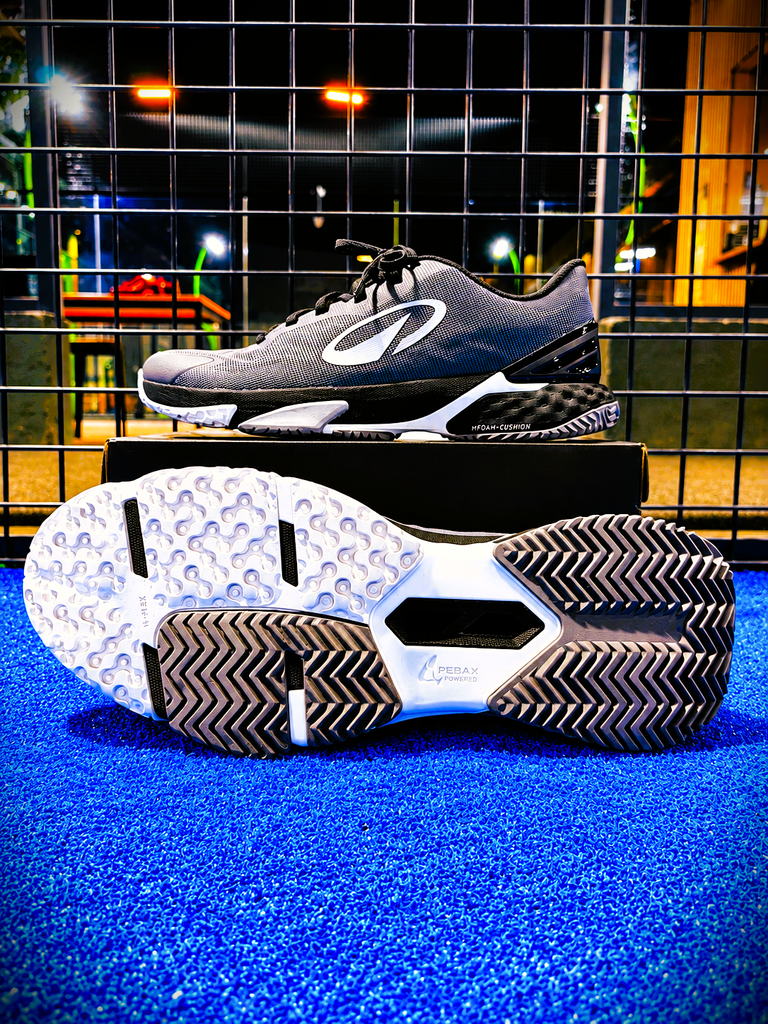
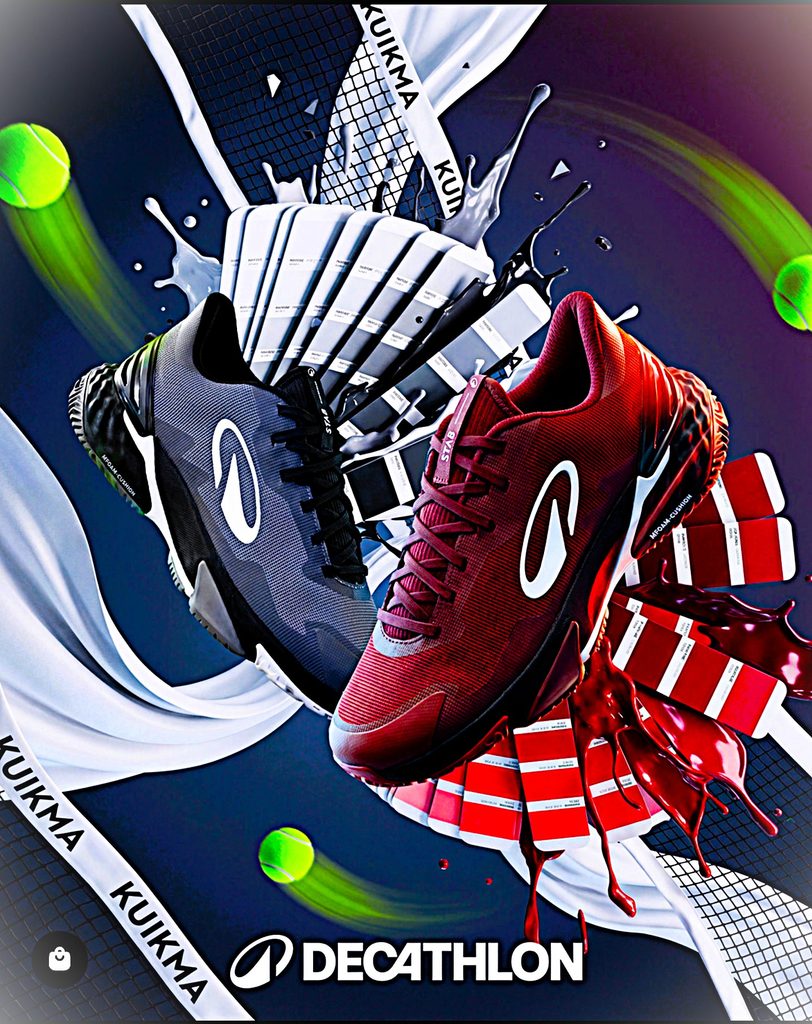
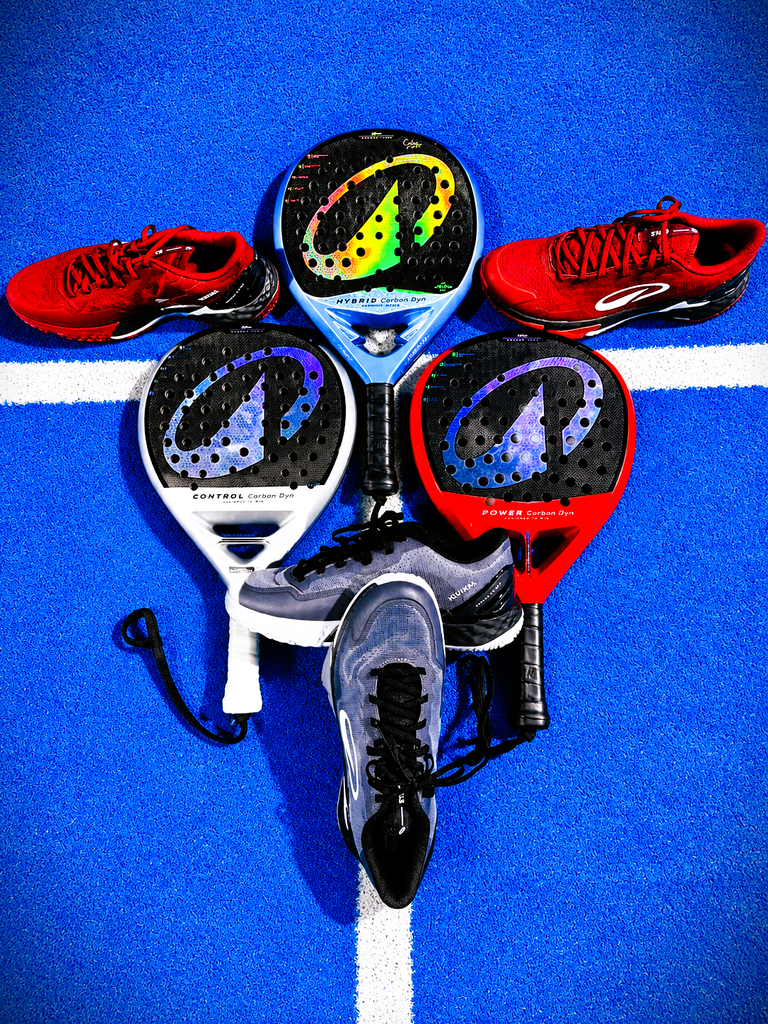
Kuikma understood this perfectly. From its beginnings in 2019, the specialist brand of Decathlon refused to consider the shoe as a simple second-rate accessory, developing models designed exclusively for the biomechanical constraints of our sport.
With the PS Stab — and let me stop you right there, the PS prefix unfortunately has nothing to do with the initials of Penso Stéphane, but simply designates Padel Shoes! —, co-developed alongside professional players, the brand even makes absolute stability its main focus.
The goal? To respond without flinching to the demands of a discipline made up of 360-degree movements, violent lateral braking and brutal regaining of support.
To meet the challenge, its architecture is based on a technological trio: M-Foam Cushioning, the sole Padel Dual Grip 2 and the famous Pebax® plate, the true backbone of the structure.
But once the laces are tied, what's it really like on the slopes? The answer is in hand... and on your feet.
The technologies: anatomy of a shoe designed for padel
Pebax plate: the heart of stability
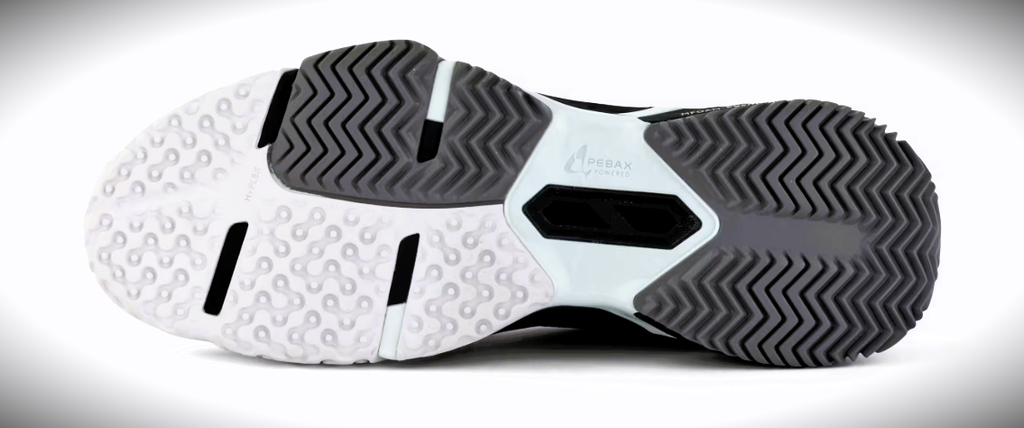
If you had to pick just one feature of the PS Stab, it would probably be this. The Pebax plate, developed by the French company Arkema, is integrated into the midsole to reinforce the shoe's structure.
Pebax, or Polyether Block Amide (PEBA), is a material known for combining lightness, mechanical strength, and elasticity. Its structure combines the strength of polyamides with the flexibility of polyethers, notably with good energy return capacity.
In the PS Stab, this plate primarily serves three purposes:
• Lateral stability : it helps to keep the foot in place during lateral movements and rapid changes of direction.
• Energy return : it accompanies the impulse phases by returning some of the energy generated by the player.
• Controlled flexibility : it limits excessive twisting movements while retaining enough flexibility to avoid turning the shoe into a rigid block.
It is therefore a central part of the PS Stab architecture and, as I have seen on the ground, it directly contributes to its behavior on the track.
M-Foam Cushioning: cushioning inspired by running
The midsole uses an EVA-based M-Foam, originally developed in the world of running and then adapted for padel.
Its objective is simple: to absorb shocks without stifling dynamics. During long sessions, cushioning remains present while retaining enough responsiveness to support movement.
Padel Dual Grip 2: Grip is the priority
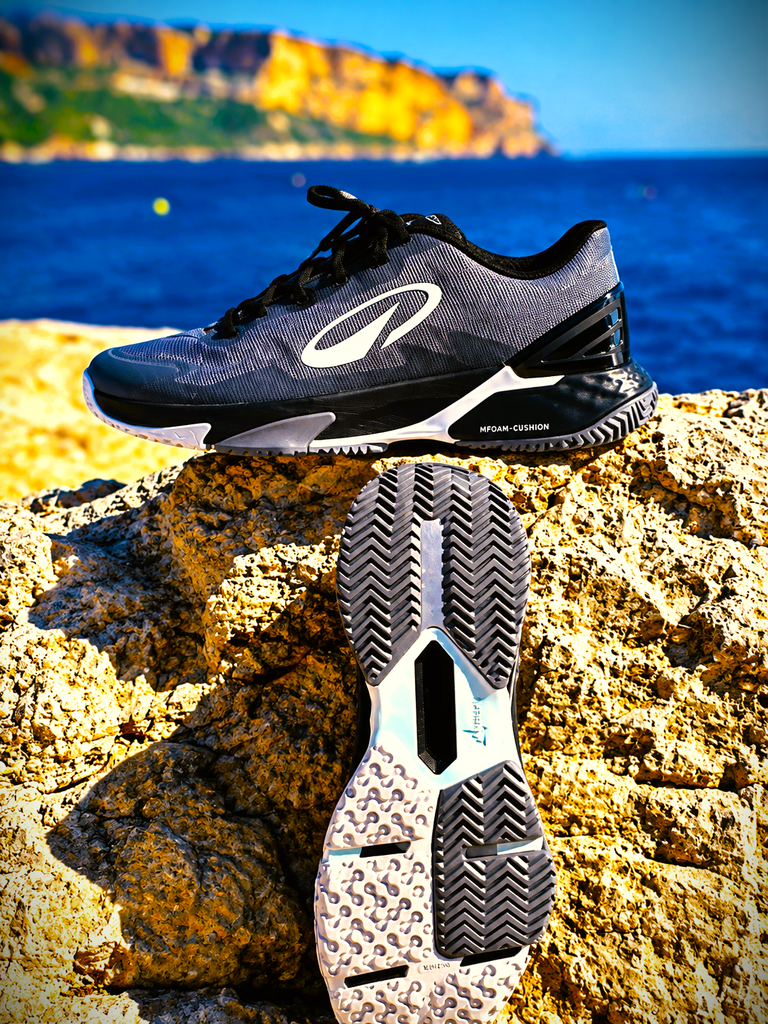
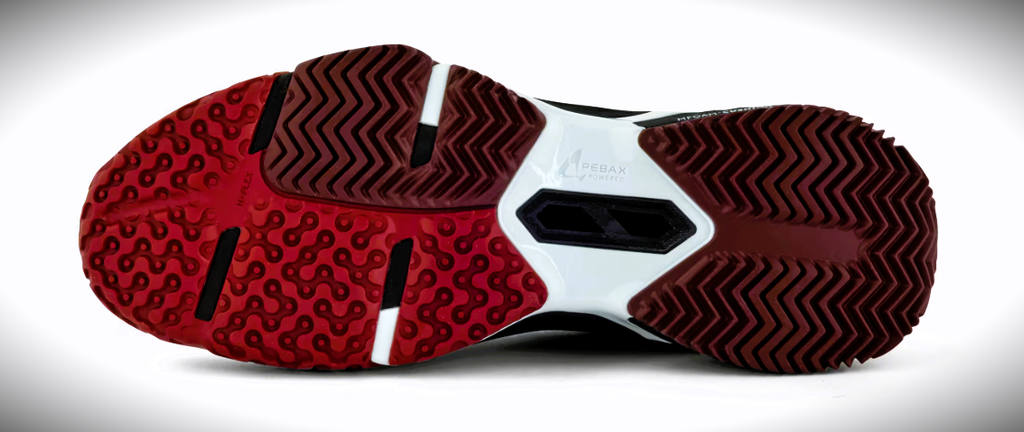
The sole Padel Dual Grip 2 is designed for the specific movements required in padel.
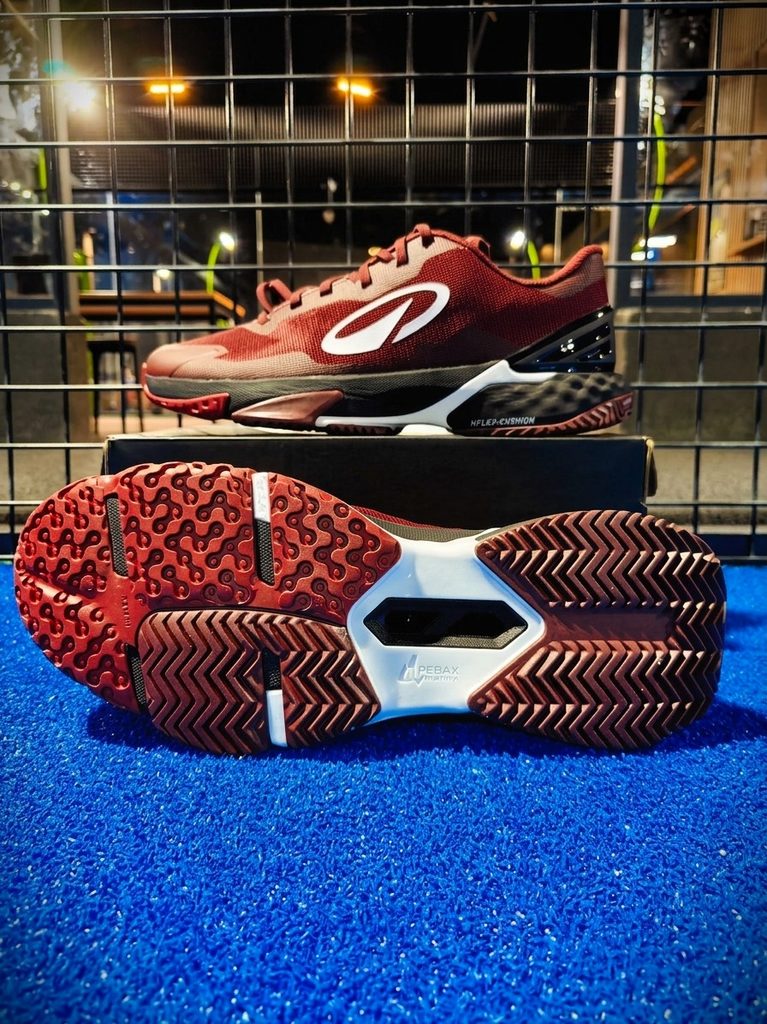
The chevron pattern at the front enhances grip during acceleration, while the traction zones at the rear assist during braking. The overall design primarily aims for a balance between grip and fluidity, essential for executing a series of changes of direction.
H-Flex: Flexibility at the service of responsiveness
H-Flex technology uses "H" shaped flex zones at the metatarsals.
The principle is simple: to allow the sole to follow the natural movement of the foot more closely, while maintaining the necessary support. An interesting compromise for short walks and sudden stops.
Forefoot Support and TPU inserts: enhanced support
The Forefoot Support reinforces the forefoot to improve support during lateral movements.
At the rear, TPU inserts complete the design, with a particularly rigid heel counter that secures the heel and limits unwanted movement.
The result is a shoe with very structured support, particularly noticeable in lateral movements.
One-Mesh: breathability and fit
The One-Mesh upper fits the foot properly while promoting air circulation and wicking away perspiration.
The lacing system also allows for precise foot locking without creating multiple pressure points. This is a welcome feature during long sessions, especially in hot weather.
Essensole: comfort right down to your feet
The Essensole insole completes the package by working on comfort, moisture, ventilation and odor control.
A fairly logical approach for a shoe designed to handle many hours of play: to maintain a comfortable environment underfoot without compromising support.
Humidity management: a true through-ventilation system
While many brands settle for a breathable mesh upper, Kuikma has gone much further with this PS Stab by designing a true mechanical duct for wicking away heat and perspiration. Removing the insole reveals thermal engineering that rivals the best in running shoes:
- Suction underfoot (Essensole sole) It all starts with the Essensole insole, which incorporates a network of targeted perforations located exactly under the arch of the foot, where perspiration and thermal friction are most intense.
- The internal passageway Just beneath this sole, the intermediate reinforcement layer features a large, elongated opening equipped with a breathable mesh. Warm air and moisture are not trapped in the foam; they are immediately drawn downwards with each stride.
- The extraction port under the sole (Pebax® plate) The system's true value lies beneath the shoe. Integrated directly into the heart of the Pebax® plate, a genuine mesh ventilation opening beneath the chassis contributes to overall airflow. Protected by a tight-fitting metal mesh to prevent track sand or debris from entering, this vent creates a continuous airflow from the inside out.
On the track, this device works like a real bellows effect: with each heavy step, the compression of the foot expels hot, saturated air towards the ground, creating a rush of fresh air for the rebound.
In the height of summer, when temperatures soar, this ventilation system makes a huge difference. Feet stay dry, socks aren't soaked after an hour, and the risk of blisters caused by maceration is significantly reduced. Successfully creating such a ventilation channel without compromising the torsional rigidity of the Pebax® bridge is a true technical feat.
Cosmetics 2026: Two colors, two moods
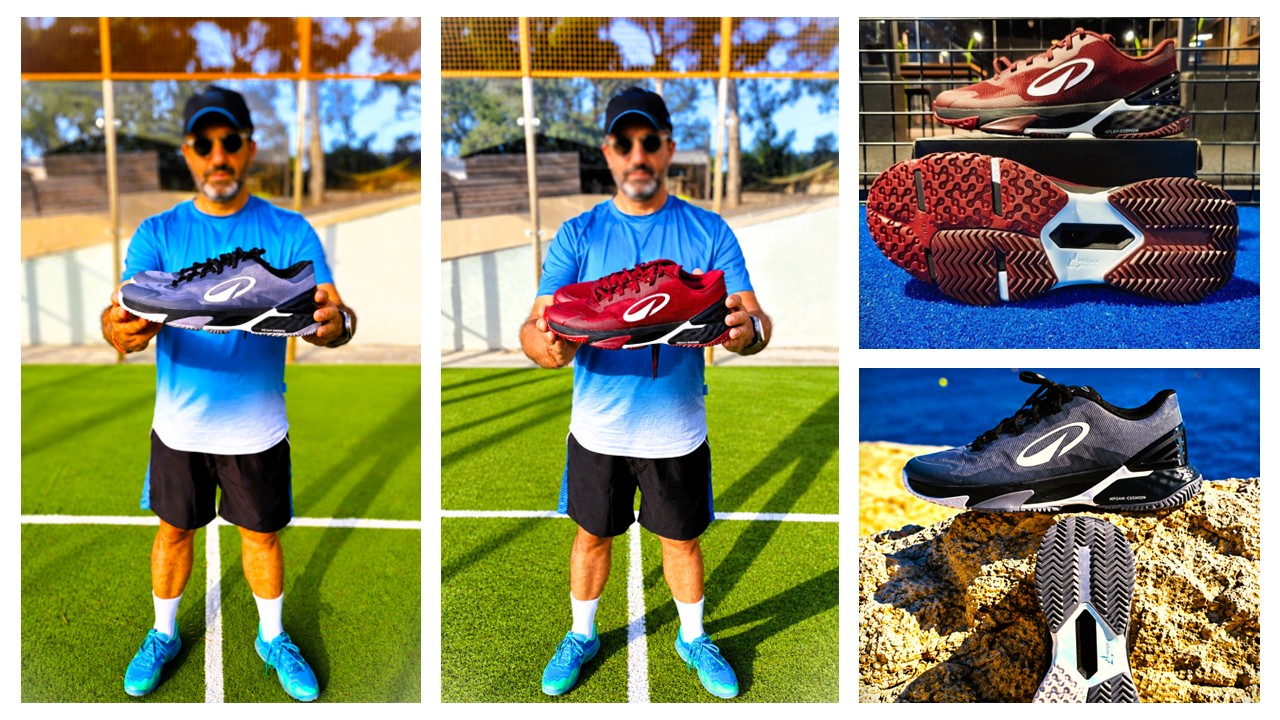
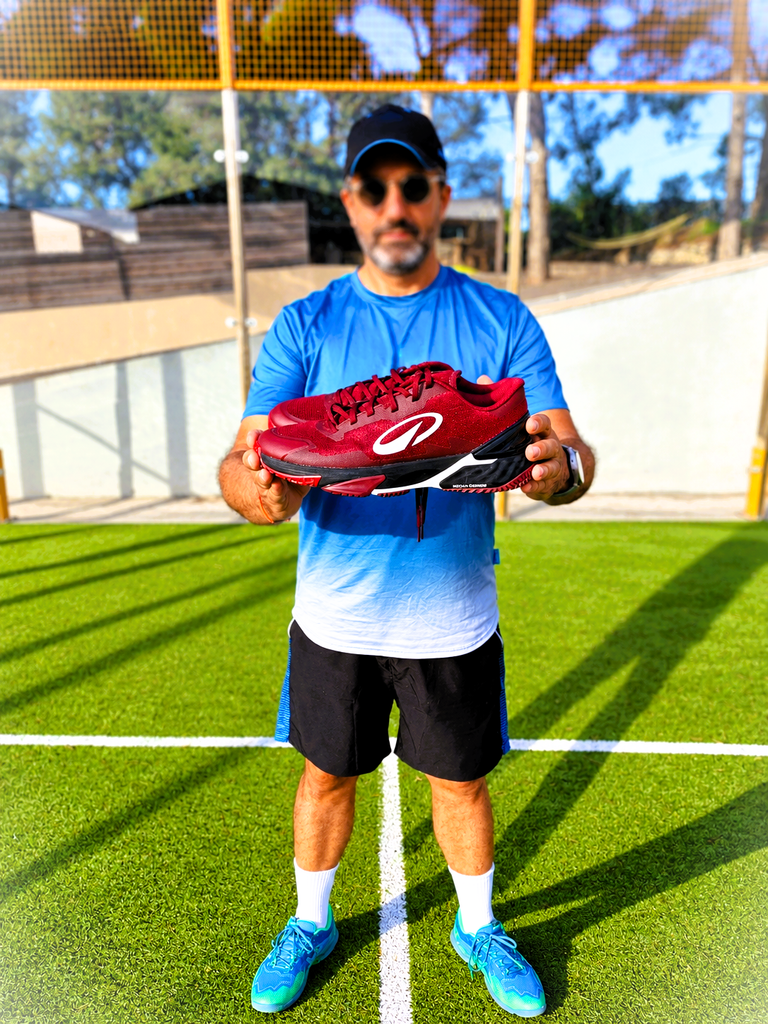
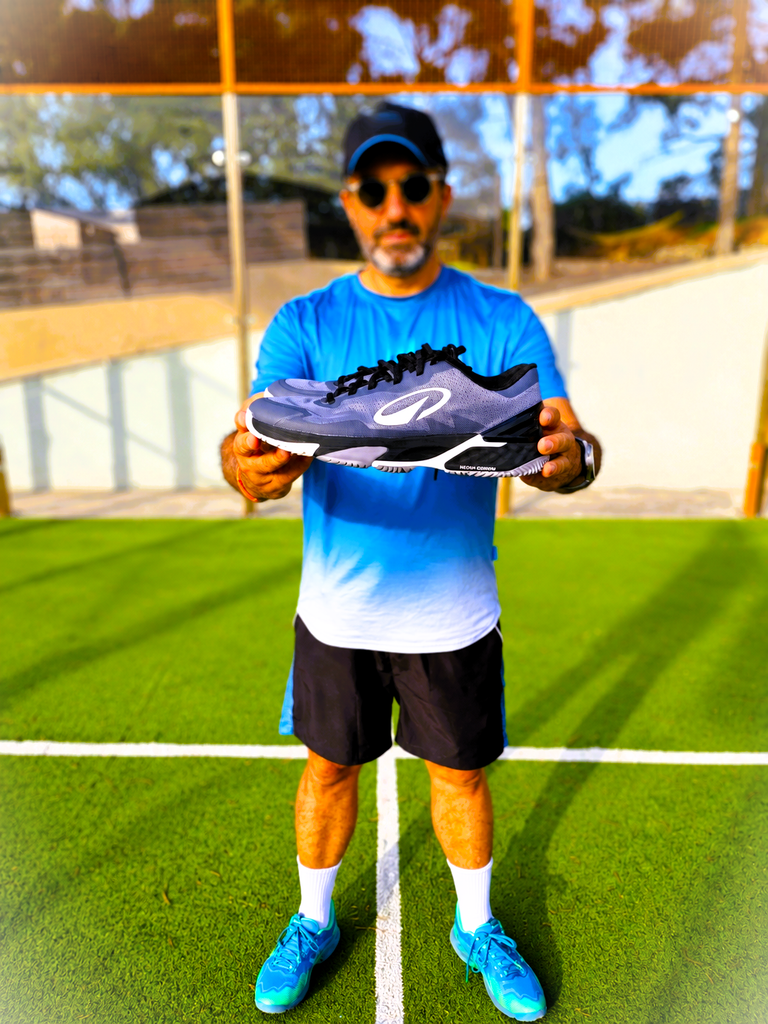
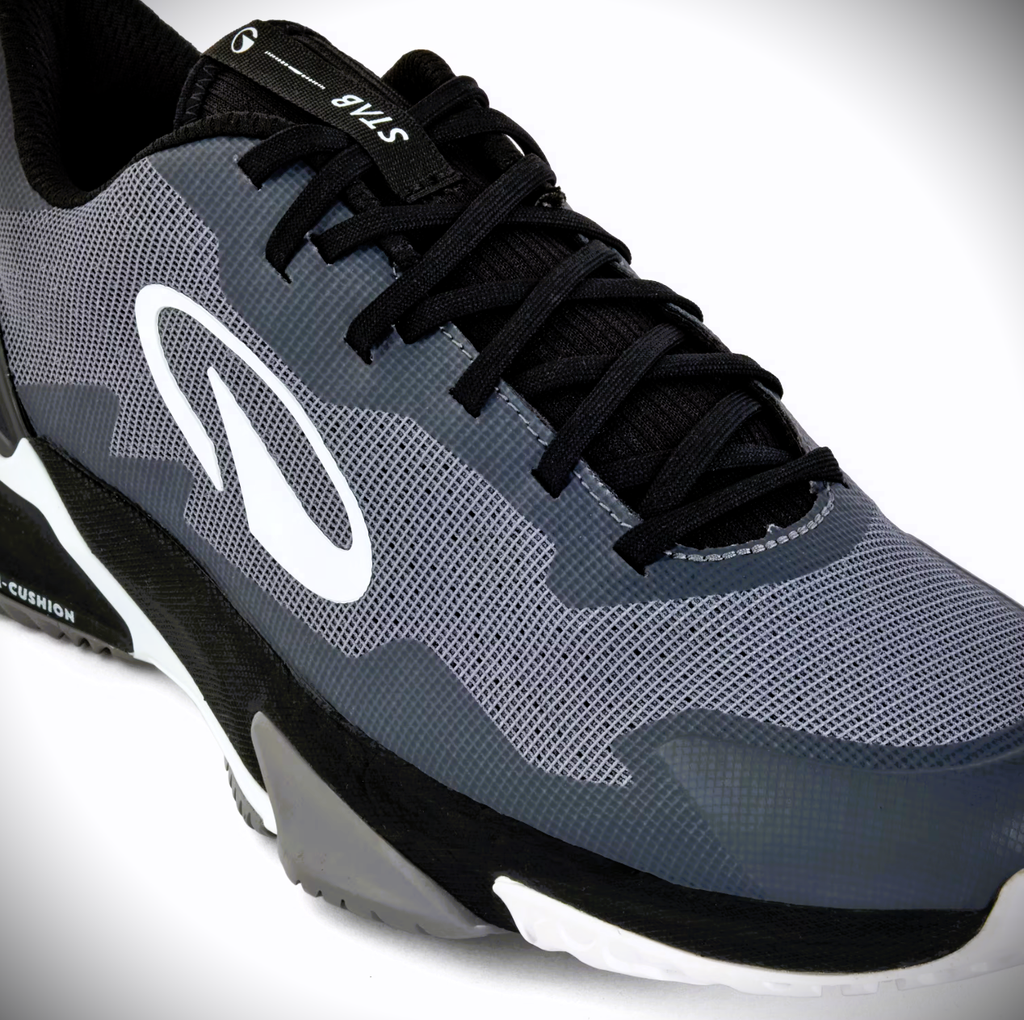
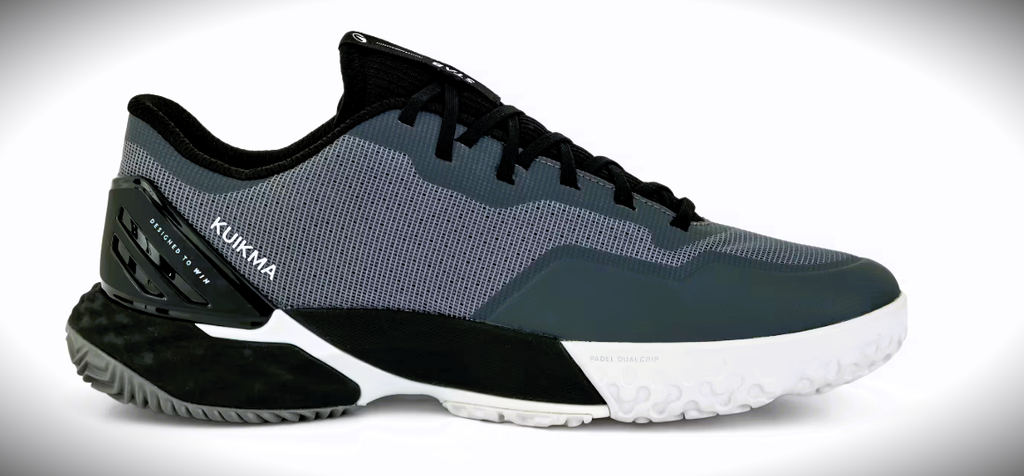
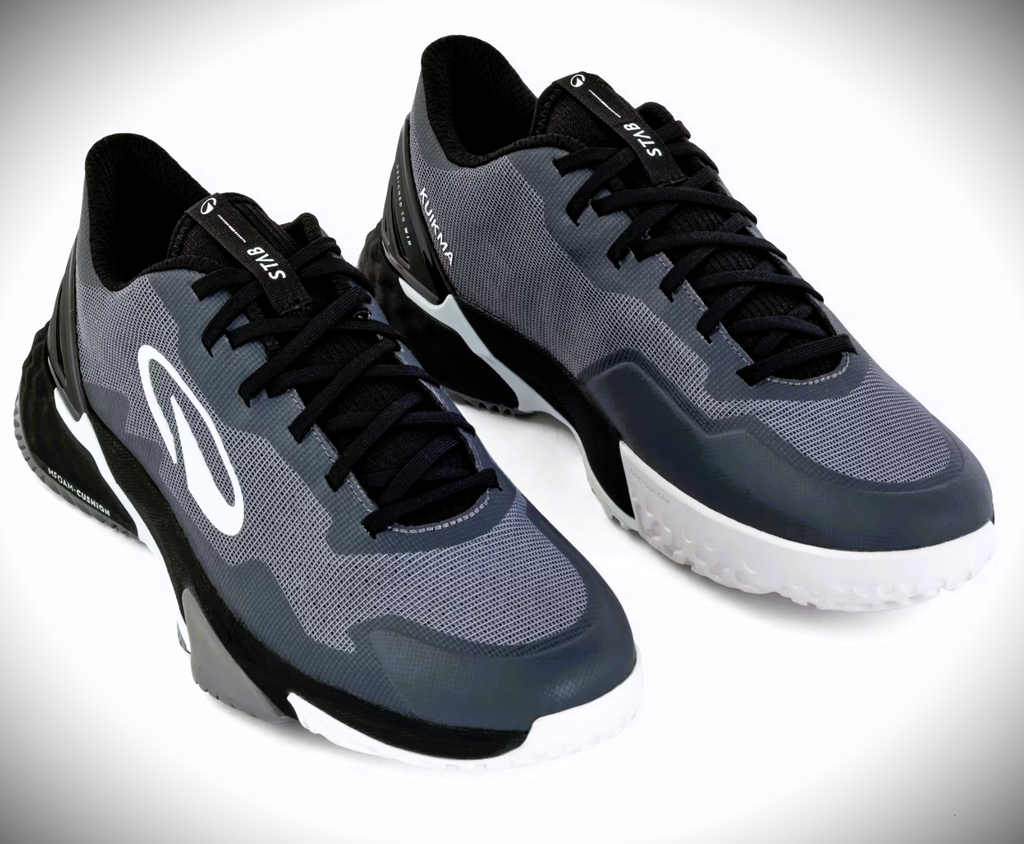
Visually, the PS Stab opts for a minimalist approach. This first pair combines an asphalt/concrete gray, black, and a few touches of white. The overall effect is discreet, modern, and above all, easy to wear, without falling into the overly flashy look sometimes found on padel shoes.
The design, however, is sophisticated enough to avoid appearing commonplace. On the outer side, the large "Orbit" logo makes a strong statement, while the KUIKMA branding also appears on the inner side. On the heel, the "DESIGNED TO WIN" inscription is much more discreet.
The tongue features the model name, STAB, along with the small Kuikma logo. The overall design is cohesive and rather well integrated into the shoe.
In terms of construction, the different textures add some depth to the design. The One-Mesh upper reveals its breathable structure, while the heat-bonded reinforcements protect the most exposed areas.
At the rear, the TPU reinforcement adds a more technical touch while visually strengthening the heel structure. Finally, the midsole combines M-Foam with a white stabilizing element that extends up the midfoot.
Ultimately, the PS Stab gives an impression of solidity and seriousness at first glance. It's not a shoe that seeks attention at all costs, but its design is still refined enough to have character.
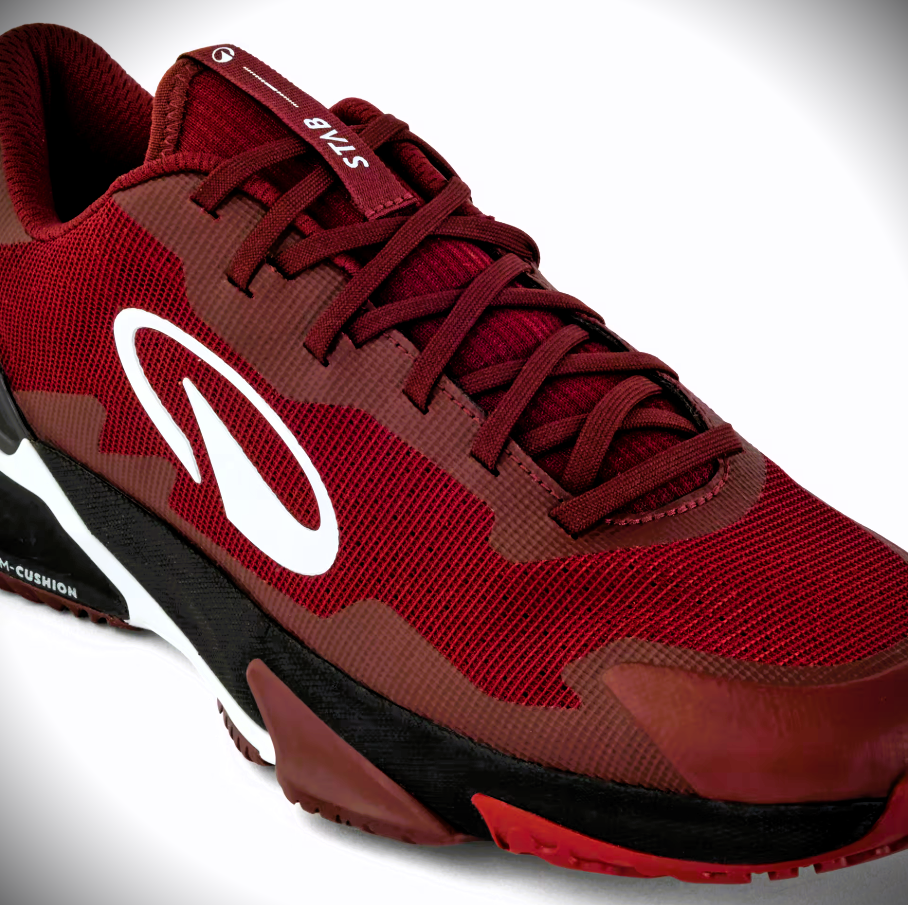
I was also able to discover the second color offered in the 2026 catalogue, in shades of brown, mahogany and burgundy red.
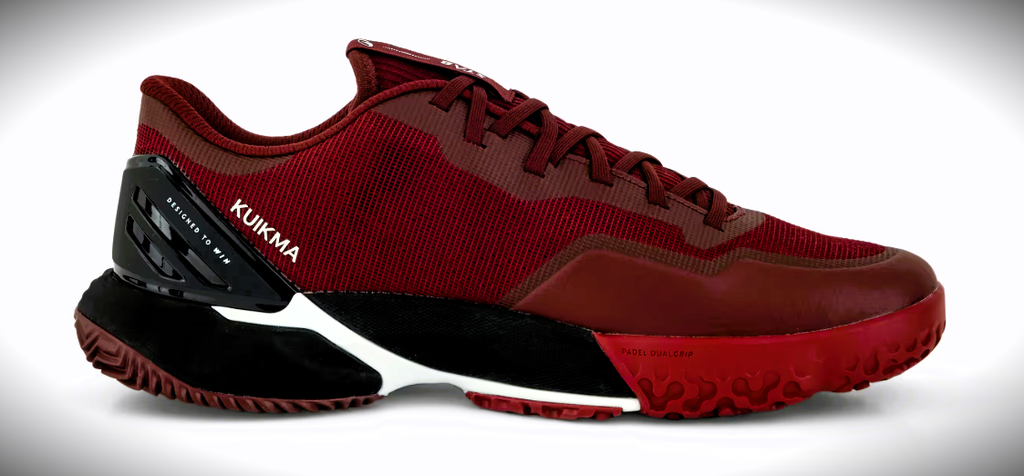
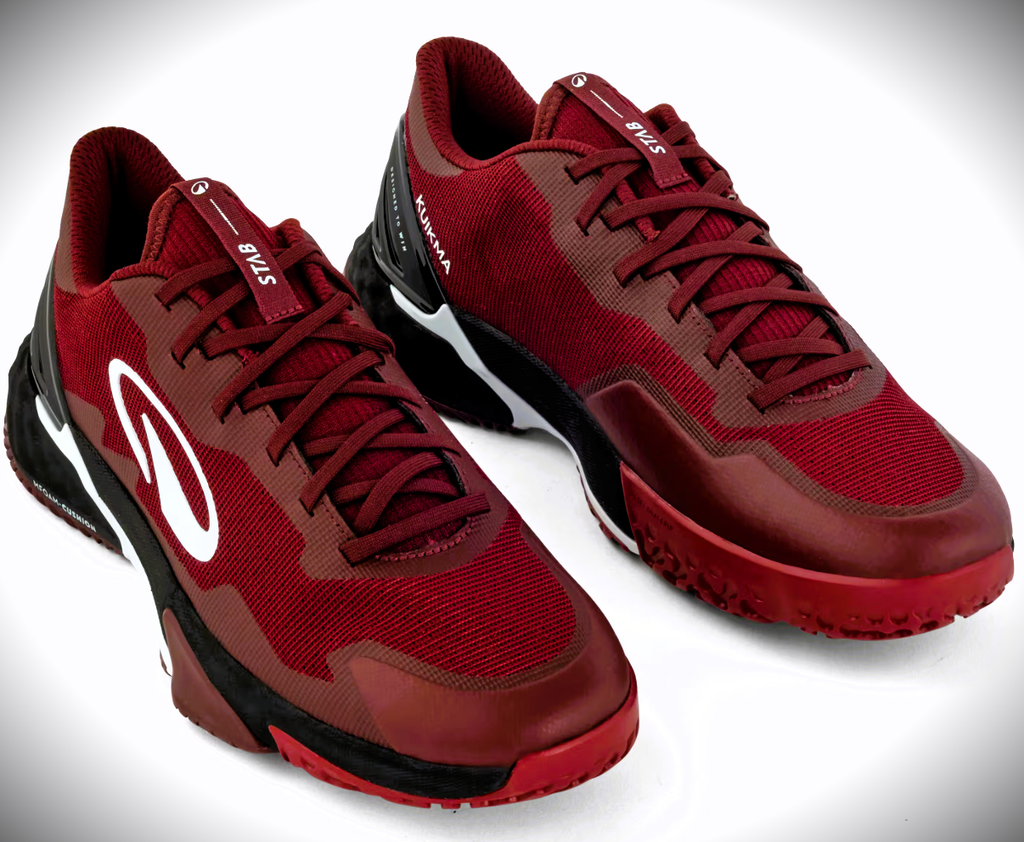
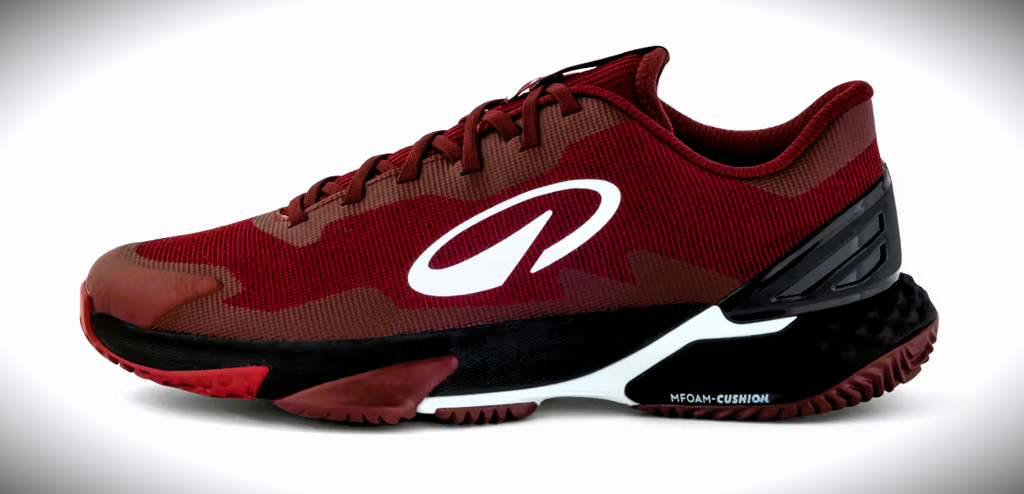
And then, the atmosphere changes completely. Warmer and less sporty in its approach, this version brings more personality. The burgundy mesh, combined with the mahogany hues and touches of white in the logo, works particularly well.
It's a colorway that stands out a bit on a padel court, without being extravagant. Two versions, two styles, but the same goal: to offer a distinctive shoe without resorting to flashy visual effects.
The lacing system, combined with flat laces, fully lives up to its promises: the tightening is reliable, even, and effectively supports the foot during movement. Their length is particularly well-calibrated, allowing for a simple and secure knot without the need for a double knot or letting the ends drag on the ground.
On the eco-design front, Kuikma announces a 20% reduction in environmental impact compared to previous models, thanks in particular to an optimization of materials, a reduction in waste and an evolution of production processes.
On the field: a stability that is immediately noticeable
From the very first minutes on the track, the PS Stab justifies its name.
Stability is clearly its strong point. On defenses close to the glass, during strong changes of direction, or even when receiving after a smash, I immediately felt a very well-supported foot.
The Pebax plate plays a significant role in this feeling. The foot stays firmly in place, the ankle is properly supported, and I didn't experience that floating sensation that can sometimes occur with more flexible shoes.
This confidence in the support allows you to engage more fully in movements, without constantly feeling like you have to control the shoe.
Upon impact, the M-Foam provides effective and well-balanced cushioning. It absorbs shocks properly, especially during repeated landings, while maintaining a sufficiently dynamic response.
However, be warned: this isn't the plush feel of a running shoe. Kuikma has clearly prioritized a firm and structured feel. The forefoot also requires a short adjustment period, especially if you're coming from a much softer model.
But this is also what allows the PS Stab to maintain that feeling of support when the supports become really engaged.
The sole Padel Dual Grip 2 also impressed me. The grip is excellent, and the front chevrons provide good traction when starting. Conversely, the rear traction zones effectively assist during braking.
Finally, the One-Mesh upper proved comfortable and breathable from the very first use. The lacing system provides a precise fit and didn't require me to constantly tighten the shoe throughout the day.
Weight: the compromise is accepted
Weighing in at 398g in size 45, the PS Stab is clearly not a lightweight shoe. However, the shoe's structure and the combined work of the Pebax plate and H-Flex zones allow it to maintain good responsiveness.
On short balls, especially when you need to quickly move forward, the shoe remains sufficiently dynamic.
And this choice is not really a surprise: Kuikma has prioritized stability, support and durability here rather than the absolute pursuit of lightness.
Players accustomed to very lightweight models will therefore need to look elsewhere or allow for a short adjustment period. But after a few sessions, the weight becomes less noticeable and the shoe's structural qualities become more apparent.
If your top priority is lightness and speed of execution, the PS 990 Dynamic, announced at 335g, is part of a different philosophy, more focused on lightness and responsiveness.
The PS Stab, on the other hand, adopts a different philosophy: more structure, more support, at the cost of a few extra grams.
Who is the game for?
The PS Stab is primarily aimed at gamers who prioritize support and stability over the pursuit of absolute lightness.
It seems particularly interesting to me because:
• Intermediate to advanced players who heavily rely on their feet;
• players looking for a very stable and structured shoe;
• practitioners who regularly alternate between training sessions and matches;
• players who prefer a shoe with a firm feel, rather than a very flexible model;
• players who prioritize durability and secure support over maximum lightness.
PS Stab 2025 vs 2026: Evolution or status quo?
One question inevitably deserves to be asked when a model returns to the catalogue: what really changes between two model years?
In the case of the PS Stab, the answer is quite simple: Kuikma did not overhaul a formula that was already working.
The technological architecture remains largely the same, with the Pebax plate for stability and energy return, the M-Foam EVA foam for cushioning, the sole Padel Dual Grip 2 for grip, as well as KPU reinforcements, the One-Mesh upper and Essensole elements.
The most noticeable difference between the two generations lies in the design. The 2026 version notably adopts a new gray color, more understated and versatile than the previously offered shades.
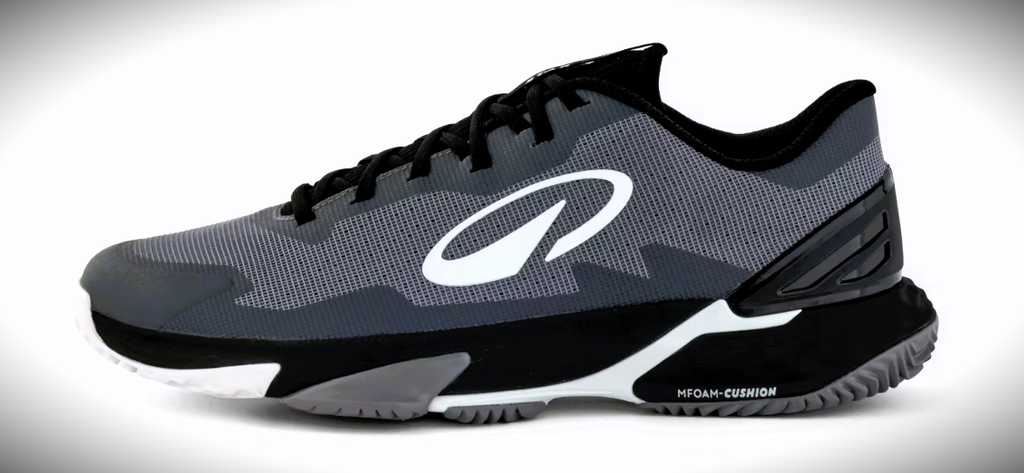
Kuikma also puts more emphasis on certain technical data, such as the 9mm drop, as well as a more precise discourse around the triptych of stability / responsiveness / cushioning-rebound.
The shoe is also part of a broader brand strategy, notably supported by ambassadors Coki Nieto and Dylan Guichard.
In the end, the PS Stab 2026 looks more like a controlled evolution than a true new generation.
No revolution underfoot, then, but a slightly updated model in terms of aesthetics and communication. And perhaps that's for the best: when an architectural design already meets expectations, is it really necessary to change everything?
Conclusion
The Kuikma PS Stab doesn't aim to be the lightest or softest padel shoe on the market. It makes a clear choice: stability above all else.
And this choice is reflected in virtually its entire design. The Pebax plate, the M-Foam, the sole Padel Dual Grip 2, the H-Flex zones and the various reinforcements work in the same direction: to support the foot, accompany movements and absorb the repeated stresses of padel.
Yes, it is relatively heavy. Yes, its behavior is rather firm and requires a little getting used to.
But once this feature is integrated, the PS Stab offers a feeling of support and confidence in the supports that is particularly appreciable when the pace picks up.
With a price tag of €79,99, the PS Stab also aims to offer a fairly substantial level of technology for a reasonable price.
Kuikma demonstrates here that a shoe designed for padel can offer an ambitious architecture without necessarily falling into the price range of premium models.
Available from 39 to 47 For intermediate to advanced players who are primarily looking for a reliable, structured and reassuring shoe, the PS Stab clearly deserves to be tried on the court.
A huge thank you to the Decathlon teams, and especially to Juane Ortega Beas (Marketing & Communication), for sending these two new versions of the PS Stab.
A collaboration that remains as smooth as ever and a valuable trust to continue testing the equipment as close as possible to the track!

Padel fan, Stéphane has become the official tester of the padel planet in Europe. Everything goes through his expert hands. Thanks to his extensive experience in the world of rackets, he is able to scan your equipment from head to toe!








































 Düsseldorf P2: Sanz runs more than anyone else, Fernández and Calvo dominate the numbers… what the finals statistics reveal
 Milan P1 – Can Guichard and Geens repeat Leygue and Moya's feat against Goñi / Alonso?
 Leo Augsburger launches his own brand: a burger as the logo for the new Argentinian star
 Milan P1 – Guichard/Geens face a tough challenge, the favorites take to the court: Wednesday's schedule
 France or Portugal, Spain or Argentina: Miguel Lamperti ranks the best padel nations
 Cédric Lavoye: "Hard work pays off" and a first FIP tournament in Guadeloupe is in his sights
 Nicolas Rouanet is preparing his return in 2027: “With Bastien Blanqué, I would never say no”
 Leygue/Blanqué respond bluntly to the criticism: "You can say what you want... We're putting all our money and our lives into this."
 Doinsport and PISTA join forces: padel is finally coming alive!
 P1000 4Padel Limoges: Sarrat/Fabre favorites, Bernard/Peloux and Henrion/Mitjana ready to play spoiler
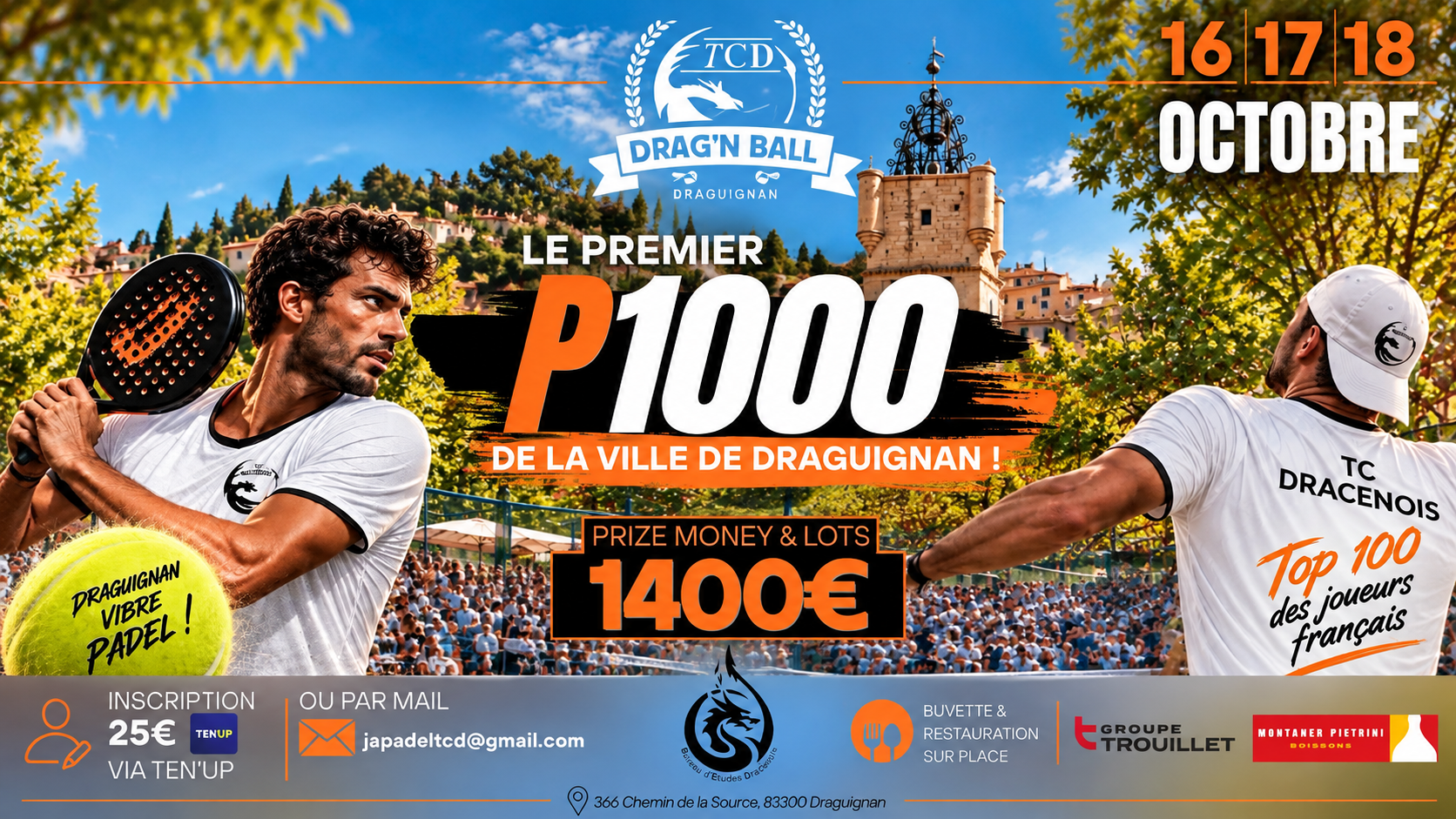 P1000 Drag'N Ball Draguignan: Biron / Tullou and Gourre / Vial, a duel for the title?
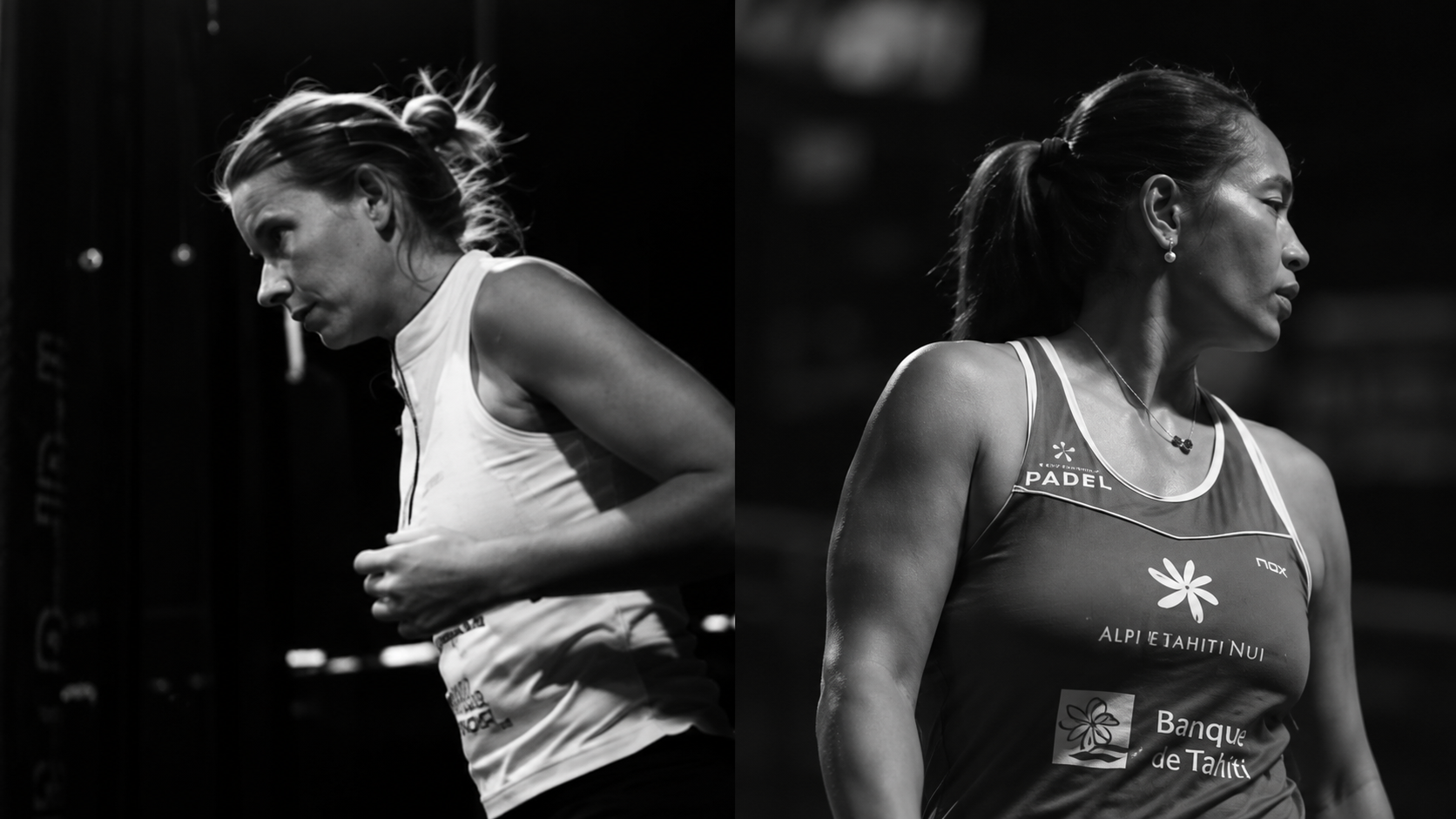 Milan P1 – The journey ends for Alix Collombon and Léa Godallier, defeated in two sets in the first round
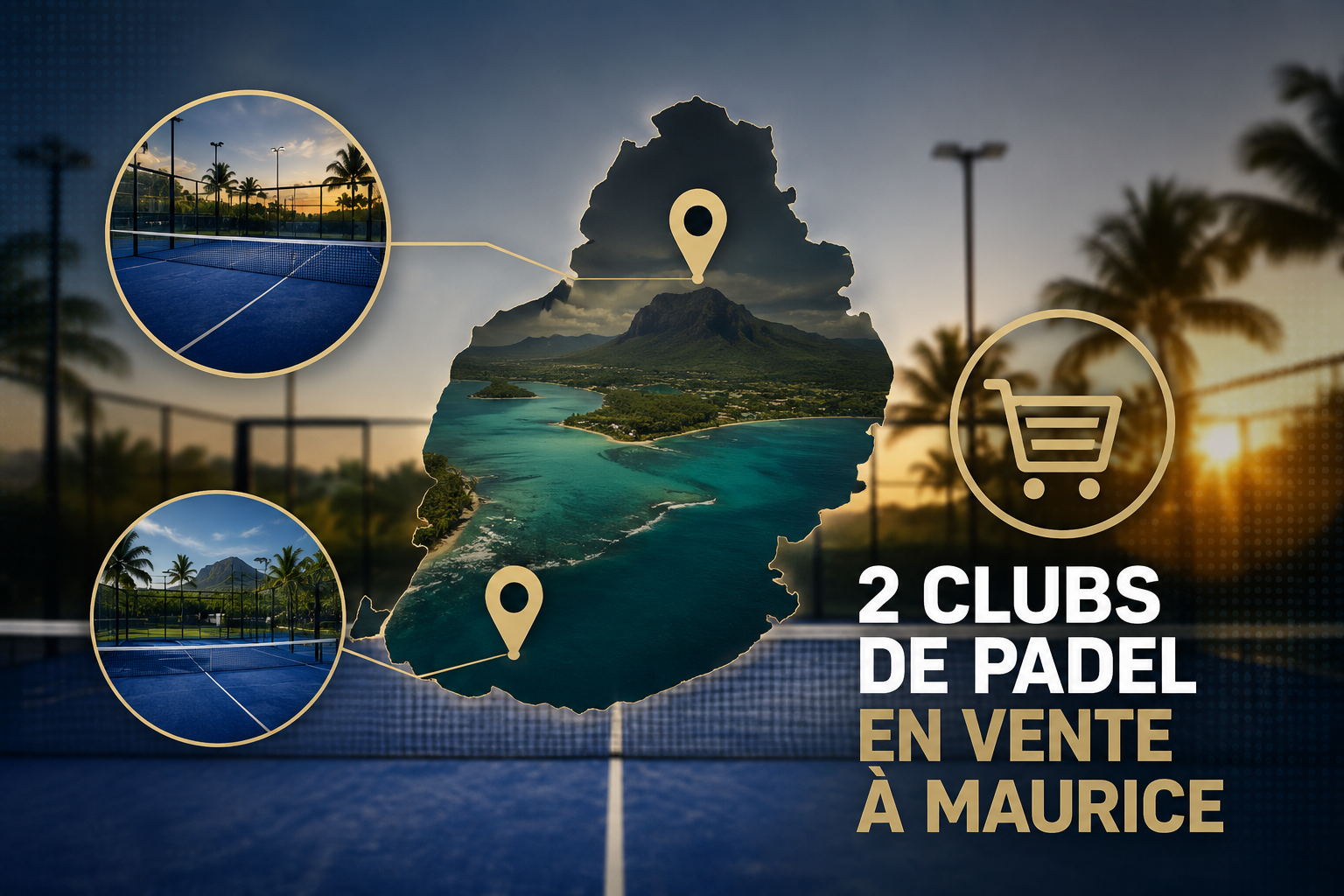 For sale: two padel clubs in Mauritius, starting from 330,000 euros
 How much does it actually cost to organize a FIP Bronze event?
 Padel How Lidl is transforming Crivit into a fully-fledged sports brand with Steffi Graf
 Compagnie des Alpes is accelerating its involvement in padel with PadelCity: a new step in its European strategy
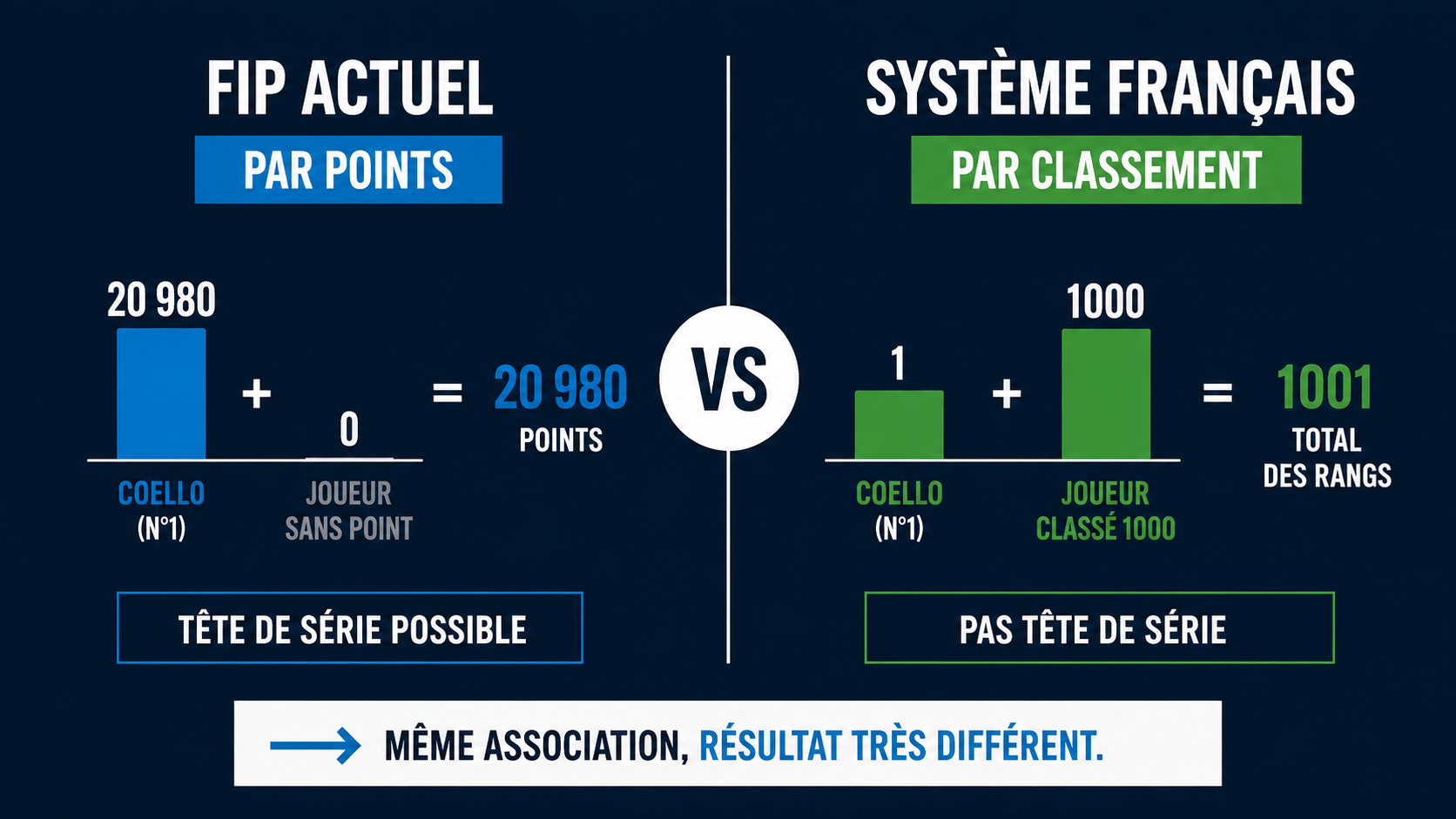 Coello with a player at 0 points ahead of two top 10 players: should the FIP ranking be reviewed?
 Les Pyramides: after 12 padel courts, the club is focusing on youth training
 Health Care Padel Tour 2026: What if your next padel tournament was played in Barcelona?
 FAST Padel Academy continues its development and establishes itself in Liège.
 What the analysis of the stroke reveals: tennis forehand vs. padel bandeja
 Has the bandeja disappeared from modern padel?
 Flat forehand in padel: 5 exercises from Cristian Álvarez to gain control and efficiency
 Why knowing how to play on the right and left can make all the difference
 Tapia reveals his recipe for beating Coello / Tapia: "I would bet everything on myself"
 How Coello defused Chingotto's game plan
 In padel, does the chemistry between a pair count as much as individual skill?
 Summer changes padel… but what if the real challenge wasn't hitting harder?
 Neither FIP Tour nor World Team Championship: the unique format of padel at the Mediterranean Games
 Premier Padel : when television can lengthen players' breaks
 Premier Padel Yes, a referee can refuse a player permission to go to the toilet
 Julien Seurin opens up about his mental state: "There are far more doubts than moments of happiness."
 More than a year later, Thomas Leygue is back in the top 150: behind the scenes of a comeback that's still unfinished
 Padel vs squash vs badminton: the scientific ranking of cardio intensity
 Why does Arturo Coello play with his right hand bandaged?
 What if your progress in padel depended on what nobody else is looking at?