

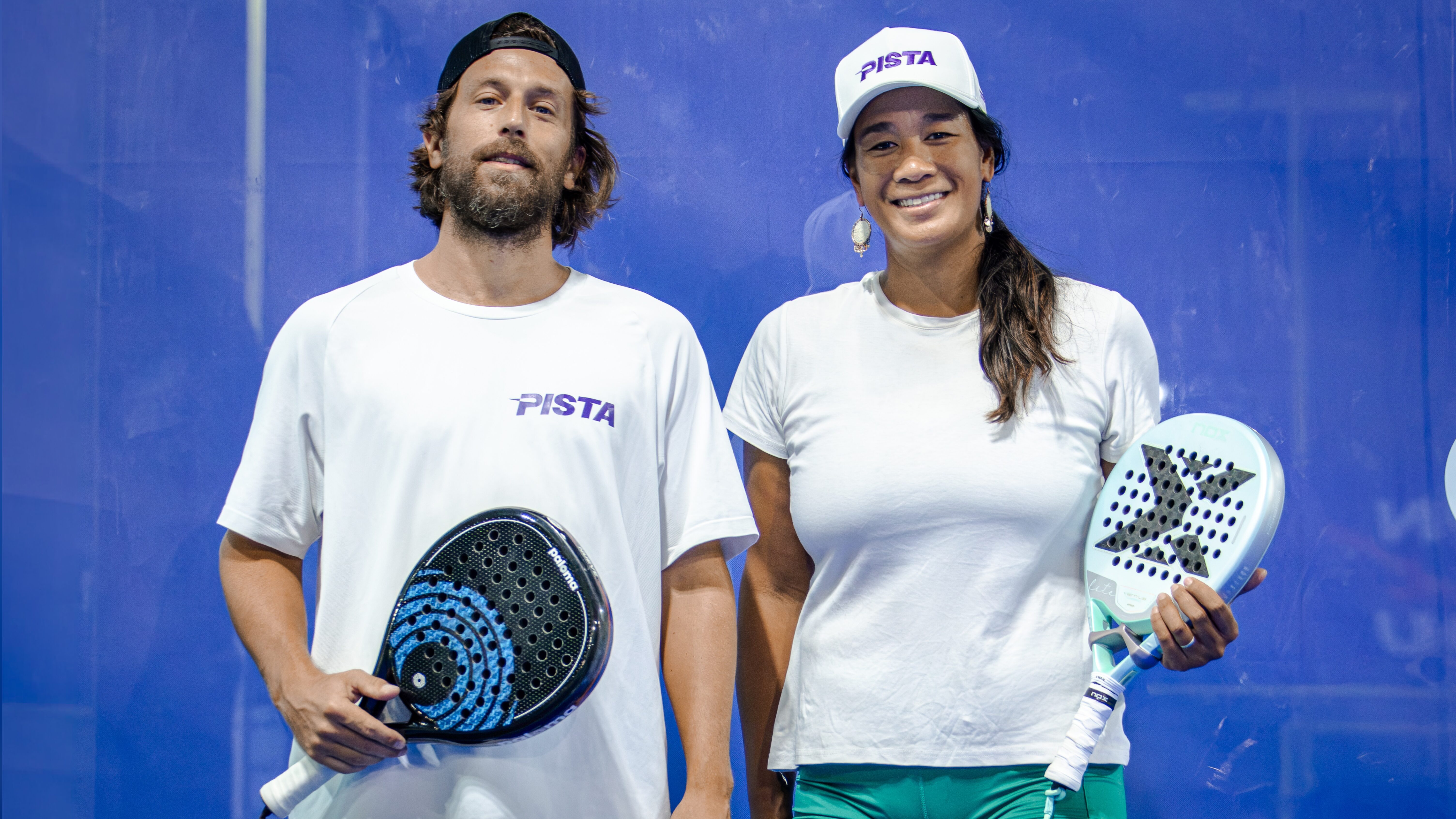







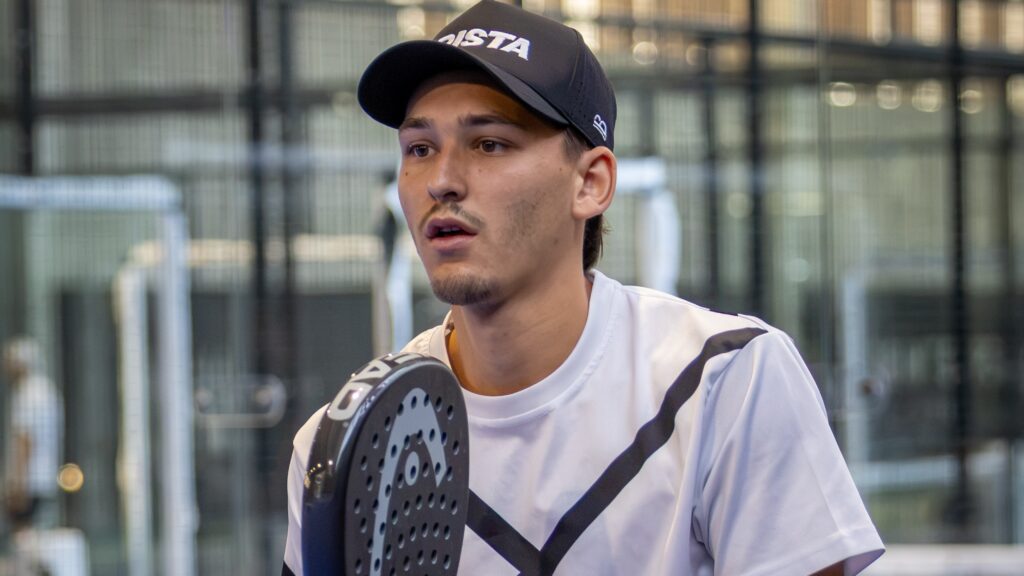
PISTA strengthens its athlete program with the official arrival of Léa Godallier and Romain Sichez. They join Dylan Guichard and Natan Etienne in a collective that now brings together four figures of French padel, with different profiles and communities. From the professional circuit to games between amateurs, PISTA wants to create bridges between two worlds that ultimately belong to the same sport.
At first glance, their concerns seem quite different.
On one side, players who organize their week around training, tournaments, and travel. On the other, thousands of amateurs who are primarily trying to solve a much more down-to-earth question: "Who's up for playing on Wednesday at 19pm?"
And yet, these two worlds belong to the same sport.
This is precisely the gamble taken by PISTA by bringing together several profiles from the French padel scene around its project: Dylan Guichard, Léa Godallier, Romain Sichez and Natan Etienne.
Different personalities, different communities, but the same idea: to support the development of a padel that is not limited to competition and in which technology can also serve daily practice.
Because behind the announcement of these new faces lies a more interesting question: What real use can professional ambassadors have for an application designed primarily for amateur gamers?
Padel is also developing far from the stands.
When we talk about the growth of padel, images come easily.
International tournaments are attracting increasing numbers of fans. French players are making their way up the circuit. New tracks are opening all over France. Brands are investing. Content creators are building ever-growing communities.
But the growth of padel also takes place in much less spectacular scenes.
A WhatsApp group missing a fourth player. A game set up at the last minute. A new player looking for partners of their skill level. A player arriving in a new city without knowing anyone. Or four enthusiasts debating for ten minutes whether their game was truly a "5" or rather a "5,5".
It is in this padel environment that PISTA chose to build its product.
The application therefore does not seek to artificially bring amateurs closer to the professional world.
Rather, she seeks to foster a two-way flow of what makes sport grow: the uses, experiences and culture of padel.
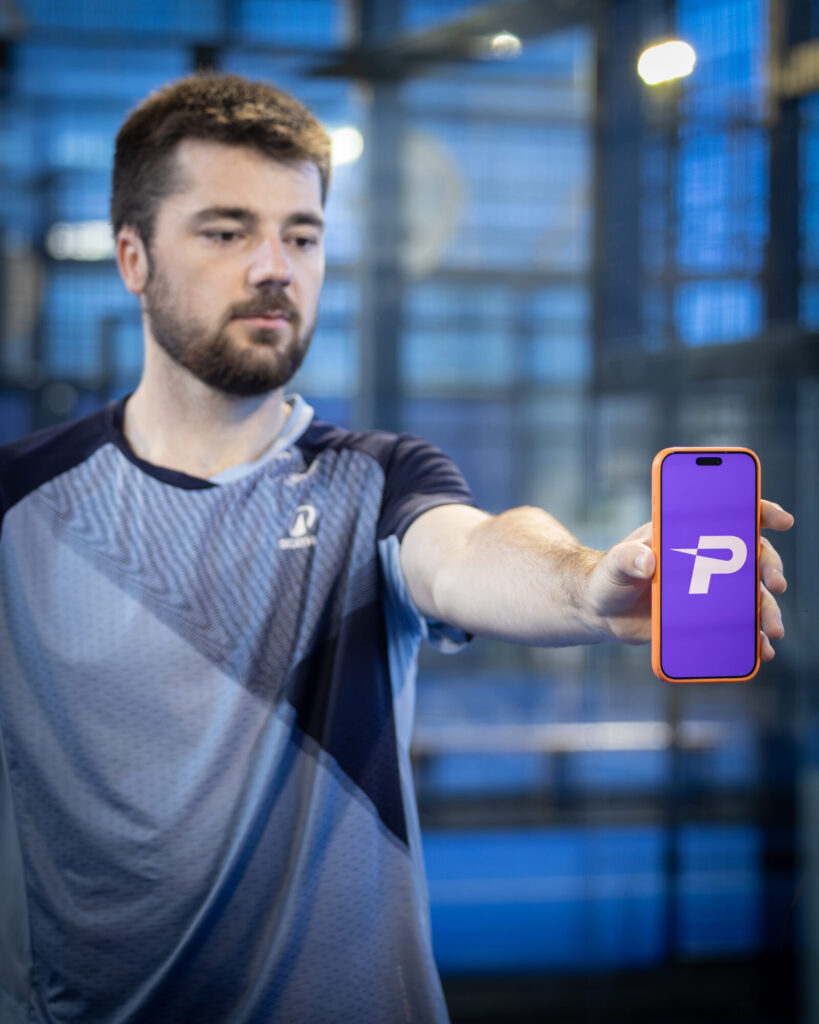
Four profiles, four ways of telling the story of padel
This also explains the choice of deliberately different profiles.
Dylan Guichard It obviously embodies the sporting and competitive dimension. His experience at the highest level provides a particularly interesting perspective on reading the game, progression, and what the notion of "level" really means in padel.
Léa Godallier She also brings top-level experience, with a career built through contact with the international circuit. She helps to bridge the gap between the demands of professional padel and a French community whose sport continues to develop.
Romain Sichez He occupies a different position. As a content creator as much as a passionate player, he sits precisely at the intersection of practice, entertainment, and community. A role that has become essential in a sport where part of the culture is now built on Instagram, YouTube, or TikTok as much as on the sidelines.
Natan Etienne Finally, completes this collective with its own journey and its own community.
The goal is therefore not to bring four names together around a logo.
It is to bring together multiple perspectives on the same sport .
Being an ambassador… or actually using the product?
This is probably where the line lies between a classic sports partnership and something more interesting.
In the first case, the athlete essentially lends their image to a brand.
In the second, he uses the product.
For PISTA, the stakes are clearly on the second side.
Seeing recognized players record their games, share their results, interact with other profiles or simply use the same features as any other player adds another dimension to the partnership.
Because, ultimately, some problems remain surprisingly similar regardless of the level.
Find partners. Organize a game. Keep track of your history. Follow your friends. Share your results. Identify players you like to play with.
Obviously, a professional doesn't use a padel app exactly like an amateur.
But they may belong to the same network of players .
And this nuance is important.
Amateur sport has already undergone this transformation
In other disciplines, the digital divide between champions and weekend players has gradually narrowed.
An amateur cyclist can follow a professional's rides. A runner can compare their training with that of an athlete they admire. Yet the same platforms host training methods and performances that are entirely different.
No one imagines that a 4-hour marathon runner and an international champion experience the same sport in the same way.
However, they can share the same digital space.
Padel is still relatively young in this structure.
Today, the digital ecosystem remains largely organized around distinct functions: booking a track, registering for a tournament, chatting in a group, watching content or following results.
But as the community grows, another logic may emerge: that of a network built around the player's identity.
His level, his matches, his partners, his clubs, his statistics and, gradually, the people he follows.
When the best players also participate in the construction
Finally, there is a less visible benefit in this type of collaboration: that of the product itself.
A professional athlete possesses a perception of the game that a team of developers cannot replicate alone.
Conversely, an amateur player desperately seeking a fourth partner on Sunday morning encounters problems that a professional would almost never experience.
Therefore, building a product intended for the entire community requires confronting these realities.
Feedback from top-level players can help us reflect on the relevance of statistics, the representation of skill level, or certain sporting mechanics.
The thousands of games organized by amateurs allow us to understand the much more everyday constraints of matchmaking.
Both are useful.
Provided we never forget for whom each feature is designed.
To inspire people to play, not just to watch
This may ultimately be the most interesting role that can be played Dylan Guichard, Léa Godallier, Romain Sichez and Natan Etienne in the PISTA adventure.
Of course, their visibility helps to raise awareness of the application.
But stopping there would be to miss part of the point.
Professional padel is a dream. It produces images, performances and personalities capable of attracting new players.
Amateur padel players, on the other hand, transform this interest into hours spent on the courts.
One makes you want to play. The other brings sport to life on a daily basis.
Therefore, creating more bridges between these two worlds can be much more valuable than a simple influence campaign.
Because ultimately, whether you're playing in an international tournament or a game with friends on a Wednesday evening, the reflex often remains the same once you're off the court:
"When do we play again?"





















































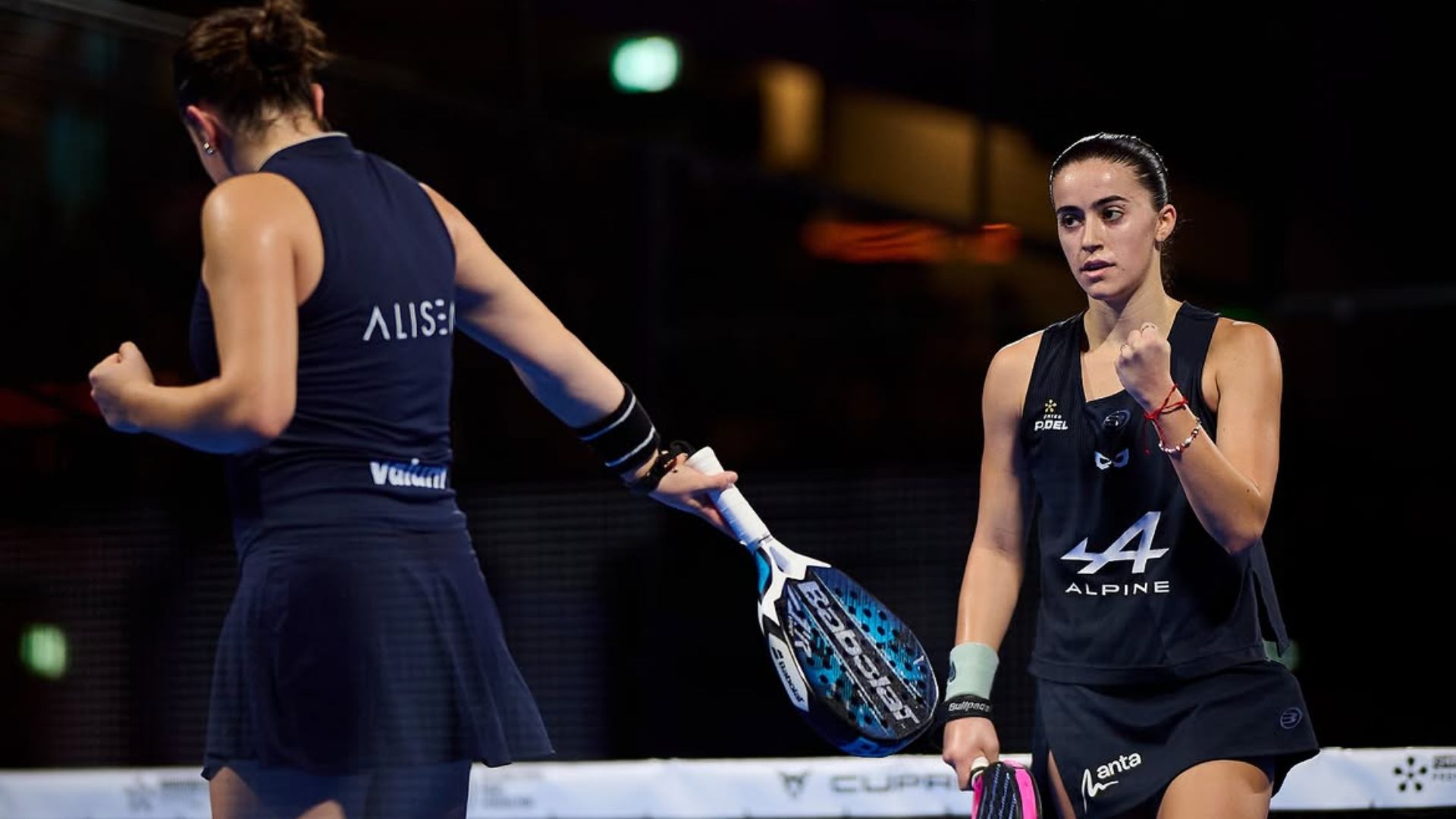 In a demonstration of skill, Fernández and Calvo took their revenge on Sánchez/Ustero and secured the title at Düsseldorf P2
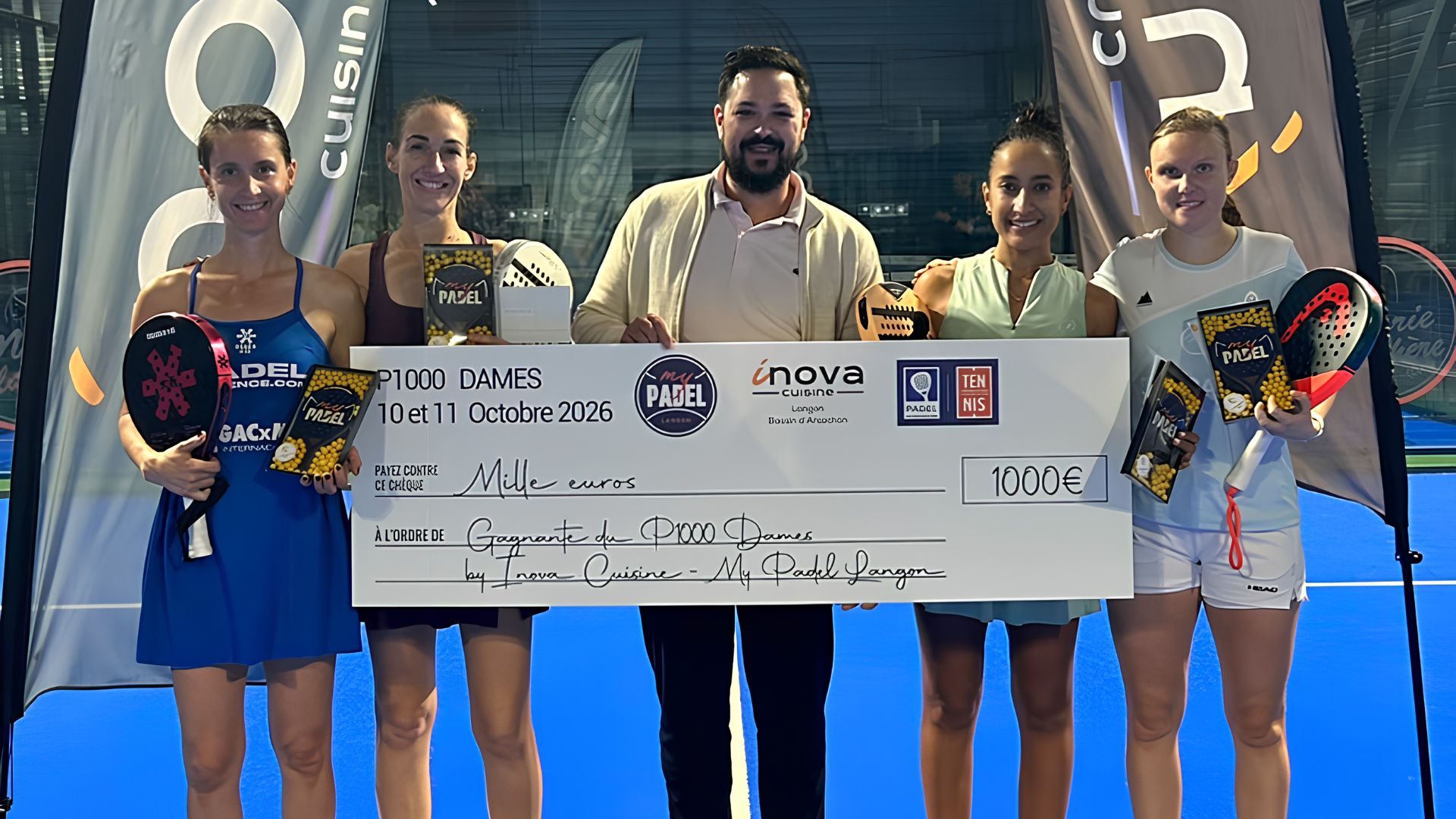 Majdoubi and Denecheau are smiling again and take the title at the P1000 My Padel Langon
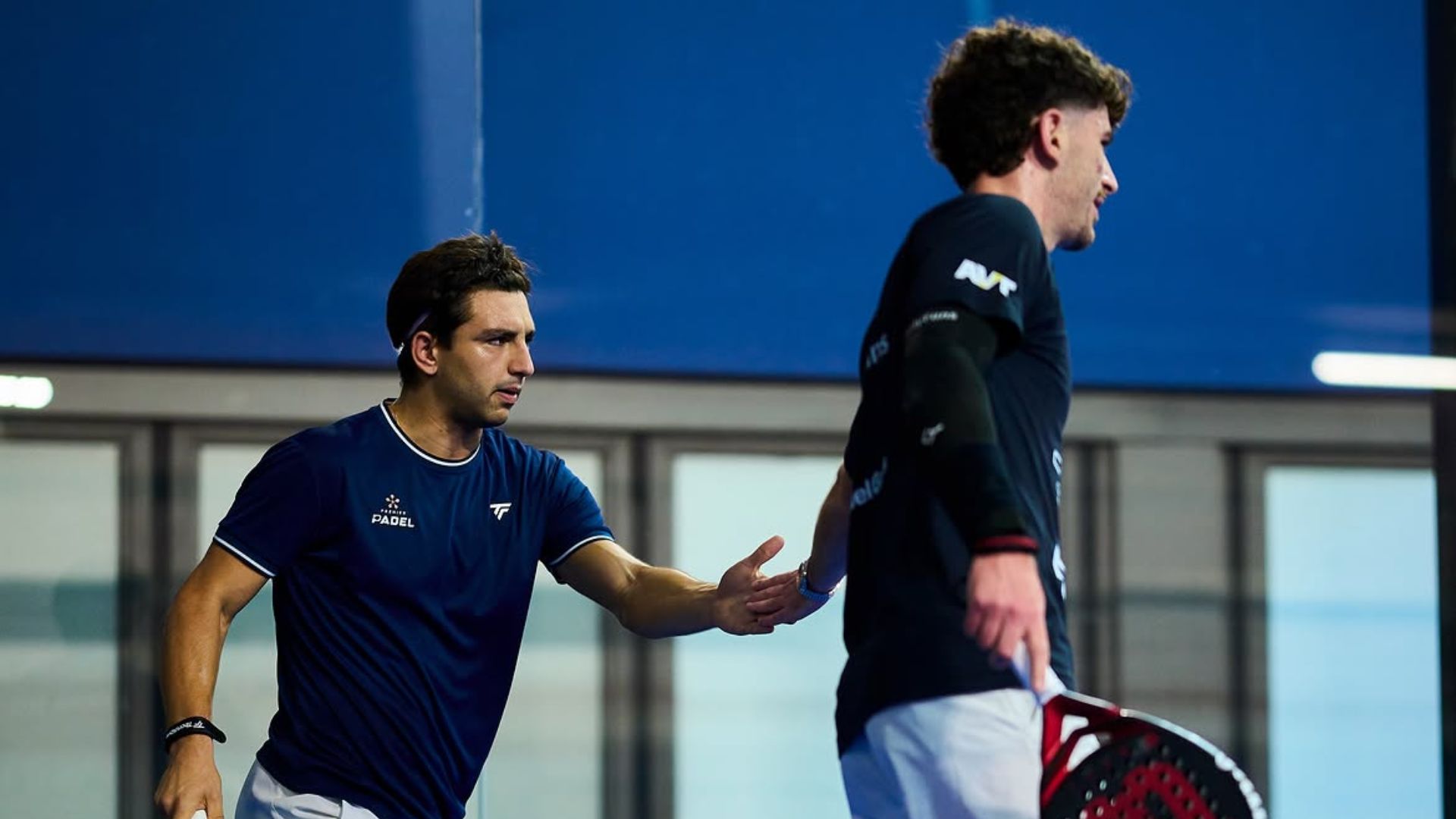 Disappointment for Leygue and Moya who came very close to knocking out Sánchez/Capra in the final round of Milan P1 qualifying.
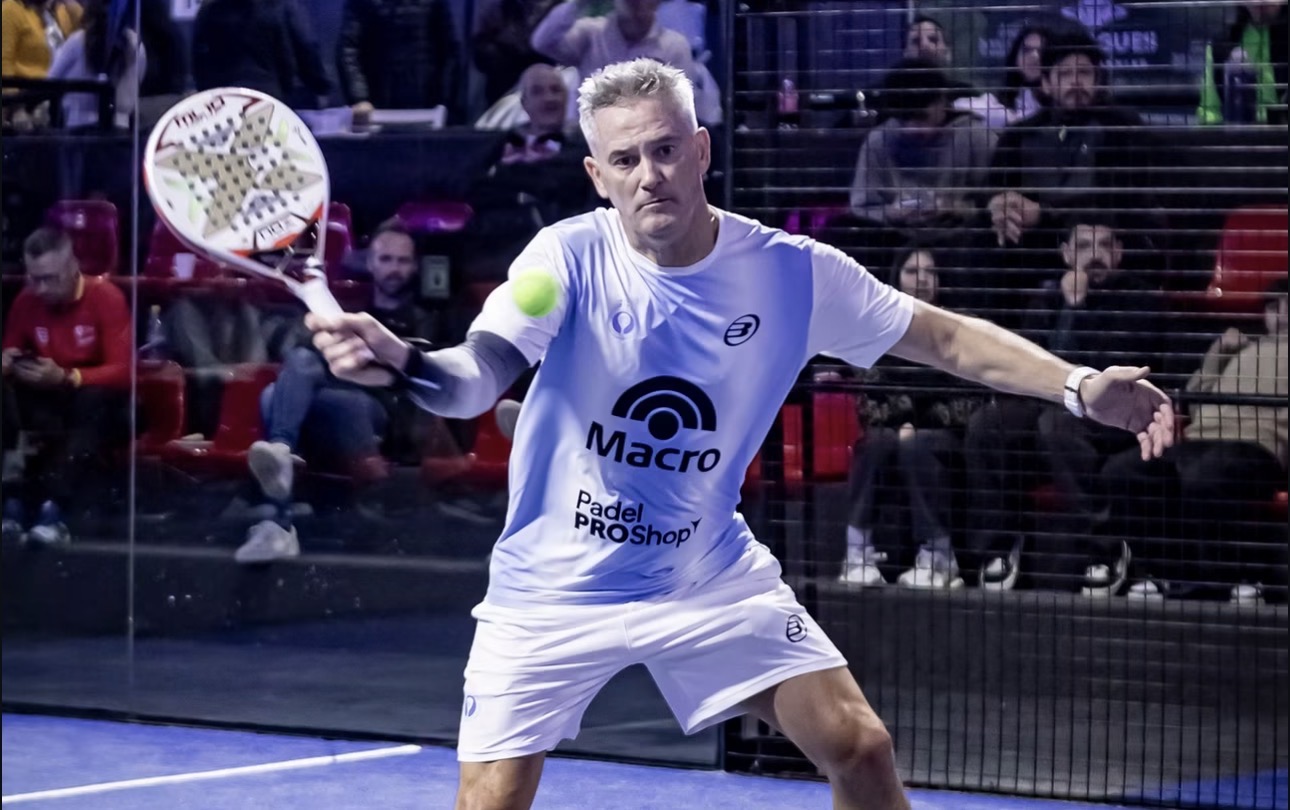 France or Portugal, Spain or Argentina: Miguel Lamperti ranks the best padel nations
 Cédric Lavoye: "Hard work pays off" and a first FIP tournament in Guadeloupe is in his sights
 Nicolas Rouanet is preparing his return in 2027: “With Bastien Blanqué, I would never say no”
 Leygue/Blanqué respond bluntly to the criticism: "You can say what you want... We're putting all our money and our lives into this."
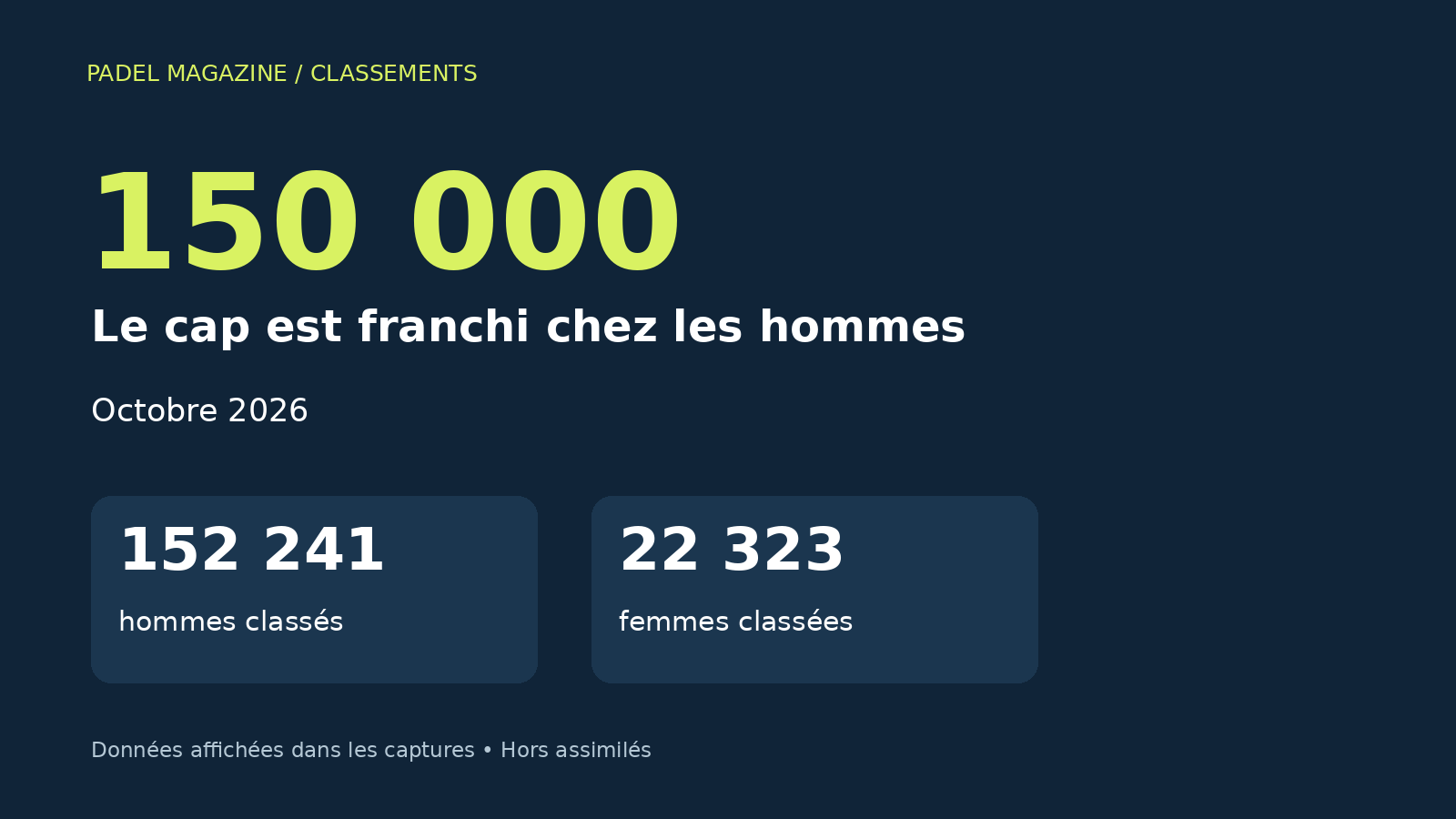 Padel rankings October 2026: more than 150,000 men ranked in France
 P1000 Verneuil Padel Club – Results / Live / Schedule
 West Padel opens its 4 indoor courts in Montivilliers on November 5th
 With Galán tired and Coki Nieto sidelined, is the infernal pace of the circuit starting to take its toll on the players?
 Milan P1: Thomas Leygue launches his qualifying campaign with Jesús Moya
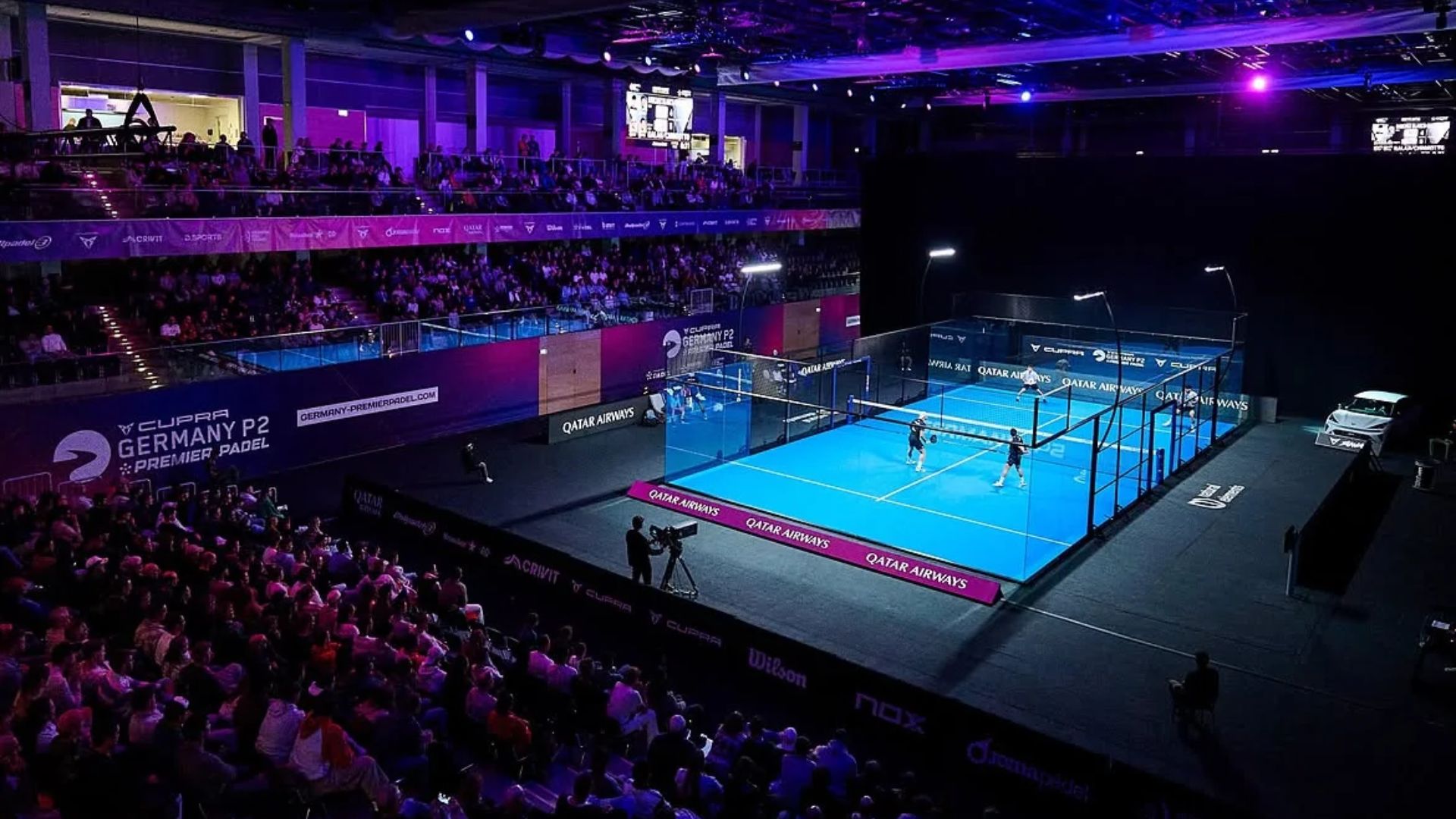 Germany P2: The fastest quarter-finals in history Premier Padel
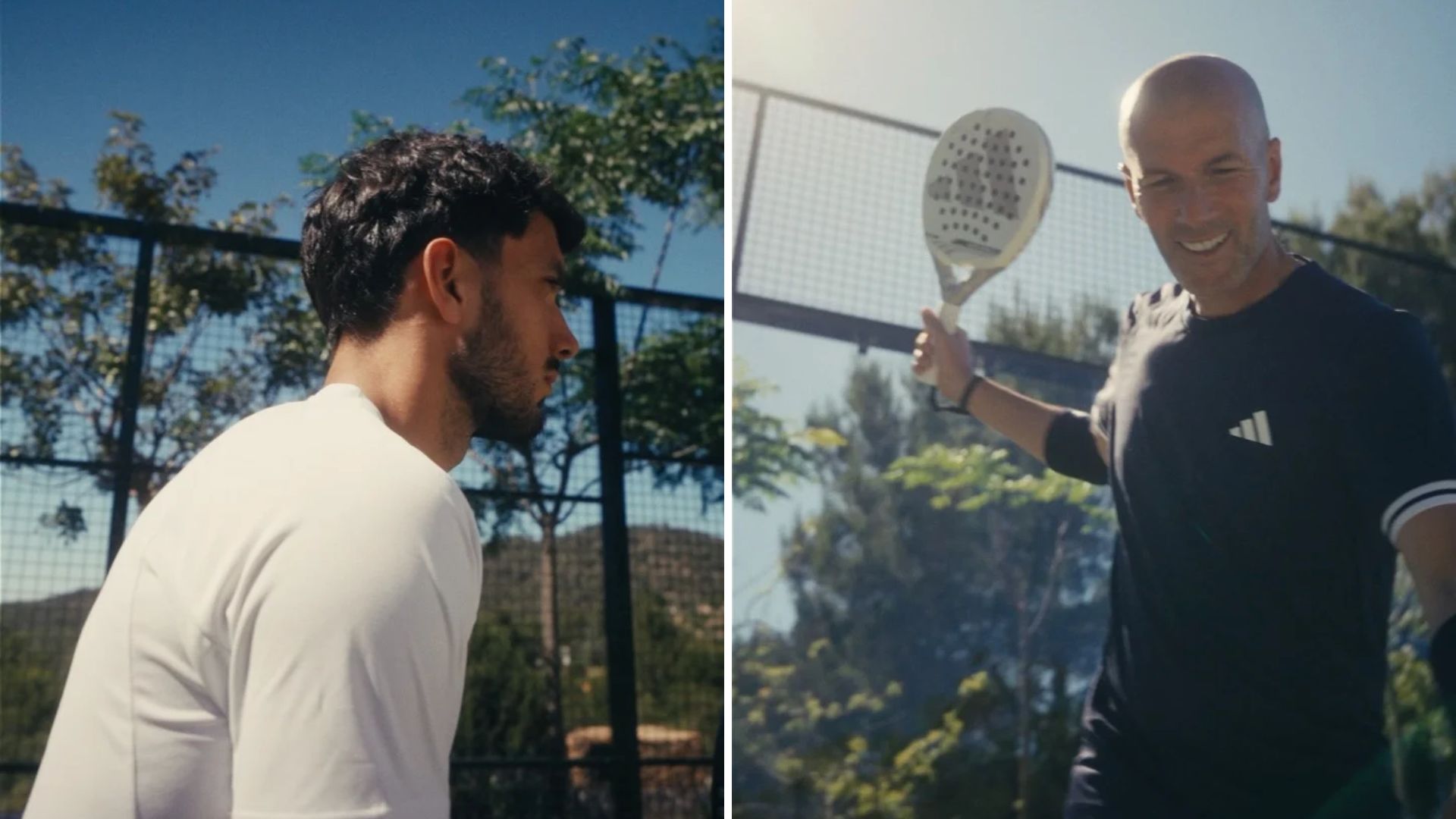 Zidane and Galán reunited on the track to launch the Metalbone ZZ
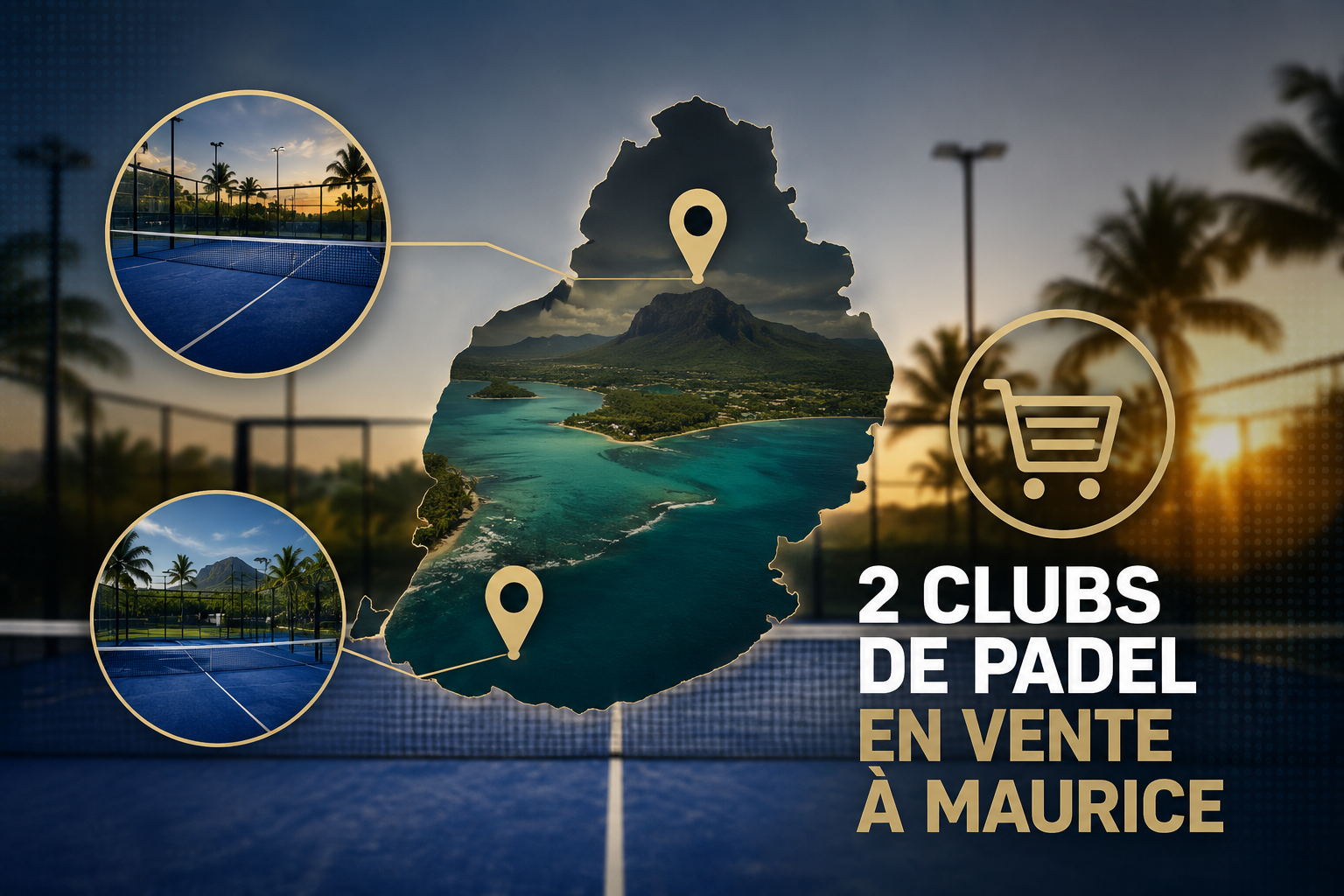 For sale: two padel clubs in Mauritius, starting from 330,000 euros
 How much does it actually cost to organize a FIP Bronze event?
 Padel How Lidl is transforming Crivit into a fully-fledged sports brand with Steffi Graf
 Compagnie des Alpes is accelerating its involvement in padel with PadelCity: a new step in its European strategy
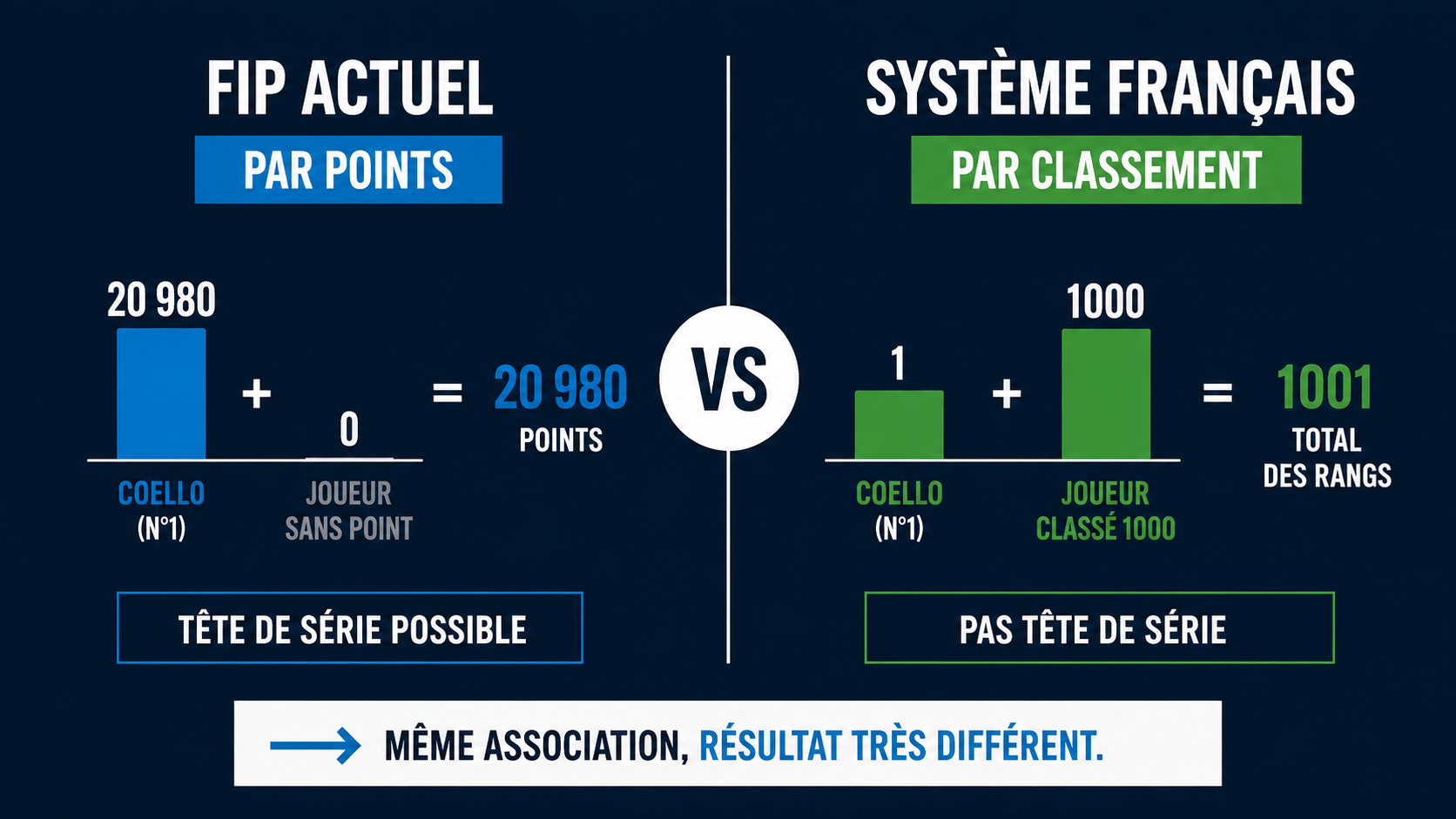 Coello with a player at 0 points ahead of two top 10 players: should the FIP ranking be reviewed?
 Les Pyramides: after 12 padel courts, the club is focusing on youth training
 Health Care Padel Tour 2026: What if your next padel tournament was played in Barcelona?
 FAST Padel Academy continues its development and establishes itself in Liège.
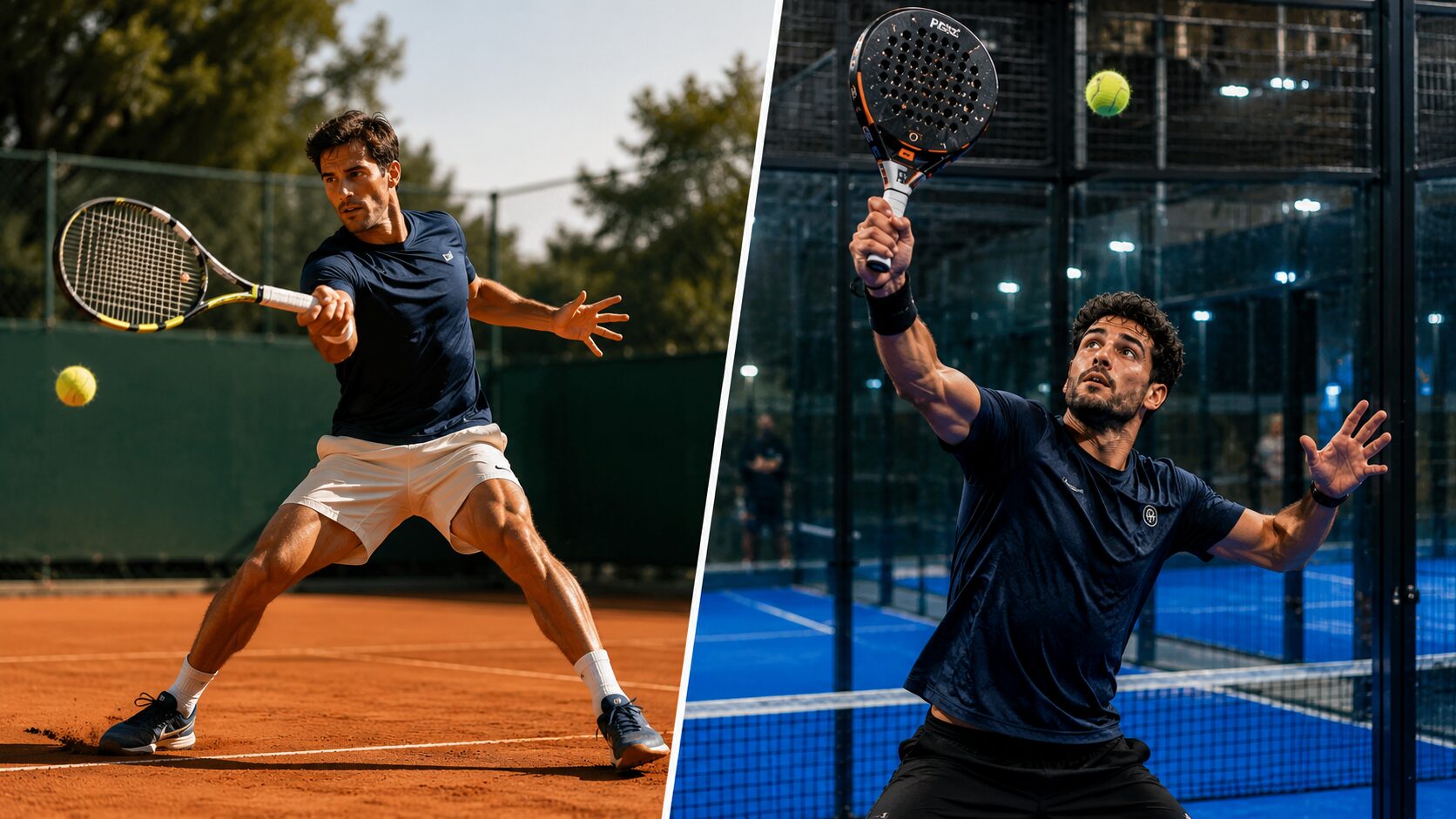 What the analysis of the stroke reveals: tennis forehand vs. padel bandeja
 Has the bandeja disappeared from modern padel?
 Flat forehand in padel: 5 exercises from Cristian Álvarez to gain control and efficiency
 Why knowing how to play on the right and left can make all the difference
 Tapia reveals his recipe for beating Coello / Tapia: "I would bet everything on myself"
 How Coello defused Chingotto's game plan
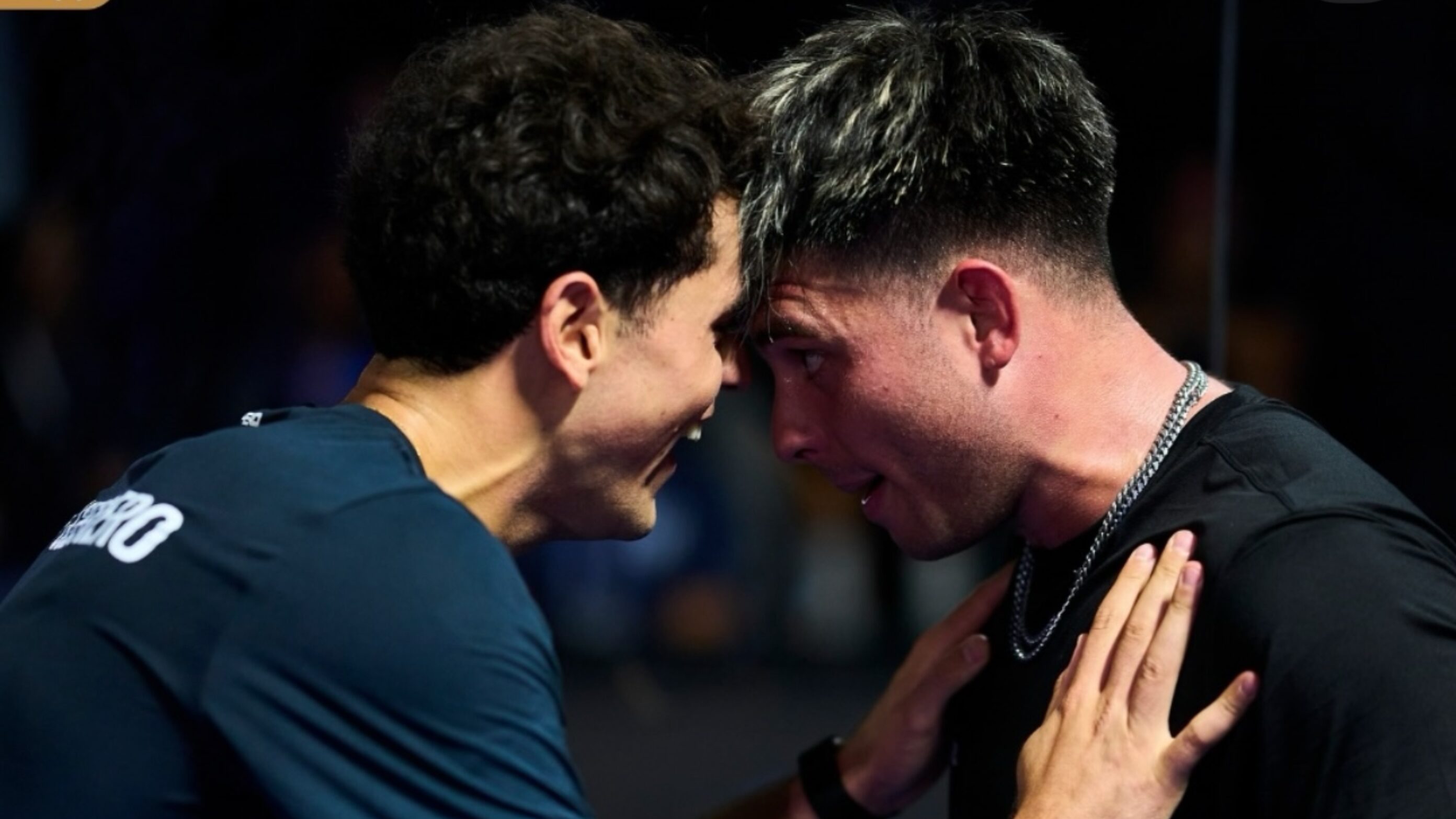 In padel, does the chemistry between a pair count as much as individual skill?
 Summer changes padel… but what if the real challenge wasn't hitting harder?
 Neither FIP Tour nor World Team Championship: the unique format of padel at the Mediterranean Games
 Premier Padel : when television can lengthen players' breaks
 Premier Padel Yes, a referee can refuse a player permission to go to the toilet
 Julien Seurin opens up about his mental state: "There are far more doubts than moments of happiness."
 More than a year later, Thomas Leygue is back in the top 150: behind the scenes of a comeback that's still unfinished
 Padel vs squash vs badminton: the scientific ranking of cardio intensity
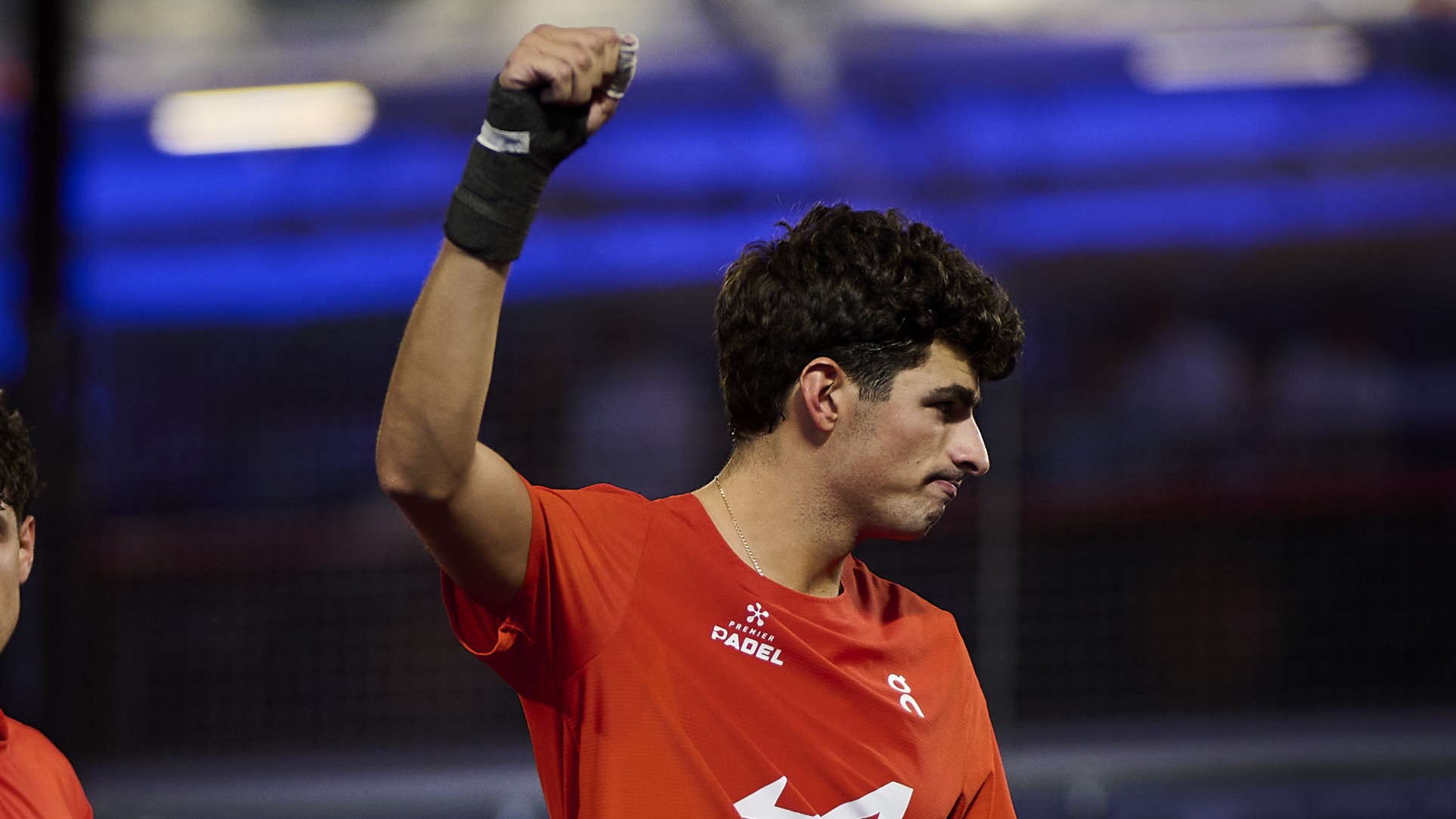 Why does Arturo Coello play with his right hand bandaged?
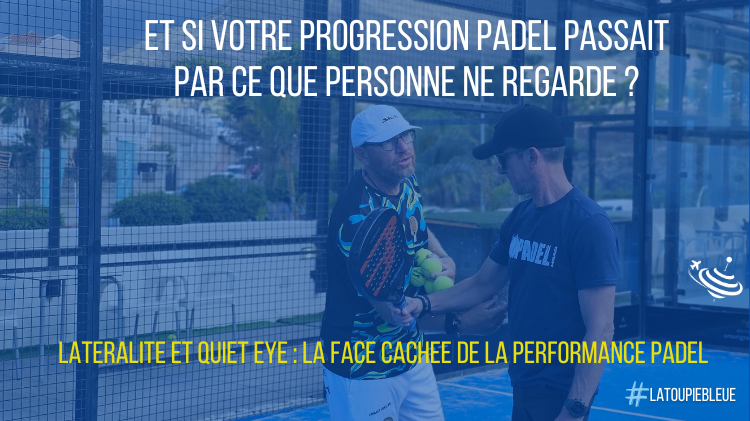 What if your progress in padel depended on what nobody else is looking at?