

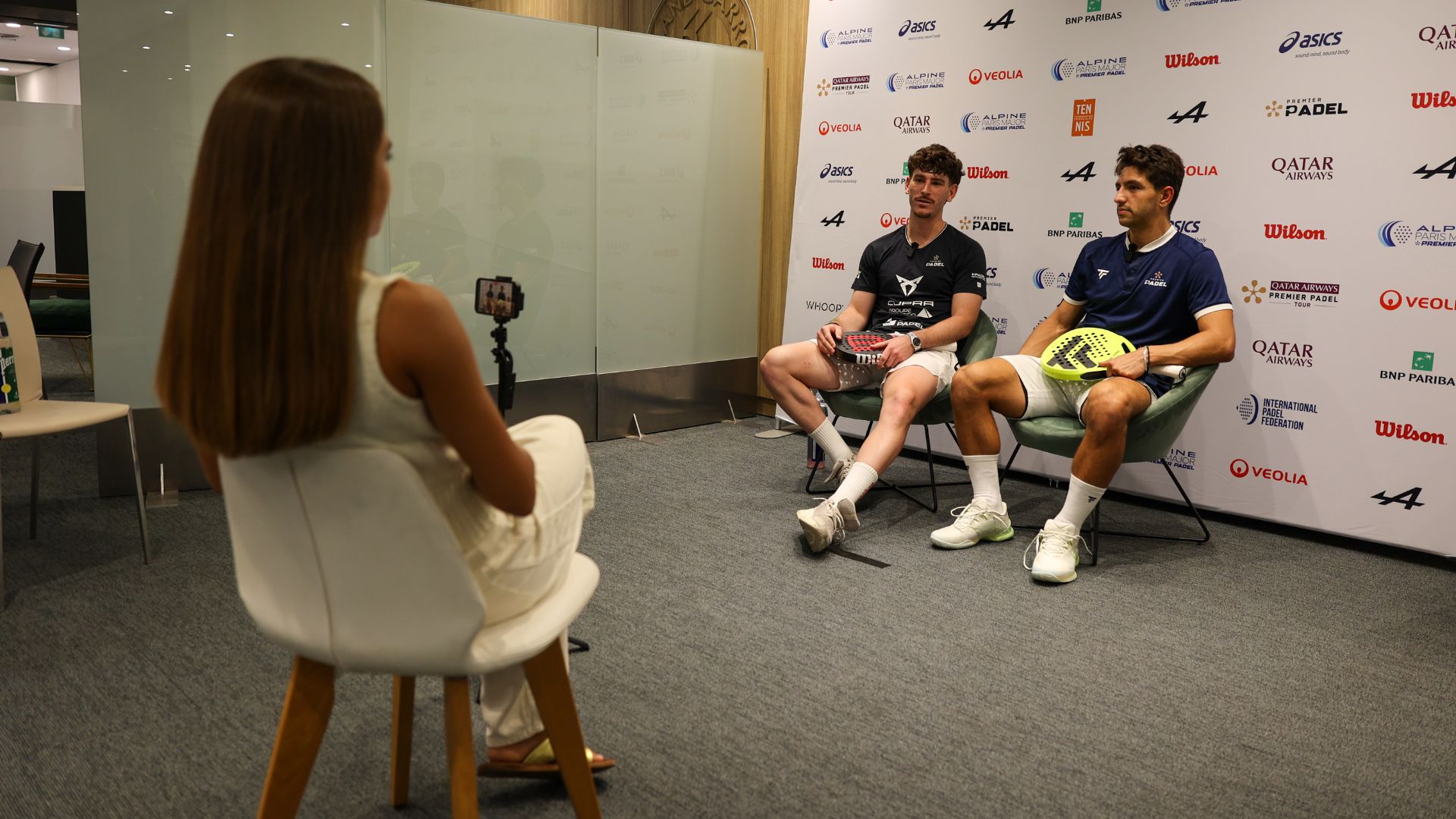







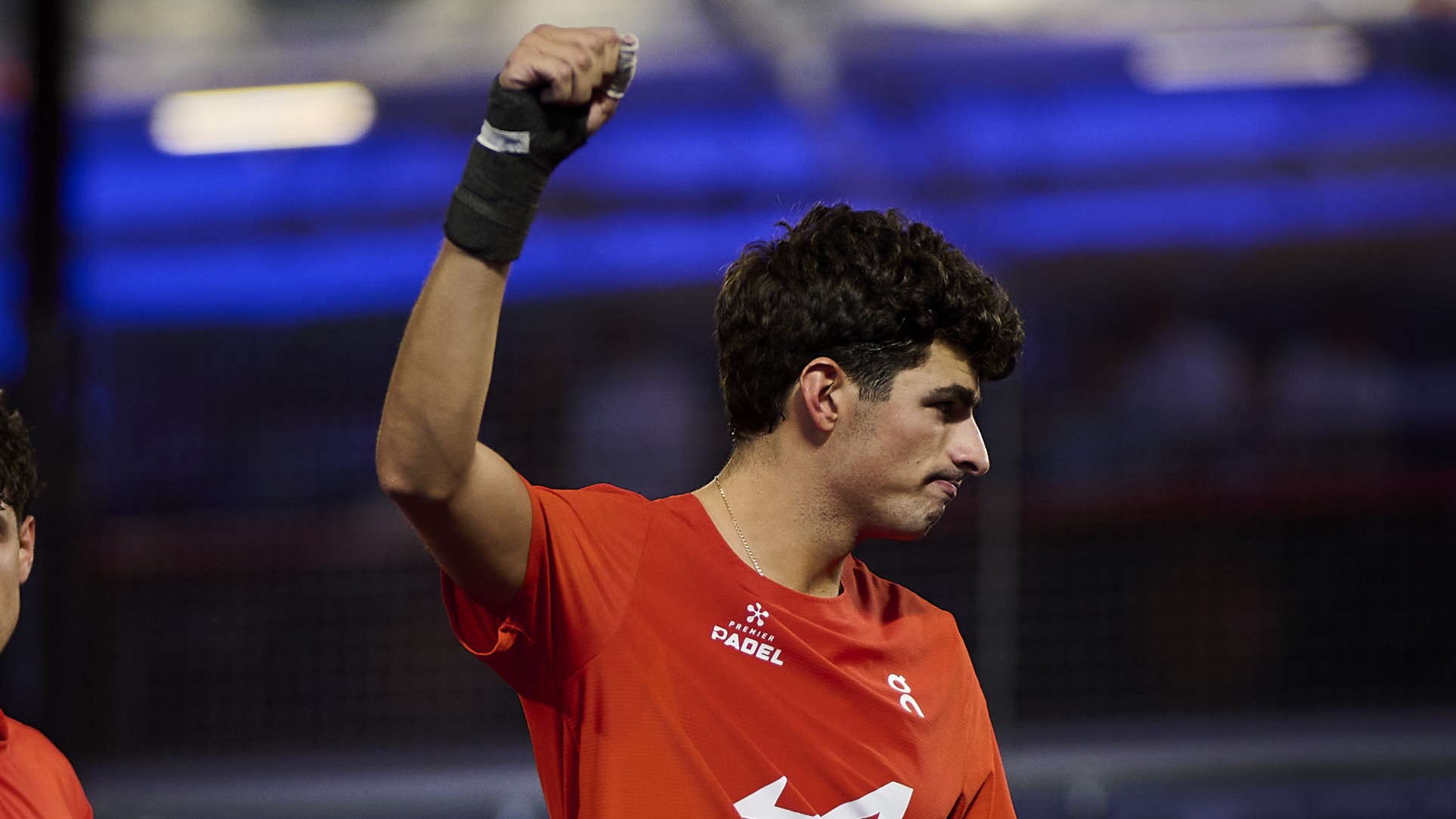
A few minutes after their huge victory against Juanlu Esbrí / Sanyo Gutiérrez , Thomas Leygue and Jesús Moya they spoke to each other on the microphone Padel MagazineAn interview that mainly tells the story of their partnership: a project interrupted by injuries, two paths to rebuilding, then a reunion that takes on a whole new dimension today at Roland-Garros.
Because behind this qualification for the round of 16 of the Paris Major, there is a shared history that goes back a long way.
"We knew that one day we would come back together."
Before Thomas Leygue's injury, the two players had already shared the track.
And for the Frenchman, the association was already working very well.
"When I got injured, I was with Jesús and we were playing at a very high level. We were a very good team."
The injury obviously stopped everything. But in their minds, the door was never truly closed.
"The injury stopped us, but we knew that one day we would come back together and that we would do it well."
A phrase that inevitably carries weight today.
After months of rebuilding on their own, Leygue and Moya have finally reunited with their association And the results prove them right. Their run at the Paris Major is already exceptional, with four wins since the qualifiers and now a round of 16 appearance.
A real relationship beyond the track
Jesús Moya also emphasizes how easily this pair works.
"Thomas and I are a very good team both on and off the track."
The two players know each other well, their entourages communicate easily and this is also reflected in their way of playing.
Moya mentions a Quite a similar style, very aggressive but above all a relationship built on trust.
Unlike many pairs on the tour, the two men do not seem to want to operate in a hurry.
"We don't like to change partners, especially if we feel good."
And even when the results are less than ideal, their philosophy remains the same.
"Even if a tournament goes badly, we'll keep going. We have to work."
In a circuit where partner changes have become almost permanent, Leygue and Moya therefore display a different logic: build, correct, work on and allow time for the project .
Two players plagued by injuries
There is also one element that brings the two men particularly closer together: their physical journey .
Thomas Leygue is returning from a ruptured Achilles tendon, an injury that completely interrupted his progress and kept him away from the circuit for many months.
Moya is also very familiar with this type of ordeal, having suffered a pectoral injury.
For the Spaniard, going through this kind of period inevitably changes a player.
"Injuries make you think a lot. You have a lot of time to reflect and work on the mental aspects."
Even when it is not possible to work normally on the track, there are still things to develop.
And above all, playing with someone who has had a similar experience inevitably creates a special understanding.
Moya sums it up by talking about Leygue's return after his injury:
"Getting out of that is very difficult. And you manage it, you do it, because you are very strong."
Two different injuries, two long periods away from the level they wished to reach, but the same desire to return.
A project they want to establish over the long term
The message is also clear when it comes to what comes next.
Moya does not present this association as a simple project involving a few tournaments.
"I want to continue for a long time. That's the idea."
A desire that perfectly matches their approach to their sporting relationship.
The two players want to work together, accept bad weeks and seek to progress rather than constantly questioning the project.
And naturally, a week like the one they are experiencing in Paris can only reinforce this conviction.
A clear strategy against Esbrí / Sanyo
Their victory against Esbrí / Gutiérrez 6/2 4/6 7/5 also demonstrated their ability to prepare precisely for a match.
With their coach Mati Diaz Leygue and Moya had identified certain areas to be exploited.
"We can analyze the players, but every match is different and sometimes it's more mental than tactical."
The idea was, in particular, to play more towards Juanlu Esbrí , taking into account Sanyo Gutiérrez's enormous experience.
Moya also explains that he sought out certain trajectories to prevent Esbrí from attacking easily, particularly on a slower track.
The plan worked perfectly in the first set, which they won. 6/2 , with Esbrí in great difficulty and Sanyo increasingly frustrated.
Even when the 13th seed managed to reverse the momentum in the second set, Leygue/Moya maintained their strategy and ended up making the difference in the third.
A reunion that changes everything
This Paris Major therefore tells a story of much more than just a series of victories.
It tells the story of the return of a pair that had been stopped just as they were starting to find their rhythm.
It also tells the story of two players who had to rebuild their bodies, their confidence, and their skill level separately before reuniting.
Today, Leygue and Moya seem to have picked up exactly where their story left off. , with even more experience.
Having started in the qualifying rounds, they are now in the round of 16 after beating Gala / Jensen then Esbrí / Gutiérrez .
And beyond the results, their discourse shows above all one thing: this association is not conceived as a parenthesis.
They wanted to play together again. They did. And for now, it's hard to imagine a better reunion.

I discovered padel directly during a tournament, and frankly, I didn't really like it at first. But the second time, it was love at first sight, and since then, I haven't missed a single match. I'm even ready to stay up until 3am to watch a final of Premier Padel !



























































 Prod'homme and Marin defeat Mitjana/Henrion to win the P1000 HUDDL Aizenay
 A perfect tournament for Gortzounian and Vignat who take the title at the P1000 Verneuil Padel Club
 In a demonstration of skill, Fernández and Calvo took their revenge on Sánchez/Ustero and secured the title at Düsseldorf P2
 France or Portugal, Spain or Argentina: Miguel Lamperti ranks the best padel nations
 Cédric Lavoye: "Hard work pays off" and a first FIP tournament in Guadeloupe is in his sights
 Nicolas Rouanet is preparing his return in 2027: “With Bastien Blanqué, I would never say no”
 Leygue/Blanqué respond bluntly to the criticism: "You can say what you want... We're putting all our money and our lives into this."
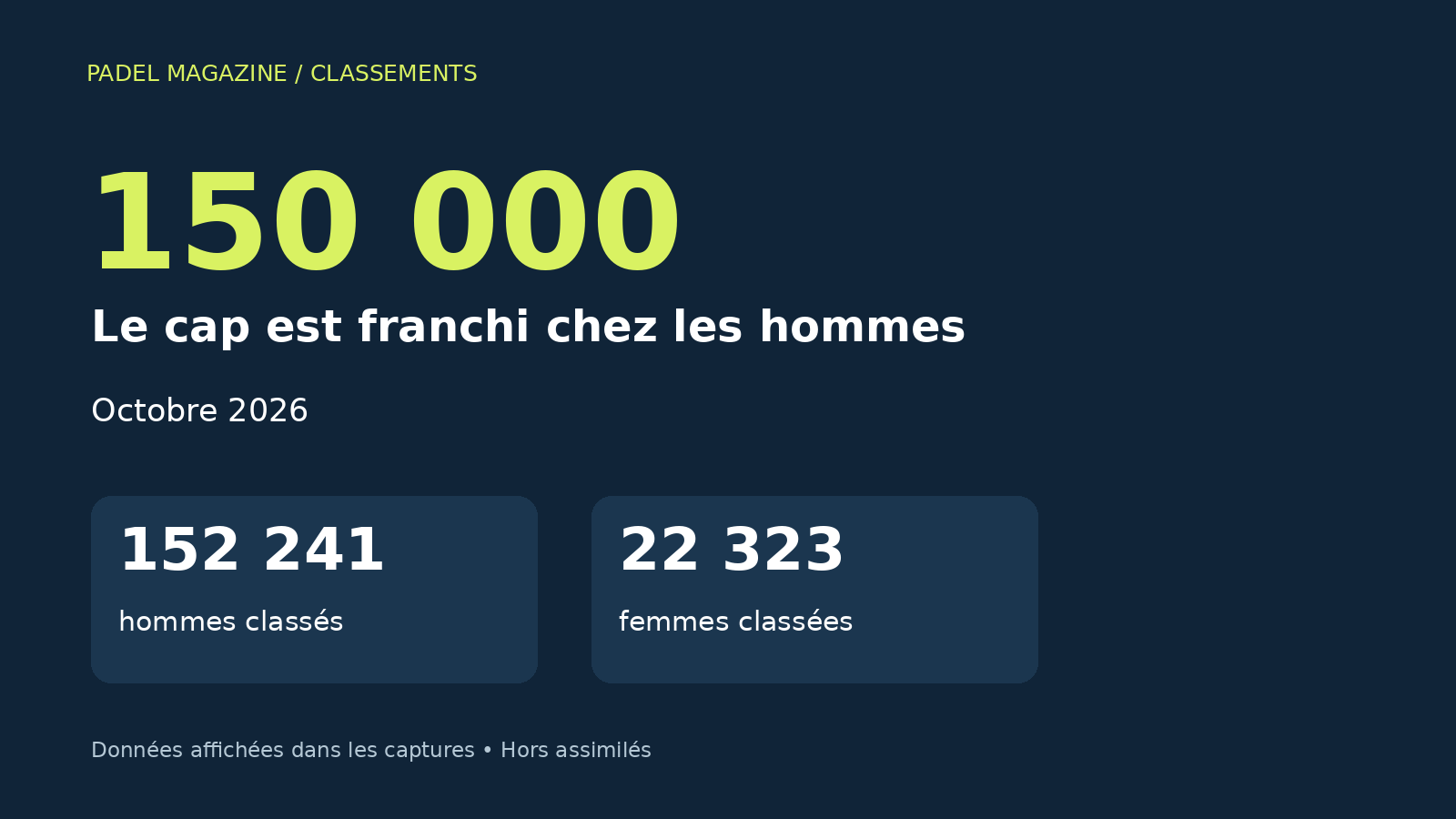 Padel rankings October 2026: more than 150,000 men ranked in France
 P1000 Verneuil Padel Club – Results / Live / Schedule
 West Padel opens its 4 indoor courts in Montivilliers on November 5th
 With Galán tired and Coki Nieto sidelined, is the infernal pace of the circuit starting to take its toll on the players?
 Milan P1: Thomas Leygue launches his qualifying campaign with Jesús Moya
 Germany P2: The fastest quarter-finals in history Premier Padel
 Zidane and Galán reunited on the track to launch the Metalbone ZZ
 For sale: two padel clubs in Mauritius, starting from 330,000 euros
 How much does it actually cost to organize a FIP Bronze event?
 Padel How Lidl is transforming Crivit into a fully-fledged sports brand with Steffi Graf
 Compagnie des Alpes is accelerating its involvement in padel with PadelCity: a new step in its European strategy
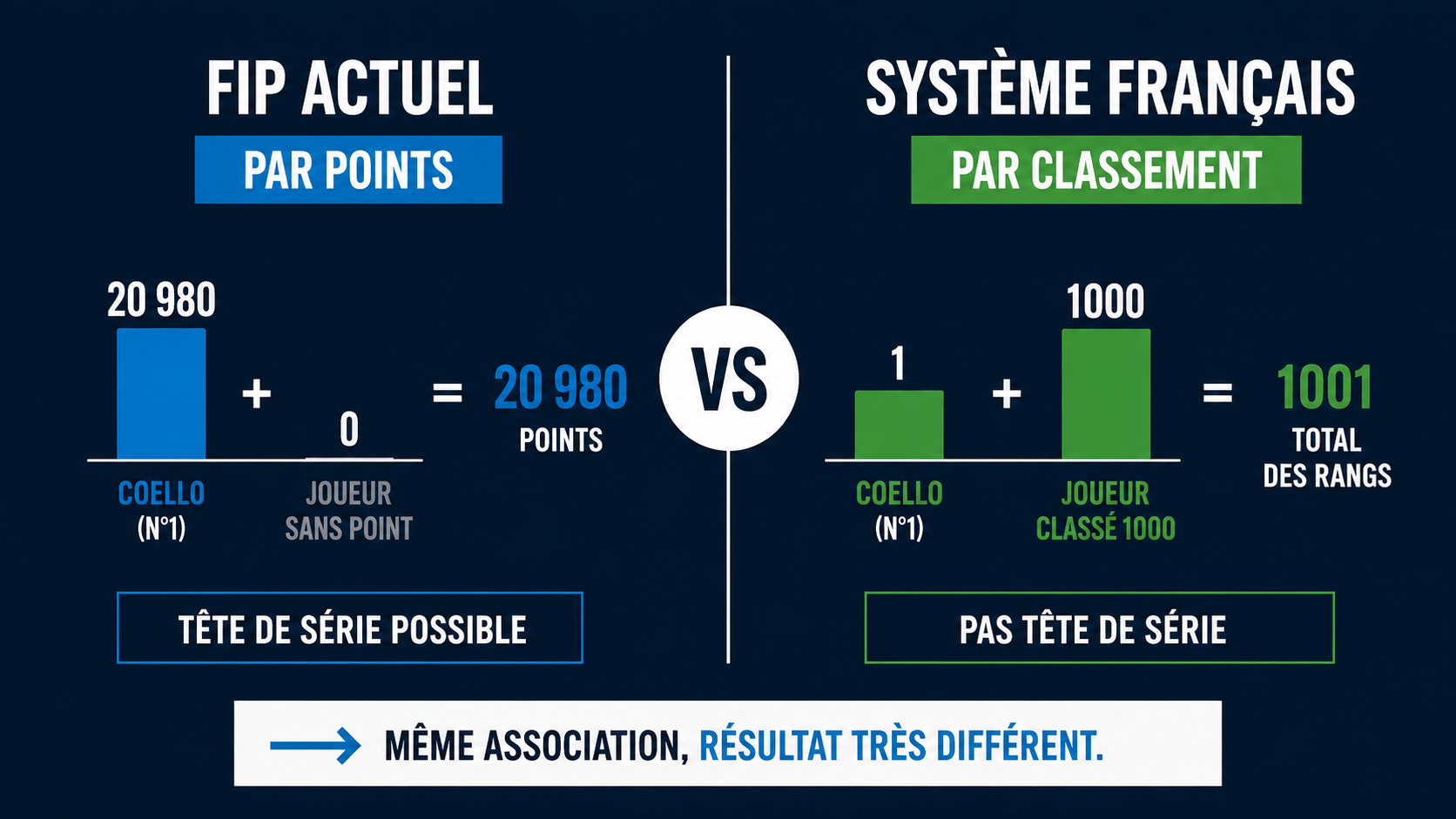 Coello with a player at 0 points ahead of two top 10 players: should the FIP ranking be reviewed?
 Les Pyramides: after 12 padel courts, the club is focusing on youth training
 Health Care Padel Tour 2026: What if your next padel tournament was played in Barcelona?
 FAST Padel Academy continues its development and establishes itself in Liège.
 What the analysis of the stroke reveals: tennis forehand vs. padel bandeja
 Has the bandeja disappeared from modern padel?
 Flat forehand in padel: 5 exercises from Cristian Álvarez to gain control and efficiency
 Why knowing how to play on the right and left can make all the difference
 Tapia reveals his recipe for beating Coello / Tapia: "I would bet everything on myself"
 How Coello defused Chingotto's game plan
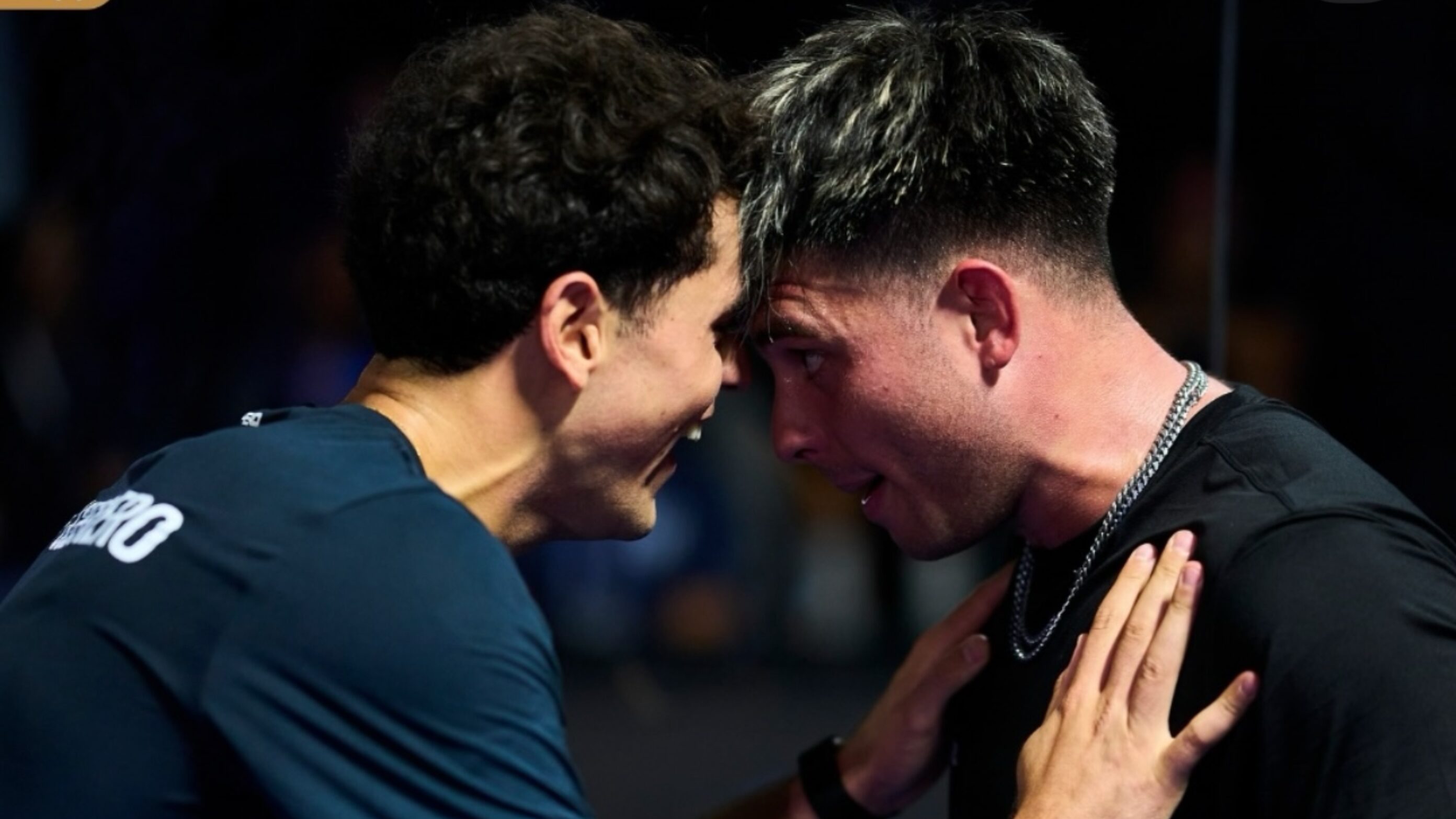 In padel, does the chemistry between a pair count as much as individual skill?
 Summer changes padel… but what if the real challenge wasn't hitting harder?
 Neither FIP Tour nor World Team Championship: the unique format of padel at the Mediterranean Games
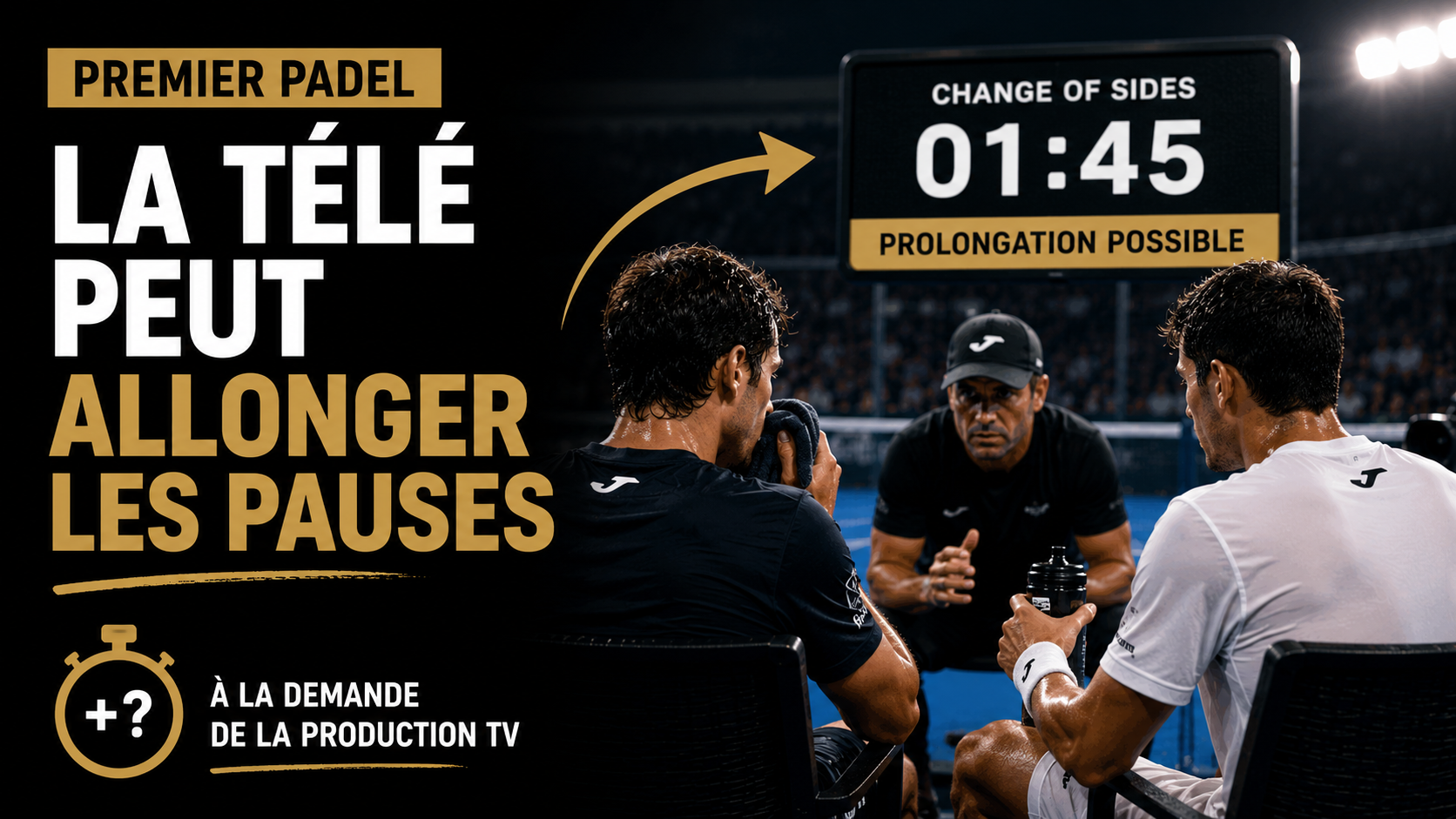 Premier Padel : when television can lengthen players' breaks
 Premier Padel Yes, a referee can refuse a player permission to go to the toilet
 Julien Seurin opens up about his mental state: "There are far more doubts than moments of happiness."
 More than a year later, Thomas Leygue is back in the top 150: behind the scenes of a comeback that's still unfinished
 Padel vs squash vs badminton: the scientific ranking of cardio intensity
 Why does Arturo Coello play with his right hand bandaged?
 What if your progress in padel depended on what nobody else is looking at?