


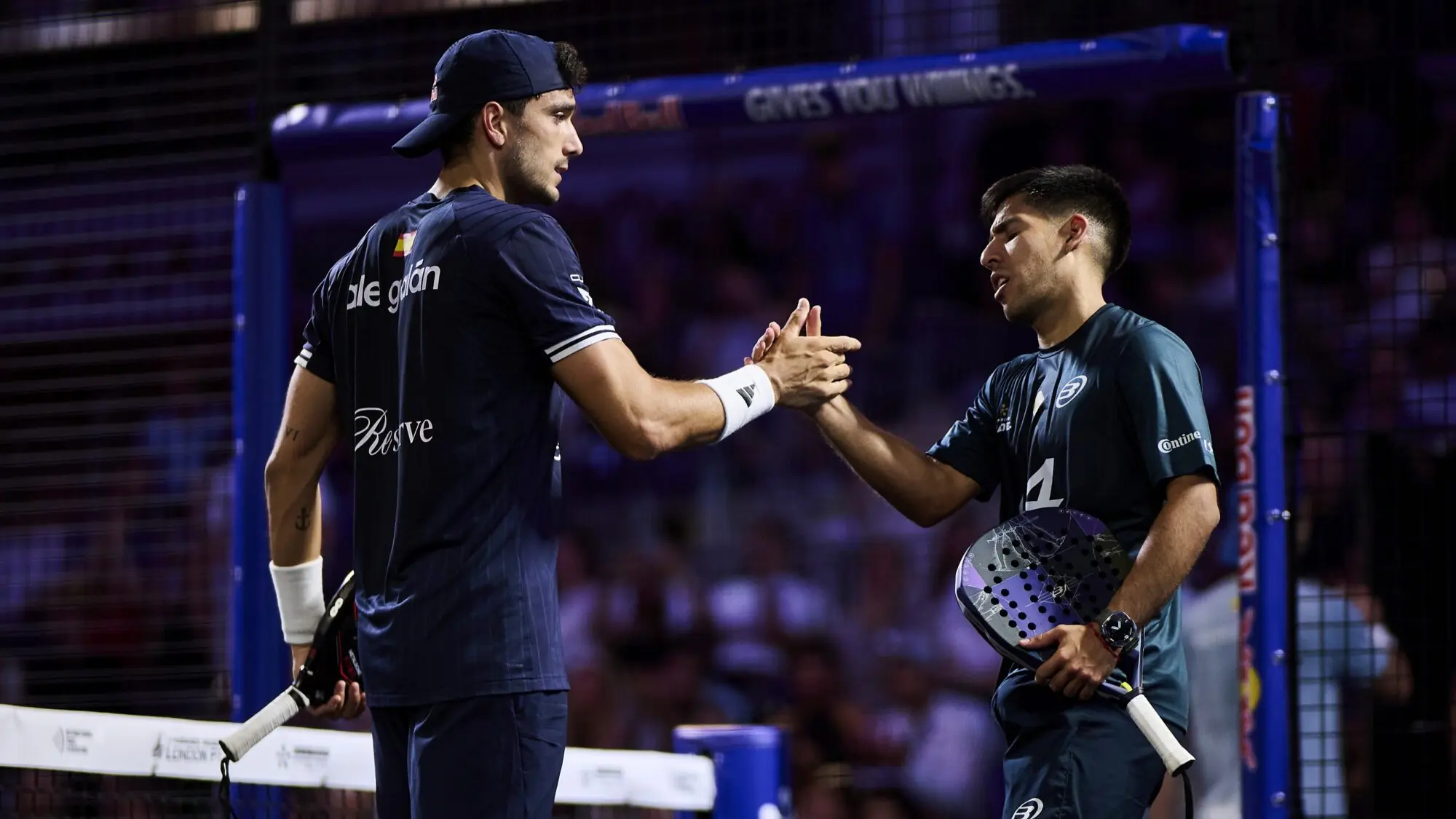







Having defeated Coki Nieto and Mike Yanguas in the Madrid P1 final, Alejandro Galán and Federico Chingotto had to solve a particularly demanding tactical equation. The Argentinian absorbed most of the play, while his partner had to find openings to intervene. A 6-4, 5-7, 6-4 victory, after 2 hours and 43 minutes of play, tells the story of both a battle of positioning and a collective success.
Chingotto under pressure, Galán kept at arm's length
Focusing the game on Chingotto to limit Galán's influence: Nieto and Yanguas's strategy had a clear logic. Avoiding the Madrid player reduced the opportunities to be overwhelmed by his power, while forcing his partner to make a series of efforts and decisions.
But this defensive strategy wasn't simply about sending all the balls in the same direction. The Spaniards alternated between low shots and lobs to move Chingotto around, change his footing, and complicate his attacking options.
The result was a very unbalanced distribution of the exchanges: one player heavily involved, the other forced to remain available without knowing when they would actually be able to make an impact. For Chingotto, the difficulty was therefore not simply returning an extra ball. He had to find a way to allow the pair to regain the initiative.
Yanguas to the block, Nieto to prolong the trap
The mechanism was particularly visible when Chingotto received a lob. Yanguas would advance to the block to contest his control of the net and make his aerial shot less comfortable.
The Argentinian could try to accelerate towards him, look for a body or a gap, or change direction by playing down the line towards Nieto. But none of these options guaranteed an immediate release from the pressure.
In a press conference, Chingotto confirmed this difficulty: when he directed the play towards Coki, another lob would come back, and Nieto could also advance. He therefore had to look for several solutions, without always finding the desired execution.
This is what made the Spanish system interesting: Yanguas' block didn't necessarily have to finish the point. It could already force Chingotto to change course, take more risks, or restart his build-up.
Galán intervenes in the center to relieve his partner
Faced with this organized attack, Galán's cut-up passes in the middle provided an important response. By intercepting the ball, the Madrid player allowed Chingotto to break free, at least momentarily, from this sequence.
The tactical value of these interventions went beyond simply winning the shot. They interrupted the repetitive exchanges towards the Argentinian and forced the opponents to deal with another shot, another angle, another rhythm.
For a player sidelined from the game, the temptation is strong to seize the first opportunity, however imperfect. Galán aptly explained the pressure he feels in these situations: making a move requires perfect positioning, timing, and execution. A mistake can then become particularly frustrating.
This final illustrates an often underestimated difficulty: receiving fewer balls doesn't mean having an easy task. You have to stay active, read the rally, and choose when to create space without disrupting your own pair.
Continue to create despite missed opportunities
However, the match scenario shows that this response was not enough to make the victory comfortable.
Galán and Chingotto served for the title at 5-4 in the second set, before losing three consecutive games and allowing Nieto and Yanguas to level the match at one set apiece. In the third, they finally broke serve at 4-4 and then closed out the match on their own serve.
The winners converted only three of their 24 break point opportunities. This figure highlights both the pressure they exerted and the resilience of their opponents.
It would therefore be misleading to describe a tactical revolution in the final half. Galán explained that there hadn't been any major changes: the main thing was to remain calm and continue creating chances.
This time, Galán also carried Chingotto mentally.
The Madrid player's help wasn't limited to interceptions. Chingotto admitted to lacking confidence and berating himself a lot. He also highlighted Galán's constant support, who encouraged him to keep going and reminded him that he was playing well.
This is also where the final was decided. Chingotto had to continue to respond under pressure; Galán had to remain available to intervene, while also helping his partner to hold on.
Nieto and Yanguas put this complementary partnership to the test. The champions persevered, but their difficulties persisted. In Madrid, getting back into form wasn't just about Galán getting more touches; it meant finding ways to make those touches count together.

I discovered the Padel I stumbled into Spain at a campsite. I was instantly hooked; passionate about padel, I follow international and regional news with the same excitement as the sport itself.












































































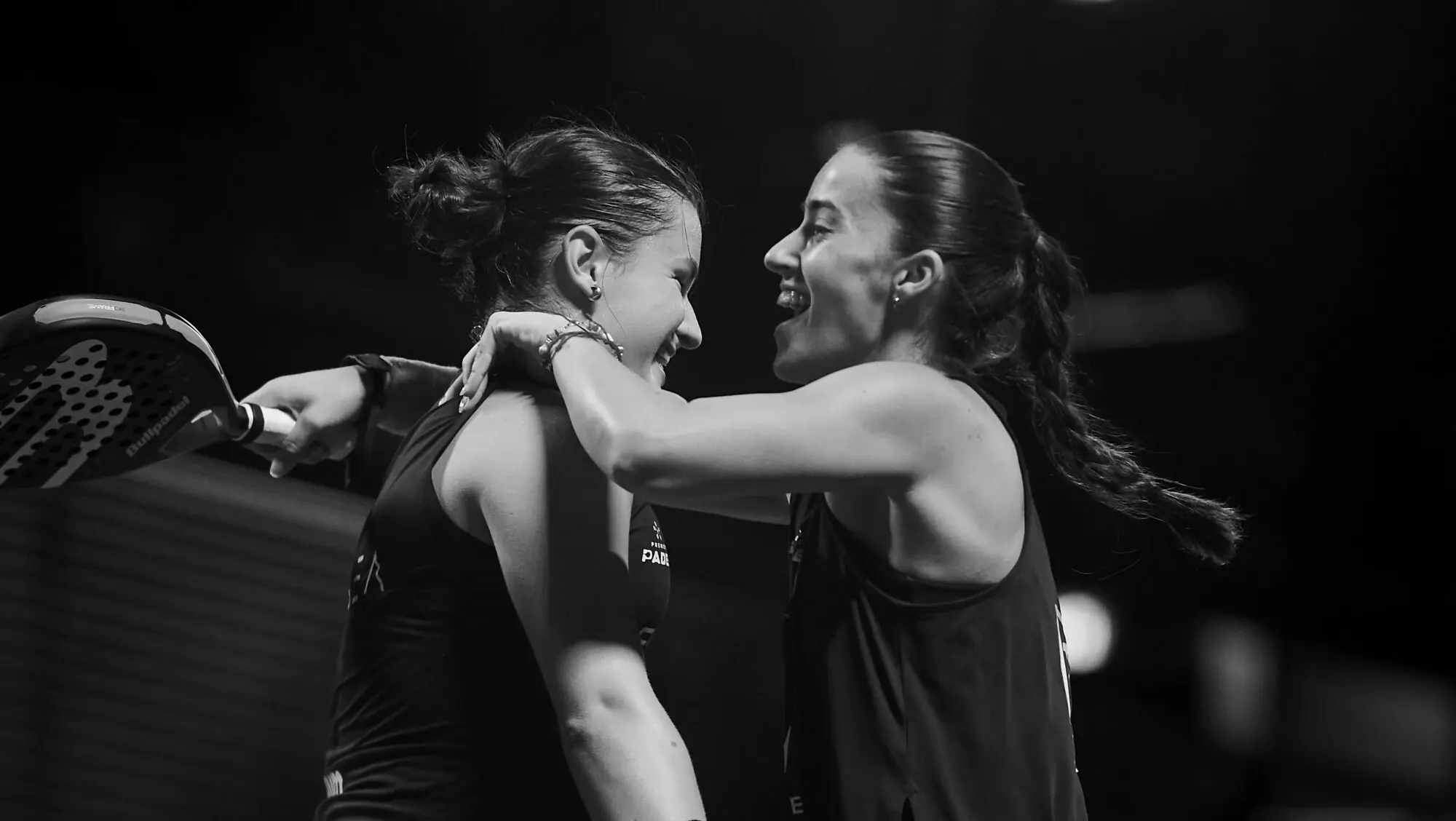 Martina Calvo after her revenge on Sánchez / Ustero: “Your question served as motivation for me! »
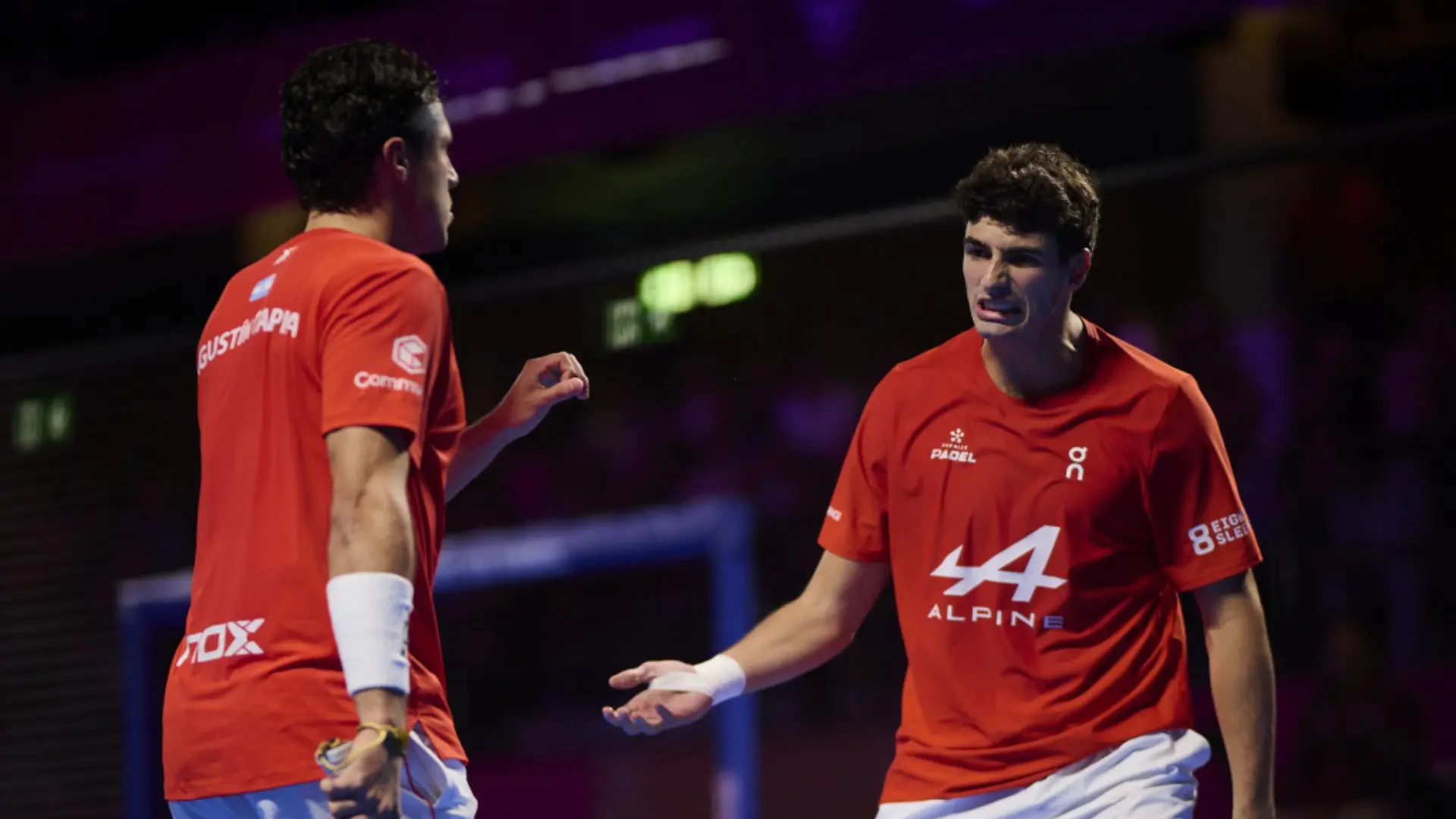 Düsseldorf P2: Tapia/Coello still too strong for Stupa/Sanz, third consecutive title for the world number 1s
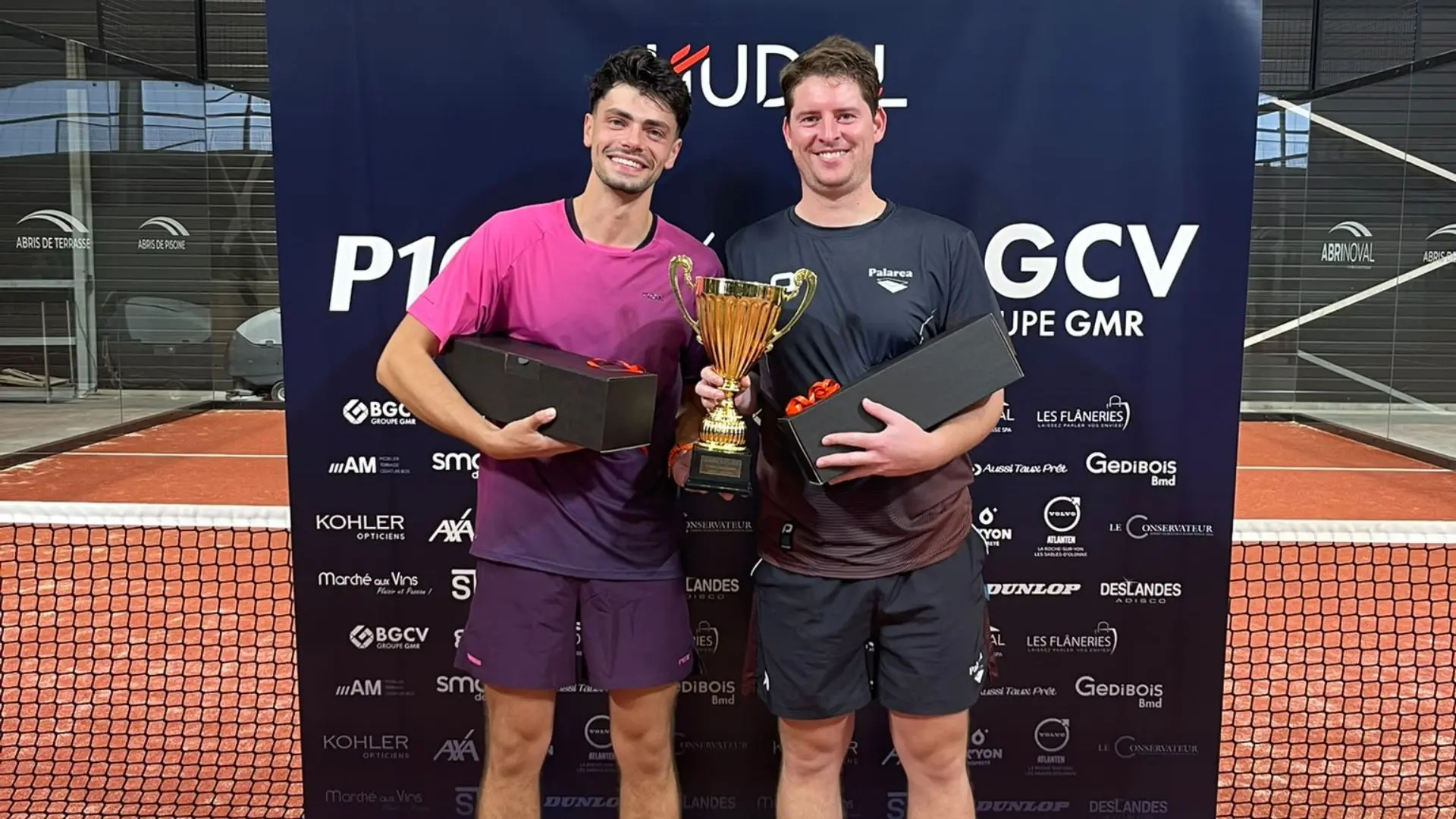 Prod'homme and Marin defeat Mitjana/Henrion to win the P1000 HUDDL Aizenay
 France or Portugal, Spain or Argentina: Miguel Lamperti ranks the best padel nations
 Cédric Lavoye: "Hard work pays off" and a first FIP tournament in Guadeloupe is in his sights
 Nicolas Rouanet is preparing his return in 2027: “With Bastien Blanqué, I would never say no”
 Leygue/Blanqué respond bluntly to the criticism: "You can say what you want... We're putting all our money and our lives into this."
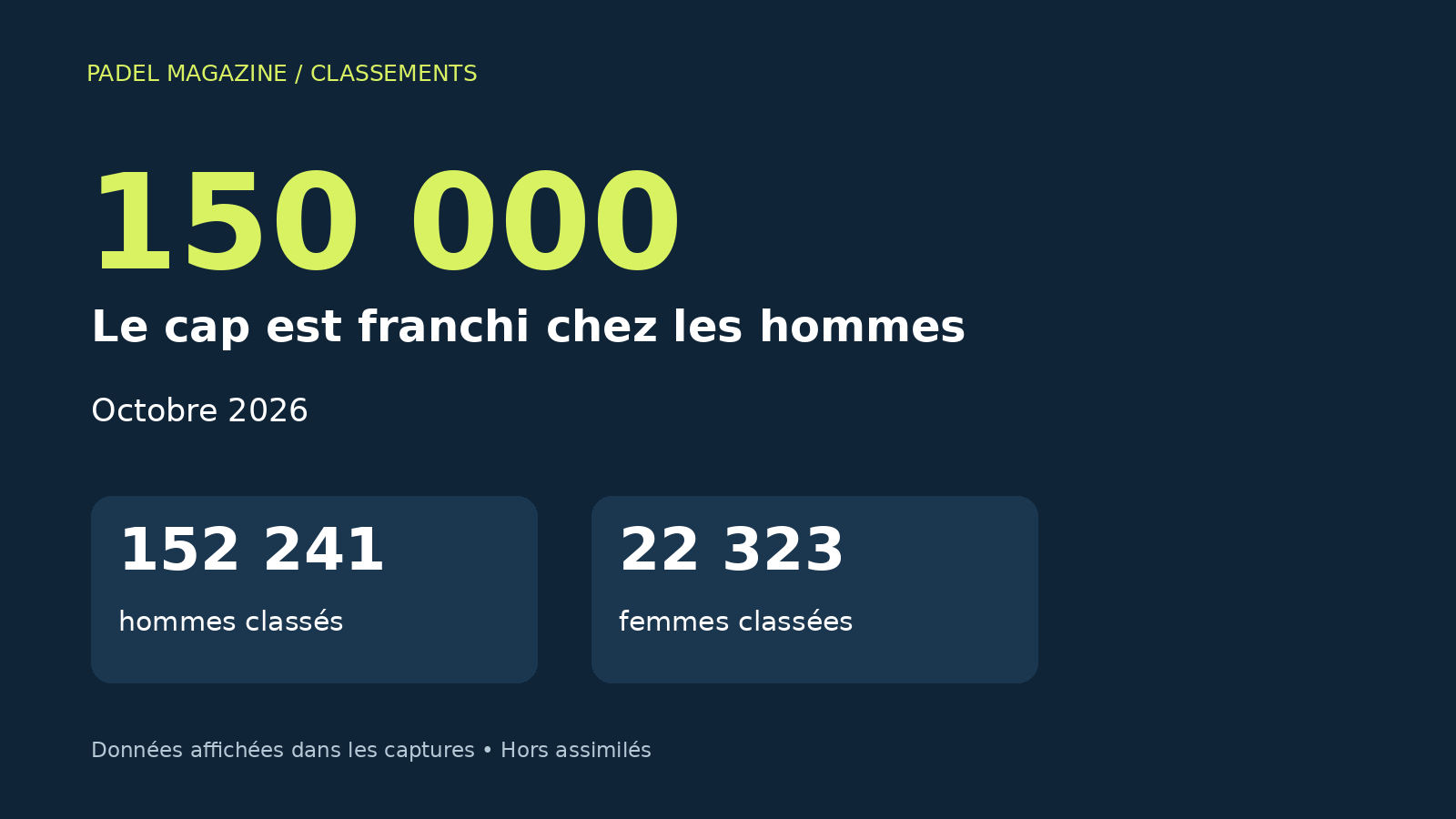 Padel rankings October 2026: more than 150,000 men ranked in France
 P1000 Verneuil Padel Club – Results / Live / Schedule
 West Padel opens its 4 indoor courts in Montivilliers on November 5th
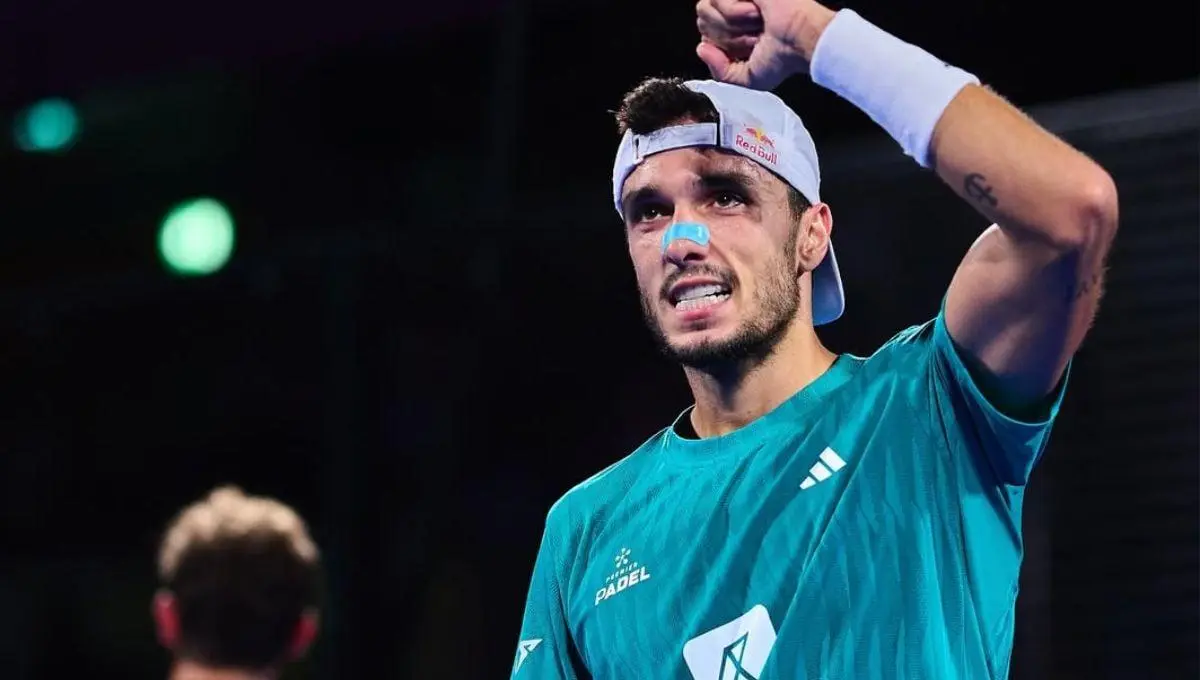 With Galán tired and Coki Nieto sidelined, is the infernal pace of the circuit starting to take its toll on the players?
 Milan P1: Thomas Leygue launches his qualifying campaign with Jesús Moya
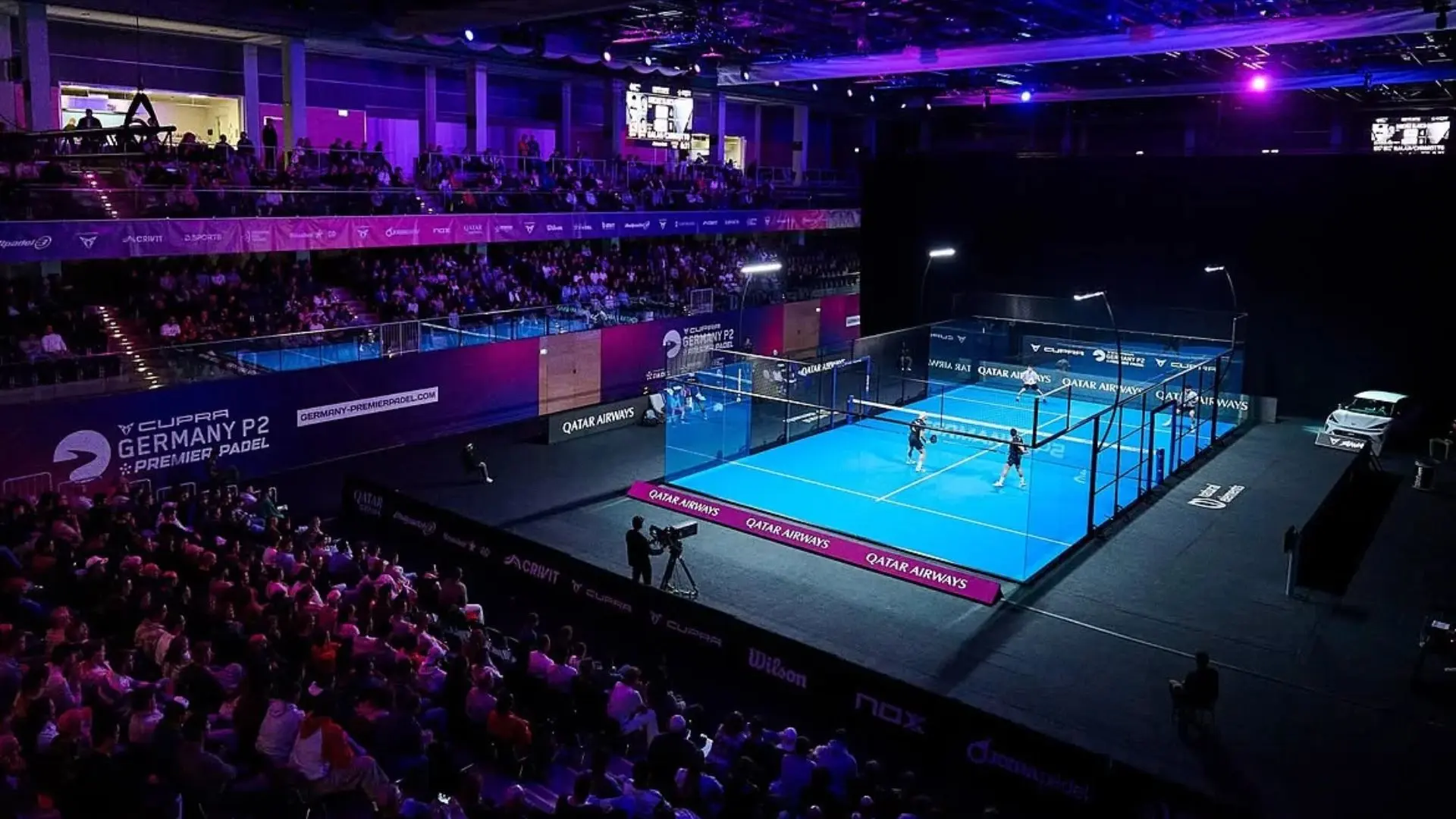 Germany P2: The fastest quarter-finals in history Premier Padel
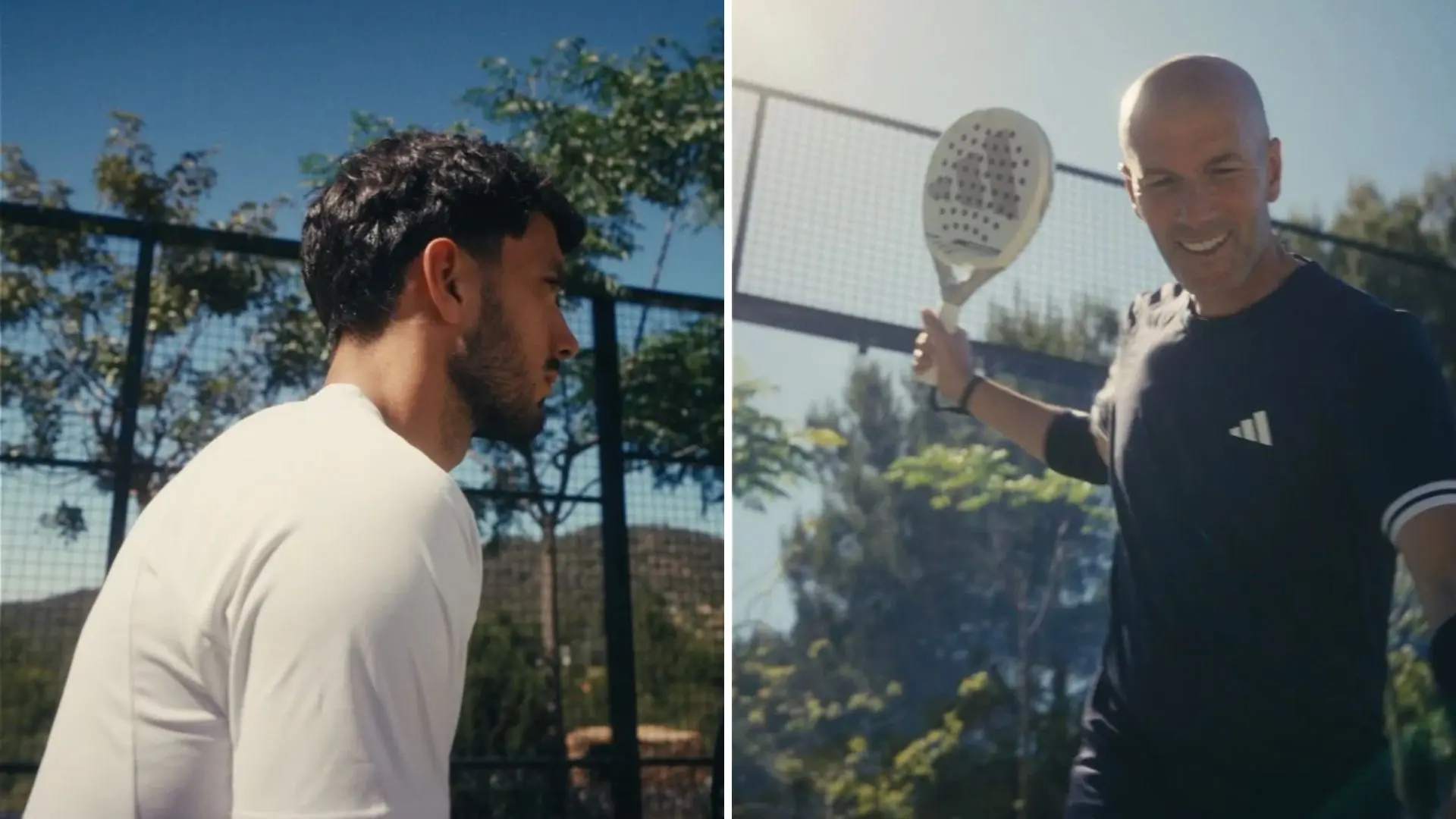 Zidane and Galán reunited on the track to launch the Metalbone ZZ
 For sale: two padel clubs in Mauritius, starting from 330,000 euros
 How much does it actually cost to organize a FIP Bronze event?
 Padel How Lidl is transforming Crivit into a fully-fledged sports brand with Steffi Graf
 Compagnie des Alpes is accelerating its involvement in padel with PadelCity: a new step in its European strategy
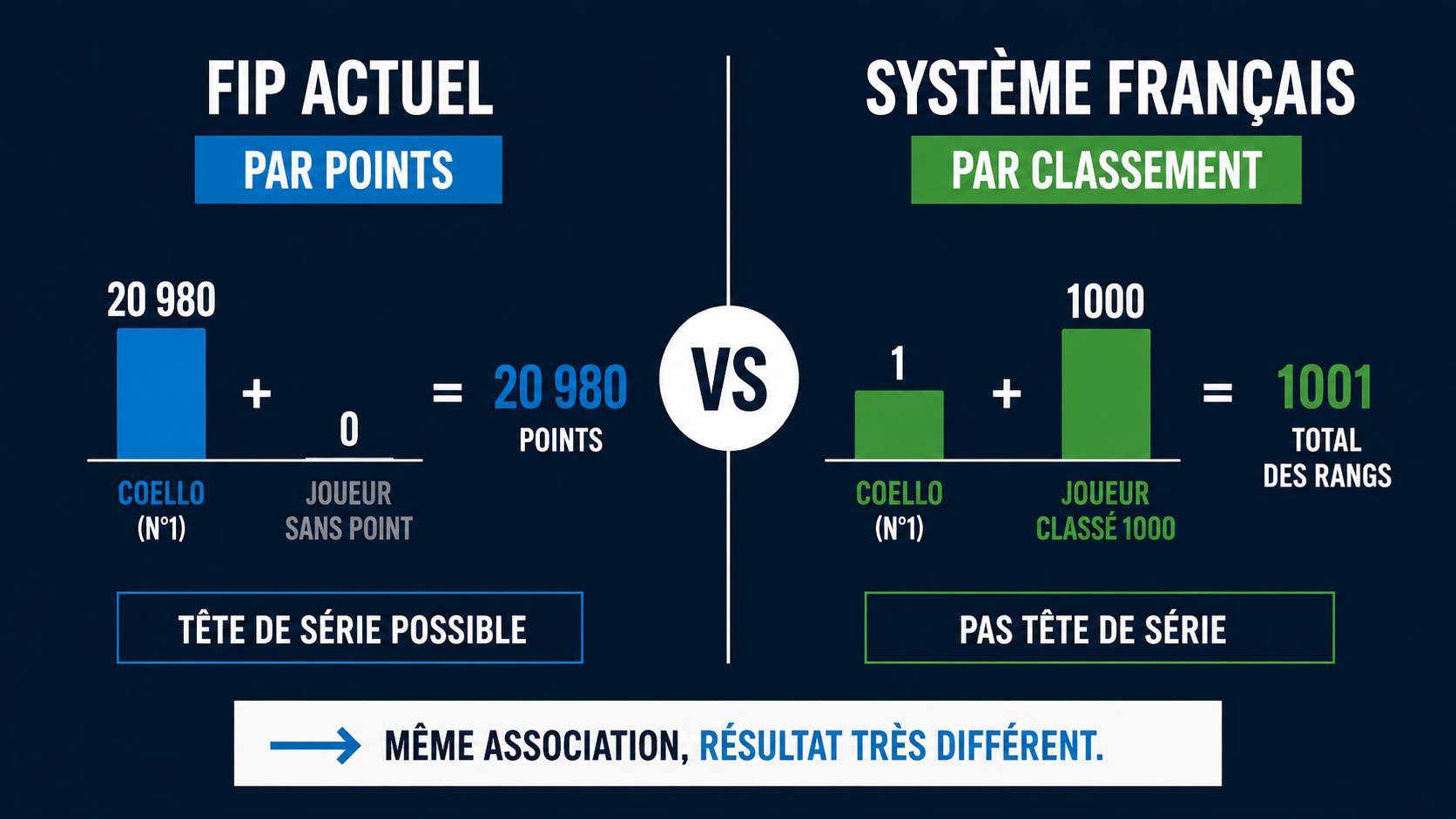 Coello with a player at 0 points ahead of two top 10 players: should the FIP ranking be reviewed?
 Les Pyramides: after 12 padel courts, the club is focusing on youth training
 Health Care Padel Tour 2026: What if your next padel tournament was played in Barcelona?
 FAST Padel Academy continues its development and establishes itself in Liège.
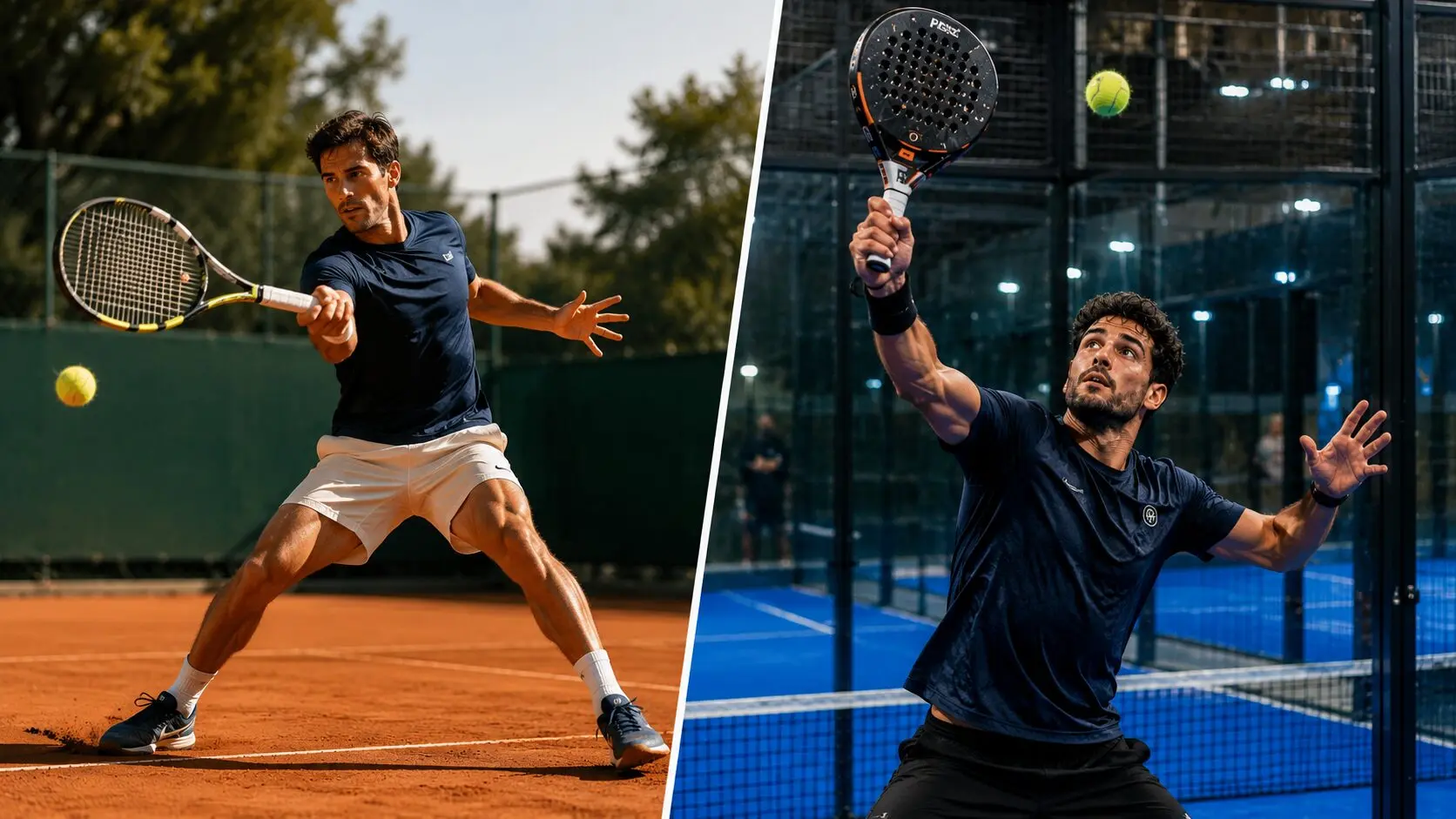 What the analysis of the stroke reveals: tennis forehand vs. padel bandeja
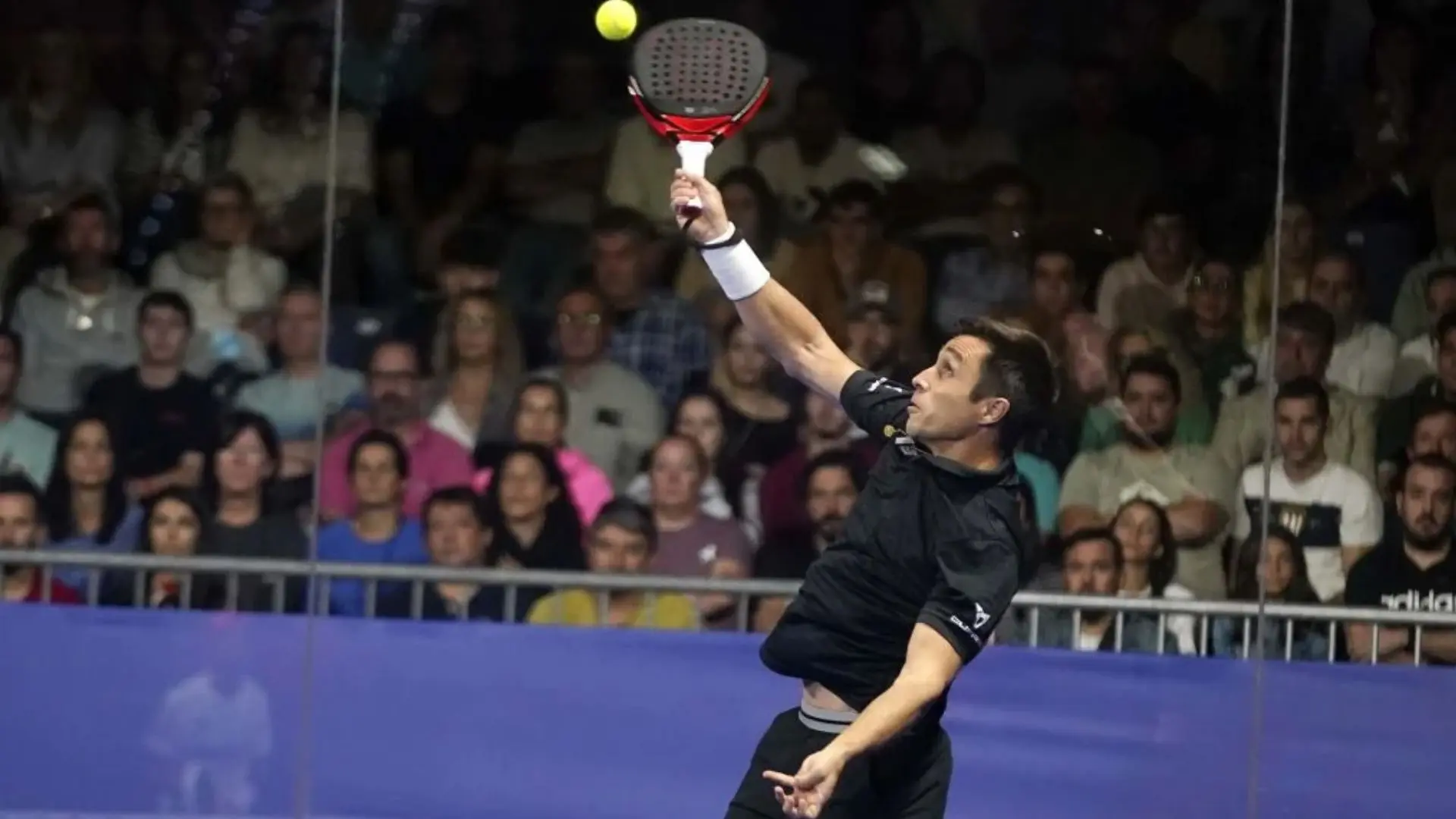 Has the bandeja disappeared from modern padel?
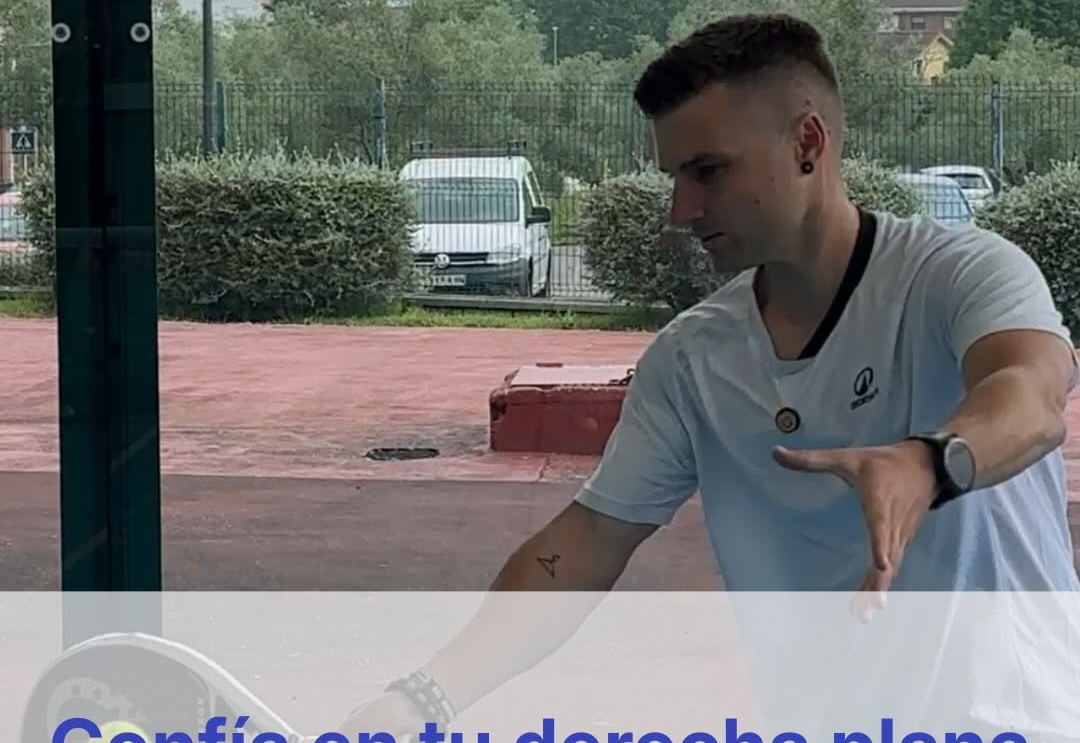 Flat forehand in padel: 5 exercises from Cristian Álvarez to gain control and efficiency
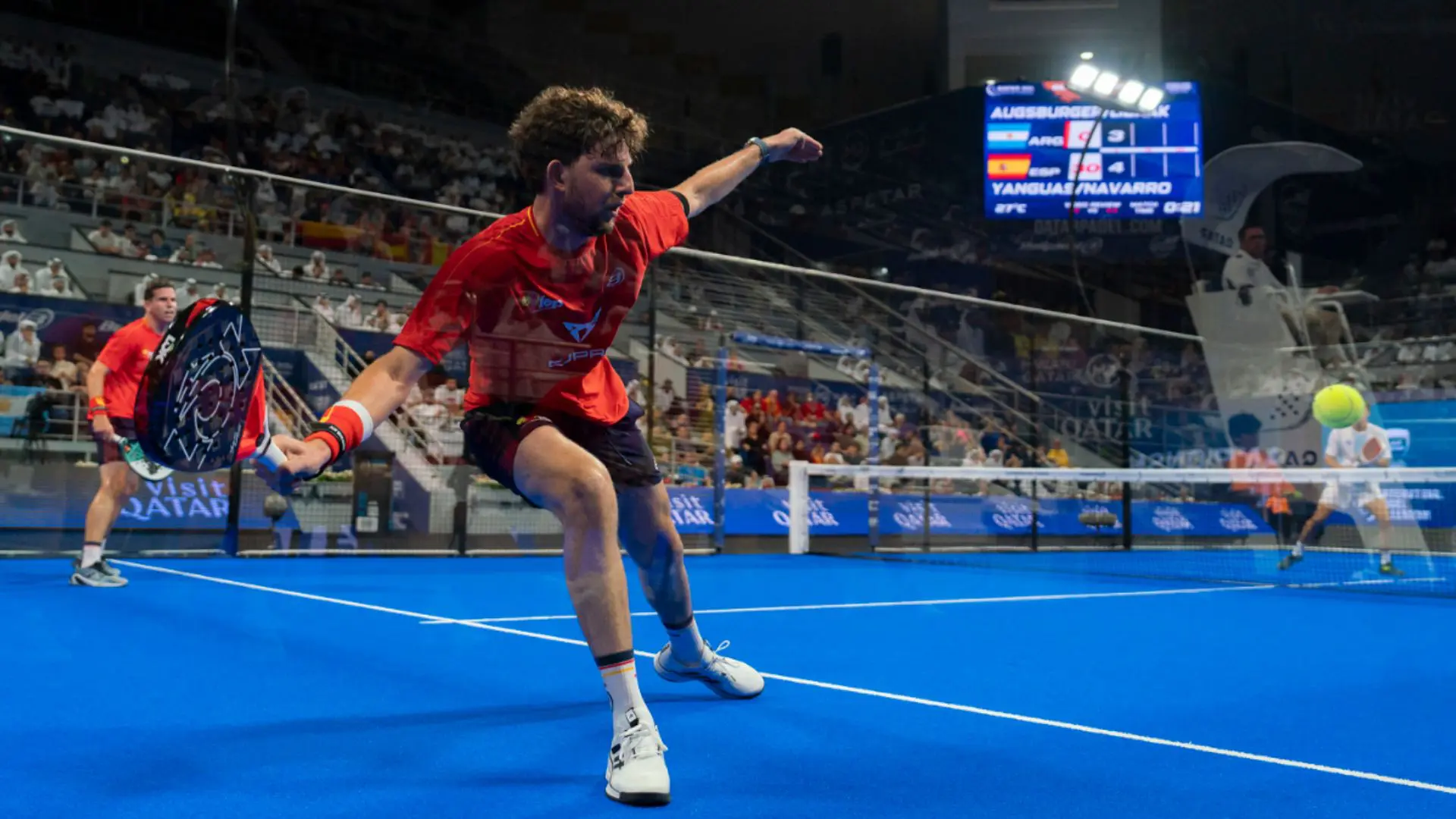 Why knowing how to play on the right and left can make all the difference
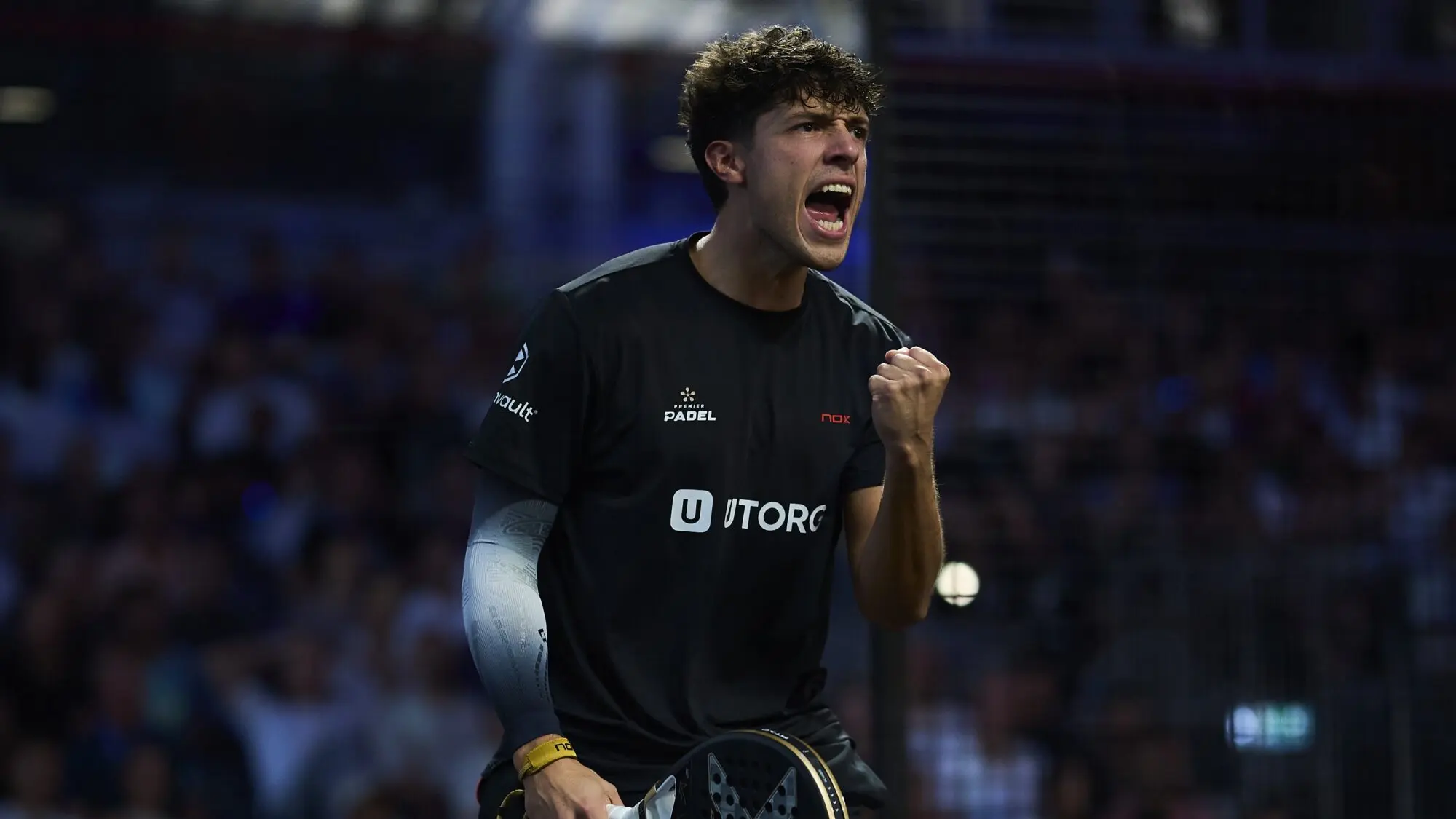 Tapia reveals his recipe for beating Coello / Tapia: "I would bet everything on myself"
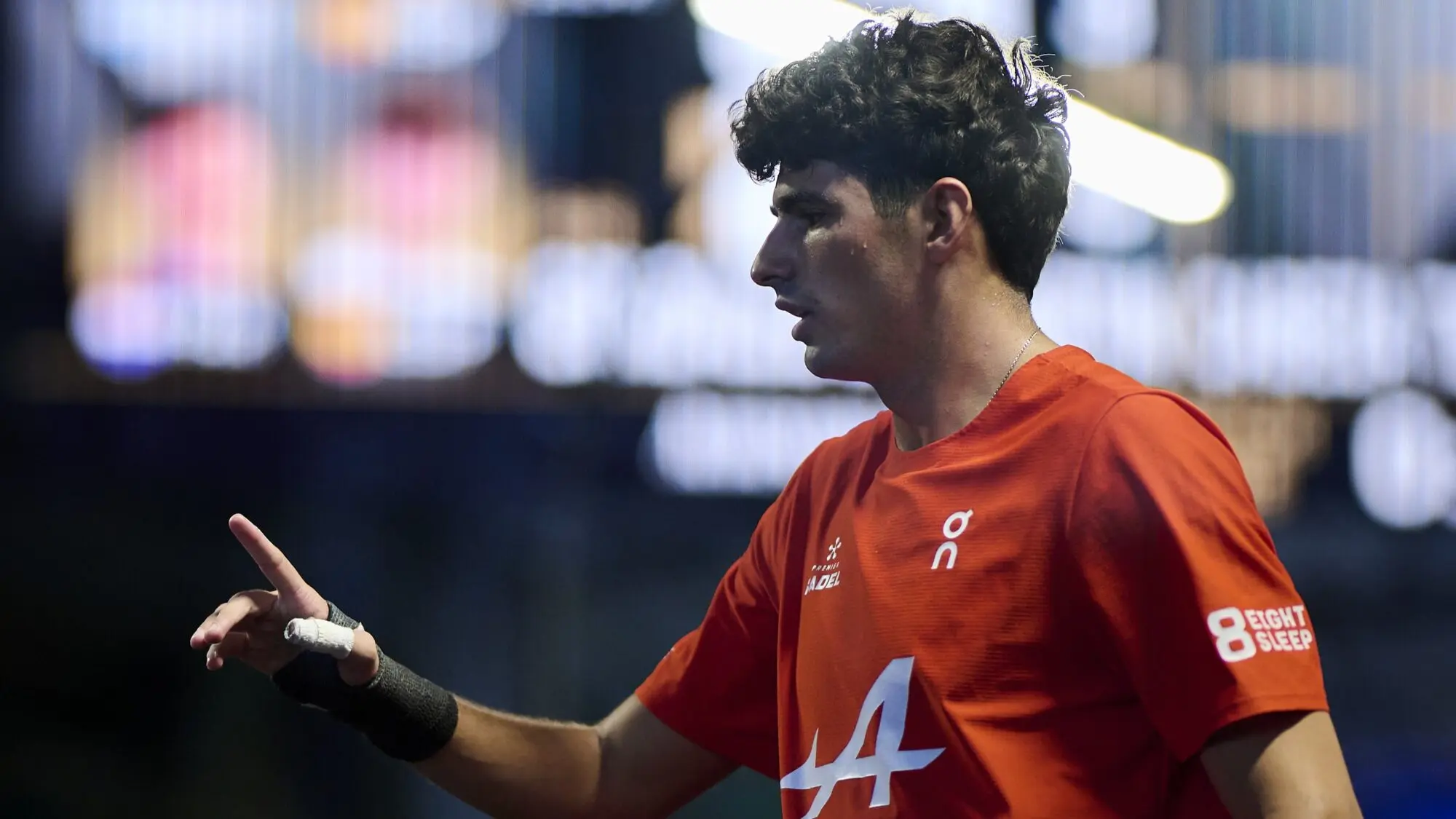 How Coello defused Chingotto's game plan
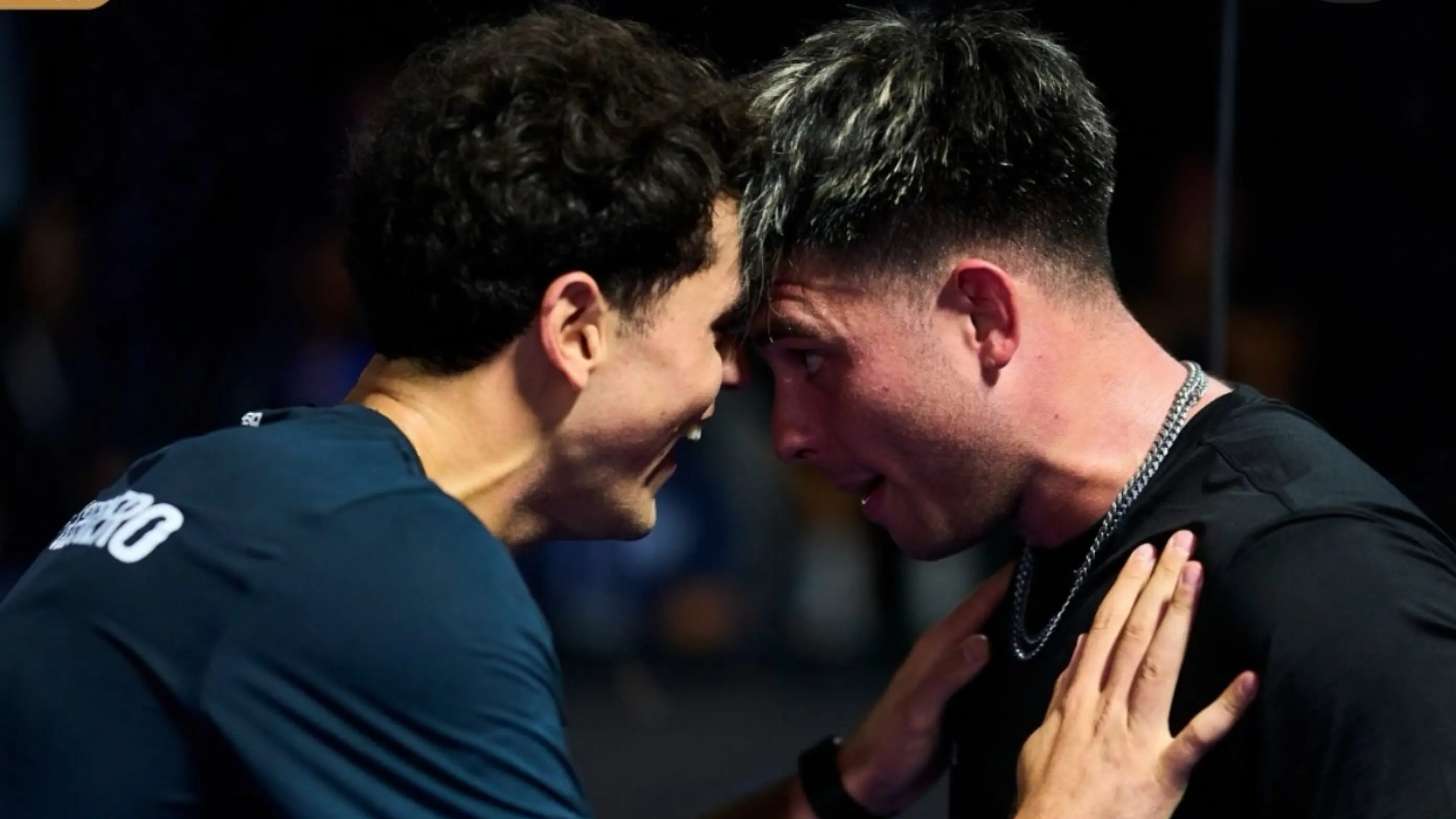 In padel, does the chemistry between a pair count as much as individual skill?
 Summer changes padel… but what if the real challenge wasn't hitting harder?
 Neither FIP Tour nor World Team Championship: the unique format of padel at the Mediterranean Games
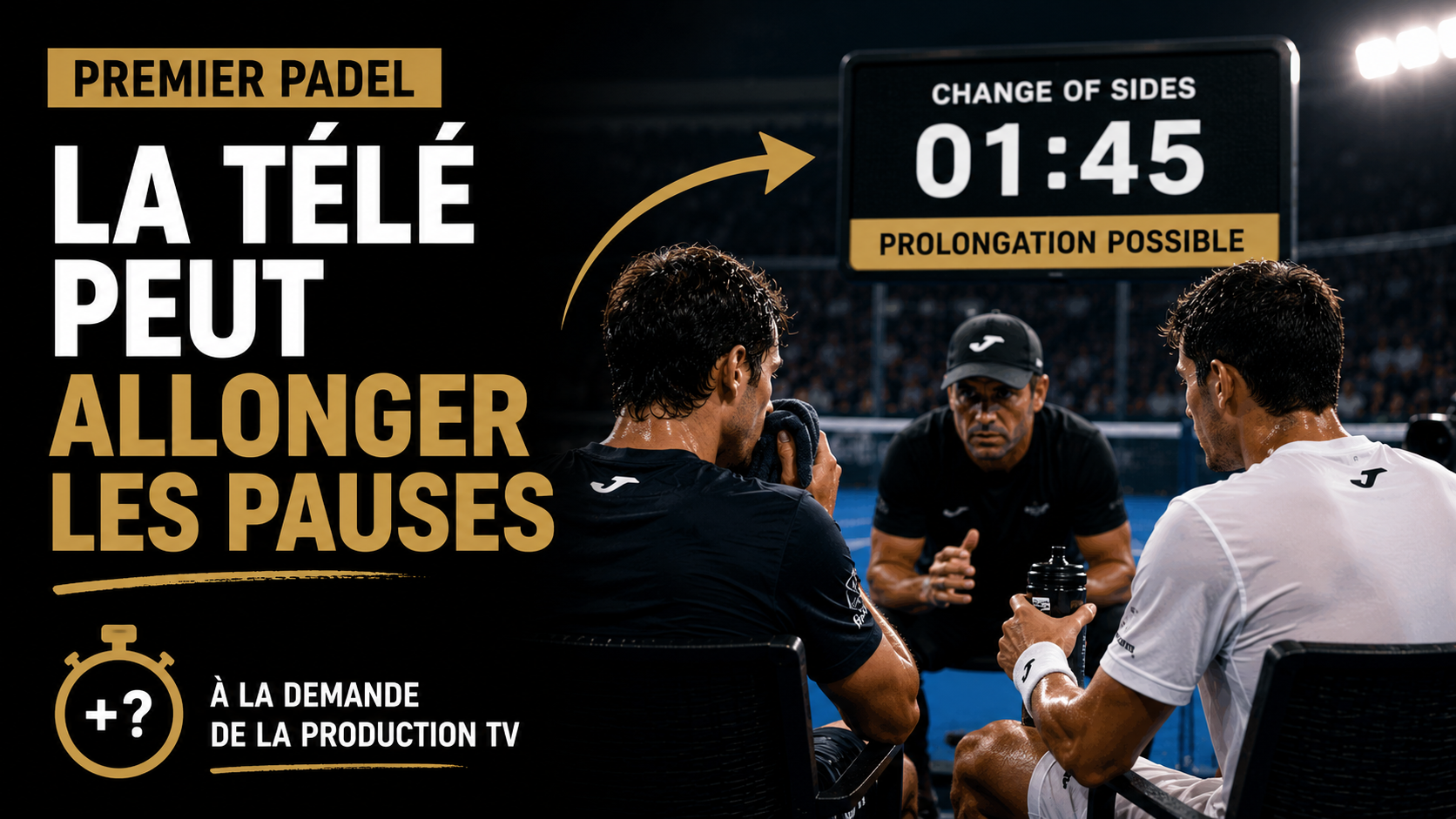 Premier Padel : when television can lengthen players' breaks
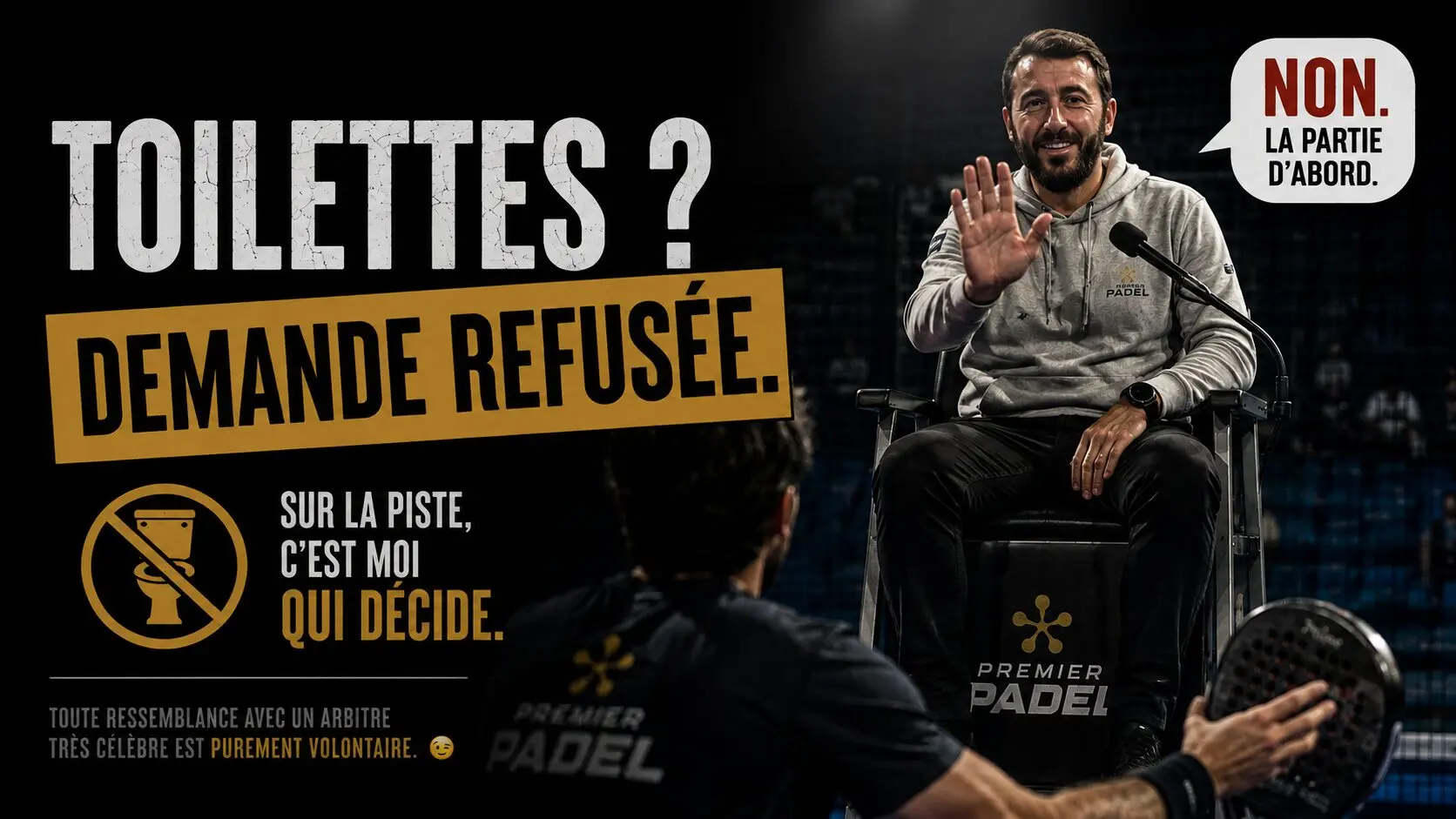 Premier Padel Yes, a referee can refuse a player permission to go to the toilet
 Julien Seurin opens up about his mental state: "There are far more doubts than moments of happiness."
 More than a year later, Thomas Leygue is back in the top 150: behind the scenes of a comeback that's still unfinished
 Padel vs squash vs badminton: the scientific ranking of cardio intensity
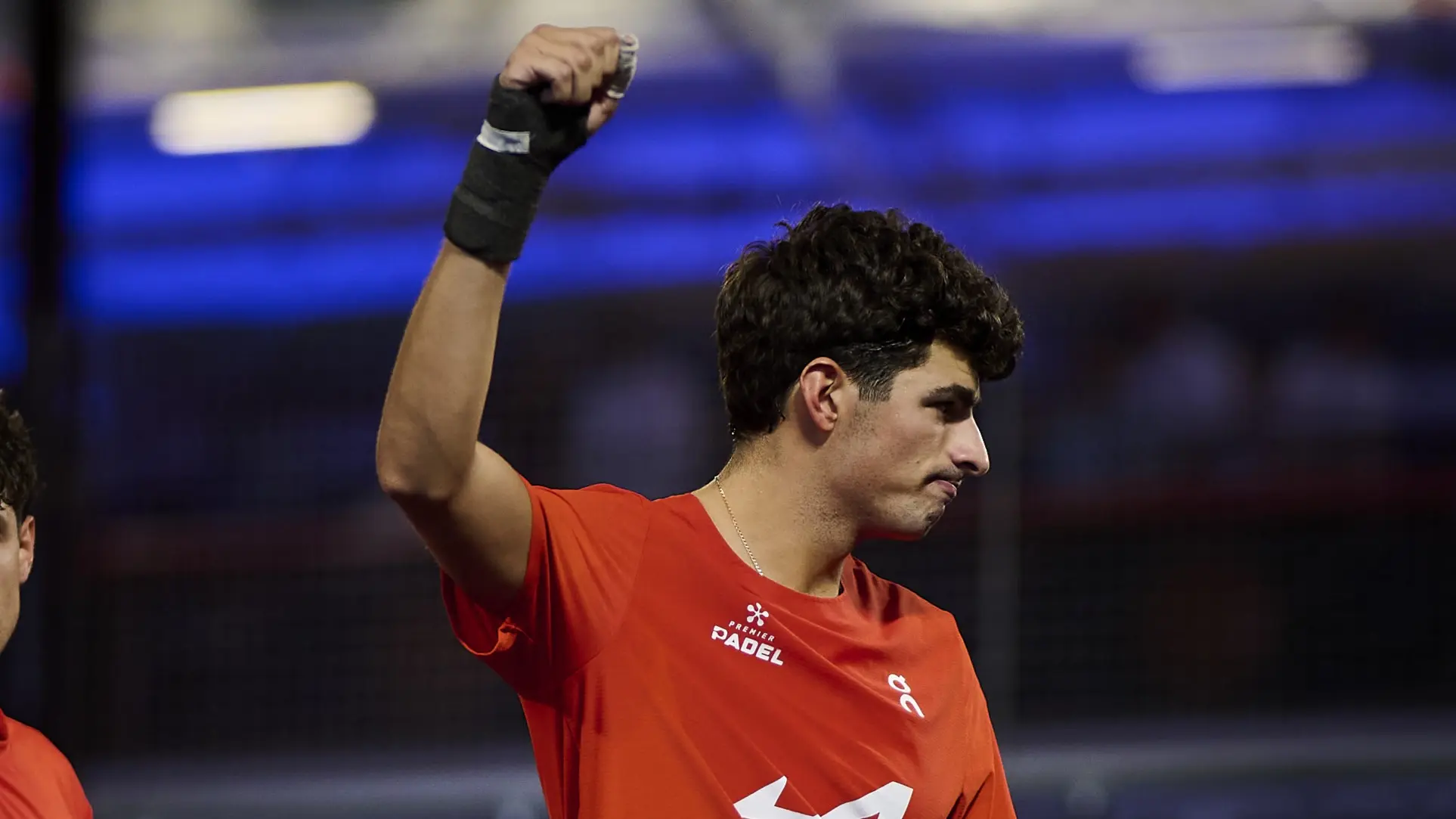 Why does Arturo Coello play with his right hand bandaged?
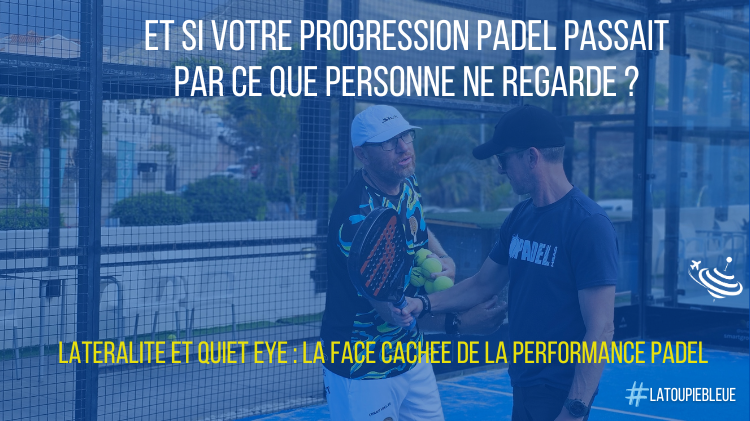 What if your progress in padel depended on what nobody else is looking at?