

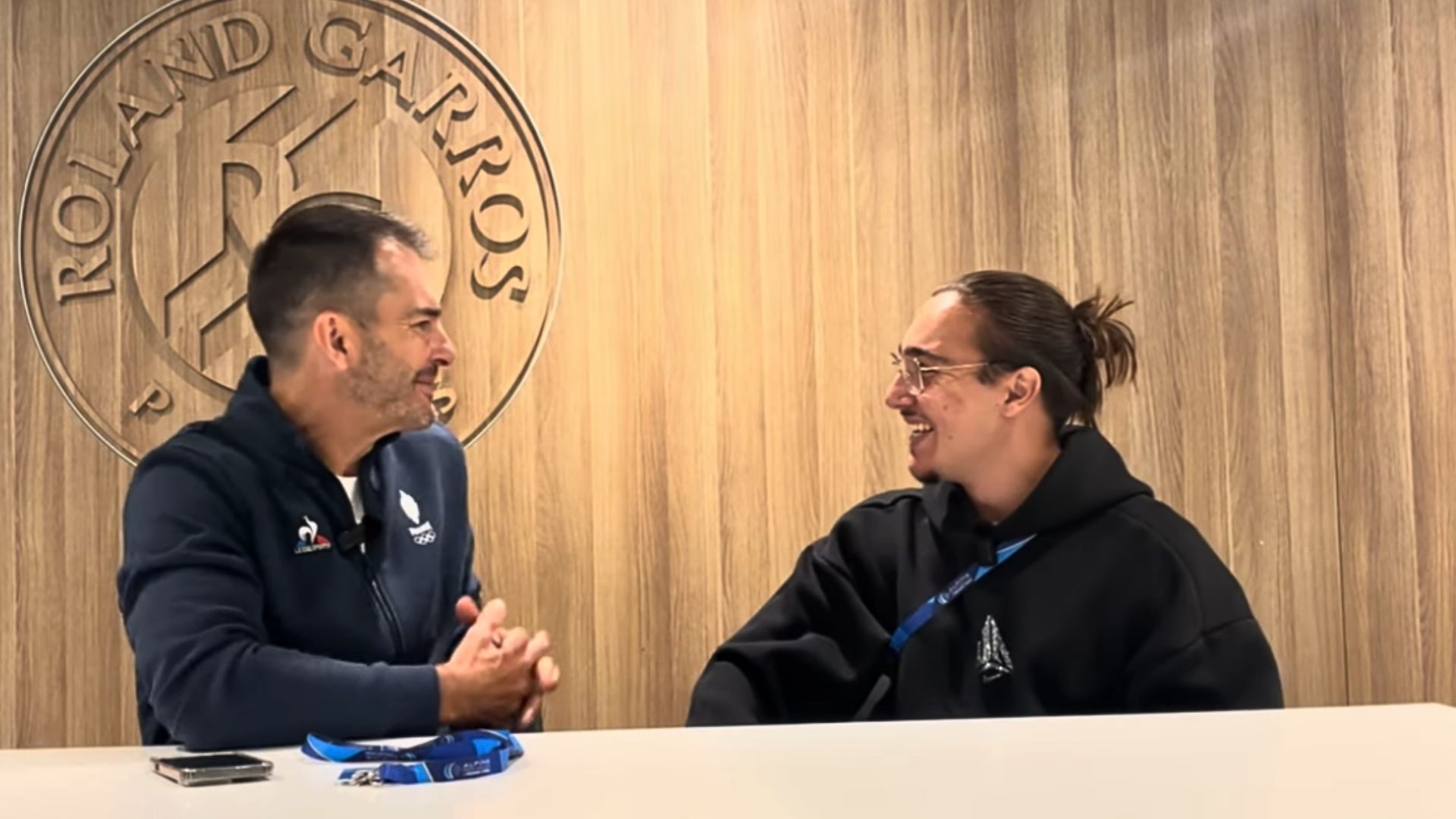







Present at Roland-Garros to follow the French players involved in the Paris Major , Pablo Ayma , coach of the French men's national team, spoke to the microphone of Padel MagazineA particularly interesting interview just a few weeks before the Doha World Cup , in which the Argentinian reflects on the progress of French padel, the choice made for several years to focus on youth, the performances of Timéo Fonteny, Dylan Guichard or Thomas Leygue but also on the ambitions of Les Bleus in the short and long term.
And after four years at the helm of the national team, Ayma makes no secret of his enthusiasm: for him, this Paris Major is simply the best performance by French players since he took office .
"This is undoubtedly the best year for French players here."
The French team's performance at Roland-Garros has undoubtedly made an impression on the national coach. Several French players managed to get through the first round and Thomas Leygue Having started from the qualifiers, went even further by reaching the round of 16.
"This is my fourth year here and, of these four years, I think it's probably the best for French players in this tournament. For me, the Paris Major is one of the most beautiful and important tournaments."
Ayma also highlights the overall evolution of the event, with increasingly full stands and a large public presence from the very first rounds. An ideal context for the French to achieve their best campaign in Paris.
The gamble on youth is beginning to pay off
For several seasons now, the French team has been undergoing a generational shift. A choice that wasn't necessarily obvious at the outset.
Ayma recalls that when he arrived, France had a very experienced team, with several players who had been established in the national team for a long time. But for him, it was necessary to prepare for the future.
"It was a project that could have been a bit risky, because difficult decisions had to be made. France had a very strong team, with many veteran players and a great deal of experience, but it was necessary to make room for the younger players."
The reason is simple: the coach doesn't just want to build a team capable of finishing behind Spain and Argentina. His ambition is, ultimately, to to truly reduce the gap with the two global benchmarks .
“Honestly, we are still far from the level of Argentina and Spain. But the only way to get there is to bring in young players who train at a very high level, who have potential and talent. Perhaps in four or five years, we will be able to field a team that may not necessarily be the favorite, but that can truly compete.”
A deliberate medium-term vision: not to seek only the immediate result, but to build a generation capable, one day, of looking the best nations in the eye.
Timéo Fonteny impresses Ayma: "What he played was incredible."
Among the symbols of this new generation, Timeo Fonteny obviously occupies an important place.
Ranked 134th in the world, the Frenchman took another step forward at the Paris Major. Alongside Nacho Moragues, he dominated Álvaro Meléndez / José Luis González 6/1 6/4 before pushing José Jiménez / Álex Arroyo , seeded 14th, in their defensive positions in the round of 32.
Ayma particularly appreciated his attitude.
"What he played was incredible. Timéo played with a level of clarity, composure, and maturity that is uncommon at his age. He had a great first match and then lost by a very narrow margin against a very good pair. I am very proud."
The coach also believes that his association with Nacho Moragues It provides him with a particularly valuable form of security in his progression.
"He has a Spanish partner who perhaps gives him the solidity and security that a young player needs. I think that's a very good thing."
For Ayma, the wild cards awarded to young French players are precisely part of the development work: giving them the opportunity to compete at this level and accumulate experience.
He also cites Yoan Boronad and Jérémy Robert who delivered a strong first round at Roland-Garros despite their elimination, like two other players who are following this trajectory.
Dylan Guichard, four years later: "Today, he is the number 1 Frenchman."
History Dylan Guichard perhaps illustrates Ayma's project even better.
The coach remembers perfectly his first year, when he decided not to select Guichard for the World Cup.
“I remember my first year. I didn’t pick him for the World Cup. He was very sad, but I told him: ‘For me, you won’t just be on the team one day, you’ll be one of the best French players. If you take this as a personal challenge, I assure you that you’ll reach the top.’”
Four years later, the prediction came true.
"Today, he is the number 1 French player. He plays at a very high level."
At Roland-Garros, Guichard and Clement Geens had impressed in the first round by crushing Santiago Pineda / Javi Ruiz 6/0 6/2 , before falling to Lebrón / Augsburger.
For Ayma, this progression also shows that sometimes you have to accept not immediately selecting a young player in order to better support him towards the very highest level.
Thomas Leygue's emotional reaction: "When they won, I cried."
But the highlight of his Paris Major was probably the victory of Thomas Leygue / Jesús Moya against Sanyo Gutiérrez / Juanlu Esbrí .
Ayma was fully aware of Leygue's situation. After his serious Achilles tendon injury and a long period to regain his form, the coach still believed in his abilities.
“When I spoke with Thomas, I told him he had returned to a very high level, perhaps close to the level he was at just before his injury. I absolutely believed he had every chance of making it through qualifying. But what happened next is unbelievable.”
Leygue/Moya not only passed the qualifiers, but also beat David Gala / Enzo Jensen , then Esbrí / Gutiérrez at the end of a completely crazy third set.
And Ayma did not hide her emotion.
“There was tension, a lot of emotion. When I saw them win the match, I cried. It was very moving, because it shows everything Thomas has been through. After his injury, after being very high in the rankings and then falling back down, he demonstrated that he 100% deserves his level and the ranking he will regain.”
For him, Leygue still has a significant margin for improvement.
"He has a lot of talent and a lot of potential."
A significant moment for a national team coach who has been following his player's recovery for several years.
Much more in-depth monitoring of candidates for the French national team
With the emergence of numerous players, keeping track of all the candidates inevitably becomes more complicated.
Ayma explains that she has strengthened her organization this season, notably with the arrival of a second captain , which helps him observe the players throughout the year.
Work is not limited to results.
“We communicate all the time. We follow the FIPs, we watch the matches, we analyze the results, we write reports and we pass them on to the players.”
Le internship organized in Vichy It was also an important moment. Several contenders for selection participated, with training sessions, matches and different combinations tested.
"We tried changing positions, seeing who could work well with whom. After the training camp, I wrote a report on each player's condition."
Ayma also communicates directly with the players about their personal projects and with their coaches in order to have the most complete view possible before making her choices.
“We had an interview with each of them. They explained where they were at, where they wanted to go, what they wanted to do. We also gave them our point of view and we spoke with their coaches to try to work together.”
A method designed to build a real team , and not simply select the eight best rankings at the moment.
"We should be proud to have a 100% French team."
A few weeks from Doha World Cup Ayma, however, remains clear-sighted about France's current position.
The coach points out that several competing nations have players born or trained in Spain or Argentina, which allows the level of a national team to be raised quickly.
France, however, is following a different path.
"France has a 100% French team. We should be proud of that."
Ayma fully embraces this long-term construction.
"If we were to add just two world-class players today, I could say we're among the top three teams in the world. But we're not going to do that. We're going to wait until our players become those top players."
A philosophy consistent with the entire project launched over several seasons: to train and guide a generation rather than seeking shortcuts .
Doha: the quarterfinals as the primary objective
So, how far can France go at the next World Cup?
Ayma isn't promising a medal. Given the international competition, he prefers to set a realistic first goal.
"Our goal is to be among the top eight teams. I think reaching the quarter-finals would be excellent."
But behind this immediate objective, the project is much more ambitious.
The generation Guichard, Fonteny, Leygue, Boronad, Robert and the progress of other young people should allow France to establish itself permanently among the best nations.
And after this Paris Major, Pablo Ayma seems more convinced than ever that The gamble taken several years ago is really starting to pay off. .

I discovered padel directly during a tournament, and frankly, I didn't really like it at first. But the second time, it was love at first sight, and since then, I haven't missed a single match. I'm even ready to stay up until 3am to watch a final of Premier Padel !























































 Martina Calvo after her revenge on Sánchez / Ustero: “Your question served as motivation for me! »
 Düsseldorf P2: Tapia/Coello still too strong for Stupa/Sanz, third consecutive title for the world number 1s
 Prod'homme and Marin defeat Mitjana/Henrion to win the P1000 HUDDL Aizenay
 France or Portugal, Spain or Argentina: Miguel Lamperti ranks the best padel nations
 Cédric Lavoye: "Hard work pays off" and a first FIP tournament in Guadeloupe is in his sights
 Nicolas Rouanet is preparing his return in 2027: “With Bastien Blanqué, I would never say no”
 Leygue/Blanqué respond bluntly to the criticism: "You can say what you want... We're putting all our money and our lives into this."
 Padel rankings October 2026: more than 150,000 men ranked in France
 P1000 Verneuil Padel Club – Results / Live / Schedule
 West Padel opens its 4 indoor courts in Montivilliers on November 5th
 With Galán tired and Coki Nieto sidelined, is the infernal pace of the circuit starting to take its toll on the players?
 Milan P1: Thomas Leygue launches his qualifying campaign with Jesús Moya
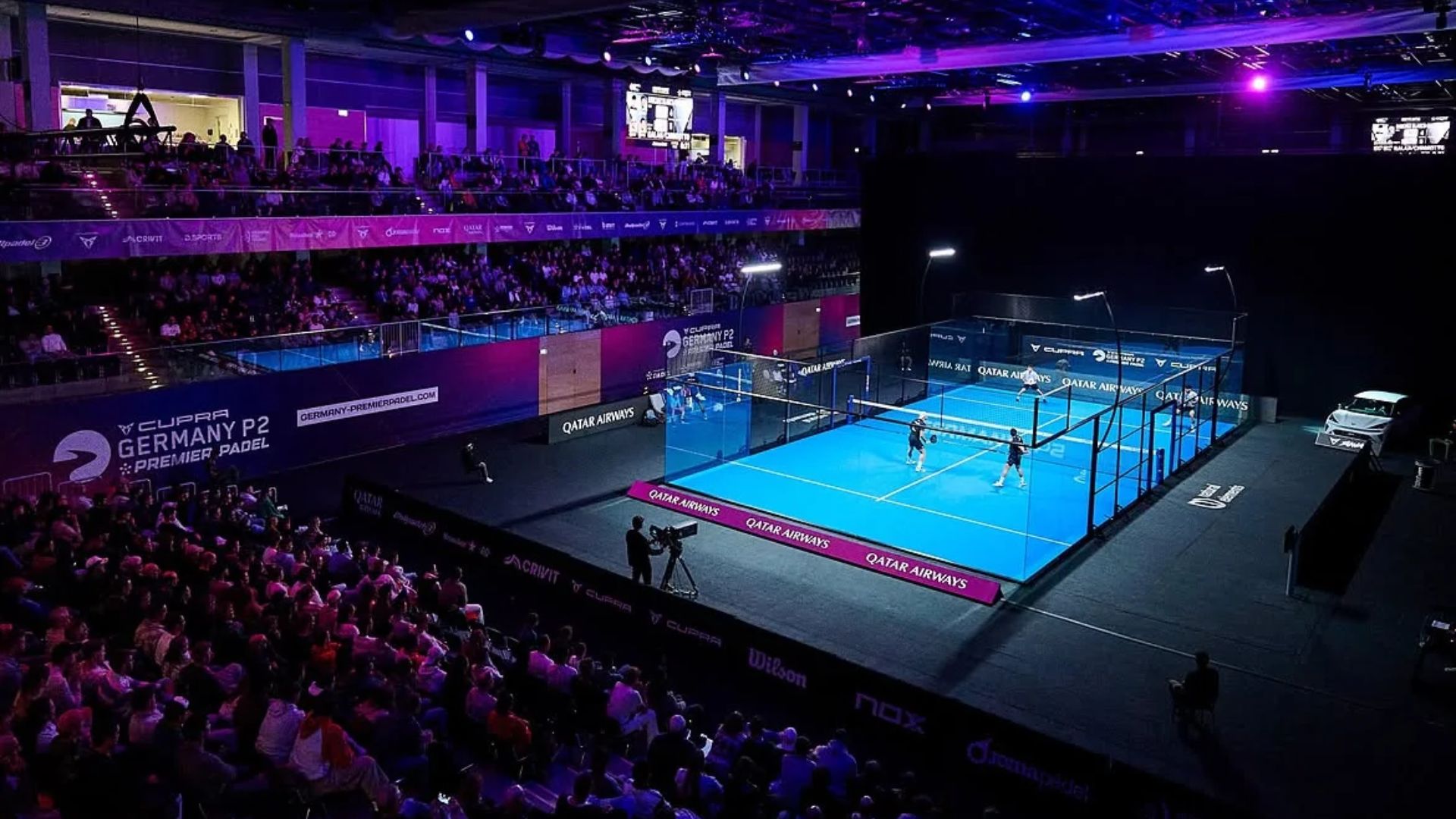 Germany P2: The fastest quarter-finals in history Premier Padel
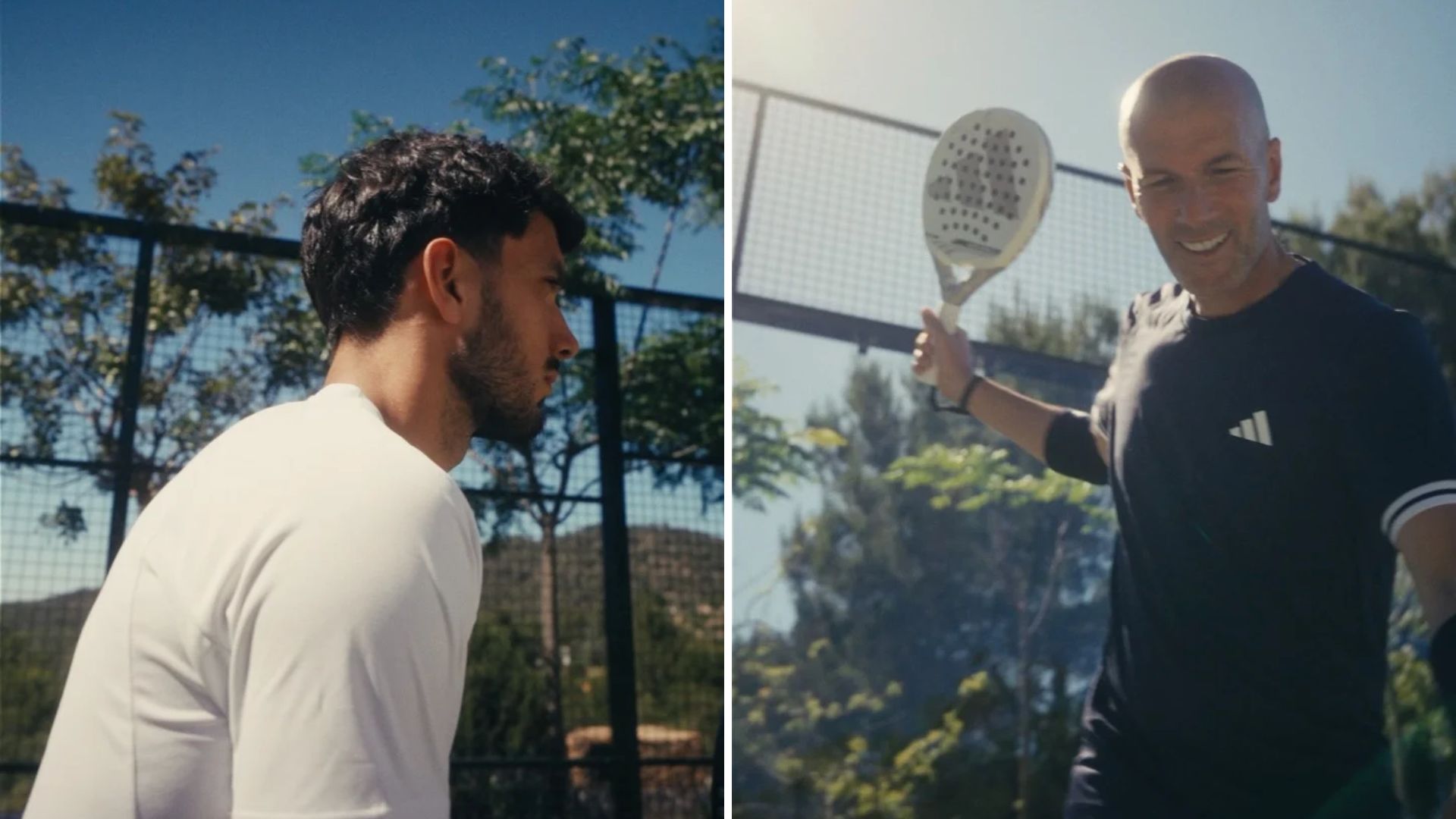 Zidane and Galán reunited on the track to launch the Metalbone ZZ
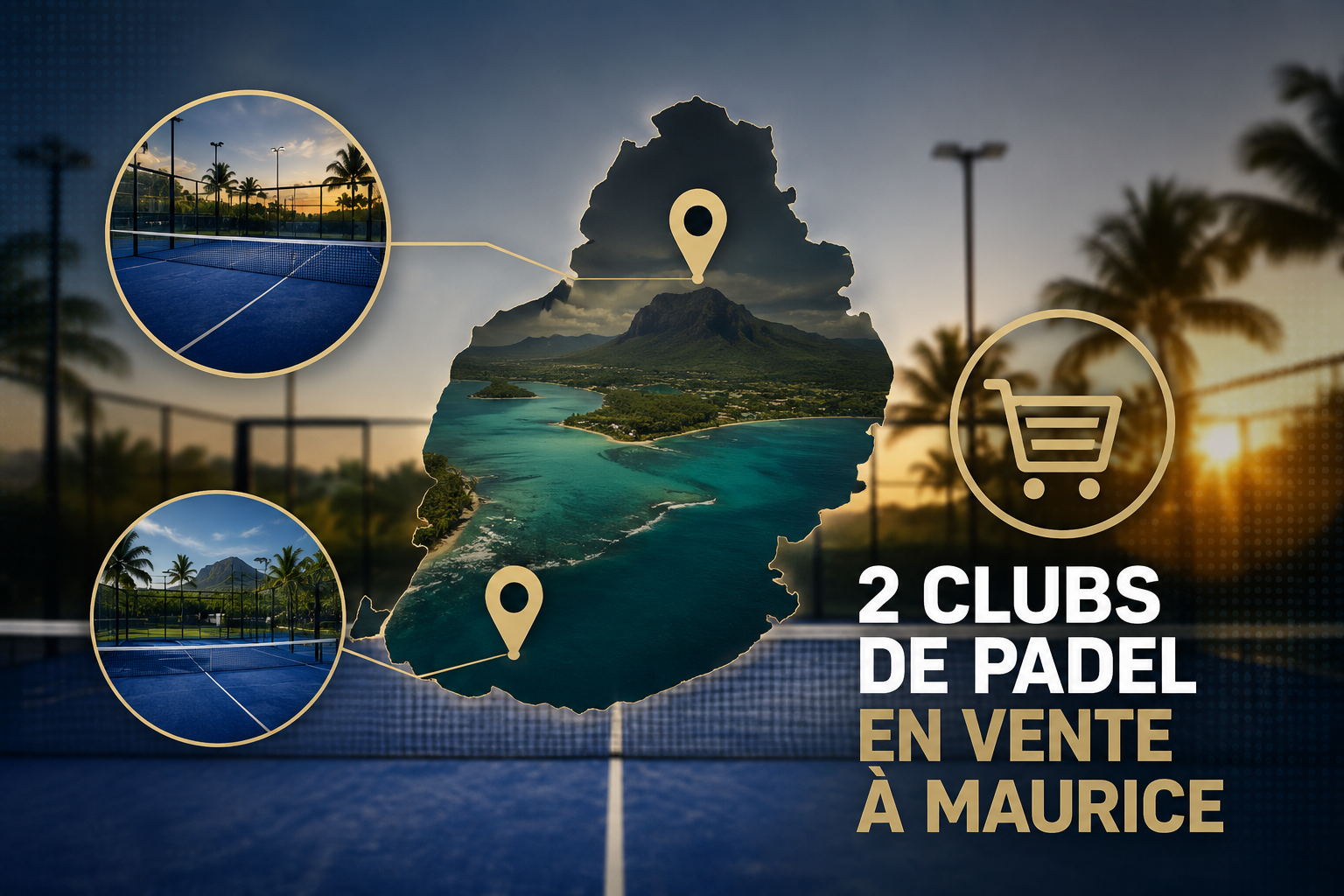 For sale: two padel clubs in Mauritius, starting from 330,000 euros
 How much does it actually cost to organize a FIP Bronze event?
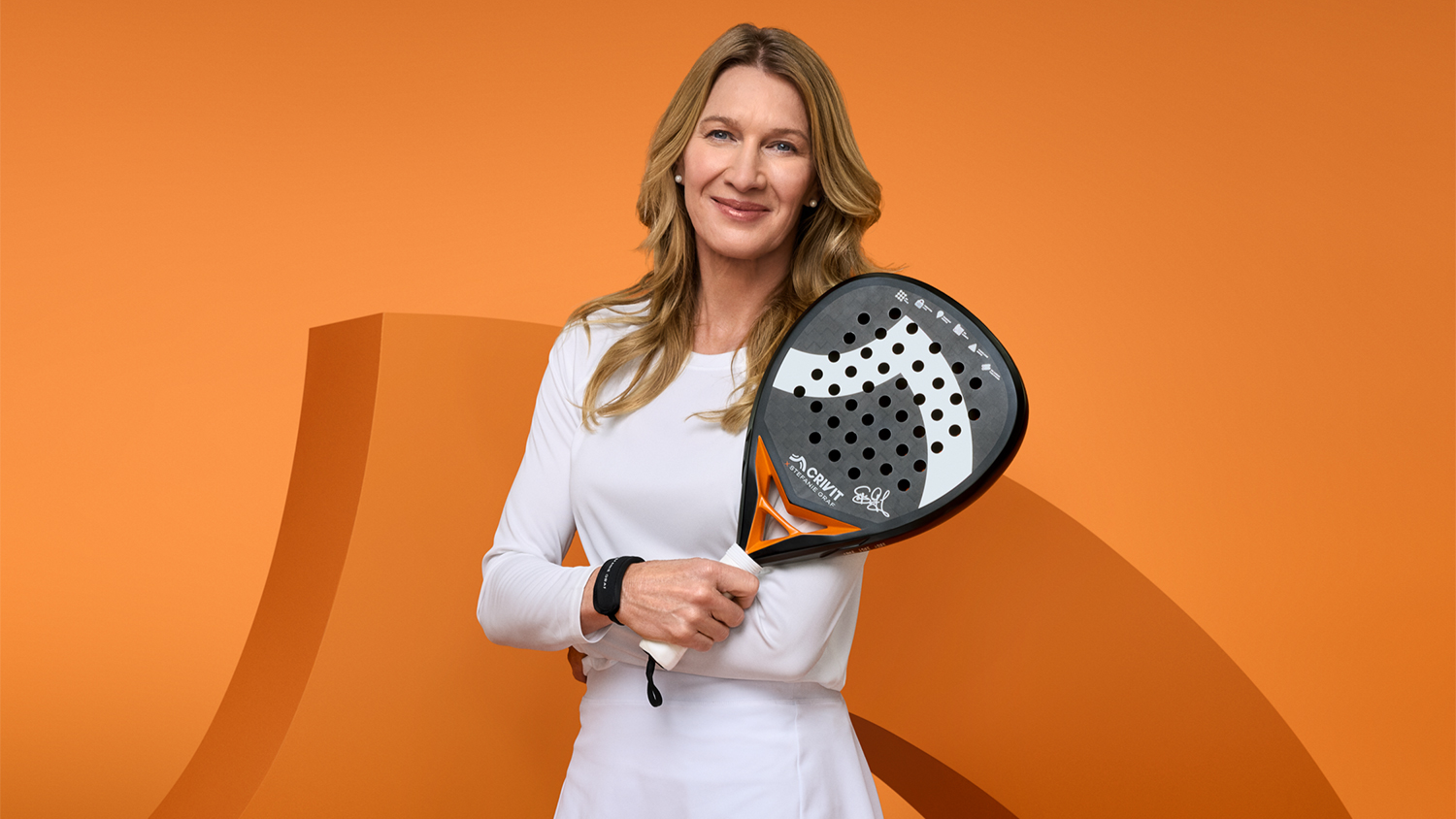 Padel How Lidl is transforming Crivit into a fully-fledged sports brand with Steffi Graf
 Compagnie des Alpes is accelerating its involvement in padel with PadelCity: a new step in its European strategy
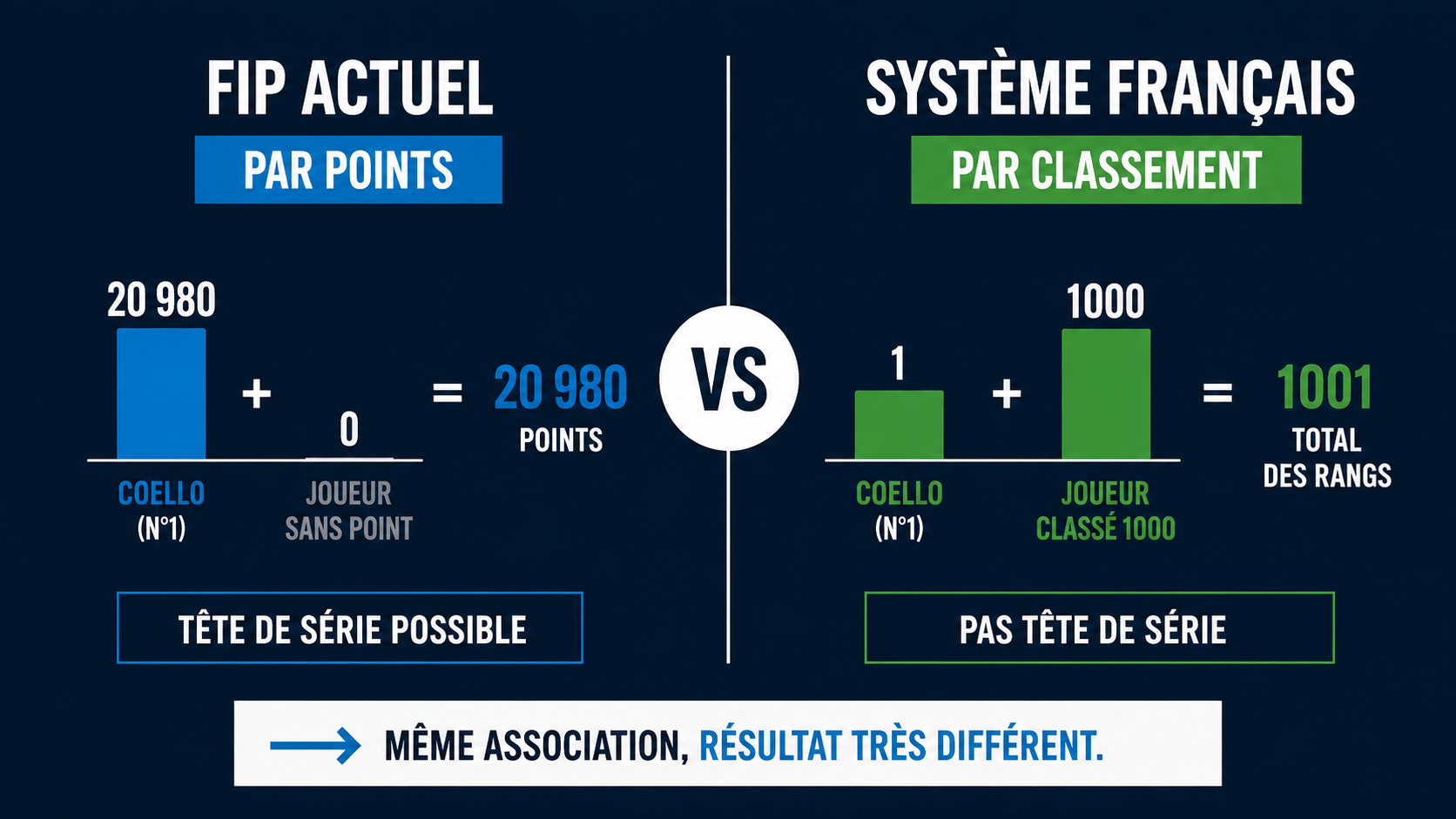 Coello with a player at 0 points ahead of two top 10 players: should the FIP ranking be reviewed?
 Les Pyramides: after 12 padel courts, the club is focusing on youth training
 Health Care Padel Tour 2026: What if your next padel tournament was played in Barcelona?
 FAST Padel Academy continues its development and establishes itself in Liège.
 What the analysis of the stroke reveals: tennis forehand vs. padel bandeja
 Has the bandeja disappeared from modern padel?
 Flat forehand in padel: 5 exercises from Cristian Álvarez to gain control and efficiency
 Why knowing how to play on the right and left can make all the difference
 Tapia reveals his recipe for beating Coello / Tapia: "I would bet everything on myself"
 How Coello defused Chingotto's game plan
 In padel, does the chemistry between a pair count as much as individual skill?
 Summer changes padel… but what if the real challenge wasn't hitting harder?
 Neither FIP Tour nor World Team Championship: the unique format of padel at the Mediterranean Games
 Premier Padel : when television can lengthen players' breaks
 Premier Padel Yes, a referee can refuse a player permission to go to the toilet
 Julien Seurin opens up about his mental state: "There are far more doubts than moments of happiness."
 More than a year later, Thomas Leygue is back in the top 150: behind the scenes of a comeback that's still unfinished
 Padel vs squash vs badminton: the scientific ranking of cardio intensity
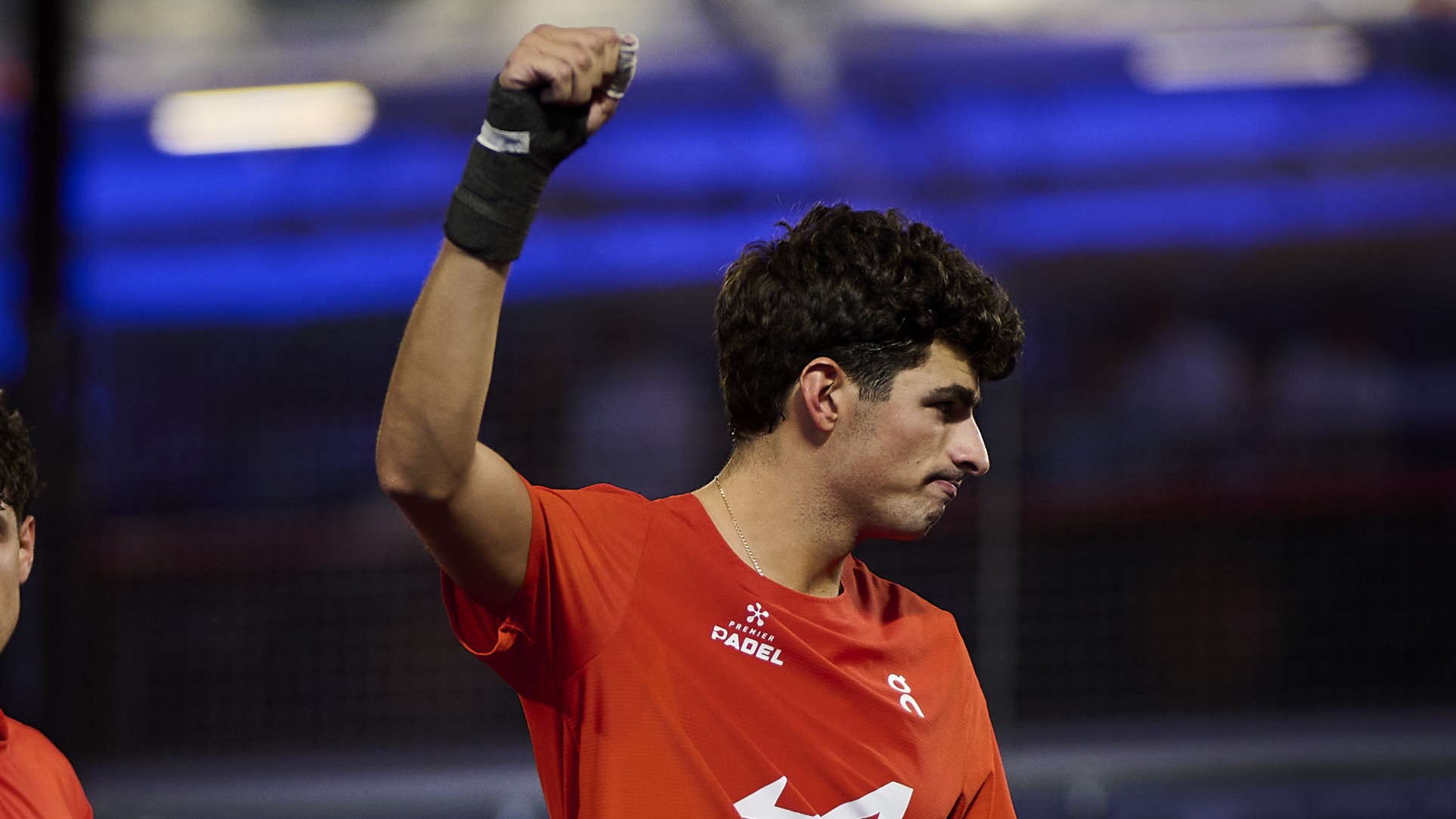 Why does Arturo Coello play with his right hand bandaged?
 What if your progress in padel depended on what nobody else is looking at?