









With shorter days and the arrival of winter, padel court lighting is once again a major concern for clubs. Quality of play, visual comfort, energy consumption, and the profitability of the facilities are all factors to consider. Padel Galis aims to address these issues with a peripheral LED lighting system developed in collaboration with Planet Power. This technology could revolutionize padel infrastructure standards.
Lighting: an issue that goes beyond simple visibility
As the days get shorter, padel clubs need to ensure sufficient lighting quality to maintain their activity in the evening.
For both indoor and outdoor facilities, the issue is not simply about allowing players to see the ball. Light distribution, shaded areas, and the risk of glare directly influence comfort on the court.
The problem is particularly acute in padel, where ball trajectories can be very high, especially on lobs. Players' gaze regularly shifts from the floor to the ceiling or sky, making the quality of lighting particularly important.
For operators, another factor comes into play: controlling energy costs, in a context where lighting represents a recurring consumption item for facilities open until the evening.
It is on these different aspects that Padel Galis, a Spanish manufacturer of padel courts, wants to differentiate itself.
360-degree peripheral lighting to minimize shadows
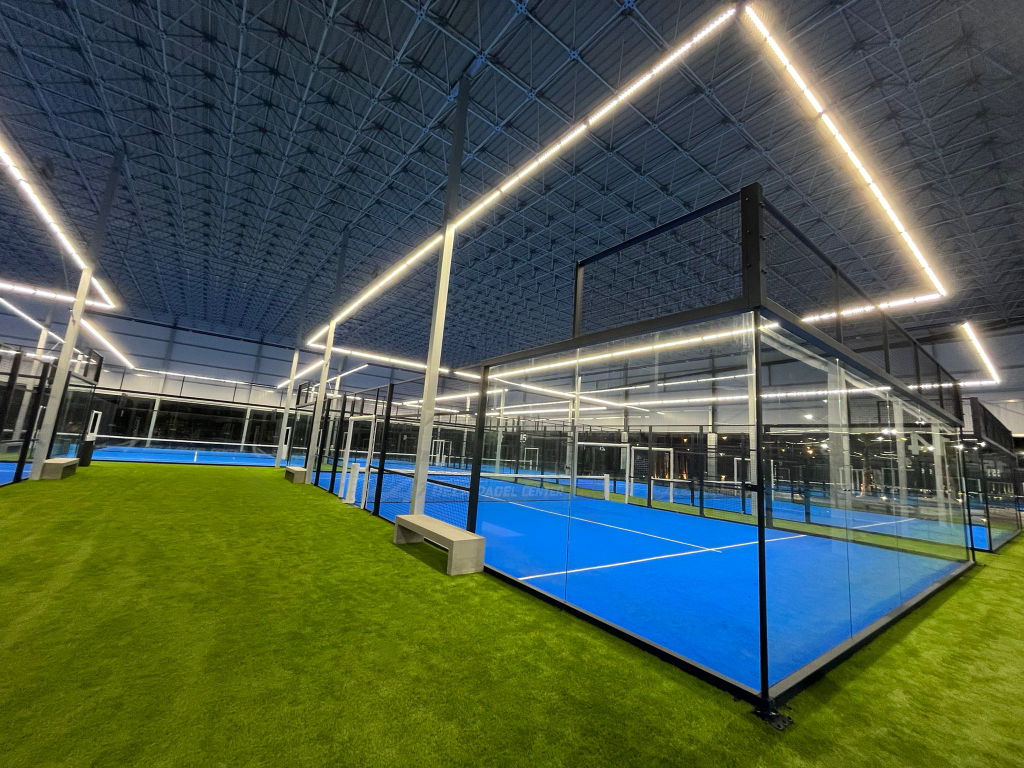
Unlike traditional installations that typically rely on projectors positioned high up, the system developed by Padel Galis and Planet Power are integrating linear lighting fixtures around the perimeter of the runway.
The goal is to offer a more homogeneous diffusion of light, limiting contrasts and shadow areas.
According to the manufacturer, this technology provides 360-degree lighting, with several desired advantages: better light uniformity, reduced glare, and more consistent visibility during exchanges.
This approach also has architectural advantages. Integrating the light fixtures into the structure helps to minimize the visual impact of traditional lighting installations.
For clubs wishing to offer premium tracks, aesthetics thus becomes an additional argument to technical performance.
Over 1,000 lux: a solution also designed for competition
Among the highlighted features, Padel Galis announces an illuminance level exceeding 1,000 lux.
This figure deserves special attention.
Lux corresponds to the amount of light received by a surface. In a sports facility, it is an essential indicator, but not sufficient on its own to determine the overall quality of the lighting.
It is also necessary to take into account the uniformity of illumination, the limitation of glare and the measurement conditions.
With a reported level exceeding 1,000 lux, Padel Galis positions its system in the segment of installations intended for competition and audiovisual production.
However, it is important to distinguish this announced performance from automatic approval for televised competitions: the precise requirements depend on the specifications of the organizers and broadcasters.
This question is all the more important as video broadcasting of padel competitions is developing, including for tournaments organized in clubs.
Up to 80% energy savings advertised
Another argument put forward by the manufacturer: energy consumption up to 80% lower than that of traditional lighting systems.
This announced reduction naturally depends on the technology used as a reference, the installed power and the operating conditions.
The benefit for clubs is nevertheless obvious. On facilities where the slopes can be booked several hours after sunset, electricity costs accumulate throughout the year.
The system proposed by Padel Galis also features adjustable light intensity.
This feature allows you to adapt the lighting to different uses: training, recreational matches, competitions or events requiring specific video capture conditions.
For managers, this modularity can help optimize consumption without systematically maintaining the installation at its maximum power.
A lifespan advertised as exceeding 100,000 hours
Padel Galis also highlights the resilience of its installation.
The system uses materials including aluminum, stainless steel, and polycarbonate, with advertised technical specifications including:
- IK10: a high level of resistance to mechanical impacts.
- IP64: protection against dust and water spray.
- More than 100,000 hours of advertised lifespan.
- 10-year warranty subject to manufacturer's conditions.
- UL and CSA certifications announced to meet, in particular, the requirements of the North American market.
These features may be of interest to operators seeking equipment capable of operating over long periods while limiting maintenance interventions.
However, the exact warranty conditions and long-term luminous flux maintenance data will need to be examined. A stated lifespan of 100,000 hours does not necessarily guarantee perfectly constant brightness throughout that period.
What the regulations actually stipulate for padel courts
The issue of lighting is not solely a matter of comfort. It is also governed by technical requirements.
The International Padel Federation (FIP) specifies that artificial lighting must be uniform and not interfere with the vision of players, referees or spectators.
For television broadcasts, the Cupra FIP Tour regulations specifically mention a vertical illumination of at least 1,000 lux, a value which may increase depending on the capture conditions.
| Use | Minimum average horizontal illuminance |
|---|---|
| Local leisure and competition | 200 lux |
| Regional competition | 300 lux |
| National and international competition | 500 lux |
These levels come with uniformity requirements and should not be confused with the vertical illumination required for television.
The 2026 catalog of Padel Galis provides further details
An additional element allows for a better appreciation of the technology: the 2026 American catalog of Padel Galis details the features of its peripheral system.
The manufacturer presents a configuration consisting of 30 LED units of 56 watts, with a total advertised power of 1,800 watts, a maximum illuminance of 1,480 lux and a uniformity coefficient of 0,80.
This configuration is presented as suitable for professional indoor competitions. The catalog does not list it as a solution available for outdoor use.
This data provides an important clarification compared to the initial sales pitch: the peripheral system documented in this catalogue concerns indoor tracks.
They also allow operators to have initial elements to compare this installation with conventional lighting solutions, although a photometric and energy study remains necessary for each project.
An investment worth considering for clubs
Lighting also represents a commercial differentiating factor for padel complexes.
A homogeneous lighting installation can improve player comfort, but also the presentation of the tracks in photos, videos and broadcasts.
For clubs that regularly organize competitions, the quality of lighting can therefore contribute to enhancing the value of their events.
The question of cost remains.
Si Padel Galis highlights energy savings and reduced maintenance; the installation price, the cost of replacing components and the return on investment will need to be studied on a case-by-case basis.
Peripheral LED technology is therefore an interesting option for clubs wishing to modernize their infrastructure, provided they compare the advertised performance with the actual constraints of their installation.
Padel Galis continues its innovation strategy
Developed with Planet Power, this system reflects the desire to Padel Galis suggests approaches where lighting is an integral part of the design.
The technology is not entirely new: it was already presented in November 2025. Its integration into the 2026 catalogue now allows us to examine its characteristics more precisely.










































 FIP rankings – Guichard drops, Fonteny moves closer to the top 100, Robert makes a great move
 Lebrón / Augsburger: Brussels had sent a message, Dubai reinforces the threat
 Dubai P1 – Fernández / Calvo: “Any of the three best pairs could be world number 1”
 4PADEL is recruiting a padel coach in Reunion Island: permanent contract or freelance
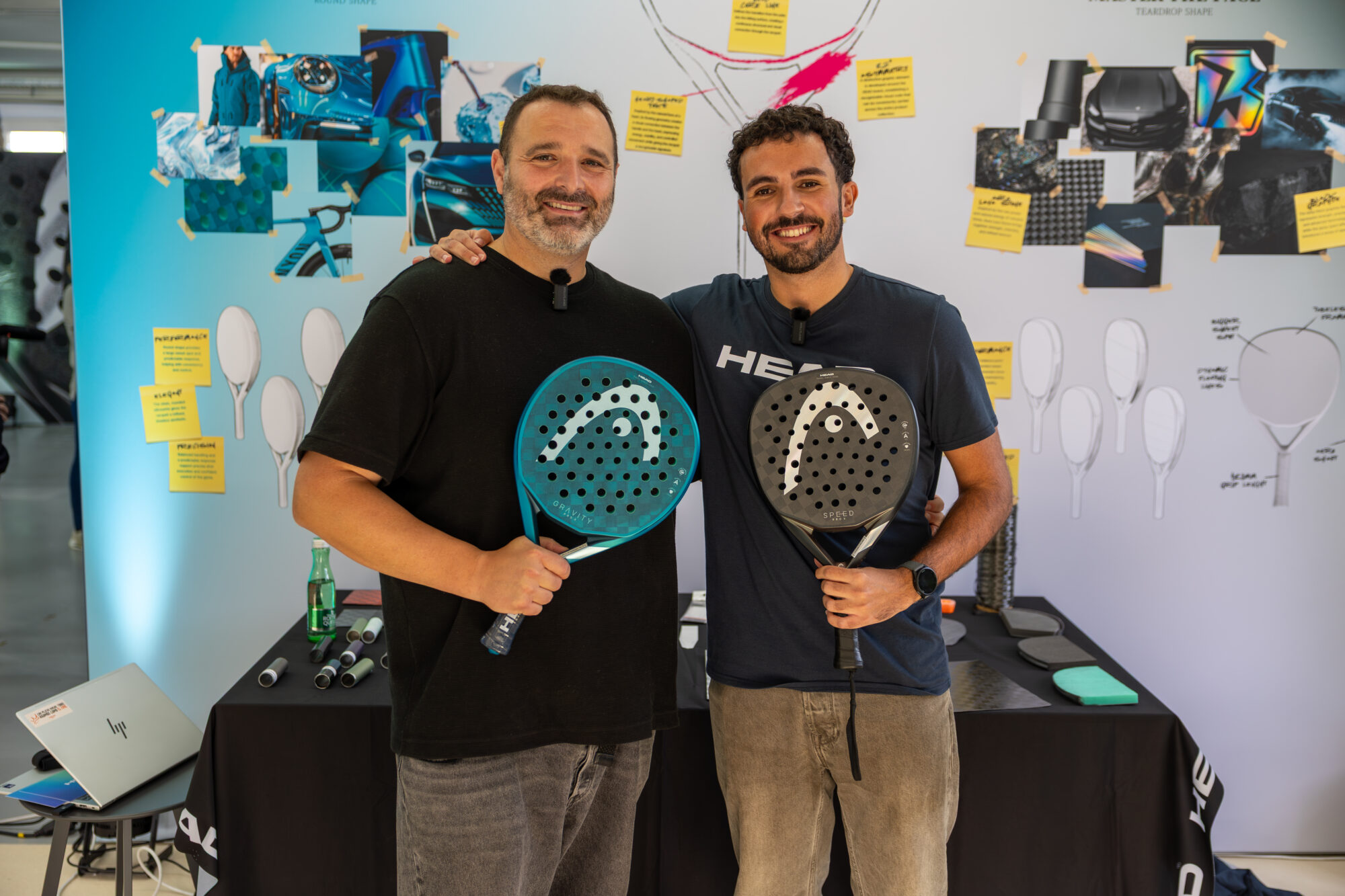 Two and a half years to create a padel racket: HEAD reveals the manufacturing secrets of its 2027 models
 Javier Rodríguez Piris: “I would like Spain to host the World Championships in 2030”
 "We're not a tournament club": the gamble taken by the two Henry sisters who are hosting a P3000 at The Break Padel Club
 “Victim of Padel ": The Adventure Padel Jack Troster and Jack Troster are back with a new track and a crazy music video.
 Bullpadel 2027 in the feminine: the queens take to the track
 Blanqué and Joris remain untouchable, securing the title at the P3000 Break Padel Club
 Three consecutive serves in the Dubai final: the recurring umpiring error Premier Padel
 Padel, weight training, and even HYROX: clubs are changing their model
 Padel court rentals: a global market estimated at 4,6 billion euros
 FIP Beyond: the new global padel circuit for amateurs and seniors
 More than 6,300 FIP-ranked players: professional padel is becoming international, but Spain dominates
 OSS Barcelona – Why Spain and France aren't yet playing in the same league
 Cancer and rehabilitation: could padel become a therapeutic tool?
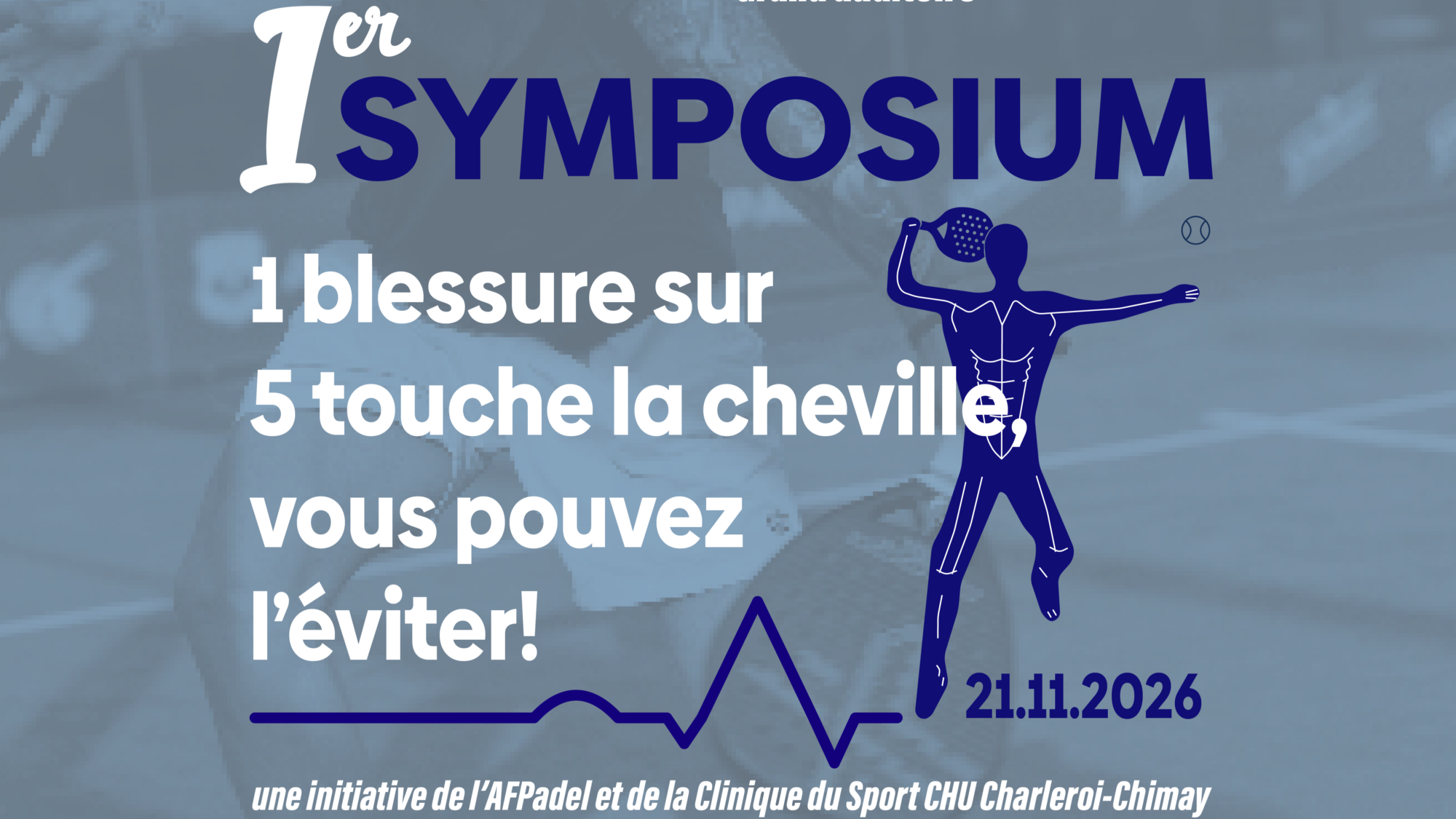 Padel injuries: ankle, knee, elbow, eye… what the latest figures reveal
 Shocking turn of events at Dubai P1: Coello and Tapia have also withdrawn!
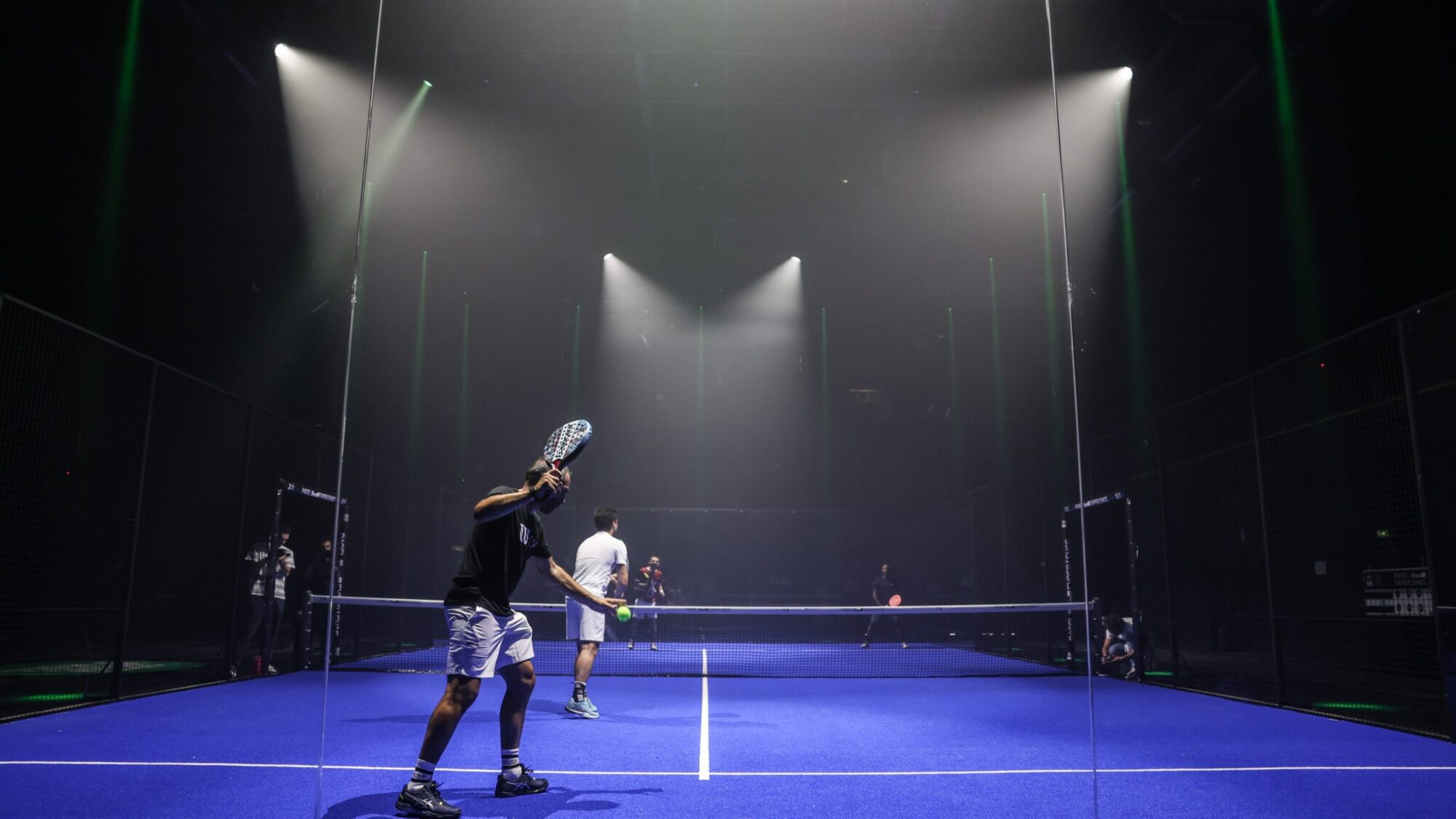 Padel serve: a good serve is especially good preparation for the third shot.
 What the analysis of the stroke reveals: tennis forehand vs. padel bandeja
 Has the bandeja disappeared from modern padel?
 Flat forehand in padel: 5 exercises from Cristian Álvarez to gain control and efficiency
 Why can Libaak/Alfonso beat almost everyone… except Coello/Tapia?
 Tapia reveals his recipe for beating Coello / Tapia: "I would bet everything on myself"
 How Coello defused Chingotto's game plan
 In padel, does the chemistry between a pair count as much as individual skill?
 Organising a national padel competition: what are the FFT's requirements for clubs?
 Organising a P2000 or a P3000: how much does it really cost clubs?
 P2000 or P3000: what are the differences in prize money, format and organization in 2028?
 Do you lose your ranking? Padel FFT after more than a year without a license / without competition?
 Memory, reflexes, concentration: what happens in our brain when we play padel?
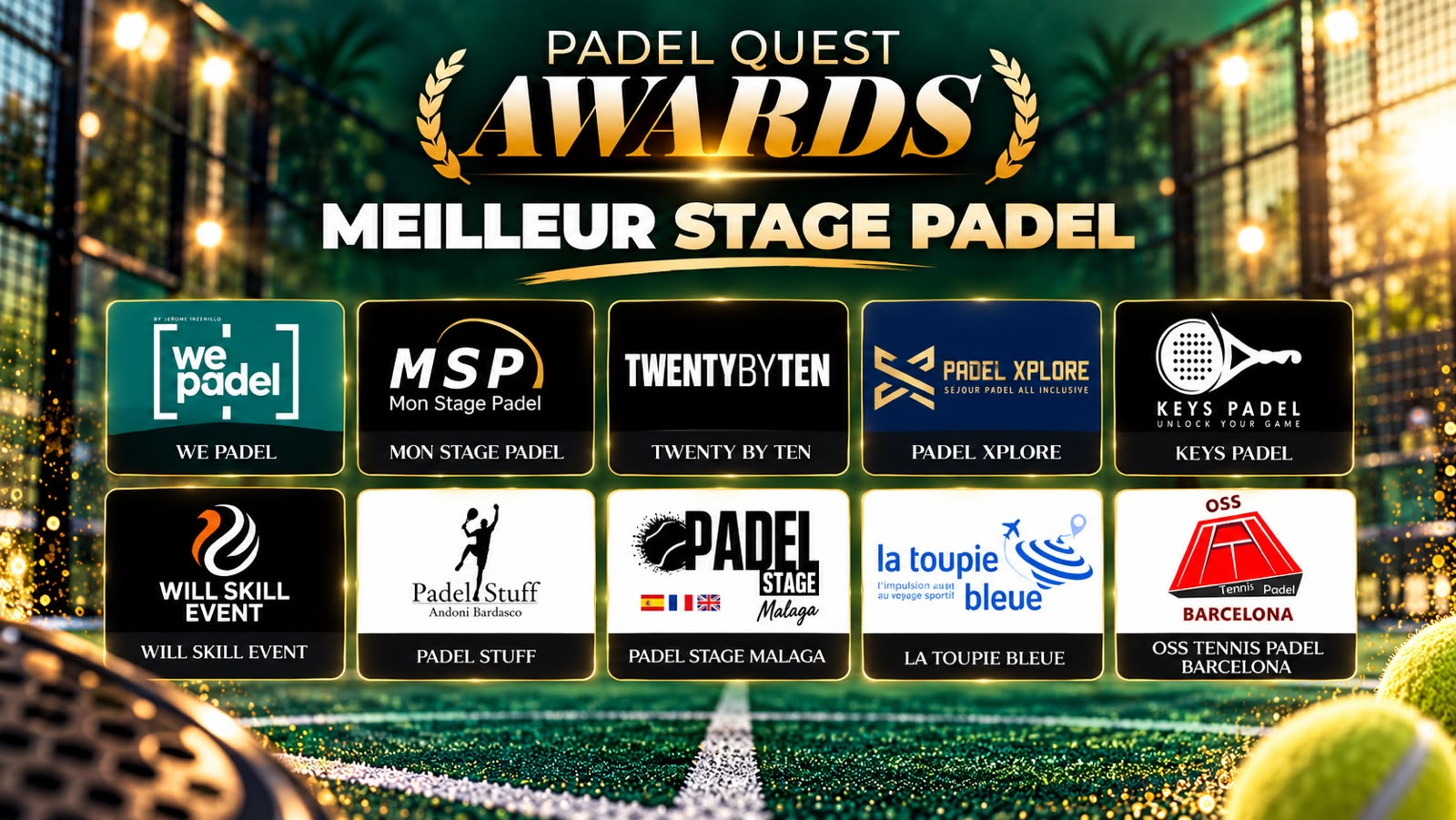 Padel Quest Awards: Ten specialists in the running for the title of best padel training camp of the year
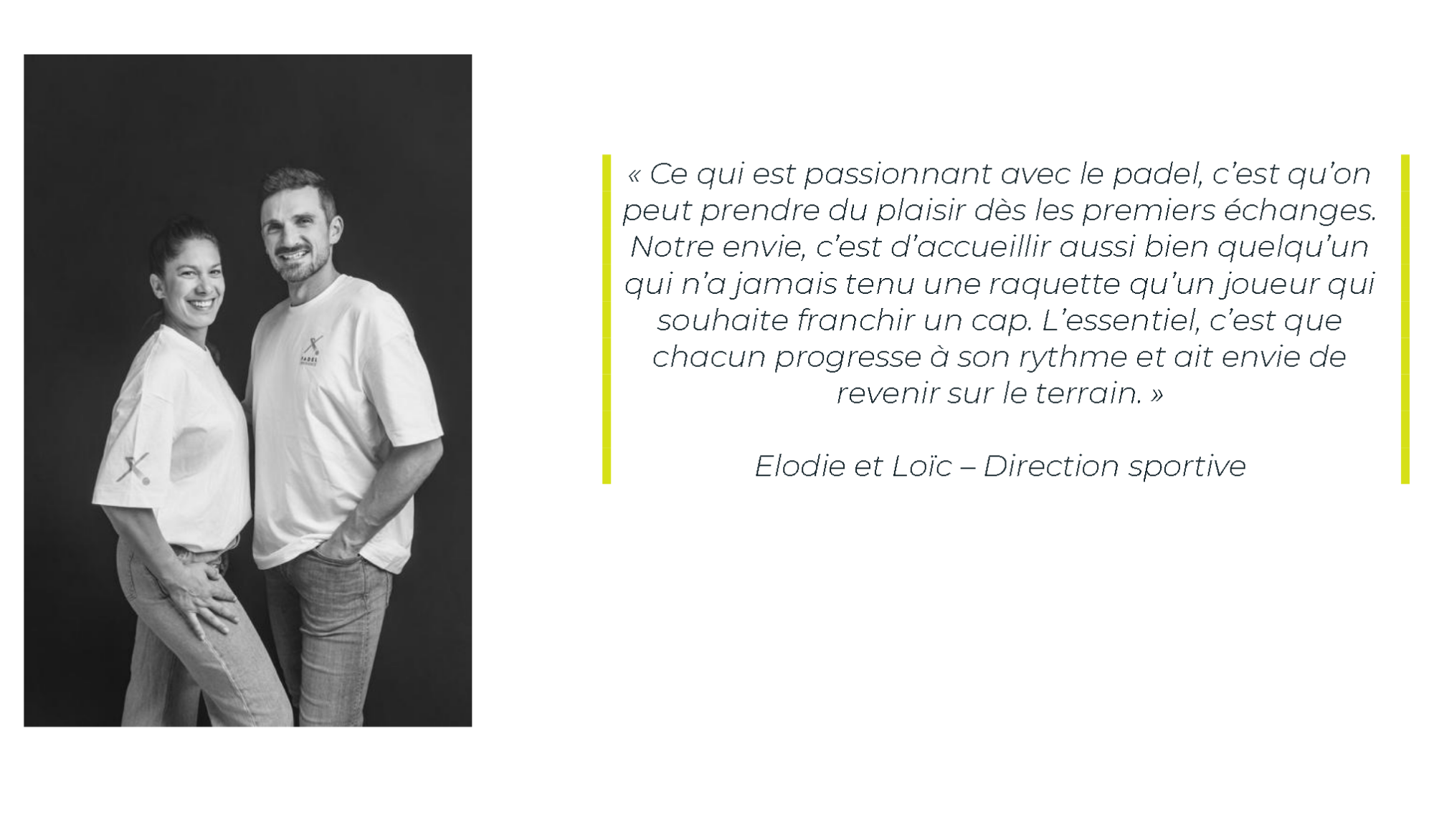 Padel Xperience: The Academy opens on November 2nd in Marcheprime, ahead of the complex's inauguration in 2027
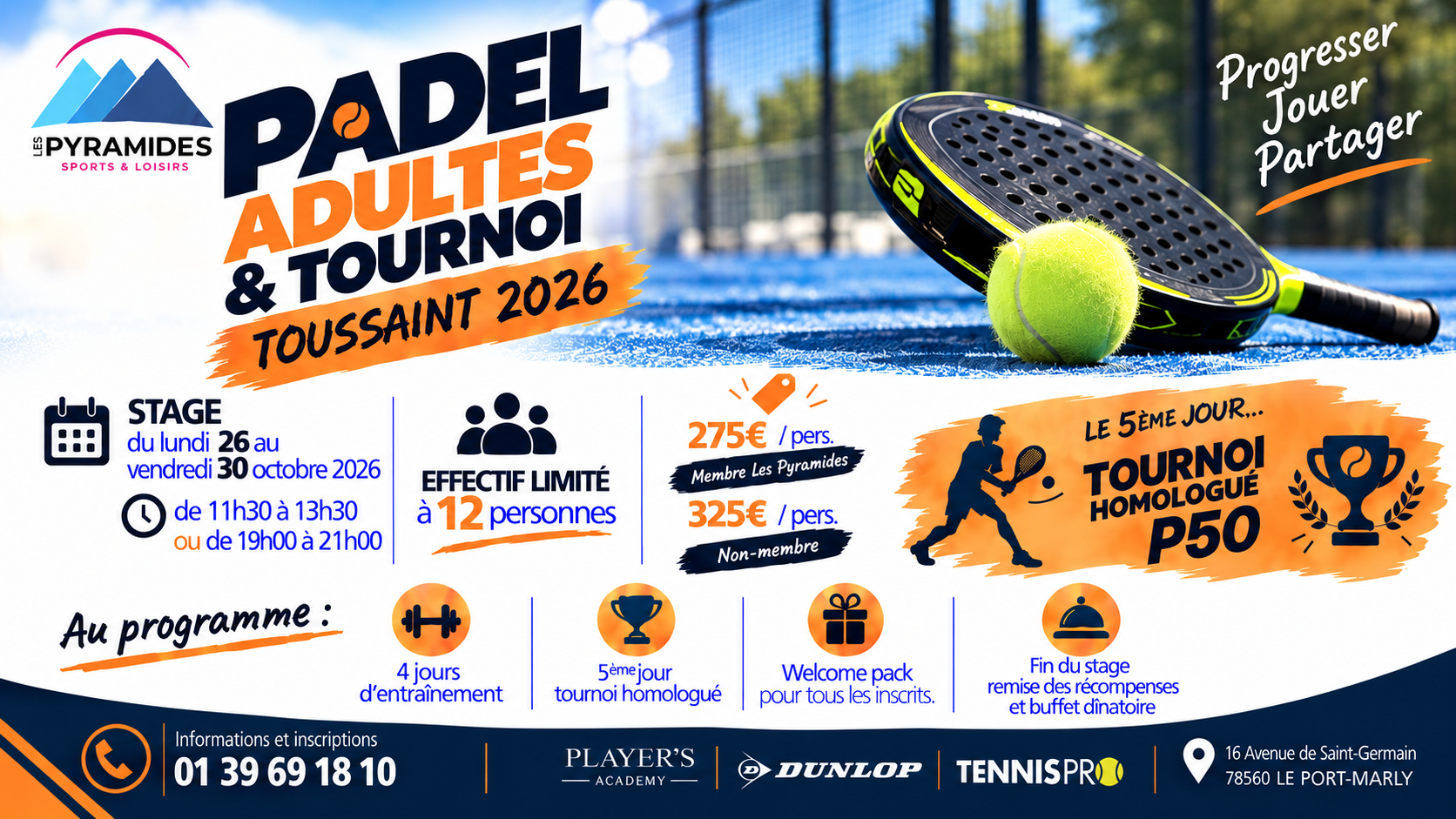 All Saints' Day – Les Pyramides are organizing a padel training camp for adults with a P50 tournament to close out the week