


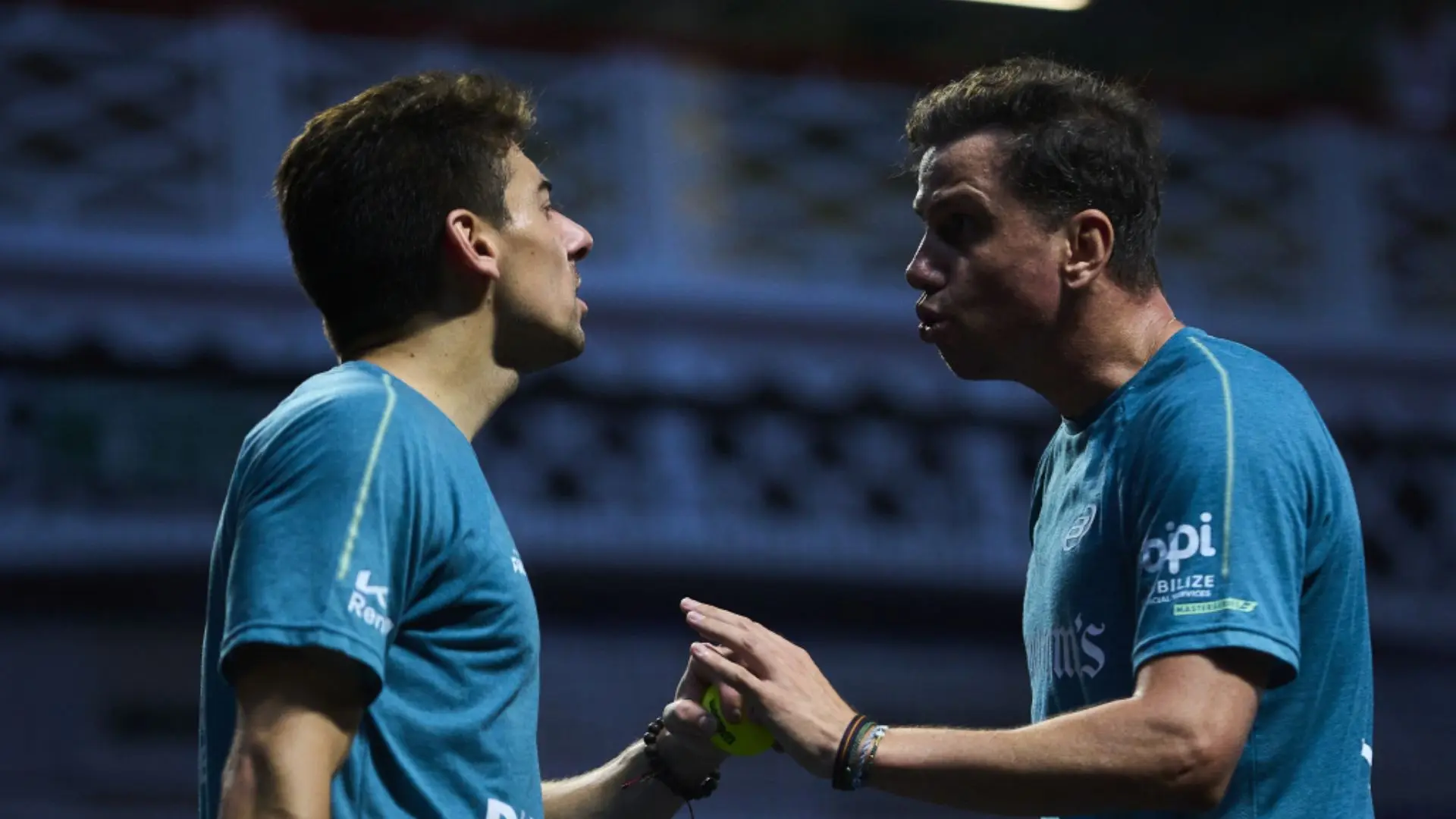








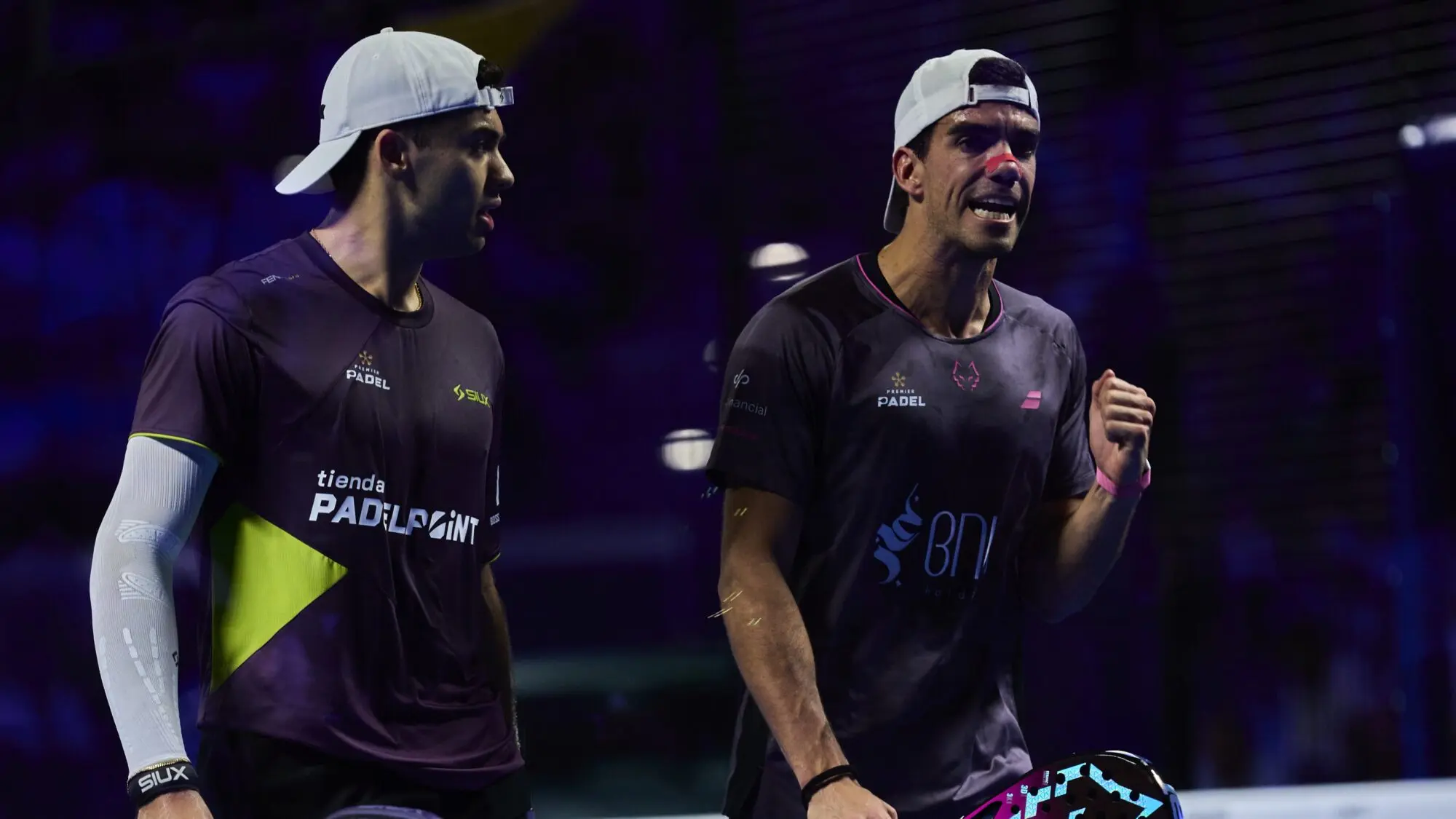
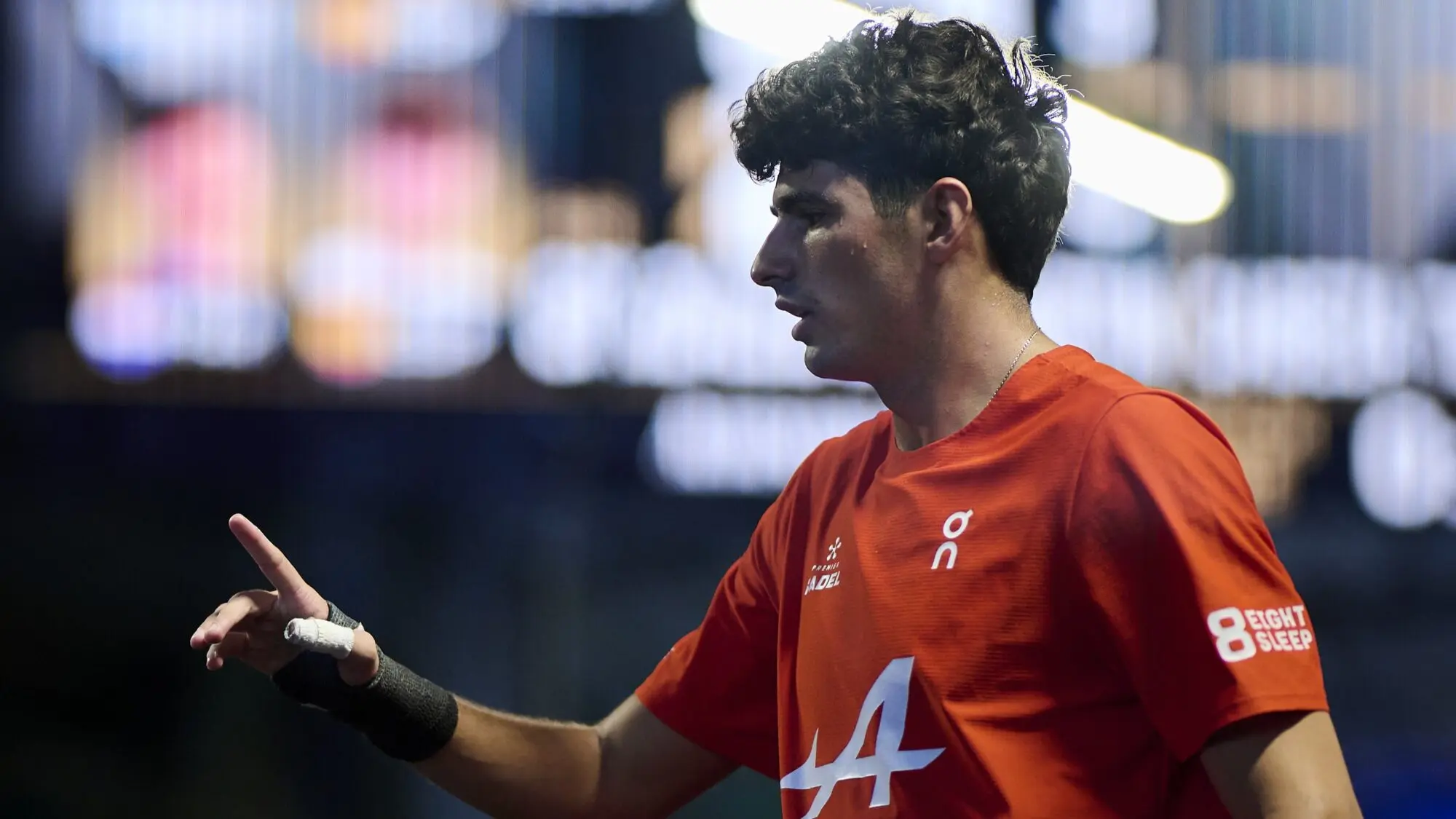
Paquito Navarro and Martín Di Nenno will leave Paris having moved up in the rankings, but also with an unresolved issue. Against Alejandro Galán and Federico Chingotto, they led in both sets before ultimately losing 7-5, 6-2. Their problem is no longer getting into the match; it now lies in maintaining the momentum they manage to establish.
Two successful starts, then thirteen out of fifteen games lost.
The final score gives the impression of a semi-final controlled by the number 2s. Its unfolding was less linear.
Paquito and Di Nenno initially led 3-0 in the first set. They then immediately broke their opponent's serve in the second to take a 2-0 lead. However, in both sets, their advantage amounted to only one break.
The rest of the match highlights the difference between building an advantage and maintaining it. After going up 3-0, Galán and Chingotto won seven of the next nine games to take the first set 7-5. From 0-2 down in the second, they reeled off six consecutive games.
By combining the two sequences that followed Paquito and Di Nenno's favorable starts, the number 2 players won thirteen out of fifteen games. This goes beyond a simple slump.
Galán–Chingotto did not need to completely reverse their plan
It would be tempting to explain these shifts by a radical change of target or by Paquito being sidelined. The reality on the field is quite different: Galán and Chingotto gradually deprived their opponents of the fast break situations that had fueled their early innings.
When Paquito and Di Nenno can move forward, play close to the net, and get involved early in the rally, their complementary skills work. Di Nenno brings speed and pressure to his crosscourt game. Paquito can then close down the middle, vary his shots, and use his reading of the game.
But when the point has to be rebuilt several times, the balance of power shifts. Chingotto accepts this volume of play without trying to accelerate too early. Galán can wait for a shallower ball to gain more ground in the middle. The Spanish-Argentine pair is then forced to win an extra ball before achieving a truly offensive position.
The change isn't necessarily dramatic. It's based on repetition: one more lob to play, one more volley to control, another net return to organize. It's precisely in this continuity that Galán–Chingotto still maintain an edge.
A problem with net control rather than power
This semi-final does not show a pair incapable of hurting the number 2s. It shows a pair that is not yet able to maintain the conditions long enough to do so.
Paquito and Di Nenno secured a break in each set. They thus found, at least temporarily, answers to the return. However, their own serves gradually ceased to produce comfortable service games. In the second set, they failed to win a single game after leading 2-0.
The issue isn't just the quality of the serve. The serve must allow the pair to establish themselves at the net and then defend that position. Galán and Chingotto excel at hitting a low first volley, pushing back their opponents, or using the center to create hesitation.
In this situation, Di Nenno has to cover a lot of ground diagonally to Chingotto. Paquito faces a difficult choice: stay in his zone, risking fewer interventions, or tighten up his cover and open up his flank more. The longer the rally lasts, the more often this decision needs to be made.
The difficulty therefore stems less from a lack of power than from the impossibility, for the moment, of maintaining the initiative in the long term.
Fourth place validates the project, but not yet its ability to beat the Top 2
The defeat does not jeopardize Paquito and Di Nenno's progress. Their quarter-final victory against Franco Stupaczuk and Jon Sanz, 4-6, 6-1, 6-4, will allow them to become the world's fourth-ranked pair starting with Rotterdam P2. A week earlier, they had already pushed Galán–Chingotto to a third-set tiebreak in Madrid.
The repetition of these results confirms their place among the top four associations at the moment. It also highlights their next project.
Paquito and Di Nenno have a game plan capable of surprising even the best pairs and taking a set, a break, or several consecutive games from them. Against Galán and Chingotto, however, this initial plan is not yet accompanied by such a reliable solution when the opponent slows the match down, increases the intensity, and gradually regains control of the middle.
Their rise to fourth place rewards their newfound consistency. To close the gap with the top two pairs, they will now need to translate their strong starts into a level playing field capable of withstanding their opponents' adjustments.

I discovered the Padel I stumbled into Spain at a campsite. I was instantly hooked; passionate about padel, I follow international and regional news with the same excitement as the sport itself.





















































































 Dubai P1: Without Coello/Tapia or Galán/Chingotto, who will benefit?
 Why tournaments lead to different progress than matches between regulars.
 Dubai P1 – Navarro/Di Nenno upset by qualifiers, a controversial end to the women's match
 "I applied to become the coach of the French national team": an objective for Adrien Maigret
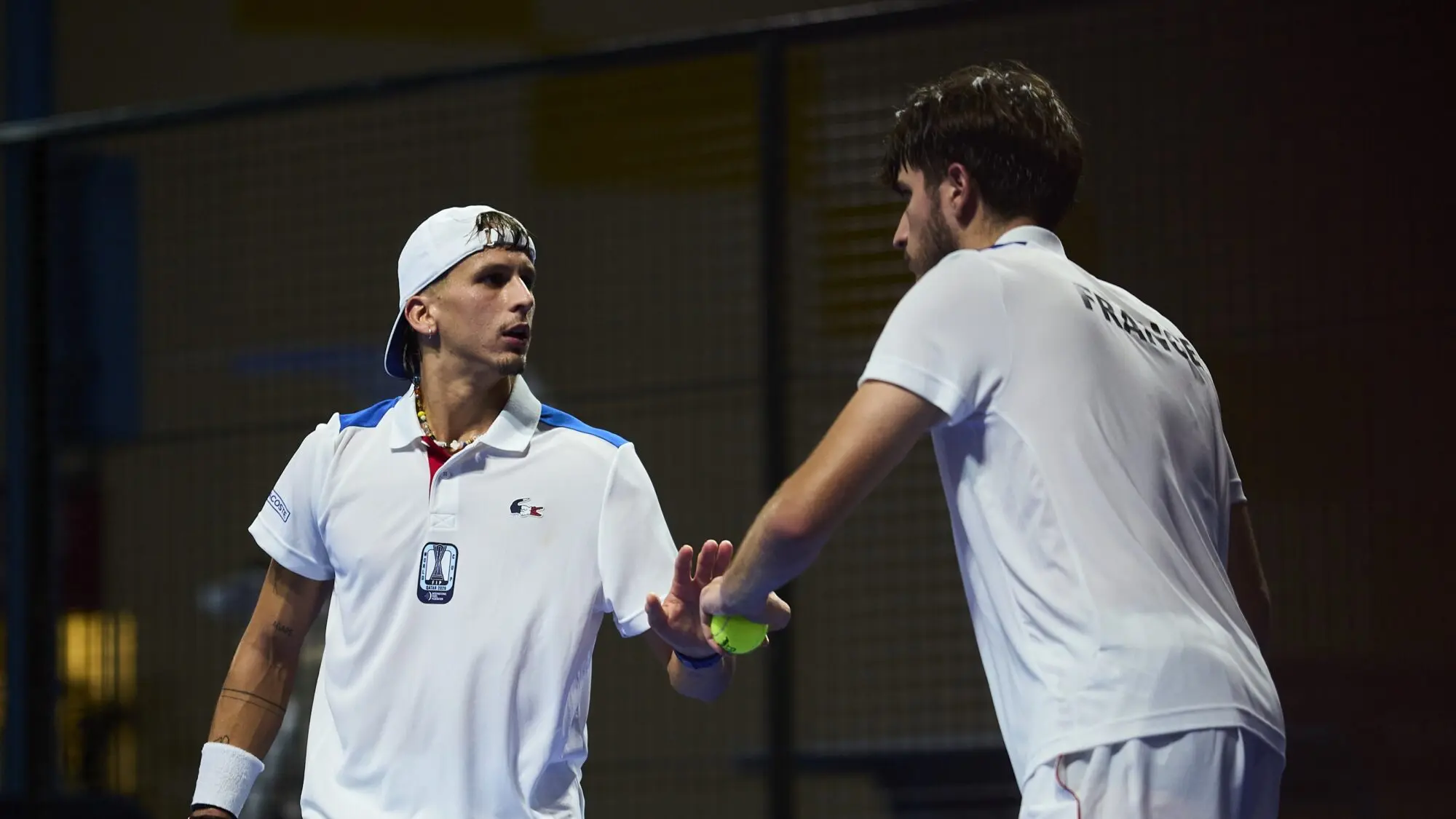 Fonteny/Joris after their “almost” upset against Tapia/Libaak: “We believed until the very last point”
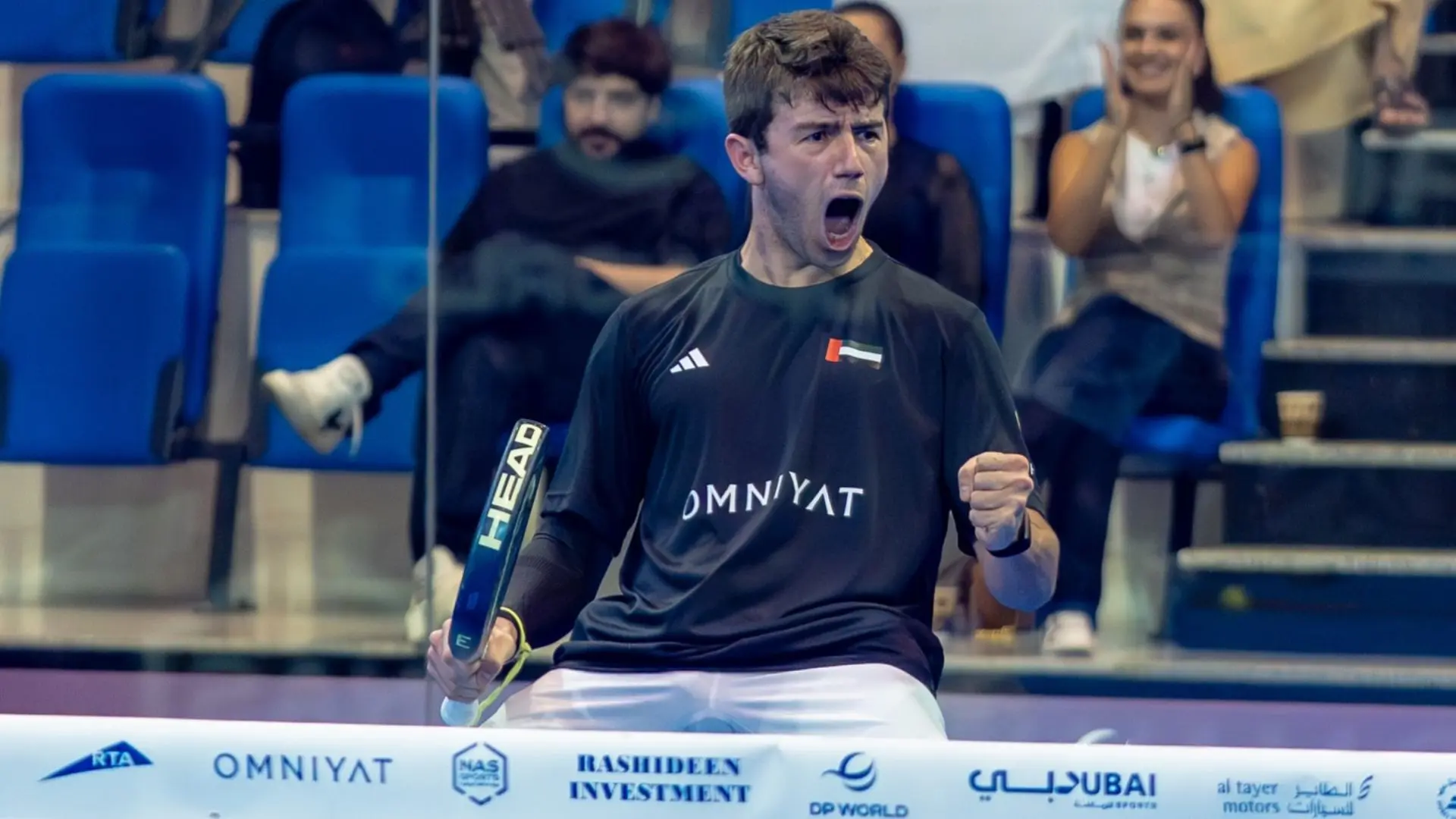 2026 World Cup – Five players barred from World Cup with the United Arab Emirates: Íñigo Jofre denounces the situation
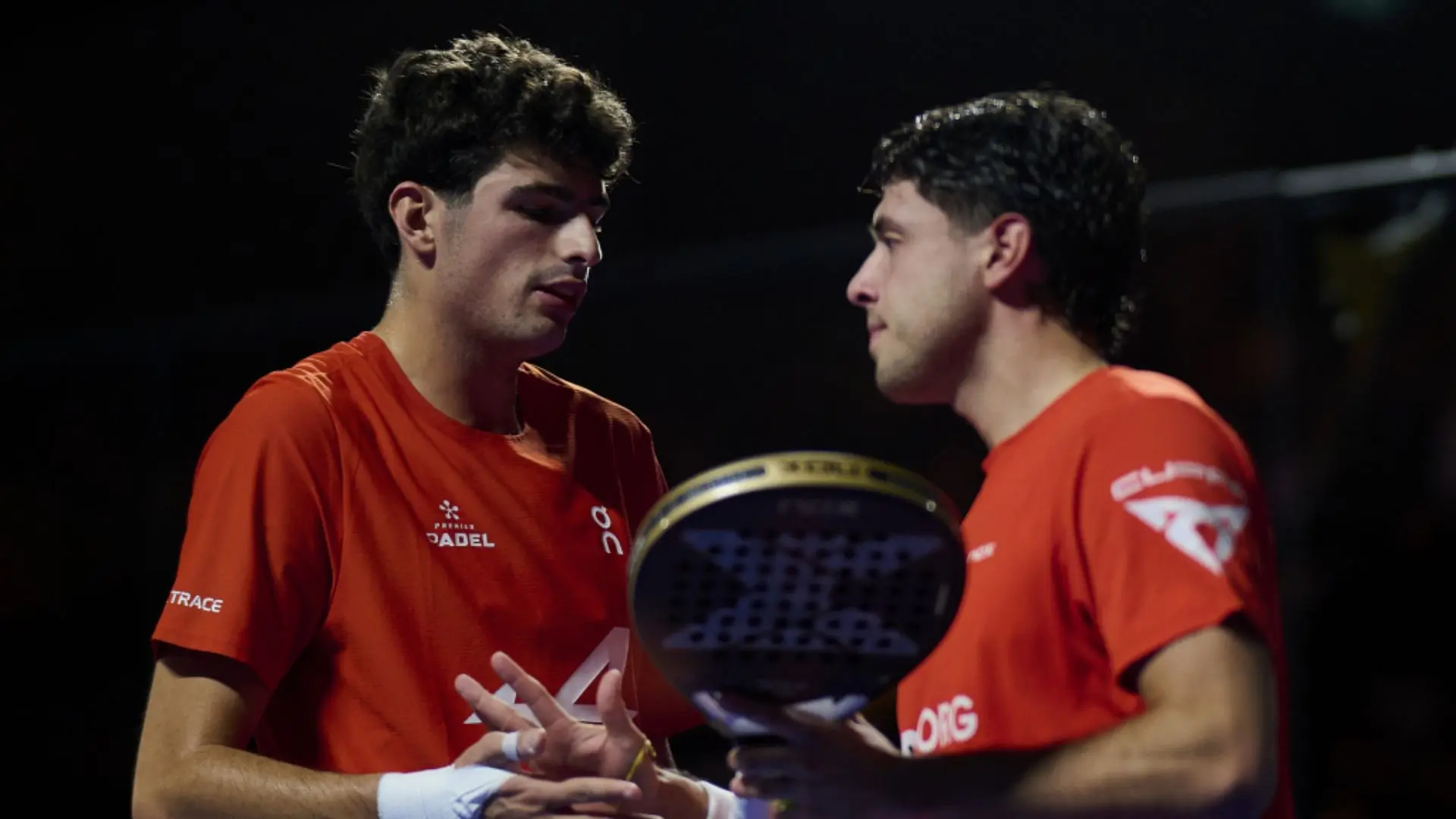 Coello/Tapia ahead of the Kuwait Major final against Tello/Arce: “These are two players who cause us a lot of problems”
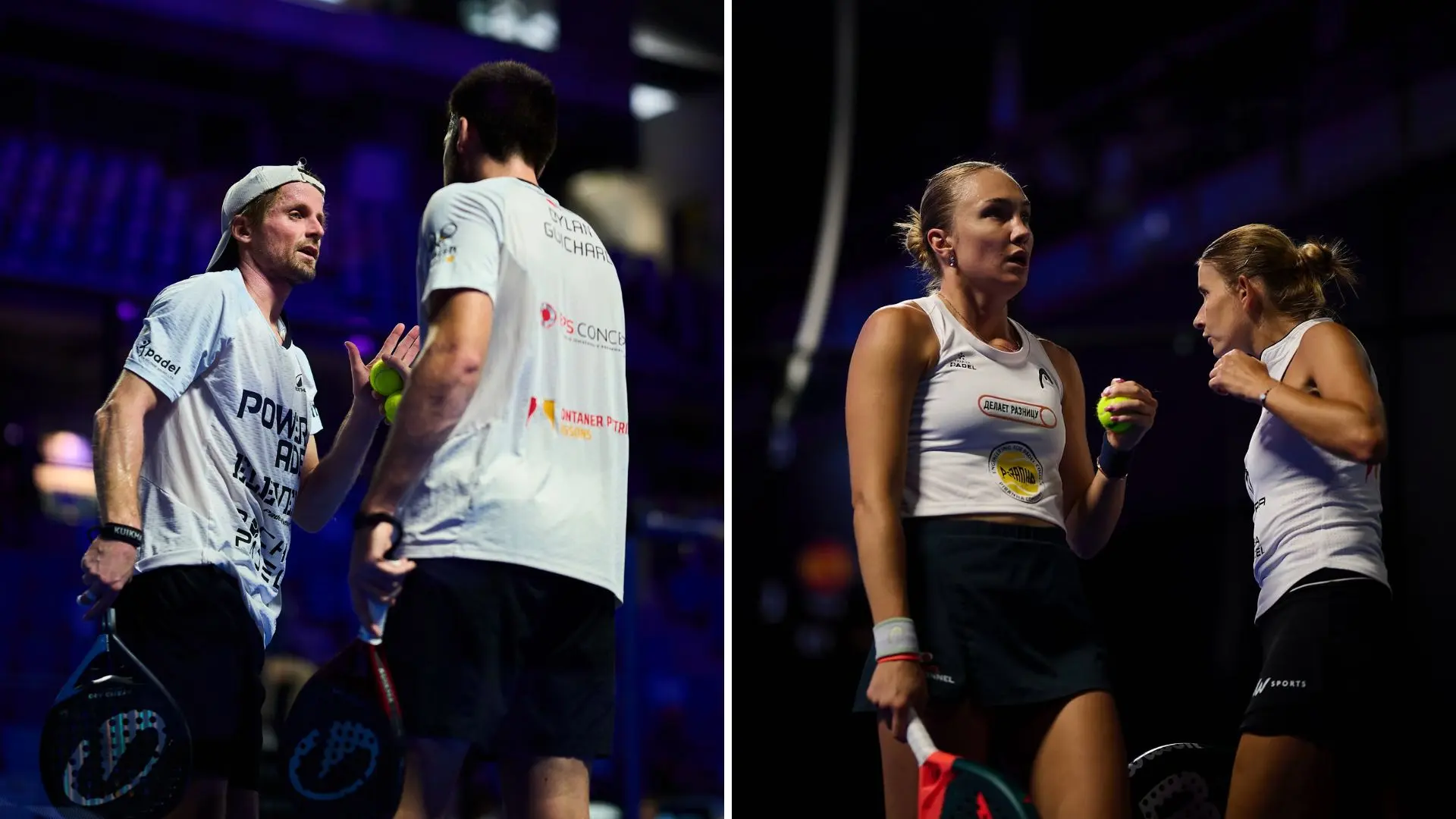 Dubai P1 – Collombon and Guichard eliminated in their first match, Leygue the last French hope
 Where to watch Dubai P1? TV schedule, times and broadcast information
 Win your own racket signed by TAPIA and COELLO – French competition Padel Shop
 Dubai P1: Triay and Brea can already secure the world number 1 ranking
 2026 World Cup: A week like no other in Doha
 Pablo Aymà after the World Cup: "What happened against the Netherlands is inexplicable."
 Padel, weight training, and even HYROX: clubs are changing their model
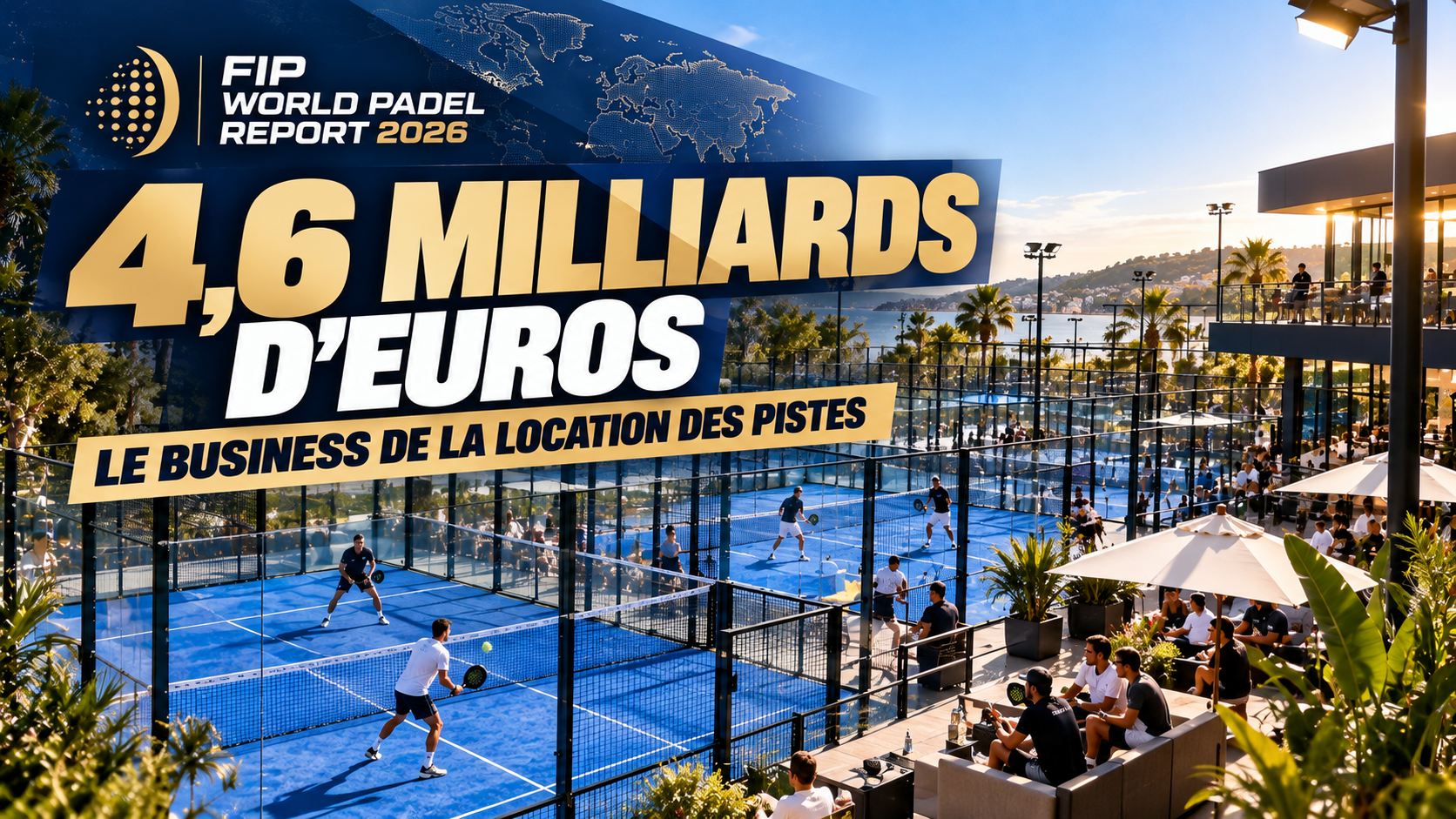 Padel court rentals: a global market estimated at 4,6 billion euros
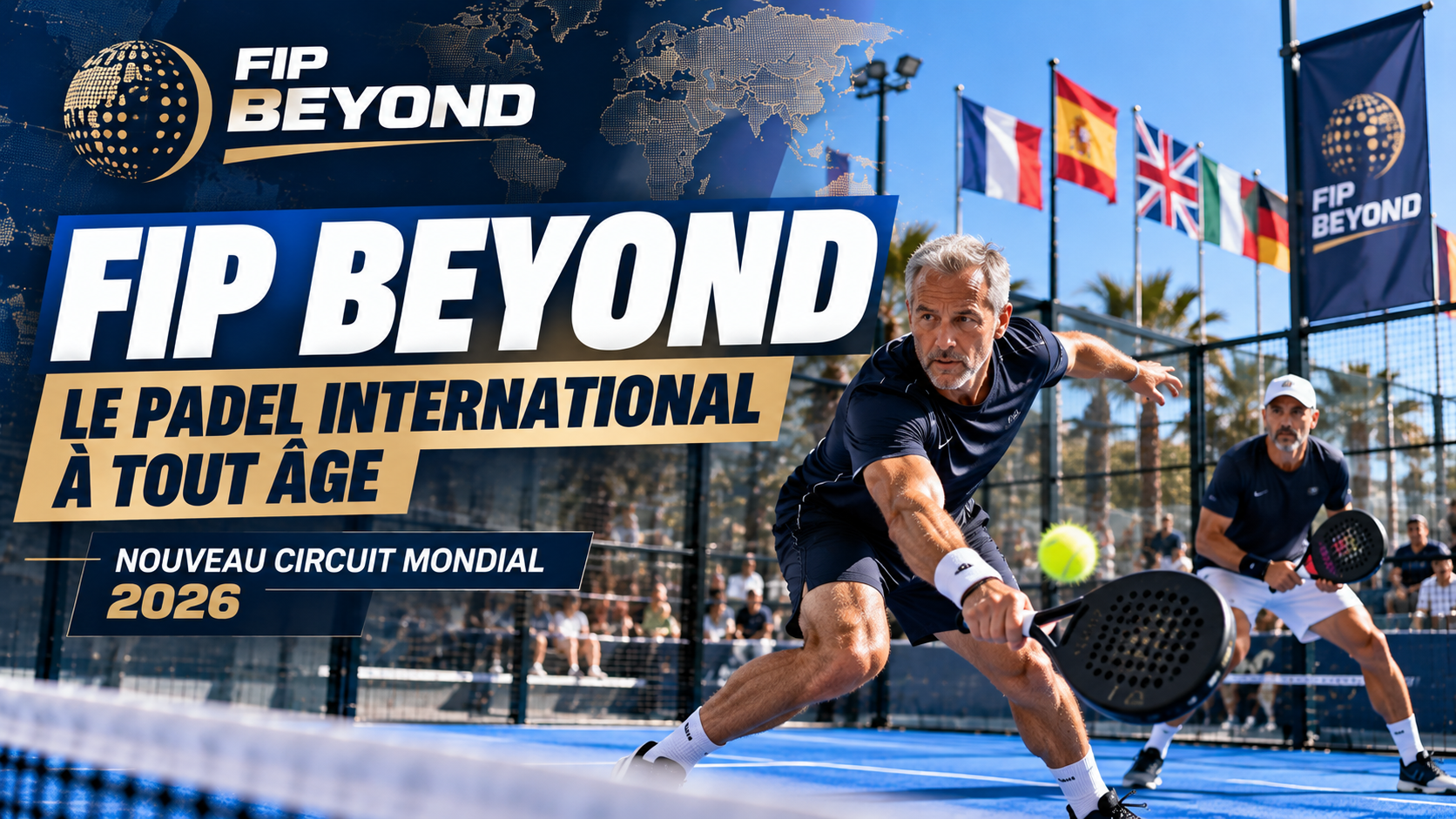 FIP Beyond: the new global padel circuit for amateurs and seniors
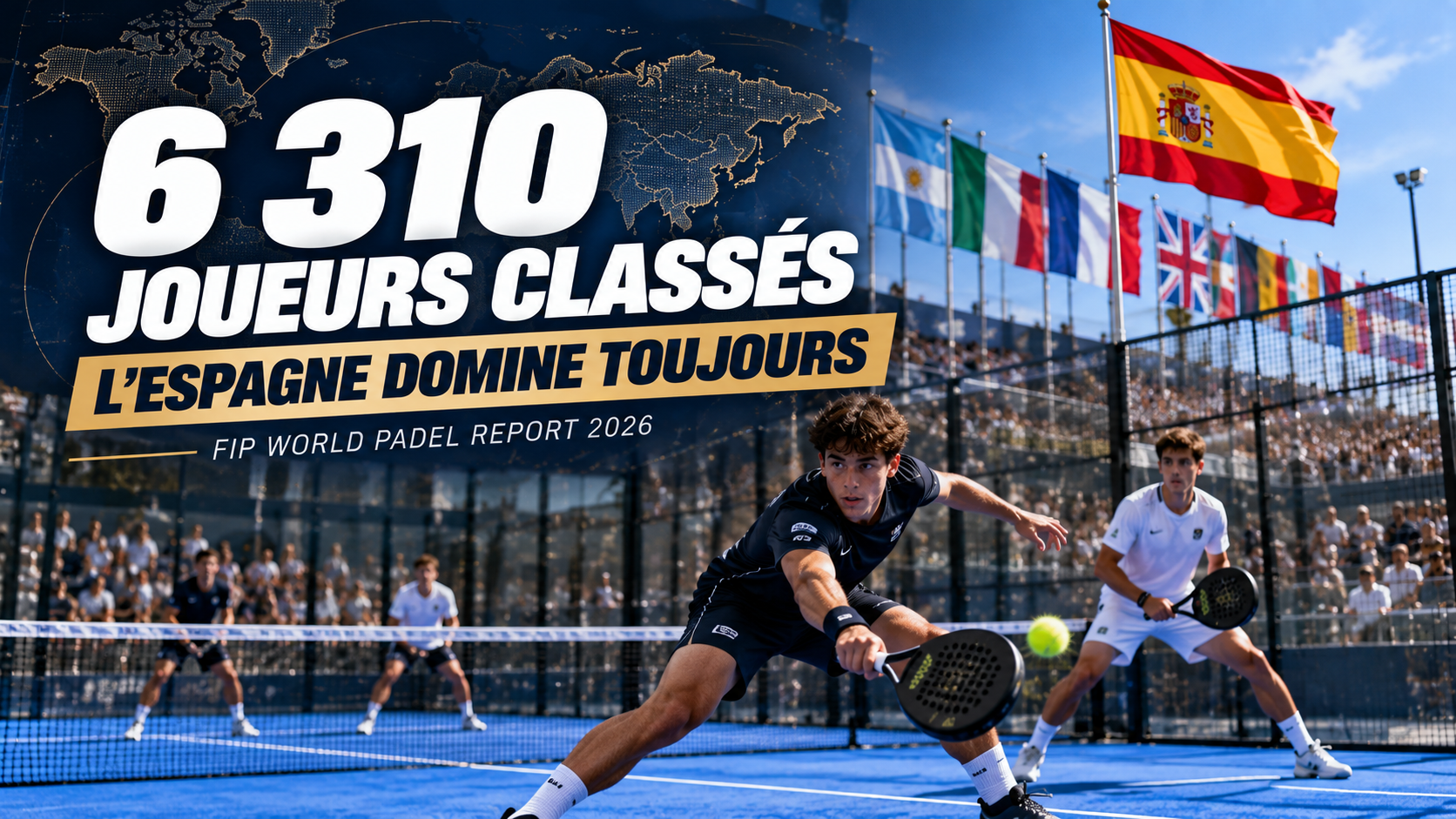 More than 6,300 FIP-ranked players: professional padel is becoming international, but Spain dominates
 Cancer and rehabilitation: could padel become a therapeutic tool?
 Padel injuries: ankle, knee, elbow, eye… what the latest figures reveal
 Shocking turn of events at Dubai P1: Coello and Tapia have also withdrawn!
 Organising a national padel competition: what are the FFT's requirements for clubs?
 What the analysis of the stroke reveals: tennis forehand vs. padel bandeja
 Has the bandeja disappeared from modern padel?
 Flat forehand in padel: 5 exercises from Cristian Álvarez to gain control and efficiency
 Why knowing how to play on the right and left can make all the difference
 Why can Libaak/Alfonso beat almost everyone… except Coello/Tapia?
 Tapia reveals his recipe for beating Coello / Tapia: "I would bet everything on myself"
 How Coello defused Chingotto's game plan
 In padel, does the chemistry between a pair count as much as individual skill?
 Organising a P2000 or a P3000: how much does it really cost clubs?
 P2000 or P3000: what are the differences in prize money, format and organization in 2028?
 Do you lose your ranking? Padel FFT after more than a year without a license / without competition?
 Memory, reflexes, concentration: what happens in our brain when we play padel?
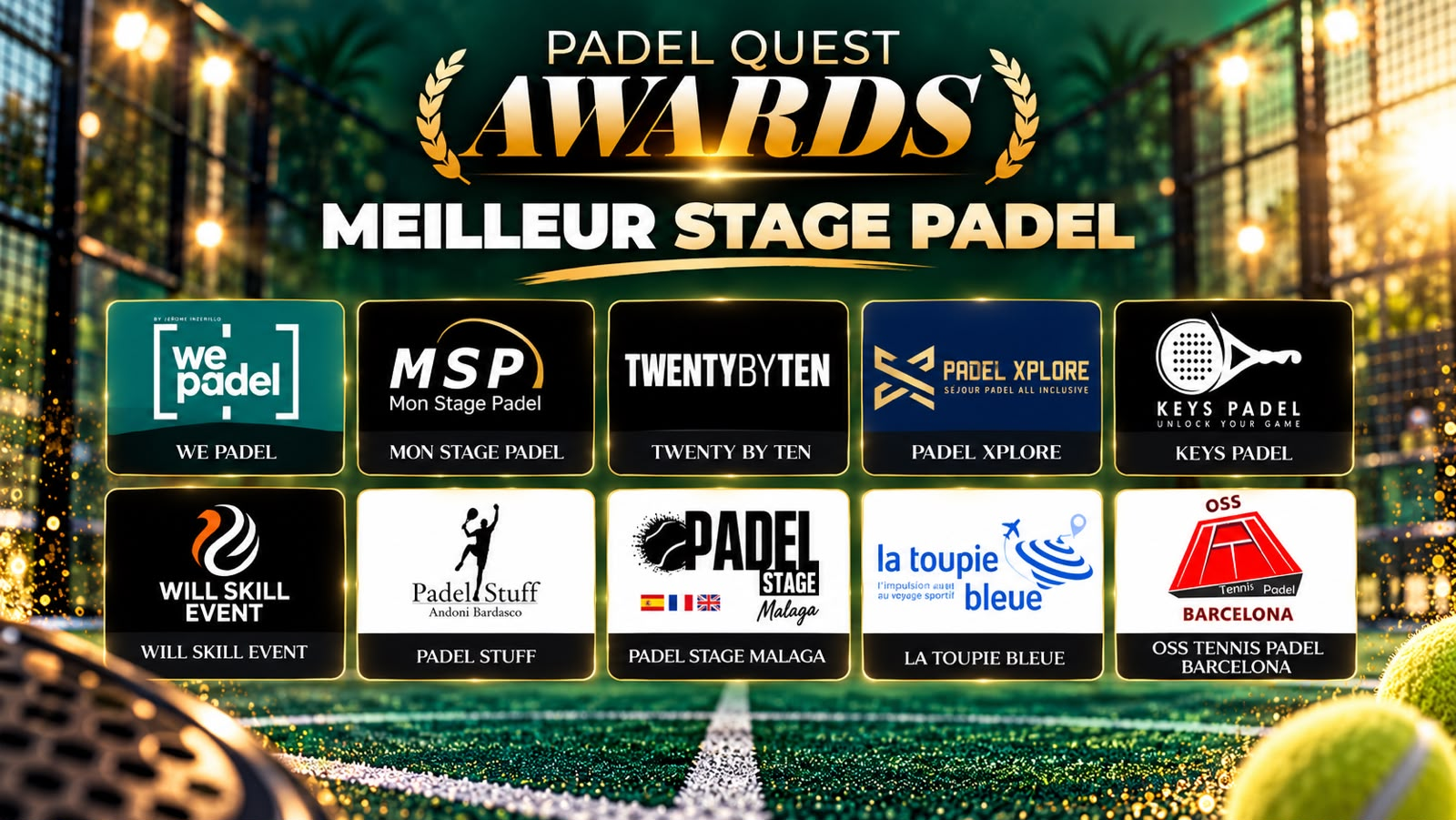 Padel Quest Awards: Ten specialists in the running for the title of best padel training camp of the year
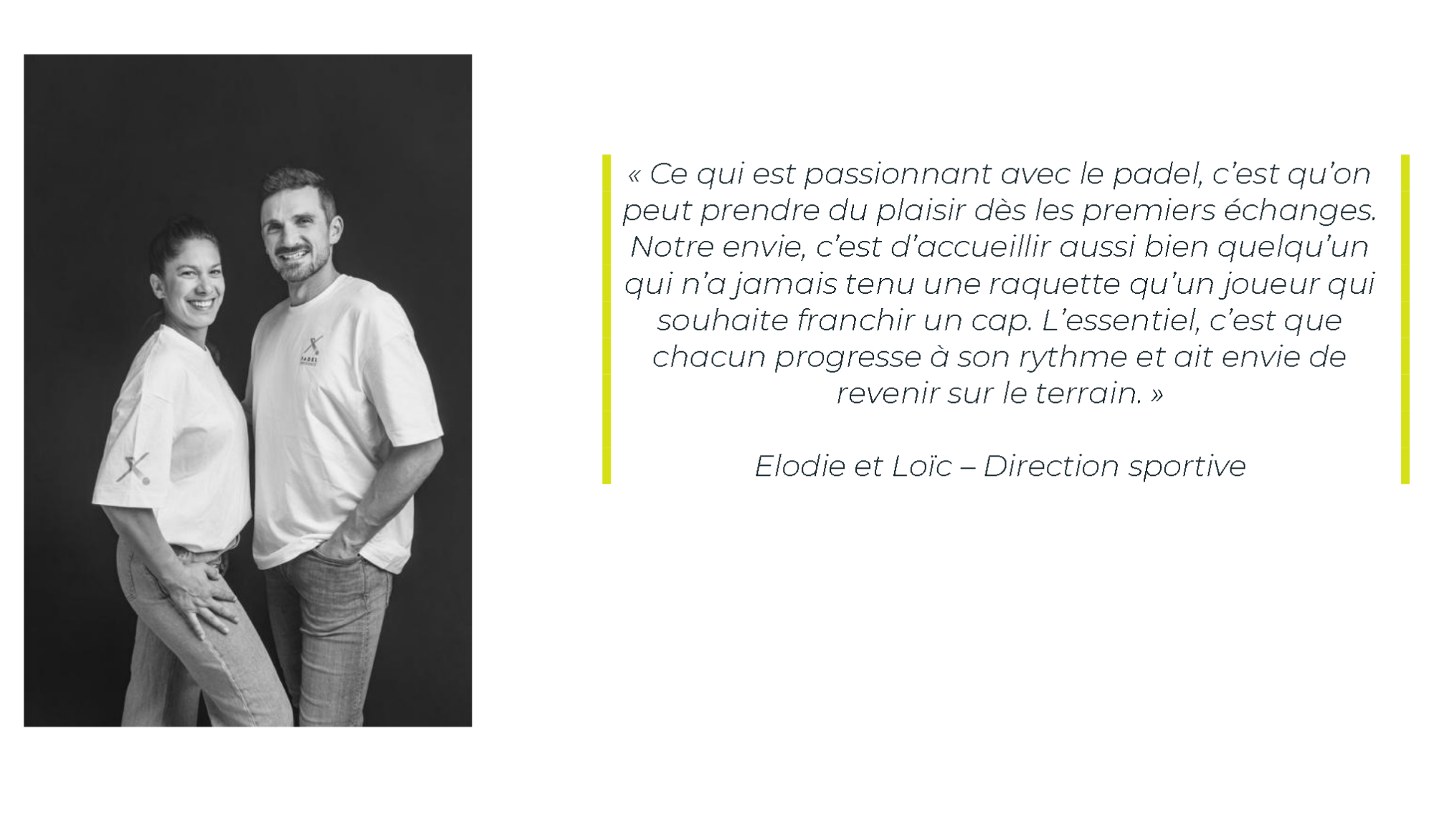 Padel Xperience: The Academy opens on November 2nd in Marcheprime, ahead of the complex's inauguration in 2027
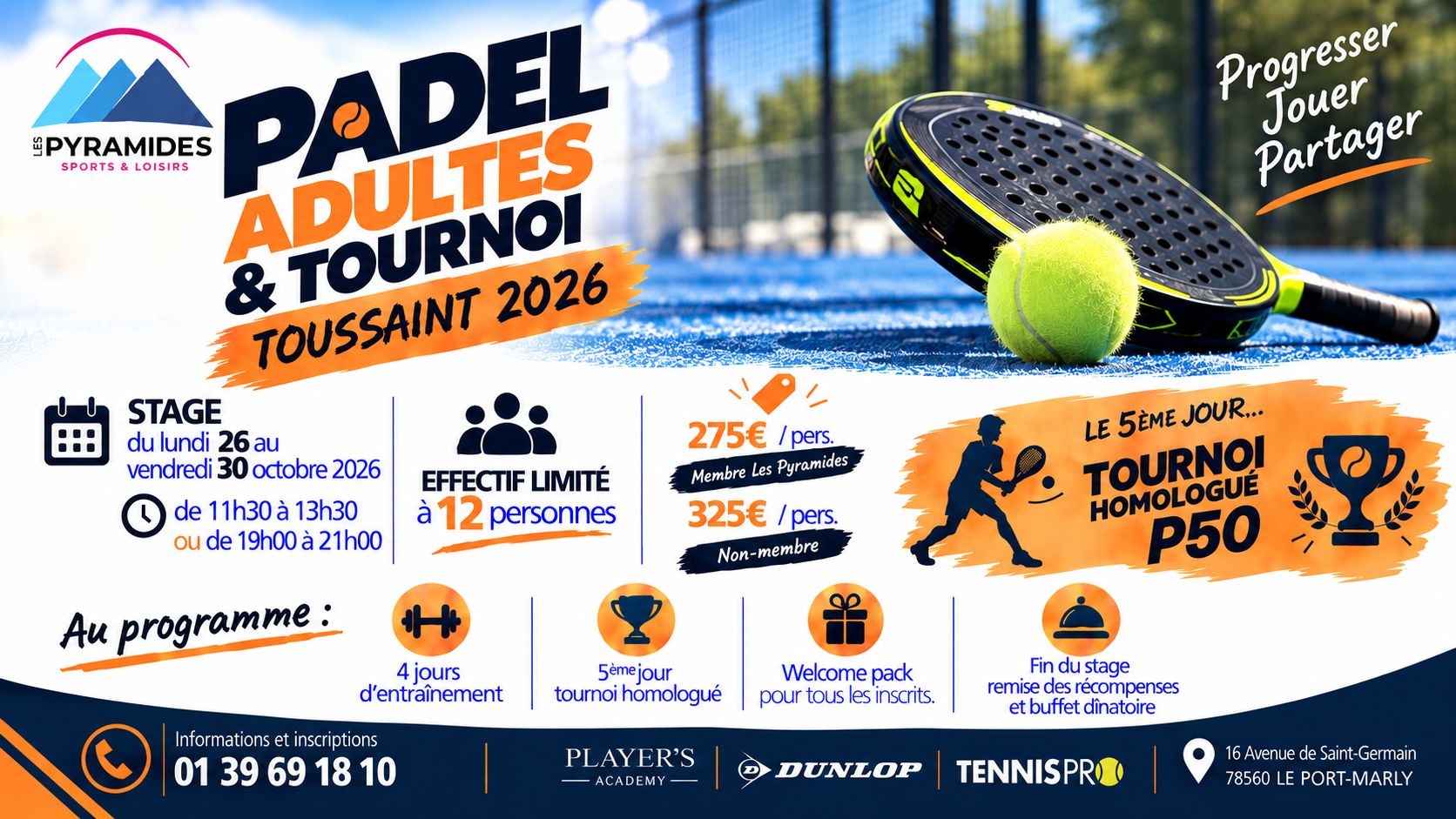 All Saints' Day – Les Pyramides are organizing a padel training camp for adults with a P50 tournament to close out the week
 Les Pyramides: after 12 padel courts, the club is focusing on youth training