









Ari Sánchez and Andrea Ustero continue their journey at the Paris Major 2026. The third seed qualified for the semi-finals after defeating Alejandra Salazar and Aranza Osoro (8th seed) in three sets, 6-3, 3-6, 6-2. After the match, the two Spaniards spoke at length in a press conference about the difficulties they faced, the pressure, their mental preparation, and above all, the development of a project that seems to be gradually taking on a new dimension.
In the semi-finals, Sánchez / Ustero will meet Marta Ortega / Sofia Araújo (TS5) , with a place in the final of the Paris Major at stake.
Andrea Ustero: "In the second set, my head said goodbye."
Andrea, how do you analyze this quarter-final and in particular this more complicated second set?
Andrea Ustero: “I think we started very, very well, with very clear ideas. We knew what we had to do throughout the first set.”
In the second half, there were moments when my head felt like it was going to go away. But I think we managed to come back thanks to Ari and Ángel, who were very patient on the bench. At times, I didn't feel completely comfortable.
We managed to pull through in the end. It's a real achievement to come back in the third set against two incredibly determined players. We're very, very happy.
Ari Sánchez and the art of concluding: "Staying in the present"
You've already mentioned your difficulty in closing out certain sets or matches. What advice would you give to better manage these moments?
Ari Sanchez: "The advice I would give, and what we are trying to do, is to think about the present, about each ball. You have to have a very clear tactic and continue to follow it."
You shouldn't do something different. Sometimes, as a set nears its end, certain ideas cross your mind and you want to try something different from what you've been doing. That's not necessarily the right thing to do.
My advice would therefore be to continue doing what was giving you results and to think point by point, without thinking about what will happen next or what happened before, whether it was positive or negative.
"Ari told me to play freely."
Andrea, what did Ari Sánchez and Ángel González tell you when you were going through that more complicated period?
Andrea Ustero: “Ari kept telling me to play freely because they know that when I play freely, I produce my best padel. They know at every moment what they can say to motivate me.”
In the third set, it's true that I played much more freely. In the second, I had that pressure.
Ángel kept telling me that we needed to find a way out of their own half, because that's where I was really struggling. In the end, we both managed to get out of it, along with the whole team, and that's the most important thing.
Sánchez: "When you're seeded 3, you almost have to play two finals."
Before the identity of their next opponents was known, Ari Sánchez was also asked about the difficulties encountered in recent months in the semi-finals.
Does not being in the same section of the draw as Gemma Triay and Delfi Brea change anything for you?
Ari Sanchez: “Being seeded 3 means this: in the semi-finals, you face the 1st or the 2nd. In the end, if you want to win a tournament, you probably have to play like two finals.
I don't know if one pair is more costly than the other. We beat both of them this year. We also beat Gemma and Delfi twice in a row, in Valladolid and Valencia.
What's certain is that we always have a very difficult match in the semi-finals. I think it also depends a lot on us: playing with confidence, being free, enjoying ourselves and not feeling the pressure.
We need to focus on ourselves, maintain intensity, be consistent, avoid lapses in concentration, and try to be very linear throughout the entire match.
Since that statement, the painting has delivered its verdict: Marta Ortega and Sofia Araújo (TS5) will be their opponents in the semi-final.
Ustero on Salazar's expressive character: "We know what she's like"
Alejandra Salazar is a very expressive player on the court. Could her celebrations add to the tension?
Andrea Ustero: “We know what she’s like and how expressive she is. From the very first point, she can already scream.”
Because we know how it works, we try to pay as little attention to it as possible. It's true that when you're losing, you might start paying more attention to it, and that can trigger that rage or feeling of helplessness.
But we know what it's like and we know how to manage it now. We're very confident in that respect.
Ari Sánchez: "I don't think I'm in my best moment in padel."
This is probably the most revealing answer from this press conference. After several seasons at the top of the world padel scene, Ari Sánchez is now in a very different situation alongside Andrea Ustero .
Ari, does no longer living constantly with the obligation to win allow you to discover a new version of yourself?
Ari Sanchez: “I am clearly in a very different phase from those I have experienced in recent years.
When you're number 1 or number 2, you have this daily pressure to play in finals, to win tournaments, to have to win. But it was a pressure I liked. I think it's a pressure that makes you improve every day and forces you to get up and train hard because all the players want to beat you.
Today, I'm in a lower position, with a different project and with a player who still has a lot to develop. I also have a lot of things to improve. I don't think I'm in my best moment at padel.
But I'm training very well, I'm incredibly motivated, and off the court, with Andrea, it's also extraordinary. I've discovered a wonderful person and a player who I think has a very bright future. She's learning a tremendous amount and becoming more professional every day.
"It's a long-term project."
The former world number 1 acknowledges, however, that this transition was not entirely straightforward after years spent almost always playing the final matches of tournaments.
Ari Sanchez: “I’m taking advantage of a different process. I know that it's a long-term project .
It's true that at the beginning, it was perhaps difficult for me not to play as many finals or not to be able to win as many titles. But I try to use this as something positive to continue to improve.
This is a project that motivates and excites me enormously. Seeing how Andrea progresses and gradually takes on more responsibility is also very important. I'm really enjoying this process.
Andrea Ustero: "I'm making tremendous progress with Ari."
Andrea Ustero was also asked about the emergence of other young players, notably Martina Calvo and Claudia Fernández They have been very much in the public eye in recent months. This media competition doesn't seem to bother the Spanish player.
Andrea, does the fact that attention is now also focused on other young players allow you to progress with less pressure?
Andrea Ustero: “Before, I played with Ale Alonso and we were both very young. Today, the change is significant because I play with a player who has much more experience.”
I think that I'm making tremendous progress with her and with the whole team. .
Martina and Claudia make an incredible pair. They've already won a tournament and they pose a lot of problems for all the other pairs. But I'm not focused on that. I'm focused on myself, on continuing to train every day like we do in Barcelona with the whole team.
They make things so much easier for me and bring out my best. Last year, I perhaps wasn't able to show that best version. This year, this Andrea who plays with freedom shines through more.
I want to continue down this path. I love the team I have and I want to make the most of it.

Franck Binisti discovered padel at the Club des Pyramides in 2009 in the Paris region. Since then, padel has been part of his life. You often see him touring France to cover major French padel events.




































































 Padel Quest Awards: Which is the best padel app in France? Voting opens at 18 PM
 Paquito Navarro wants to leave at the top: "I'm giving myself until the end of 2028"
 At just 16 years old, Victoria Vílchez will play in the World Cup with Argentina: who is this young prodigy?
 France or Portugal, Spain or Argentina: Miguel Lamperti ranks the best padel nations
 Cédric Lavoye: "Hard work pays off" and a first FIP tournament in Guadeloupe is in his sights
 Nicolas Rouanet is preparing his return in 2027: “With Bastien Blanqué, I would never say no”
 Leygue/Blanqué respond bluntly to the criticism: "You can say what you want... We're putting all our money and our lives into this."
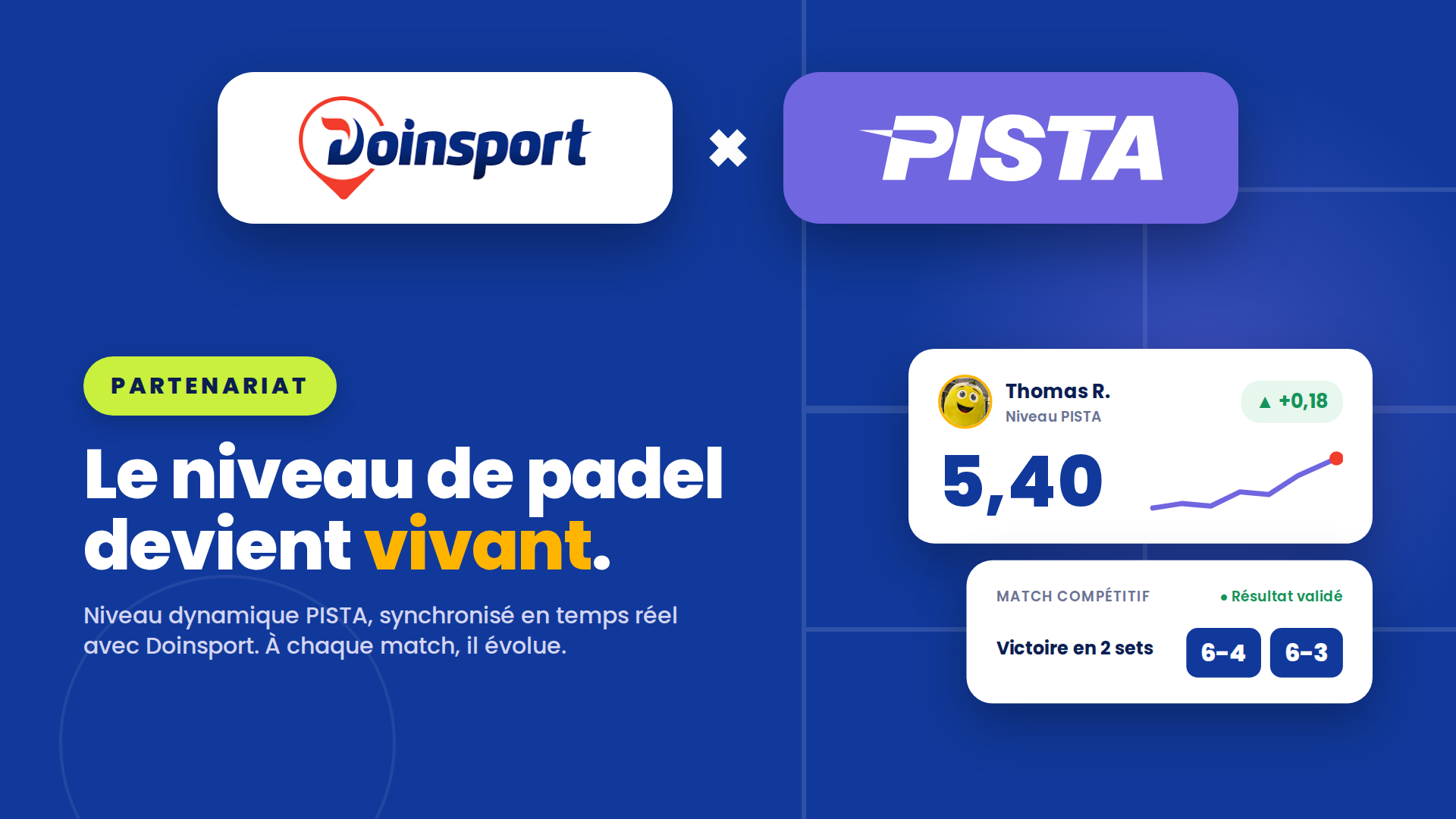 Doinsport and PISTA join forces: padel is finally coming alive!
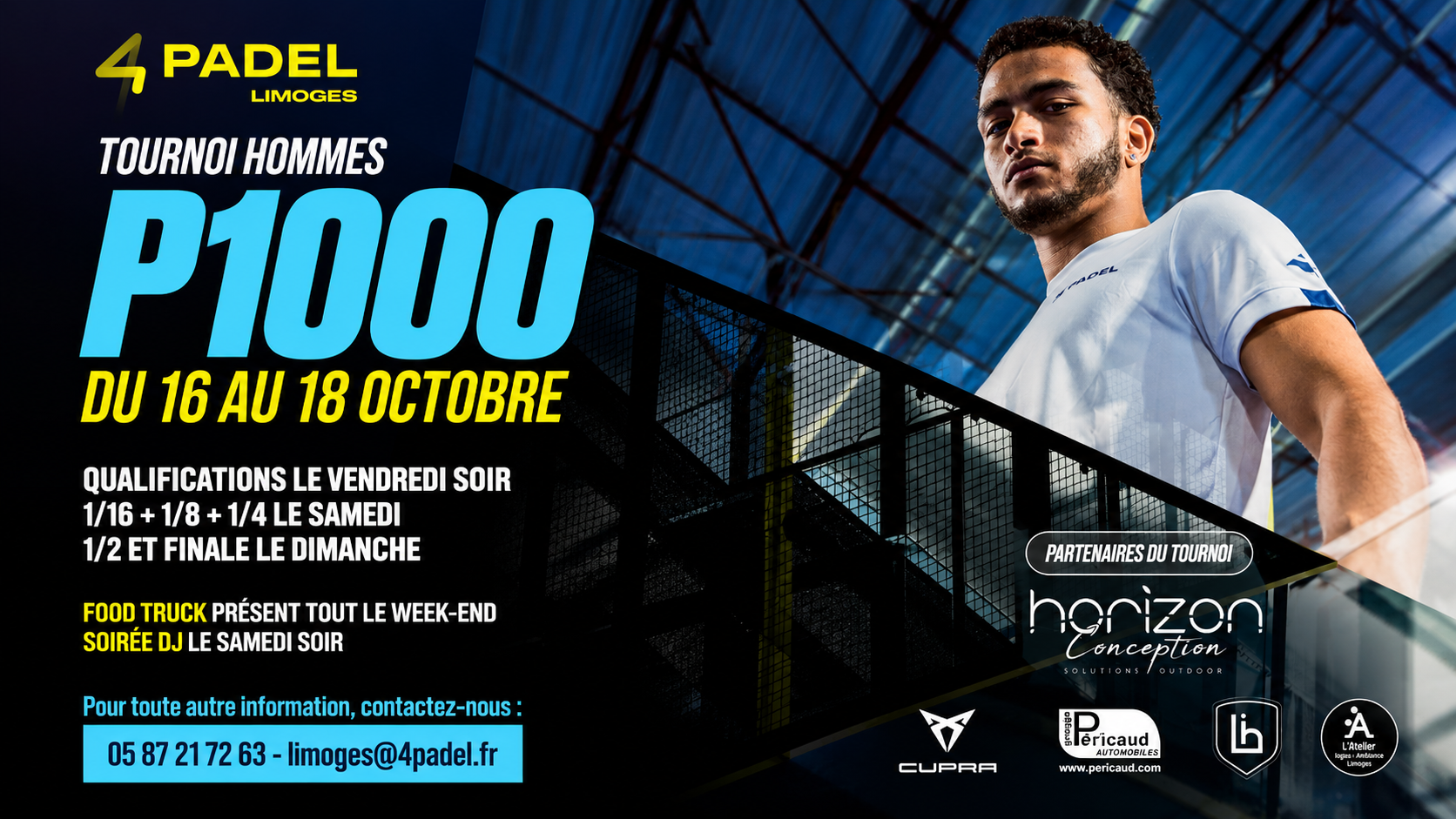 P1000 4Padel Limoges: Sarrat/Fabre favorites, Bernard/Peloux and Henrion/Mitjana ready to play spoiler
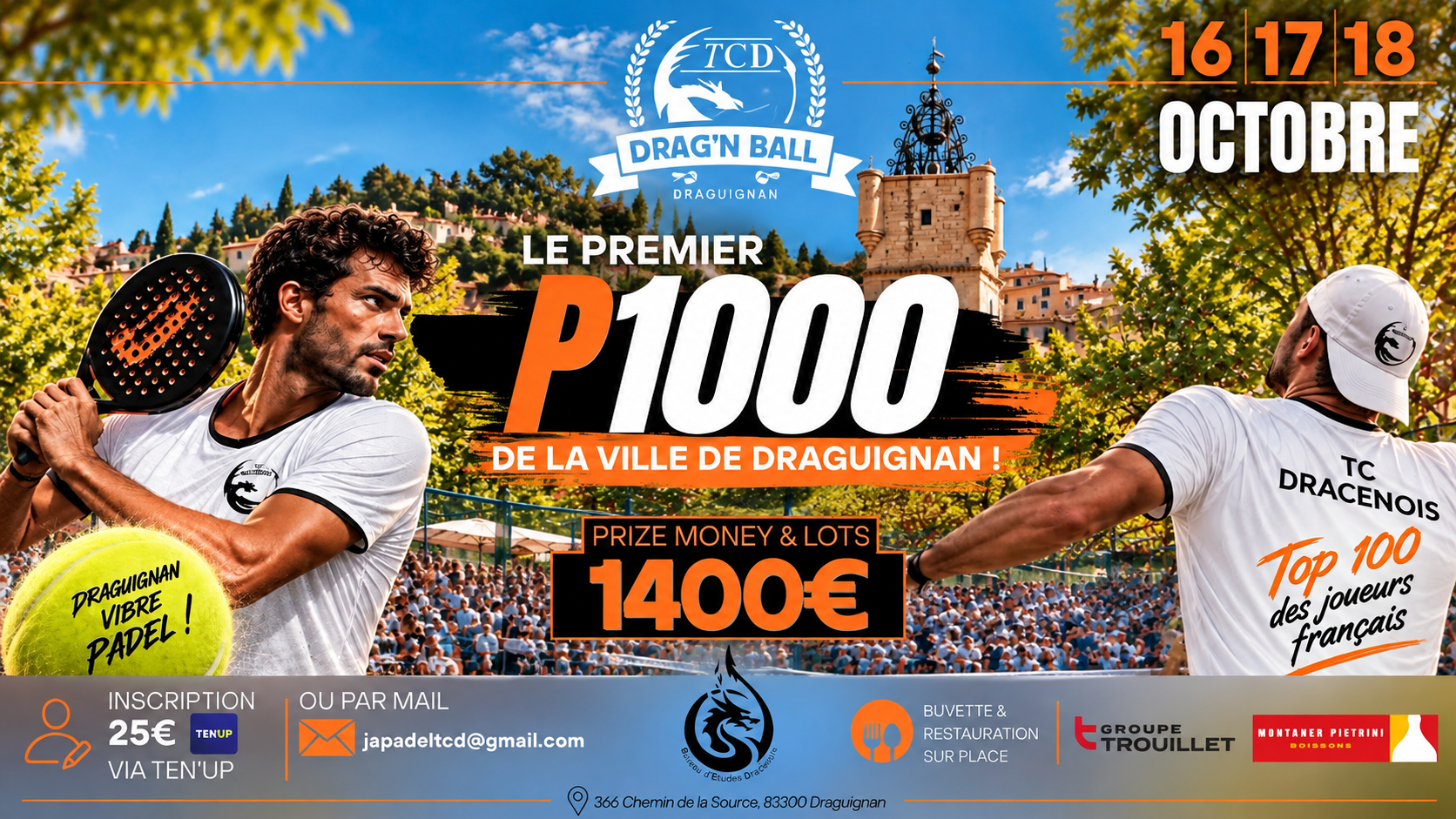 P1000 Drag'N Ball Draguignan: Biron / Tullou and Gourre / Vial, a duel for the title?
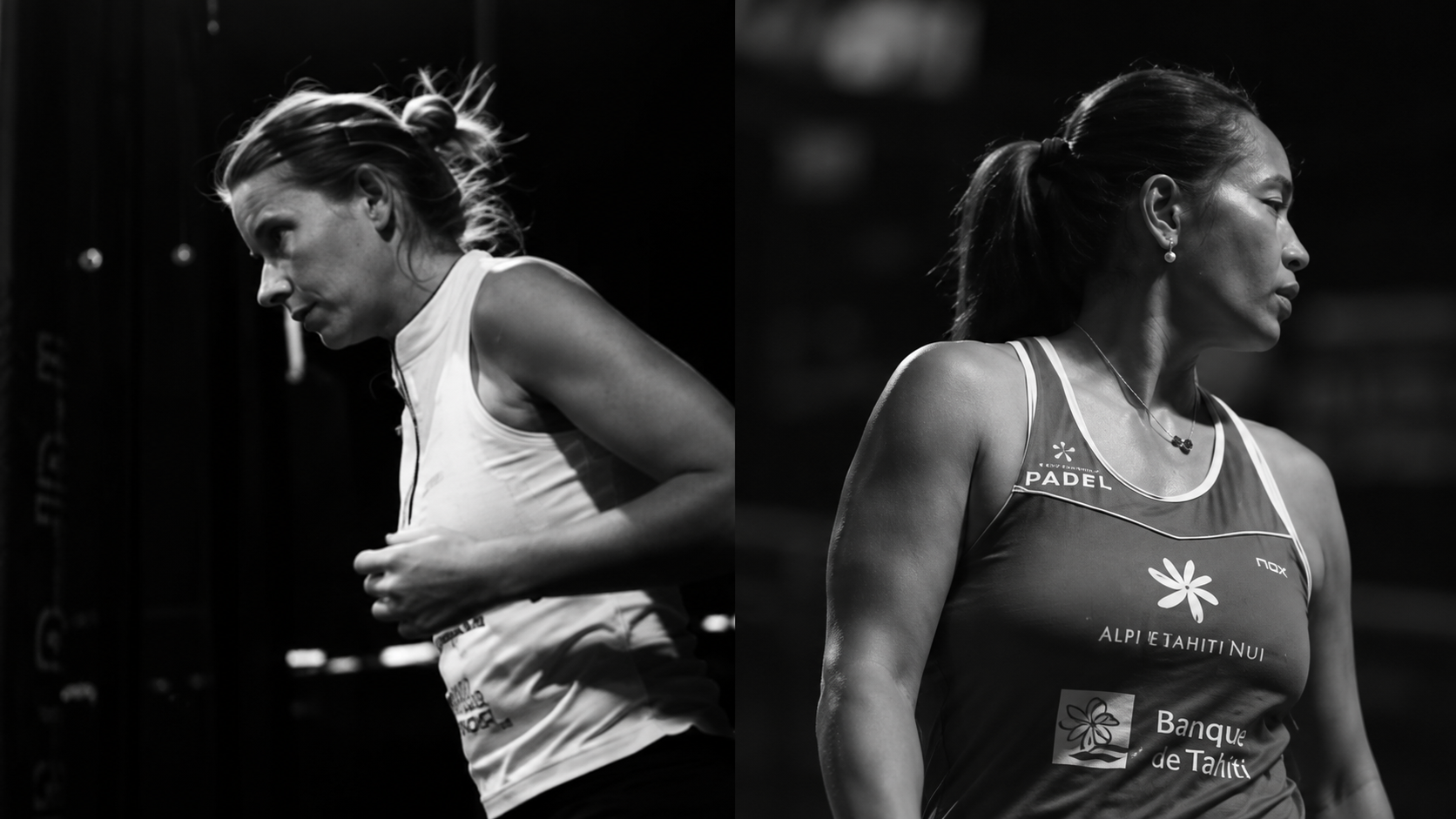 Milan P1 – The journey ends for Alix Collombon and Léa Godallier, defeated in two sets in the first round
 Düsseldorf P2: Sanz runs more than anyone else, Fernández and Calvo dominate the numbers… what the finals statistics reveal
 Milan P1 – Can Guichard and Geens repeat Leygue and Moya's feat against Goñi / Alonso?
 Leo Augsburger launches his own brand: a burger as the logo for the new Argentinian star
 Milan P1 – Guichard/Geens face a tough challenge, the favorites take to the court: Wednesday's schedule
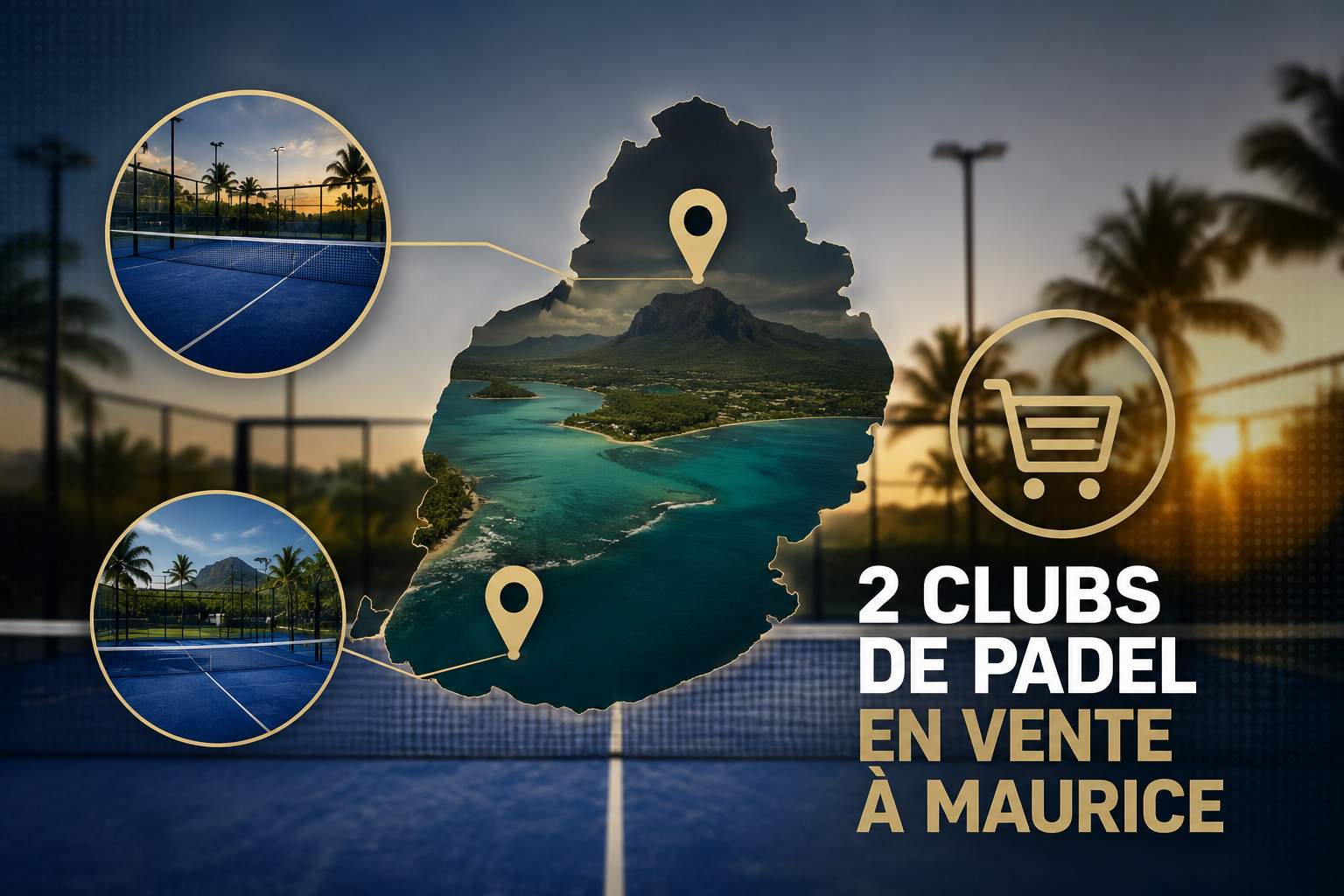 For sale: two padel clubs in Mauritius, starting from 330,000 euros
 How much does it actually cost to organize a FIP Bronze event?
 Padel How Lidl is transforming Crivit into a fully-fledged sports brand with Steffi Graf
 Compagnie des Alpes is accelerating its involvement in padel with PadelCity: a new step in its European strategy
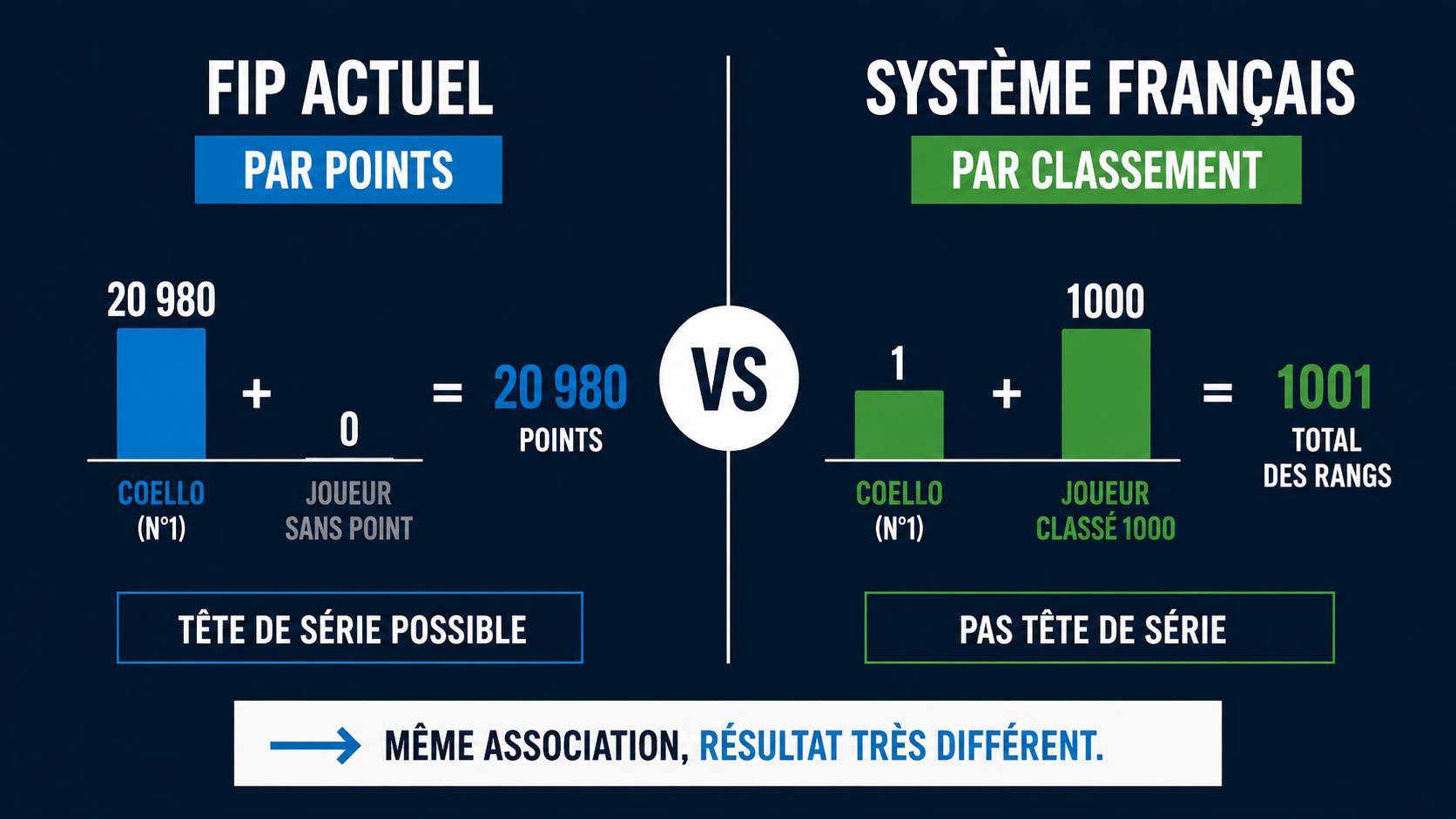 Coello with a player at 0 points ahead of two top 10 players: should the FIP ranking be reviewed?
 Les Pyramides: after 12 padel courts, the club is focusing on youth training
 Health Care Padel Tour 2026: What if your next padel tournament was played in Barcelona?
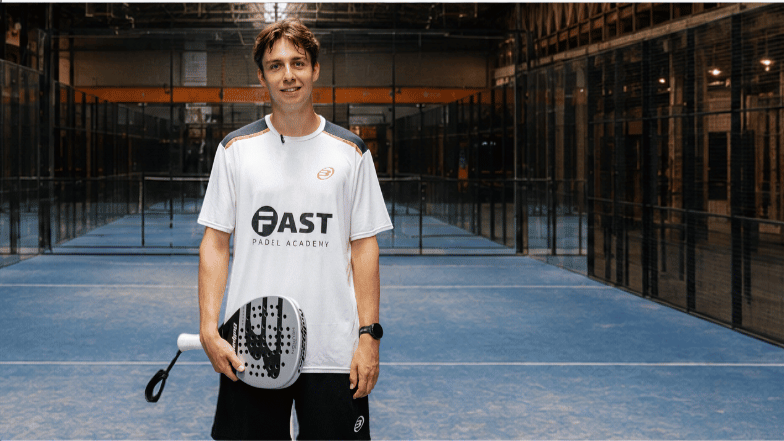 FAST Padel Academy continues its development and establishes itself in Liège.
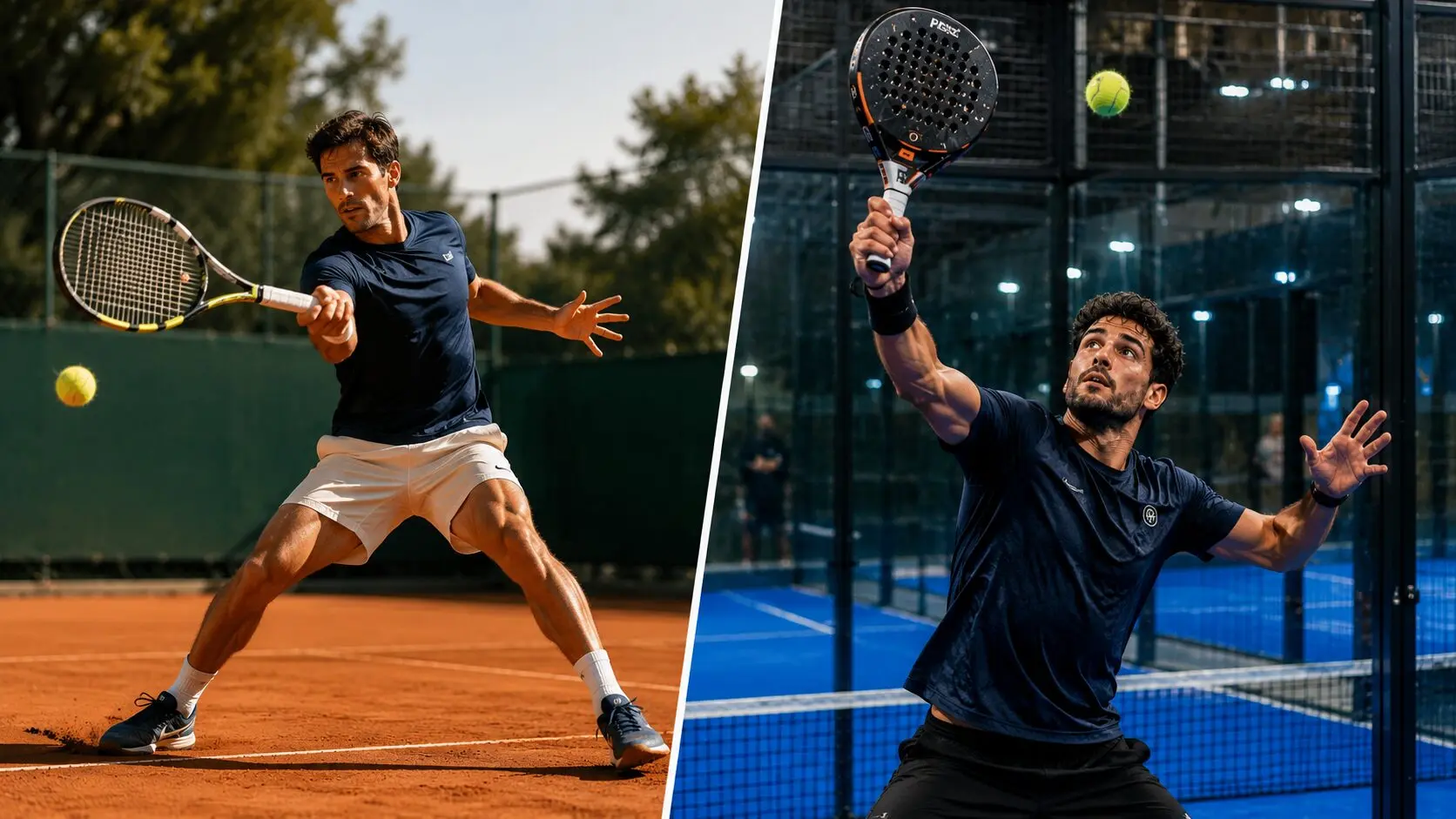 What the analysis of the stroke reveals: tennis forehand vs. padel bandeja
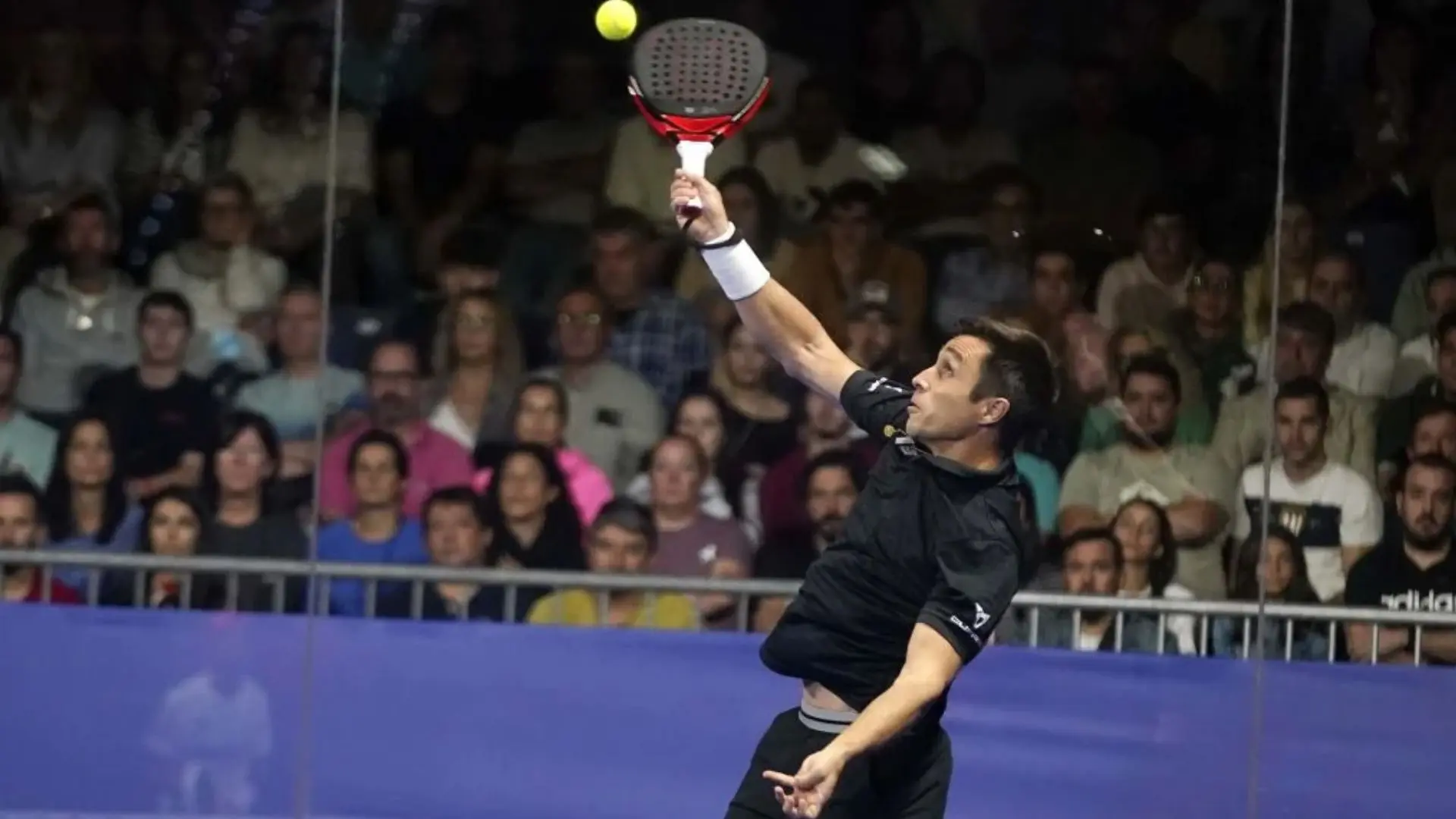 Has the bandeja disappeared from modern padel?
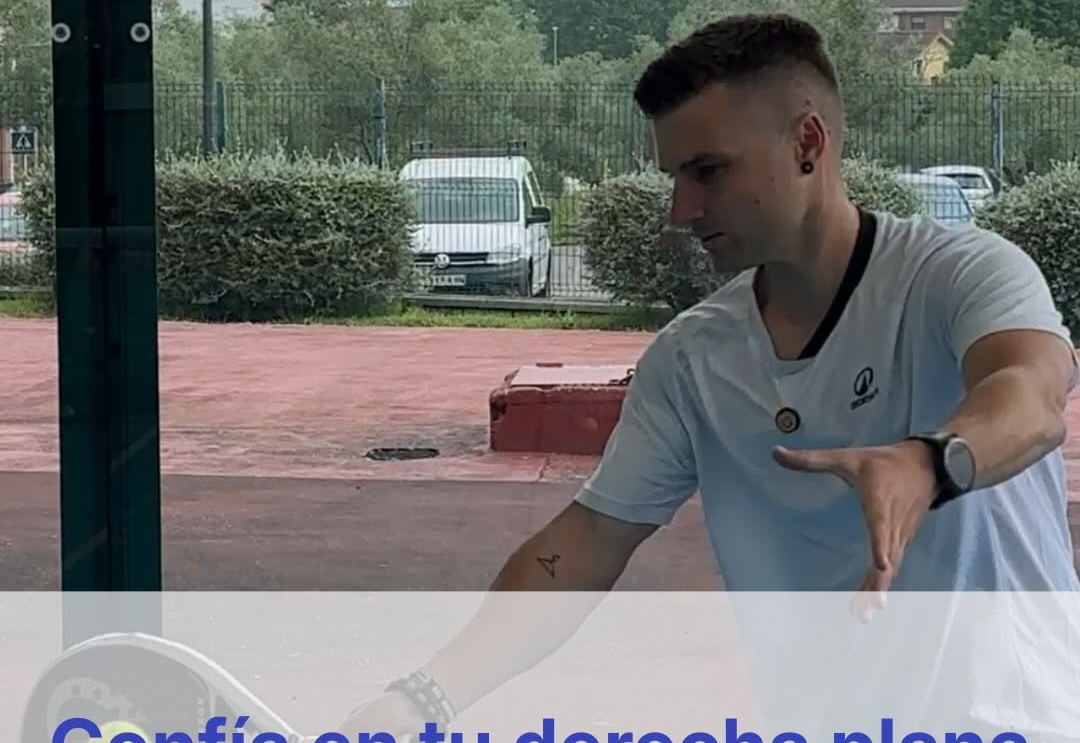 Flat forehand in padel: 5 exercises from Cristian Álvarez to gain control and efficiency
 Why knowing how to play on the right and left can make all the difference
 Tapia reveals his recipe for beating Coello / Tapia: "I would bet everything on myself"
 How Coello defused Chingotto's game plan
 In padel, does the chemistry between a pair count as much as individual skill?
 Summer changes padel… but what if the real challenge wasn't hitting harder?
 Neither FIP Tour nor World Team Championship: the unique format of padel at the Mediterranean Games
 Premier Padel : when television can lengthen players' breaks
 Premier Padel Yes, a referee can refuse a player permission to go to the toilet
 Julien Seurin opens up about his mental state: "There are far more doubts than moments of happiness."
 More than a year later, Thomas Leygue is back in the top 150: behind the scenes of a comeback that's still unfinished
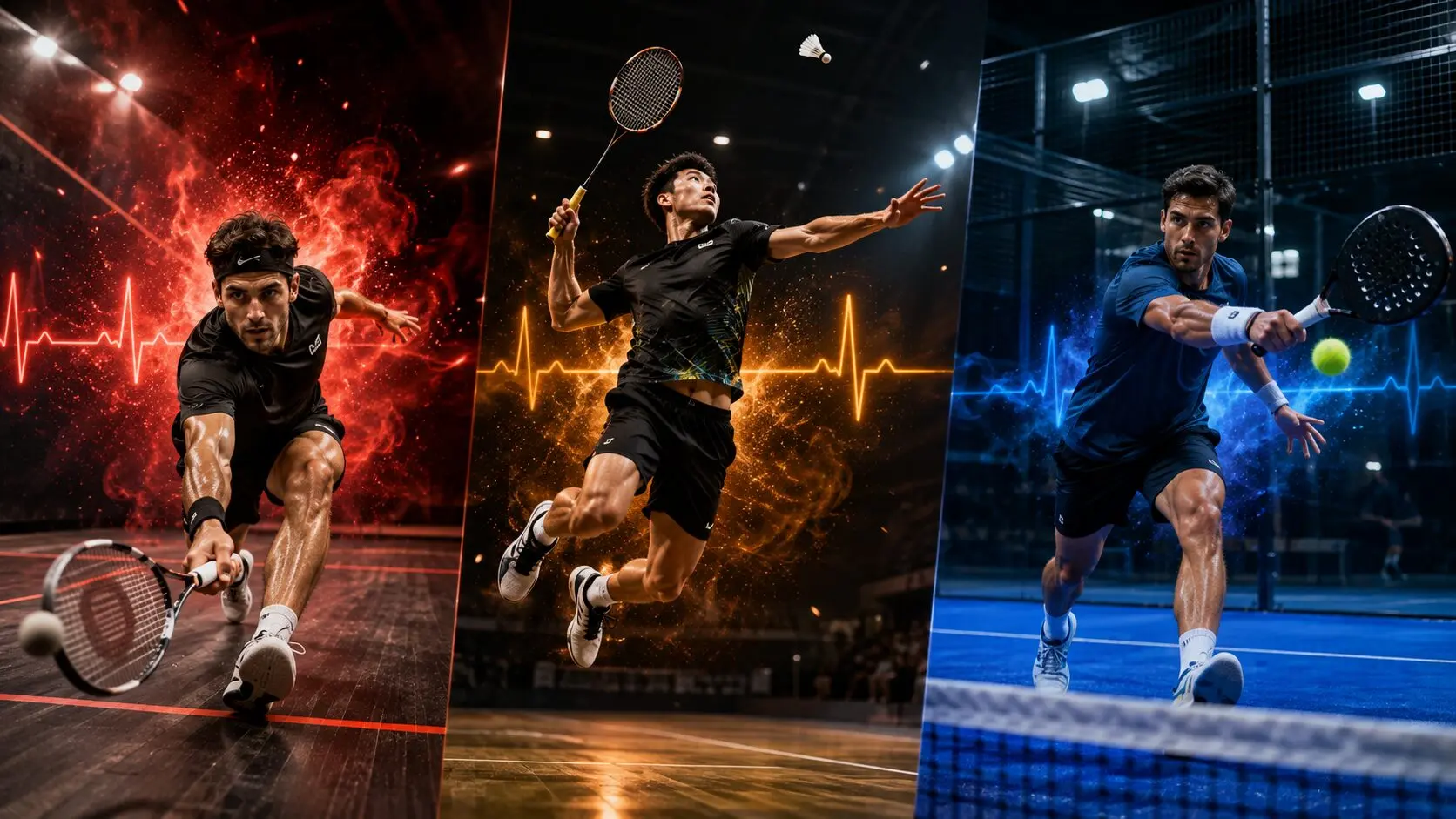 Padel vs squash vs badminton: the scientific ranking of cardio intensity
 Why does Arturo Coello play with his right hand bandaged?
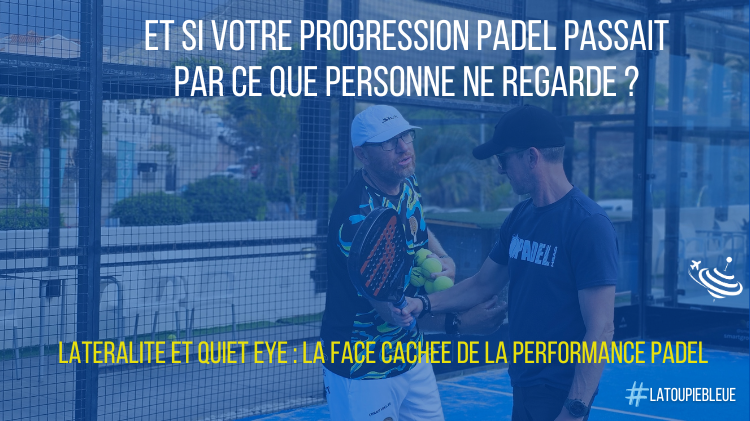 What if your progress in padel depended on what nobody else is looking at?