









The round of 16 between Juan Lebrón / Leo Augsburger et Javi Barahona / Maxi Sánchez It almost turned into a major upset on Philippe-Chatrier. The third seed came very close to elimination before pulling through after a tremendous battle. 4/6 7/6 6/4 , after almost two and a half hours.
But beyond the completely crazy scenario, this match mainly offered a very interesting sequence on the bench between Juan Lebrón and Agustín Gómez Silingo This discussion shows how important the Argentinian coach now plays in managing Lebrón's emotions.
Lebrón on the verge of collapse
For a good part of the match, Lebrón was not at his best.
Barahona / Maxi Sánchez win the first set 6/4 , then serve for the match at 6/5 in the second set In the tie-break, they are still in the lead. 5-2 and even get a match point.
Lebrón / Augsburger are then on the verge of elimination.
And on the bench, Lebrón gives himself over to Silingo.
"I'm having a very good year, but these last few weeks I've been suffering. It's not Leo, it's me."
A very powerful sentence because it primarily demonstrates a form of self-analysis.
Lebrón isn't making excuses. He's not blaming his partner, the game, or the circumstances. He's simply acknowledging that he's going through a difficult period.
Silingo, an essential role in channeling Lebrón
This is where the role of Silingo It's getting interesting.
Since the beginning of their collaboration, the Argentinian seems to have found a way to communicate with Lebrón. Not just on a tactical level, but especially in terms of managing emotions.
We know Lobo's temperament. For a long time, his frustrations could quickly take over a match. A bad point could turn into a sequence of several difficult plays, with anger, arguments, or a loss of concentration.
Faced with Barahona / Sánchez, we rather saw a Lebrón capable of to put words to what he was feeling to listen to his coach and to leave.
Silingo doesn't seem to be trying to completely extinguish this intensity, which is also part of his player's strength. He's mainly trying to channeling it to put it back into service of the match.
And on this point, the bench sequence is revealing.
A real work on himself
This match also perhaps shows an evolution in Lebrón.
Instead of getting angry at everything around him, he questions himself.
"It's not with Leo, it's with myself."
Just a few words, but they say a lot.
Lebrón seems to have understood that part of the problem can't be solved solely through padel. There's also mental work to be done, particularly in accepting periods when things aren't going so well, not getting frustrated at the first slump, and continuing to move forward.
And this round of 16 match is a good example of that.
Even when they are led 5-2 in the tie-break Lebrón/Augsburger are not giving up. They come back, save the match point, and snatch the tiebreak. 8-6 .
Then they quickly took the lead in the third set before concluding 6/4 .
"Today, all the credit goes to my partner."
After the match, Lebrón also wanted to put Leo Augsburg forward.
"There are a lot of emotions and I have to accept that right now, I'm not handling them as well. Today, all the credit goes to my partner. I have an animal by my side."
And especially :
"He should watch that match a thousand times to see how he managed the pair and how he boosted the morale of both of us."
Further evidence of this trend.
Lebrón acknowledges his difficulties and praises the player who helped him through the match. Again, this is far from a reaction driven by frustration.
A victory that could serve as a turning point.
From a sporting perspective, Lebrón/Augsburger came very close to disaster. But mentally, this victory could be very important.
They were down, had a match point against them, and for a long time performed below their usual standard. Yet, they found a way to stick together and turn the game around.
And in this climb, Silingo appears to have played a central role , particularly in his ability to keep Lebrón connected to the game.
The 3rd seed therefore continues his Paris Major, but this match will perhaps be remembered above all as an important moment in Juan Lebrón's mental work.
Because beyond the victory, the Lobo has above all shown something that it hasn't always managed to do in the past: to question oneself without losing it, to listen to one's coach and to keep playing .

I discovered padel directly during a tournament, and frankly, I didn't really like it at first. But the second time, it was love at first sight, and since then, I haven't missed a single match. I'm even ready to stay up until 3am to watch a final of Premier Padel !




































































 Paquito Navarro wants to leave at the top: "I'm giving myself until the end of 2028"
 At just 16 years old, Victoria Vílchez will play in the World Cup with Argentina: who is this young prodigy?
 Milan P1 takes inspiration from the NBA: championship rings for the winners
 France or Portugal, Spain or Argentina: Miguel Lamperti ranks the best padel nations
 Cédric Lavoye: "Hard work pays off" and a first FIP tournament in Guadeloupe is in his sights
 Nicolas Rouanet is preparing his return in 2027: “With Bastien Blanqué, I would never say no”
 Leygue/Blanqué respond bluntly to the criticism: "You can say what you want... We're putting all our money and our lives into this."
 Doinsport and PISTA join forces: padel is finally coming alive!
 P1000 4Padel Limoges: Sarrat/Fabre favorites, Bernard/Peloux and Henrion/Mitjana ready to play spoiler
 P1000 Drag'N Ball Draguignan: Biron / Tullou and Gourre / Vial, a duel for the title?
 Milan P1 – The journey ends for Alix Collombon and Léa Godallier, defeated in two sets in the first round
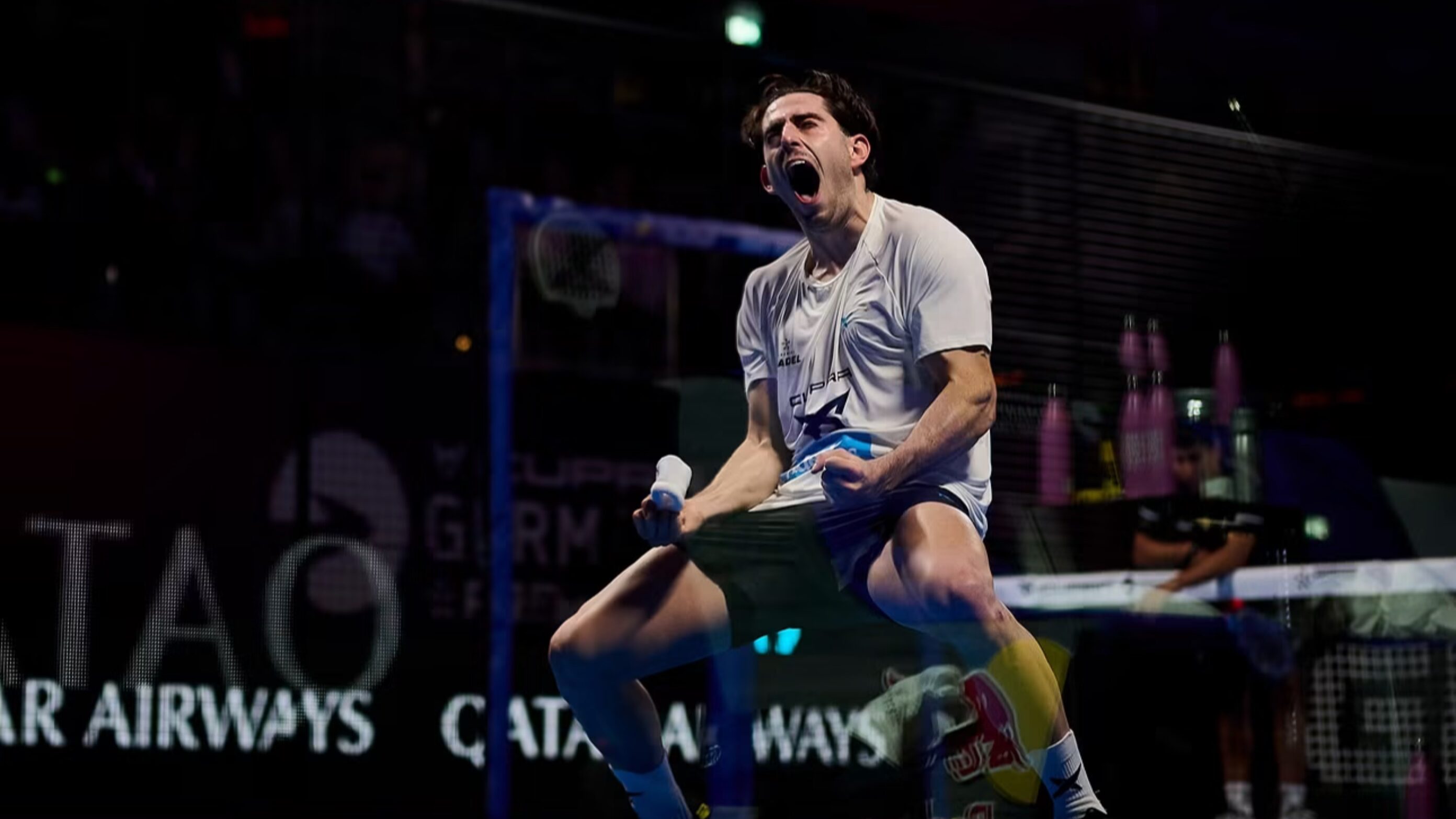 Düsseldorf P2: Sanz runs more than anyone else, Fernández and Calvo dominate the numbers… what the finals statistics reveal
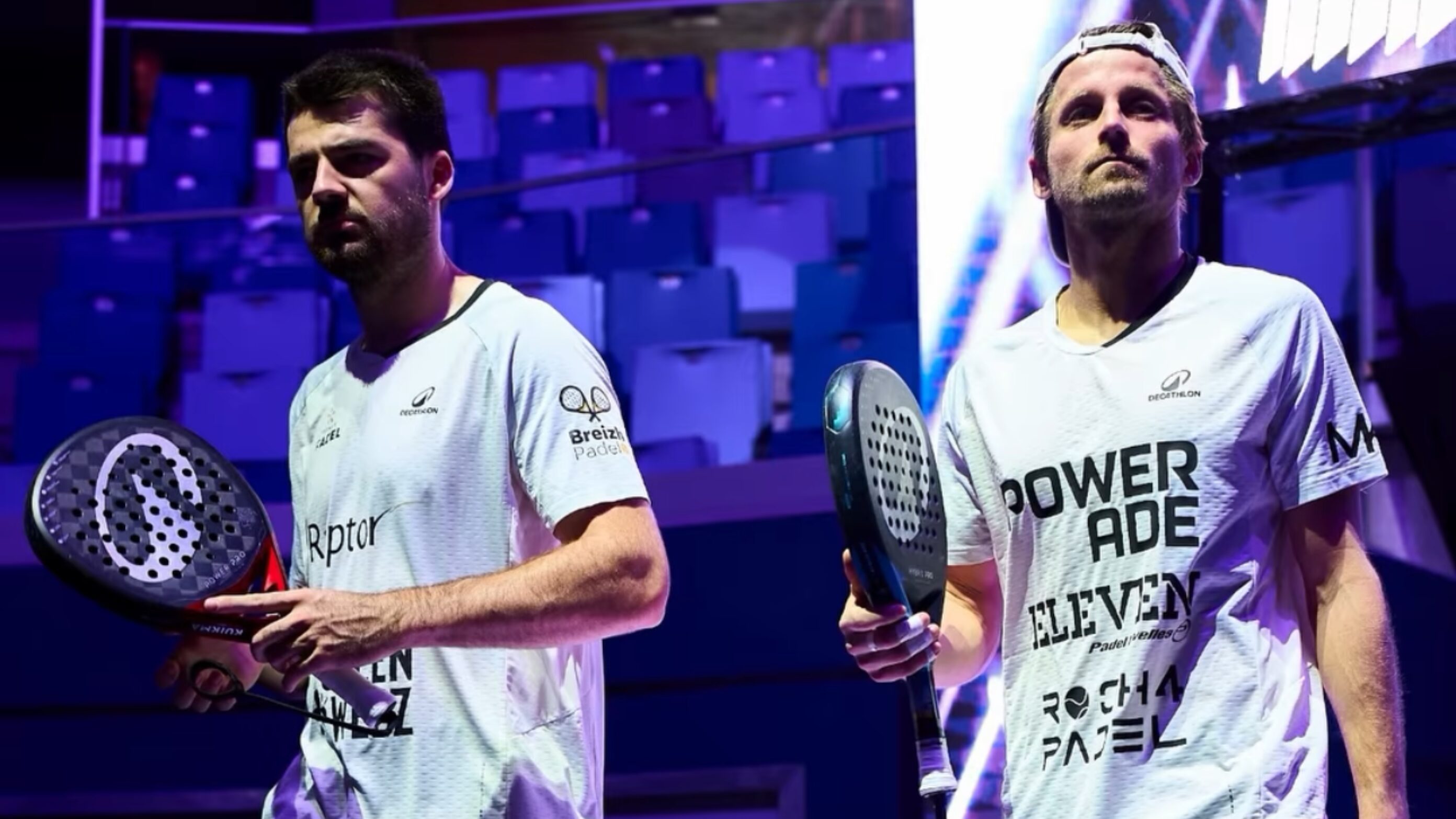 Milan P1 – Can Guichard and Geens repeat Leygue and Moya's feat against Goñi / Alonso?
 Leo Augsburger launches his own brand: a burger as the logo for the new Argentinian star
 Milan P1 – Guichard/Geens face a tough challenge, the favorites take to the court: Wednesday's schedule
 For sale: two padel clubs in Mauritius, starting from 330,000 euros
 How much does it actually cost to organize a FIP Bronze event?
 Padel How Lidl is transforming Crivit into a fully-fledged sports brand with Steffi Graf
 Compagnie des Alpes is accelerating its involvement in padel with PadelCity: a new step in its European strategy
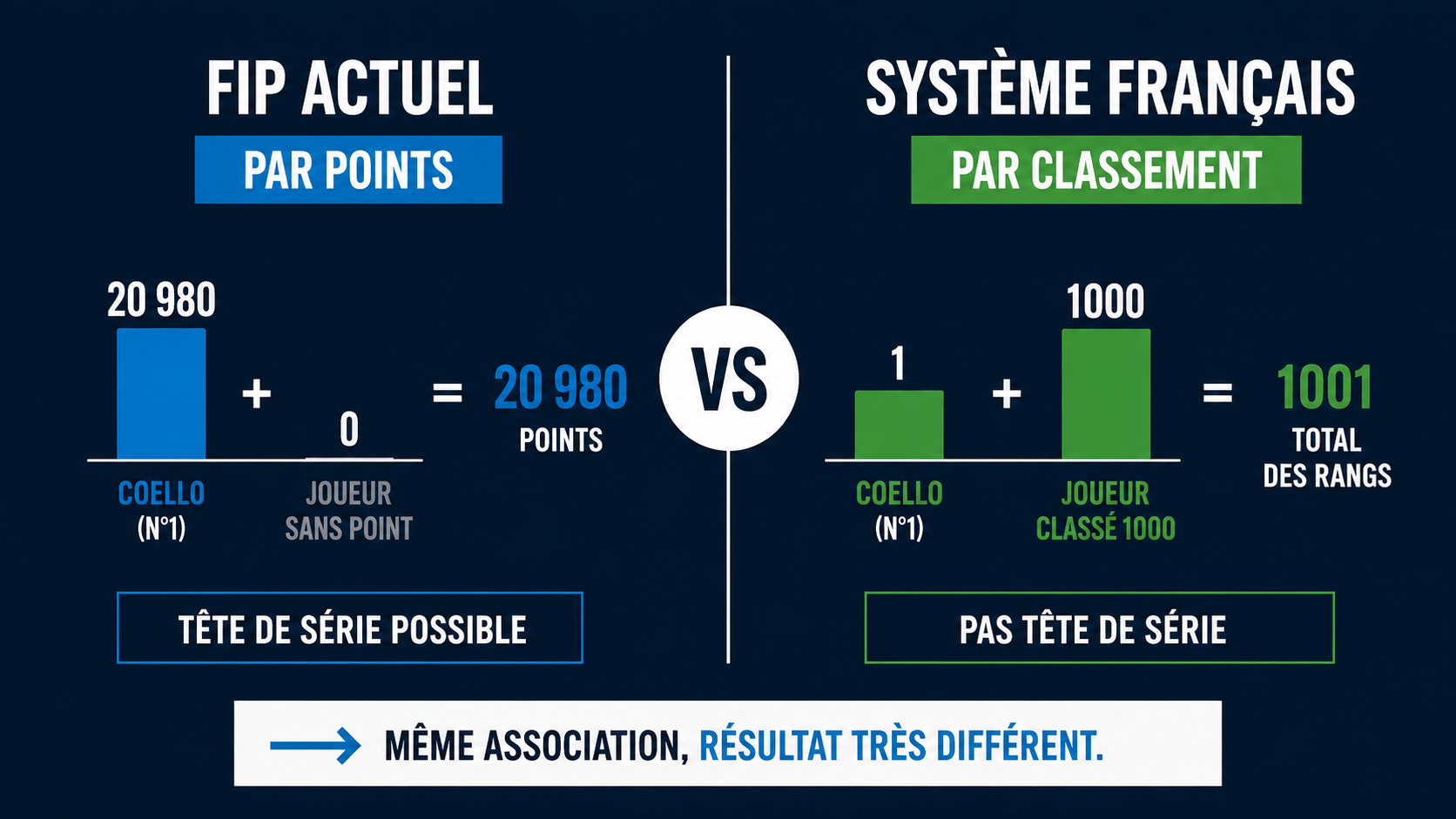 Coello with a player at 0 points ahead of two top 10 players: should the FIP ranking be reviewed?
 Les Pyramides: after 12 padel courts, the club is focusing on youth training
 Health Care Padel Tour 2026: What if your next padel tournament was played in Barcelona?
 FAST Padel Academy continues its development and establishes itself in Liège.
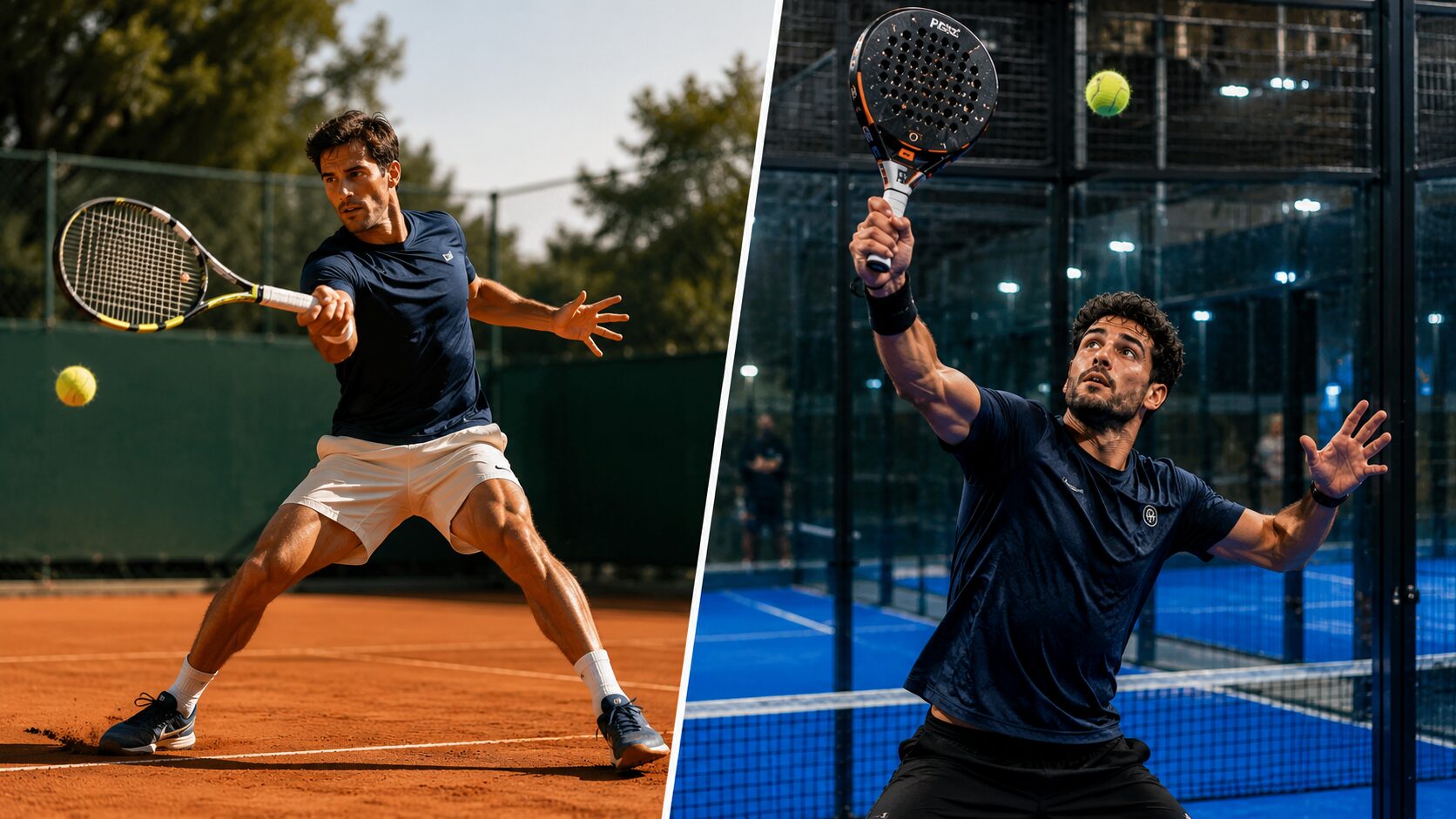 What the analysis of the stroke reveals: tennis forehand vs. padel bandeja
 Has the bandeja disappeared from modern padel?
 Flat forehand in padel: 5 exercises from Cristian Álvarez to gain control and efficiency
 Why knowing how to play on the right and left can make all the difference
 Tapia reveals his recipe for beating Coello / Tapia: "I would bet everything on myself"
 How Coello defused Chingotto's game plan
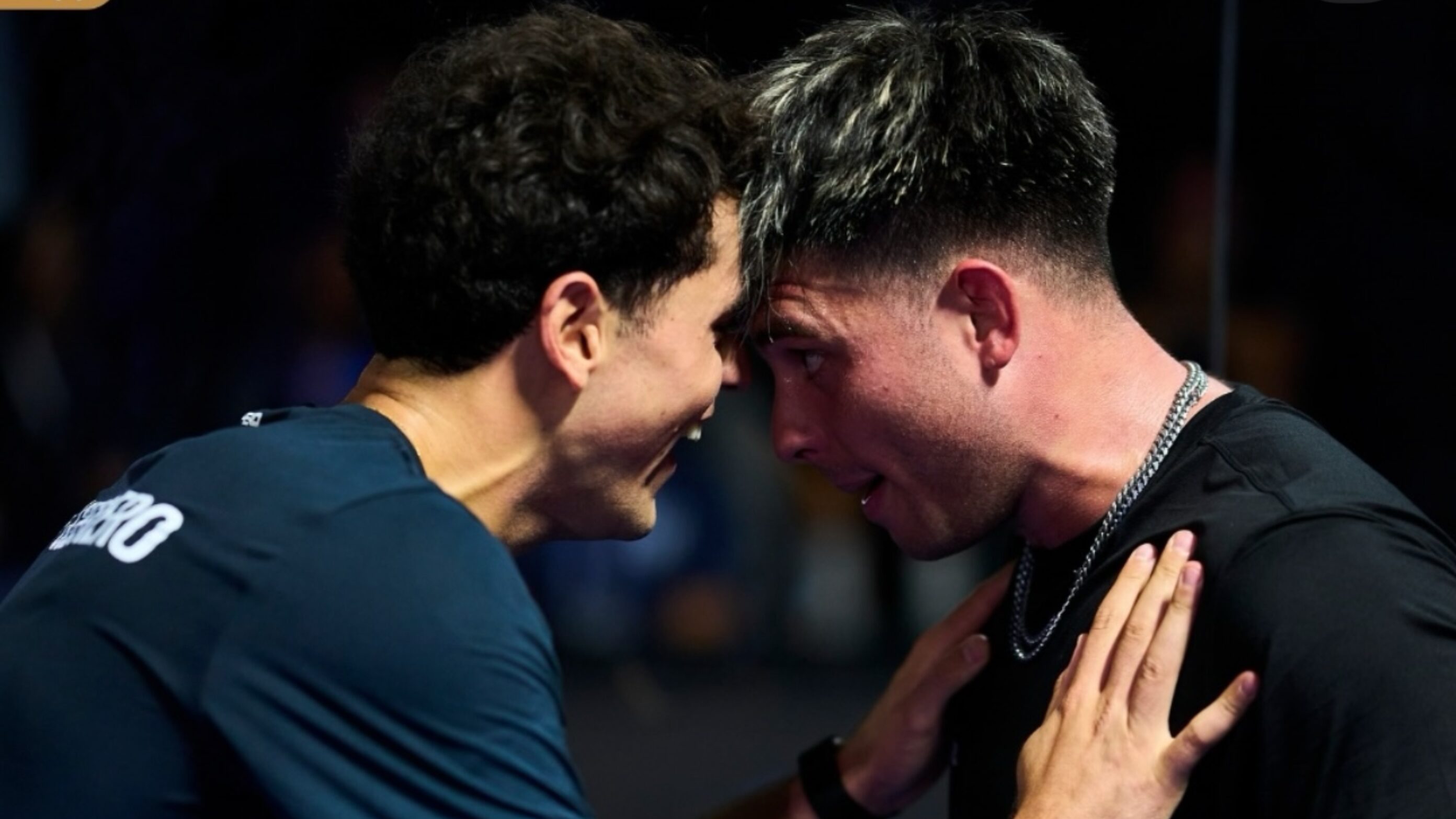 In padel, does the chemistry between a pair count as much as individual skill?
 Summer changes padel… but what if the real challenge wasn't hitting harder?
 Neither FIP Tour nor World Team Championship: the unique format of padel at the Mediterranean Games
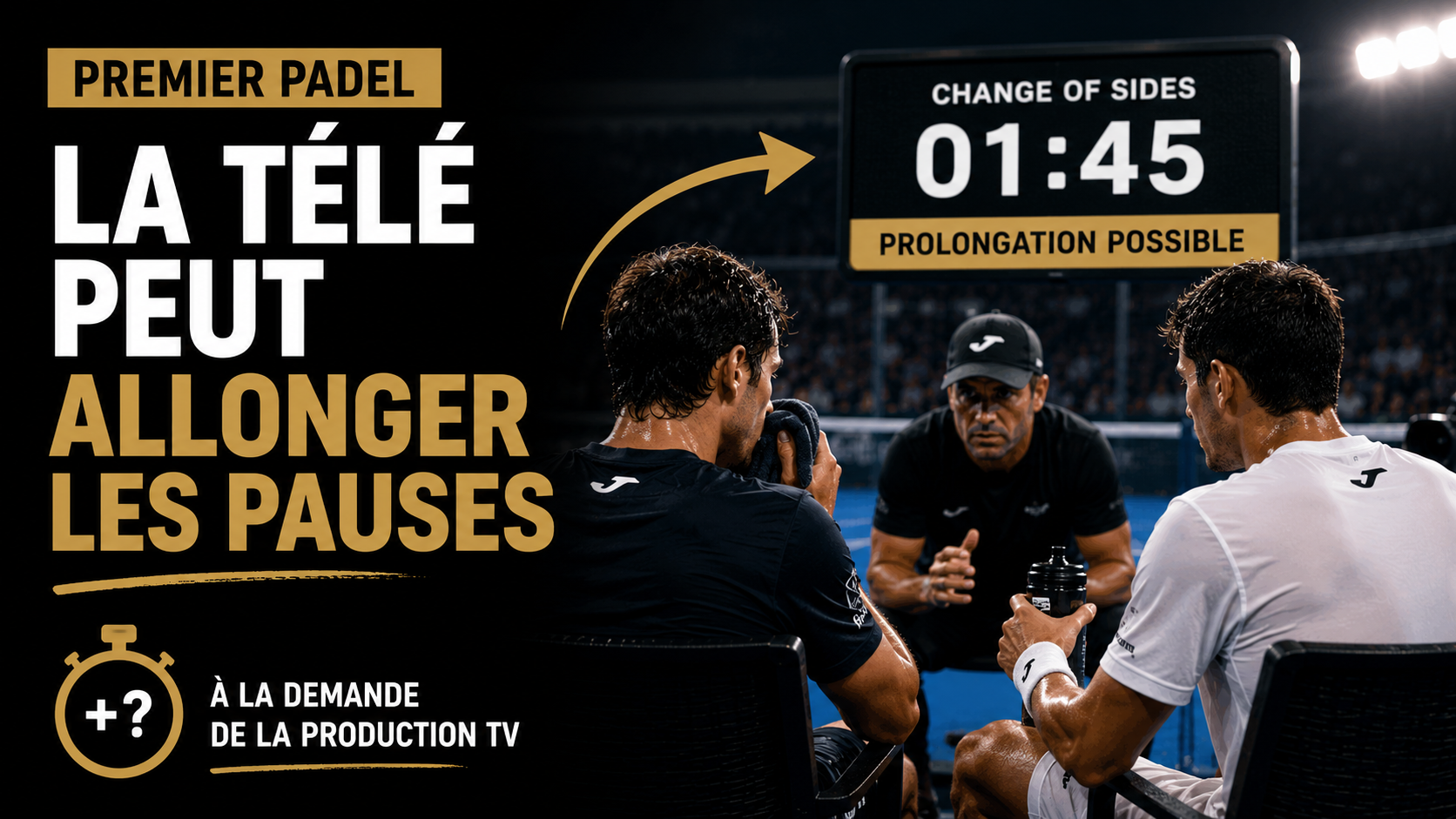 Premier Padel : when television can lengthen players' breaks
 Premier Padel Yes, a referee can refuse a player permission to go to the toilet
 Julien Seurin opens up about his mental state: "There are far more doubts than moments of happiness."
 More than a year later, Thomas Leygue is back in the top 150: behind the scenes of a comeback that's still unfinished
 Padel vs squash vs badminton: the scientific ranking of cardio intensity
 Why does Arturo Coello play with his right hand bandaged?
 What if your progress in padel depended on what nobody else is looking at?
Great article