

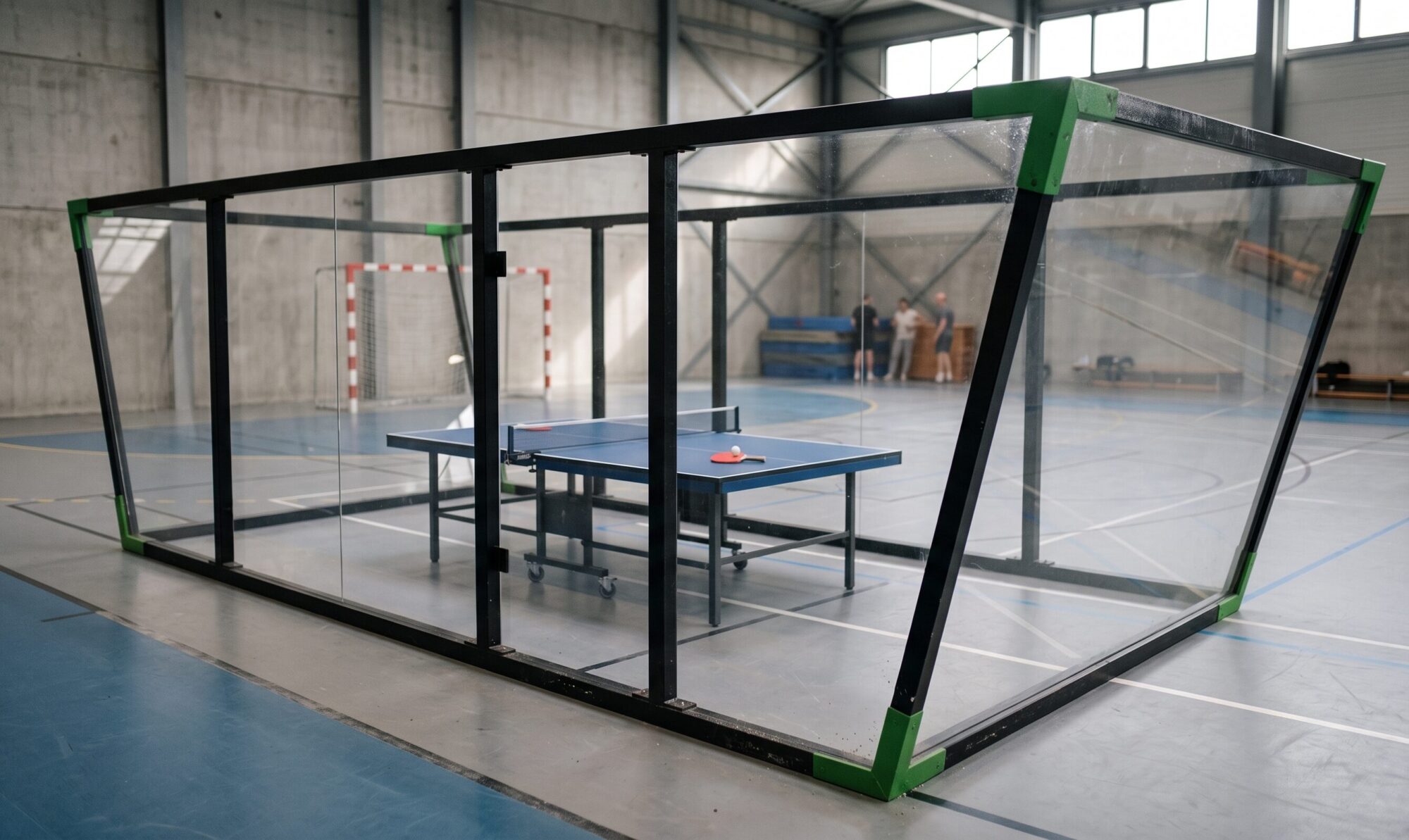







What if the glass walls of padel completely changed a game of table tennis? That's the principle of... Ping-Pong Padel , a hybrid discipline that Freedom now intends to develop it in France. Behind its very playful appearance lies a real racket sport, with its own rules and, above all, a unique feature: the walls are part of the game .
The concept isn't entirely new. According to Freetness, the " Padel "Pingpong" was born in Sweden in November 2020 , imagined by Magnus Willner and Erik Magnarsson The idea: to keep a table and some of the rules of ping-pong, but place the players in a small glass enclosure allowing the exchanges to continue thanks to the rebounds off the walls.
A mini track of approximately 18 m²
One of the advantages of the concept lies in its compact size. The structure shown measures approximately 3,05 meters by 6,10 meters , or less than 19 m². A surface area far removed from 200 m² of a traditional padel court measuring 20 x 10 meters .
In the center, there is a table, but the equipment has been adapted. The ball measures 55 mm diameter , compared to 40 mm for a traditional table tennis ball, while the net reaches 21 cm high The rackets also have a particular shape.
This compactness obviously opens up different possibilities for operators: Ping-Pong Padel can be considered as a complementary activity in a padel club, but also in a campsite, a leisure centre, a multi-sports complex or an indoor space.
For Freetness, which claims more than 4,500 sports facilities in France since 2011 and also markets several models of padel courts, this new product is part of a range now largely focused on sports equipment and new practices.
Walls that completely change the game
This is obviously where the connection with padel becomes interesting. Once the rally has begun, The glass side walls can be used to keep the ball in play .
The player can also use its own back wall to return the ball to the opposing side. In other words, a ball that seems almost lost in table tennis can sometimes be recovered thanks to a bounce off the glass.
The serve is still largely inspired by ping-pong: the ball must bounce in your own court before crossing the net and touching the opponent's side of the table. However, the side walls cannot be used during the serve.
This use of glass necessarily introduces a different interpretation of trajectories and angles, in a particularly small space.
Sets of 11 points, both singles and doubles
As for the scoring, no revolution: the rounds are played in 11 points with a two-point lead , in a format usually played best-of-five sets.
The discipline can be practiced in singles, but also in 2 vs. 2 And here again, one rule distinguishes it from traditional table tennis: The partners are not obliged to hit the ball alternately. A single player can therefore play several consecutive moves if the situation requires it.
A far from insignificant difference in a glass-enclosed arena where rebounds can quickly move players and create unusual trajectories.
A competitor to padel? Not really.
It's obviously difficult to imagine Ping-Pong Padel to come and compete directly with padel. The dimensions, the movements, the equipment and the sensations are too different.
His interest might lie elsewhere: occupy a small space and offer an additional activity related to racket sports .
For a padel club with unused space, this format can serve as a complementary activity without requiring the construction of a new court. The same logic applies to campsites, leisure centers, or indoor complexes looking for activities that are quick to set up.
It remains to be seen whether the concept will manage to move beyond the stage of mere curiosity. The world of racket sports regularly sees the emergence of new hybrid practices, but not all of them manage to establish themselves permanently.
On paper, Ping-Pong Padel However, it has an argument that is immediately understandable to padel players: Here too, the glass is not an obstacle. It is part of the game.






































































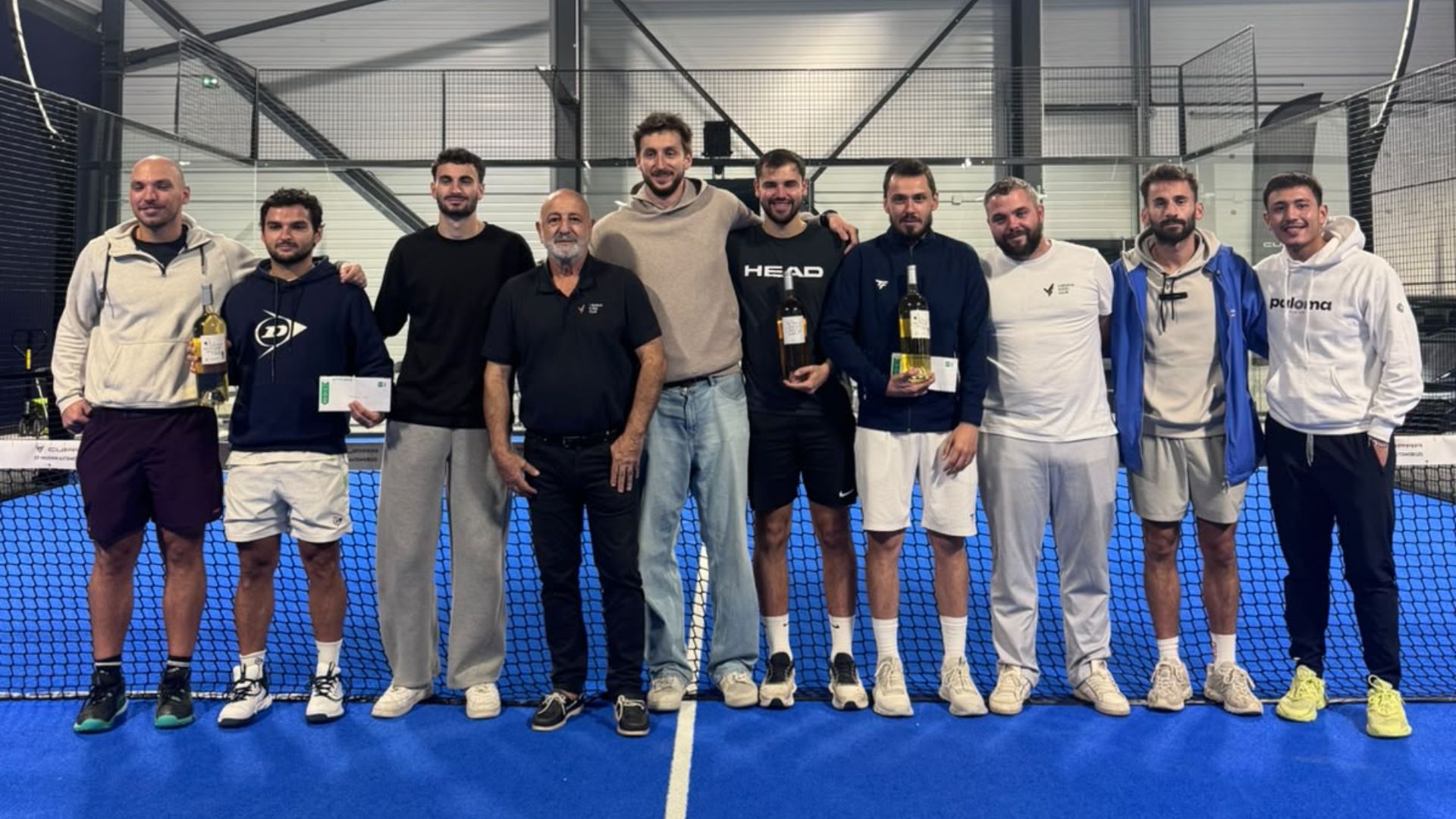
 Prod'homme and Marin defeat Mitjana/Henrion to win the P1000 HUDDL Aizenay
 A perfect tournament for Gortzounian and Vignat who take the title at the P1000 Verneuil Padel Club
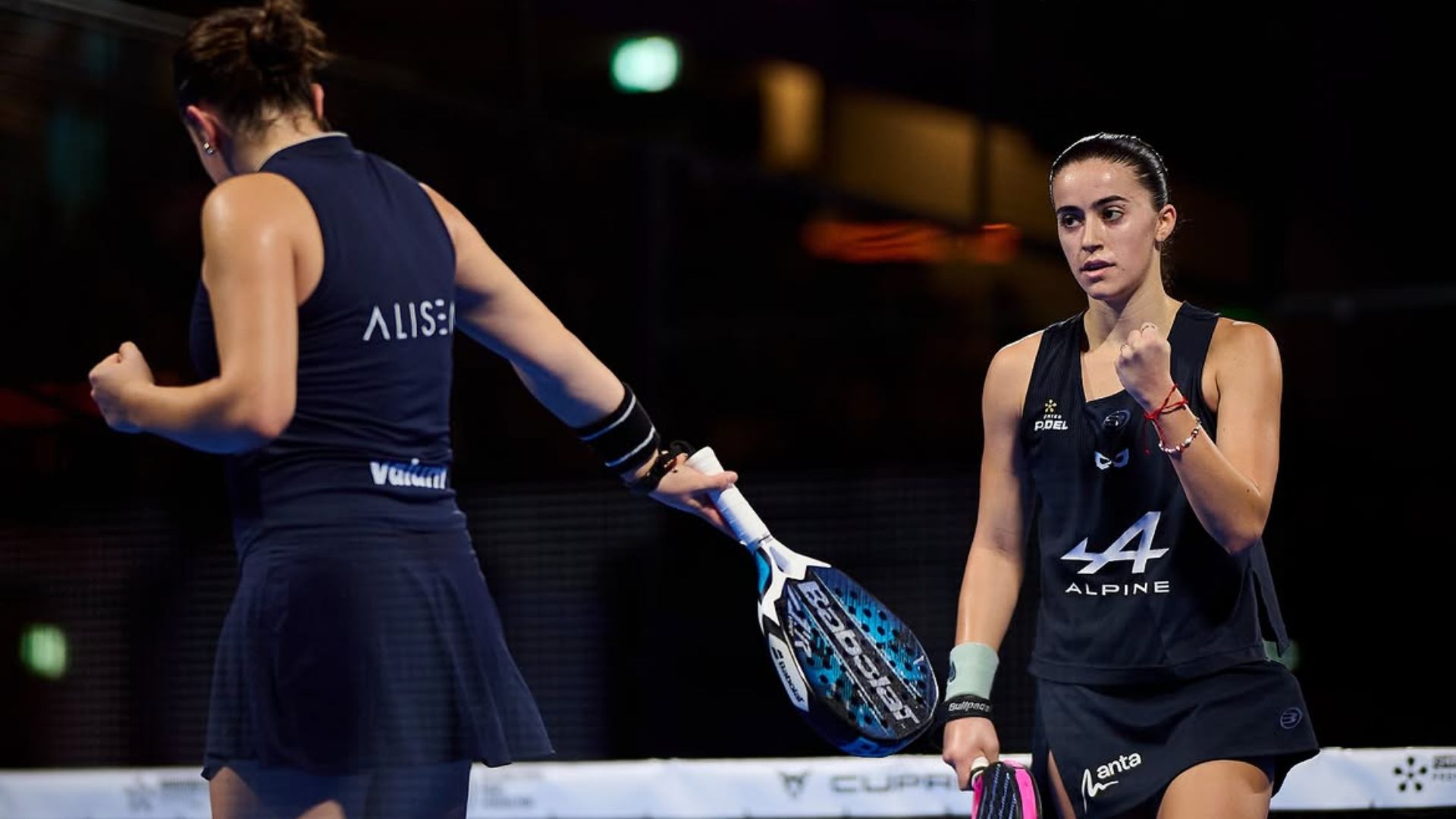 In a demonstration of skill, Fernández and Calvo took their revenge on Sánchez/Ustero and secured the title at Düsseldorf P2
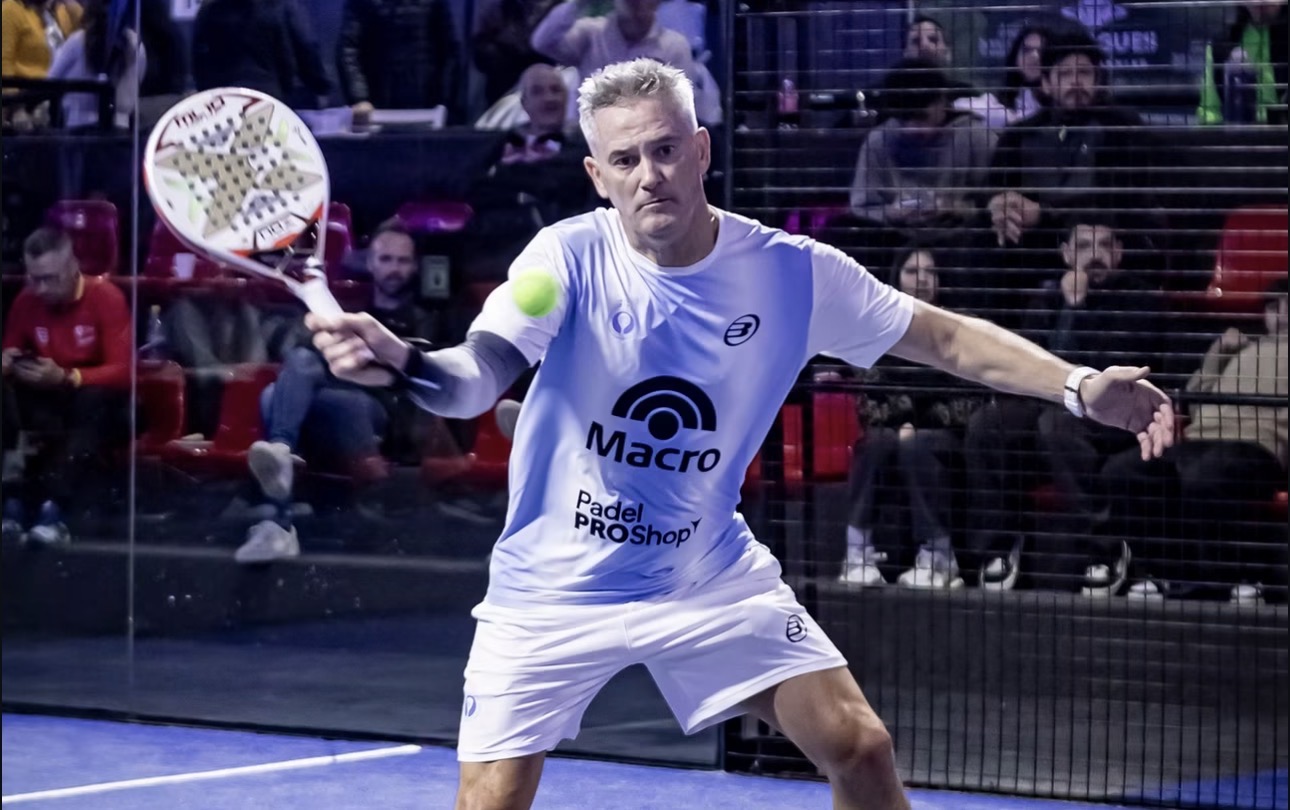 France or Portugal, Spain or Argentina: Miguel Lamperti ranks the best padel nations
 Cédric Lavoye: "Hard work pays off" and a first FIP tournament in Guadeloupe is in his sights
 Nicolas Rouanet is preparing his return in 2027: “With Bastien Blanqué, I would never say no”
 Leygue/Blanqué respond bluntly to the criticism: "You can say what you want... We're putting all our money and our lives into this."
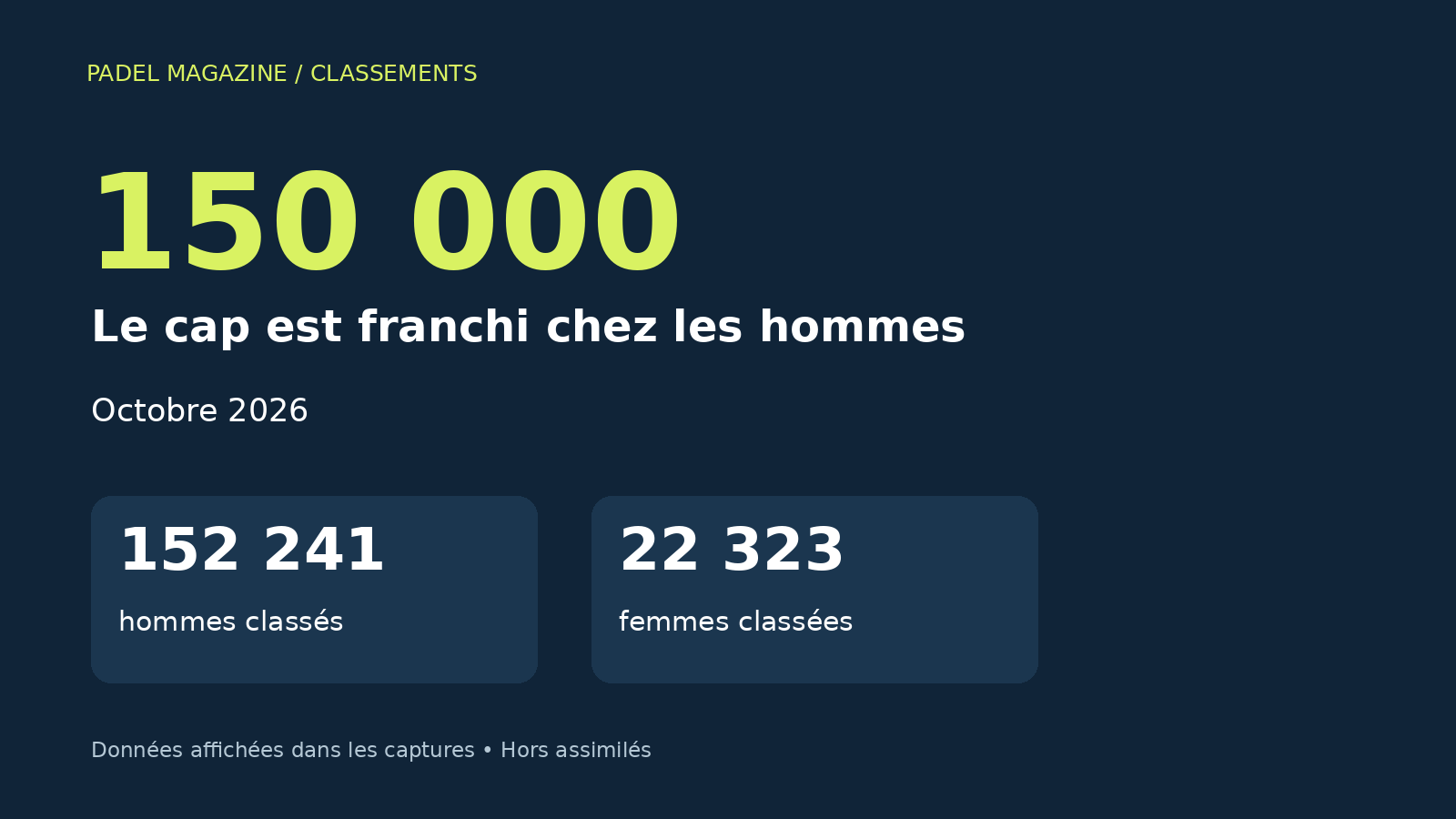 Padel rankings October 2026: more than 150,000 men ranked in France
 P1000 Verneuil Padel Club – Results / Live / Schedule
 West Padel opens its 4 indoor courts in Montivilliers on November 5th
 With Galán tired and Coki Nieto sidelined, is the infernal pace of the circuit starting to take its toll on the players?
 Milan P1: Thomas Leygue launches his qualifying campaign with Jesús Moya
 Germany P2: The fastest quarter-finals in history Premier Padel
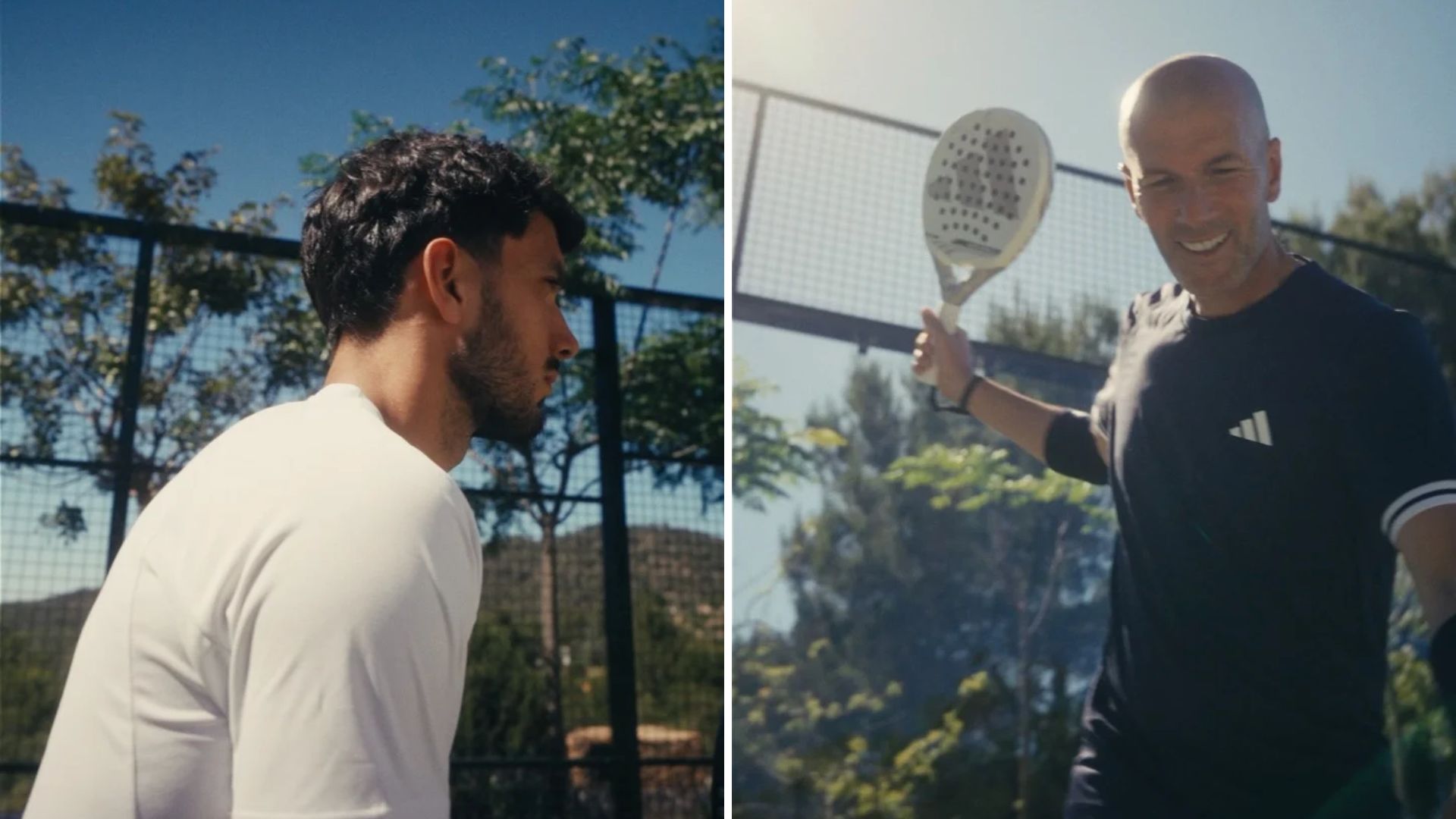 Zidane and Galán reunited on the track to launch the Metalbone ZZ
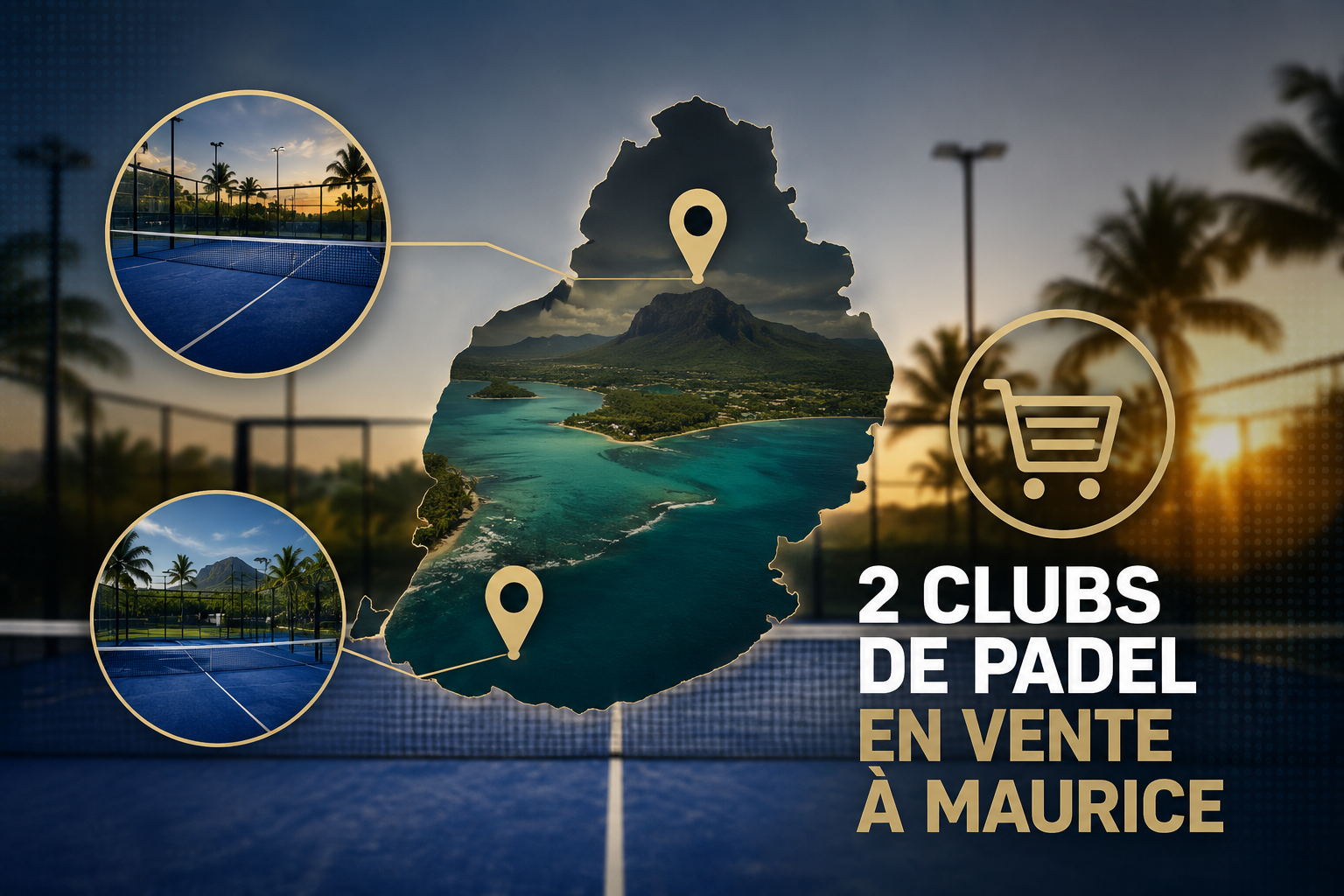 For sale: two padel clubs in Mauritius, starting from 330,000 euros
 How much does it actually cost to organize a FIP Bronze event?
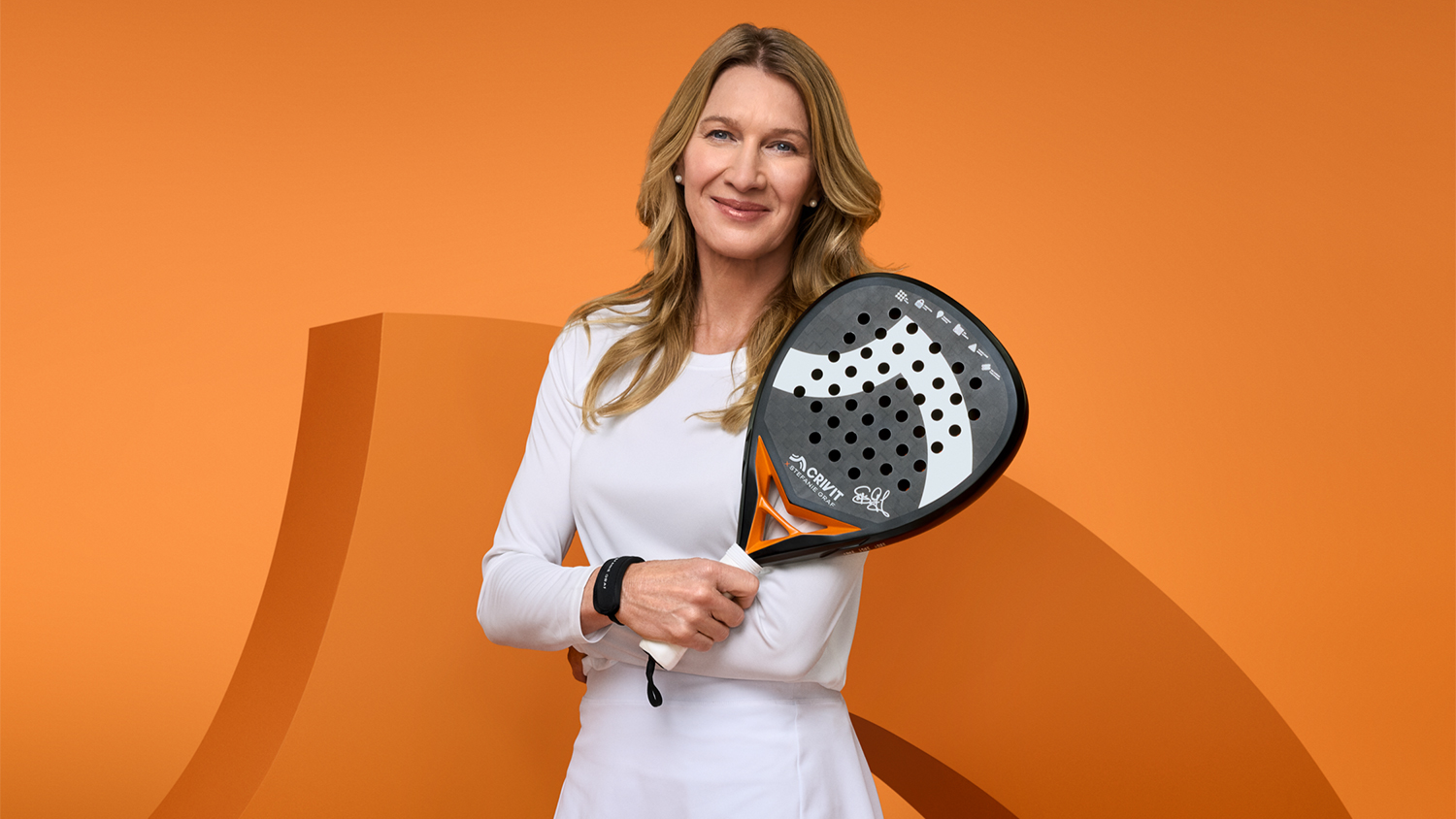 Padel How Lidl is transforming Crivit into a fully-fledged sports brand with Steffi Graf
 Compagnie des Alpes is accelerating its involvement in padel with PadelCity: a new step in its European strategy
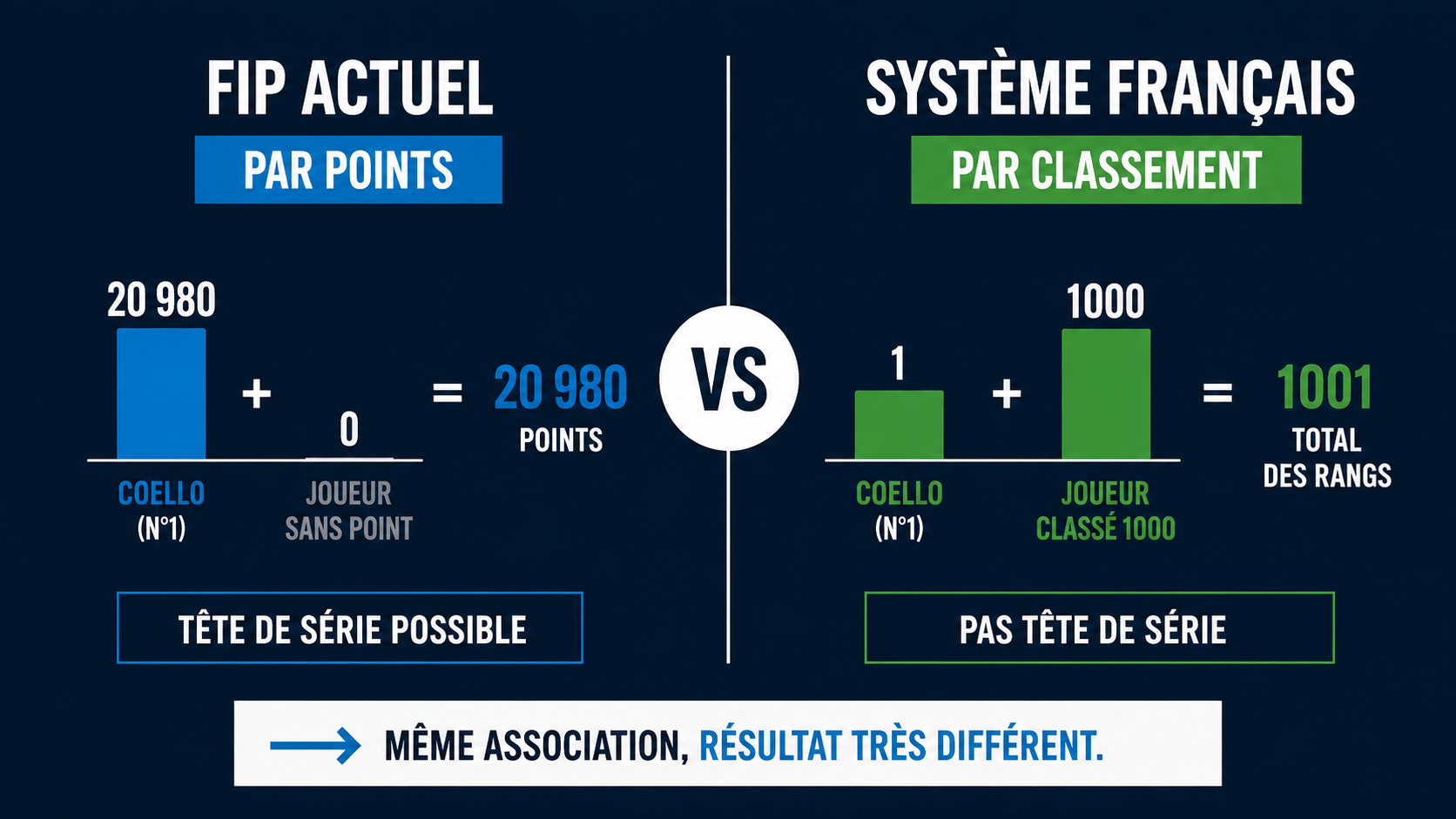 Coello with a player at 0 points ahead of two top 10 players: should the FIP ranking be reviewed?
 Les Pyramides: after 12 padel courts, the club is focusing on youth training
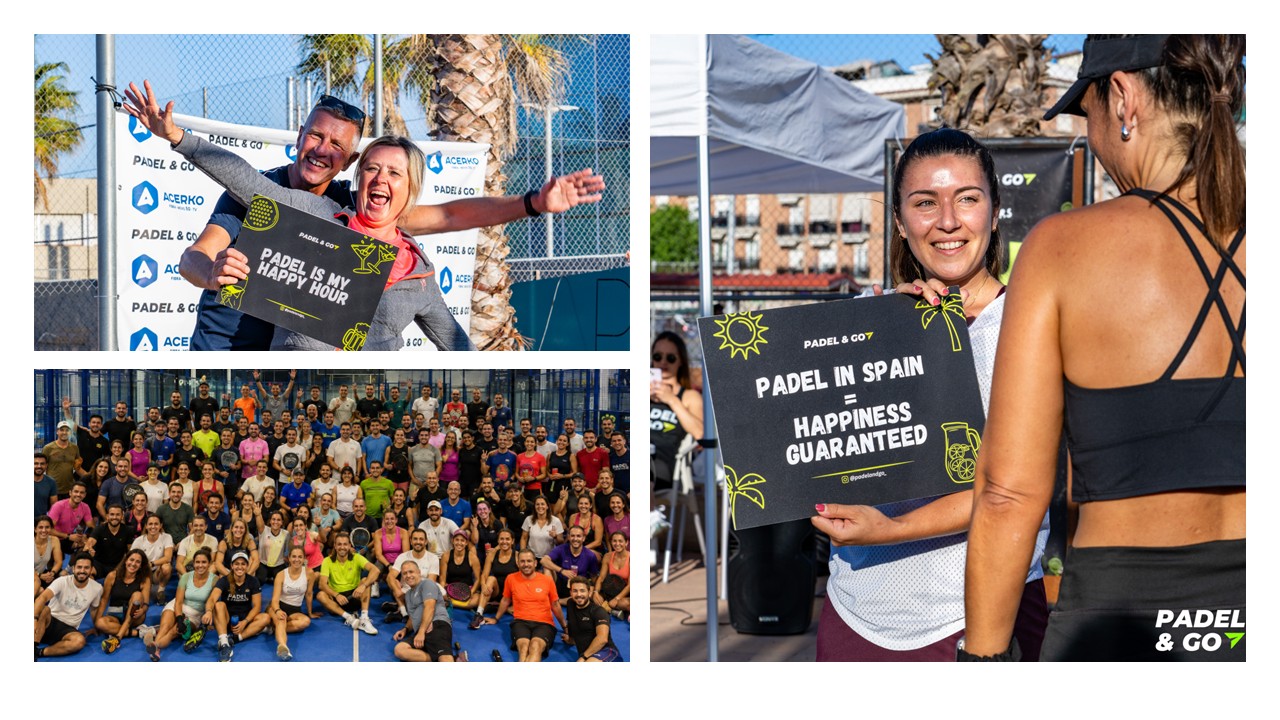 Health Care Padel Tour 2026: What if your next padel tournament was played in Barcelona?
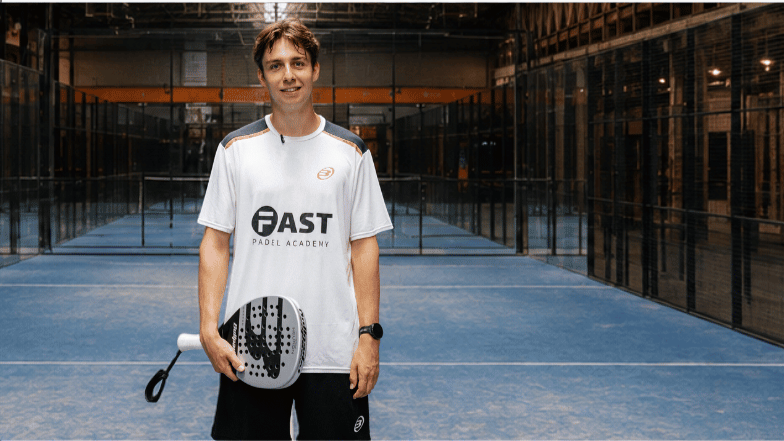 FAST Padel Academy continues its development and establishes itself in Liège.
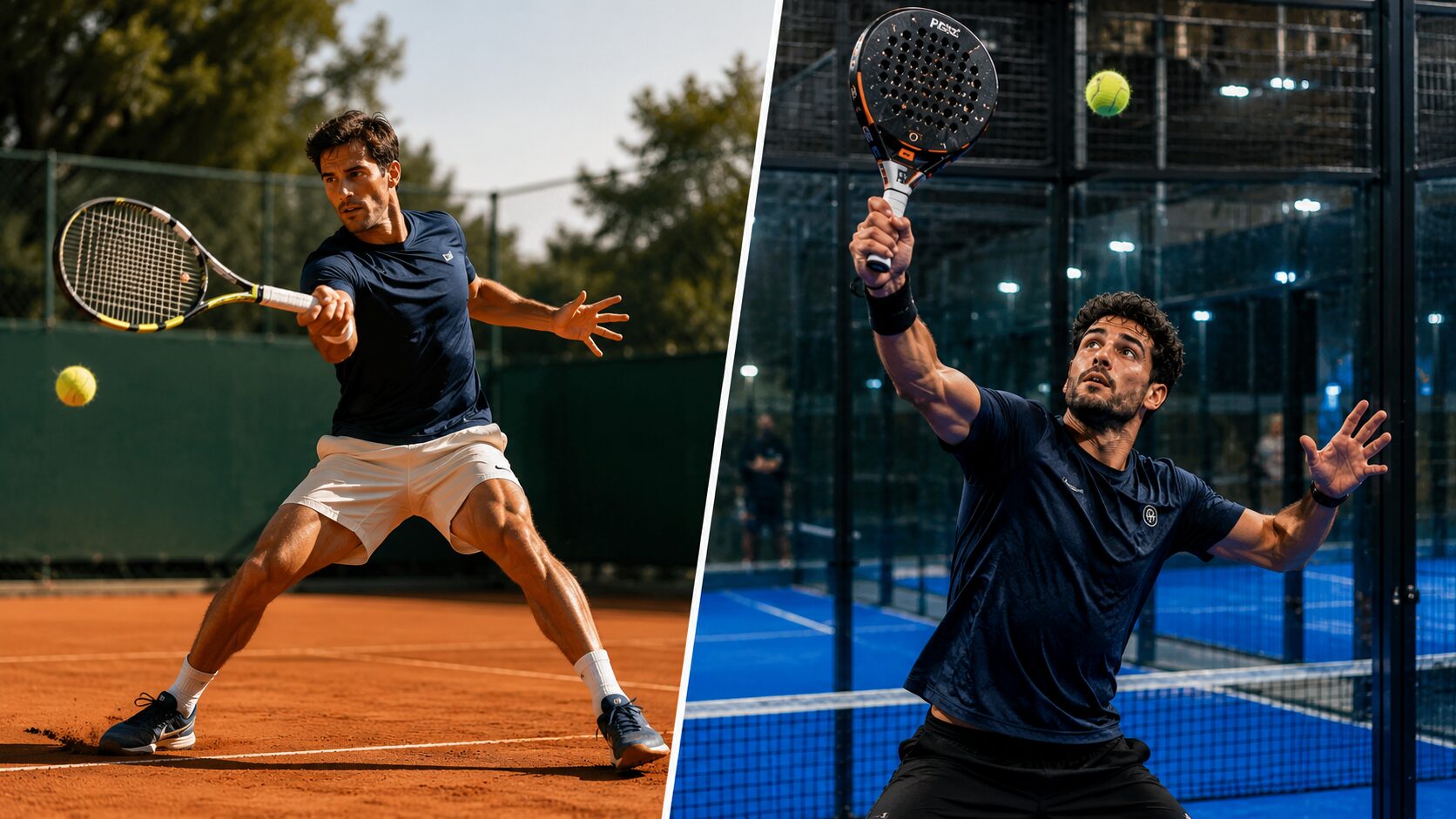 What the analysis of the stroke reveals: tennis forehand vs. padel bandeja
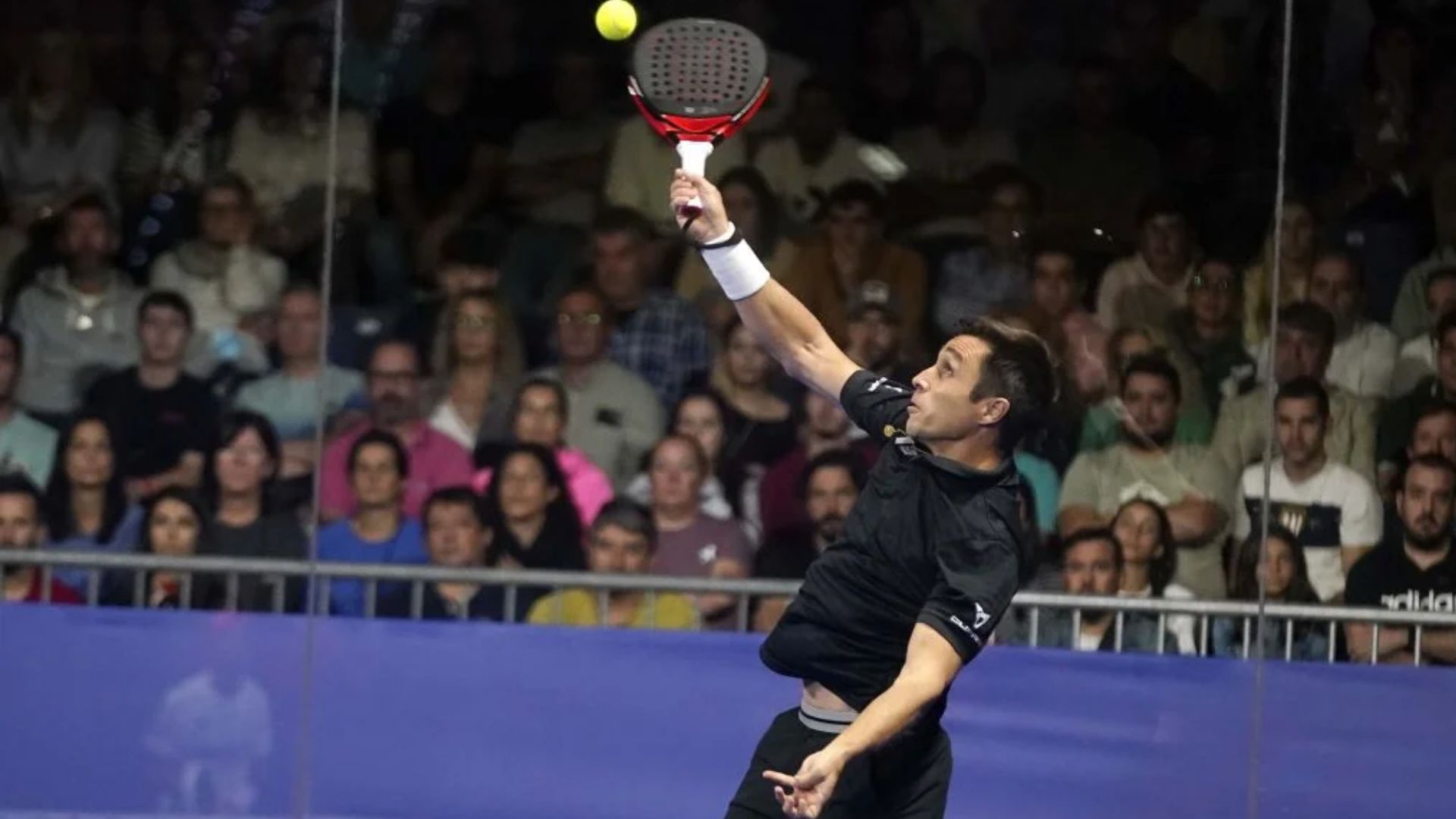 Has the bandeja disappeared from modern padel?
 Flat forehand in padel: 5 exercises from Cristian Álvarez to gain control and efficiency
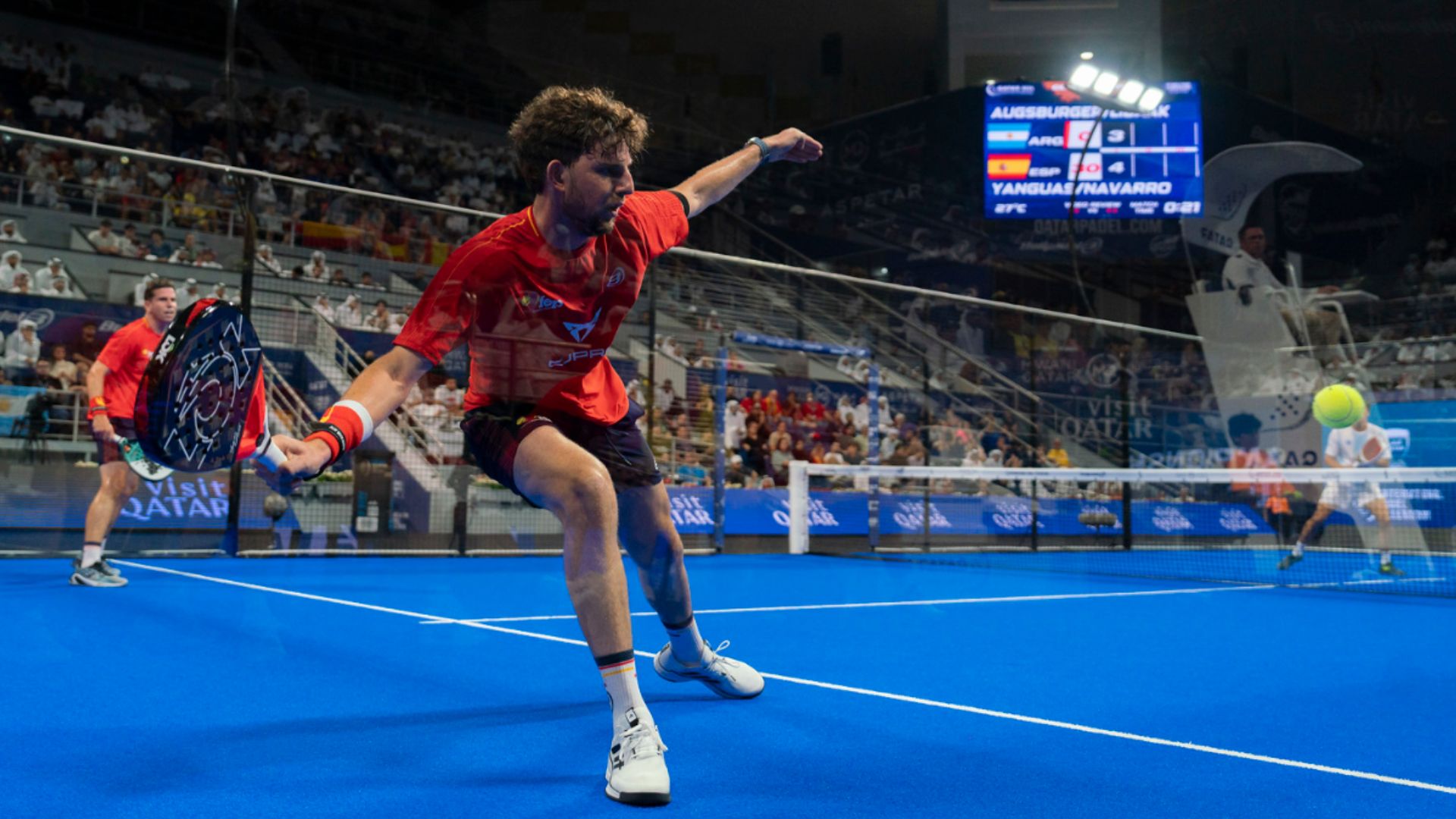 Why knowing how to play on the right and left can make all the difference
 Tapia reveals his recipe for beating Coello / Tapia: "I would bet everything on myself"
 How Coello defused Chingotto's game plan
 In padel, does the chemistry between a pair count as much as individual skill?
 Summer changes padel… but what if the real challenge wasn't hitting harder?
 Neither FIP Tour nor World Team Championship: the unique format of padel at the Mediterranean Games
 Premier Padel : when television can lengthen players' breaks
 Premier Padel Yes, a referee can refuse a player permission to go to the toilet
 Julien Seurin opens up about his mental state: "There are far more doubts than moments of happiness."
 More than a year later, Thomas Leygue is back in the top 150: behind the scenes of a comeback that's still unfinished
 Padel vs squash vs badminton: the scientific ranking of cardio intensity
 Why does Arturo Coello play with his right hand bandaged?
 What if your progress in padel depended on what nobody else is looking at?