









Building courts is no longer enough. In the UK, Powerleague, a leading operator of five-a-side football centers, is evolving its strategy in padel. After developing its network of facilities, the company now wants to invest more in coaching, activities, and player retention. This approach could also inspire French club operators.
Powerleague is moving from building to running clubs
The rapid development of padel in the United Kingdom pushes operators to reassess their priorities. For Powerleague The challenge is no longer simply to increase the number of pitches, but to give players reasons to return regularly.
In an interview published on October 8, 2026 by The Padel paper , Freya Tringham , head of padel at Powerleague, looks back on the different stages of the company's development.
The first step was to quickly install tracks in the centers of five-a-side football already operated by the group. This location made it possible to rely on existing infrastructure and a clientele accustomed to booking sports facilities.
The new phase is more focused on the experience of the practitioners.
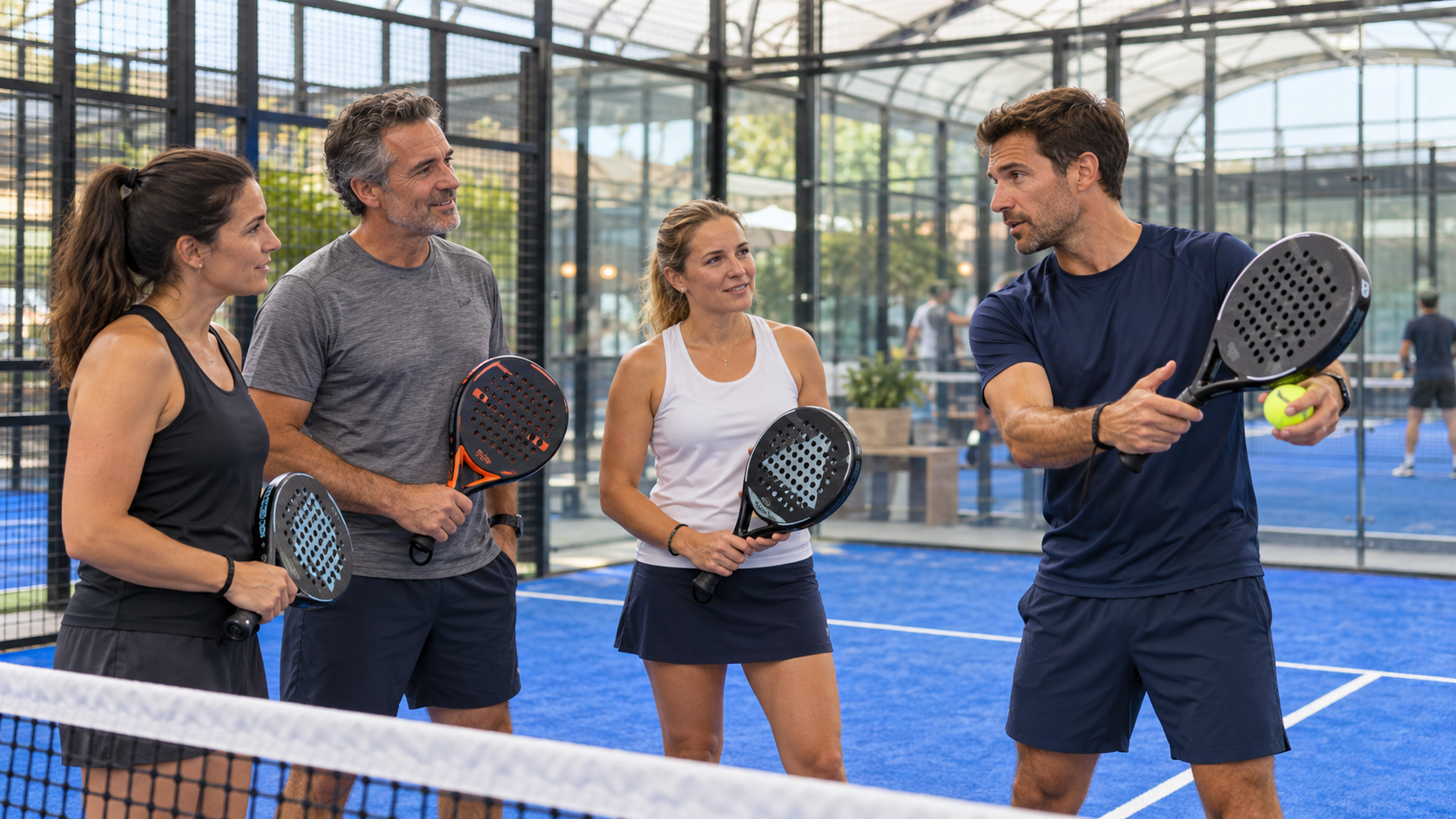
Group classes, individual coaching, leagues, tournaments and community events must now occupy a more important place in the functioning of clubs.
The goal is to create a pathway that can support players from their first discovery of padel to regular practice.
Regional officials to structure the padel offering
To support this growth, Powerleague is recruiting five regional padel development managers .
These permanent, full-time positions are offered with an annual salary between 40,000 and 45,000 pounds sterling (approximately 46,000 to 52,000 euros) , depending on experience and location.
Their role will not be limited to giving lessons. They will also have to contribute to the sporting development of the various centers.
Their main responsibilities include recruiting and supporting independent coaches, organizing teaching programs, developing competitions, and setting up activities for young people.
This organization should allow Powerleague to offer a more consistent experience across its network.
The coach thus becomes a player in the club's development , beyond its traditional teaching mission.
A network of 51 trails set to continue its expansion
Powerleague currently operates 51 padel courts spread across 12 centers from Shoreditch, London, to Paisley, near Glasgow.
Four new sites are also expected to host padel before the end of 2026.
In the longer term, the company aims to integrate this discipline into nearly half of its 43 football centers British.
This expansion is part of a strategy to diversify the activities offered by the group, which has historically specialized in five-a-side football.
The recruitment of regional managers marks a new stage: Powerleague is no longer just looking to have a network of tracks, but to develop a real sporting organization capable of operating on a national scale.
Attracting more women, young people, and seniors
Historically, Powerleague is aimed primarily at a male clientele accustomed to five-a-side football.
Padel allows him to reach other profiles, in particular women, juniors, seniors and beginners .
Supervised sessions and group activities can facilitate this opening.
A player who is discovering padel without knowing any partners can thus join a course, meet other players, and then participate in matches adapted to their level.
For Freya Tringham The challenge also lies in supporting the athletic progress of the participants.
Improving the level of play becomes an important indicator of the success of the programs offered.
This approach aligns with the priorities of the Lawn Tennis Association (LTA) which seeks to develop coaching and make padel accessible to a wider audience.
In its 2024-2026 national strategy, the British federation had notably set a target of 700 padel coaches and instructors , compared to around forty at the beginning of this period.
The United Kingdom has surpassed one million practitioners
Powerleague's ambitions are part of a market undergoing a major transformation.
According to official data published in May 2026 by the Lawn Tennis Association Great Britain has crossed the threshold of million padel players , against 400 by the end of 000 .
The territory now has 3,523 trails spread across 551 sites .
This spectacular growth is gradually changing the economic stakes of the sector.
With more land available, operators must not only attract new players, but also convince them to return.
Therefore, the training of coaches, the organization of competitions and the development of a community around clubs are taking on increasing importance.
Powerleague's decision is directly in line with this evolution of the British market.
What if a club's true investment was also human?
For French operators, the Powerleague initiative raises a concrete question: How can we sustainably make the facilities profitable once the tracks are built?
Filling available time slots remains essential. However, several services can contribute to developing regular practice: lessons, padel schools, internal competitions, matches between players of similar level, and even activities for companies.
The stakes are particularly high for beginners, who may enjoy their first experience without necessarily knowing how to organize a second game.
By facilitating their progress and integration into a community of players, a club can multiply the opportunities to bring them back.
This strategy, however, represents an investment. Recruiting specialized staff, coordinating coaches, and organizing events generates additional costs that must be weighed against expected revenue.
Powerleague is betting that The quality of coaching and the sporting life of the clubs will contribute to their commercial performance .
The results of this policy remain to be seen. But the direction taken by the British operator illustrates a shift in the sector: After the race for new pitches, competition could increasingly focus on the ability of clubs to retain their players.

I discovered the Padel I stumbled into Spain at a campsite. I was instantly hooked; passionate about padel, I follow international and regional news with the same excitement as the sport itself.



































































 FIP rankings – Guichard drops, Fonteny moves closer to the top 100, Robert makes a great move
 Lebrón / Augsburger: Brussels had sent a message, Dubai reinforces the threat
 Dubai P1 – Fernández / Calvo: “Any of the three best pairs could be world number 1”
 4PADEL is recruiting a padel coach in Reunion Island: permanent contract or freelance
 Two and a half years to create a padel racket: HEAD reveals the manufacturing secrets of its 2027 models
 Javier Rodríguez Piris: “I would like Spain to host the World Championships in 2030”
 "We're not a tournament club": the gamble taken by the two Henry sisters who are hosting a P3000 at The Break Padel Club
 “Victim of Padel ": The Adventure Padel Jack Troster and Jack Troster are back with a new track and a crazy music video.
 Bullpadel 2027 in the feminine: the queens take to the track
 Blanqué and Joris remain untouchable, securing the title at the P3000 Break Padel Club
 Three consecutive serves in the Dubai final: the recurring umpiring error Premier Padel
 Padel, weight training, and even HYROX: clubs are changing their model
 Padel court rentals: a global market estimated at 4,6 billion euros
 FIP Beyond: the new global padel circuit for amateurs and seniors
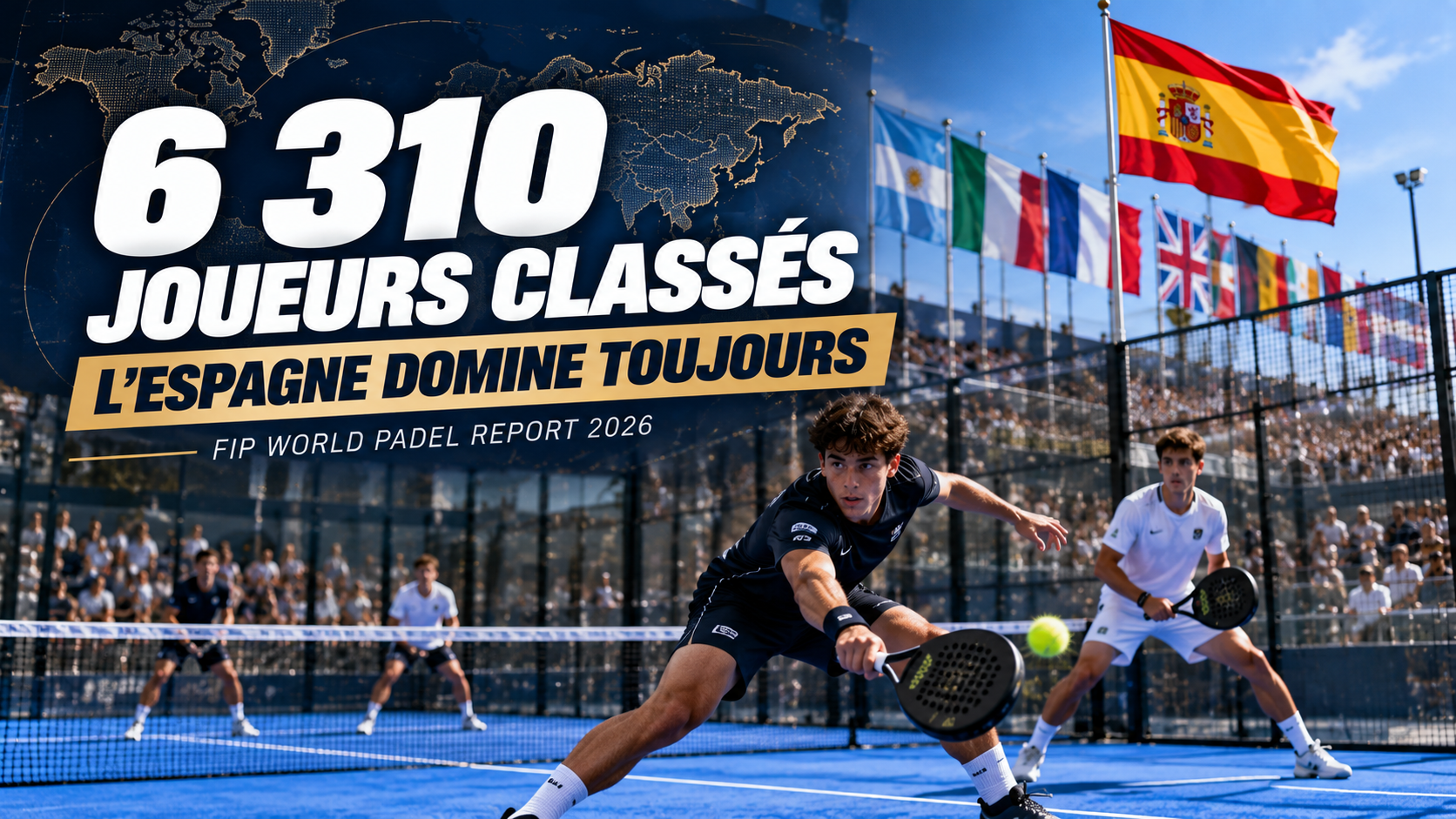 More than 6,300 FIP-ranked players: professional padel is becoming international, but Spain dominates
 OSS Barcelona – Why Spain and France aren't yet playing in the same league
 Cancer and rehabilitation: could padel become a therapeutic tool?
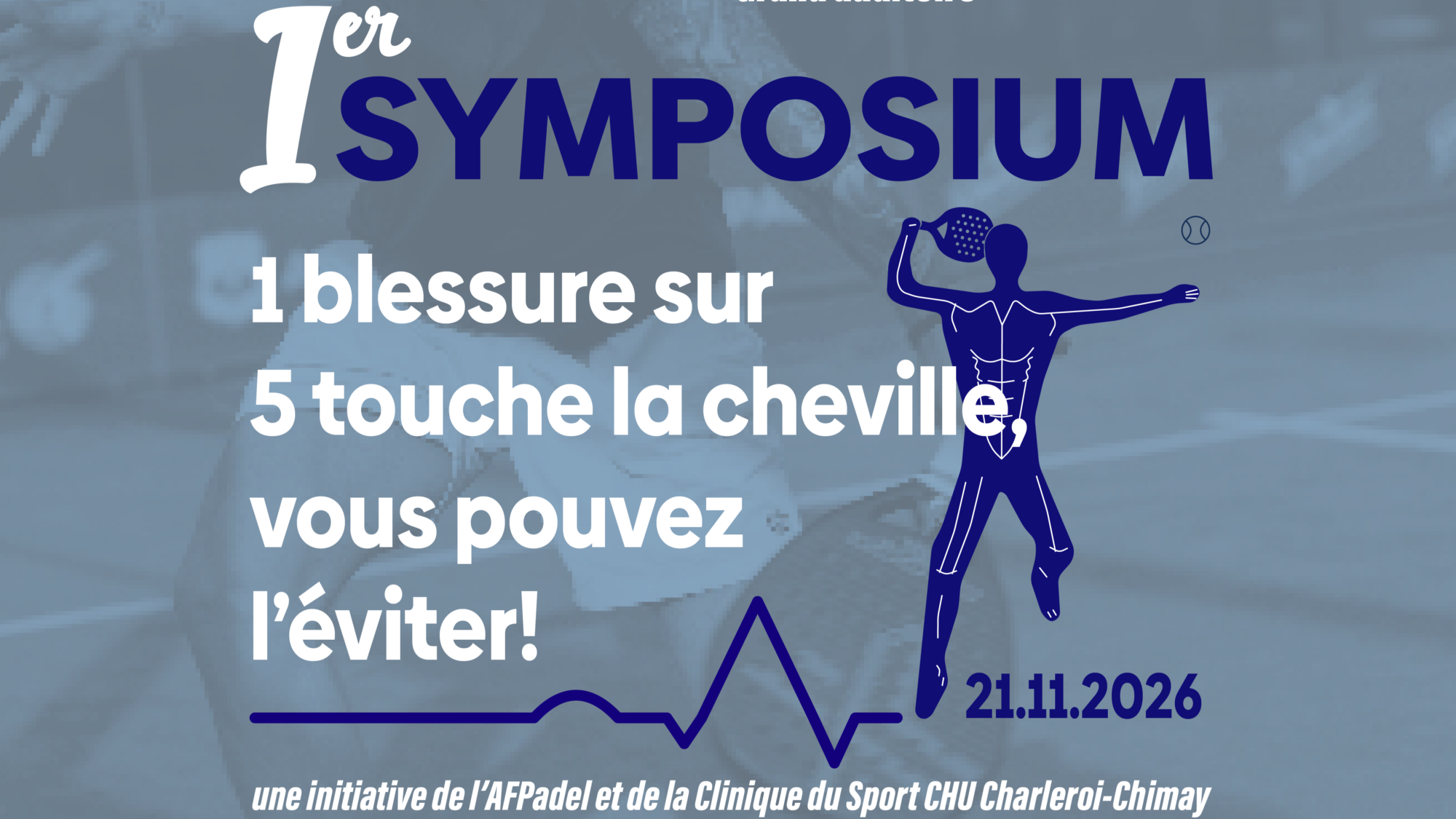 Padel injuries: ankle, knee, elbow, eye… what the latest figures reveal
 Shocking turn of events at Dubai P1: Coello and Tapia have also withdrawn!
 Padel serve: a good serve is especially good preparation for the third shot.
 What the analysis of the stroke reveals: tennis forehand vs. padel bandeja
 Has the bandeja disappeared from modern padel?
 Flat forehand in padel: 5 exercises from Cristian Álvarez to gain control and efficiency
 Why can Libaak/Alfonso beat almost everyone… except Coello/Tapia?
 Tapia reveals his recipe for beating Coello / Tapia: "I would bet everything on myself"
 How Coello defused Chingotto's game plan
 In padel, does the chemistry between a pair count as much as individual skill?
 Organising a national padel competition: what are the FFT's requirements for clubs?
 Organising a P2000 or a P3000: how much does it really cost clubs?
 P2000 or P3000: what are the differences in prize money, format and organization in 2028?
 Do you lose your ranking? Padel FFT after more than a year without a license / without competition?
 Memory, reflexes, concentration: what happens in our brain when we play padel?
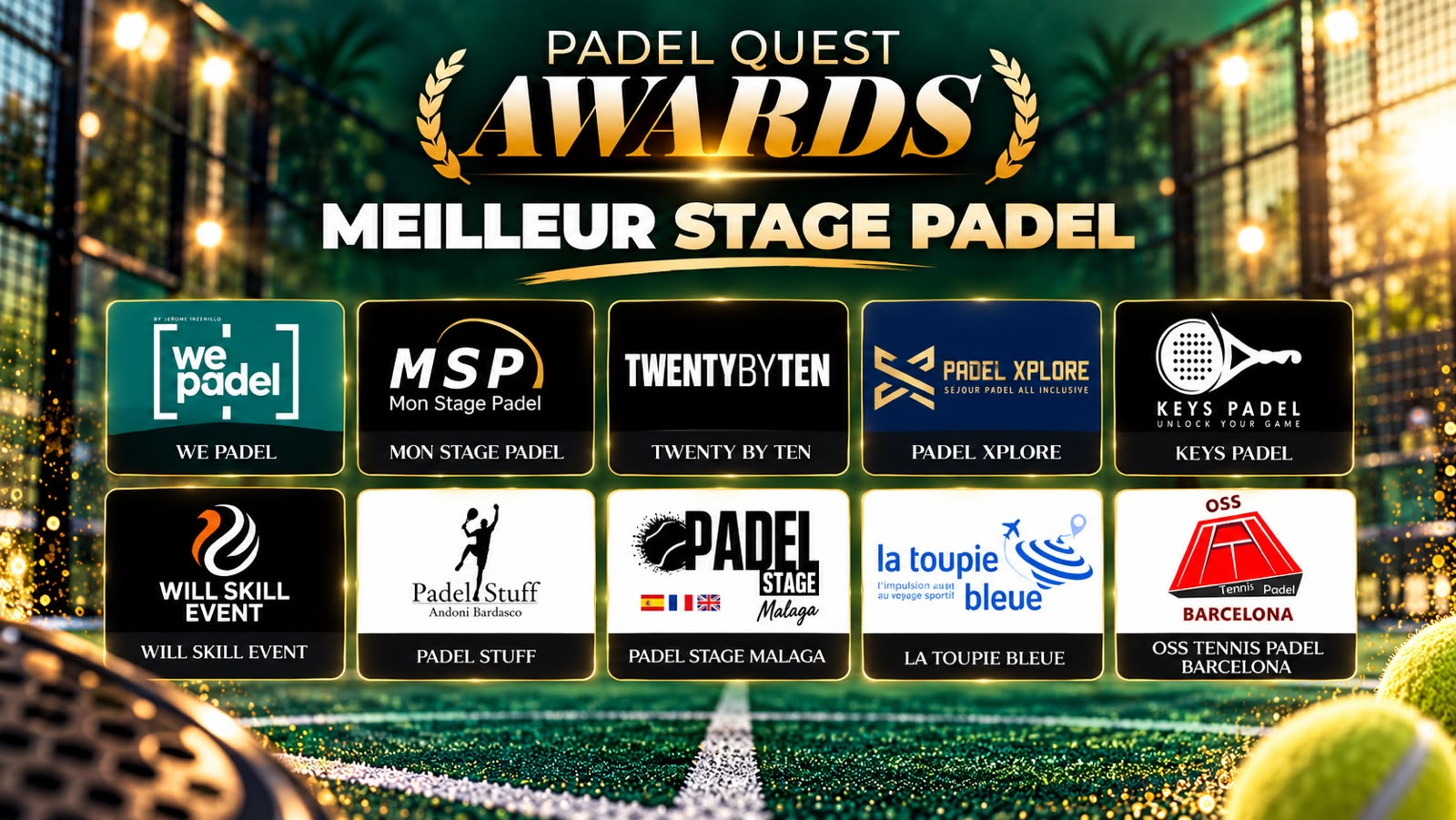 Padel Quest Awards: Ten specialists in the running for the title of best padel training camp of the year
 Padel Xperience: The Academy opens on November 2nd in Marcheprime, ahead of the complex's inauguration in 2027
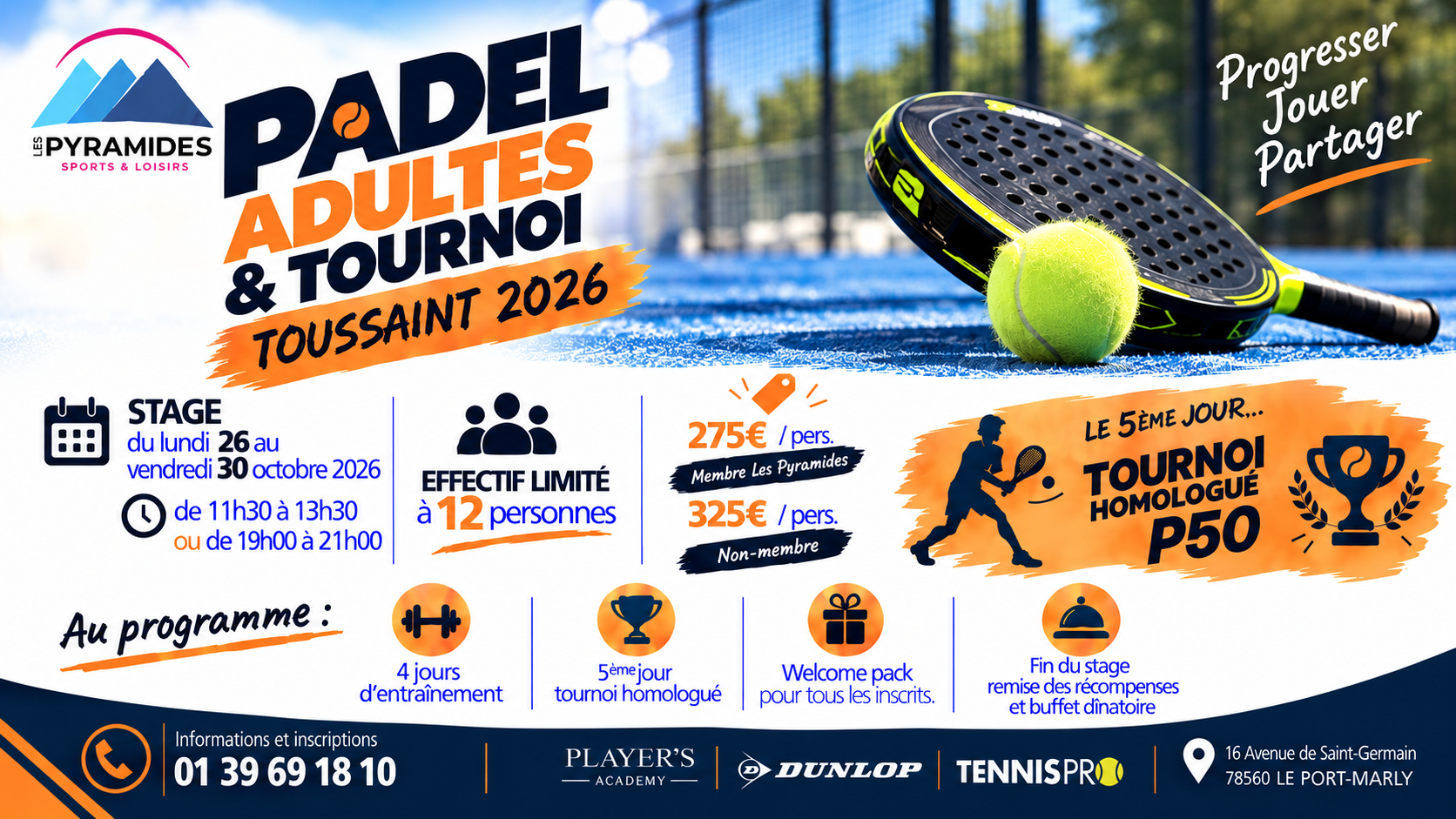 All Saints' Day – Les Pyramides are organizing a padel training camp for adults with a P50 tournament to close out the week