









The tension between Premier Padel and the players are huge. After the boycott of the tournament Gijón , the top 100 players in the world, excluding Franco Stupaczuk et Juan Lebrón and a few rare others, refused to register at the stage of Cancún . In an interview with Relief, Roberto Álvarez , legal representative of Premier Padel, looks back at the circuit's position in the face of this crisis and the possible consequences.
A worrying conflict for Premier Padel
For Premier Padel , the situation is critical. According to Roberto Álvarez , the absences in Gijón and Cancún constitute a contractual violation on the part of the players, with repercussions not only for the circuit, but also for the local promoters and sponsors . Despite this, he hopes for a resolution through dialogue: "We want to find a solution with common sense".
Possible legal consequences
The lawyer identifies three types of potential sanctions:
- Breach of contract between players and Premier Padel .
- Violation of sporting regulations , which may result in disciplinary sanctions under the authority of the FIP .
- Damages to third parties , like the organizers and economic partners .
He insists, however, that this information is not a threat, but a warning about the legal implications of the boycott.
Negotiations ongoing, but disagreement persists
From November , more than ten meetings took place between the players and Premier Padel , the last one in Saudi Arabia The discussions focused on the regulatory changes adopted by the FIP , some of which were requested by the players themselves, such as reducing the size of the tables.
Faced with criticism of the lack of consultation, Roberto Álvarez refutes: "There were discussions and adjustments were negotiated. There is written evidence of these discussions.".
A contested organizational model
Some players denounce a conflict of interest , because Luigi Carraro , president of the FIP , is also involved in Premier Padel . A point swept by Alvarez , who compares this structure to other professional sports such as F1 or MotoGP .
Economically, the boycott has a negative impact on the attractiveness of the circuit, the presence of sponsors and the media audience. Each tournament affected worsens these losses.
Openness to dialogue, but firmness on the legal framework
Regarding the opening of registrations for Cancún , contested by the players, the lawyer believes that it does not harm anyone and that on the contrary it confirms a concerted collective decision for the boycott.
On the possibility of negotiating individually with certain players outside the PPA , he is categorical: "We are ready to talk with anyone who has a legitimate interest.".
A call for caution for players
Roberto Álvarez recommends players to consult independent legal experts to assess the consequences of their actions. He mentions in particular the case of Franco Stupaczuk , which ended its involvement in the boycott after learning of a legal report indicating its illegality .
A crisis that threatens the future of padel
Si Premier Padel is a project at long term , with massive investments, the current situation weakens the entire padel ecosystem. The lawyer concludes with a wish: "I sincerely hope that we will return to normal, for the good of padel and all its players".

Franck Binisti discovered padel at the Club des Pyramides in 2009 in the Paris region. Since then, padel has been part of his life. You often see him touring France to cover major French padel events.




















































 Rotterdam P2: Tapia and Coello scare each other, Campagnolo / González bring down Paquito / Di Nenno
 French Championships 2026: Favorites gain momentum, top seeds fall by the wayside
 François-Xavier Coninck: "We could approach 60,000 approvals this season."
 Fitia Robinson, 17 years old and already with big ambitions: "It would be amazing to represent France"
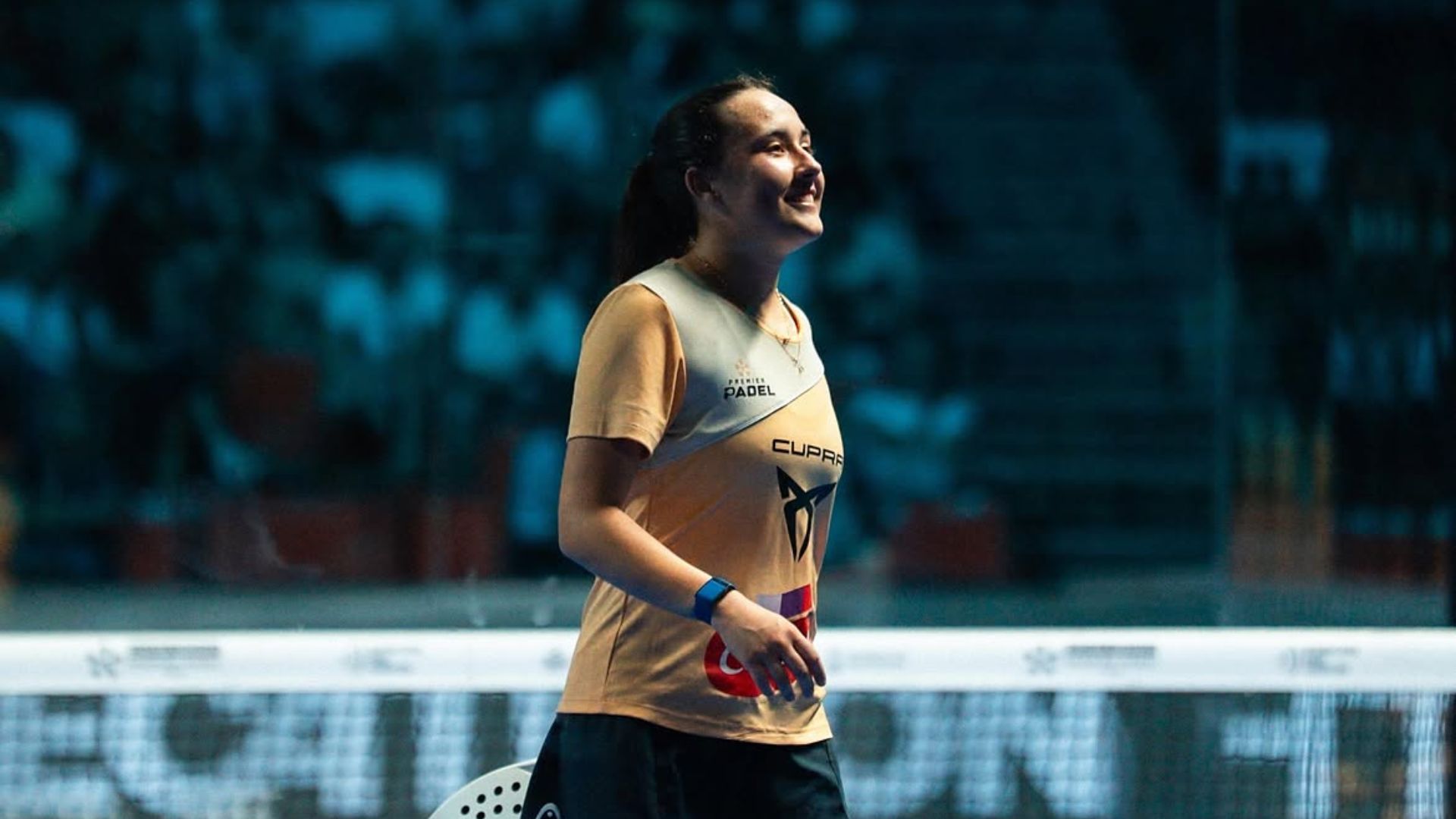 Andrea Ustero identifies Paula Josemaría as the opponent who poses the most problems for him.
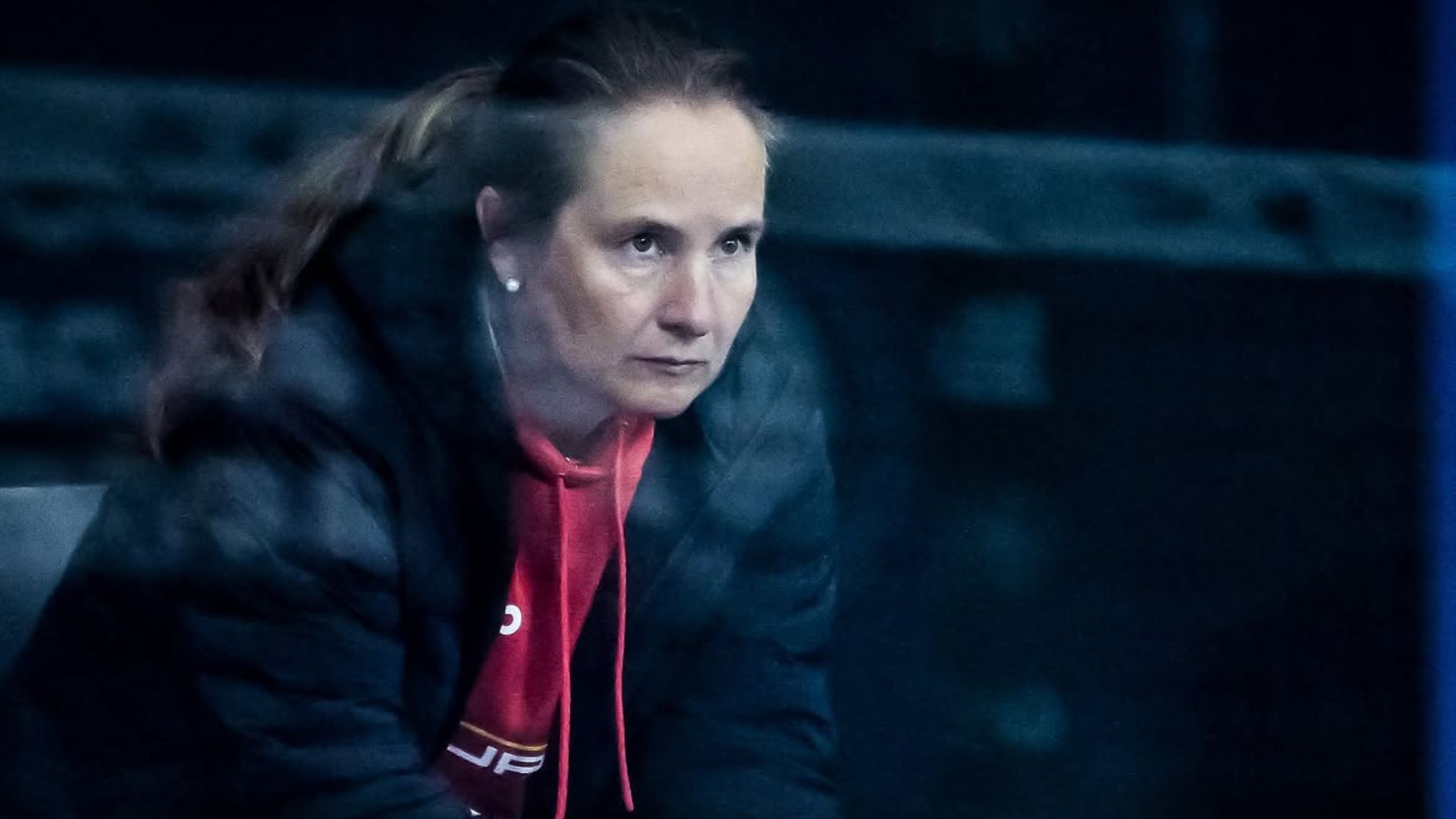 Carolina Navarro: “Marta Ortega deserved her place on the track”
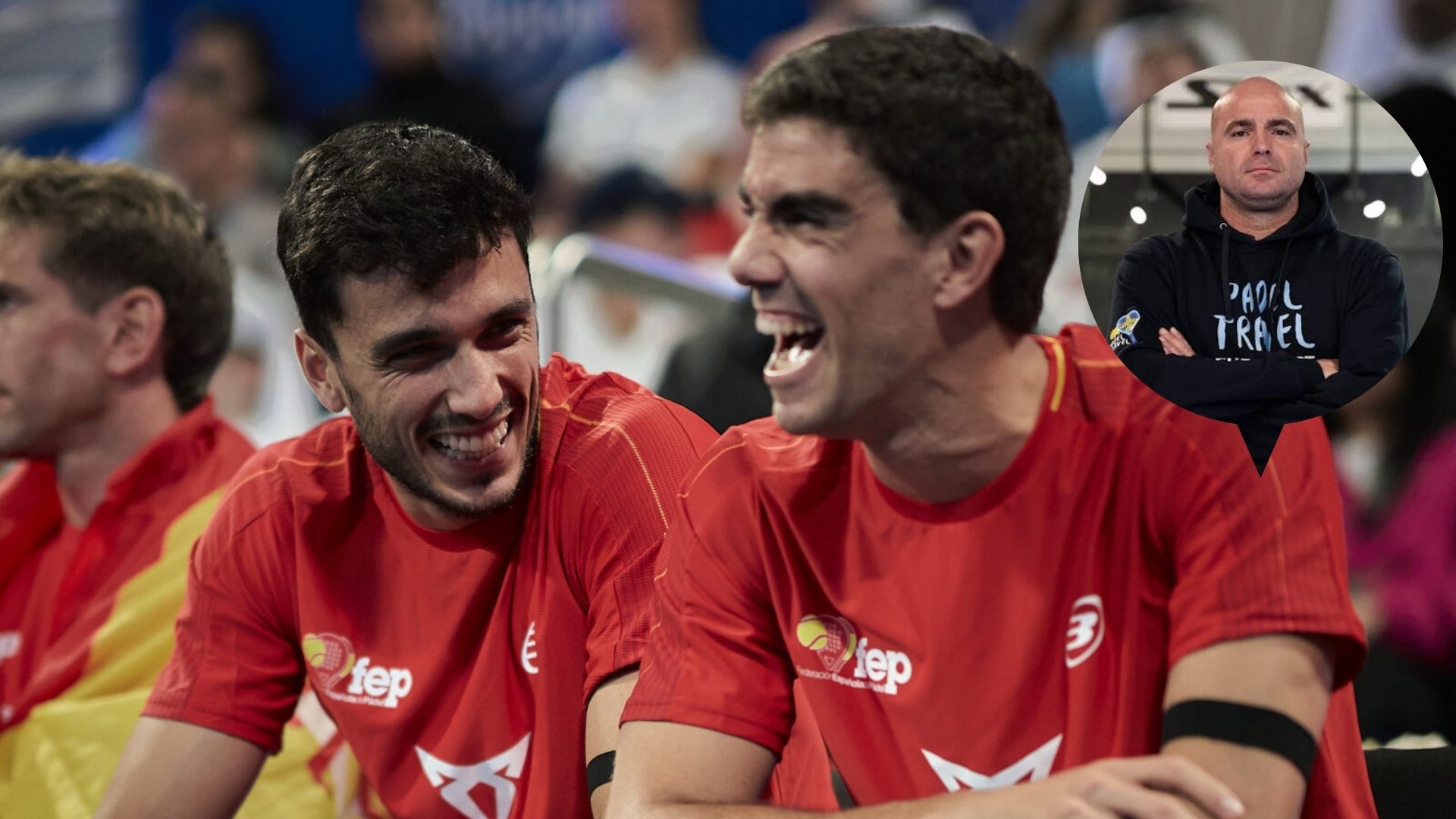 Juanjo Gutiérrez announces that Galán and Lebrón will play together again for Spain: “yes, they will play together”
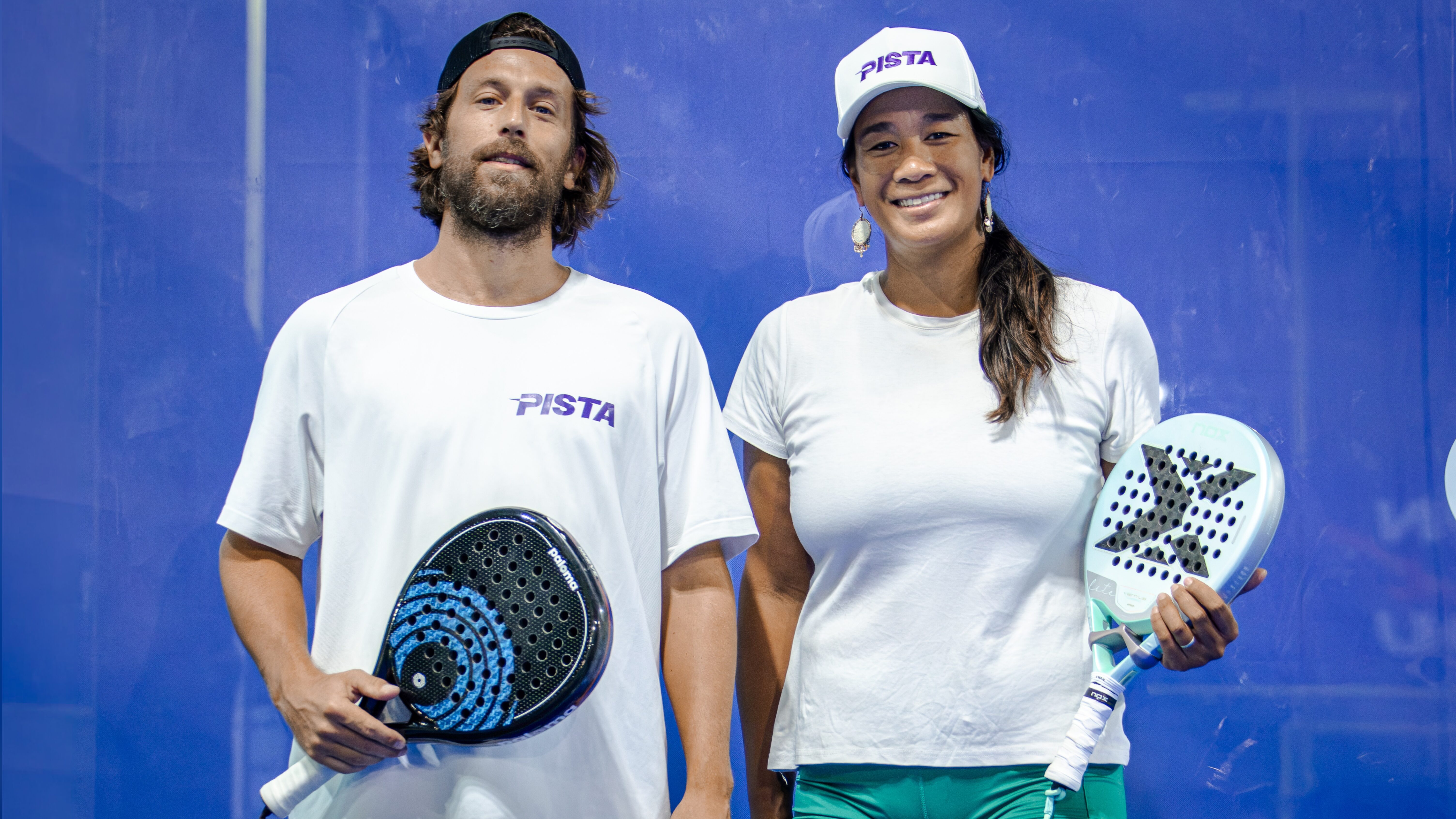 Léa Godallier and Romain Sichez officially join the PISTA athletes program
 P1000 PadelShot Reims – Results / Live / Schedule
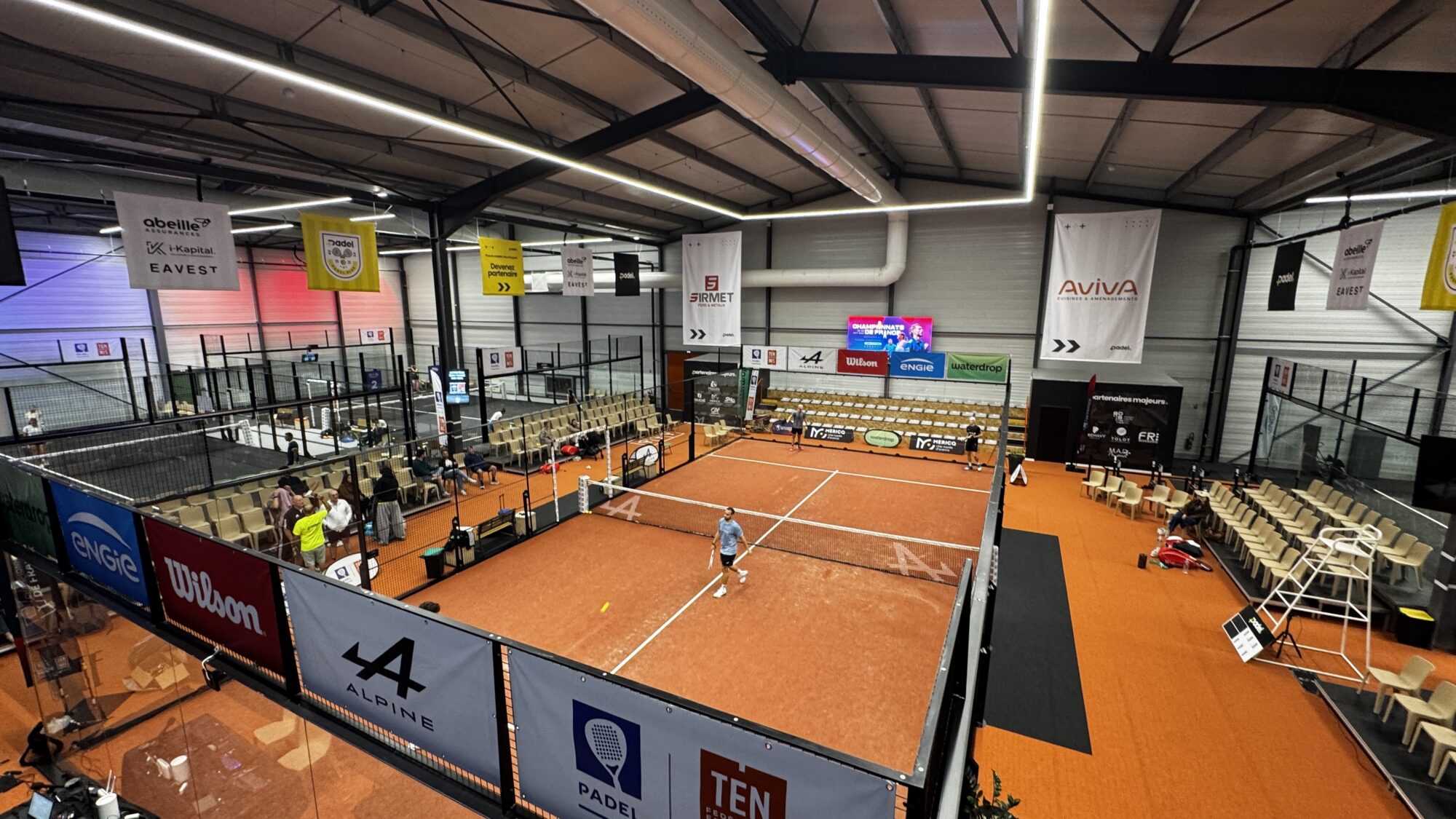 French Championships 2026: the draws are out, a huge Boronad/Robert – Blanqué/Leygue matchup in sight
 French Championships 2026: Boronad / Robert, much more than just outsiders?
 FIP Bronze Tunis: Several French athletes competing despite the French Championships
 Rotterdam P2: Time for the quarterfinals, several clashes on the schedule in the Netherlands
 Rotterdam P2: Facing Chingotto, Jon Sanz must find the right balance
 Asian Games: Iran and Indonesia guaranteed to make padel history
 For sale: two padel clubs in Mauritius, starting from 330,000 euros
 How much does it actually cost to organize a FIP Bronze event?
 Padel How Lidl is transforming Crivit into a fully-fledged sports brand with Steffi Graf
 Compagnie des Alpes is accelerating its involvement in padel with PadelCity: a new step in its European strategy
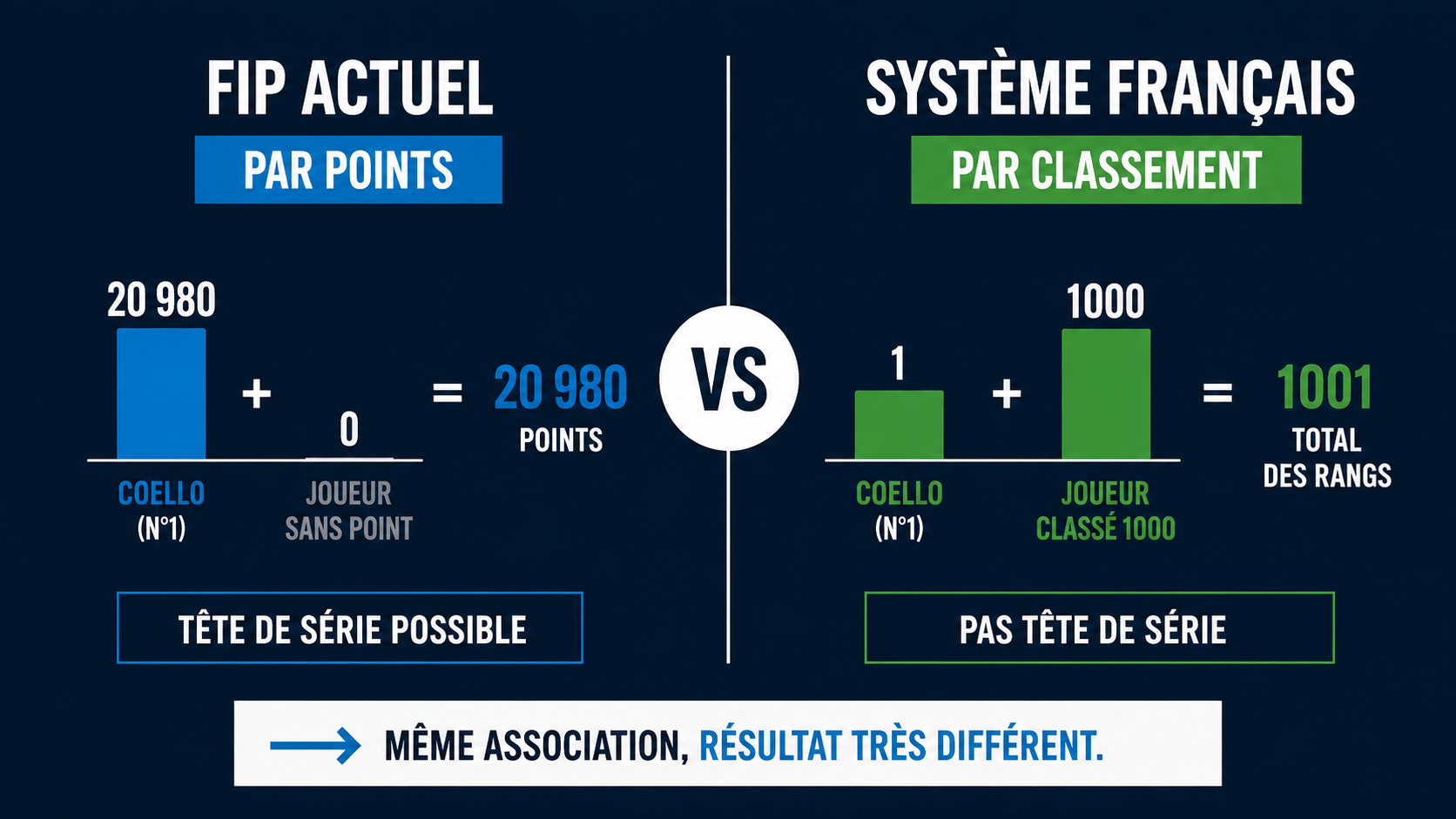 Coello with a player at 0 points ahead of two top 10 players: should the FIP ranking be reviewed?
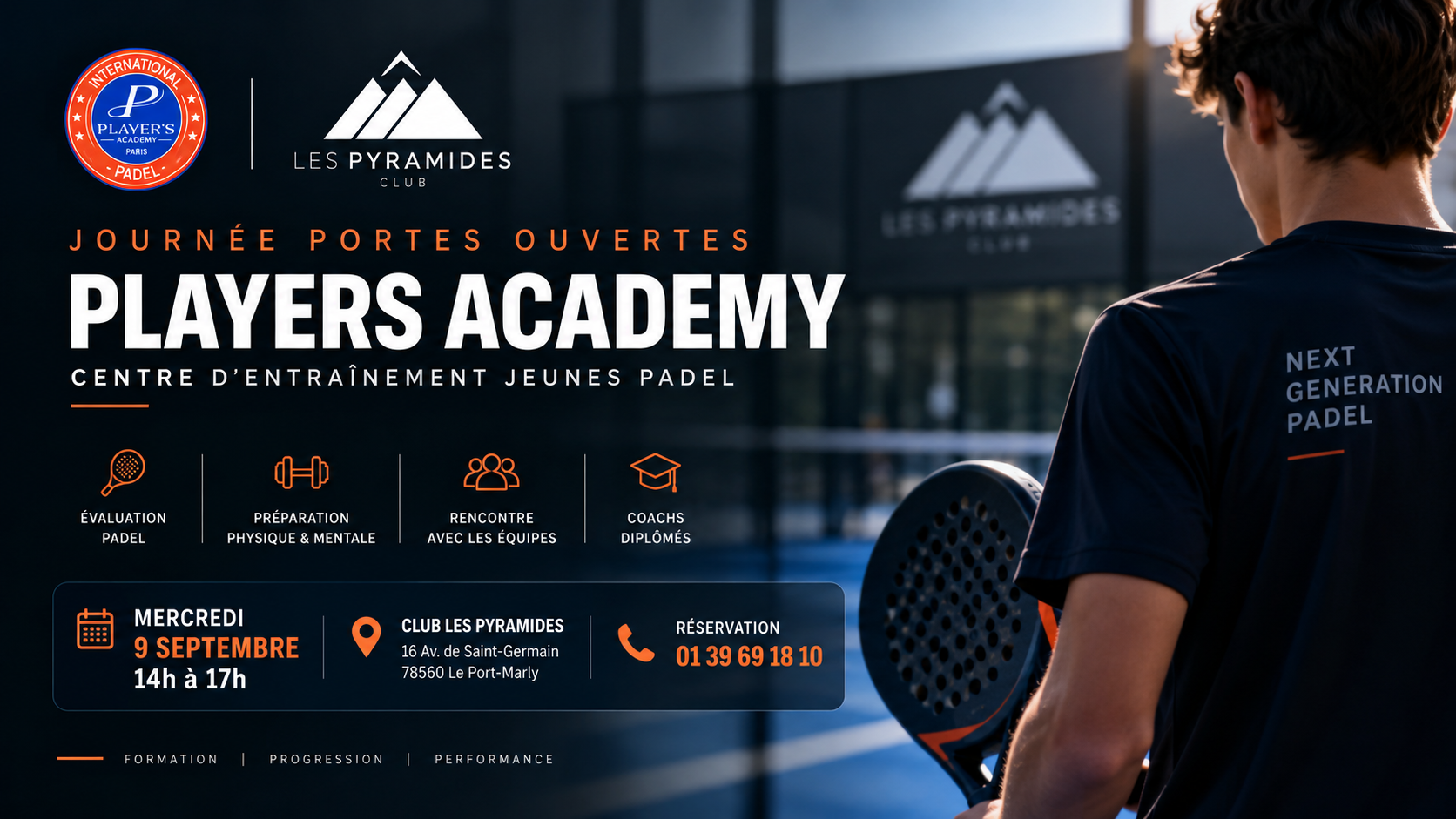 Les Pyramides: after 12 padel courts, the club is focusing on youth training
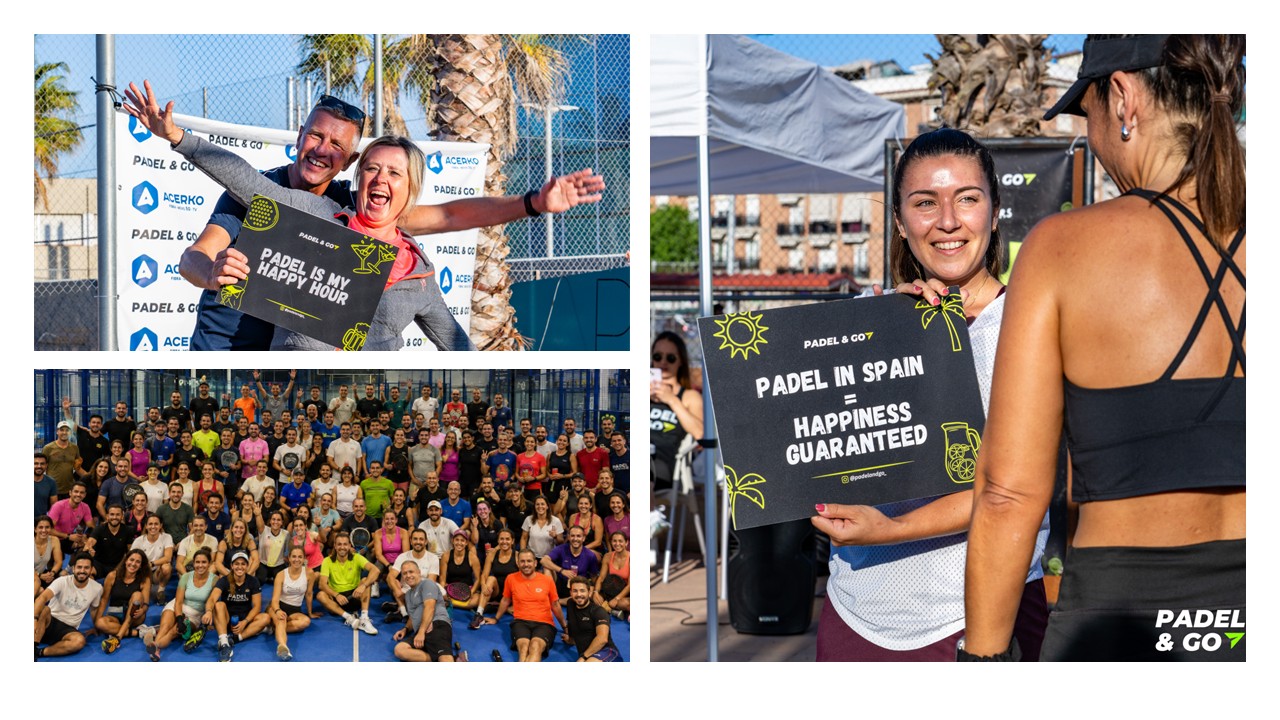 Health Care Padel Tour 2026: What if your next padel tournament was played in Barcelona?
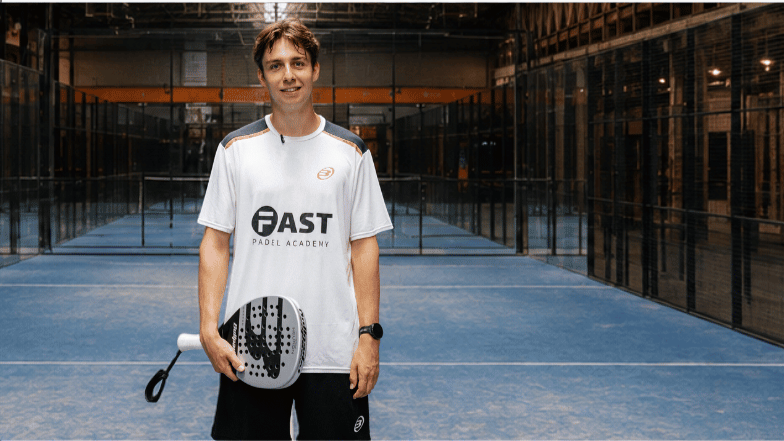 FAST Padel Academy continues its development and establishes itself in Liège.
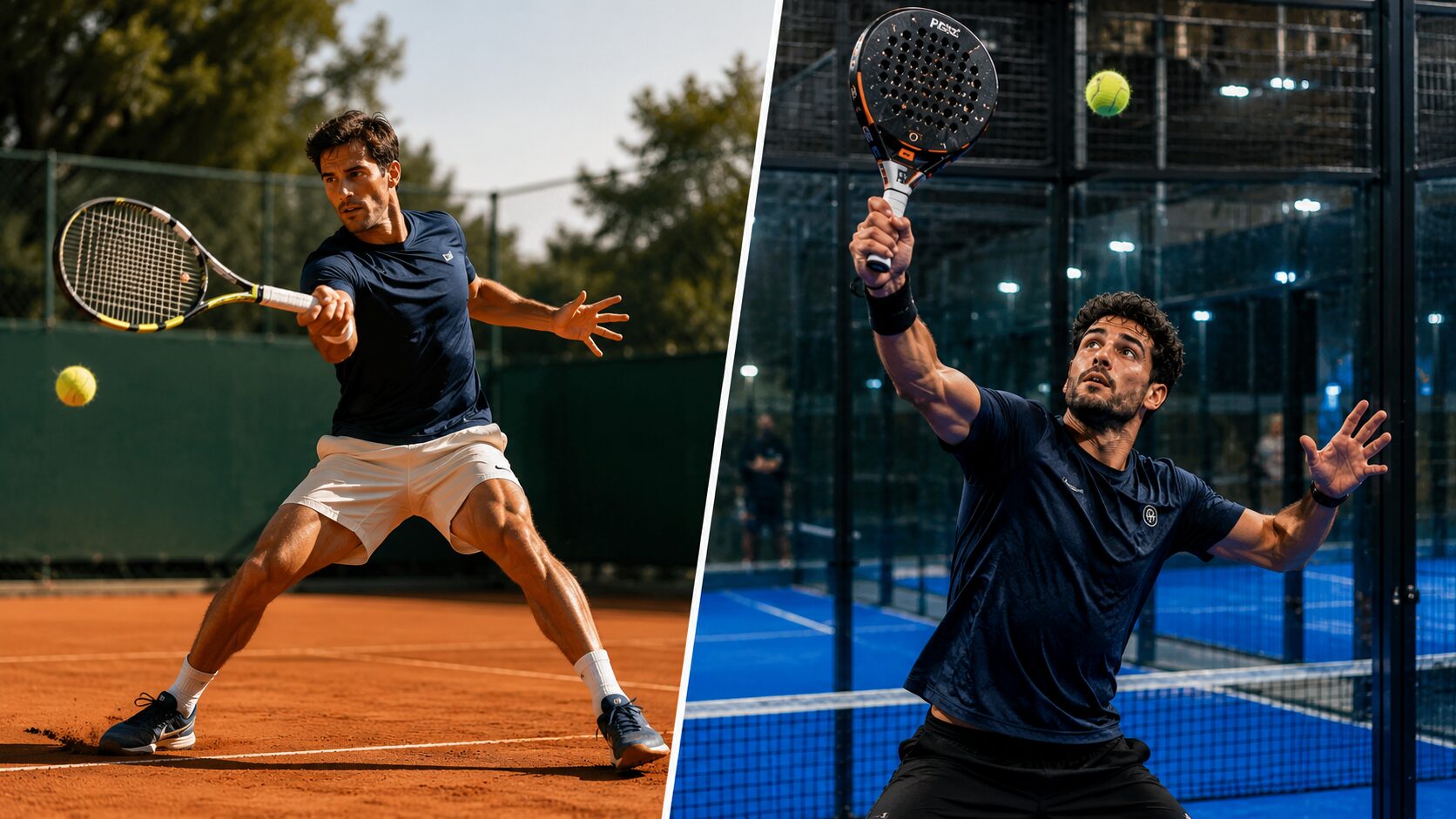 What the analysis of the stroke reveals: tennis forehand vs. padel bandeja
 Has the bandeja disappeared from modern padel?
 Flat forehand in padel: 5 exercises from Cristian Álvarez to gain control and efficiency
 Why knowing how to play on the right and left can make all the difference
 Tapia reveals his recipe for beating Coello / Tapia: "I would bet everything on myself"
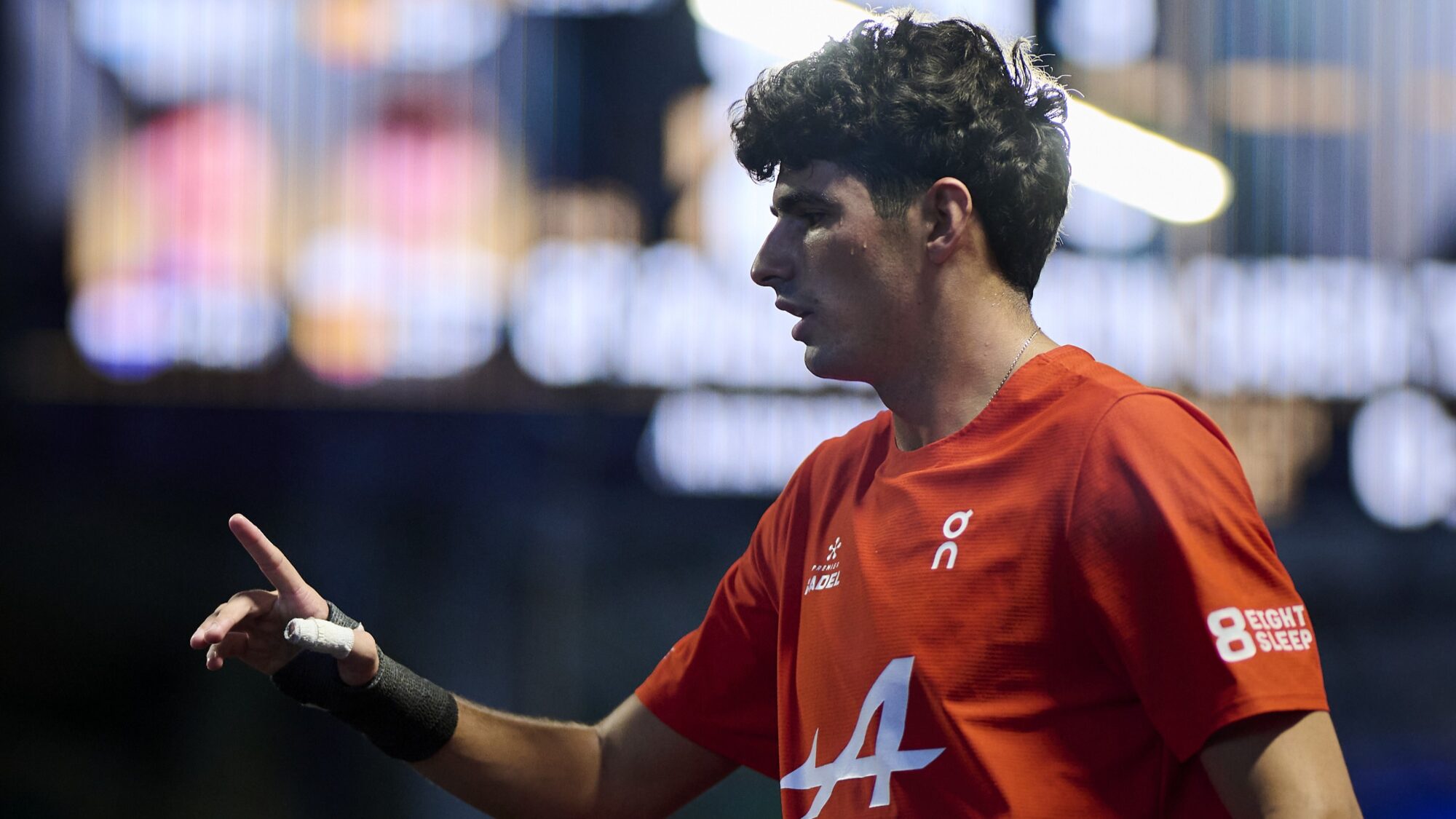 How Coello defused Chingotto's game plan
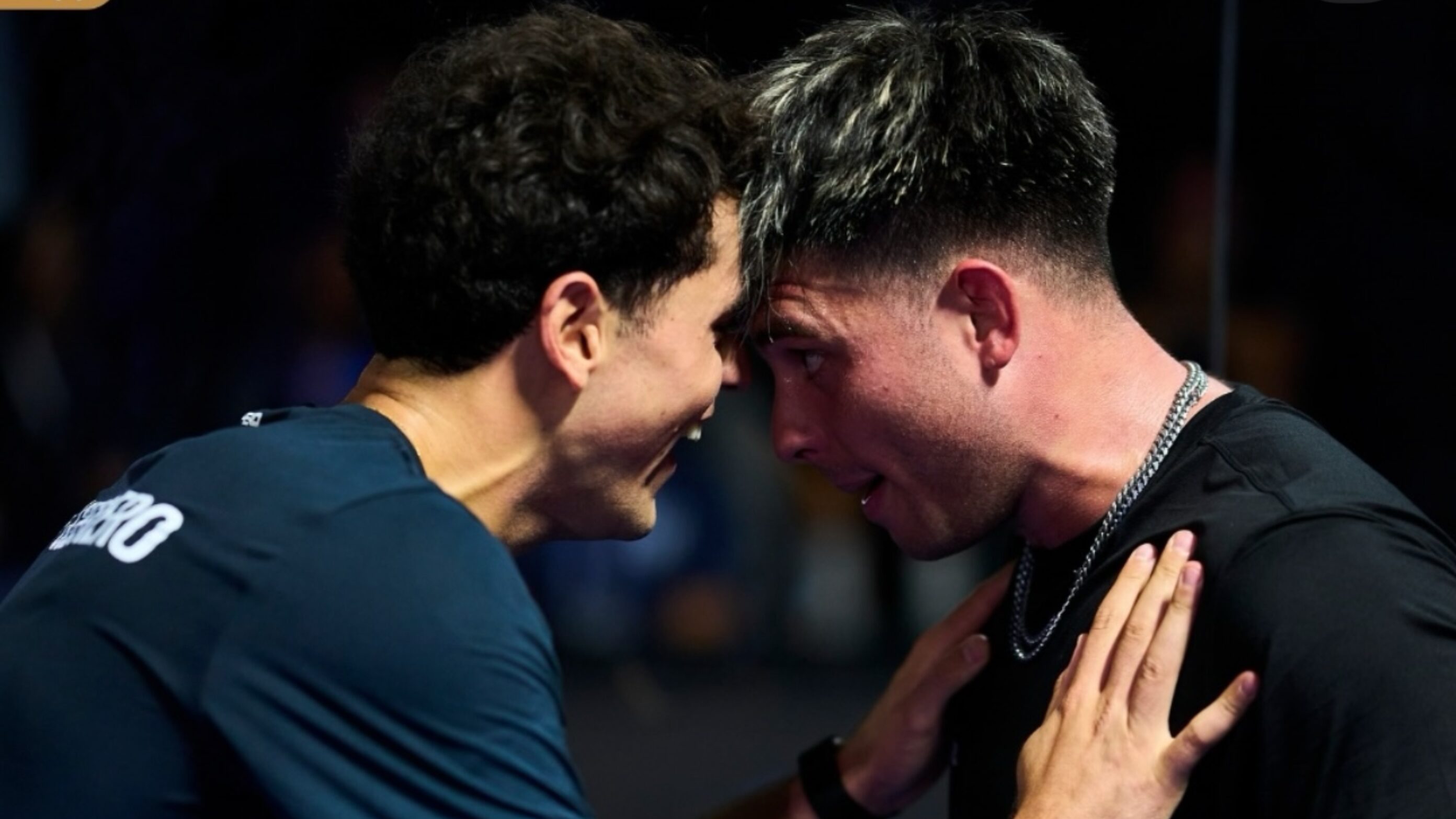 In padel, does the chemistry between a pair count as much as individual skill?
 Summer changes padel… but what if the real challenge wasn't hitting harder?
 Neither FIP Tour nor World Team Championship: the unique format of padel at the Mediterranean Games
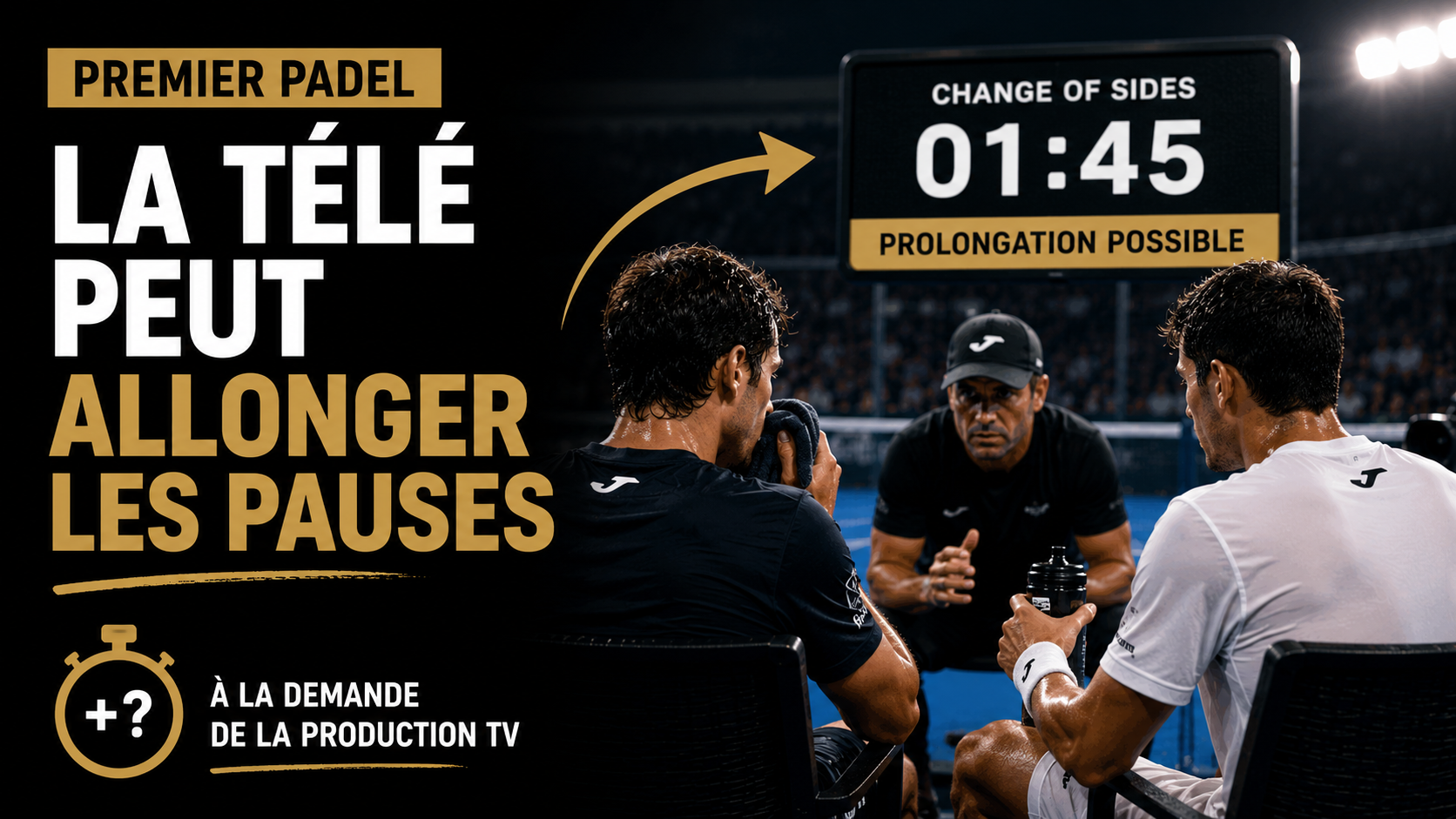 Premier Padel : when television can lengthen players' breaks
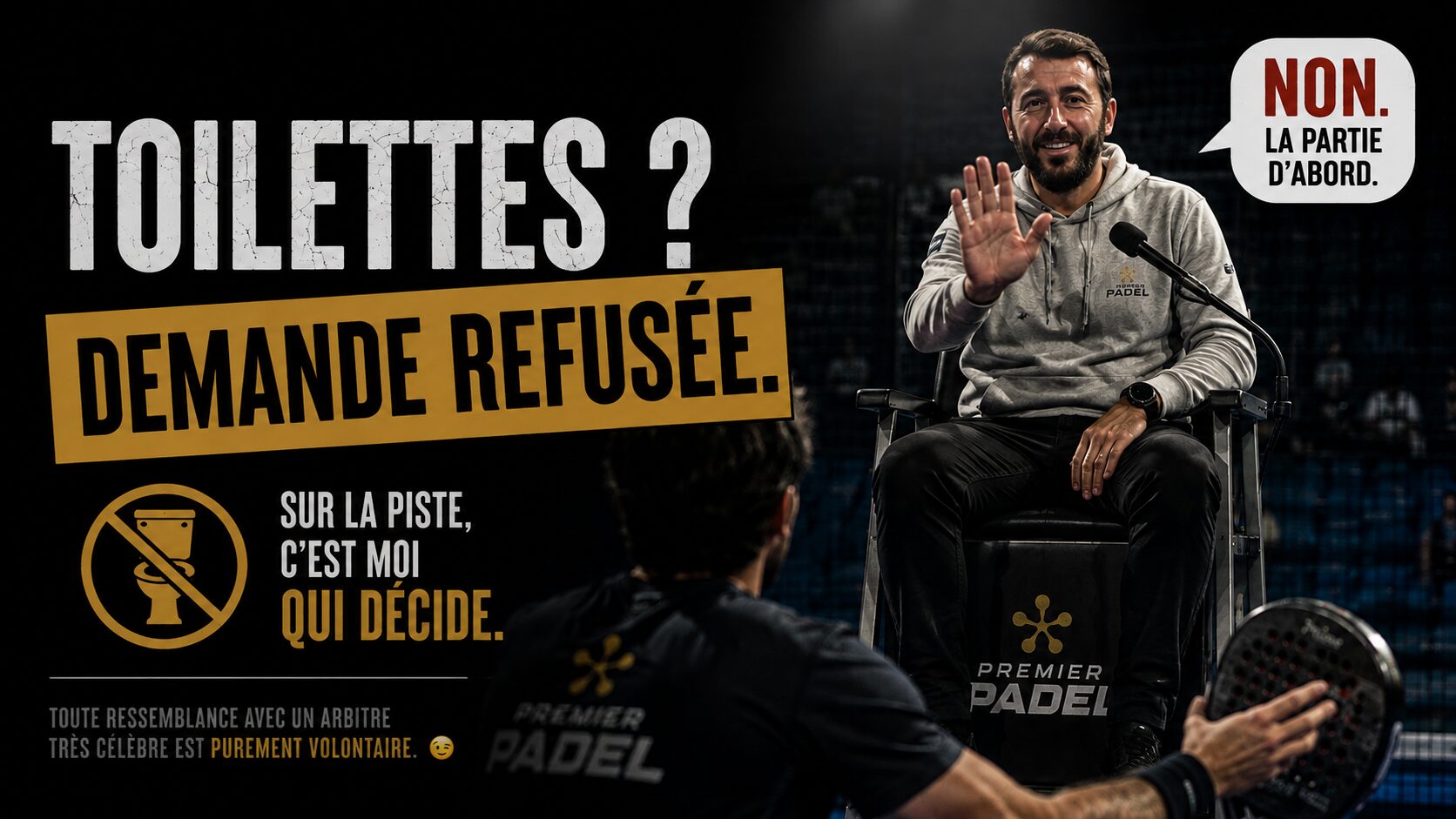 Premier Padel Yes, a referee can refuse a player permission to go to the toilet
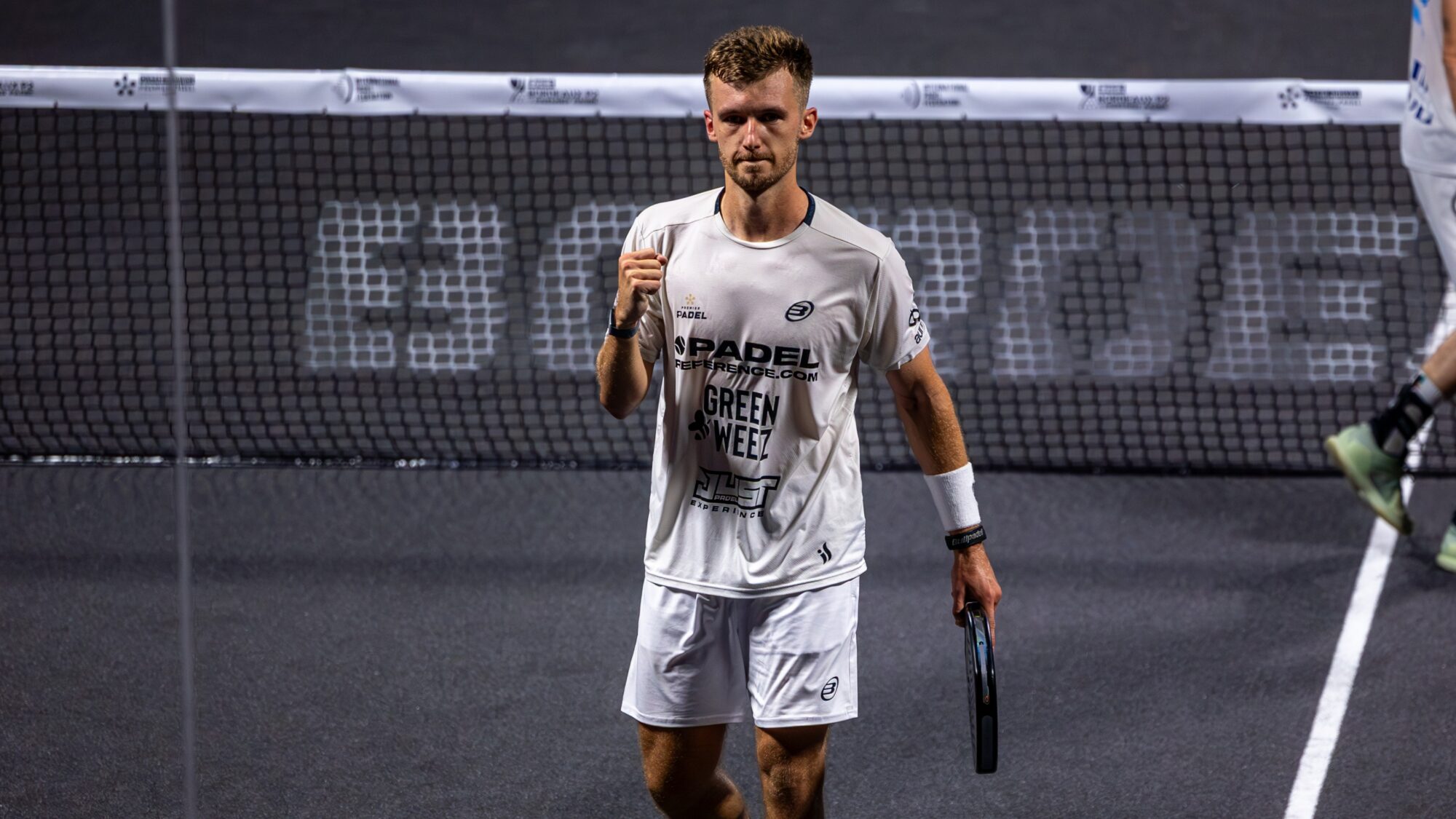 Julien Seurin opens up about his mental state: "There are far more doubts than moments of happiness."
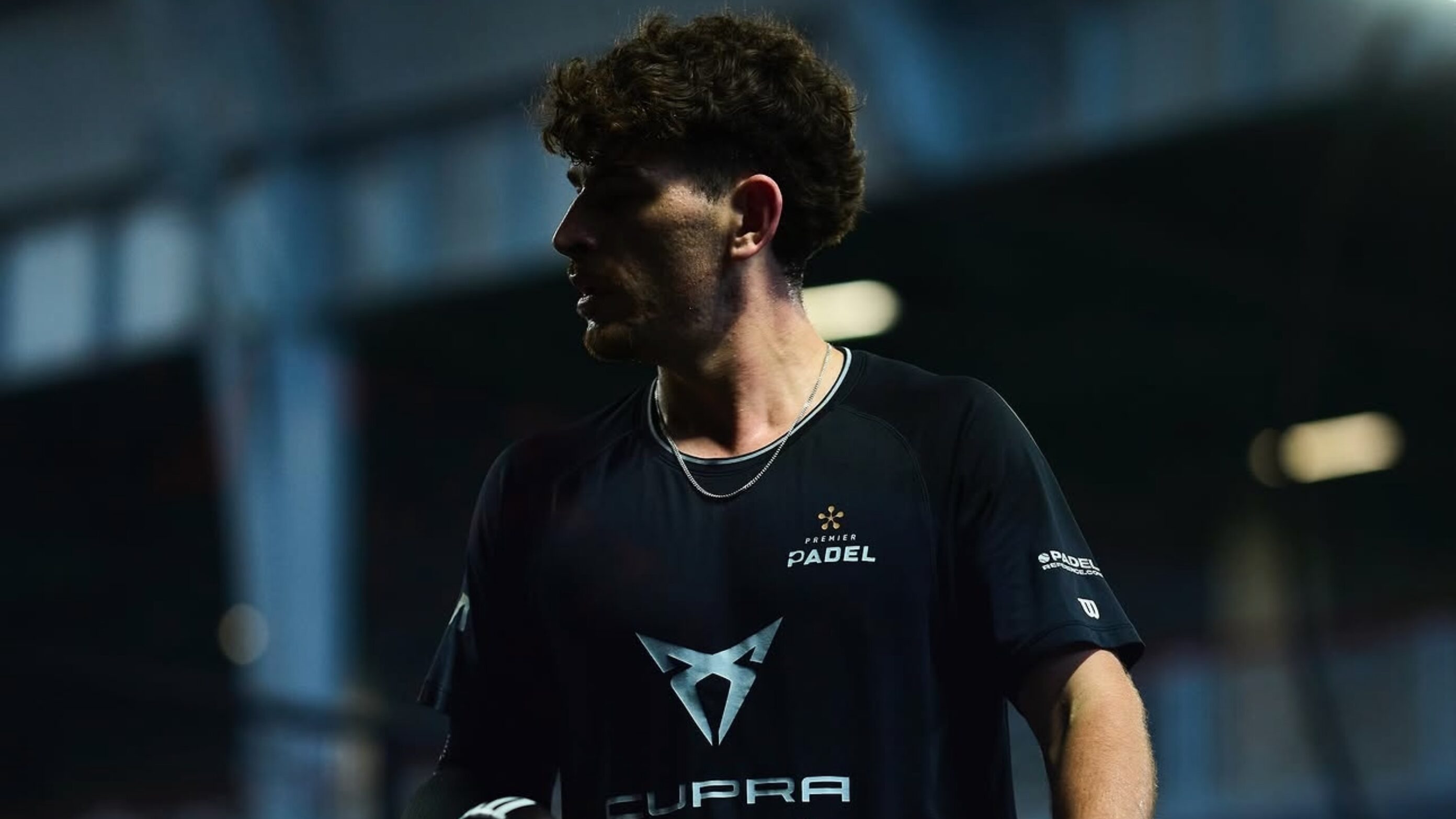 More than a year later, Thomas Leygue is back in the top 150: behind the scenes of a comeback that's still unfinished
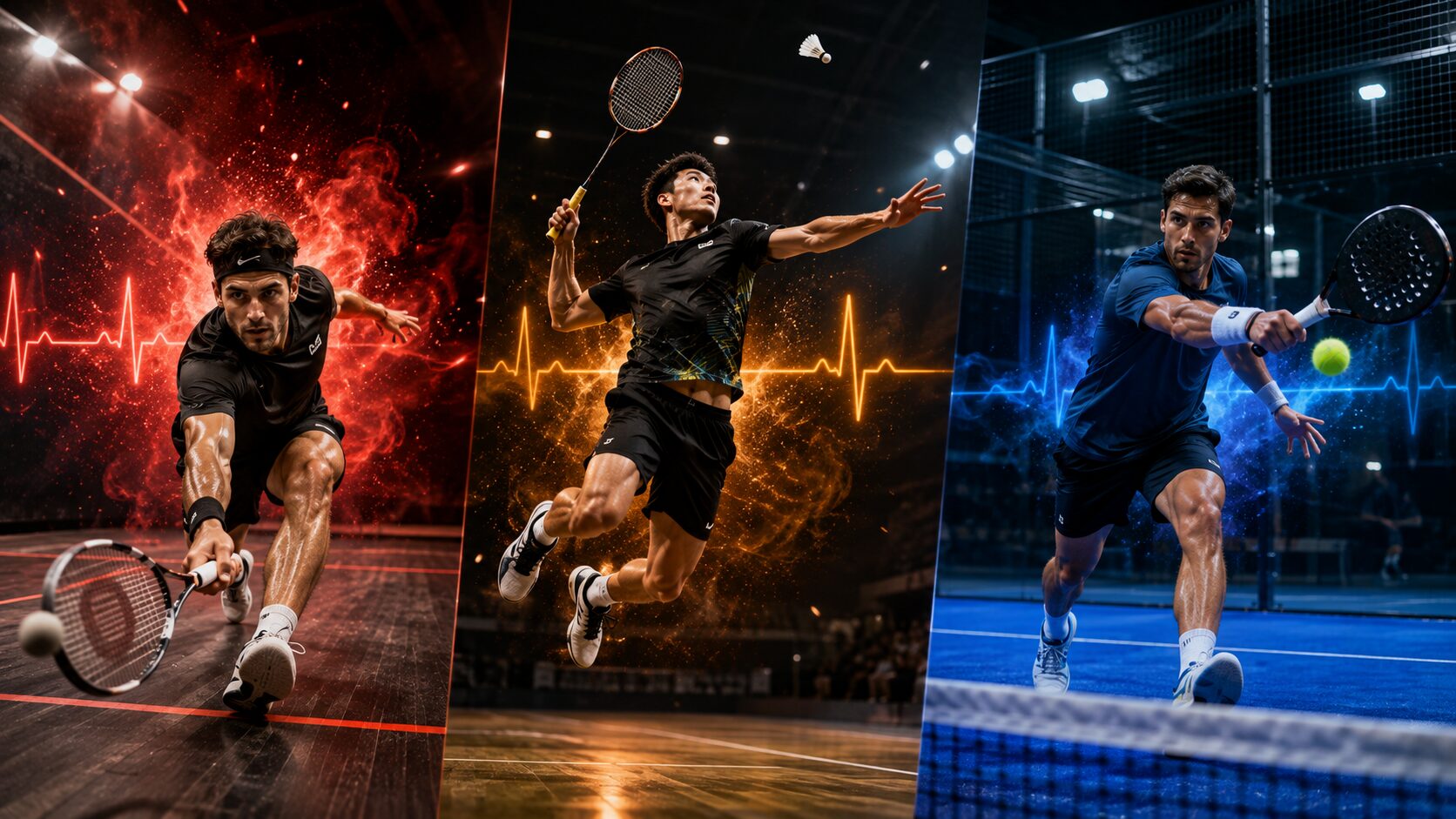 Padel vs squash vs badminton: the scientific ranking of cardio intensity
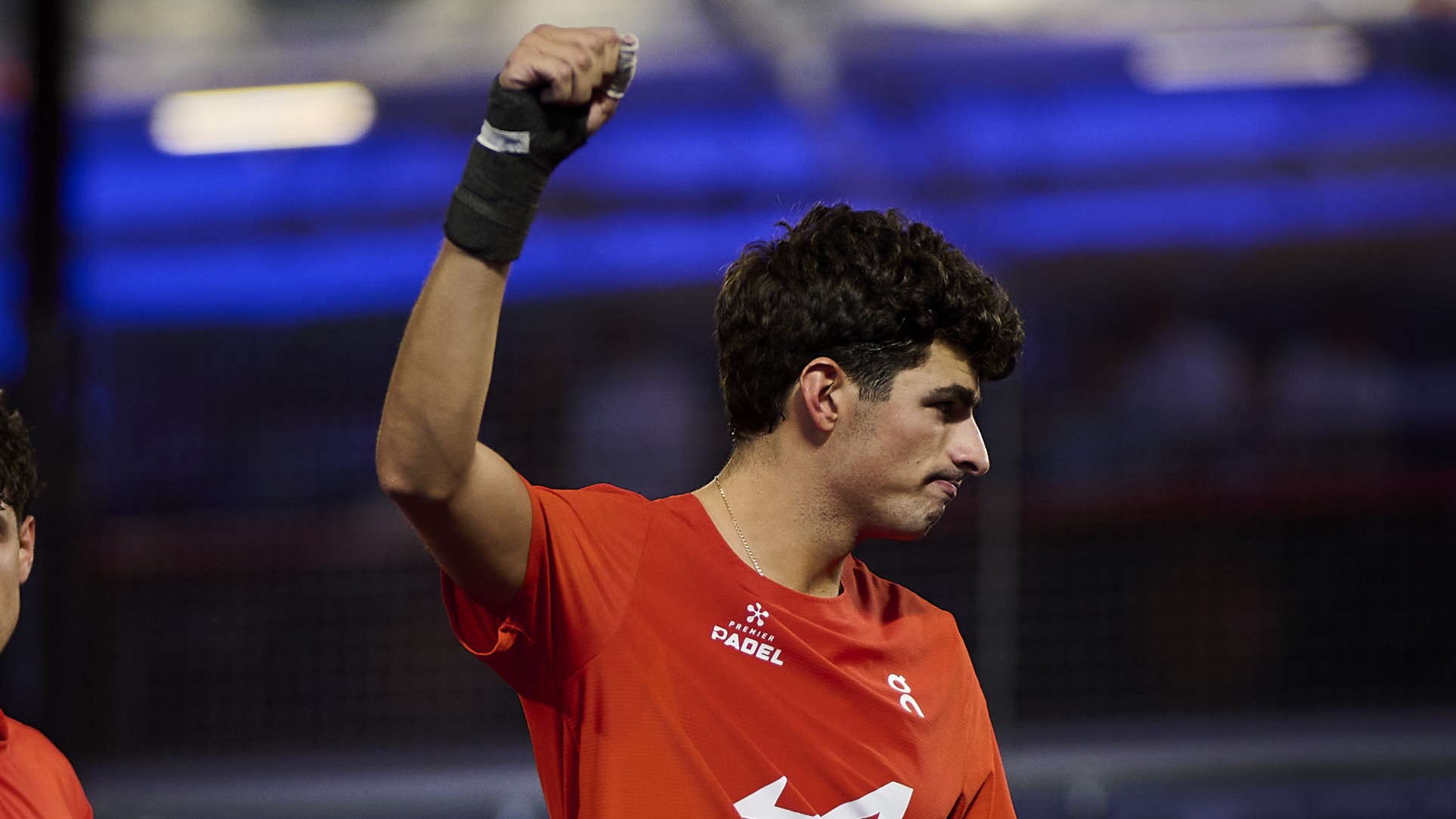 Why does Arturo Coello play with his right hand bandaged?
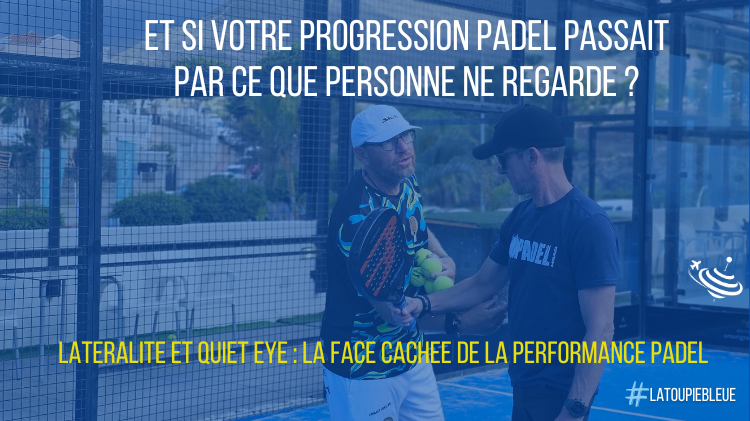 What if your progress in padel depended on what nobody else is looking at?