

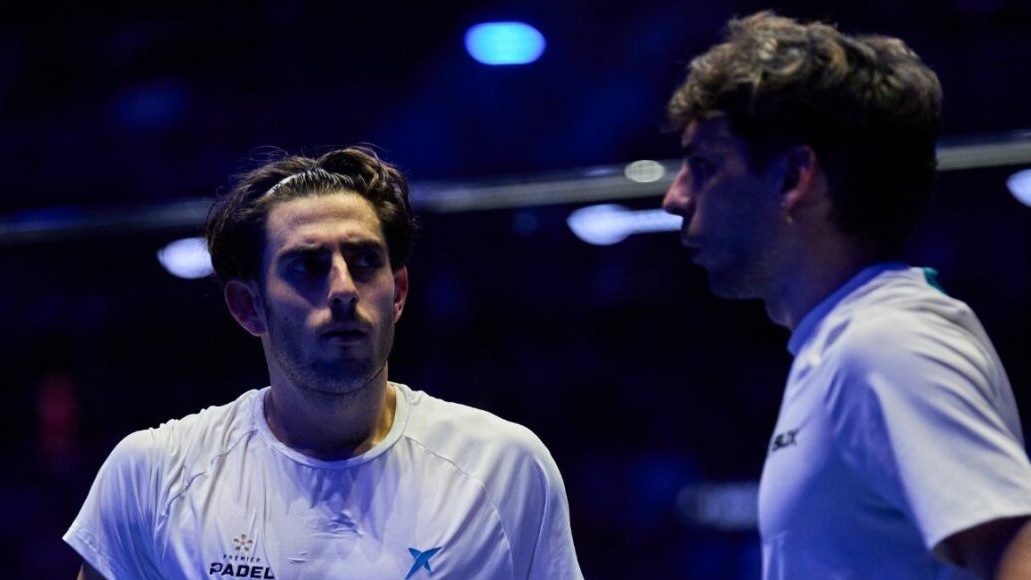







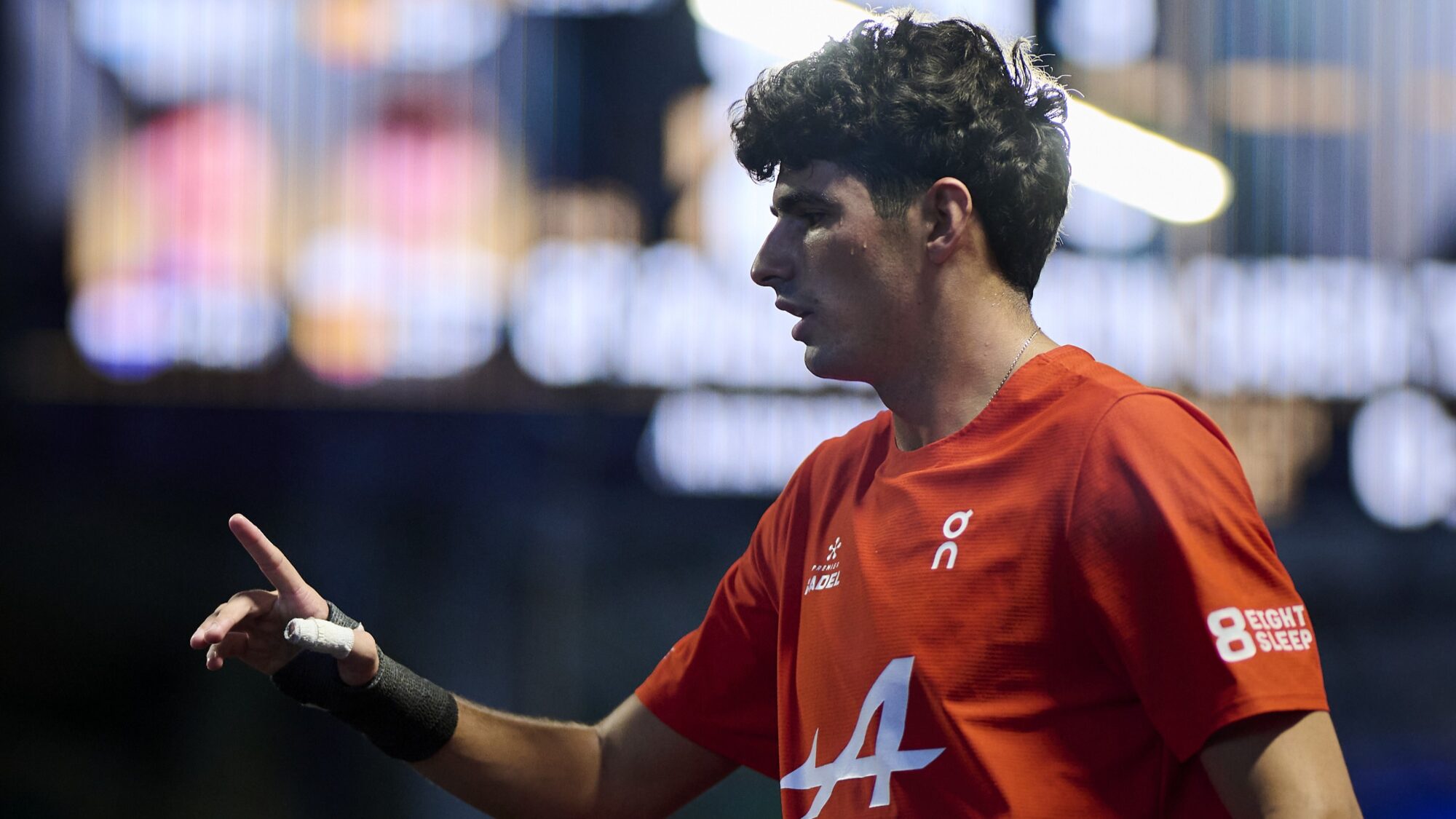
Two matches, four sets won and only eight games conceded: Franco Stupaczuk and Jon Sanz have made a perfect start to their tournament in Rotterdam. However, their quarter-final against Alejandro Galán and Federico Chingotto raises another question: can they maintain their level when their opponents limit their attacking opportunities and force them to rebuild the point?
Winners of Mario Ortega–Adam Axelsson and then Pol Hernández–Manuel Castaño by the same score, 6 / 2 6 / 2 Stupaczuk and Sanz reached the quarterfinals without dropping a single set. Galán and Chingotto also made a successful start, with a victory 6-0, 6-2 against Enzo Jensen and David Gala .
These results set the stage for the match, but don't yet reveal how the two pairs will react in a more competitive encounter. For Stupa and Sanz, the challenge will be finding a balance between their offensive sequences and the rallies where they'll need to be more patient.
Sanz: maintain the initiative without rushing the finish
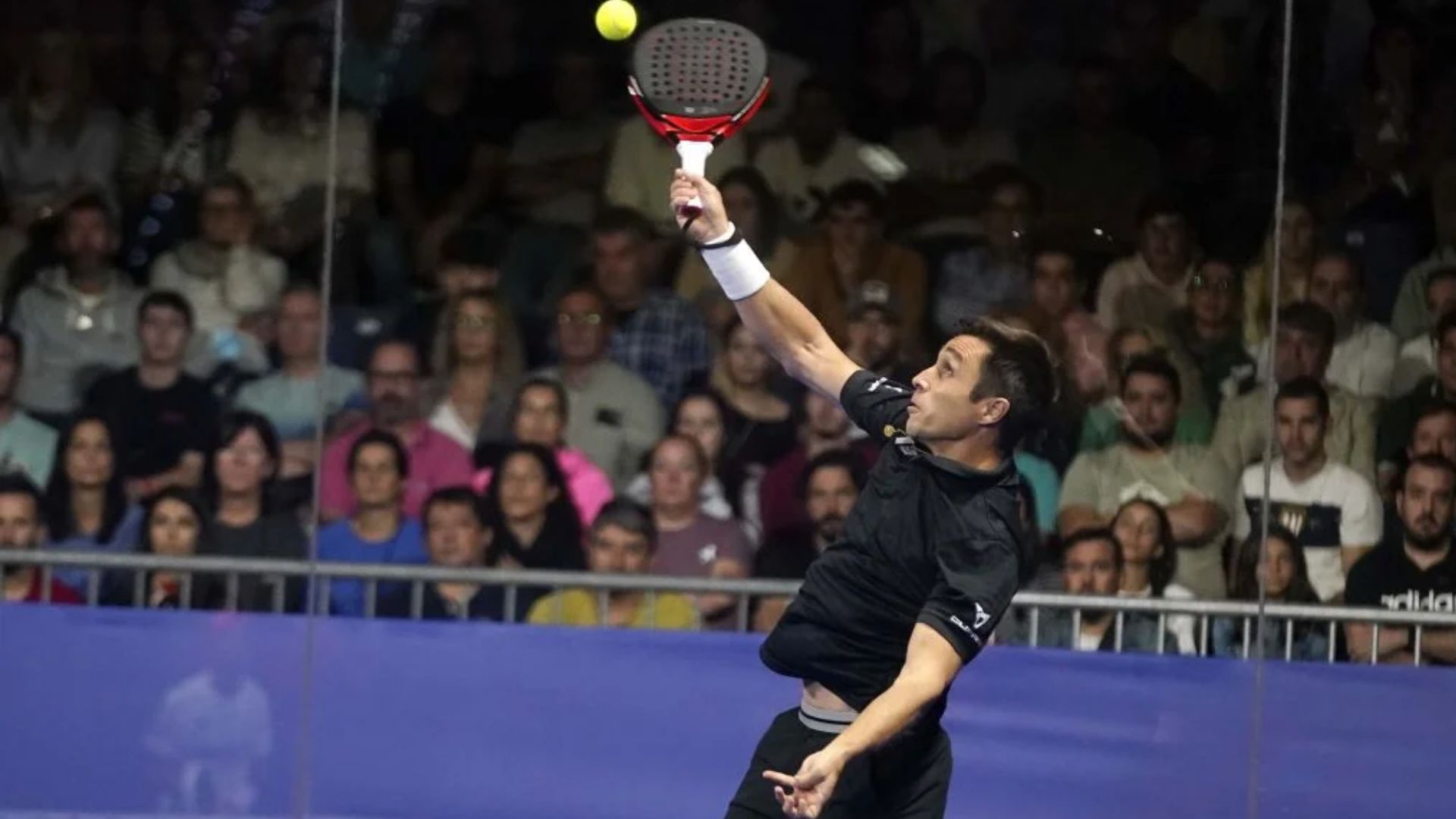
The question raised in Lyon remains relevant: how to maintain Jon Sanz's explosiveness while reducing the errors that can interrupt a good run? A spectacular smash wins a point. An avoidable error on the following return can immediately erase that advantage.
Facing Chingotto on the diagonal, the left-hander could be confronted with this choice repeatedly. If the Argentinian manages to defend his initial accelerations and return a less favorable ball, Sanz will have to decide whether to continue the attack or rebuild.
The quality of his aerial selection will therefore be a more interesting indicator than just the number of winning smashes. On a lob that pushes him back or forces him to hit off balance, maintaining an offensive position with a well-worked ball could be more profitable than immediately looking for an exit.
This does not mean giving up on its power. The challenge will be to use it when the preparation of the point gives it a genuine opportunity to finish.
Returning, the first way to avoid suffering
The duel will also begin well before the smash. Against a pair capable of quickly establishing themselves at the net, the quality of the returns can determine the entire rest of the rally.
For Sanz and Stupaczuk, a low and sufficiently precise return could prevent an aggressive first volley, then open up an opportunity for a lob or a come-up. Conversely, a return that is too high would immediately give their opponents a ball that would keep them at the back of the court.
On the important points, it will be necessary to observe whether Sanz maintains a sufficient margin above the net, while avoiding making a ball comfortable. The desired consistency will also be achieved in those unspectacular shots that simply allow you to stay in the point.
Stupaczuk will have his part in the balance
This quarter-final won't just be about Sanz's ability to limit his mistakes. Stupaczuk will also have to help create the conditions in which his partner can attack.
If Galán takes the initiative down the diagonal, the Argentinian will need to find precise defensive exits to prevent the pressure from spreading to the middle. A deep lob can push the opposing pair back; a well-placed low ball can complicate their next volley. In both cases, the goal would be to create time to advance together.
The center coverage will be particularly interesting. With a right-handed player on the left and a left-handed player on the right, both Stupa and Sanz have their forehands directed inside. This setup can facilitate their attacking plays, provided the ball distribution remains clear and the player accompanying the attack ensures proper positioning.
Knowing how to extend a good sequence
The main lesson of this match might ultimately lie in the points that follow a missed opportunity. After a defended smash, a conceded break, or an error on an accessible ball, will Stupaczuk and Sanz be able to maintain their choices and organization?
To get through this quarter, they will likely need to produce decisive bursts of speed. But their ability to navigate less favorable sections, without resorting to excessive forced attacks, could be just as important.

I discovered the Padel I stumbled into Spain at a campsite. I was instantly hooked; passionate about padel, I follow international and regional news with the same excitement as the sport itself.








































































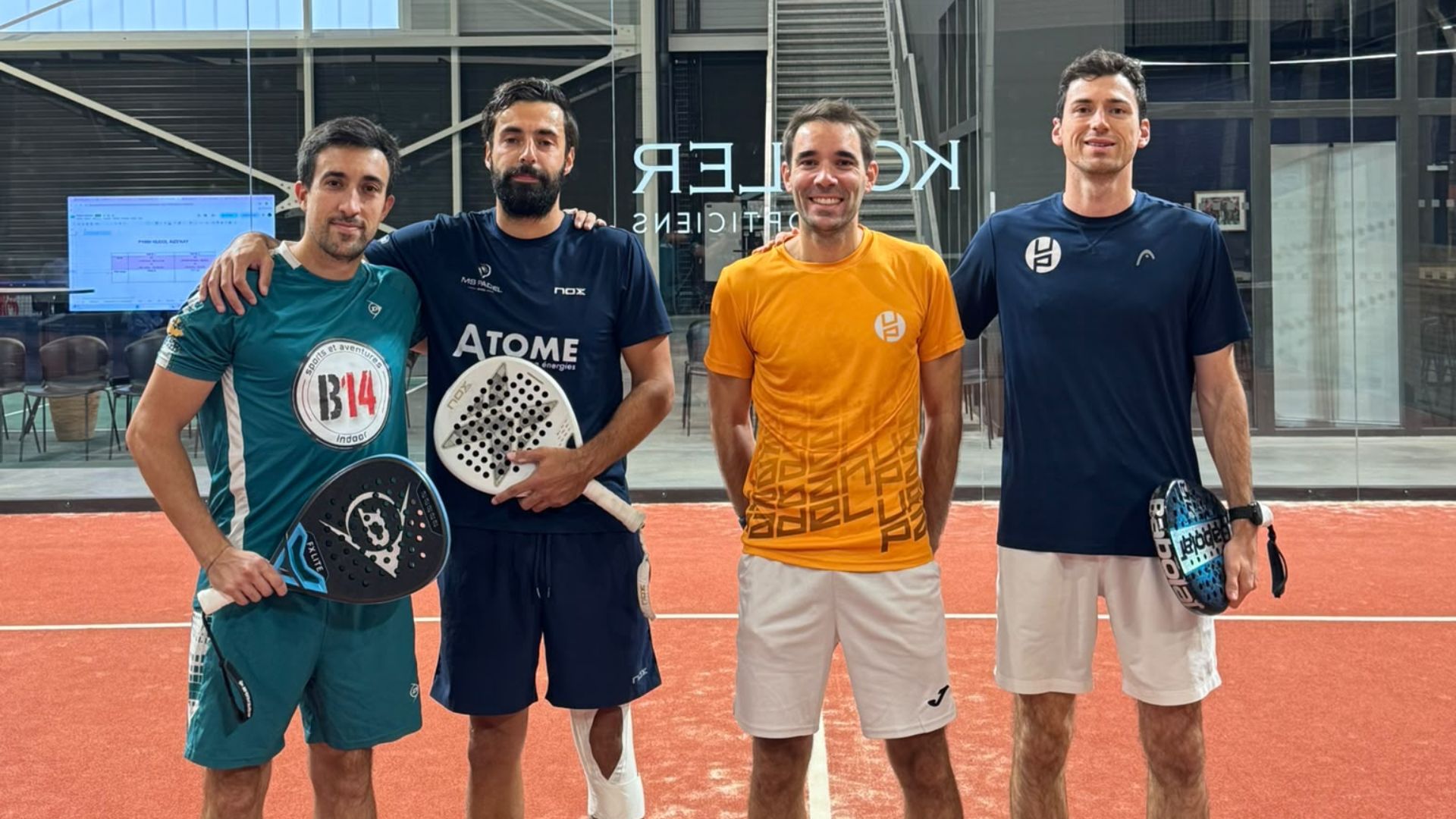 P1000 HUDDL Aizenay: Henrion and Mitjana maintain their position, Prod'homme/Marin overturn Truong/Dulac to reach the final
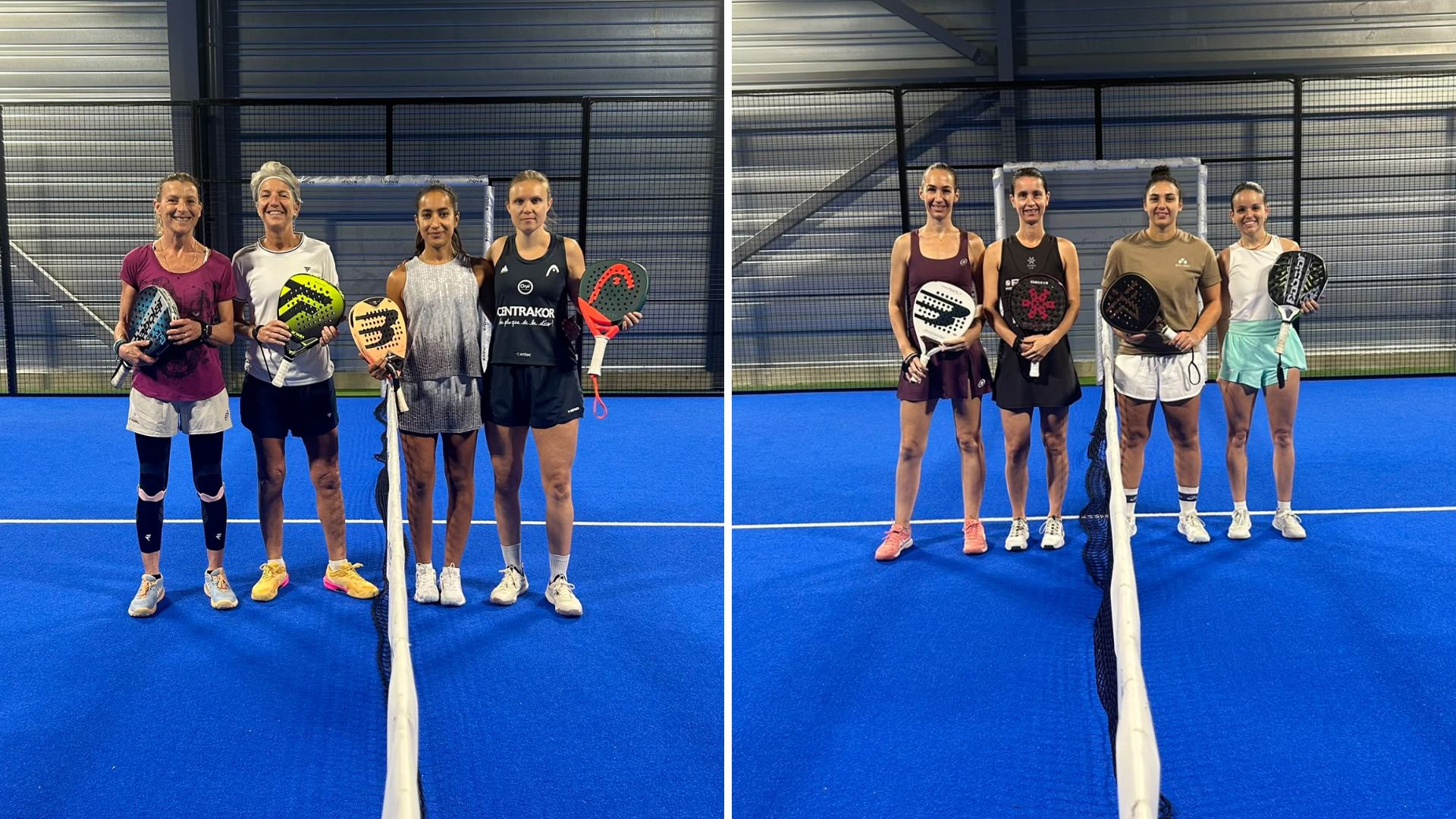 P1000 Ladies My Padel Langon – Denecheau / Majdoubi and Vandaele / Dautriat dispatched quickly in the semi-finals
 NOX presents "100% Pure Padel ", the launch campaign for its new 2027 racket collection
 France or Portugal, Spain or Argentina: Miguel Lamperti ranks the best padel nations
 Cédric Lavoye: "Hard work pays off" and a first FIP tournament in Guadeloupe is in his sights
 Nicolas Rouanet is preparing his return in 2027: “With Bastien Blanqué, I would never say no”
 Leygue/Blanqué respond bluntly to the criticism: "You can say what you want... We're putting all our money and our lives into this."
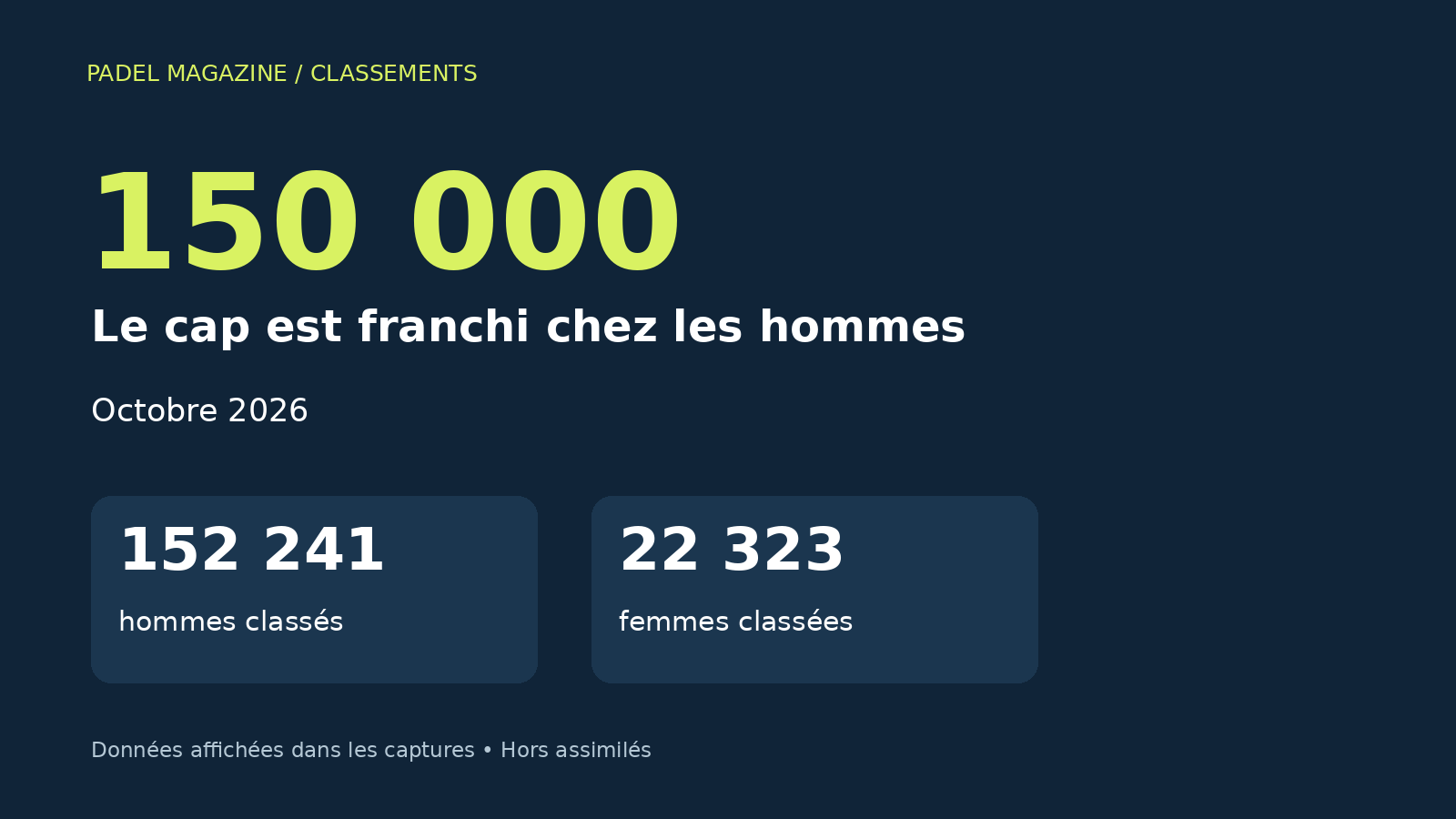 Padel rankings October 2026: more than 150,000 men ranked in France
 P1000 Verneuil Padel Club – Results / Live / Schedule
 West Padel opens its 4 indoor courts in Montivilliers on November 5th
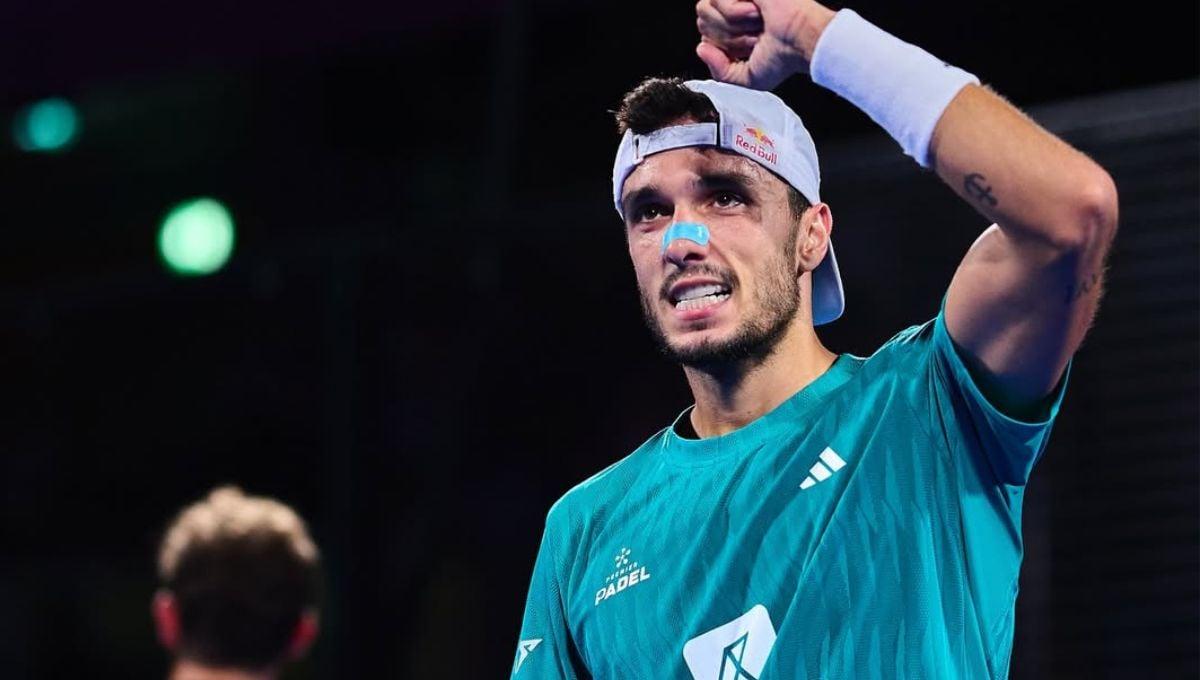 With Galán tired and Coki Nieto sidelined, is the infernal pace of the circuit starting to take its toll on the players?
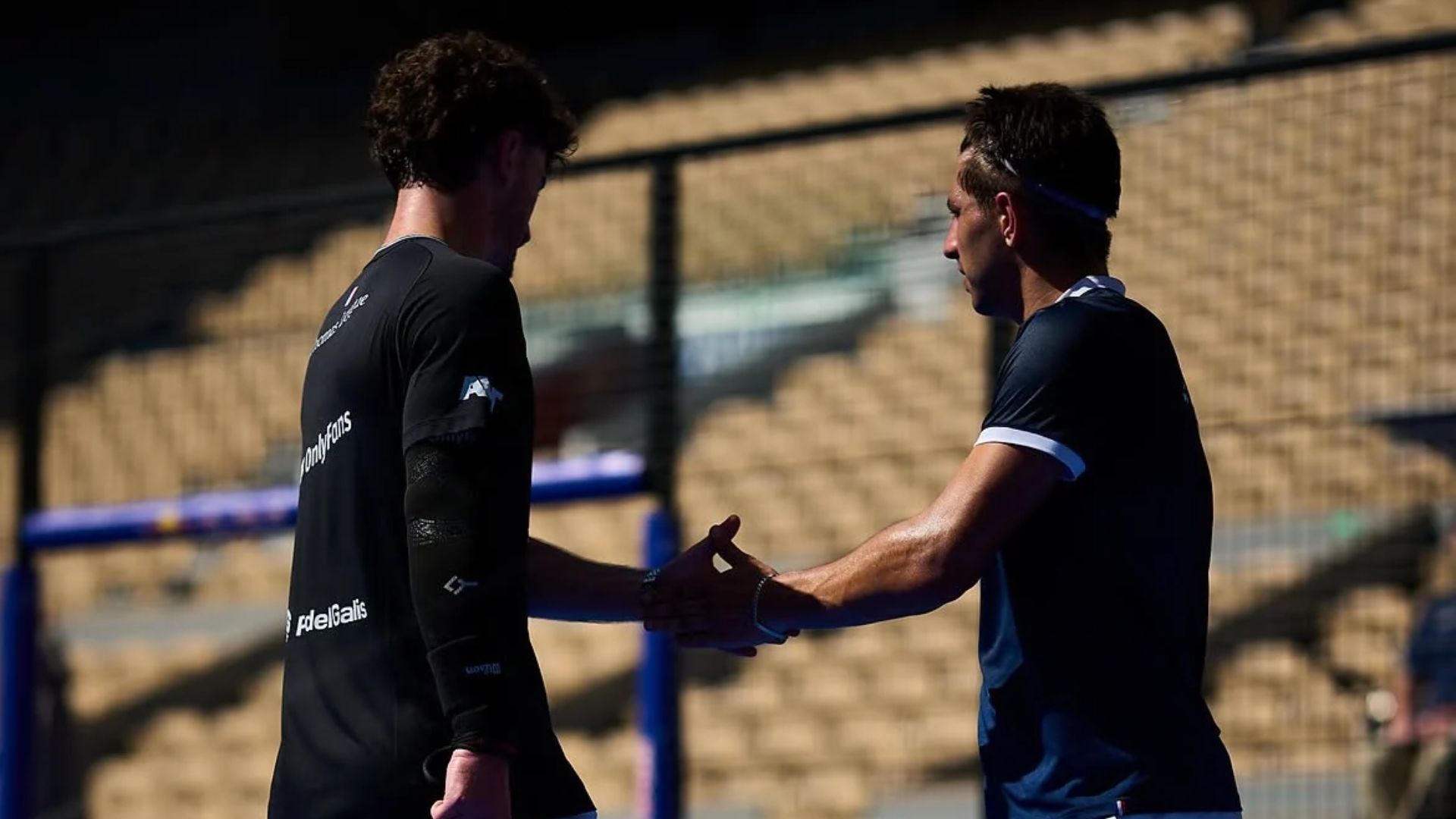 Milan P1: Thomas Leygue launches his qualifying campaign with Jesús Moya
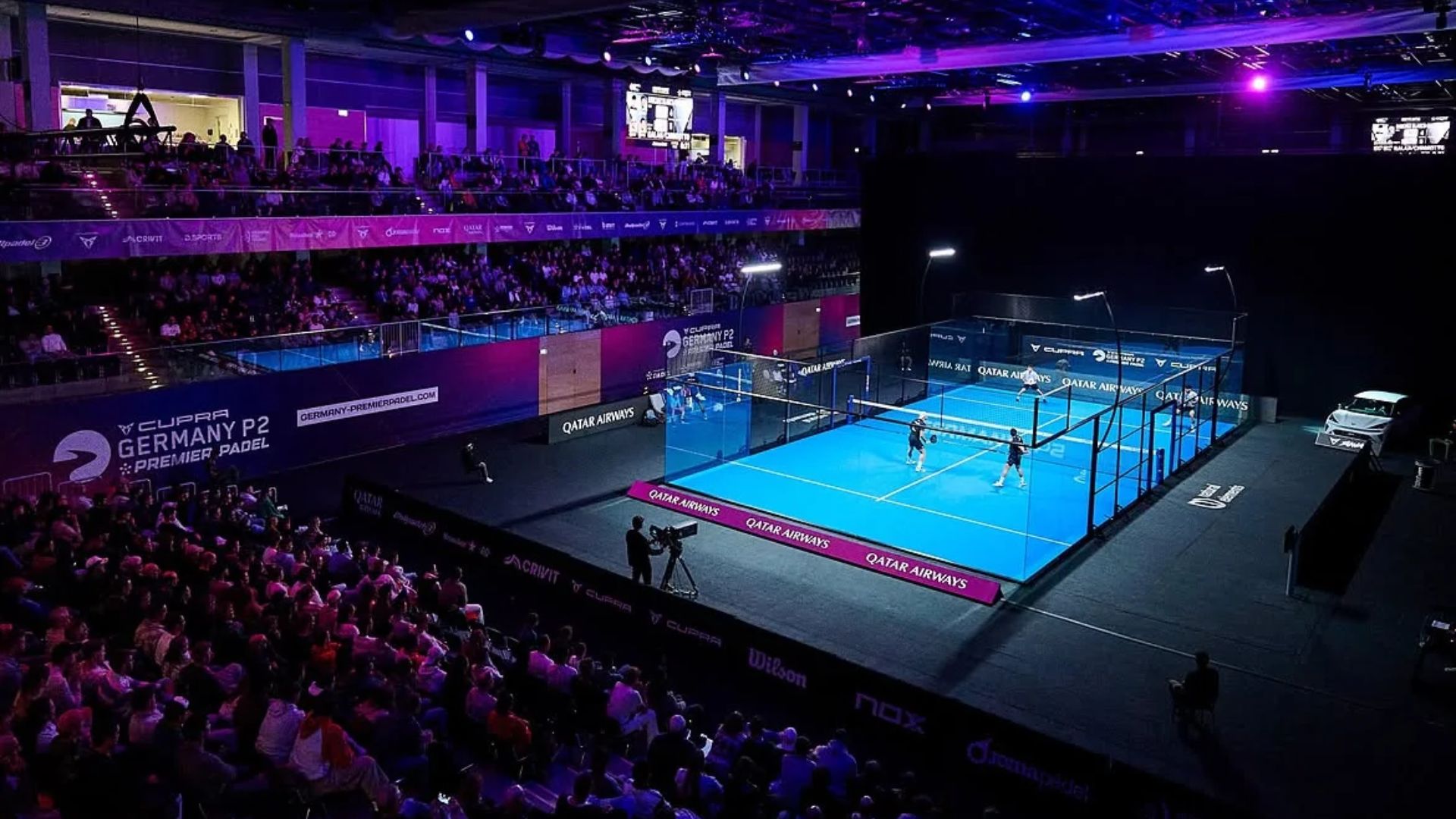 Germany P2: The fastest quarter-finals in history Premier Padel
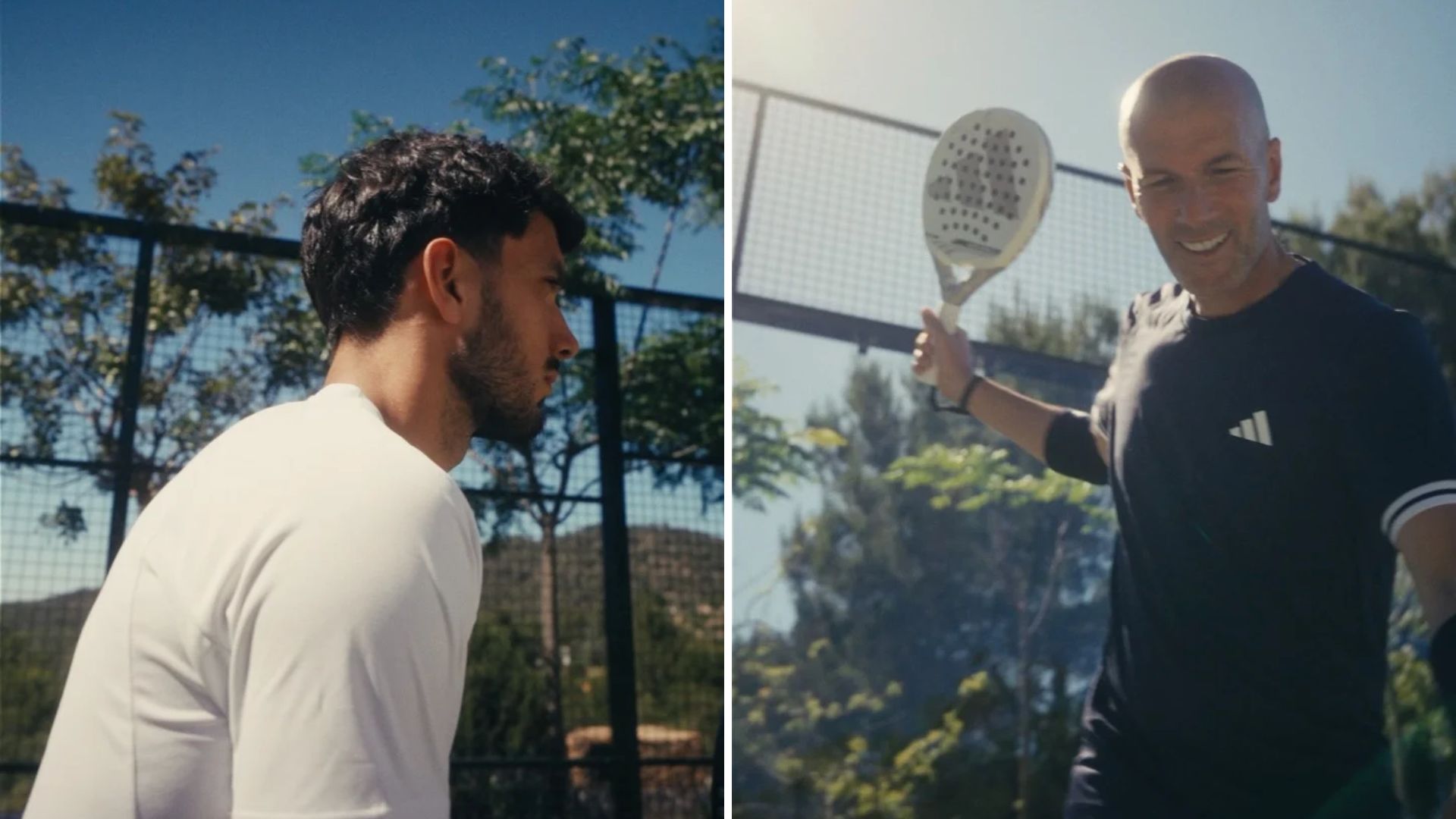 Zidane and Galán reunited on the track to launch the Metalbone ZZ
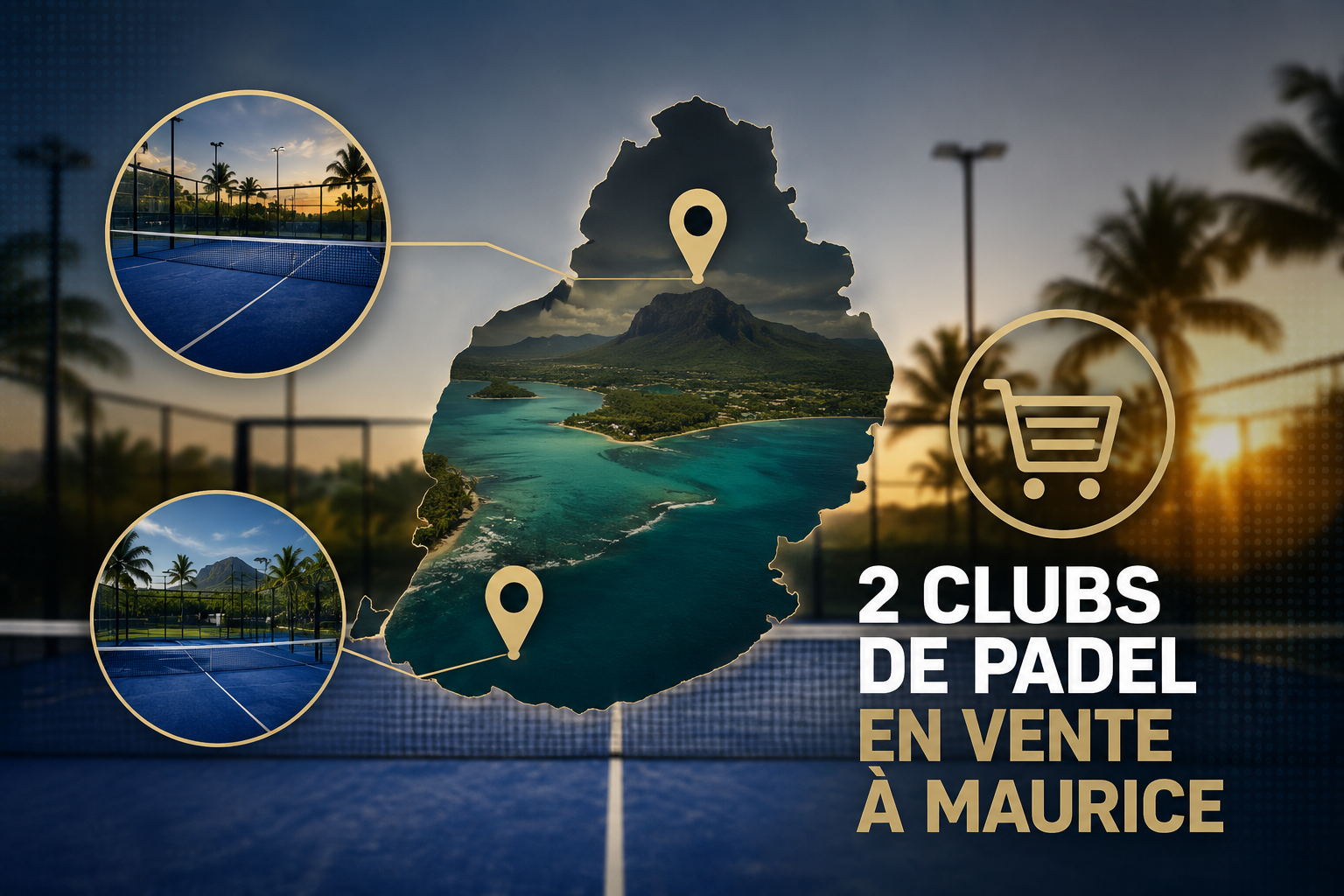 For sale: two padel clubs in Mauritius, starting from 330,000 euros
 How much does it actually cost to organize a FIP Bronze event?
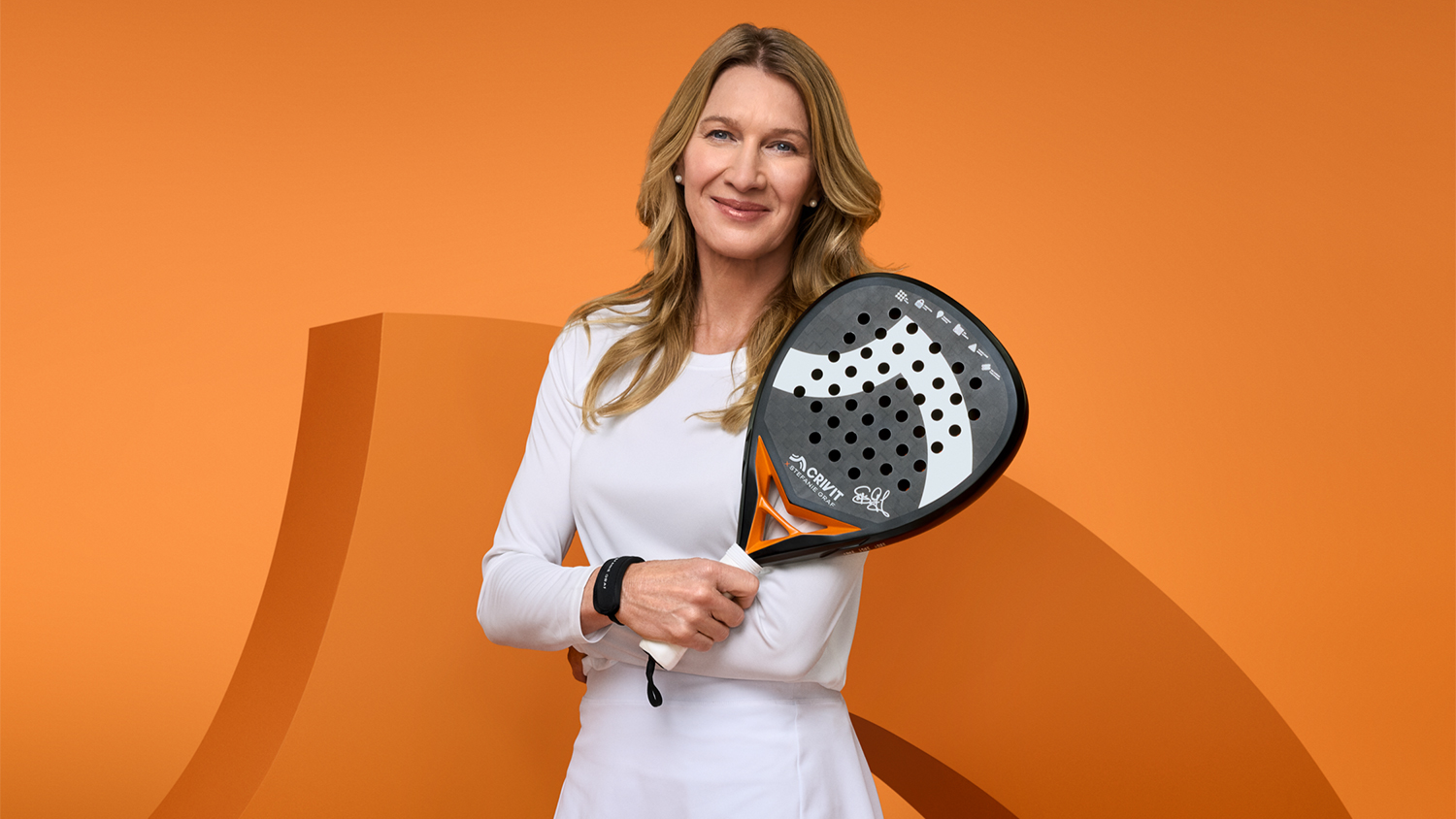 Padel How Lidl is transforming Crivit into a fully-fledged sports brand with Steffi Graf
 Compagnie des Alpes is accelerating its involvement in padel with PadelCity: a new step in its European strategy
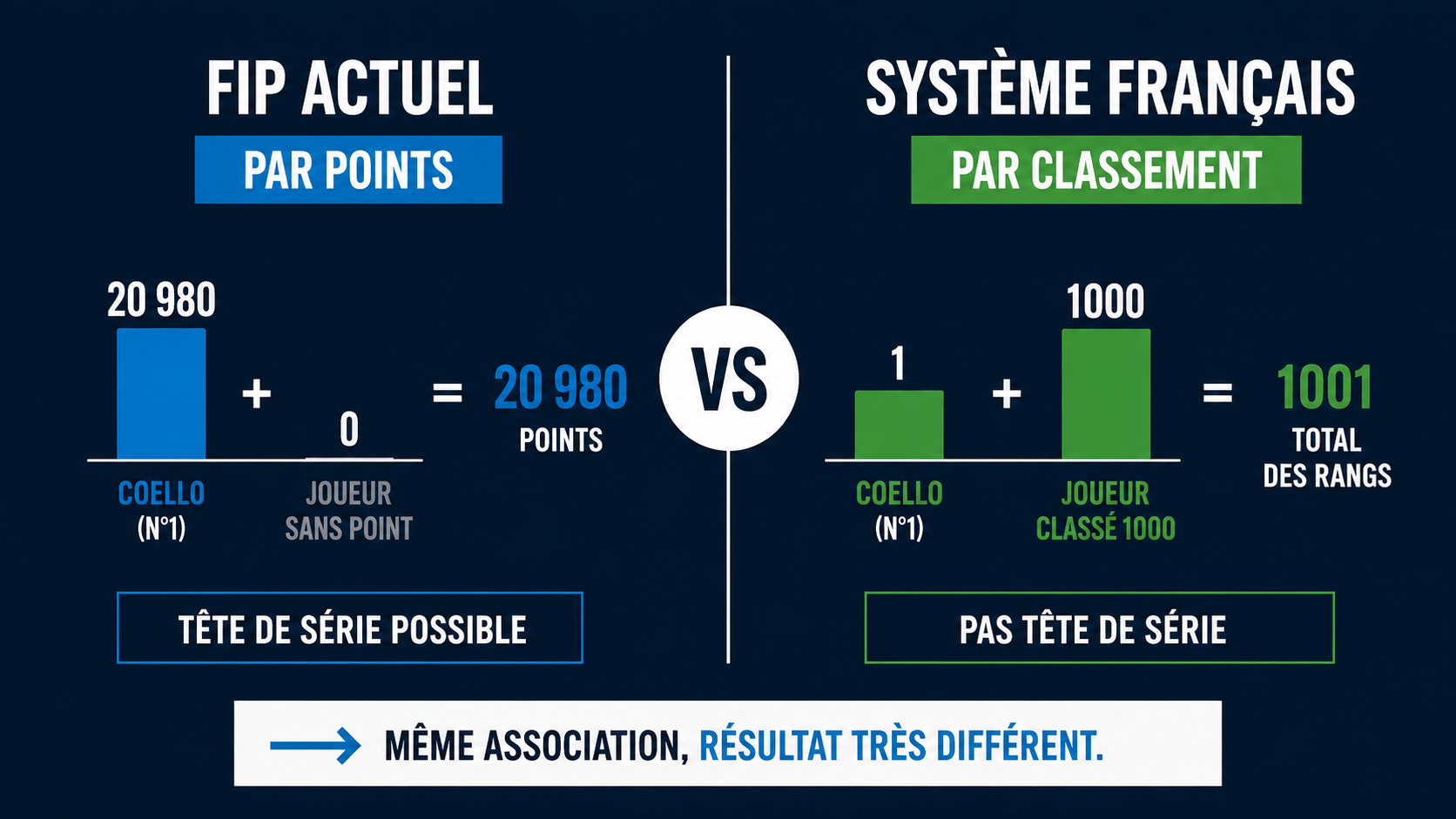 Coello with a player at 0 points ahead of two top 10 players: should the FIP ranking be reviewed?
 Les Pyramides: after 12 padel courts, the club is focusing on youth training
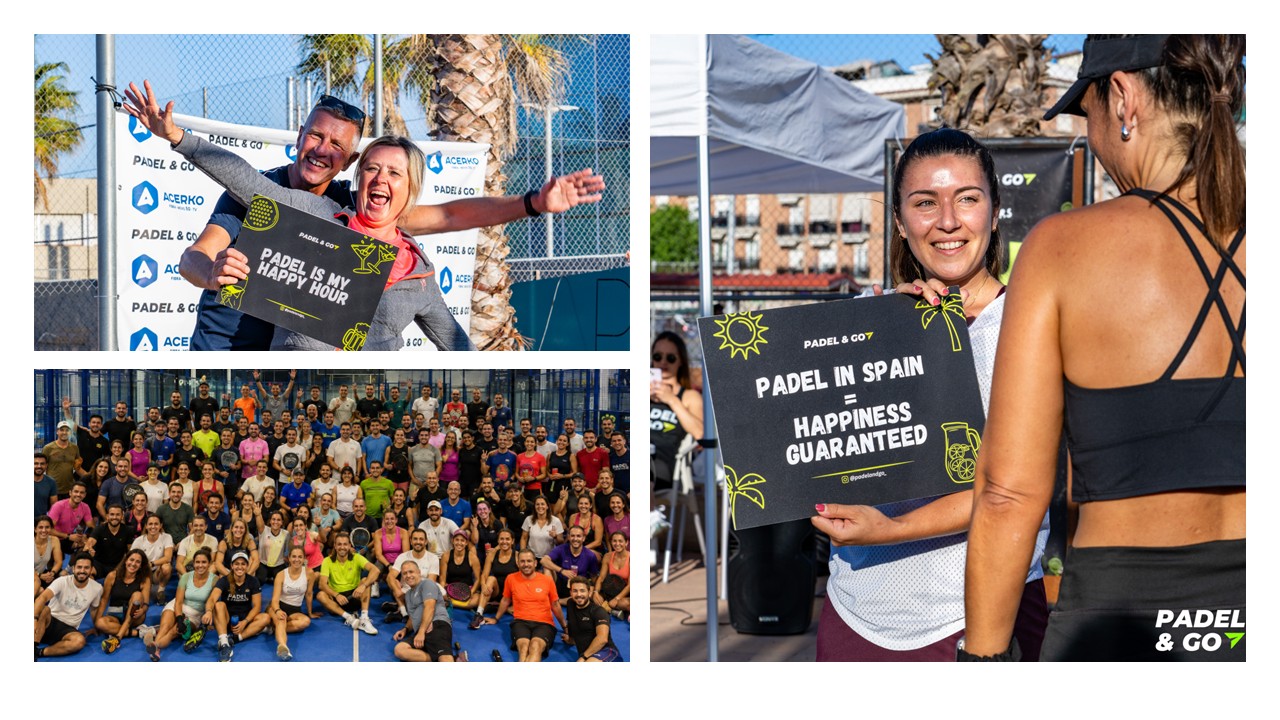 Health Care Padel Tour 2026: What if your next padel tournament was played in Barcelona?
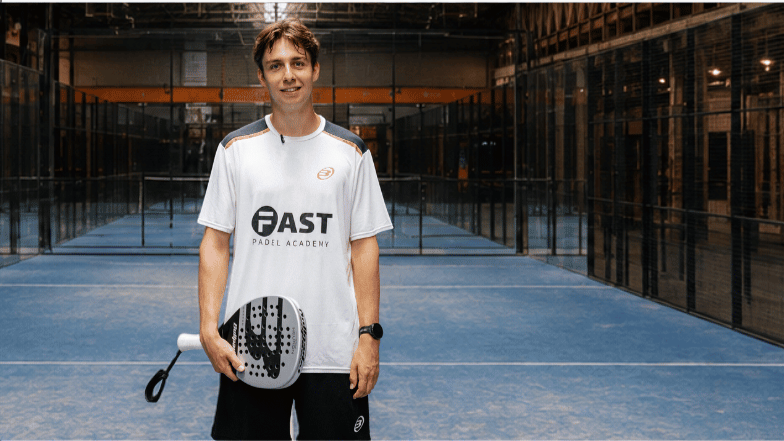 FAST Padel Academy continues its development and establishes itself in Liège.
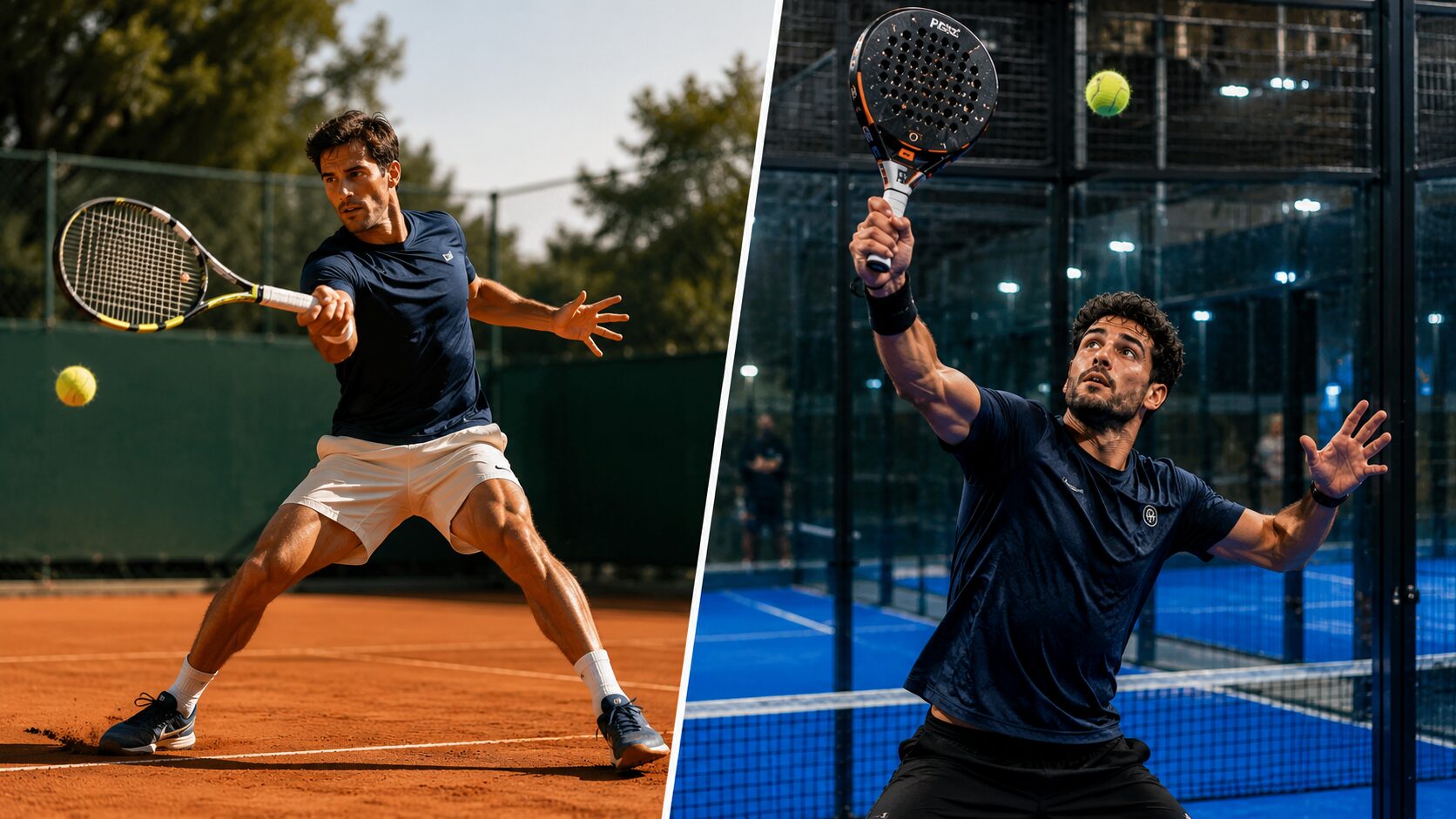 What the analysis of the stroke reveals: tennis forehand vs. padel bandeja
 Has the bandeja disappeared from modern padel?
 Flat forehand in padel: 5 exercises from Cristian Álvarez to gain control and efficiency
 Why knowing how to play on the right and left can make all the difference
 Tapia reveals his recipe for beating Coello / Tapia: "I would bet everything on myself"
 How Coello defused Chingotto's game plan
 In padel, does the chemistry between a pair count as much as individual skill?
 Summer changes padel… but what if the real challenge wasn't hitting harder?
 Neither FIP Tour nor World Team Championship: the unique format of padel at the Mediterranean Games
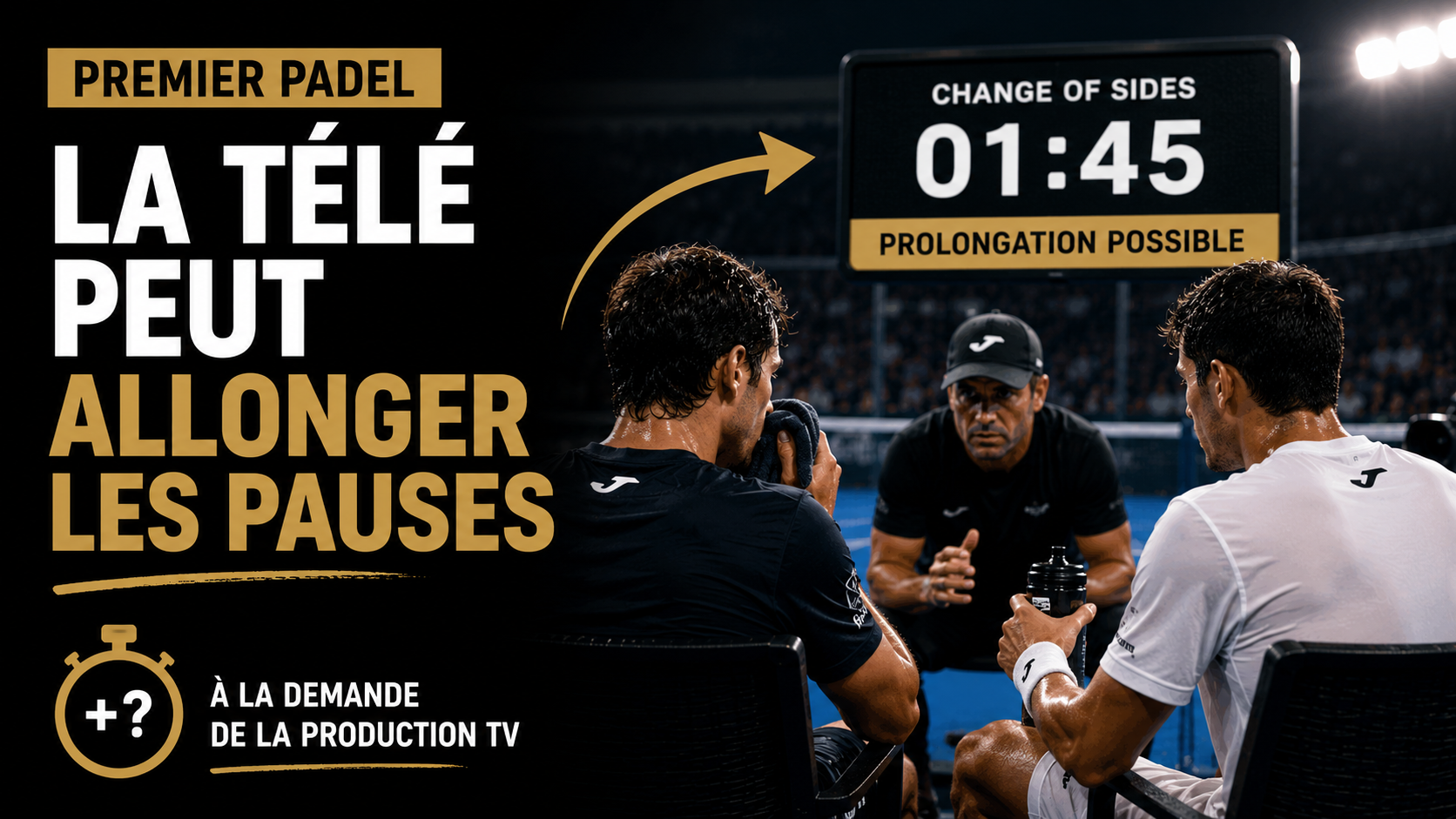 Premier Padel : when television can lengthen players' breaks
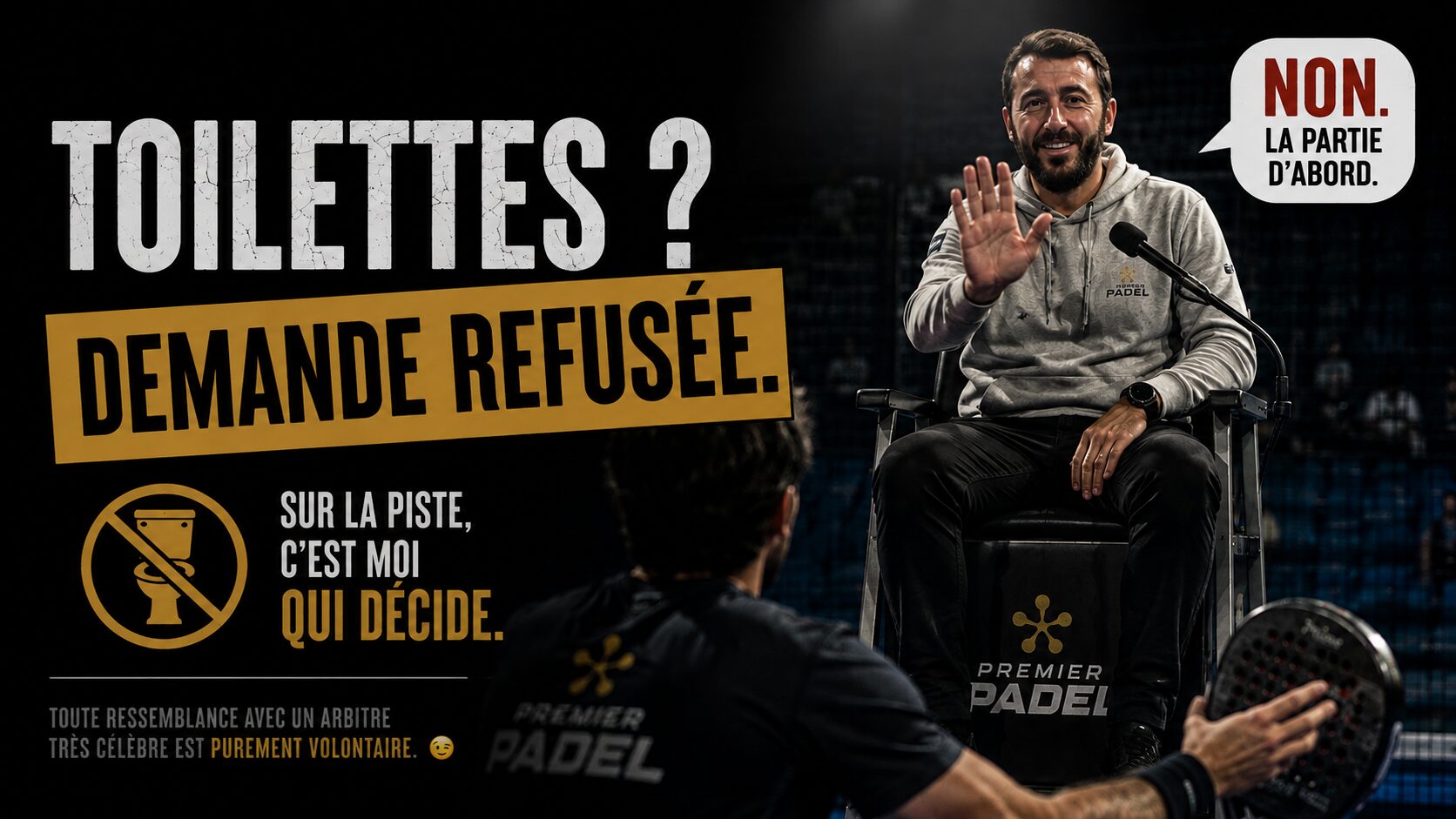 Premier Padel Yes, a referee can refuse a player permission to go to the toilet
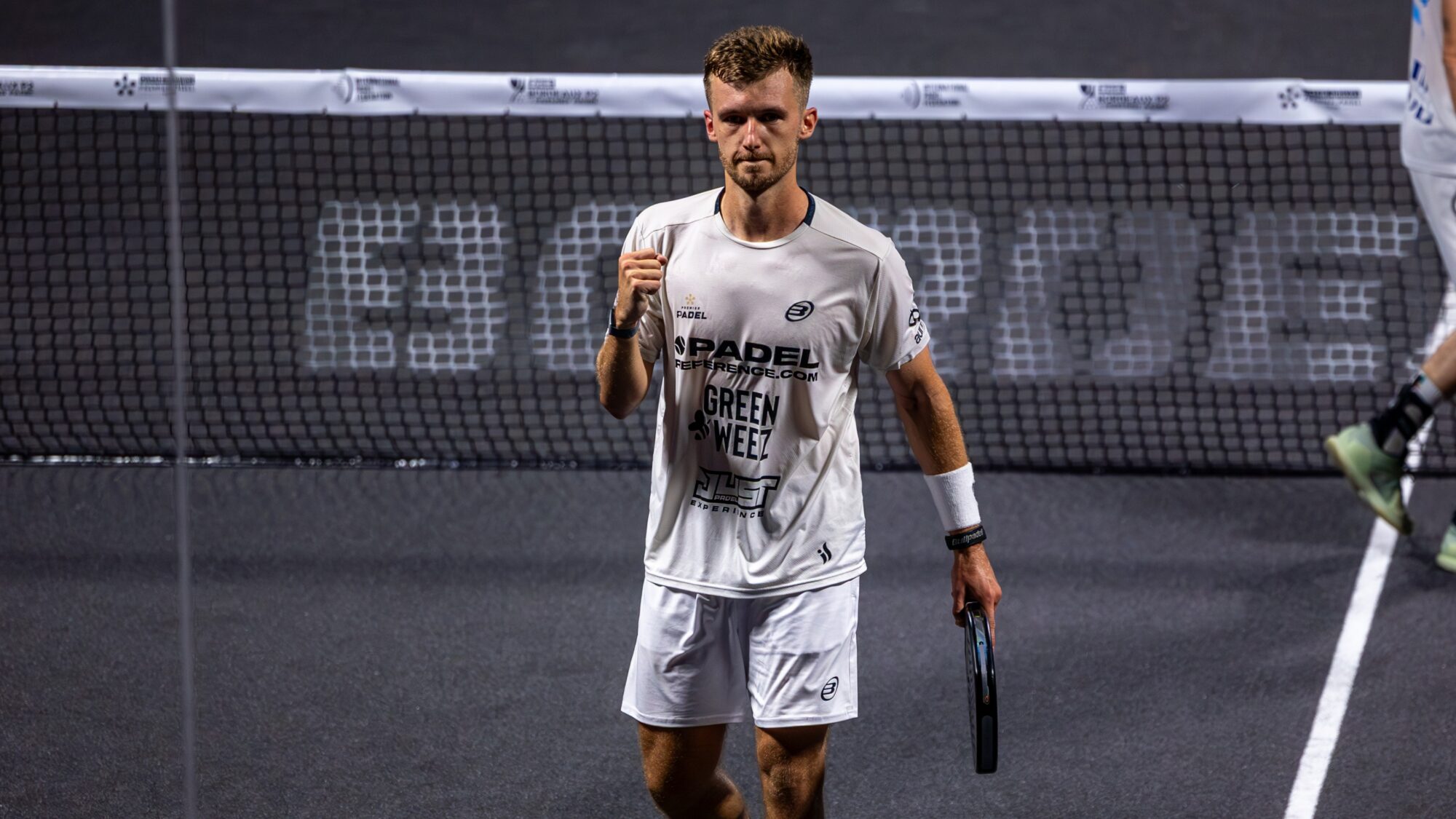 Julien Seurin opens up about his mental state: "There are far more doubts than moments of happiness."
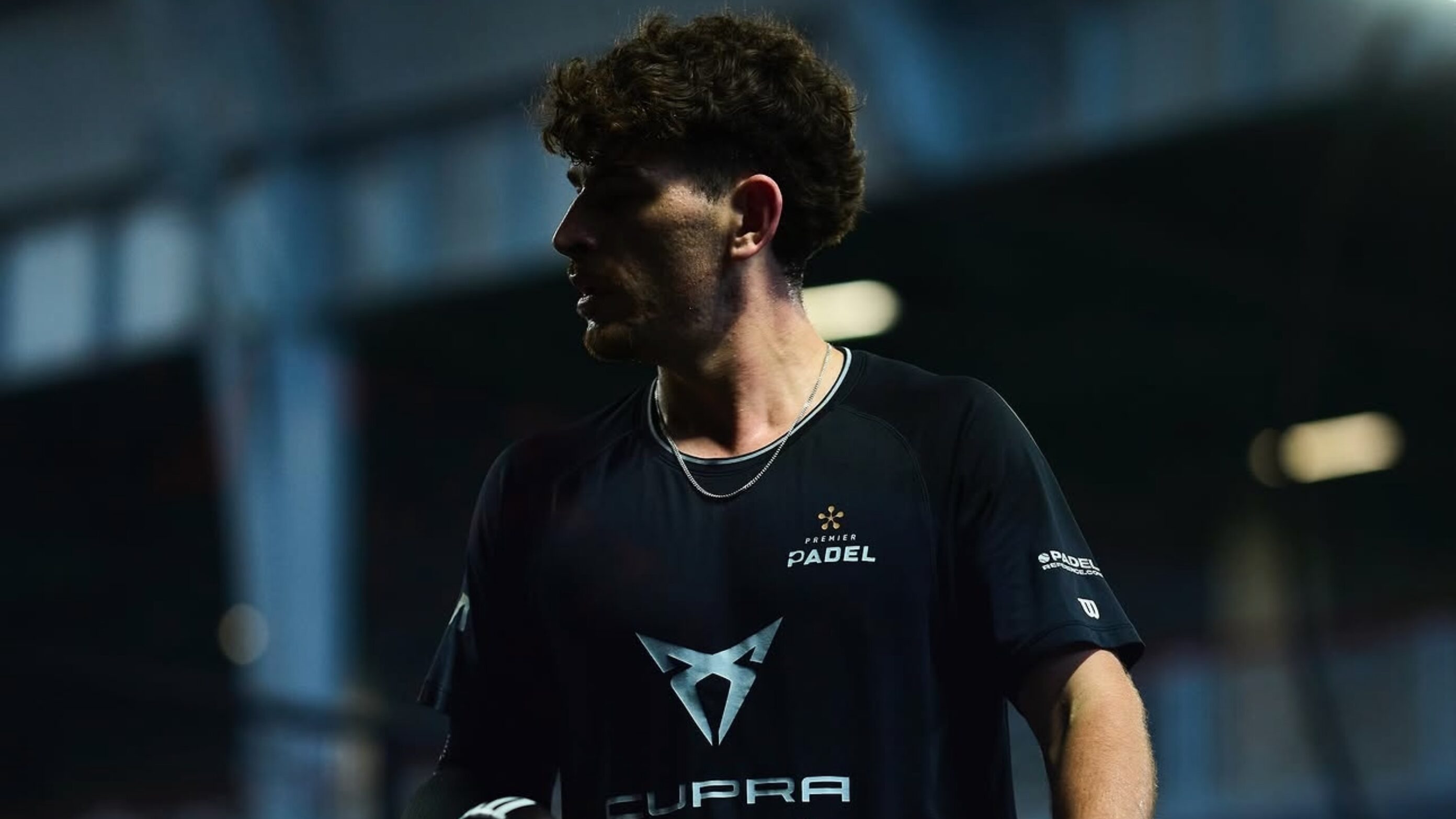 More than a year later, Thomas Leygue is back in the top 150: behind the scenes of a comeback that's still unfinished
 Padel vs squash vs badminton: the scientific ranking of cardio intensity
 Why does Arturo Coello play with his right hand bandaged?
 What if your progress in padel depended on what nobody else is looking at?