









La lifespan of a padel racket is a common question among players, whether beginners or competitors. Contrary to popular belief, a pala doesn't only become unusable when it breaks. In fact, its performance gradually decreases over time , even if the wear is not always visible.
According to equipment specialists and several padel manufacturersThe average lifespan of a racket generally varies between 6 and 24 months depending on the intensity of use, the player's level and the maintenance conditions.
A lifespan that varies greatly depending on the frequency of play
The longevity of a padel racket depends mainly on the frequency with which it is used. Each stroke exerts pressure on the internal foam and on the carbon or fiberglass fibers that make up the structure of the paddle.
An amateur player who practices once a week , About 50 to 60 matches per year will be able to keep his racket between 18 and 24 months without major loss of performance.
For a more regular player who plays two to three times a week , Almost 150 games per year The lifespan is rather between 12 and 18 months .
Among intensive or competitive players, who compete more than 200 matches per year The racket often starts to lose effectiveness after 6 to 12 months .
Professionals on the circuit change their equipment even more frequently. On the international circuit, some players use several rackets per tournament in order to maintain perfectly identical sensations.
Obviously, this is an average, and it should be noted that we may have to change rackets sometimes every three months for serious players, crazy hitters or my clumsy ones who will recognize themselves!
Why does a racket lose performance over time?
A padel racket is made of several technical materials: EVA foam, carbon, fiberglass, and composite resins. Each strike creates compression in the internal foam and vibration in the racket's structure.
Over time, these components undergo mechanical fatigue.
La EVA foam The core of the racket, which forms its structure, can gradually lose its density after several thousand impacts. Some estimates suggest that a racket used regularly can withstand more than 10,000 shots per season .
The outer fibers, particularly carbon or fiberglass, can also become brittle. Even without a visible crack, the initial rigidity can decrease.
As a result, the racket often becomes less precise, less powerful, and generates more vibrations .
Signs that indicate a racket is nearing the end of its lifespan
Several clues can help identify a worn padel racket .
The first sign is often a loss of sensation when hitting The shots seem less clean, and the ball comes off the racket less quickly.
Other signs may appear:
- appearance of micro-cracks on the surface
- different noise on impact
- increase in vibrations in the arm
- striking zone became more flexible or irregular
- loss of power on smashes
It also happens that the racket exhibits what players call a “dead center” an area where the ball no longer rebounds properly.
Impacts, the main enemy of rackets
Natural wear and tear is not the only factor. Impacts against the grille or windows are a major cause of deterioration.
In padel, fast rallies and runs out of bounds can cause unintentional impacts. Even a slight impact can create a microcrack in the carbon which will gradually expand with subsequent strikes.
This is why many players now use a frame protector , a simple accessory that can extend the life of the racket.
How to extend the lifespan of a padel racket
It is possible to increase the lifespan of a pala by adopting a few good habits.
It is recommended :
- keep the racket in a thermal cover (This will resonate with tennis players)
- avoid leaving her in a car exposed to the heat
- use a frame protector
- change regularly the grip or overgrip (surgrip)
- Avoid hitting the windows (and your partner in the process) or the fence with the racket.
Temperature variations can also affect materials. A racket exposed to over 40°C in a car may see its resins weaken more quickly.
A question of performance above all
In most cases, players change their racket not because it's broken, but because it no longer offers the same gaming experience .
Even without a visible crack, a paddle may have lost some of its rigidity and responsiveness after several months of intensive use.
For a regular player, renewing his padel racket every 12 to 18 months generally allows for maintaining an optimal level of performance.
The lifespan of a pala therefore depends on several factors: frequency of play, power of shots, quality of materials and equipment maintenance All these factors explain why some rackets can last two years, while others lose effectiveness after only a few months and sometimes even a few weeks.

Franck Binisti discovered padel at the Club des Pyramides in 2009 in the Paris region. Since then, padel has been part of his life. You often see him touring France to cover major French padel events.
















































































 FIP Tour: Changes among the French national team: why are the French increasingly watching foreign football?
 FIP Tour: Seurin / Joris, Boronad, Bahurel… French artists are meeting up all over Europe
 Godallier / Touly: a title, confidences and announcements that change everything…
 Sébastien Husser-Walther and Tony Boval: "The French are on the verge of reaching the Spanish level"
 Forcin/Joris at the end of the suspense: "We win because we get along extremely well."
 Bahurel/Pothier in the final: "Tomorrow, there will be an extra step up"
 Eric Largeron: "In some places, there are too many tournaments and perhaps too many clubs..."
 French Championships 2026: The good deals and the disappointments compared to the starting ranking
 2026 French Padel Championships: Results and Standings
 Düsseldorf, a showcase of a Germany where padel is accelerating
 Sánchez/Ustero are only 160 points behind second place in the world: the end of the season could change everything
 For sale: two padel clubs in Mauritius, starting from 330,000 euros
 How much does it actually cost to organize a FIP Bronze event?
 Padel How Lidl is transforming Crivit into a fully-fledged sports brand with Steffi Graf
 Compagnie des Alpes is accelerating its involvement in padel with PadelCity: a new step in its European strategy
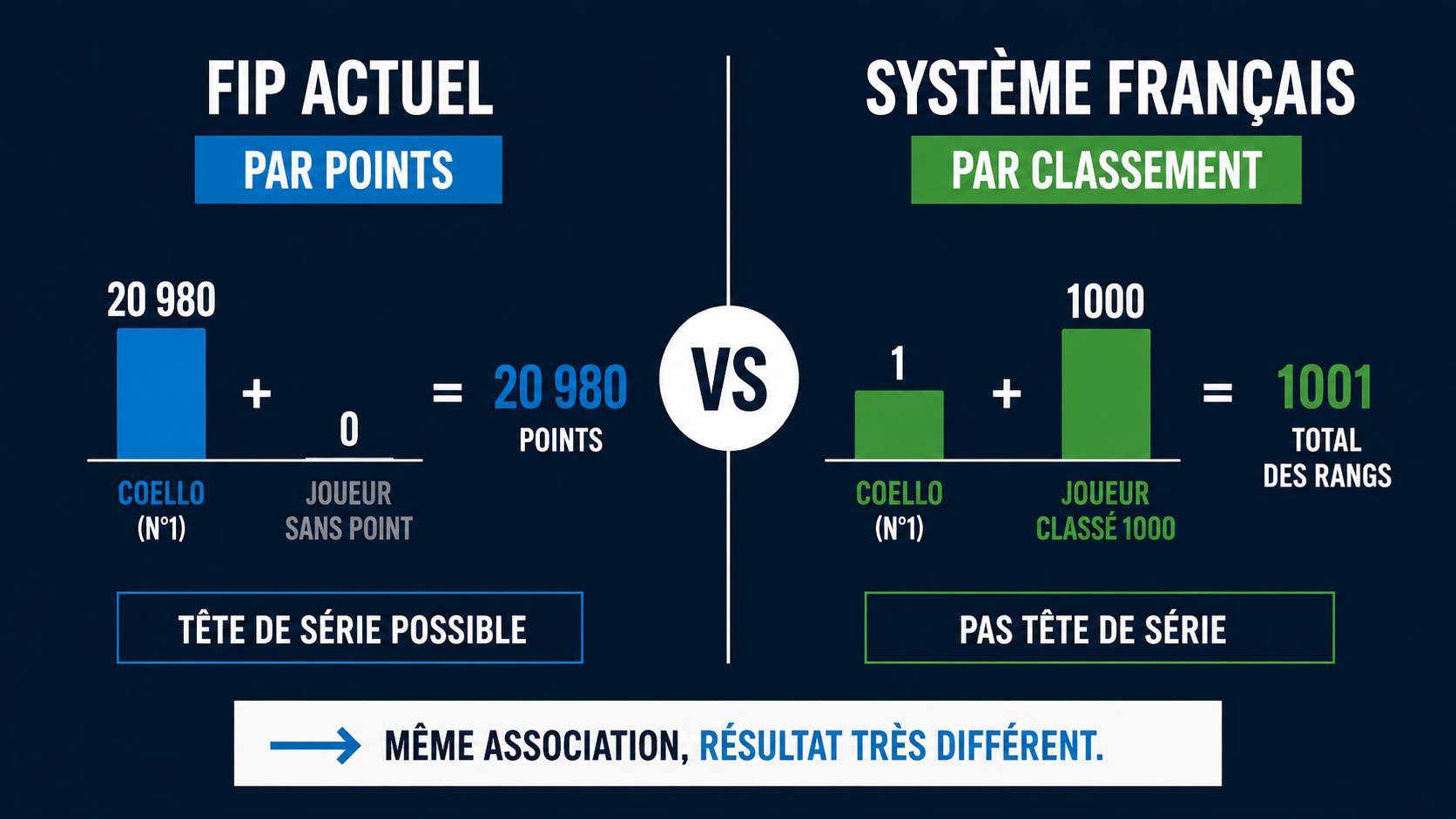 Coello with a player at 0 points ahead of two top 10 players: should the FIP ranking be reviewed?
 Les Pyramides: after 12 padel courts, the club is focusing on youth training
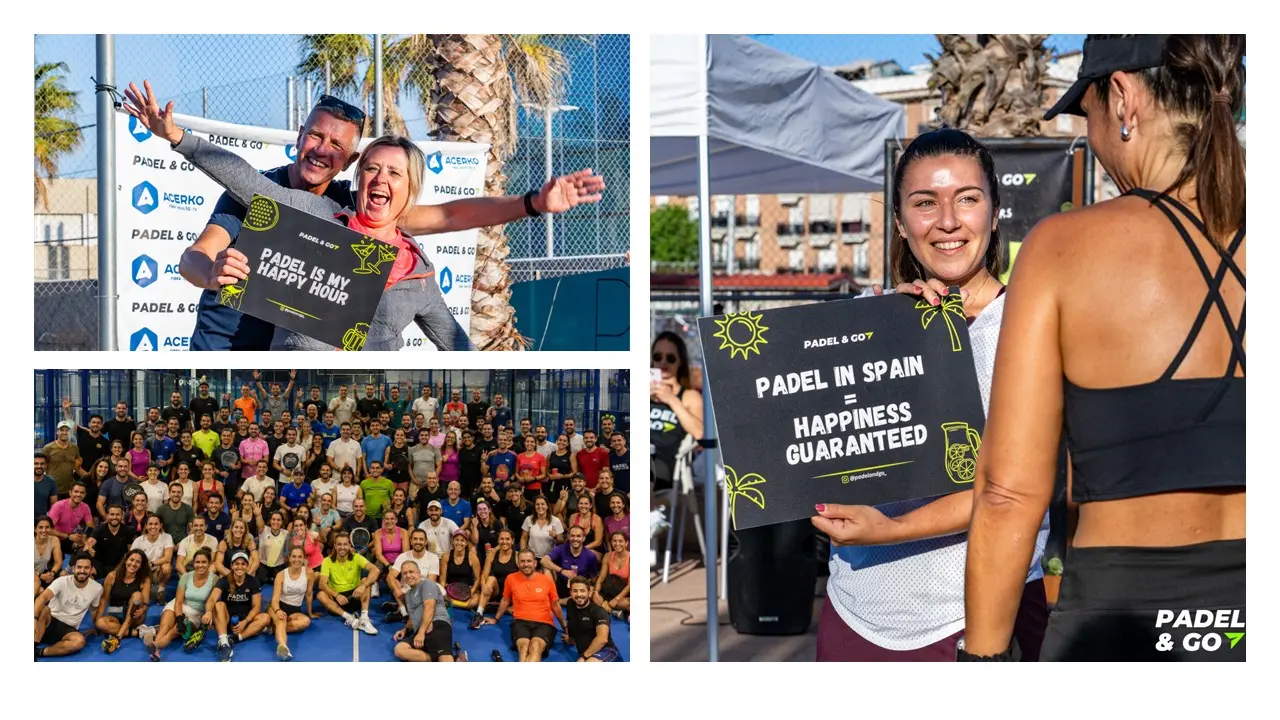 Health Care Padel Tour 2026: What if your next padel tournament was played in Barcelona?
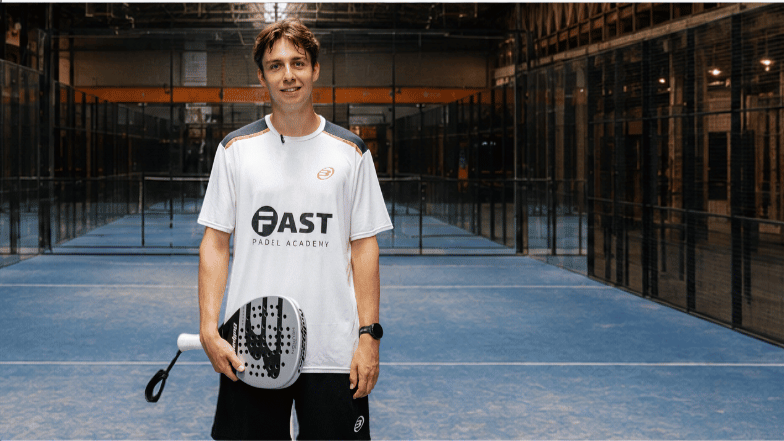 FAST Padel Academy continues its development and establishes itself in Liège.
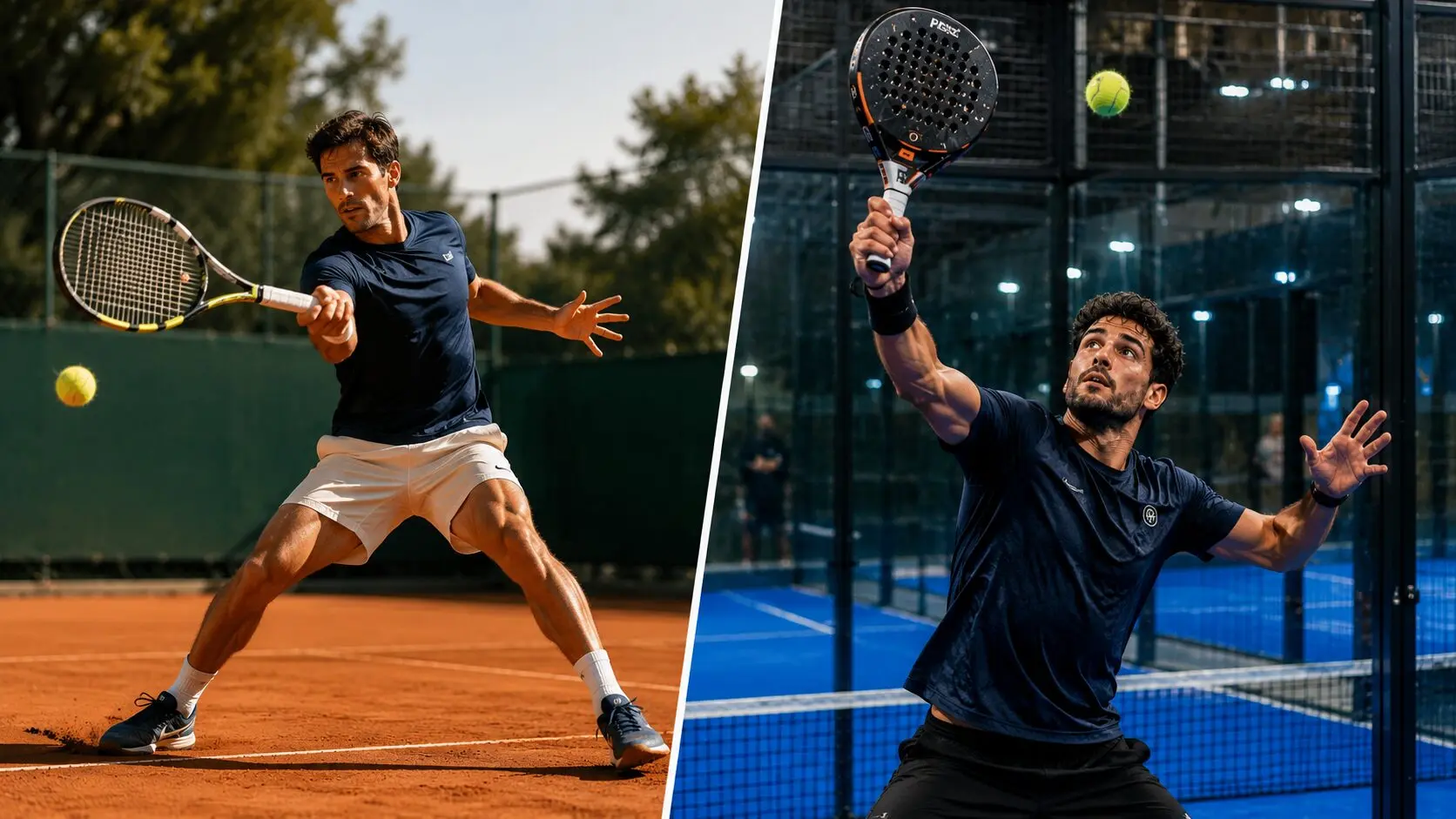 What the analysis of the stroke reveals: tennis forehand vs. padel bandeja
 Has the bandeja disappeared from modern padel?
 Flat forehand in padel: 5 exercises from Cristian Álvarez to gain control and efficiency
 Why knowing how to play on the right and left can make all the difference
 Tapia reveals his recipe for beating Coello / Tapia: "I would bet everything on myself"
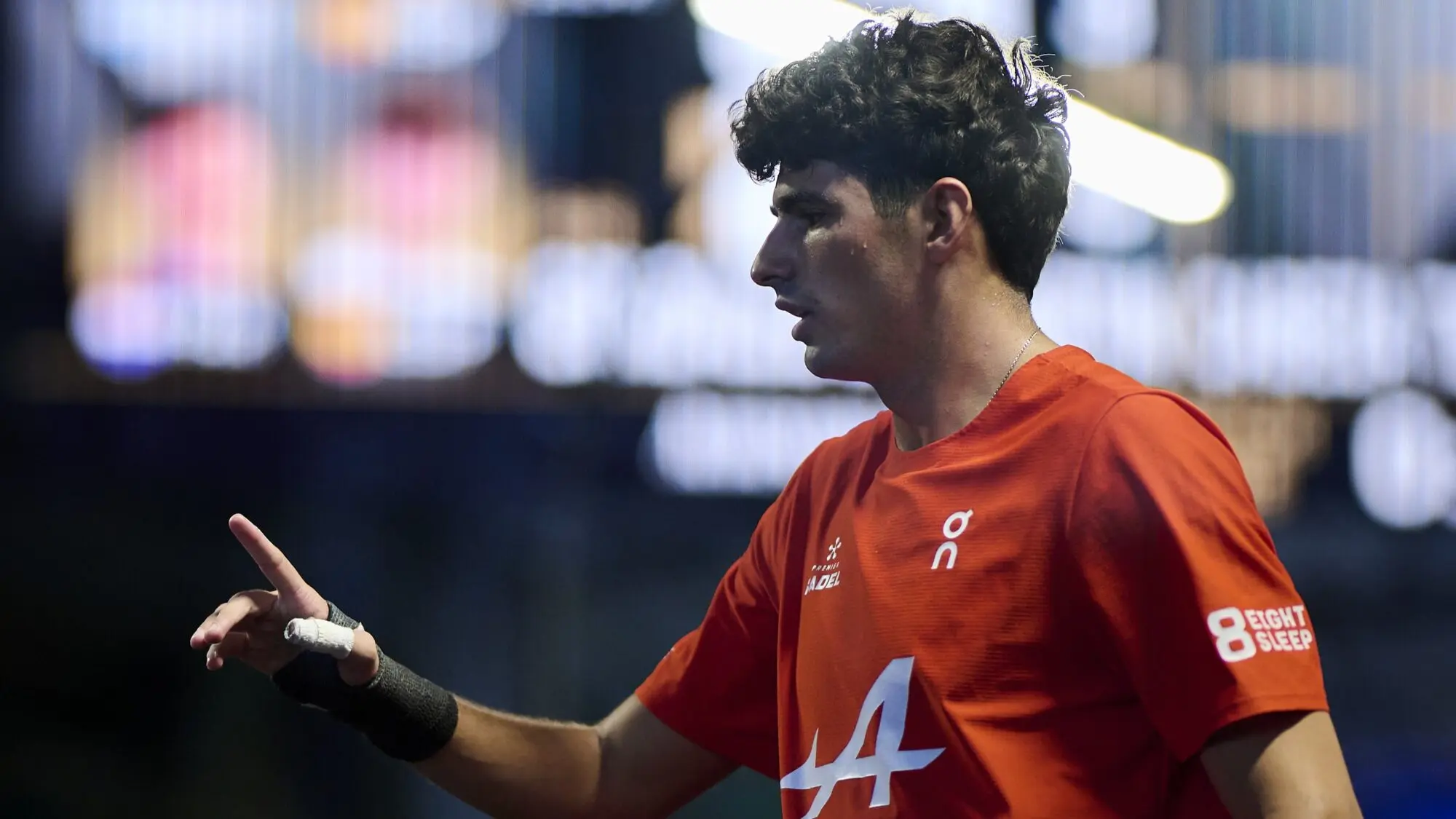 How Coello defused Chingotto's game plan
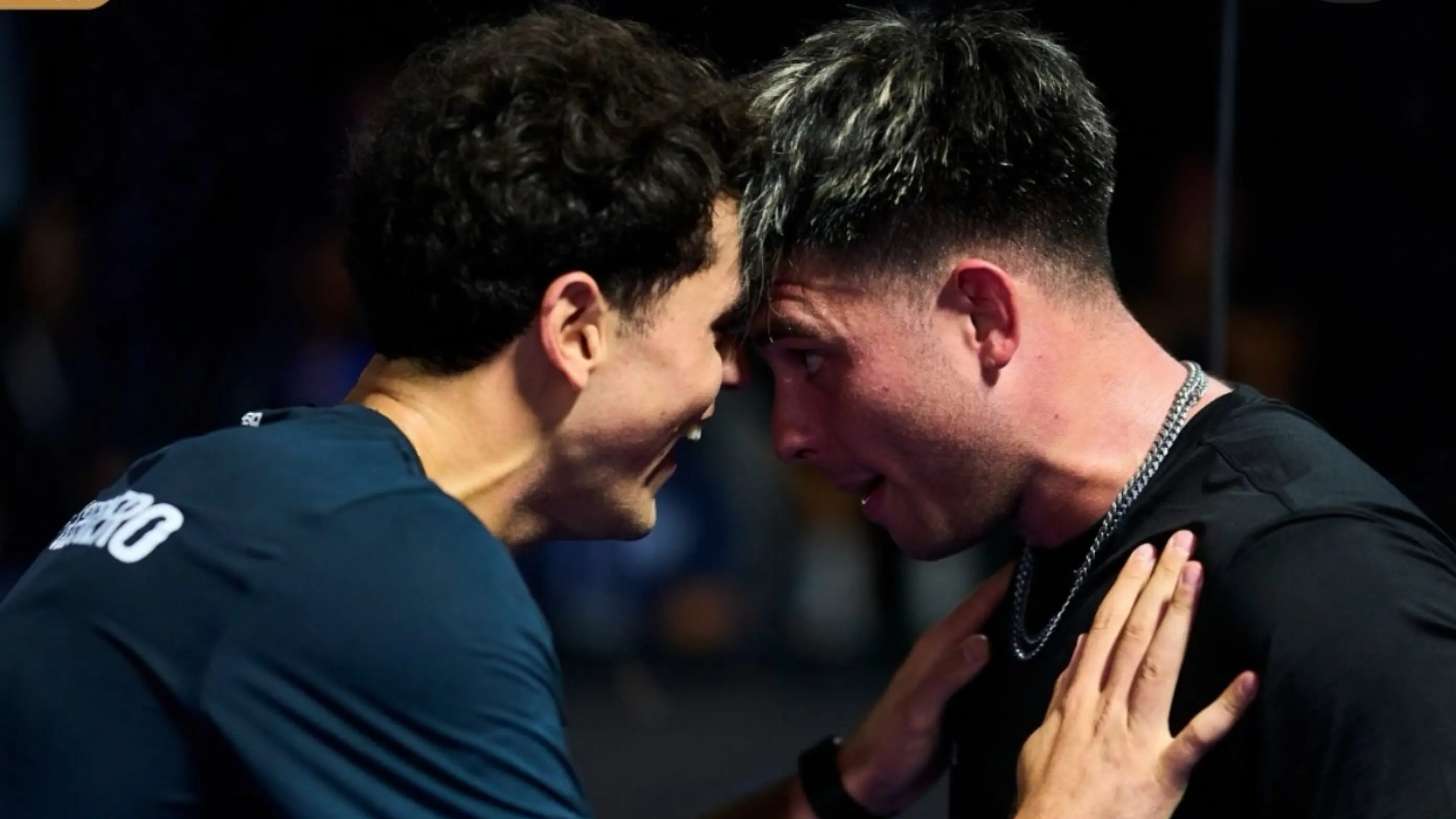 In padel, does the chemistry between a pair count as much as individual skill?
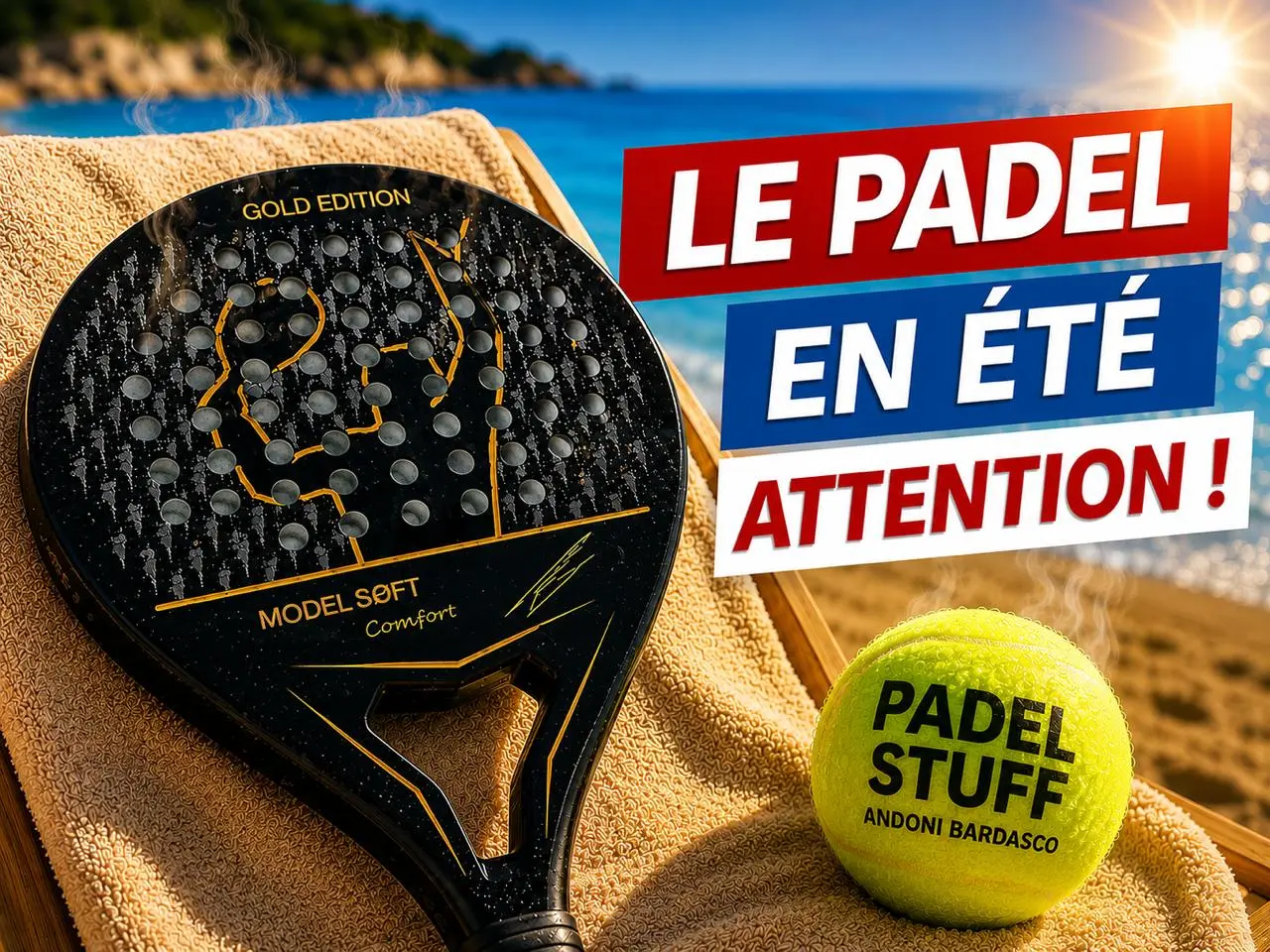 Summer changes padel… but what if the real challenge wasn't hitting harder?
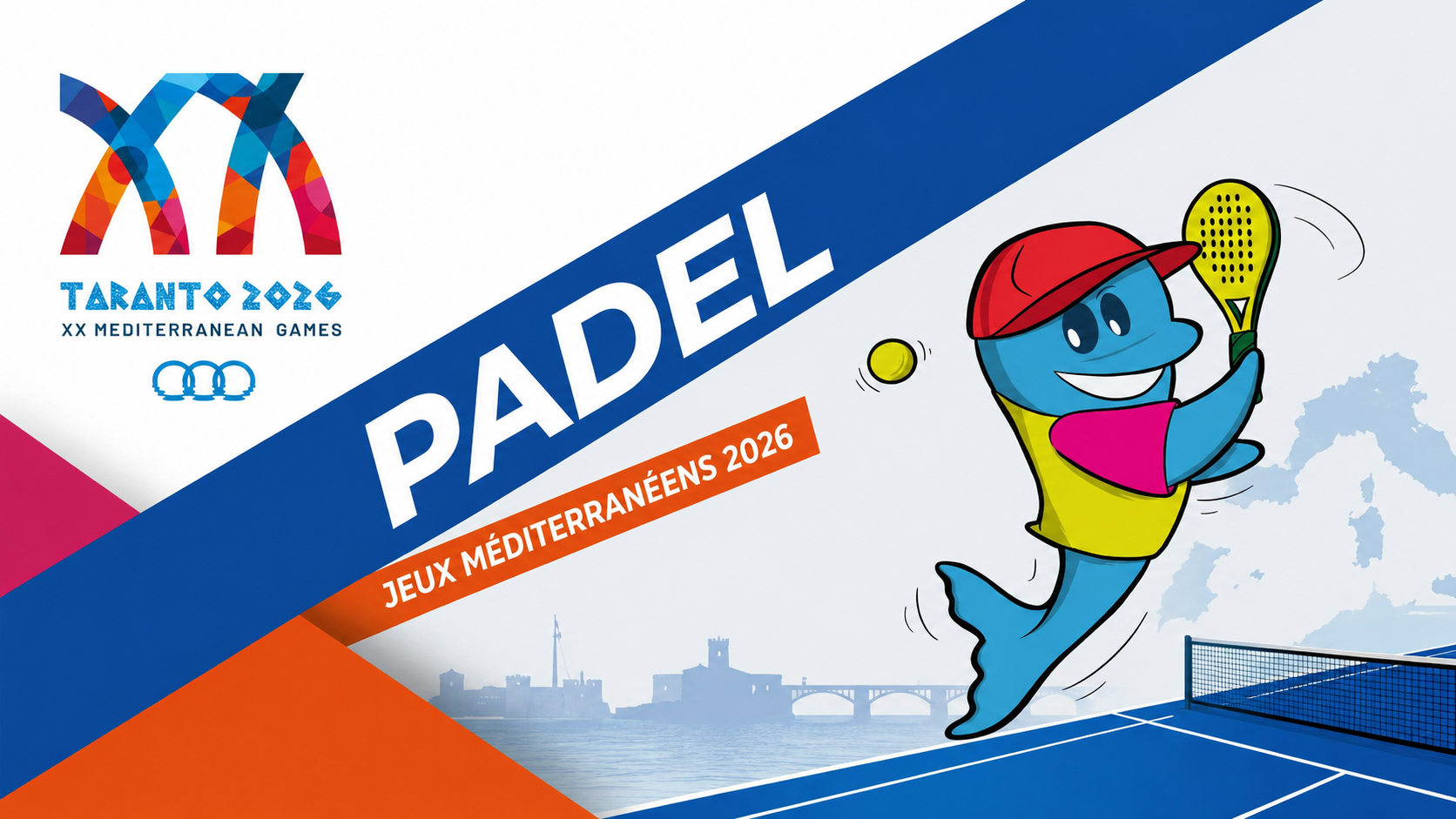 Neither FIP Tour nor World Team Championship: the unique format of padel at the Mediterranean Games
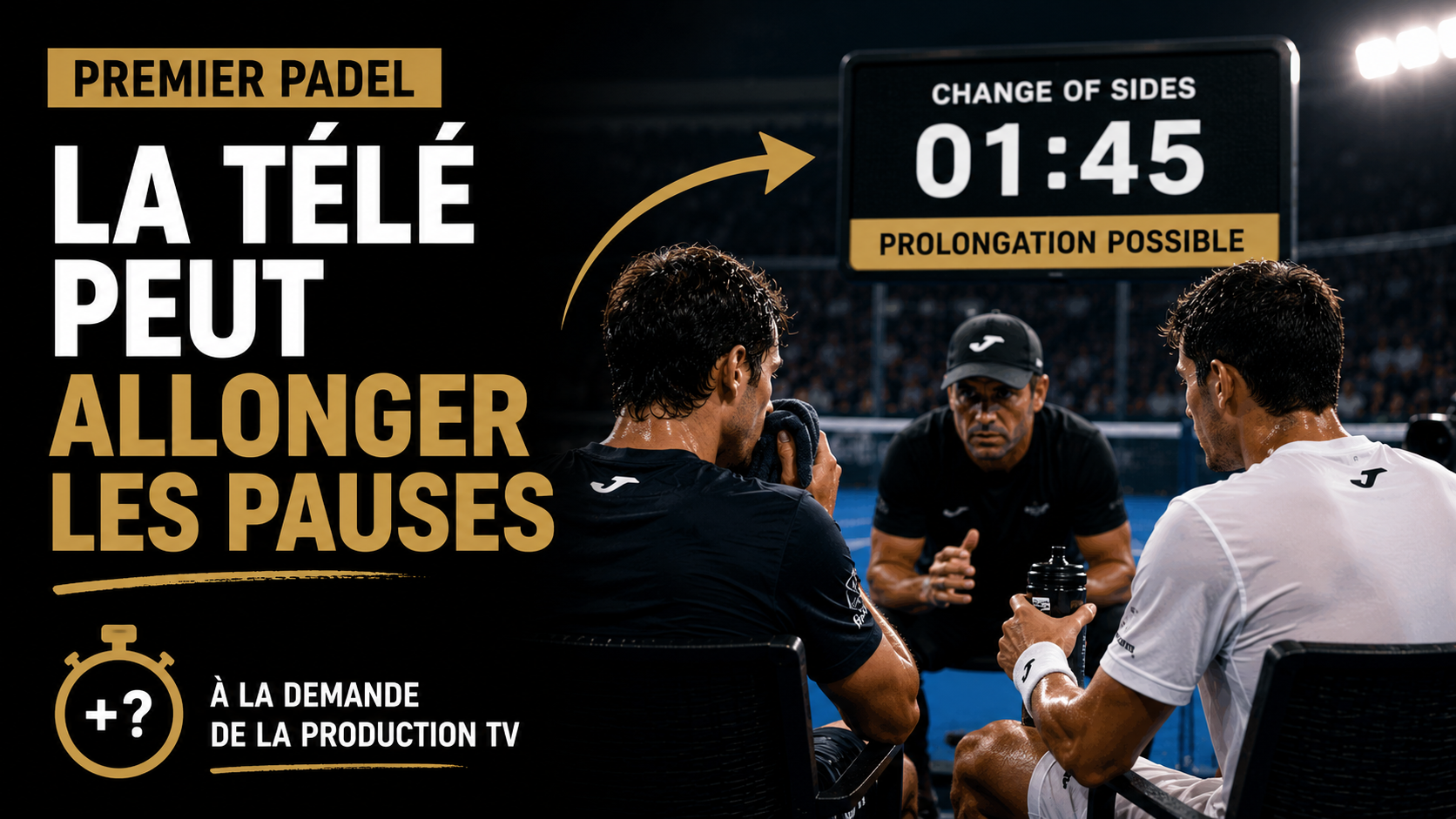 Premier Padel : when television can lengthen players' breaks
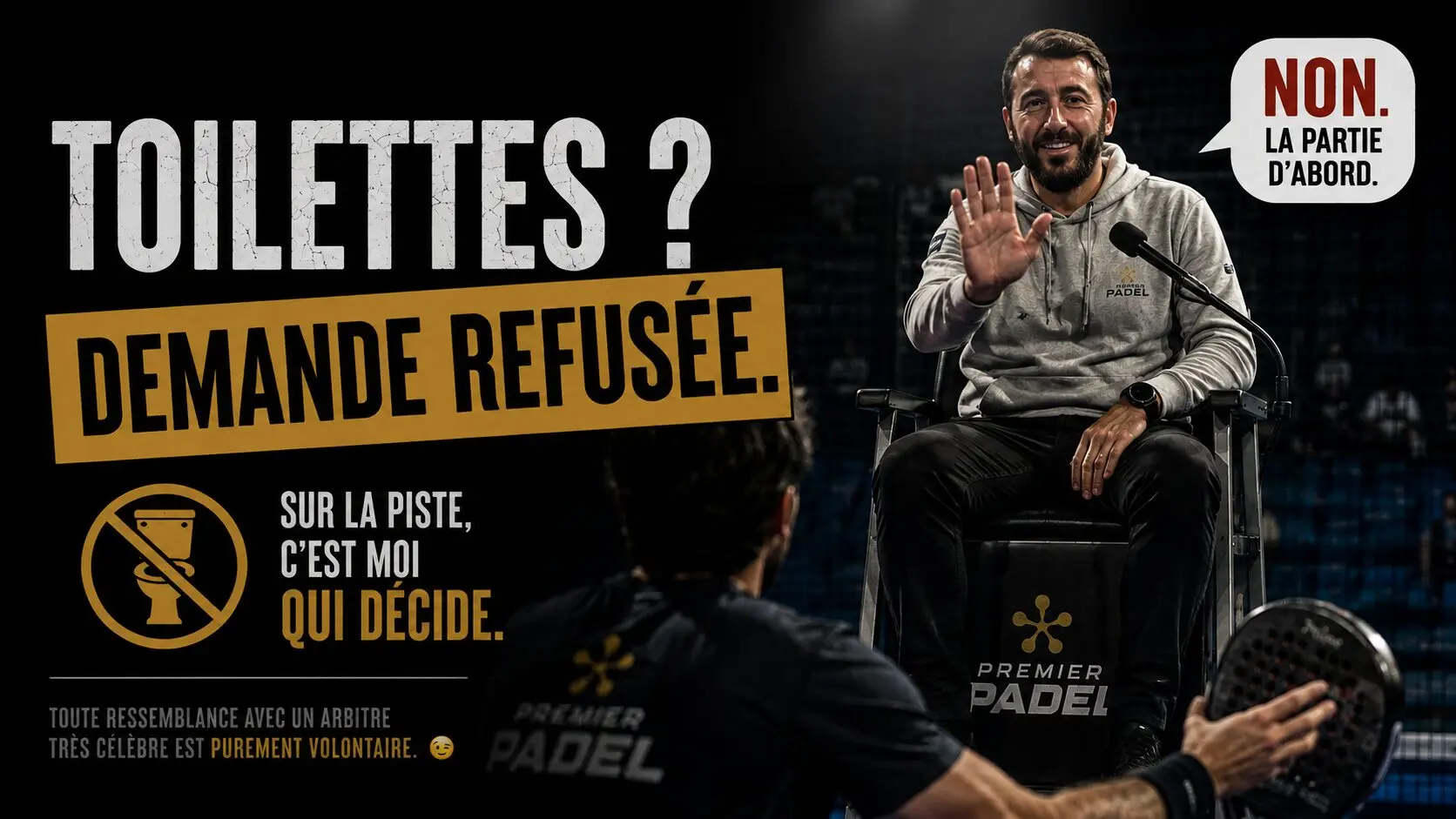 Premier Padel Yes, a referee can refuse a player permission to go to the toilet
 Julien Seurin opens up about his mental state: "There are far more doubts than moments of happiness."
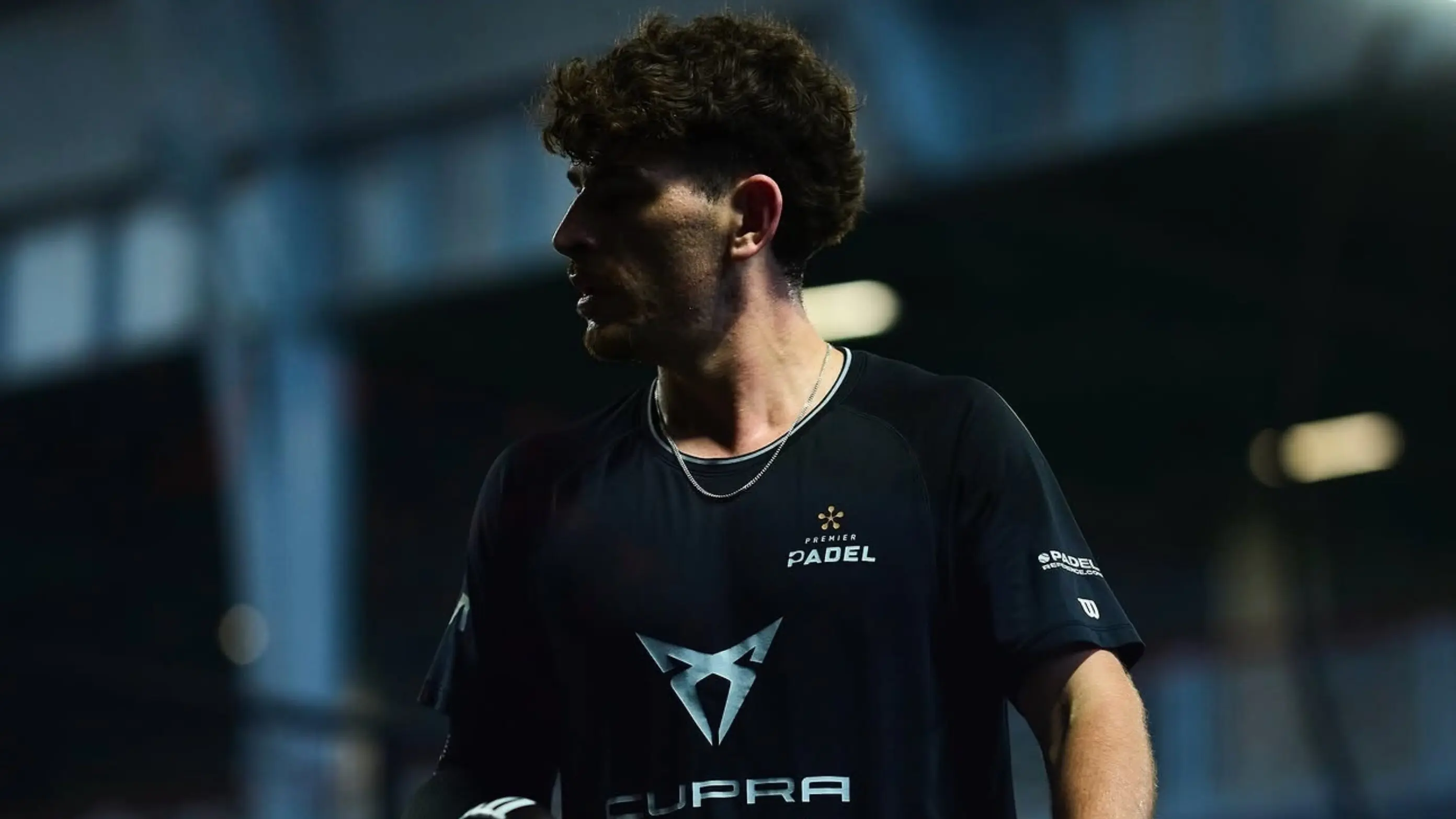 More than a year later, Thomas Leygue is back in the top 150: behind the scenes of a comeback that's still unfinished
 Padel vs squash vs badminton: the scientific ranking of cardio intensity
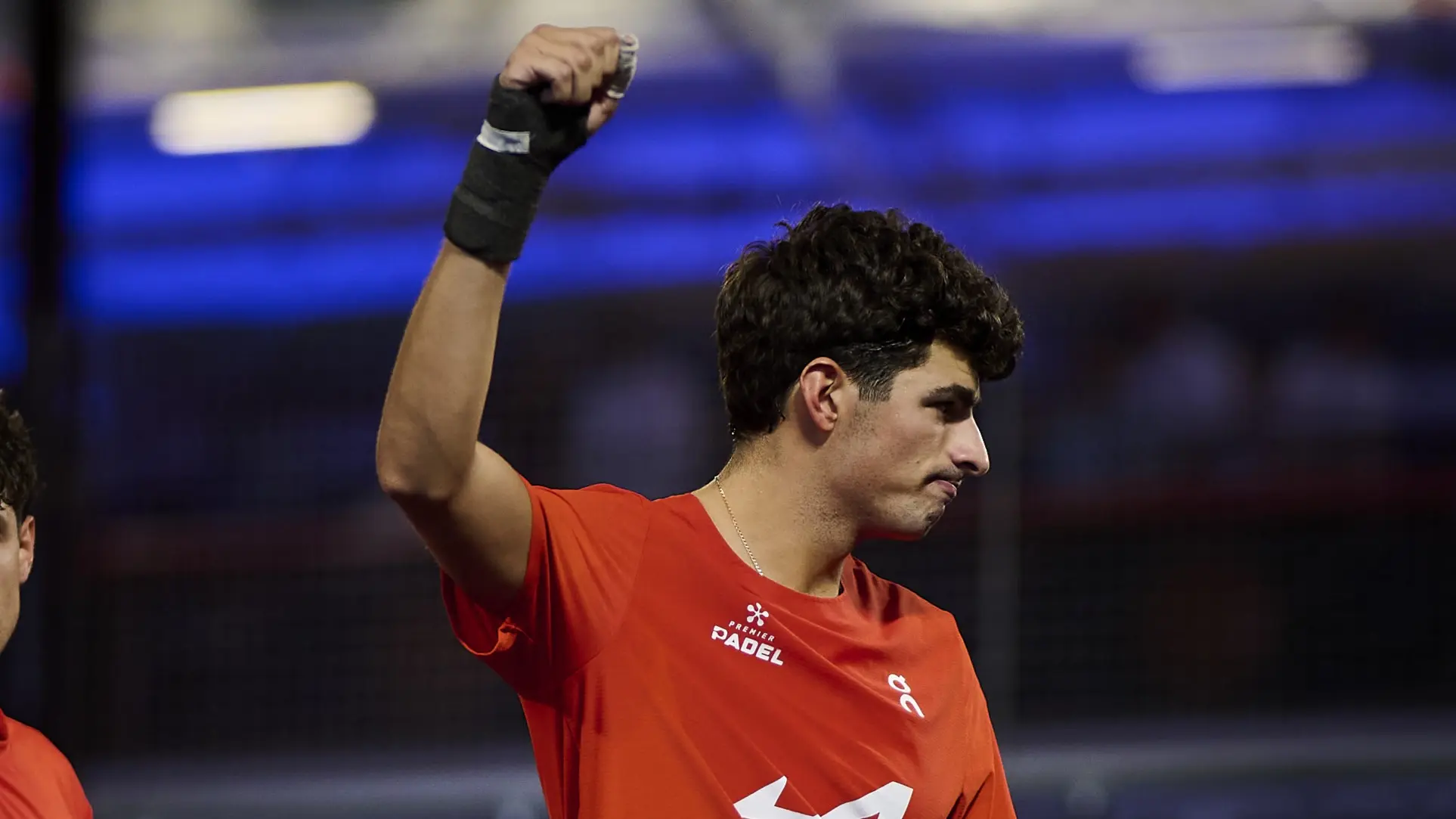 Why does Arturo Coello play with his right hand bandaged?
 What if your progress in padel depended on what nobody else is looking at?