










In the heart of the Namibian savannah, amidst acacia trees and under the curious gaze of giraffes, a short film paddle has just been completed. This exceptional project, carried out in an isolated nature reserve, illustrates in its own way the rapid expansion of this sport throughout the world, far beyond the European borders where it was still confined a decade ago.
An unusual project in the heart of nature
The installation of a padel court in Namibia is a first for the region: not in a city, nor an urban sports complex, but on a court surrounded by wild landscapes. And these are neither Marc Saucles , the CEO of Construction Universe , neither Arthur Maronne , the one laying the tracks who will say the opposite!
The technical constraints were commensurate with the logistical challenge: transporting materials on unpaved tracks, adapting structures to extreme climatic conditions and harmoniously integrating them into a sensitive natural environment.
This type of infrastructure, long reserved for urban centers and private clubs, demonstrates the creativity of market players in offering padel in increasingly unexpected contexts.


Unprecedented global growth
The rise of this sport is not limited to isolated projects: the Padel is today one of the most dynamic sports sectors in the world. . According Global Padel Report 2025 The number of clubs worldwide has increased by 26%, with more than 7,000 new courts recently built , a pace that places padel among the fastest growing sports internationally.
Other analyses suggest that more than 50,000 courts exist today across the globe , with projections reaching nearly 70,000 by 2026 , a sign that development shows no signs of slowing down.
This phenomenon can be explained by several factors: accessibility of the game, structure favorable to doubles, rapid learning curve and strong social dimension which attracts players of all ages and levels.
Africa, a continent awakening
While Europe, South America, and the Middle East remain historical centers of padel, Africa is beginning to chart its own growth trajectory Court construction projects are underway in Namibia, Zimbabwe, Zambia, and especially in South Africa , where several facilities have recently been opened or planned, particularly in cities like Johannesburg and Cape Town.
In several North African countries such as the Morocco Padel is also developing at a rapid pace, with a growing number of clubs and local events helping to popularize the sport among new generations of players.
This movement is part of a broader context: some analyses note a significant increase in the number of clubs on the African continent, even if it remains low compared to other regions. (Article from 2018…)
A sport in motion, even in the most unexpected places.
The installation of the Namibian court, surrounded by wildlife and majestic landscapes, illustrates padel's ability to adapt to a wide variety of environments—urban or natural. This phenomenon is accompanied by a growing interest in unusual locations, whether in seaside resorts, hotel complexes, or now, in the heart of nature.
With a sport that is attracting more and more players worldwide and innovative projects that are pushing geographical and technical boundaries, padel is confirming its status as a sport undergoing a revolution. A revolution that, clearly, has not finished surprising us.

Franck Binisti discovered padel at the Club des Pyramides in 2009 in the Paris region. Since then, padel has been part of his life. You often see him touring France to cover major French padel events.










































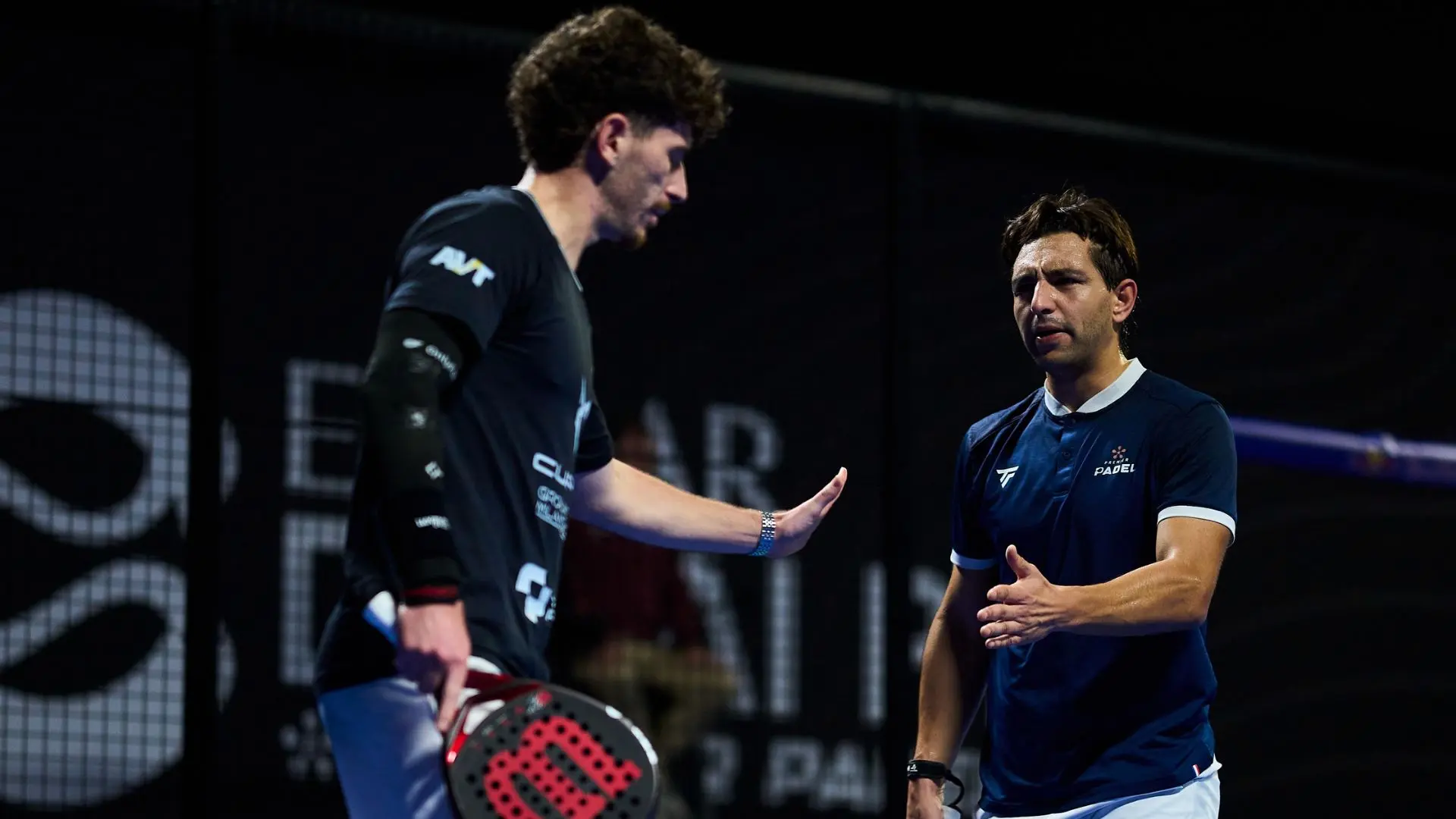 Leygue and Moya had the weapons but narrowly lost to Ruiz/López in the first round of Dubai P1
 Dubai P1 – Another disappointment for Salazar/Osoro, eliminated in the first round: the Barcelona Finals are slipping away dangerously
 Dubai: behind the P1, an already well-established padel market
 "I applied to become the coach of the French national team": an objective for Adrien Maigret
 Fonteny/Joris after their “almost” upset against Tapia/Libaak: “We believed until the very last point”
 2026 World Cup – Five players barred from World Cup with the United Arab Emirates: Íñigo Jofre denounces the situation
 Coello/Tapia ahead of the Kuwait Major final against Tello/Arce: “These are two players who cause us a lot of problems”
 Organising a national padel competition: what are the FFT's requirements for clubs?
 A PADEL, the club that made Thuir the capital of Catalan padel
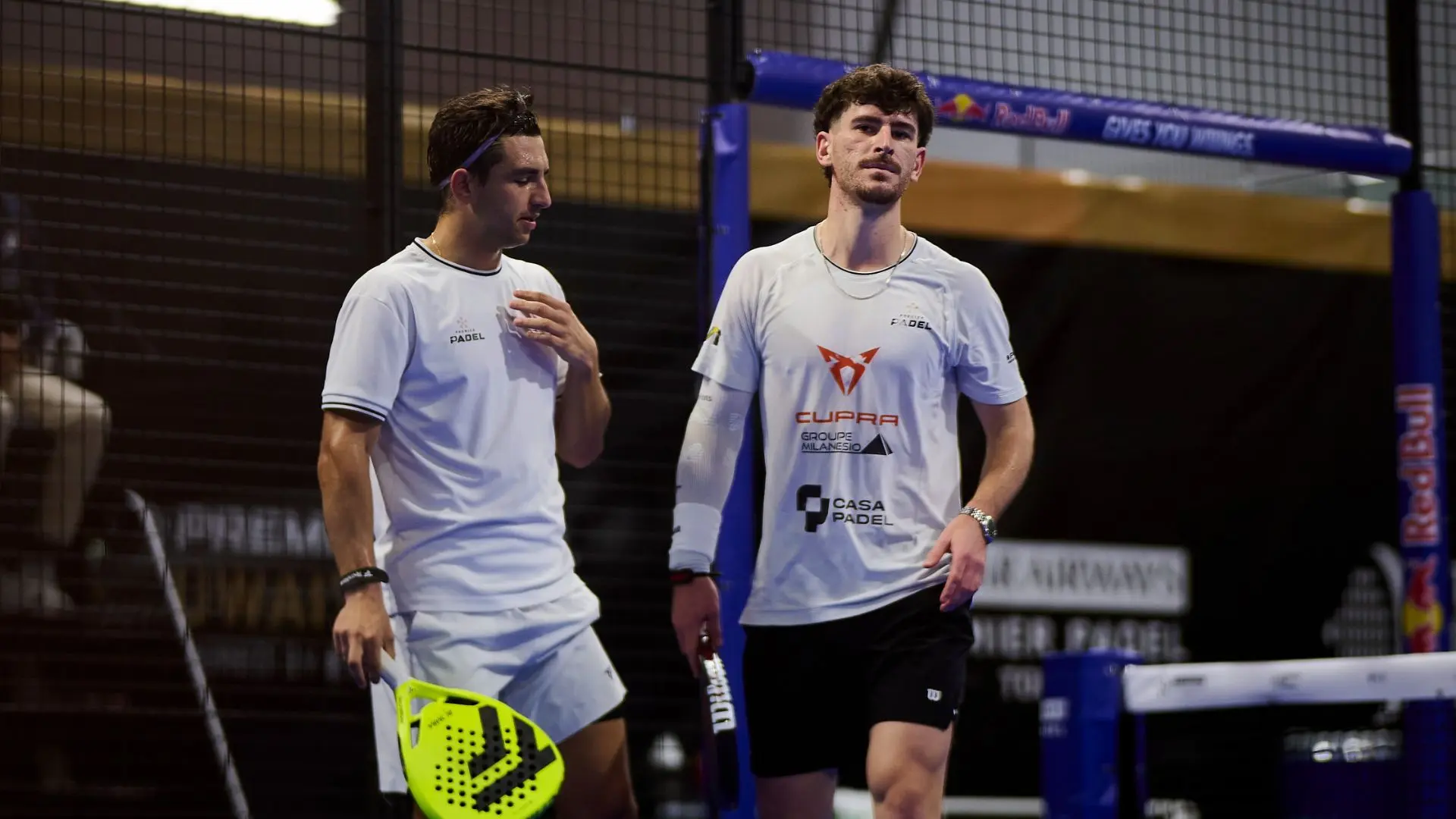 Dubai P1 – Leygue and Moya secure their qualification through sheer willpower and earn a spot in the main draw
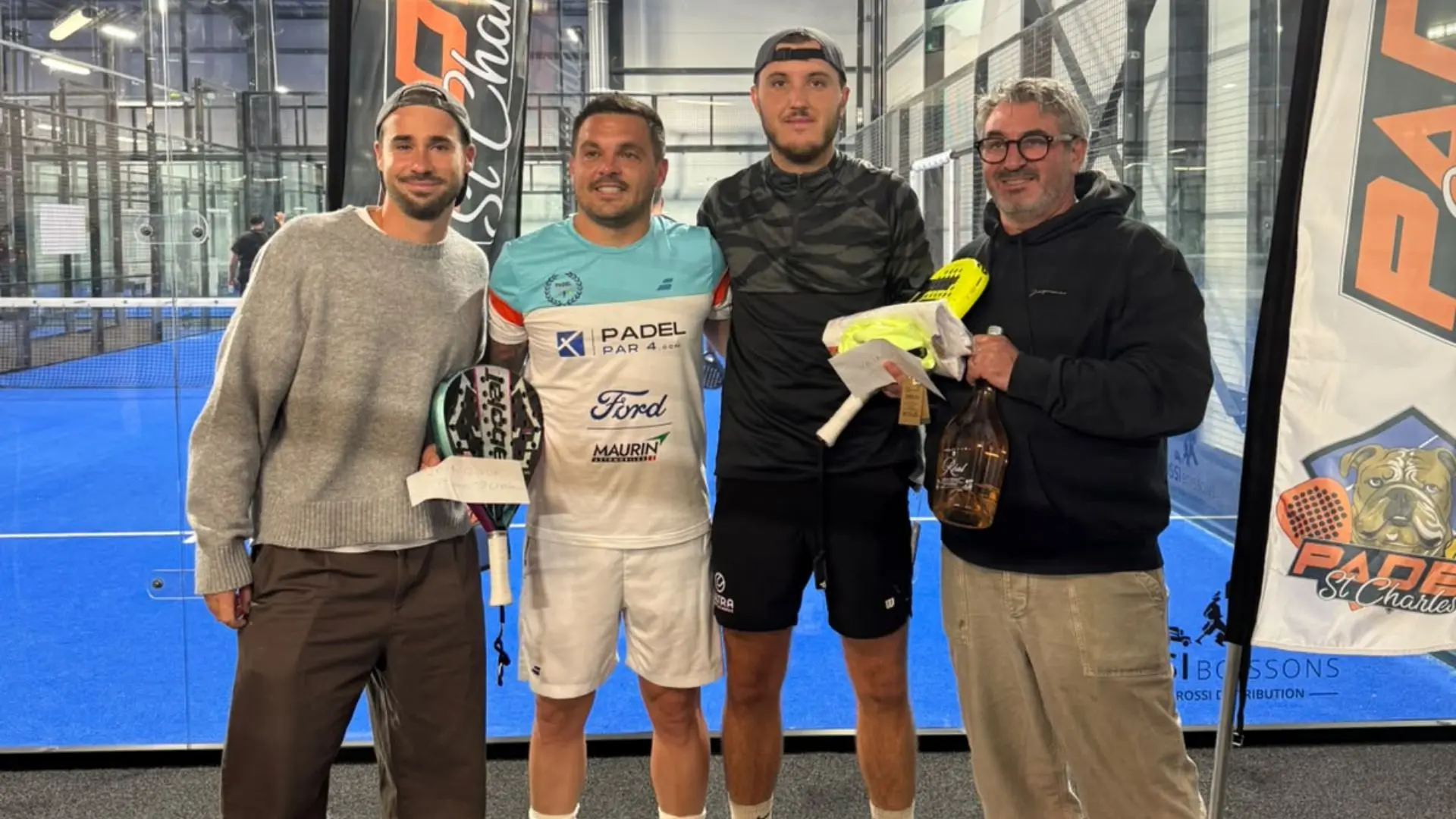 P1000 Padel Saint-Charles – Gourre / Armand claim the title by defeating the top two seeds
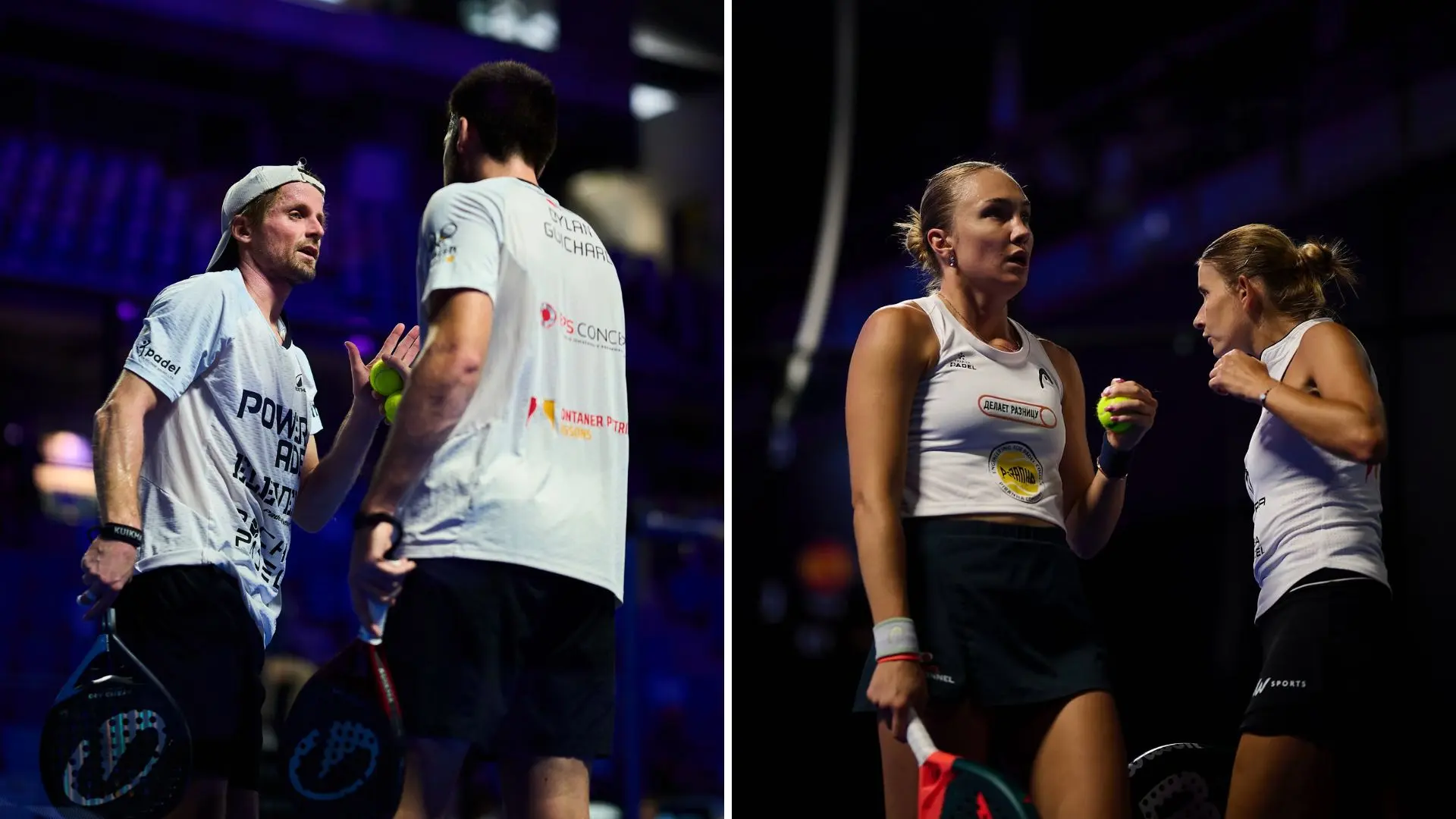 Dubai P1 – Collombon and Guichard eliminated in their first match, Leygue the last French hope
 Coello on ice, Nieto decisive: the limits of partner targeting
 Where to watch Dubai P1? TV schedule, times and broadcast information
 Padel, weight training, and even HYROX: clubs are changing their model
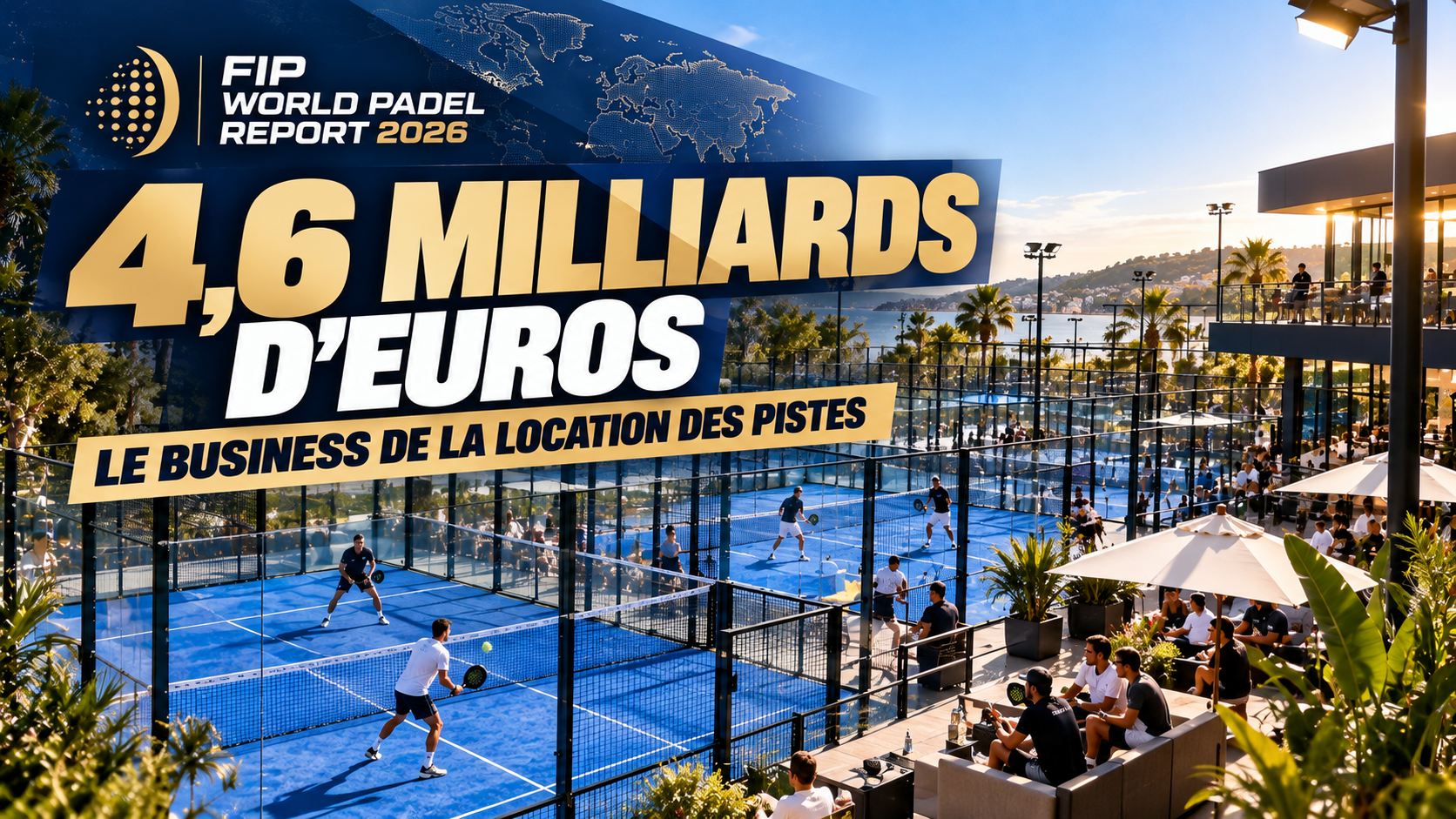 Padel court rentals: a global market estimated at 4,6 billion euros
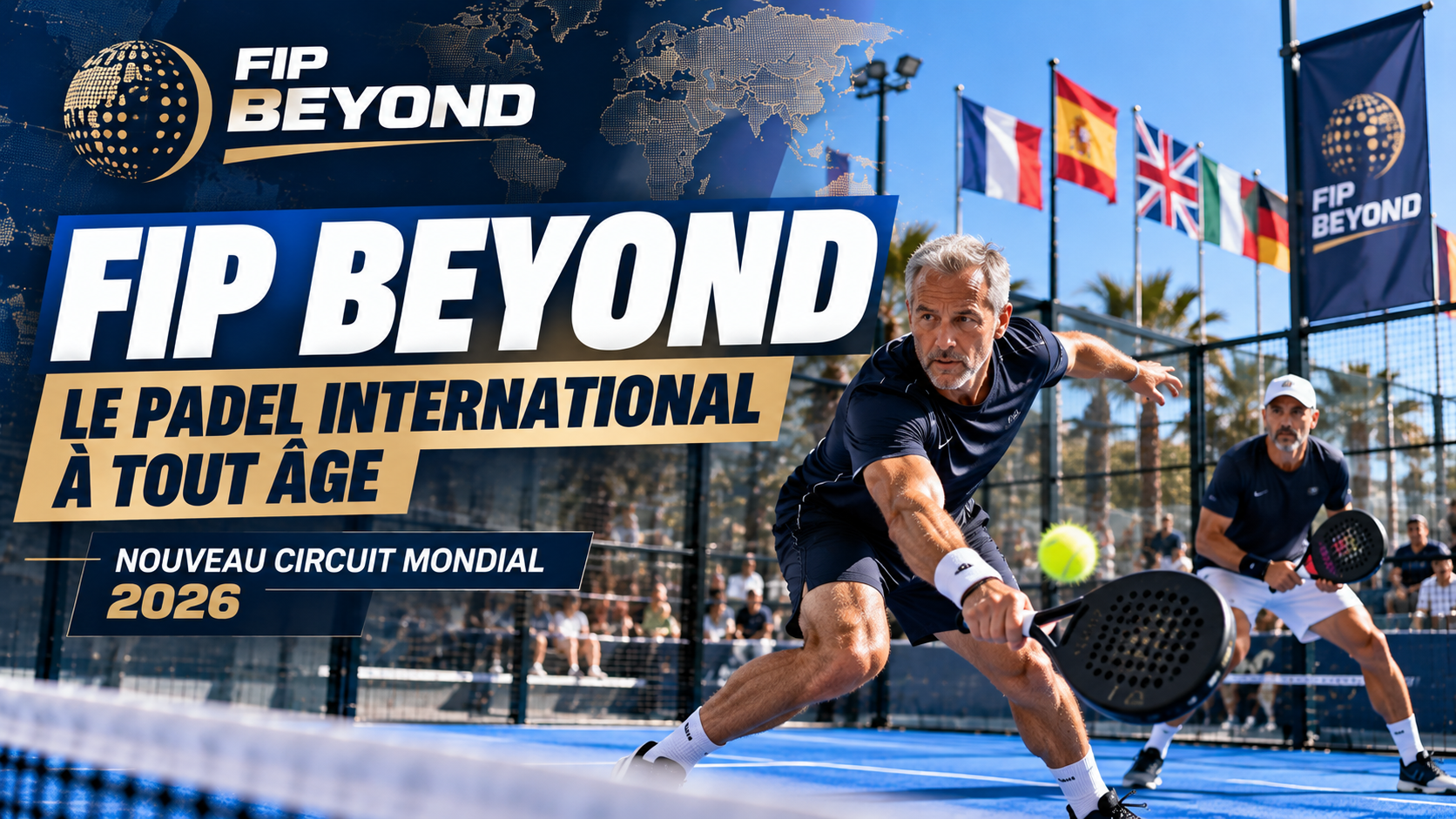 FIP Beyond: the new global padel circuit for amateurs and seniors
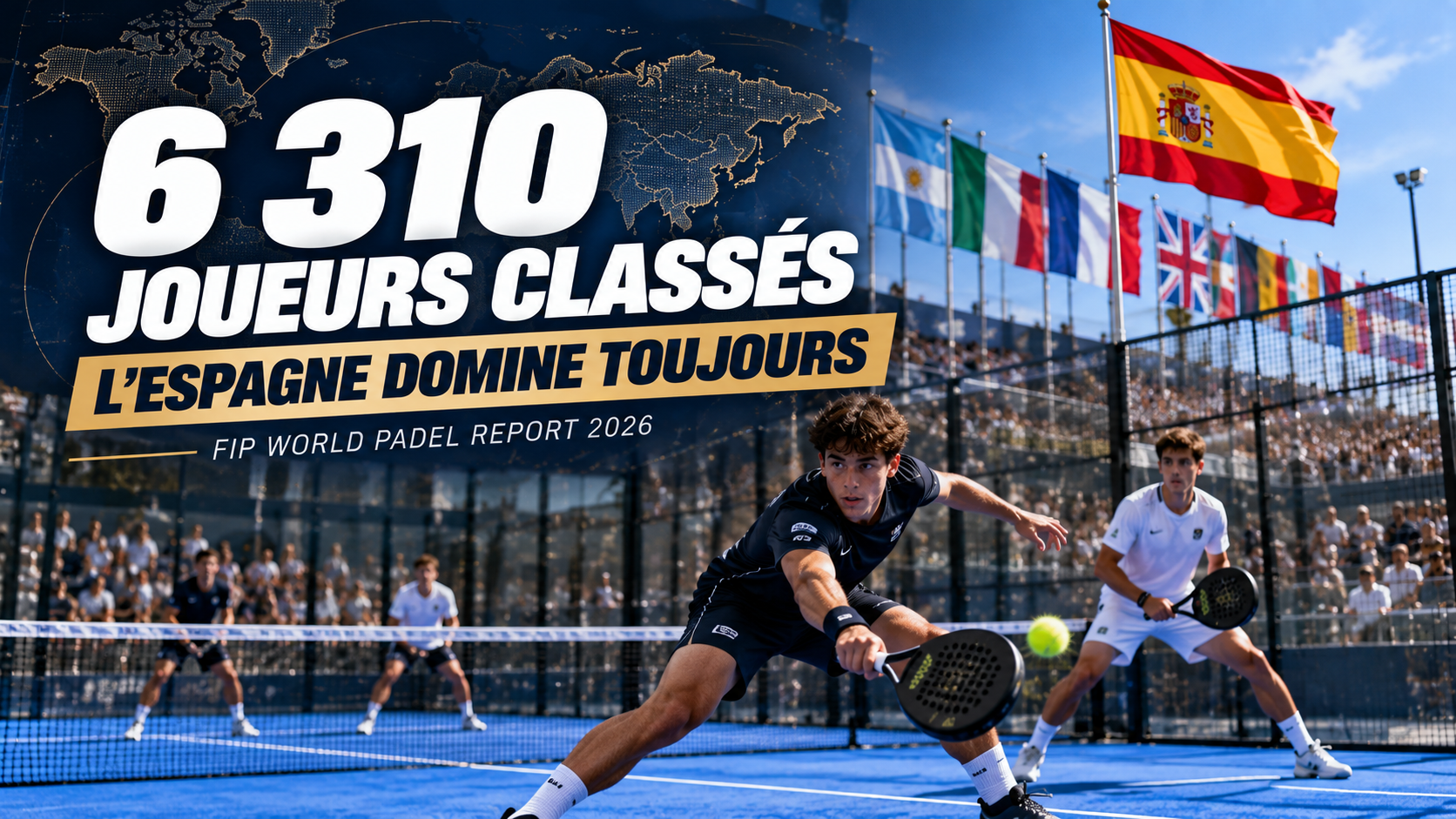 More than 6,300 FIP-ranked players: professional padel is becoming international, but Spain dominates
 Memory, reflexes, concentration: what happens in our brain when we play padel?
 P2000 or P3000: what are the differences in prize money, format and organization in 2028?
 Why can Libaak/Alfonso beat almost everyone… except Coello/Tapia?
 Could padel help the brain recover after chemotherapy?
 What the analysis of the stroke reveals: tennis forehand vs. padel bandeja
 Has the bandeja disappeared from modern padel?
 Flat forehand in padel: 5 exercises from Cristian Álvarez to gain control and efficiency
 Why knowing how to play on the right and left can make all the difference
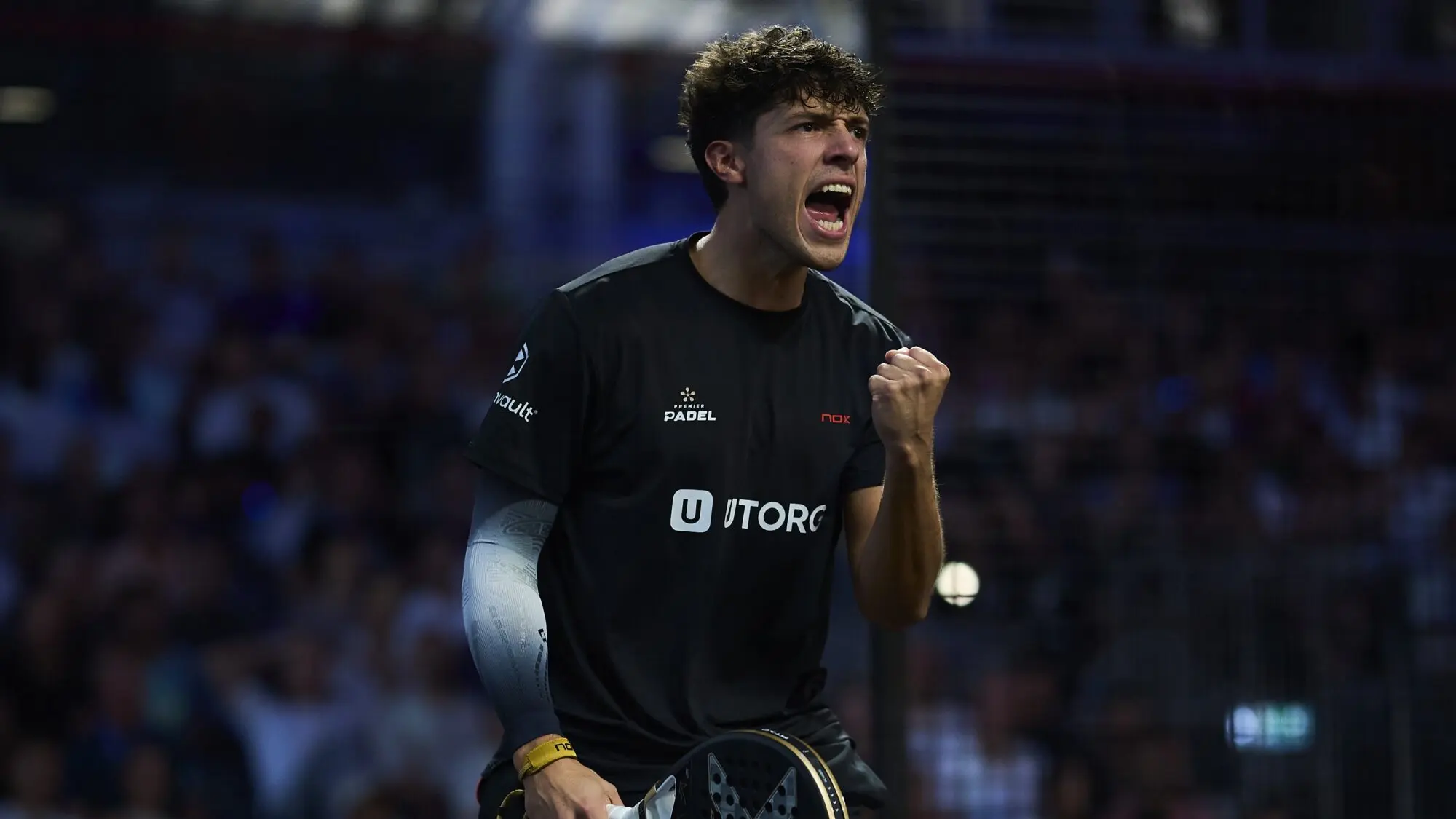 Tapia reveals his recipe for beating Coello / Tapia: "I would bet everything on myself"
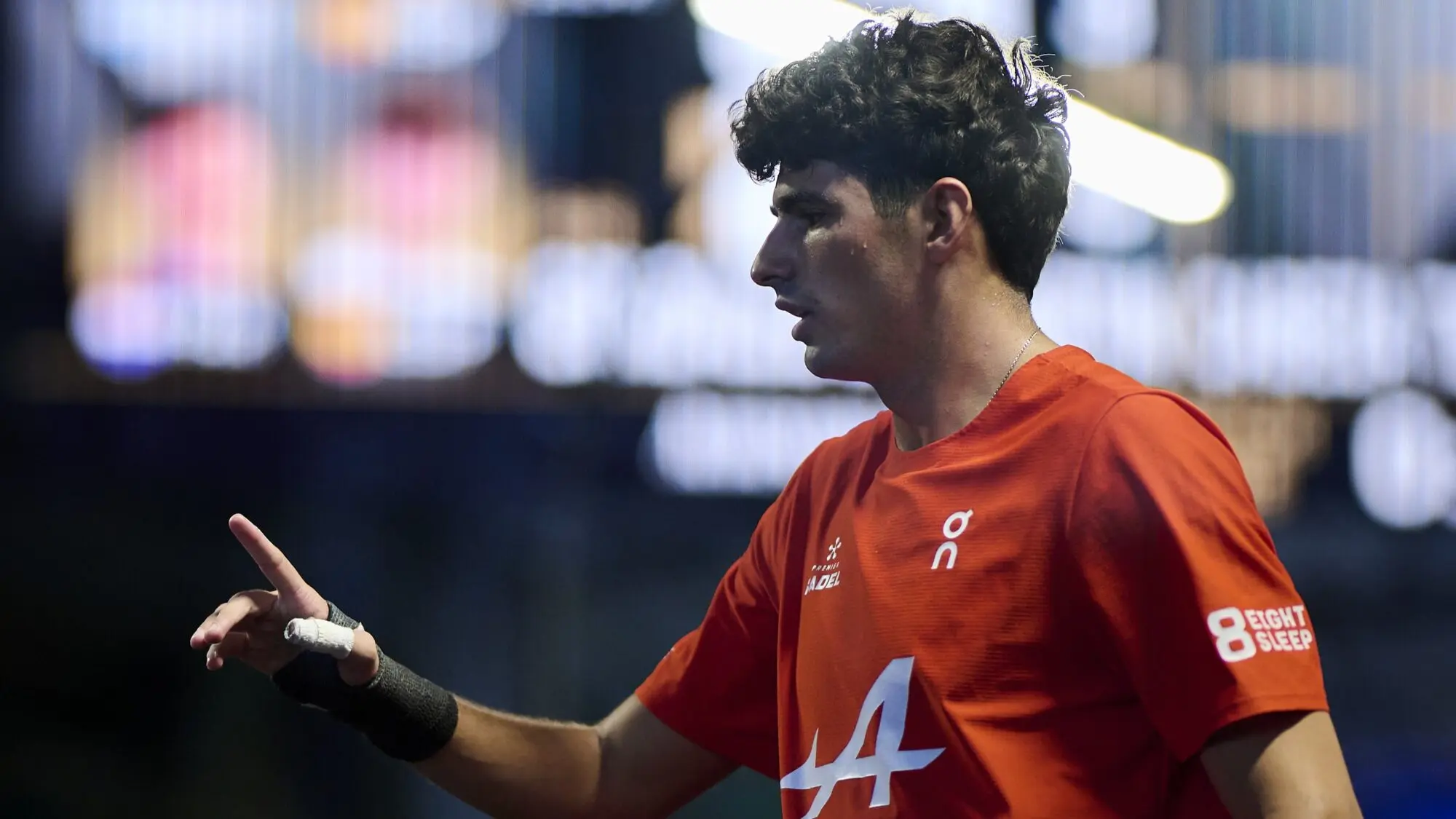 How Coello defused Chingotto's game plan
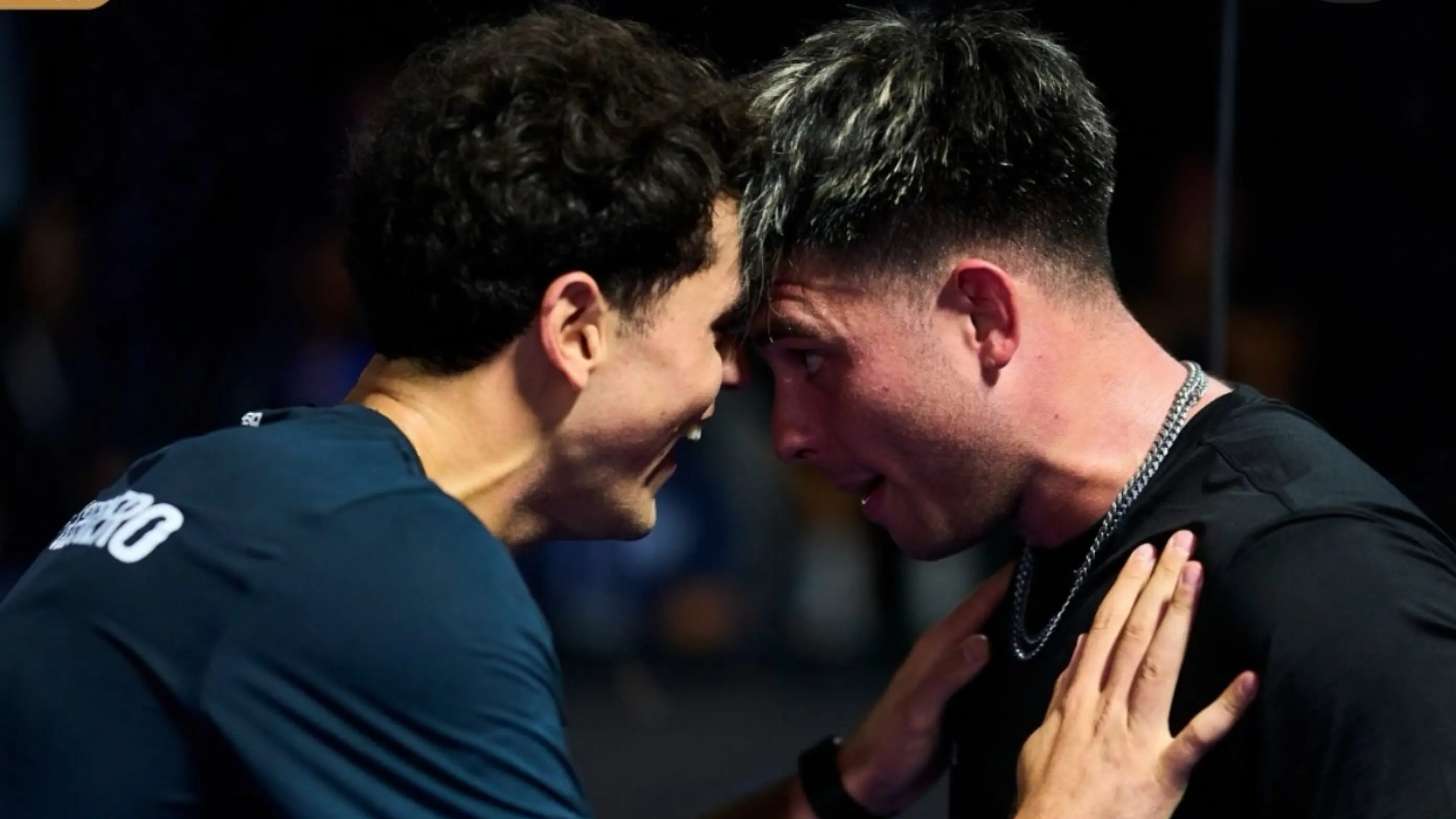 In padel, does the chemistry between a pair count as much as individual skill?
 Organising a P2000 or a P3000: how much does it really cost clubs?
 Do you lose your ranking? Padel FFT after more than a year without a license / without competition?
 Kuwait Major: Chingotto/Galán out, Alejandro Galán injured, Coello/Tapia the only favorites?
 Julien Seurin opens up about his mental state: "There are far more doubts than moments of happiness."
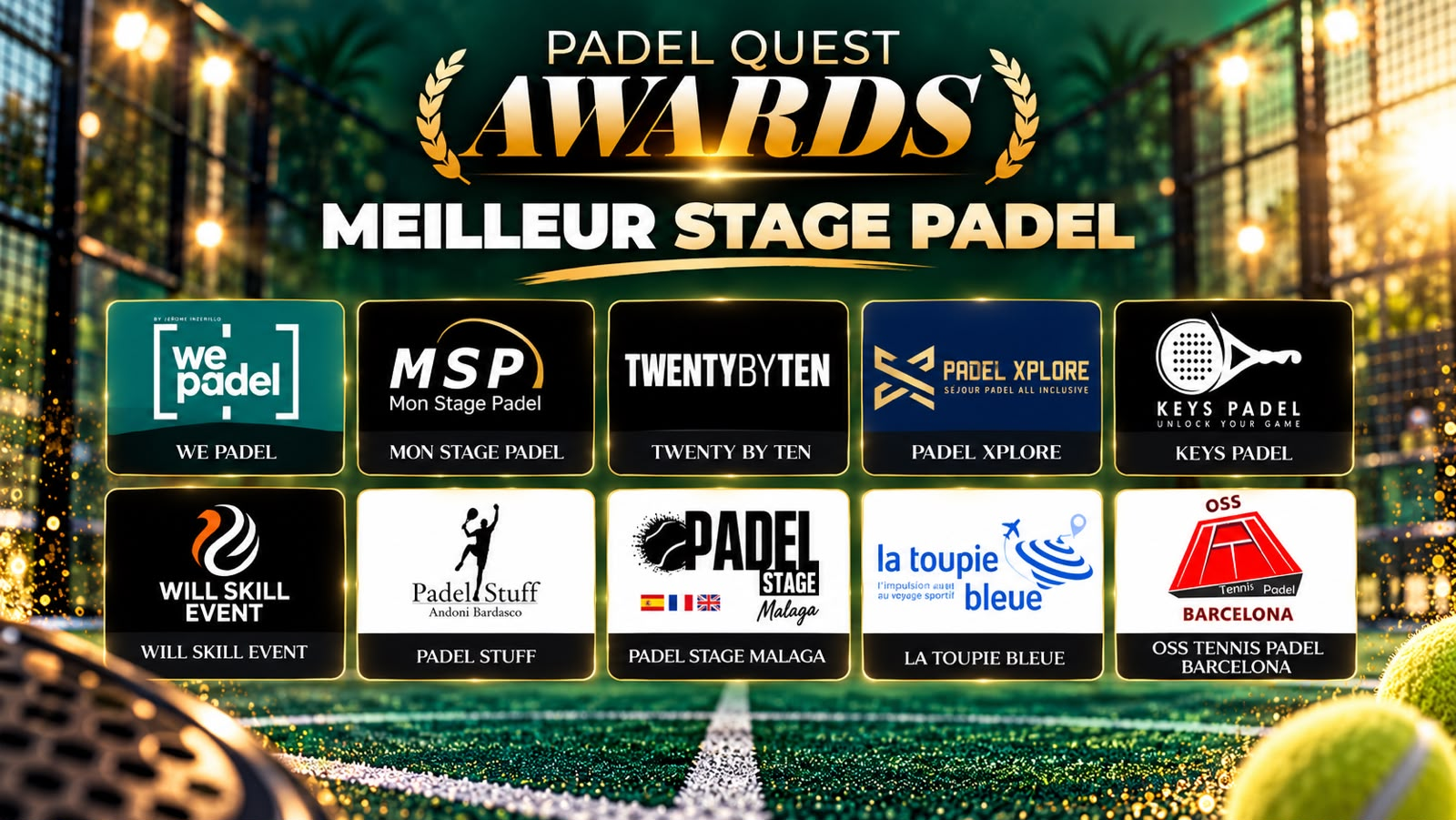 Padel Quest Awards: Ten specialists in the running for the title of best padel training camp of the year
 Padel Xperience: The Academy opens on November 2nd in Marcheprime, ahead of the complex's inauguration in 2027
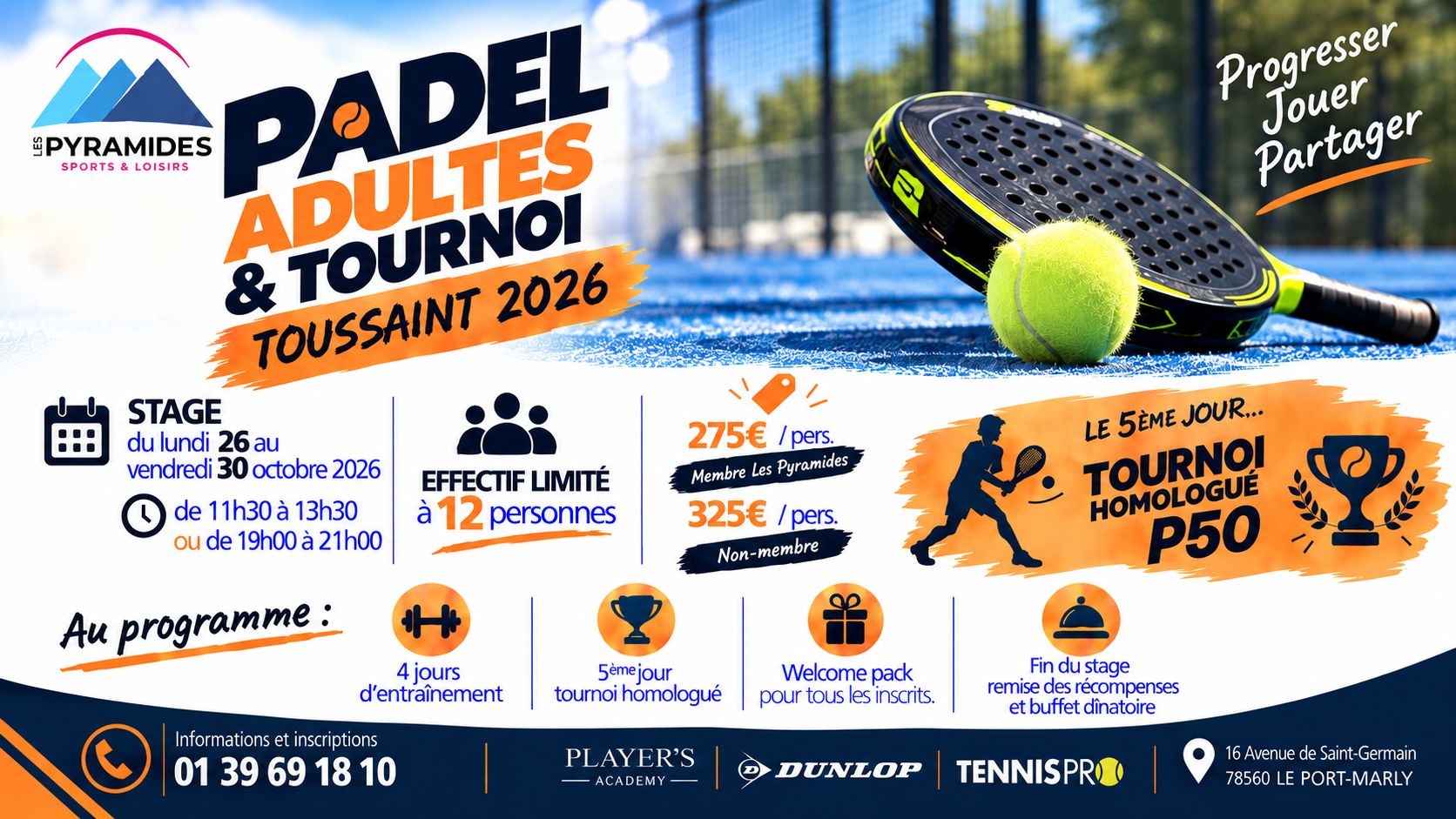 All Saints' Day – Les Pyramides are organizing a padel training camp for adults with a P50 tournament to close out the week
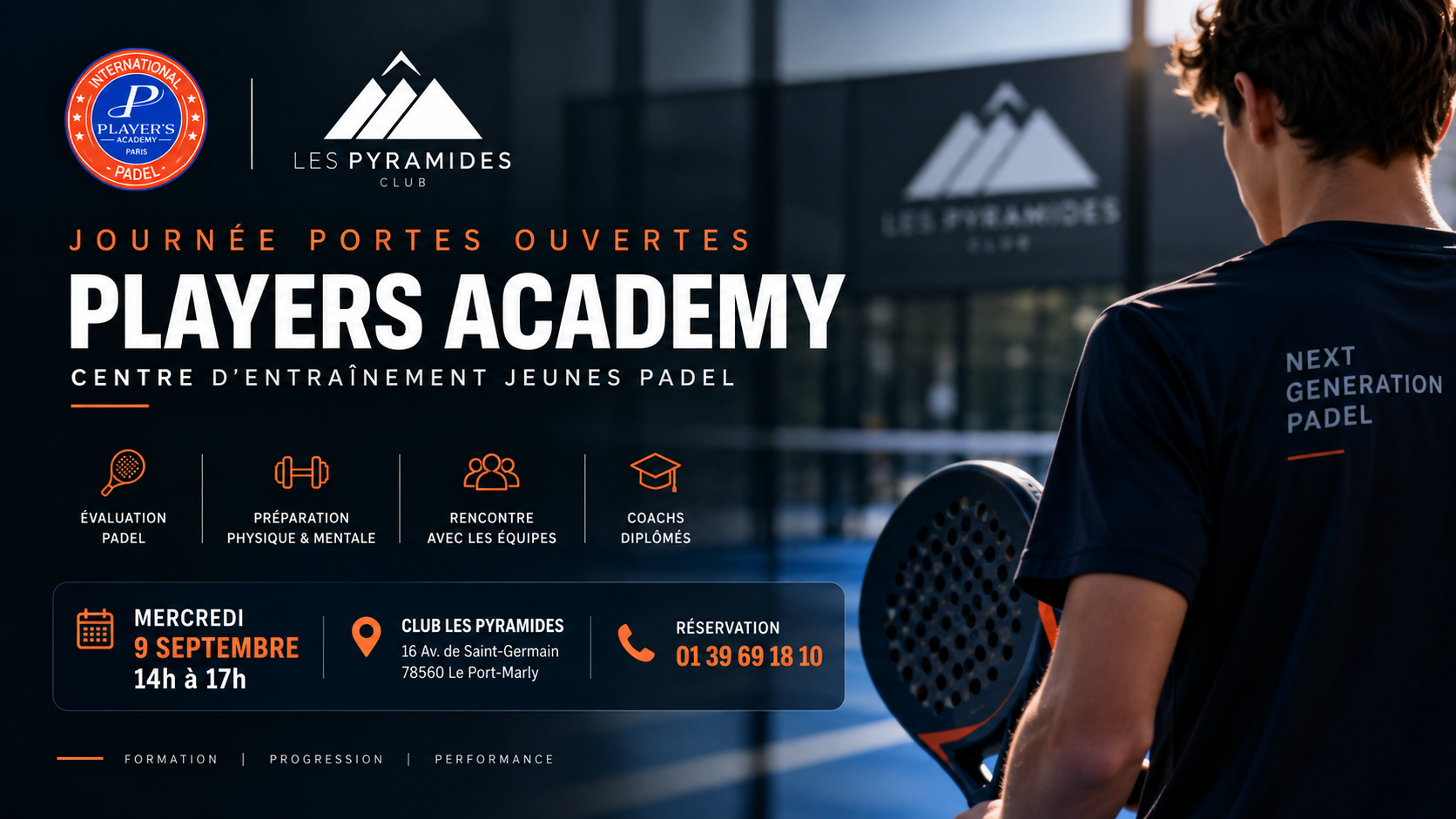 Les Pyramides: after 12 padel courts, the club is focusing on youth training