


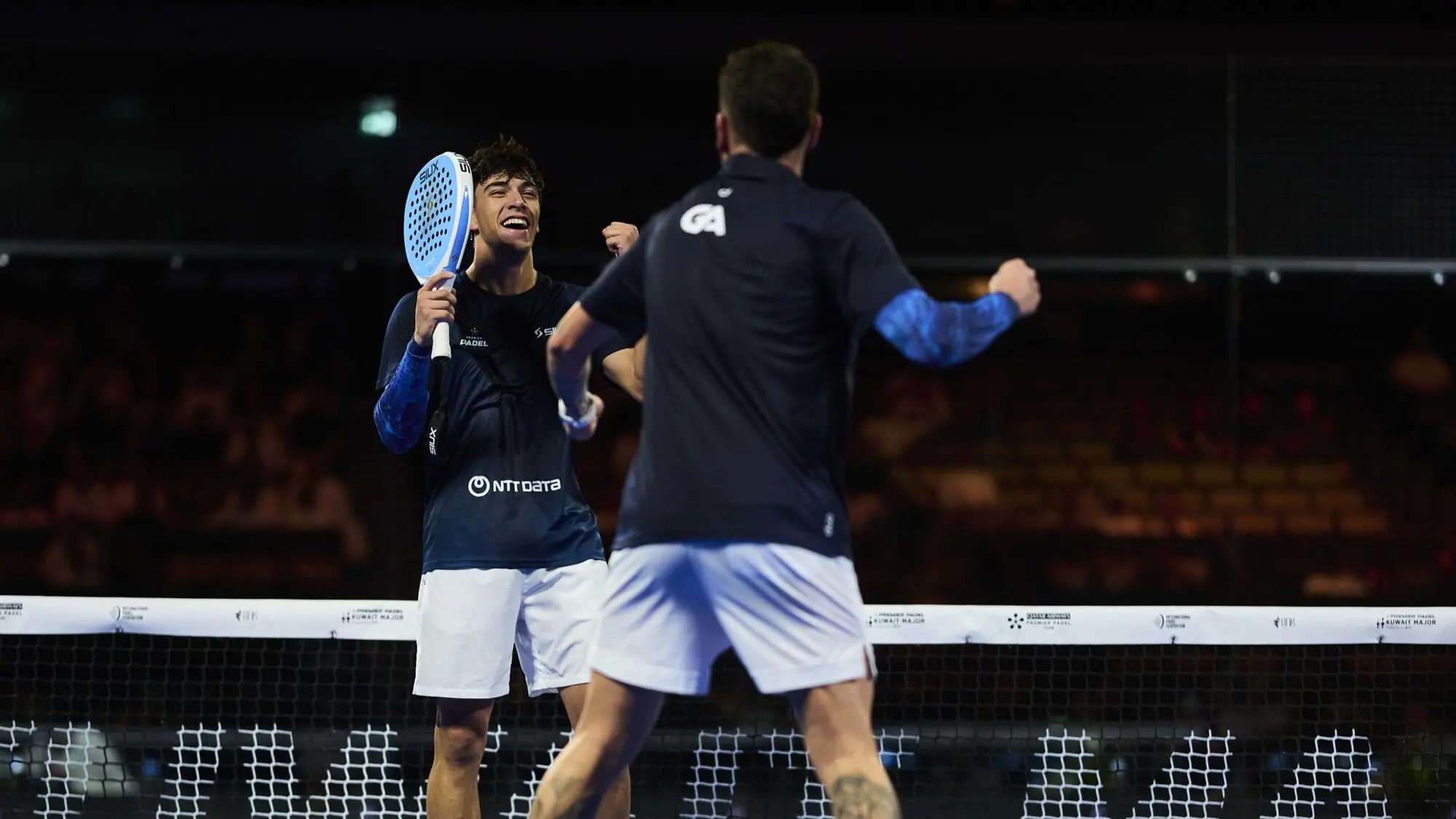








Valentino Libaak and Gonzalo Alfonso were one of the highlights of the Kuwait Major. After defeating Juan Lebrón and Leo Augsburger 4-6, 7-5, 6-1, the Argentinians found the strength to turn around a very difficult situation against Paquito Navarro and Martín Di Nenno, before suffering a decisive defeat against Arturo Coello and Agustín Tapia. These three matches illustrate quite well what makes this pair so dangerous… and what they still need to overcome against the world number ones.
A Libaak brimming with confidence
First, something immediately stands out: Tino Libaak is currently playing with enormous confidence. .
The Argentinian no longer hesitates to simply finish points when he finds himself at the net. He now makes much more aggressive decisions, sometimes far from the usual standards: we see him, in particular, attempting remates with both feet still behind the service line , a sign of a player who has a particularly good feel for the ball and is willing to take risks.
This profoundly changes the face of the pair.
When he's in this state of confidence, Libaak becomes difficult to contain because the opponent can no longer simply wait for a short ball to anticipate his acceleration. A slightly floated ball, a lob that's a bit too short, or a trajectory that stays in the middle can immediately become an offensive opportunity.
And alongside him, Gonzalo Alfonso adds another form of uncertainty.
Alfonso brings disorder, Libaak exploits it
Alfonso's game is much less predictable.
The "Mago" can slow down, play an unusual trajectory, change pace abruptly, or attempt a shot the opponent isn't necessarily expecting. This sometimes creates a few errors, but more importantly, it prevents opponents from settling into a comfortable reading of the point.
This is probably one of the great strengths of this association.
Alfonso disrupts the exchange, Libaak can then speed it up.
The pair therefore doesn't always need to immediately dominate the net or impose a very academic structure. They can accept a few more exchanges, vary the trajectories, move the opposing block, and then launch a sudden attack.
Against Lebrón and Augsburger, the phenomenon was particularly visible in the second half of the match.
After losing the first set 6-4, Libaak and Alfonso stayed close before taking the second set 7-5. Then the match completely turned around: 6/1 in the third set .
Statistics illustrate this shift: in the final set, the Argentinian pair won approximately 65% of the points contested , compared to 35% for Lebrón–Augsburger.
It was no longer just a comeback. It was gradually a complete change of dynamic.
Five points that change everything against Navarro / Di Nenno
The scenario against Paquito Navarro and Martín Di Nenno is even more revealing. After an extremely balanced first set, Libaak and Alfonso found themselves trailing. 5-2 in the tie-break At this moment, three points separate their opponents from winning the round.
They will, however, win the five points to take the tie-break 7-5.
The sequence is interesting: Libaak notably holds his commitments and then intervenes decisively with the smash, while the pressure exerted by the Argentinians eventually causes the opposing team to make mistakes.
And behind them, Navarro and Di Nenno never really get going again.
Libaak–Alfonso immediately break their opponent's serve in the second set and race towards a 6/1 They finished the match with 71 points won against 53 and won 73% of the points behind their first serve.
Once again, the same phenomenon appears: once they start to feel that the match can turn around, their level of aggression increases and the opponent gradually begins to doubt.
A pair that forces the opponent to think
This is perhaps where Libaak–Alfonso become particularly dangerous. They don't just offer significant power. They create uncertainty .
The opponent never knows exactly when Alfonso will change the pace, when Libaak will unleash his attack, or even which ball will be considered good enough to attempt an acceleration.
At this level, a fraction of a second of hesitation is all it takes. The defending player then starts wondering whether to move up, stay put, cover the smash, anticipate the shot coming off the glass, or protect the center more. And when this hesitation arises, Libaak now seems confident enough to capitalize on it.
The risk is obviously inherent in this style: the two Argentinians can also leave some avoidable mistakes in the game.
Against most pairs, they can be compensated by their ability to produce sequences of five or six points that are almost unplayable.
Against Coello and Tapia, much less so.
Coello/Tapia: the margin of error disappears
The semi-final brutally highlighted the difference between a pair capable of blowing a match apart and a pair capable of controlling almost all its phases: 6/2 6/2 in just 56 minutes.
Coello and Tapia won 55 points to 34, but above all 73% of their points in service , while Libaak and Alfonso only won 48%. On the return leg, the gap is just as significant: 52% of the points won by the number 1s compared to only 27% for their opponents.
This time, the minor inaccuracies were not absorbed by the match. They were immediately punished.
Because Coello and Tapia offer far fewer intermediate balls to attack. Lobs are more precise, transitions are better controlled, and important points are approached with an extremely small margin for error.
Facing them, a spectacular attempt by Libaak, which works against another pair, could become an unforced error. A risky trajectory from Alfonso, which usually unbalances the opponent, could offer Tapia an opportunity to accelerate.
And when two or three of these situations occur in succession, the score can very quickly slip away.
Libaak / Alfonso, a pair that nobody wants to face
The defeat against the number 1 team should therefore not erase what their week in Kuwait showed.
Libaak and Alfonso successively eliminated Lebrón–Augsburger and then Navarro–Di Nenno to reach their first Major semi-final together. They had previously reached the semi-finals of the Madrid P1.
But more than the results, it's the method that raises questions.
Libaak now seems free enough to attack from almost any area of the field. Alfonso, on the other hand, retains his ability to make exchanges unpredictable.
The combination produces an explosive, sometimes imperfect, but extremely uncomfortable style of padel to play against. Against almost any pair on the tour, this ability to sow doubt can be enough to turn a match around.
Against Coello and Tapia, the lesson is different: to beat the number 1s, producing genius is not yet enough.
It is also necessary to succeed in almost completely eliminating the small mistakes between two strokes of genius.

I discovered the Padel I stumbled into Spain at a campsite. I was instantly hooked; passionate about padel, I follow international and regional news with the same excitement as the sport itself.










































































 Padel serve: a good serve is especially good preparation for the third shot.
 2026 World Cup – Juanjo Gutiérrez, tactical mastermind or Argentina's mistake? The lineups that decided the final
 The World Championships have barely finished, and the French are already back on the track for the Dubai P1 qualifying rounds.
 "I applied to become the coach of the French national team": an objective for Adrien Maigret
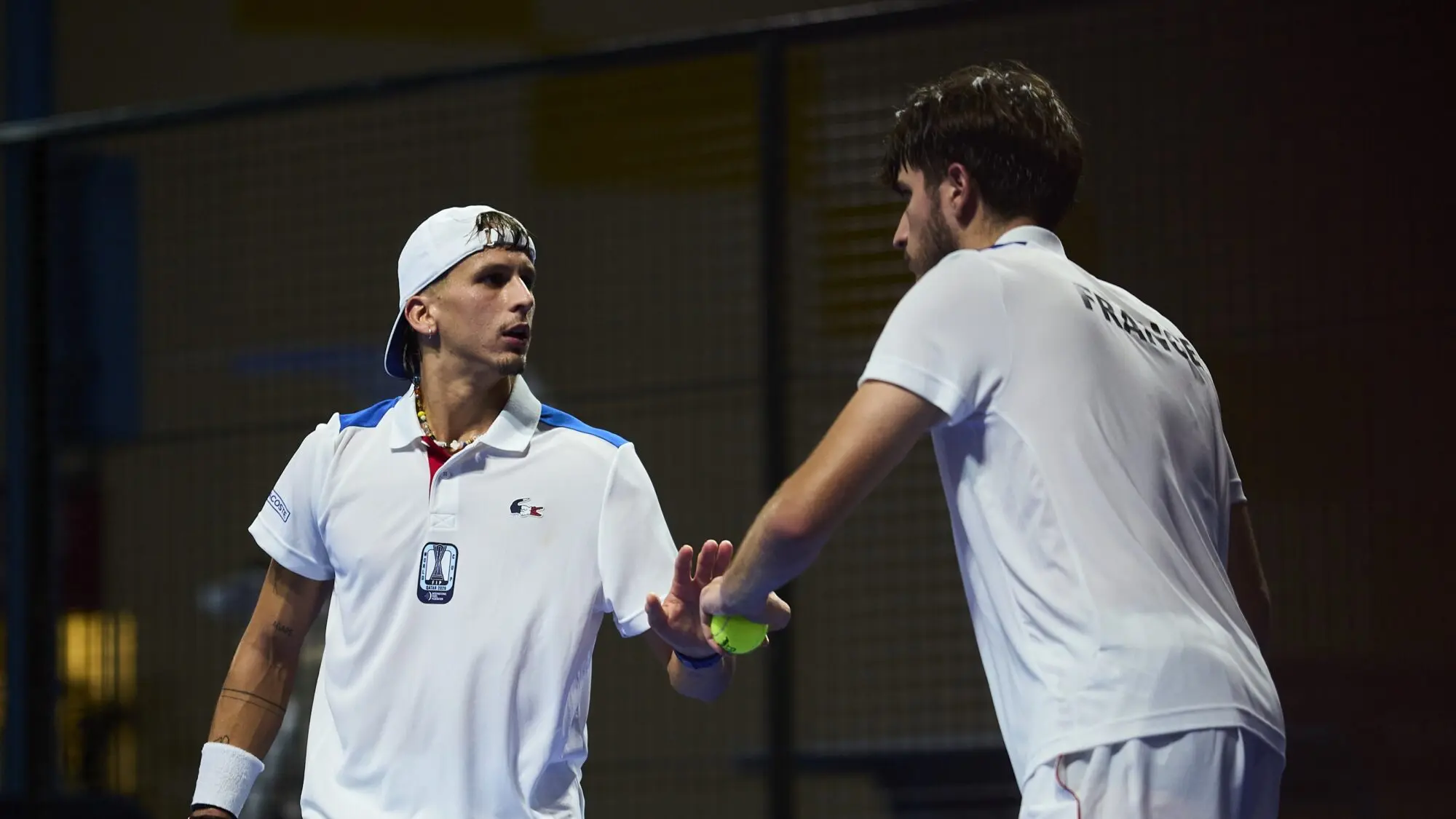 Fonteny/Joris after their “almost” upset against Tapia/Libaak: “We believed until the very last point”
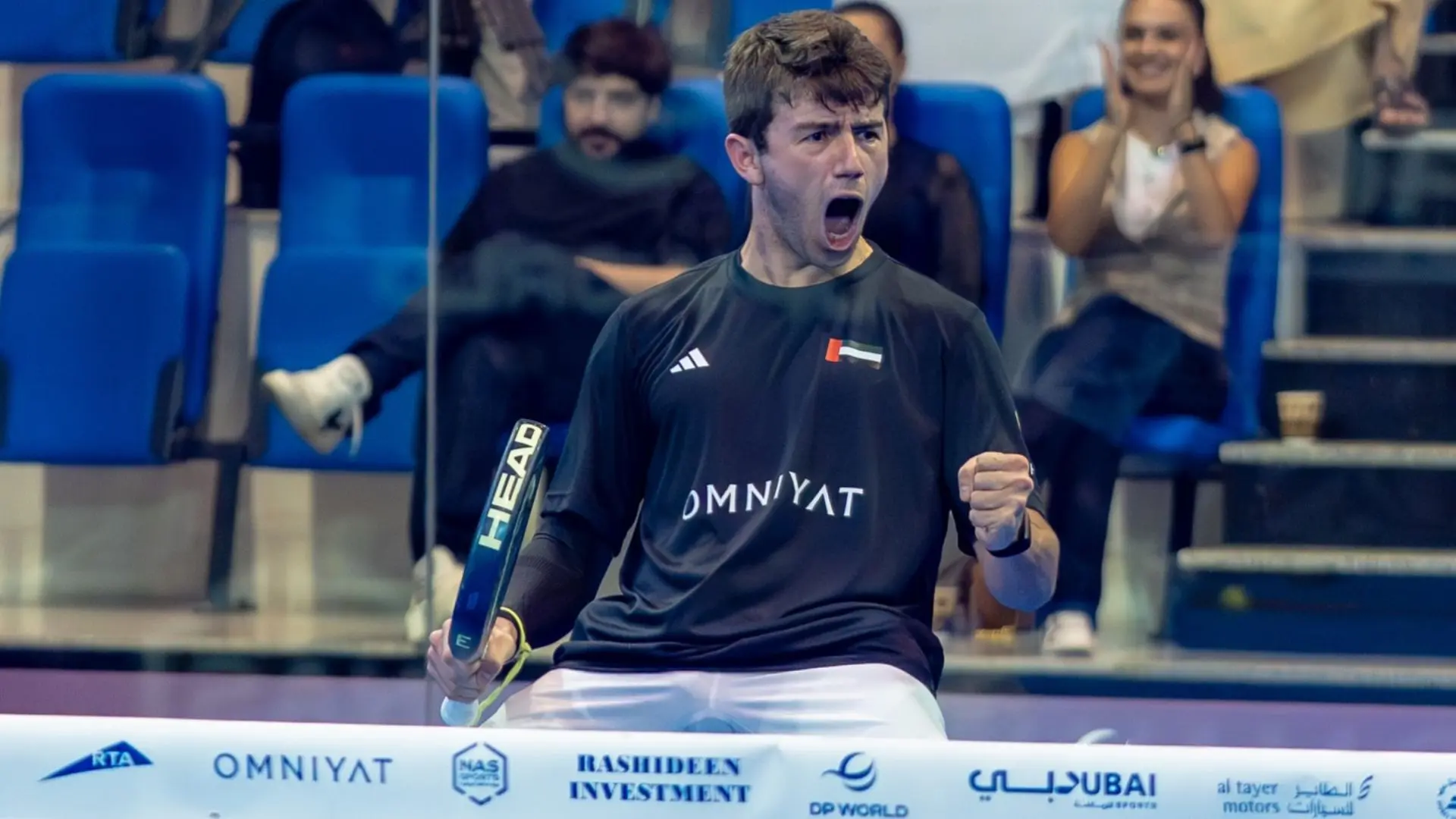 2026 World Cup – Five players barred from World Cup with the United Arab Emirates: Íñigo Jofre denounces the situation
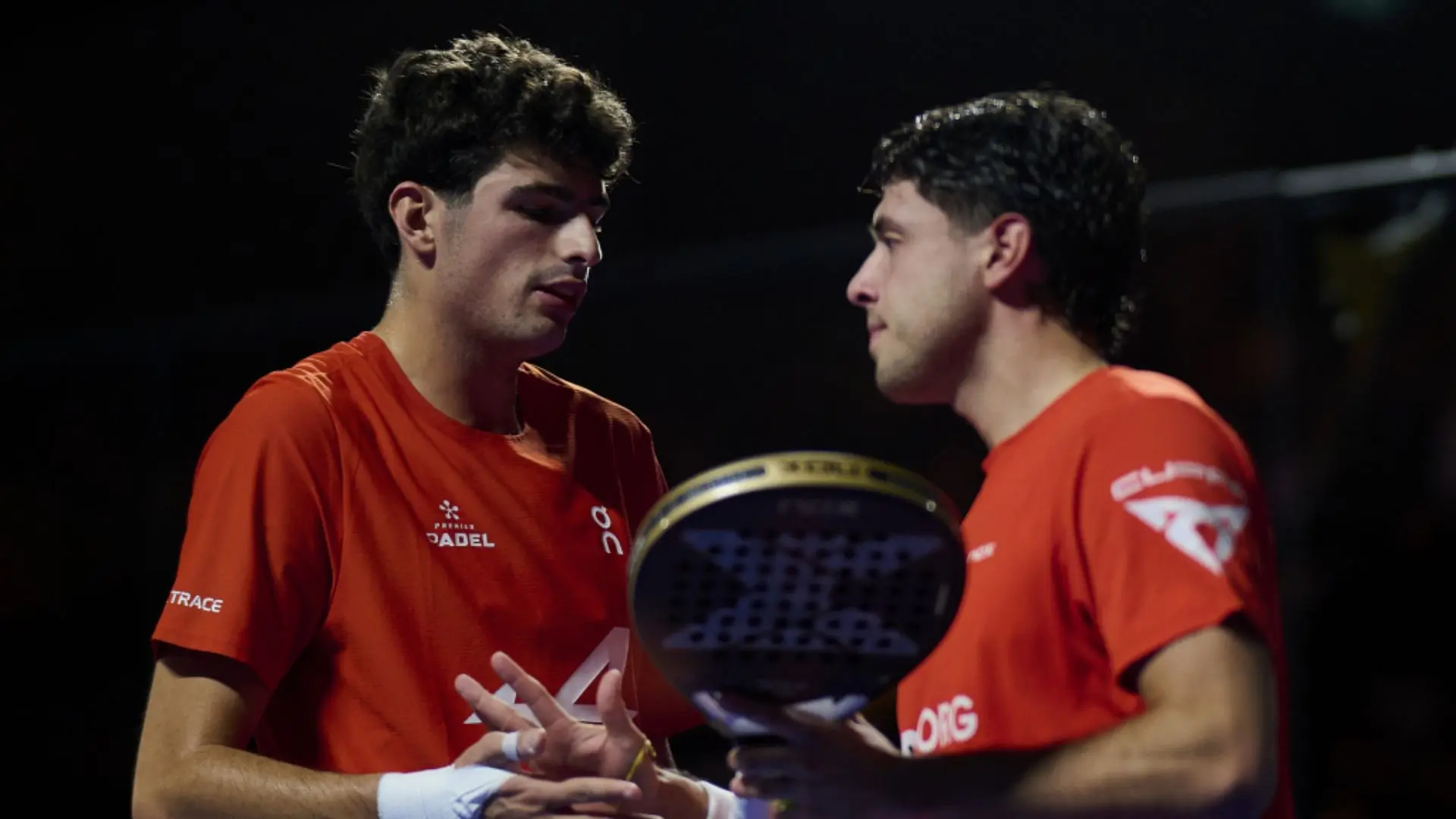 Coello/Tapia ahead of the Kuwait Major final against Tello/Arce: “These are two players who cause us a lot of problems”
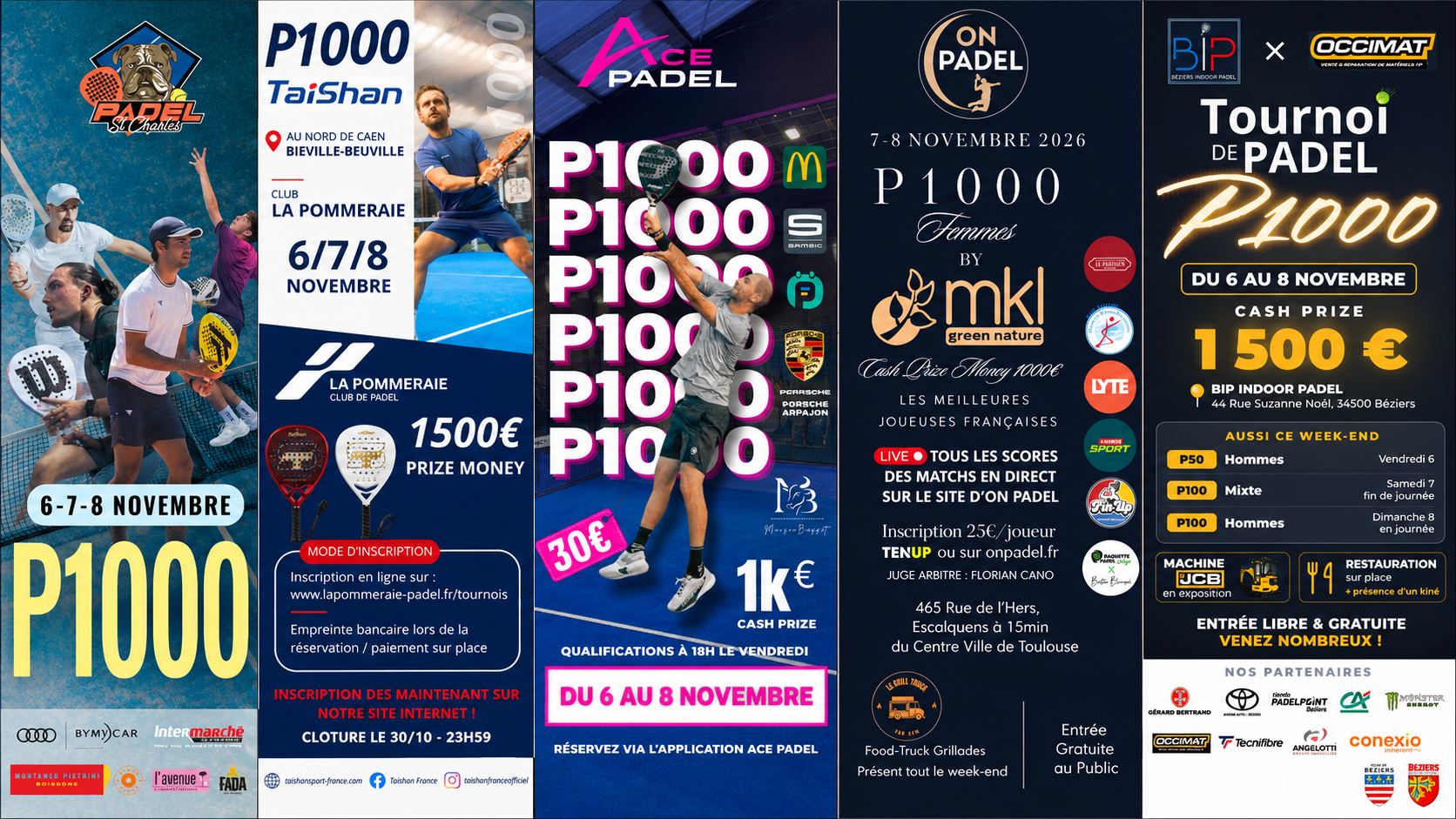 P1000 – La Pommeraie, BIP Béziers, Saint-Charles, Ace Padel and We Padel : time for the semi-finals
 French Padel Championships 2028: the dates for the senior, junior and over-45 categories are now known
 P1000 La Pommeraie / TaiShan – Five of the top eight seeds eliminated – Forcin / Durieux face the Dandois brothers, Moreau / Tafanelli reach the semi-finals
 2026 World Championships – France finish on a high note and secure 9th place in the world rankings against Paraguay
 2026 World Championships – Where to watch the finals? Spain vs. Argentina, two clashes for the world titles
 Dunlop unveils the Galactica Pro by Nisse, a limited edition of only 500 pieces worldwide
 2026 World Cup – Joris/Robert, the new addition to the French team for their final match against Paraguay
 Dubai P1 – Galán/Chingotto withdraw, Leal/Guerrero take advantage of their absence to directly enter the main draw
 Padel, weight training, and even HYROX: clubs are changing their model
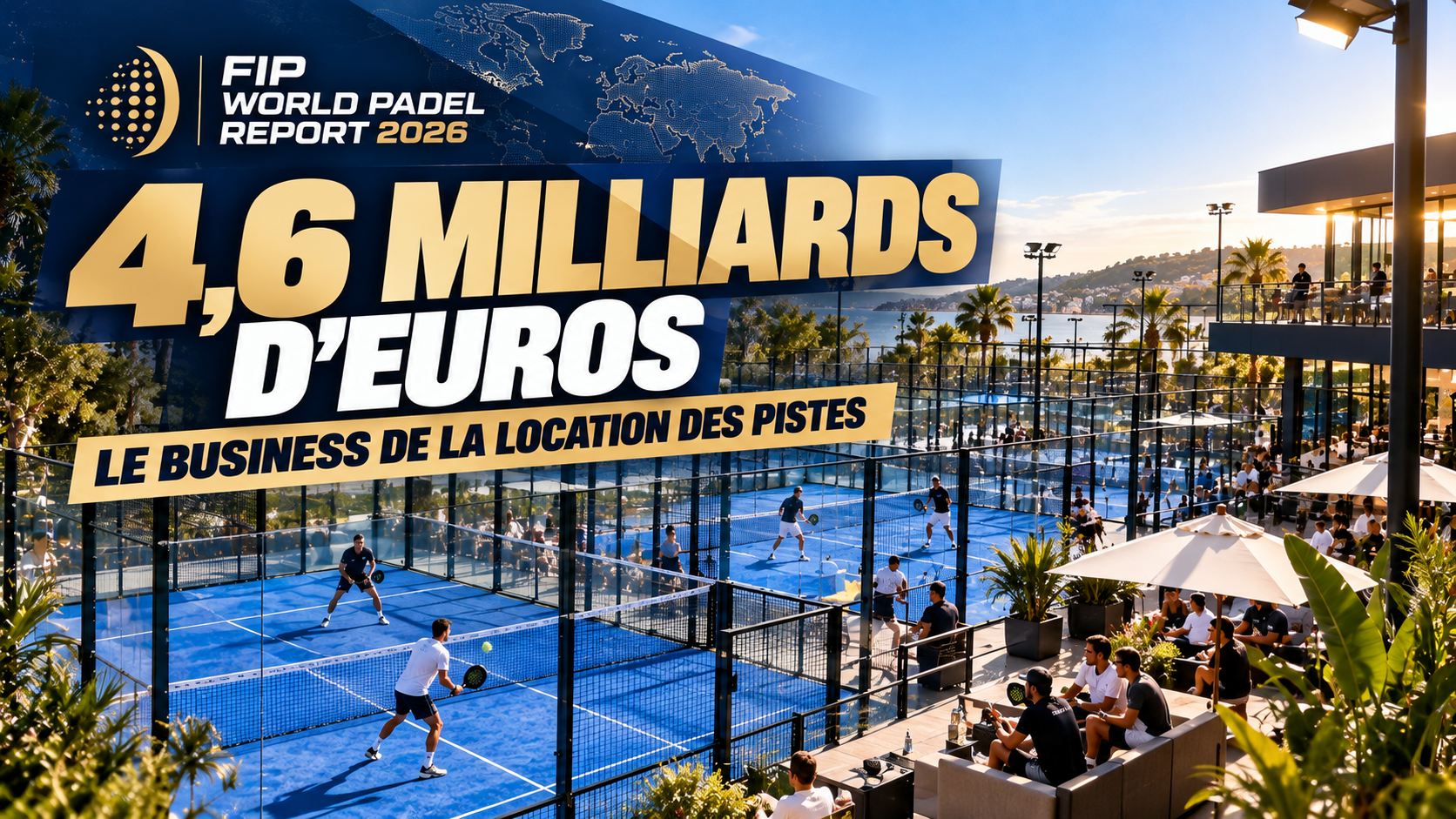 Padel court rentals: a global market estimated at 4,6 billion euros
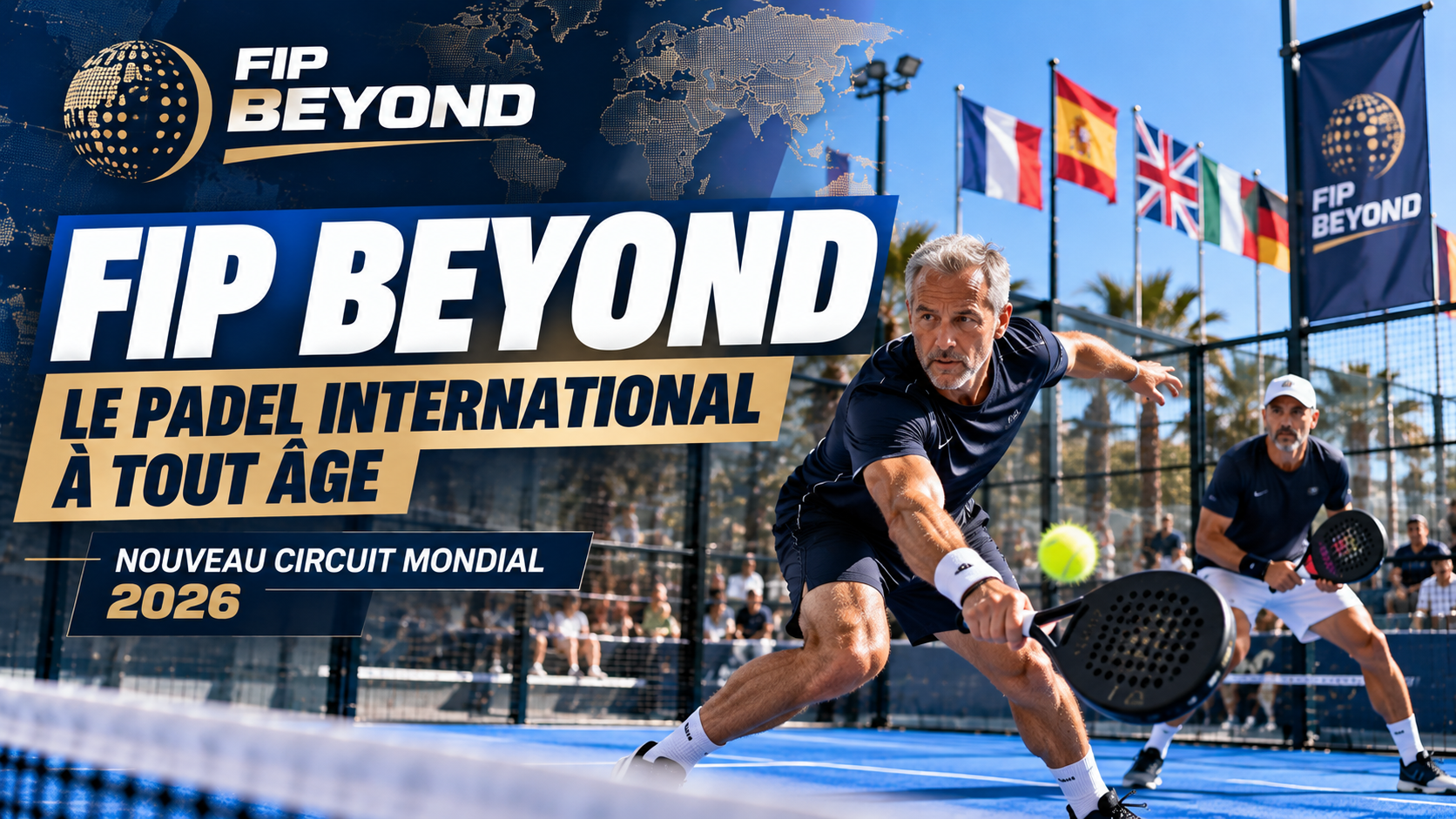 FIP Beyond: the new global padel circuit for amateurs and seniors
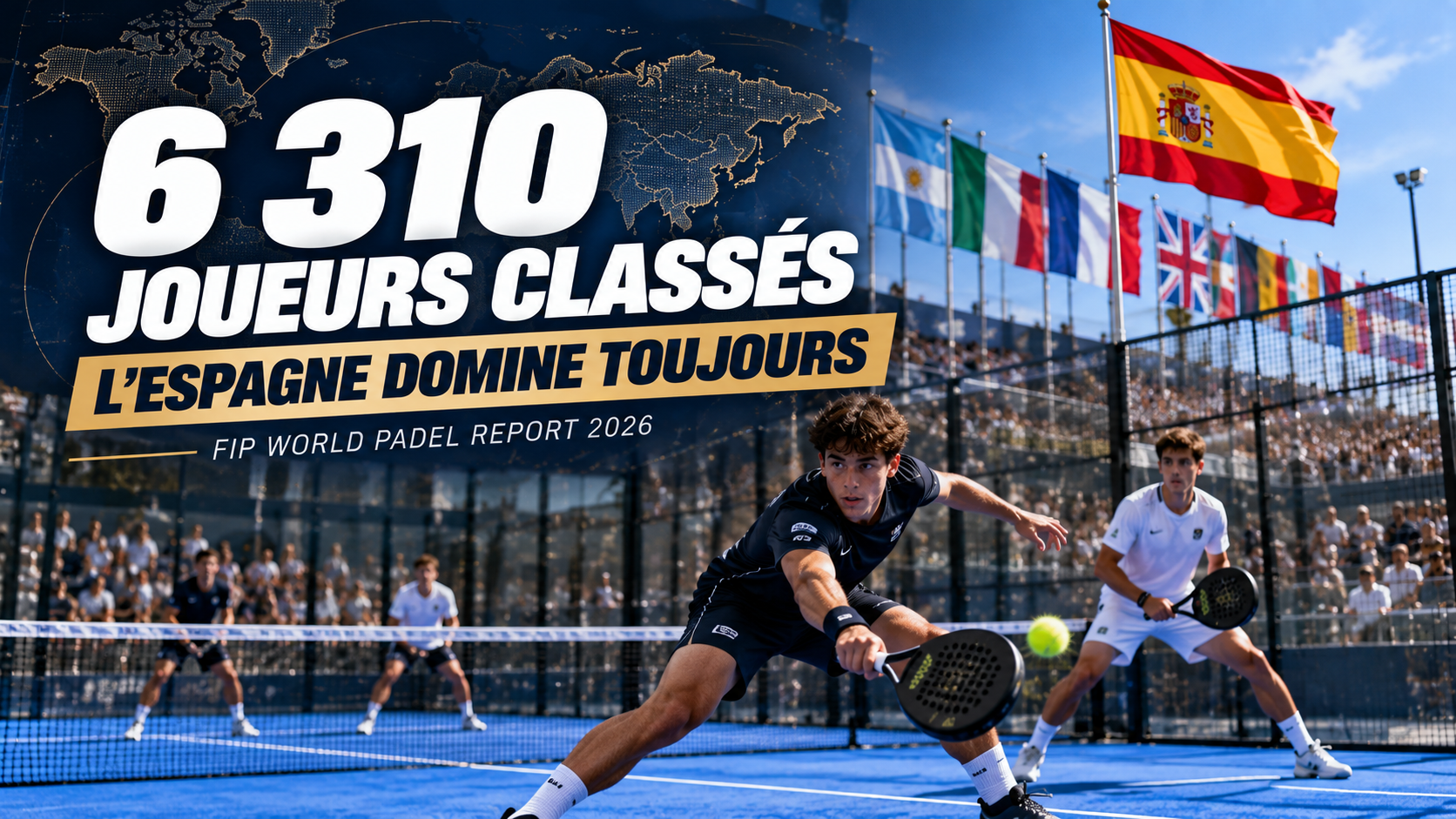 More than 6,300 FIP-ranked players: professional padel is becoming international, but Spain dominates
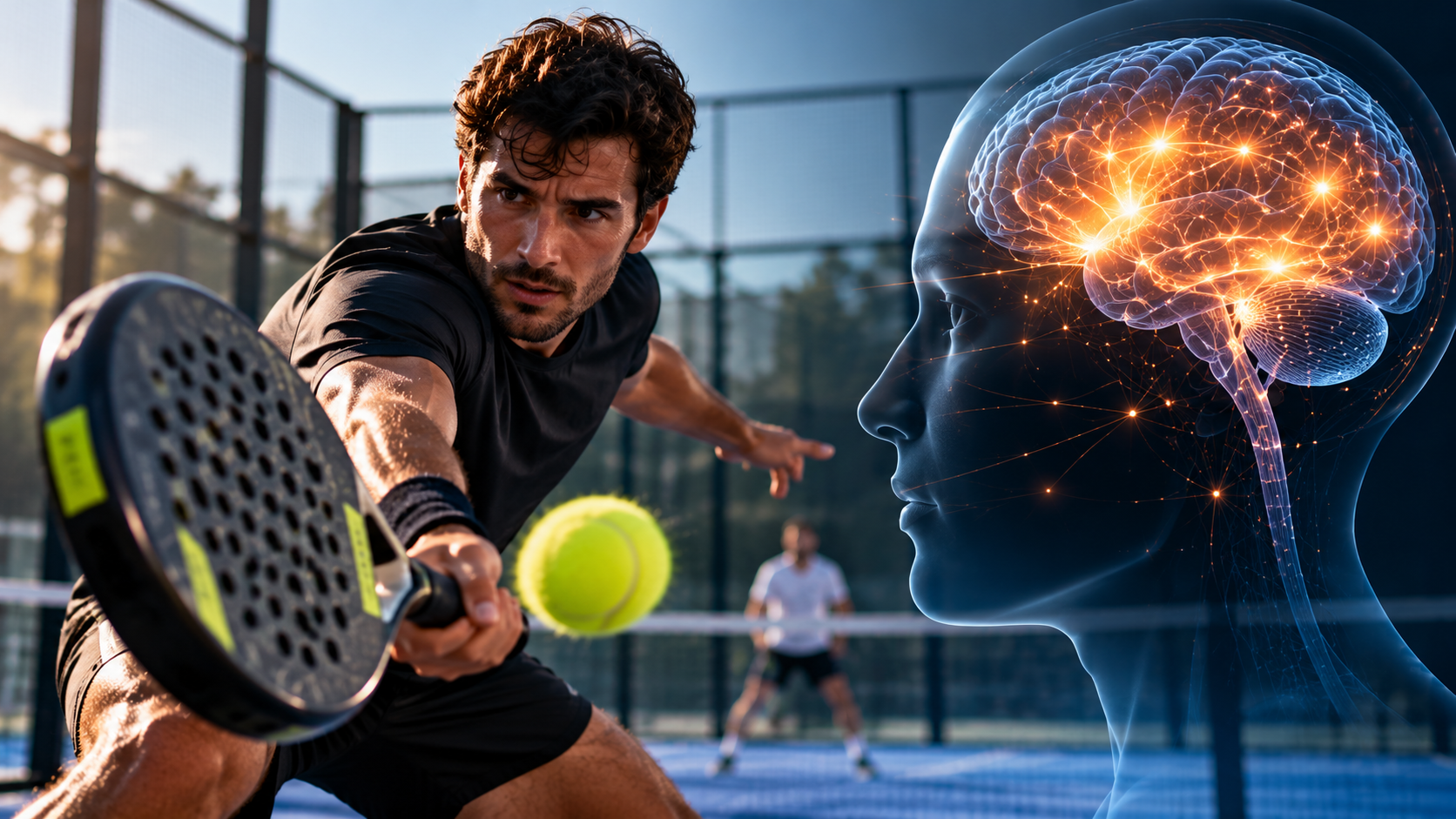 Memory, reflexes, concentration: what happens in our brain when we play padel?
 P2000 or P3000: what are the differences in prize money, format and organization in 2028?
 Could padel help the brain recover after chemotherapy?
 What the analysis of the stroke reveals: tennis forehand vs. padel bandeja
 Has the bandeja disappeared from modern padel?
 Flat forehand in padel: 5 exercises from Cristian Álvarez to gain control and efficiency
 Why knowing how to play on the right and left can make all the difference
 Tapia reveals his recipe for beating Coello / Tapia: "I would bet everything on myself"
 How Coello defused Chingotto's game plan
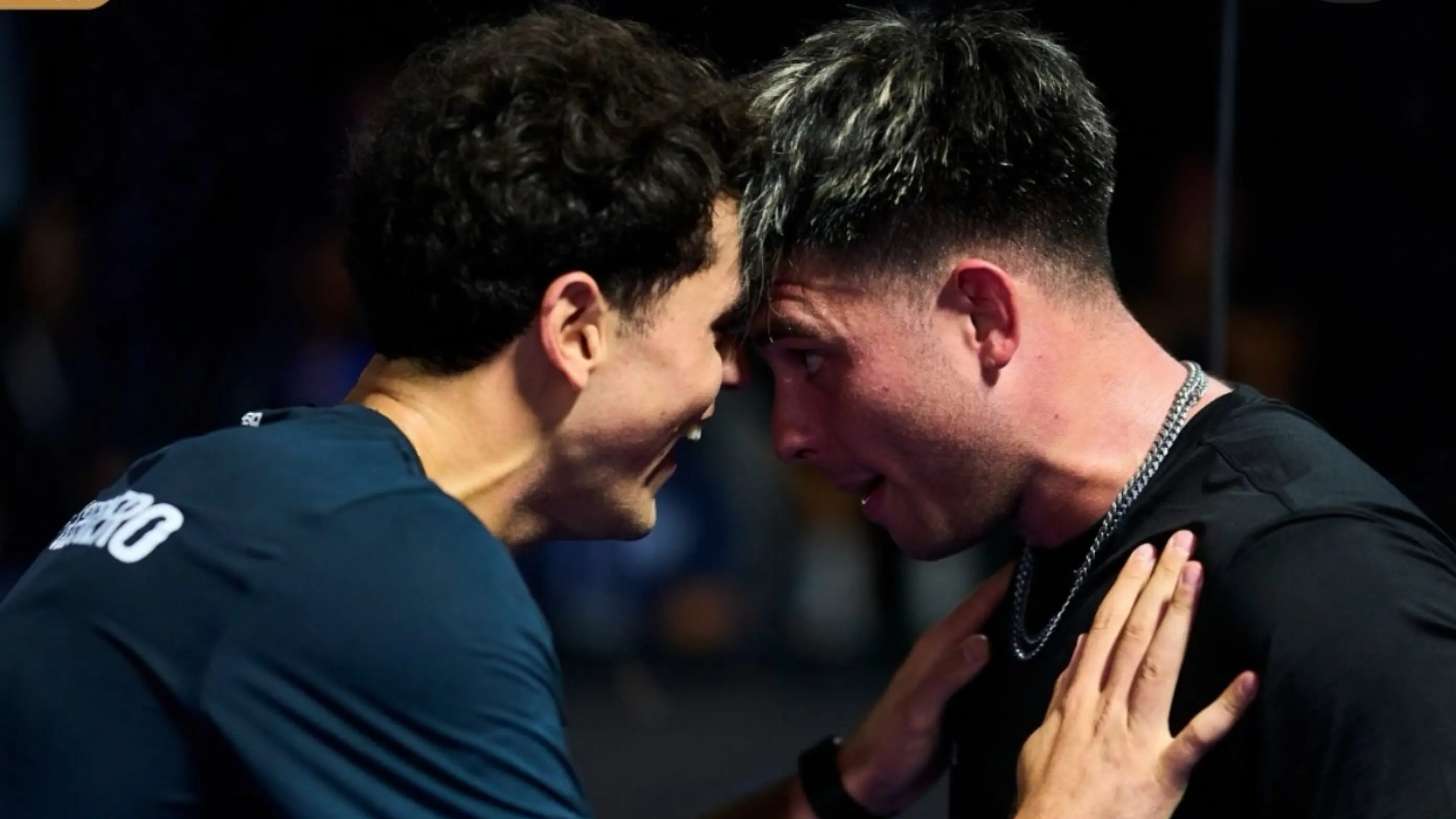 In padel, does the chemistry between a pair count as much as individual skill?
 Organising a P2000 or a P3000: how much does it really cost clubs?
 Do you lose your ranking? Padel FFT after more than a year without a license / without competition?
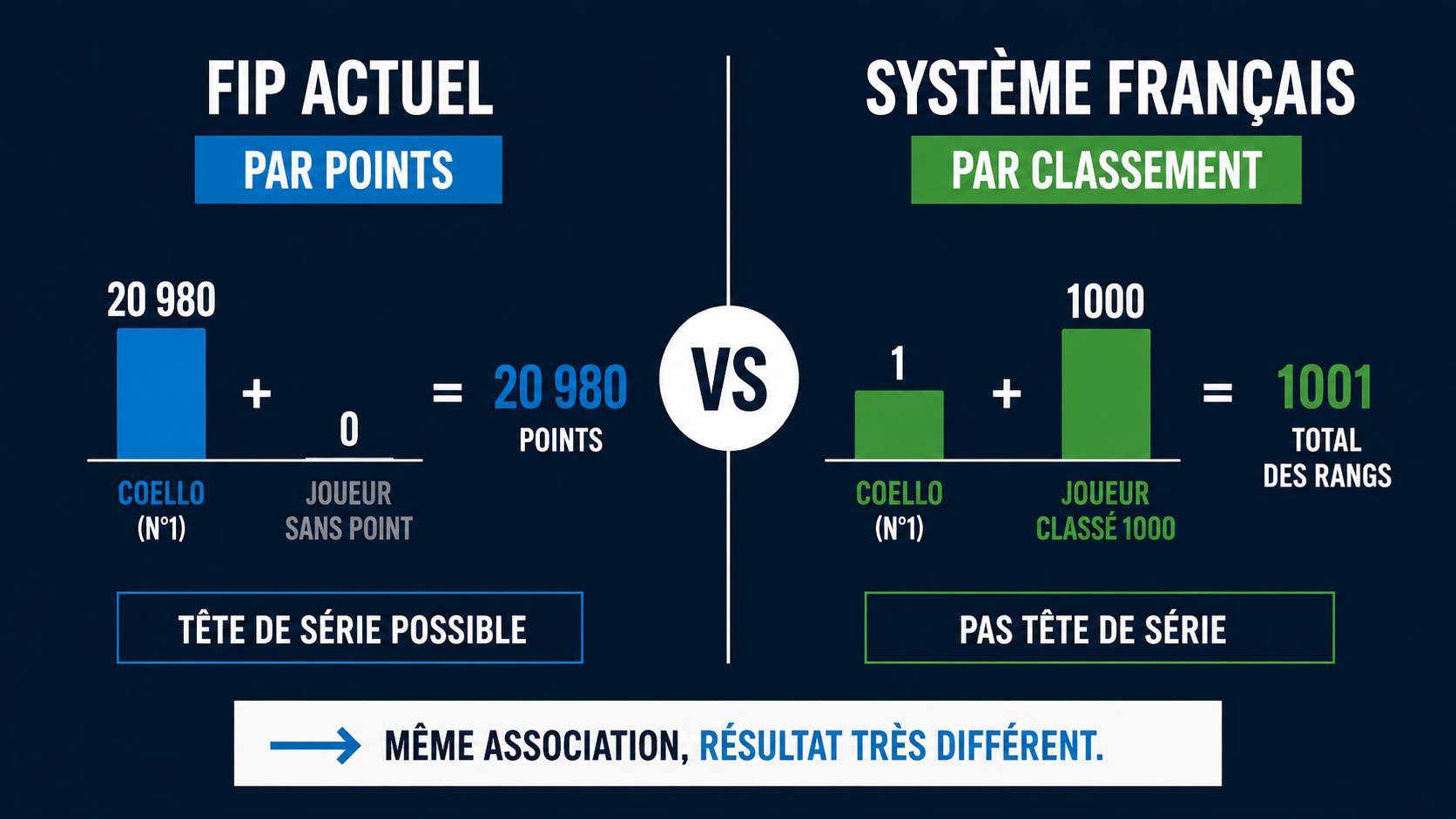 Coello with a player at 0 points ahead of two top 10 players: should the FIP ranking be reviewed?
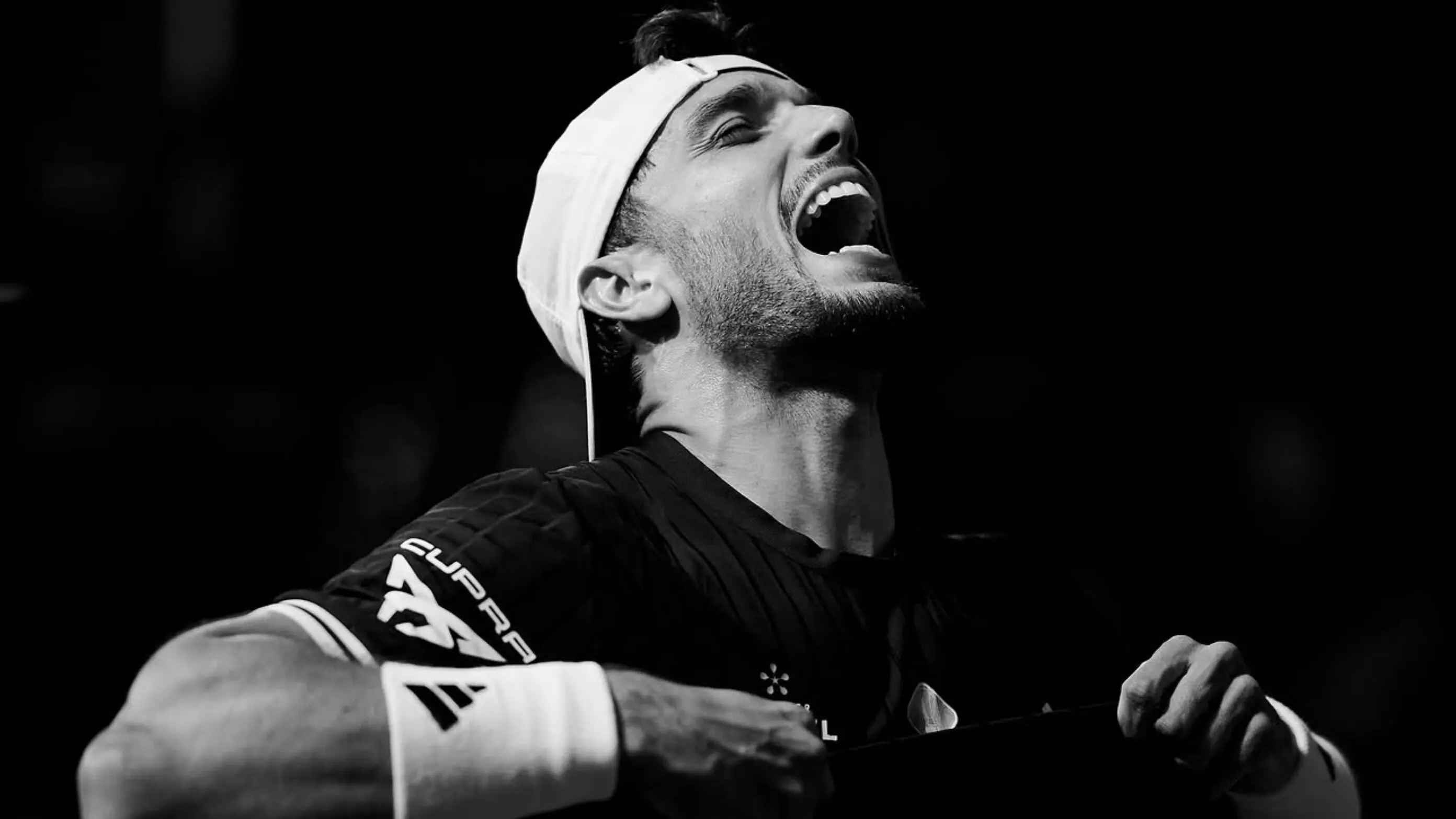 Kuwait Major: Chingotto/Galán out, Alejandro Galán injured, Coello/Tapia the only favorites?
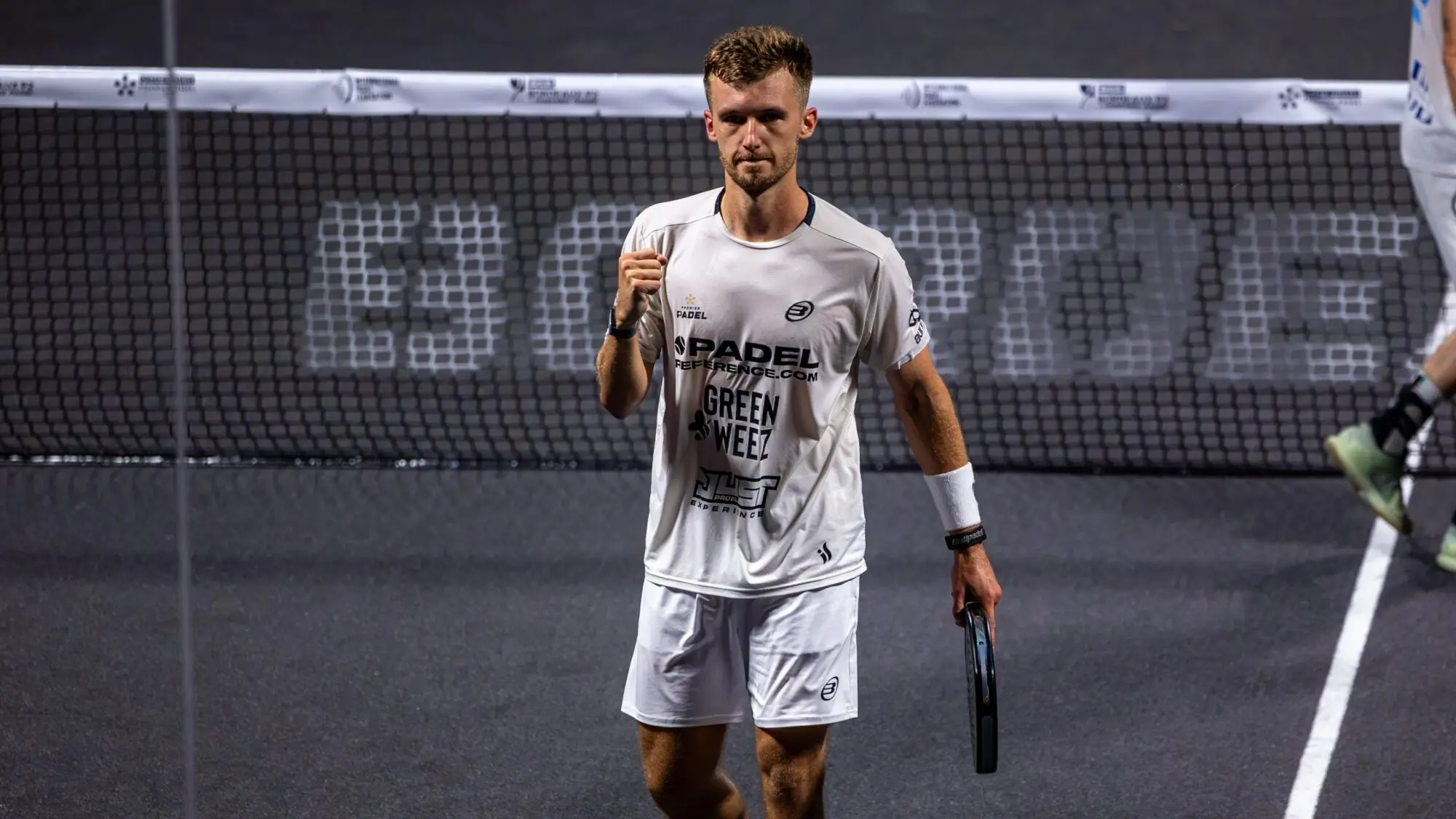 Julien Seurin opens up about his mental state: "There are far more doubts than moments of happiness."
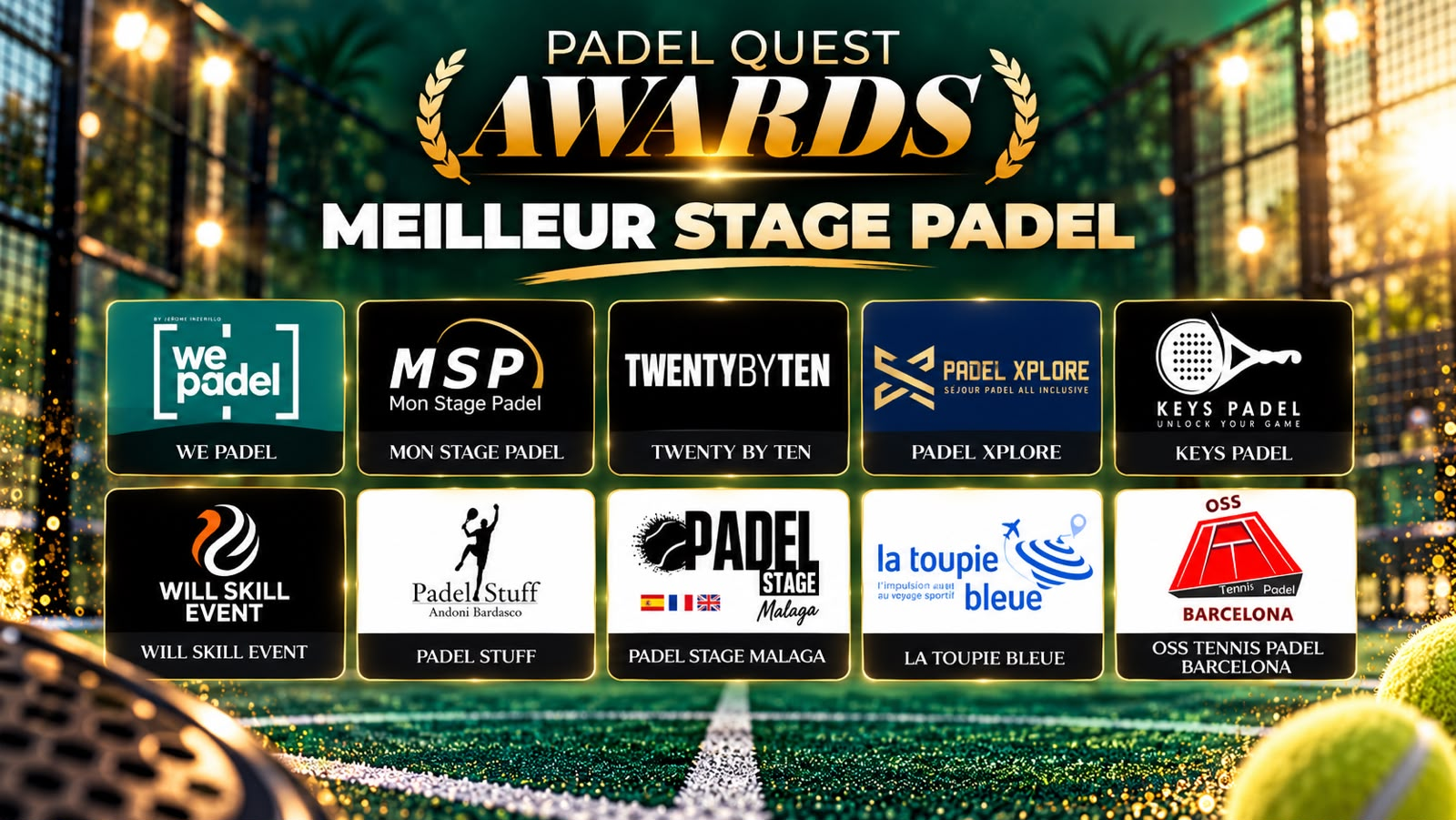 Padel Quest Awards: Ten specialists in the running for the title of best padel training camp of the year
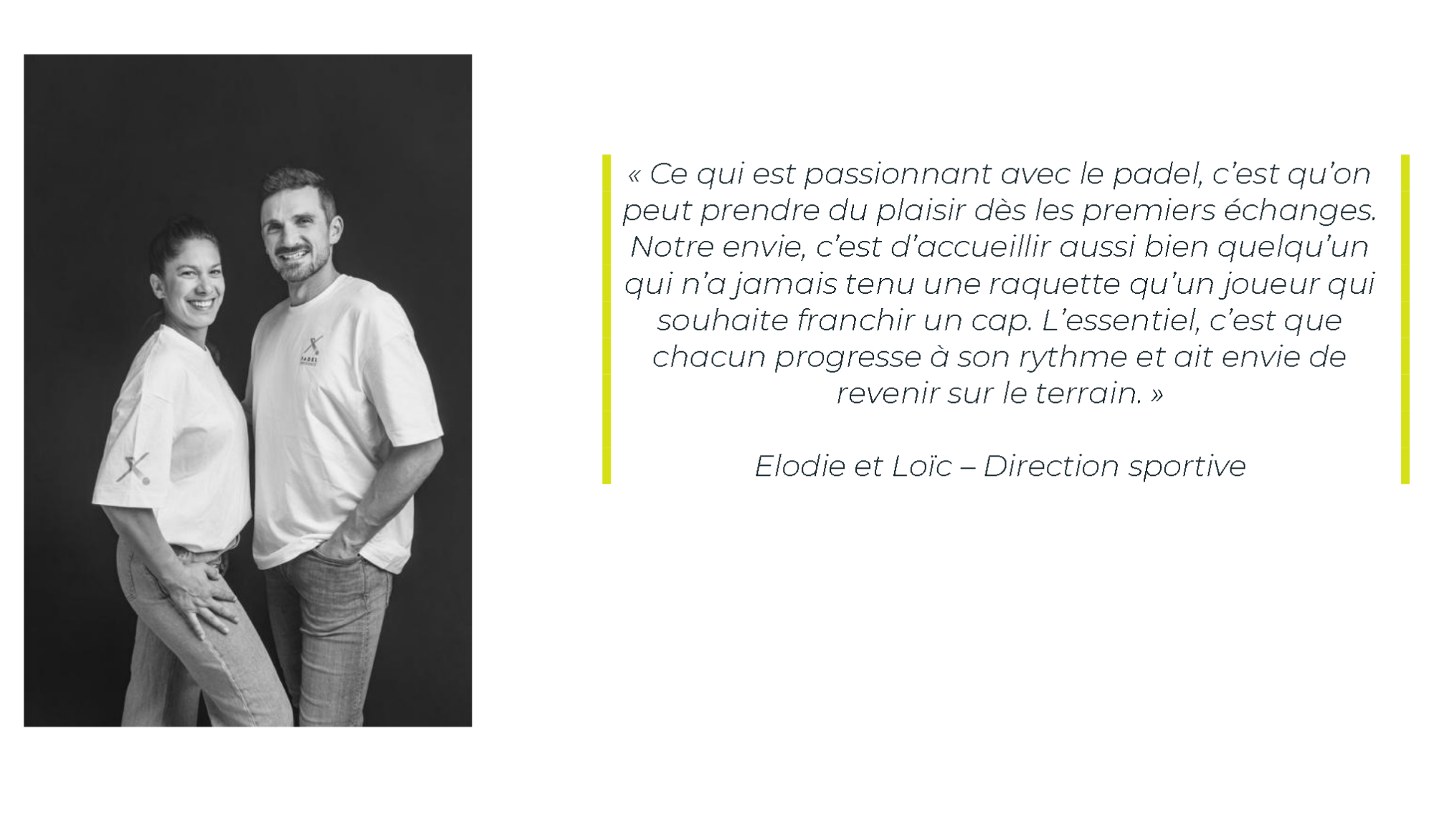 Padel Xperience: The Academy opens on November 2nd in Marcheprime, ahead of the complex's inauguration in 2027
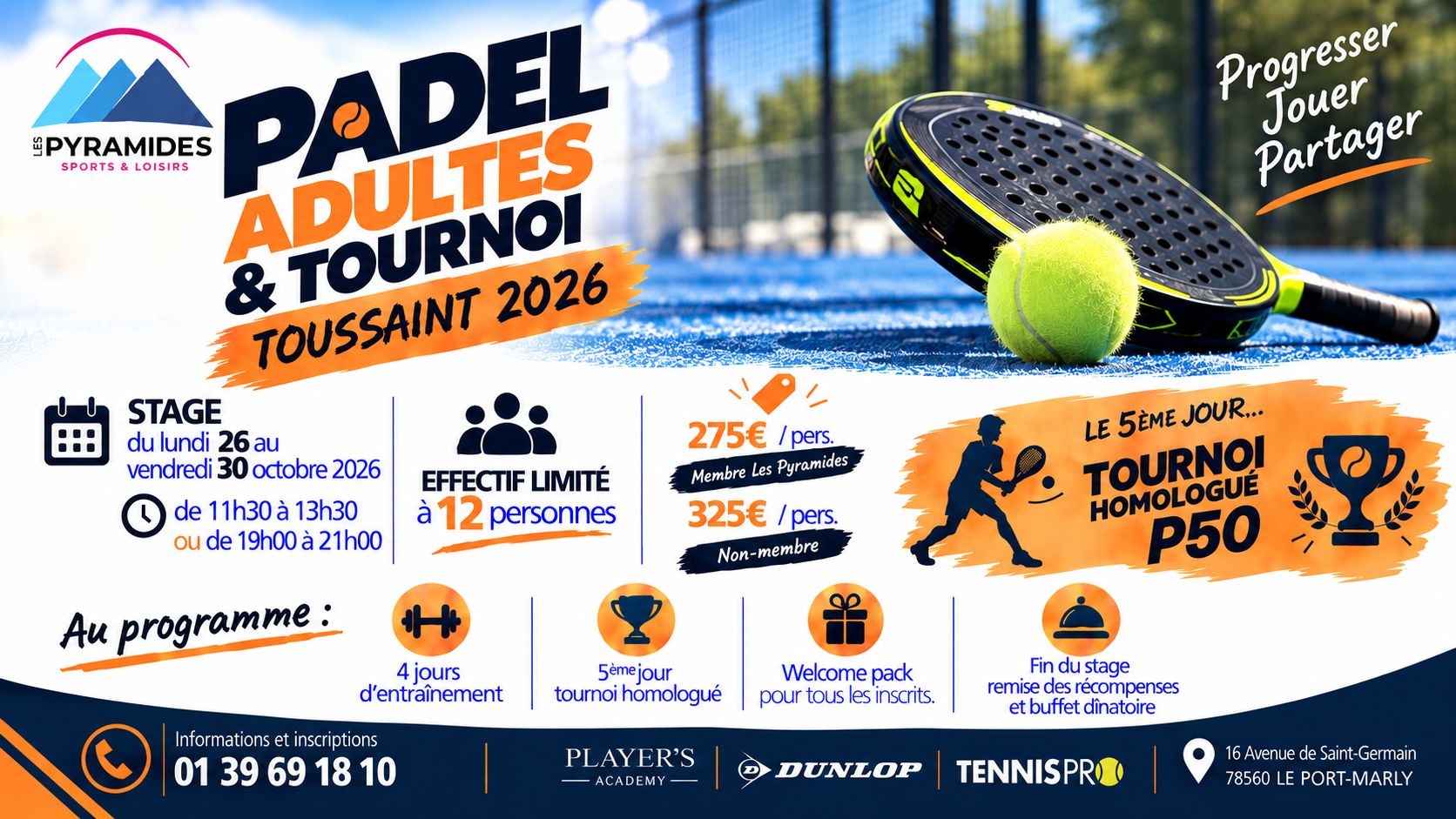 All Saints' Day – Les Pyramides are organizing a padel training camp for adults with a P50 tournament to close out the week
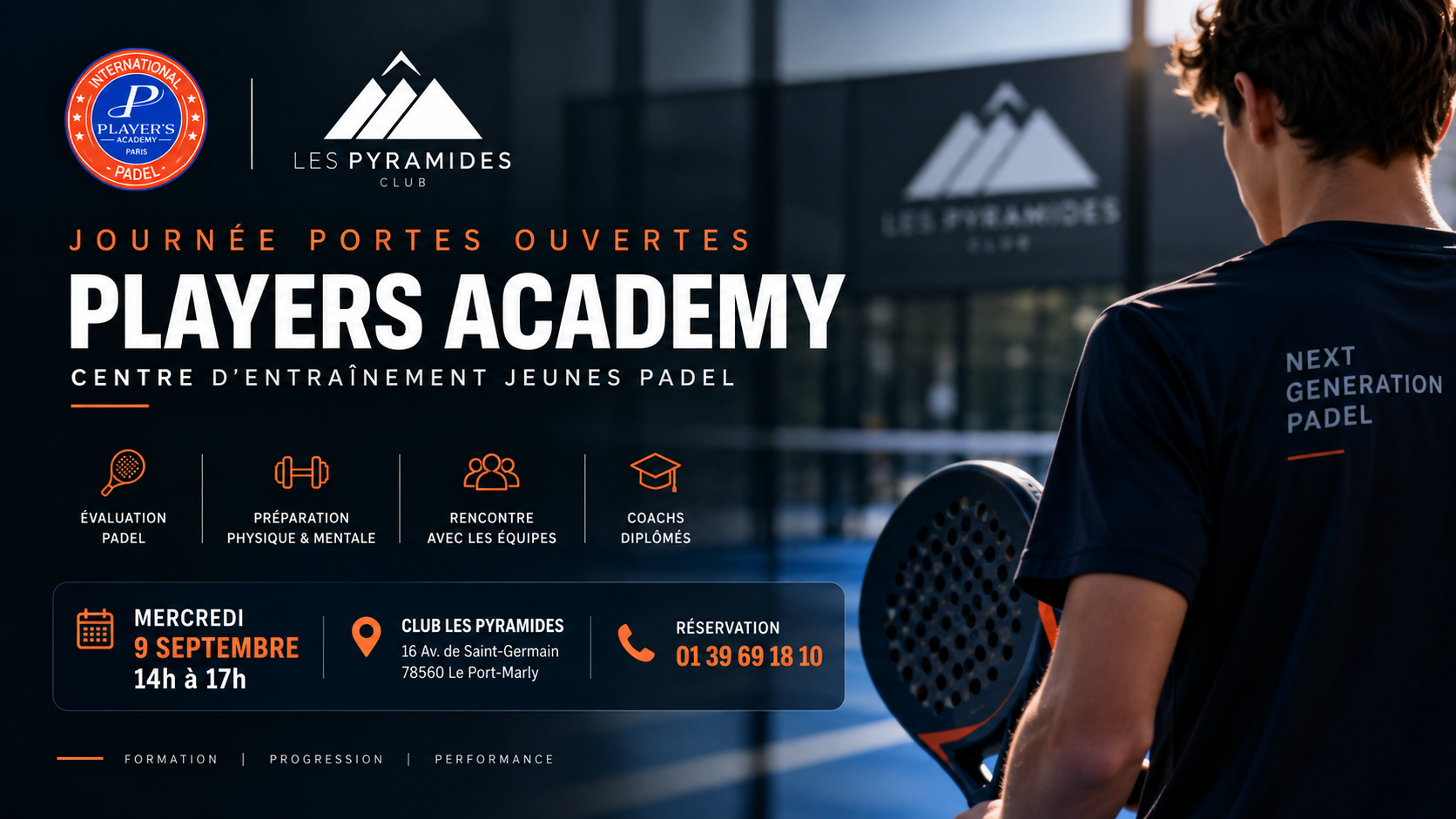 Les Pyramides: after 12 padel courts, the club is focusing on youth training