


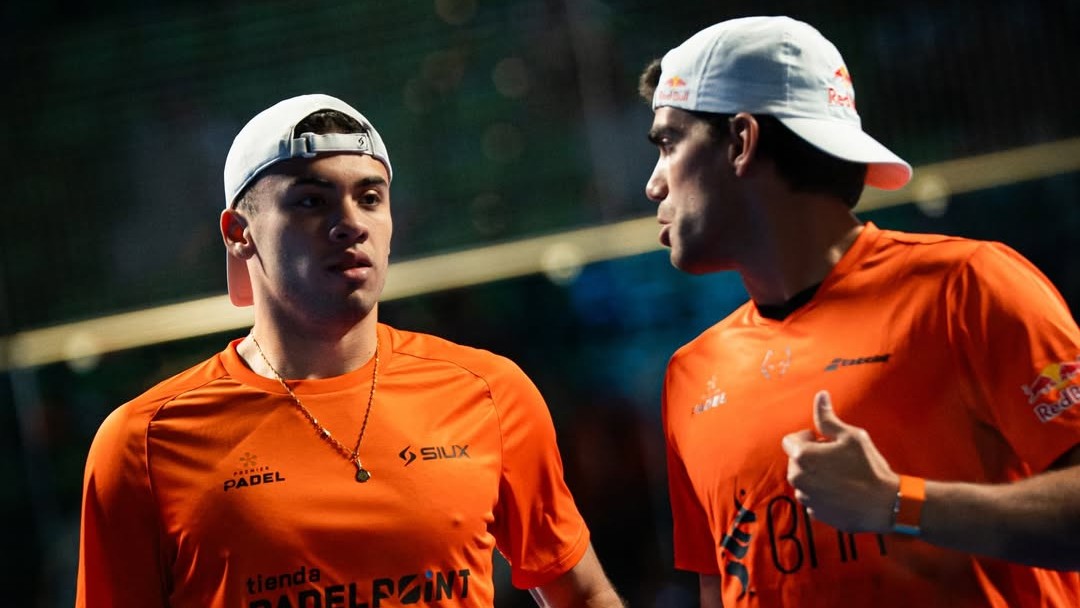







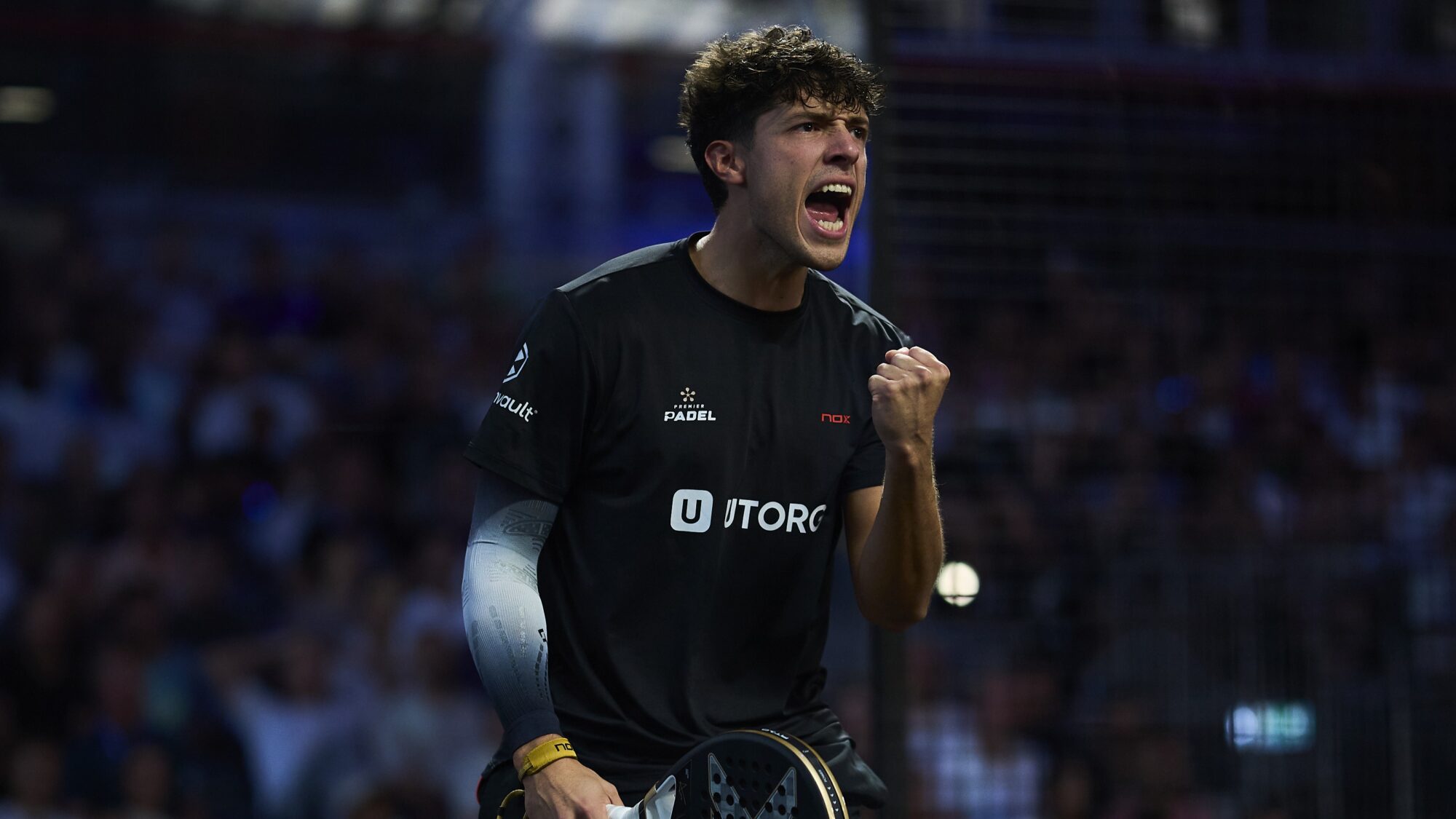
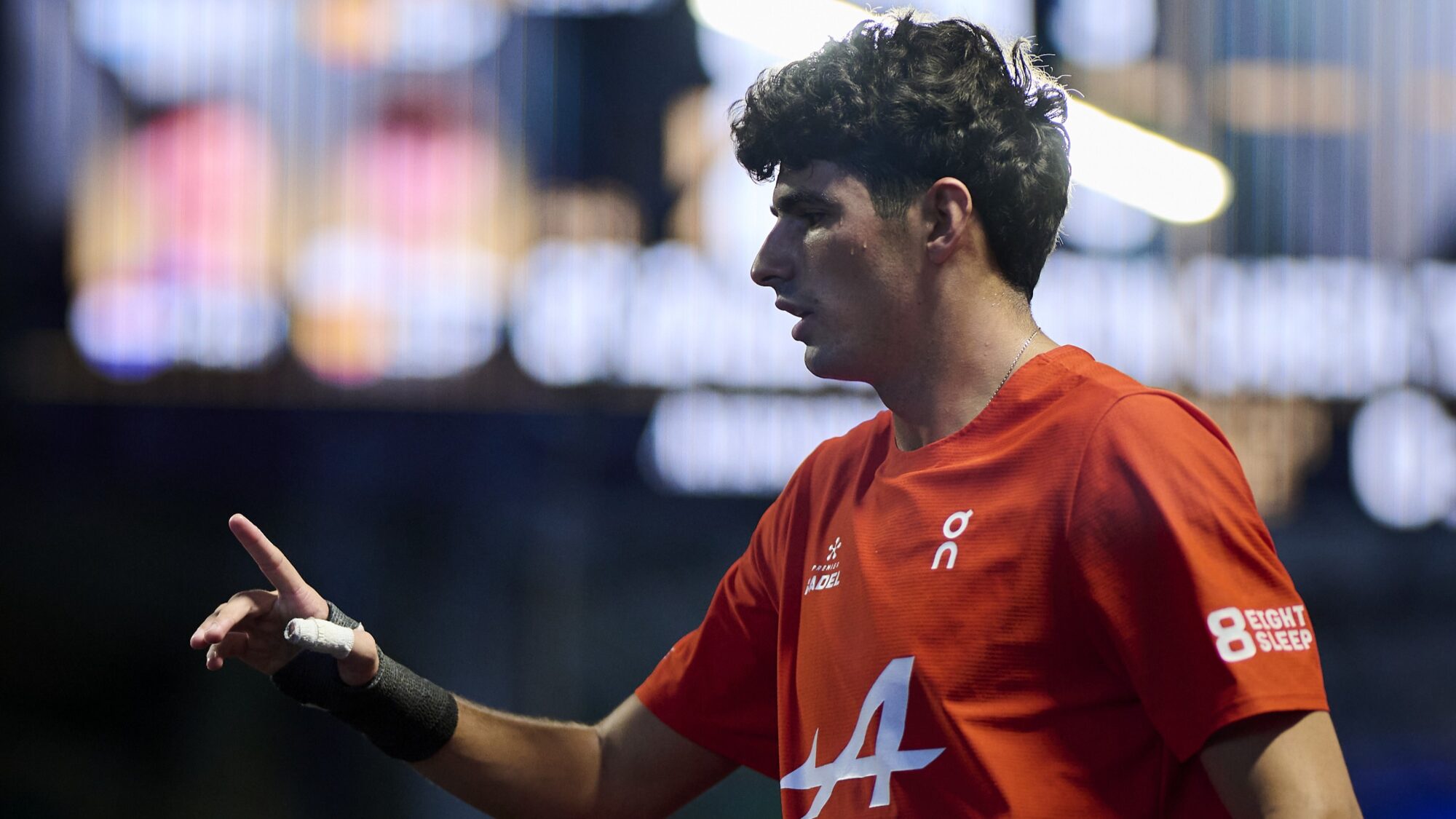
Juan Lebrón and Leo Augsburger were eliminated in the round of 16 of the Madrid P1 by Gonza Alfonso and Tino Libaak, 7/6 7/5. Beyond the surprising result, the match mainly revealed a weakness already exploited recently: forcing Augsburger to build from the back of the court, reducing Lebrón's influence and waiting for frustration to get the better of the number 3 seed.
The match promised a clash of power. It ultimately came down to Alfonso and Libaak's ability to impose the least comfortable match for their opponents: Augsburger targeted at the back of the court, under pressure, forced to defend and rebuild.
Augsburger is trapped in a defense he hasn't fully mastered yet.
Alfonso and Libaak's plan was clear: pressure Augsburger, prevent him from advancing, and force him to play an extra ball. The young Argentinian rarely managed to change the rhythm of the rally.
His lobs too often lacked depth. Instead of pushing his opponents back and allowing his partner to regain the net, several trajectories left a playable ball just above their heads. Against players capable of stringing together rematches and par 3s, these mid-range lobs prolonged the opponent's dominance rather than interrupting it.
The message Lebrón conveyed from the bench was precisely along those lines: slow the game down and find deeper lobs. Augsburger is an exceptional finisher when he can play forward; he's less comfortable when forced to patiently create the conditions for his own attack. It was in this intermediate phase that the number 3 pairing lost its balance.
Lebrón gradually out of the game
By focusing the rallies on Augsburger, the Argentinians also reduced Lebrón's influence. The Spaniard found himself at times out of position, deprived of the volume of balls he needs to control the rallies and impose his rhythm.
He was clearly affected by the situation. His agitation also seemed to reflect his powerlessness to intervene in exchanges designed to avoid him.
The first tiebreak crystallized this tension. Lebrón notably missed a smash and then a crucial volley, two errors that proved costly in the loss of the set. The opposing game plan thus not only exposed Augsburger's defensive weaknesses but also ultimately thwarted the very player who was supposed to stabilize the pair in decisive moments.
The second set remained close, but the same balance of power persisted. At 5-5, Alfonso and Libaak broke serve before closing out the set 7-5. Lebrón and Augsburger were never able to establish a lasting change in the match's dynamic.
Pretoria had already provided the instructions.
This strategy did not first appear in Madrid. In the Pretoria P1 quarter-finals on July 31, Javi Leal and Fran Guerrero had already overturned Lebrón and Augsburger 6/7 7/5 7/6, after saving seven match points.
A very clear tactical shift occurred after the first set: Leal and Guerrero opted to attack Augsburger and avoid Lebrón until the final whistle. The same principle as in Madrid: to confine the young Argentinian to the build-up play and deprive the former world number one of any continuity.
The repetition of the pattern is more significant than the isolated result: two different pairs identified the same pathway to unbalance their association.
A flaw now identified by the circuit
To call it a crisis would be an exaggeration. Lebrón and Augsburger won the Brussels P2, reached the finals in Cancún and Málaga, and made several semifinal appearances, most recently in London. Their potential remains that of a pair capable of beating anyone.
Madrid nevertheless shows that their Plan B is not yet as solid as their attacking power. When Augsburger can neither advance nor finish quickly, the pair must accept a slower build-up: gaining depth with lobs, varying trajectories, and waiting for a truly favorable ball.
Lebrón needs to regain influence without encroaching on his partner's space or letting frustration dictate his decisions. It's as much a question of tactical distribution as it is of emotional management.
Alfonso and Libaak didn't discover an unknown weakness. They confirmed, in a P1 round of 16 match, that a playbook is starting to circulate: pin Augsburger to the back, cool Lebrón down, and drag out the rallies until the pair loses their patience.
With the Paris Major just days away, the real challenge for Lebrón and Augsburger won't be to make an even bigger impact. It will be to show that they know how to win precisely when their opponents prevent them from doing so.

I discovered the Padel I stumbled into Spain at a campsite. I was instantly hooked; passionate about padel, I follow international and regional news with the same excitement as the sport itself.















































































 Martina Calvo after her revenge on Sánchez / Ustero: “Your question served as motivation for me! »
 Düsseldorf P2: Tapia/Coello still too strong for Stupa/Sanz, third consecutive title for the world number 1s
 Prod'homme and Marin defeat Mitjana/Henrion to win the P1000 HUDDL Aizenay
 France or Portugal, Spain or Argentina: Miguel Lamperti ranks the best padel nations
 Cédric Lavoye: "Hard work pays off" and a first FIP tournament in Guadeloupe is in his sights
 Nicolas Rouanet is preparing his return in 2027: “With Bastien Blanqué, I would never say no”
 Leygue/Blanqué respond bluntly to the criticism: "You can say what you want... We're putting all our money and our lives into this."
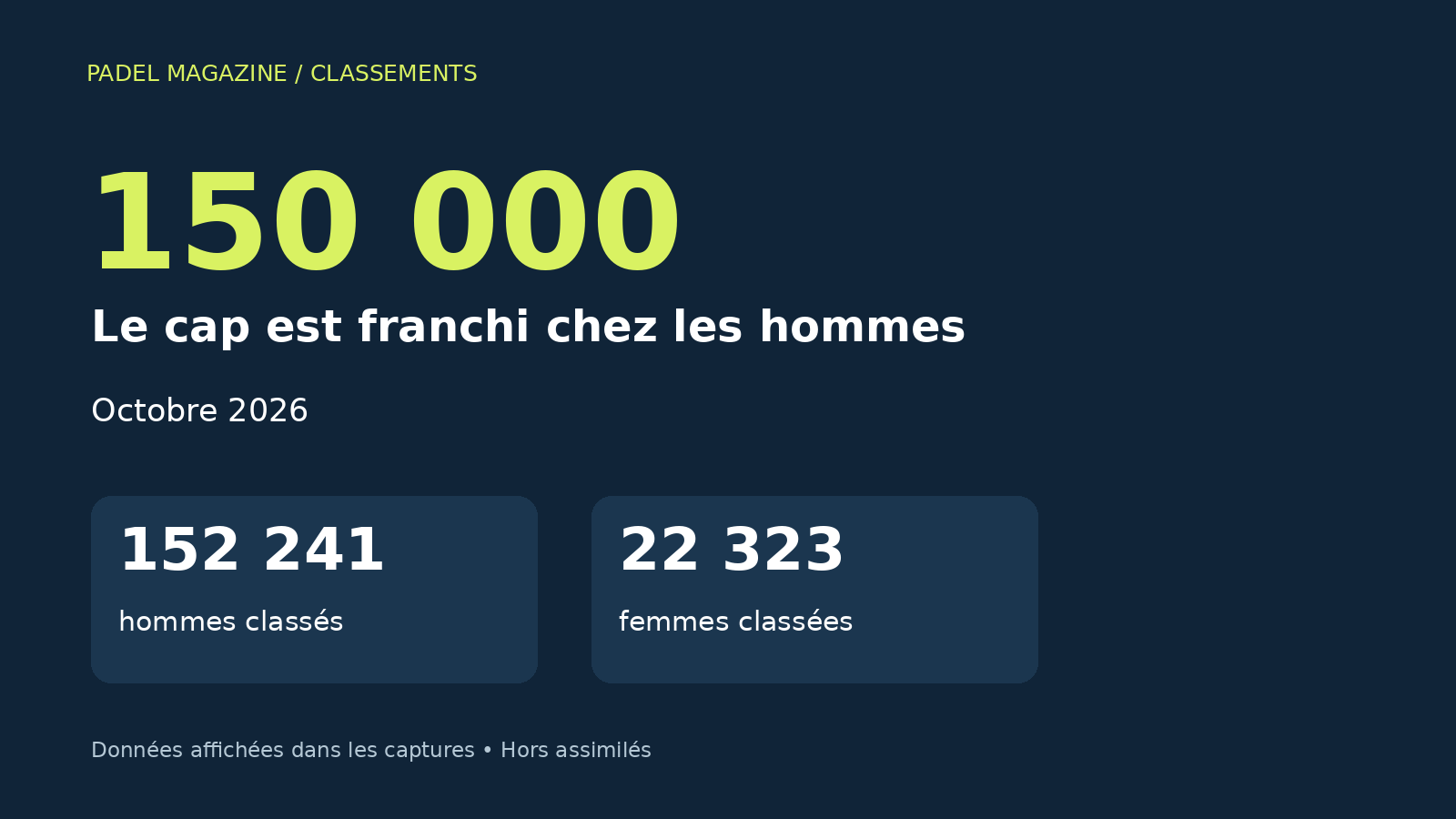 Padel rankings October 2026: more than 150,000 men ranked in France
 P1000 Verneuil Padel Club – Results / Live / Schedule
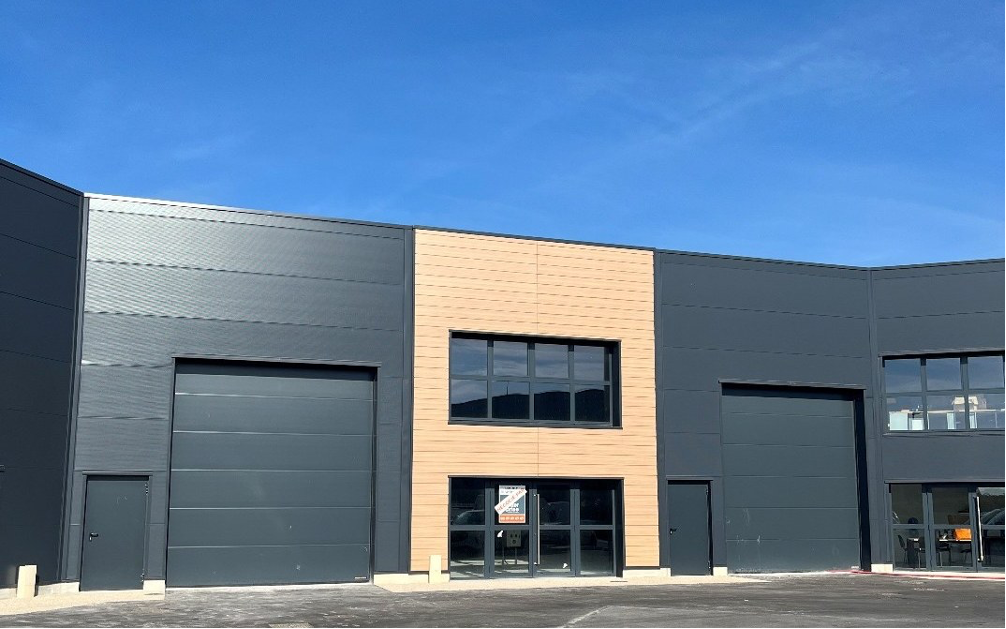 West Padel opens its 4 indoor courts in Montivilliers on November 5th
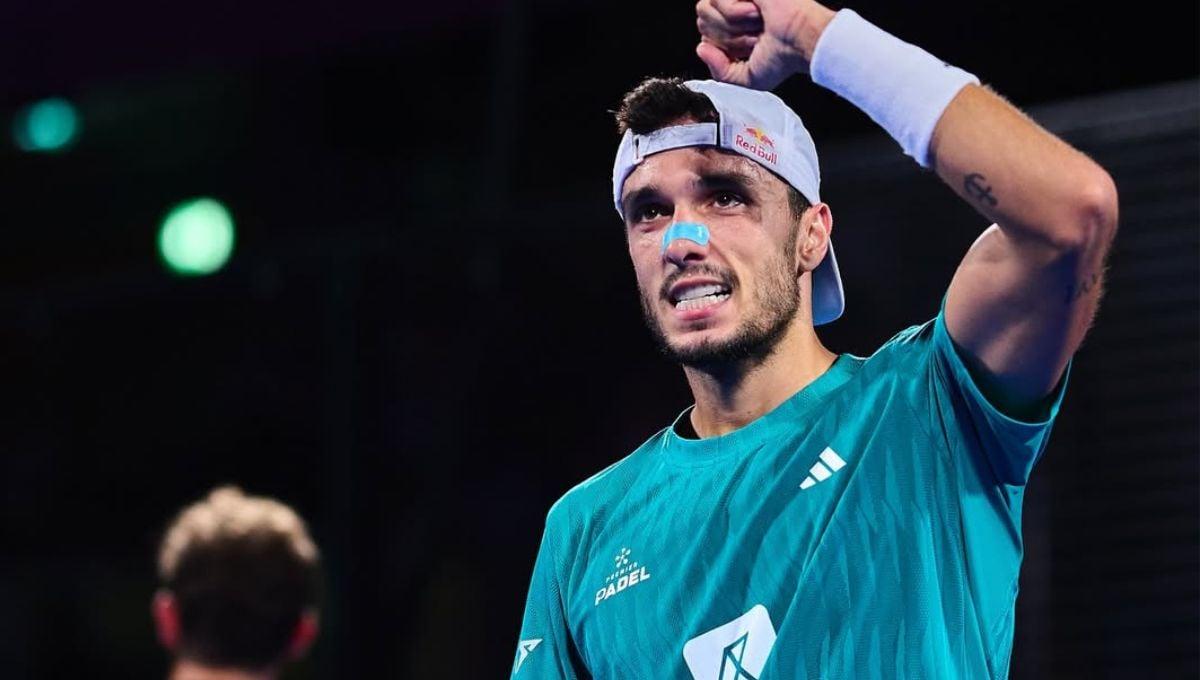 With Galán tired and Coki Nieto sidelined, is the infernal pace of the circuit starting to take its toll on the players?
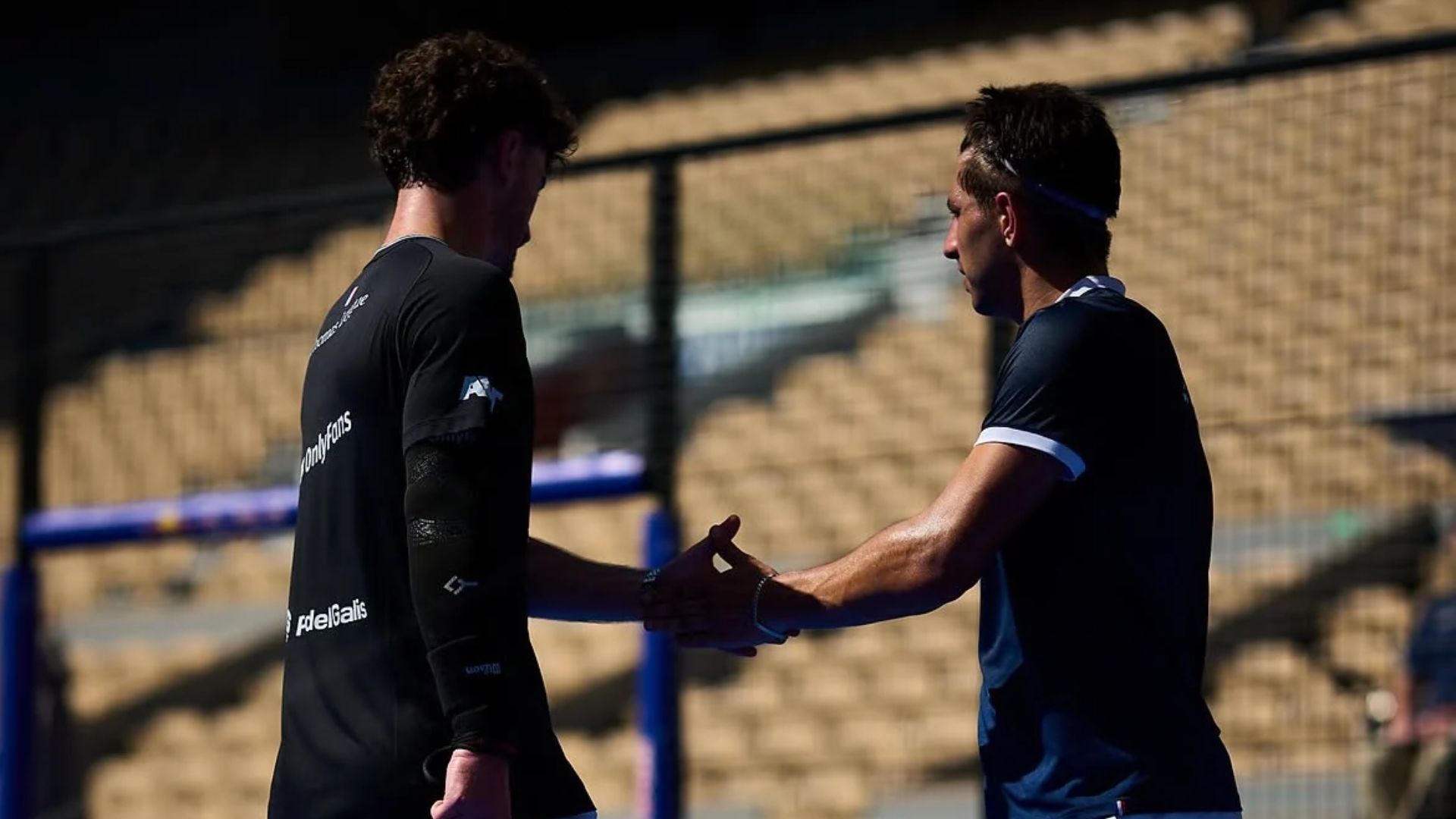 Milan P1: Thomas Leygue launches his qualifying campaign with Jesús Moya
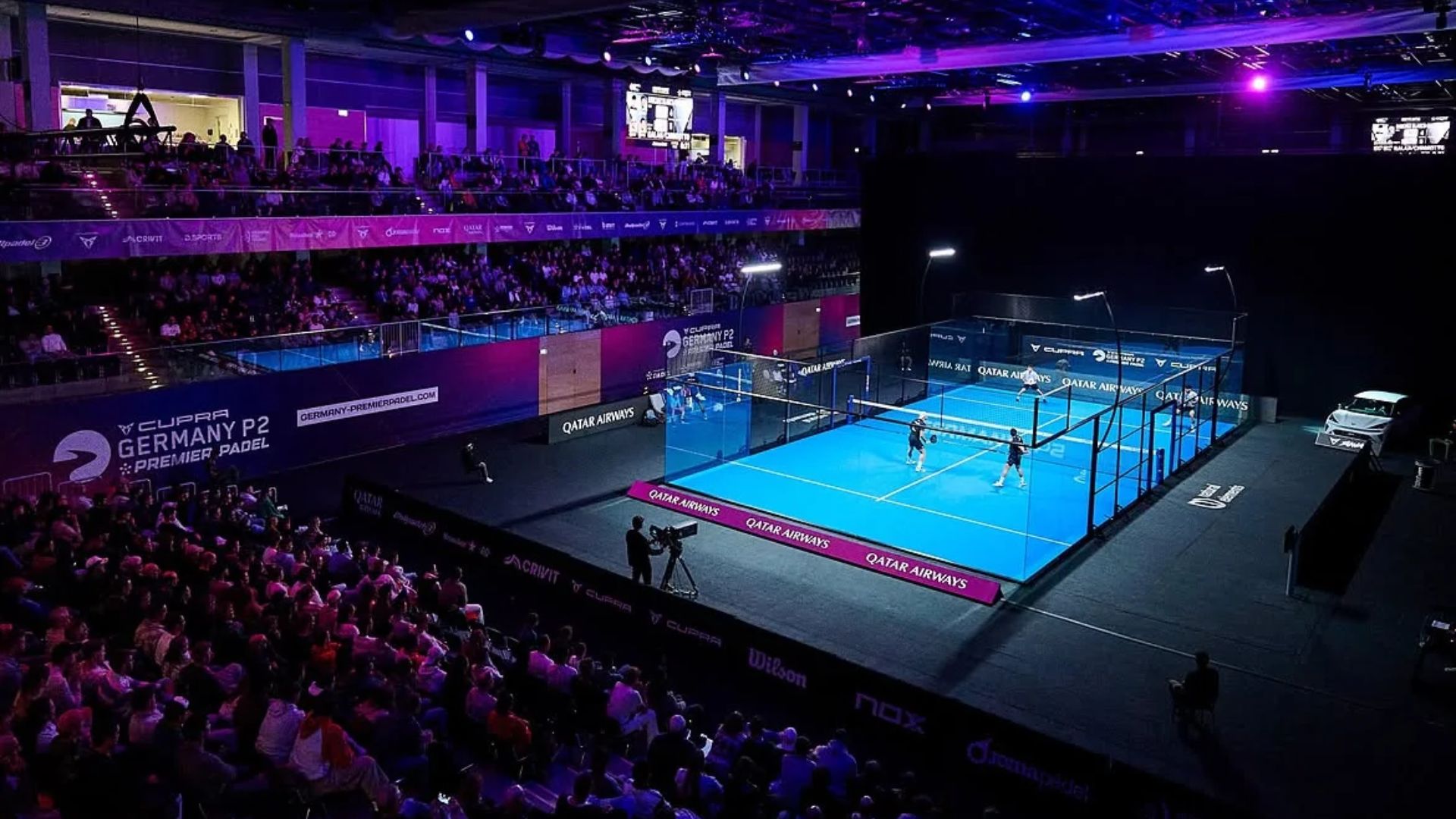 Germany P2: The fastest quarter-finals in history Premier Padel
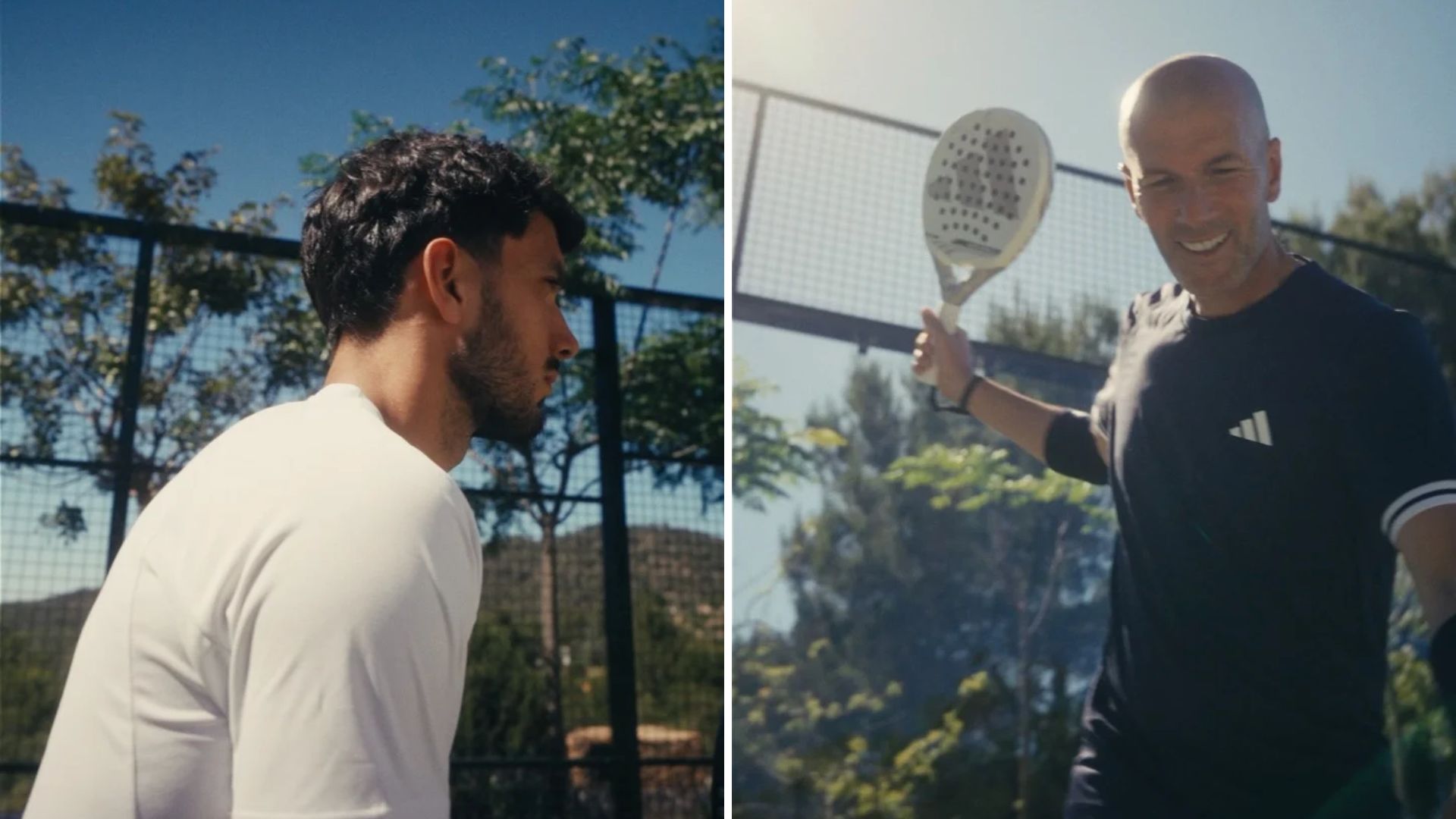 Zidane and Galán reunited on the track to launch the Metalbone ZZ
 For sale: two padel clubs in Mauritius, starting from 330,000 euros
 How much does it actually cost to organize a FIP Bronze event?
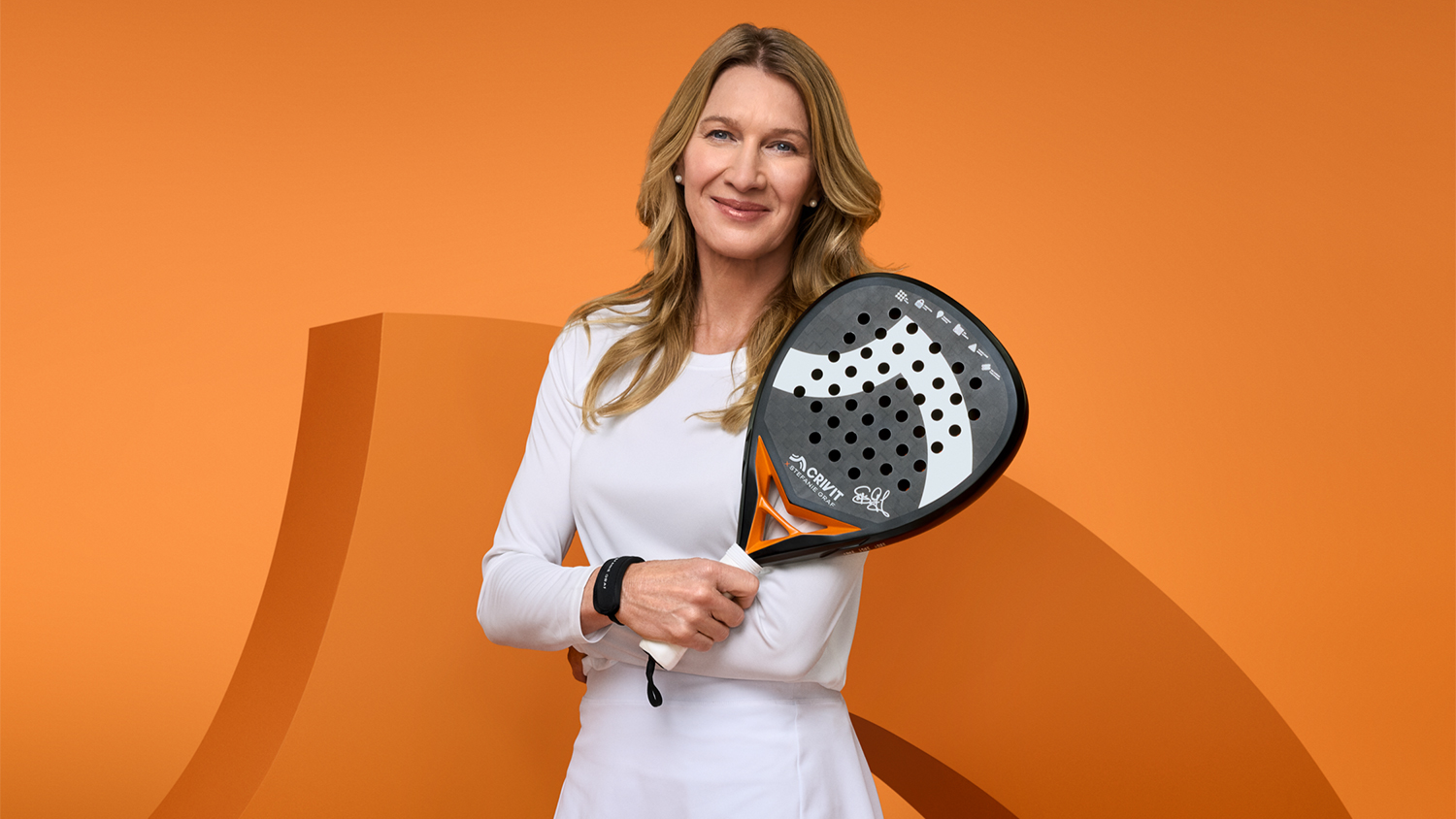 Padel How Lidl is transforming Crivit into a fully-fledged sports brand with Steffi Graf
 Compagnie des Alpes is accelerating its involvement in padel with PadelCity: a new step in its European strategy
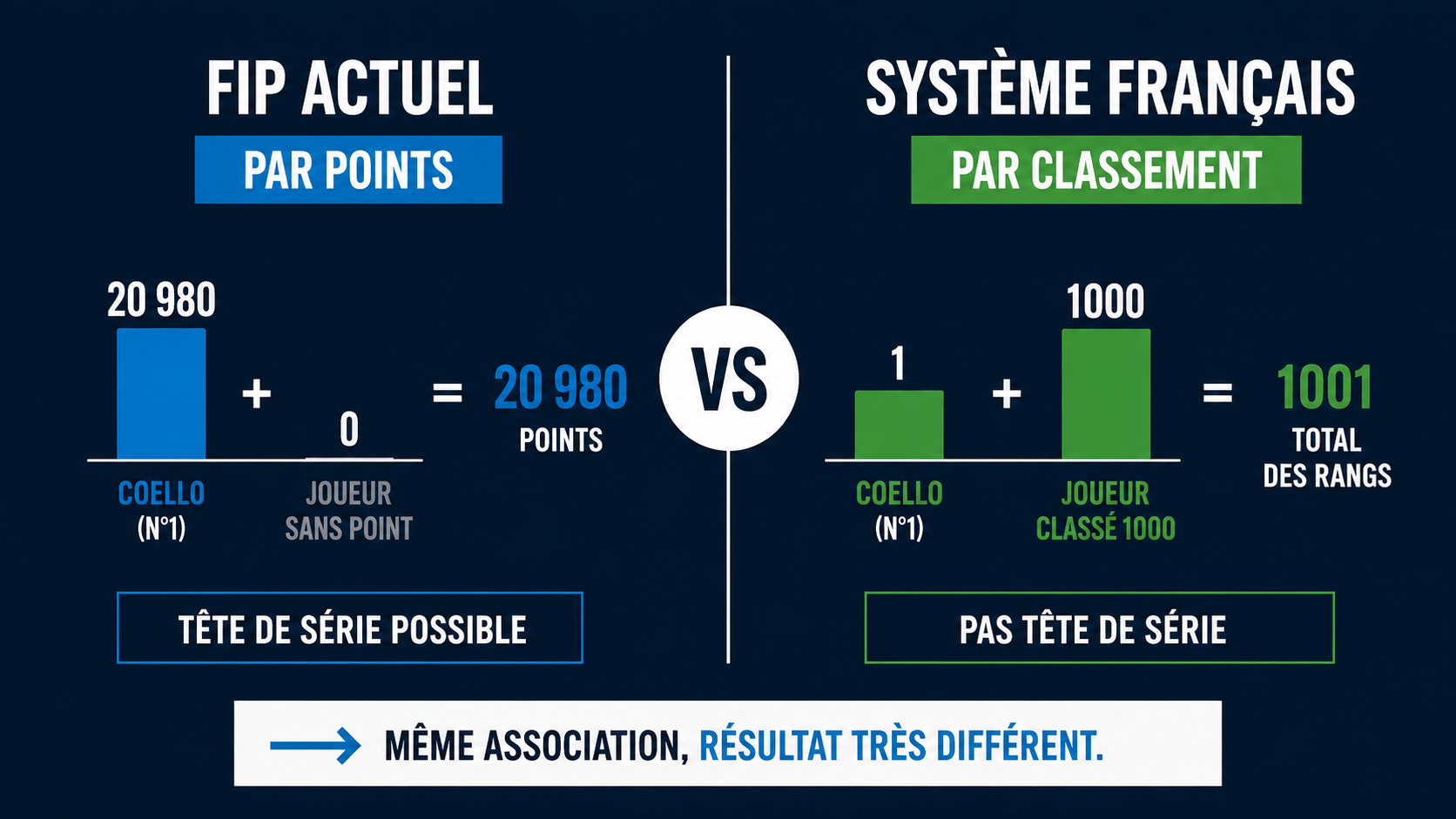 Coello with a player at 0 points ahead of two top 10 players: should the FIP ranking be reviewed?
 Les Pyramides: after 12 padel courts, the club is focusing on youth training
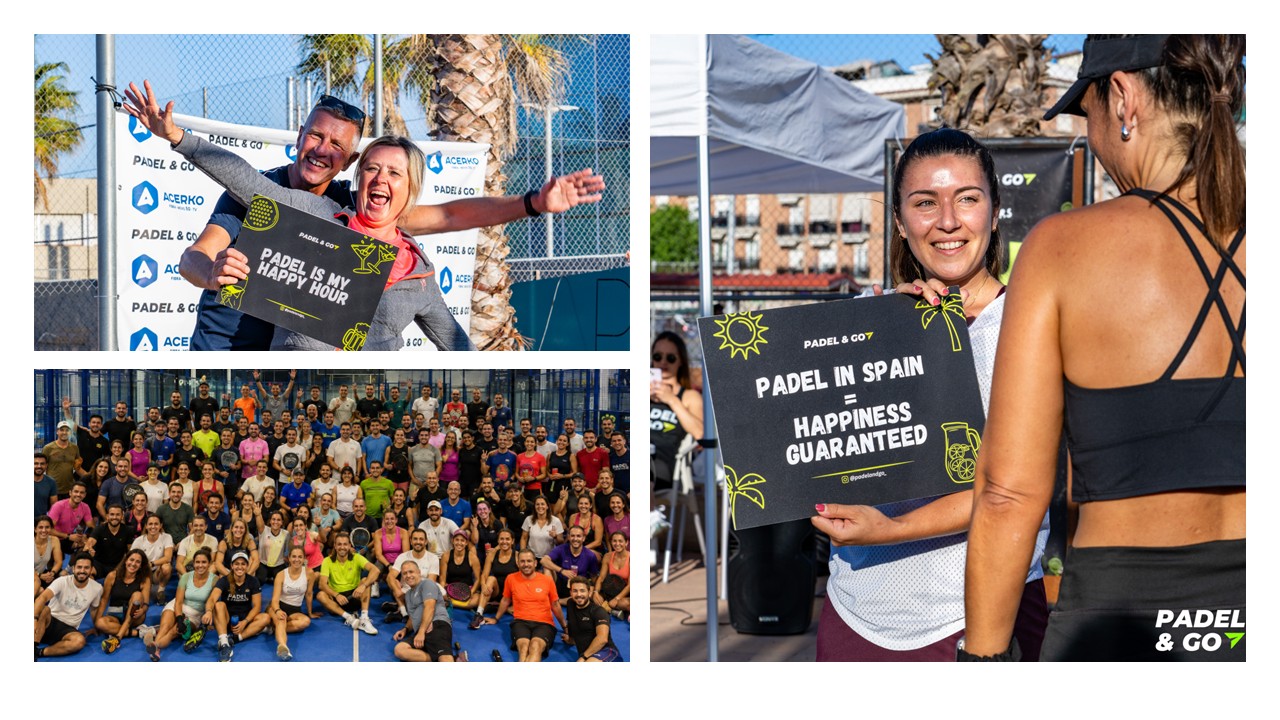 Health Care Padel Tour 2026: What if your next padel tournament was played in Barcelona?
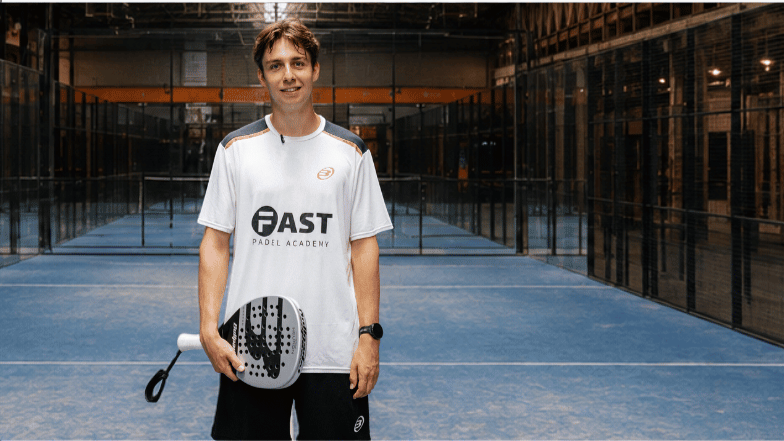 FAST Padel Academy continues its development and establishes itself in Liège.
 What the analysis of the stroke reveals: tennis forehand vs. padel bandeja
 Has the bandeja disappeared from modern padel?
 Flat forehand in padel: 5 exercises from Cristian Álvarez to gain control and efficiency
 Why knowing how to play on the right and left can make all the difference
 Tapia reveals his recipe for beating Coello / Tapia: "I would bet everything on myself"
 How Coello defused Chingotto's game plan
 In padel, does the chemistry between a pair count as much as individual skill?
 Summer changes padel… but what if the real challenge wasn't hitting harder?
 Neither FIP Tour nor World Team Championship: the unique format of padel at the Mediterranean Games
 Premier Padel : when television can lengthen players' breaks
 Premier Padel Yes, a referee can refuse a player permission to go to the toilet
 Julien Seurin opens up about his mental state: "There are far more doubts than moments of happiness."
 More than a year later, Thomas Leygue is back in the top 150: behind the scenes of a comeback that's still unfinished
 Padel vs squash vs badminton: the scientific ranking of cardio intensity
 Why does Arturo Coello play with his right hand bandaged?
 What if your progress in padel depended on what nobody else is looking at?