

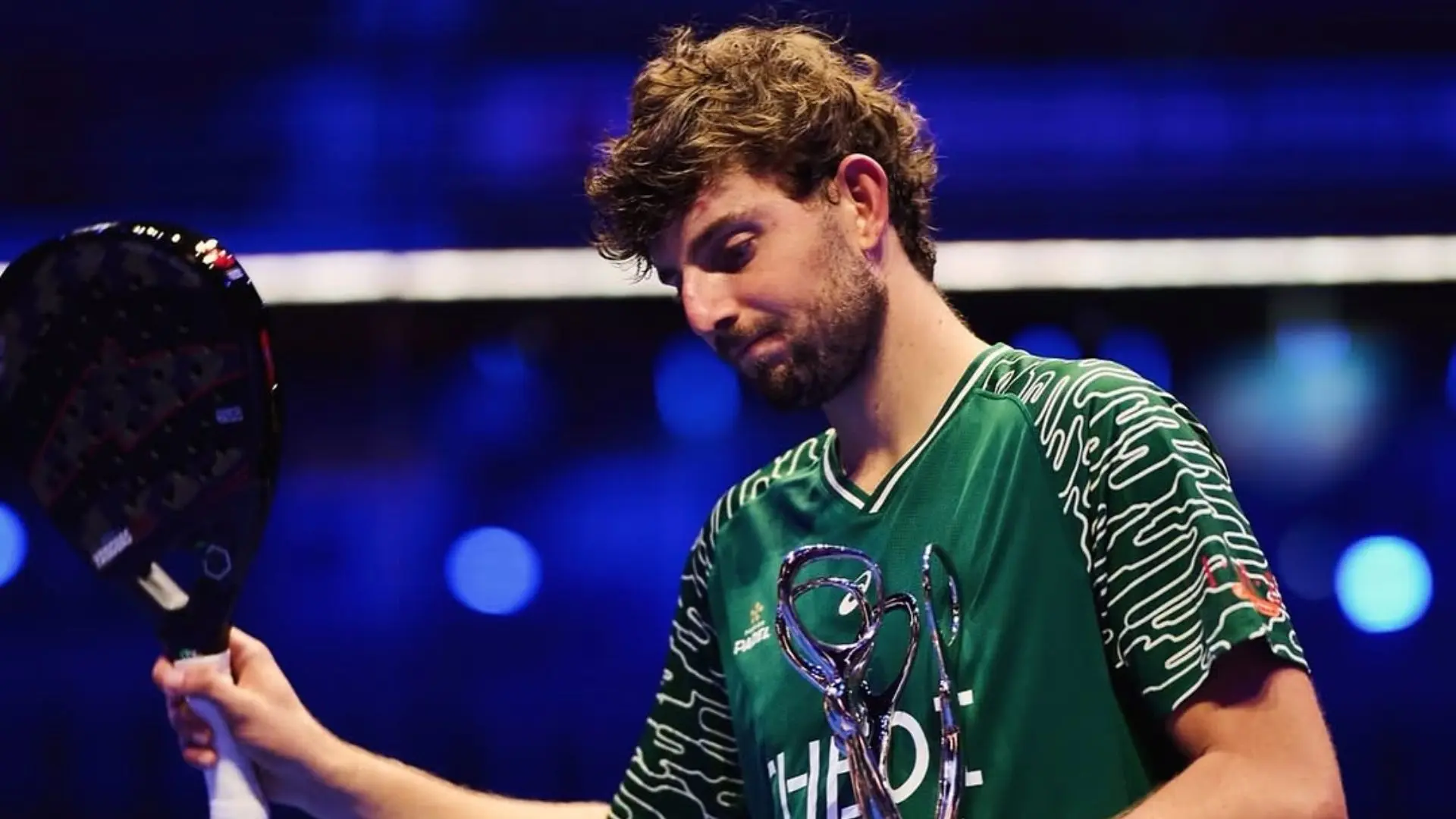








Mike Yanguas will indeed be present at Milano Premier Padel P1, but without Coki Nieto. Still hampered by injury after already withdrawing from P2 in Düsseldorf, the Madrid native has now withdrawn for the second time. Yanguas has chosen to continue the tour with Pablo Lijó, the world number 46, as part of the [unclear] scheme. Lucky Loser Individual.
This partnership is temporary, but it forces Yangas to quickly adapt. With Nieto, he plays in a pairing built on mobility, defensive work rate, and a strong ability to return to the net. With Lijó, a more powerful and direct left-handed player, his role could shift towards playmaking. We'll have to watch their first match to see how the two will actually structure their rallies.
An association built in haste
Yanguas and Nieto were initially on the list of entrants for Milan. Coki's withdrawal, having already missed the Düsseldorf race, forced his partner to quickly find a solution to avoid going two weeks without competition.
The choice of Pablo Lijó wasn't the most obvious given the rankings. However, the Galician remains an experienced player, accustomed to the left flank and capable of generating power overhead. This positioning should allow Yanguas to retain his usual right-sided position.
With Nieto, a balance already established
Yanguas' return to Nieto's side immediately produced results. Starting in Madrid, the pair eliminated Arturo Coello and Agustín Tapia before reaching the final.
Their complementarity relies less on a traditional division between a builder and a finisher than on their shared ability to cover a lot of ground. Nieto can defend, extend rallies, and attack in the middle from the left side. Yangas uses his wingspan on the right to close down spaces, advance after lobs, and support transitions to the net.
This system requires automatic responses. Each player must know when to tighten their position, who receives the ball in the center, and which of the two should advance first. Yanguas and Nieto have played a full 2025 season together, and have also competed in several tournaments together since their reunion.
In Milan, Yanguas will not immediately regain this coordination. His first challenge will therefore be less individual than collective: to establish, in just a few training sessions, rules clear enough to avoid hesitation.
Yanguas may need to organize more
Alongside Lijó, Yanguas should retain the right side, but his role will not necessarily be identical to the one he occupies with Nieto.
Lijó has a more finishing-oriented profile. His position on the left allows Yanguas to focus more on preparation: maintaining the diagonal, using the lob to gain ground, and providing his partner with aerial balls played from a favorable position. We know how effective Yanguas's vibora is.
The key question, then, will be one of balance. If Yanguas focuses solely on distributing the ball, the partnership risks becoming predictable. If he tries to take on too much responsibility in the middle, the two players could end up in the same areas. Their effectiveness will depend on their ability to alternate initiatives rather than establishing an overly rigid separation.
Who will take the center?
This is probably the first thing to look at.
With Nieto, movement is coordinated through shared experience. The left-sided player can drop back to close down the center, while Yanguas maintains a high level of activity from the right. With Lijó, this distribution will need to be re-established.
When the ball arrives between the two players, Yanguas will have to decide whether to let his partner use his forehand or to intervene with his backhand volley. The answer may vary depending on their position: Lijó should logically have more priority when they are at the net, while Yanguas could retain more initiative in defensive phases and transitions.
The organization of the center will therefore give a first indication of the actual preparation of this improvised pair.
A tournament without automatic responses, but not without ambition
This partnership should not be presented as a new project. Coki Nieto remains Yanguas's regular partner, while Lijó is soon to begin a new chapter with Tolito Aguirre.
Milan is more of an exercise in adaptation. For Yanguas, the goal will be to maintain his performance level without the benchmarks he developed with Nieto. For Lijó, it will be about quickly integrating into a higher-ranked pair and converting the opportunities created by his partner into results.
The first match will answer several questions: Does Yanguas maintain a balanced role between build-up play and finishing? Does Lijó naturally play in the center? Is their communication enough to compensate for the lack of automatic understanding? And above all, can Yanguas adapt his game without trying to exactly replicate the way his partnership with Nieto works?
In Milan, his adaptation will be almost as important as his performance. To progress with a temporary partner, Yanguas shouldn't just replace Coki Nieto in the system. He'll have to build a new one.

I discovered the Padel I stumbled into Spain at a campsite. I was instantly hooked; passionate about padel, I follow international and regional news with the same excitement as the sport itself.






































































 FIP rankings – Guichard drops, Fonteny moves closer to the top 100, Robert makes a great move
 Lebrón / Augsburger: Brussels had sent a message, Dubai reinforces the threat
 Dubai P1 – Fernández / Calvo: “Any of the three best pairs could be world number 1”
 4PADEL is recruiting a padel coach in Reunion Island: permanent contract or freelance
 Two and a half years to create a padel racket: HEAD reveals the manufacturing secrets of its 2027 models
 Javier Rodríguez Piris: “I would like Spain to host the World Championships in 2030”
 "We're not a tournament club": the gamble taken by the two Henry sisters who are hosting a P3000 at The Break Padel Club
 “Victim of Padel ": The Adventure Padel Jack Troster and Jack Troster are back with a new track and a crazy music video.
 Bullpadel 2027 in the feminine: the queens take to the track
 Blanqué and Joris remain untouchable, securing the title at the P3000 Break Padel Club
 Three consecutive serves in the Dubai final: the recurring umpiring error Premier Padel
 Padel, weight training, and even HYROX: clubs are changing their model
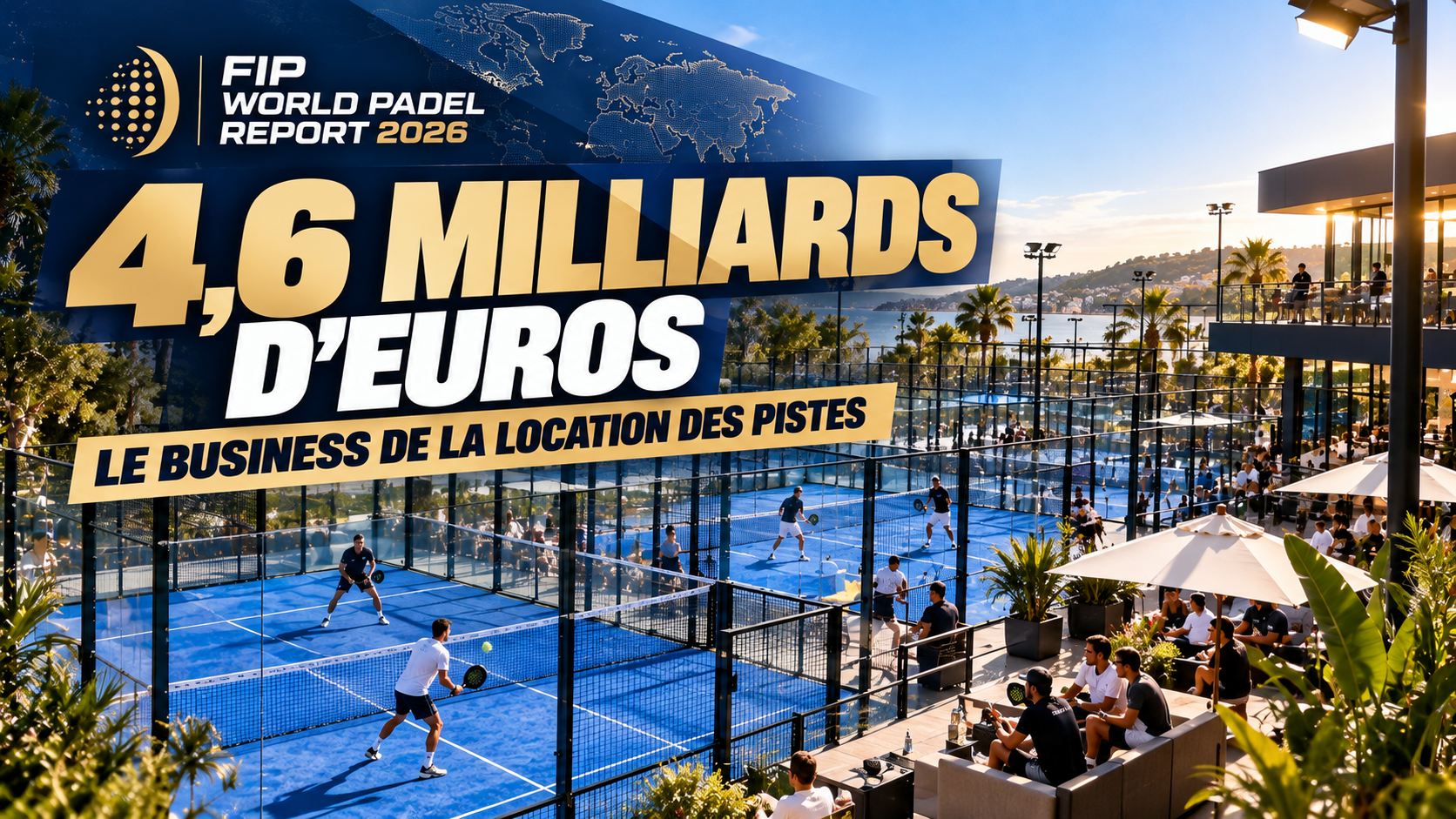 Padel court rentals: a global market estimated at 4,6 billion euros
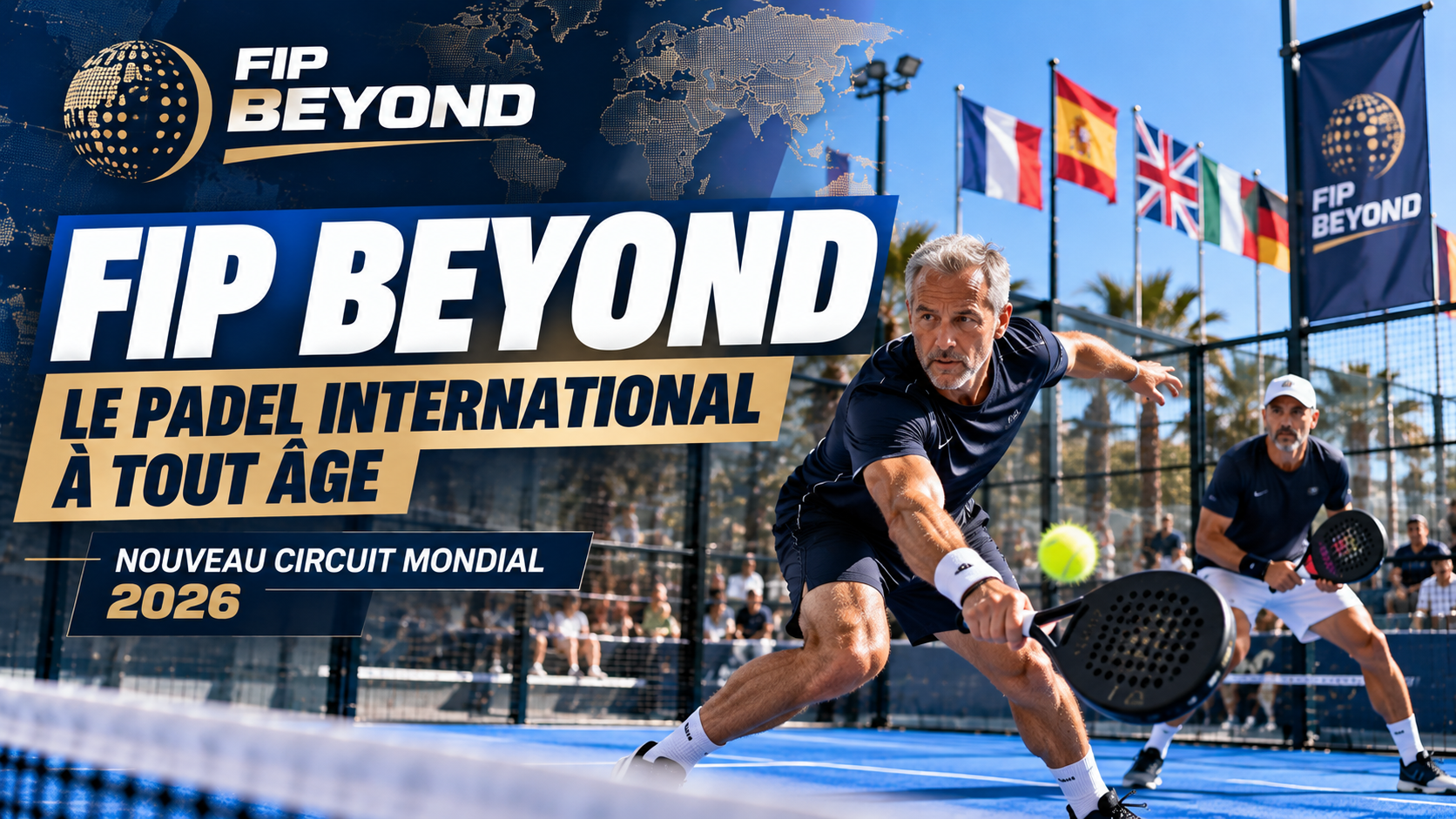 FIP Beyond: the new global padel circuit for amateurs and seniors
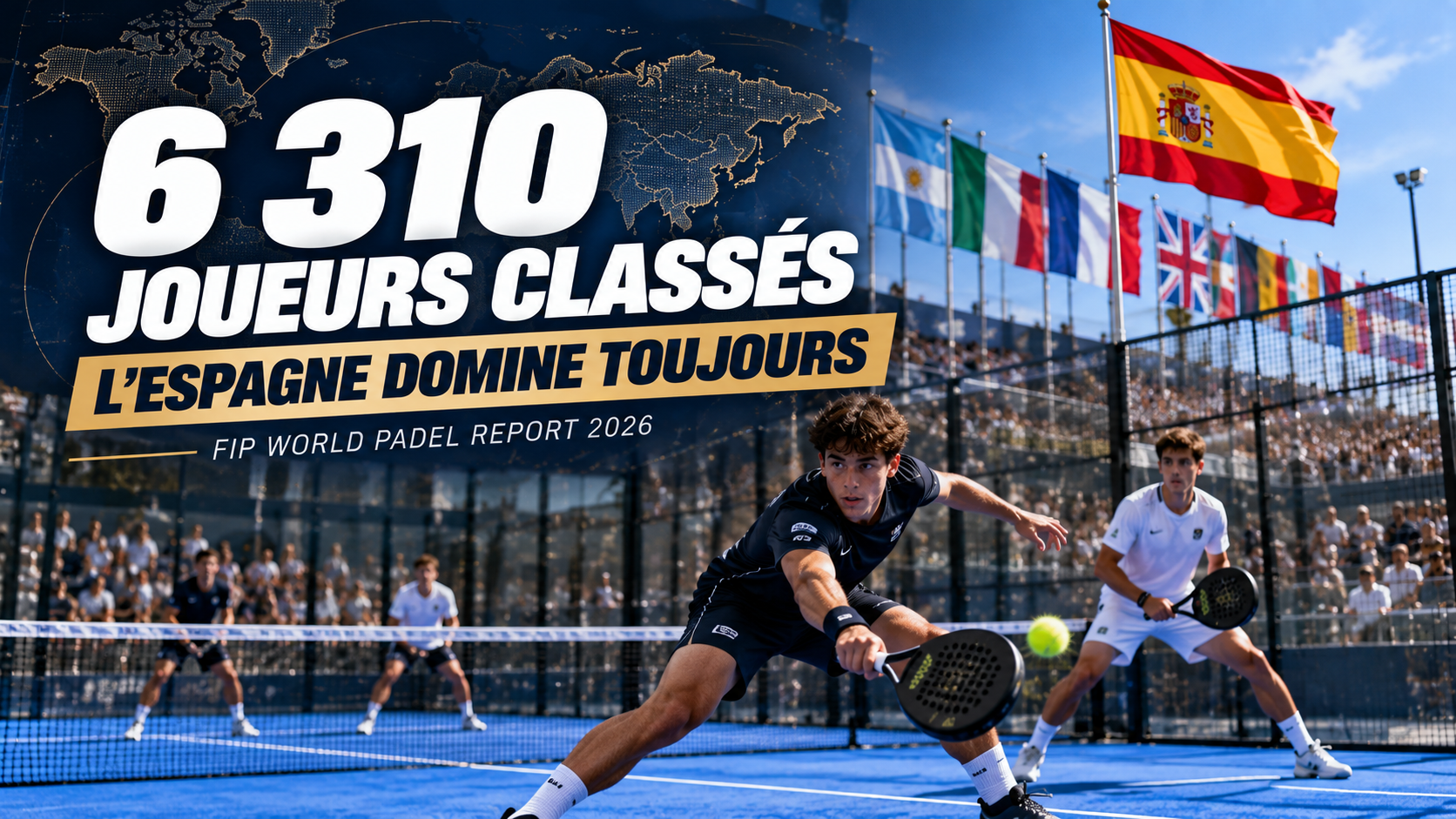 More than 6,300 FIP-ranked players: professional padel is becoming international, but Spain dominates
 OSS Barcelona – Why Spain and France aren't yet playing in the same league
 Cancer and rehabilitation: could padel become a therapeutic tool?
 Padel injuries: ankle, knee, elbow, eye… what the latest figures reveal
 Shocking turn of events at Dubai P1: Coello and Tapia have also withdrawn!
 Padel serve: a good serve is especially good preparation for the third shot.
 What the analysis of the stroke reveals: tennis forehand vs. padel bandeja
 Has the bandeja disappeared from modern padel?
 Flat forehand in padel: 5 exercises from Cristian Álvarez to gain control and efficiency
 Why can Libaak/Alfonso beat almost everyone… except Coello/Tapia?
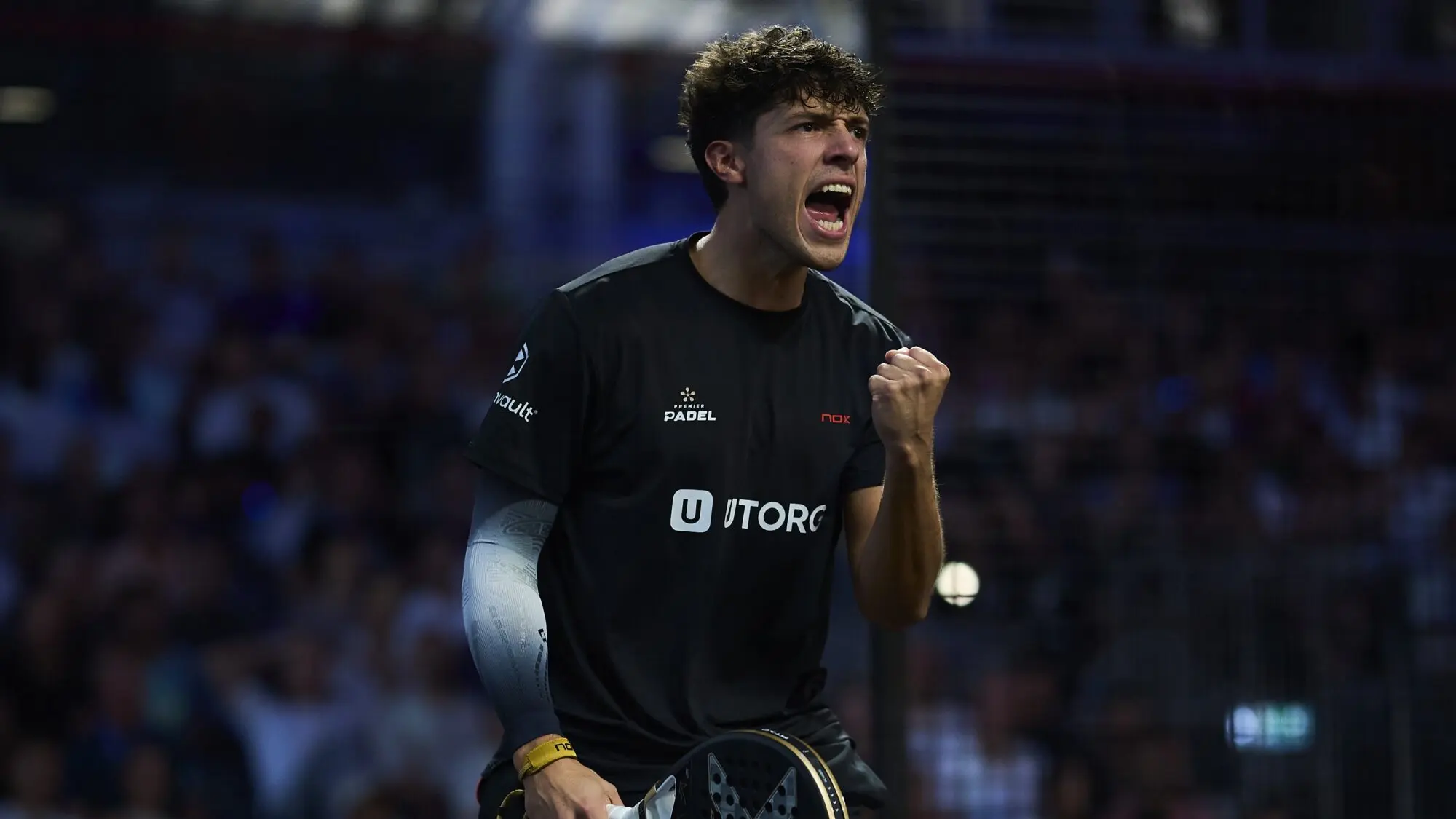 Tapia reveals his recipe for beating Coello / Tapia: "I would bet everything on myself"
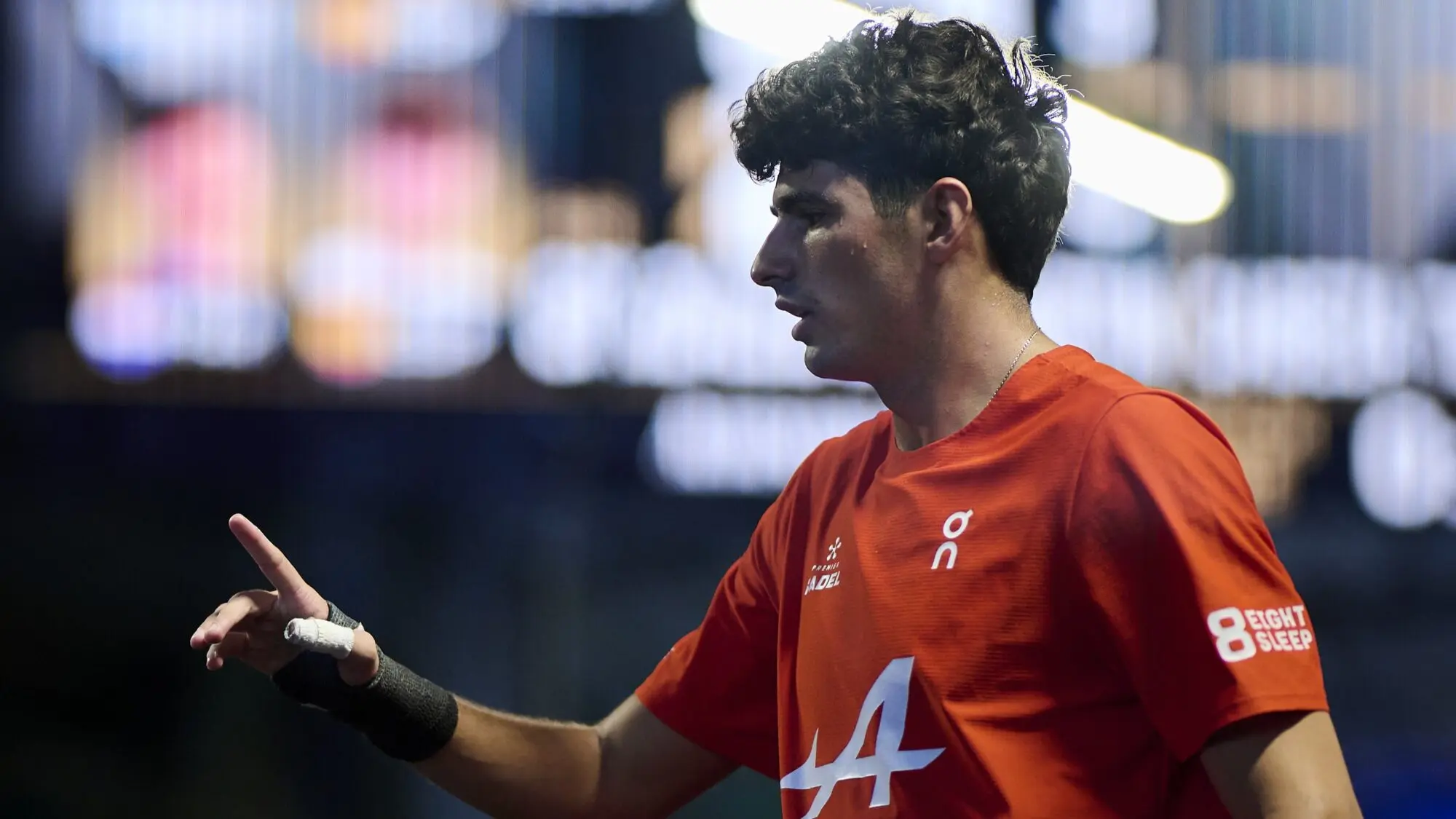 How Coello defused Chingotto's game plan
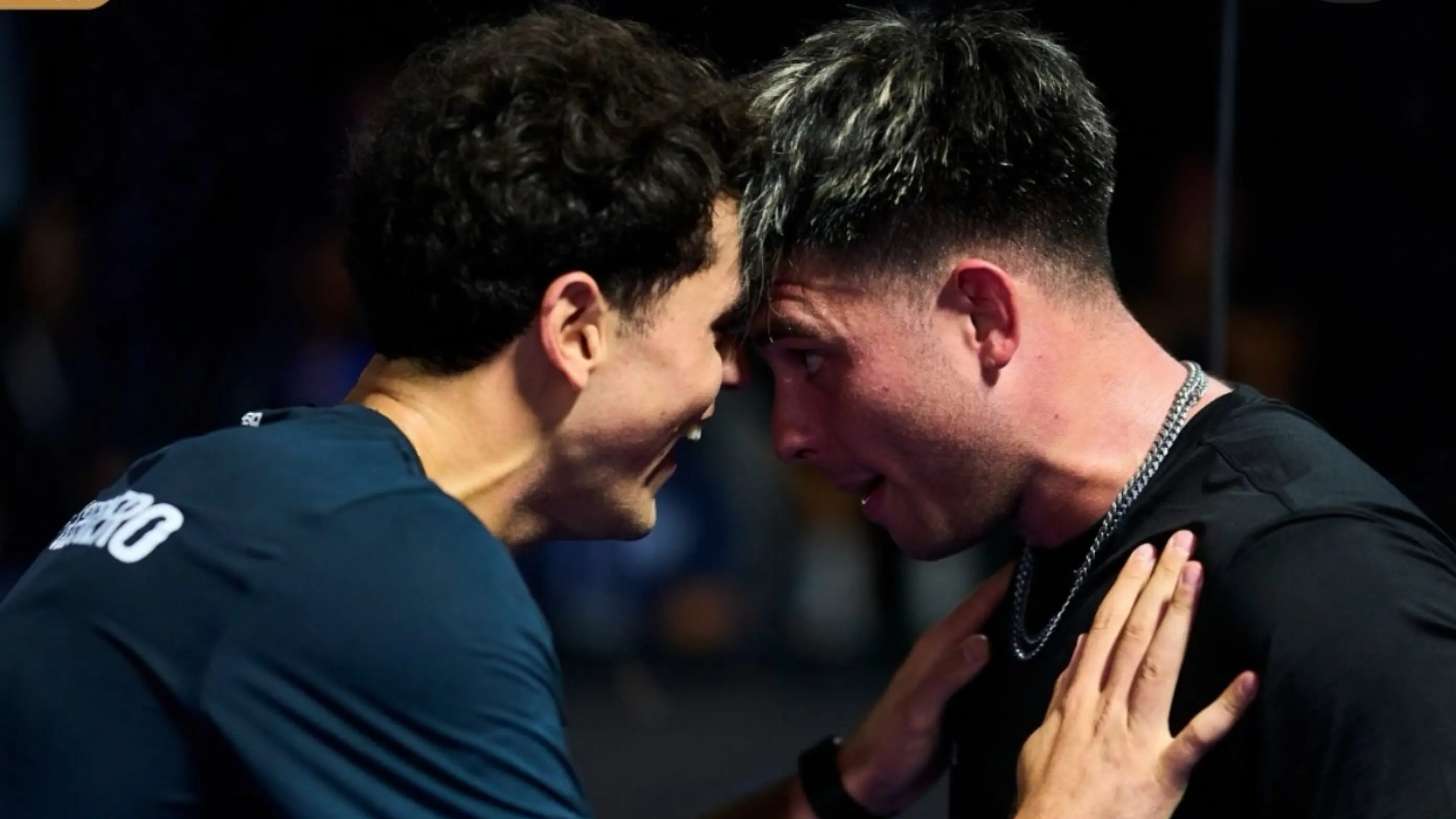 In padel, does the chemistry between a pair count as much as individual skill?
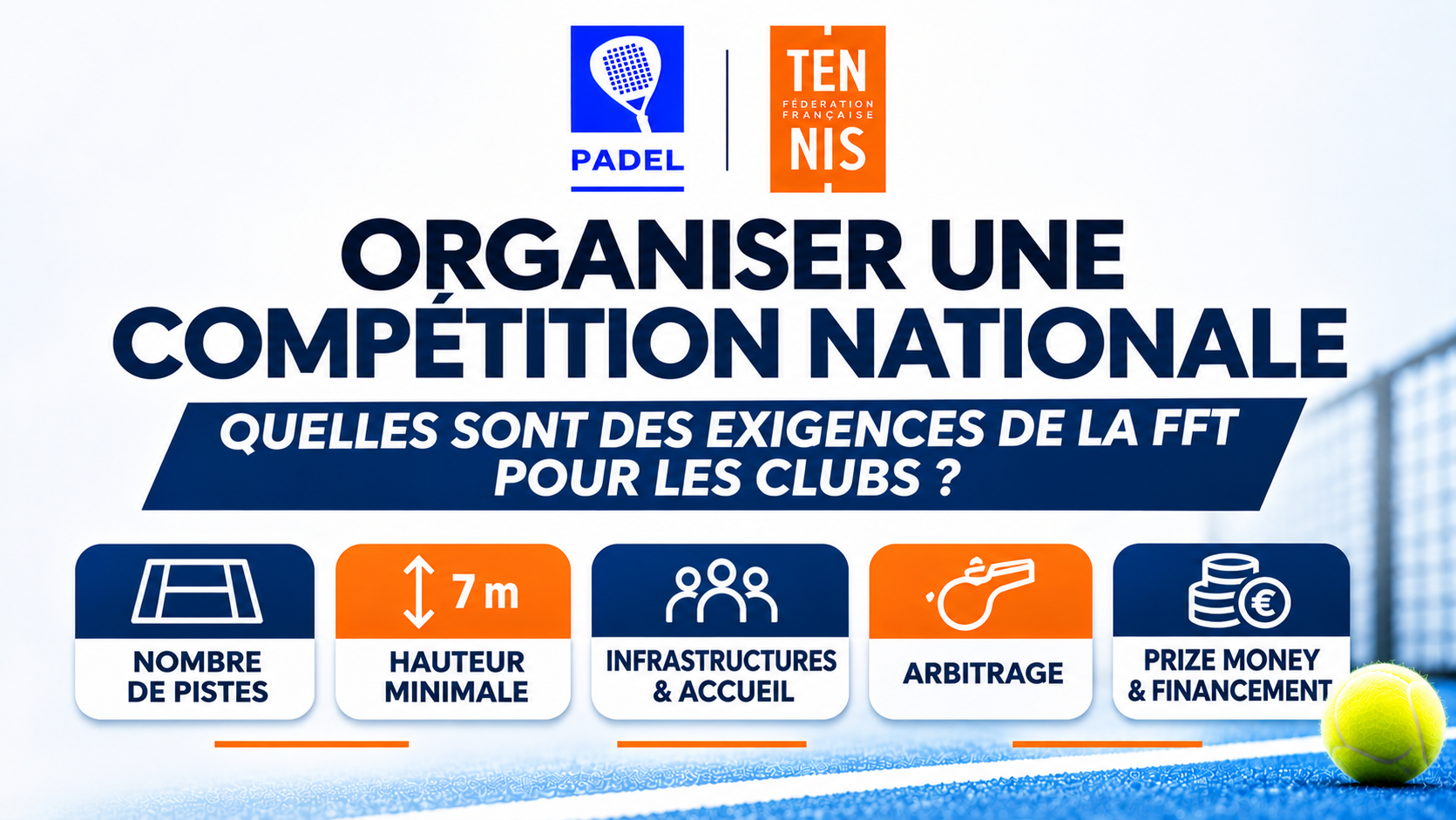 Organising a national padel competition: what are the FFT's requirements for clubs?
 Organising a P2000 or a P3000: how much does it really cost clubs?
 P2000 or P3000: what are the differences in prize money, format and organization in 2028?
 Do you lose your ranking? Padel FFT after more than a year without a license / without competition?
 Memory, reflexes, concentration: what happens in our brain when we play padel?
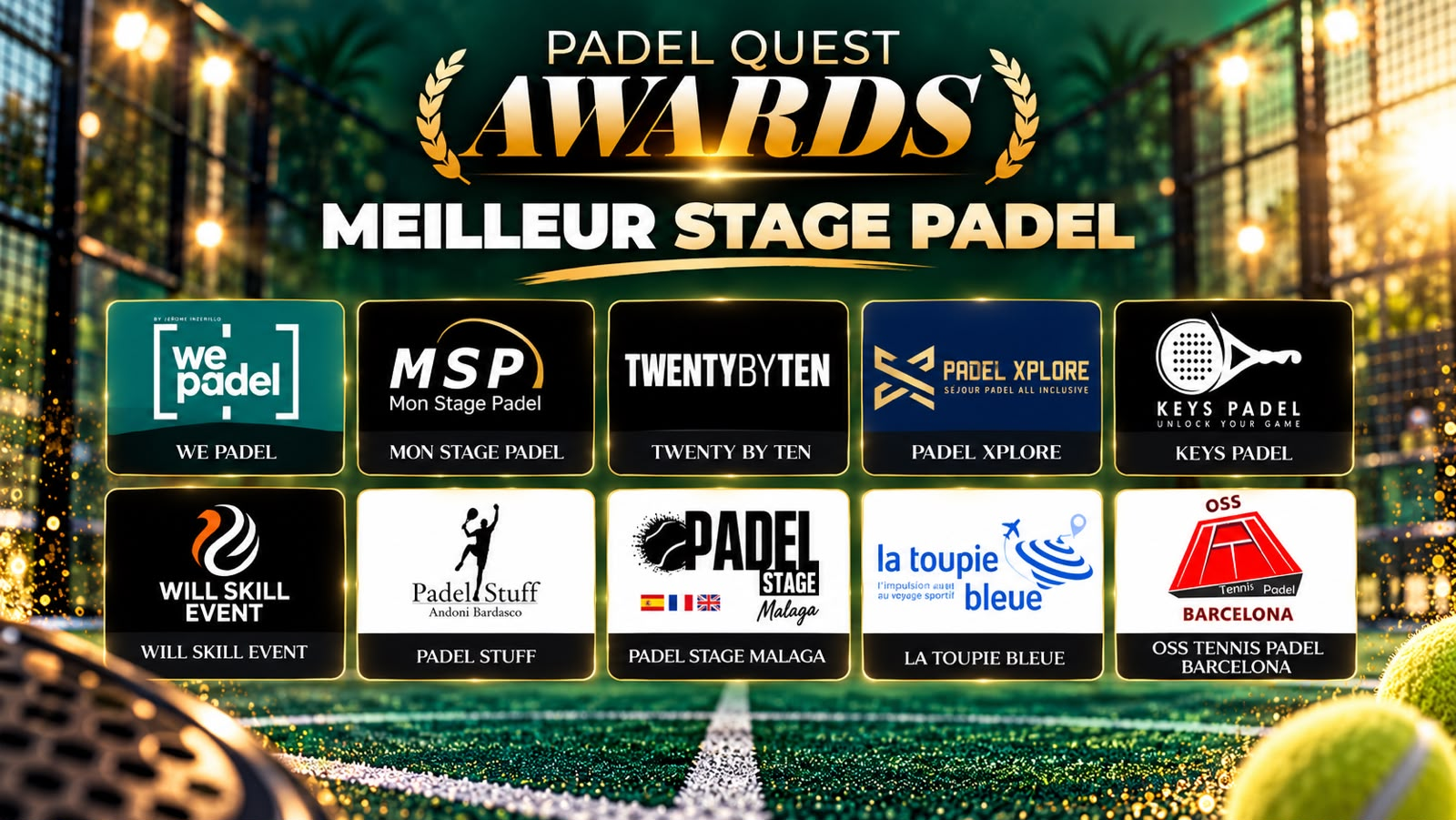 Padel Quest Awards: Ten specialists in the running for the title of best padel training camp of the year
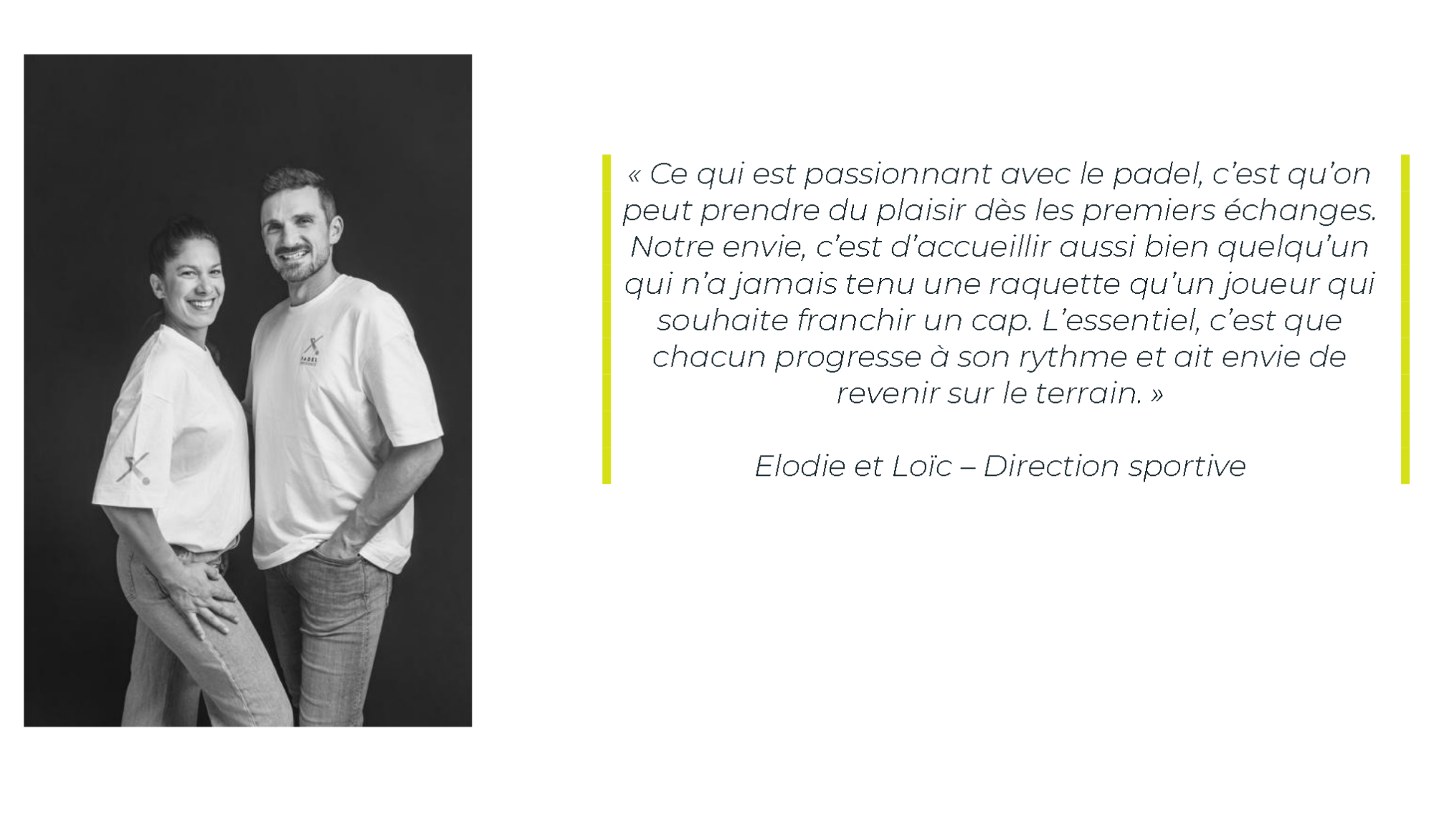 Padel Xperience: The Academy opens on November 2nd in Marcheprime, ahead of the complex's inauguration in 2027
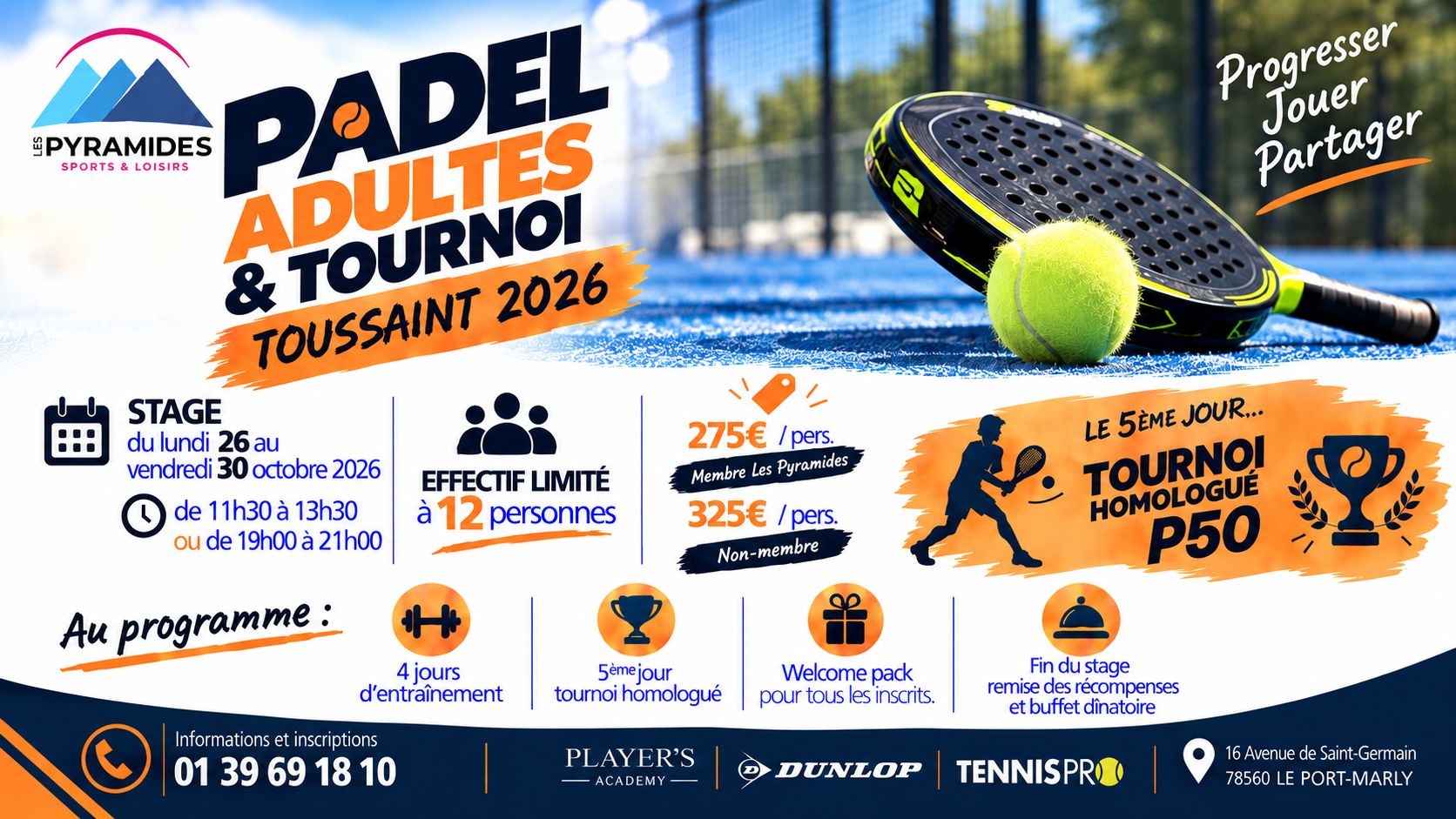 All Saints' Day – Les Pyramides are organizing a padel training camp for adults with a P50 tournament to close out the week