

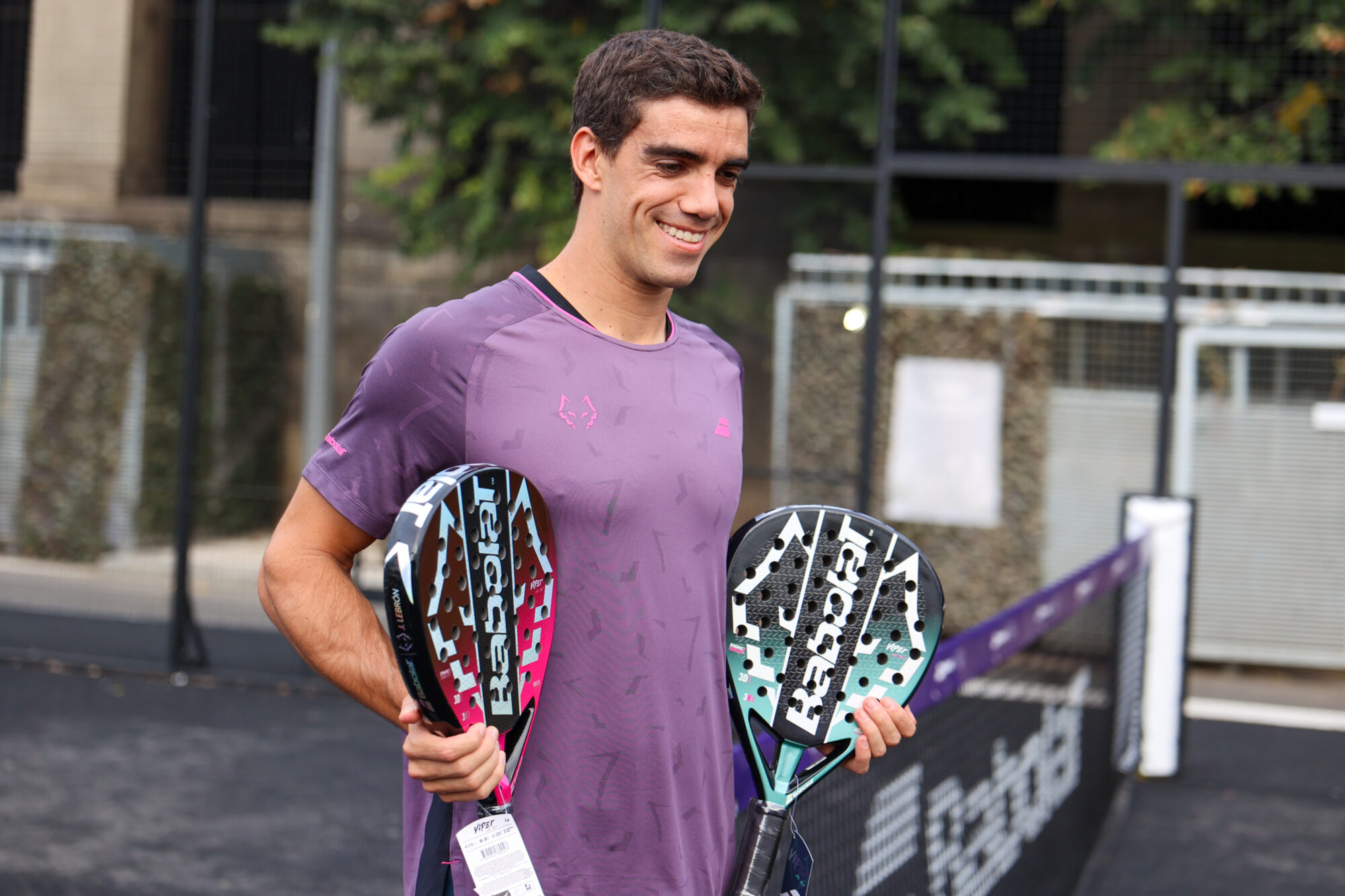







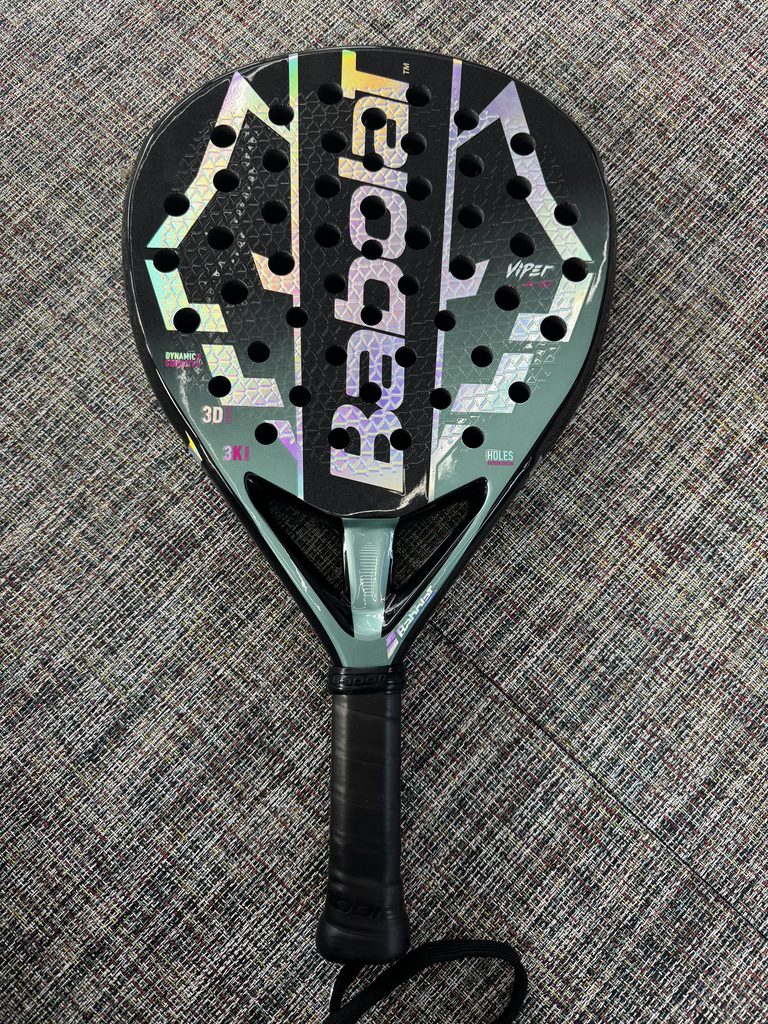
La Babolat Viper Juan Lebrón 3.1 arrives with a completely redesigned visual identity. Gone are the warm colors of previous generations: in their place are green and pink for a collection that will definitely not go unnoticed. But behind this change of look, Babolat made a clear choice: not to disrupt a racket with an already very strong character.
A 3.1 version that focuses primarily on a change of look
Don't look for a technological revolution behind the name. Viper Juan Lebrón 3.1 The new version retains the DNA and characteristics of the Viper 3.0, but offers a new aesthetic dynamic.
And the change is spectacular.
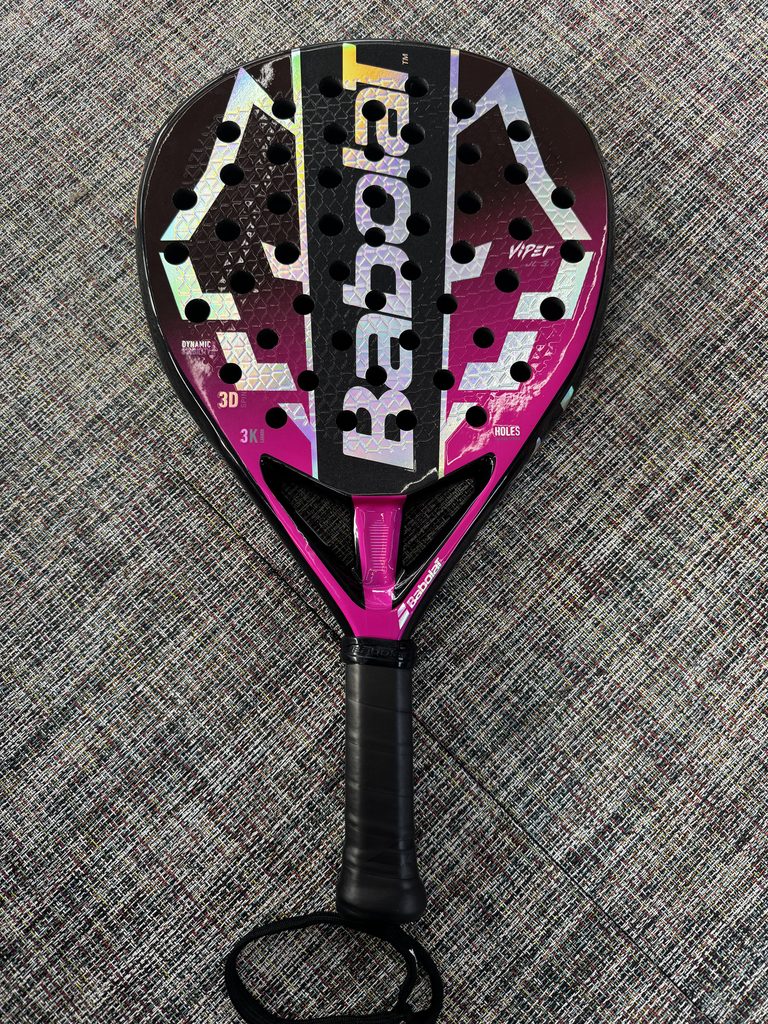
Babolat breaks with the orange and red tones that have long accompanied the models associated with Juan Lebrón The new collection is now structured around the green and pink , which are featured in different shades on the racket but also on the rest of the Spanish player's equipment, including the bag and shoes.
To a French eye, it's hard not to see a small, unintentional nod to the emblematic colors of the Stade Français Paris But the palette used by Babolat is broader and plays more on variations of green and pink to create an immediately recognizable identity.
A real visual break then, but much less so on the field.
A racket that doesn't try to please everyone
This is probably what you need to understand before taking an interest in this Viper: She has a very strong character .
Babolat announces a construction with a Diamond shape, 3K carbon surface, Hard EVA core, weight of 370 g (+/- 10 g), thickness of 38 mm and head-heavy balance The brand logically classifies it among its rackets intended for "technical attackers".
On the track, this immediately translates into a fairly dry and firm feel on impact.
It's not a racket that will do the work for the player. The ball doesn't come out easily simply by putting the racket in opposition, and the optimal hitting zone remains relatively demanding.
Several independent tests have reached a similar conclusion: The Viper Juan Lebrón rewards clean shots immensely but punishes off-center impacts much more quickly. Its high balance and rigidity also require sufficiently early preparation.
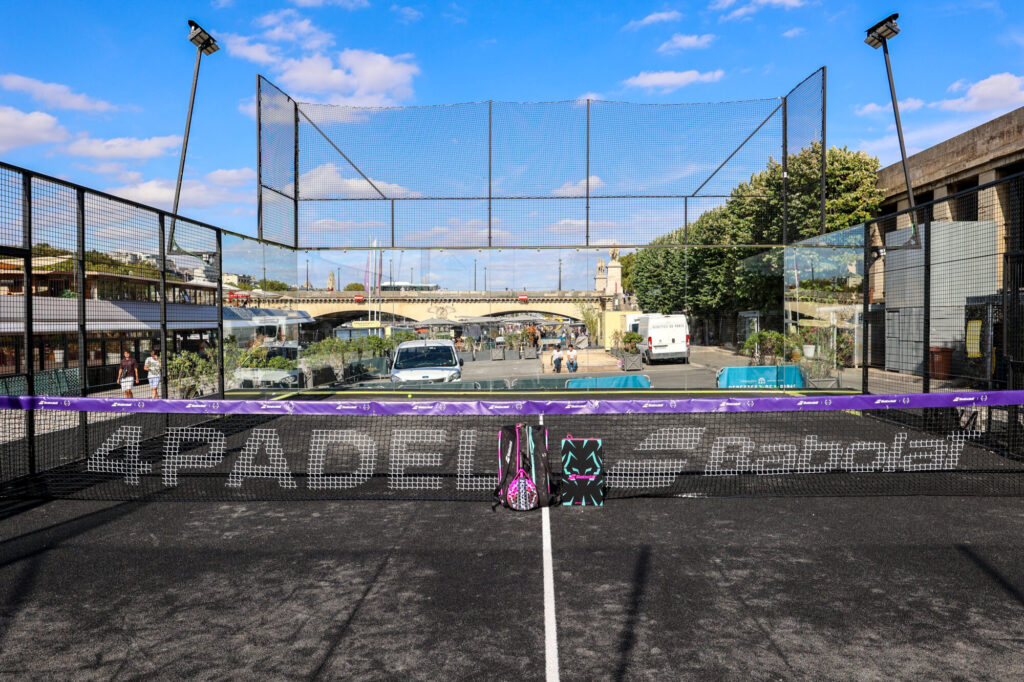
On the fly, she becomes formidable.
It is when you move around the court that you understand the philosophy of this racket much better.
At the net, the rigidity that could become a hindrance in defense transforms into a real asset. On a properly centered shot, The Viper is extremely stable and precise. .
No need for a huge gesture: its inertia and weight placed towards the head allow you to put a lot of weight into the ball.
On aggressive volleys, especially when trying to move forward in the stroke, it gives that particularly appreciable feeling of being able to pass through the ball without seeing the racket deform or move on impact.
Le Dynamic Stability System Built around a central reinforcement at the heart of the racket, it contributes precisely to this search for stability.
This is a paddle that clearly encourages you to take the net and stay there.
Bandeja and vibora: probably its favorite soil
But perhaps it's about the bandejas and viboras that this Viper Juan Lebrón best reveals its potential.
When a vibra ball is perfectly struck, the combination of stiffness, inertia and head-heavy balance produces a particularly heavy ball.
The textured surface also enhances the effect. Babolat It also highlights this work on effects as one of the strengths of the Viper, particularly on smashes and viboras.
With this type of shot, the head-heavy balance becomes a real advantage. Once the racket is in motion, it naturally crosses the impact zone and allows for a lot of depth and speed.
The same applies to the smash: when you have the necessary technique and arm speed, the combination 3K carbon + Hard EVA + head-heavy balance offers considerable power potential.
This is precisely why this racket can seem extraordinary in the hands of an offensive player… and much less obvious for someone who still regularly plays on the back foot.
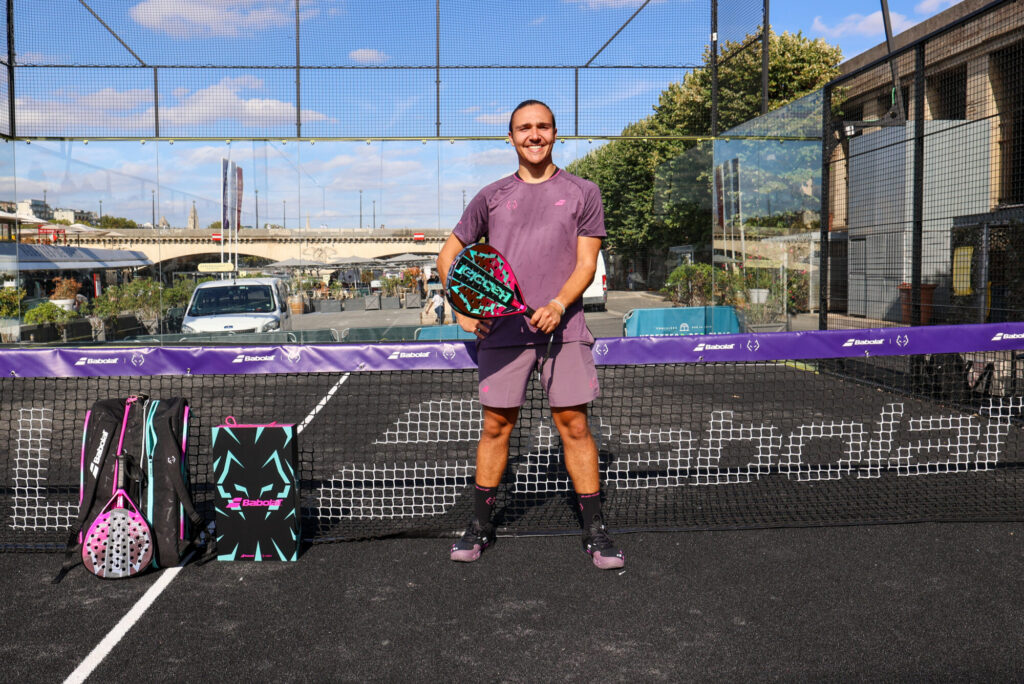
The bottom of the track is much less forgiving of him.
There is bound to be a downside.
Defensively, the Viper Juan Lebrón demands more from the player. On a low ball behind the line or a late shot off the glass, Hard gum provides relatively little help .
You need to follow the ball and be technically sound to regain length and depth.
The relatively limited sweet spot reinforces this requirement: when the impact moves away from the ideal zone, the difference in yield quickly becomes noticeable.
Therefore, this is a racket that can become tiring for a player who spends a lot of time defending or who is primarily looking for forgiveness.
A racket for intermediate players… but already well-equipped.
Can we recommend this Viper Juan Lebrón 3.1 to an intermediate player?
Yes, provided he already possesses a solid technique .
An intermediate player from tennis, squash, or another racquet sport, for example, will appreciate its performance. Players accustomed to accelerating the racquet head and hitting through the middle will more easily find the qualities of this Viper.
On the other hand, for a player still in the technical learning phase or looking for an easy racket from the back of the court, there are much more accessible options.
Babolat Lebrón also embraces this positioning: the Viper represents the most radical model in the Lebrón universe, while other references in the collection offer more comfort and tolerance.
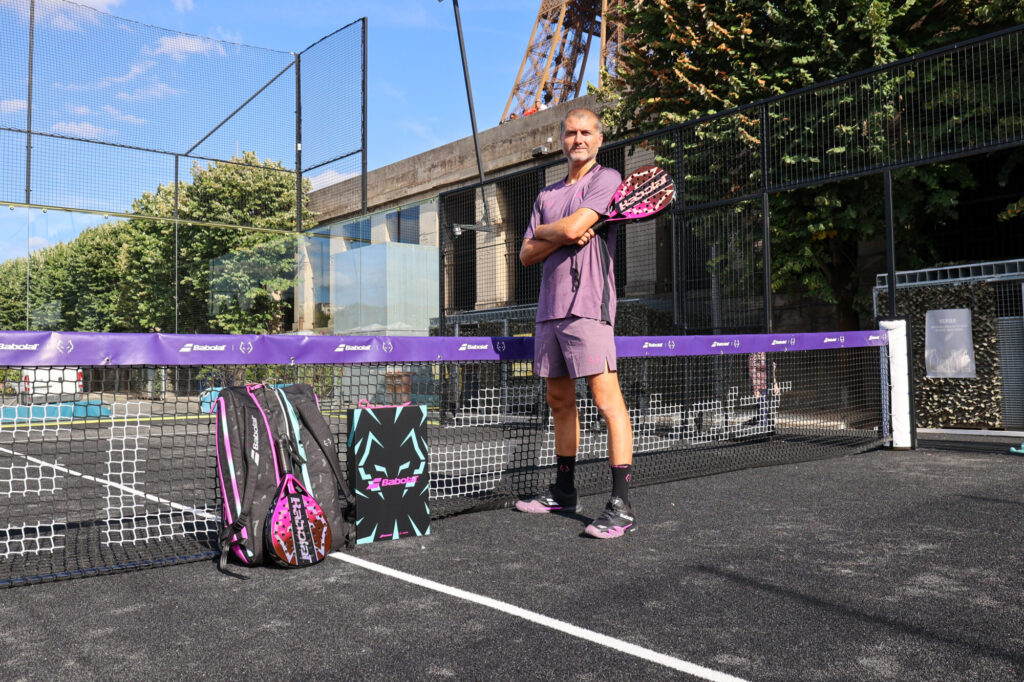
Babolat Change the colors, not the recipe
That's ultimately the whole logic of this Viper Juan Lebrón 3.1 .
Why drastically alter a racket whose character precisely matches the spectacular playing style of its ambassador?
Babolat therefore primarily chooses to renew its visual identity Green and pink open a new aesthetic chapter around Juan Lebrón and allow the entire collection to immediately distinguish itself from previous generations.
On the track, however, we find an uncompromising Viper: tough, demanding, powerful, with a relatively small sweet spot and significant inertia .
A racket that can sometimes make your life more difficult when you're defending…
…but which, as soon as you take the net and perfectly hit your volley, bandeja or vibora, immediately reminds you why it bears the name of Juan Lebrón .

Franck Binisti discovered padel at the Club des Pyramides in 2009 in the Paris region. Since then, padel has been part of his life. You often see him touring France to cover major French padel events.


































































 A perfect tournament for Gortzounian and Vignat who take the title at the P1000 Verneuil Padel Club
 In a demonstration of skill, Fernández and Calvo took their revenge on Sánchez/Ustero and secured the title at Düsseldorf P2
 Majdoubi and Denecheau are smiling again and take the title at the P1000 My Padel Langon
 France or Portugal, Spain or Argentina: Miguel Lamperti ranks the best padel nations
 Cédric Lavoye: "Hard work pays off" and a first FIP tournament in Guadeloupe is in his sights
 Nicolas Rouanet is preparing his return in 2027: “With Bastien Blanqué, I would never say no”
 Leygue/Blanqué respond bluntly to the criticism: "You can say what you want... We're putting all our money and our lives into this."
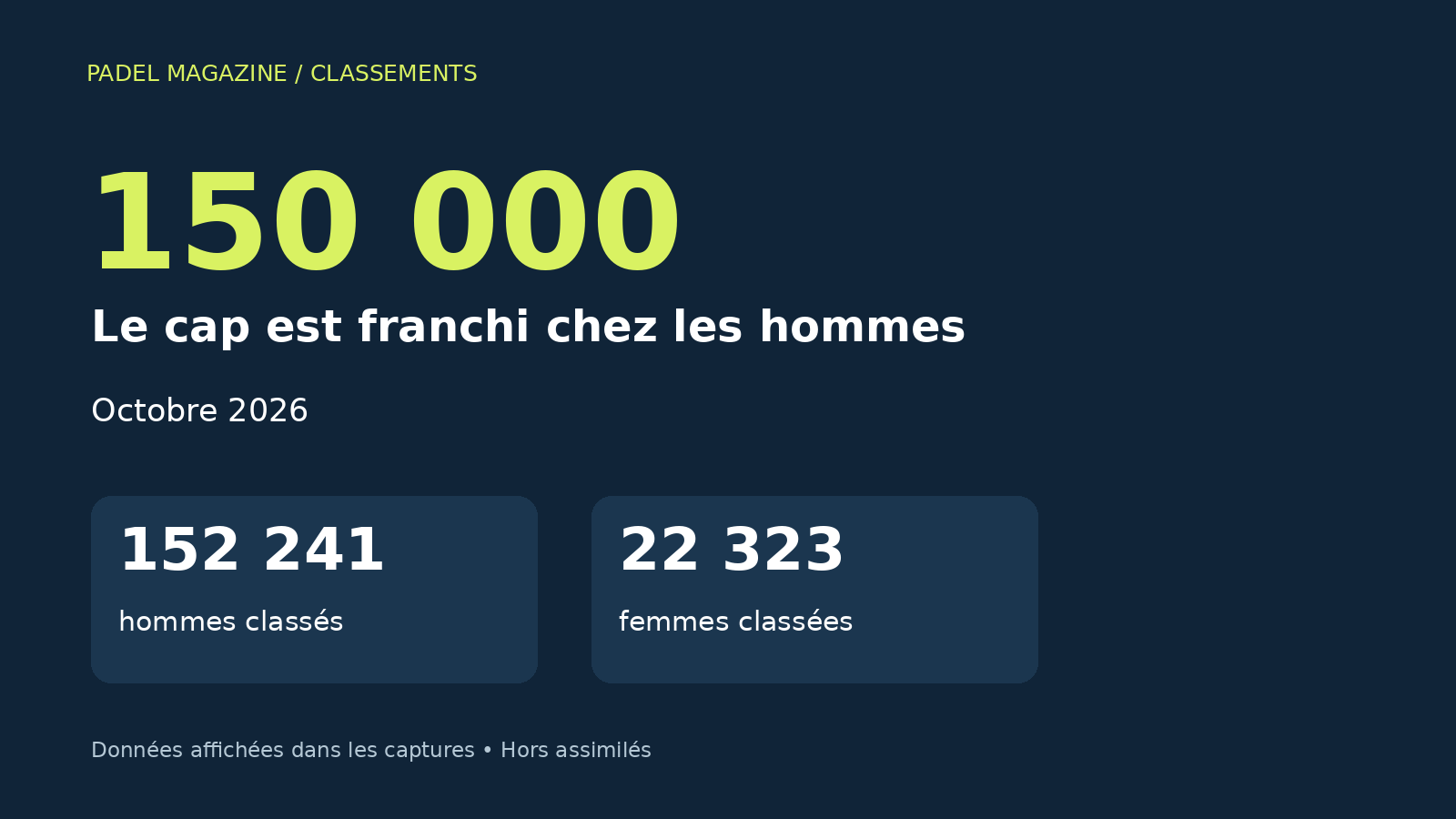 Padel rankings October 2026: more than 150,000 men ranked in France
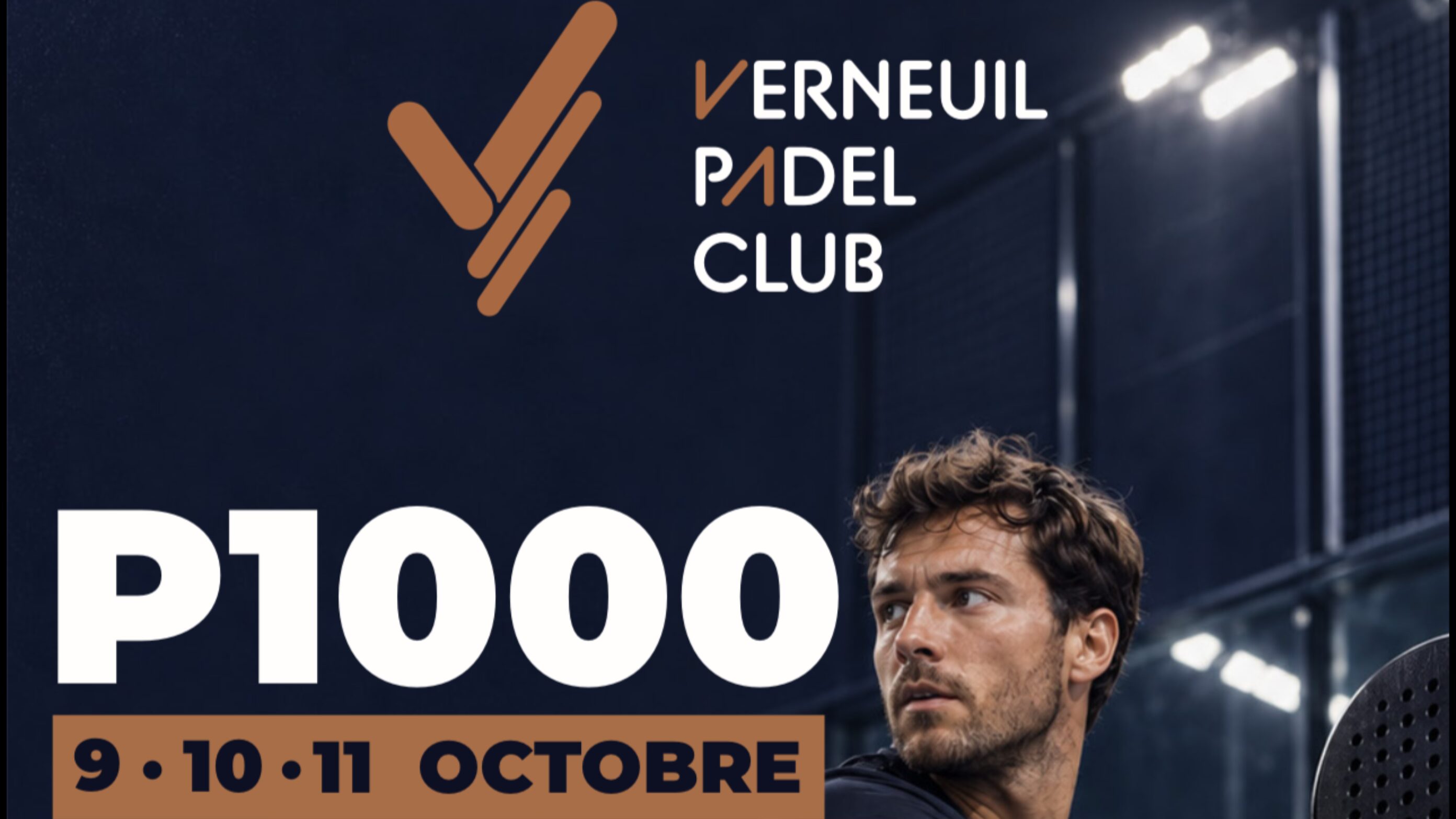 P1000 Verneuil Padel Club – Results / Live / Schedule
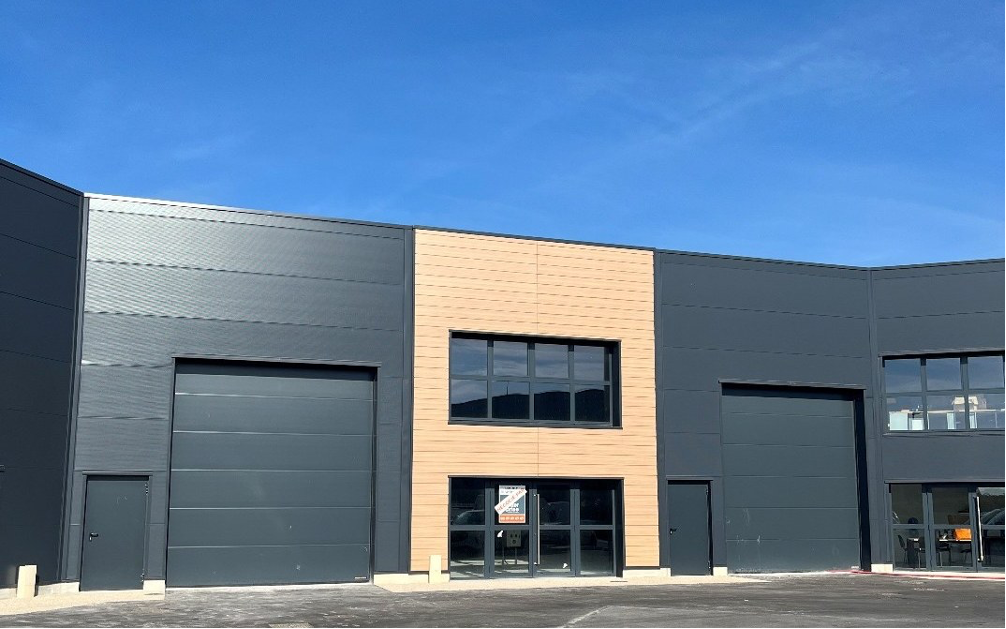 West Padel opens its 4 indoor courts in Montivilliers on November 5th
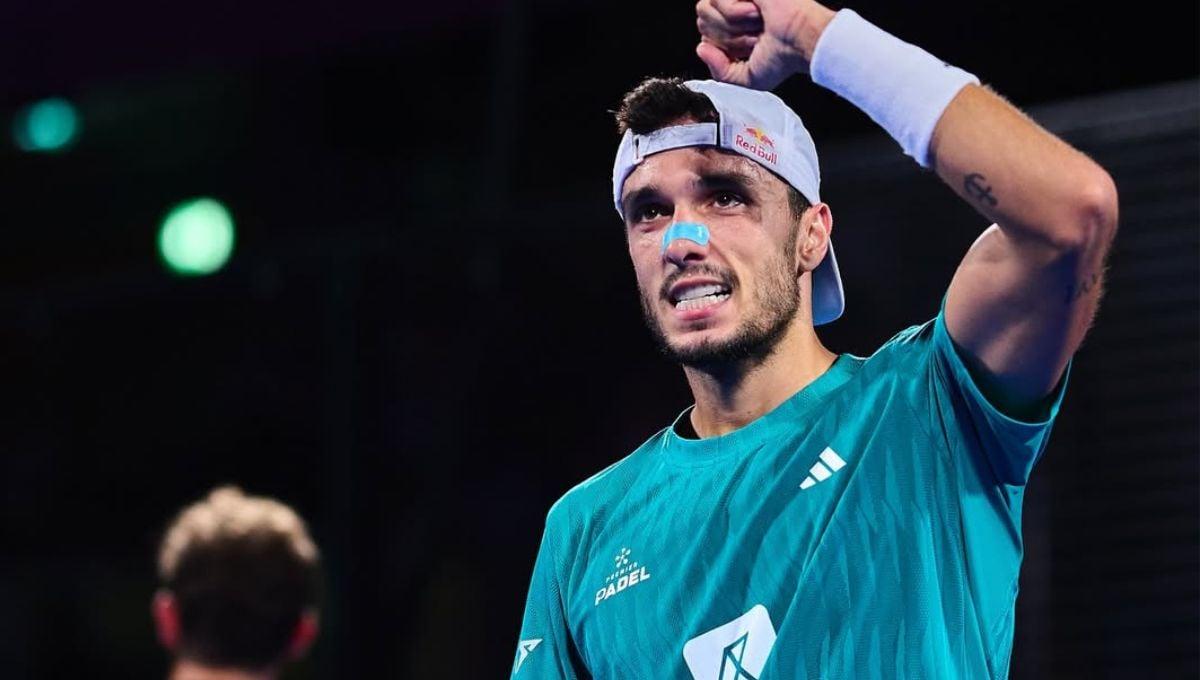 With Galán tired and Coki Nieto sidelined, is the infernal pace of the circuit starting to take its toll on the players?
 Milan P1: Thomas Leygue launches his qualifying campaign with Jesús Moya
 Germany P2: The fastest quarter-finals in history Premier Padel
 Zidane and Galán reunited on the track to launch the Metalbone ZZ
 For sale: two padel clubs in Mauritius, starting from 330,000 euros
 How much does it actually cost to organize a FIP Bronze event?
 Padel How Lidl is transforming Crivit into a fully-fledged sports brand with Steffi Graf
 Compagnie des Alpes is accelerating its involvement in padel with PadelCity: a new step in its European strategy
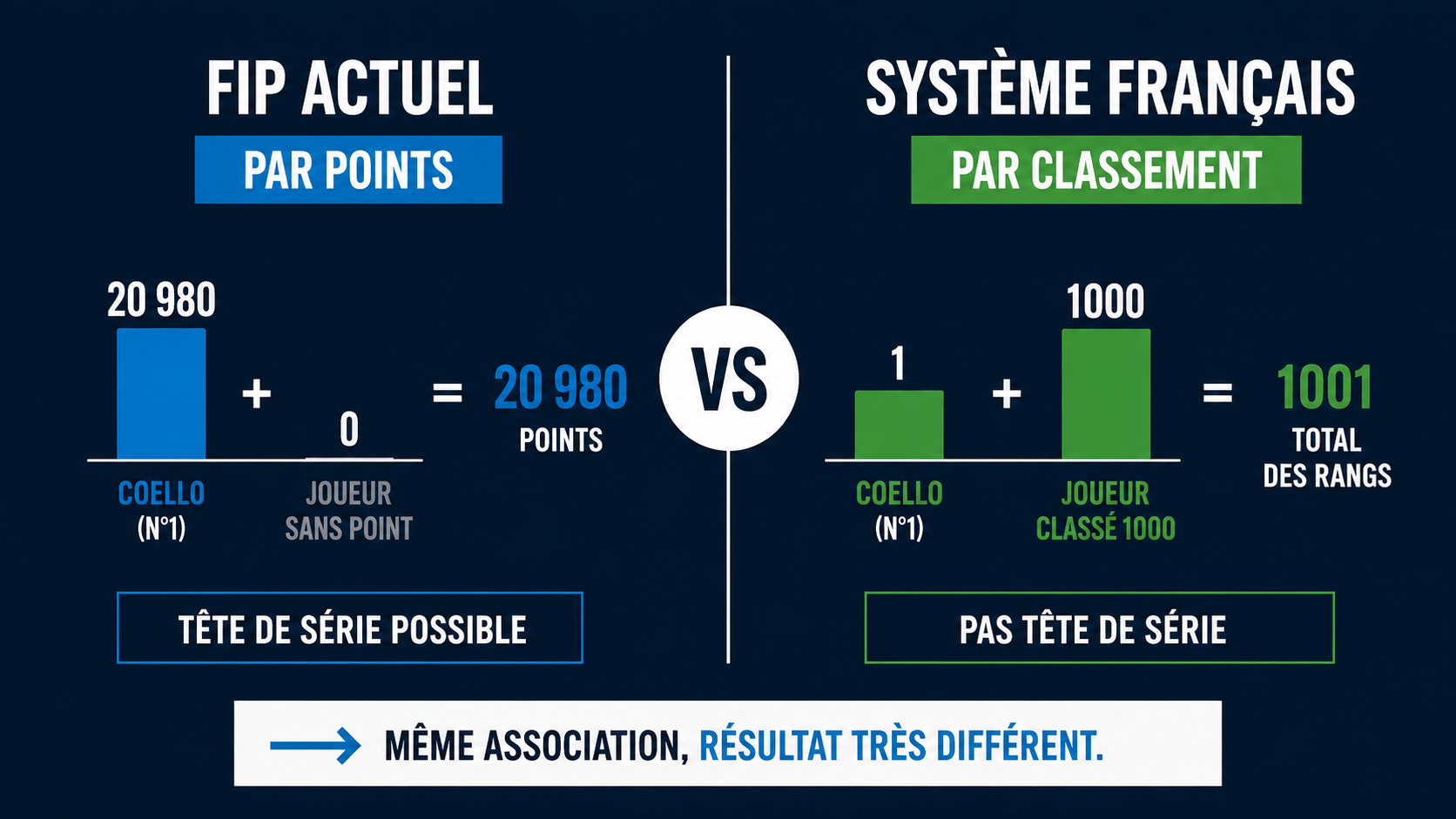 Coello with a player at 0 points ahead of two top 10 players: should the FIP ranking be reviewed?
 Les Pyramides: after 12 padel courts, the club is focusing on youth training
 Health Care Padel Tour 2026: What if your next padel tournament was played in Barcelona?
 FAST Padel Academy continues its development and establishes itself in Liège.
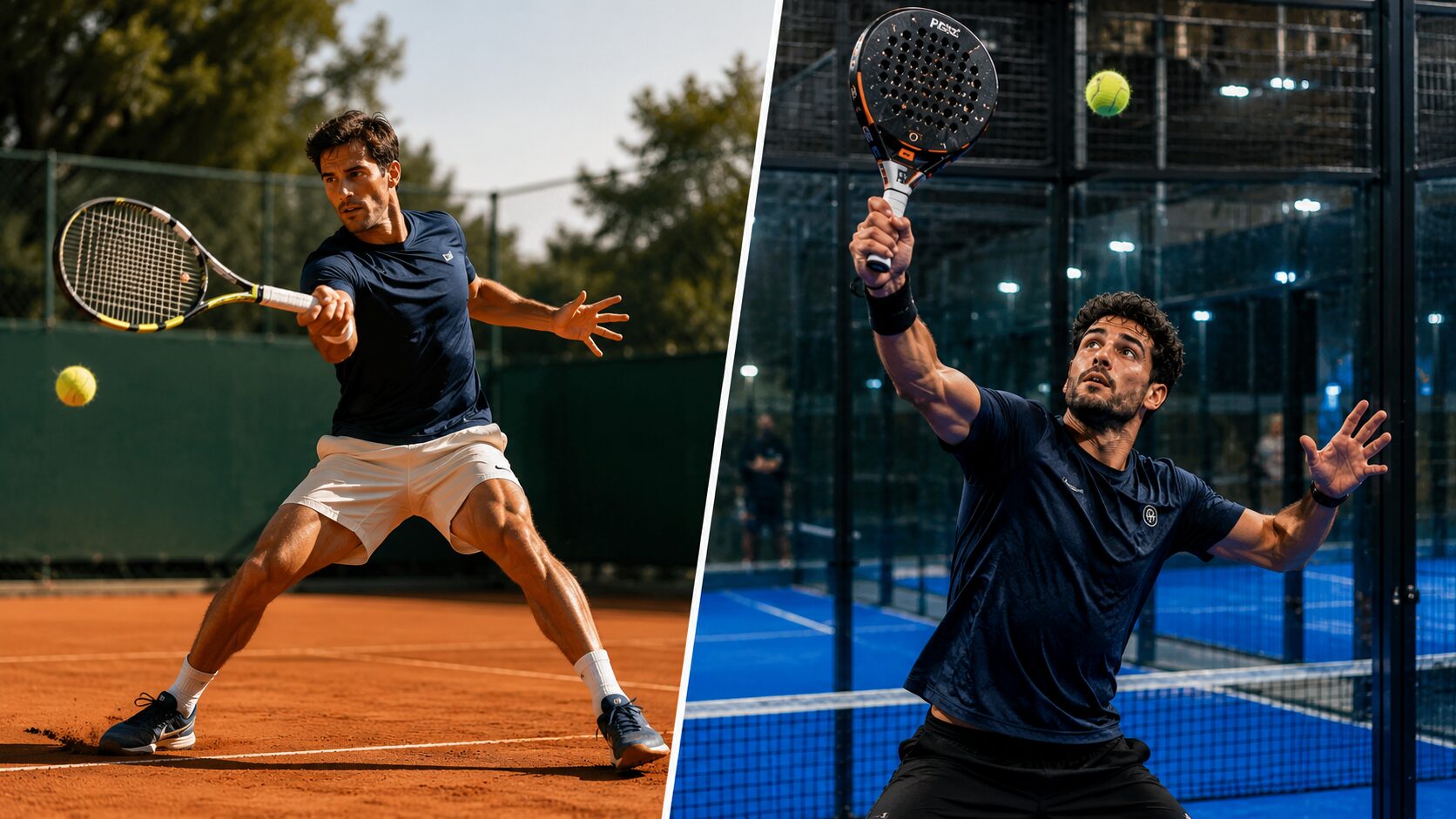 What the analysis of the stroke reveals: tennis forehand vs. padel bandeja
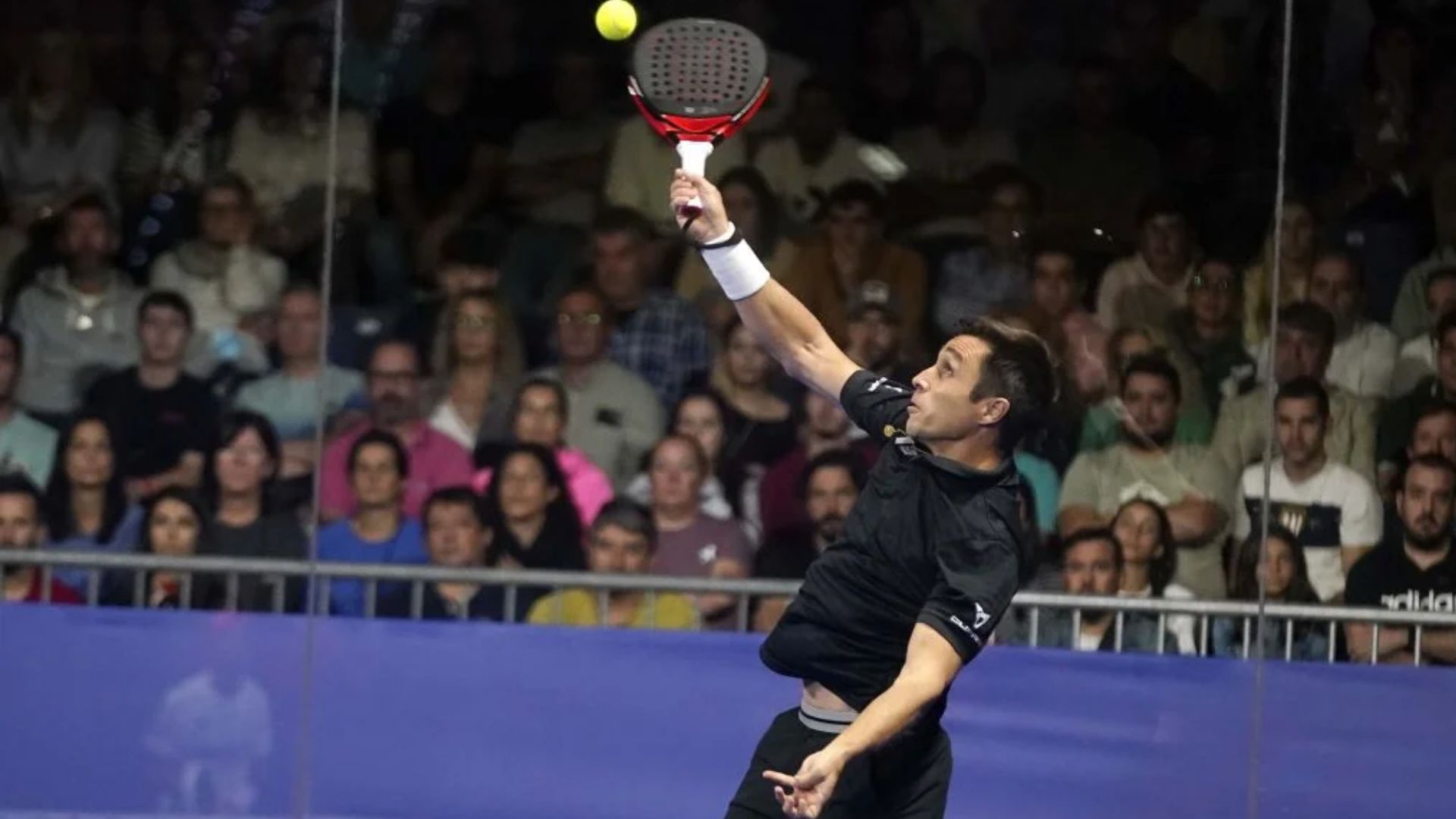 Has the bandeja disappeared from modern padel?
 Flat forehand in padel: 5 exercises from Cristian Álvarez to gain control and efficiency
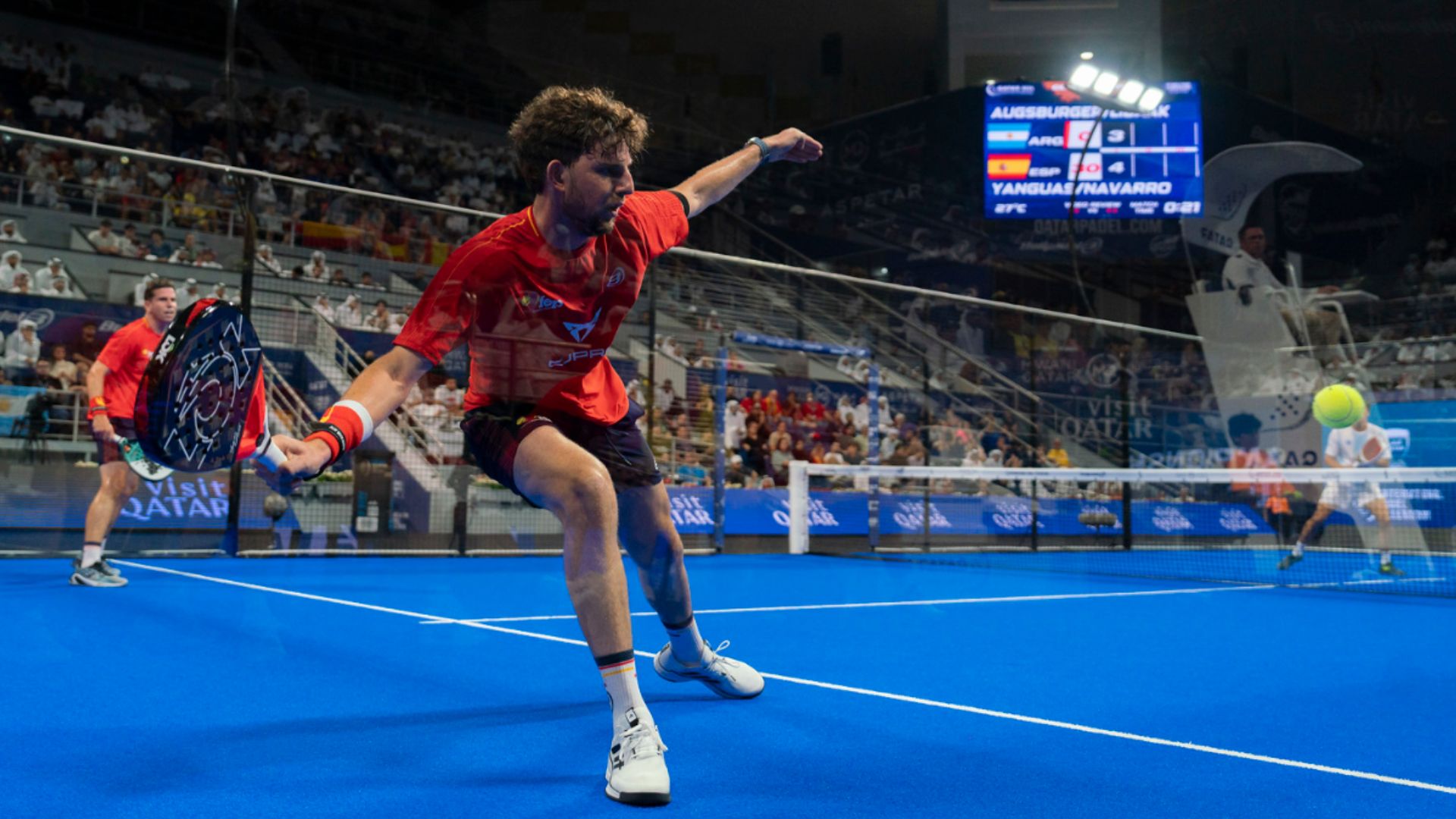 Why knowing how to play on the right and left can make all the difference
 Tapia reveals his recipe for beating Coello / Tapia: "I would bet everything on myself"
 How Coello defused Chingotto's game plan
 In padel, does the chemistry between a pair count as much as individual skill?
 Summer changes padel… but what if the real challenge wasn't hitting harder?
 Neither FIP Tour nor World Team Championship: the unique format of padel at the Mediterranean Games
 Premier Padel : when television can lengthen players' breaks
 Premier Padel Yes, a referee can refuse a player permission to go to the toilet
 Julien Seurin opens up about his mental state: "There are far more doubts than moments of happiness."
 More than a year later, Thomas Leygue is back in the top 150: behind the scenes of a comeback that's still unfinished
 Padel vs squash vs badminton: the scientific ranking of cardio intensity
 Why does Arturo Coello play with his right hand bandaged?
 What if your progress in padel depended on what nobody else is looking at?