


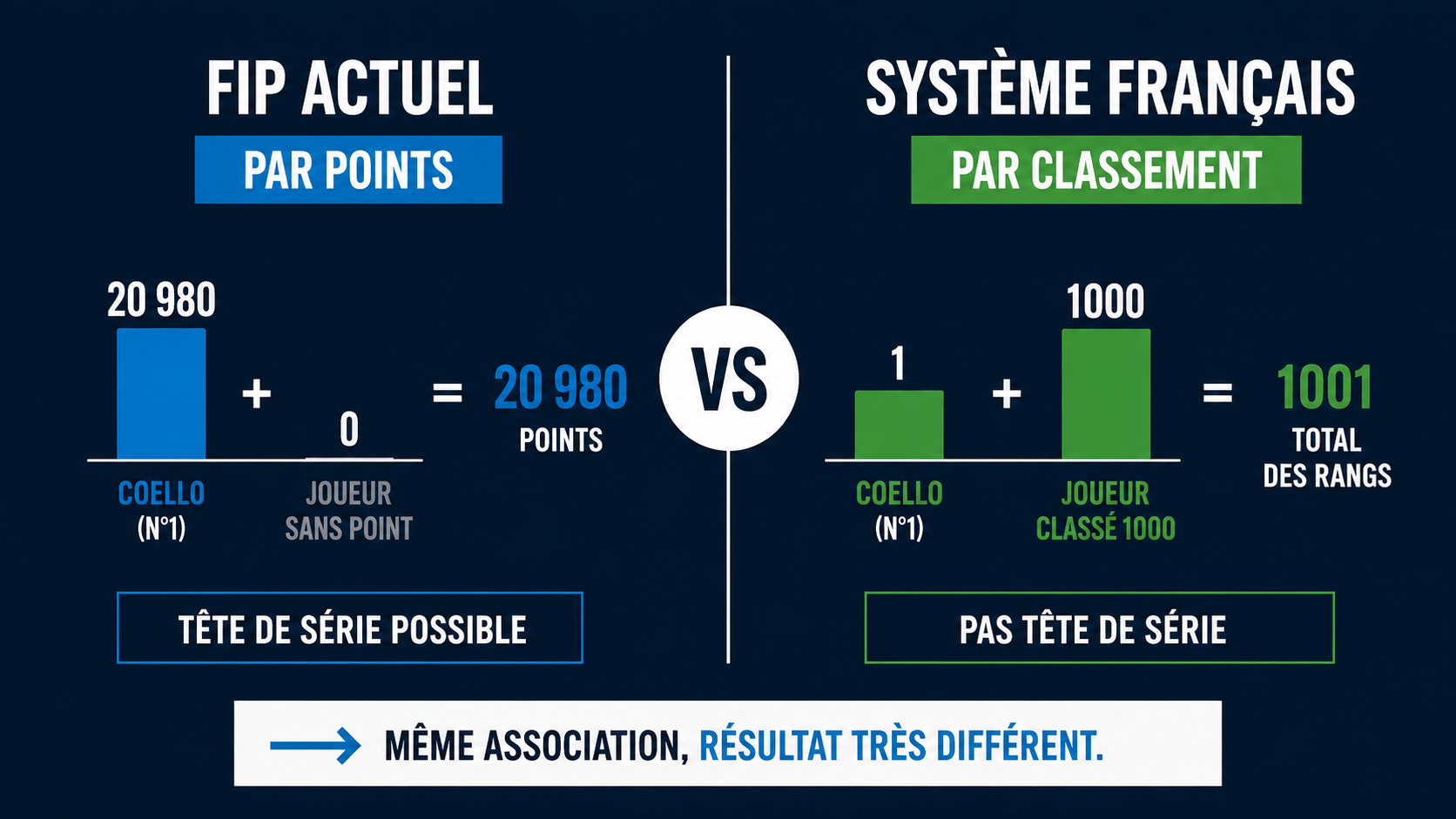








Le FIP ranking can produce surprising situations when it comes to determining the weight of a pair. Internationally, these are the The points of both players are added together. Consequently, the considerable capital of a top-level player can almost single-handedly propel a very unbalanced association among the seeded players. In an extreme case, Arturo Coello could even team up with a player without any FIP points and still remain ahead of a pair made up of two members of the world's top 10 An anomaly that raises two questions: Should we add up the rankings rather than the points, as in France, and take poor performances into account more fully?
Le FIP Gold of Belgrade has once again highlighted very unbalanced partnerships: a player well established in the world rankings can team up with a partner very far down in the hierarchy and, thanks to their single point total, allow the pair to obtain a very favorable position in a bracket.
These associations are perfectly compliant with regulations. Therefore, it is not the players who are at fault, but the method of calculating the weight of the pairs.
And a relatively simple solution may already exist: to take inspiration from the French system and add up the rankings rather than the points.
With FIP points, only one player can "wear" the pair
The problem stems from the very high concentration of points at the top of the world rankings.
Let's look at the current figures:
| Player | Rank | Points |
|---|---|---|
| Arturo Coello | 1 | 20 980 |
| Agustín Tapia | 1 | 20 980 |
| Alejandro Galán | 3 | 17 820 |
| Federico Chingotto | 3 | 17 820 |
| Juan Lebrón | 5 | 8 310 |
| Leo Augsburg | 6 | 7 690 |
Now let's imagine that Arturo Coello is playing with a player who has no FIP points. .
| Dummy pair | Calculation by FIP points | Weight |
|---|---|---|
| Coello + player with 0 points | 20 + 980 | 20 980 |
| Lebrón + Augsburger | 8 + 310 | 16 000 |
The result is quite spectacular: Coello partnered with a newcomer would overtake a Lebrón/Augsburger pairing in the order of the pairs.
In certain configurations of the table, Coello could even be seeded No. 3 with a partner who has no points .
Mathematically, the system works. From a sporting perspective, the result raises questions.
With the French system, the result would be completely different
In France, the logic is much simpler: we add the ranks of the two players , and not their points total.
Let's apply this principle to the same example, imagining that Coello's partner is ranked 1000th in the world:
| Pair | Adding the ranks | Pair weight |
|---|---|---|
| Lebrón / Augsburger | 5 + 6 | 11 |
| Coello / No. 1000 | 1 + 1000 | 1001 |
This time, it was impossible for the world number 1 to almost entirely compensate for his partner's ranking.
And perhaps this is where the French system seems more coherent for a sport played by two people: Both players truly contribute to the value of the pair.
Hybrid pairs are merely the consequence
The association Cepero / Golestan at FIP Gold in Belgrade is a recent example of these so-called "hybrid" pairs, but the debate goes far beyond their case.
Why criticize players for using a possibility offered by the rules?
The real question is rather: Should the ranking system allow a single player to give so much weight to an extremely unbalanced pair?
Moving from adding up points to a addition of rankings This would naturally limit these situations, without prohibiting any partnerships. A top player could still play with a very low-ranked player, but the pair would be placed in the draw taking into account the ranking level of both partners.
And why not also introduce the notion of "against"?
A second development could complement this reform.
As has existed in French tennis, we could consider a form of underperformance Losing to players who are far behind in the rankings could have an impact, however limited, on the player's record.
This would avoid a system that essentially operates in only one direction: Great performances are rewarded, but huge underperformances have much less direct impact.
It would obviously be necessary to put in place safeguards for young players on the rise, those returning from injury, or players artificially under-classified.
But the two principles could work together: Adding up the rankings to determine the true weight of a pair and better taking into account poor performances to establish the true level of a player.
The French system is certainly not directly applicable to the international circuit. But it does raise a very simple question: In a sport that is necessarily played in pairs, is it logical that the points total of a single player can almost determine the value of the entire pair?

Franck Binisti discovered padel at the Club des Pyramides in 2009 in the Paris region. Since then, padel has been part of his life. You often see him touring France to cover major French padel events.




























































































 FIP rankings – Guichard drops, Fonteny moves closer to the top 100, Robert makes a great move
 Lebrón / Augsburger: Brussels had sent a message, Dubai reinforces the threat
 Dubai P1 – Fernández / Calvo: “Any of the three best pairs could be world number 1”
 4PADEL is recruiting a padel coach in Reunion Island: permanent contract or freelance
 Two and a half years to create a padel racket: HEAD reveals the manufacturing secrets of its 2027 models
 Javier Rodríguez Piris: “I would like Spain to host the World Championships in 2030”
 "We're not a tournament club": the gamble taken by the two Henry sisters who are hosting a P3000 at The Break Padel Club
 “Victim of Padel ": The Adventure Padel Jack Troster and Jack Troster are back with a new track and a crazy music video.
 Bullpadel 2027 in the feminine: the queens take to the track
 Blanqué and Joris remain untouchable, securing the title at the P3000 Break Padel Club
 Three consecutive serves in the Dubai final: the recurring umpiring error Premier Padel
 Padel, weight training, and even HYROX: clubs are changing their model
 Padel court rentals: a global market estimated at 4,6 billion euros
 FIP Beyond: the new global padel circuit for amateurs and seniors
 More than 6,300 FIP-ranked players: professional padel is becoming international, but Spain dominates
 OSS Barcelona – Why Spain and France aren't yet playing in the same league
 Cancer and rehabilitation: could padel become a therapeutic tool?
 Padel injuries: ankle, knee, elbow, eye… what the latest figures reveal
 Shocking turn of events at Dubai P1: Coello and Tapia have also withdrawn!
 Padel serve: a good serve is especially good preparation for the third shot.
 What the analysis of the stroke reveals: tennis forehand vs. padel bandeja
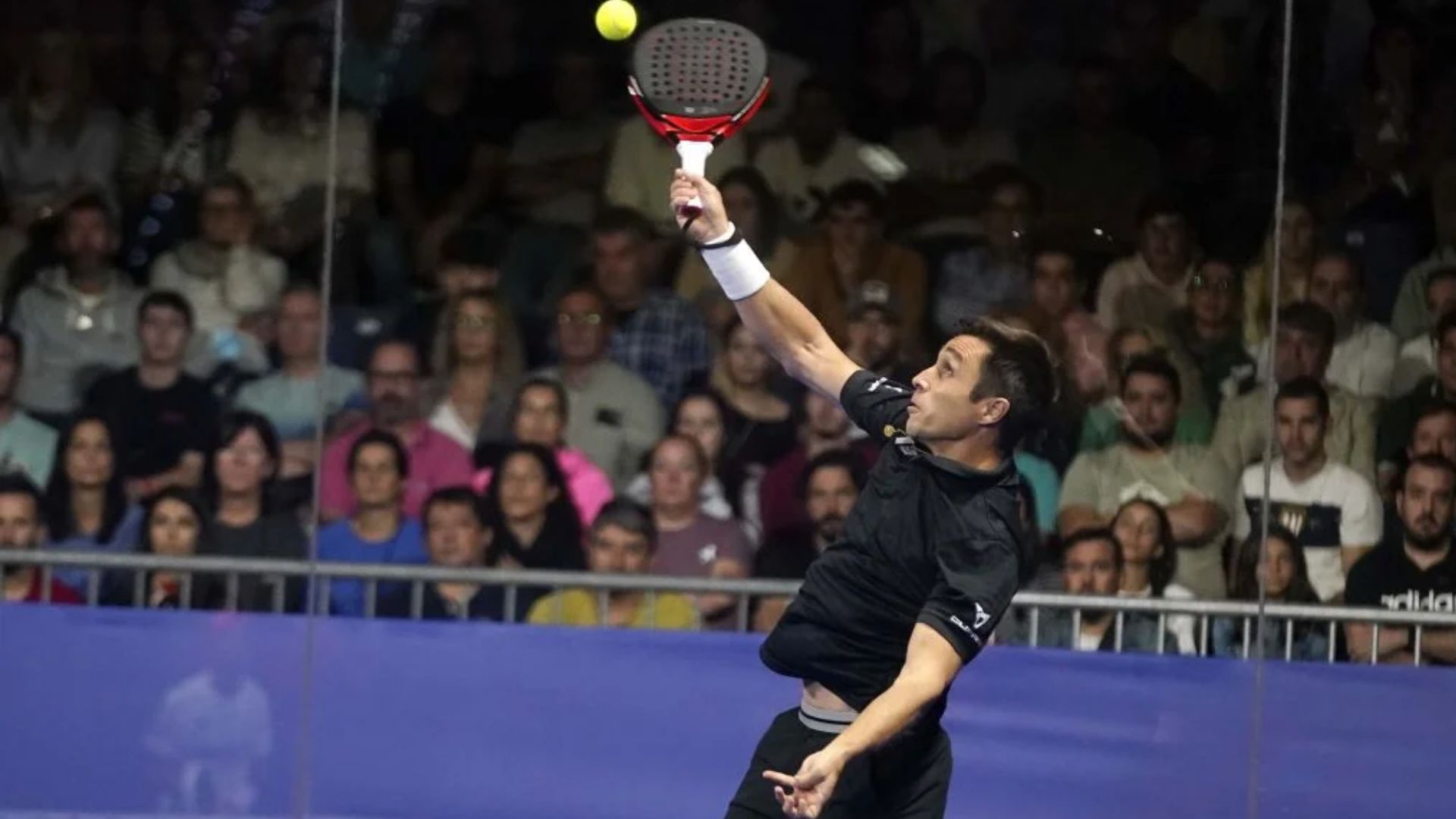 Has the bandeja disappeared from modern padel?
 Flat forehand in padel: 5 exercises from Cristian Álvarez to gain control and efficiency
 Why can Libaak/Alfonso beat almost everyone… except Coello/Tapia?
 Tapia reveals his recipe for beating Coello / Tapia: "I would bet everything on myself"
 How Coello defused Chingotto's game plan
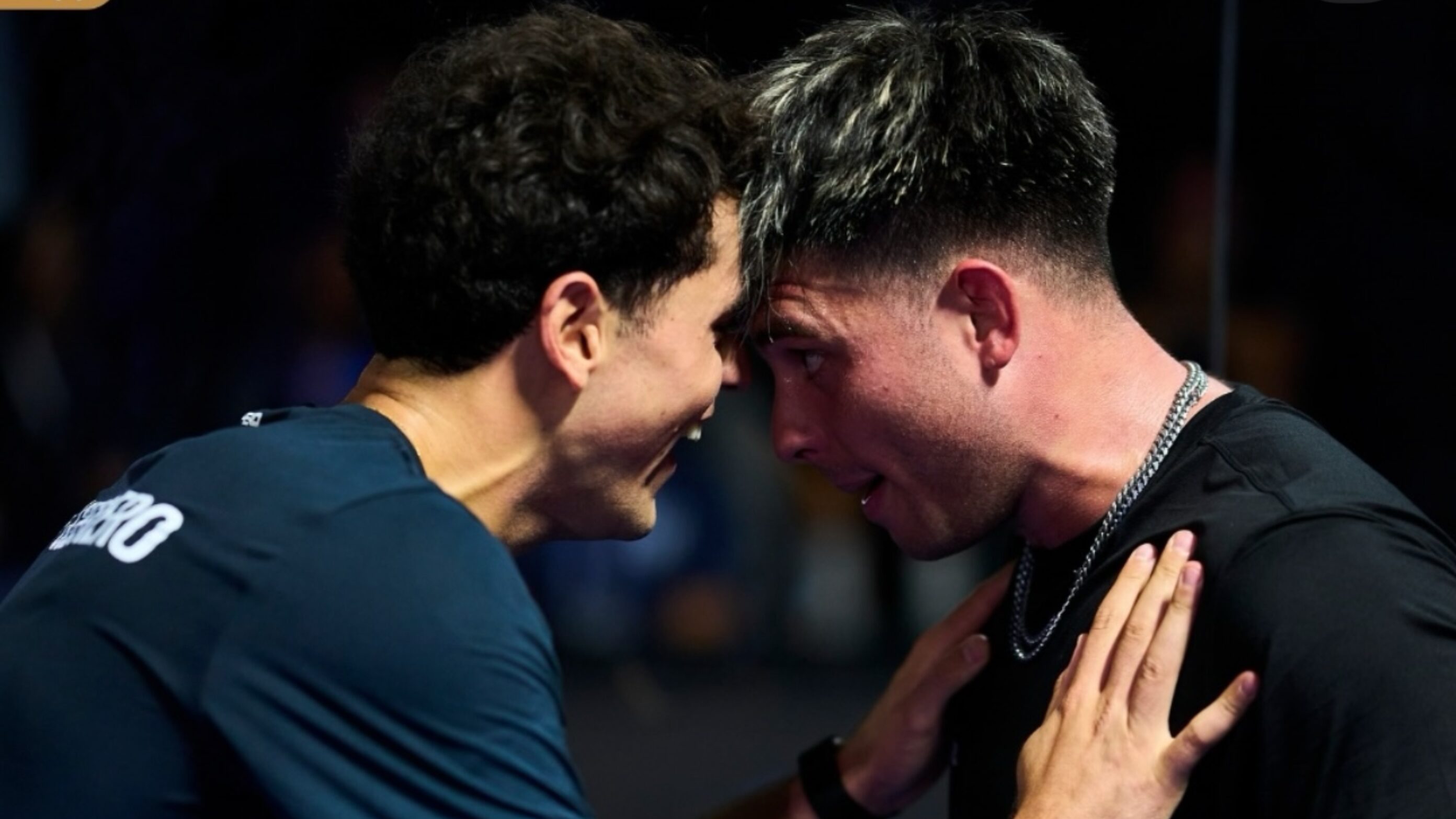 In padel, does the chemistry between a pair count as much as individual skill?
 Organising a national padel competition: what are the FFT's requirements for clubs?
 Organising a P2000 or a P3000: how much does it really cost clubs?
 P2000 or P3000: what are the differences in prize money, format and organization in 2028?
 Do you lose your ranking? Padel FFT after more than a year without a license / without competition?
 Memory, reflexes, concentration: what happens in our brain when we play padel?
 Padel Quest Awards: Ten specialists in the running for the title of best padel training camp of the year
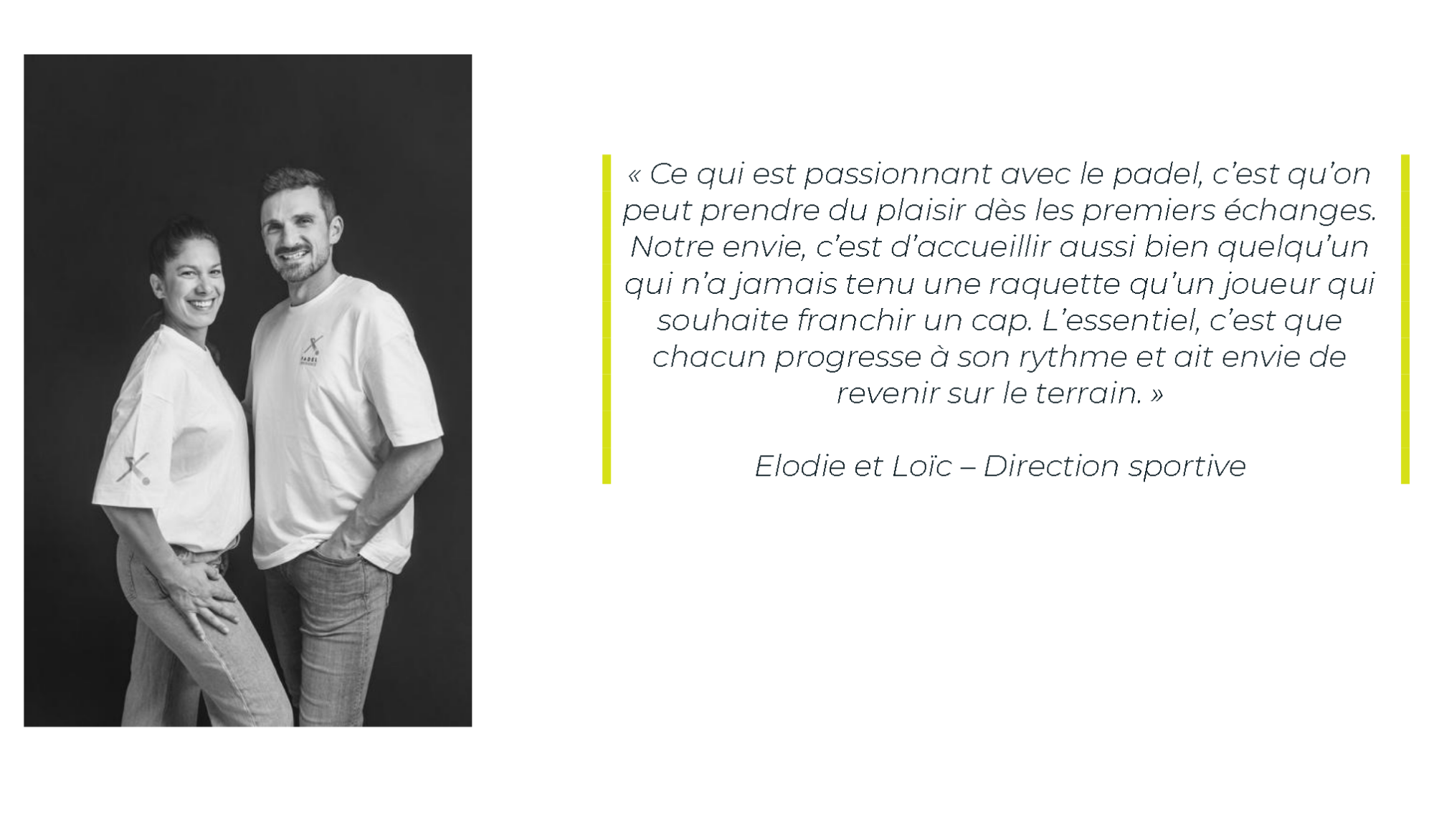 Padel Xperience: The Academy opens on November 2nd in Marcheprime, ahead of the complex's inauguration in 2027
 All Saints' Day – Les Pyramides are organizing a padel training camp for adults with a P50 tournament to close out the week
It makes me want to do a FIP coached with Coello
How much do you think he'll take?! 5000? 10000?
Interesting article. I advocate, at least for the French rankings, for a bonus/penalty system based on one's ranking in the tournament. For example: pair ranked 12th in the tournament, you finish 6th => Bonus. Pair ranked 6th in the tournament, you finish 12th => Penalty. This would help balance the rankings and avoid the "Hanouna" phenomenon, while also rewarding those who perform well and who, undoubtedly, should climb the rankings faster (I'm thinking of strong pairs who play very few tournaments). In the medium term, such a measure would make the rankings more consistent. There would still need to be a tolerance of a few places for both the penalty and the bonus.