


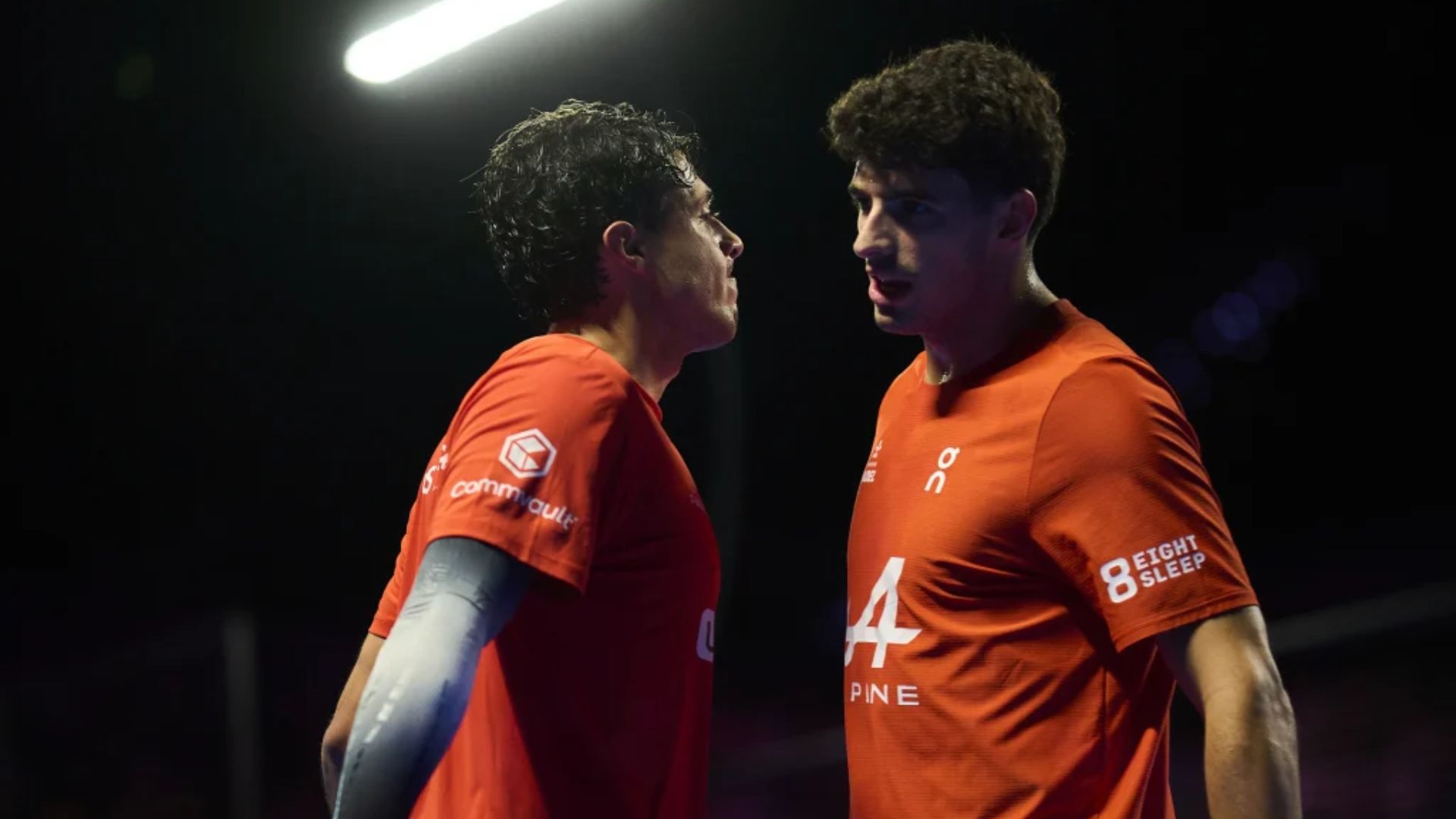








The final score, 6-2, 6-3, might suggest another semi-final entirely controlled by Arturo Coello and Agustín Tapia. However, the second set contains a more interesting sequence than the raw result suggests.
At 2-2, Juan Lebrón and Leo Augsburger each had three break points. They then had a real opportunity to take the lead and change the course of the match. Coello and Tapia saved them, won their service games, and then immediately broke their opponents' serve.
In just a few minutes, a chance to lead 3-2 with their serve turned into a 2-4 deficit. The number one players didn't just resist; they immediately capitalized on their opponents' drop in accuracy. This sequence doesn't necessarily encapsulate the entire match, but it highlights one of the areas where the Lebrón-Augsburger pairing still needs improvement.
Lebrón accepts the exchange, Augsburger sometimes wants to finish it too quickly
On the important points, the difference between the two partners appears first in the management of time.
Lebrón doesn't always try to finish the point on the first attackable ball. He's willing to play an extra volley, maintain his position at the net, or rebuild the point if the initial attack isn't enough. His primary objective seems to be preserving a favorable situation before attempting to finish the point.
Augsburger remains more drawn to the possibility of finishing the point immediately. This aggressiveness is one of his main strengths: few players possess his ability to accelerate and close out points from such distances from the net. But on break points at 2-2, it also becomes a risk. A smash played too early or an avoidable error is enough to take all the pressure off Coello and Tapia.
The problem, therefore, is not that Augsburger attacks. The question is about selection: which ball should be hit to win the point, and which should simply allow the net to be maintained?
Against the number one pair, the difference is crucial. Coello and Tapia defend well enough to turn a poorly prepared attack into a transition ball. A shot that would be a winner against another pair can come back and force Augsburger to play an extra shot from a less favorable position.
Lebrón's "tranquilo" as a tactical reminder
During matches, Lebrón regularly repeats "tranquilo" to his teammate. The instruction doesn't ask Augsburger to abandon his attacking style of play. Rather, it aims to temper his desire to accelerate.
The expected calmness stems first and foremost from the timing. Augsburger doesn't need to hit every ball with full power to influence the rallies. His mere presence is enough to affect his opponents' lobs and reduce their available space. By keeping an extra ball in play, he can continue to exert this pressure without immediately giving his opponents an opening.
This game management becomes even more crucial on break point. At that moment, the objective shouldn't necessarily be to produce a spectacular winner, but rather to force Coello and Tapia to play under pressure. The number one players must be compelled to find the solution themselves.
Lebrón already seems to have grasped this logic. His experience allows him to distinguish a truly favorable ball from a merely apparent opportunity. Augsburger still plays certain important points like everyone else: with the same desire to quickly create a difference.
Augsburger targeted to test its patience
Augsburger's defensive improvement is nonetheless evident. He moves better, is more willing to defend behind the glass, and holds his nerve longer when the pair is pushed to the back of the court. He is no longer simply a finisher whom opponents try to move before attempting to avoid his smash.
This improvement, however, has a logical consequence: the best pairs continue to impose a high volume of play on him. Augsburger is regularly called upon on defense, not because he is incapable of returning the ball, but because his opponents want to test his patience and the quality of his decisions over the long haul.
Coello and Tapia can therefore try to get him to play several shots before presenting him with a high ball. The aim is to see if he will accept rebuilding the point or if he will attempt an acceleration from an insufficiently prepared position.
Coello/Tapia leave no time for regrets
The maturity of the number 1 players is also measured by their reaction after three break points.
Saving a difficult service game guarantees nothing. Many pairs ease off the pressure slightly once the danger has passed. Coello and Tapia do the opposite: they use this hold as a starting point and immediately attack their opponent's serve.
This ability explains part of their dominance. They don't see a saved break point as an end in itself, but as a potential game-changer. The opponent has just missed an opportunity; they must be forced to face the consequences immediately.
Lebrón and Augsburger thus shifted, in just a few points, from an attacking position to a service game under pressure. The break conceded didn't necessarily stem from a profound tactical shift. It could also result from how both pairs emotionally dealt with the preceding sequence: Coello and Tapia emerged from the danger strengthened, while their opponents had to quickly recover from three missed opportunities.
The summary of their exchanges and matches precisely highlights this shift: three break points saved at 2-2, then the opponent's serve broken in the following game before a 6/3 victory. Coello and Tapia now have a record of eight wins in nine encounters against Lebrón and Augsburger.
Augsburger's most demanding construction project
Augsburger has already demonstrated that he can improve identifiable areas of his game. His defense is more solid, his movements are better organized, and his ability to stay in the game is improving.
The next task is probably less visible and more rigorous: learning what to play, where to play, and at what speed in important points.
The goal isn't to restrain its power. An overly cautious version of Augsburger would deprive the pair of what makes it so dangerous. The objective is to use that power when the point has truly been prepared, not simply when the ball appears attackable.
Lebrón can accompany him in this progression. His "tranquilo" (a play on words combining "tranquill" and "tranquill") summarizes the direction to follow, but the instruction must become an independent decision for his partner. In decisive moments, Augsburger will have to recognize for himself which ball to finish, which to work, and which to simply return to an area that allows him to maintain the initiative.
In Düsseldorf, three break point opportunities weren't enough. Coello and Tapia then switched into their usual rhythm. The difference between the two pairs may not have been about power, or even the overall quality of their padel. It came down to a few key decisions: the number ones were willing to hold their own on the point, and then knew exactly when to launch their attack.

I discovered the Padel I stumbled into Spain at a campsite. I was instantly hooked; passionate about padel, I follow international and regional news with the same excitement as the sport itself.
















































































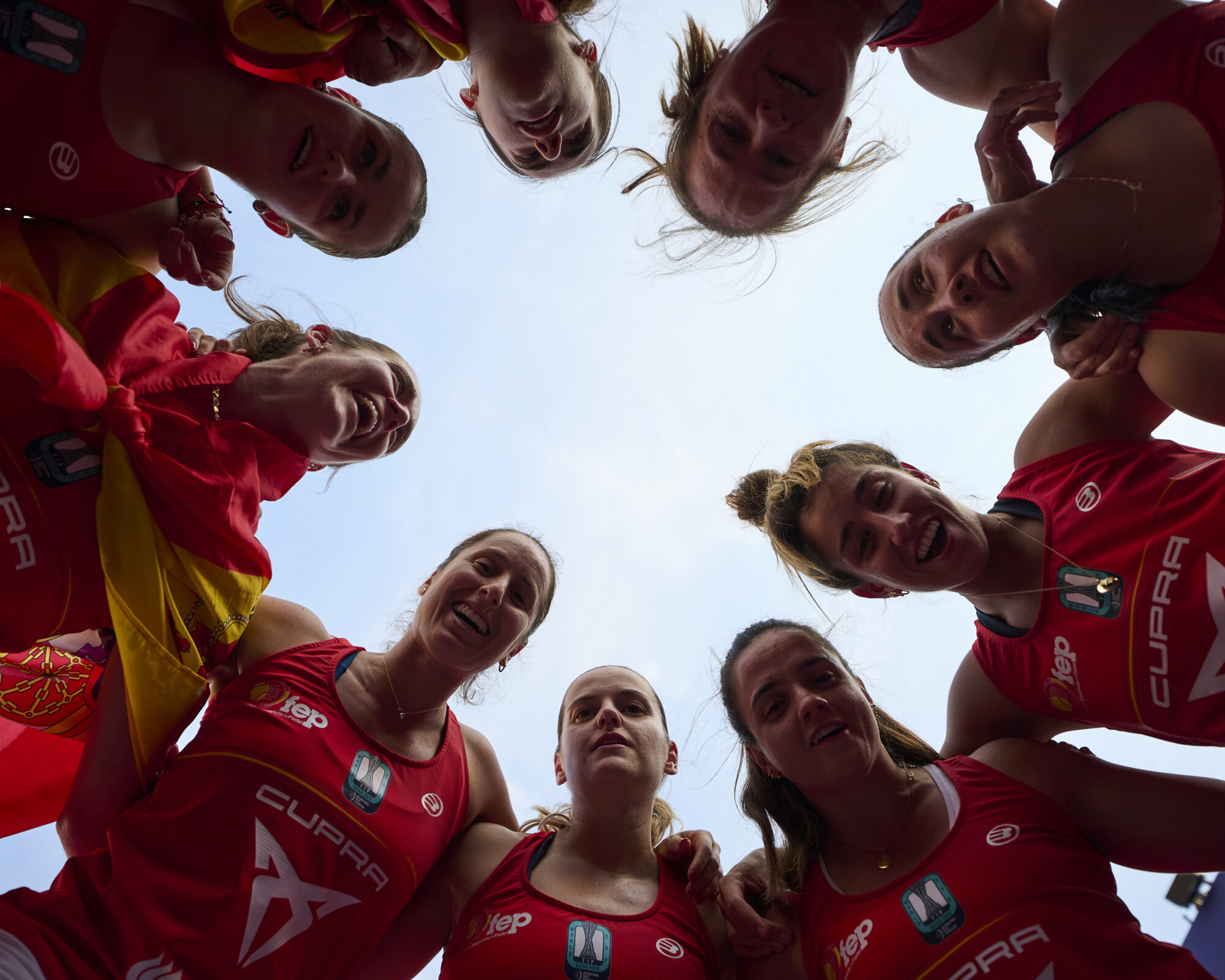 2026 World Championships – Ustero in tears, Triay facing Brea: the world champions' confessions
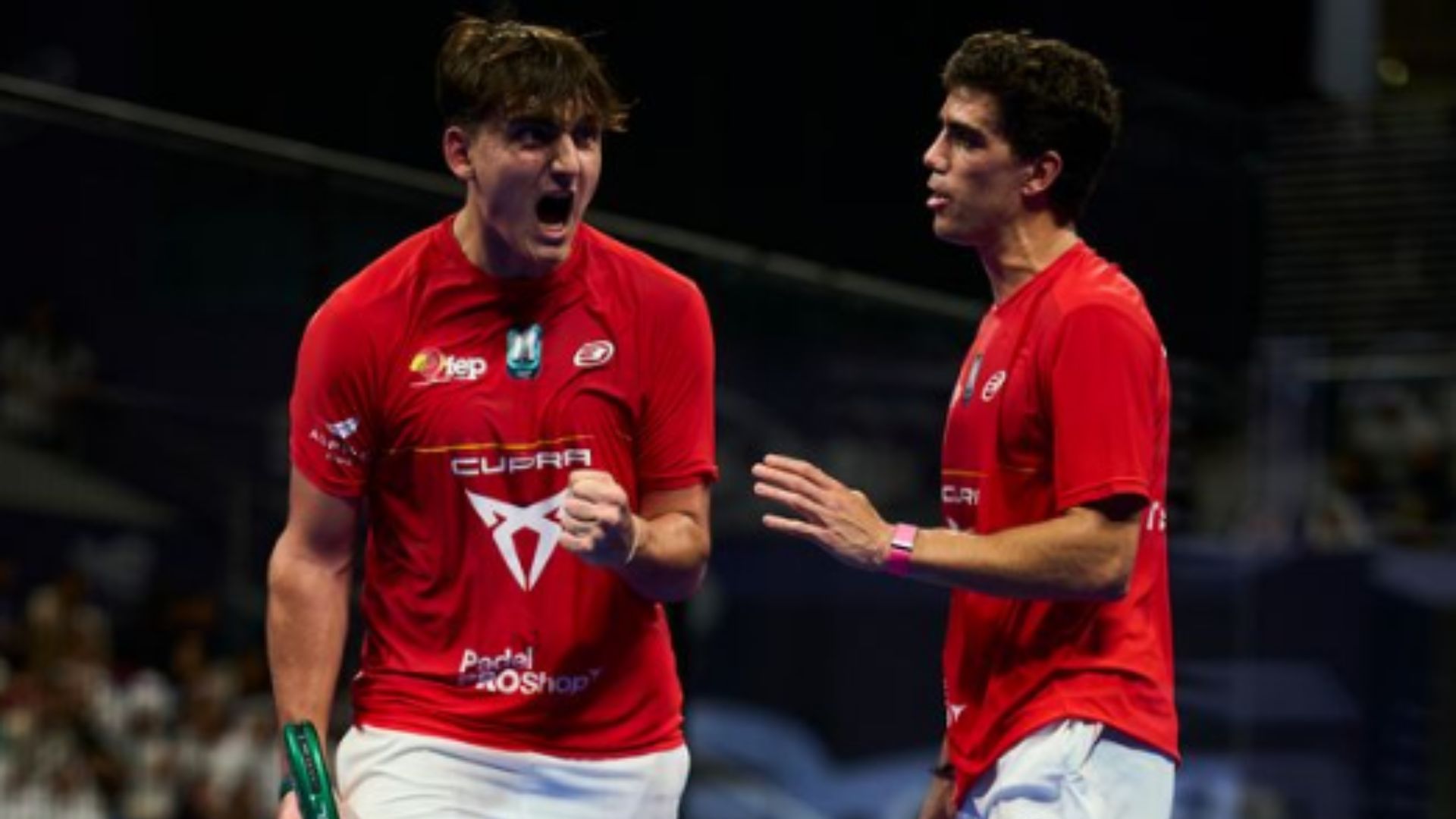 2026 World Championships – Lebrón and Goñi defeat Di Nenno/Augsburger after a huge battle and give Spain their first point
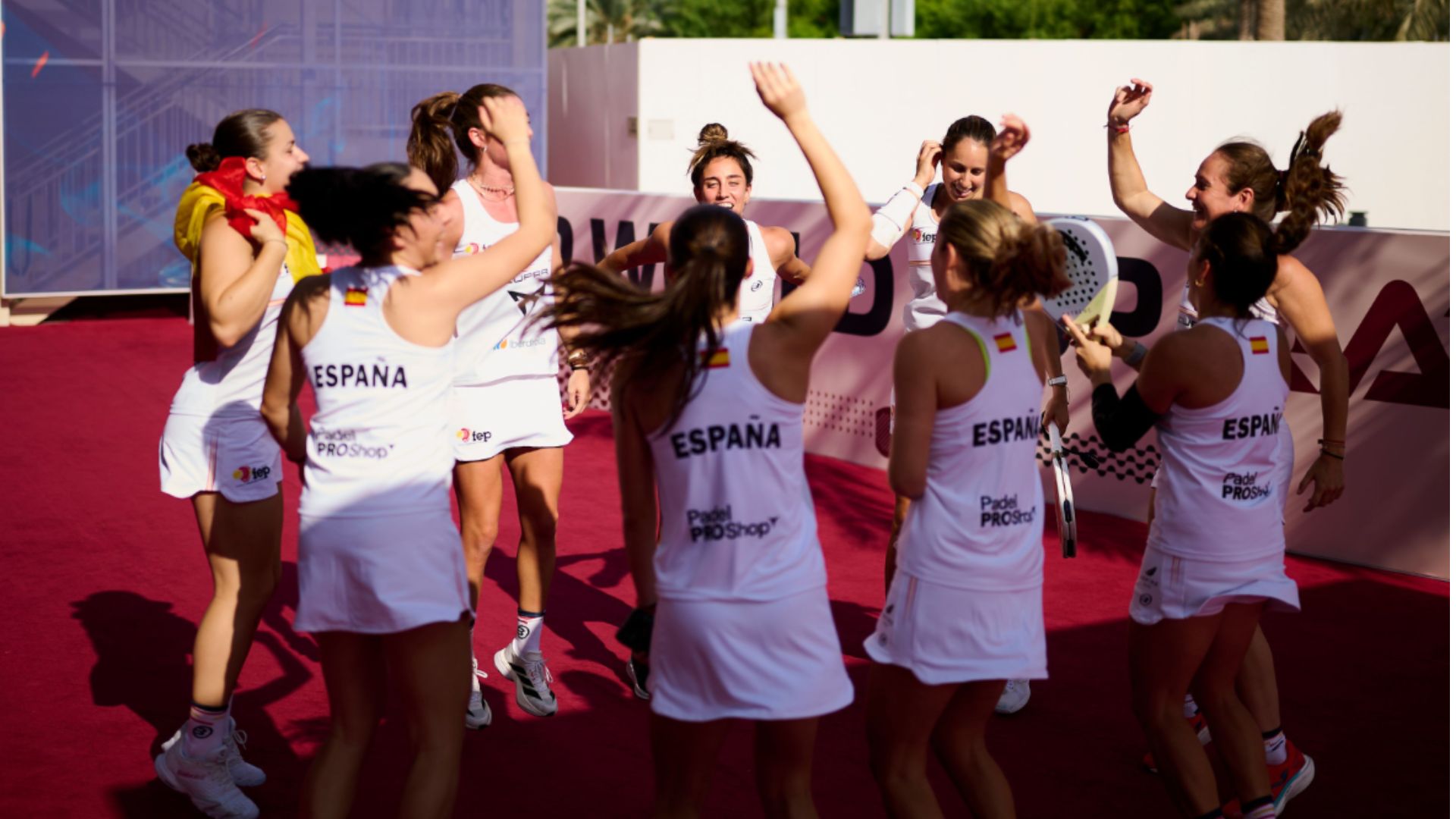 2026 Worlds – Spain retains its world title against Argentina after a huge fight between Josemaría / Triay and Brea / Jensen
 "I applied to become the coach of the French national team": an objective for Adrien Maigret
 Fonteny/Joris after their “almost” upset against Tapia/Libaak: “We believed until the very last point”
 2026 World Cup – Five players barred from World Cup with the United Arab Emirates: Íñigo Jofre denounces the situation
 Coello/Tapia ahead of the Kuwait Major final against Tello/Arce: “These are two players who cause us a lot of problems”
 2026 World Championships – No medal for the French women, beaten 2-0 by Italy in the bronze medal match
 2026 World Championships – The French women's team loses their first point against Italy despite a strong performance from Touly/Pothier; Collombon/Bahurel can no longer afford any mistakes.
 Padel, weight training, and even HYROX: clubs are changing their model
 2026 World Championships – Where to watch the finals? Spain vs. Argentina, two clashes for the world titles
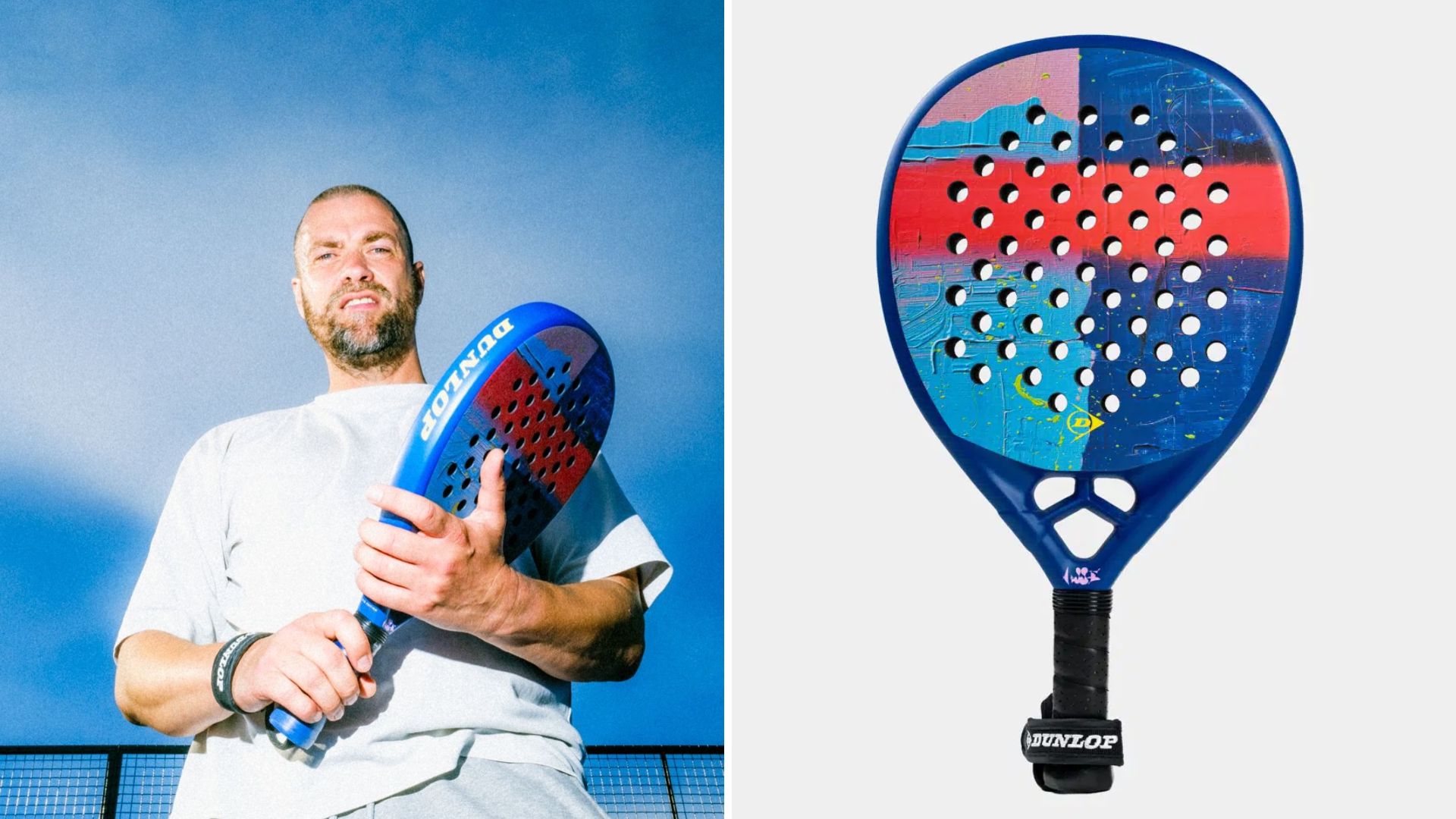 Dunlop unveils the Galactica Pro by Nisse, a limited edition of only 500 pieces worldwide
 2026 World Cup – Joris/Robert, the new addition to the French team for their final match against Paraguay
 Dubai P1 – Galán/Chingotto withdraw, Leal/Guerrero take advantage of their absence to directly enter the main draw
 Padel court rentals: a global market estimated at 4,6 billion euros
 FIP Beyond: the new global padel circuit for amateurs and seniors
 More than 6,300 FIP-ranked players: professional padel is becoming international, but Spain dominates
 Memory, reflexes, concentration: what happens in our brain when we play padel?
 P2000 or P3000: what are the differences in prize money, format and organization in 2028?
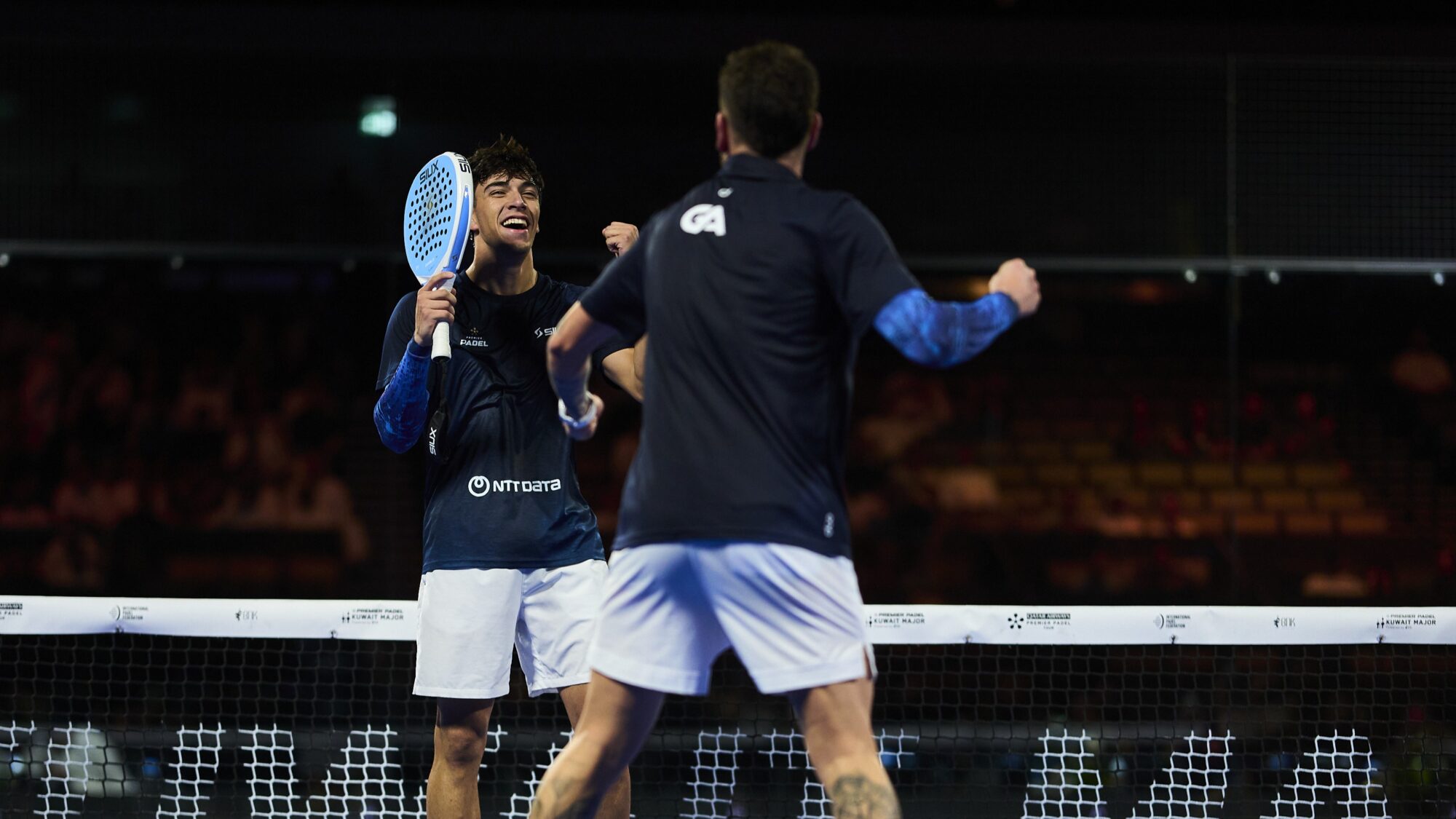 Why can Libaak/Alfonso beat almost everyone… except Coello/Tapia?
 Could padel help the brain recover after chemotherapy?
 What the analysis of the stroke reveals: tennis forehand vs. padel bandeja
 Has the bandeja disappeared from modern padel?
 Flat forehand in padel: 5 exercises from Cristian Álvarez to gain control and efficiency
 Why knowing how to play on the right and left can make all the difference
 Tapia reveals his recipe for beating Coello / Tapia: "I would bet everything on myself"
 How Coello defused Chingotto's game plan
 In padel, does the chemistry between a pair count as much as individual skill?
 Organising a P2000 or a P3000: how much does it really cost clubs?
 Do you lose your ranking? Padel FFT after more than a year without a license / without competition?
 Coello with a player at 0 points ahead of two top 10 players: should the FIP ranking be reviewed?
 Kuwait Major: Chingotto/Galán out, Alejandro Galán injured, Coello/Tapia the only favorites?
 Julien Seurin opens up about his mental state: "There are far more doubts than moments of happiness."
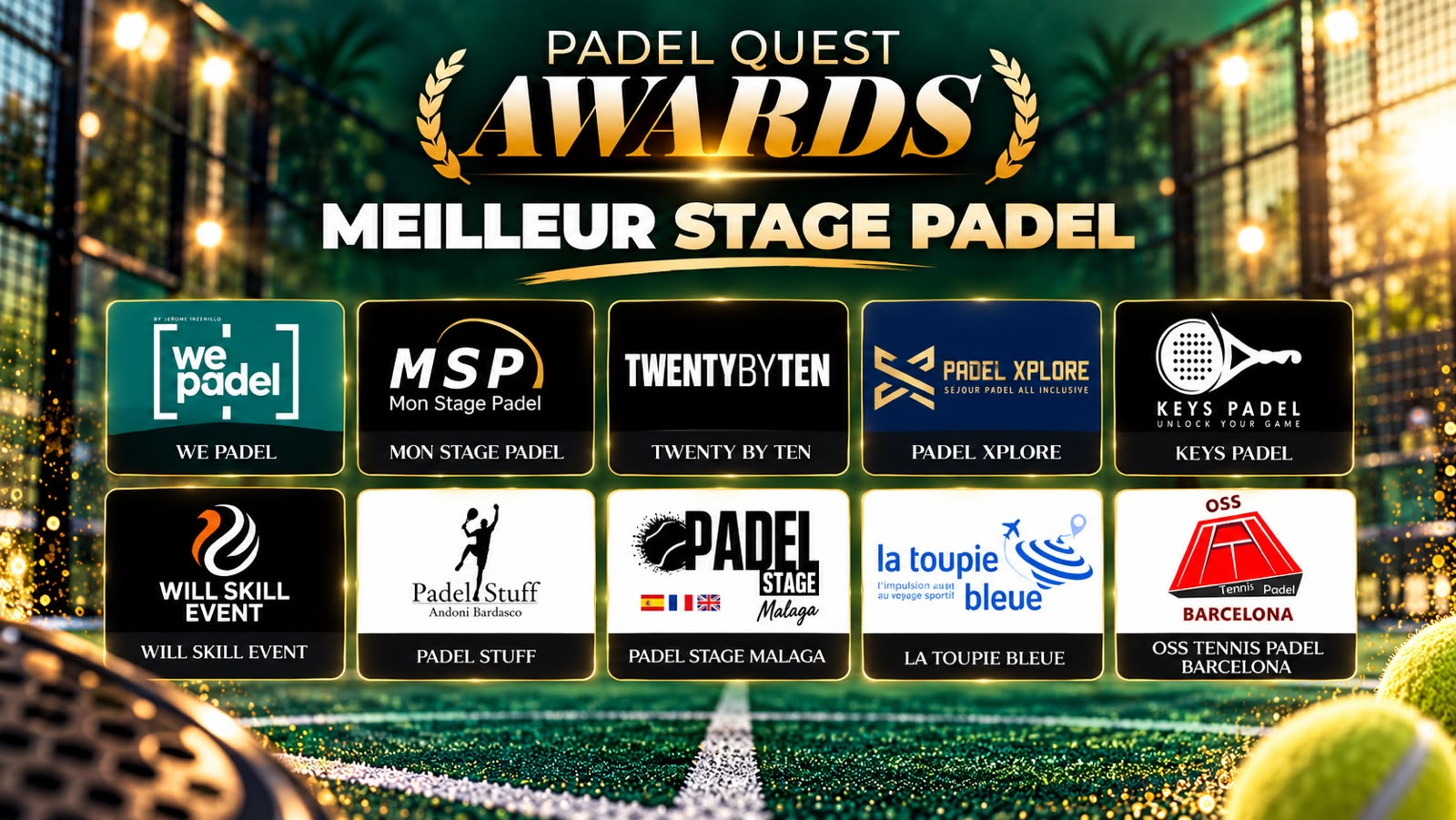 Padel Quest Awards: Ten specialists in the running for the title of best padel training camp of the year
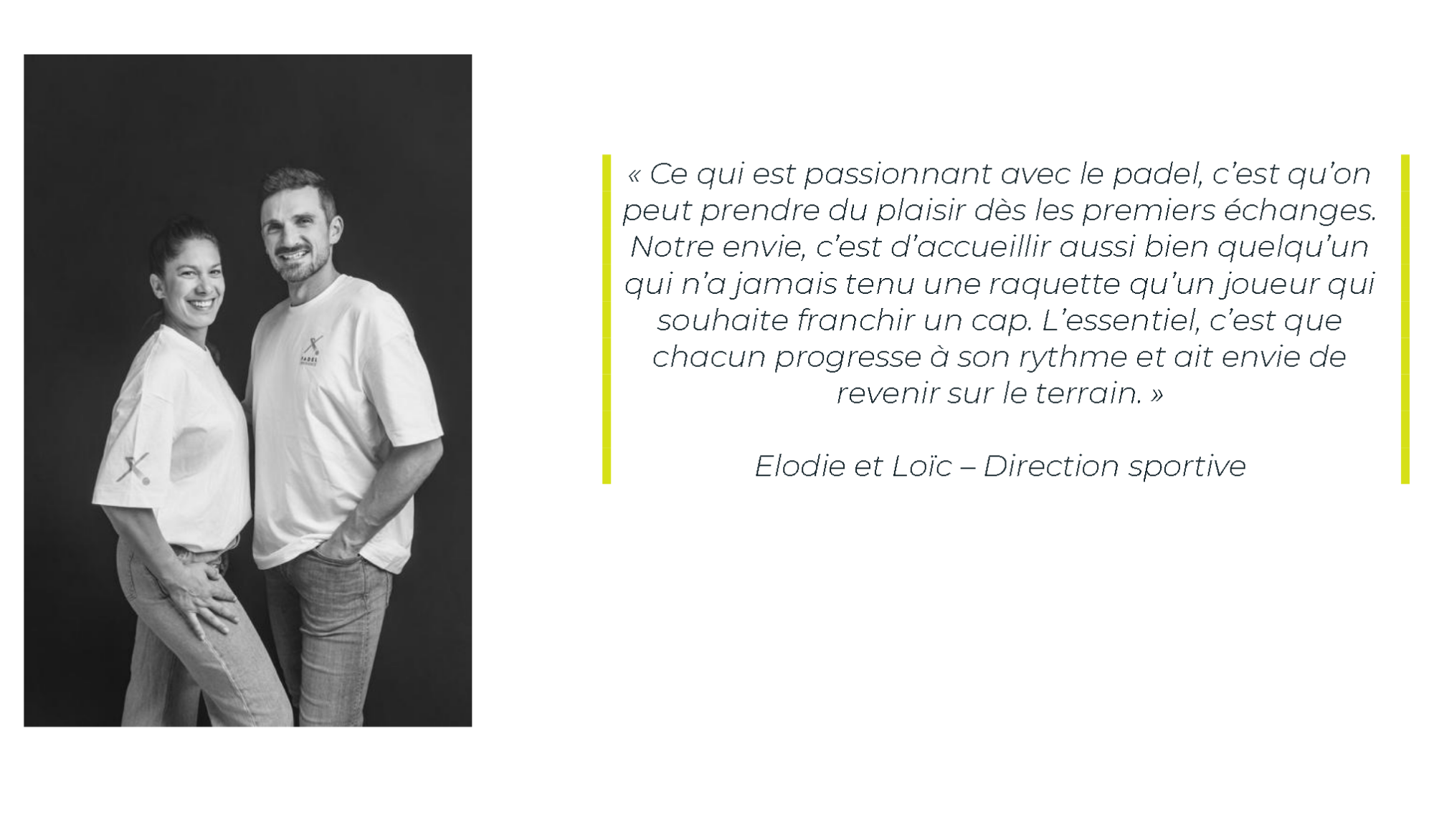 Padel Xperience: The Academy opens on November 2nd in Marcheprime, ahead of the complex's inauguration in 2027
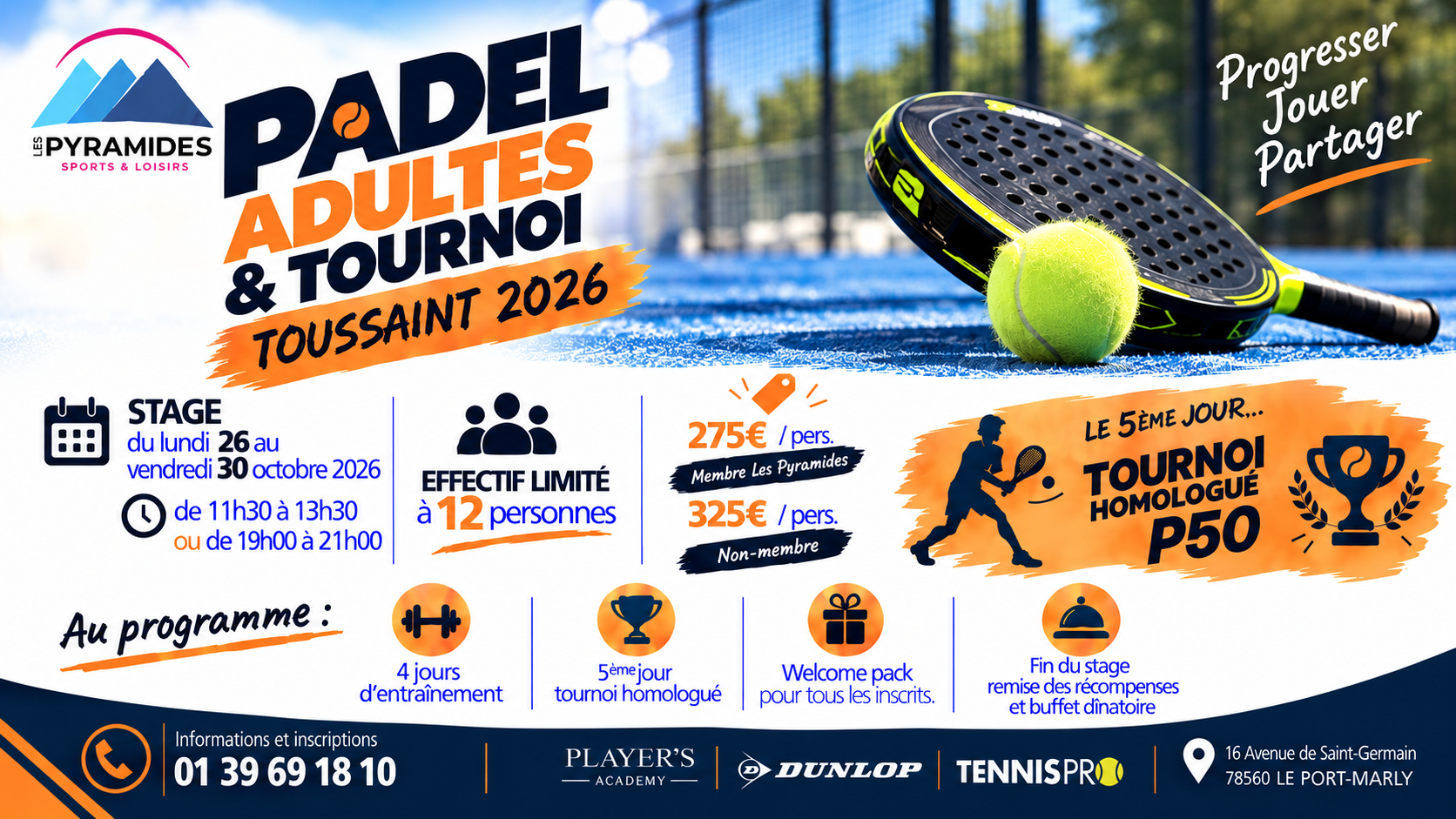 All Saints' Day – Les Pyramides are organizing a padel training camp for adults with a P50 tournament to close out the week
 Les Pyramides: after 12 padel courts, the club is focusing on youth training