


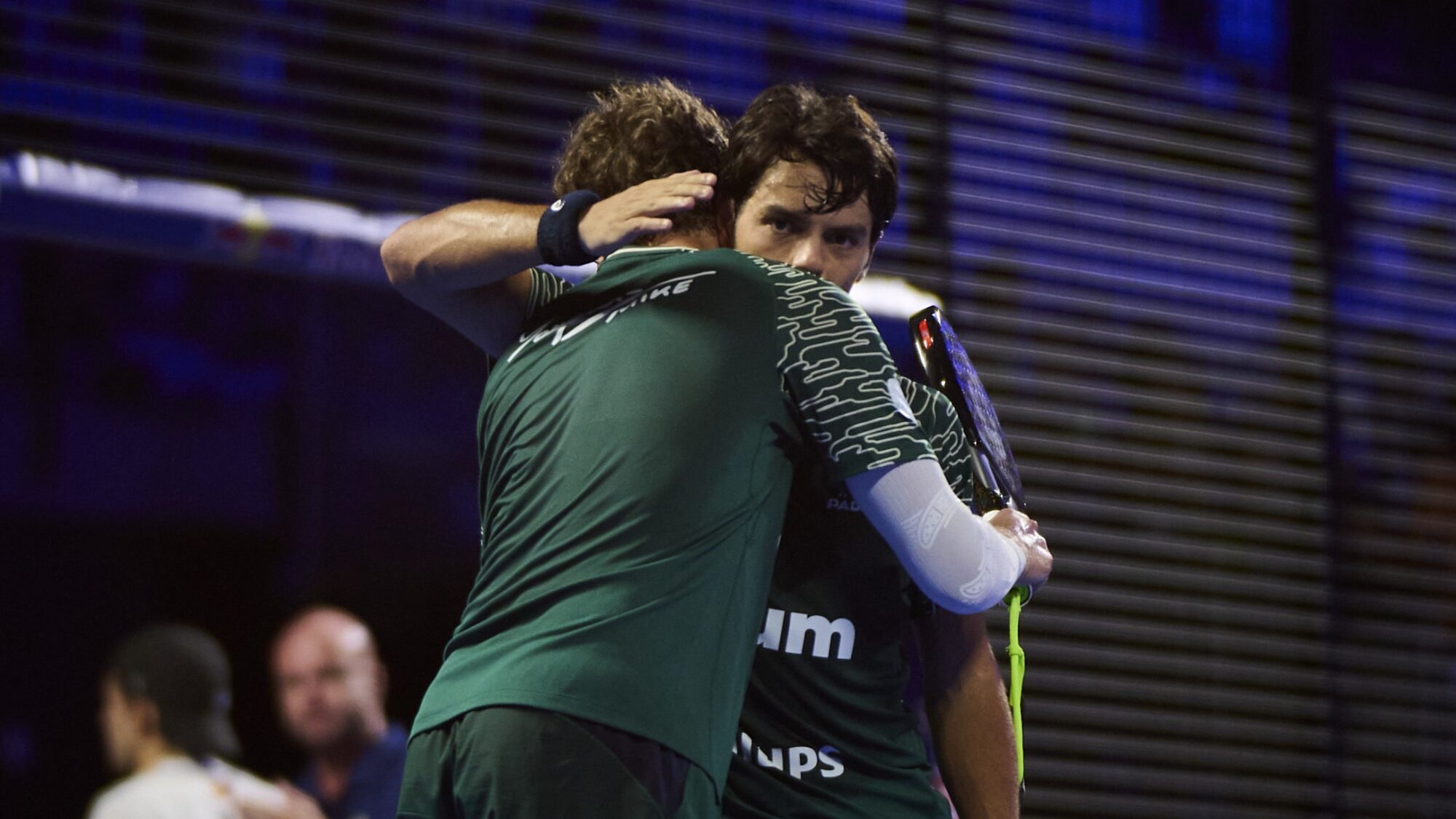







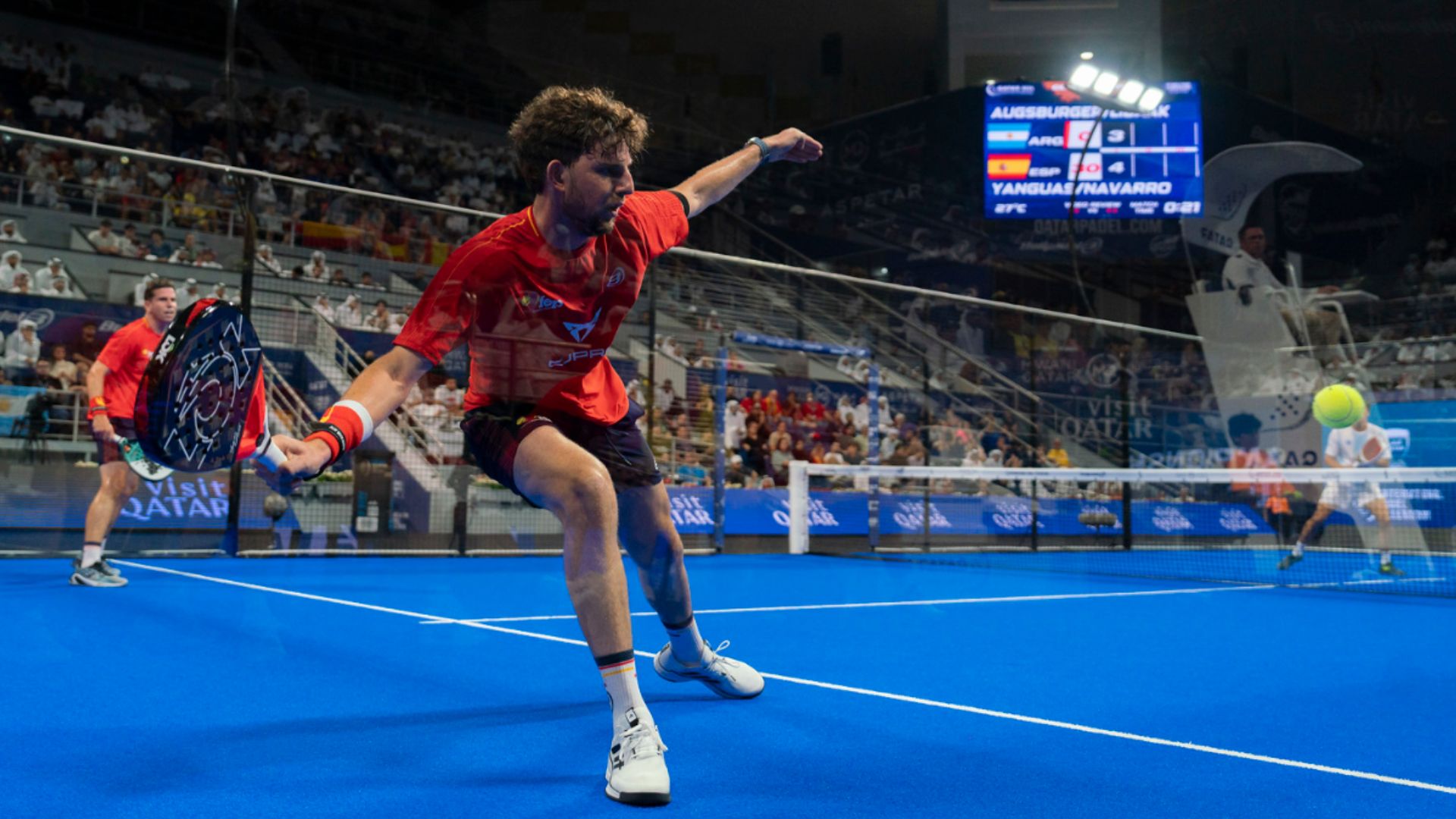
The Rotterdam P2 draw suggests a particularly interesting quarter-final between Mike Yanguas–Coki Nieto and Juan Lebrón–Leo Augsburger Nothing is certain yet: both pairs must first get through the previous rounds. But if the match is confirmed on Friday, it will primarily pit two very different ways of taking control of a rally against each other.
Lebrón and Augsburger often aim to minimize the time it takes to transition from a neutral to an attacking position. As soon as a ball allows them to advance, their ability to take the net, play high, and accelerate can quickly overwhelm their opponents. Facing them, Yanguas and Nieto will likely have to solve a tricky equation: slowing down this initiative without condemning oneself to constant defense .
Prevent Lebrón–Augsburger from hitting while advancing
This is probably the first indicator to look at if the two pairs meet again.
The problem posed by Lebrón–Augsburger doesn't begin when Leo sets up a smash. It often appears several shots earlier, at the point where one of them can play an offensive first serve with their weight forward. From there, the pair gains ground, gradually closing down the angles and forcing the opponent to defend deeper and deeper.
For Yanguas and Nieto, the objective could therefore be to change the position from which their opponents hit. A deep lob doesn't need to immediately force a net recovery to be effective: if it forces Augsburger or Lebrón to retreat before playing, it already reduces their advantage.
The challenge will be finding that depth without offering an intermediate ball. Against such an aggressive pair, a lob that falls short can immediately turn into another attacking sequence.
The choice of lobs will be essential
The direction of these lobs will also give an initial indication of the plan adopted by Yanguas and Nieto. Will they look more for the diagonal to gain length and time, will they use the parallel to displace the opposing structure, or will they alternate enough between the two to prevent Lebrón and Augsburger from anticipating?
The question deserves to be observed rather than decided before the match.
The same applies to the distribution of the ball. One might be tempted to imagine that Yanguas and Nieto will deliberately look for Augsburger in order to limit Lebrón's influence in the build-up play. But this hypothesis needs to be tested on the court. Giving the Argentinian a lot of balls also means giving him more opportunities to use his power.
The truly interesting statistic will therefore be less the number of balls played on one or the other than the type of balls they will be forced to play : moving forward, stopped or moving backward.
Lower the point of contact at the net
The other battle should take place around the first volley.
When Lebrón and Augsburger regain possession of a comfortable ball at the net, they can immediately dictate the pace. Therefore, Yanguas and Nieto, when they can't lob under good conditions, will benefit from aiming for sufficiently low trajectories to prevent an aggressive first volley.
This is where the chiquita, the balls worked to the body, or the trajectories at the feet can become important. The goal isn't necessarily to pass immediately. It's about forcing the player at the net to lift their volley rather than hitting it forward.
Sometimes a single low ball can be enough to change the geometry of the point: the attacking pair has to play an extra shot, the defending pair can advance a few meters and the net becomes contestable again.
For Yanguas and Nieto, who know how to set up longer sequences without necessarily seeking immediate acceleration, this ability to gradually transform a defense into a neutral situation could be decisive.
The center for reducing angles
The use of the center will also be interesting to follow.
Against a pair that likes to accelerate, constantly opening up the angles carries a risk: a poorly executed outside trajectory can offer exactly the space needed to gain even more speed. The center, on the other hand, allows you to reduce immediate options and can create a brief moment of hesitation in the distribution of zones.
The aim isn't necessarily to find a fault between Lebrón and Augsburger. The objective might simply be to prevent them from consistently playing in their preferred direction and to gain enough time to reposition the pair.
It is precisely on these details that Yanguas and Nieto could try to shift the balance of power. They have no interest in accepting a battle based solely on speed and power. Their solution would lie more in depth, repetition, the quality of their trajectories, and the ability to force their opponents to play an extra shot from a less comfortable position.
Control without backing down
One obvious danger remains: in their desire to control the opposing power, Yanguas and Nieto must not fall into a passive defense.
Against Lebrón–Augsburger, constantly surrendering the net without creating counter-attack opportunities can quickly become untenable. Even an excellent defense will eventually crumble if every point turns into a series of shots played from the baseline.
Their ability to identify the right moment to attack will therefore be just as important as their defensive quality. A low, driven volley, a lob that sufficiently pushes back the opposing pair, or a neutral ball in the middle must be transformed into opportunities to regain ground.
That's the whole nuance of the potential confrontation: contain without causing .
A quarter that would allow us to measure two structures
Before reaching that stage, the draw must obviously run its course. Lebrón and Augsburger, the third seeds, await the winner of the match between Aguirre–García and Tello–Arce in the round of 16. Yanguas and Nieto, the sixth seeds, must win two rounds to reach the quarterfinals.
But if the match takes place, it will offer a particularly clear tactical test. We'll need to watch the depth of Yanguas-Nieto's lobs, the positioning of Lebrón and Augsburger when they play their first attacking shots, the height of their volleys, the frequency of balls to the center, and above all, the Spaniards' ability to regain possession after defending.
The question will probably not be whether they can prevent Lebrón and Augsburger from attacking. Over the course of a match, that would be unrealistic.
The real challenge will be whether they can force them to attack under less favorable conditions, often enough to regain control of the exchange themselves.

I discovered the Padel I stumbled into Spain at a campsite. I was instantly hooked; passionate about padel, I follow international and regional news with the same excitement as the sport itself.




















































































 P1000 HUDDL Aizenay: Henrion and Mitjana maintain their position, Prod'homme/Marin overturn Truong/Dulac to reach the final
 P1000 Ladies My Padel Langon – Denecheau / Majdoubi and Vandaele / Dautriat dispatched quickly in the semi-finals
 NOX presents "100% Pure Padel ", the launch campaign for its new 2027 racket collection
 France or Portugal, Spain or Argentina: Miguel Lamperti ranks the best padel nations
 Cédric Lavoye: "Hard work pays off" and a first FIP tournament in Guadeloupe is in his sights
 Nicolas Rouanet is preparing his return in 2027: “With Bastien Blanqué, I would never say no”
 Leygue/Blanqué respond bluntly to the criticism: "You can say what you want... We're putting all our money and our lives into this."
 Padel rankings October 2026: more than 150,000 men ranked in France
 P1000 Verneuil Padel Club – Results / Live / Schedule
 West Padel opens its 4 indoor courts in Montivilliers on November 5th
 With Galán tired and Coki Nieto sidelined, is the infernal pace of the circuit starting to take its toll on the players?
 Milan P1: Thomas Leygue launches his qualifying campaign with Jesús Moya
 Germany P2: The fastest quarter-finals in history Premier Padel
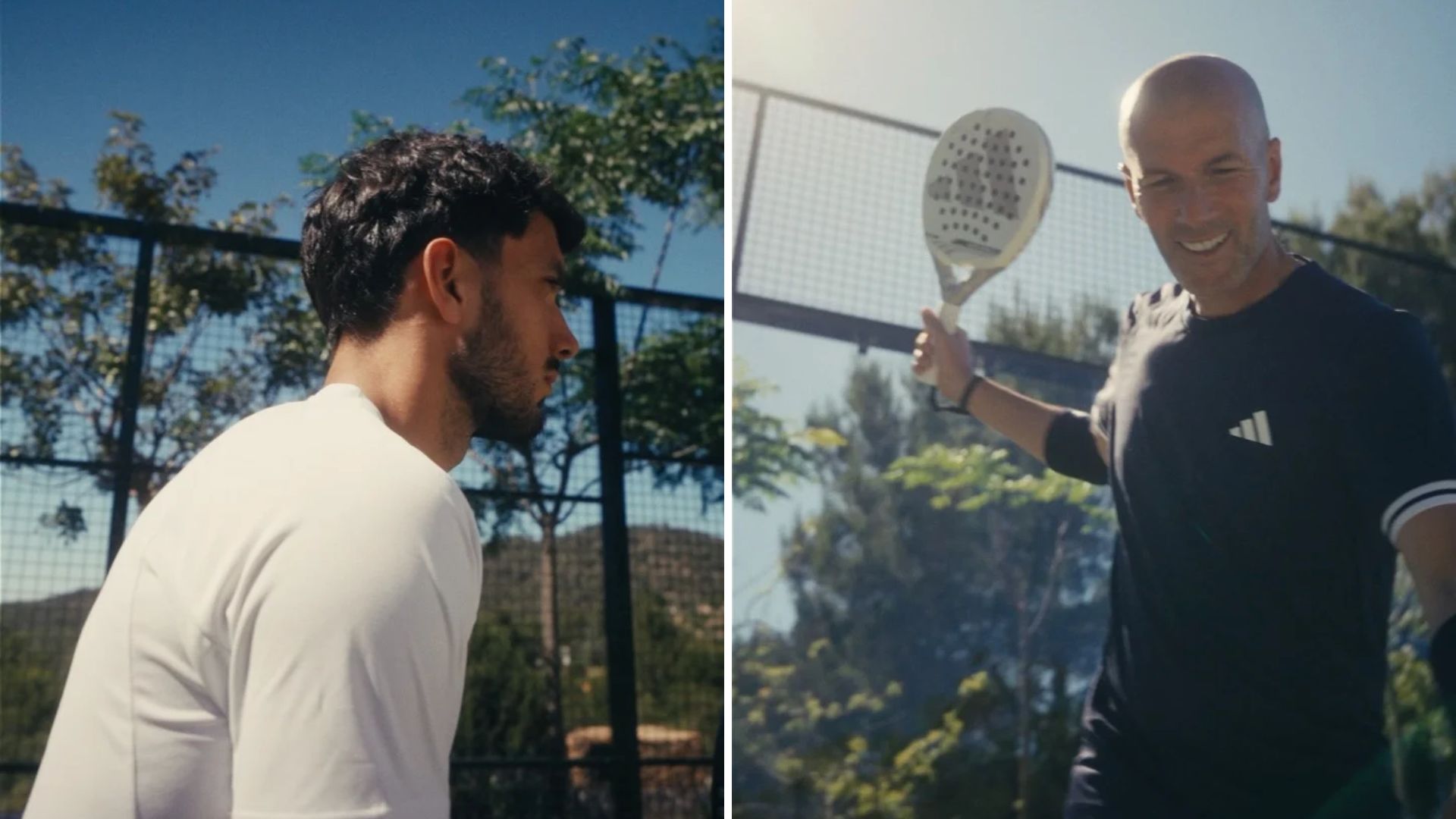 Zidane and Galán reunited on the track to launch the Metalbone ZZ
 For sale: two padel clubs in Mauritius, starting from 330,000 euros
 How much does it actually cost to organize a FIP Bronze event?
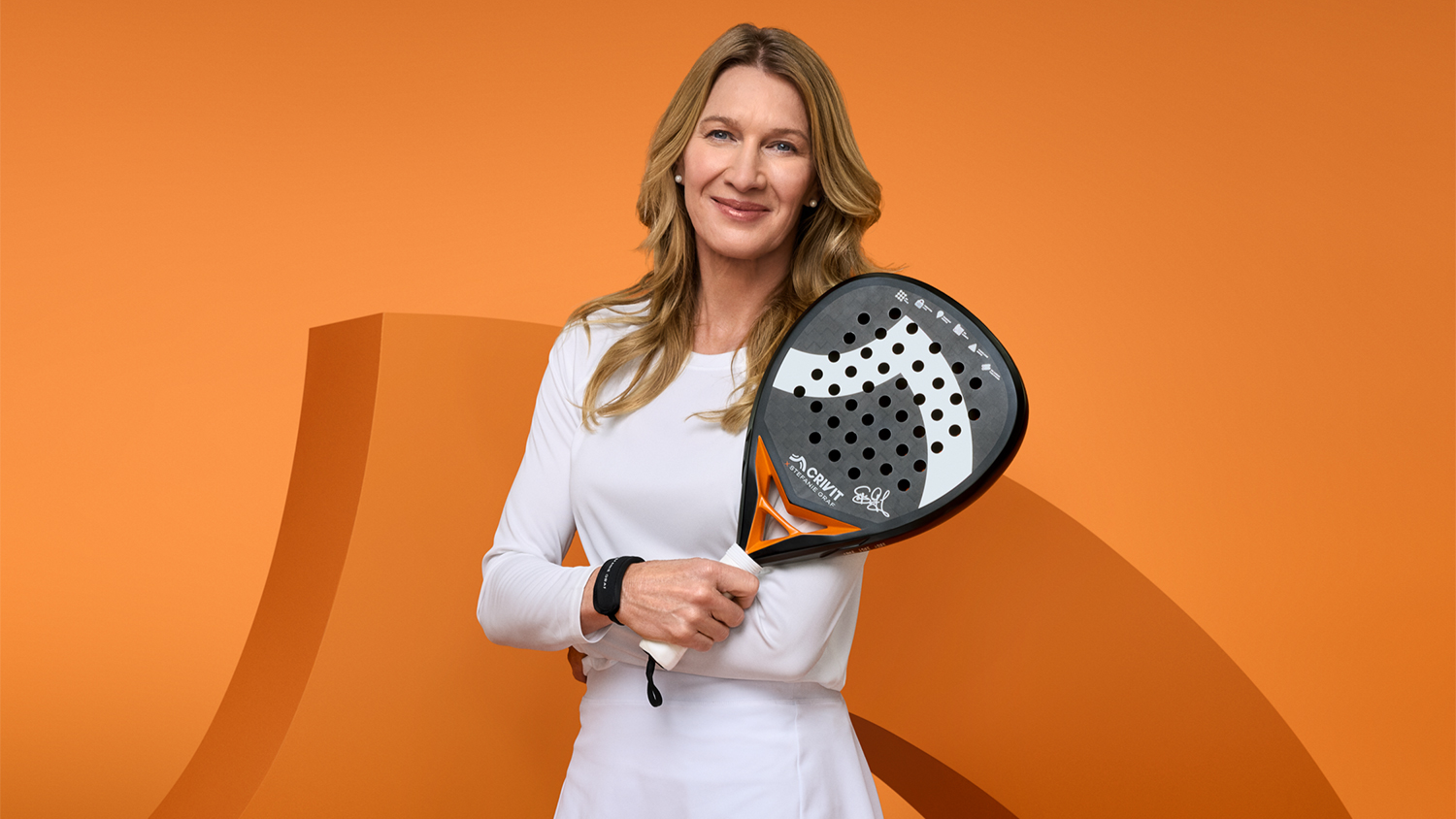 Padel How Lidl is transforming Crivit into a fully-fledged sports brand with Steffi Graf
 Compagnie des Alpes is accelerating its involvement in padel with PadelCity: a new step in its European strategy
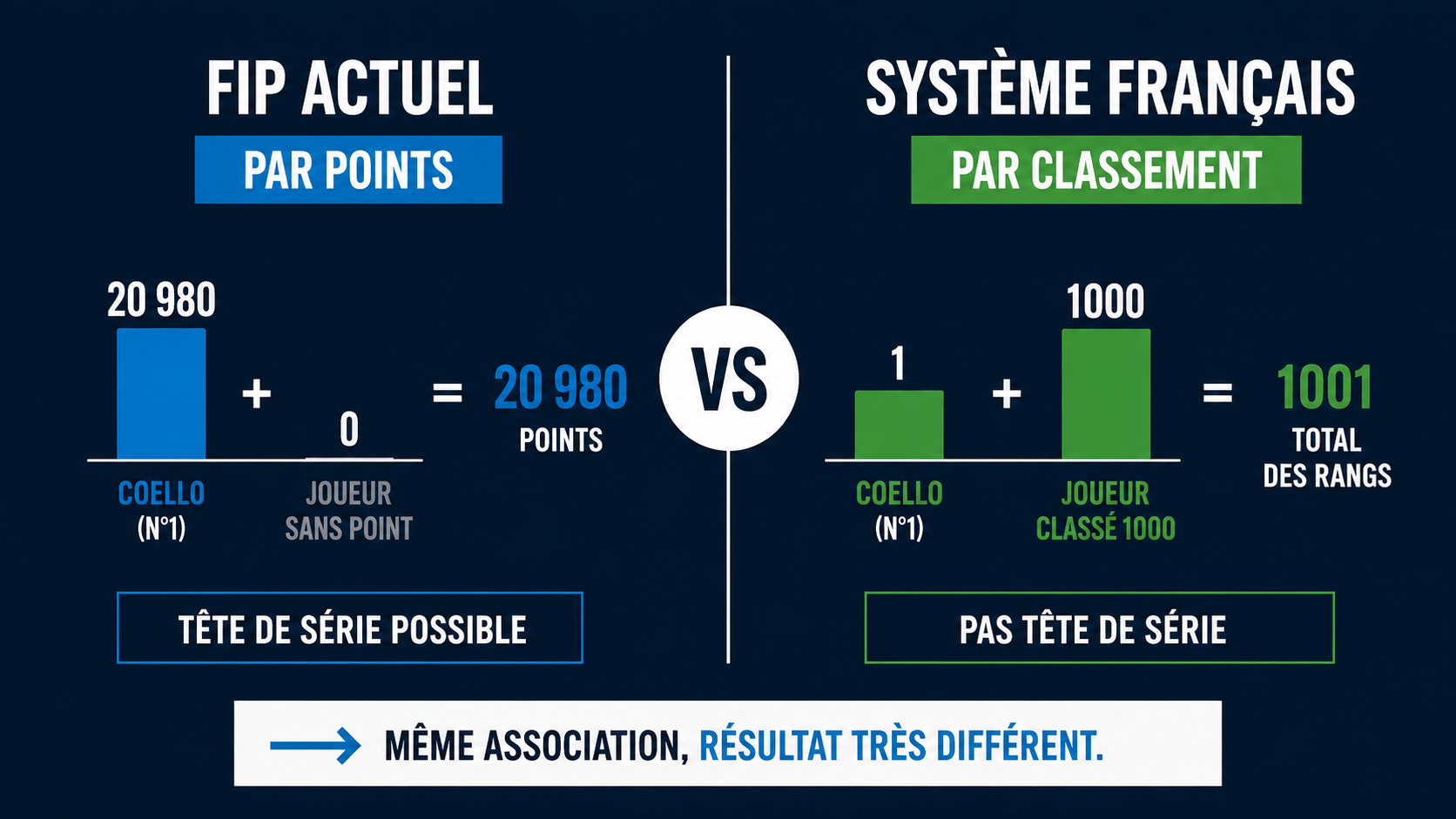 Coello with a player at 0 points ahead of two top 10 players: should the FIP ranking be reviewed?
 Les Pyramides: after 12 padel courts, the club is focusing on youth training
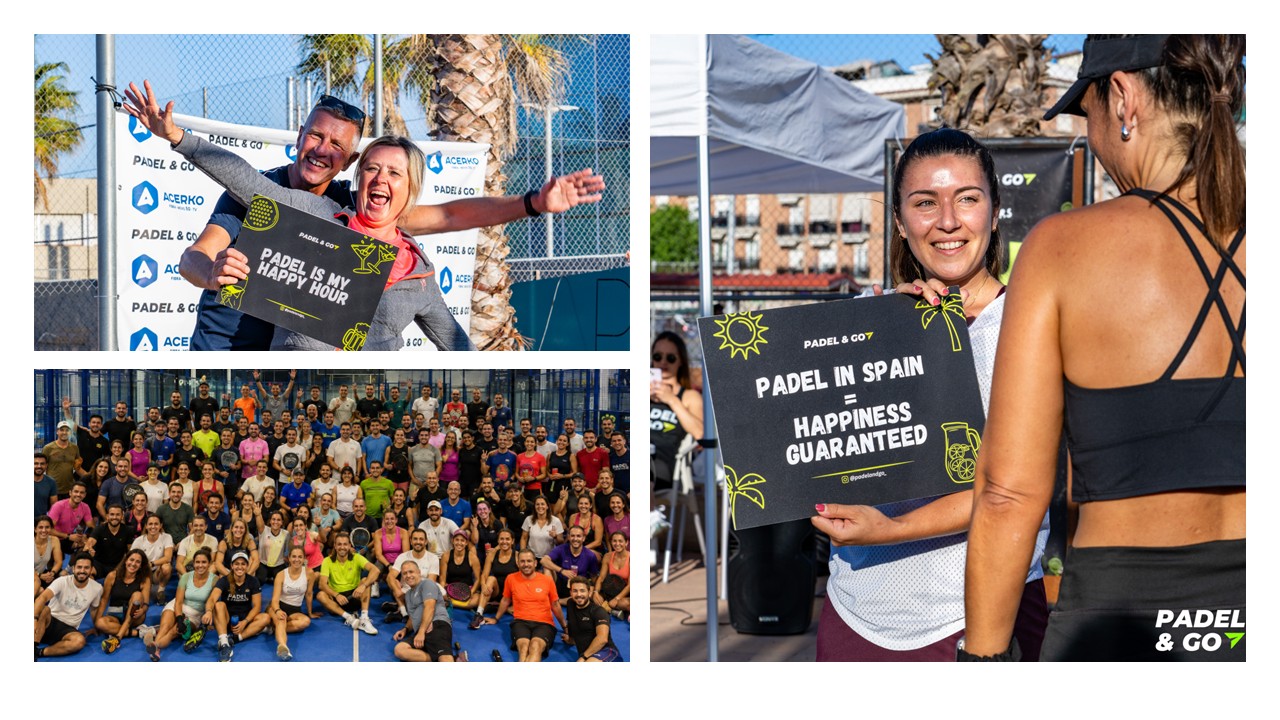 Health Care Padel Tour 2026: What if your next padel tournament was played in Barcelona?
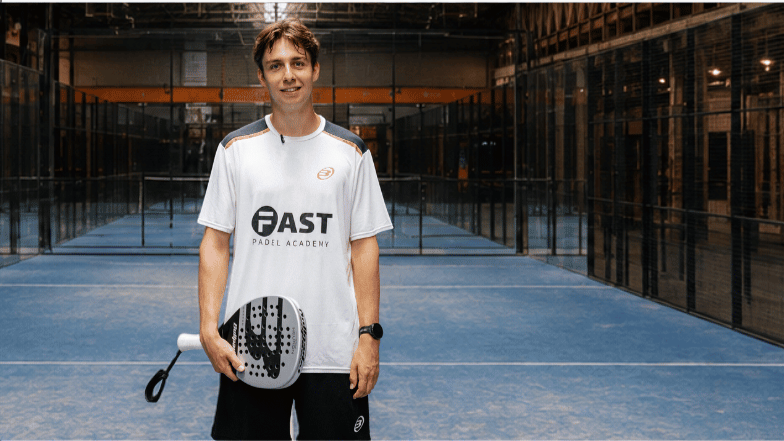 FAST Padel Academy continues its development and establishes itself in Liège.
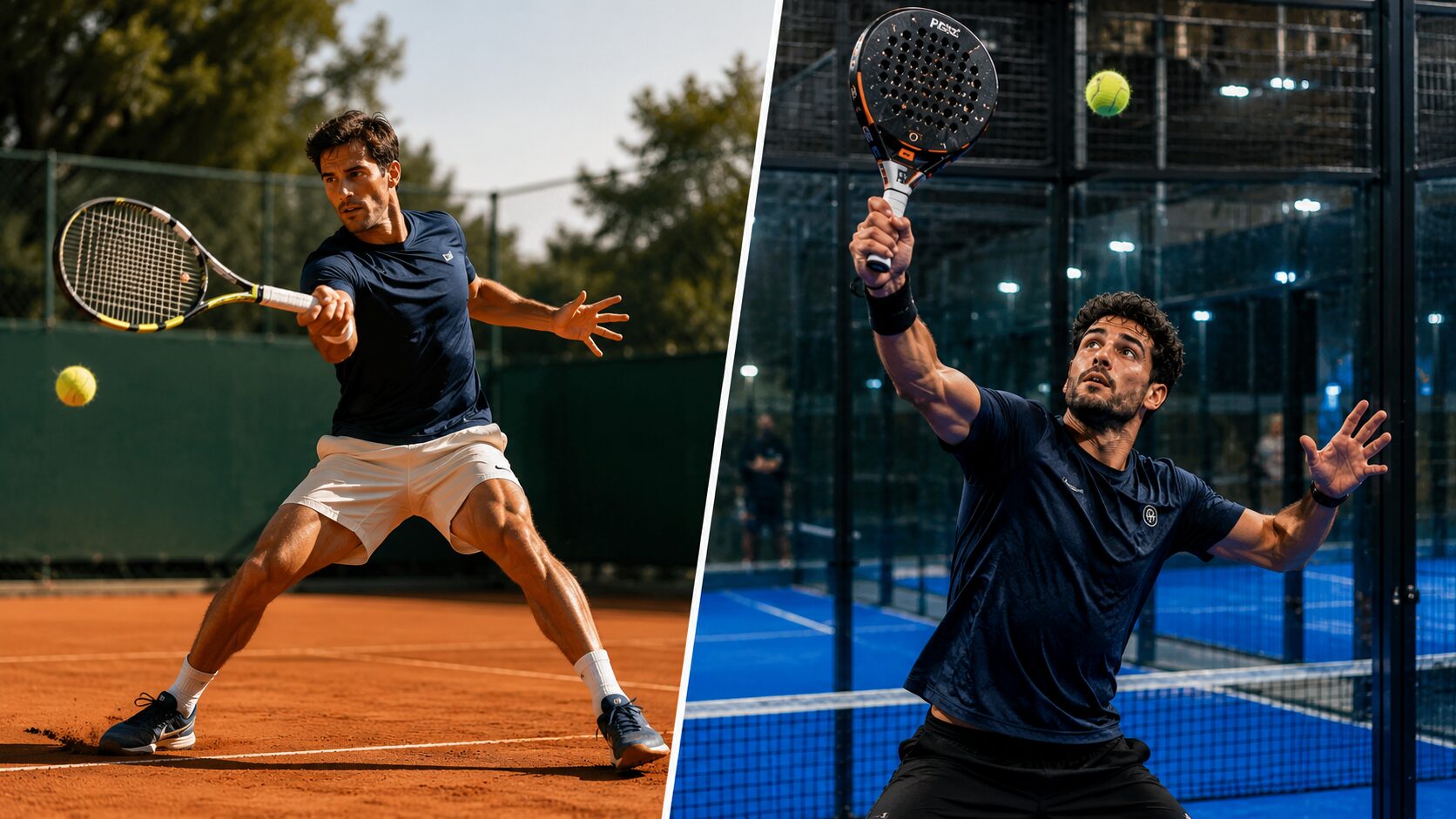 What the analysis of the stroke reveals: tennis forehand vs. padel bandeja
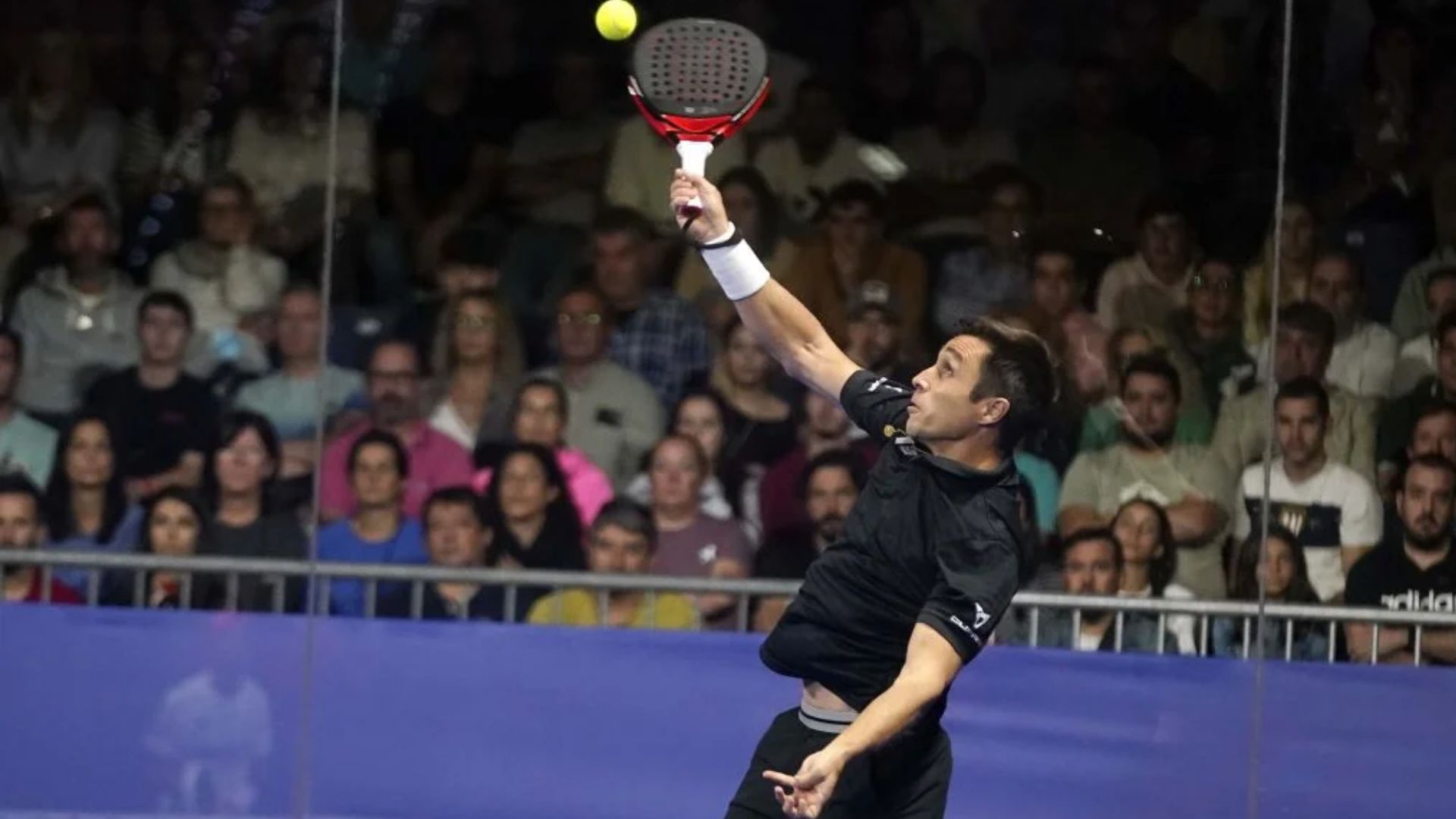 Has the bandeja disappeared from modern padel?
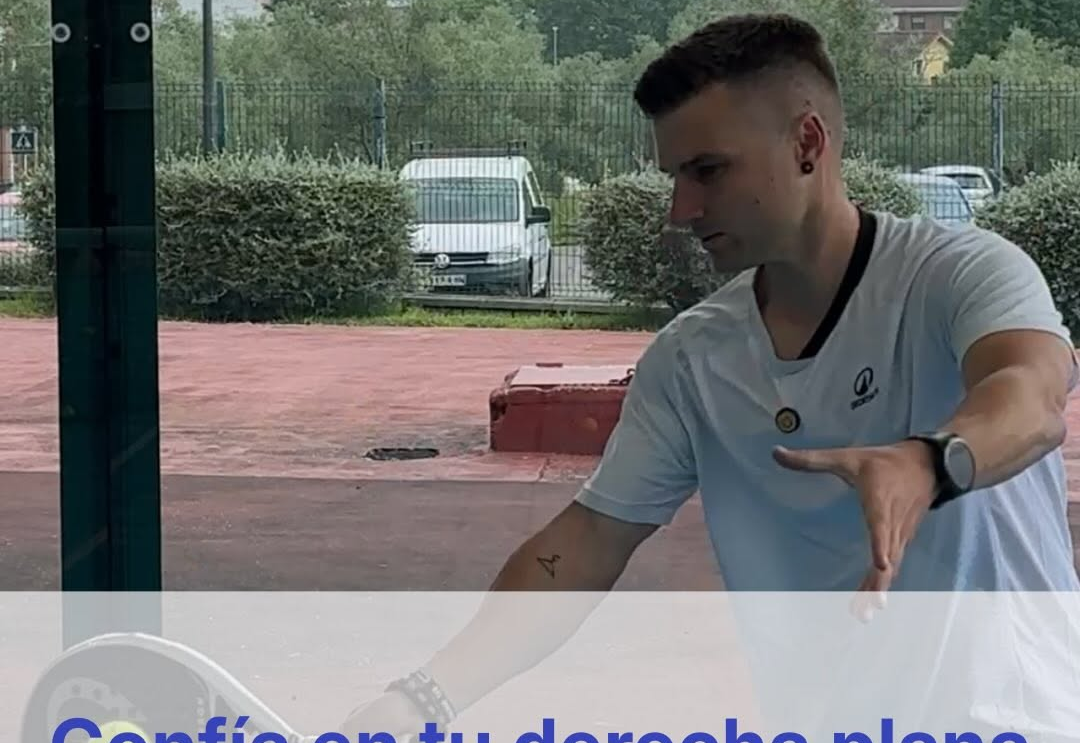 Flat forehand in padel: 5 exercises from Cristian Álvarez to gain control and efficiency
 Why knowing how to play on the right and left can make all the difference
 Tapia reveals his recipe for beating Coello / Tapia: "I would bet everything on myself"
 How Coello defused Chingotto's game plan
 In padel, does the chemistry between a pair count as much as individual skill?
 Summer changes padel… but what if the real challenge wasn't hitting harder?
 Neither FIP Tour nor World Team Championship: the unique format of padel at the Mediterranean Games
 Premier Padel : when television can lengthen players' breaks
 Premier Padel Yes, a referee can refuse a player permission to go to the toilet
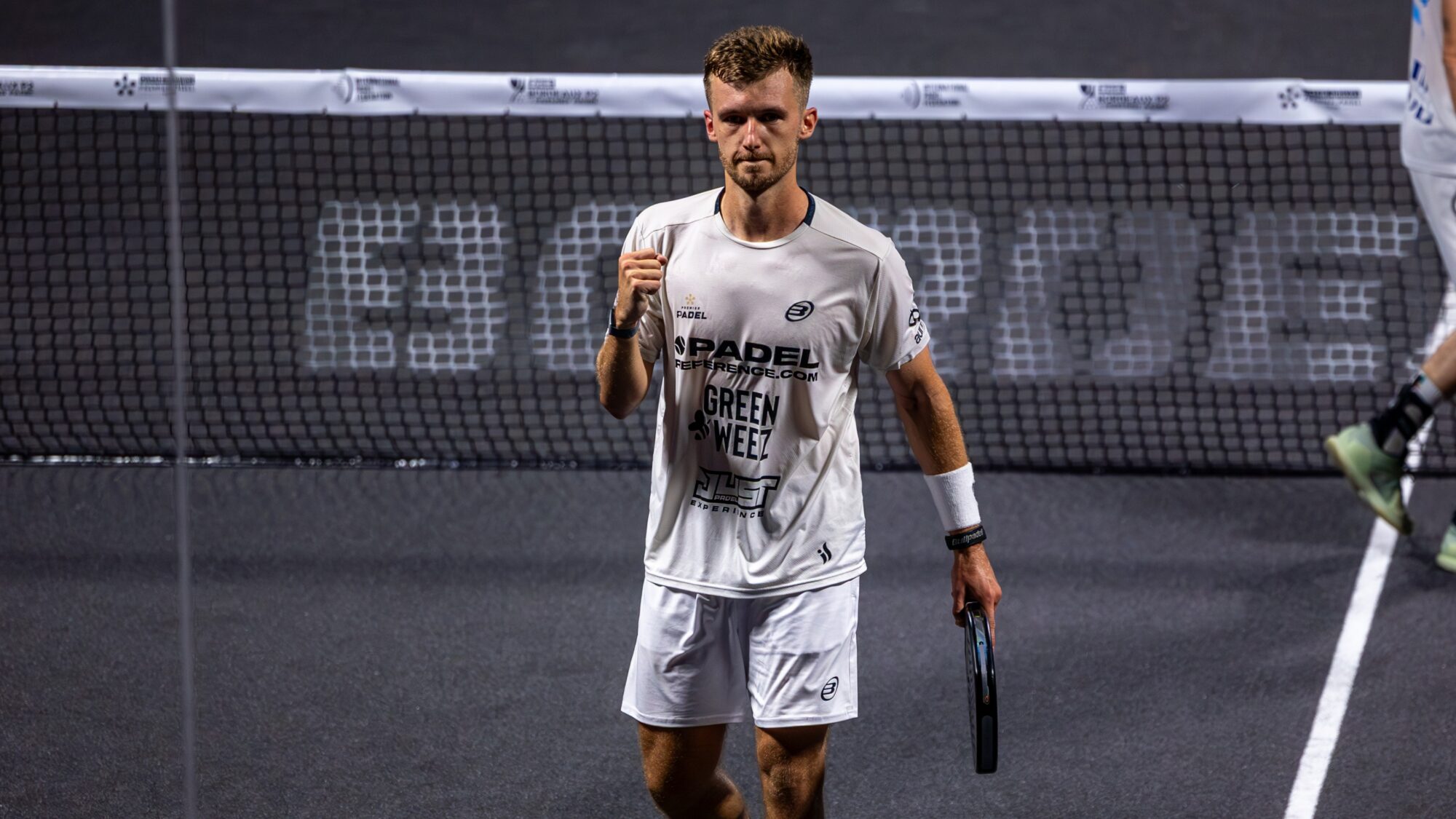 Julien Seurin opens up about his mental state: "There are far more doubts than moments of happiness."
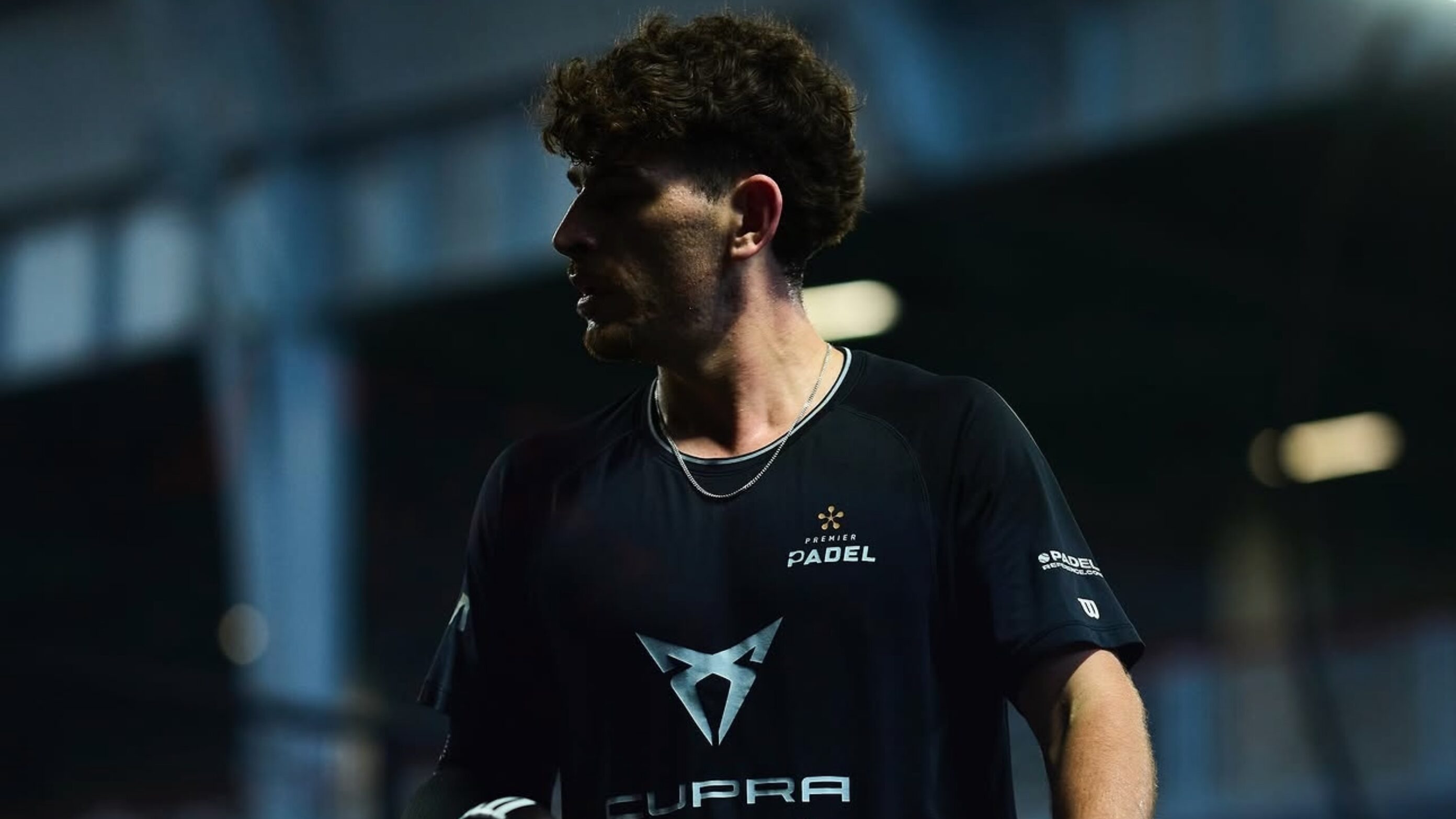 More than a year later, Thomas Leygue is back in the top 150: behind the scenes of a comeback that's still unfinished
 Padel vs squash vs badminton: the scientific ranking of cardio intensity
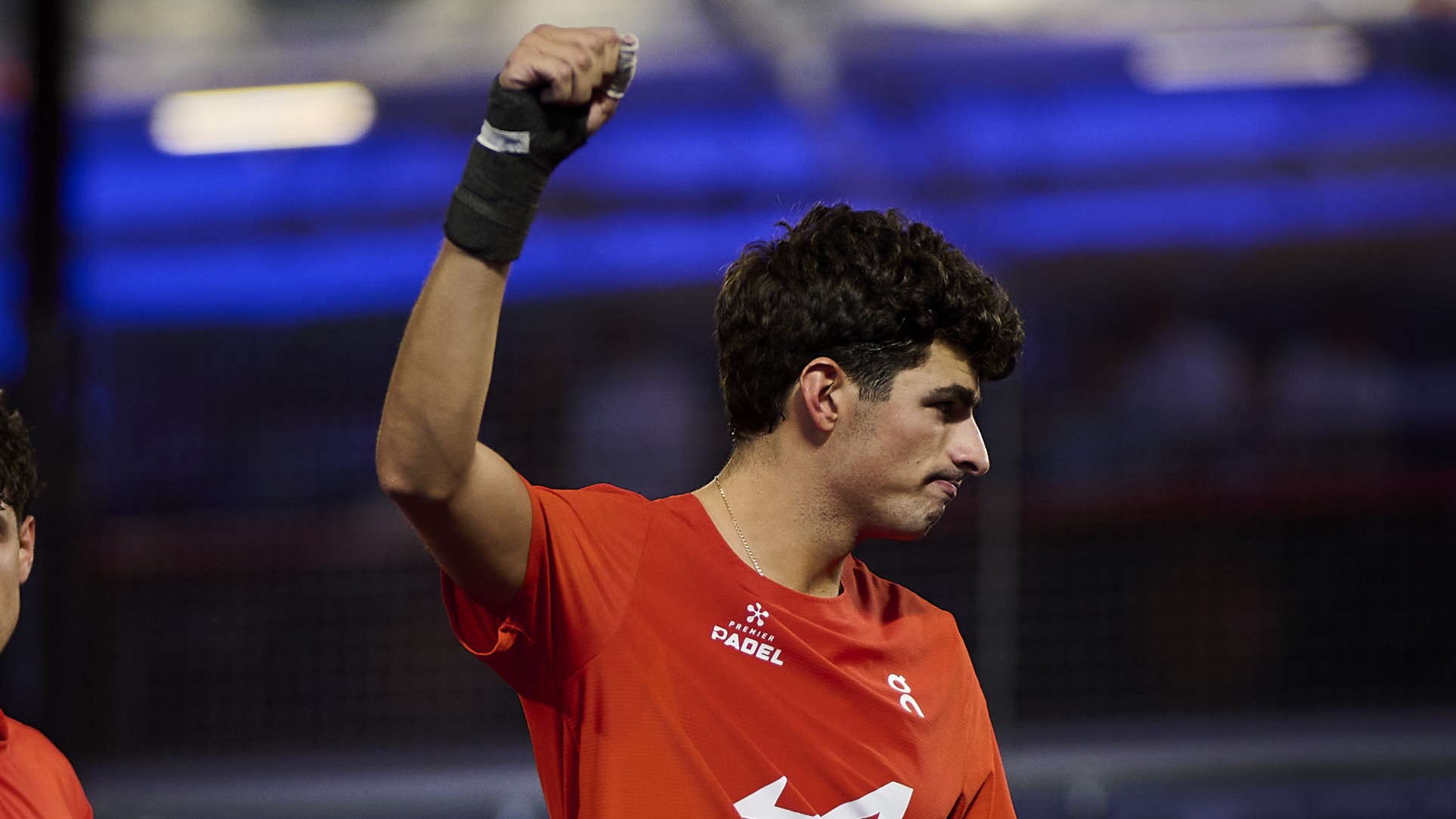 Why does Arturo Coello play with his right hand bandaged?
 What if your progress in padel depended on what nobody else is looking at?