

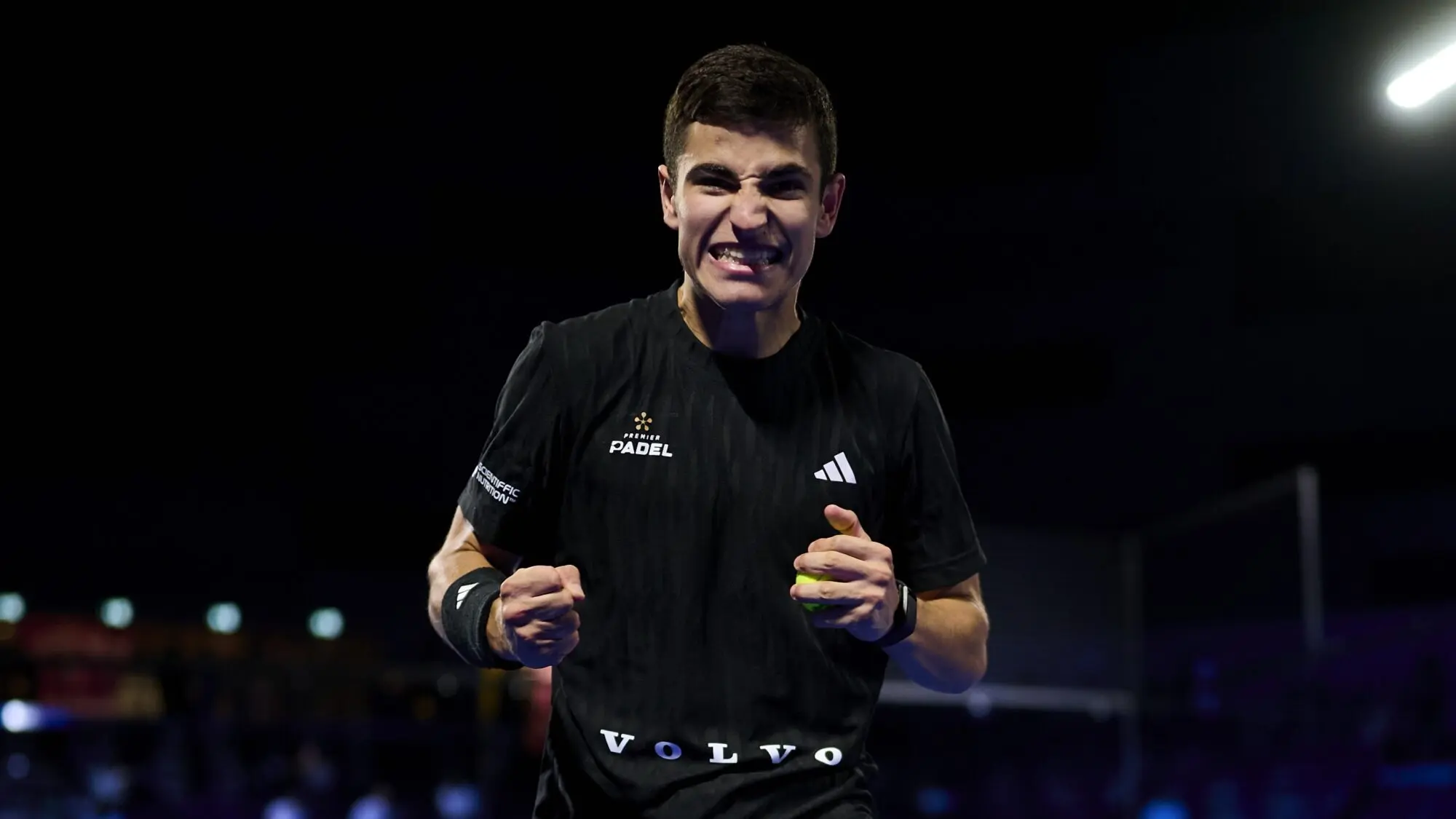








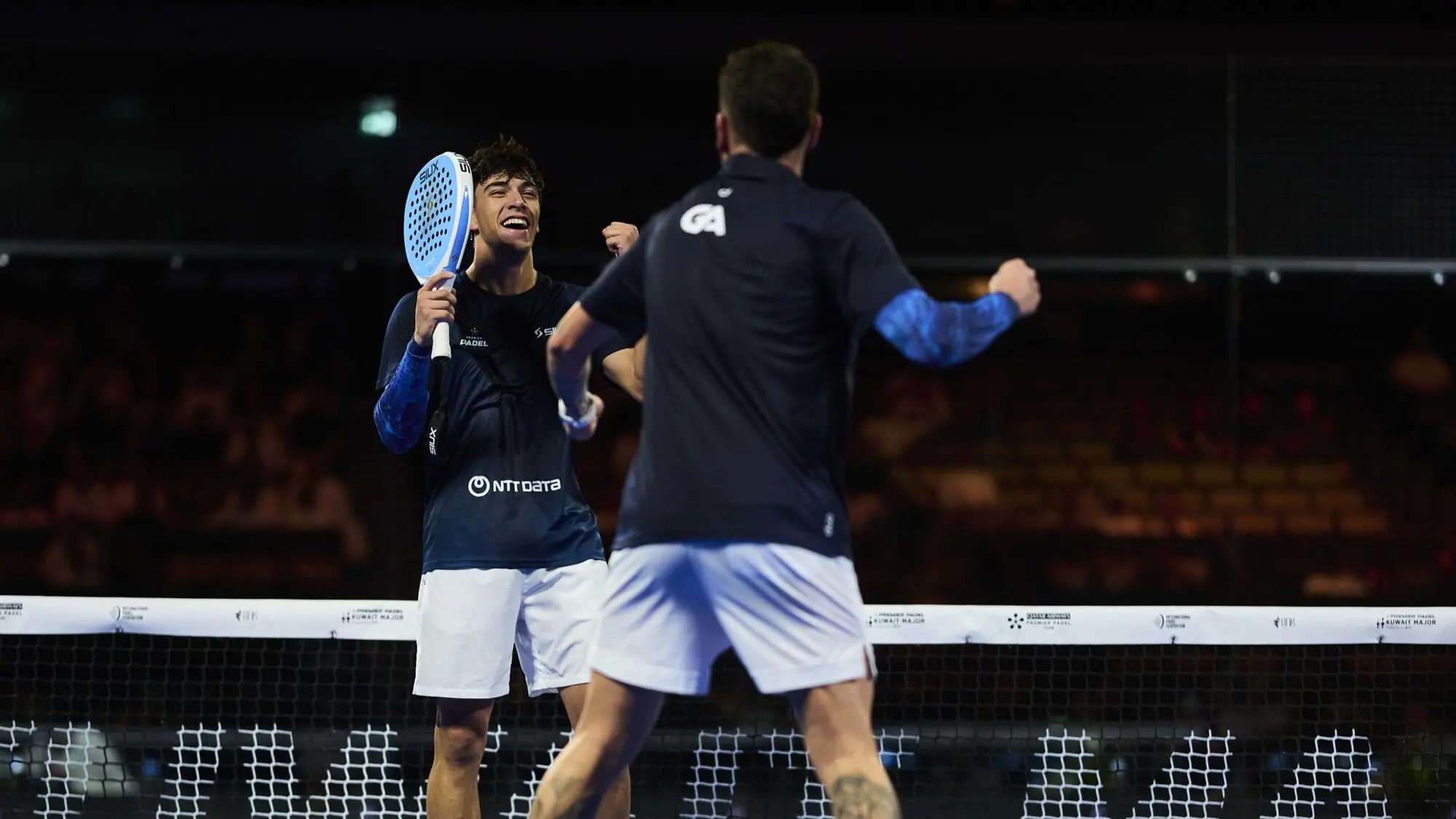
David Gala has just won two FIP Gold titles in the space of a week, on two continents and with two different partners. Partnering with Enzo Jensen, he triumphed in Bucharest against Manuel Aragón and Albert Roglan, 7-5, 7-6. Seven days later, in São Paulo, the Madrid native won with Maxi Arce against José Diestro and Juanlu Esbrí, 6-4, 6-4.
This double victory brings his number of titles to three in 2026, all won with different partners: Íñigo Jofre in Abidjan, Jensen in Bucharest, and Arce in Brazil. This succession of titles might give the impression of a player capable of completely changing his game with each new partnership. The reality, however, appears more nuanced: Gala maintains a very stable framework and primarily adapts the distribution of responsibilities on his right side.
One landmark that doesn't change: Gala remains on the left
The first explanation is positional. David Gala is the left-handed player, while Enzo Jensen and Maxi Arce are the right-handed players. In both finals, the pair's formation therefore doesn't require any change of ends, but more importantly, David Gala maintains the same playing style: he constructs points and leaves enough room for his right-handed partner to accelerate when necessary.
The compatibility is based on the clarity of his role: left-hand player, available to gain ground in the centre, but without systematically demanding the last shot.
With Jensen, the offensive responsibility remains shared.
The Bucharest title wasn't exactly a spontaneous partnership. Gala and Jensen had been playing together since June and had already reached two finals, at the FIP Platinum in Tirana and then the FIP Silver in Alcalá de Guadaíra. Bucharest represents their first joint title, more than a compatibility discovered in just a few days.
The final clearly demonstrates that Gala is not the pair's only offensive outlet. From the very first game, Aragón and Roglan focused several rallies on Jensen. The right-hand player absorbed this volume, intervened quickly at the net, and also contributed to aerial finishes.
This distribution allows Gala to be more selective about his interventions. He can move back to the center when a ball becomes attackable, without having to cover the entire attacking play single-handedly.
The mechanics, however, are not perfect. At 3-1 in the first set, Gala and Jensen both faced a ball down the middle played on their backhand side, without sufficient communication. The point illustrates the limitation of a pair in which each player has a real ability to intervene in the middle: the sharing of the court must remain precise.
Their response was interesting. Down 5-3, they gradually regained the initiative, breaking back just as their opponents were serving for the set, and then Gala closed out the set down the middle on their first set point. In the second-set tiebreak, they still found the resources to win three consecutive points in the deciding game.
In Bucharest, the partnership relies on a shared attacking threat. Jensen isn't solely responsible for building attacks to allow Gala to finish. He can accelerate, close down the net, and take his own aerial balls. Gala retains his role on the left but doesn't need to monopolize the finishing.
With Arce, job continuity is paramount.
In São Paulo, the situation is different. Gala is discovering a new partnership with Maxi Arce, a 28-year-old right-handed player. The number 2 seeds notably eliminated Alex Chozas and Ramiro De Pascual 6/2 6/3 in the semi-finals, then Diestro–Esbrí 6/4 6/4 in the final.
After the title win, Arce explained that the two players understood each other immediately. Gala, for his part, emphasized the energy his partner brought. These statements confirm a quick connection, but they are not enough to precisely define their tactical setup.
An adaptable player, but not interchangeable
Winning titles with different partners reveals a form of adaptability. However, it does not prove that Gala reproduces exactly the same performance with each one.
Its strength seems to lie primarily in the stability of the framework it provides. It offers a clear reference point in covering the center and can finish without requiring the entire structure to be dedicated to it. Its partner on the right thus retains some leeway to impose their own style.
With Jensen, this freedom produces a partnership in which both players can accelerate and finish. With Arce, it allowed for an immediately competitive partnership, with more distribution in the attacking third.
The next step will be to verify if this compatibility holds up at the level Premier PadelAgainst pairs capable of targeting the right-hand player for longer periods, pushing Gala back diagonally, and closing down his interventions in the center more effectively, a trend is already emerging across two FIP Gold matches: Gala can influence the game without monopolizing the balls in the center or the finishing; his right-hand partner also retains considerable freedom of initiative.

I discovered the Padel I stumbled into Spain at a campsite. I was instantly hooked; passionate about padel, I follow international and regional news with the same excitement as the sport itself.






























































 2026 World Championships – Spain reclaims its world crown, a stratospheric Coello defeats Argentina
 2026 World Championships – Argentina / Spain: a third match for the world title!
 2026 World Championships – Ustero in tears, Triay facing Brea: the world champions' confessions
 "I applied to become the coach of the French national team": an objective for Adrien Maigret
 Fonteny/Joris after their “almost” upset against Tapia/Libaak: “We believed until the very last point”
 2026 World Cup – Five players barred from World Cup with the United Arab Emirates: Íñigo Jofre denounces the situation
 Coello/Tapia ahead of the Kuwait Major final against Tello/Arce: “These are two players who cause us a lot of problems”
 2026 World Championships – No medal for the French women, beaten 2-0 by Italy in the bronze medal match
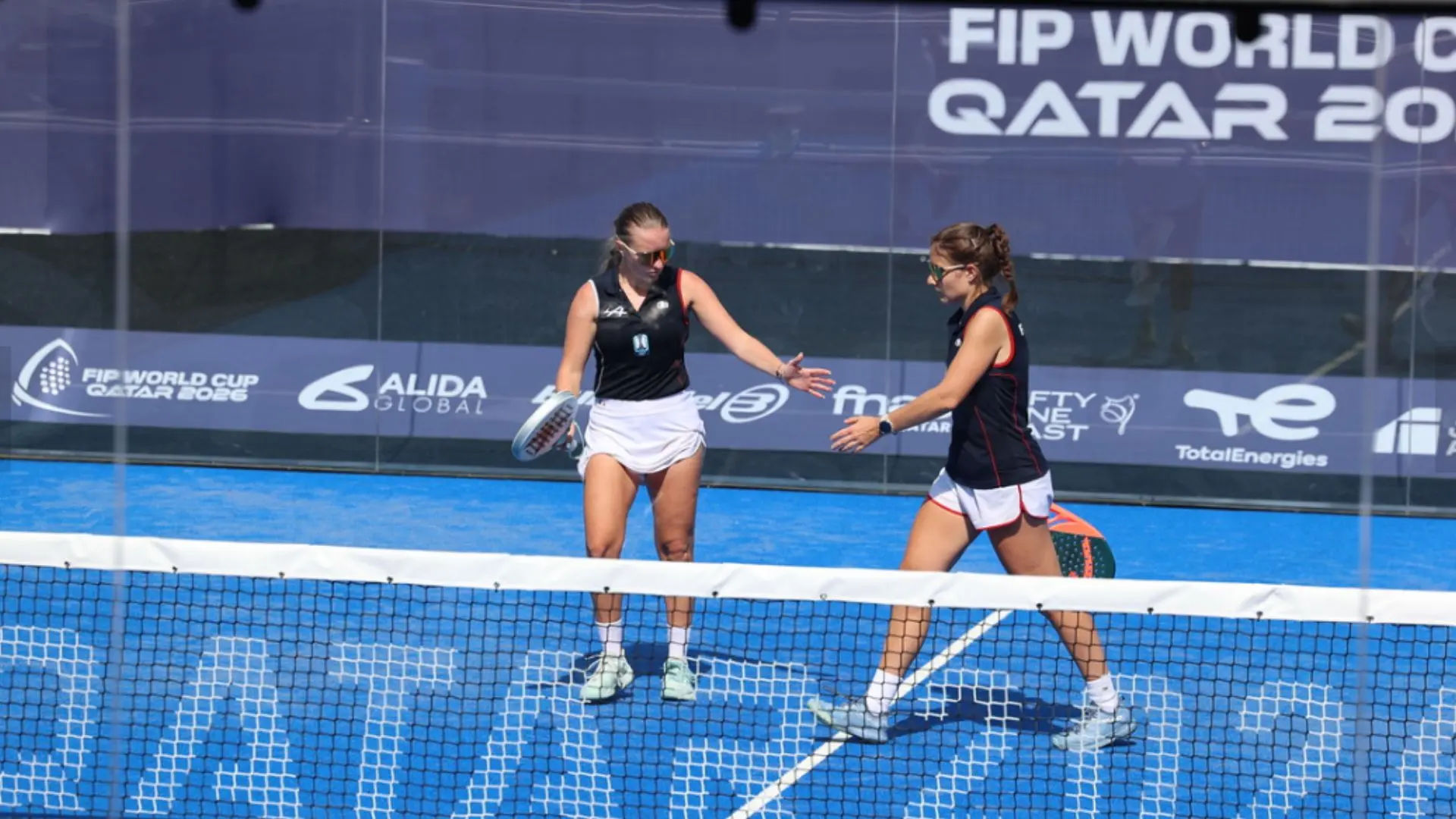 2026 World Championships – The French women's team loses their first point against Italy despite a strong performance from Touly/Pothier; Collombon/Bahurel can no longer afford any mistakes.
 Padel, weight training, and even HYROX: clubs are changing their model
 2026 World Championships – Where to watch the finals? Spain vs. Argentina, two clashes for the world titles
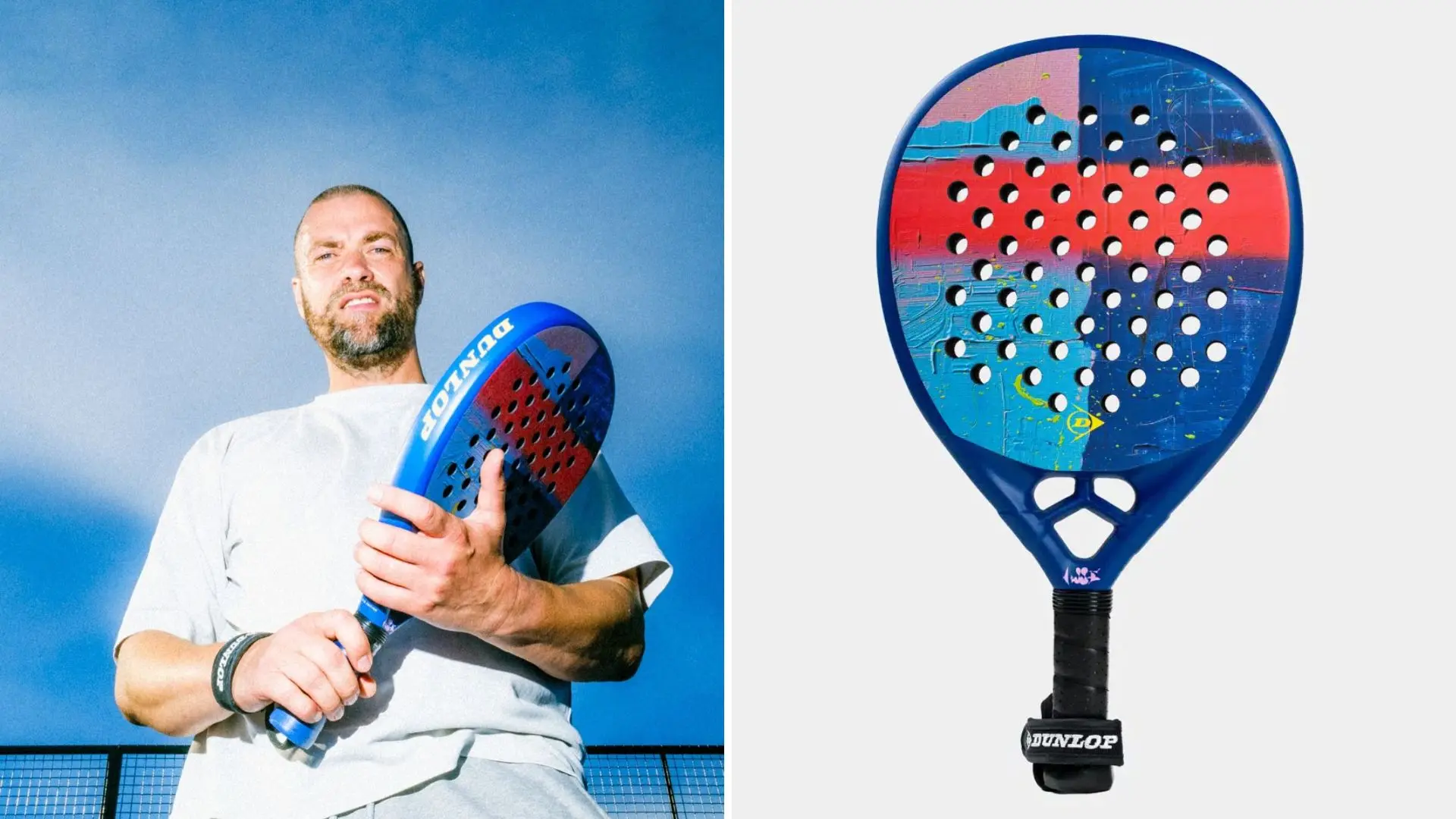 Dunlop unveils the Galactica Pro by Nisse, a limited edition of only 500 pieces worldwide
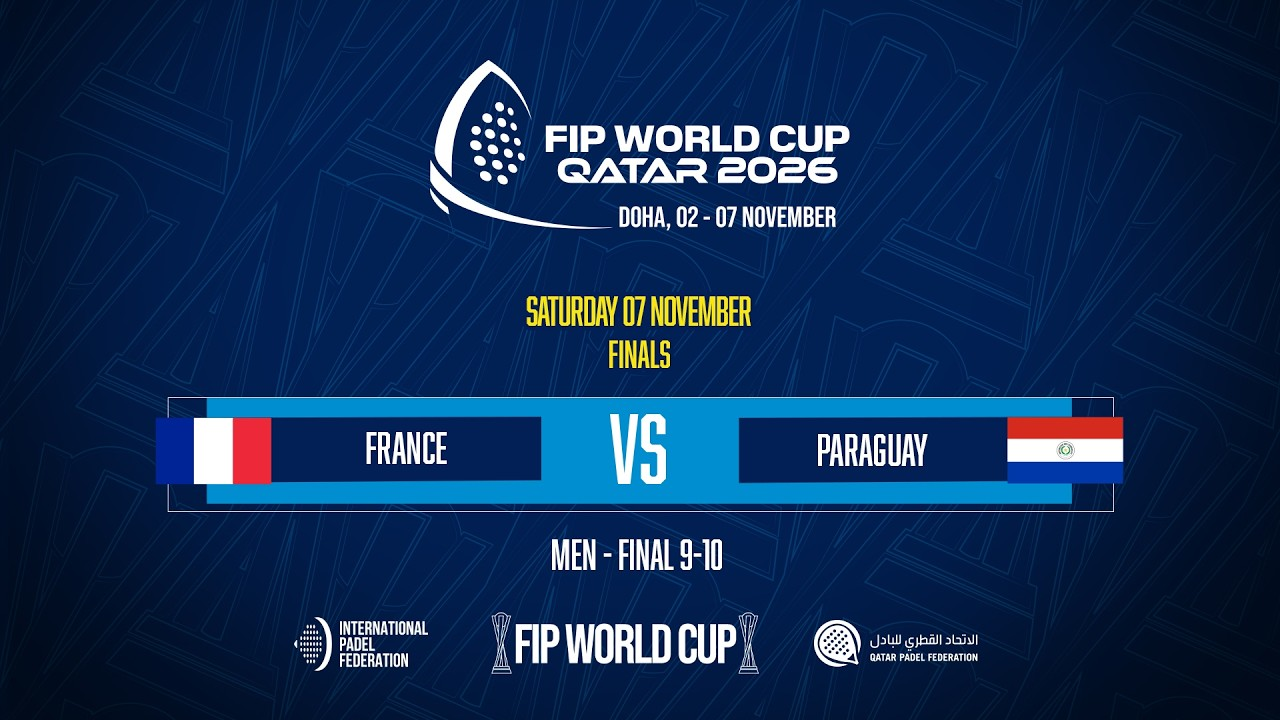 2026 World Cup – Joris/Robert, the new addition to the French team for their final match against Paraguay
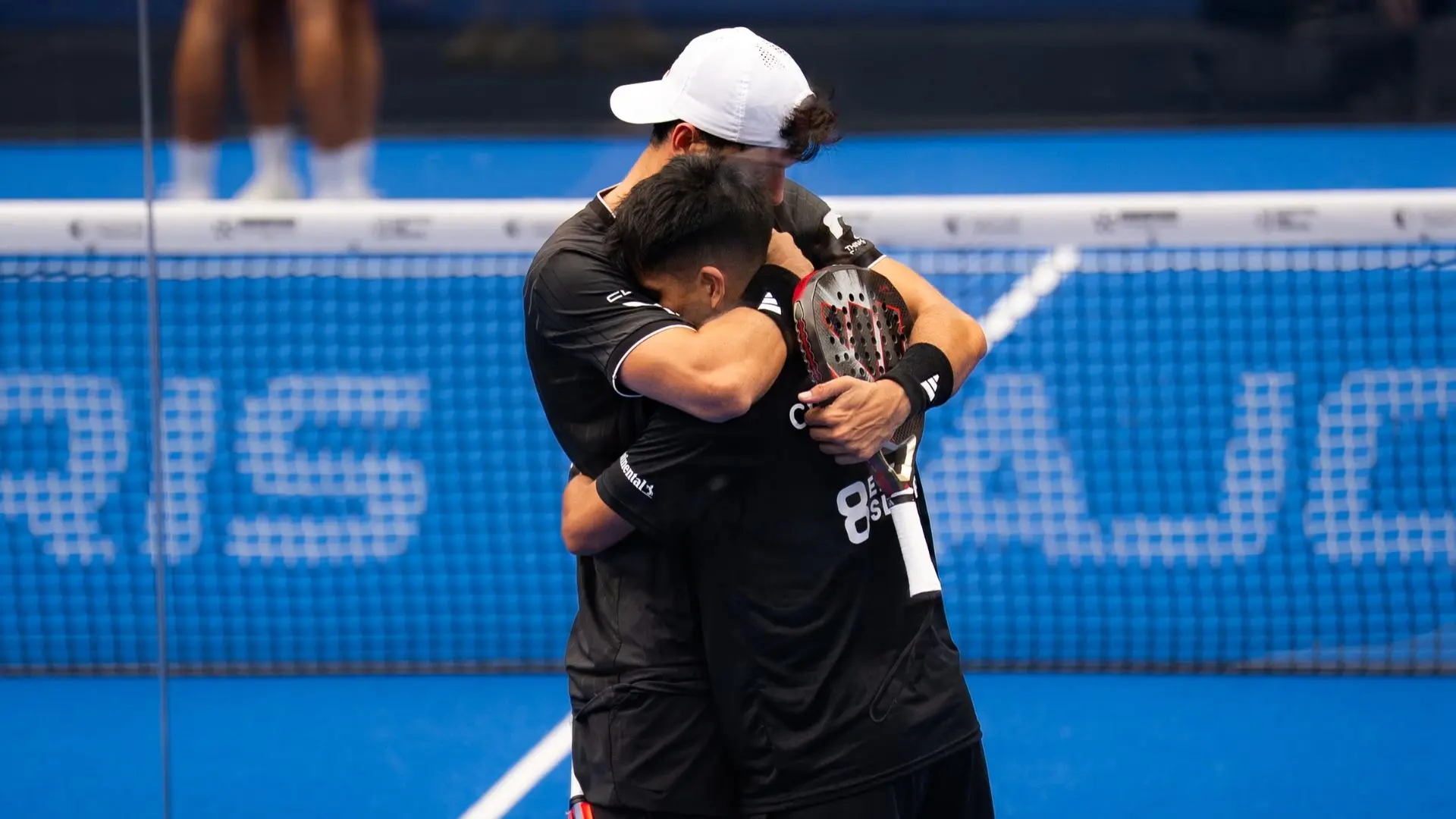 Dubai P1 – Galán/Chingotto withdraw, Leal/Guerrero take advantage of their absence to directly enter the main draw
 Padel court rentals: a global market estimated at 4,6 billion euros
 FIP Beyond: the new global padel circuit for amateurs and seniors
 More than 6,300 FIP-ranked players: professional padel is becoming international, but Spain dominates
 Memory, reflexes, concentration: what happens in our brain when we play padel?
 P2000 or P3000: what are the differences in prize money, format and organization in 2028?
 Why can Libaak/Alfonso beat almost everyone… except Coello/Tapia?
 Could padel help the brain recover after chemotherapy?
 What the analysis of the stroke reveals: tennis forehand vs. padel bandeja
 Has the bandeja disappeared from modern padel?
 Flat forehand in padel: 5 exercises from Cristian Álvarez to gain control and efficiency
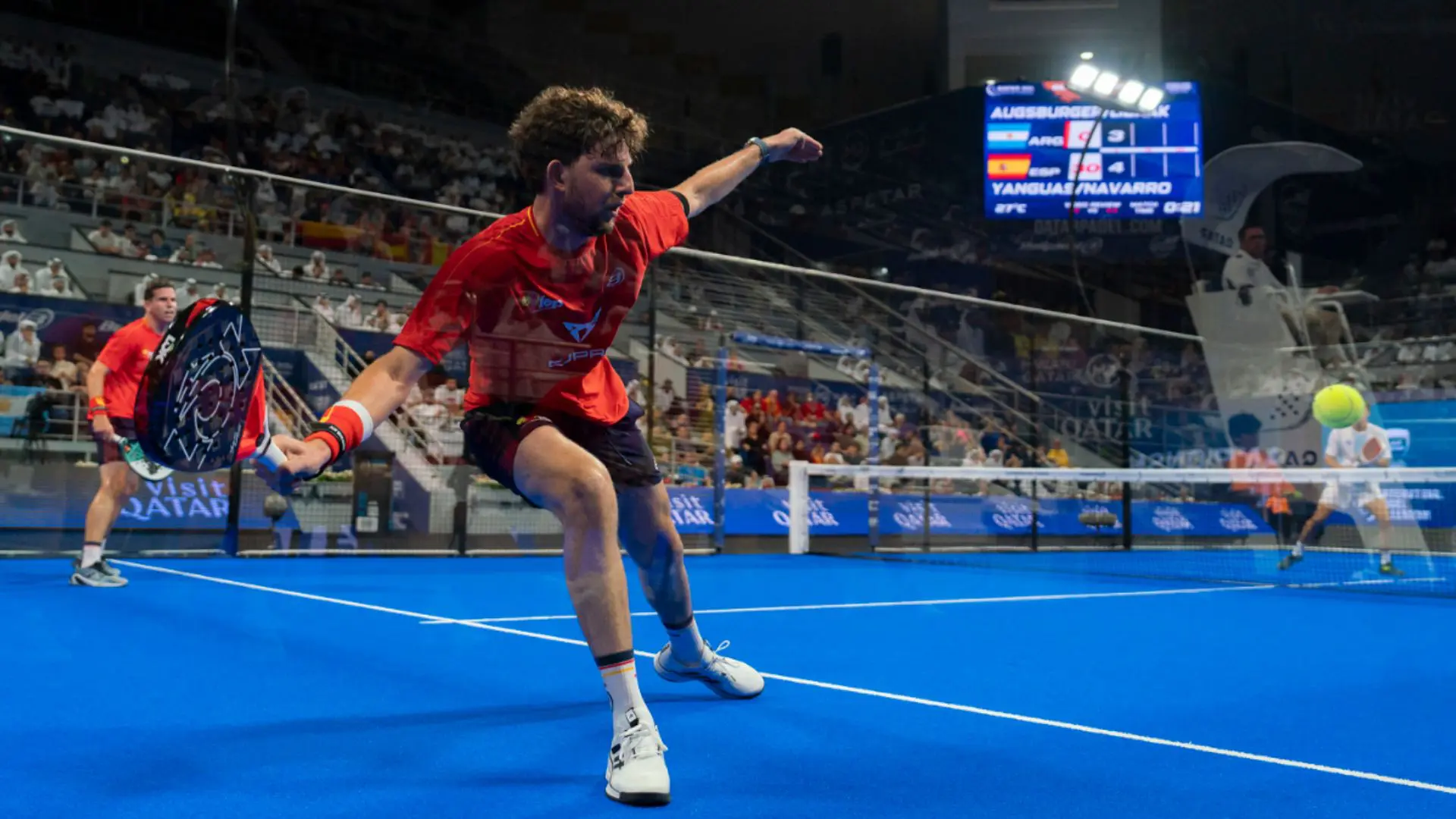 Why knowing how to play on the right and left can make all the difference
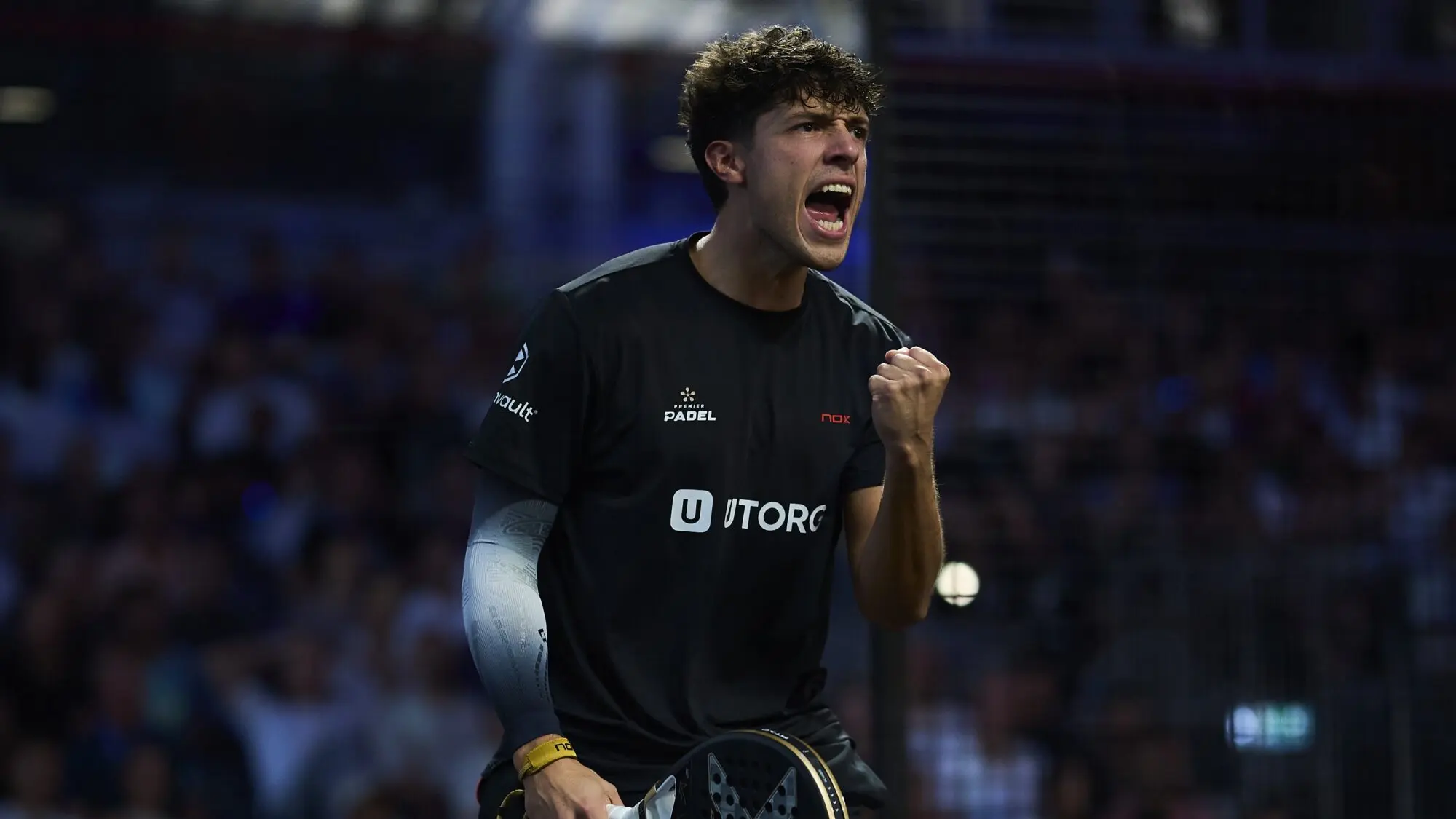 Tapia reveals his recipe for beating Coello / Tapia: "I would bet everything on myself"
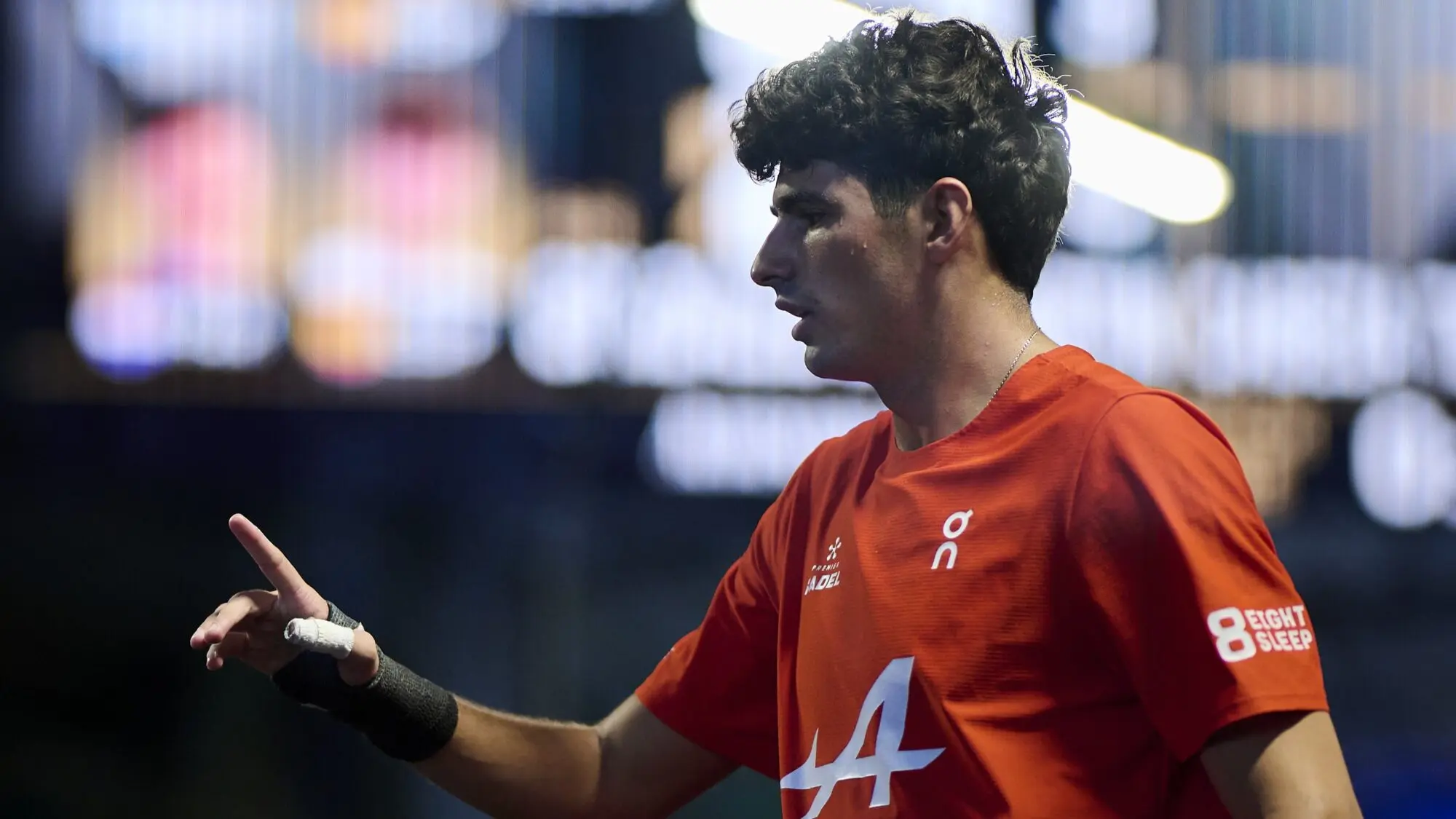 How Coello defused Chingotto's game plan
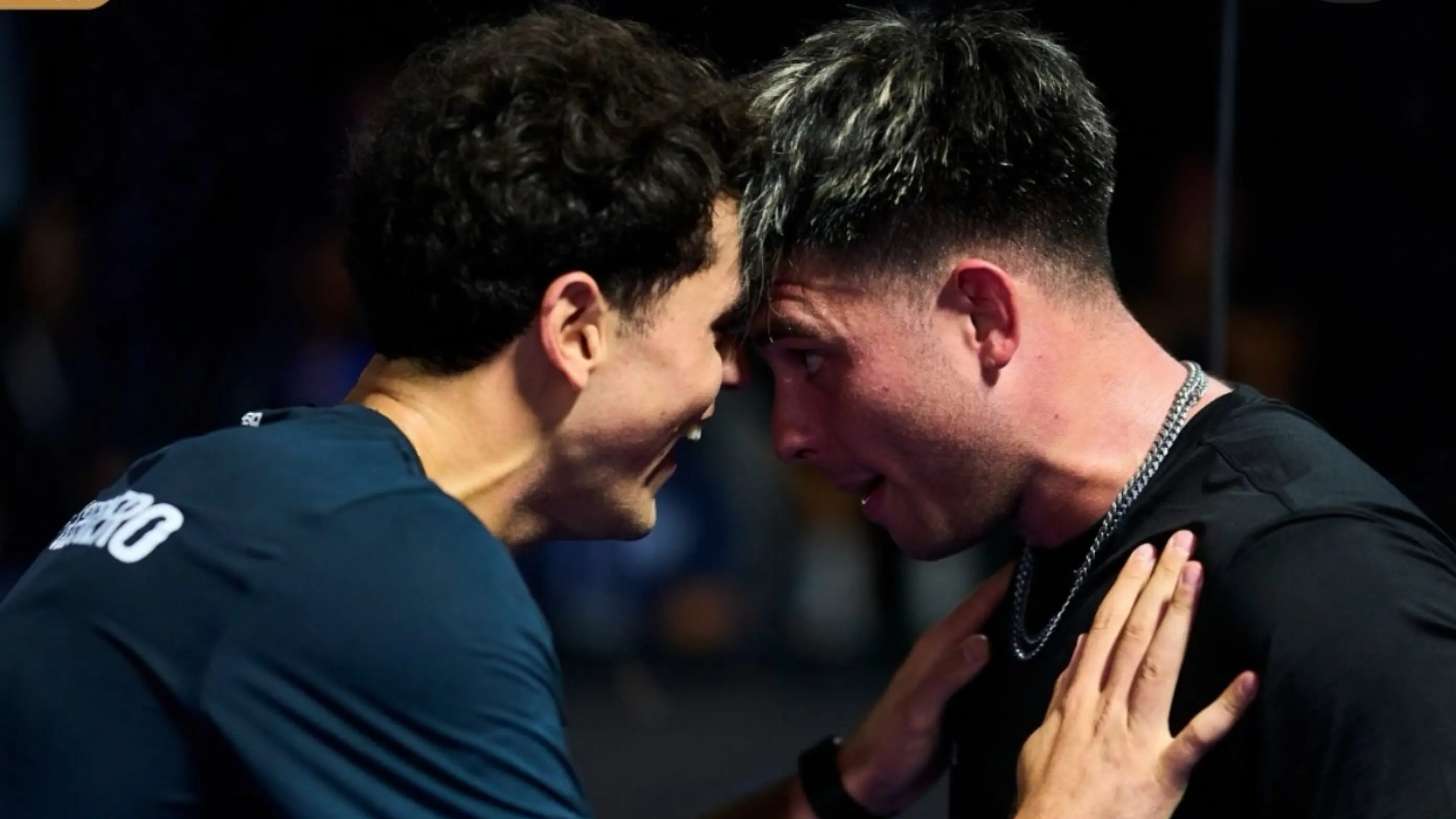 In padel, does the chemistry between a pair count as much as individual skill?
 Organising a P2000 or a P3000: how much does it really cost clubs?
 Do you lose your ranking? Padel FFT after more than a year without a license / without competition?
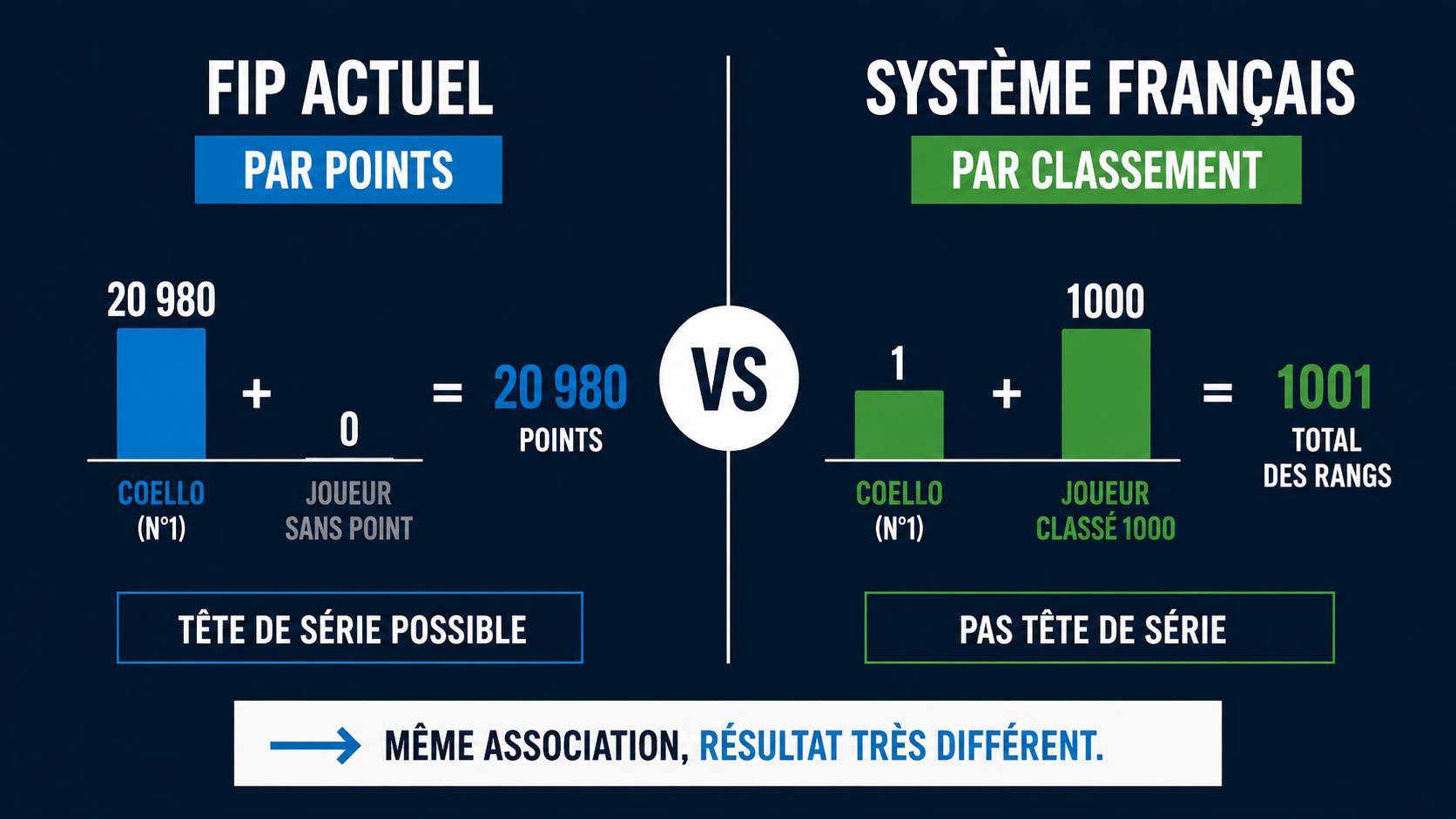 Coello with a player at 0 points ahead of two top 10 players: should the FIP ranking be reviewed?
 Kuwait Major: Chingotto/Galán out, Alejandro Galán injured, Coello/Tapia the only favorites?
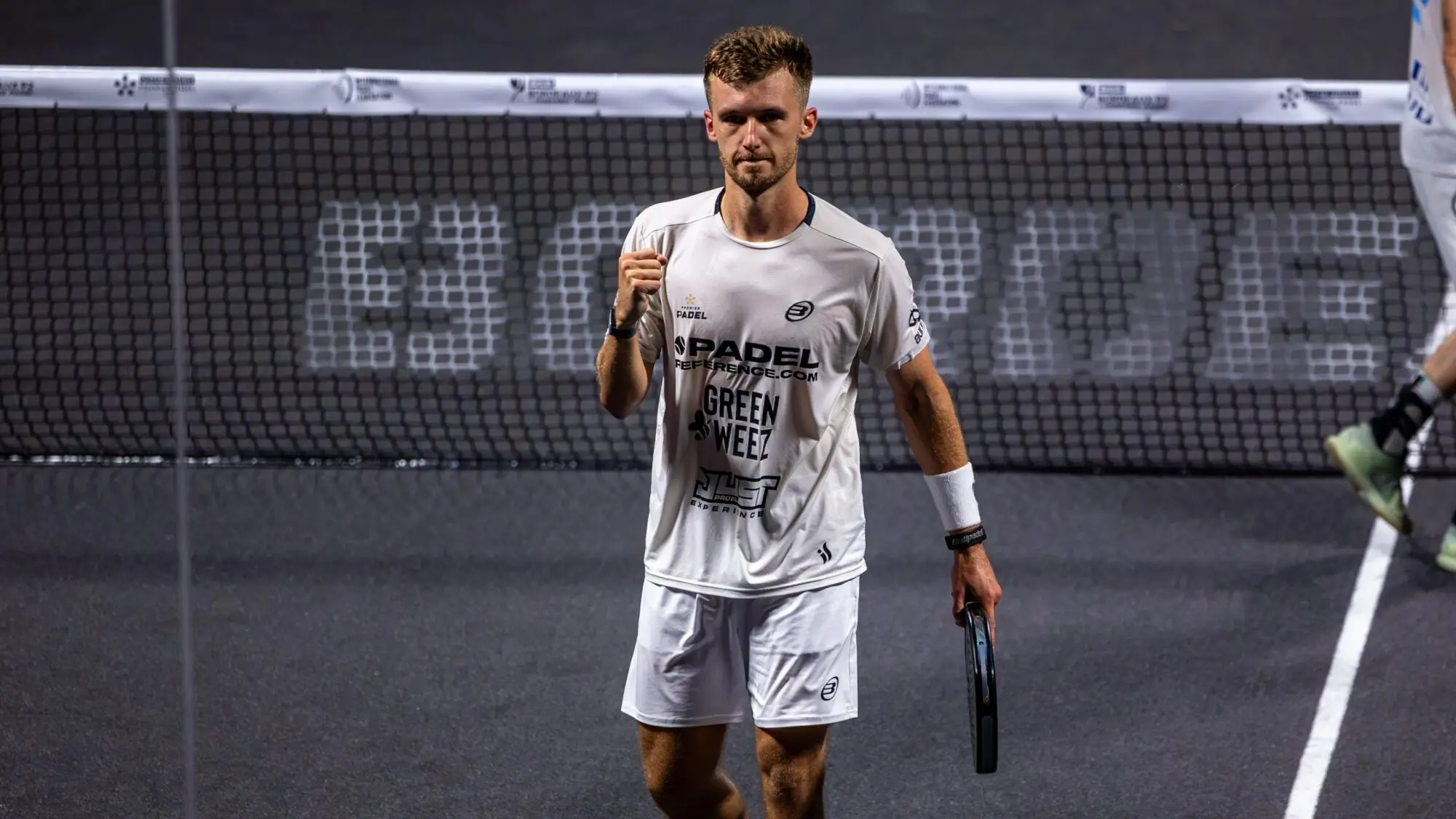 Julien Seurin opens up about his mental state: "There are far more doubts than moments of happiness."
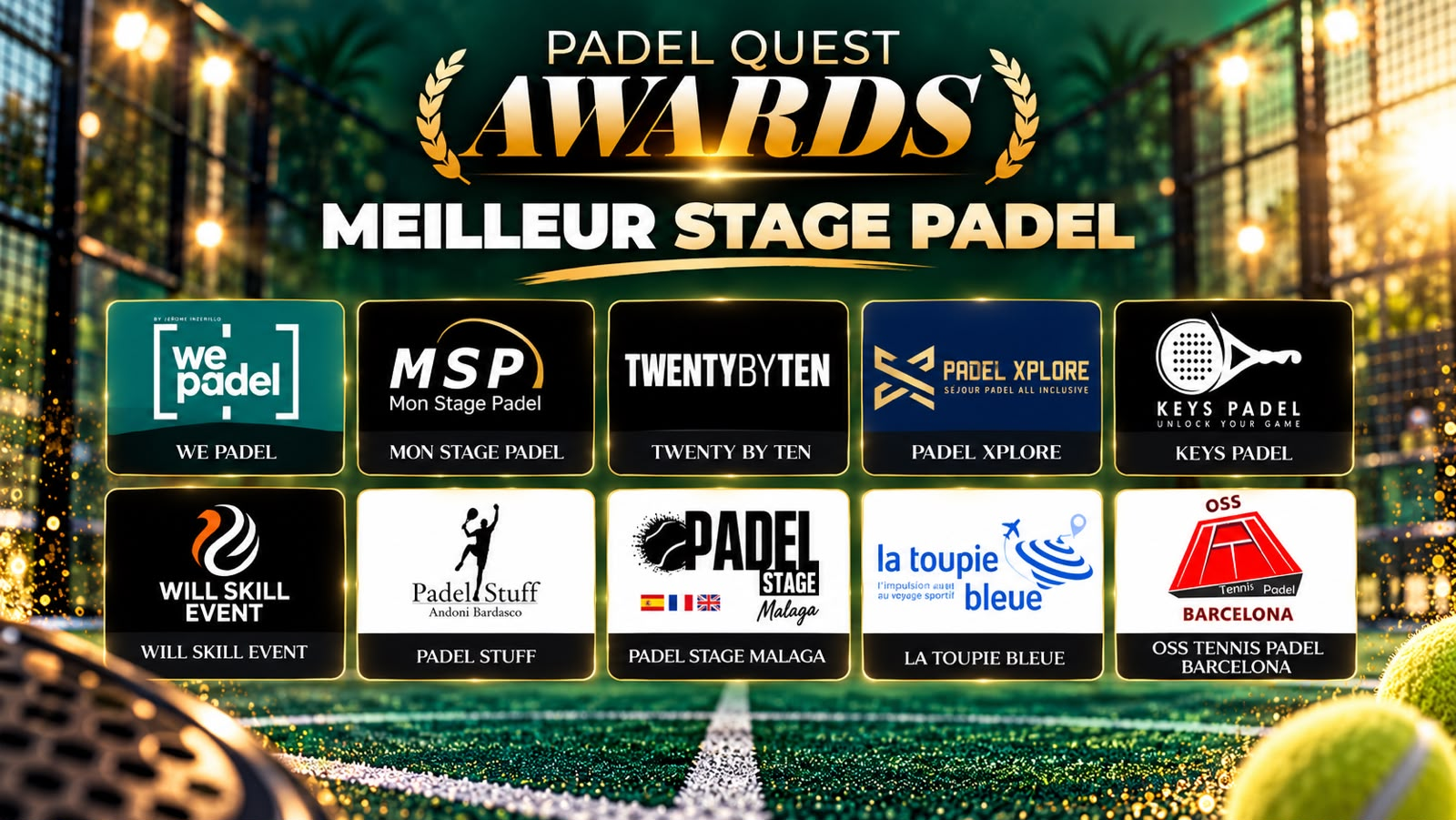 Padel Quest Awards: Ten specialists in the running for the title of best padel training camp of the year
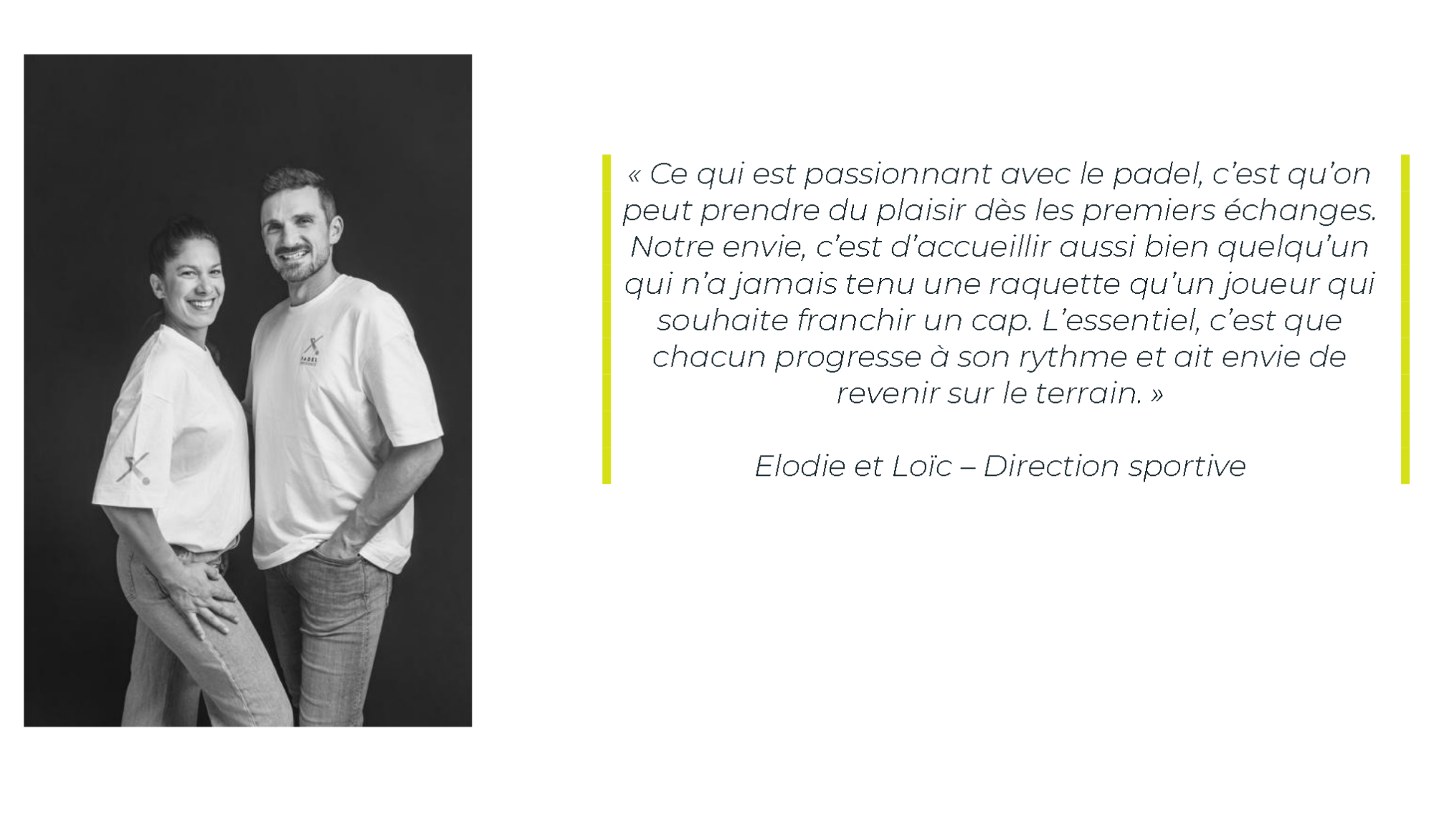 Padel Xperience: The Academy opens on November 2nd in Marcheprime, ahead of the complex's inauguration in 2027
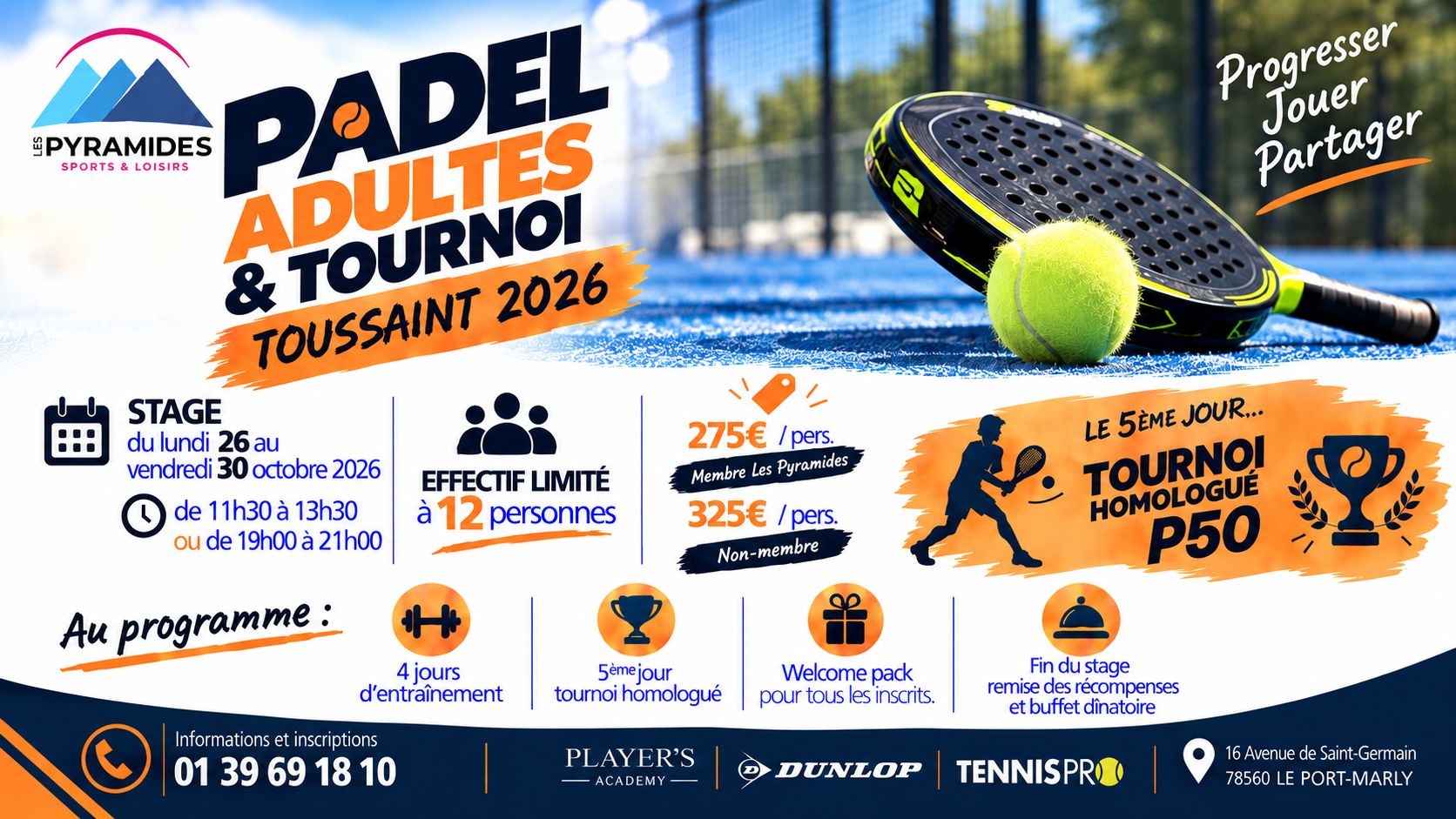 All Saints' Day – Les Pyramides are organizing a padel training camp for adults with a P50 tournament to close out the week
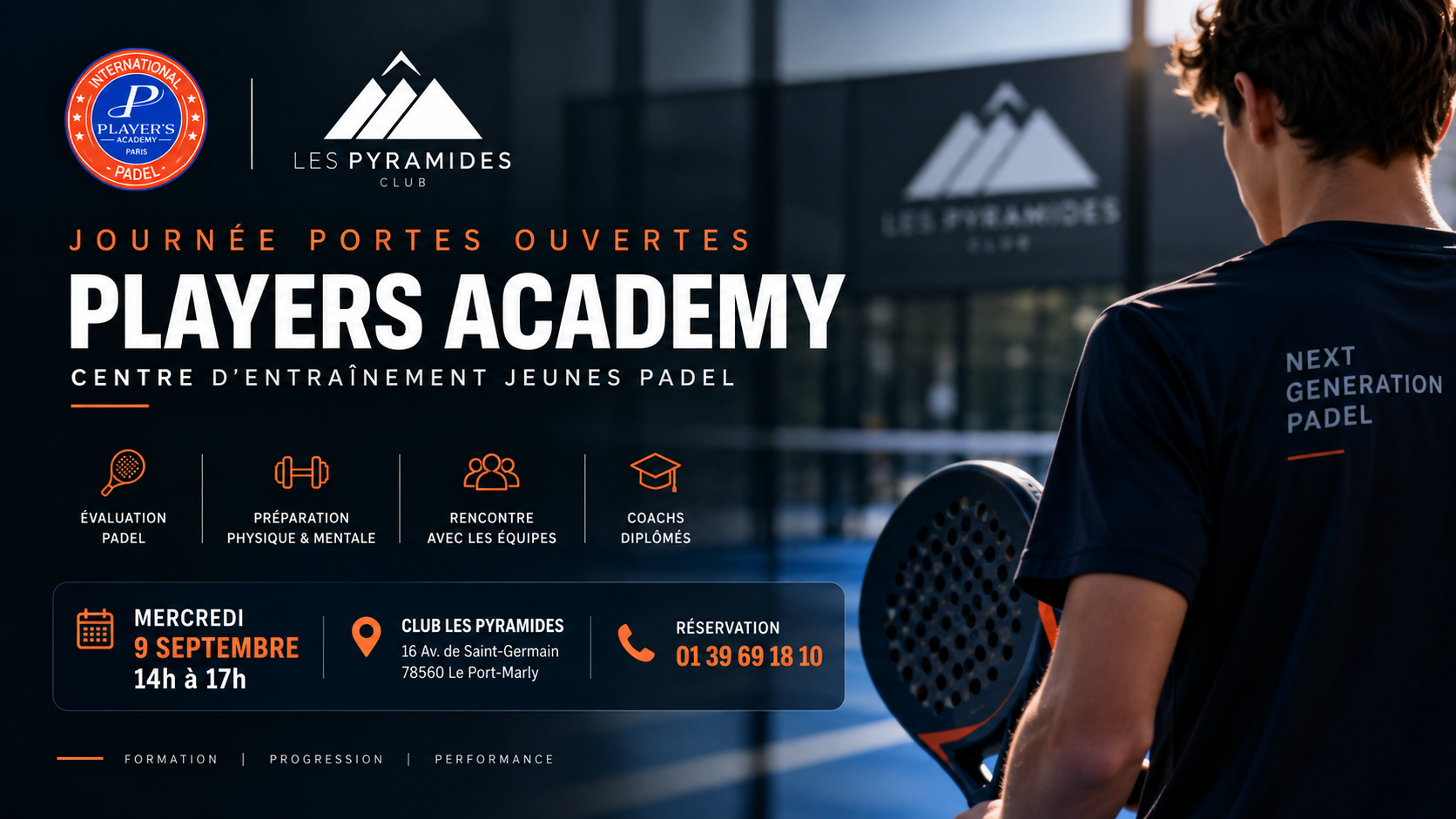 Les Pyramides: after 12 padel courts, the club is focusing on youth training