









Reaching a final on Premier PadelIt's about getting through a grueling week… before sometimes having to start all over again a few days later .
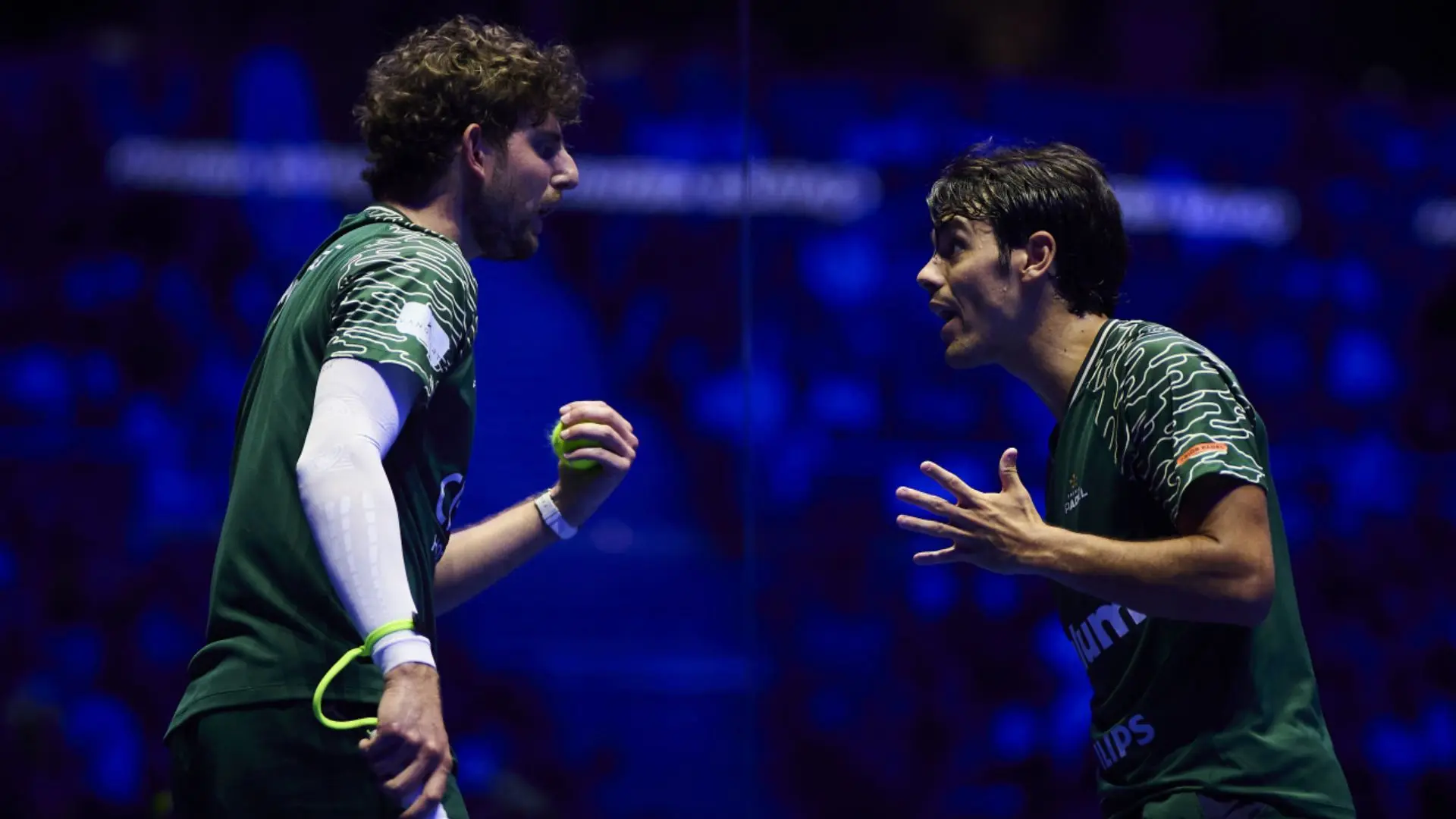
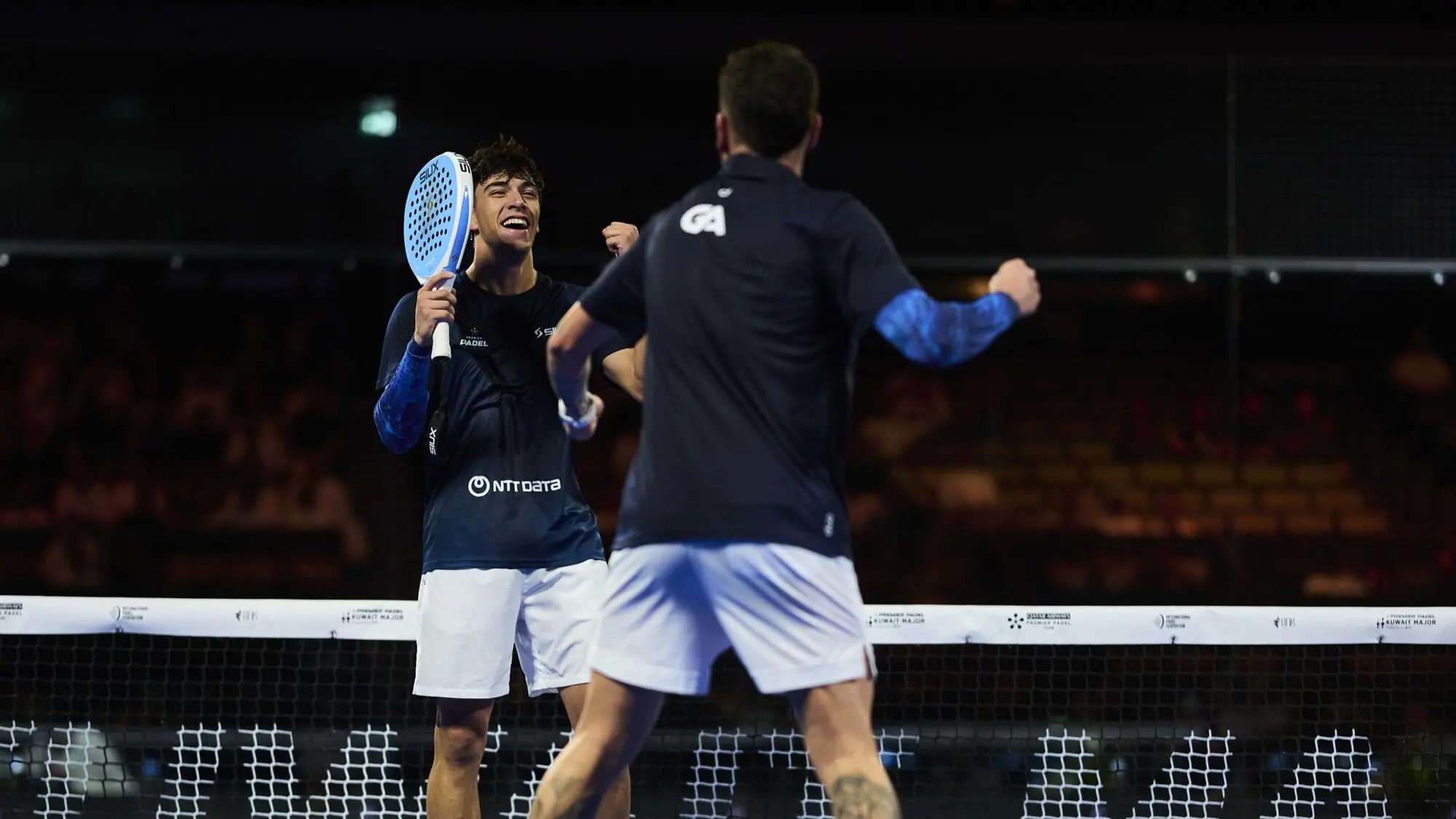
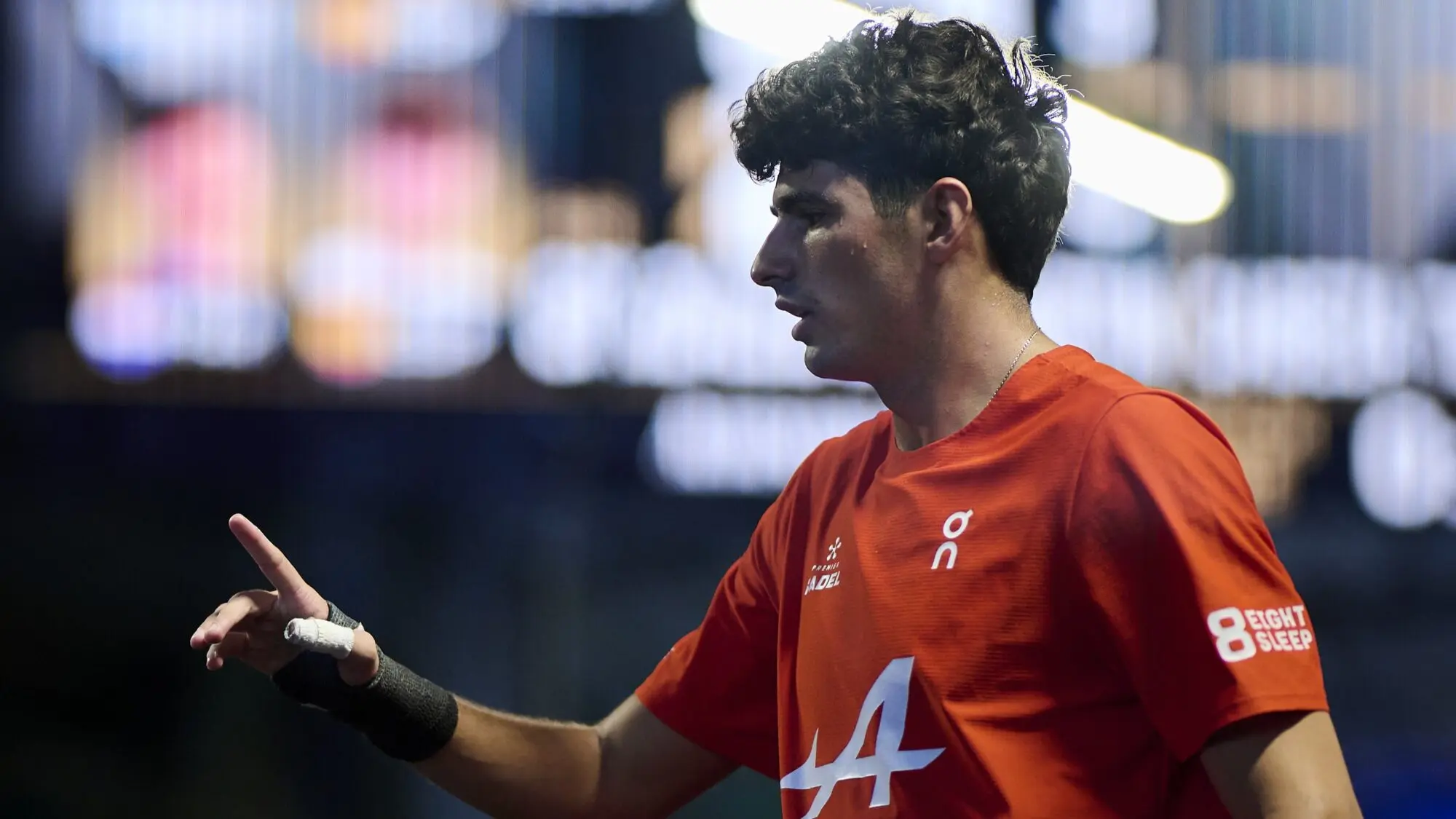
Coki Nieto and Mike Yanguas have just experienced this. : after nearly three hours of fighting in the Madrid P1 final against Chingotto / Galán The Spaniards reached Paris before falling in the round of 16 against Alonso / Goñi (6/4 6/3), a defeat where the weight of fatigue was notably pointed out.
Physical recovery, mental fatigue, travel, or changes in playing conditions: How do players manage to reset their game when they go through long weeks of competition?
When the final leaves its mark
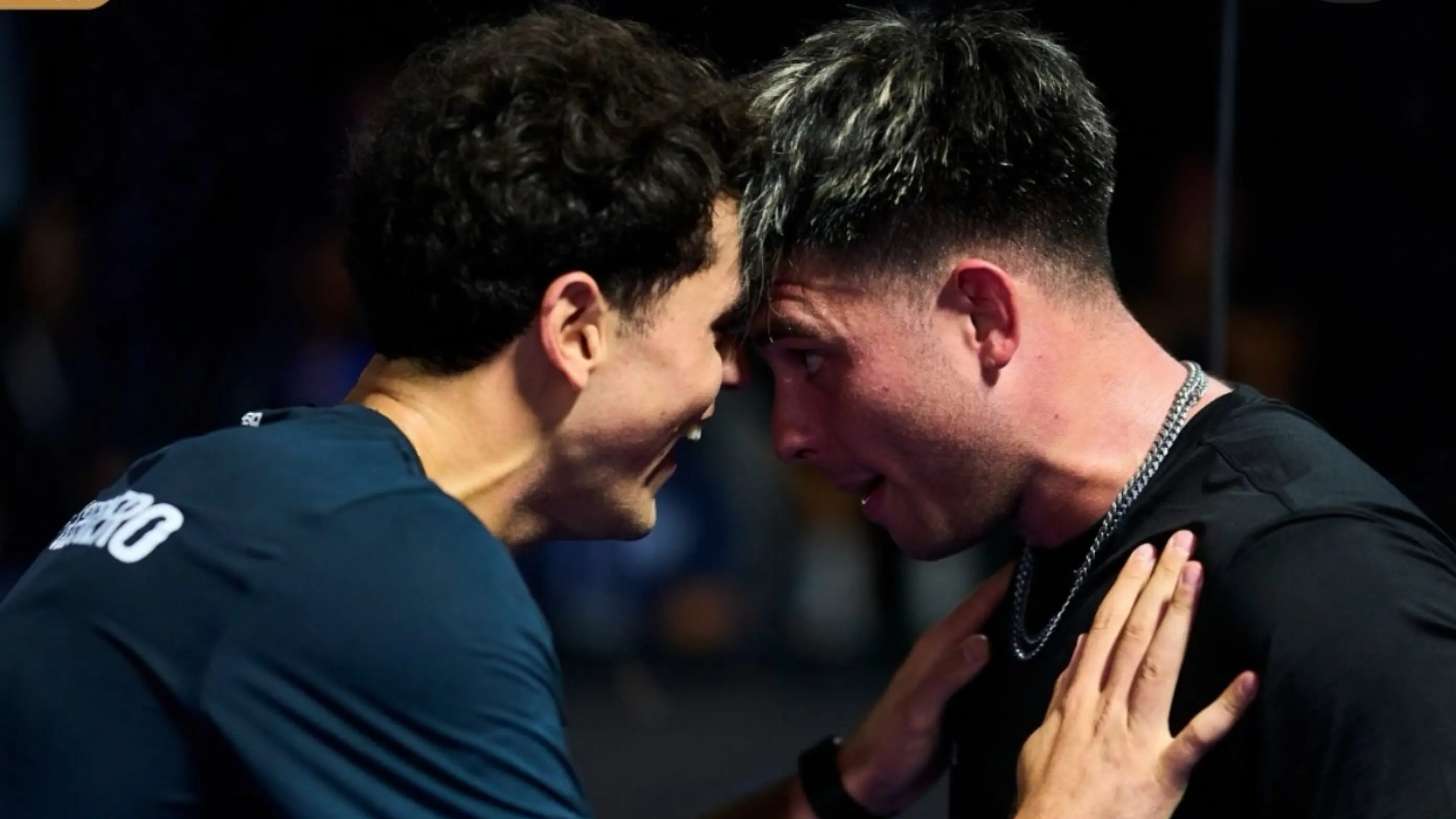
Coki Nieto / Mike Yanguas are not the only ones to have experienced a brutal return to earth after a final. A few weeks earlier, Javi Leal / Fran Guerrero had achieved a superb run at Pretoria P1, until reaching their first final Premier Padel together , lost against Chingotto/Galán. Barely had they left South Africa before they had to head to London for the next tournament, The Spanish pair were eliminated in their very first match. unable to extend the momentum built in Pretoria.
The same scenario recently played out for Nieto/Yanguas: after their final at 2:43 am in Madrid , which ended in a 6/4 5/7 6/4 defeat against Chingotto/Galán, they reached Paris before falling in the round of 16 against Alonso / Goñi (6/4 6/3) Two examples that illustrate what a week spent making it to Sunday can cost: Added to the accumulated matches is the disappointment of a lost final, the recovery to manage and, sometimes, an almost immediate move to the next tournament.
However, these figures tell a different story.
These two examples might suggest that a final is almost automatically paid for a few days later. However, the results observed this season tell a very different story. On the 28 cases studied of pairs who played a final before immediately moving on to a new tournament Premier Padel25 have once again reached at least the semi-finals , Almost 89% and 18 have even returned to the final. A particularly impressive ability among the two best pairs in the world.
Coello/Tapia, for example, won successively in Rome, Valencia, Valladolid, Bordeaux and then Malaga. , despite four consecutive weeks of competition between Rome and Bordeaux. Chingotto / Galan , their opponents in the finals in Rome, Valencia, Valladolid and Bordeaux, also played in four consecutive finals during this period.
More recently, after their fight of 2:43 against Nieto / Yanguas in Madrid They still found the resources to reach the final of the Paris Major a few days later. Fatigue exists, but the best pairs seem to possess a superior ability to absorb it without their results collapsing.
Recover your legs, but also your head
However, recovery between two tournaments is not limited to the hours spent at the physiotherapist's. The accumulation is also mental. Franco Stupaczuk has been working with a sports psychologist for several years and explains that he has gained maturity in the way he manages the elements he cannot control during competition.
More recently, he also confided that he was working specifically on ambition and the ability to arrive at every tournament with the same hunger Despite years spent at the highest level, the pace of the circuit also demands knowing when to take a break: Stupaczuk and Yanguas had already emphasized the need to find a balance between competition, travel, team life and moments of rest with their loved ones . A dimension sometimes underestimated when a pair has just spent six days under pressure before having to immediately focus on a new scenario.
Especially since travel is another factor: Jorge Martínez, coach of Chingotto/Galán, himself emphasizes the wear and tear caused by an international schedule and constant travel . Recovering after a final is therefore as much about getting the body back in shape as it is about mentally closing out one tournament in order to start another almost immediately.
From one tournament to the next, you also have to change your frame of reference.
In addition to this recovery, there is another difficulty: Conditions can change completely in a few days. The Madrid-Paris series is a good example. The Spanish P1 was contested indoors at the Movistar Arena , in particularly fast conditions, with Chingotto himself pointing out in Madrid that the ball "goes out a lot".
A few days later, the scene at Roland-Garros changed: outdoor tournament significantly cooler temperatures — around 15 degrees at the lowest compared to nearly 38 degrees in Madrid, and therefore different sensations in the game.
Players therefore need to do more than just recover: They must immediately adapt their positioning, their defense, their lobs, and their aerial game. For a pair who have just played five or six matches and a final on Sunday, the following week sometimes begins with a real reset.
Recovery, another quality to win
The paradox is actually quite simple: The further a pair progresses in a tournament, the less time they have to prepare for the next one. When Coello/Tapia won in Rome in June, the Premier Padel resumed the very next day in Valencia; a few weeks later, the move from Valladolid to Bordeaux took place with, in the words of the FIP, barely enough time to enjoy the previous tournament.
However, the best pairs often continue to deliver. Knowing how to recover quickly, turn the page on a victory or a defeat, travel and then adapt to new conditions is now a component of performance just like physical or tactical ability.
The examples of Nieto/Yanguas and Leal/Guerrero show that the balance can sometimes be disrupted. Those of Coello/Tapia or Chingotto/Galán serve as a reminder that at the pinnacle of world padel, The difference may also lie between two tournaments, away from the track.

As a padel fan and player, I scan the padel scene: Beware, you are being watched!

































































 2026 World Championships – Spain reclaims its world crown, a stratospheric Coello defeats Argentina
 2026 World Championships – Argentina / Spain: a third match for the world title!
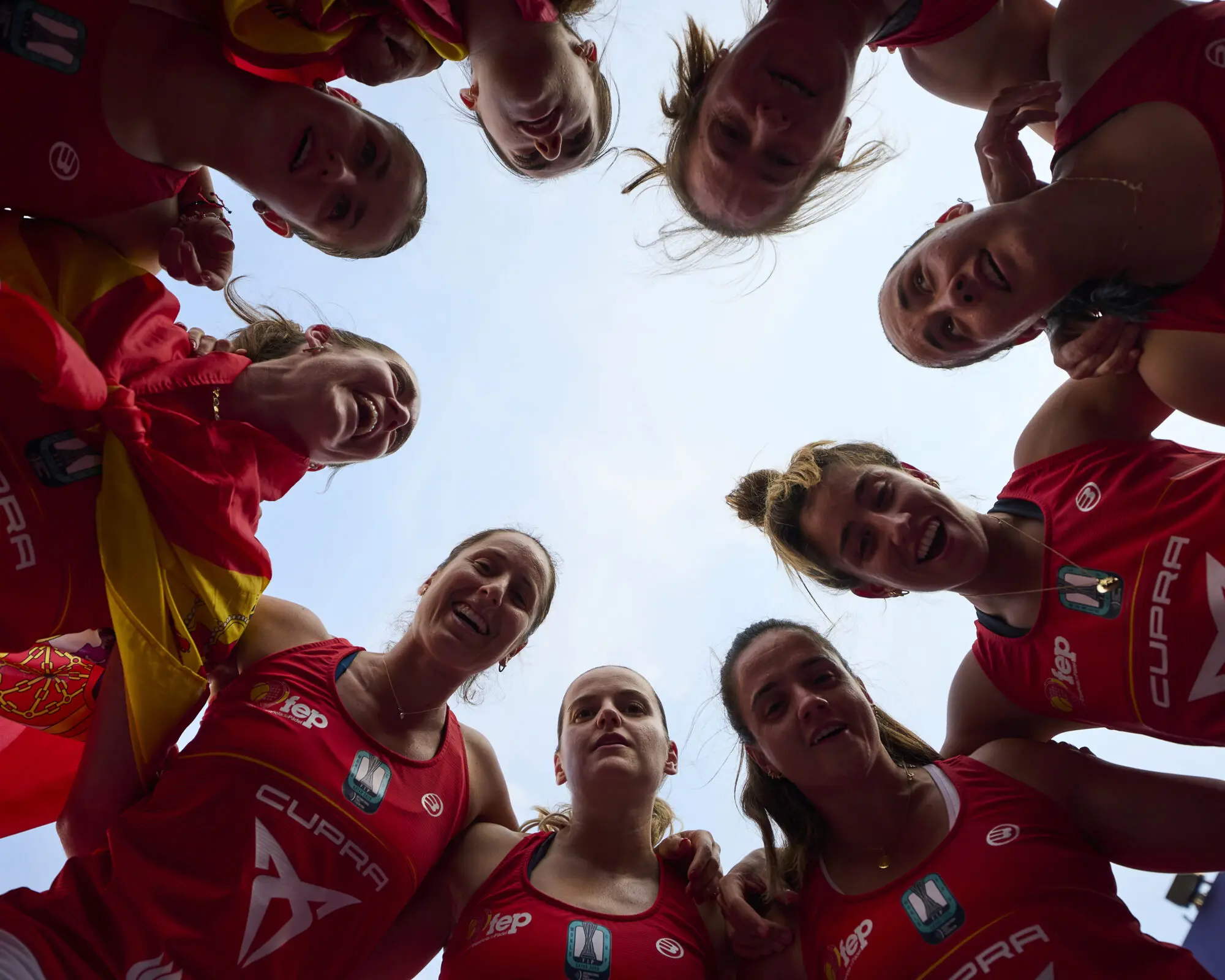 2026 World Championships – Ustero in tears, Triay facing Brea: the world champions' confessions
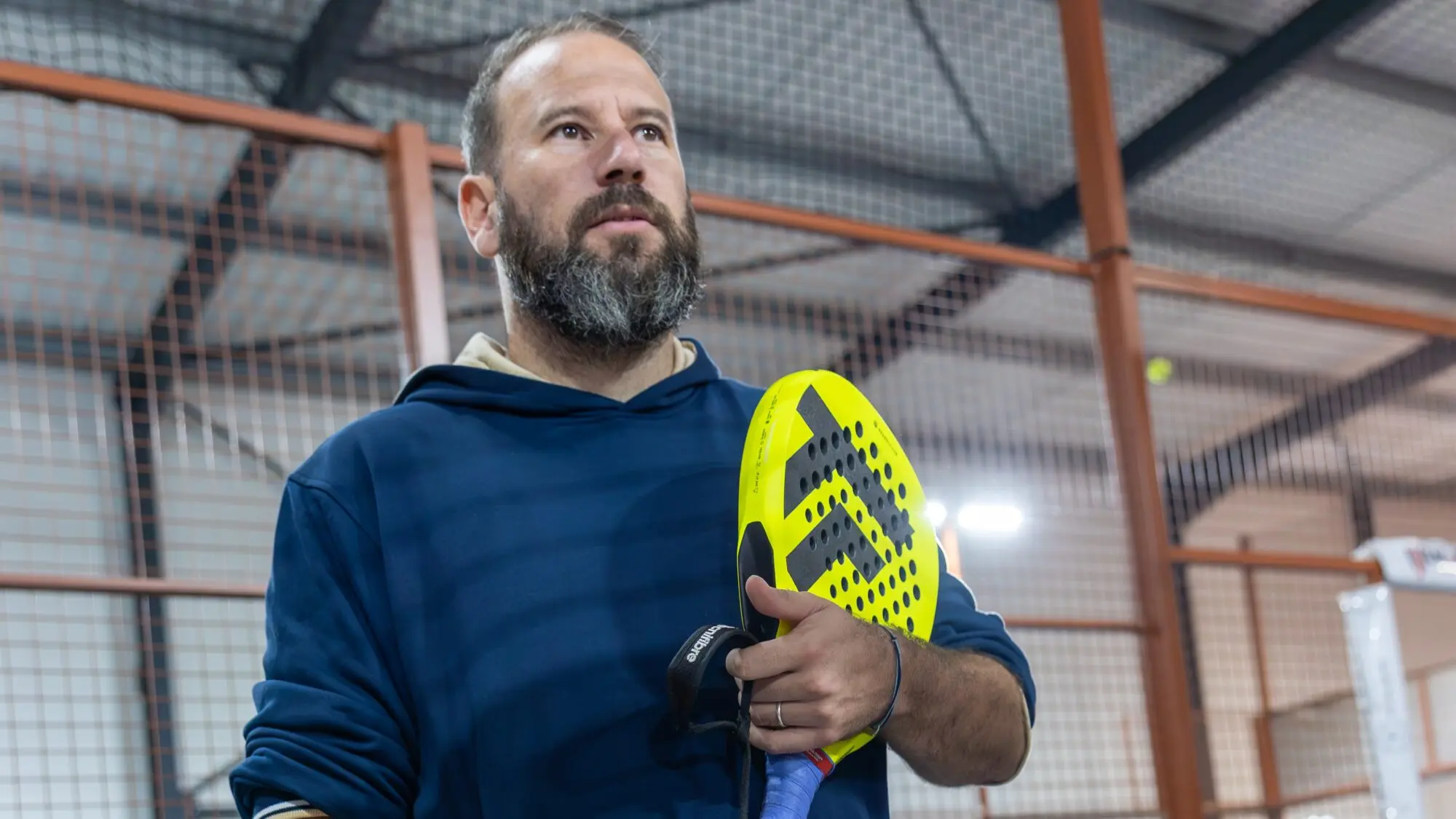 "I applied to become the coach of the French national team": an objective for Adrien Maigret
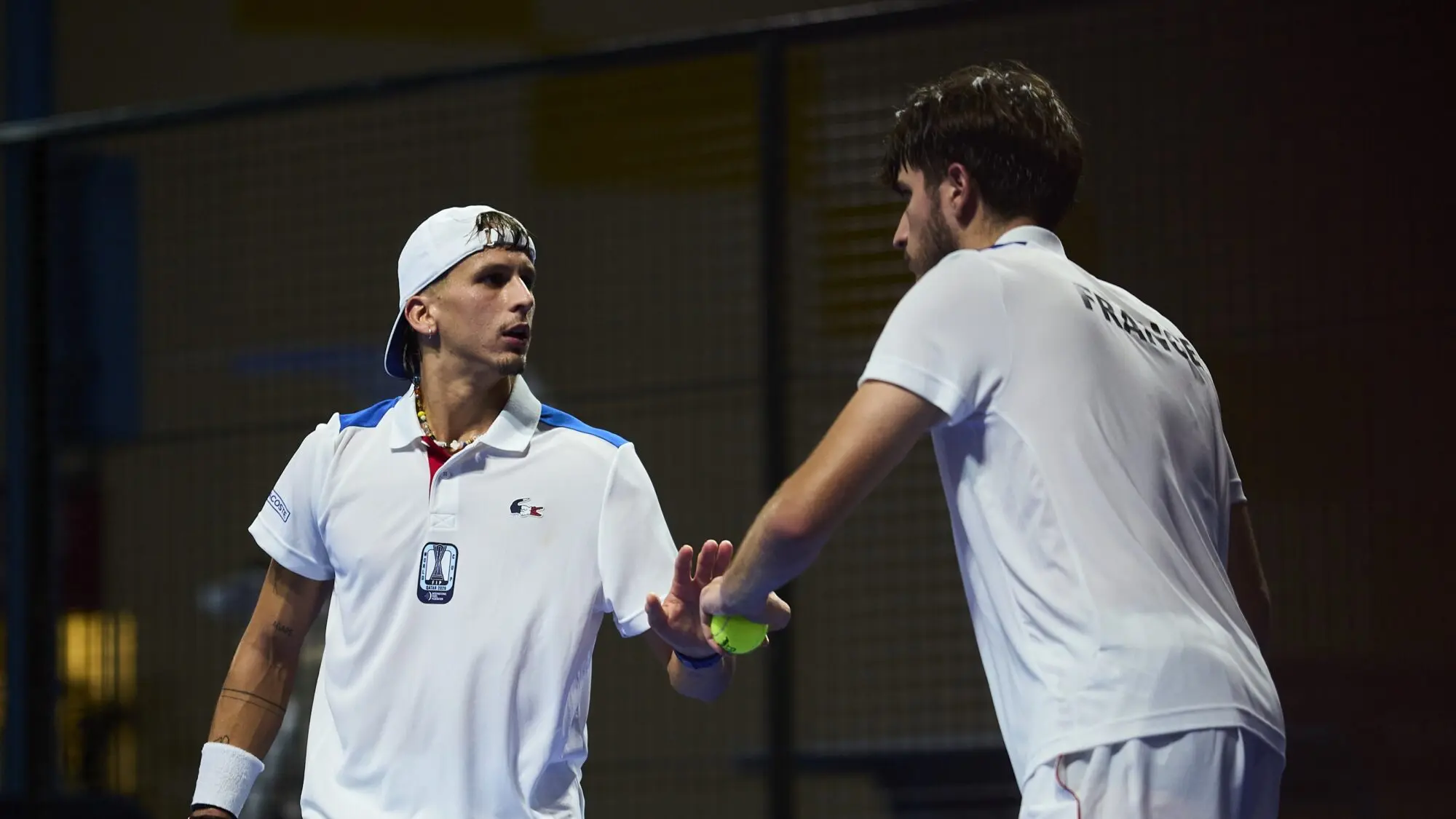 Fonteny/Joris after their “almost” upset against Tapia/Libaak: “We believed until the very last point”
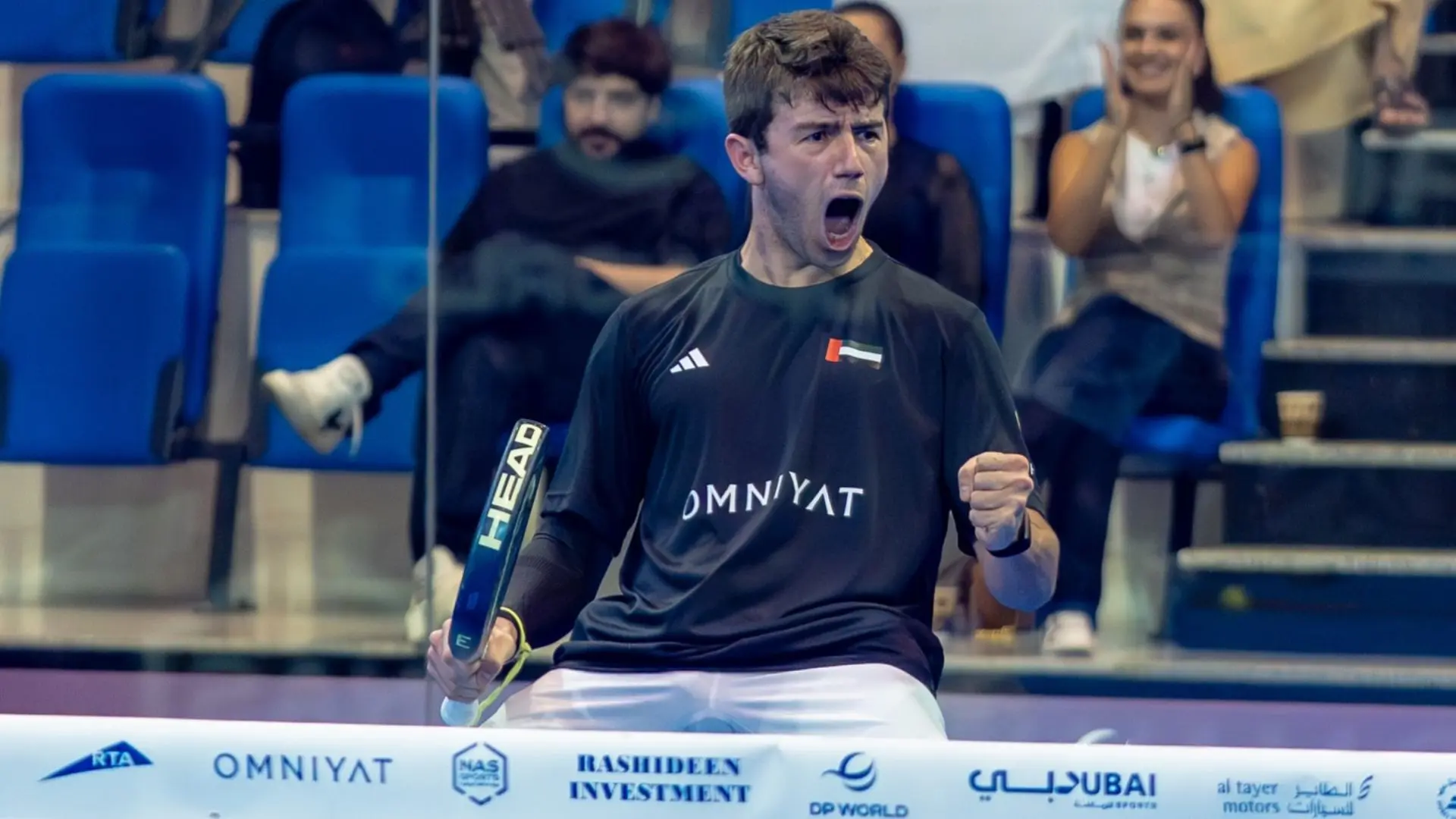 2026 World Cup – Five players barred from World Cup with the United Arab Emirates: Íñigo Jofre denounces the situation
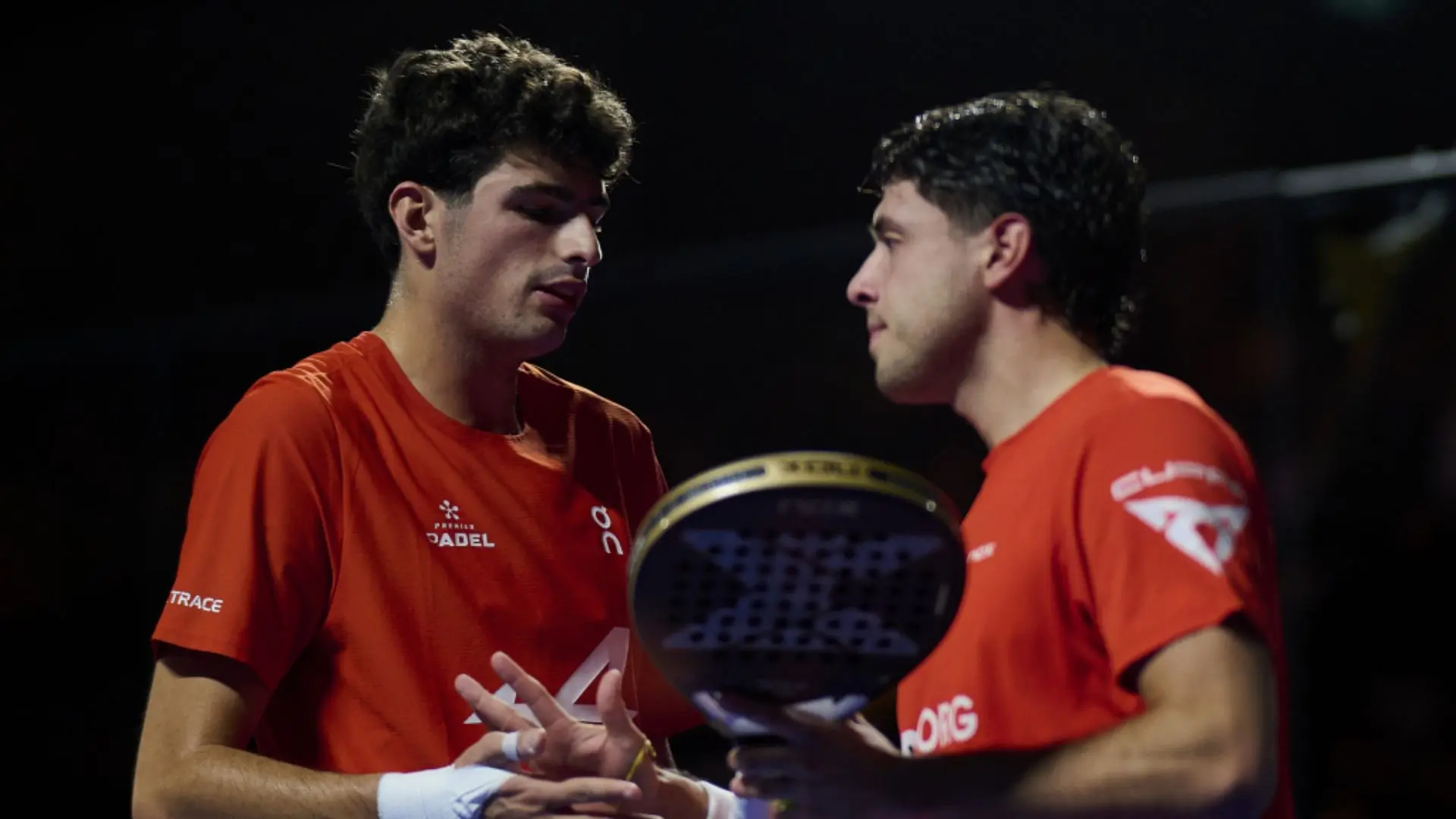 Coello/Tapia ahead of the Kuwait Major final against Tello/Arce: “These are two players who cause us a lot of problems”
 2026 World Championships – No medal for the French women, beaten 2-0 by Italy in the bronze medal match
 2026 World Championships – The French women's team loses their first point against Italy despite a strong performance from Touly/Pothier; Collombon/Bahurel can no longer afford any mistakes.
 Padel, weight training, and even HYROX: clubs are changing their model
 2026 World Championships – Where to watch the finals? Spain vs. Argentina, two clashes for the world titles
 Dunlop unveils the Galactica Pro by Nisse, a limited edition of only 500 pieces worldwide
 2026 World Cup – Joris/Robert, the new addition to the French team for their final match against Paraguay
 Dubai P1 – Galán/Chingotto withdraw, Leal/Guerrero take advantage of their absence to directly enter the main draw
 Padel court rentals: a global market estimated at 4,6 billion euros
 FIP Beyond: the new global padel circuit for amateurs and seniors
 More than 6,300 FIP-ranked players: professional padel is becoming international, but Spain dominates
 Memory, reflexes, concentration: what happens in our brain when we play padel?
 P2000 or P3000: what are the differences in prize money, format and organization in 2028?
 Why can Libaak/Alfonso beat almost everyone… except Coello/Tapia?
 Could padel help the brain recover after chemotherapy?
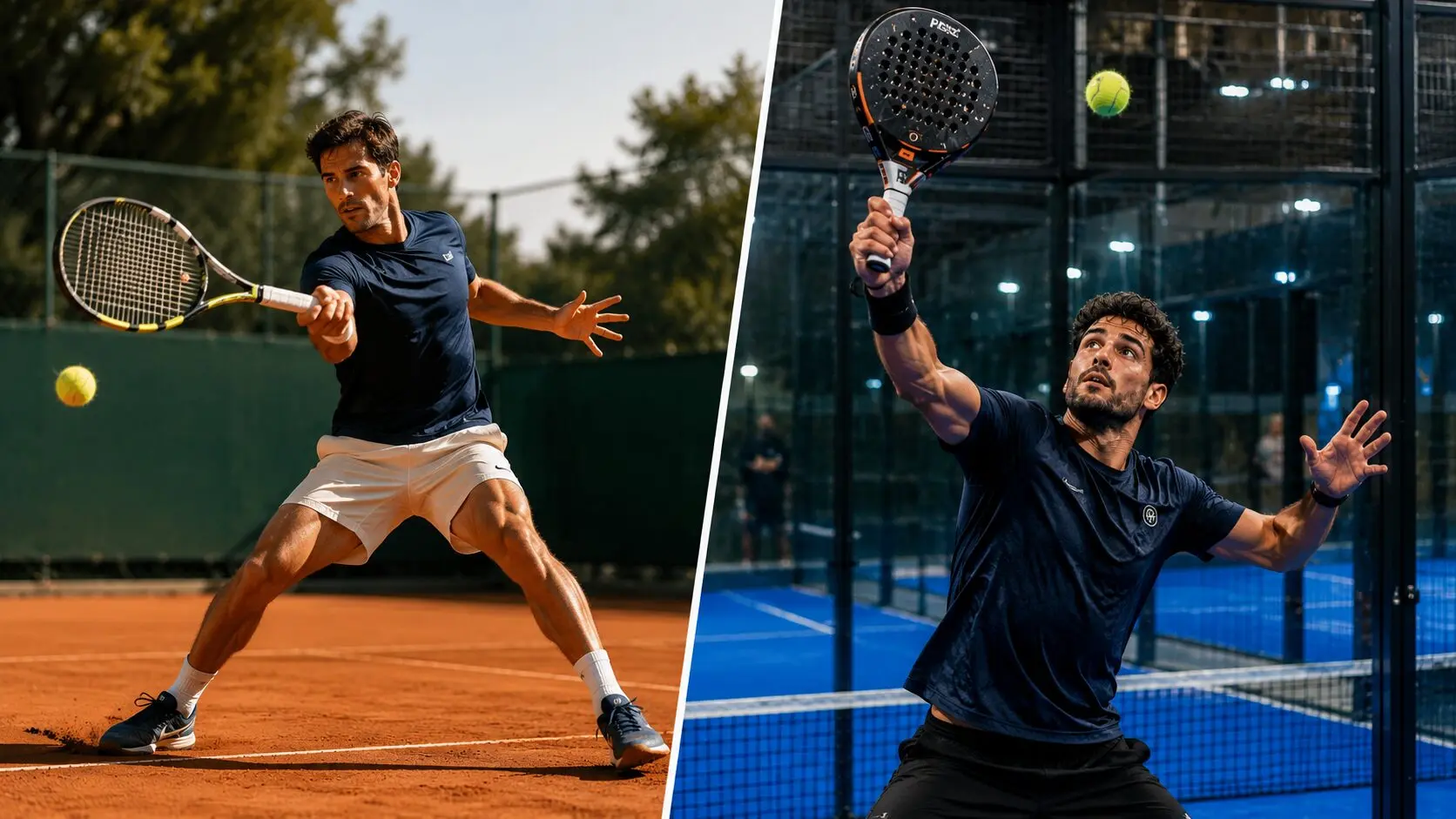 What the analysis of the stroke reveals: tennis forehand vs. padel bandeja
 Has the bandeja disappeared from modern padel?
 Flat forehand in padel: 5 exercises from Cristian Álvarez to gain control and efficiency
 Why knowing how to play on the right and left can make all the difference
 Tapia reveals his recipe for beating Coello / Tapia: "I would bet everything on myself"
 How Coello defused Chingotto's game plan
 In padel, does the chemistry between a pair count as much as individual skill?
 Organising a P2000 or a P3000: how much does it really cost clubs?
 Do you lose your ranking? Padel FFT after more than a year without a license / without competition?
 Coello with a player at 0 points ahead of two top 10 players: should the FIP ranking be reviewed?
 Kuwait Major: Chingotto/Galán out, Alejandro Galán injured, Coello/Tapia the only favorites?
 Julien Seurin opens up about his mental state: "There are far more doubts than moments of happiness."
 Padel Quest Awards: Ten specialists in the running for the title of best padel training camp of the year
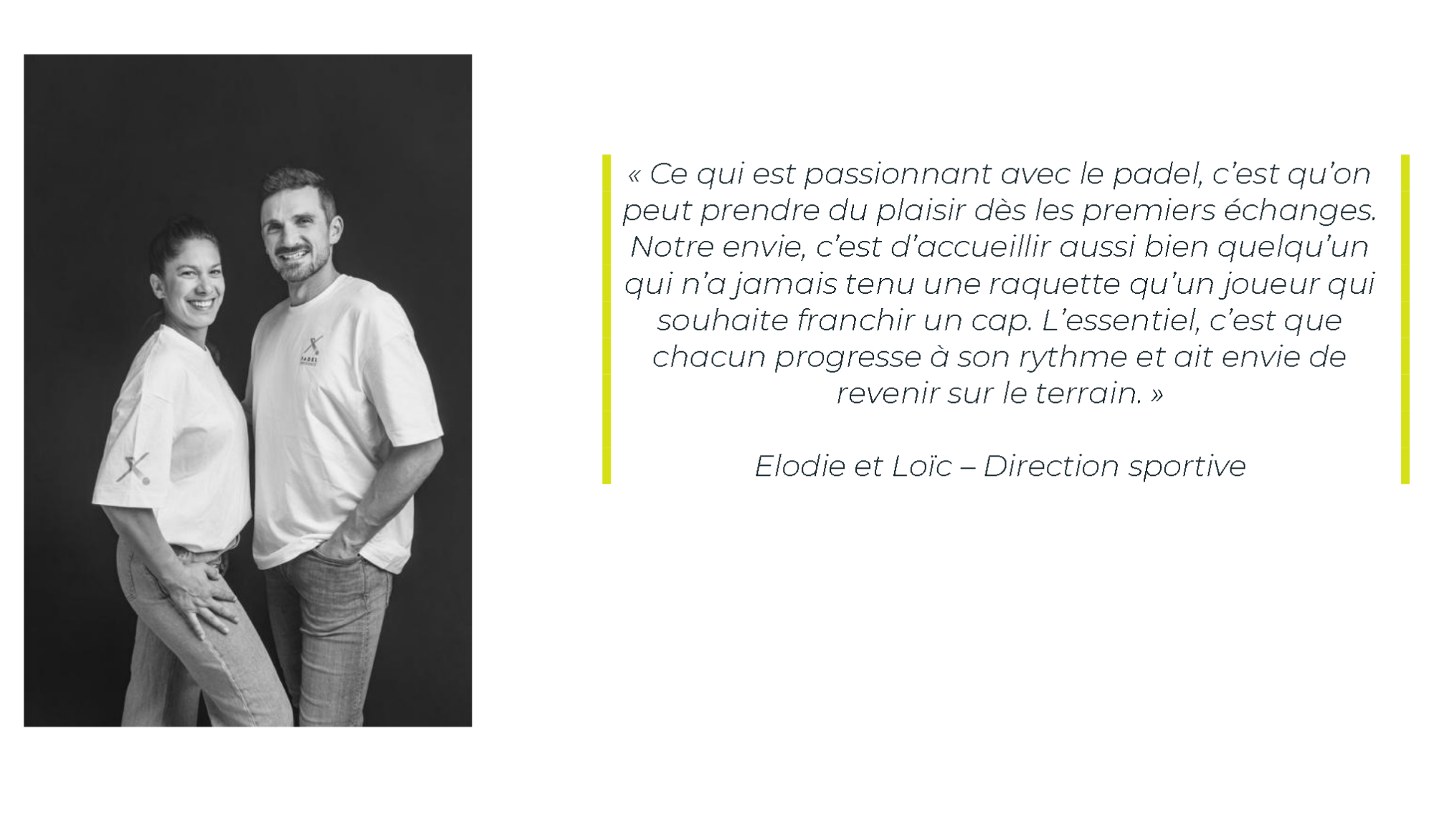 Padel Xperience: The Academy opens on November 2nd in Marcheprime, ahead of the complex's inauguration in 2027
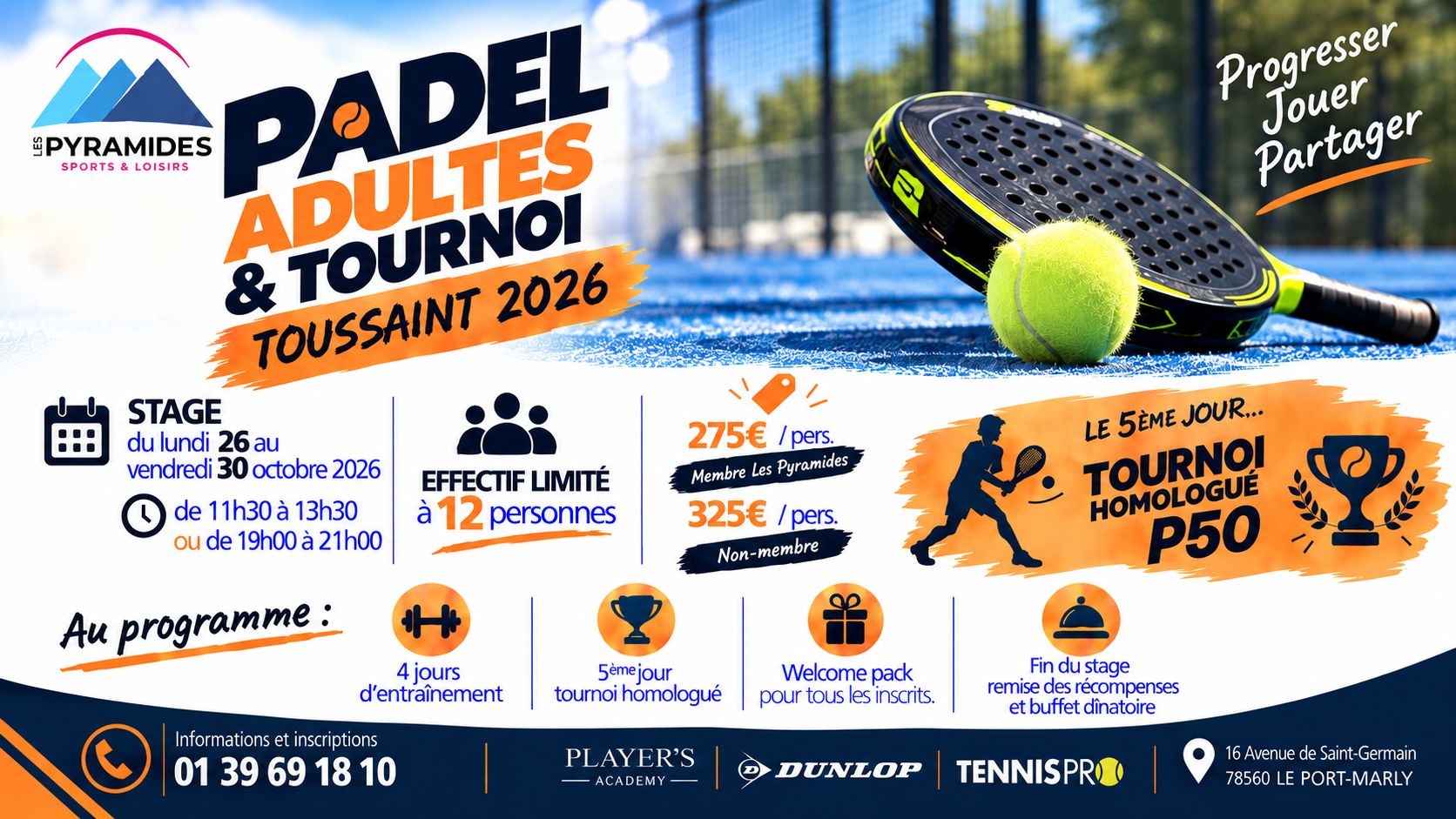 All Saints' Day – Les Pyramides are organizing a padel training camp for adults with a P50 tournament to close out the week
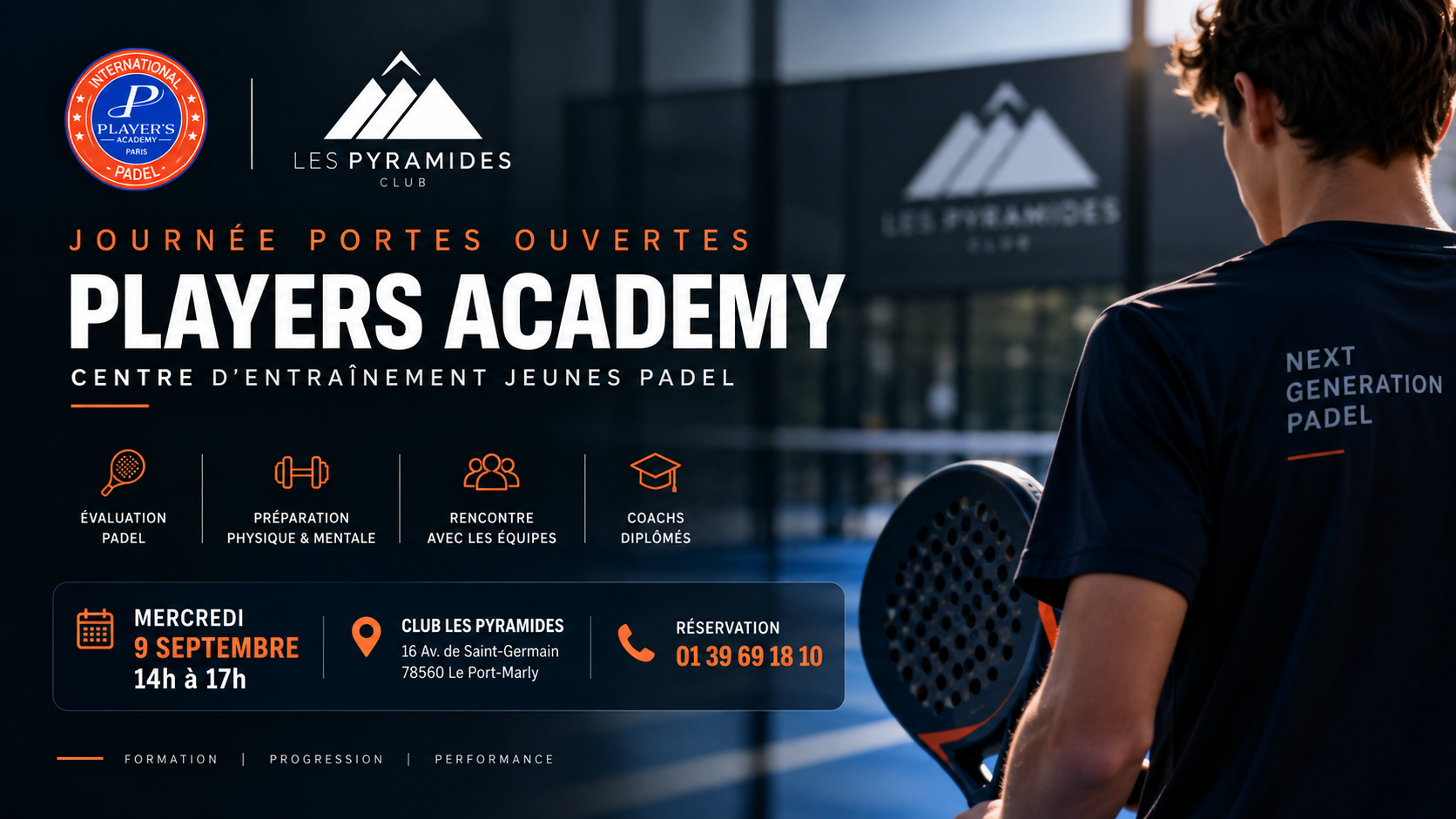 Les Pyramides: after 12 padel courts, the club is focusing on youth training