

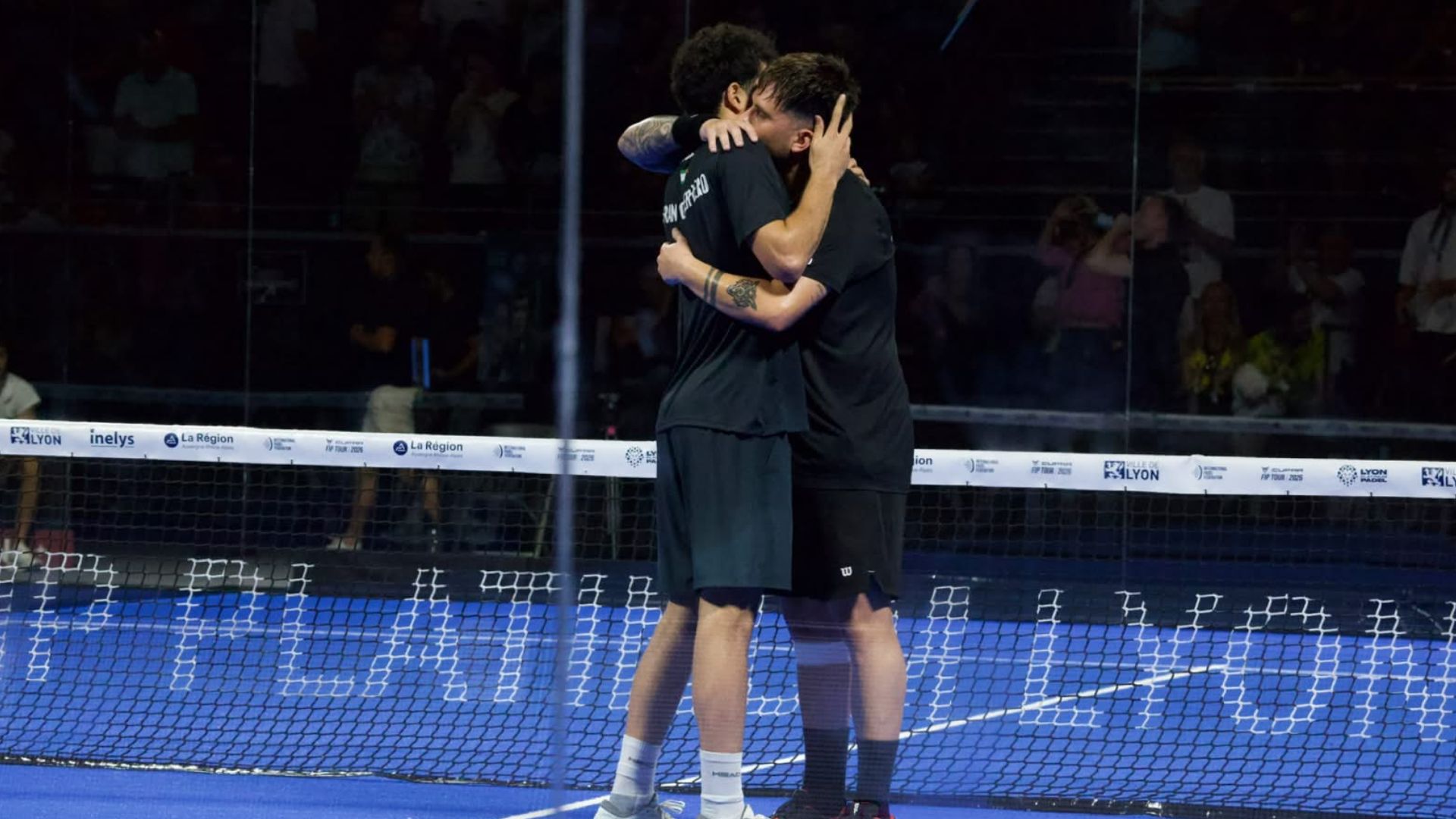








Fran Guerrero and Javi Leal won the FIP Platinum tournament in Lyon on Sunday, defeating Franco Stupaczuk and Jon Sanz. After dropping the first set, the Spaniards gradually took control of the final to win 4-6, 6-4, 6-1 and secure their second Platinum title of the season after Marseille.
But beyond the title, this final highlighted a significant difference between the two pairs: the ability to find a stable level of play once the match settles in .
Guerrero, the metronome of the diagonal
Fran Guerrero probably delivered one of his most accomplished performances of his week in Lyon. Indeed, another element was particularly influential in the diagonal attack: the quality of Guerrero's movements and transitions With excellent positioning, he consistently looked to advance after his first volley to close down space for Sanz, without rushing. His backhand volley, often played compact and low, greatly troubled the Spanish left-hander, preventing him from settling comfortably into the rally. Guerrero wasn't necessarily aiming for the winner on that first volley; he was using it to gradually approach the net, reduce Sanz's angles, and force him to play an extra ball from increasingly uncomfortable positions.
Javi Leal, who was more reserved at the start of the match, also gradually grew into the game. And that's probably where their victory was built. Guerrero and Leal have raised their level without needing to constantly play outside their comfort zone. .
As the match progressed, their average level increased. For their opponents, the curve followed the opposite path.
Jon Sanz, from an exceptional shot to an avoidable mistake
The case of Jon Sanz is almost paradoxical.
He can produce, in the same game, a phenomenal winning smash, defend an almost impossible ball, or accelerate with a force that immediately changes the rally. Then, a few points later, commit a much more difficult-to-explain error: Missed return of serve, rushed shot, too quick a decision in a situation that didn't require it .
This is precisely what happened throughout the final. Sanz's missed returns and unforced errors multiplied as Guerrero gained ground in their diagonal.
The problem, therefore, is obviously not Jon Sanz's ceiling. His ceiling is extremely high.
It is its floor .
At his best, he can turn a match around against virtually any pair. But between his very strong sequences, there are still too frequent periods where several avoidable points accumulate.
And against a pair like Guerrero–Leal, these passages end up costing dearly.
The same problem for Stupaczuk–Sanz?
Moreover, this reflection goes beyond the sole case of Sanz.
Stupaczuk and Sanz have shown since the beginning of their partnership that they can reach an extremely high level. They had already won the FIP Gold in Belgrade together and arrived in Lyon as the number 1 seeds.
But their game still seems to work by pics .
There are moments when Stupa gains a huge amount of ground, when Sanz becomes unplayable in the air, and when the pair imposes an intensity that's difficult to contain. Then come much less clean sequences, with more rushing and errors that give back to the opponent the points won just a few minutes earlier.
This may be their main focus today: finding a cruising speed .
Not necessarily playing harder. On the contrary.
Sometimes it's about knowing how to accept a 7/10 sequence rather than constantly oscillating between 10/10 and 4/10.
Knowing how to win without being exceptional
That's precisely what Guerrero and Leal did better in Lyon.
They didn't dominate the final from start to finish. Stupa and Sanz had even taken the first set and seemed to have taken control of the match. But Guerrero and Leal didn't immediately try to respond with more speed or more risks.
They gradually cleaned up their game.
Guerrero held his line. Leal got more involved in the game. The opposition started making mistakes. And the momentum completely shifted.
The third set illustrates this: one pair continues to play in the same direction while the other is unable to sustainably regain its best level.
For Stupaczuk and Sanz, potential isn't really the issue. They've already shown they can produce a style of padel capable of competing with the best pairs.
The next step may be more difficult: learn to win during periods when they are not playing their best padel .
In Lyon, Guerrero and Leal did it. And that's probably where this final was decided.

I discovered the Padel I stumbled into Spain at a campsite. I was instantly hooked; passionate about padel, I follow international and regional news with the same excitement as the sport itself.

































































 Padel serve: a good serve is especially good preparation for the third shot.
 2026 World Cup – Juanjo Gutiérrez, tactical mastermind or Argentina's mistake? The lineups that decided the final
 The World Championships have barely finished, and the French are already back on the track for the Dubai P1 qualifying rounds.
 FIP Tour – Vanbauce/Pillon shine in Cyprus and secure a place in the final four, Hugounenq are eliminated in the semi-finals in Espoo
 "I applied to become the coach of the French national team": an objective for Adrien Maigret
 Fonteny/Joris after their “almost” upset against Tapia/Libaak: “We believed until the very last point”
 2026 World Cup – Five players barred from World Cup with the United Arab Emirates: Íñigo Jofre denounces the situation
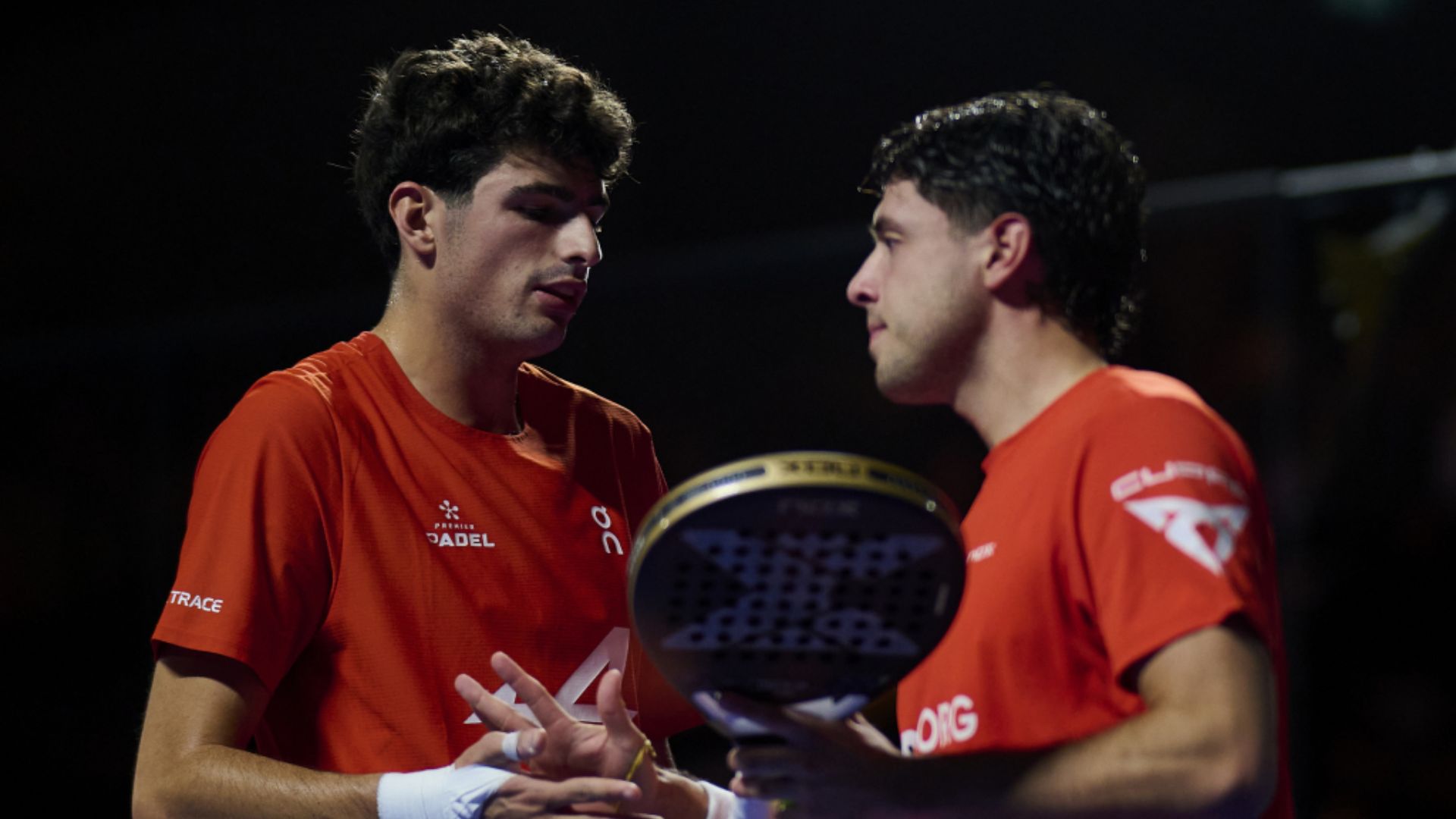 Coello/Tapia ahead of the Kuwait Major final against Tello/Arce: “These are two players who cause us a lot of problems”
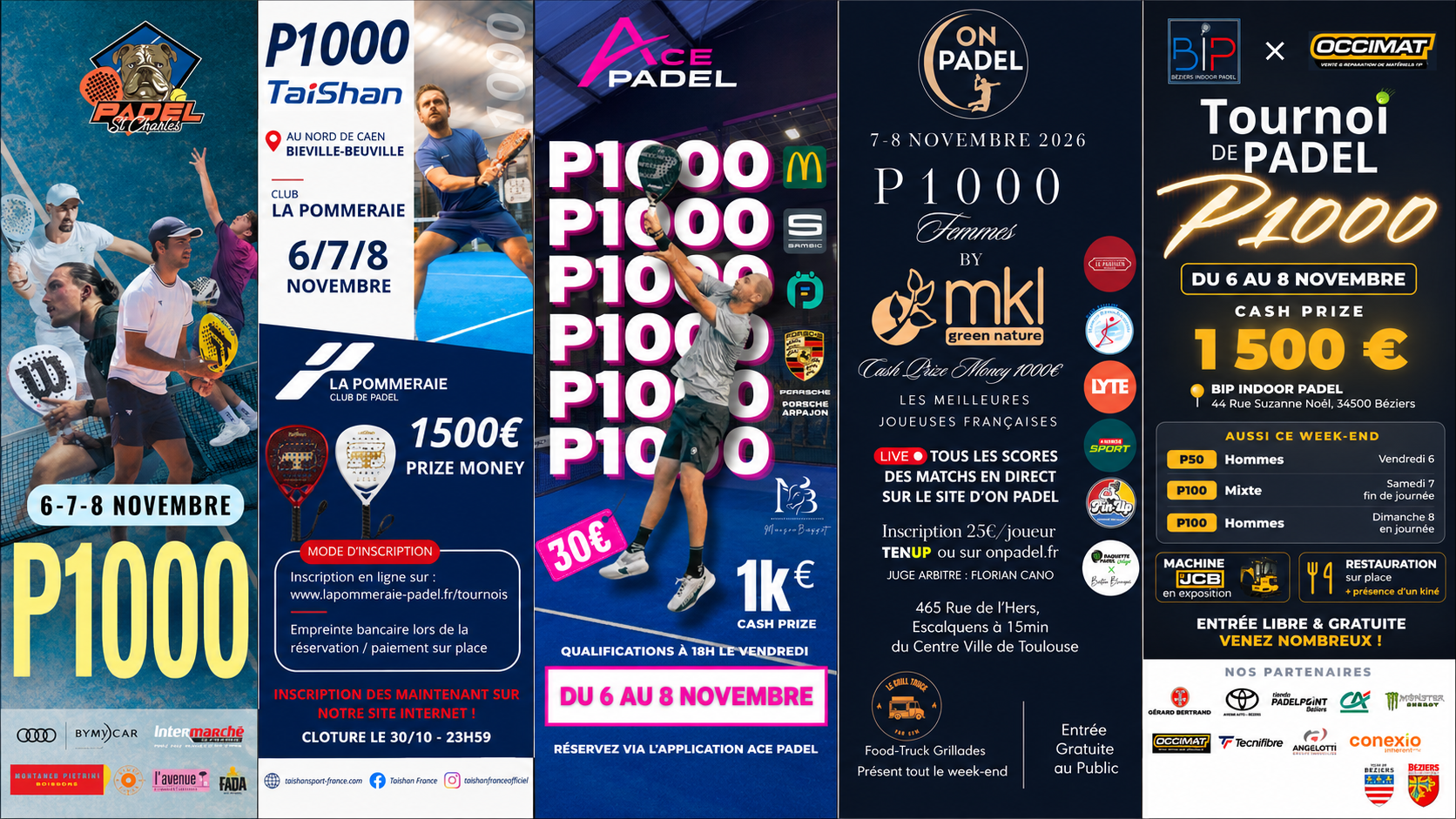 P1000 – La Pommeraie, BIP Béziers, Saint-Charles, Ace Padel and We Padel : time for the semi-finals
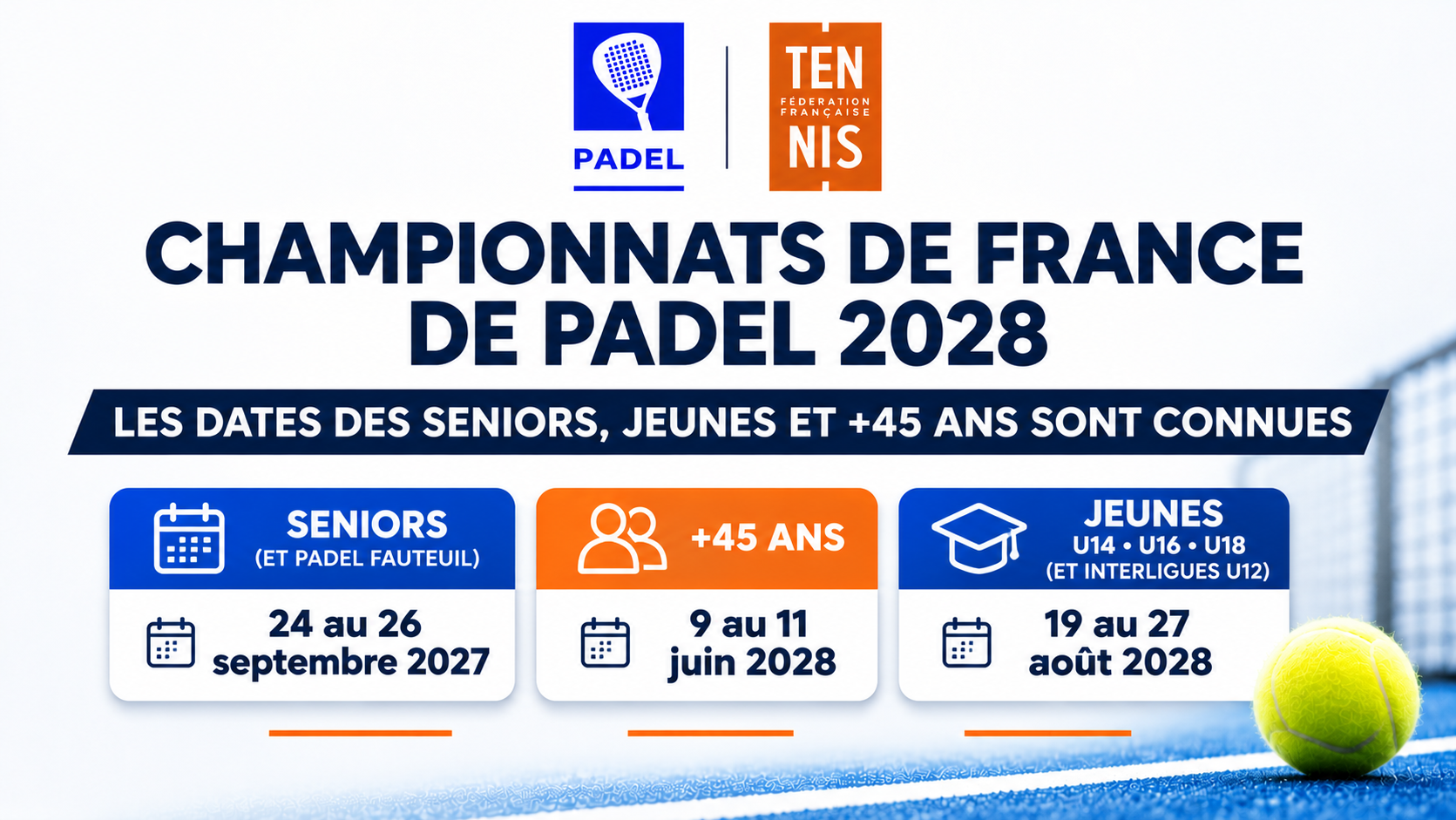 French Padel Championships 2028: the dates for the senior, junior and over-45 categories are now known
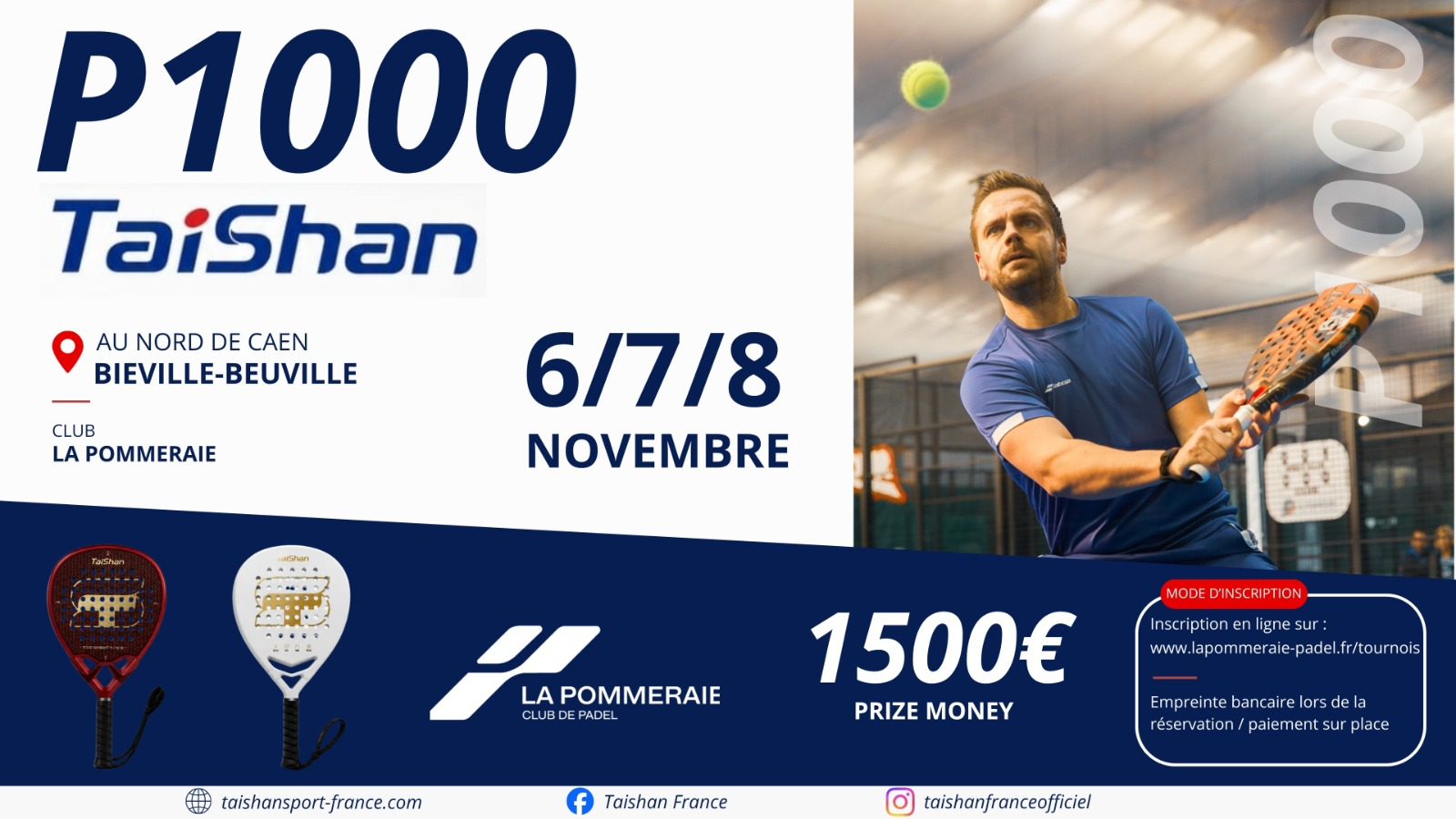 P1000 La Pommeraie / TaiShan – Five of the top eight seeds eliminated – Forcin / Durieux face the Dandois brothers, Moreau / Tafanelli reach the semi-finals
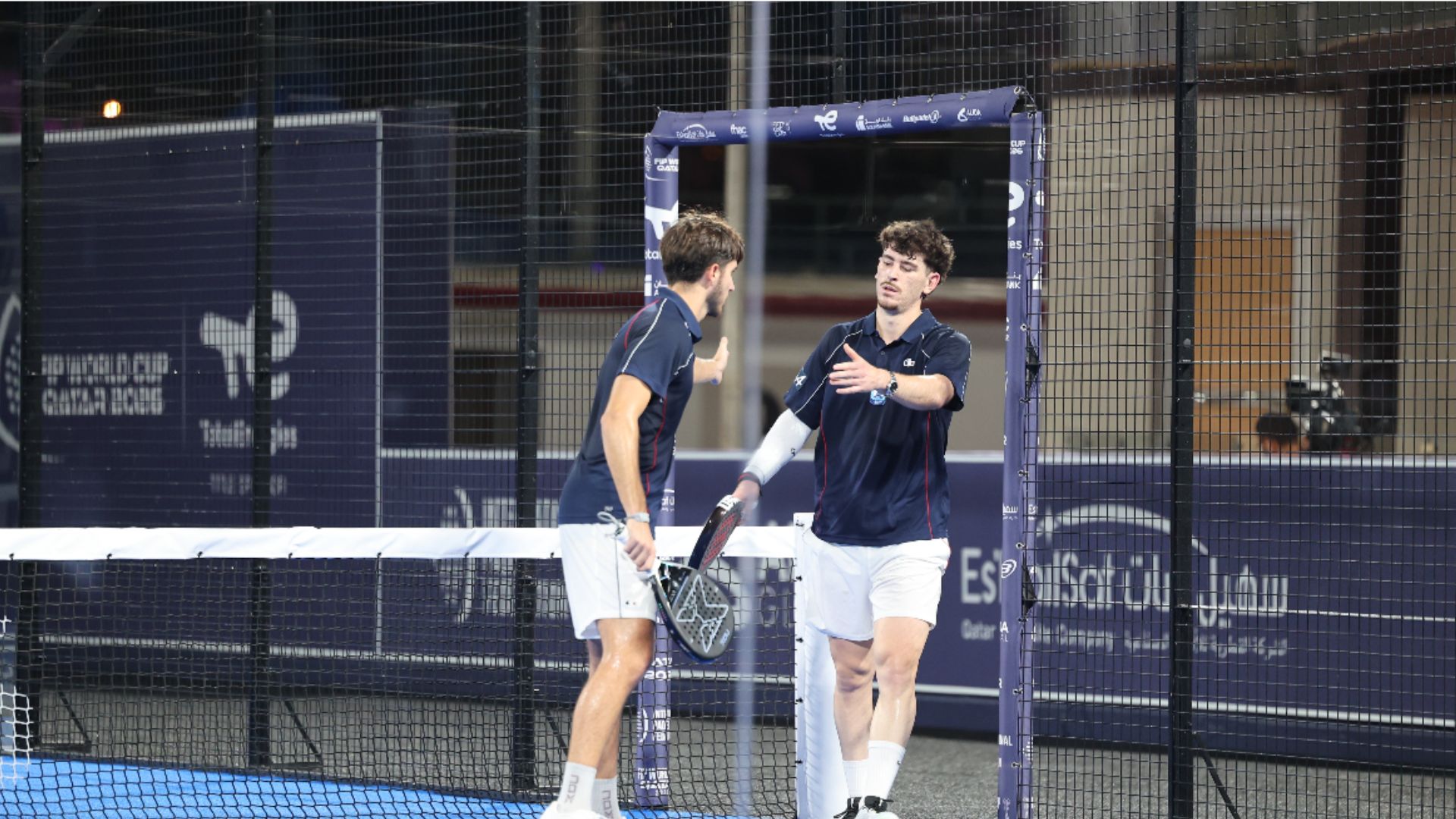 2026 World Championships – France finish on a high note and secure 9th place in the world rankings against Paraguay
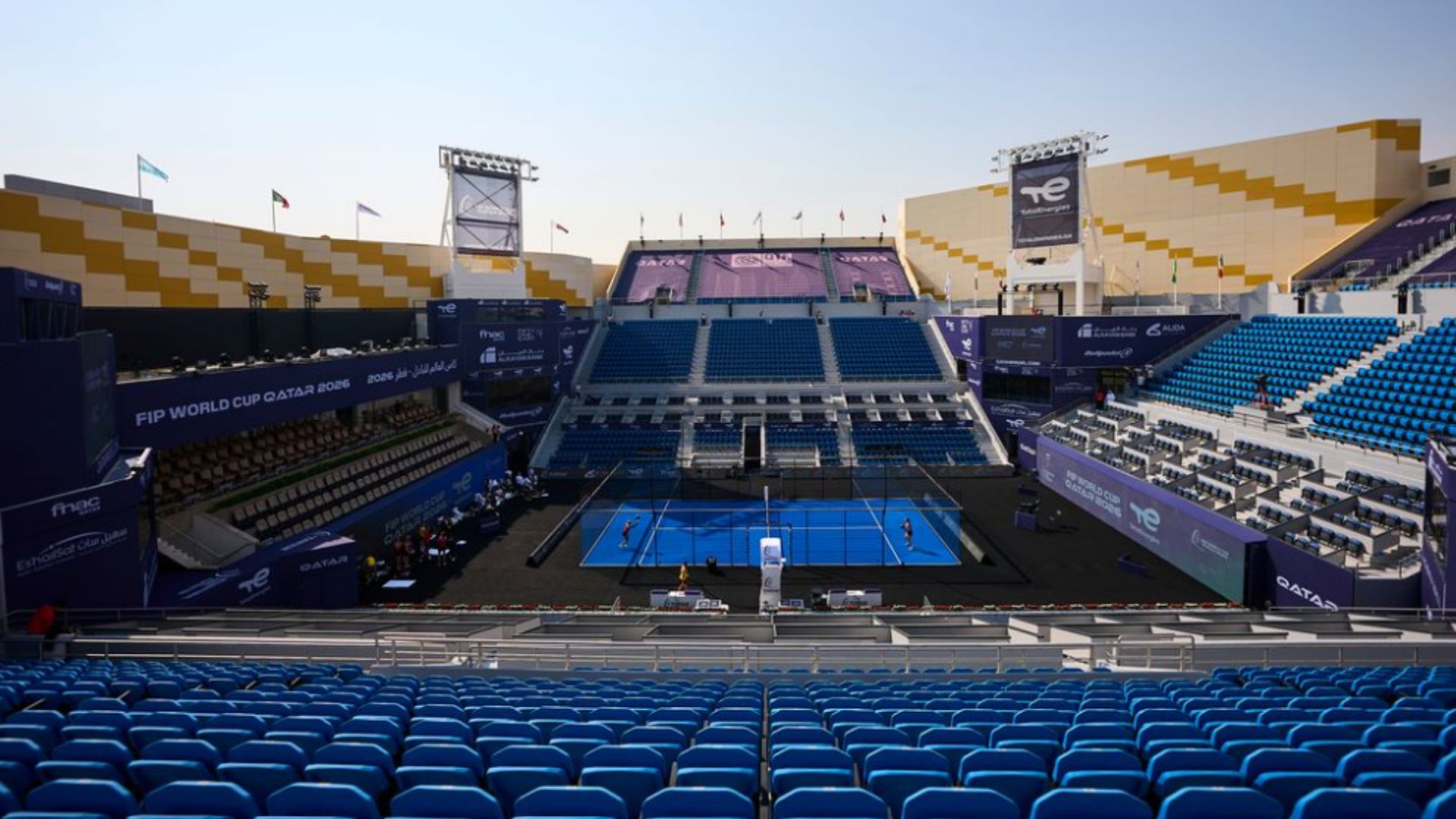 2026 World Championships – Where to watch the finals? Spain vs. Argentina, two clashes for the world titles
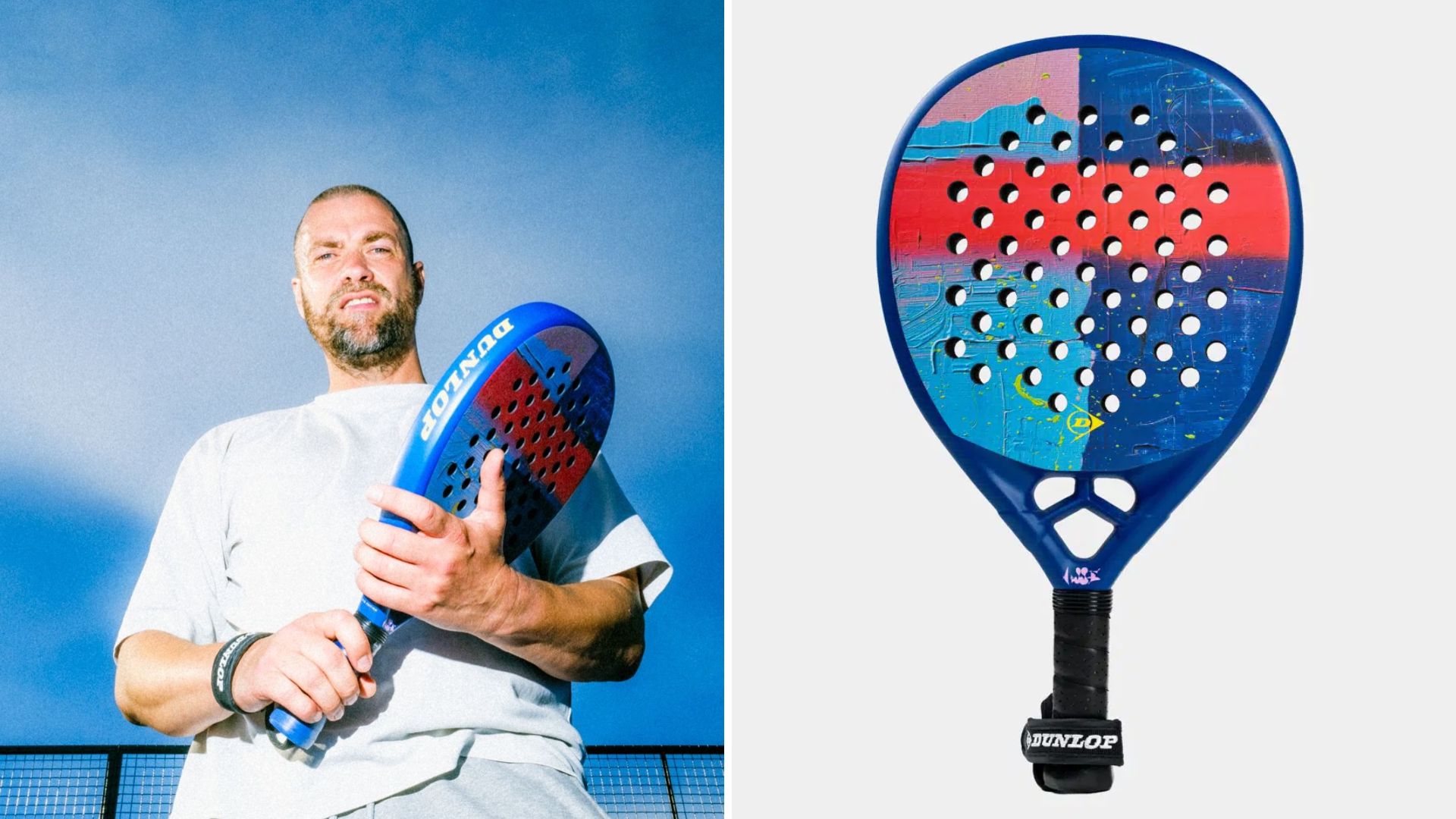 Dunlop unveils the Galactica Pro by Nisse, a limited edition of only 500 pieces worldwide
 2026 World Cup – Joris/Robert, the new addition to the French team for their final match against Paraguay
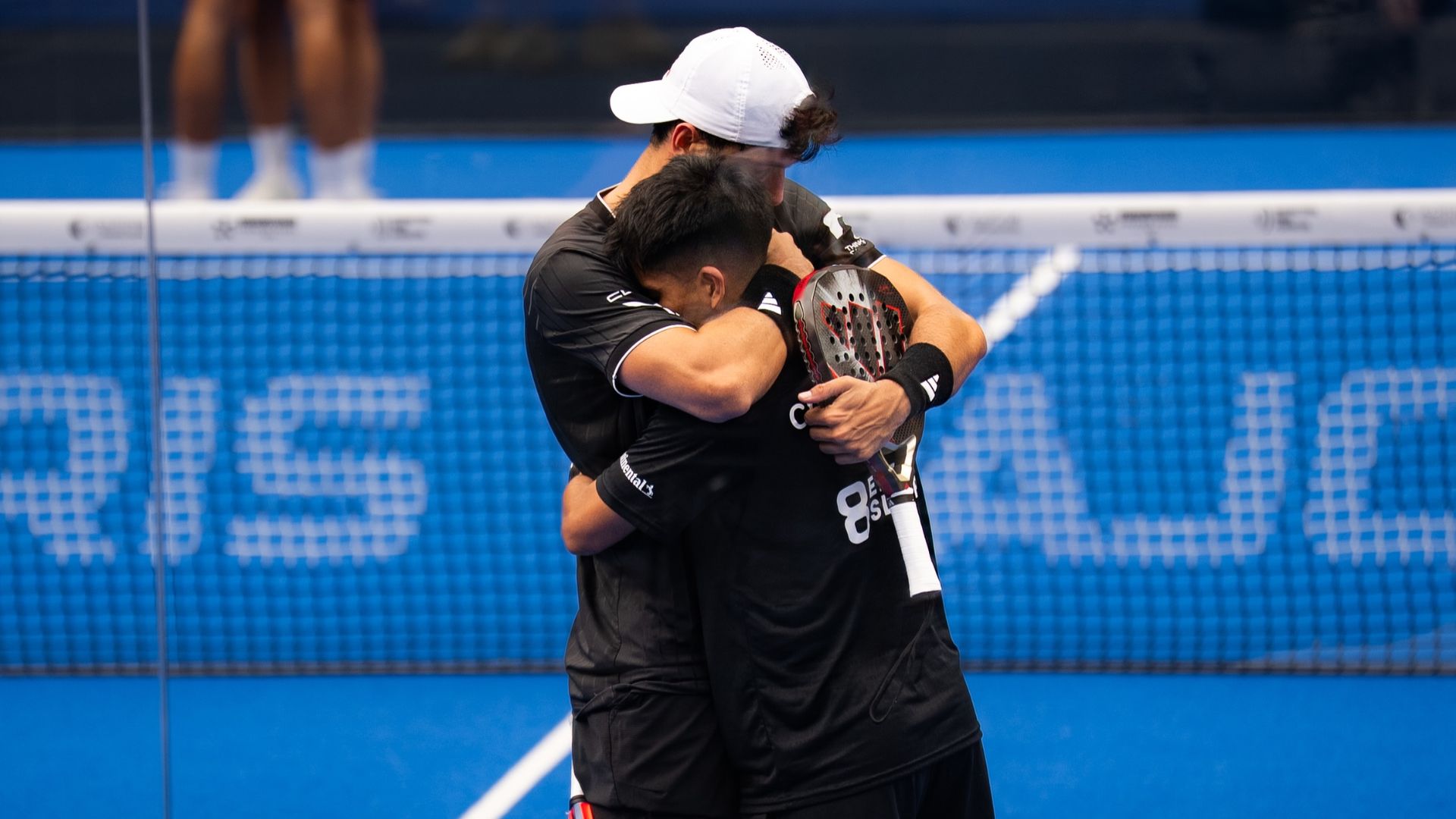 Dubai P1 – Galán/Chingotto withdraw, Leal/Guerrero take advantage of their absence to directly enter the main draw
 Padel, weight training, and even HYROX: clubs are changing their model
 Padel court rentals: a global market estimated at 4,6 billion euros
 FIP Beyond: the new global padel circuit for amateurs and seniors
 More than 6,300 FIP-ranked players: professional padel is becoming international, but Spain dominates
 Memory, reflexes, concentration: what happens in our brain when we play padel?
 P2000 or P3000: what are the differences in prize money, format and organization in 2028?
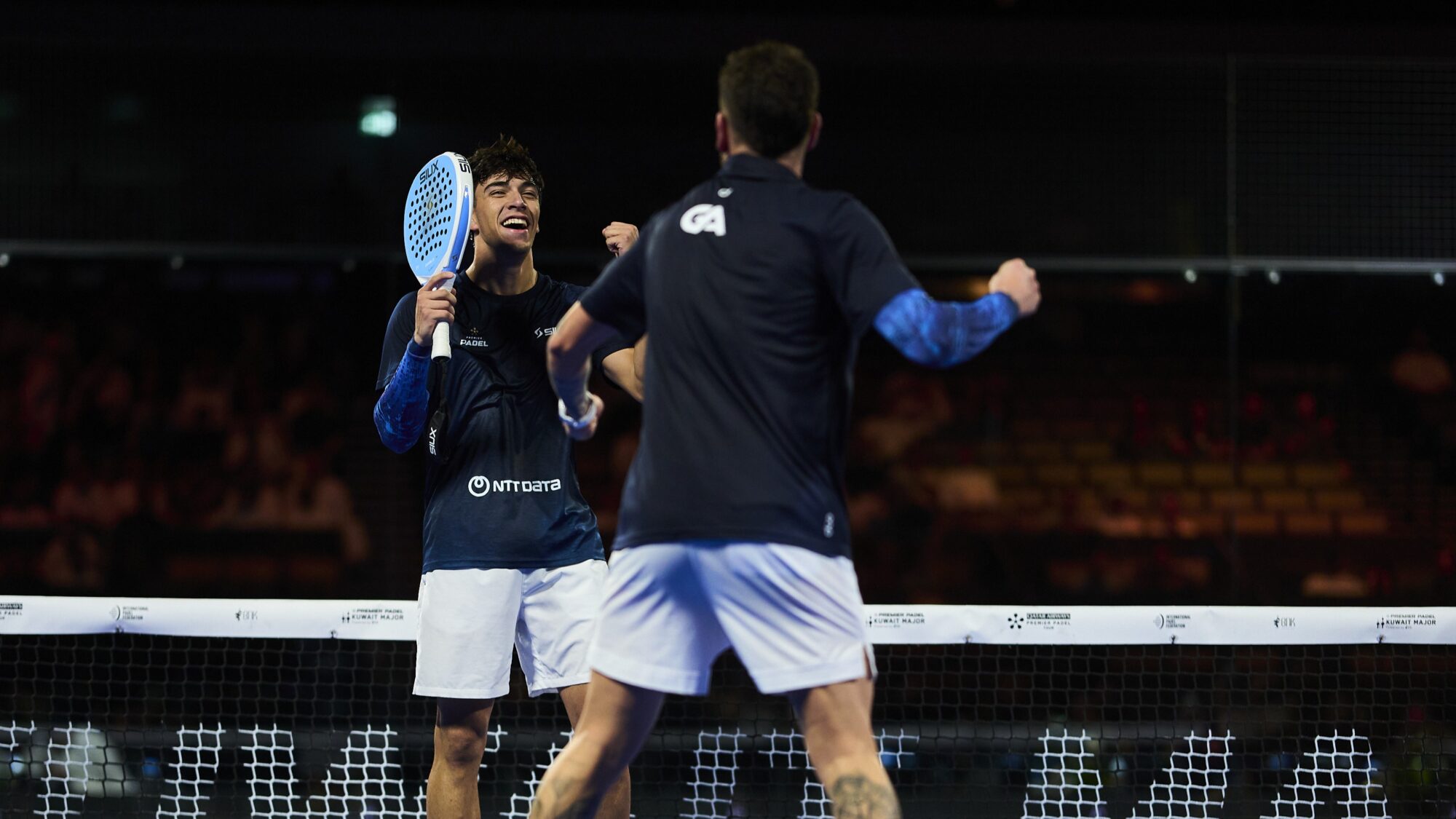 Why can Libaak/Alfonso beat almost everyone… except Coello/Tapia?
 Could padel help the brain recover after chemotherapy?
 What the analysis of the stroke reveals: tennis forehand vs. padel bandeja
 Has the bandeja disappeared from modern padel?
 Flat forehand in padel: 5 exercises from Cristian Álvarez to gain control and efficiency
 Why knowing how to play on the right and left can make all the difference
 Tapia reveals his recipe for beating Coello / Tapia: "I would bet everything on myself"
 How Coello defused Chingotto's game plan
 In padel, does the chemistry between a pair count as much as individual skill?
 Organising a P2000 or a P3000: how much does it really cost clubs?
 Do you lose your ranking? Padel FFT after more than a year without a license / without competition?
 Coello with a player at 0 points ahead of two top 10 players: should the FIP ranking be reviewed?
 Kuwait Major: Chingotto/Galán out, Alejandro Galán injured, Coello/Tapia the only favorites?
 Julien Seurin opens up about his mental state: "There are far more doubts than moments of happiness."
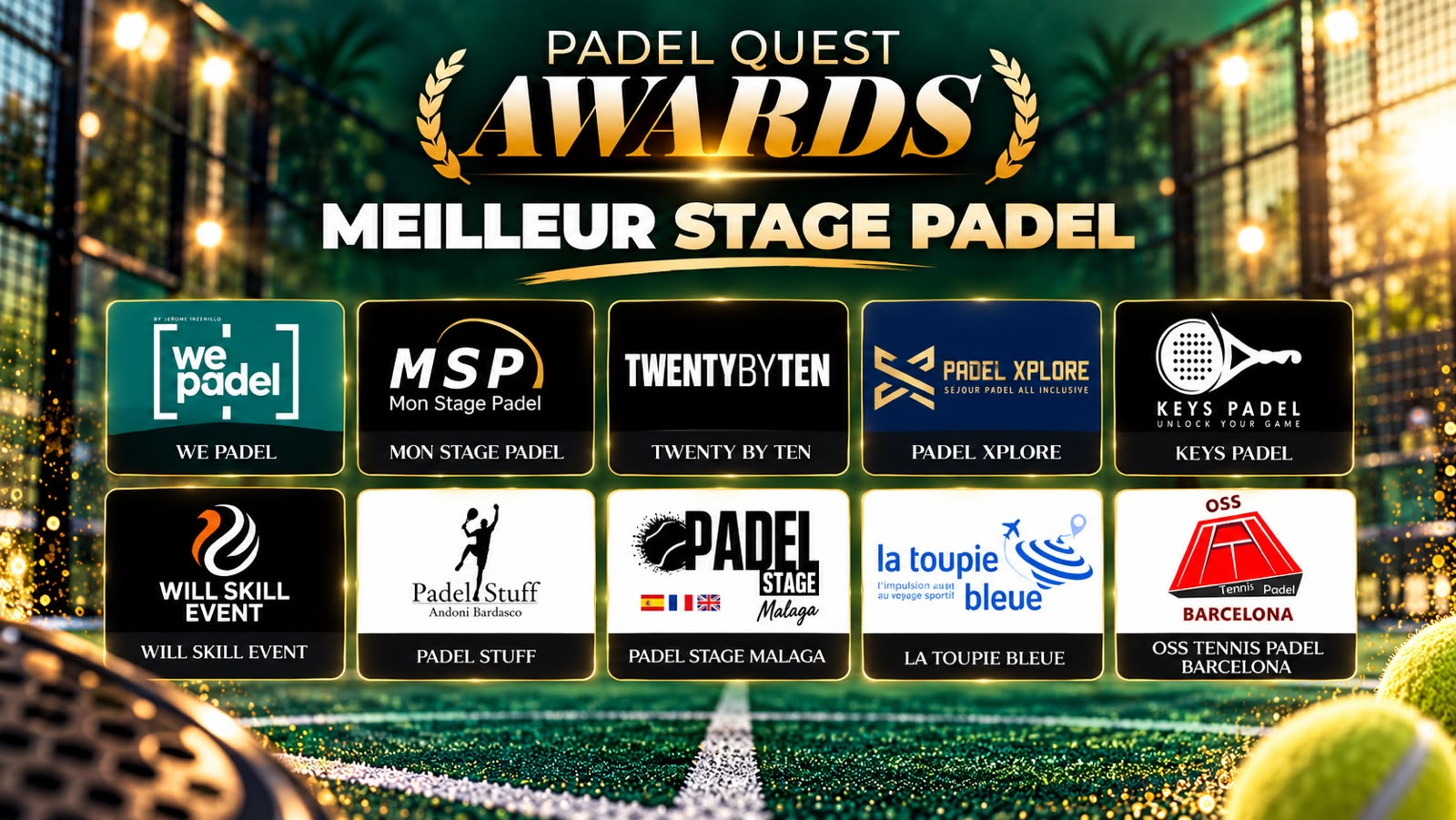 Padel Quest Awards: Ten specialists in the running for the title of best padel training camp of the year
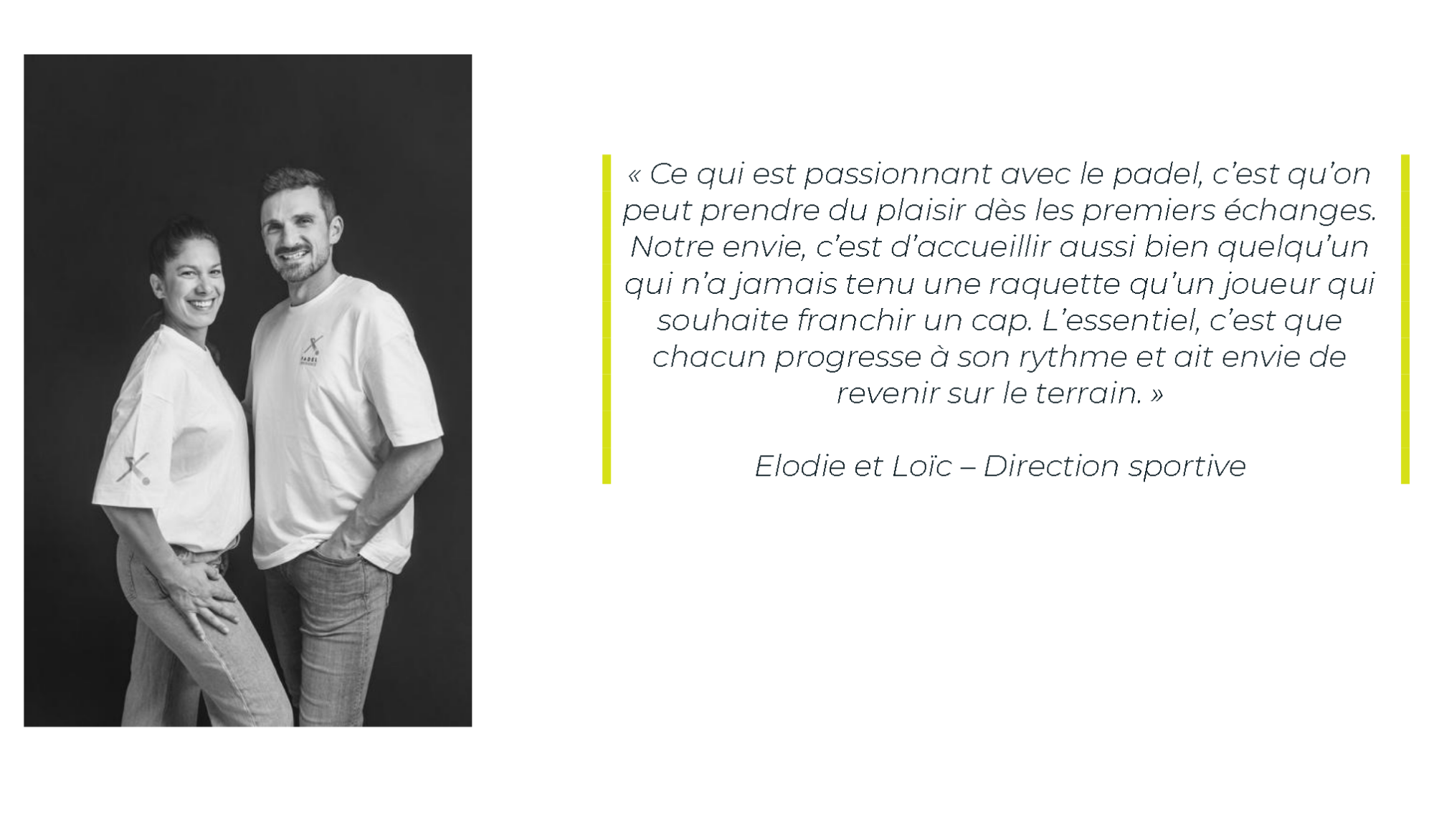 Padel Xperience: The Academy opens on November 2nd in Marcheprime, ahead of the complex's inauguration in 2027
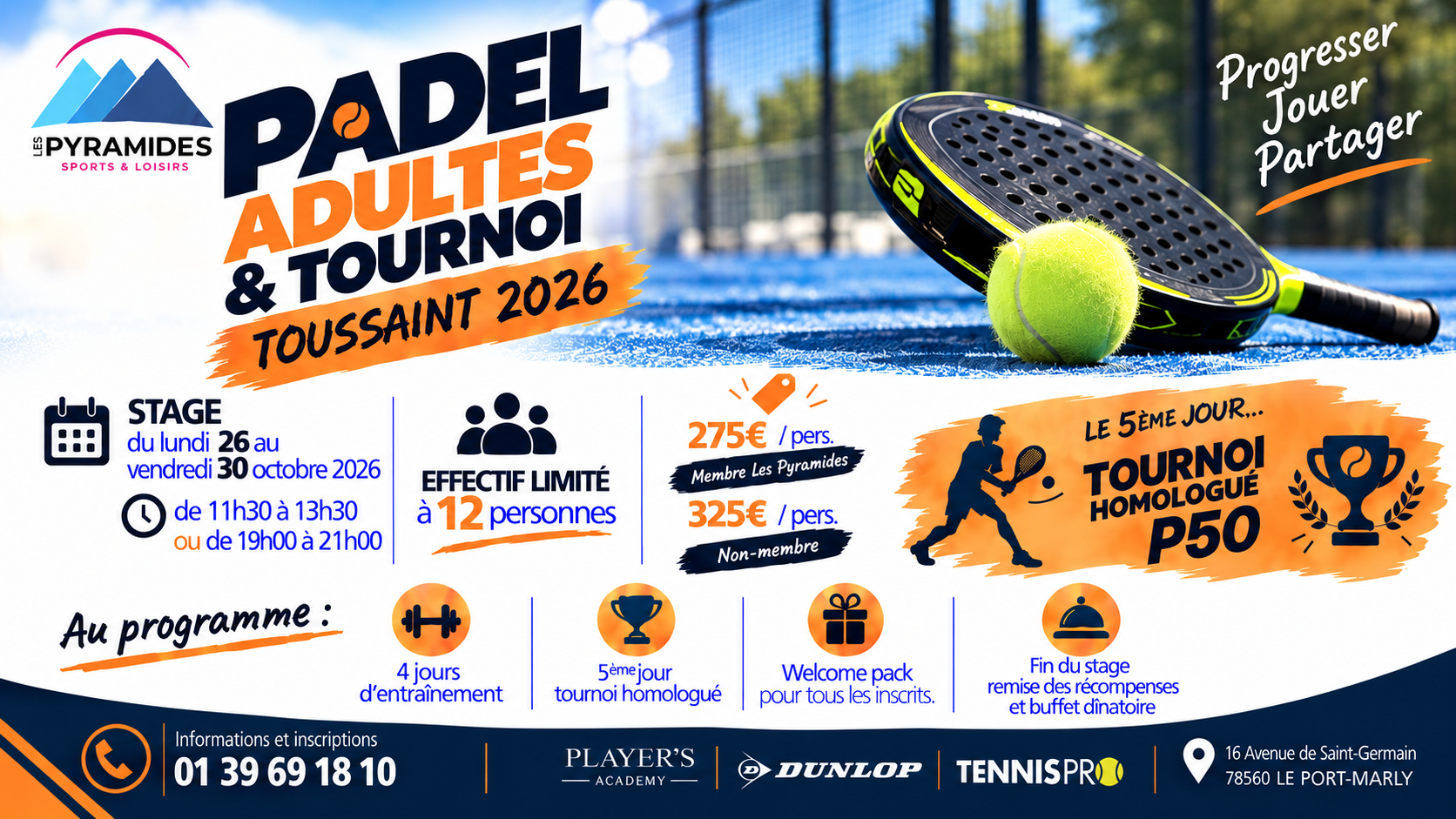 All Saints' Day – Les Pyramides are organizing a padel training camp for adults with a P50 tournament to close out the week
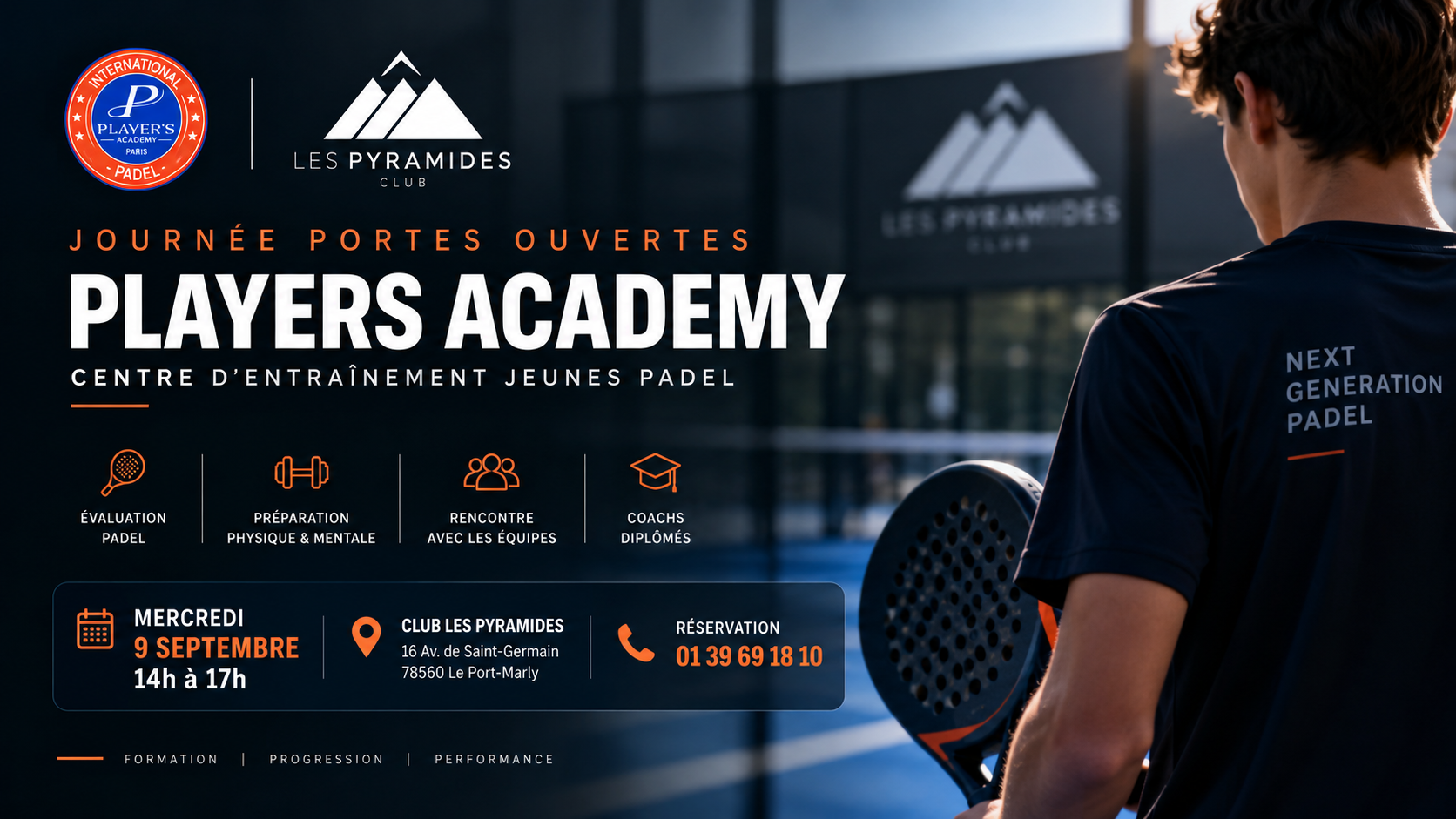 Les Pyramides: after 12 padel courts, the club is focusing on youth training