

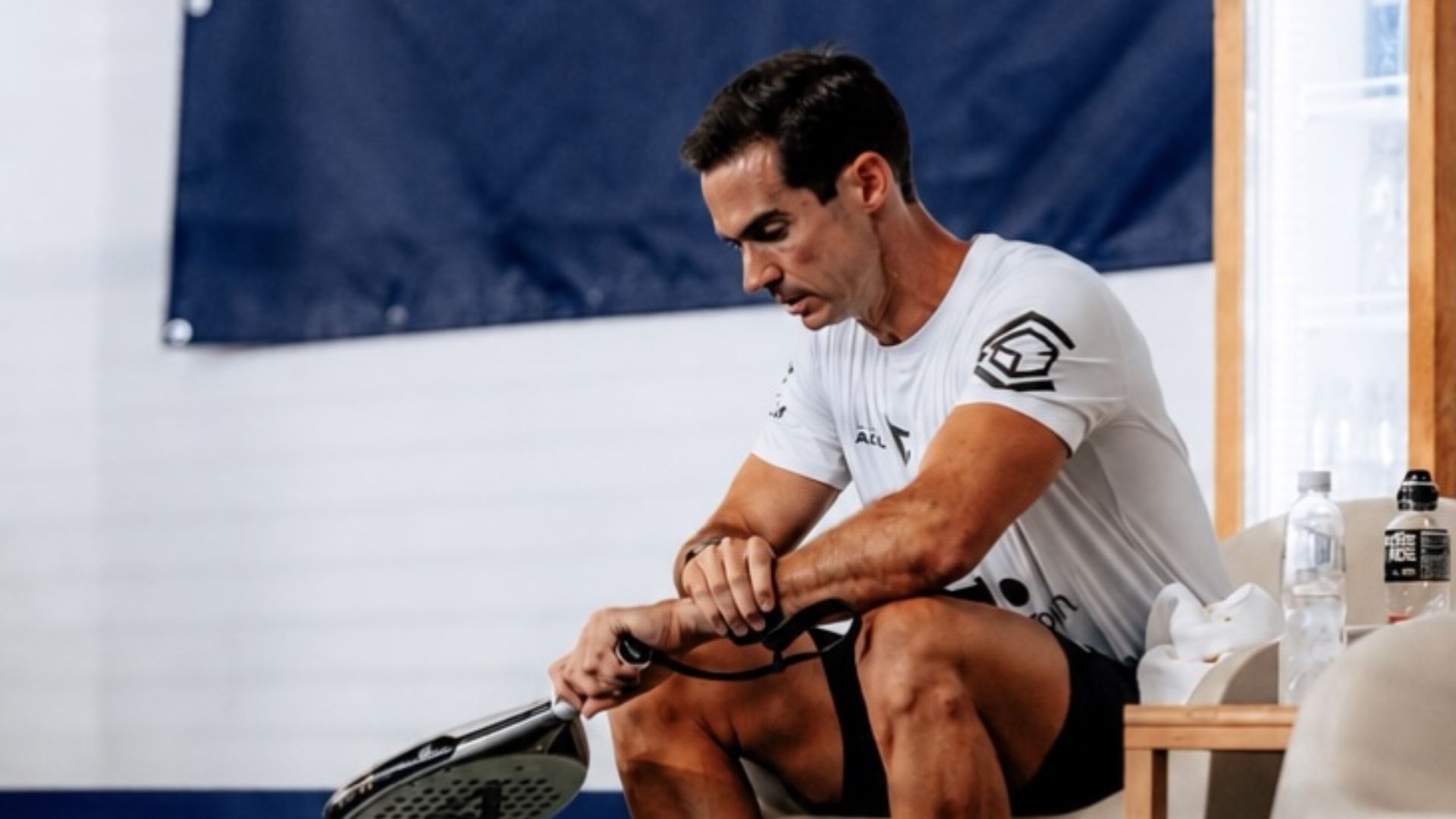








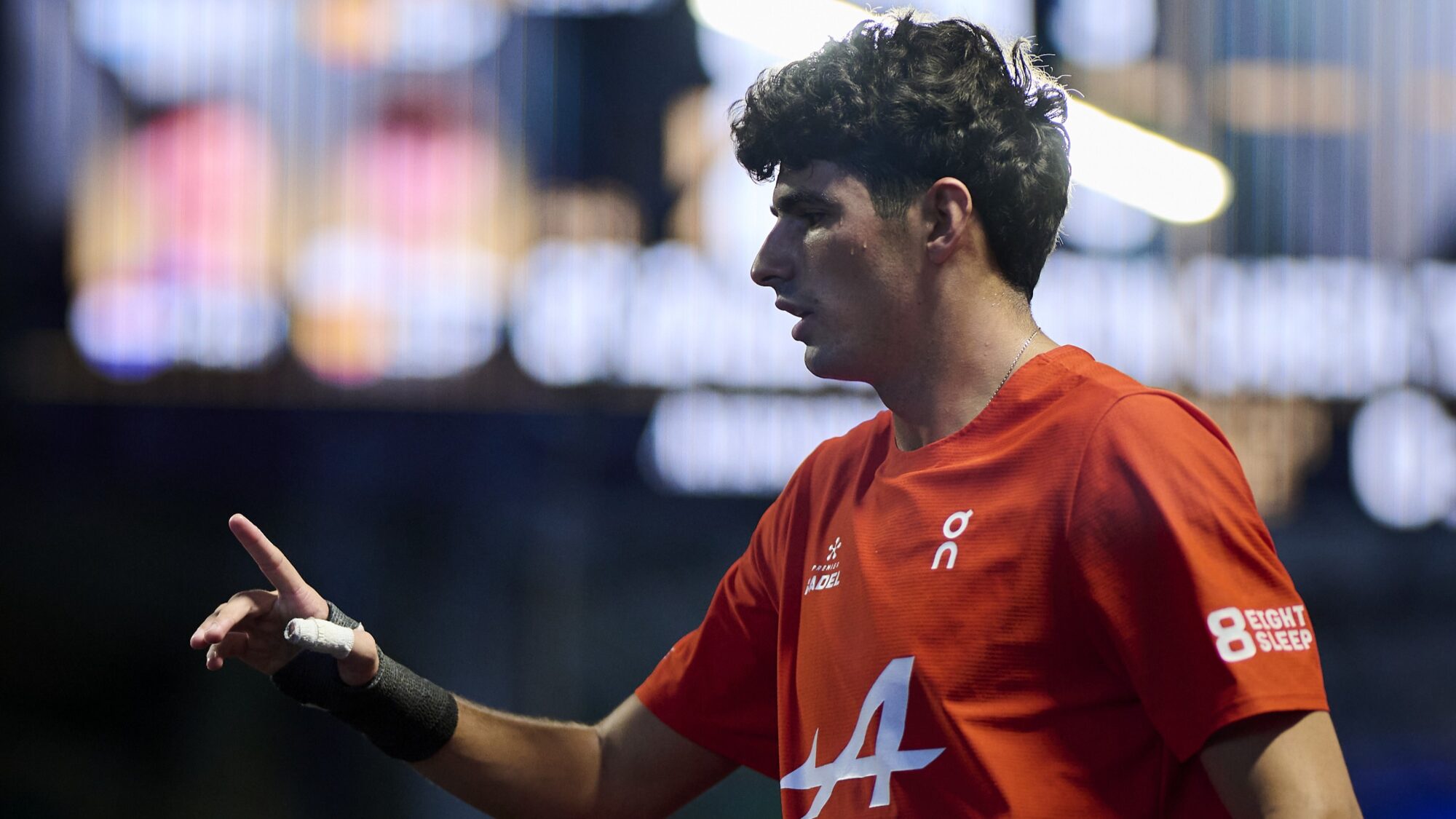
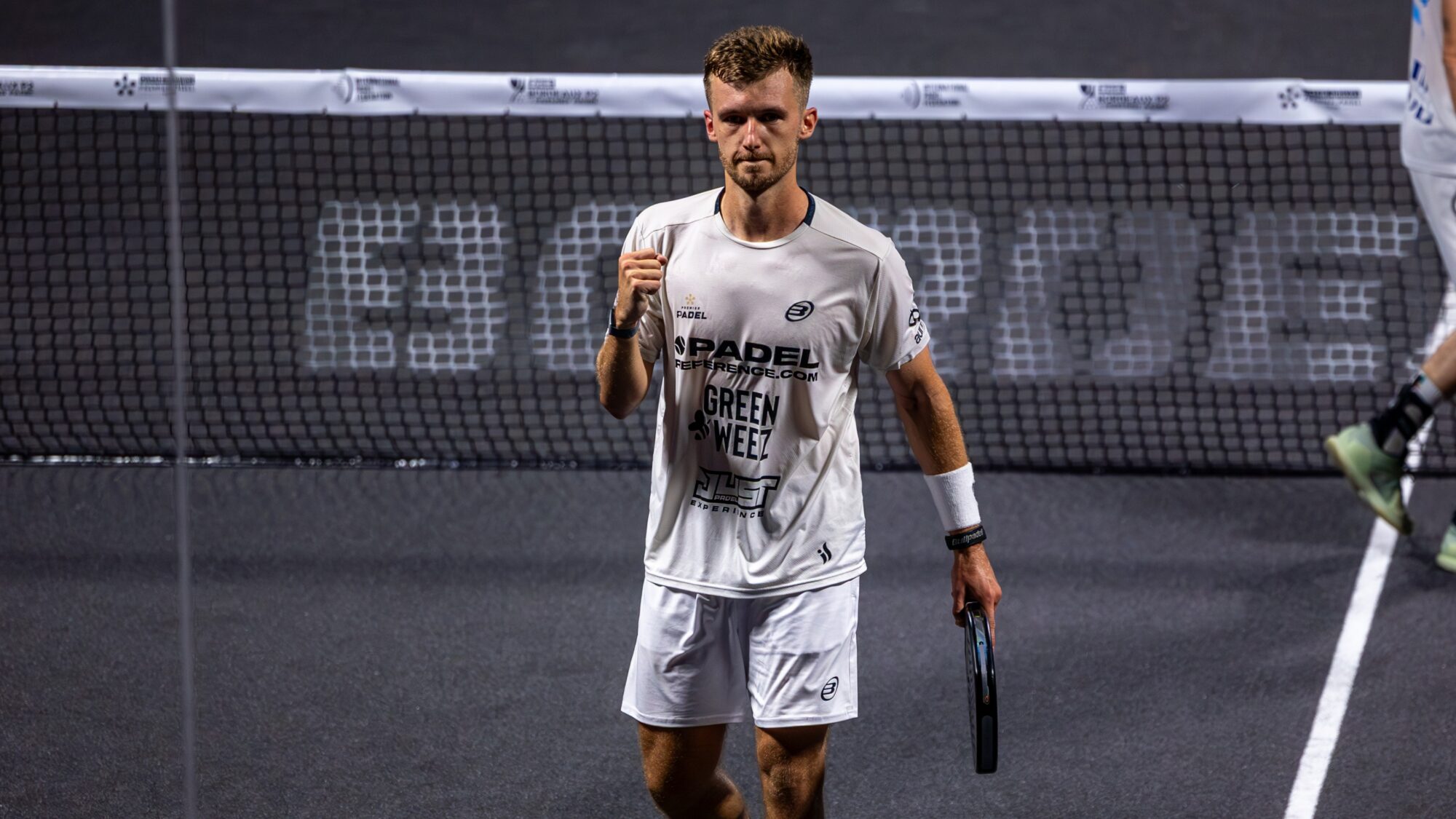
Eliminated in the first round of the Paris Major alongside Álvaro Montiel, Gonzalo Rubio He didn't just leave Roland-Garros with sporting frustration. The world number 41 used this outing to reignite a debate that is increasingly stirring up the circuit: constant changes of partners .
beaten 5/7 3/6 by Javier Martínez / Luis Hernández Rubio and Montiel will not continue their partnership at the next tournament. The Spaniard doesn't directly criticize this split. His message is aimed primarily at a system which, according to him, allows for the rapid breaking and reforming of pairs throughout the weeks.
"We are not yet a serious sport."
Rubio didn't mince words in his message posted on social media.
"Padel wants to become an Olympic sport. Let's be honest: we're not a serious sport yet."
A powerful statement, but one that goes far beyond his own case.
For Rubio, the problem doesn't stem from the players choosing to change partners. He also acknowledges that Montiel's decision to continue with another player is "Totally legitimate" .
What he is questioning is rather the lack of a framework surrounding these changes .
Today, as long as registration deadlines are met, players have a great deal of freedom to form new pairs. As a result, projects sometimes become very short-lived, partnerships constantly change, and it becomes difficult to build anything lasting.
Pairs who no longer have time to build an identity
This is one of the most interesting points raised by Rubio.
"The fan who pays for a ticket deserves to be able to identify with pairs that strengthen and gain an identity over time."
The observation is hard to ignore. On the men's circuit in particular, the market for player pairs has become almost constant. A bad run of form can be enough to trigger a split, sometimes after only a few tournaments.
For fans, this can make the circuit harder to follow. A pair that seemed to be embarking on a medium-term project can disappear a few weeks later.
Rubio believes that this instability also directly affects les entraîneurs who need time to develop a game project, as well as the sponsors who naturally seek to partner with identifiable and sustainable teams.
"With so many changes, the news isn't even news anymore."
For a long time, changes in partners also contributed to the spectacle surrounding the circuit. The constant transfer market created rumors, anticipation, and a lot of discussion.
But Rubio believes that this effect is beginning to wear off.
"With so many changes, the news isn't even news anymore."
And that's probably where his message hits a nerve.
When separations become too frequent, they also lose some of their appeal. What was meant to bring movement to the circuit can end up giving an impression of constant instability.
Rubio proposes limiting changes from 2027 onwards.
The Spaniard doesn't just criticize. He also puts forward a concrete idea: limit the number of partner changes per player per season from 2027 .
The goal would not be to completely prohibit separations. A pair must obviously be able to stop when a project is no longer working, when a player is injured, or when a particular situation requires it.
But Rubio wants it to exist a maximum number of changes , in order to force players to become more involved in their projects.
A measure which, according to him, could give more stability to the circuit and allow the pairs to truly develop.
A debate that is increasingly present on the circuit
The issue is not new. In recent seasons, changes of partners have multiplied, sometimes even between players who were well established in the standings.
And this year again, the market has almost never stopped moving.
The problem also has sporting implications. With rankings based on individual points, changing partners can quickly become a strategic decision. A player might seek to improve their entry into the draws or take advantage of an opportunity with a higher-ranked partner.
This naturally encourages movement and makes it more difficult to build long-term projects.
Rubio would like to put the notion of pair at the heart of padel.
"Here, it's not the best player who wins, but the best pair."
His message ends with this idea:
"I hope that one day we will stop repeating that padel is an individual sport played in pairs. That we can say that here, it's not the best player who wins: it's the best pair."
This reflection perfectly summarizes his point of view.
Professional padel seeks to grow, attract an ever-increasing audience, and dreams of one day joining the Jeux Olympiques But for Rubio, this evolution also involves a better structuring of the circuit.
It remains to be seen whether his message will resonate with the other players, and especially with the FIP .
One thing is certain: with the increase in separations, The debate on pair stability is far from over. .
I discovered padel directly during a tournament, and frankly, I didn't really like it at first. But the second time, it was love at first sight, and since then, I haven't missed a single match. I'm even ready to stay up until 3am to watch a final of Premier Padel !





































































 2026 World Championships – Spain reclaims its world crown, a stratospheric Coello defeats Argentina
 2026 World Championships – Argentina / Spain: a third match for the world title!
 2026 World Championships – Ustero in tears, Triay facing Brea: the world champions' confessions
 "I applied to become the coach of the French national team": an objective for Adrien Maigret
 Fonteny/Joris after their “almost” upset against Tapia/Libaak: “We believed until the very last point”
 2026 World Cup – Five players barred from World Cup with the United Arab Emirates: Íñigo Jofre denounces the situation
 Coello/Tapia ahead of the Kuwait Major final against Tello/Arce: “These are two players who cause us a lot of problems”
 2026 World Championships – No medal for the French women, beaten 2-0 by Italy in the bronze medal match
 2026 World Championships – The French women's team loses their first point against Italy despite a strong performance from Touly/Pothier; Collombon/Bahurel can no longer afford any mistakes.
 Padel, weight training, and even HYROX: clubs are changing their model
 2026 World Championships – Where to watch the finals? Spain vs. Argentina, two clashes for the world titles
 Dunlop unveils the Galactica Pro by Nisse, a limited edition of only 500 pieces worldwide
 2026 World Cup – Joris/Robert, the new addition to the French team for their final match against Paraguay
 Dubai P1 – Galán/Chingotto withdraw, Leal/Guerrero take advantage of their absence to directly enter the main draw
 Padel court rentals: a global market estimated at 4,6 billion euros
 FIP Beyond: the new global padel circuit for amateurs and seniors
 More than 6,300 FIP-ranked players: professional padel is becoming international, but Spain dominates
 Memory, reflexes, concentration: what happens in our brain when we play padel?
 P2000 or P3000: what are the differences in prize money, format and organization in 2028?
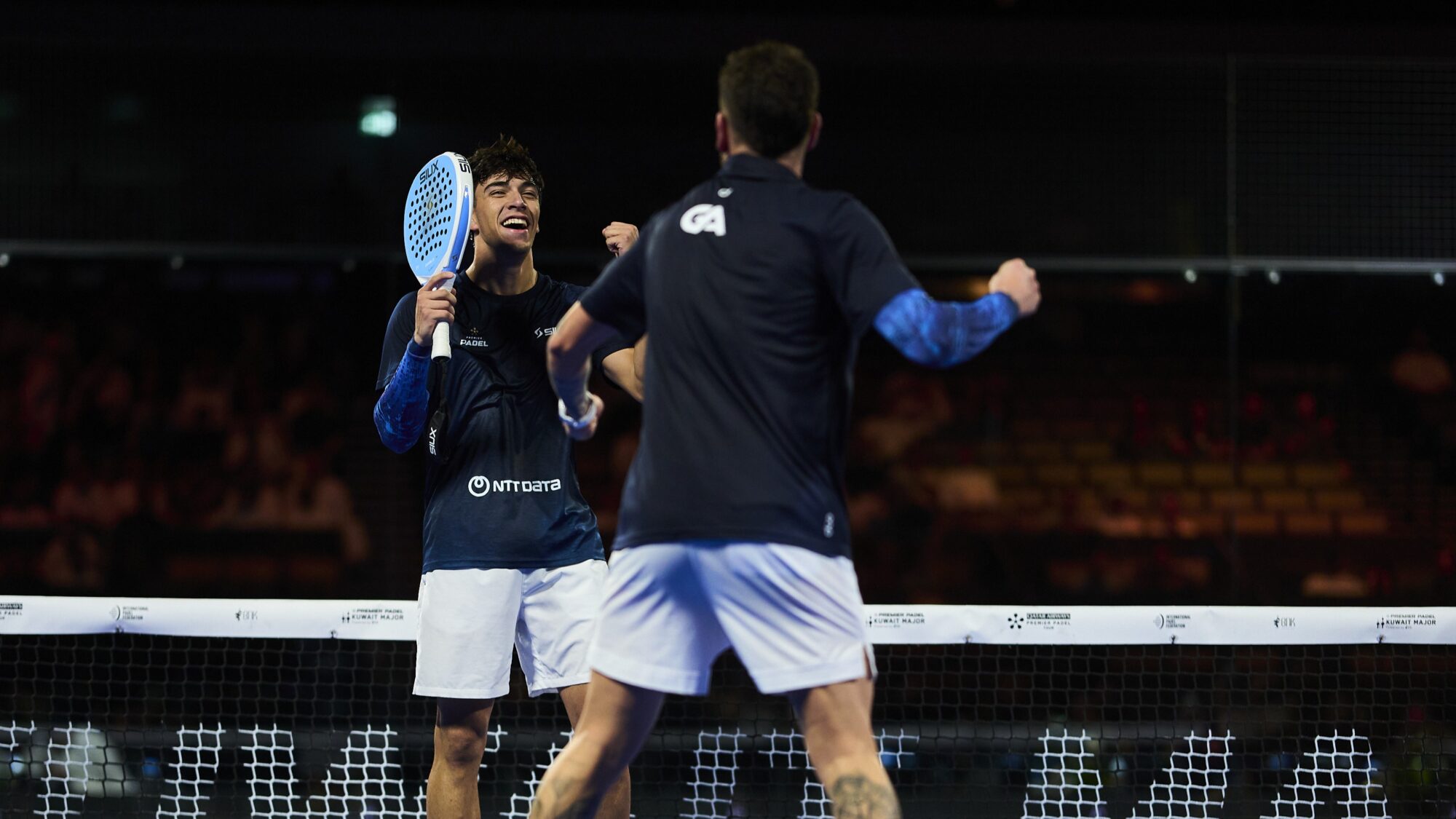 Why can Libaak/Alfonso beat almost everyone… except Coello/Tapia?
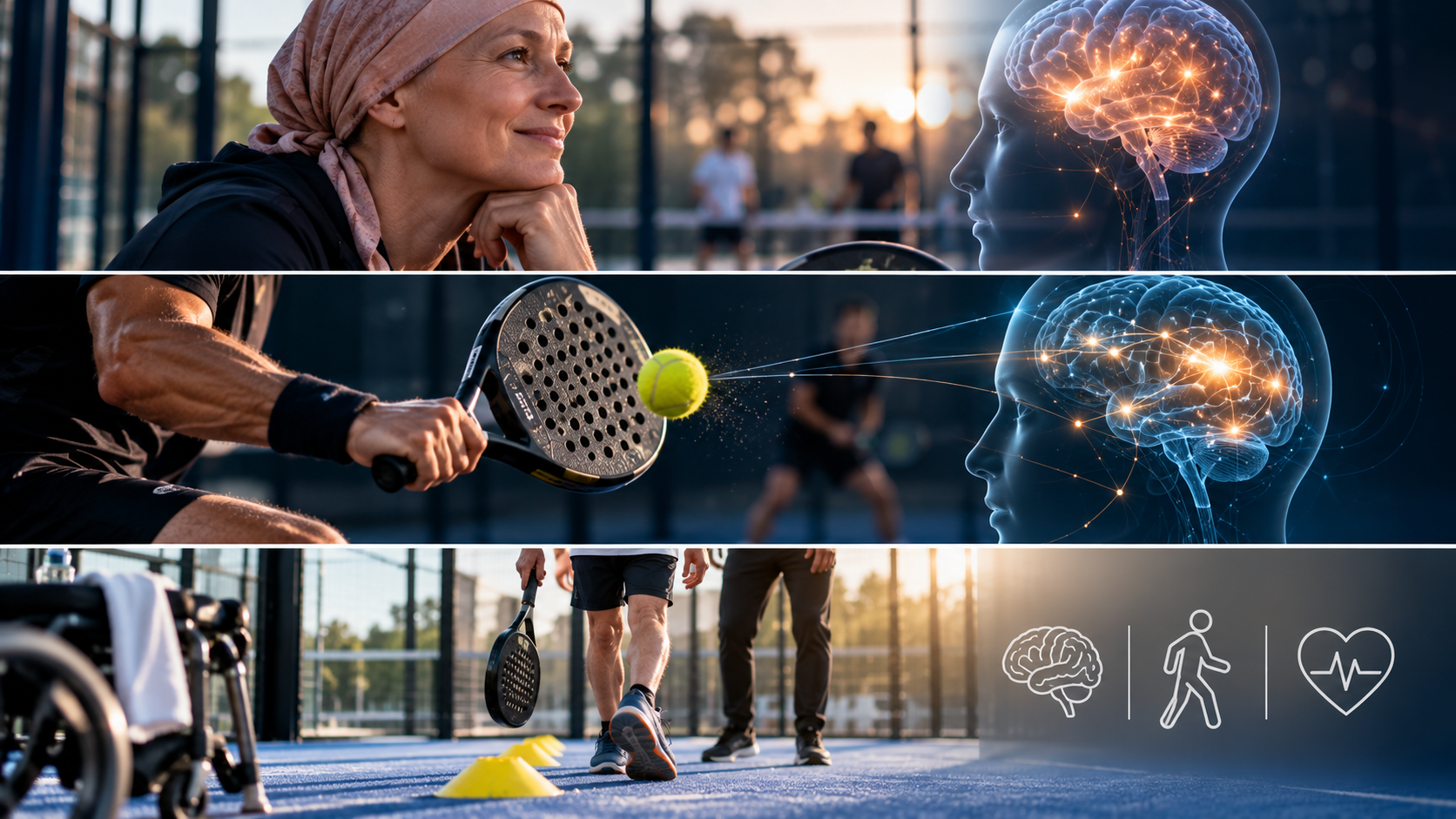 Could padel help the brain recover after chemotherapy?
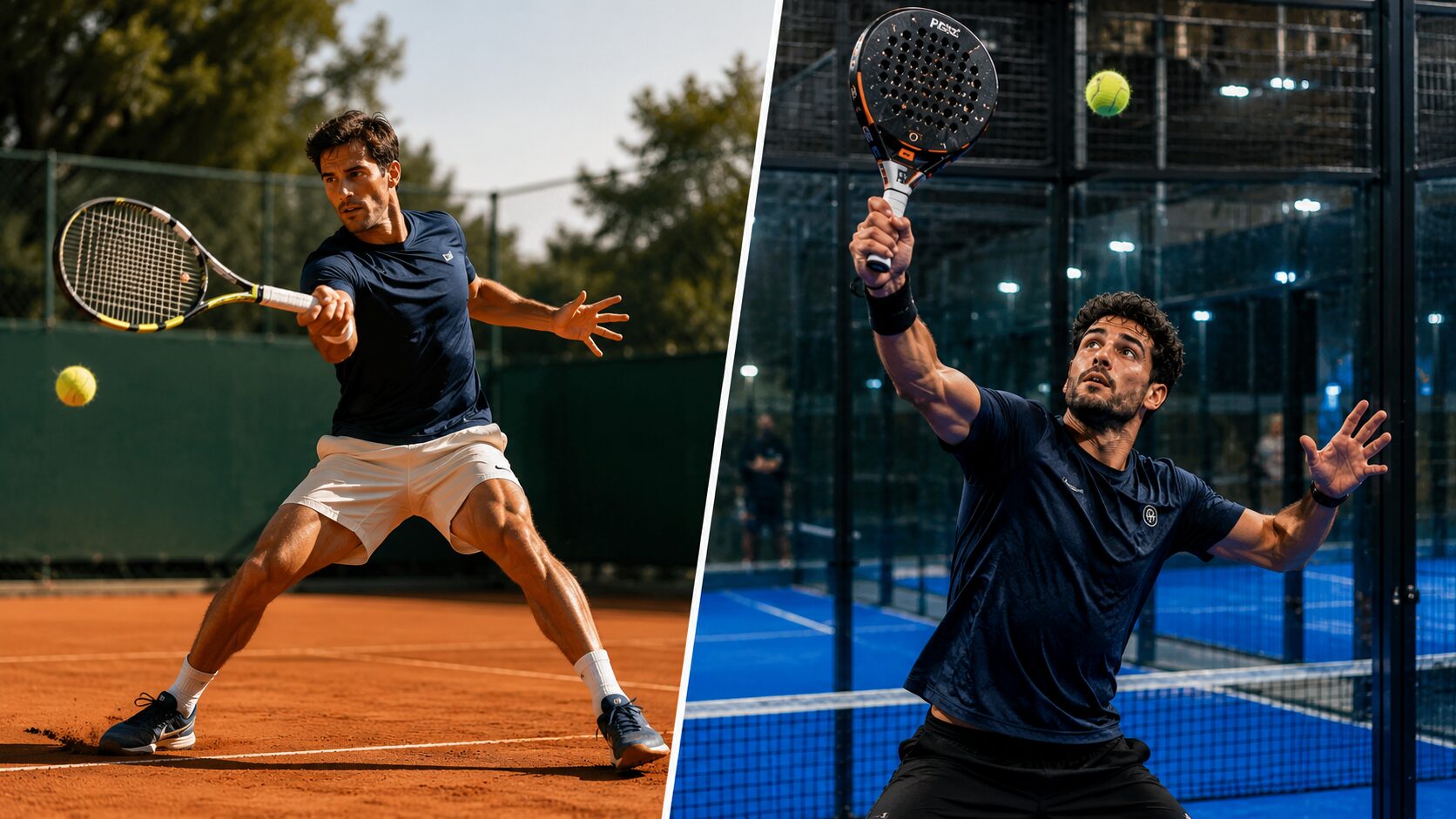 What the analysis of the stroke reveals: tennis forehand vs. padel bandeja
 Has the bandeja disappeared from modern padel?
 Flat forehand in padel: 5 exercises from Cristian Álvarez to gain control and efficiency
 Why knowing how to play on the right and left can make all the difference
 Tapia reveals his recipe for beating Coello / Tapia: "I would bet everything on myself"
 How Coello defused Chingotto's game plan
 In padel, does the chemistry between a pair count as much as individual skill?
 Organising a P2000 or a P3000: how much does it really cost clubs?
 Do you lose your ranking? Padel FFT after more than a year without a license / without competition?
 Coello with a player at 0 points ahead of two top 10 players: should the FIP ranking be reviewed?
 Kuwait Major: Chingotto/Galán out, Alejandro Galán injured, Coello/Tapia the only favorites?
 Julien Seurin opens up about his mental state: "There are far more doubts than moments of happiness."
 Padel Quest Awards: Ten specialists in the running for the title of best padel training camp of the year
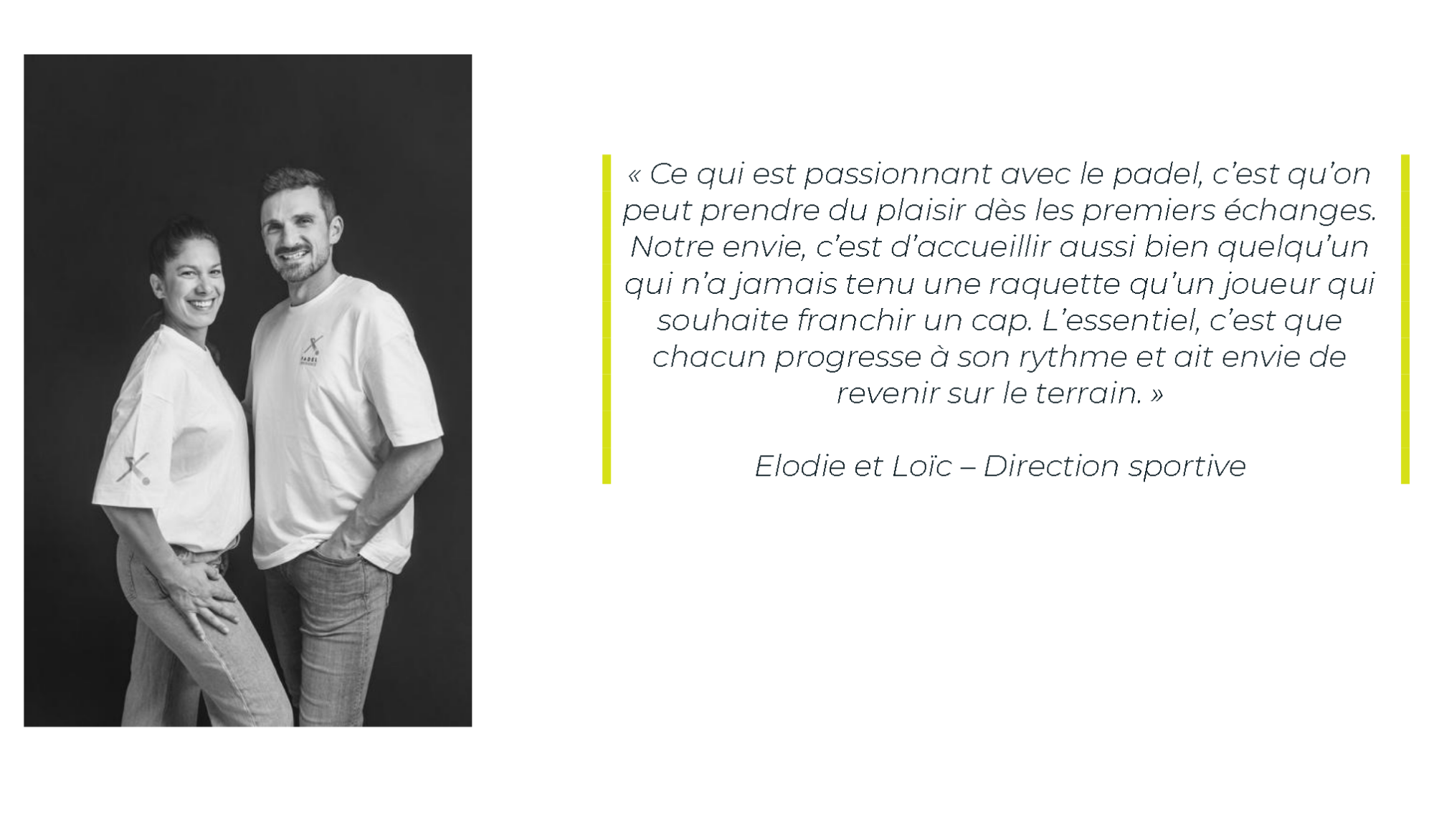 Padel Xperience: The Academy opens on November 2nd in Marcheprime, ahead of the complex's inauguration in 2027
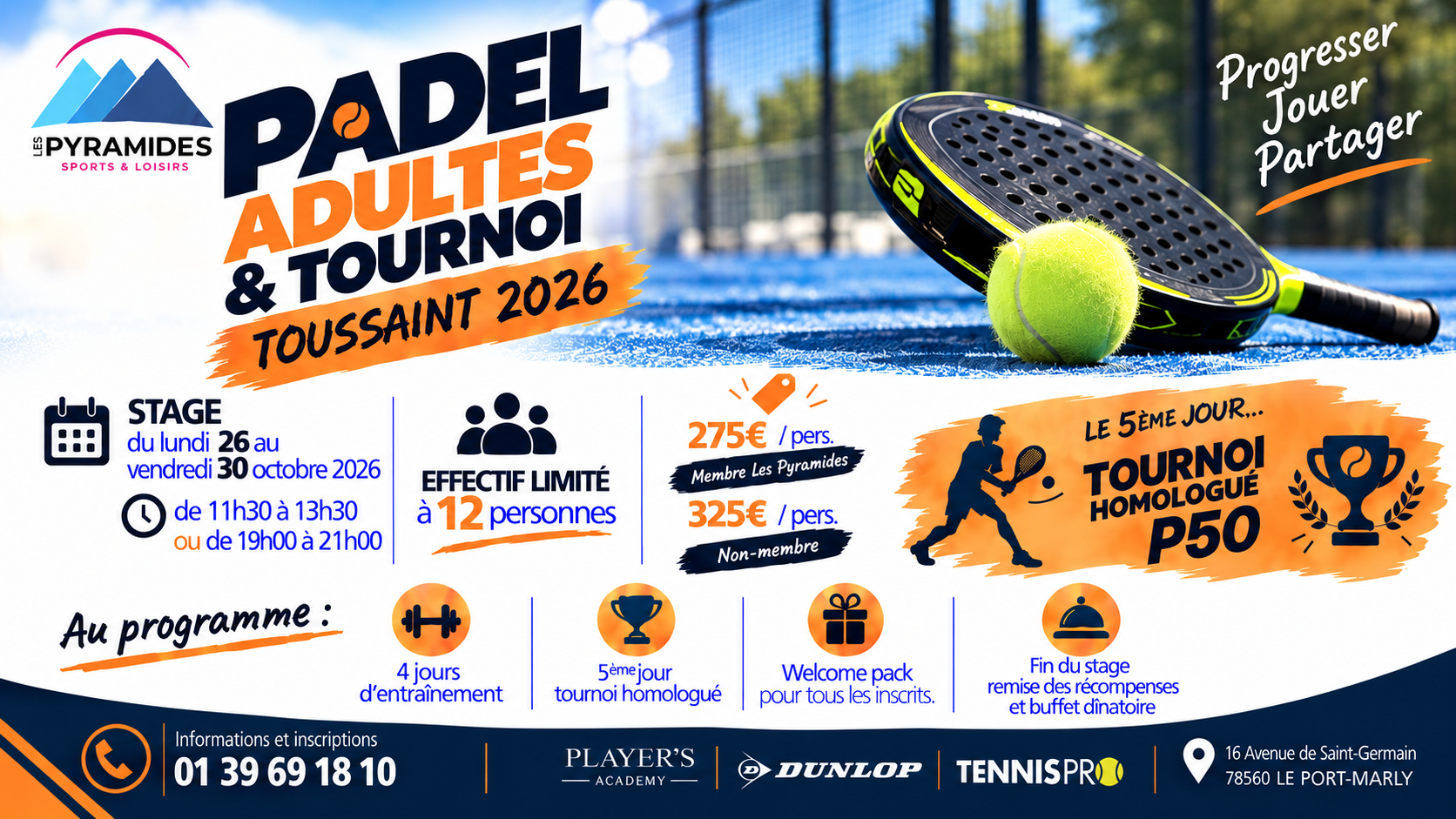 All Saints' Day – Les Pyramides are organizing a padel training camp for adults with a P50 tournament to close out the week
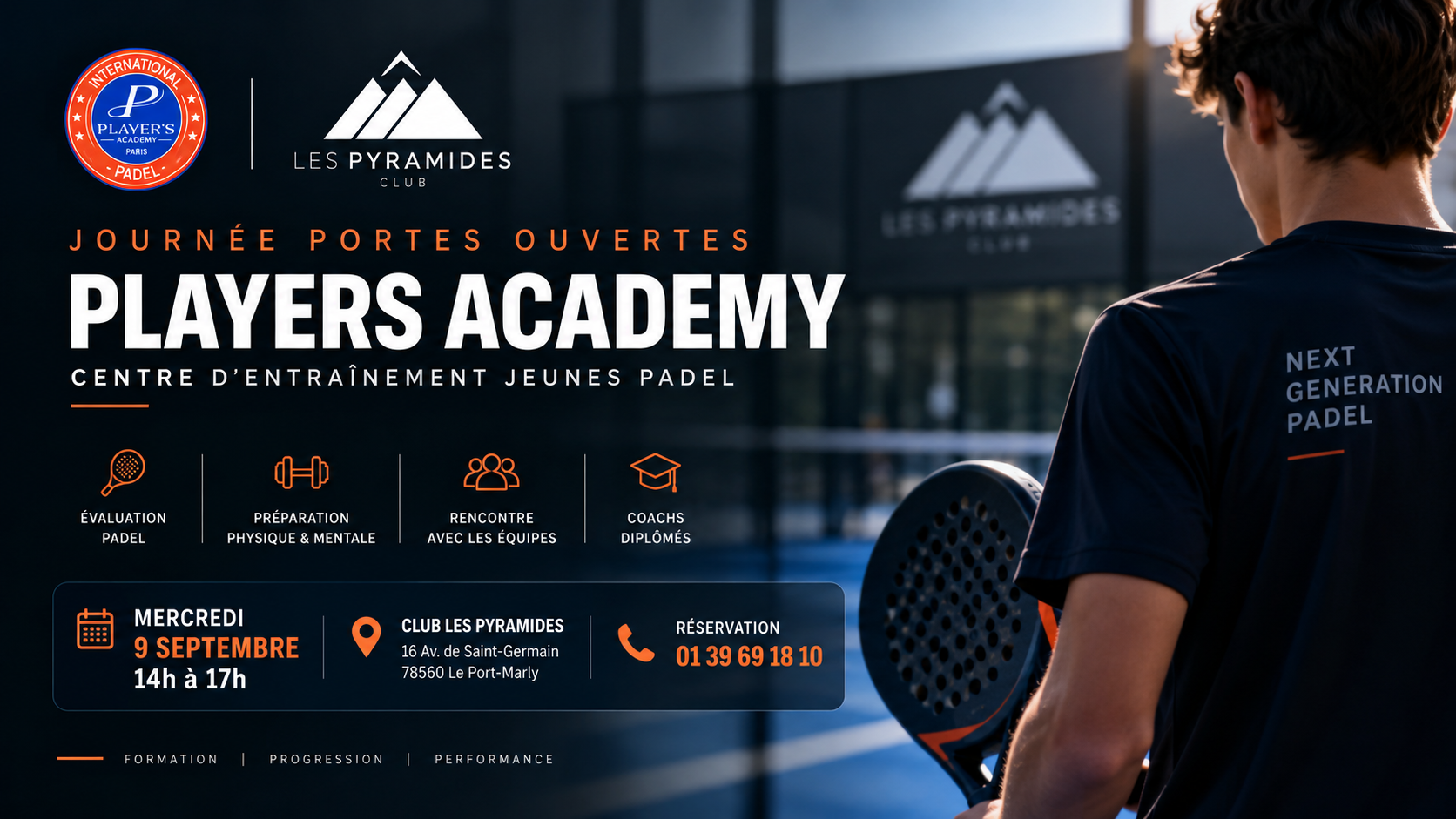 Les Pyramides: after 12 padel courts, the club is focusing on youth training