

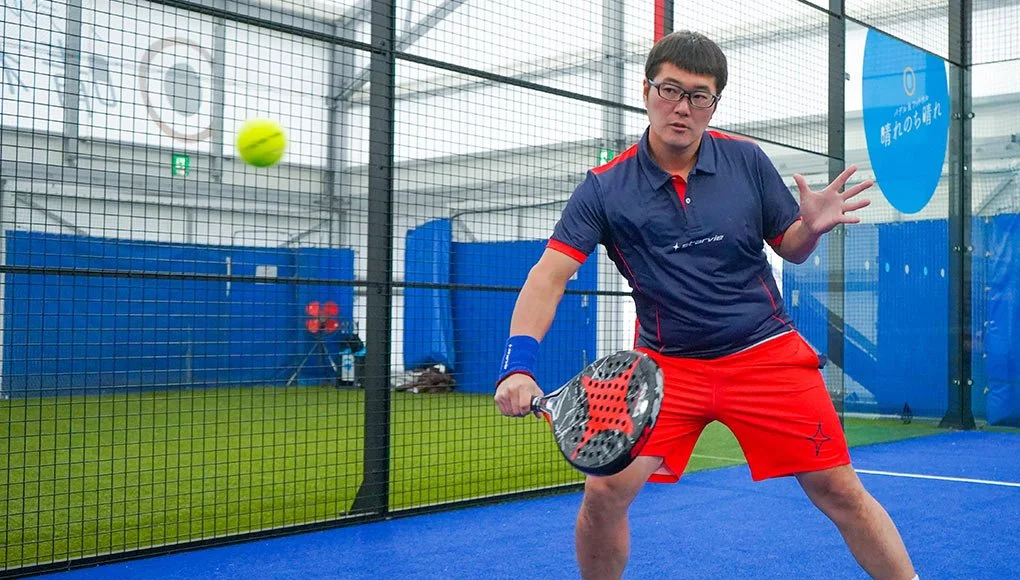








Build padel courts in japan isn´t that simple. Of typhoons , earthquakes frequent can damage structures. What are their secrets ?
Living in Japan is a bit like living on a boat. It moves all the time, and capricious changes in the weather can seriously damage your buildings. Every year hundreds of earthquakes are recorded, yet buildings and sports facilities remain on their feet.
So this is the question we asked ourselves; what is Japan's secret to keeping padel courts operational after so many earthquakes, and above all, how to prepare for the passage of typhoons? koji nakatsuka , the president of the Japanese Association of Padel answers us.
- Is there a difference between building a European padel court and a Japanese court?
The dimensions of the track are obviously the same. In Japan, we are working on a solid slab, which allows ground movements without creating cracks. The anchors in the ground are made with slightly thicker plates outdoors, we use pillar bases 3 millimeters thick against 2 millimeters in Europe.
Another difference is the net above the field limits. We have little space so the balls have to stay on the track. We manufacture our own nets with a finer diameter, a lighter weight and above all a material that does not retain water or humidity, which avoids an overweight on the structure.
Finally, for outdoor clubs, a horizontal reinforcement is proposed between pillar and pillar for strong winds.
- To avoid track movements during a typhoon or earthquake, you certainly have to work on the foundations? Could we know how?
I don't think the foundations we build under a Japanese padel court are very different from those we build under a court anywhere else in the world. We all know that it is a very important element of construction that should not be overlooked.
There may be a difference on the anchors. In Europe screw anchors are used a lot. Here we use knocked anchors that open into the ground when we knock on them. This system allows movement of the track and prevents breakage.
- When a typhoon is called or an earthquake, what safety measures do clubs take? Then, how are activities resumed? immediately or are the installations tested?
We don't take special measures, it's so common (laughs). We have confidence in our equipment, the grids, pillars, windows and even the net are of high quality and made with care. If disaster were to happen, what can we do? Nature has its whims. On the other hand, when we have the information of an earthquake or a typhoon, we inform the clubs so that they can shelter all the material which could fly, injure someone or carry out material damage such as chairs, tables, benches, tables etc ...

Julien Bondia is a padel teacher in Tenerife (Spain). Columnist and advisor, he helps you play better through his tutorials and articles on padel tactics/techniques.


















































































 From the A1 to the final four in Dubai: three very different trajectories
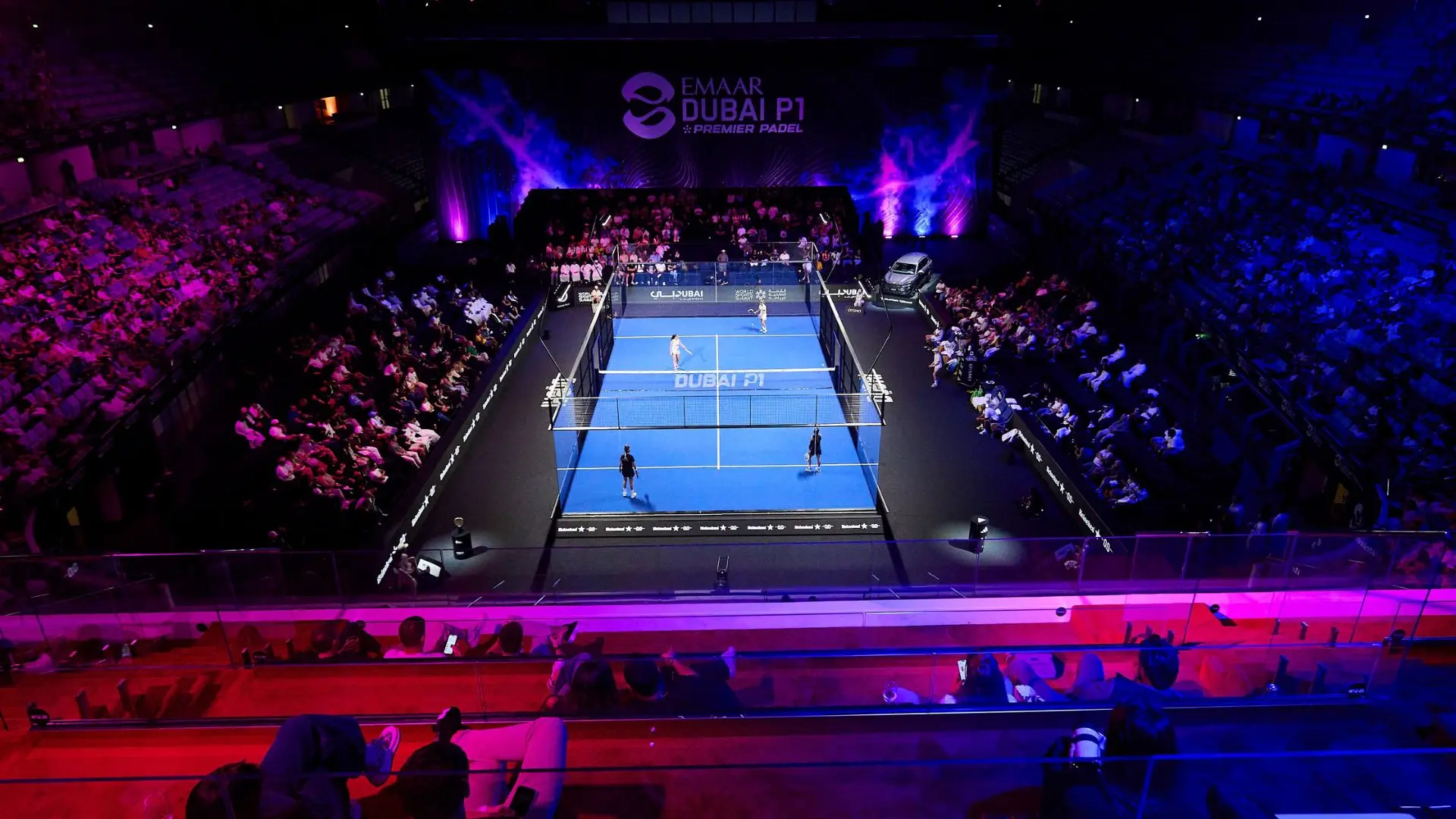 Dubai P1 – Where to watch the finals live? TV schedule, fixtures and times
 Dubai P1 – Triay and Brea can thank Josemaría/González: a semi-final in Mexico Major to end the year as world number 1
 FIP Silver Côme – Boronad / Robert stopped in the quarter-finals by the 3rd seed
 "We're not a tournament club": the gamble taken by the two Henry sisters who are hosting a P3000 at The Break Padel Club
 Gonzalo Alfonso on his split with Tolito Aguirre: "It was painful, sad"
 2026 World Championships – Ustero in tears, Triay facing Brea: the world champions' confessions
 Paquito Navarro: "This is probably my last match with Spain."
 JAP1, JAP2: How to become a padel referee and what are the prospects?
 P2000: Scatena / Sescun, Courrin / Basso, Mansart / Bognard… the first pairs entered for the December events
 4PADEL Football Cup: Lille kicks off season 2 with a victory for Cheyrou/Cygan against Mandanda/Danic
 P3000 Bouillargues – Results / Live / Schedule
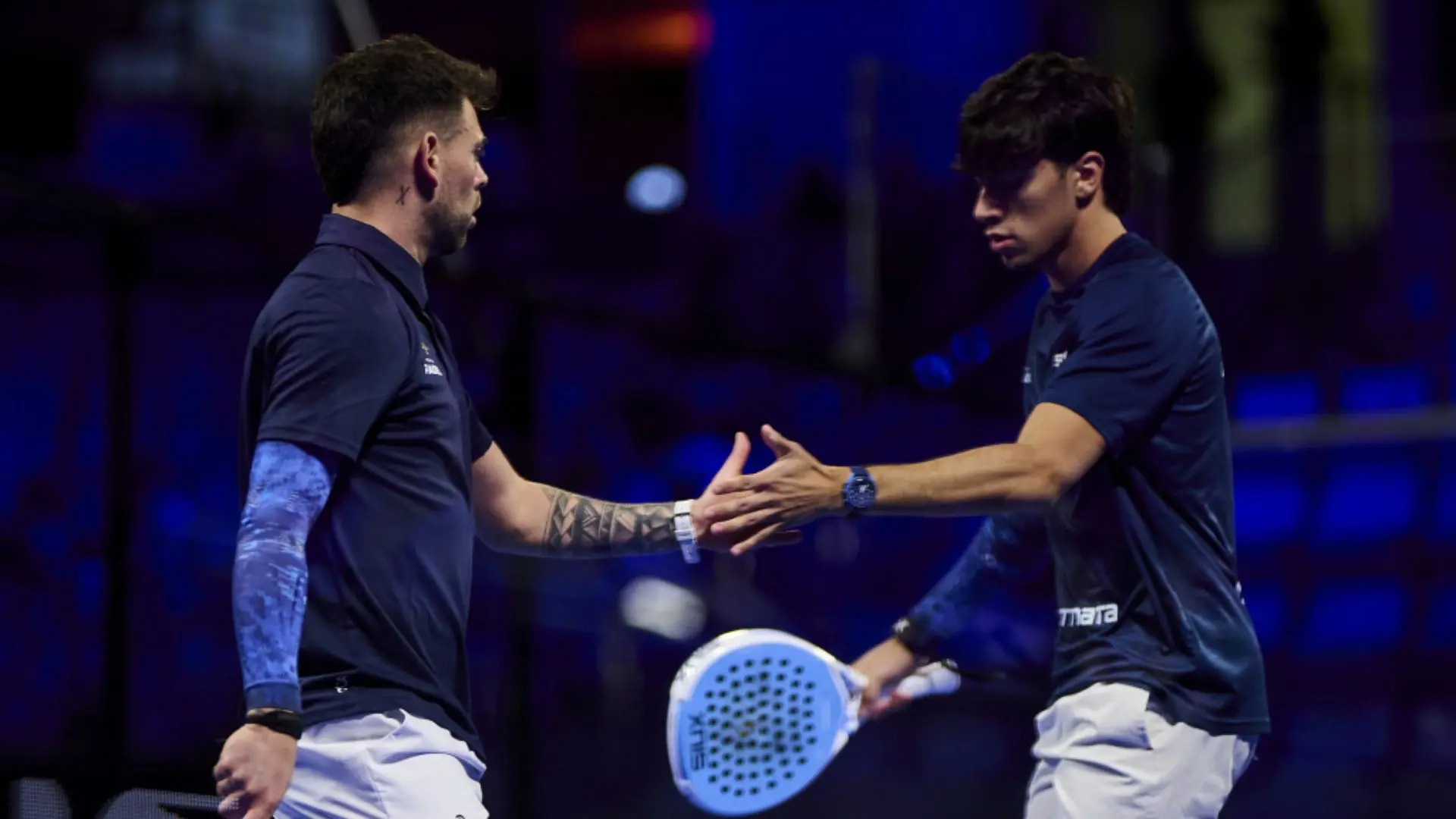 Dubai P1 – Libaak and Alfonso solid against Garrido / De Pascual to secure their first final on Premier Padel and reignite the race to the Finals
 Padel, weight training, and even HYROX: clubs are changing their model
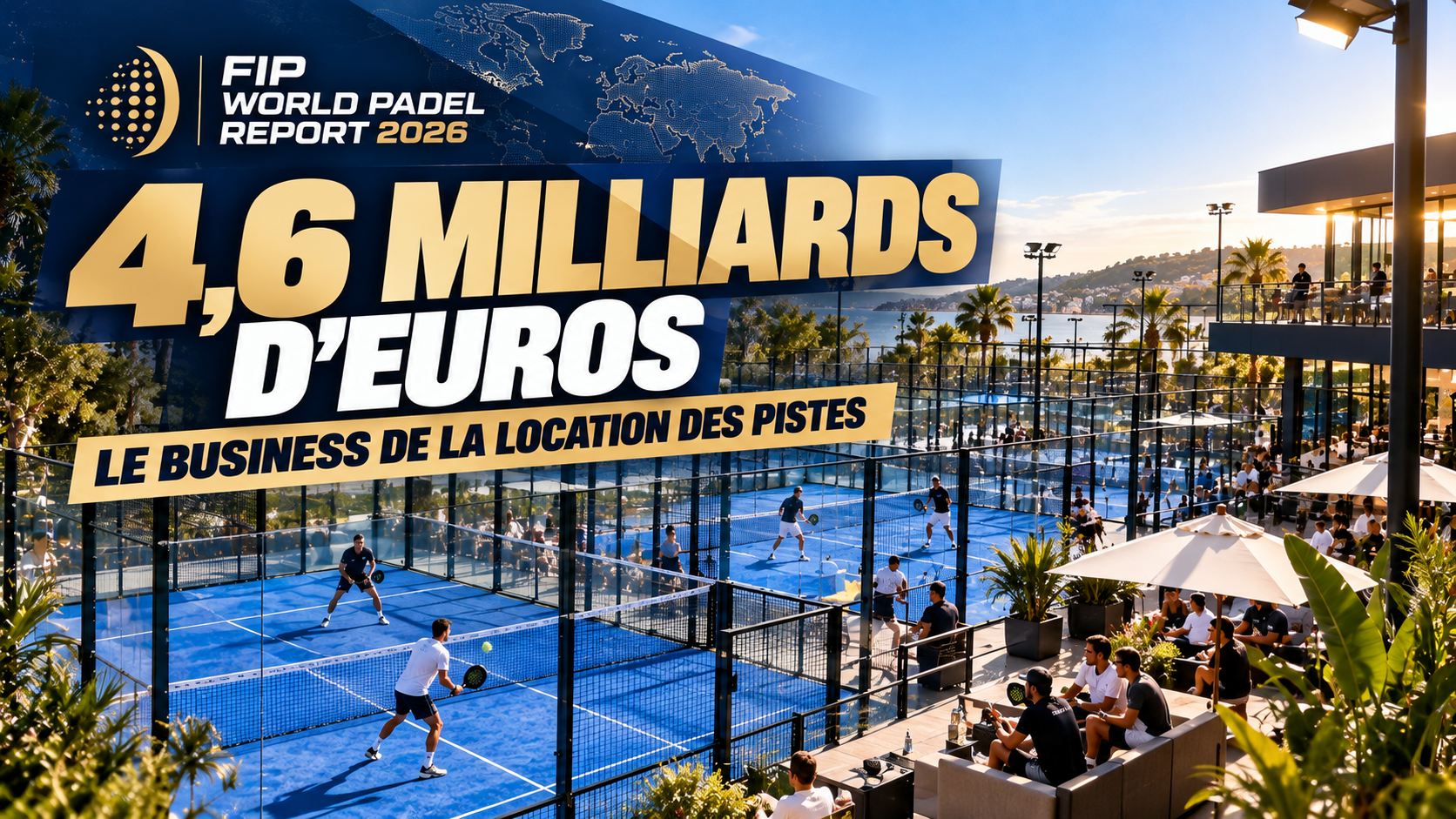 Padel court rentals: a global market estimated at 4,6 billion euros
 FIP Beyond: the new global padel circuit for amateurs and seniors
 More than 6,300 FIP-ranked players: professional padel is becoming international, but Spain dominates
 OSS Barcelona – Why Spain and France aren't yet playing in the same league
 Cancer and rehabilitation: could padel become a therapeutic tool?
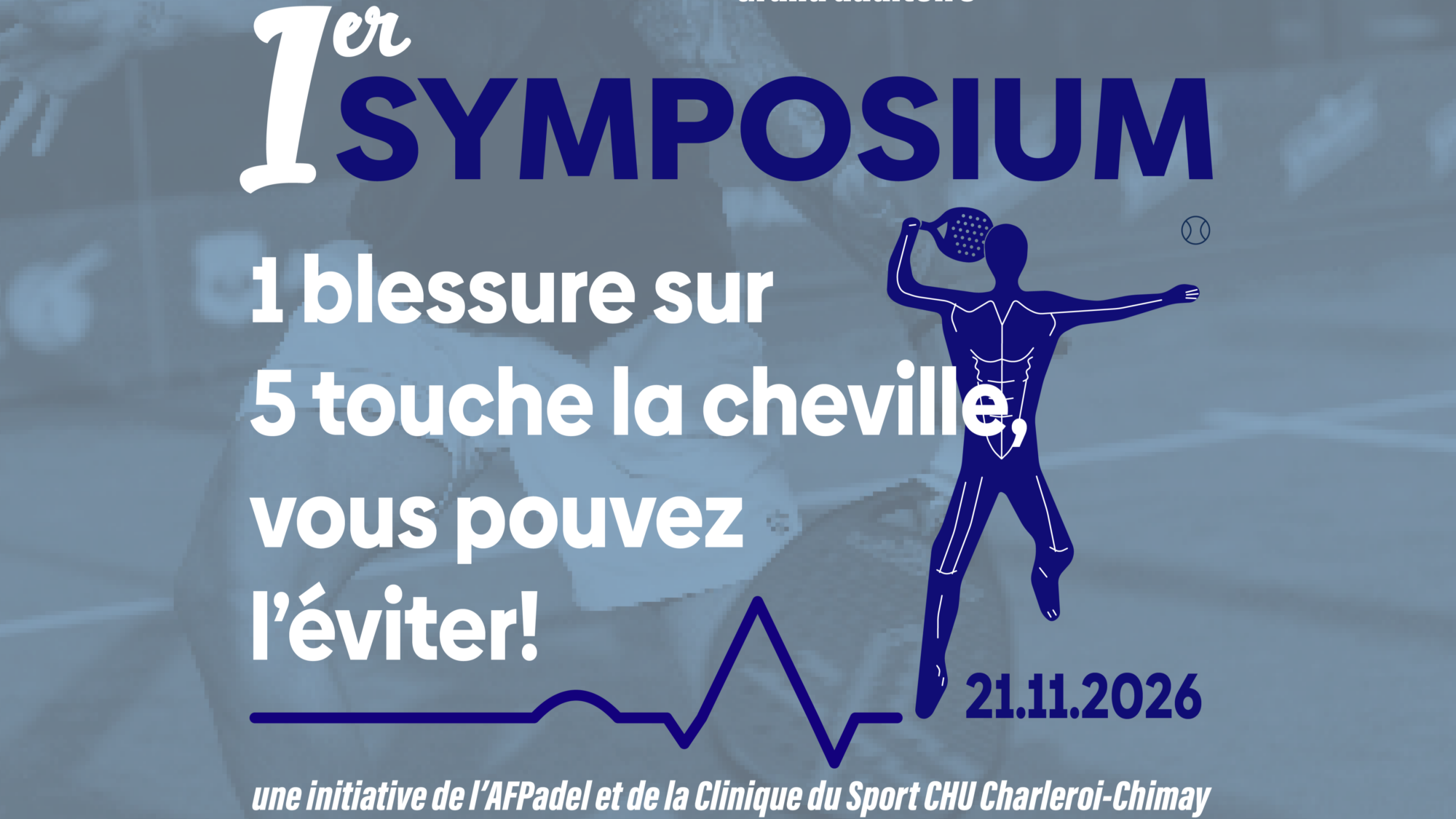 Padel injuries: ankle, knee, elbow, eye… what the latest figures reveal
 Shocking turn of events at Dubai P1: Coello and Tapia have also withdrawn!
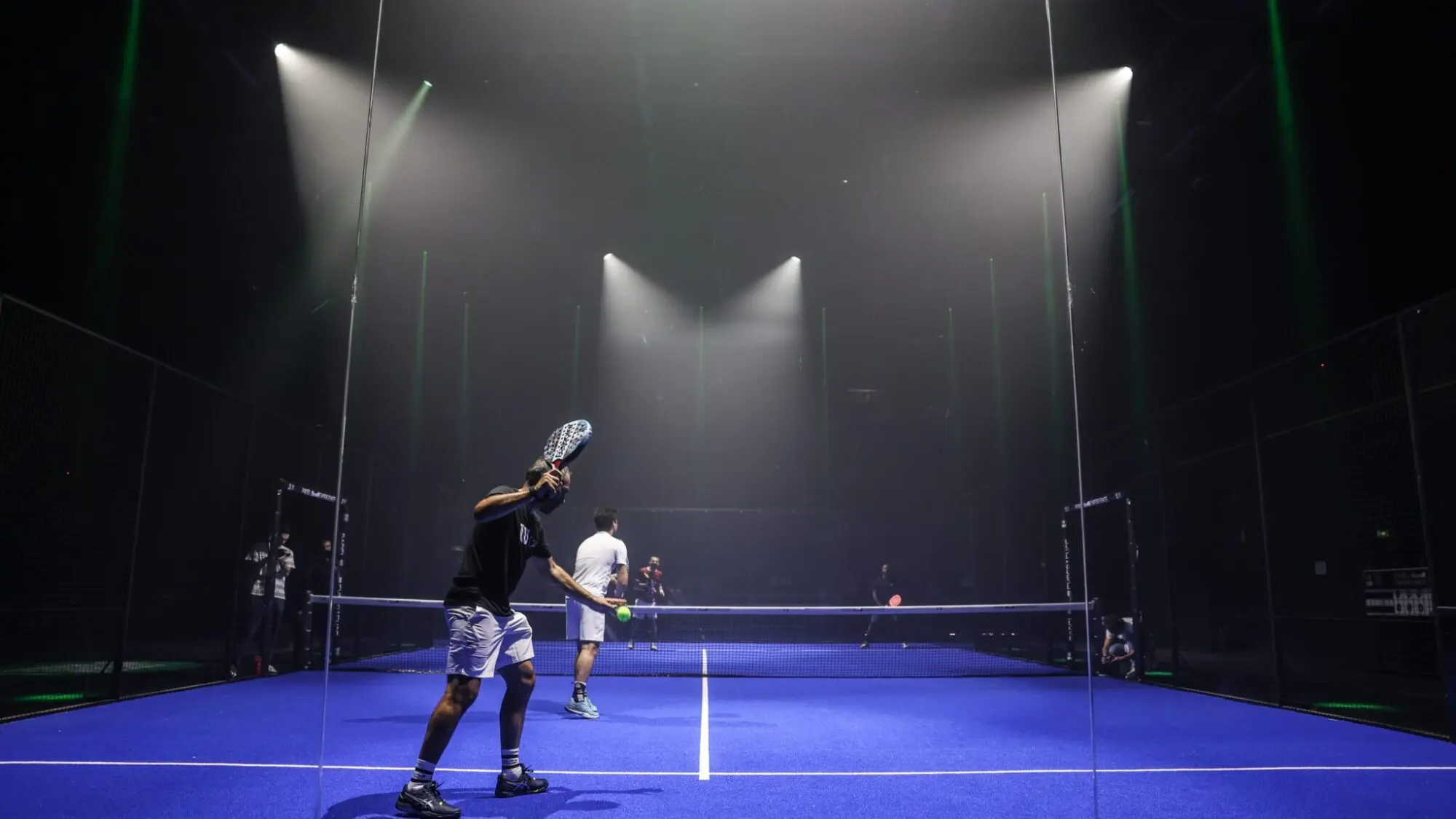 Padel serve: a good serve is especially good preparation for the third shot.
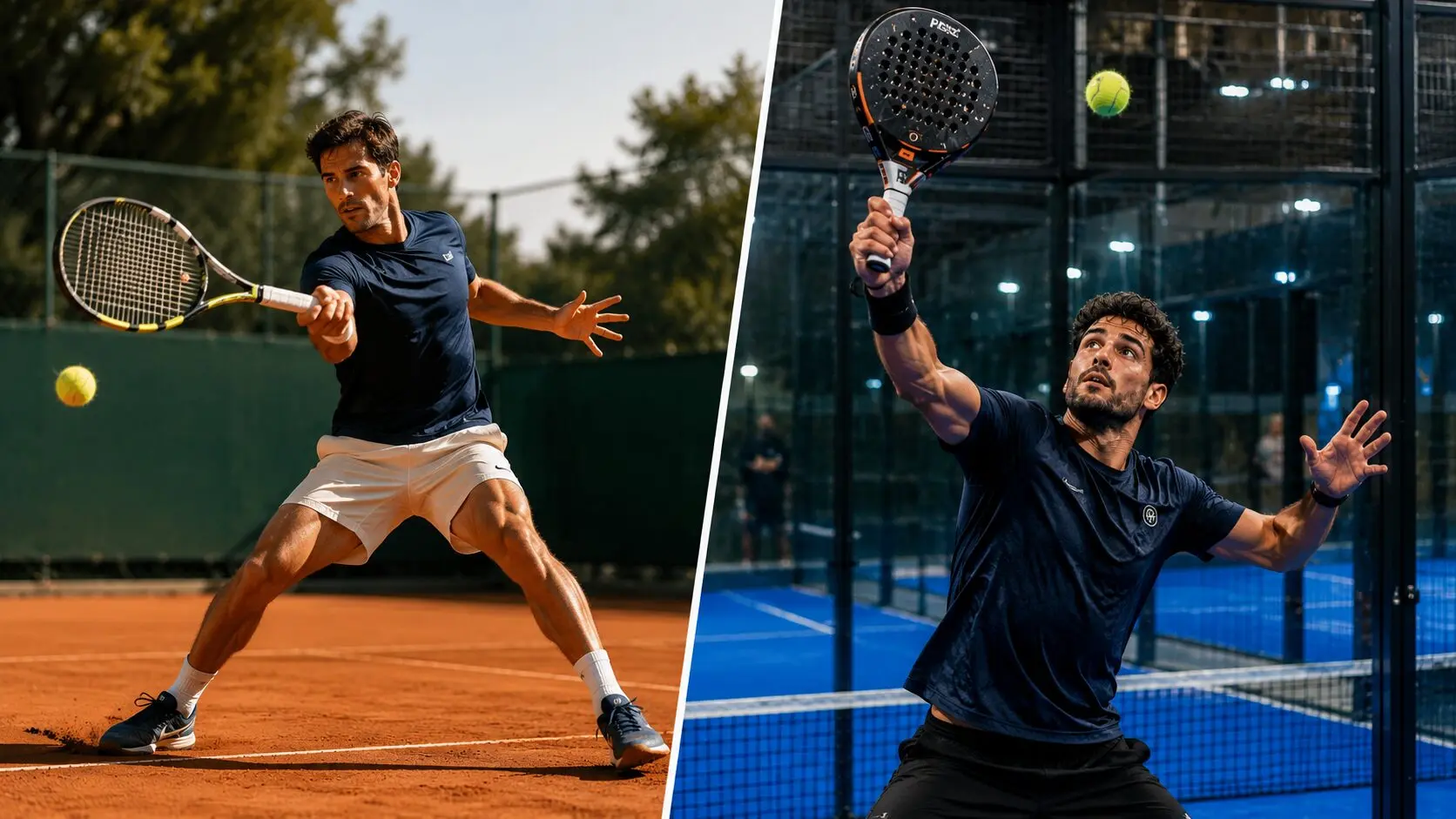 What the analysis of the stroke reveals: tennis forehand vs. padel bandeja
 Has the bandeja disappeared from modern padel?
 Flat forehand in padel: 5 exercises from Cristian Álvarez to gain control and efficiency
 Why can Libaak/Alfonso beat almost everyone… except Coello/Tapia?
 Tapia reveals his recipe for beating Coello / Tapia: "I would bet everything on myself"
 How Coello defused Chingotto's game plan
 In padel, does the chemistry between a pair count as much as individual skill?
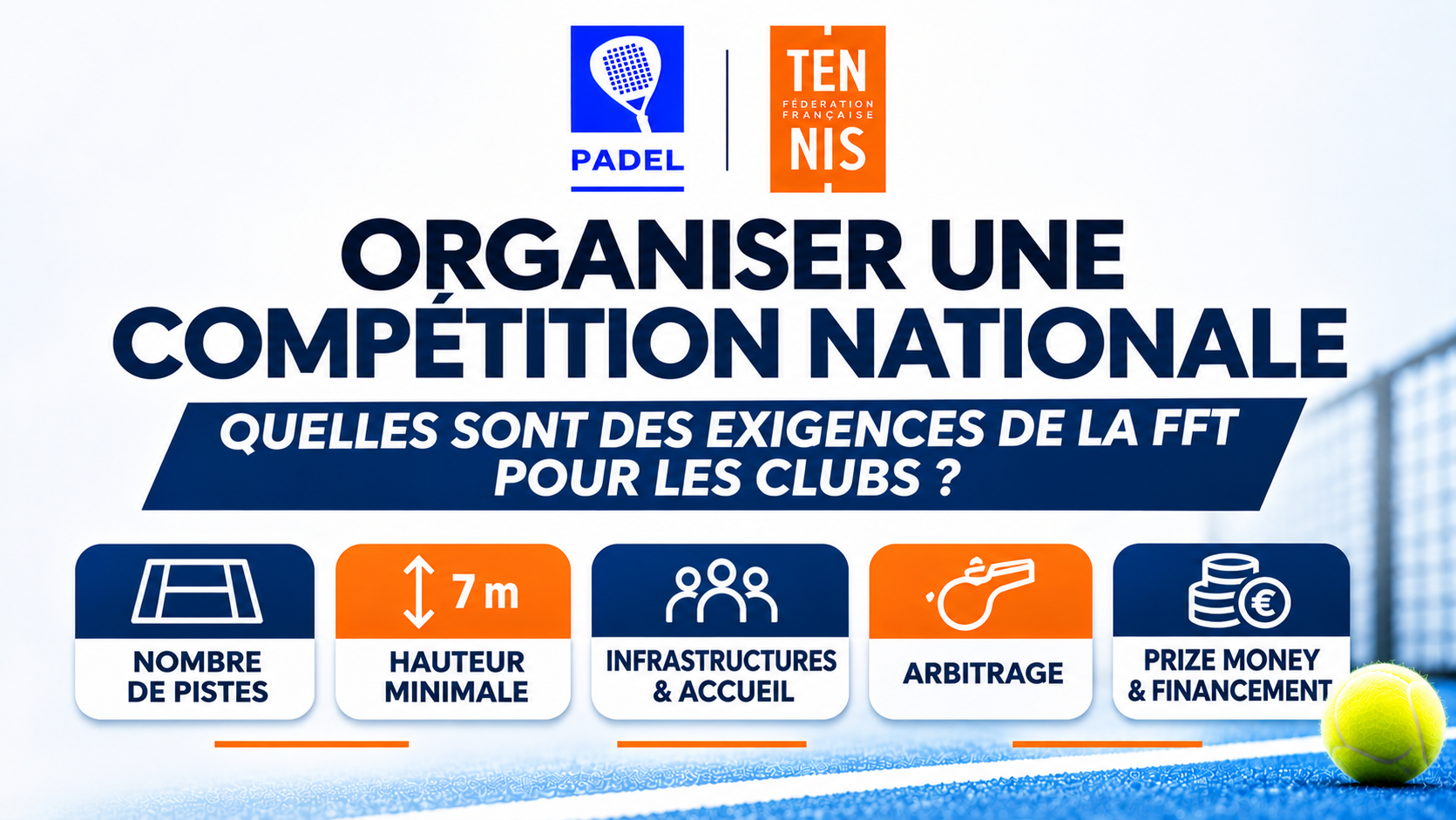 Organising a national padel competition: what are the FFT's requirements for clubs?
 Organising a P2000 or a P3000: how much does it really cost clubs?
 P2000 or P3000: what are the differences in prize money, format and organization in 2028?
 Do you lose your ranking? Padel FFT after more than a year without a license / without competition?
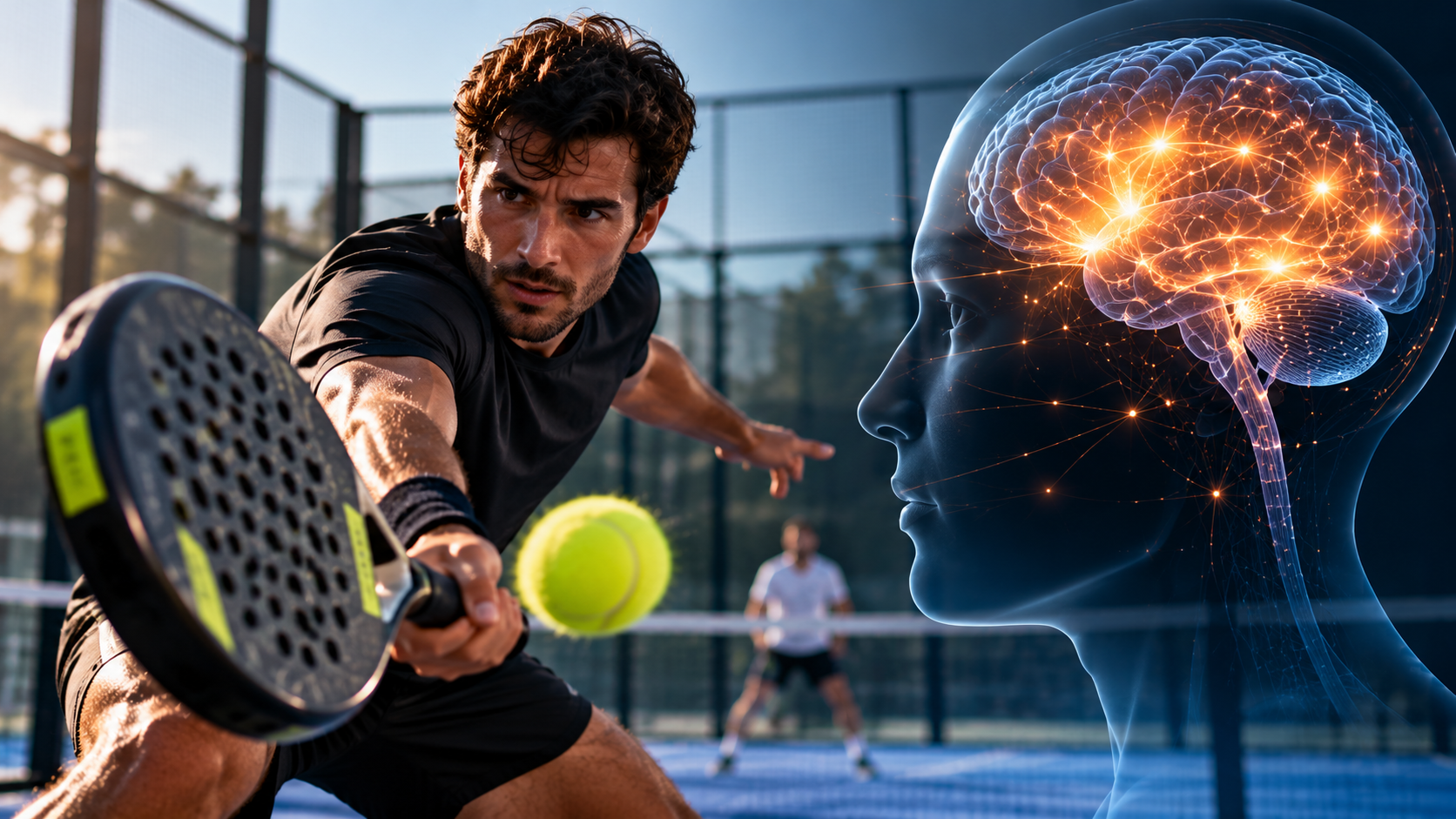 Memory, reflexes, concentration: what happens in our brain when we play padel?
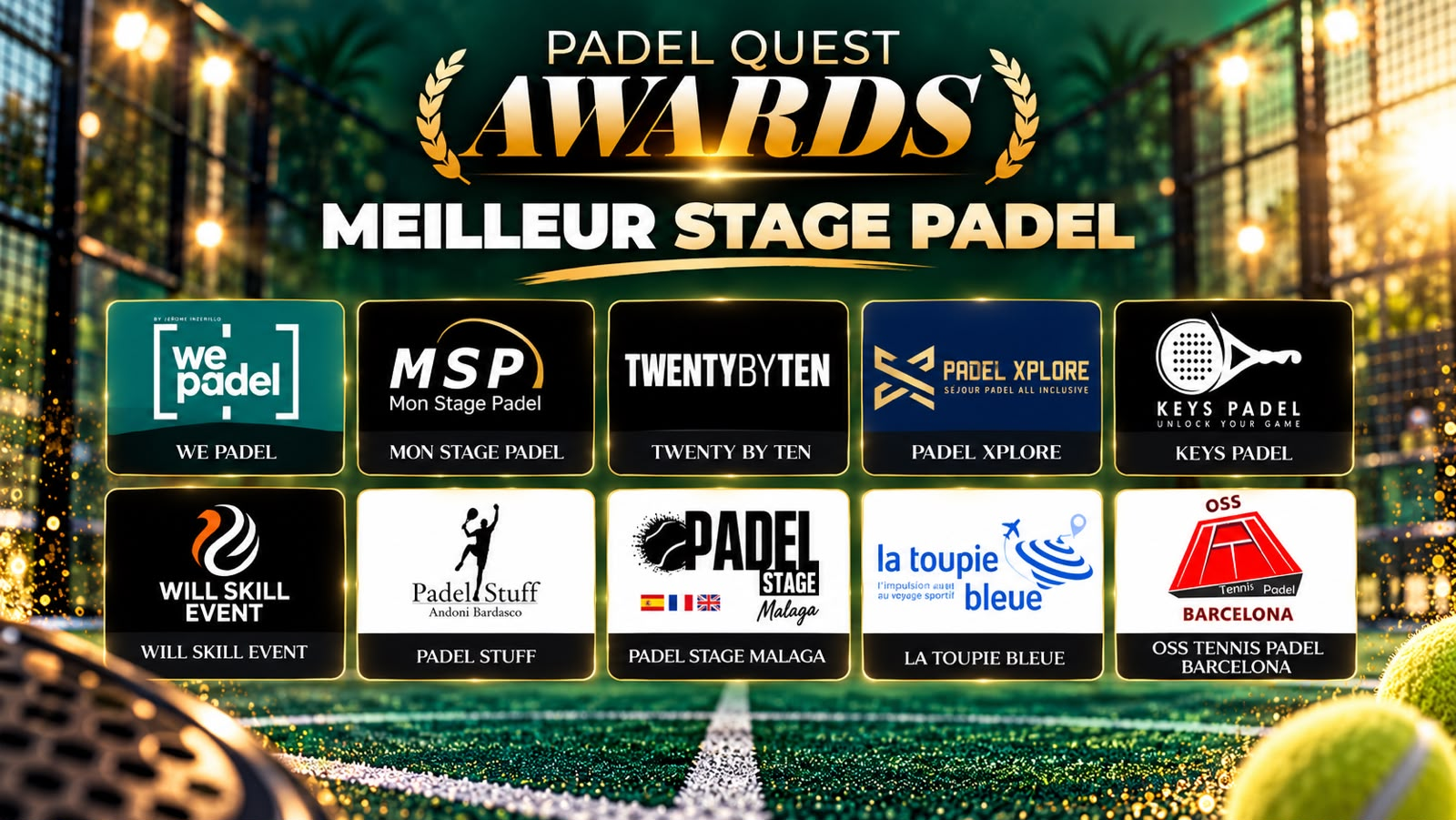 Padel Quest Awards: Ten specialists in the running for the title of best padel training camp of the year
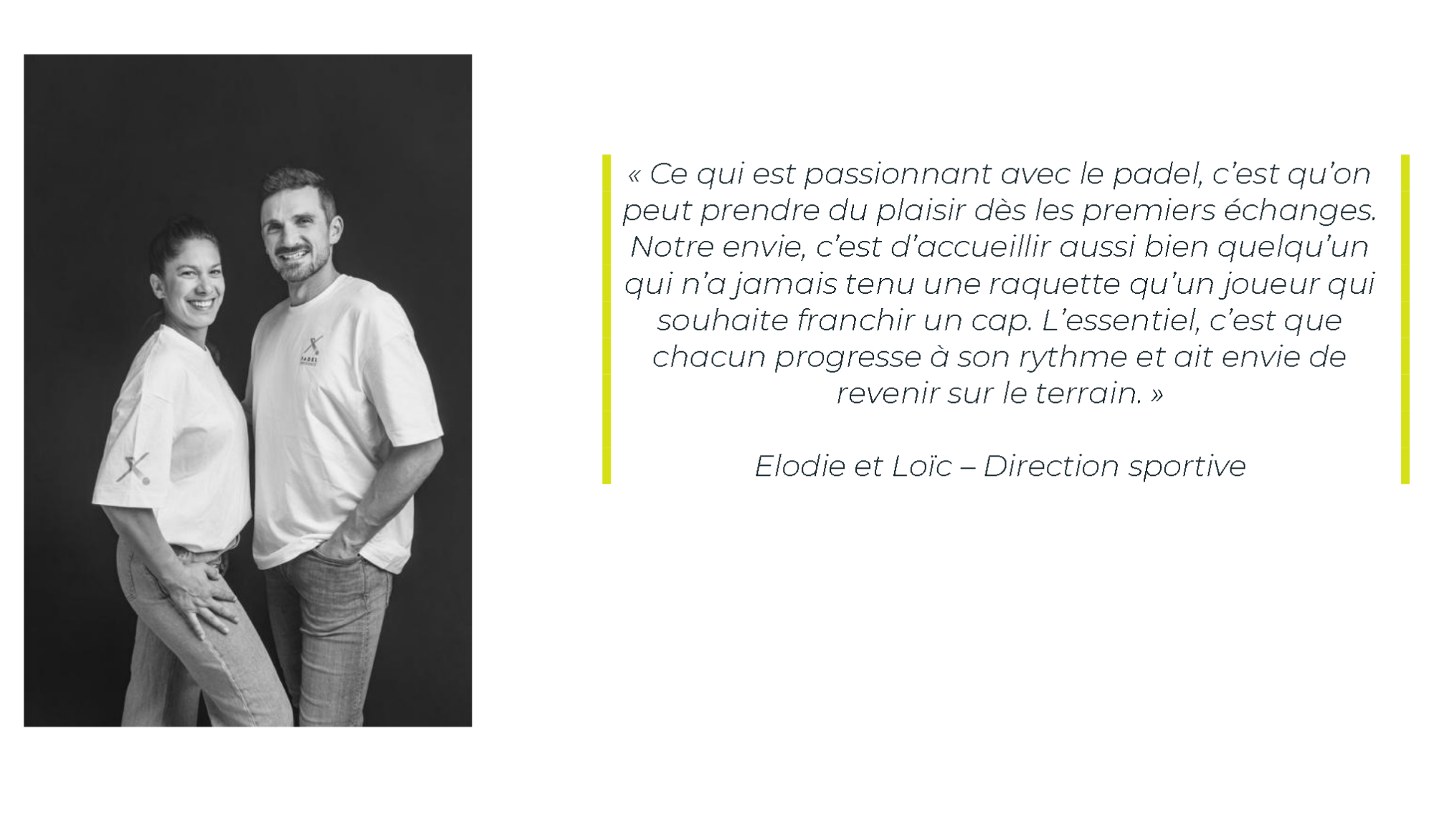 Padel Xperience: The Academy opens on November 2nd in Marcheprime, ahead of the complex's inauguration in 2027
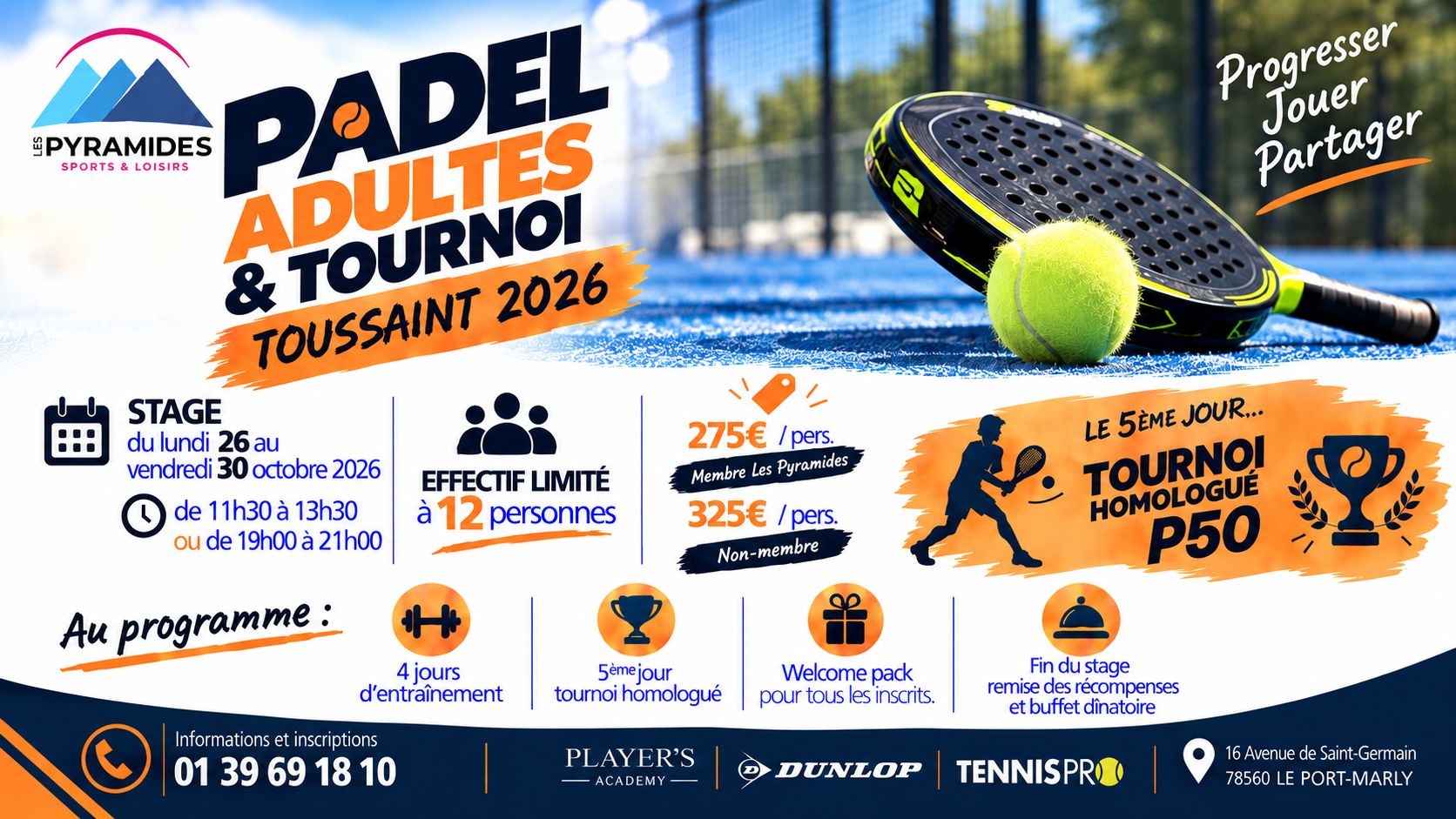 All Saints' Day – Les Pyramides are organizing a padel training camp for adults with a P50 tournament to close out the week