

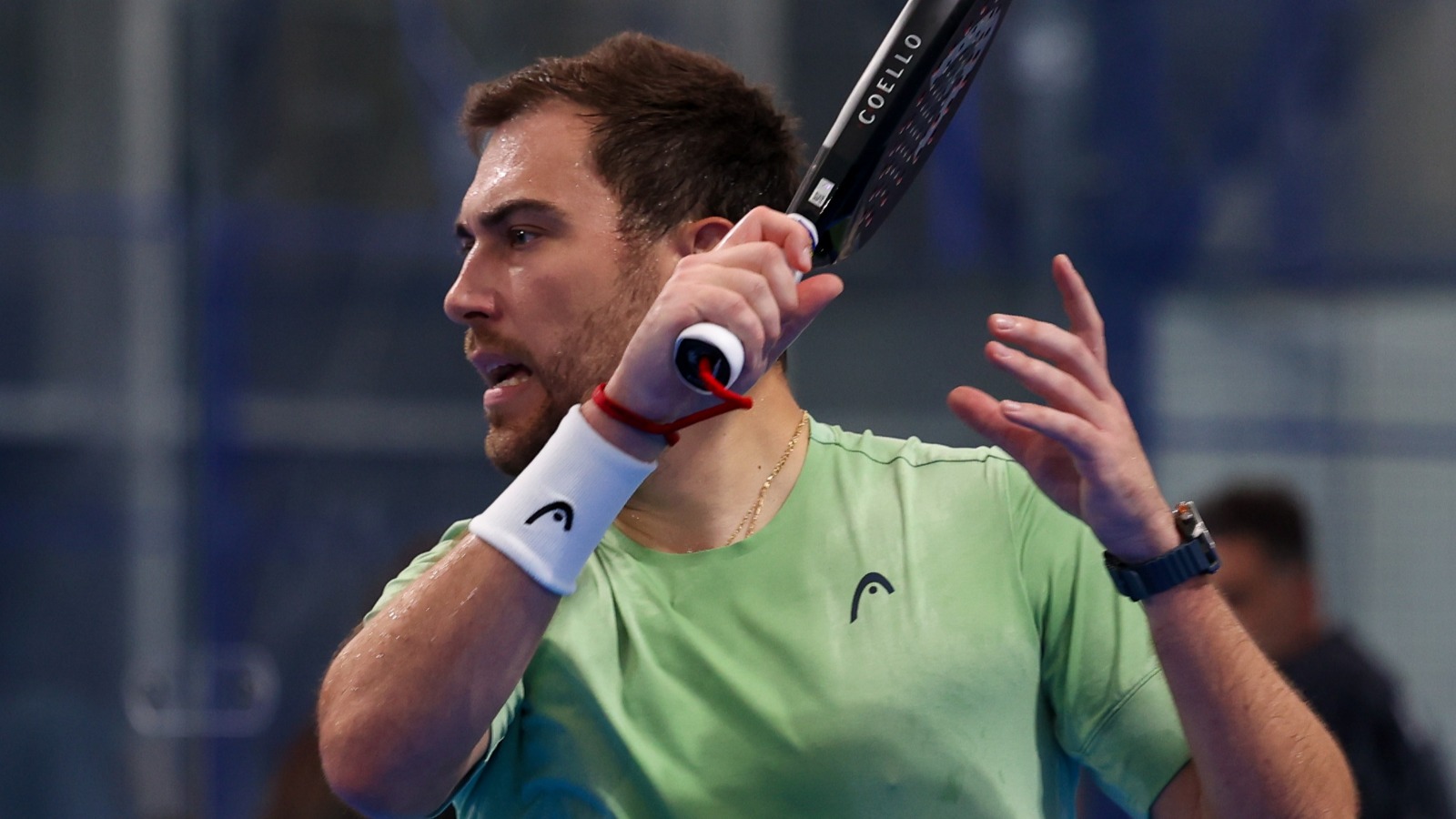








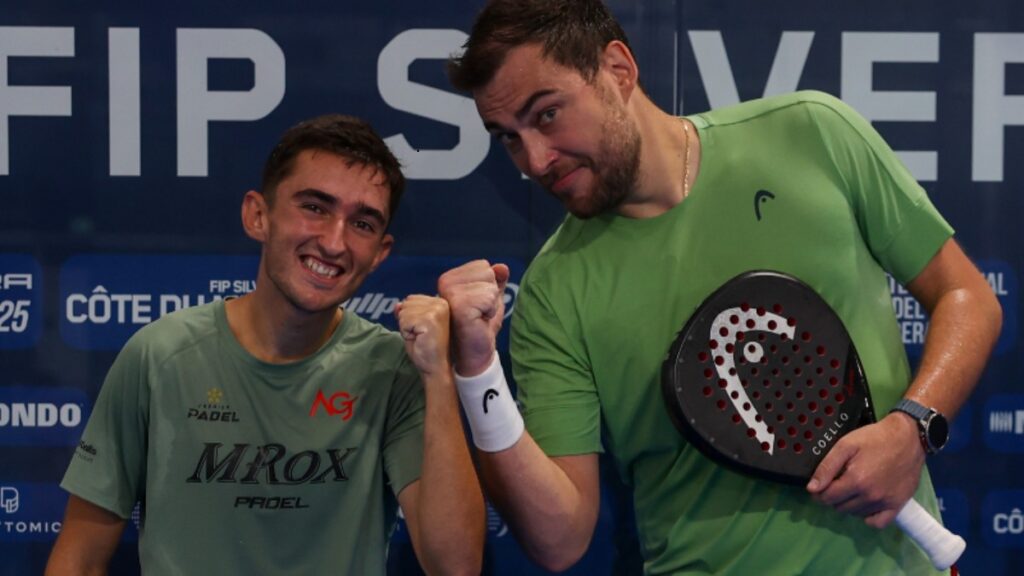
Former world tennis star Jerzy Janowicz continues his transition to padel. Present at the FIP Tour in Narbonne, the Pole spoke openly about his transition from tennis to padel, his ambitions, his criticisms of the Polish federation, and the fundamental differences between the two sports. An exclusive interview with a player who speaks freely.
Hello everyone, we're still at the FIP in Narbonne, and with us is Jerzy Janowicz, nicknamed "JJ" here. In the world of padel, they're starting to call him that. JJ, you're a well-known figure in tennis, but today your name is also circulating in padel, especially in your country, because you've been playing for several years now.
— Yes, I started quite a few years ago, just for fun, and I've continued to play a little. It's not like I practice every day or every week, it's more for fun.
So, for you, is padel a hobby? Or has it become more than that today?
— It's a hobby, but I love playing. I really enjoy it.
Would you consider playing more professionally?
— Maybe, but I'm waiting for improvements from the federations. Things need to evolve a little for that to be possible.
You've already played several tournaments, in Poland and elsewhere. You're on the FIP circuit and have a ranking. Don't you dream of reaching higher ranks?
— No, not really. I don't have the motivation to train full-time. And if you want to reach a high level in padel, you have to train every day. Today, I'm a little older, I have a family in Poland, two children... That's the most important thing for me.
So for now, padel is still fun?
—Exactly. But if there was more money in this sport, maybe I would get more involved.
So if there is more money, would you invest more in padel?
— Yes. Compared to tennis, padel isn't making any money at the moment.
I remember an interview where you said that tennis was fun. Would you say the same thing about padel?
— No. Tennis is no longer a pleasure for me. Today, it has become a nightmare.
Why?
—Because I had too many injuries. I had four operations. High-level tennis, in recent years, was no longer fun for me.
And yet, yesterday on the field, you were everywhere, very active.
— Honestly, padel is physically much easier than tennis. In tennis, you're alone on the court, the courts are bigger, the matches are longer... It's much harder physically. Padel is easier on my body; I can play a lot of it.
When you're preparing for a tournament, what does your training day look like?
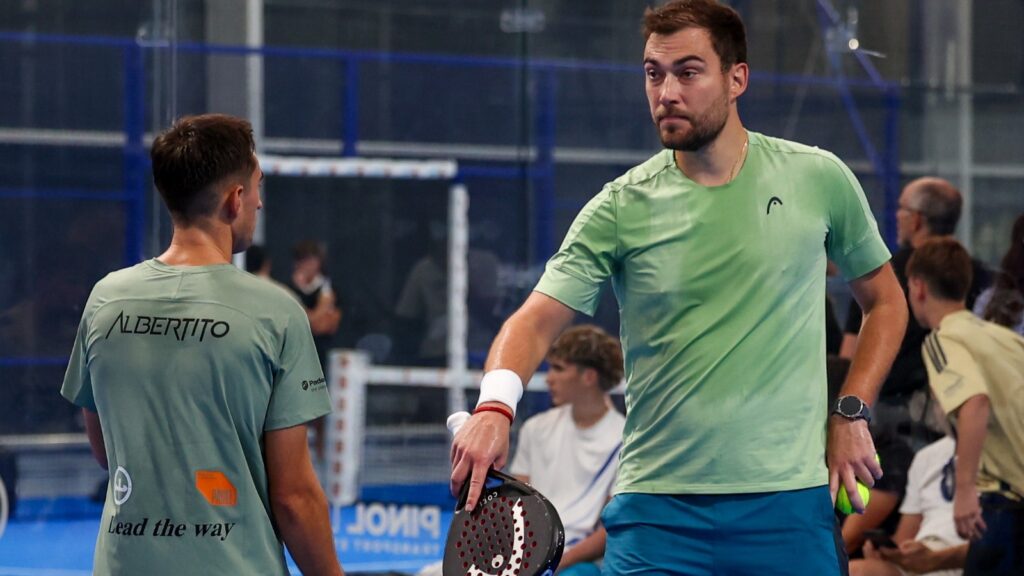
— When I'm preparing seriously, I go to Alicante. I train with my partner Alberto Garcia, but also with Victor Ruiz, Sanyo Gutiérrez, and Miki Solbes. We play together, we play matches. Then I try to participate in a tournament.
Do you feel you can still improve or have you reached your maximum level?
— I can definitely improve. I only trained for eight weeks in Alicante. In Poland, it's not even possible to train. There are no players, no coaches.
Is padel progressing in Poland?
— Yes, it's growing, but at the amateur level. Not at all at the professional level.
Do you represent your country in padel?
- No.
But I know you'd like to do it, right?
— I played ten years in the Davis Cup for Poland. I was the team leader, I played every match. I loved it. But tennis and padel in Poland are two completely different worlds. The Polish Padel Federation is catastrophic.
Are these two different federations?
— Yes. And people are not at all the same. In tennis, you have competent people who try to move things forward. In padel, they are amateurs. They do nothing.
But you're probably the best padel player in the country, right?
— Yes, by far. But the federation is a real disaster, let's say it politely.
So we won't see you with the national padel team?
—Most likely not, unless things change. It's as much their decision as mine.
Because you don't want to, or because they don't want to?
— Both. But the real problem is the federation.
Let's talk a little about your game. You're tall and you play on the left. What are your strengths? And what areas do you still need to improve?
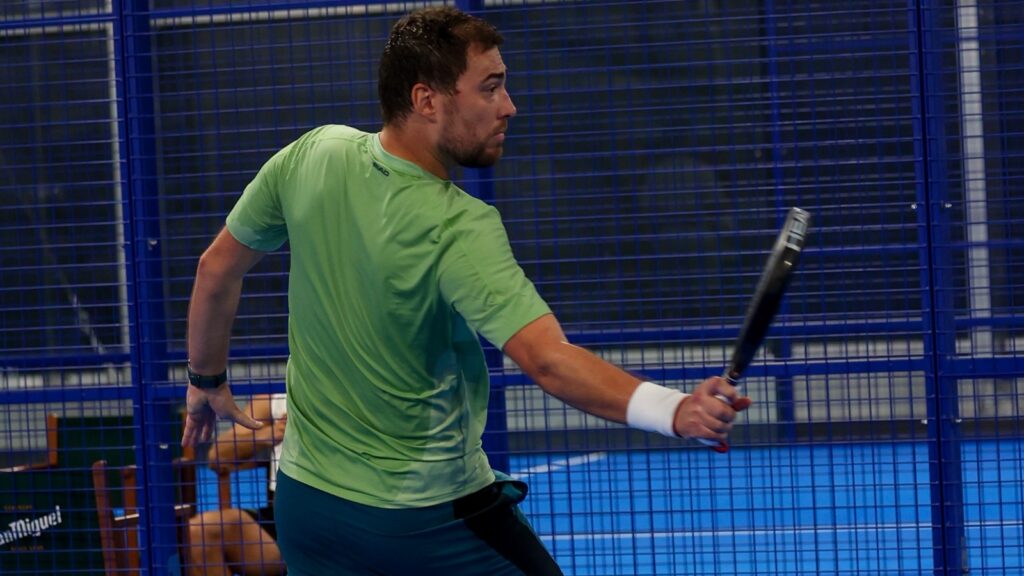
— My smash is my main weapon. My volley is also very good, consistent, fast, and with spin. I can smash from anywhere. However, I need to improve my defense.
Why?
—Because I come from tennis. I'm not used to glass. In tennis, there isn't any. You have to play each ball after a single bounce. In padel, you have to play with the glass, and that's something new for me.
You have a family, two children. Will you direct them toward tennis or padel?
— Tennis, without hesitation. Today, tennis is a mature, well-established sport. Padel is still young.
Do you think in terms of business or personal development?
— No, it makes sense to me: everyone should start with tennis. Then move on to padel, no problem. But the other way around is almost impossible.
And if tomorrow, tennis and padel are economically equivalent, what advice would you give to your family?
— Padel. Today, it's easier to succeed in padel. I see how padel players train; it's nothing compared to tennis.
What do you mean ?
— In tennis, you have to train 6 or 7 hours a day. In padel, even the best only train 2 or 3 hours. It's not the same requirement at all.
What could you bring from tennis to padel?
—First of all, money. Because when you're ranked around 200th or 300th in tennis, you earn very little. And in padel, it's even worse. And then there are also simple things, like communication. For example, as a padel player, if I want to contact the FIP, it's very complicated.
And in tennis?
— In tennis, no problem. There are plenty of people who work for you. If you have a question, you contact the ATP or the ITF, and you get an answer. With the ITF, it's complicated. They send me emails in Spanish. I don't even speak Spanish.
And what about the rules?
— Padel needs to become more professional. On the circuit Premier Padel, the rules change during the season. In tennis, that's unthinkable. You start the season with one rule, you end it with the same one. In padel, they change whenever they want.
A word about surfaces. In tennis, we have clay, grass, and hard courts. In padel?
— It's almost always the same thing: artificial grass, often Mondo. I've played on carpets with sand, a bit like clay. I didn't like it. Padel is a fast sport. If you slip, you lose your responsiveness.
But in tennis, it's the same, right?
— No, the court is bigger. Rallies are slower. You have more time to react. In padel, the court is too small to waste time sliding.
And the decisive point (punto de oro)? Do you prefer that or the classic advantage?
— The advantage, without hesitation. The real rules. The golden point kills the level a bit. It makes matches more random. It makes it easier for a weaker player to make the difference. With the advantage, you can control the game better.
Do you know other former tennis players who play padel? Who do you think is the best?
— I don't really know who plays at a good level. I know Federer and Nadal play a little, but only for fun, not in tournaments. In Poland, I'm by far the best. Ferrero, in Spain, played a lot and at a good level.
And finally: you say you play for fun, but you love competition. You need a goal, right?
— If I play a tournament, of course, I want to win. But it's not easy for me because I don't train every day. And I also depend on my partner. If everything depended solely on me, it would be different. But now, I also need to find a good partner every week. It's not easy. Right now, Alberto Garcia asked me to play with him because his partner is busy with the European Championships. So we'll try to have a good tournament. If I reach the semi-final this week, I'll be very happy.

Franck Binisti discovered padel at the Club des Pyramides in 2009 in the Paris region. Since then, padel has been part of his life. You often see him touring France to cover major French padel events.












































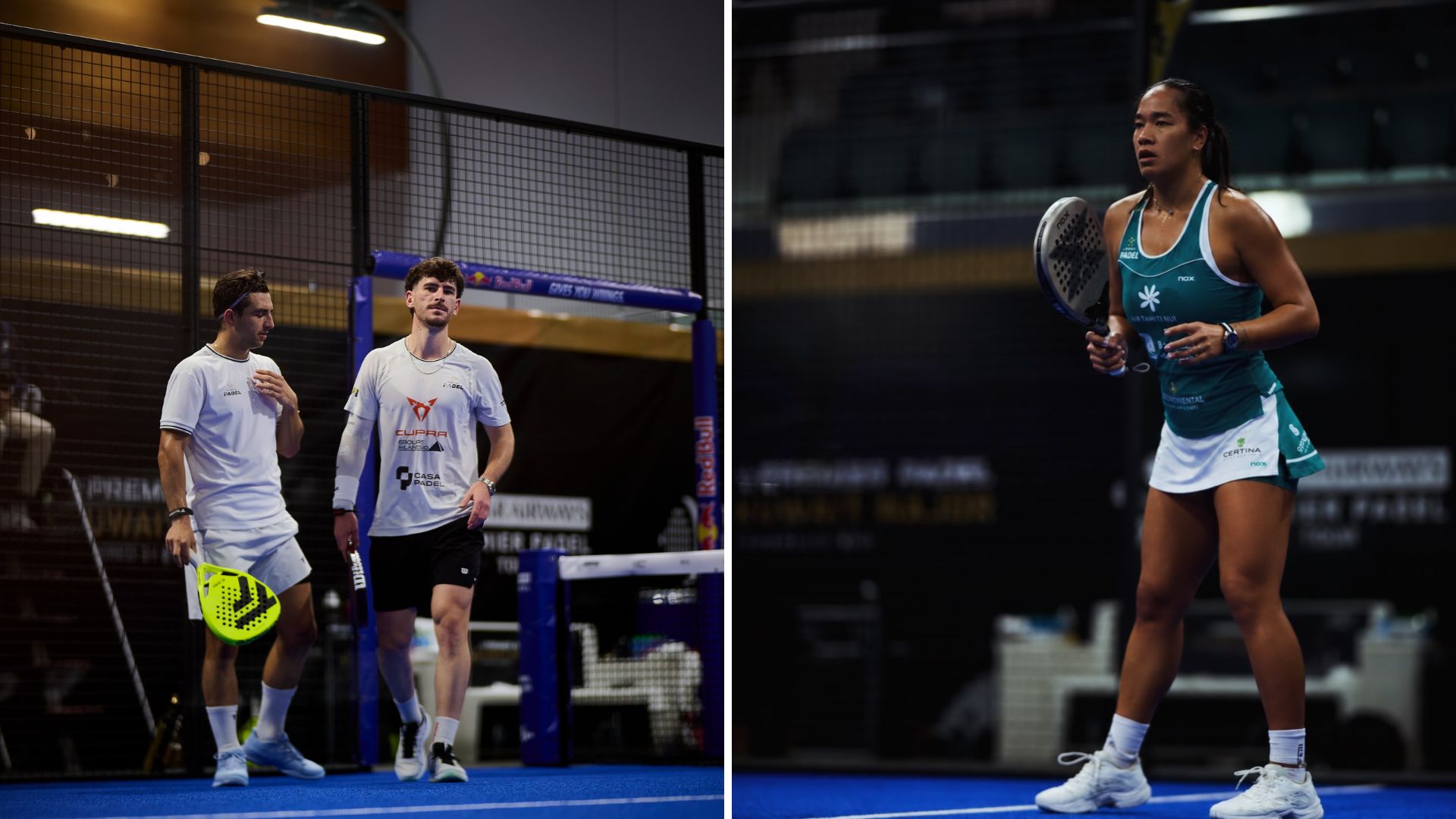 Dubai P1 – Leygue advances to the final qualifying round, Godallier crashes out in the first round
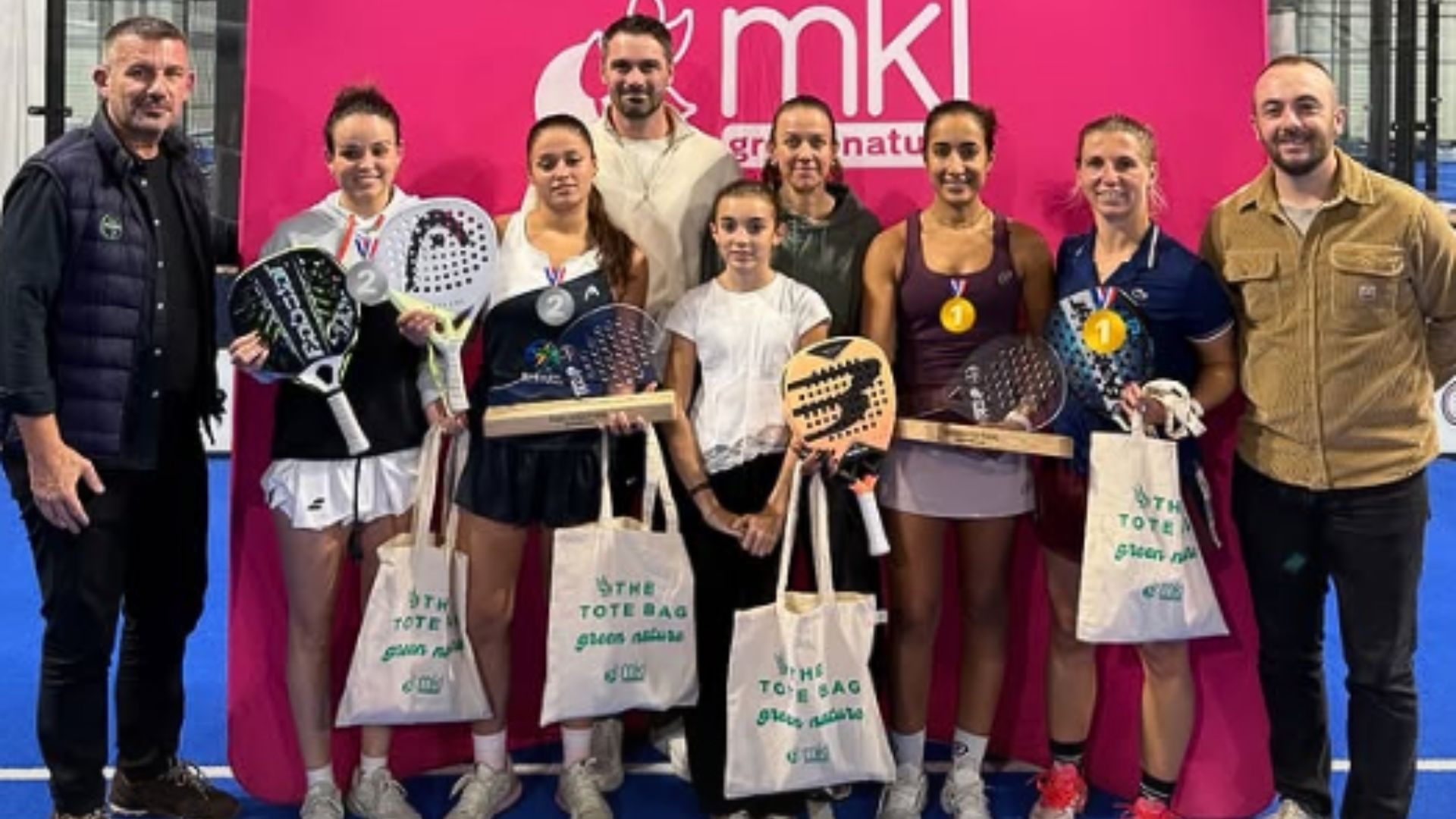 P1000 On Padel – Majdoubi/Moga overturn Lespes/Isaac and clinch the title as favorites
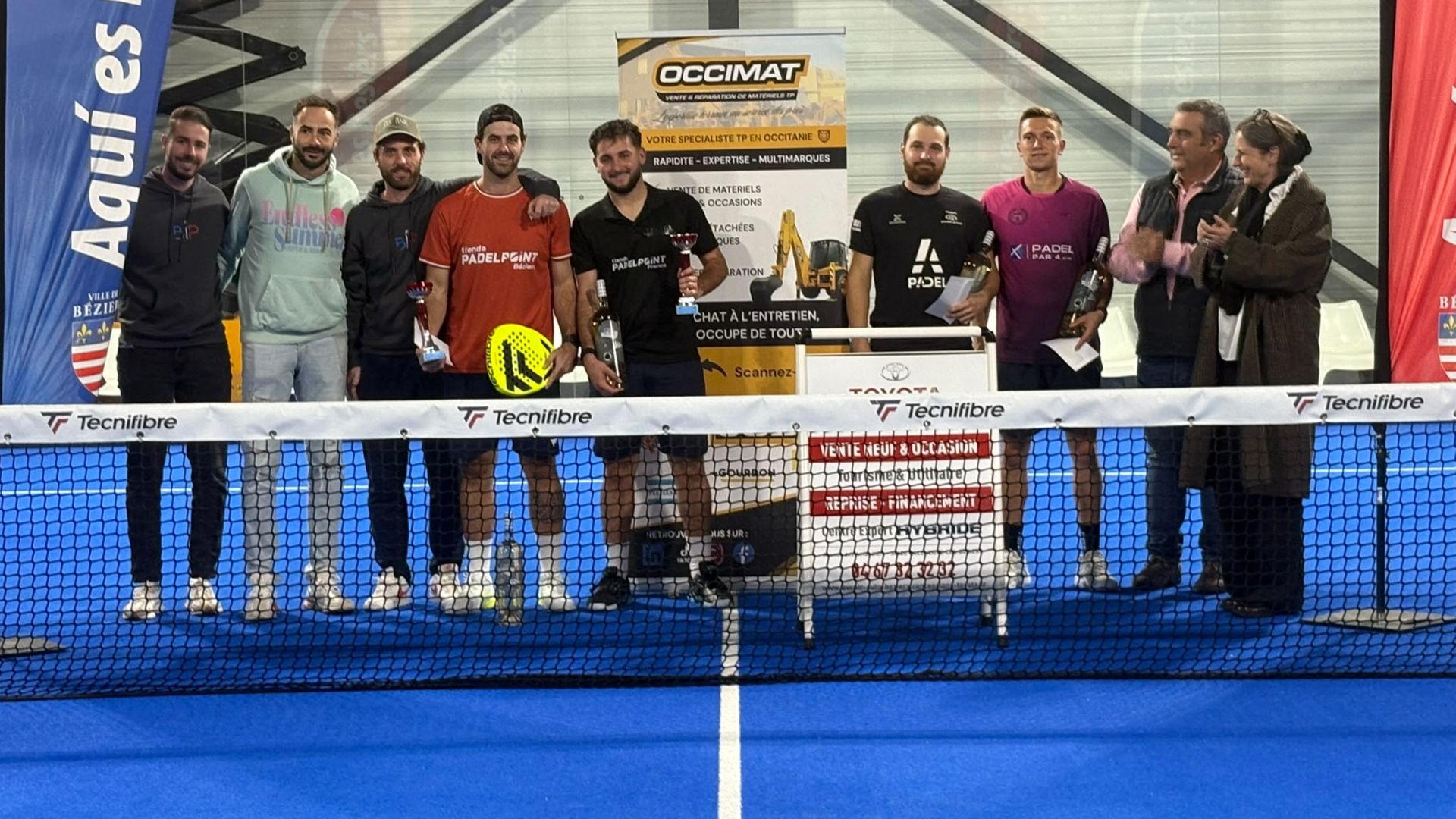 P1000 BIP Béziers – Ayuso and Jover defeat the top seeds and clinch the title without dropping a set in the tournament
 "I applied to become the coach of the French national team": an objective for Adrien Maigret
 Fonteny/Joris after their “almost” upset against Tapia/Libaak: “We believed until the very last point”
 2026 World Cup – Five players barred from World Cup with the United Arab Emirates: Íñigo Jofre denounces the situation
 Coello/Tapia ahead of the Kuwait Major final against Tello/Arce: “These are two players who cause us a lot of problems”
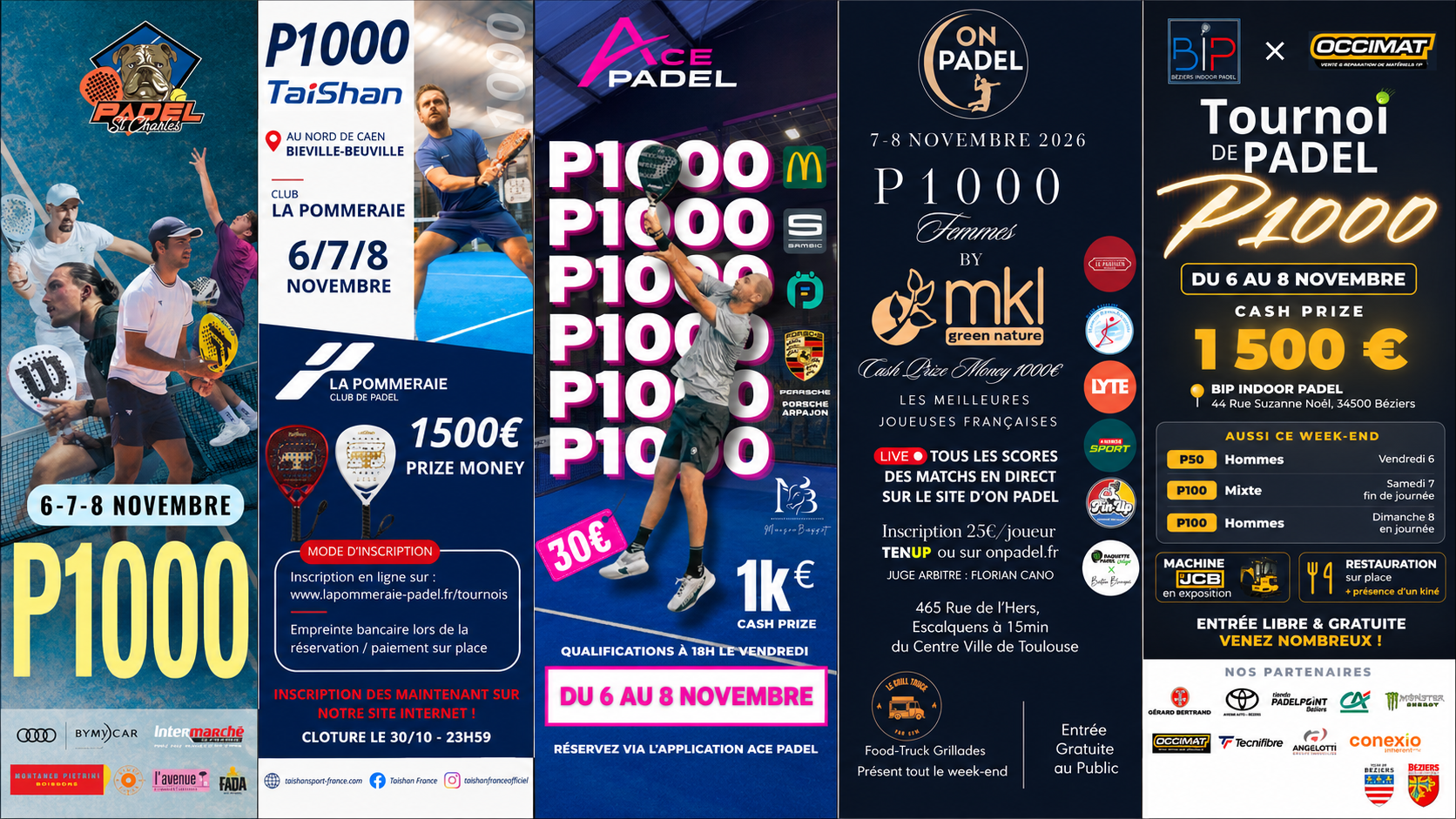 P1000 – La Pommeraie, BIP Béziers, Saint-Charles, Ace Padel and We Padel : time for the semi-finals
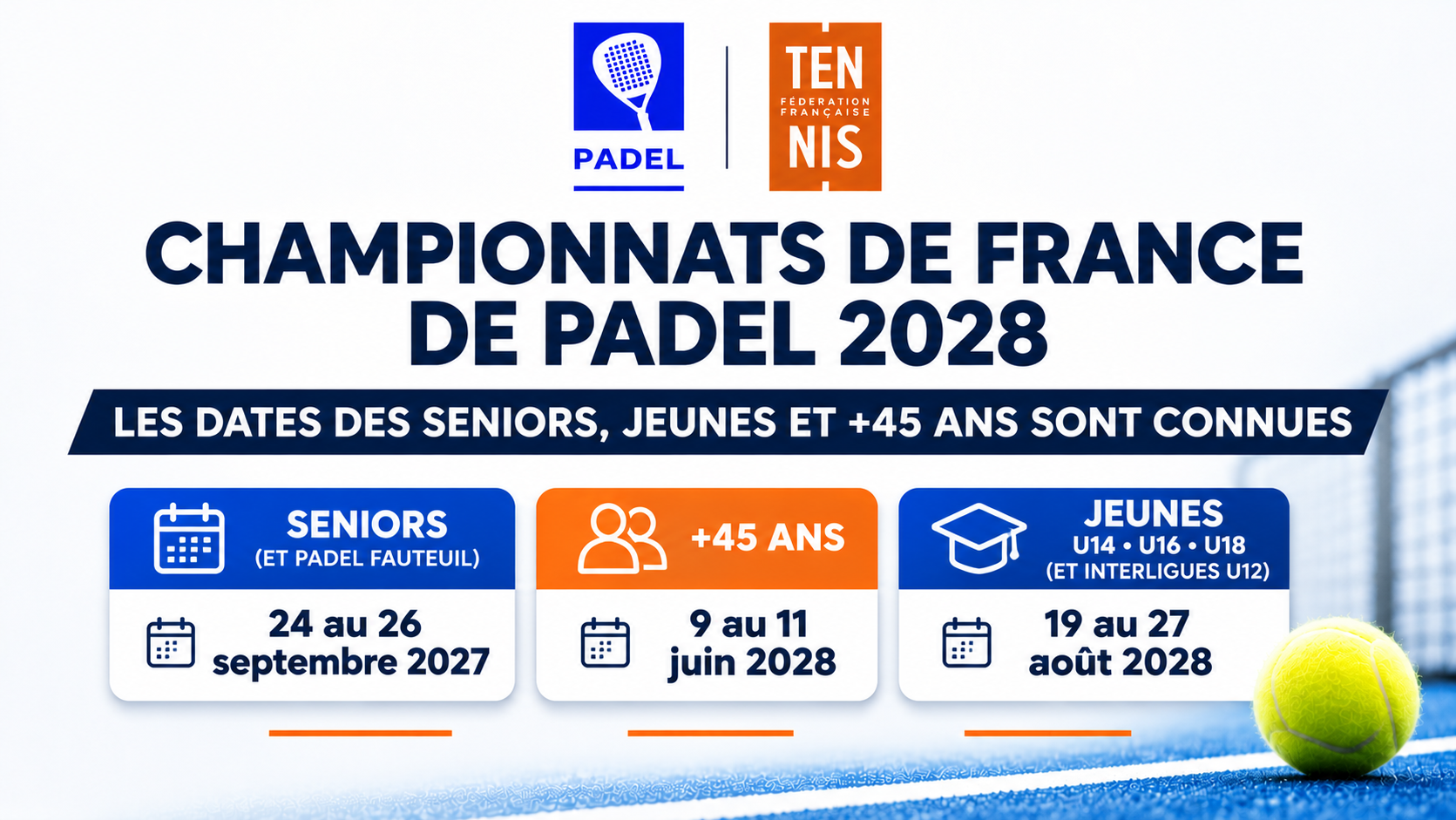 French Padel Championships 2028: the dates for the senior, junior and over-45 categories are now known
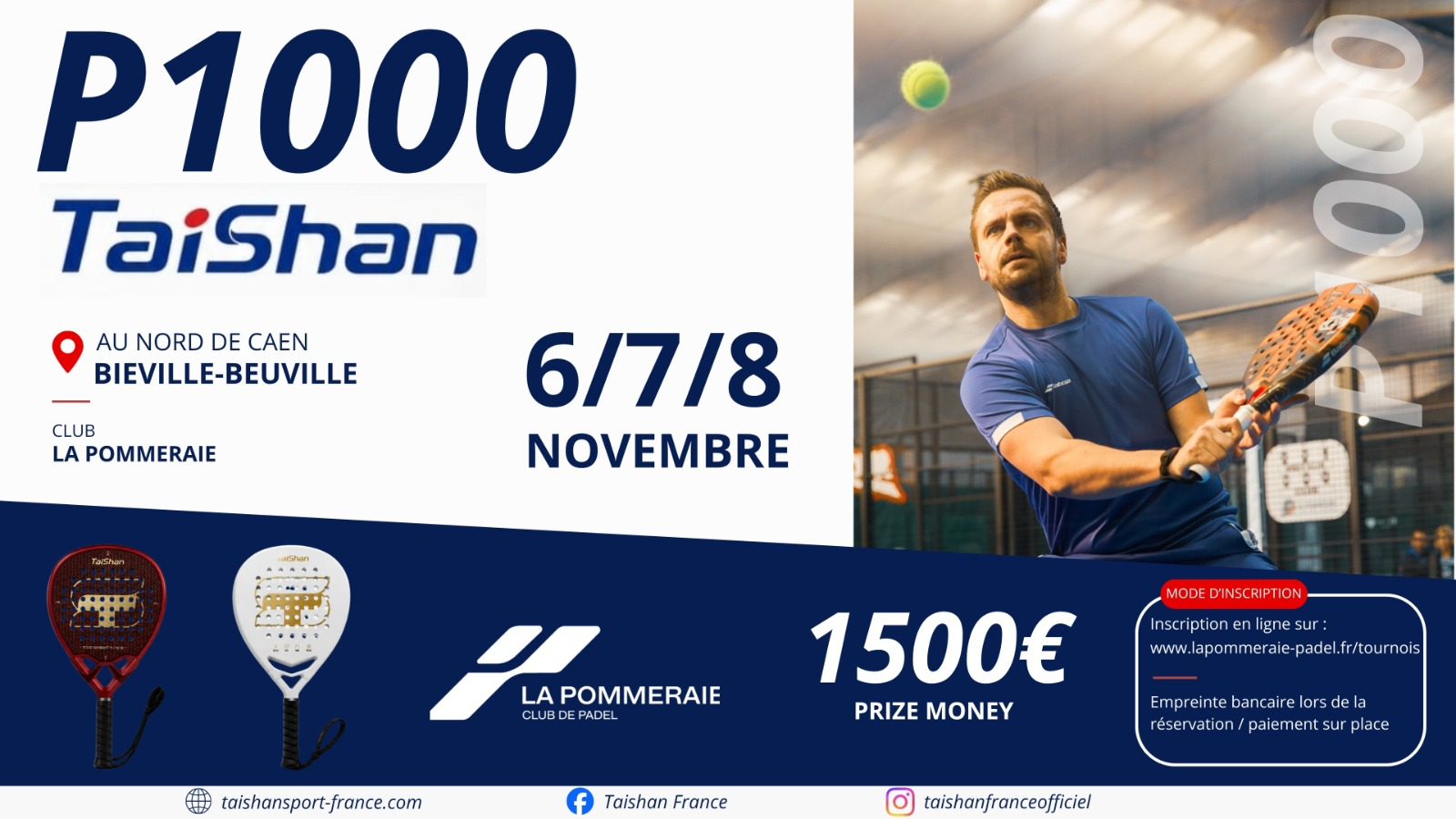 P1000 La Pommeraie / TaiShan – Five of the top eight seeds eliminated – Forcin / Durieux face the Dandois brothers, Moreau / Tafanelli reach the semi-finals
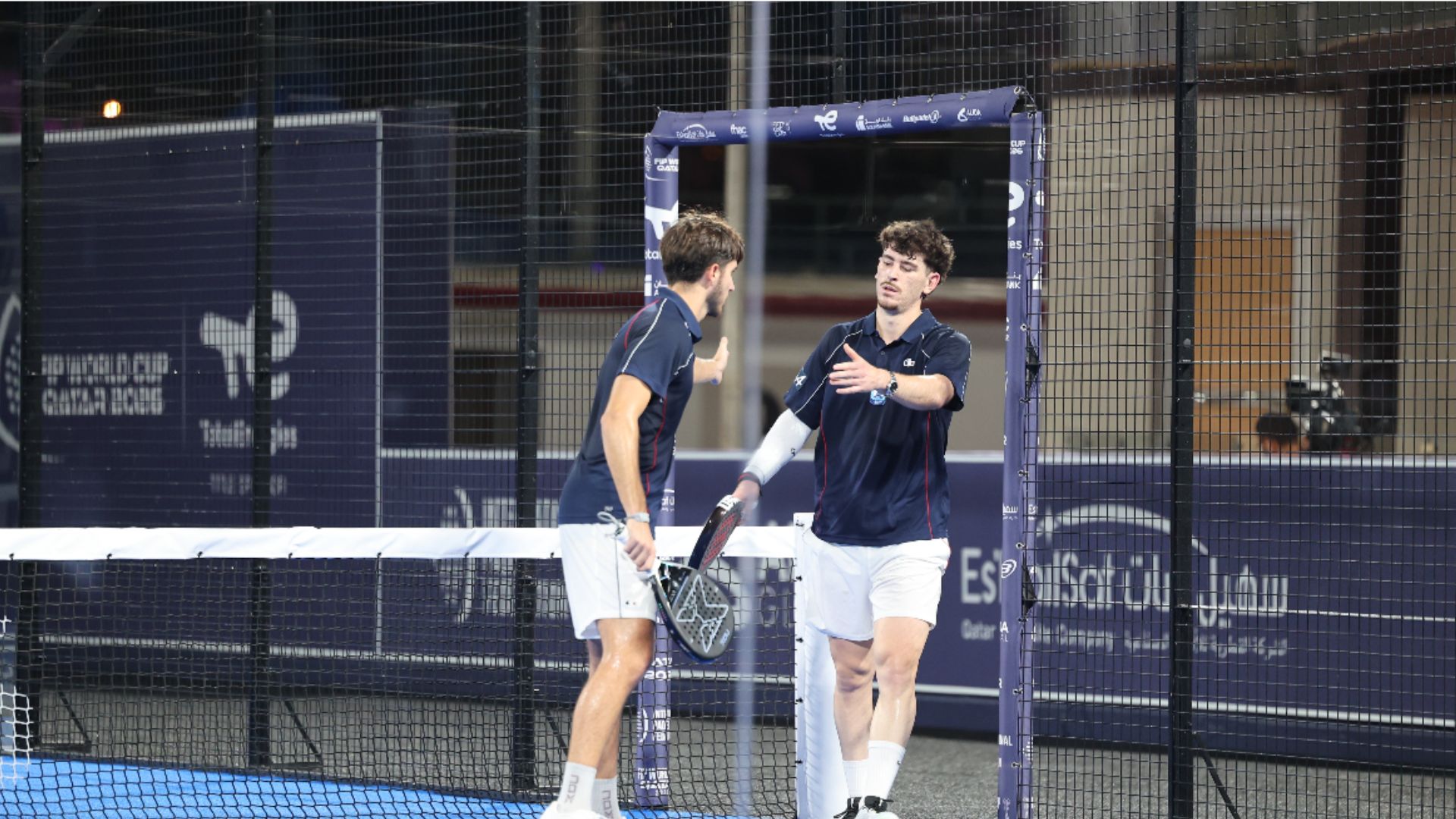 2026 World Championships – France finish on a high note and secure 9th place in the world rankings against Paraguay
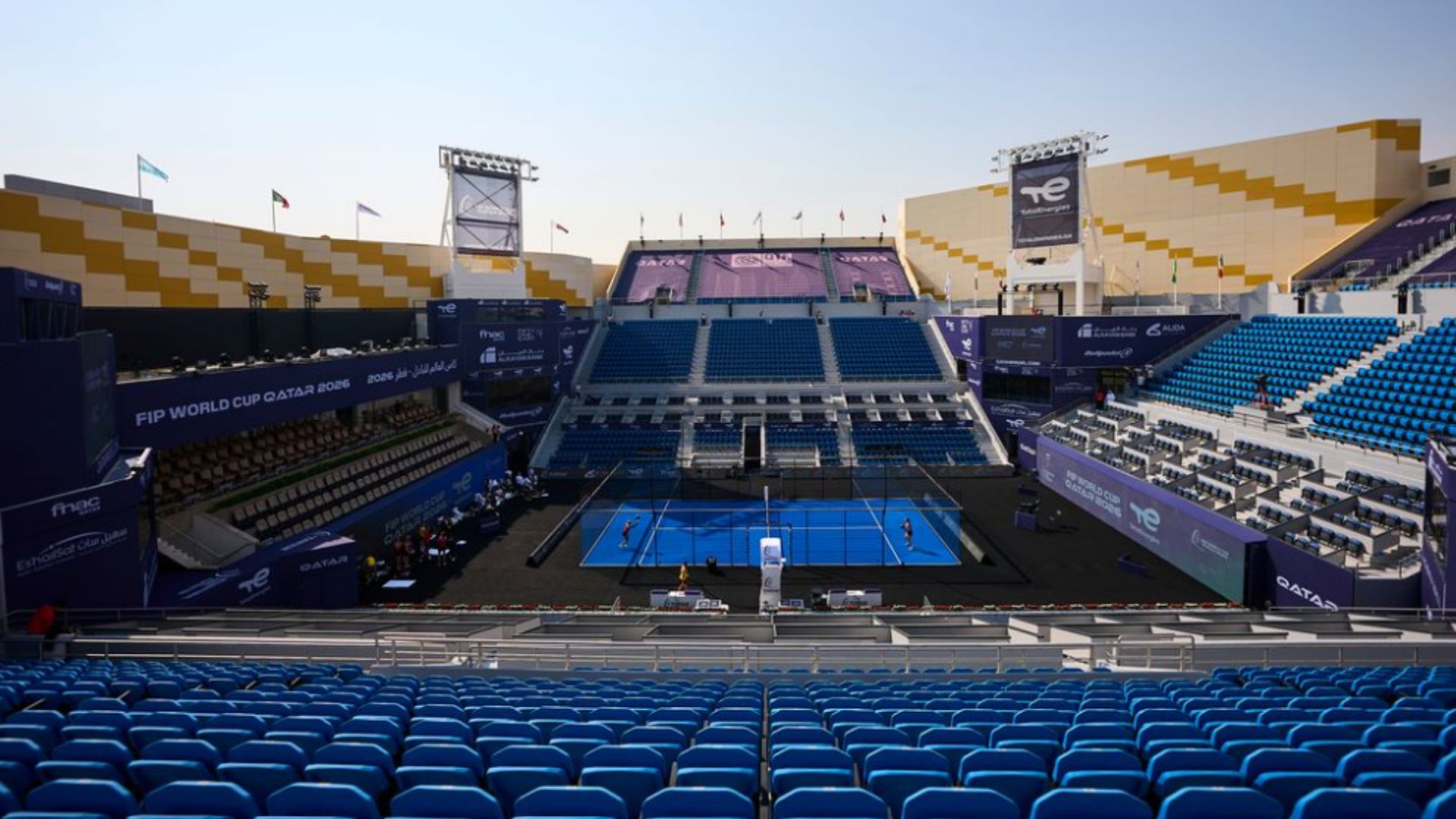 2026 World Championships – Where to watch the finals? Spain vs. Argentina, two clashes for the world titles
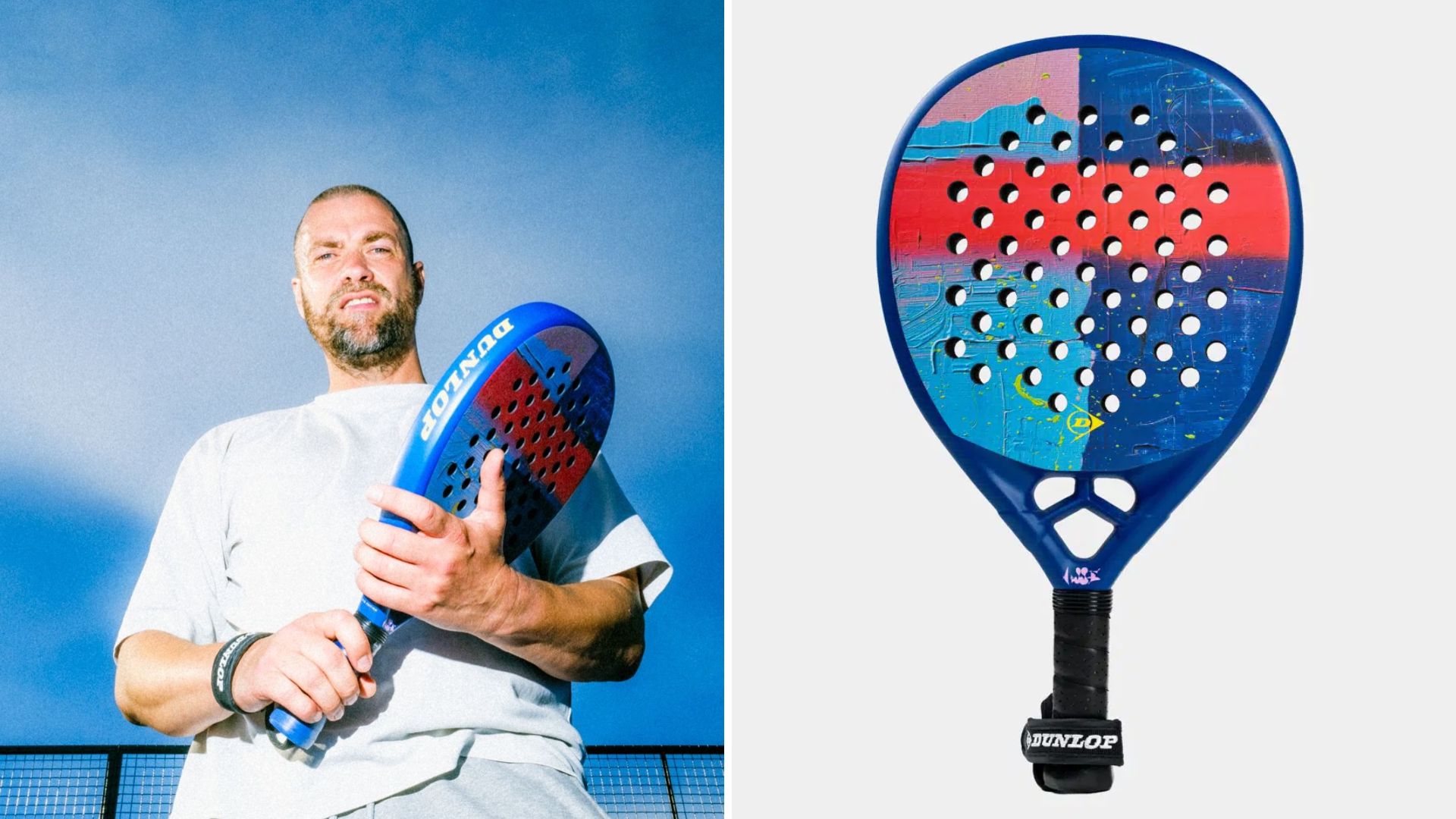 Dunlop unveils the Galactica Pro by Nisse, a limited edition of only 500 pieces worldwide
 2026 World Cup – Joris/Robert, the new addition to the French team for their final match against Paraguay
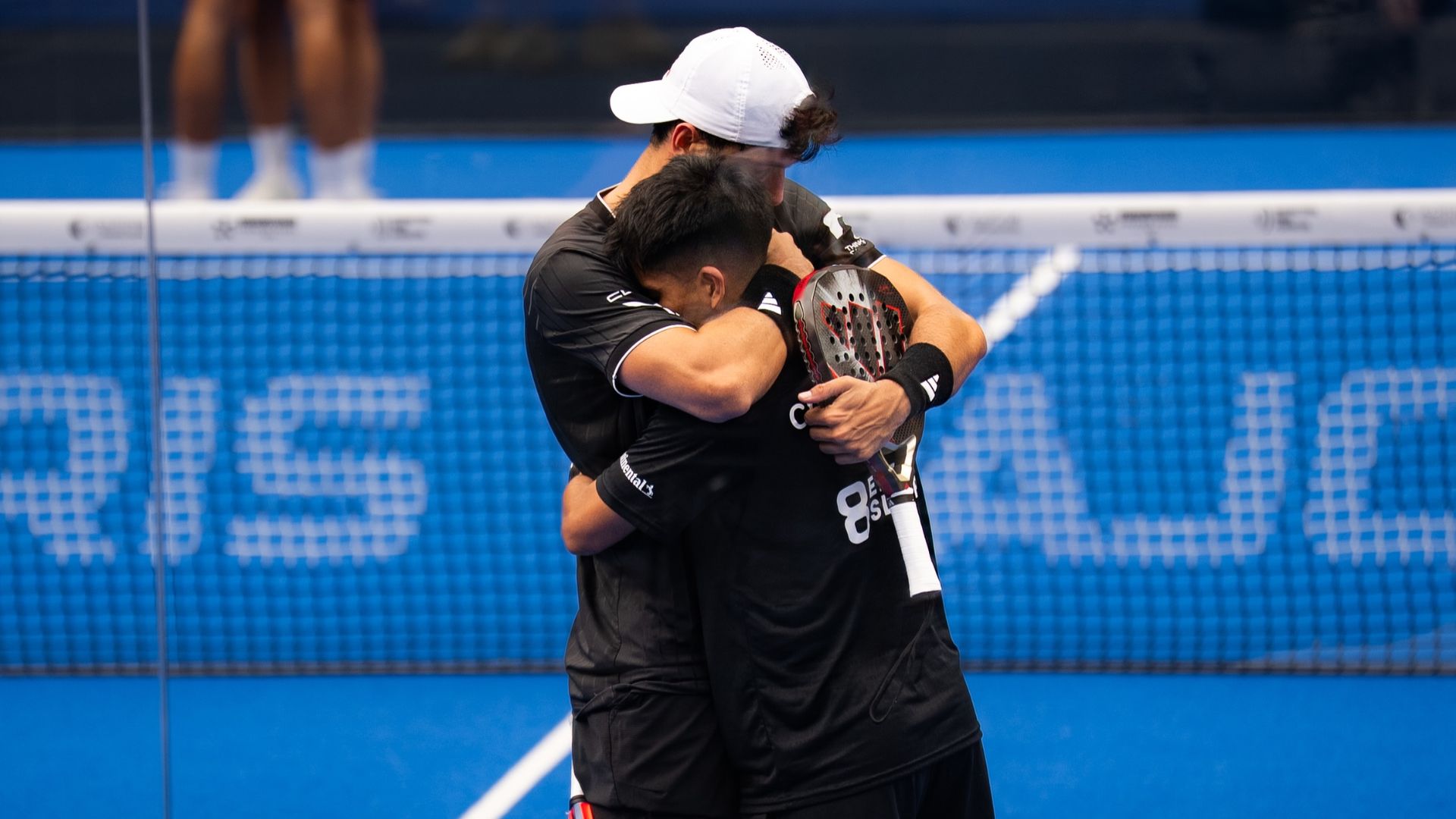 Dubai P1 – Galán/Chingotto withdraw, Leal/Guerrero take advantage of their absence to directly enter the main draw
 Padel, weight training, and even HYROX: clubs are changing their model
 Padel court rentals: a global market estimated at 4,6 billion euros
 FIP Beyond: the new global padel circuit for amateurs and seniors
 More than 6,300 FIP-ranked players: professional padel is becoming international, but Spain dominates
 Memory, reflexes, concentration: what happens in our brain when we play padel?
 P2000 or P3000: what are the differences in prize money, format and organization in 2028?
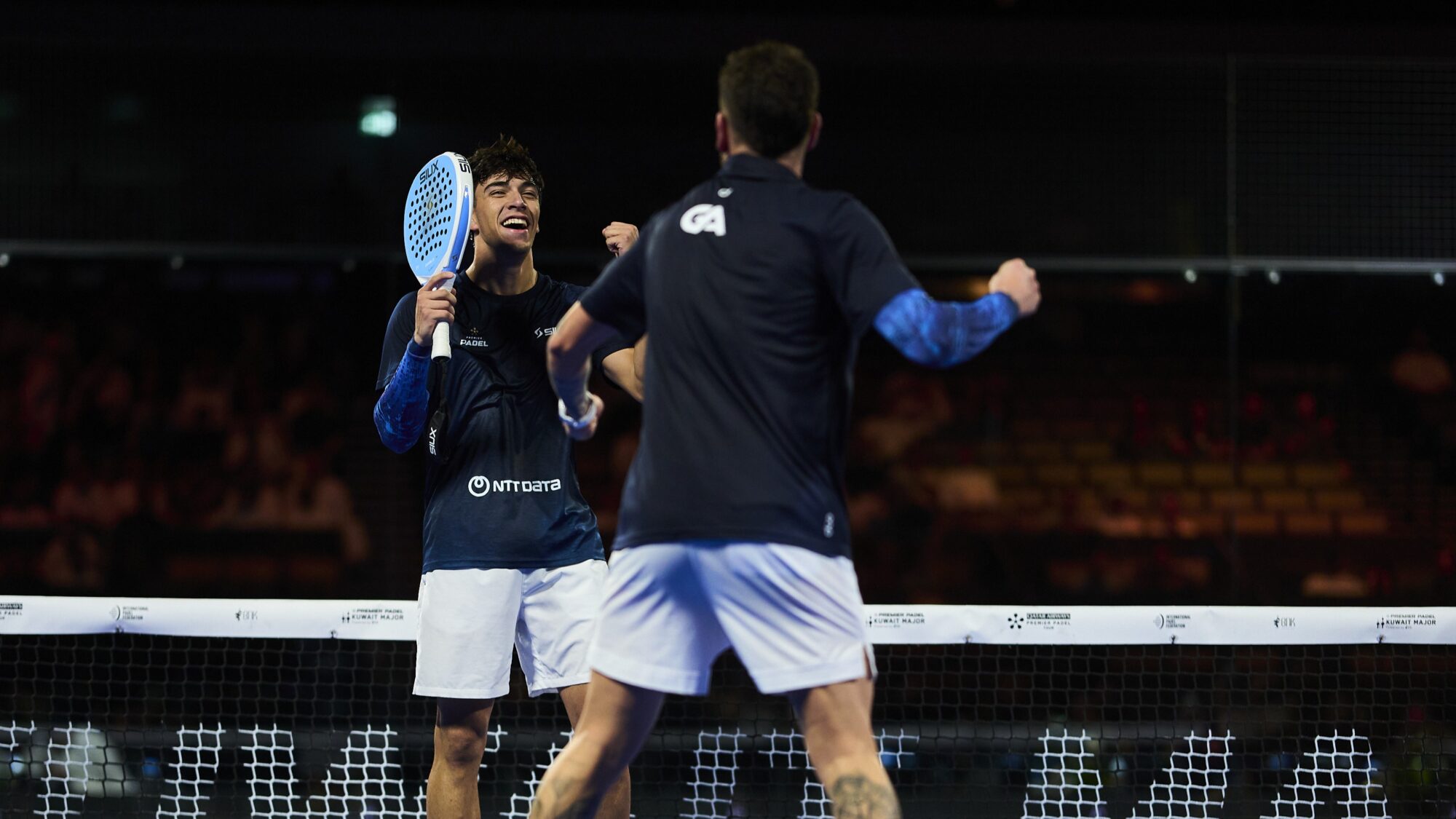 Why can Libaak/Alfonso beat almost everyone… except Coello/Tapia?
 Could padel help the brain recover after chemotherapy?
 What the analysis of the stroke reveals: tennis forehand vs. padel bandeja
 Has the bandeja disappeared from modern padel?
 Flat forehand in padel: 5 exercises from Cristian Álvarez to gain control and efficiency
 Why knowing how to play on the right and left can make all the difference
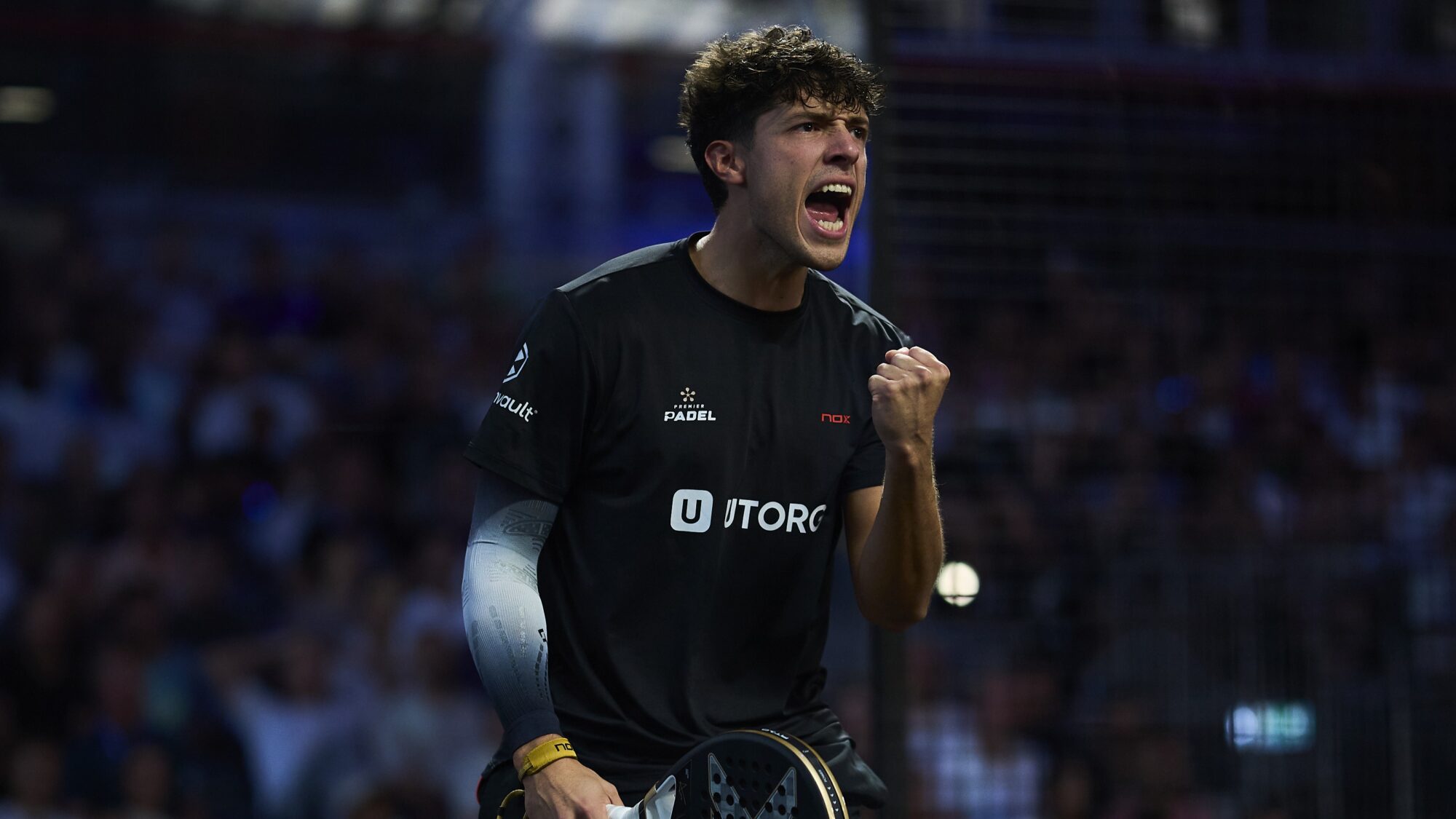 Tapia reveals his recipe for beating Coello / Tapia: "I would bet everything on myself"
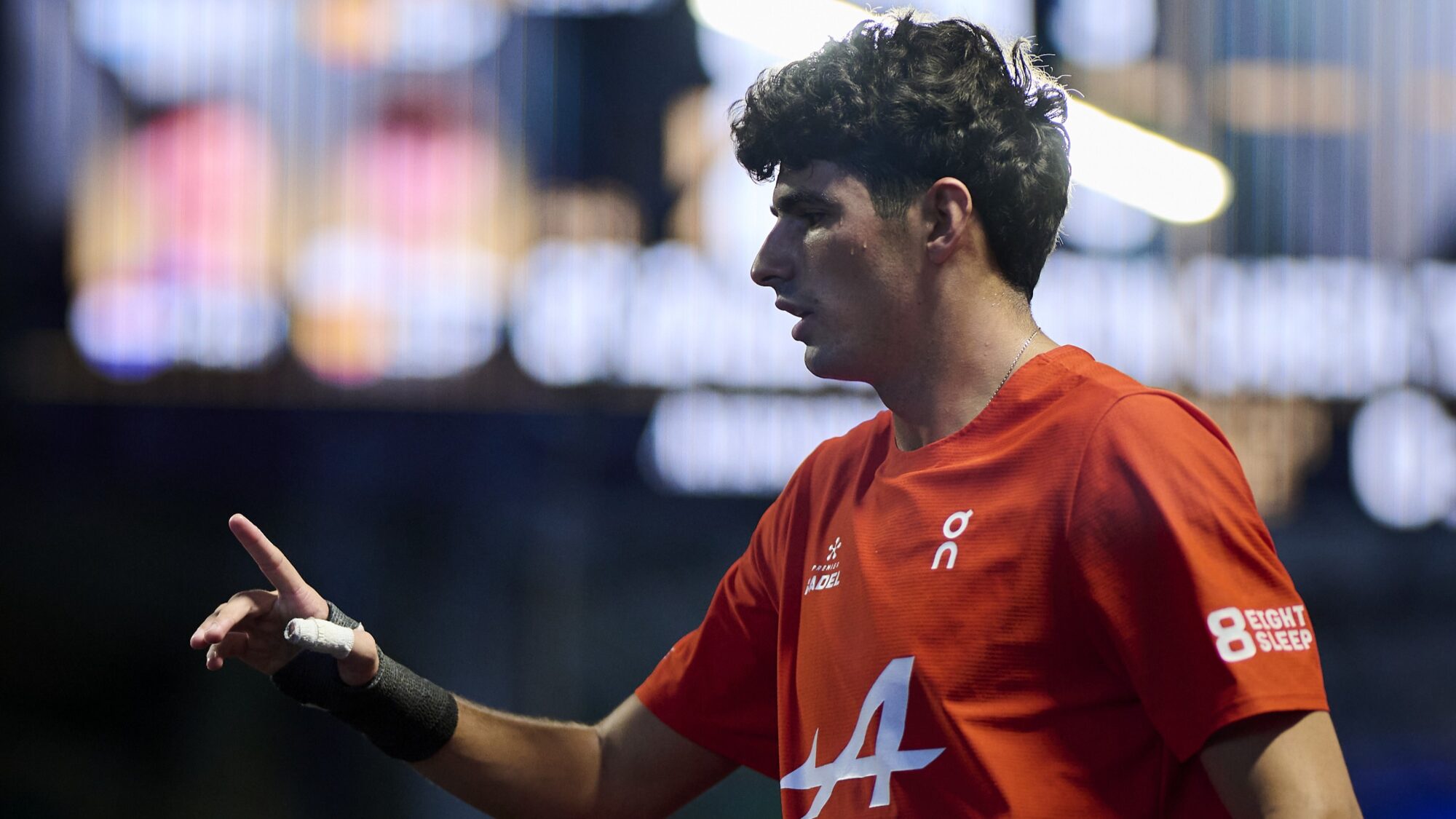 How Coello defused Chingotto's game plan
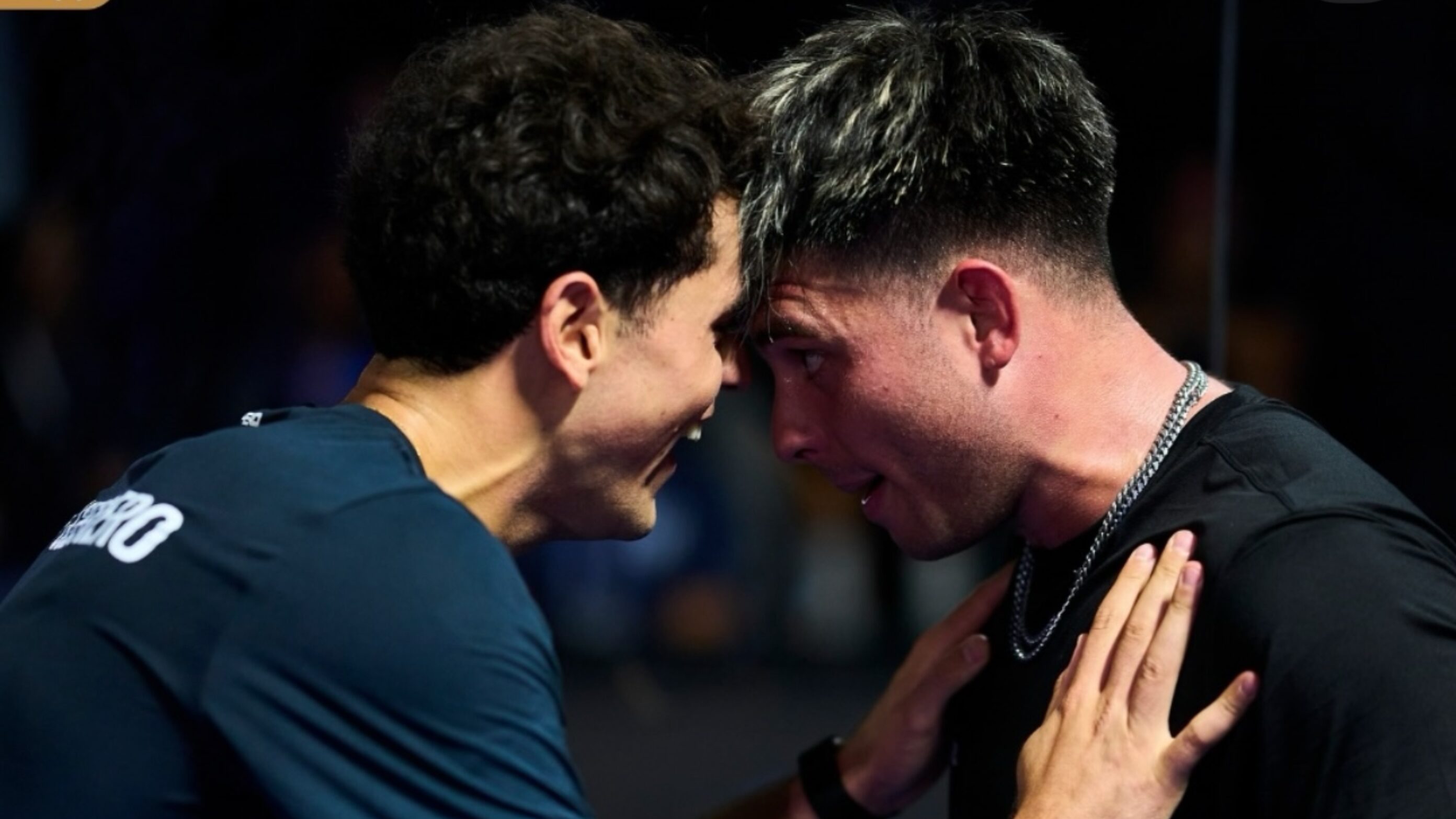 In padel, does the chemistry between a pair count as much as individual skill?
 Organising a P2000 or a P3000: how much does it really cost clubs?
 Do you lose your ranking? Padel FFT after more than a year without a license / without competition?
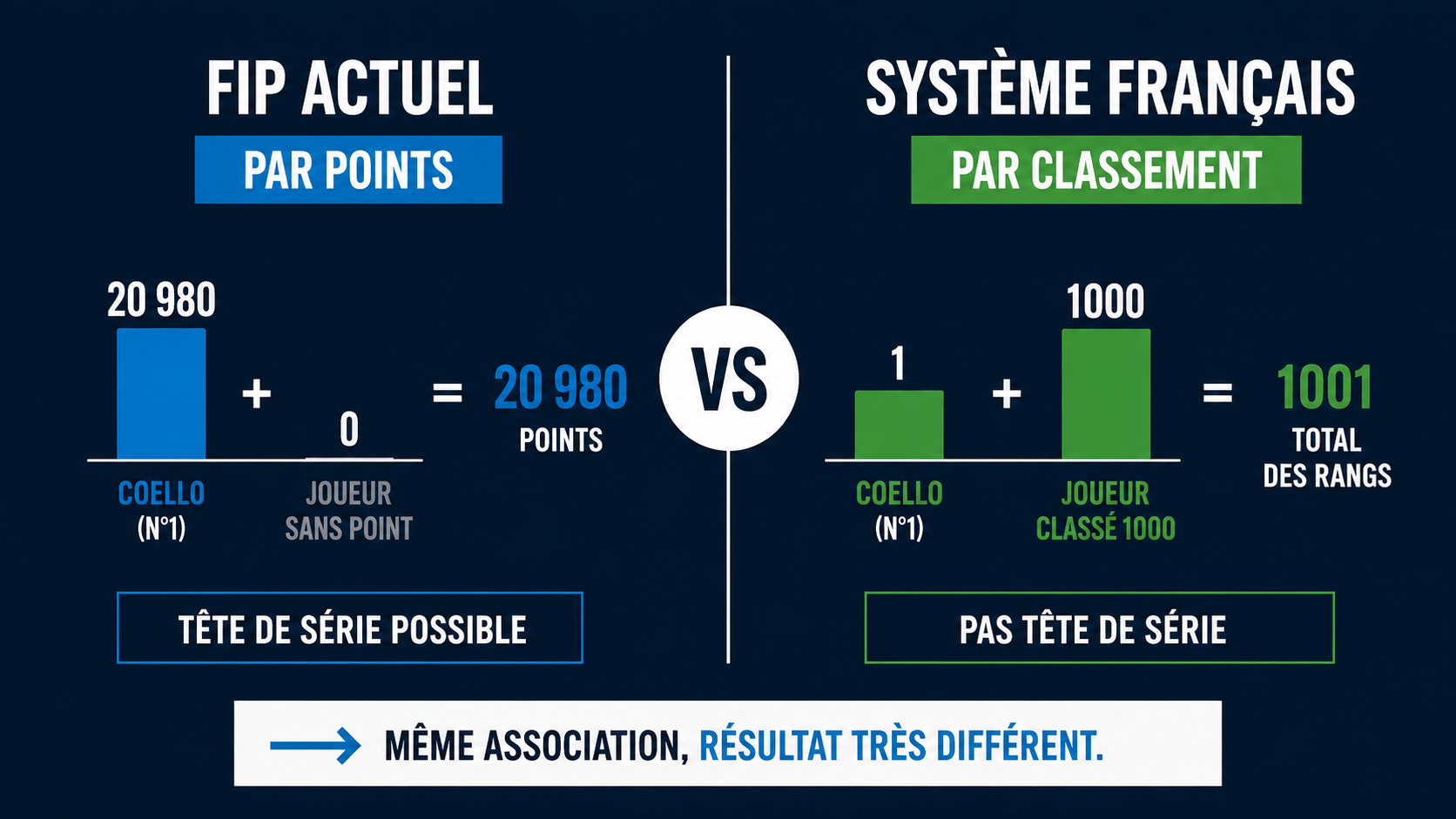 Coello with a player at 0 points ahead of two top 10 players: should the FIP ranking be reviewed?
 Kuwait Major: Chingotto/Galán out, Alejandro Galán injured, Coello/Tapia the only favorites?
 Julien Seurin opens up about his mental state: "There are far more doubts than moments of happiness."
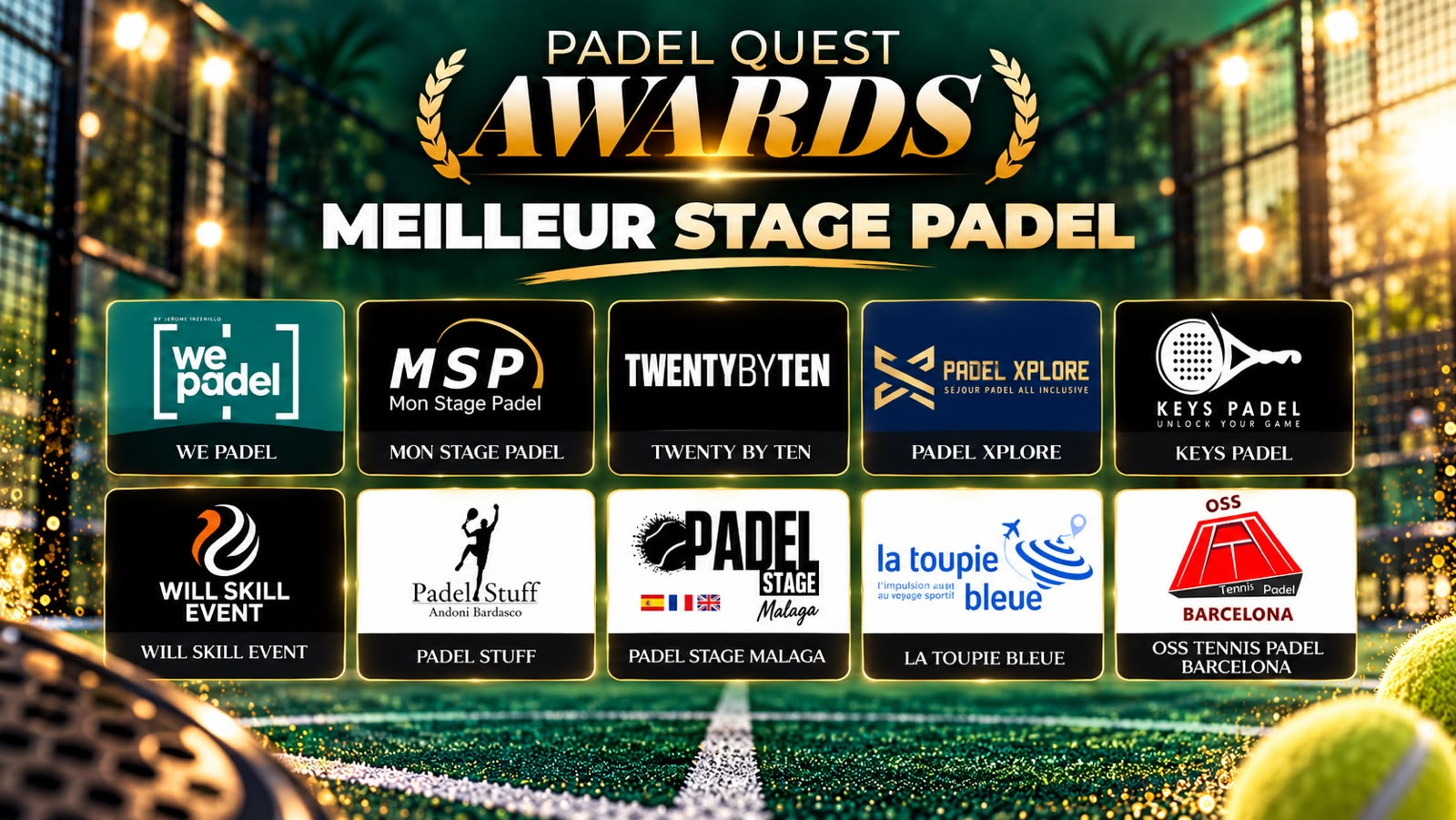 Padel Quest Awards: Ten specialists in the running for the title of best padel training camp of the year
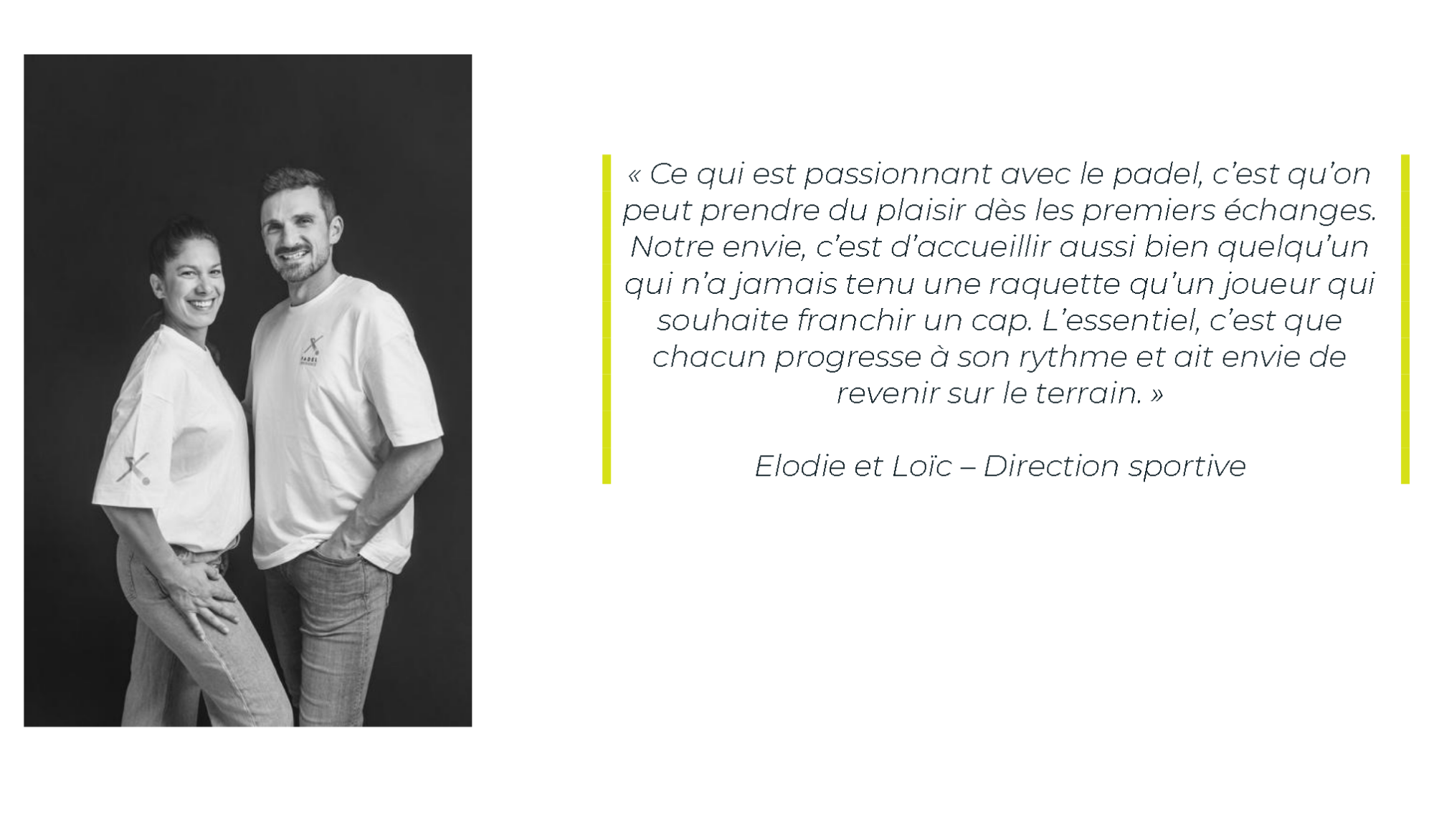 Padel Xperience: The Academy opens on November 2nd in Marcheprime, ahead of the complex's inauguration in 2027
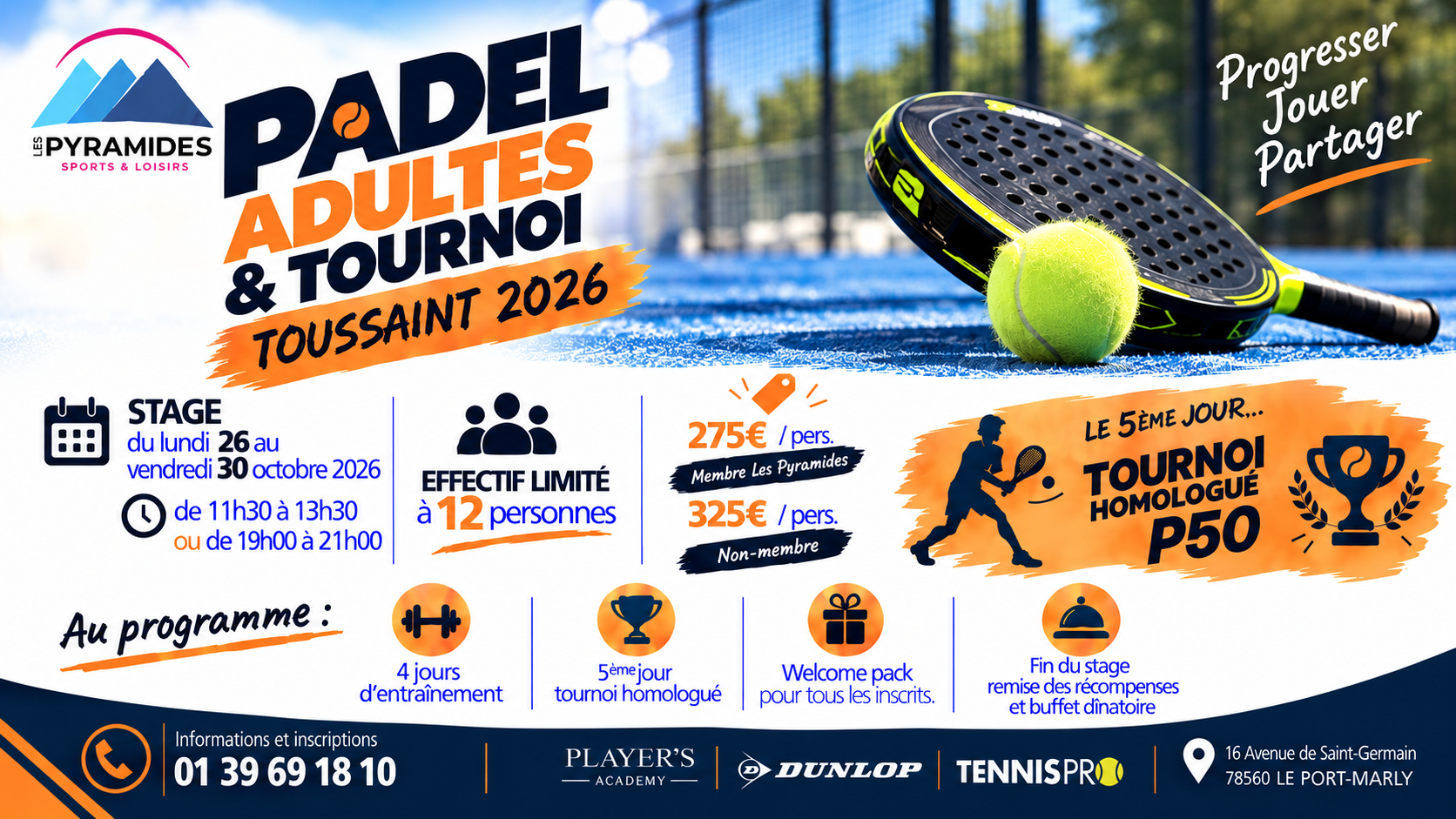 All Saints' Day – Les Pyramides are organizing a padel training camp for adults with a P50 tournament to close out the week
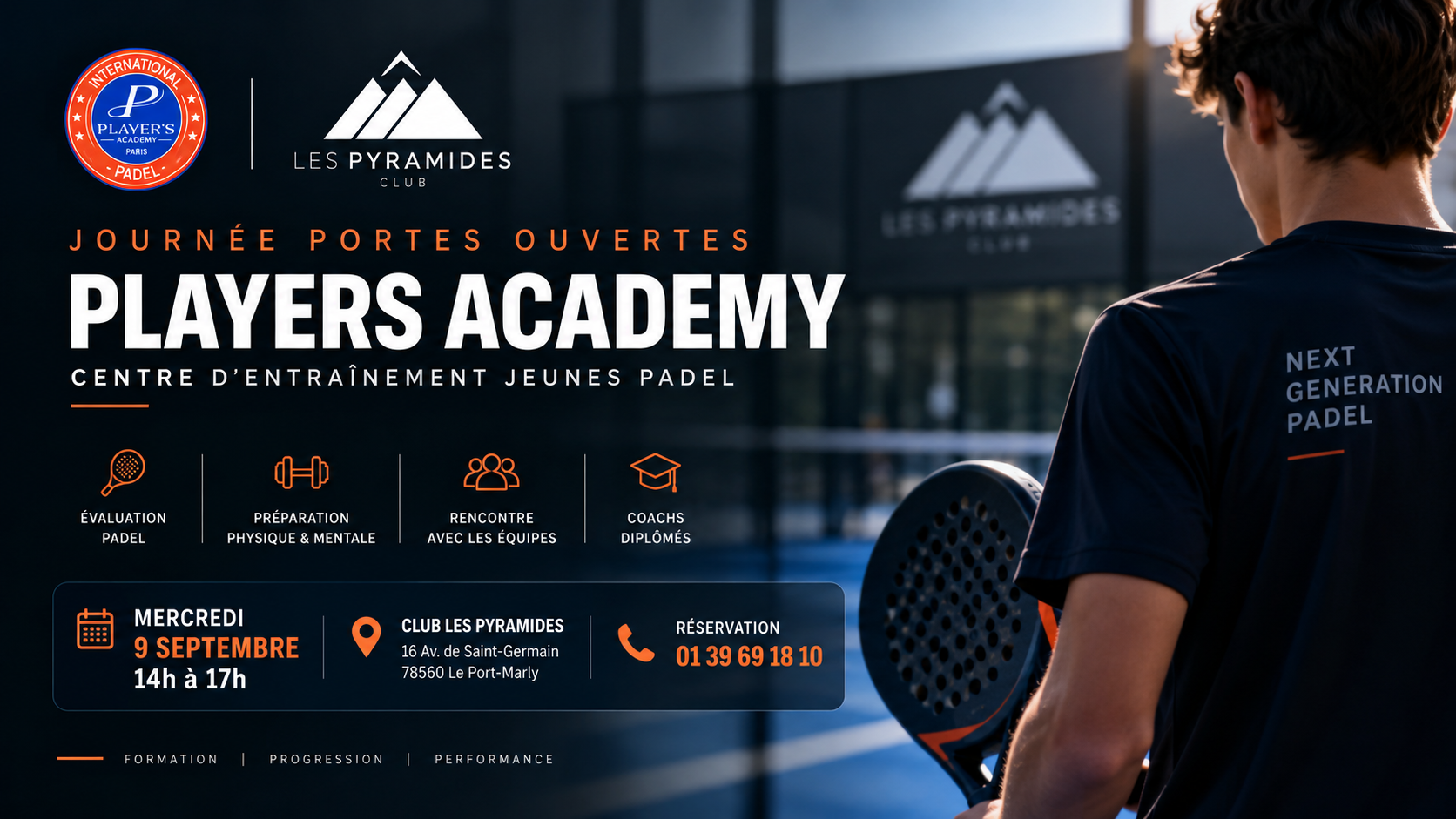 Les Pyramides: after 12 padel courts, the club is focusing on youth training