









Behind the basic appearance of a padel ball lies a meticulous manufacturing process, a striking contrast between the basic appearance of this product and the intricacy of the mechanisms implemented for its development. Far from being a simple sports accessory, the padel ball is the result of a surprisingly elaborate process. Six days of meticulous work and twenty-four key steps are necessary to bring to life this essential object for padel fans.

The key stages
- Material selection : the careful choice of materials is crucial for the unique properties of each ball. Natural rubber, felt, pressure core and chemical additives are carefully selected and controlled.
- Cutting and shaping : Raw materials are precisely cut and shaped to the precise specifications of each bale. Dimensional accuracy is essential to ensure consistent trajectory and bounce.
- Assembling the components : the different components of the ball, such as the core, the felt and the half-shells, are carefully assembled. Automated machines and strict quality controls ensure assembly consistency and precision.
- Vulcanization : Rubber balls undergo a vulcanization process to bond the components and ensure the desired strength and elasticity. The vulcanization temperature and duration are precisely controlled to achieve optimal properties.
- Pressurization : The core of each bullet is pressurized using an inert gas, usually nitrogen, to reach the specified internal pressure. This step is decisive for the rebound and liveliness of the ball.
- Secure your structural assessments : Rigorous testing is carried out at every stage of production to ensure that each ball meets strict quality standards. Automated machines and manual inspections check felt for size, pressure, weight, hardness and uniformity.
- Packing and shipping : Balls that have passed all tests are carefully packaged to protect them during transportation and storage. Specific packaging is used to preserve the properties of the balls and ensure that they reach players in optimal conditions.


Conclusion
Padel ball manufacturing is a complex and fascinating process that requires a combination of craftsmanship, advanced technologies and strict quality control. Each step plays a vital role in creating high-performance balls that provide an optimal playing experience for amateurs and professionals around the world.

But from their creation to their disposal, balls go through a series of harmful stages for the ecosystem. Throughout their lifespan, they leave behind a trail of greenhouse gases, thus contributing to climate variations. Despite the ambiguities surrounding their carbon footprint, there is considerable room for improving their ecological and environmentally friendly attributes. Indeed, technological advances and sustainable development initiatives should reduce the environmental impact of padel balls, while improving their performance and lifespan. Some avenues to explore include the use of eco-responsible materials (natural rubber, felt made from plant fibers, etc.), the optimization of manufacturing processes (waste reduction, energy saving) and the implementation of more efficient collection and recycling systems.

The future of padel balls must usher in a new era focused on ecology and sustainability, and I am certain that the coming years will see the emergence of more environmentally friendly and sustainable padel balls, contributing to a greener future for the sport, while meeting the ever-increasing demands of players in terms of performance and playing pleasure.

Padel fan, Stéphane has become the official tester of the padel planet in Europe. Everything goes through his expert hands. Thanks to his extensive experience in the world of rackets, he is able to scan your equipment from head to toe!






































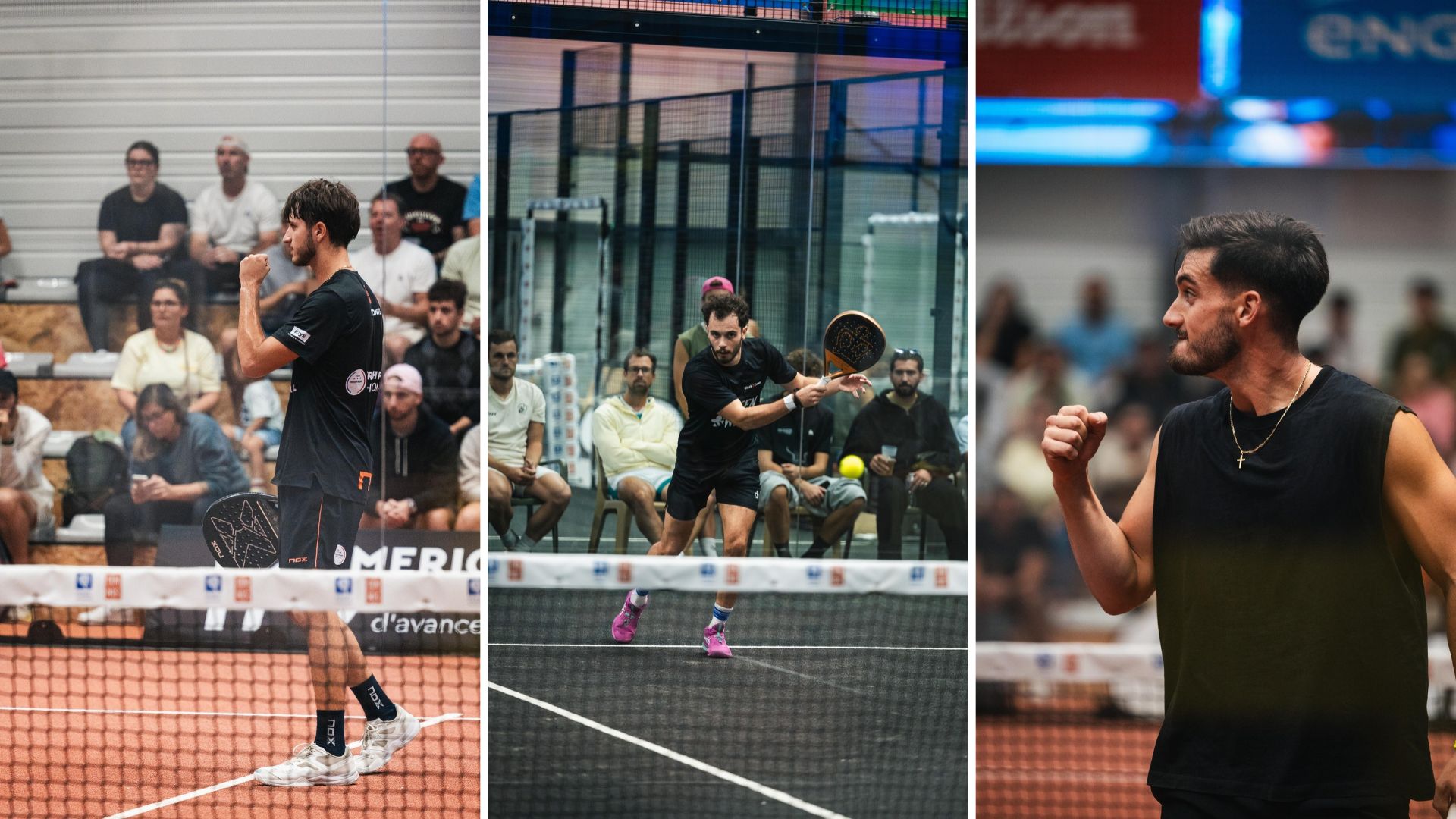 FIP Tour: Changes among the French national team: why are the French increasingly watching foreign football?
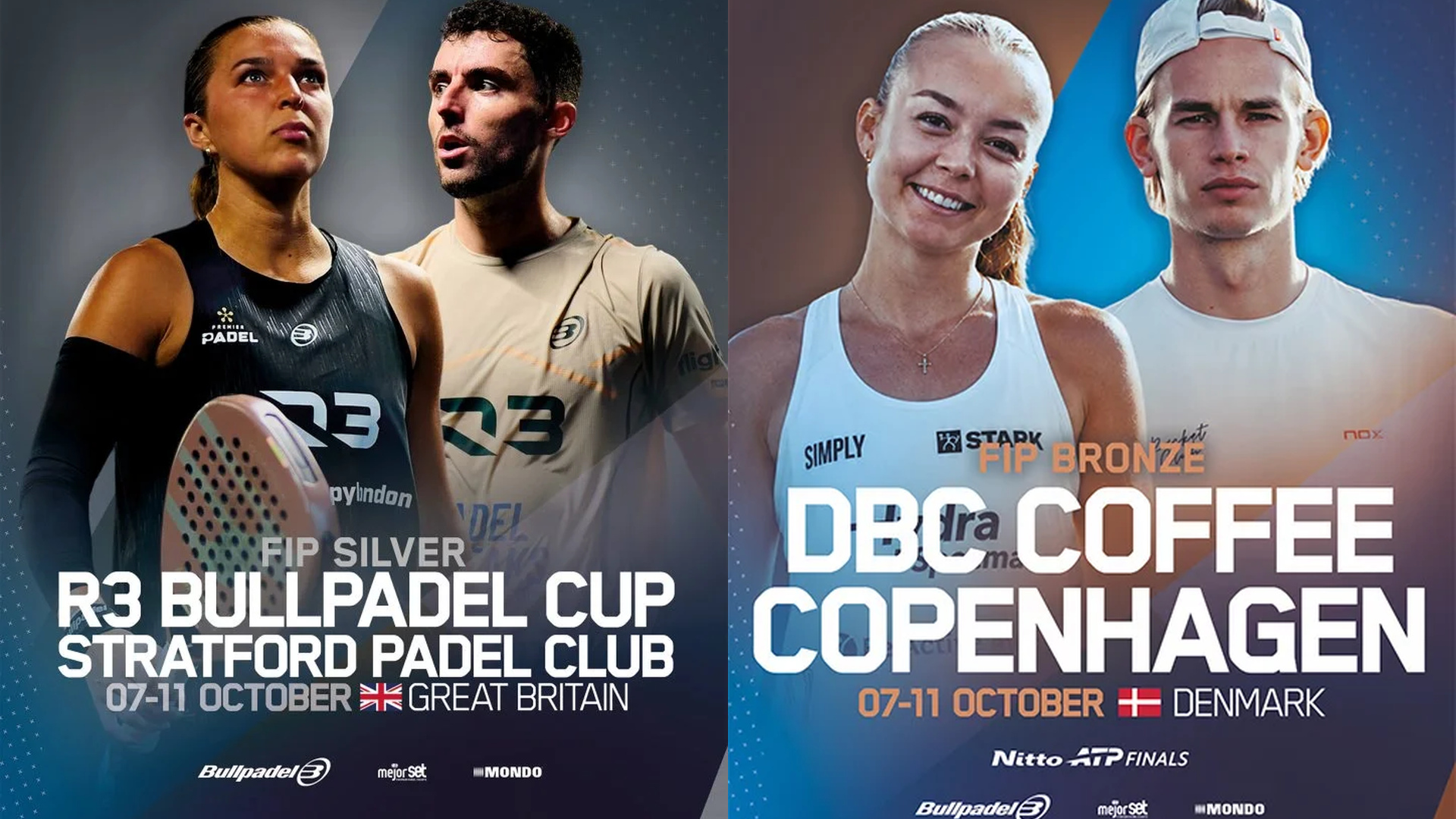 FIP Tour: Seurin / Joris, Boronad, Bahurel… French artists are meeting up all over Europe
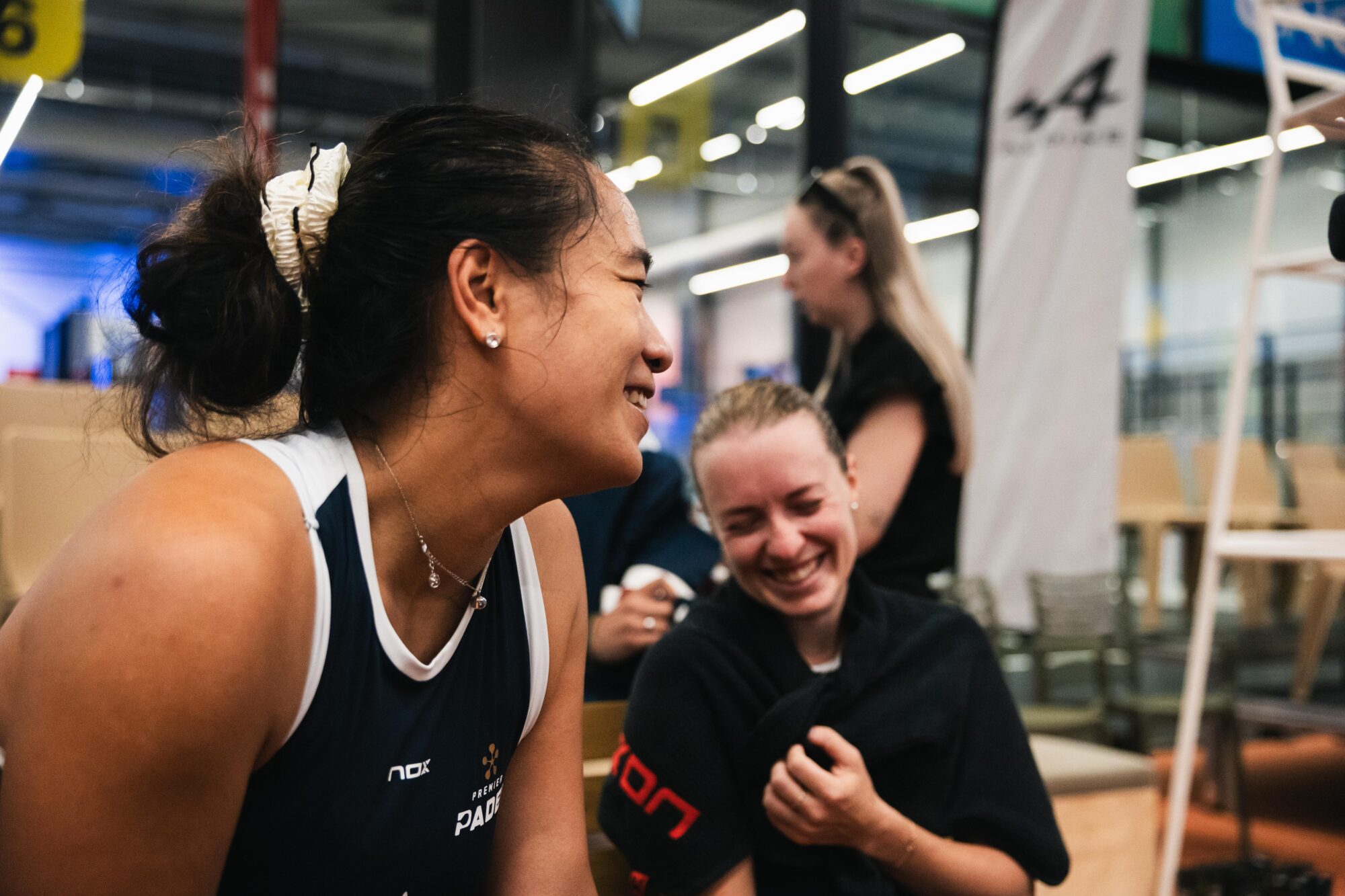 Godallier / Touly: a title, confidences and announcements that change everything…
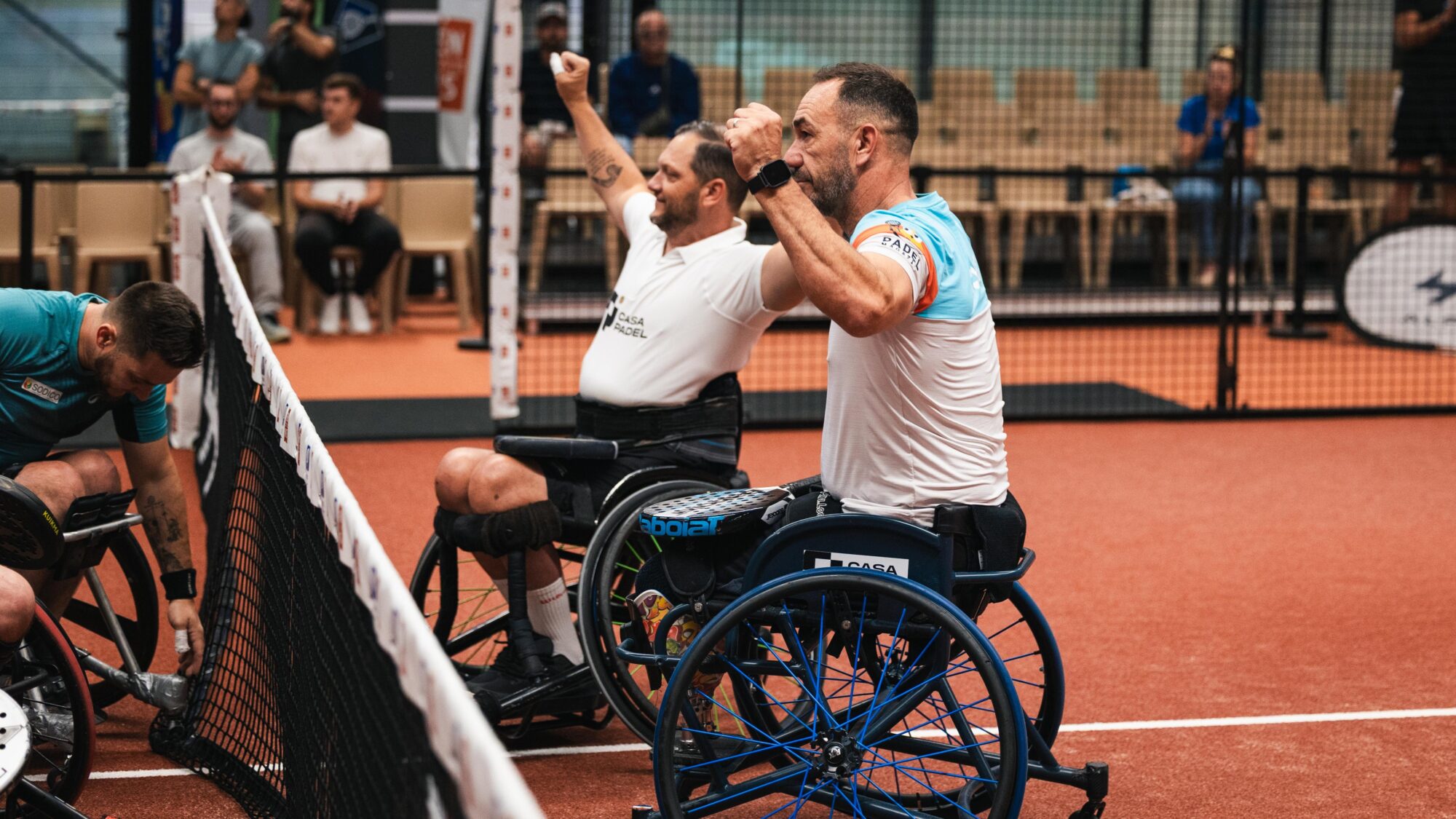 Sébastien Husser-Walther and Tony Boval: "The French are on the verge of reaching the Spanish level"
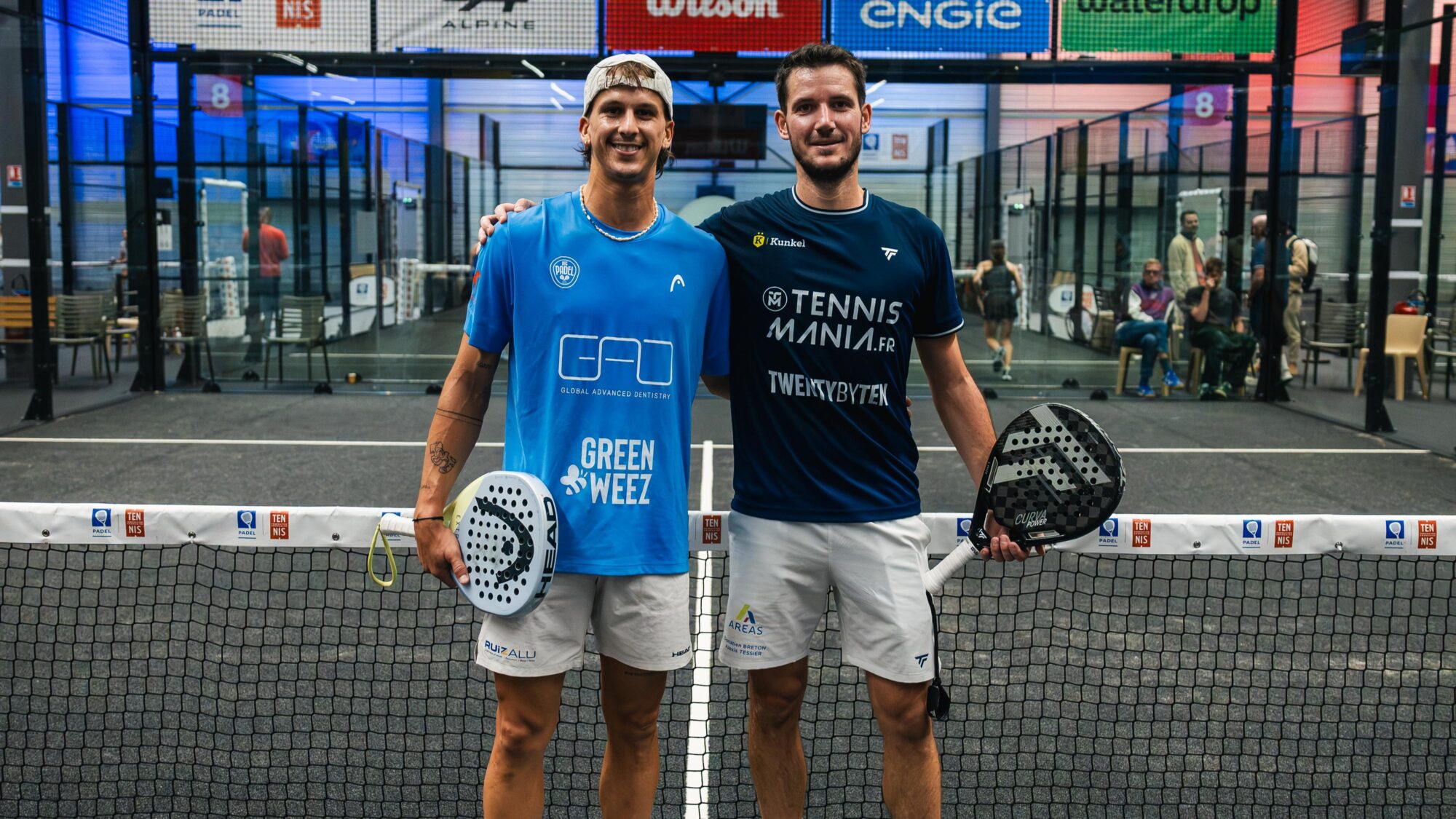 Forcin/Joris at the end of the suspense: "We win because we get along extremely well."
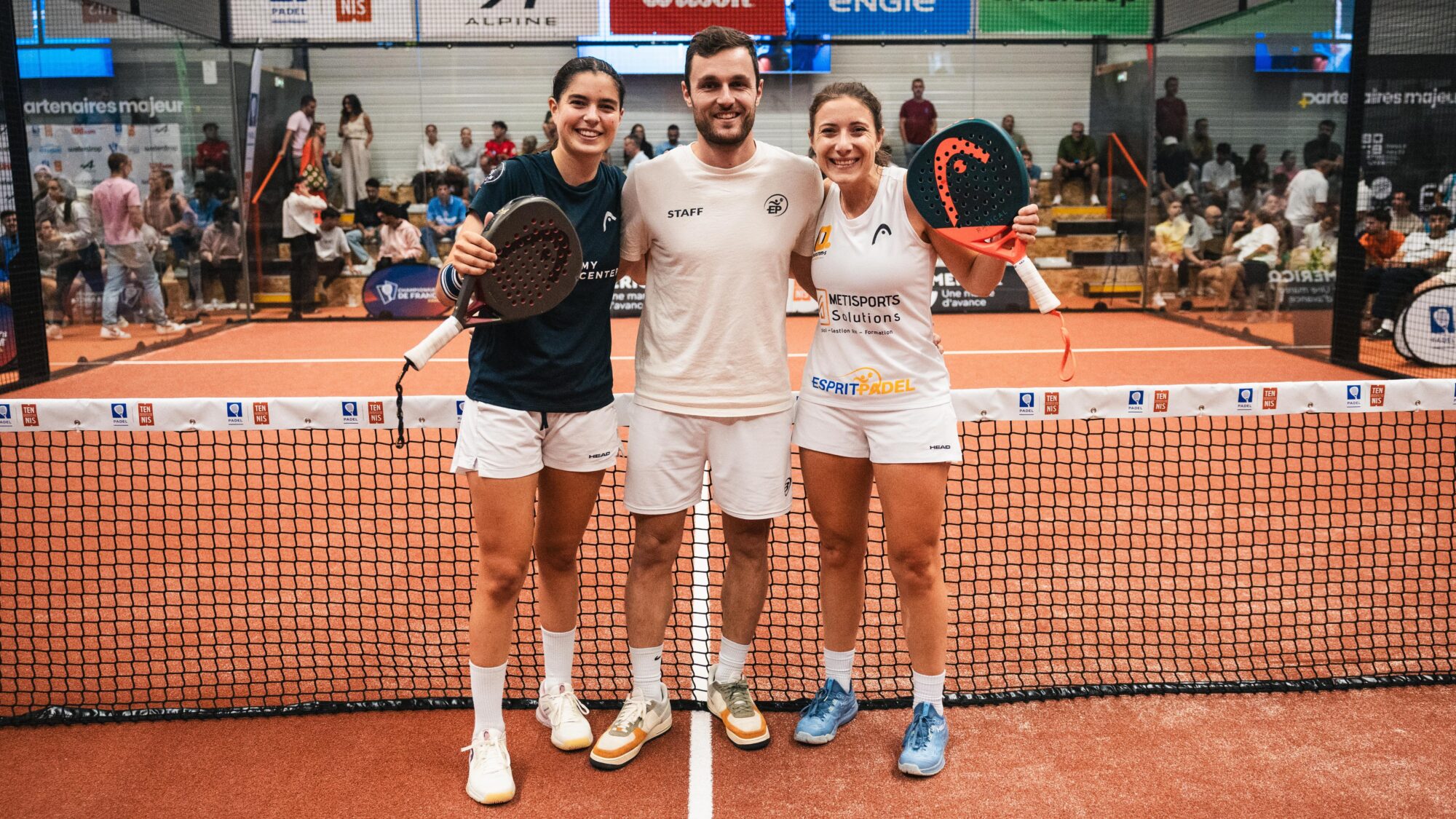 Bahurel/Pothier in the final: "Tomorrow, there will be an extra step up"
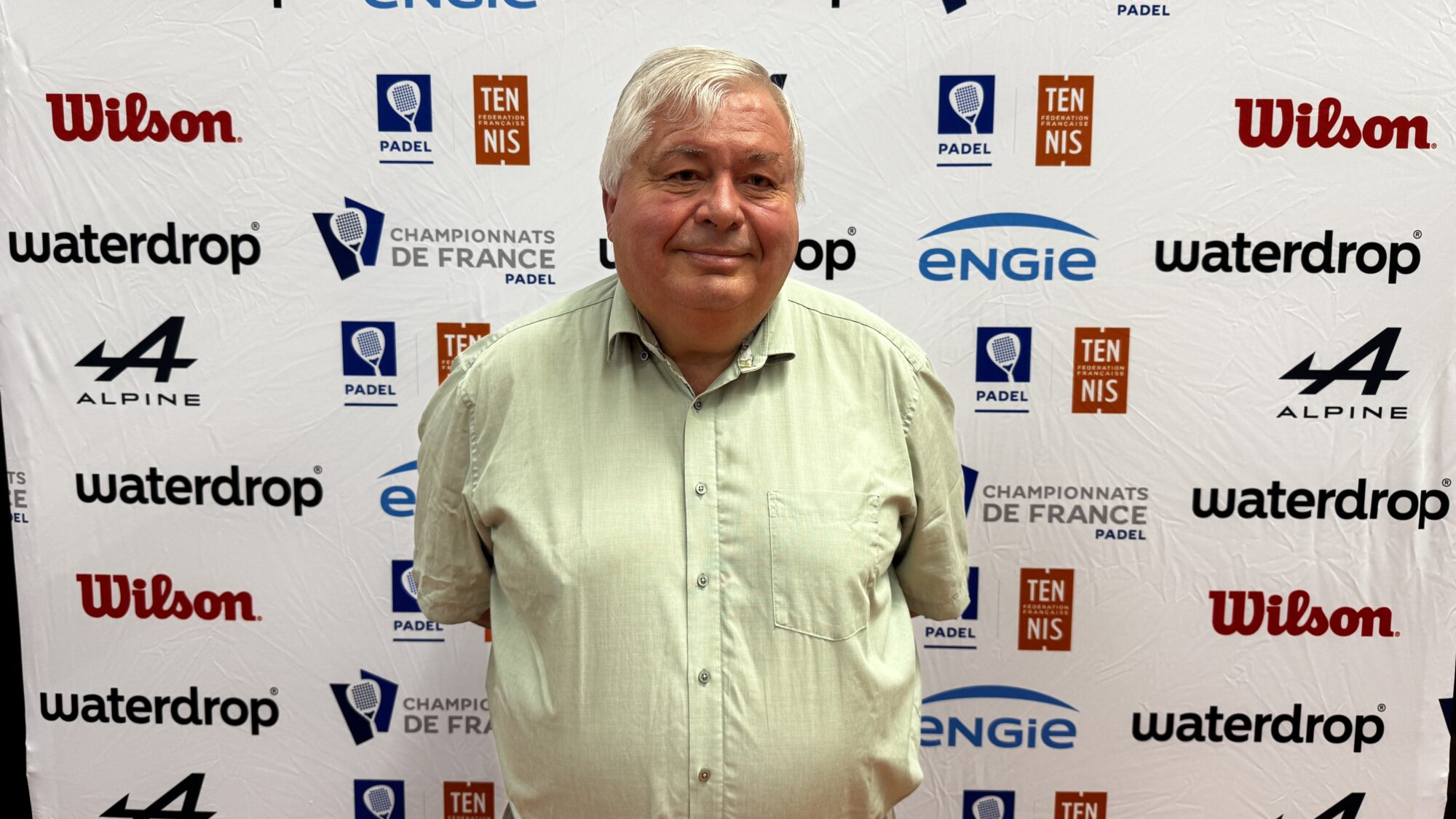 Eric Largeron: "In some places, there are too many tournaments and perhaps too many clubs..."
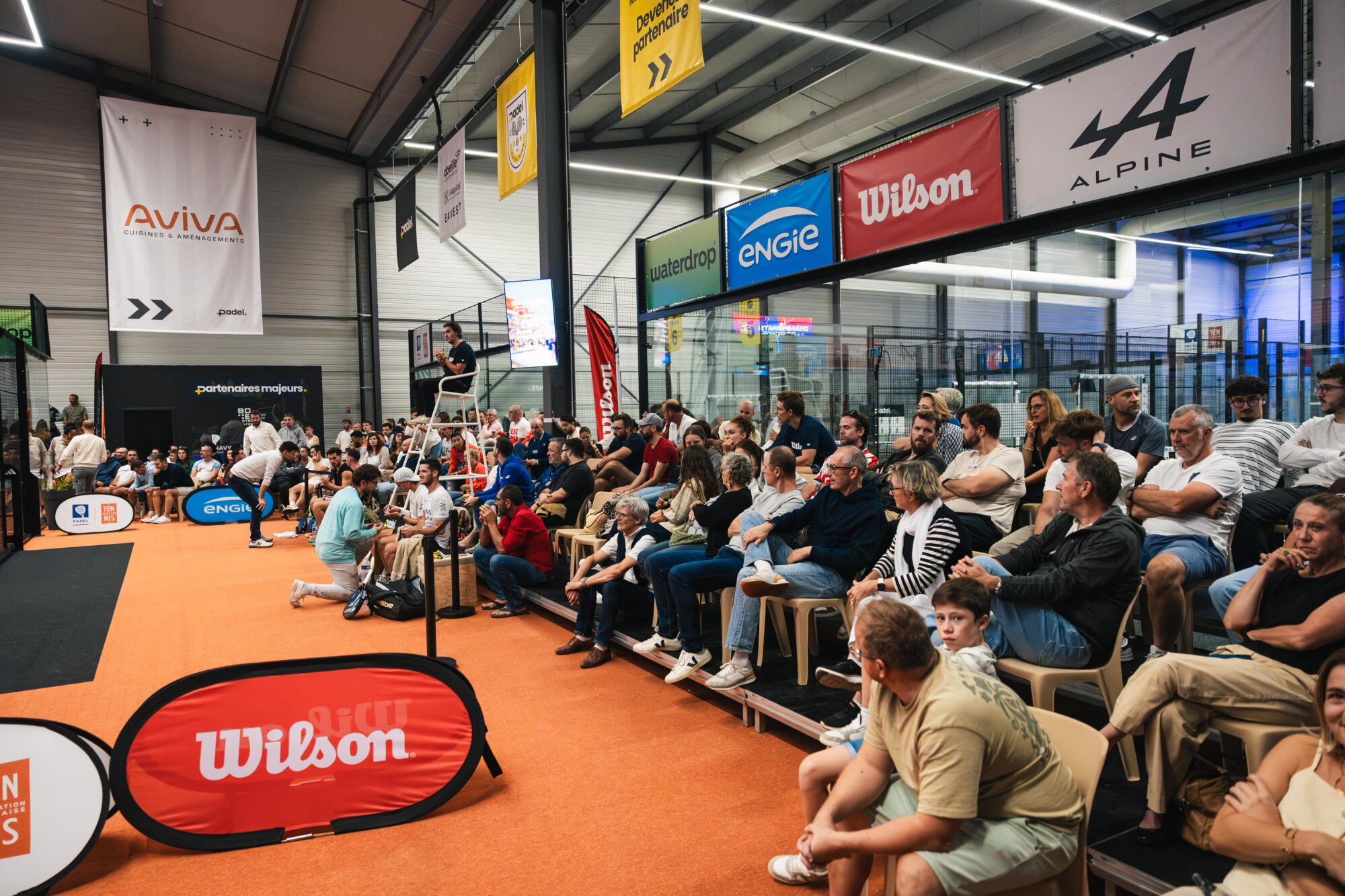 French Championships 2026: The good deals and the disappointments compared to the starting ranking
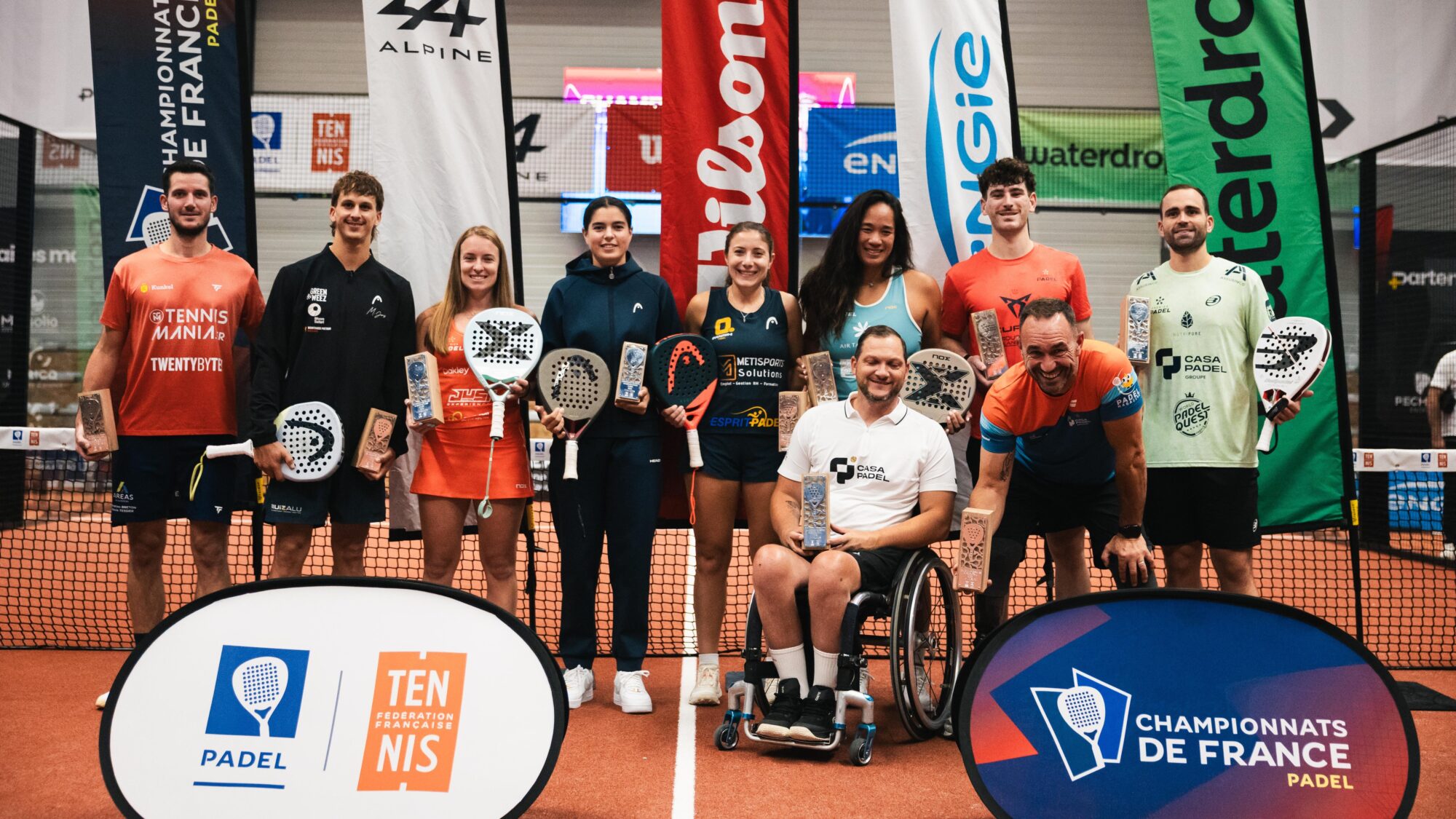 2026 French Padel Championships: Results and Standings
 Düsseldorf, a showcase of a Germany where padel is accelerating
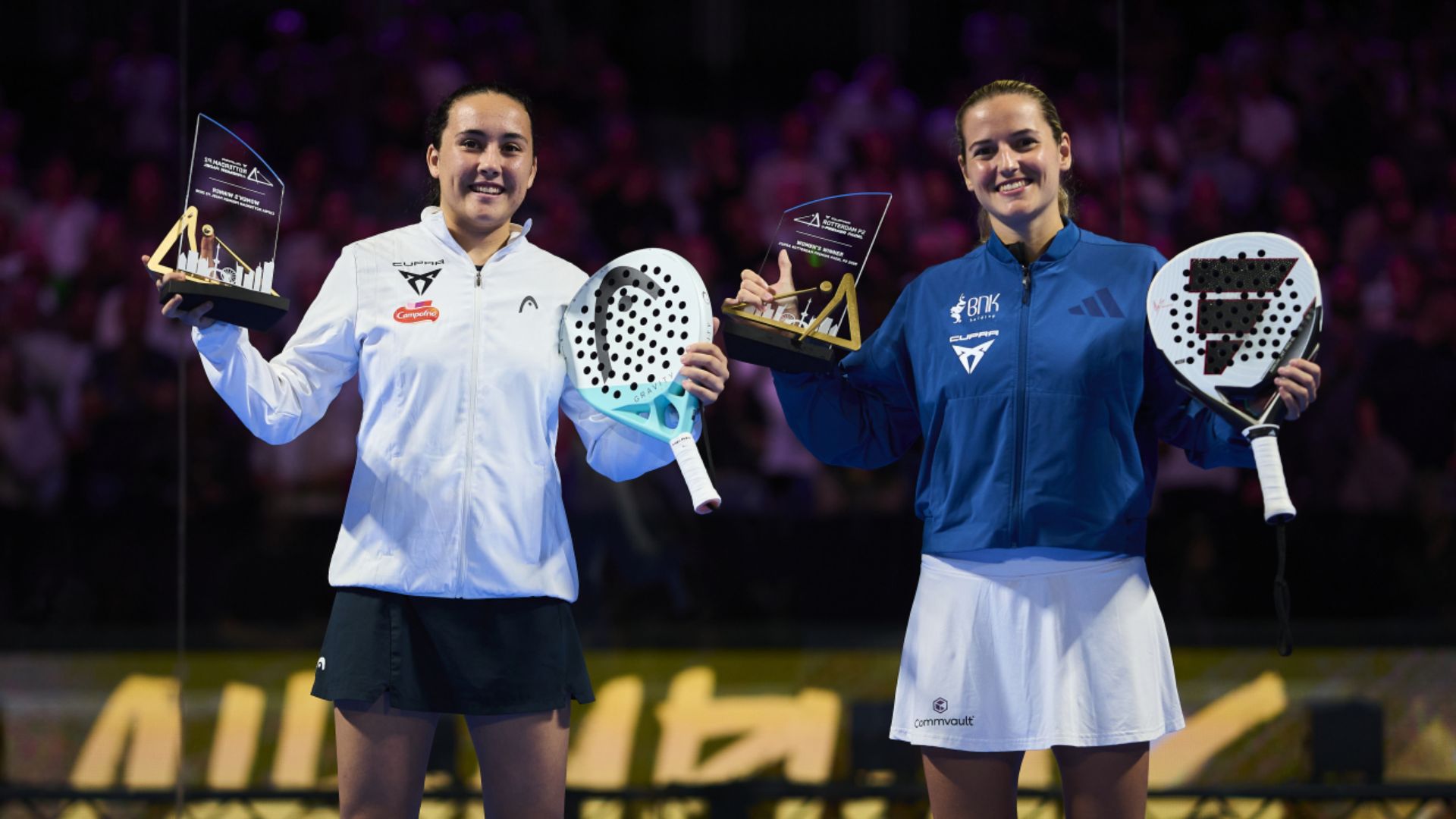 Sánchez/Ustero are only 160 points behind second place in the world: the end of the season could change everything
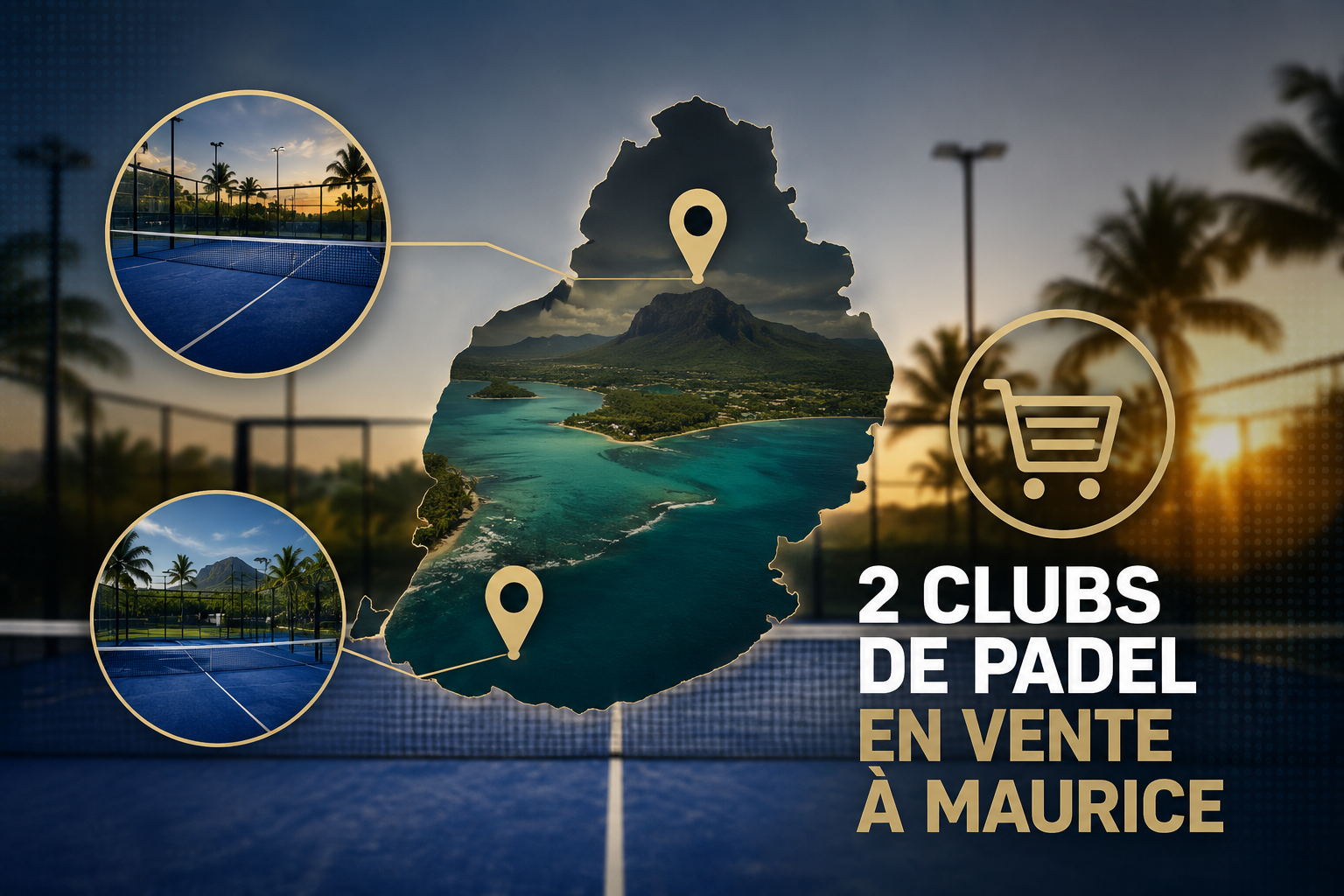 For sale: two padel clubs in Mauritius, starting from 330,000 euros
 How much does it actually cost to organize a FIP Bronze event?
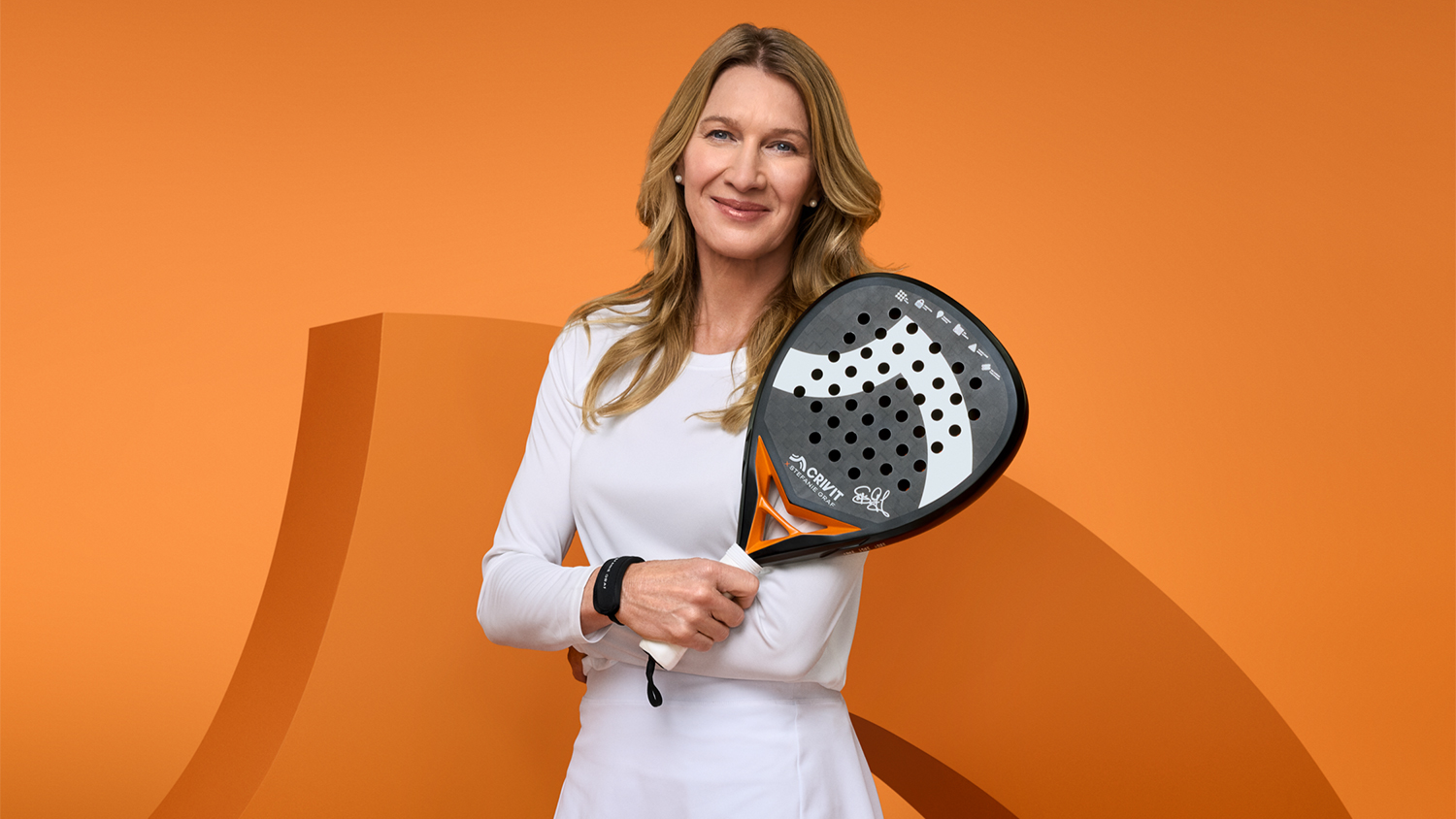 Padel How Lidl is transforming Crivit into a fully-fledged sports brand with Steffi Graf
 Compagnie des Alpes is accelerating its involvement in padel with PadelCity: a new step in its European strategy
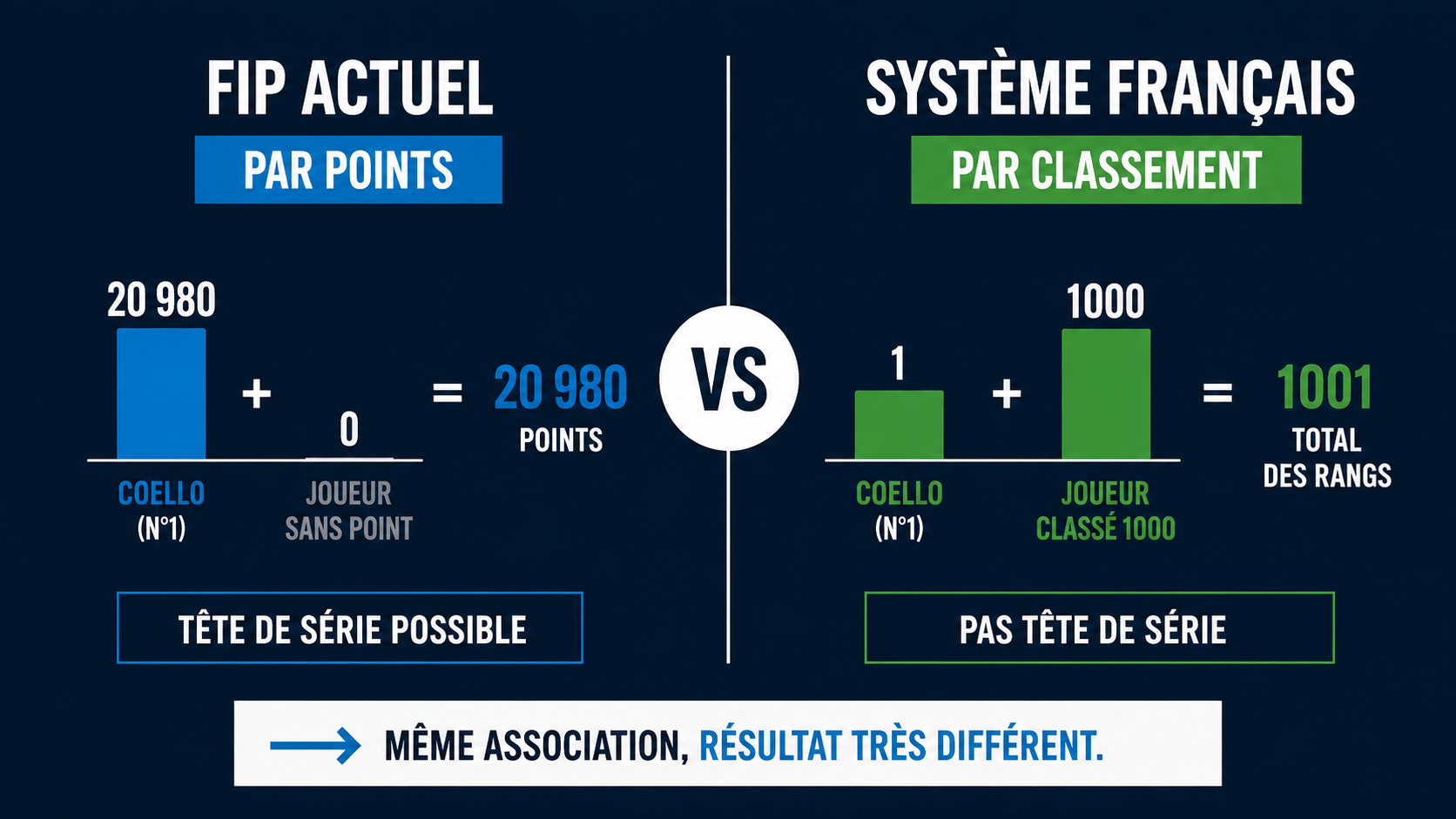 Coello with a player at 0 points ahead of two top 10 players: should the FIP ranking be reviewed?
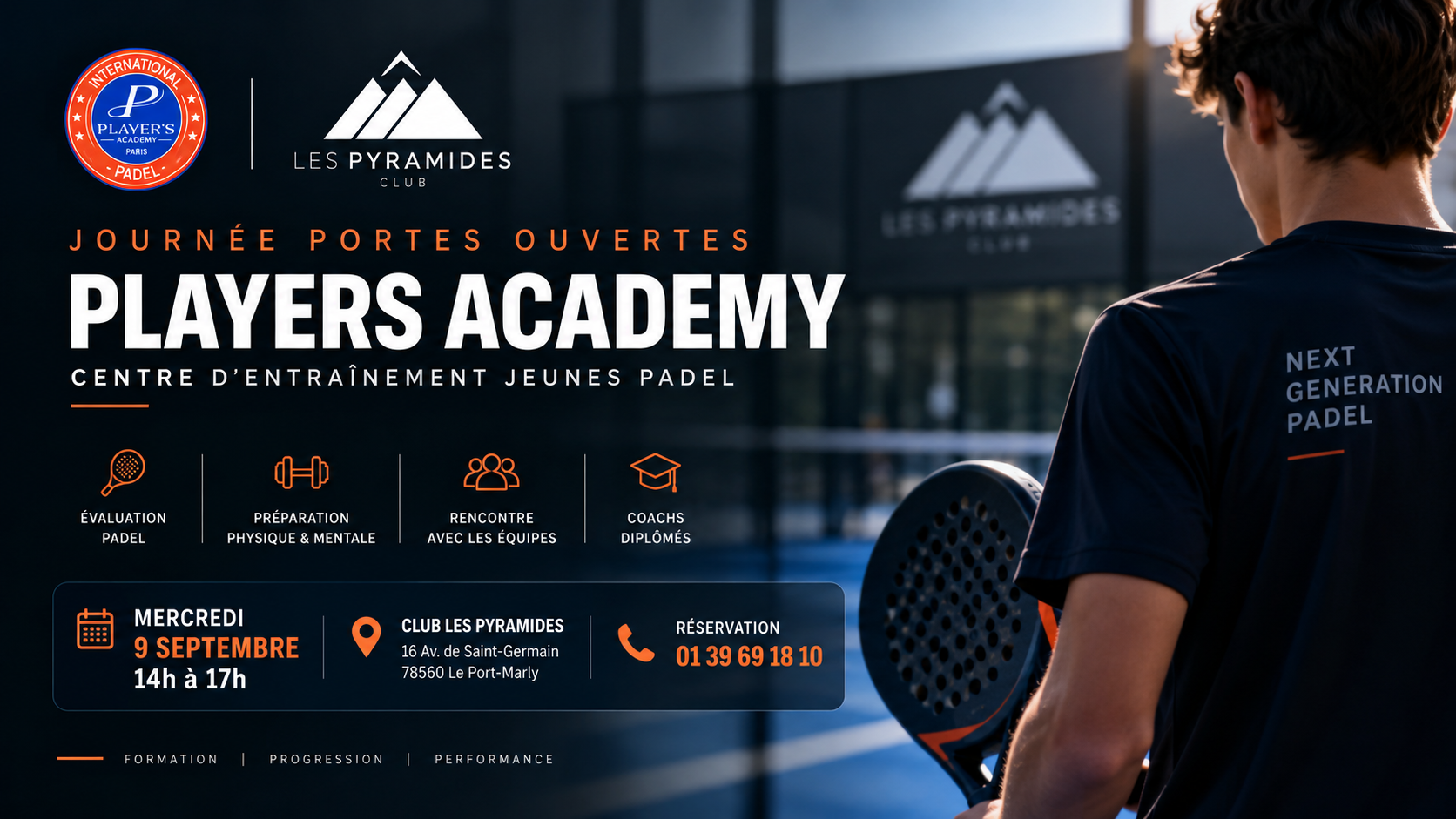 Les Pyramides: after 12 padel courts, the club is focusing on youth training
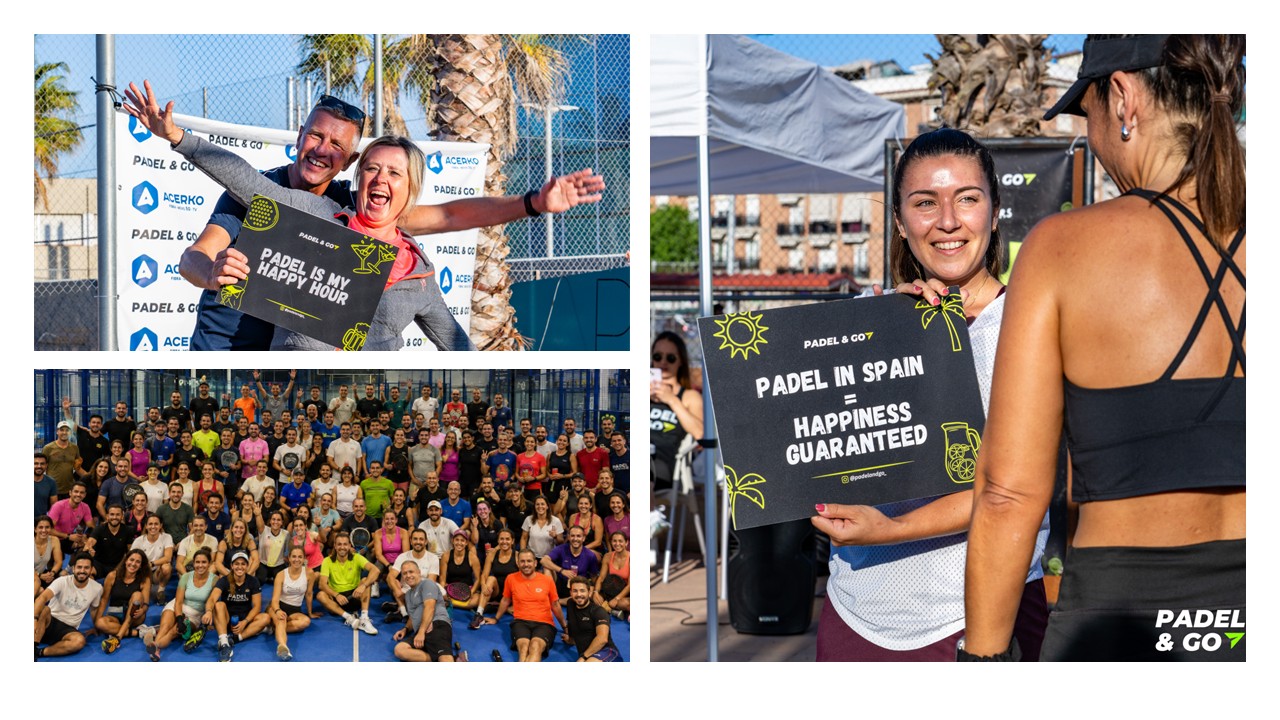 Health Care Padel Tour 2026: What if your next padel tournament was played in Barcelona?
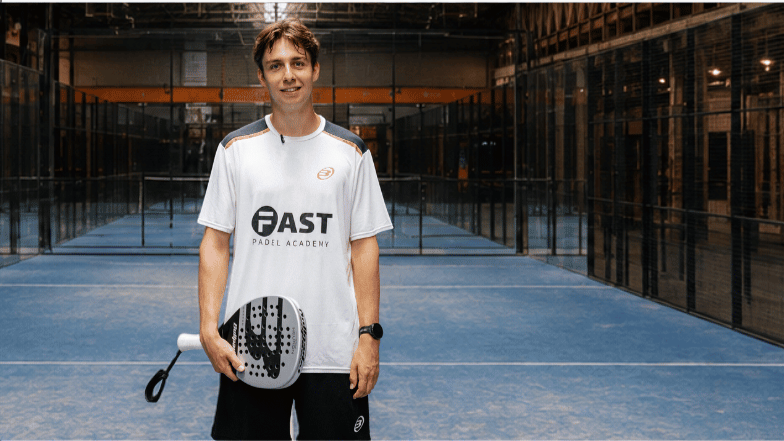 FAST Padel Academy continues its development and establishes itself in Liège.
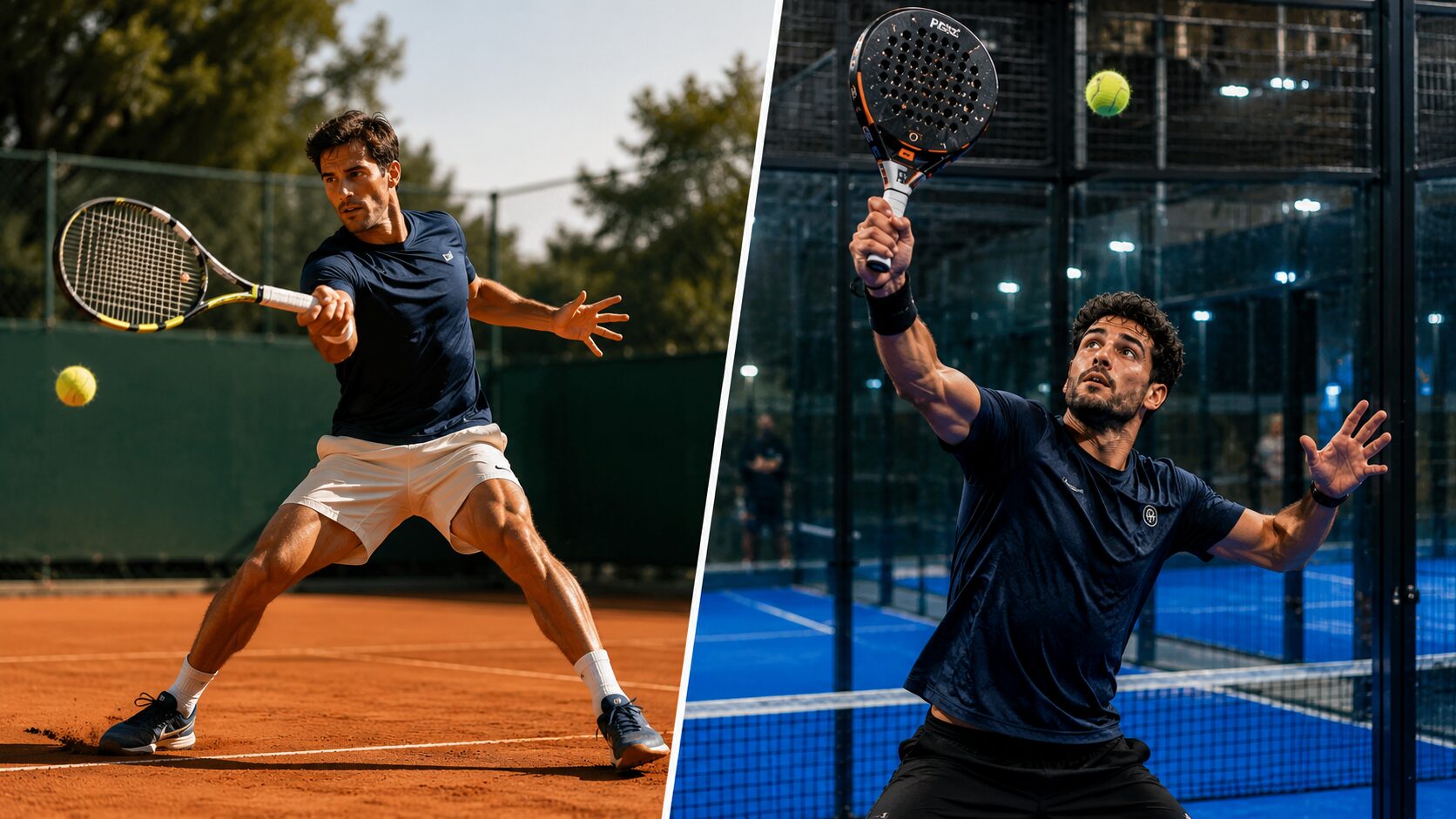 What the analysis of the stroke reveals: tennis forehand vs. padel bandeja
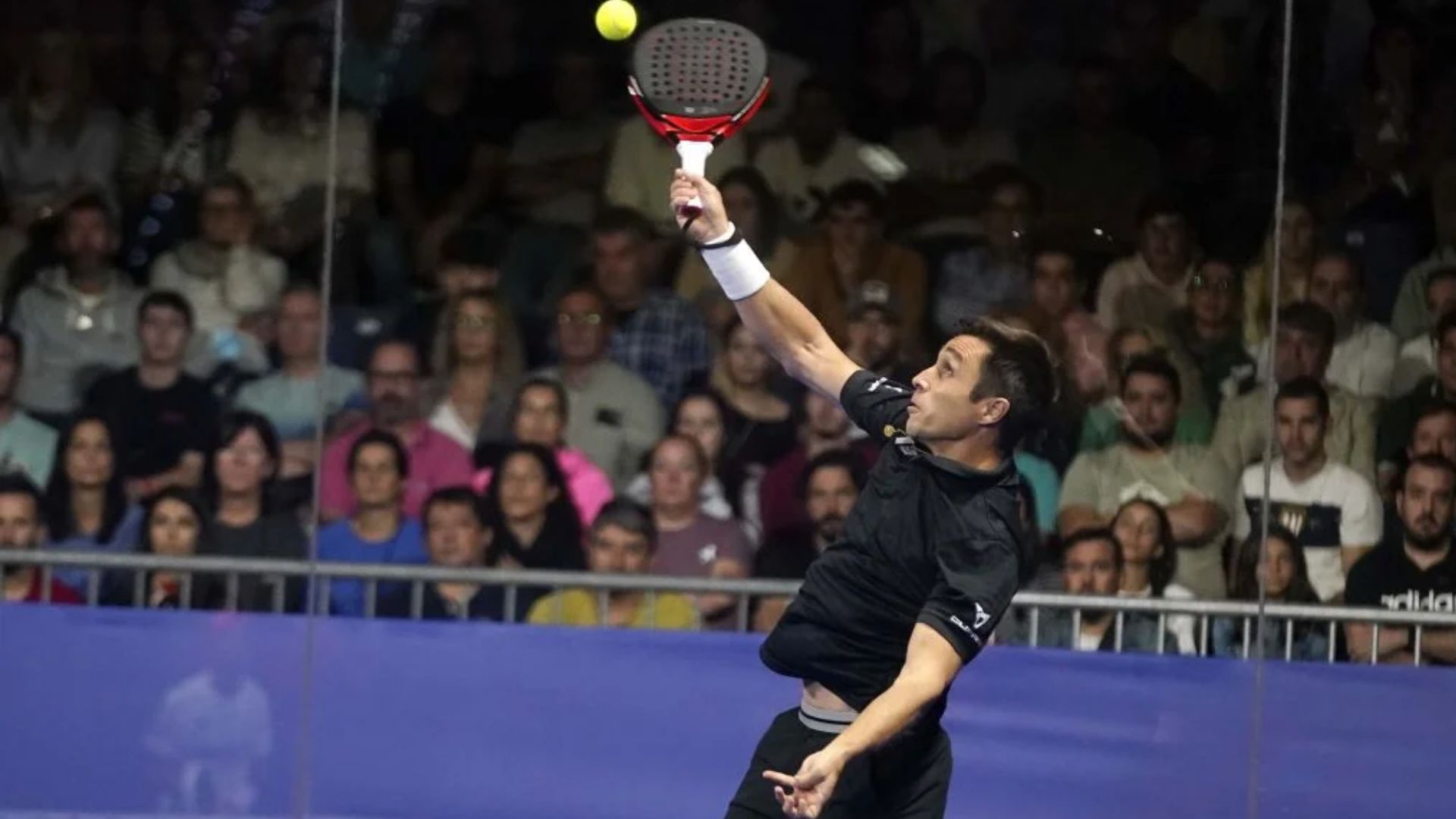 Has the bandeja disappeared from modern padel?
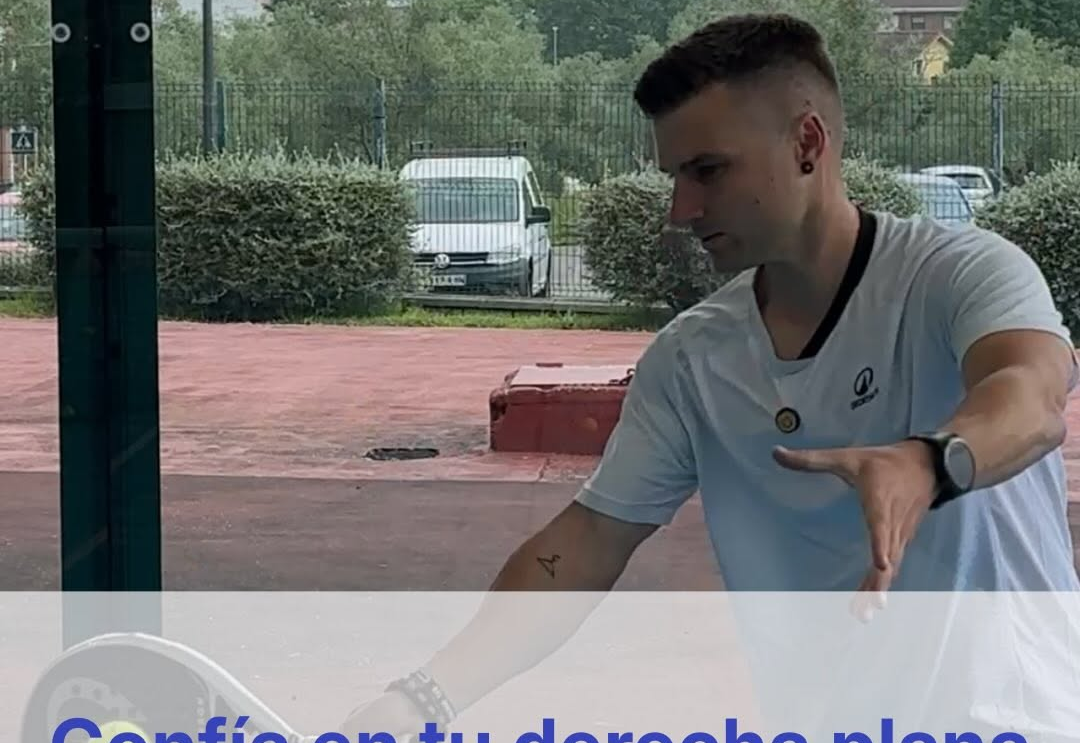 Flat forehand in padel: 5 exercises from Cristian Álvarez to gain control and efficiency
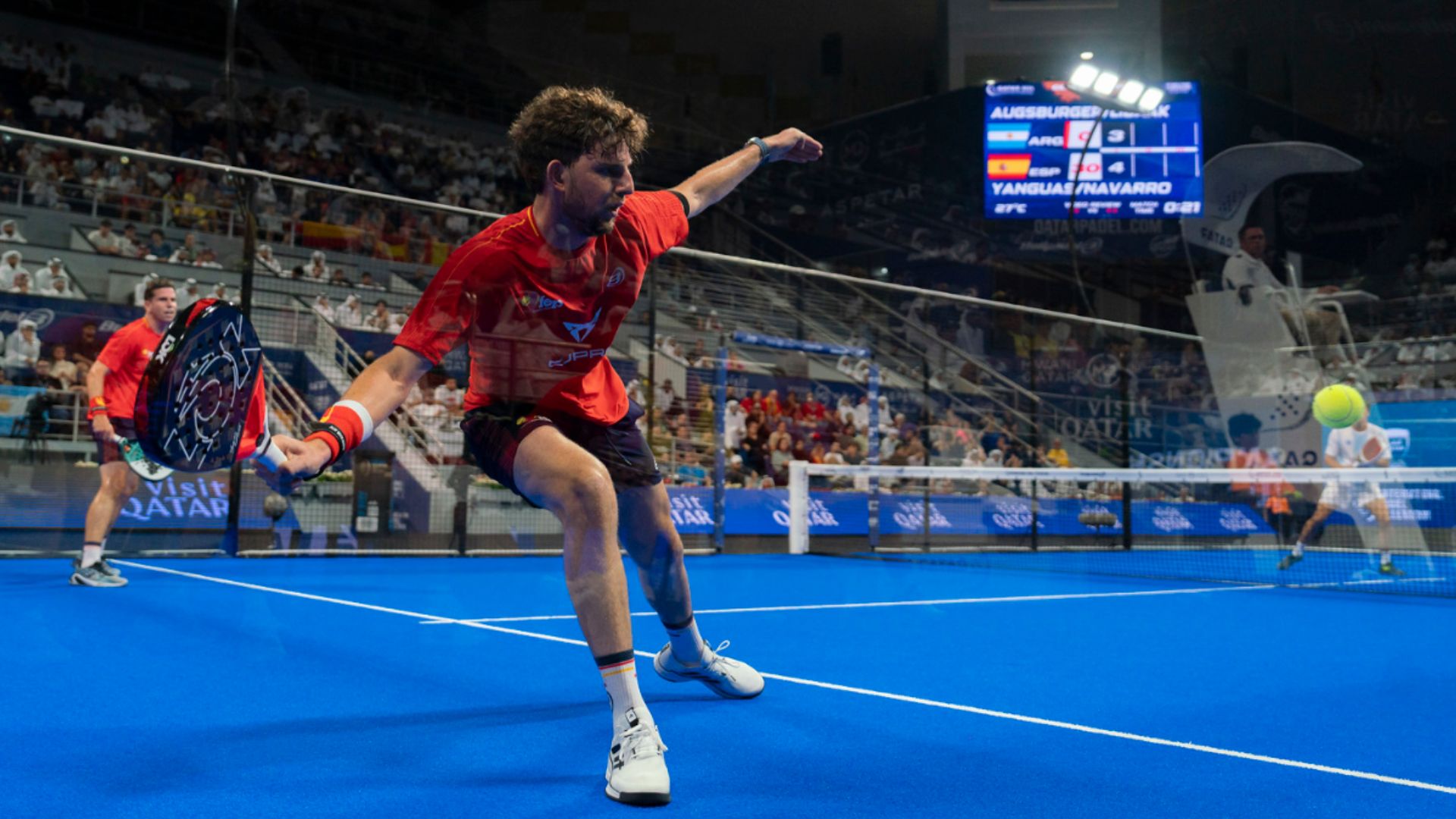 Why knowing how to play on the right and left can make all the difference
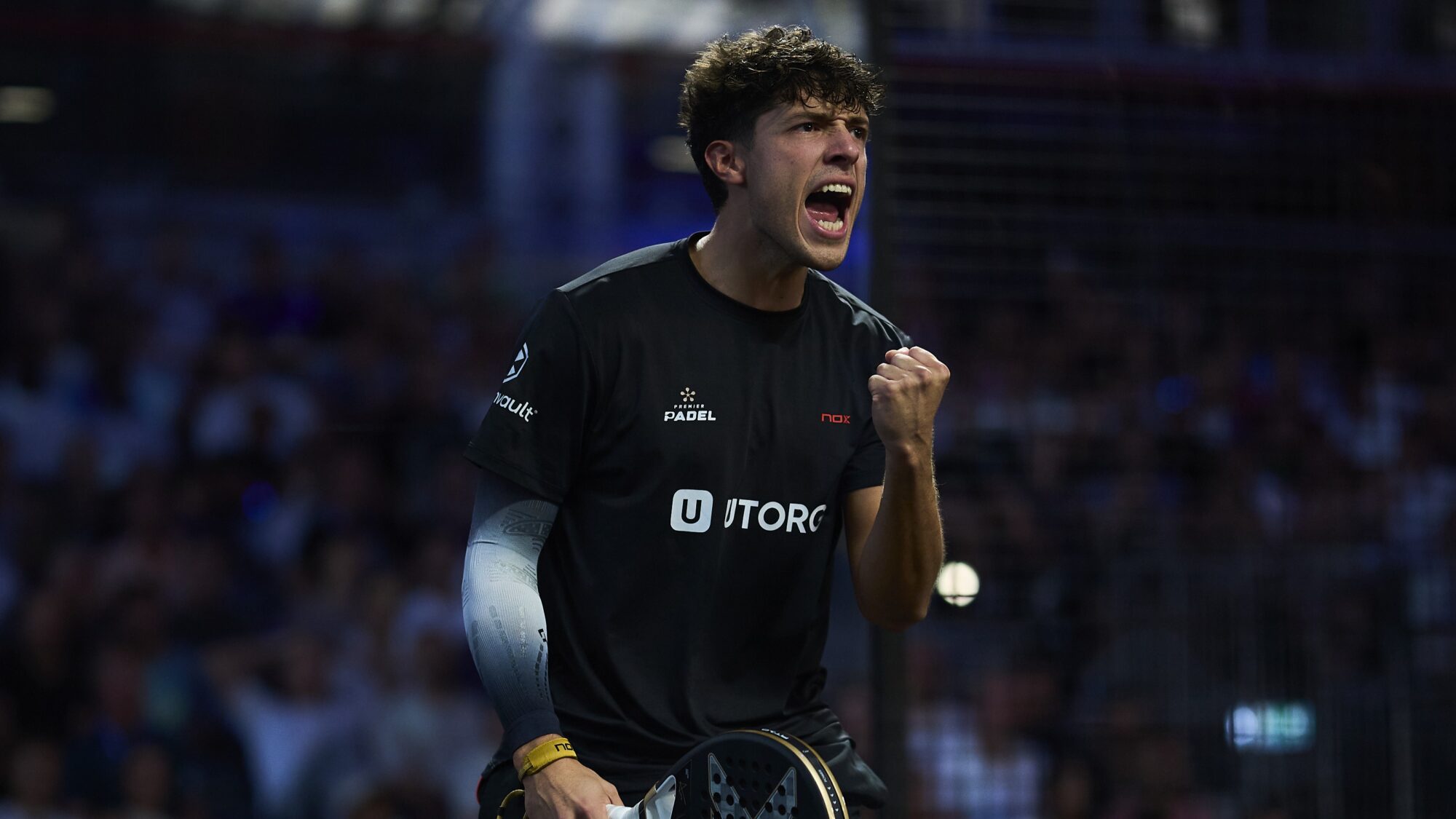 Tapia reveals his recipe for beating Coello / Tapia: "I would bet everything on myself"
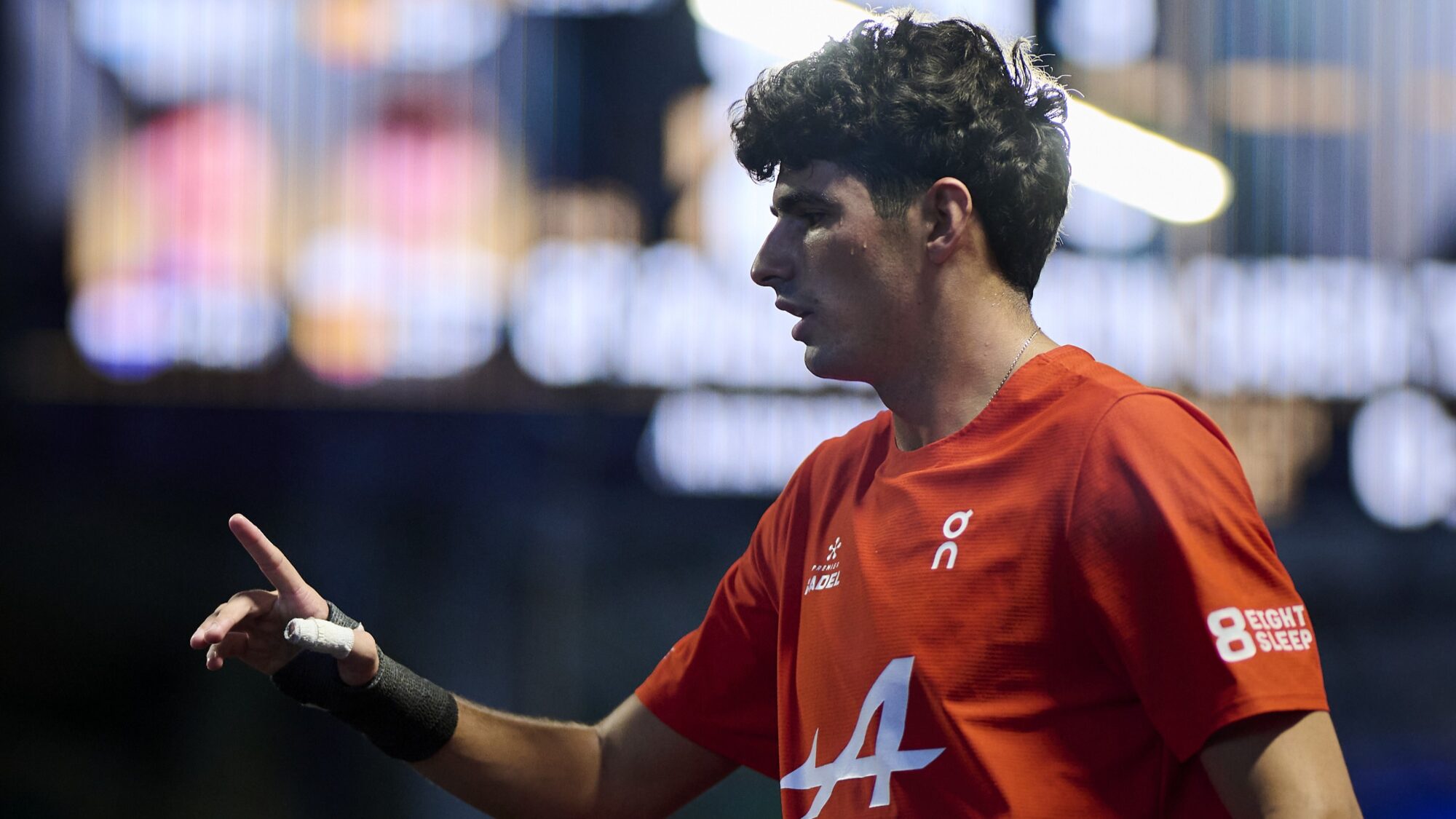 How Coello defused Chingotto's game plan
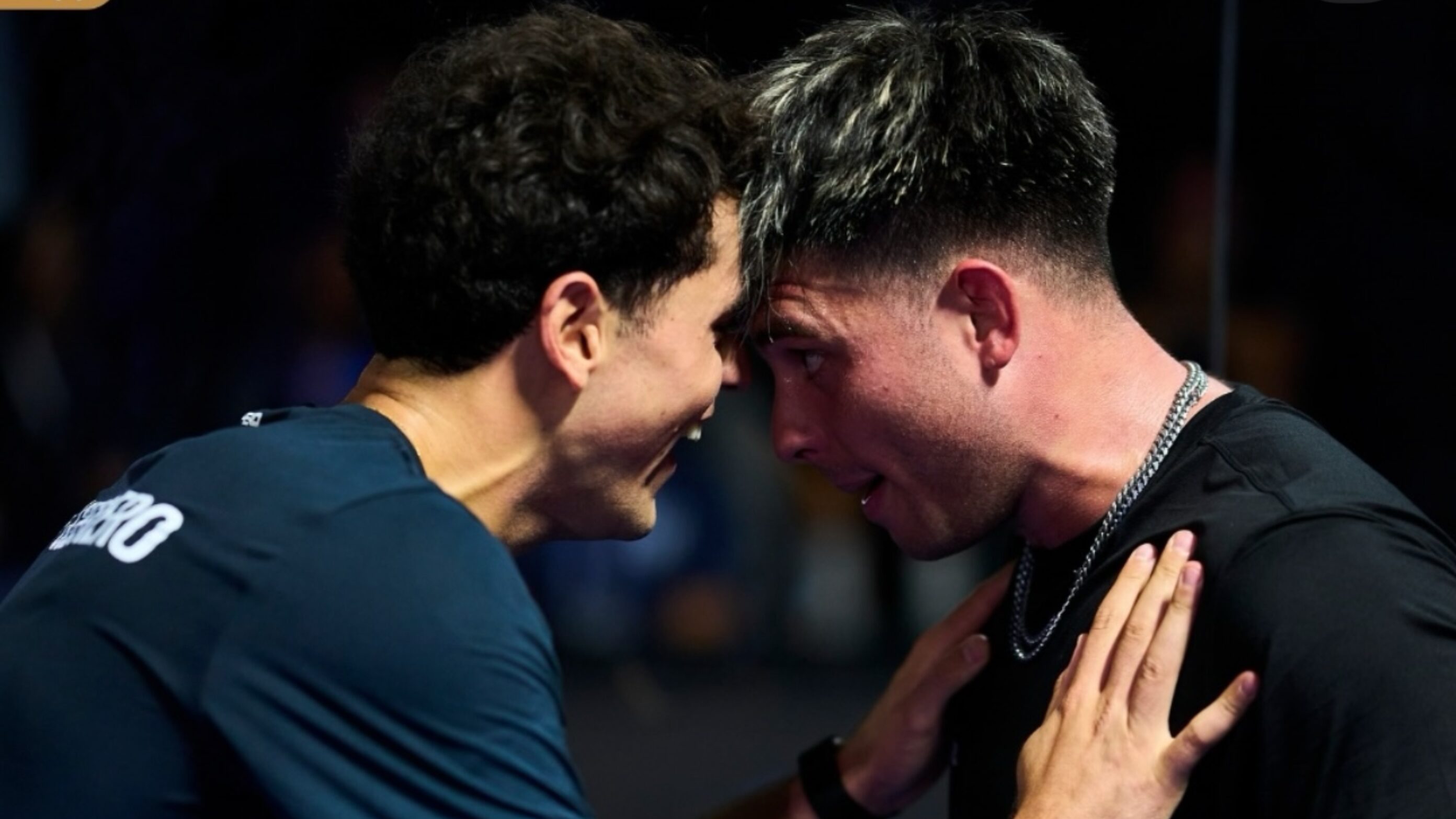 In padel, does the chemistry between a pair count as much as individual skill?
 Summer changes padel… but what if the real challenge wasn't hitting harder?
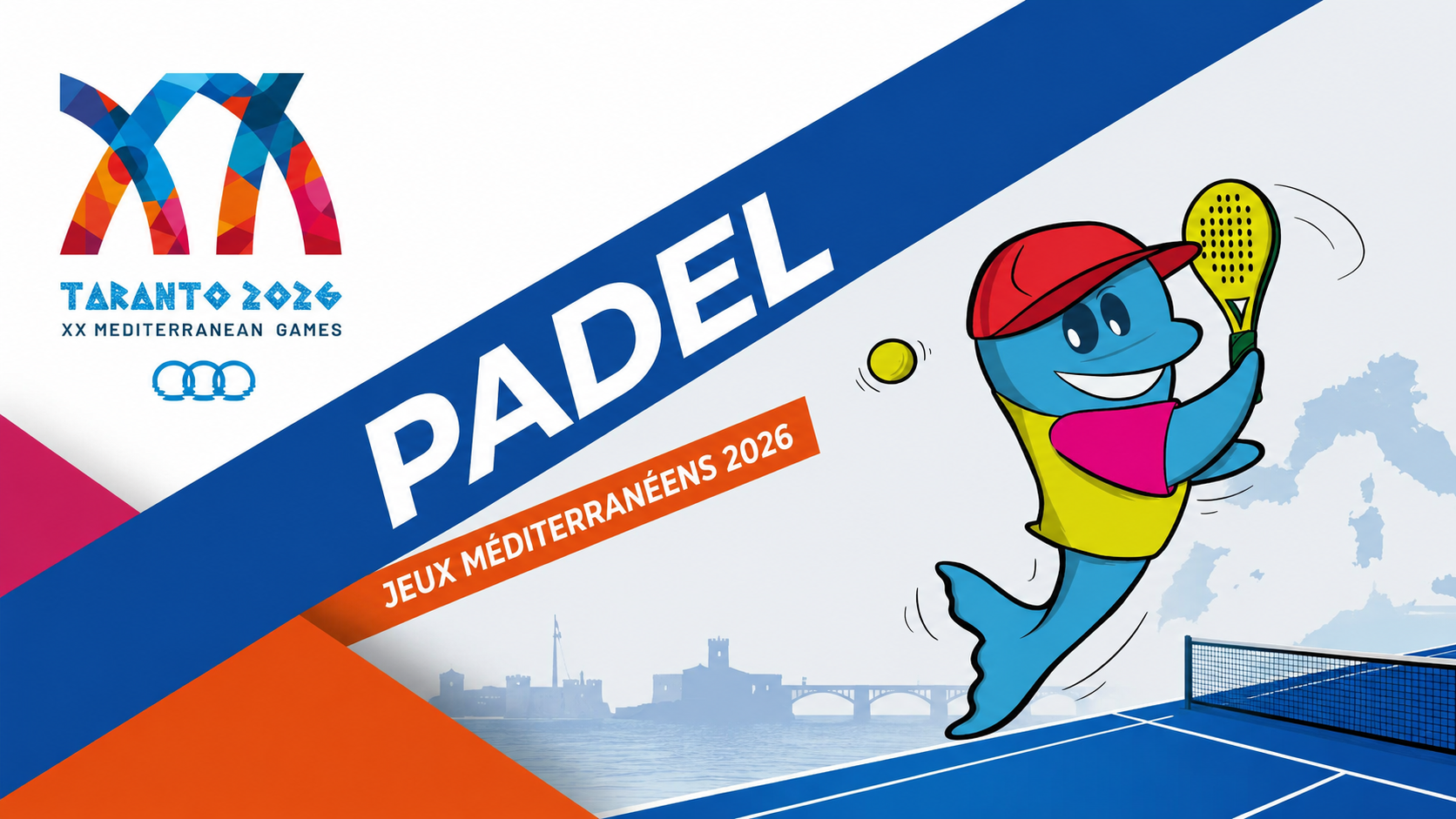 Neither FIP Tour nor World Team Championship: the unique format of padel at the Mediterranean Games
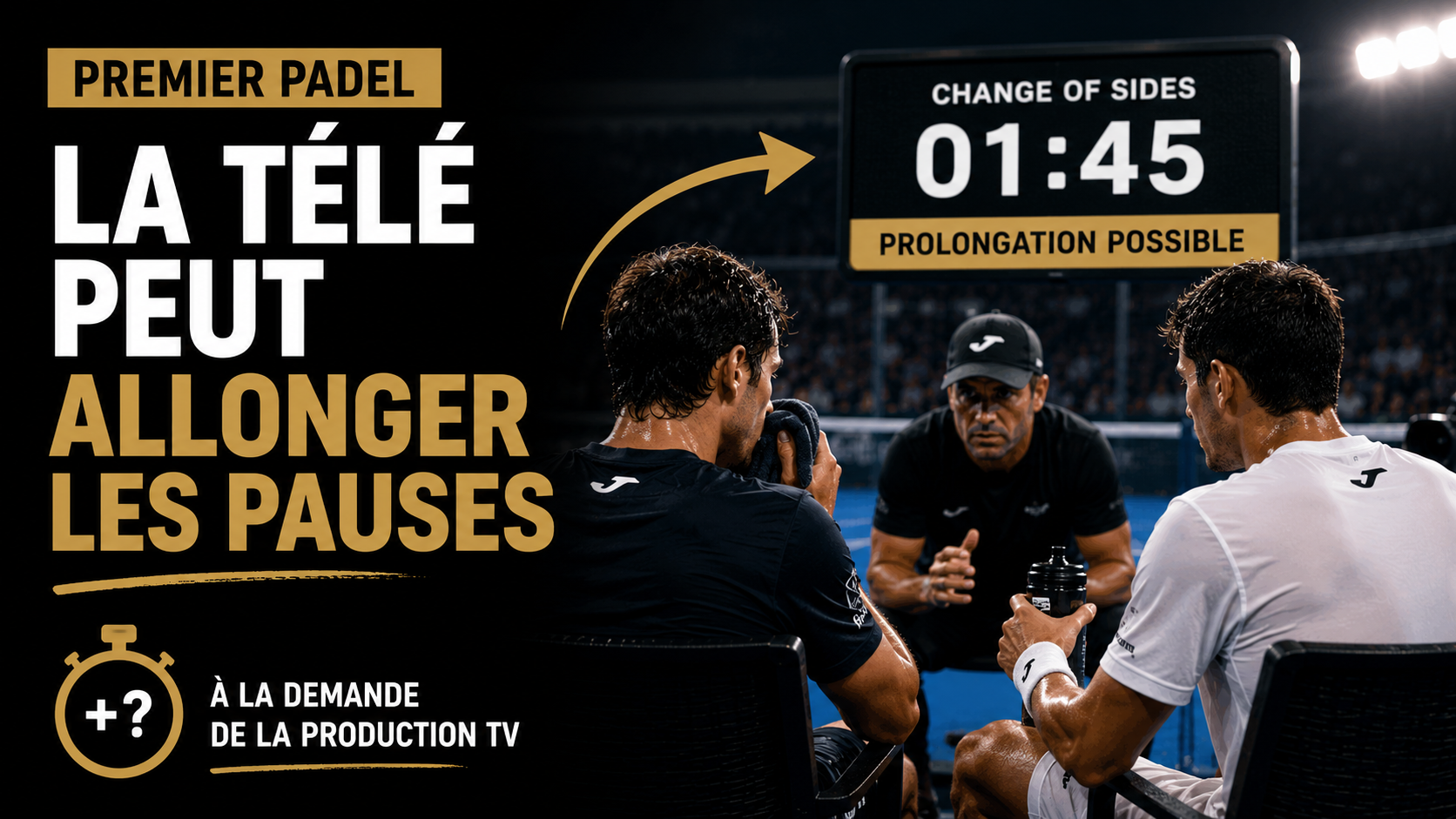 Premier Padel : when television can lengthen players' breaks
 Premier Padel Yes, a referee can refuse a player permission to go to the toilet
 Julien Seurin opens up about his mental state: "There are far more doubts than moments of happiness."
 More than a year later, Thomas Leygue is back in the top 150: behind the scenes of a comeback that's still unfinished
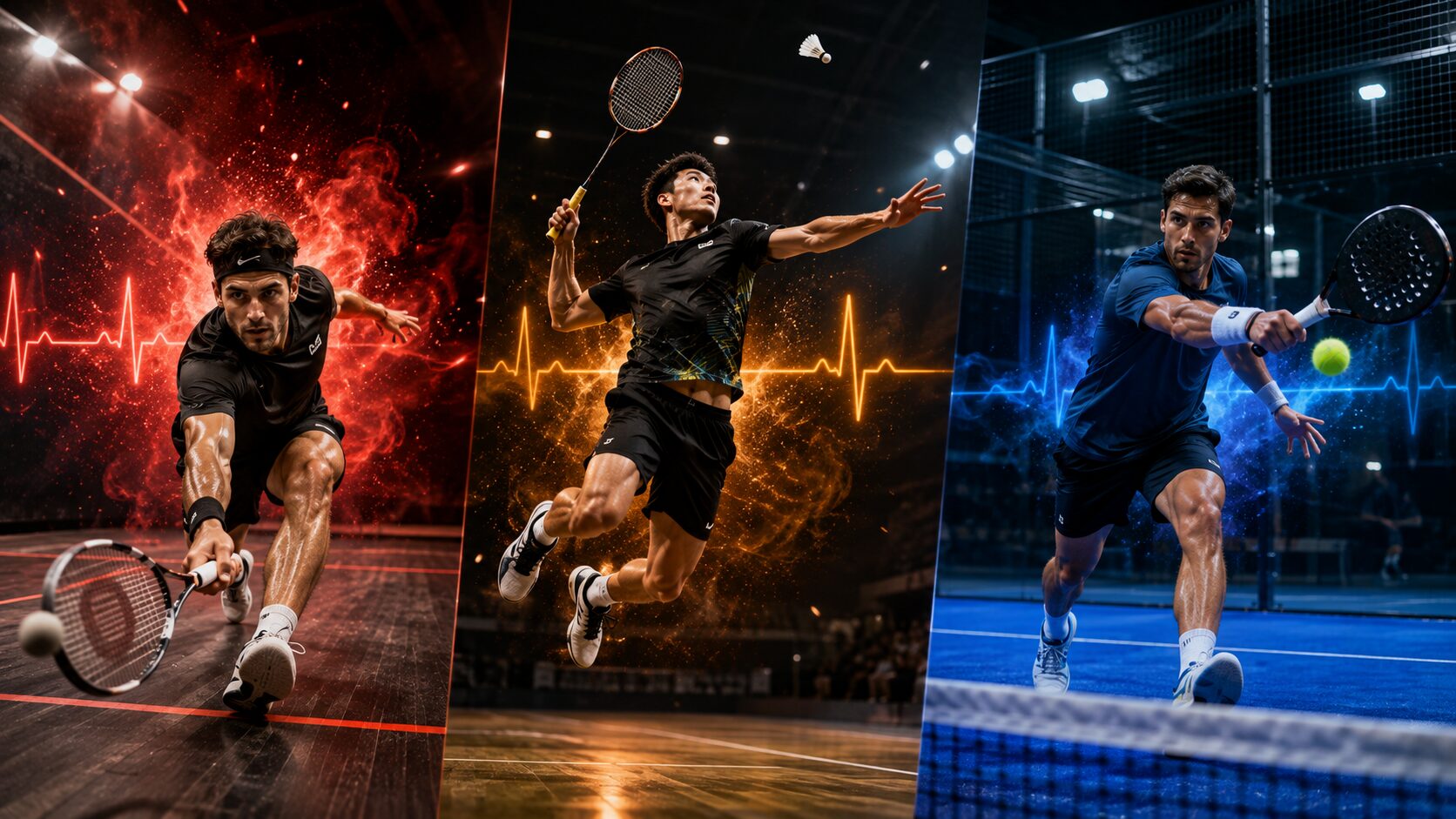 Padel vs squash vs badminton: the scientific ranking of cardio intensity
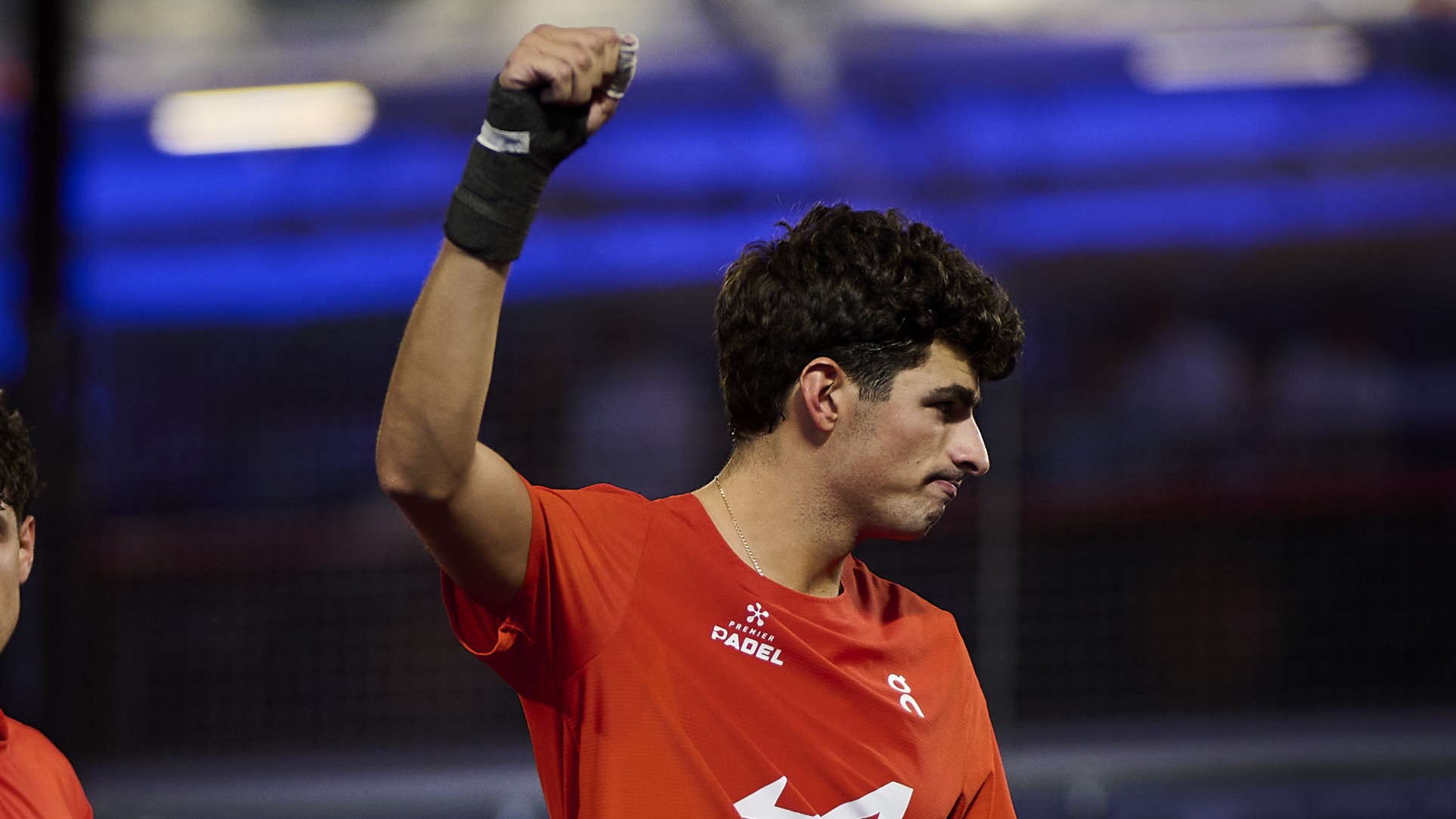 Why does Arturo Coello play with his right hand bandaged?
 What if your progress in padel depended on what nobody else is looking at?