








The year 2021 and the health situation that we are all familiar with have in no way slowed down the French people's enthusiasm for padel.
Padel is a physical, technical sport, but not only that!
While in 2020 the number of practitioners was just over 80, this year the figures tend to prove that this sport remains very popular in France and continues to grow in view of the 110 registered practitioners.
We are still not at the level of our Spanish neighbors who manage to count in their ranks more than 2.3 million practitioners. More than half (52%) even admit playing it at least once a week.
For several years in France, we have been able to see that padel is gaining more and more followers, whether among men or women.
Popular with young and old alike, this sport is fun, friendly, and may be “easier” to learn at first than its cousin tennis. But it is also very physical and therefore a great way to work out and let go after a day of work.
But think again, good technique and a good physique will not automatically make you a good player. In this sport, it is important not to neglect the tactics, but also the mind. And this is what we will see immediately by evoking the subject of positive psychology .

What is positive psychology?
For some years now the term “Positive psychology”Is coming back more and more and bookstore shelves are filled with numerous books and studies on the subject.
To sum up, this science takes into account the positive aspect of life, its benefits and the potential of each individual to promote a sense of well-being and satisfaction.
How to improve your padel performance using positive psychology?
In any discipline, becoming good comes from a good balance between the technique , physical condition, tactical aspect AND mental work that we do on us.
It is good to remember that padel is a sport that requires a lot of strategy because it is about finding the flaw in your opponent to force him to make a mistake. You must therefore be solid in your game and above all be confident in your shots.
And this is where the psychological aspect comes into play.
Whether for professionals or even at the amateur level, each athlete can find himself in front of a difficulty and feel a significant mental pressure.
For example an amateur player during a tournament having a bad period during his match because he will have missed his shots 2 -3 times and will have allowed his rivals to pick up the score. He will put the pressure on himself by putting the blame on him and losing confidence in his ability to make a difference during this meeting. Rather than indulge in negative thoughts about his game, he'll have to brush up on this bad episode and get things in hand. He will have to realize that unfortunately he is not infallible and that all is not perfect in a match. The important thing is to know how to bounce back thanks to what you have learned and to regain confidence.
Another example that would suit the subject well are these long exchanges that we have all seen and which almost always end with a Tip. These extended points are sources of pressure for the players because on the one hand they will have to accelerate the pace at some point to gain the point while not making a mistake that would destroy all previous efforts. These exchanges will therefore generate additional pressure on the players.
In addition to good physical condition, it goes without saying that they will have to have enough mental strength to be prepared to lose the rally. This is where these players will have no choice but to move forward without dwelling on this lost point and above all not to lose confidence in themselves. A game of padel can go very quickly!
This is why we believe that positive psychology can be a good asset to stay focused on the game and not lose focus.
Motivation, hard work and rigor
To have a good mind, you must not neglect physical condition and training.
Although padel is an accessible sport and it is easy to return the ball to the opponent's court, it is not so easy to recover all the balls and score winning points when you are in a situation of intense effort.
To become a good padel player you must work, train and repeat the basics to automate them.
If you want progress on a technical level, surround yourself with a specialized trainer who will help you correct and improve your movements. Regarding the physical, vary your training with muscle strengthening, explosiveness, endurance and cardio exercises. If you want to have a little preview of training dedicated to padel that can be done from home, just click here
Once these elements are taken into account you will have more confidence in yourself on the slopes and will be able to think in a positive way when the luck gives you up for a while.
Finally, padel is a sport to have fun above all and have a good time with friends, so enjoy et have fun 😉
Photo credit: Wonderfully Zen
On the same topic :

Future naturopath and padel enthusiast, Seb is the health/food man of Padel Magazine. He juggles between pala, quinoa and essential oils. For almost two years now he has been dealing with the news of the little yellow ball with the same passion.


































































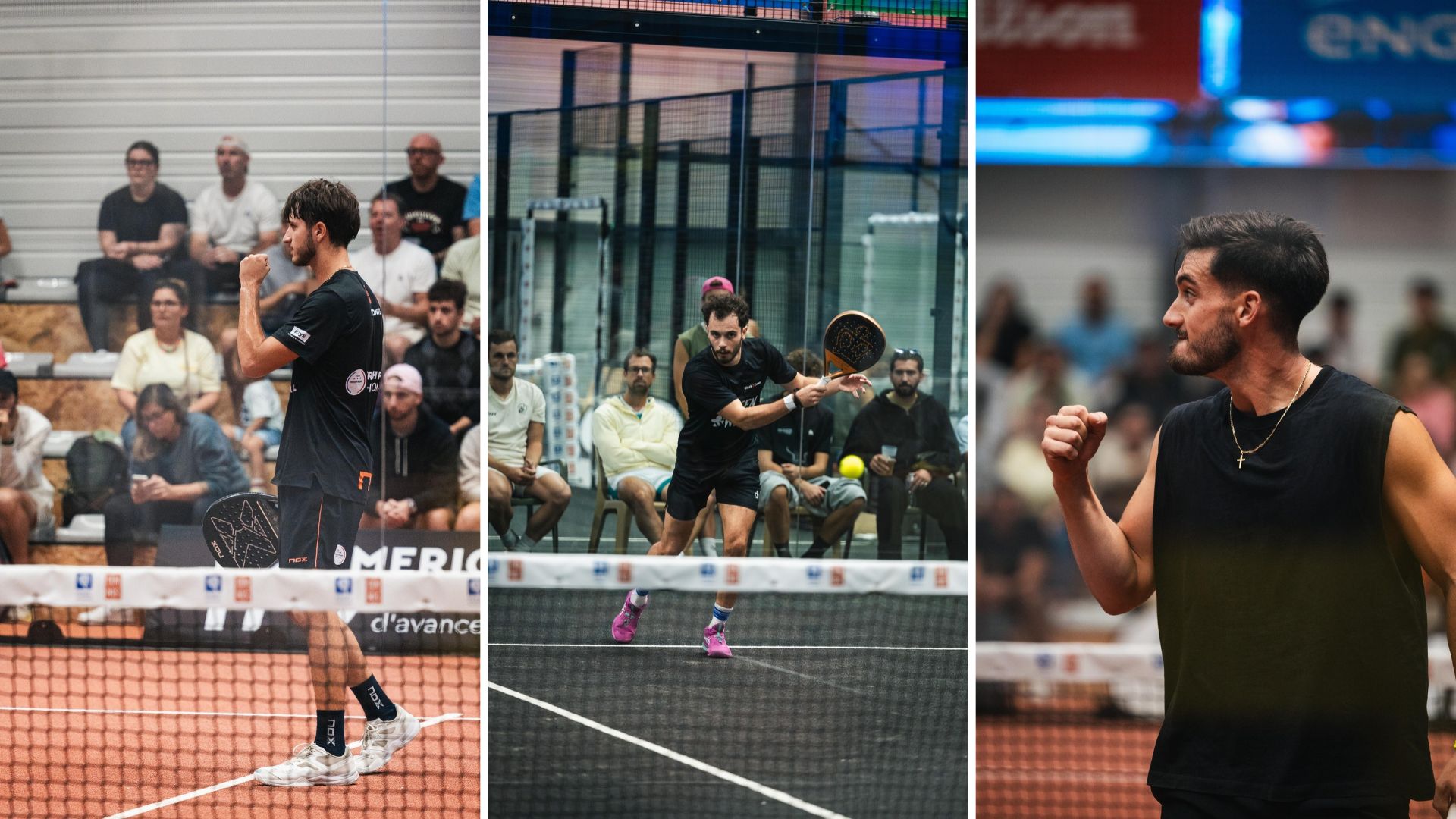 FIP Tour: Changes among the French national team: why are the French increasingly watching foreign football?
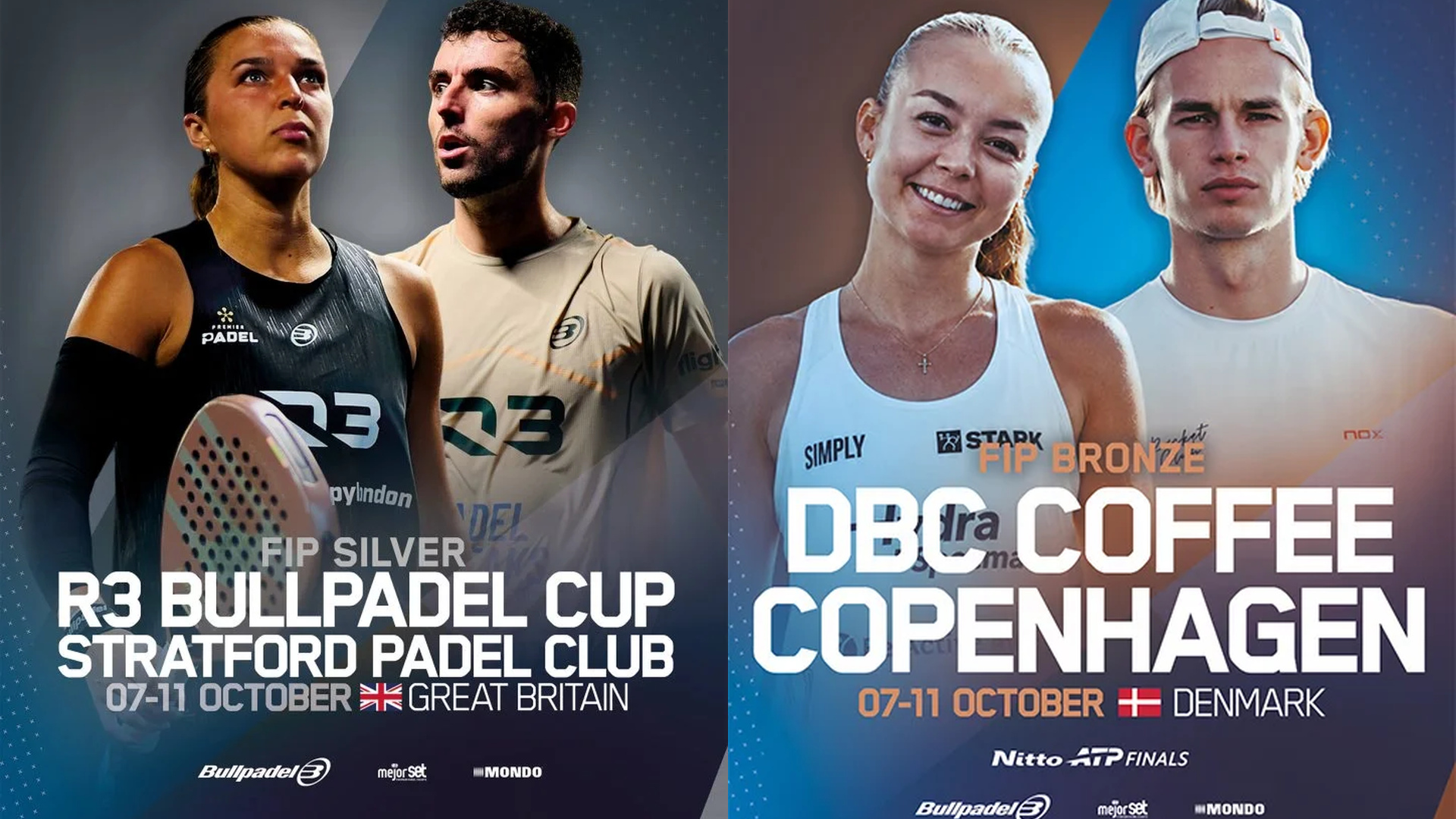 FIP Tour: Seurin / Joris, Boronad, Bahurel… French artists are meeting up all over Europe
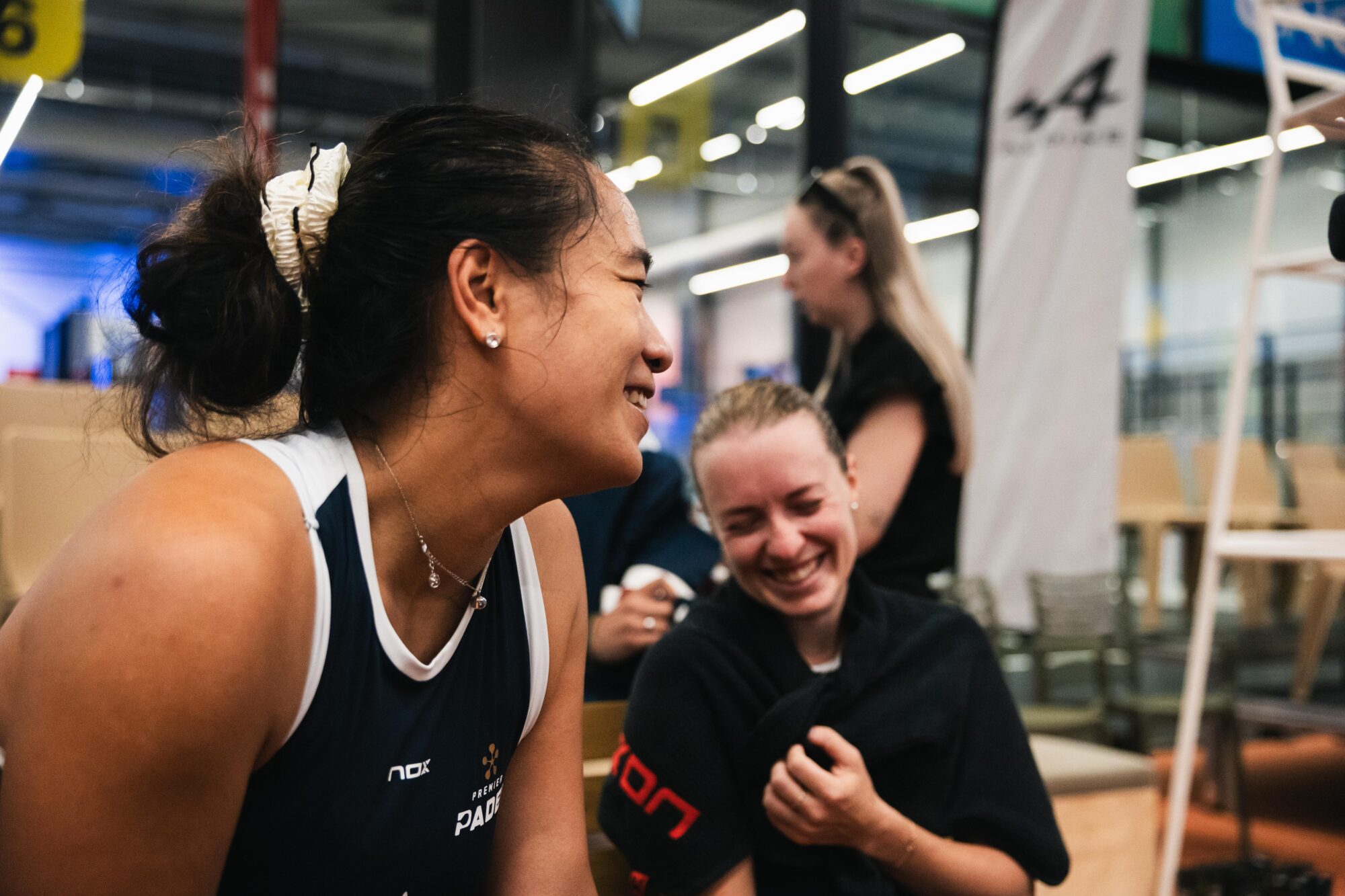 Godallier / Touly: a title, confidences and announcements that change everything…
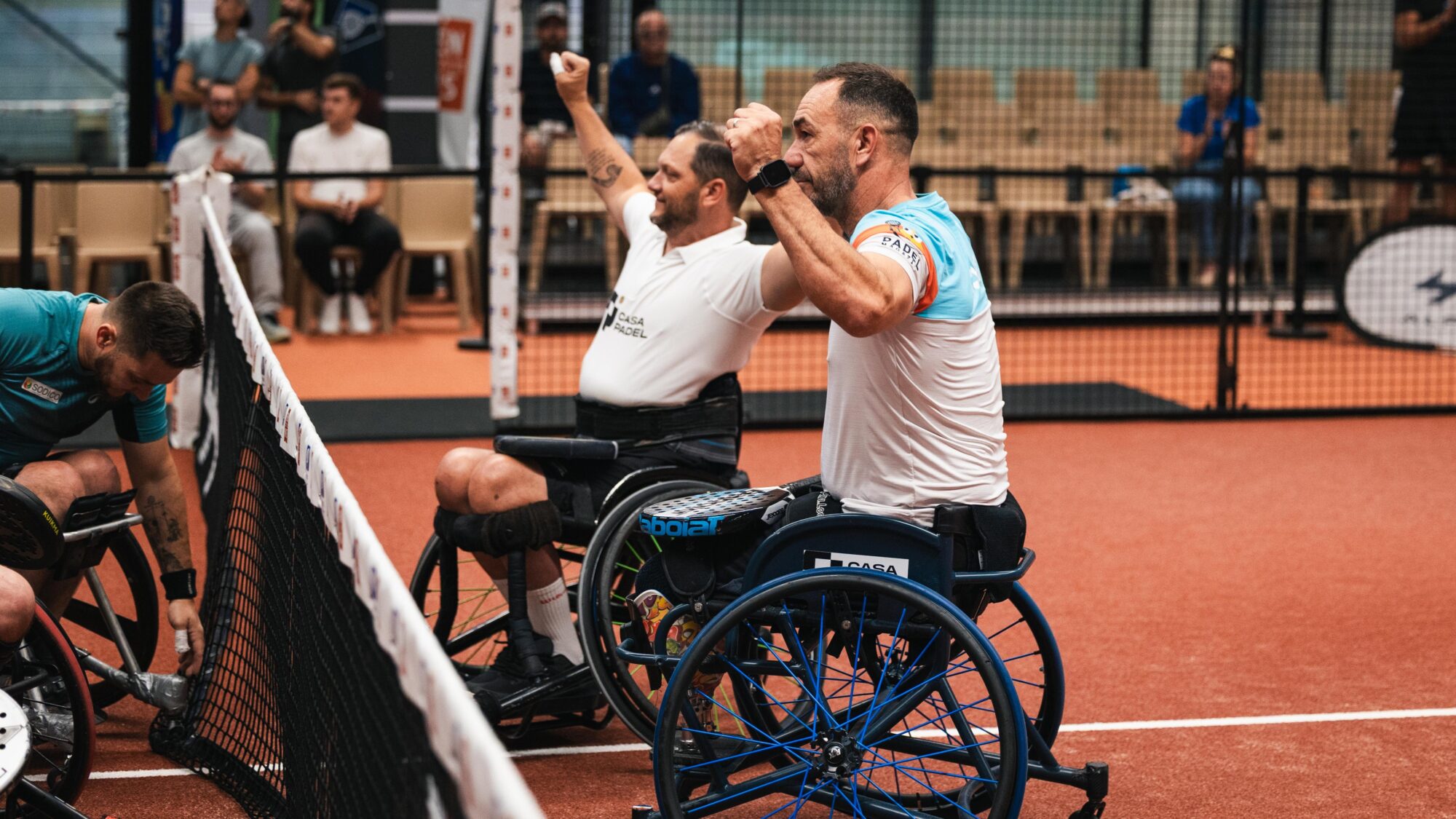 Sébastien Husser-Walther and Tony Boval: "The French are on the verge of reaching the Spanish level"
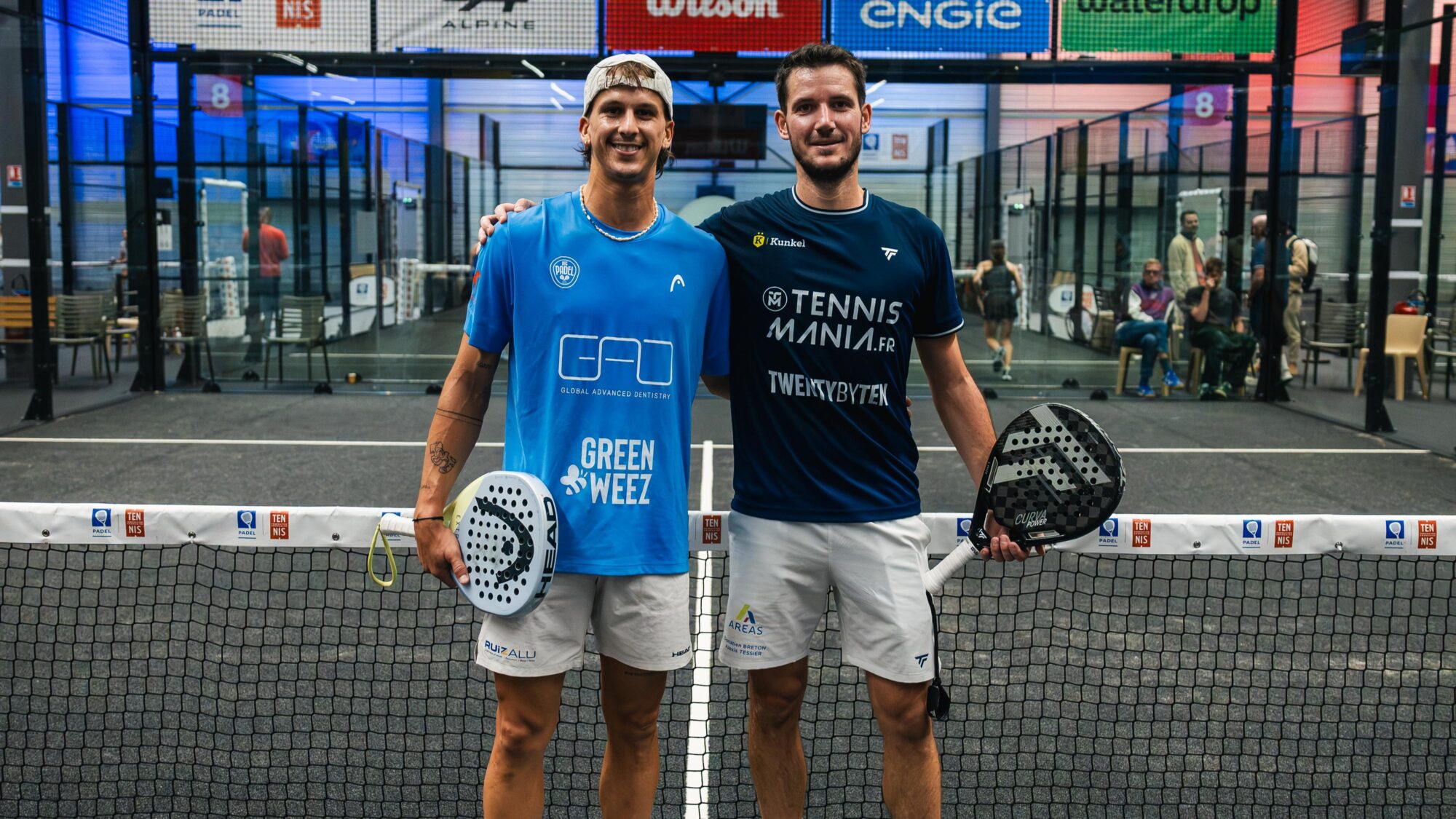 Forcin/Joris at the end of the suspense: "We win because we get along extremely well."
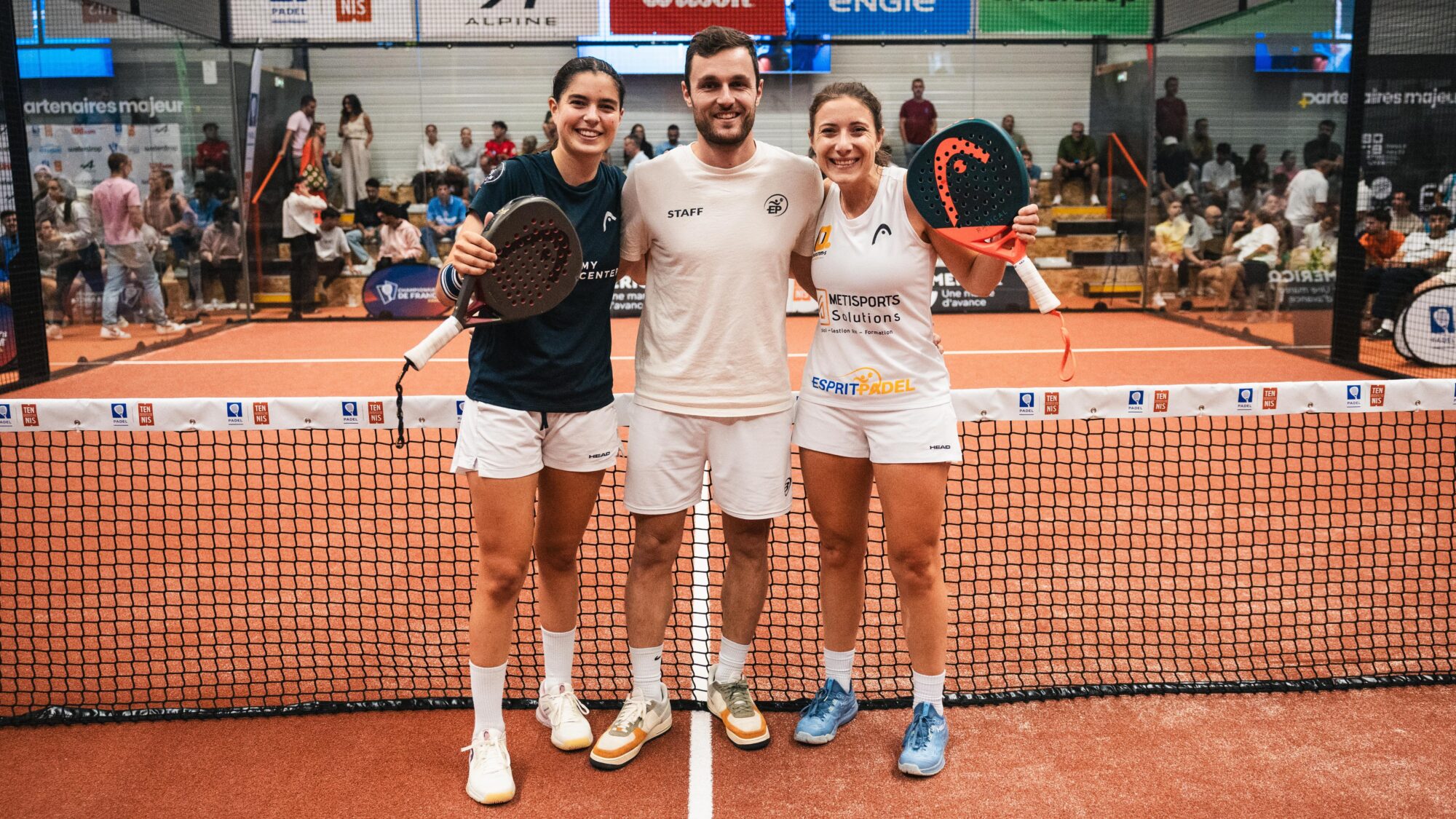 Bahurel/Pothier in the final: "Tomorrow, there will be an extra step up"
 Eric Largeron: "In some places, there are too many tournaments and perhaps too many clubs..."
 French Championships 2026: The good deals and the disappointments compared to the starting ranking
 2026 French Padel Championships: Results and Standings
 Düsseldorf, a showcase of a Germany where padel is accelerating
 Sánchez/Ustero are only 160 points behind second place in the world: the end of the season could change everything
 For sale: two padel clubs in Mauritius, starting from 330,000 euros
 How much does it actually cost to organize a FIP Bronze event?
 Padel How Lidl is transforming Crivit into a fully-fledged sports brand with Steffi Graf
 Compagnie des Alpes is accelerating its involvement in padel with PadelCity: a new step in its European strategy
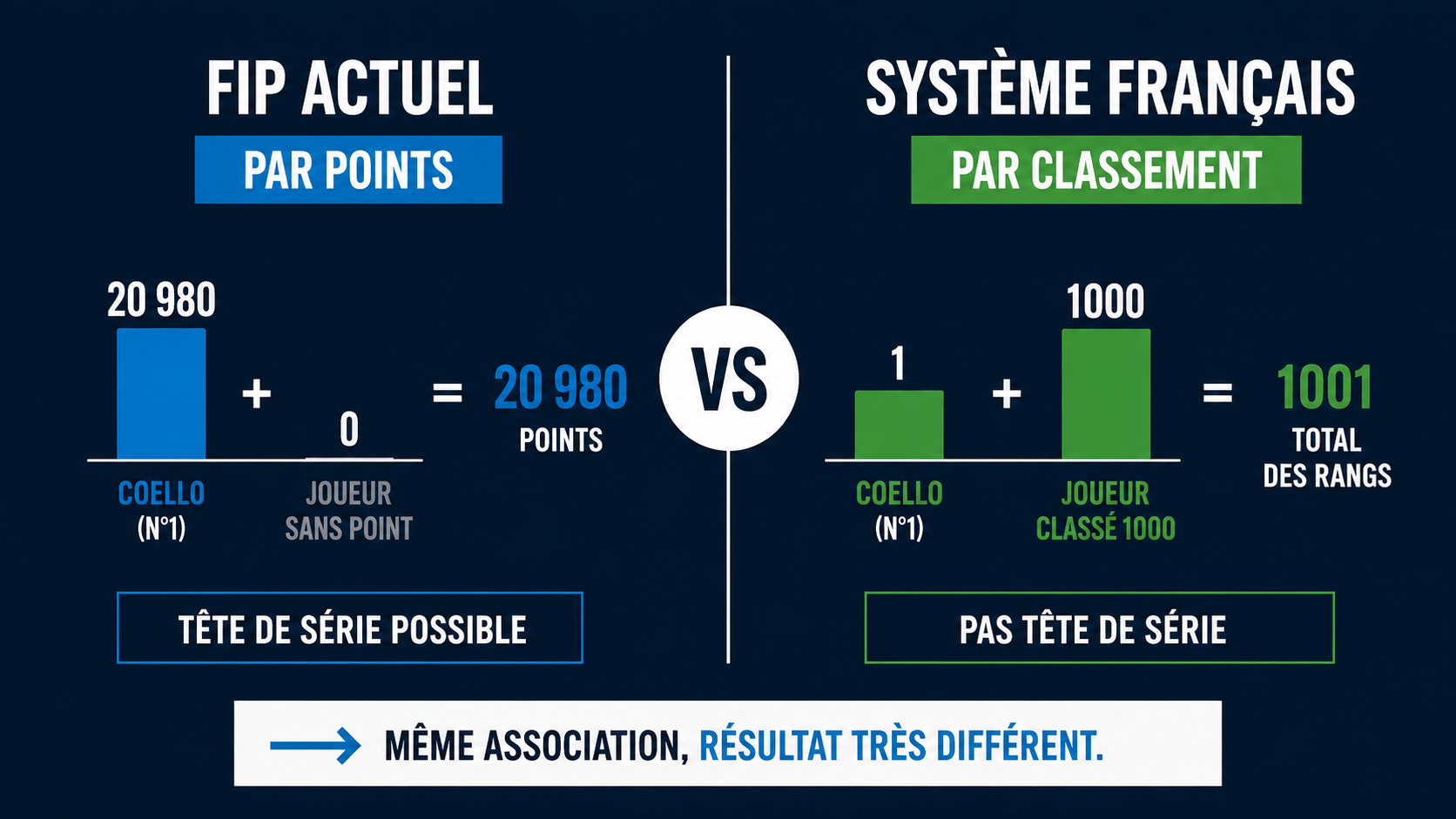 Coello with a player at 0 points ahead of two top 10 players: should the FIP ranking be reviewed?
 Les Pyramides: after 12 padel courts, the club is focusing on youth training
 Health Care Padel Tour 2026: What if your next padel tournament was played in Barcelona?
 FAST Padel Academy continues its development and establishes itself in Liège.
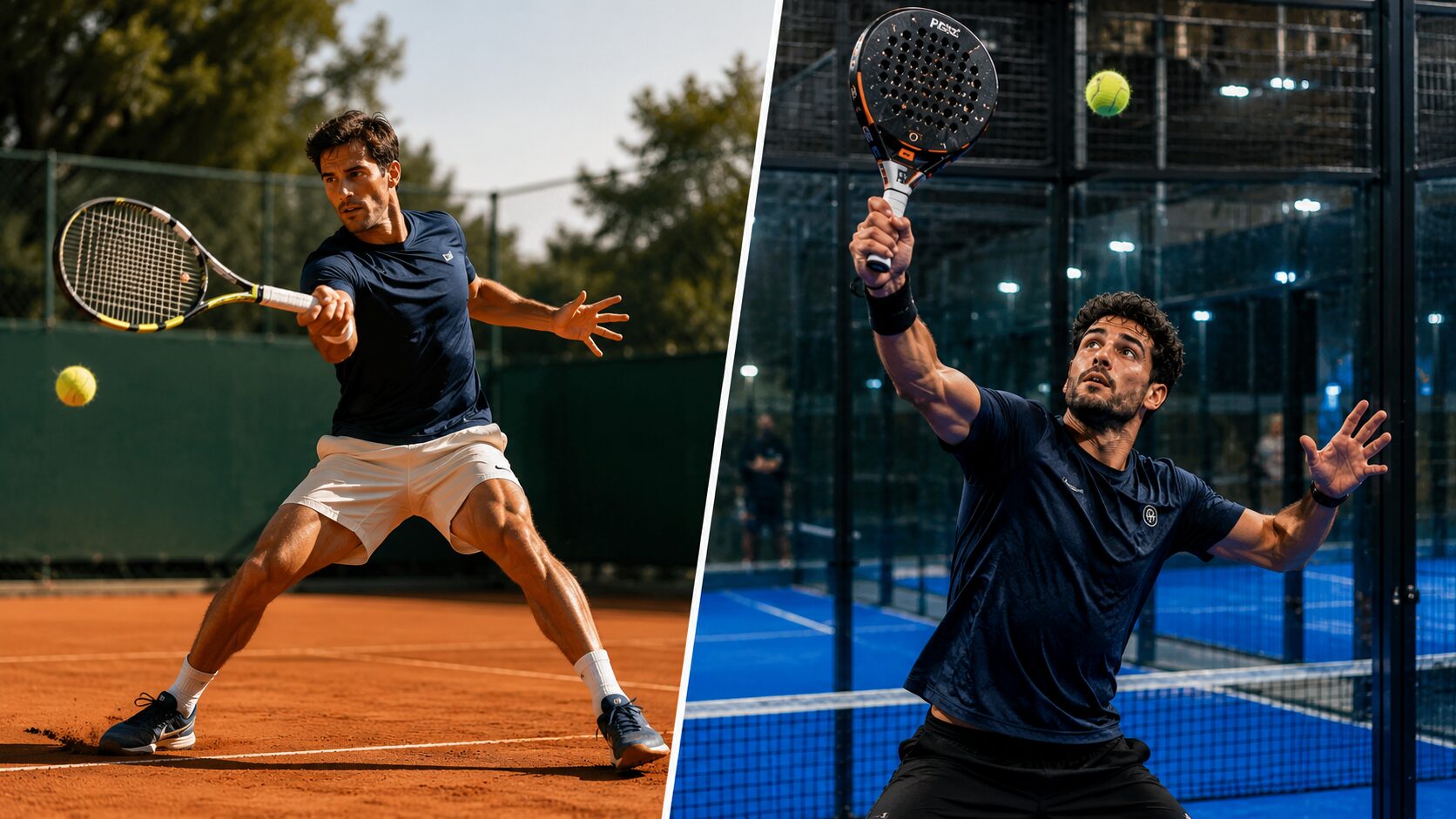 What the analysis of the stroke reveals: tennis forehand vs. padel bandeja
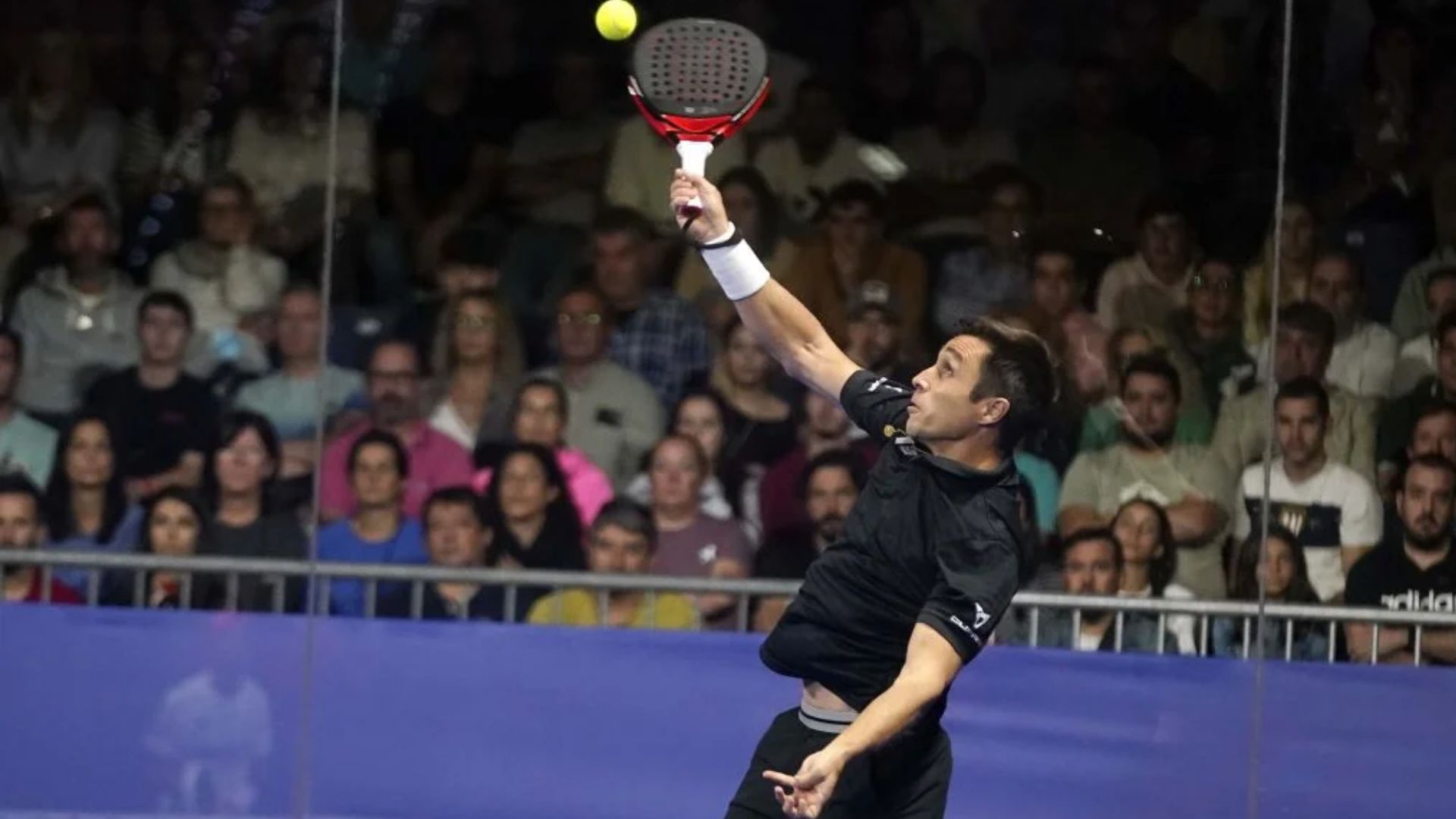 Has the bandeja disappeared from modern padel?
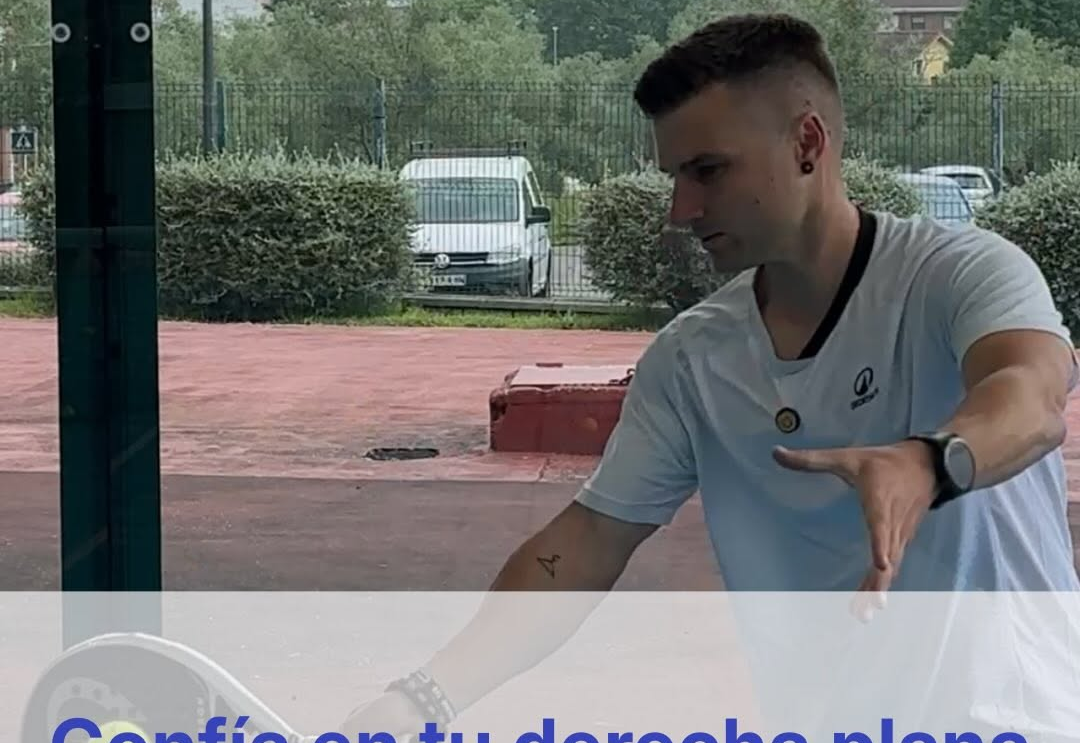 Flat forehand in padel: 5 exercises from Cristian Álvarez to gain control and efficiency
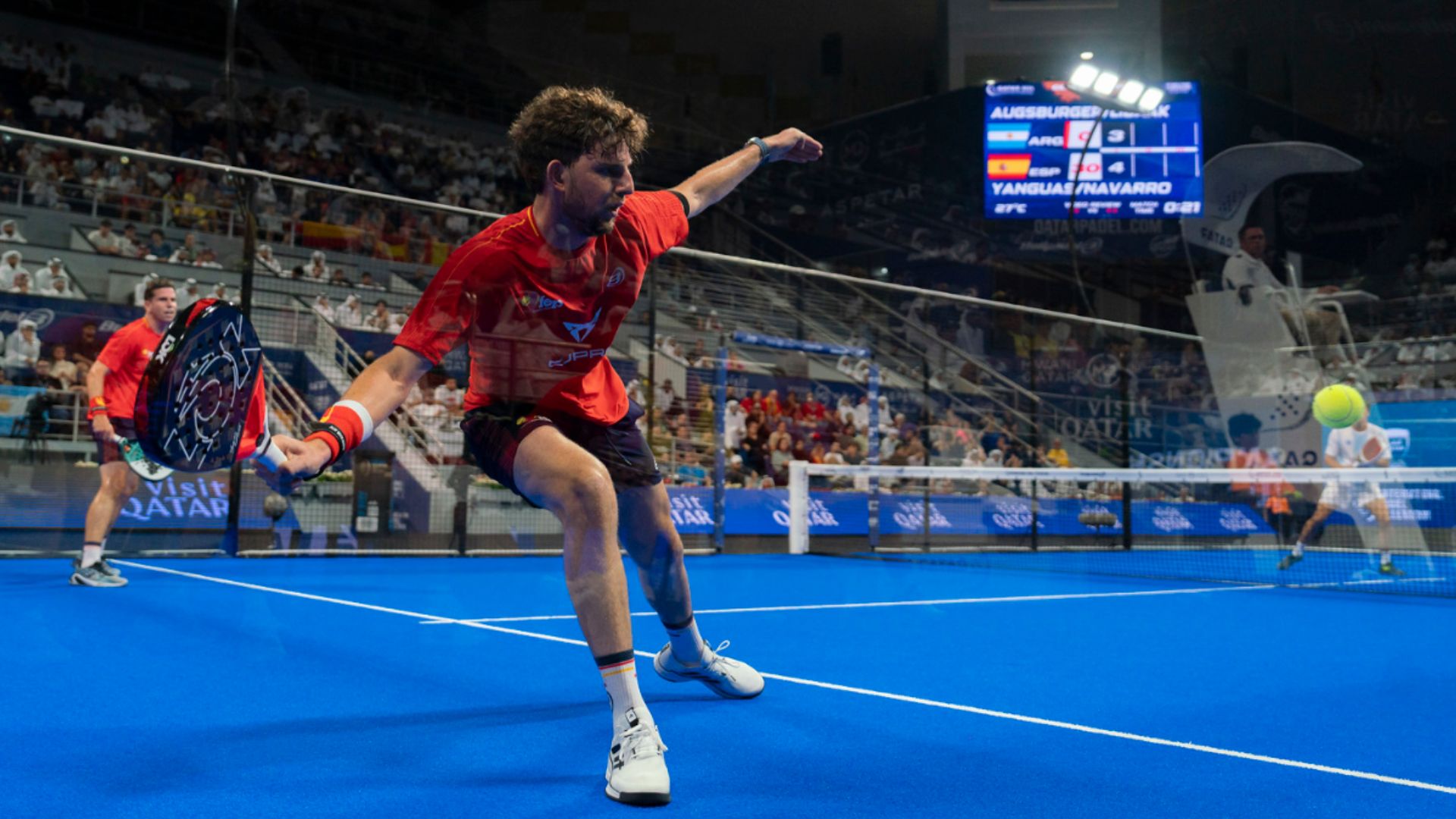 Why knowing how to play on the right and left can make all the difference
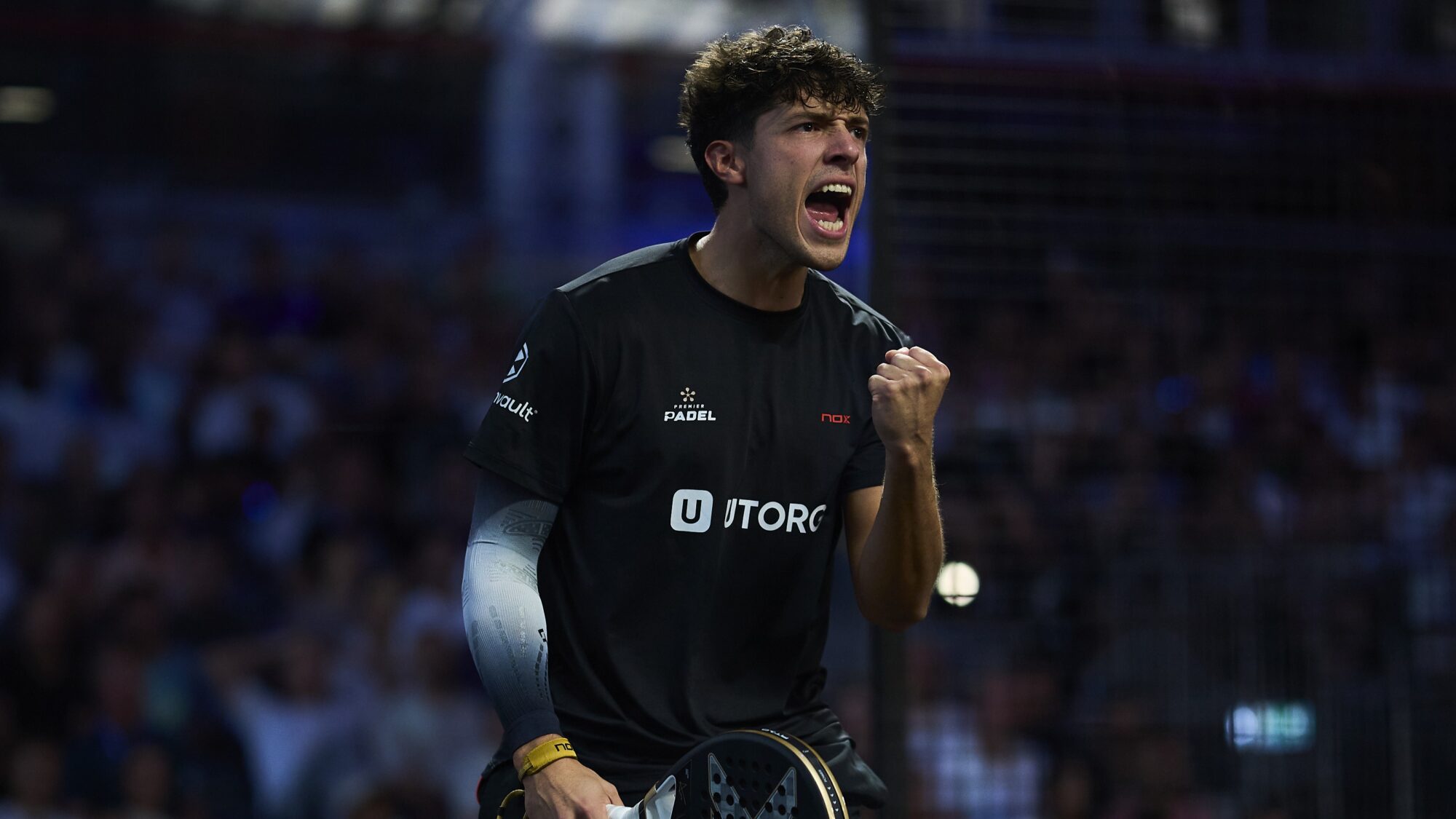 Tapia reveals his recipe for beating Coello / Tapia: "I would bet everything on myself"
 How Coello defused Chingotto's game plan
 In padel, does the chemistry between a pair count as much as individual skill?
 Summer changes padel… but what if the real challenge wasn't hitting harder?
 Neither FIP Tour nor World Team Championship: the unique format of padel at the Mediterranean Games
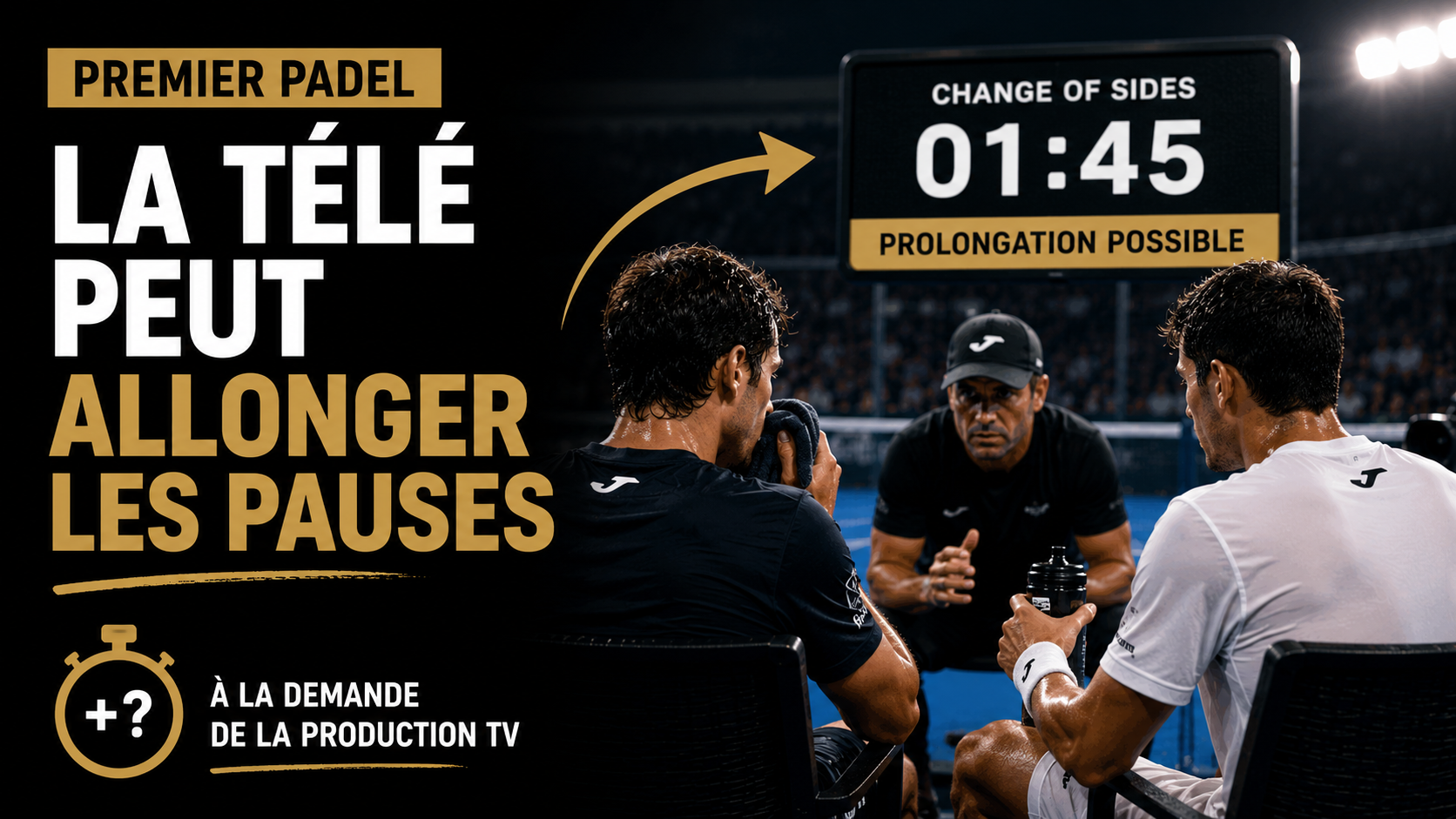 Premier Padel : when television can lengthen players' breaks
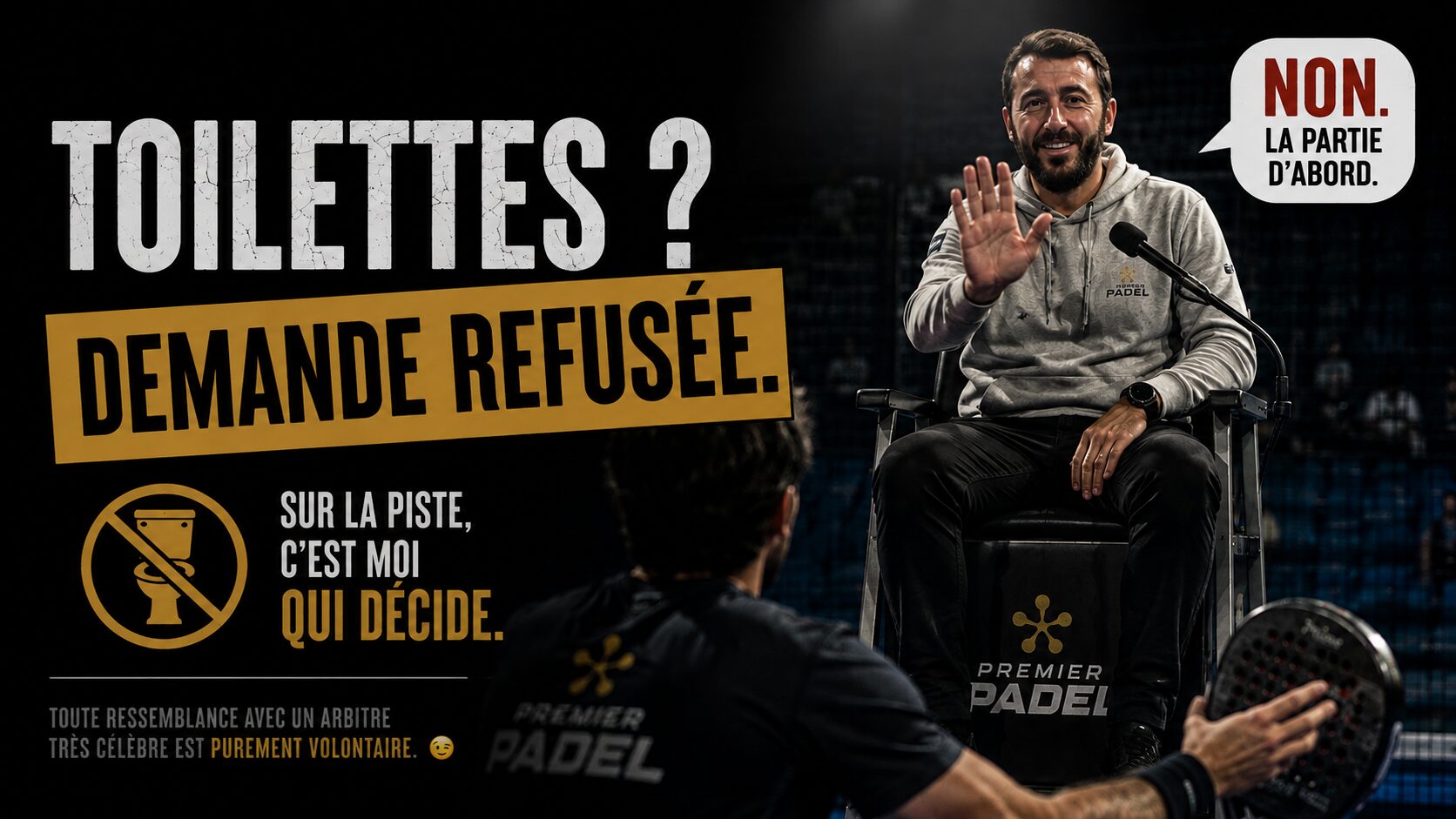 Premier Padel Yes, a referee can refuse a player permission to go to the toilet
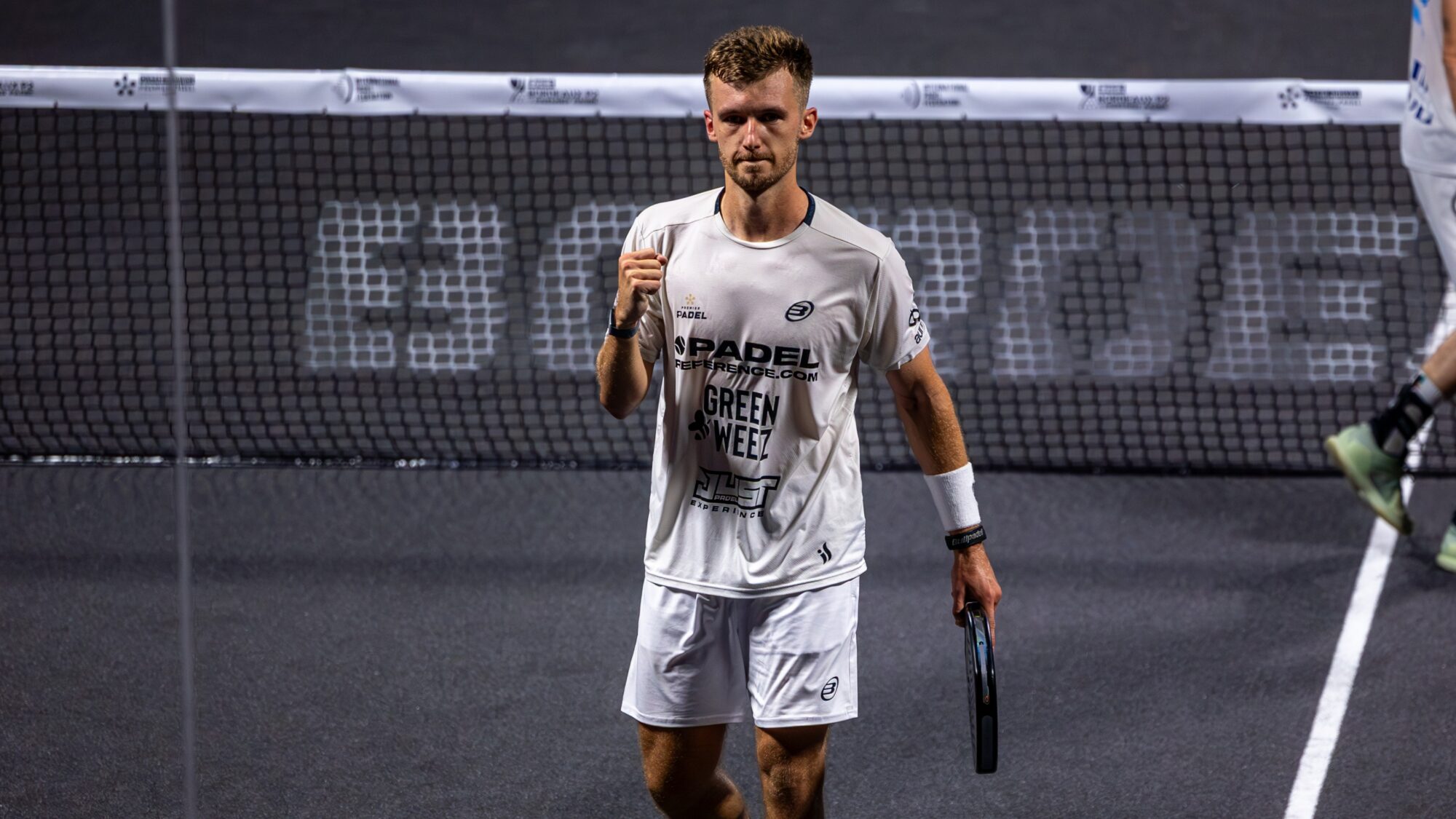 Julien Seurin opens up about his mental state: "There are far more doubts than moments of happiness."
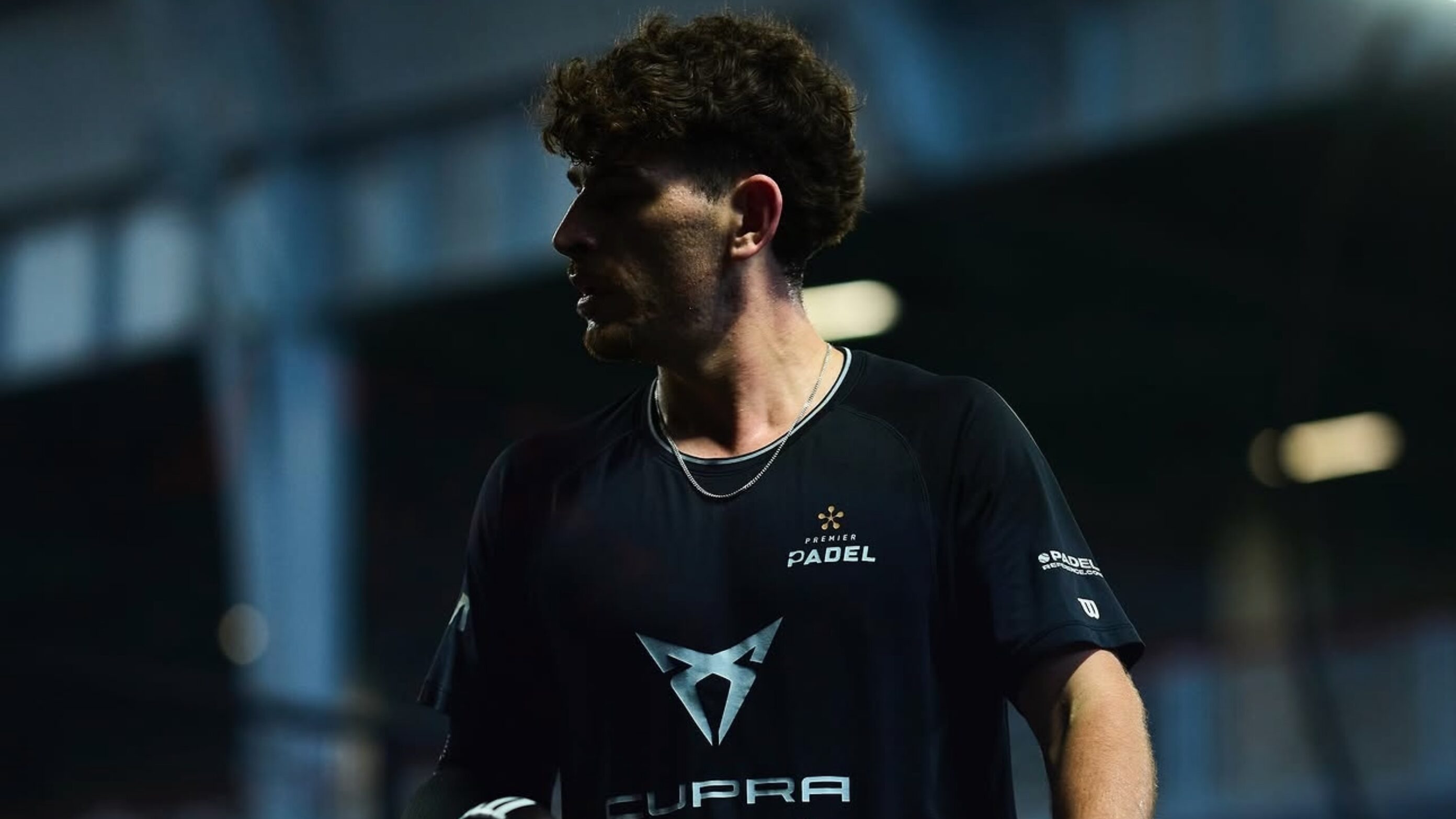 More than a year later, Thomas Leygue is back in the top 150: behind the scenes of a comeback that's still unfinished
 Padel vs squash vs badminton: the scientific ranking of cardio intensity
 Why does Arturo Coello play with his right hand bandaged?
 What if your progress in padel depended on what nobody else is looking at?