









Long considered a lesser-known recreational sport, padel now has its sights set on the Olympic stage. Driven by rapid global growth and well-organized institutions, this racquet sport is seeking to win over the International Olympic Committee (IOC). But between lobbying, technical requirements, and internal rivalries, the road to the Games remains fraught with challenges.
Global growth that advocates for inclusion
Padel is now played in more than 110 countries according to International Federation of Padel (FIP) Europe and Latin America are its historical pillars, but the sport is now developing strongly in Asia (Qatar, Japan, United Arab Emirates), North Africa and even the United States.
Spain alone has more than 6 million licensed players according to the Higher Sports Council (CSD), and France, according to the FFT, has crossed the threshold of 500 practitioners in 000 .
"Padel ticks all the boxes: mixed, accessible, spectacular. It's a sport that clearly has a place at the Olympics," says Luigi Carraro , president of the FIP, who actively campaigns for this recognition.
A well-established influence strategy
Since 2019, the FIP has been leading an international campaign to include padel in the Olympic program. It relies on strong partnerships, notably with Premier Padel , a professional circuit supported by Qatar Sports Investments , owner of PSG, who today manages numerous major events (Rome, Paris, Doha, Milan, etc.).
The World Padel Championships, held every two years, also serve as a showcase. At the 2022 edition in Dubai, more than 40 countries were represented , a fundamental criterion for the IOC, which requires worldwide practice in at least 75 countries for men and 40 for women.
Brakes still present
Despite its advantages, padel has not been officially a candidate for Los Angeles 2028 nor for Brisbane 2032 for now. The IOC favors “young” and “universal” sports, but also requires a simplified logistics , a low carbon footprint and unified federations .
However, padel still suffers from certain institutional divisions . Until the end of 2022, two professional circuits coexisted (World Padel Tour et Premier Padel), making unified governance difficult. The merger of the two circuits in 2024, under the aegis of Premier Padel, clarified the situation, but the sport remains under the supervision of the FIP (International Federation of Padel), which has yet to obtain recognition of the IOC as a fully-fledged Olympic federation .
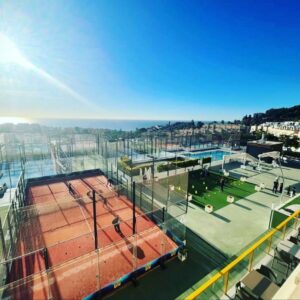
Another issue: the Infrastructure A padel court is smaller than a tennis court, but requires a specific structure (glass, fencing, synthetic flooring). Organizing competitions in temporary arenas is possible, such as at Roland Garros or in the Plaza Mayor in Valladolid, but this remains an additional cost for the organizing committees.
A first appearance in 2032?
The FIP is now aiming for the integration of padel as demonstration sport at the Brisbane 2032 Olympic Games Australia, where padel is beginning to develop, could be a favorable terrain. In the meantime, the sport is already appearing in European Games , to Pan American Games or Asian Games , often decisive steps towards a future Olympic entry.
In 2023, Padel was included for the first time in the European Games in Krakow , a symbolic step that Luigi Carraro hailed as “a historic step for our sport”.
Padel has undoubtedly reached a milestone in terms of notoriety and professionalization. But to reach the Olympic rings, it will still have to convince on the diplomatic, political, and logistical fronts. What is certain is that the players in the world padel game have never been closer to this goal. It remains to be seen whether the Games are ready to welcome this newcomer to the global scene.

Franck Binisti discovered padel at the Club des Pyramides in 2009 in the Paris region. Since then, padel has been part of his life. You often see him touring France to cover major French padel events.






















































 Padel Quest Awards: Which is the best padel app in France? Voting opens at 18 PM
 Paquito Navarro wants to leave at the top: "I'm giving myself until the end of 2028"
 At just 16 years old, Victoria Vílchez will play in the World Cup with Argentina: who is this young prodigy?
 France or Portugal, Spain or Argentina: Miguel Lamperti ranks the best padel nations
 Cédric Lavoye: "Hard work pays off" and a first FIP tournament in Guadeloupe is in his sights
 Nicolas Rouanet is preparing his return in 2027: “With Bastien Blanqué, I would never say no”
 Leygue/Blanqué respond bluntly to the criticism: "You can say what you want... We're putting all our money and our lives into this."
 Doinsport and PISTA join forces: padel is finally coming alive!
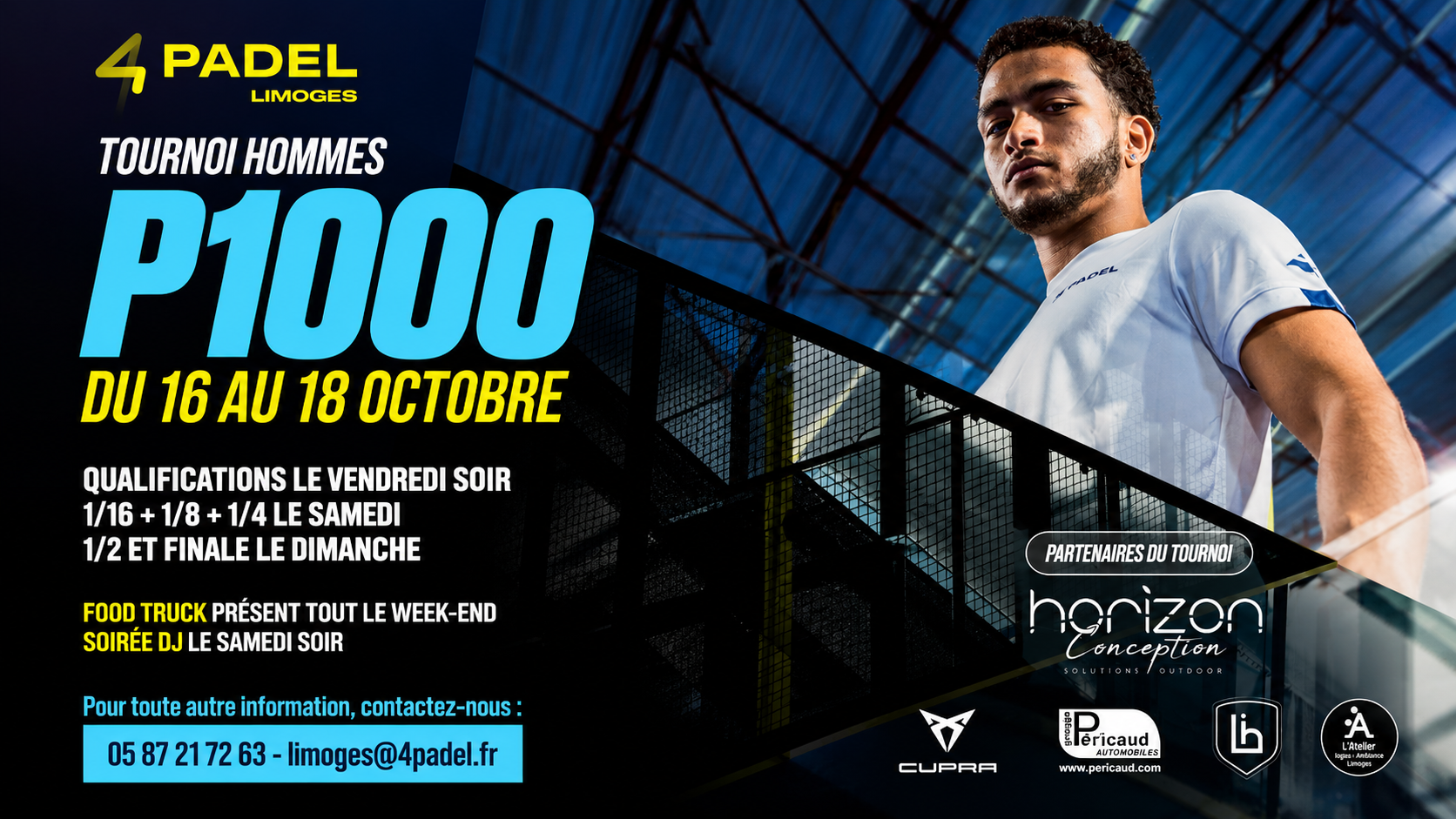 P1000 4Padel Limoges: Sarrat/Fabre favorites, Bernard/Peloux and Henrion/Mitjana ready to play spoiler
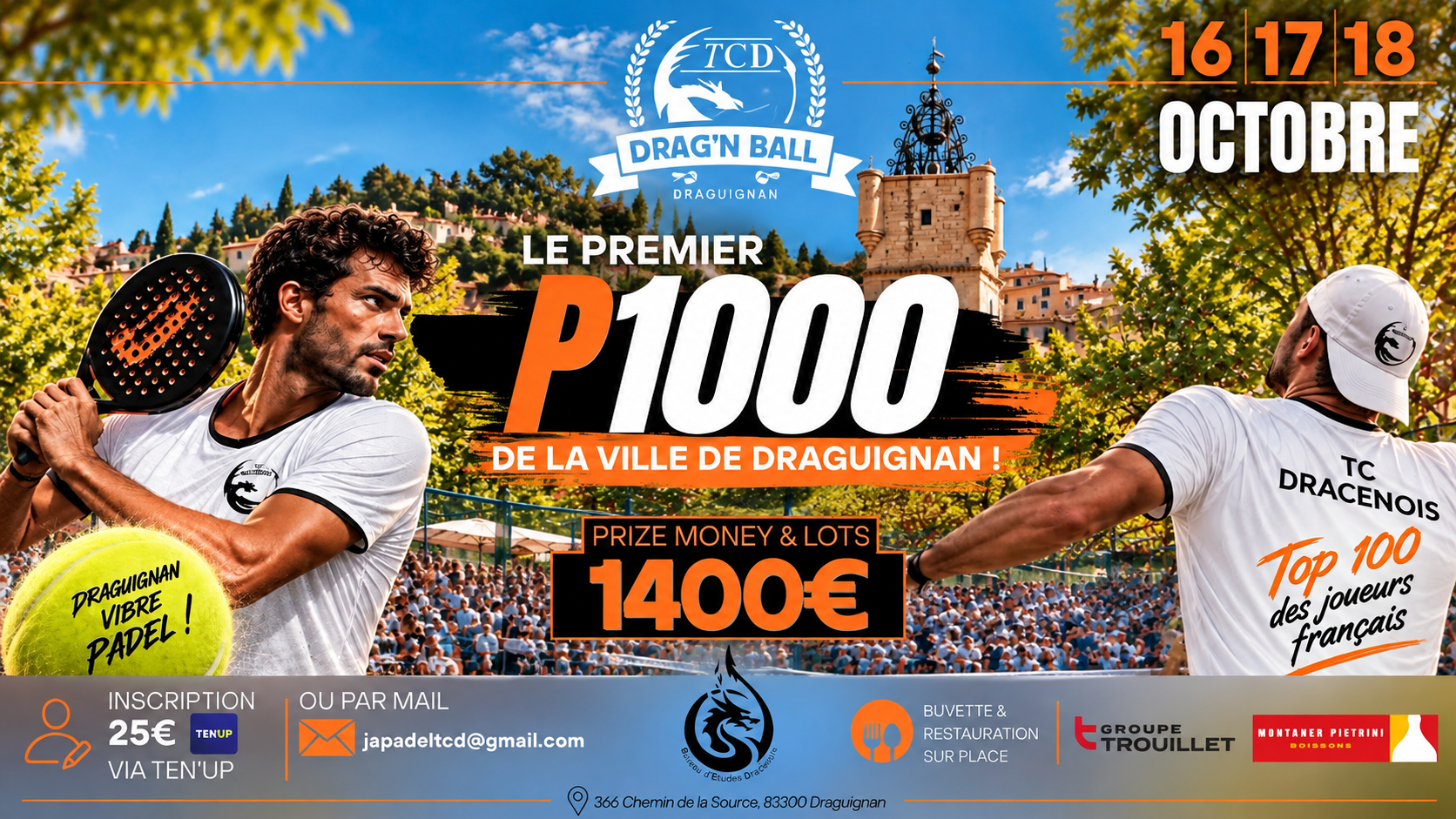 P1000 Drag'N Ball Draguignan: Biron / Tullou and Gourre / Vial, a duel for the title?
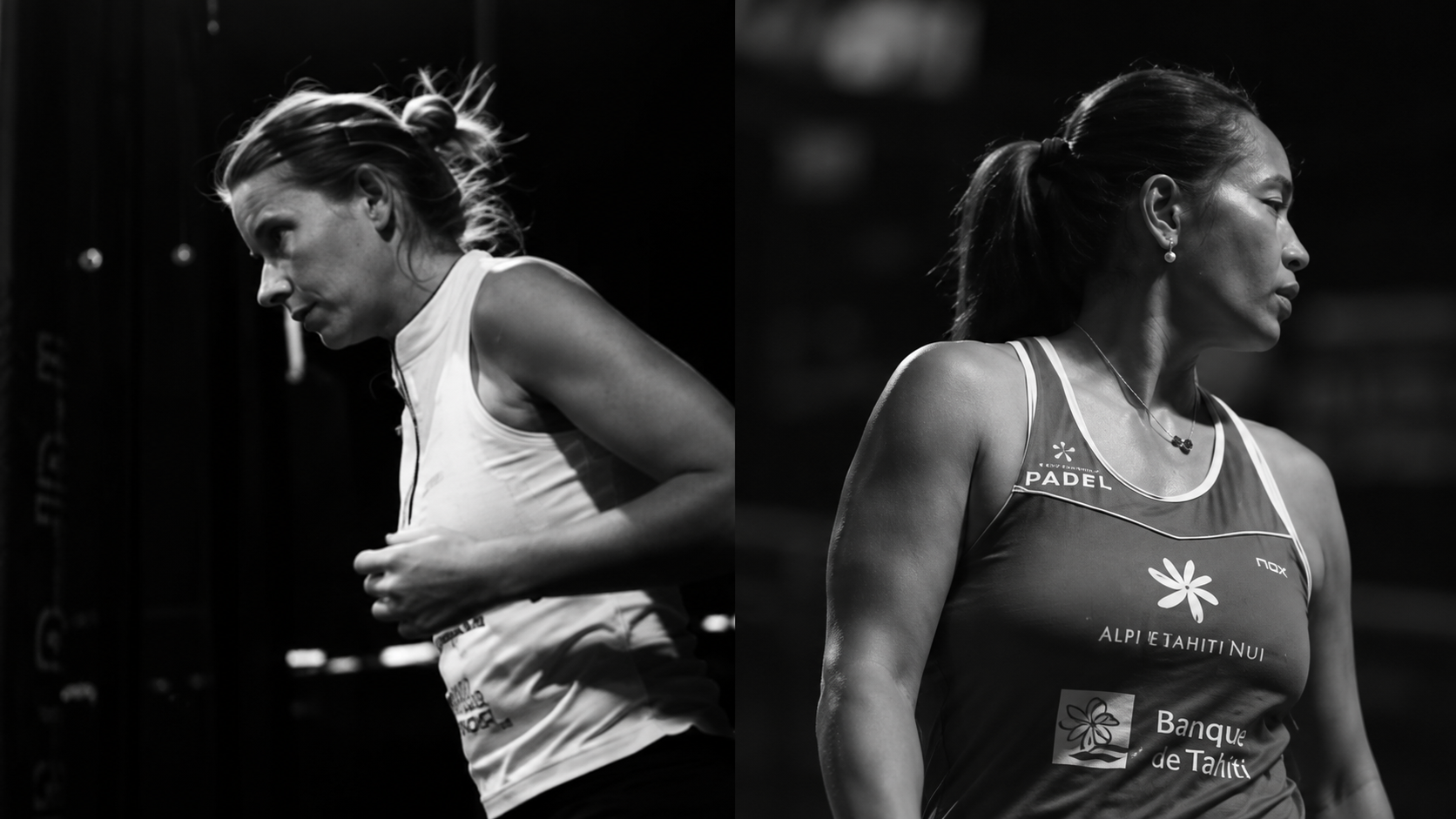 Milan P1 – The journey ends for Alix Collombon and Léa Godallier, defeated in two sets in the first round
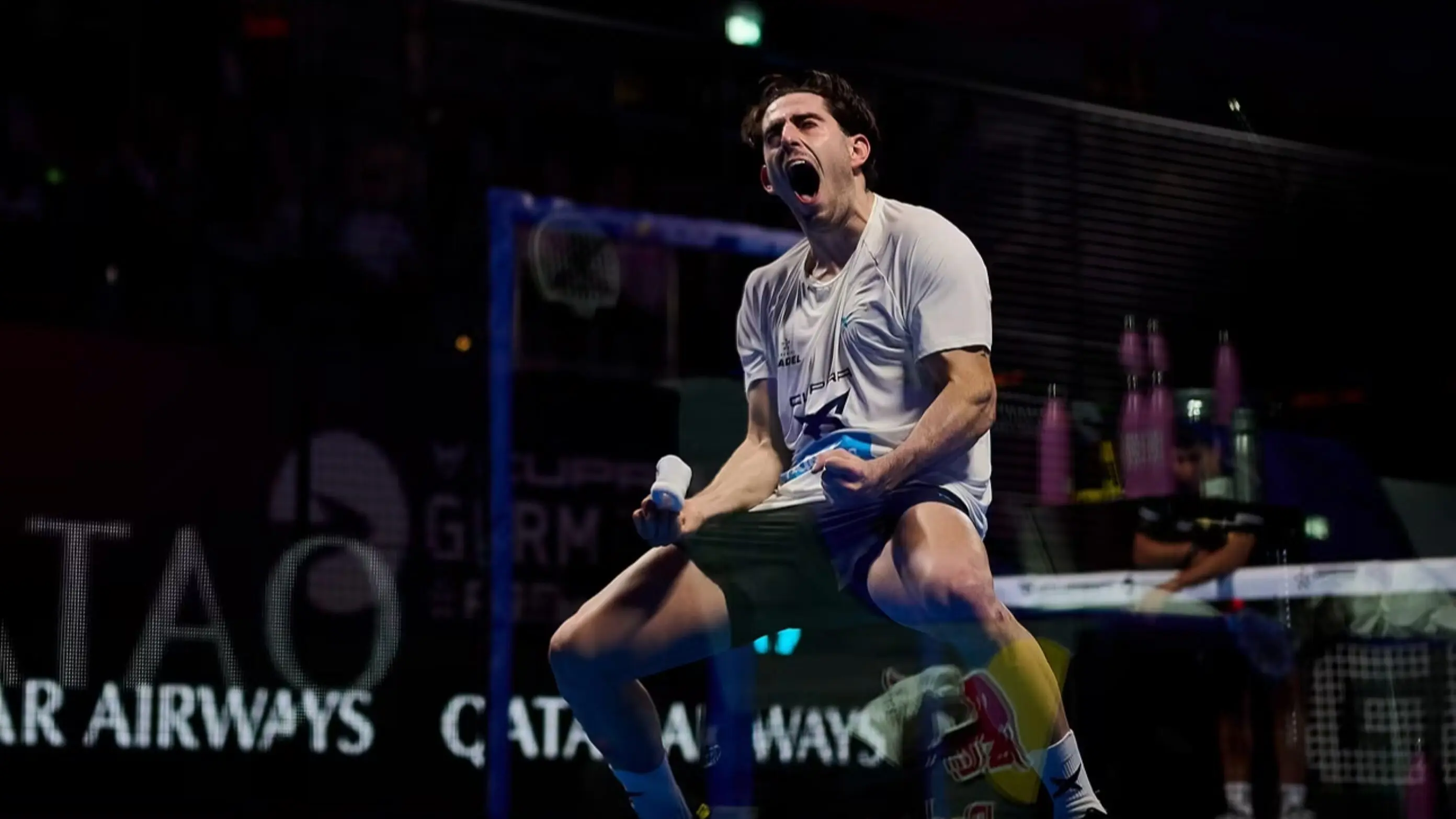 Düsseldorf P2: Sanz runs more than anyone else, Fernández and Calvo dominate the numbers… what the finals statistics reveal
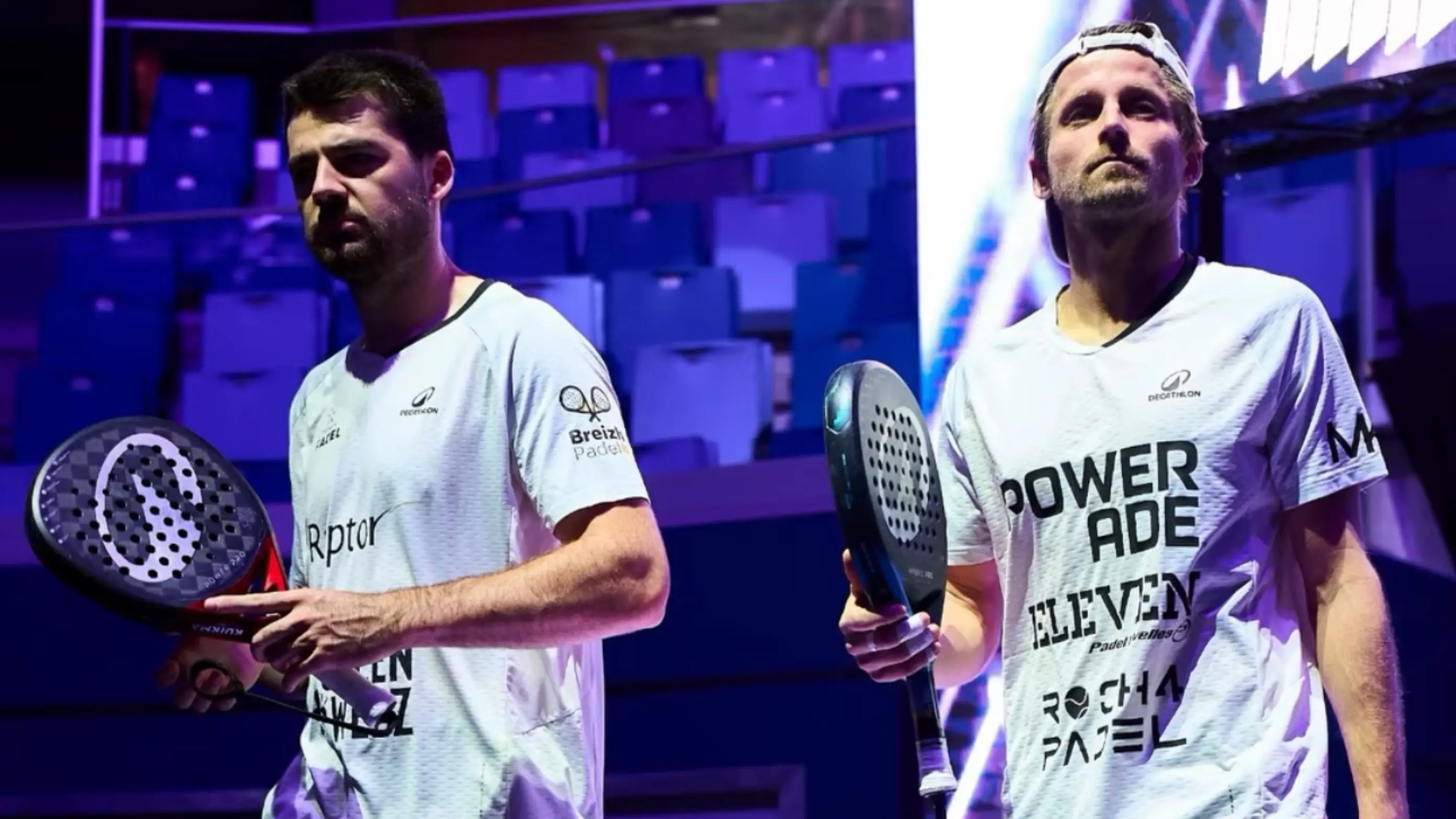 Milan P1 – Can Guichard and Geens repeat Leygue and Moya's feat against Goñi / Alonso?
 Leo Augsburger launches his own brand: a burger as the logo for the new Argentinian star
 Milan P1 – Guichard/Geens face a tough challenge, the favorites take to the court: Wednesday's schedule
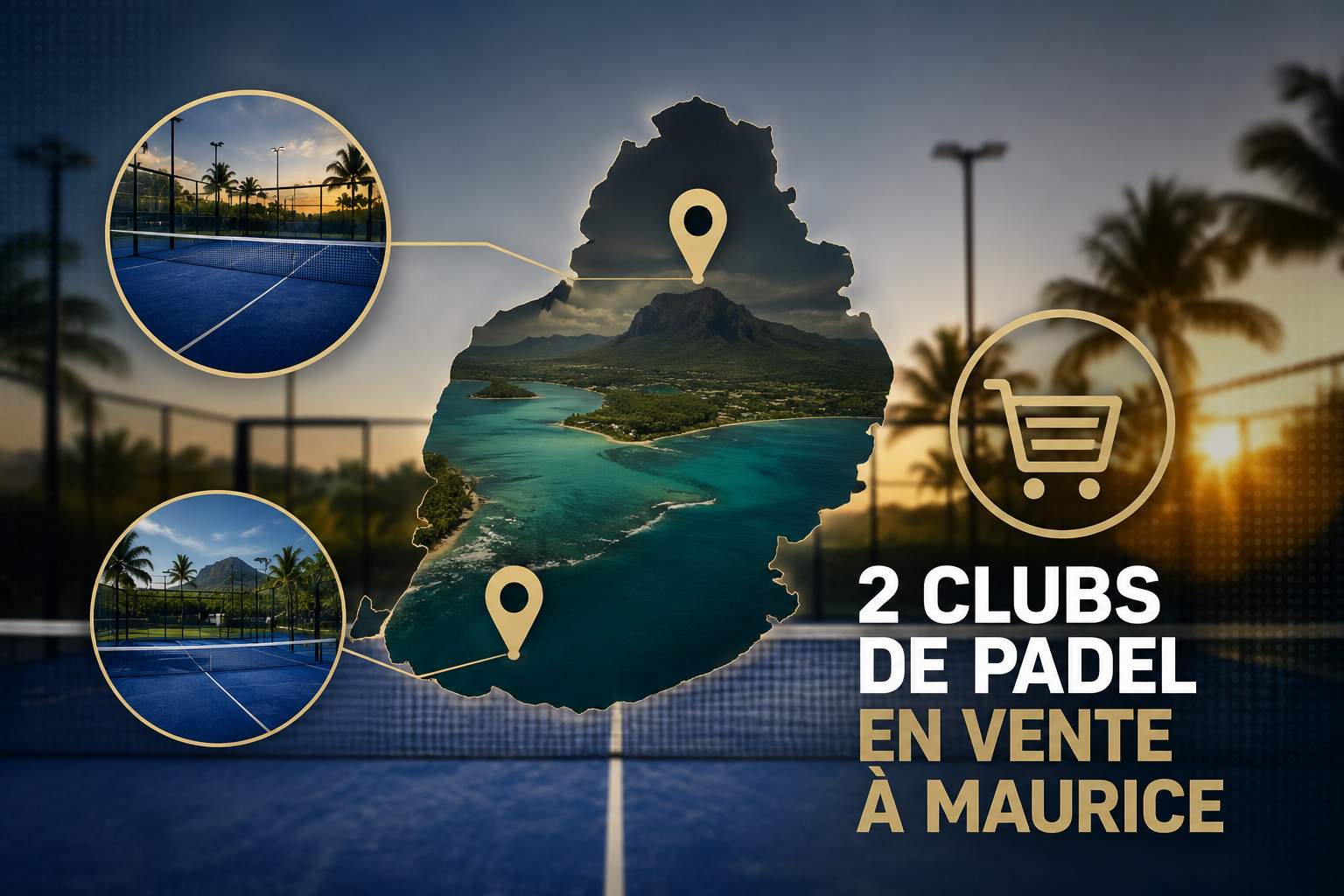 For sale: two padel clubs in Mauritius, starting from 330,000 euros
 How much does it actually cost to organize a FIP Bronze event?
 Padel How Lidl is transforming Crivit into a fully-fledged sports brand with Steffi Graf
 Compagnie des Alpes is accelerating its involvement in padel with PadelCity: a new step in its European strategy
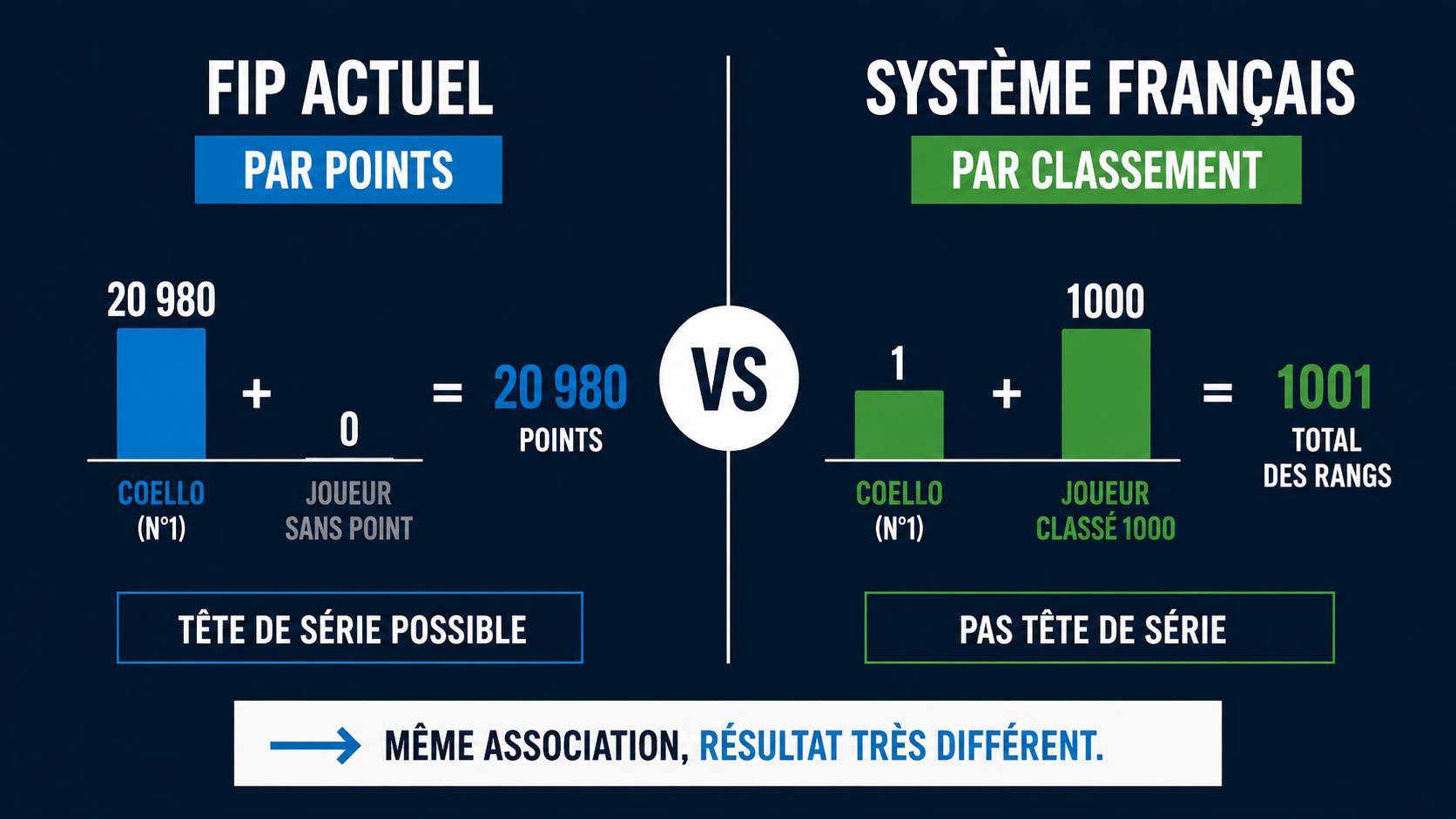 Coello with a player at 0 points ahead of two top 10 players: should the FIP ranking be reviewed?
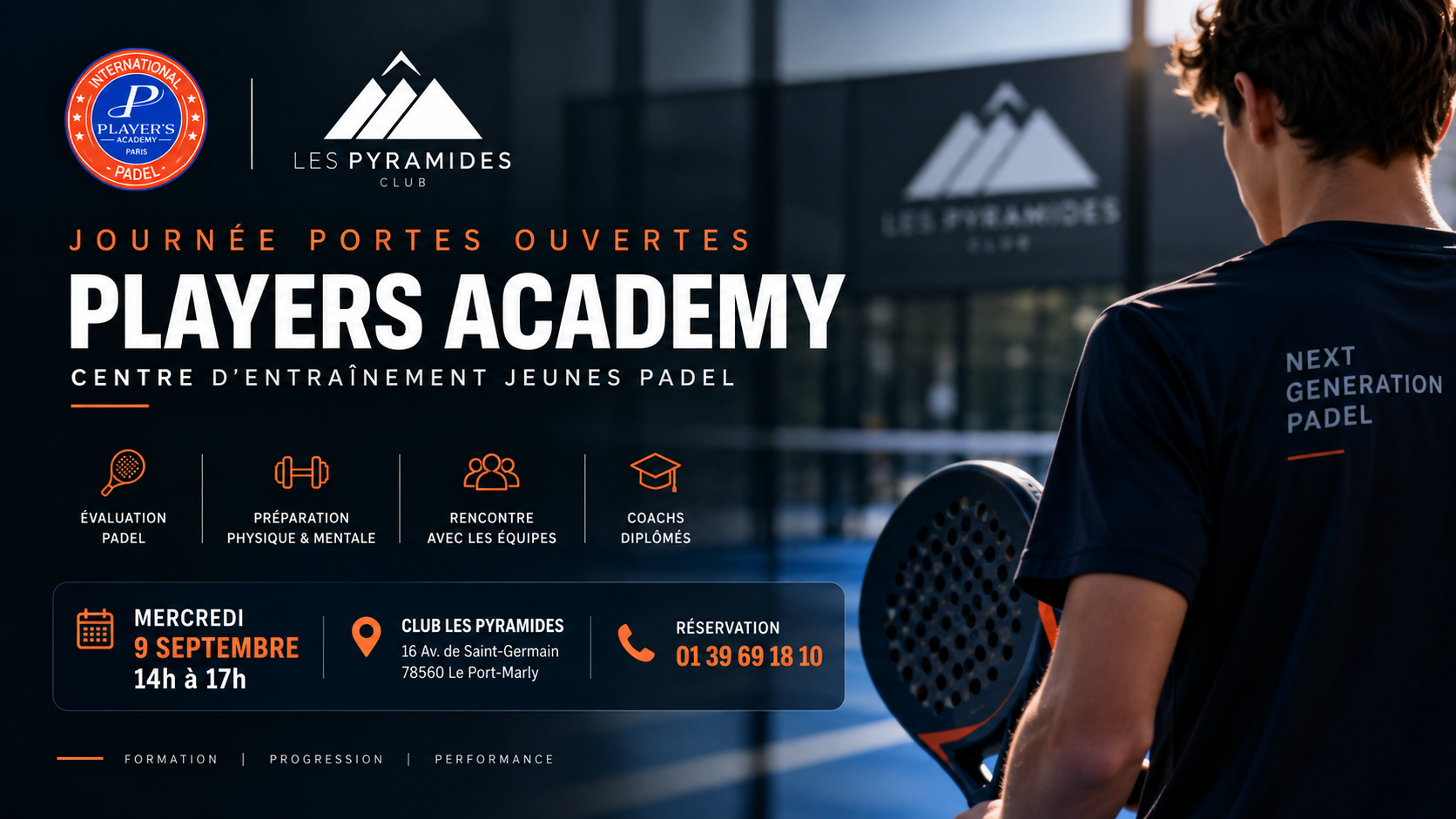 Les Pyramides: after 12 padel courts, the club is focusing on youth training
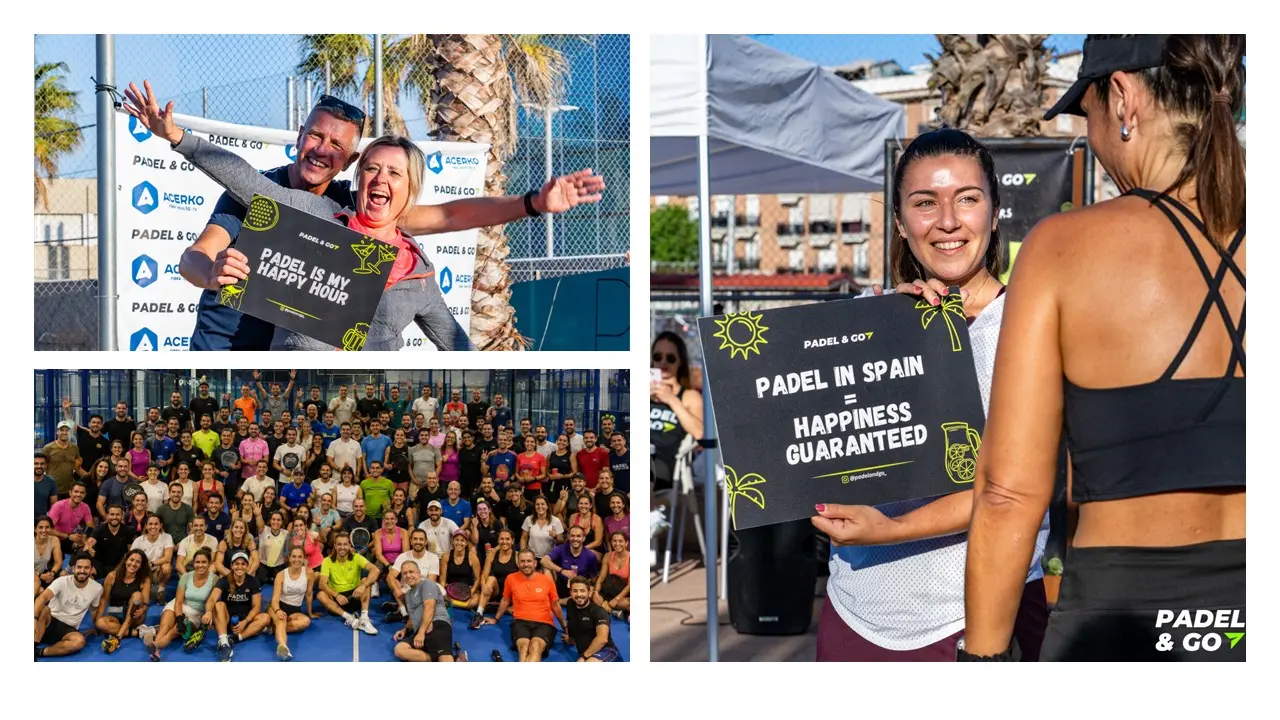 Health Care Padel Tour 2026: What if your next padel tournament was played in Barcelona?
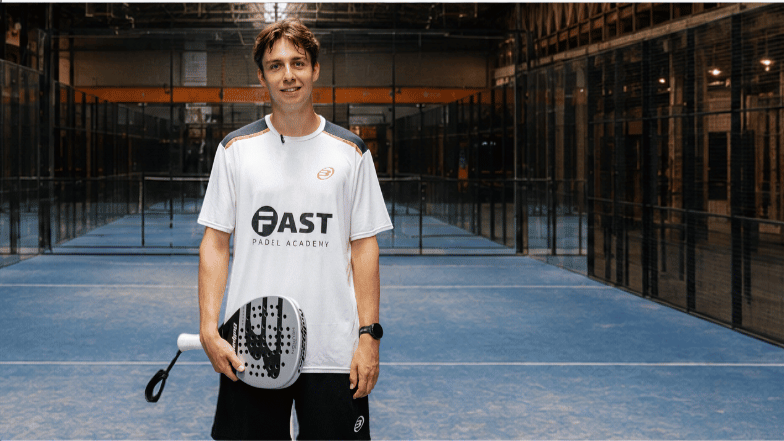 FAST Padel Academy continues its development and establishes itself in Liège.
 What the analysis of the stroke reveals: tennis forehand vs. padel bandeja
 Has the bandeja disappeared from modern padel?
 Flat forehand in padel: 5 exercises from Cristian Álvarez to gain control and efficiency
 Why knowing how to play on the right and left can make all the difference
 Tapia reveals his recipe for beating Coello / Tapia: "I would bet everything on myself"
 How Coello defused Chingotto's game plan
 In padel, does the chemistry between a pair count as much as individual skill?
 Summer changes padel… but what if the real challenge wasn't hitting harder?
 Neither FIP Tour nor World Team Championship: the unique format of padel at the Mediterranean Games
 Premier Padel : when television can lengthen players' breaks
 Premier Padel Yes, a referee can refuse a player permission to go to the toilet
 Julien Seurin opens up about his mental state: "There are far more doubts than moments of happiness."
 More than a year later, Thomas Leygue is back in the top 150: behind the scenes of a comeback that's still unfinished
 Padel vs squash vs badminton: the scientific ranking of cardio intensity
 Why does Arturo Coello play with his right hand bandaged?
 What if your progress in padel depended on what nobody else is looking at?