









Since the 2025 season, tennis has officially authorized off-court coaching on the ATP, WTA, and ITF tours. A historic decision, but one that deeply divides the world of the little yellow ball. Where the paddle or badminton have long since integrated the coach as a visible actor in the show, tennis is moving forward in measured steps, caught between tradition and modernization.
A recent change, but one that doesn't convince everyone
Until 2022, any direct coaching during a match was strictly prohibited in tennis competitions. Coaches could gesture or encourage from the stands, but without technical or tactical advice—at least officially. Exchanges were often limited to glances or coded signs. This rule began to crack when the ATP launched a experimentation with verbal and gestural coaching from the stands Since 2025, the ITF has taken the step: off-court coaching is now permitted in Grand Chelem, with certain restrictions (duration of exchanges, location of the coach, content of the advice).
For Taylor Fritz (United States, world No. 5), this development is a mistake:
“Can we stop ruining the 1v1 mental/strategic aspect of the sport PLEASE. »
(“Can we please stop destroying the mental and strategic aspect of one-on-one.”)
The American fears that this opening will dilute what makes tennis unique: strategic solitude.
Denis Shapovalov (Canada, former No. 10) shares this vision:
“Not just as a tennis player but as a fan of this sport it's sad to see this new off-court coaching rule. Tennis is special because you are out there alone. Why are you trying to change the beauty of this game? »
(“Not only as a player, but also as a fan, it’s sad to see this new rule. Tennis is special because you’re alone on the court. Why change the beauty of this sport?”)
Same direct tone for John Millman (Australia, former no. 33):
“Off-court coaching sucks. »
(“Off-court coaching sucks.”)
These positions do not only come from conservative players: they reflect a deep attachment to the image of tennis as an intellectual duel where each decision belongs to the player alone.
Other voices call for urgent modernization
At the opposite, Nick Kyrgios (Australia, former world number 13) warns of the need to adapt tennis to the expectations of an audience more accustomed to interactive formats:
“What I love about tennis is traveling all over the world… The worst part is the broadcasting, it’s brutal. I wish the game continued to grow… I want to turn on the TV and feel the excitement.”
Patrick Mouratoglou , former coach of Serena Williams, is even more direct:
"Why does tennis prohibit on-court coaching, while all other sports allow it? If we don't involve spectators in this way, tennis will only be followed by purists. To attract a modern audience, you have to offer something other than the game: you have to show the personalities. Tennis must become more modern."
Novak Djokovic (Serbia, world number 1) welcomed the “coaching pods” tested at the Australian Open 2025 , benches installed at the edge of the court to bring the coach closer to the player:
"I think it's a great introduction to the tournament... I'm happy like this... What I don't like is that someone from the opposing team could hear and pass information to their player. You have to keep some privacy in the strategy."
Djokovic embodies an intermediate position here: opening the door to the spectacle while preserving tactical secrecy.
Padel, the example that makes you think
In the paddle Coaching is an integral part of the match. The coach sits on the bench, talking with his players at every change of ends, in front of cameras and microphones. The spectators thus discover the tactical adjustments, the encouragement, the occasional arguments... These are all moments that create drama and fuel post-match discussions.
This model works: it adds rhythm to the broadcasts and humanizes the champions. The idea appeals to some tennis fans who dream of seeing their idols in these moments of tension or complicity.
Other racket sports have already integrated it
- badminton : the coach is behind the player and can intervene verbally at each break or change of ends.
- Table tennis : the coach gives his instructions at the end of each set, often live on television.
- squash : Player access is limited, but hints are visible and audible between games.
These disciplines prove that a sport can remain highly competitive while offering greater strategic transparency to the public.
Imagine for a moment Rafael Nadal, sitting on the bench, explaining to Carlos Alcaraz how to return a Novak Djokovic slice. Or Roger Federer, notebook in hand, drawing up a game plan for Holger Rune at 5-5 in a deciding tiebreak. This kind of scene, currently reserved for backstage or the Laver Cup, could become a highlight of broadcasts, capable of captivating even those who don't usually watch tennis.
A strategic… and economic challenge
Tennis is facing unprecedented competition: the meteoric rise of paddle in Europe and Latin America, the rise of pickleball in the United States, or the attractiveness of hybrid racket sports for a young audience. Nick Kyrgios summed it up:
"If we don't make tennis more exciting to watch, it will be overshadowed by other sports that offer more spectacle."
By refusing to fully integrate visible coaching, tennis risks locking itself into an elitist image, far from the entertainment standards of a modern professional sport.

Franck Binisti discovered padel at the Club des Pyramides in 2009 in the Paris region. Since then, padel has been part of his life. You often see him touring France to cover major French padel events.






























































 Race: Galán and Chingotto see the dream of number 1 slipping away
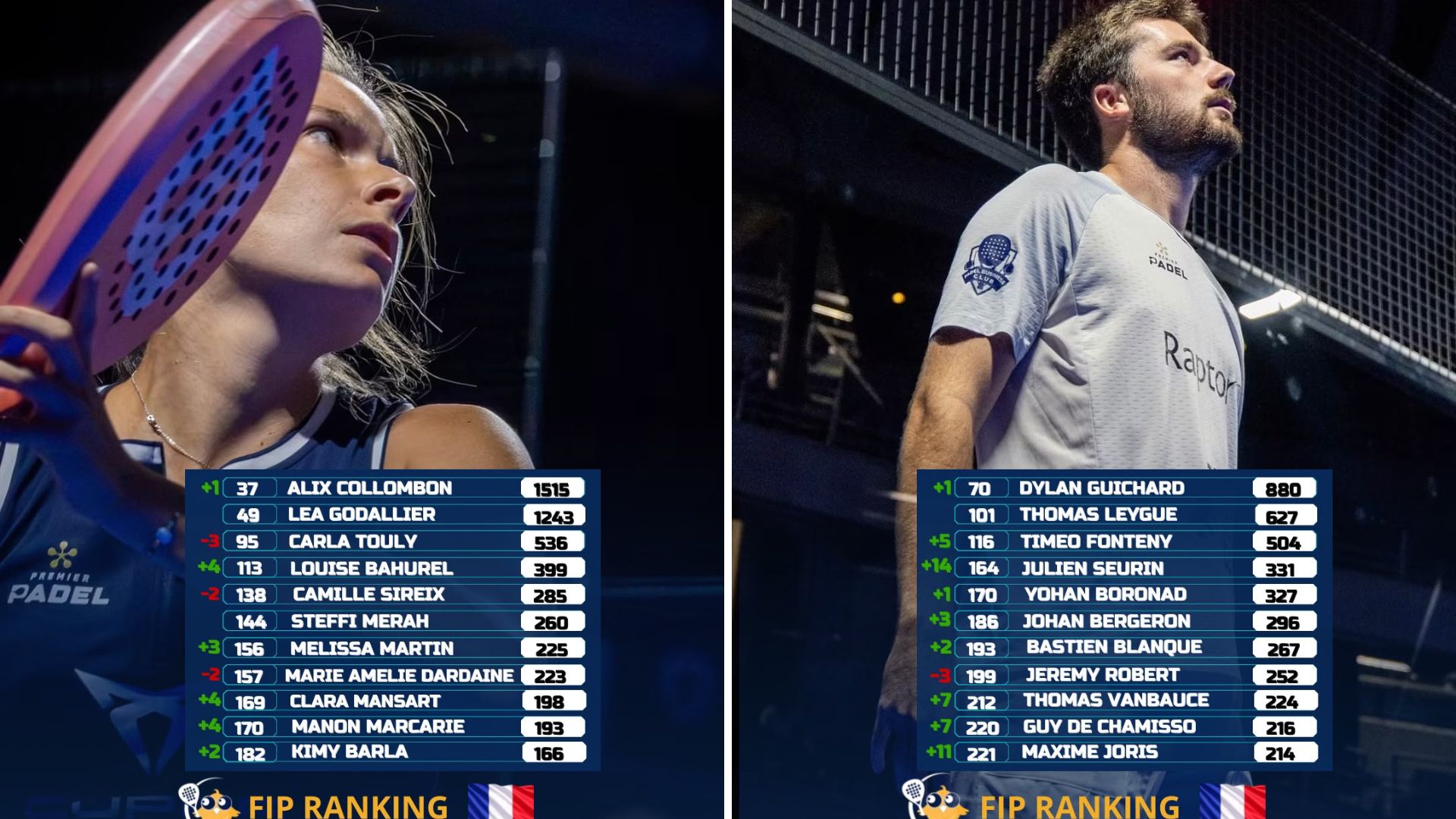 FIP rankings: Guichard enters the world's top 70, Fonteny gets closer to the top 100, French players are progressing
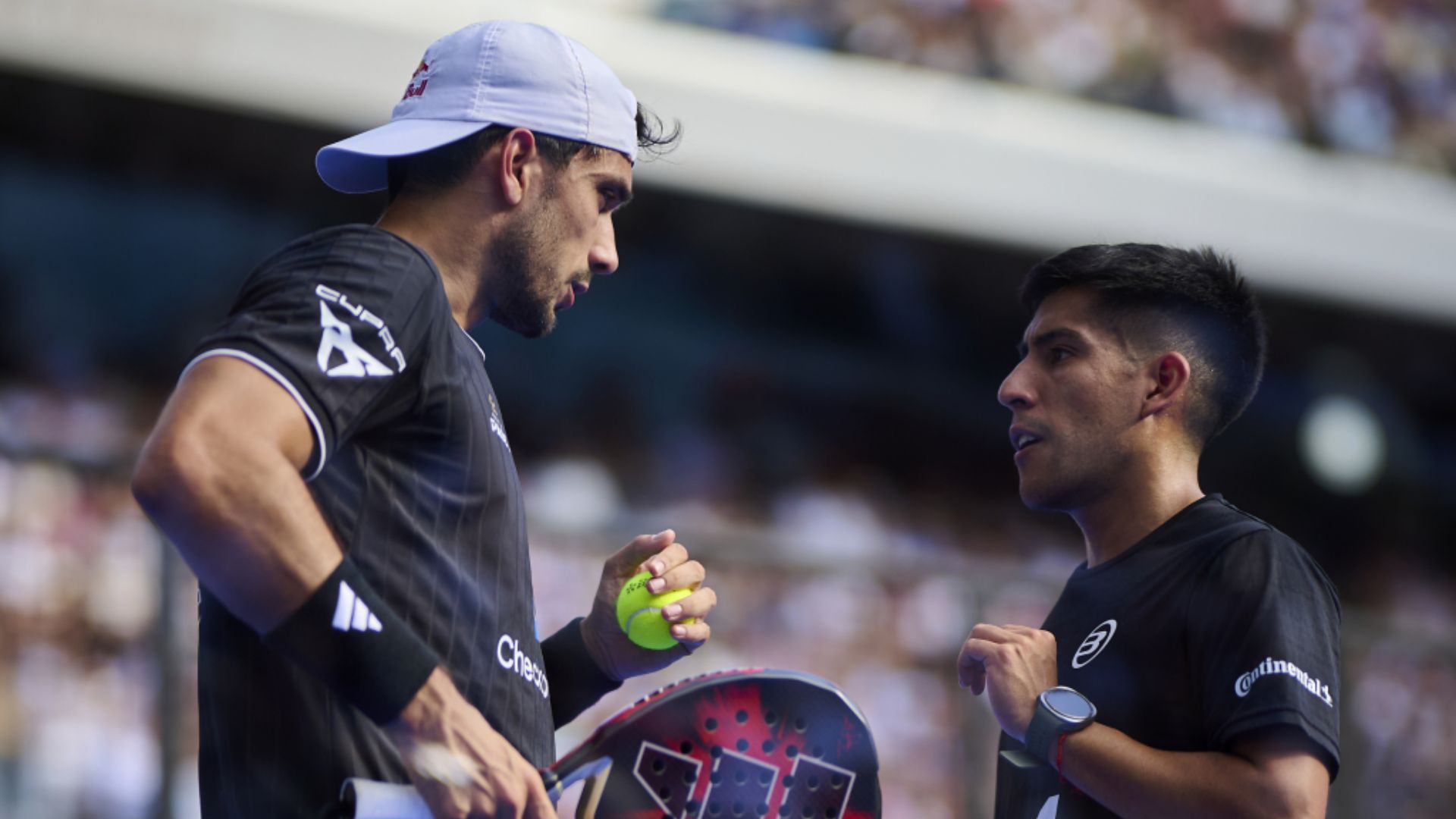 Galán–Chingotto: fatigue, number 1 almost inaccessible… are the first doubts permissible?
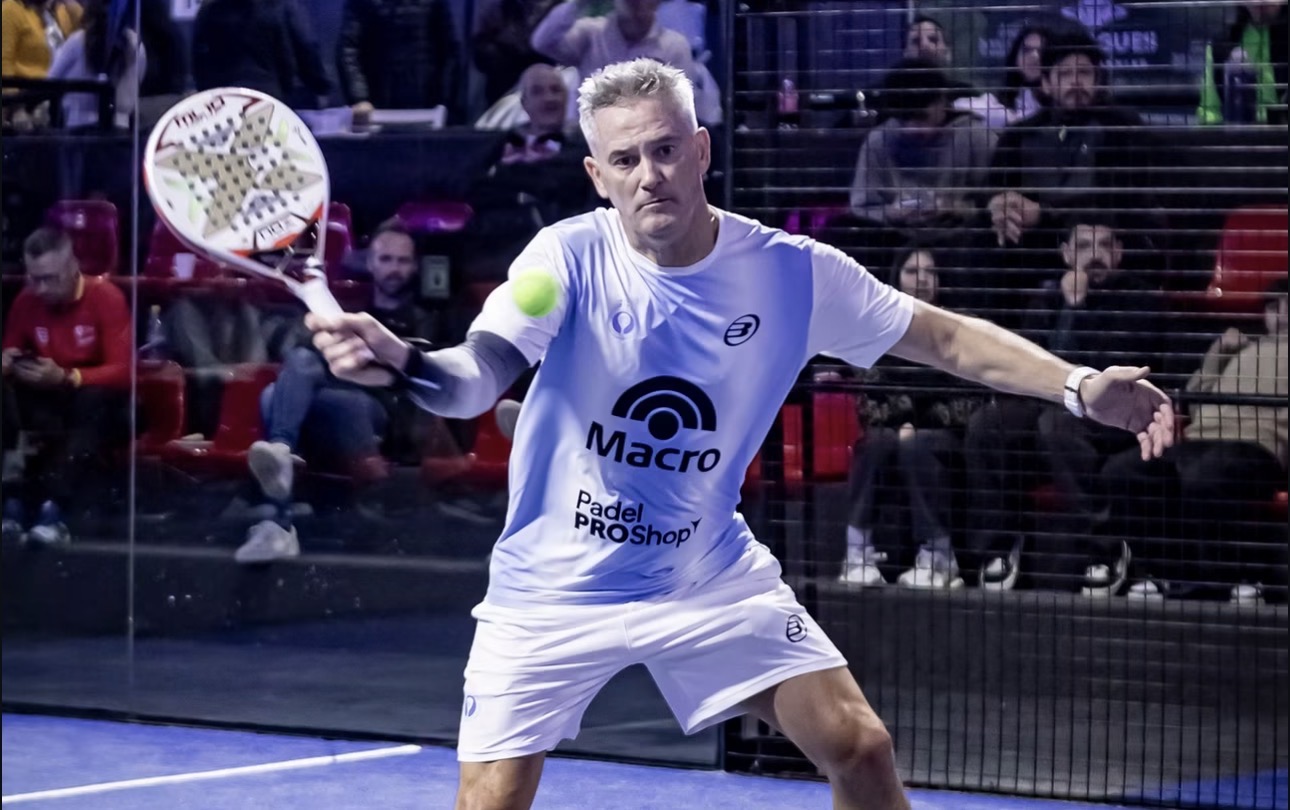 France or Portugal, Spain or Argentina: Miguel Lamperti ranks the best padel nations
 Cédric Lavoye: "Hard work pays off" and a first FIP tournament in Guadeloupe is in his sights
 Nicolas Rouanet is preparing his return in 2027: “With Bastien Blanqué, I would never say no”
 Leygue/Blanqué respond bluntly to the criticism: "You can say what you want... We're putting all our money and our lives into this."
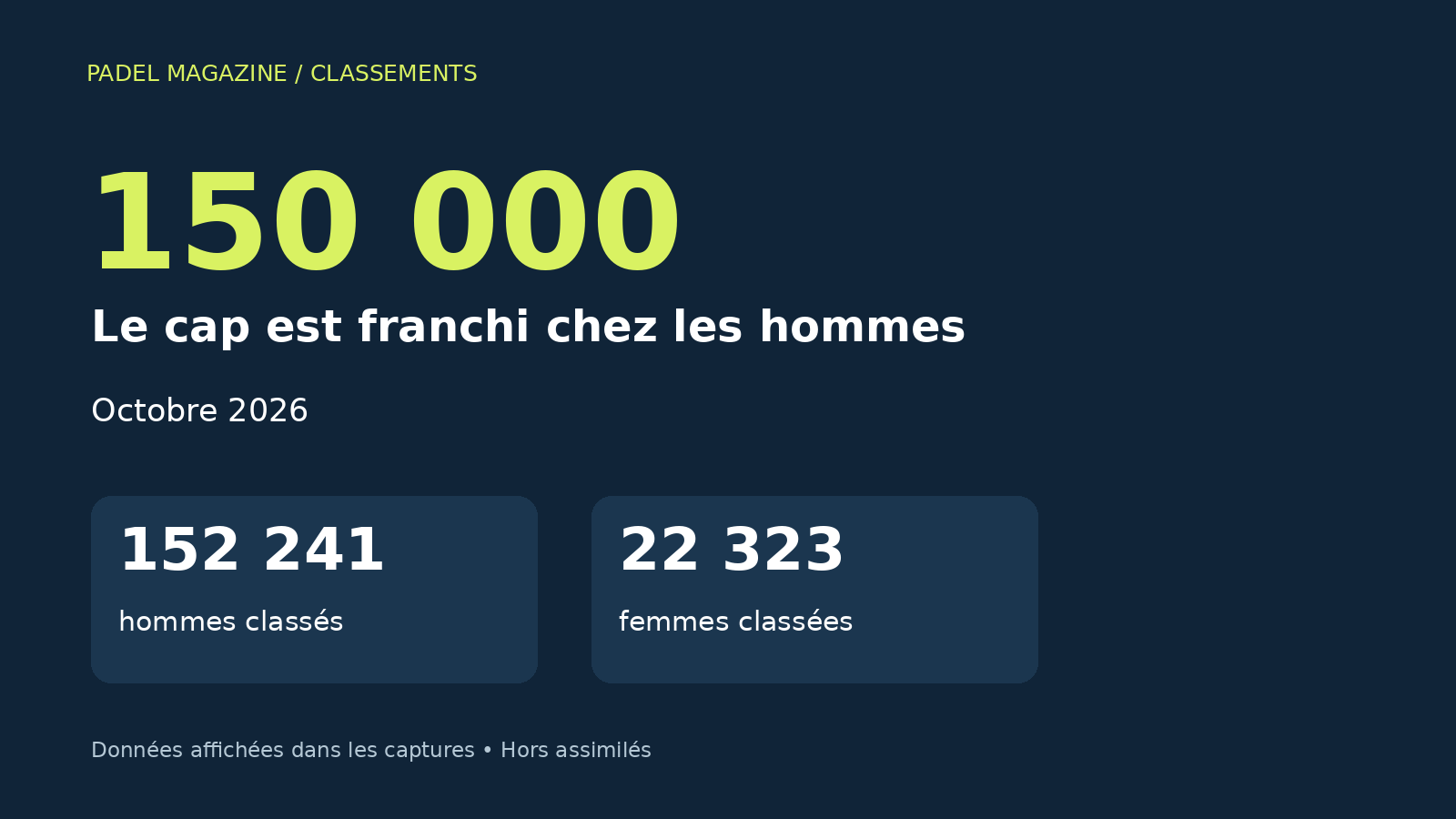 Padel rankings October 2026: more than 150,000 men ranked in France
 P1000 Verneuil Padel Club – Results / Live / Schedule
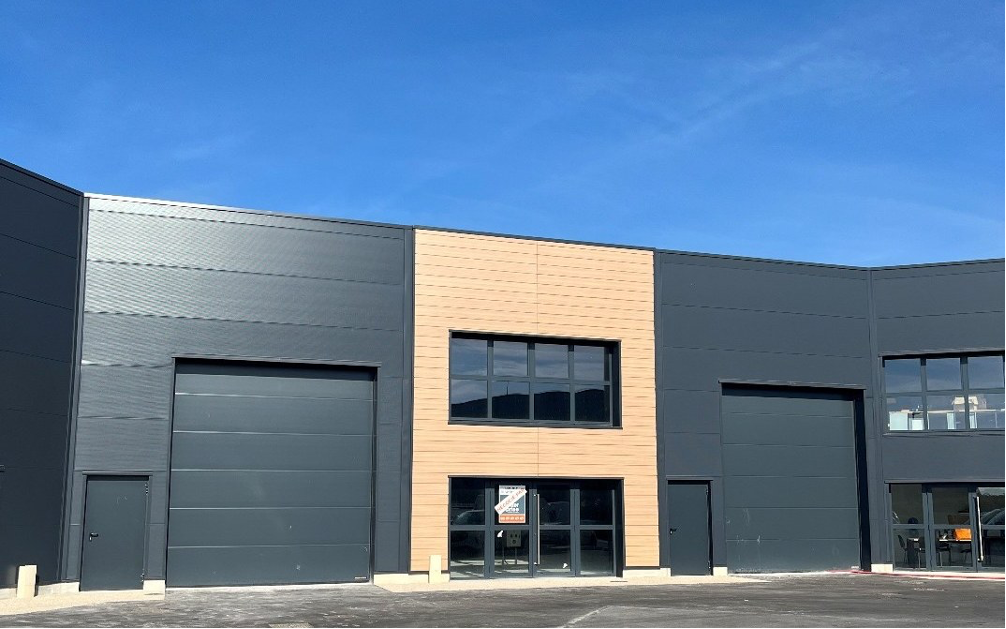 West Padel opens its 4 indoor courts in Montivilliers on November 5th
 Paris Sportifs Premier Padel is preparing an official offer for more than 2,400 matches starting in 2027
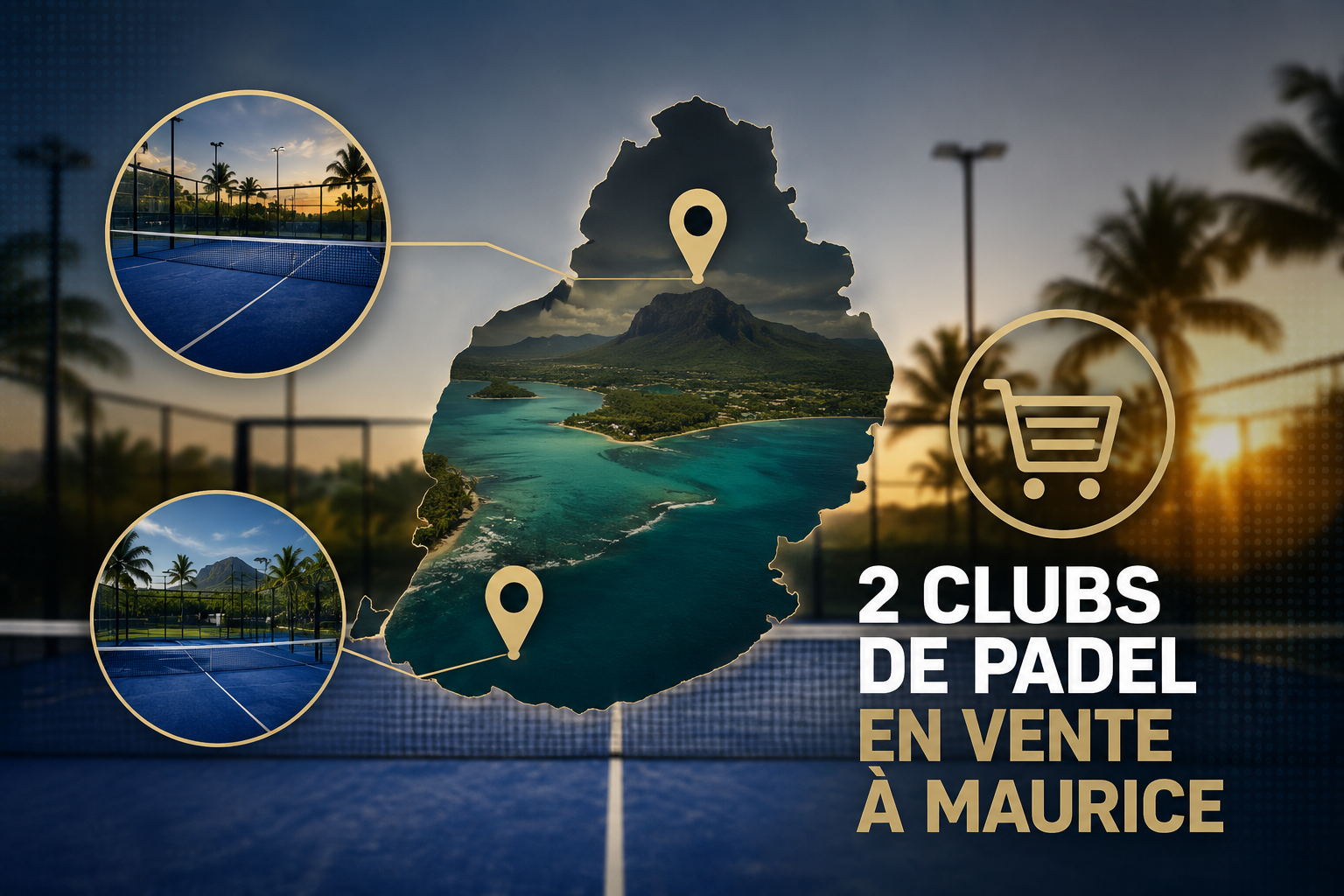 For sale: two padel clubs in Mauritius, starting from 330,000 euros
 How much does it actually cost to organize a FIP Bronze event?
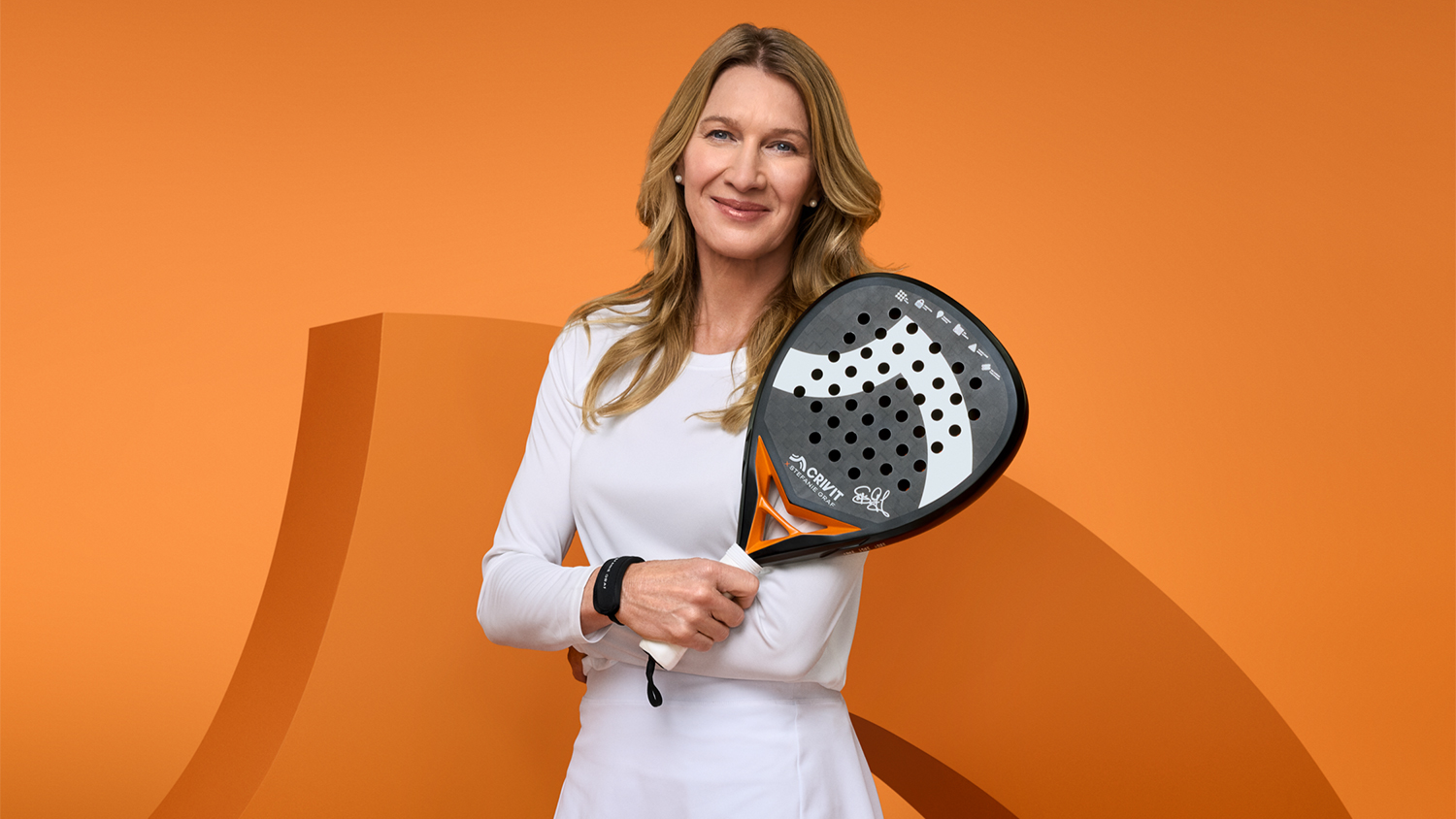 Padel How Lidl is transforming Crivit into a fully-fledged sports brand with Steffi Graf
 Compagnie des Alpes is accelerating its involvement in padel with PadelCity: a new step in its European strategy
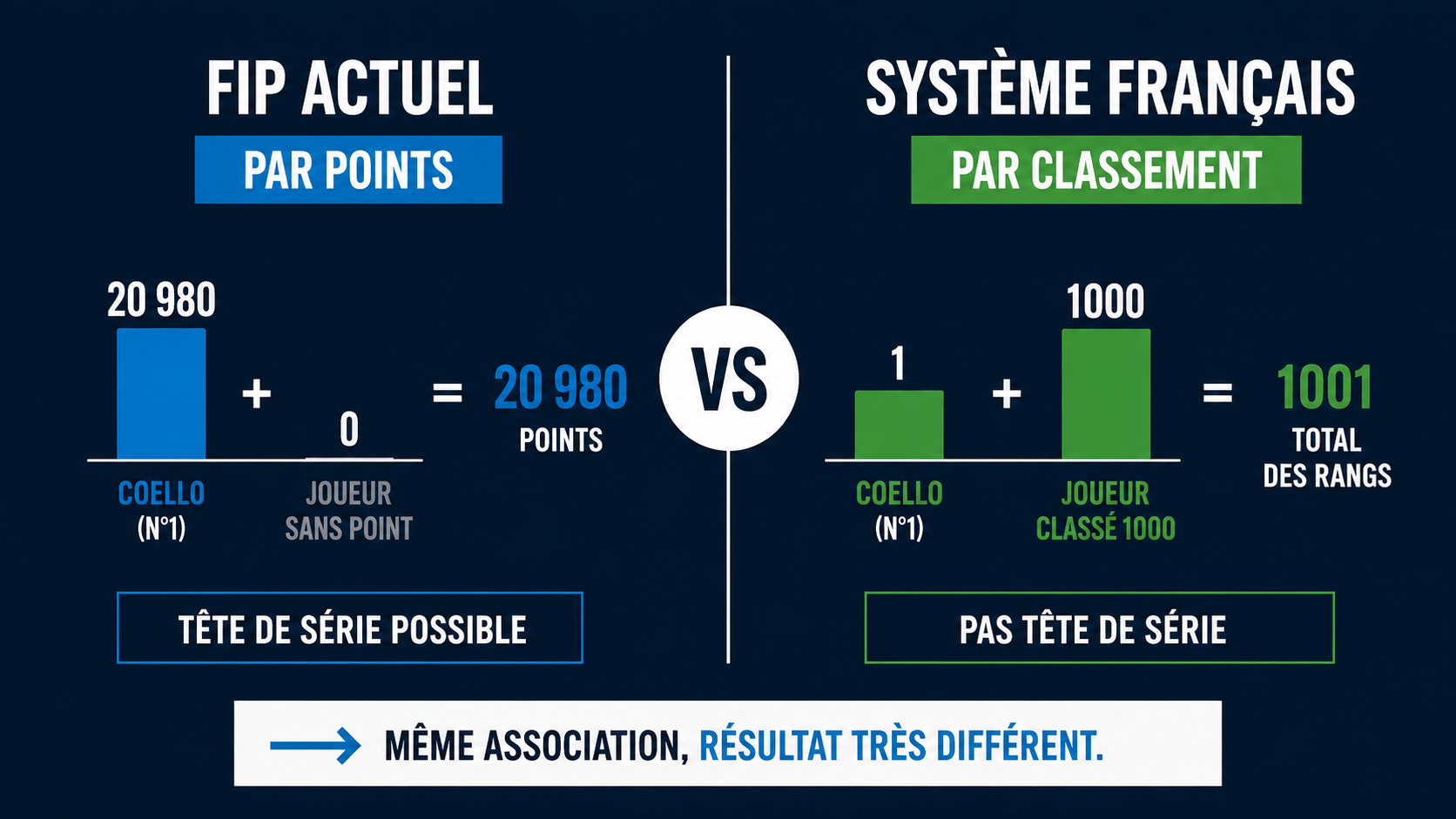 Coello with a player at 0 points ahead of two top 10 players: should the FIP ranking be reviewed?
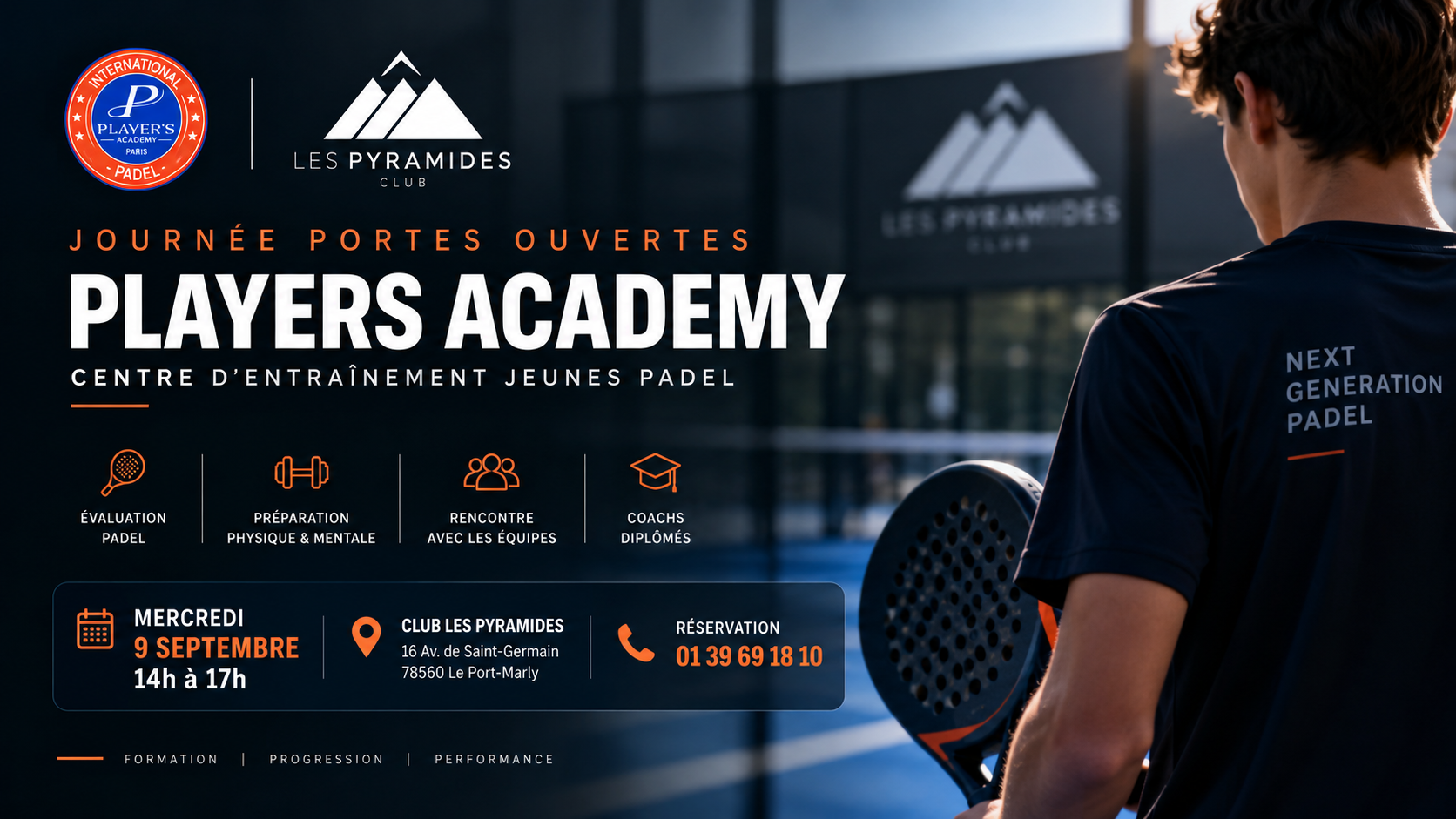 Les Pyramides: after 12 padel courts, the club is focusing on youth training
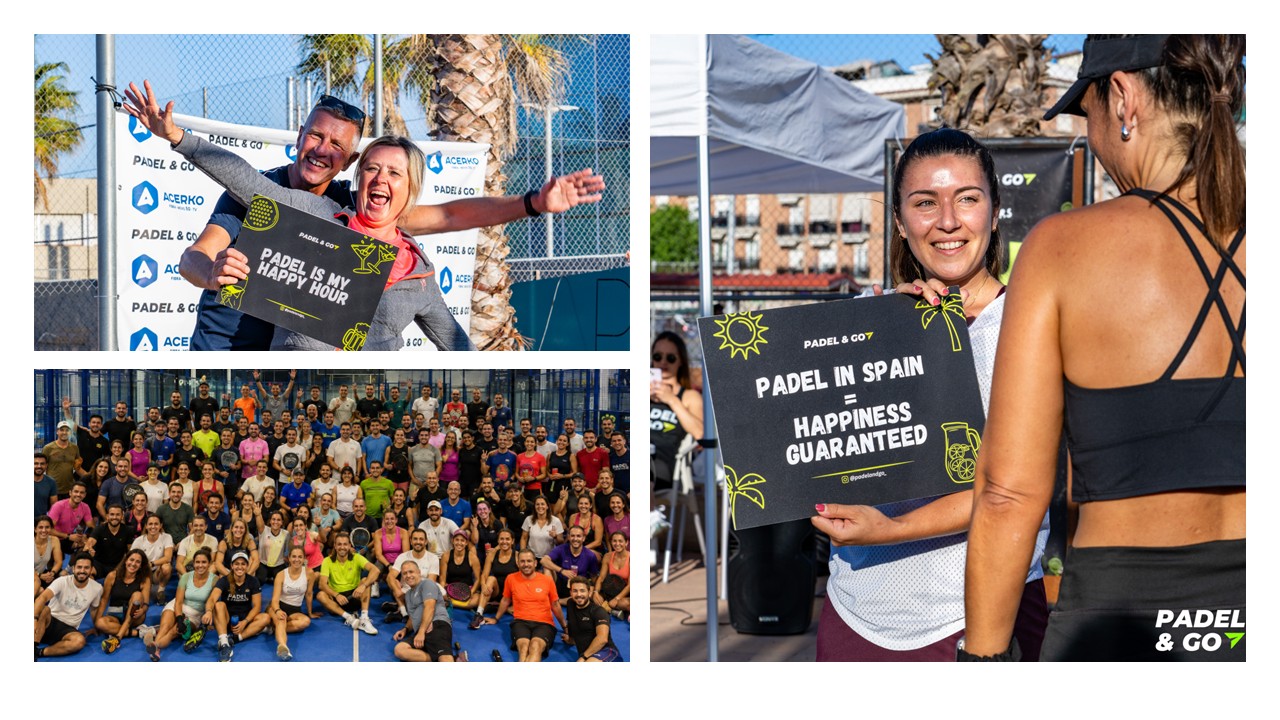 Health Care Padel Tour 2026: What if your next padel tournament was played in Barcelona?
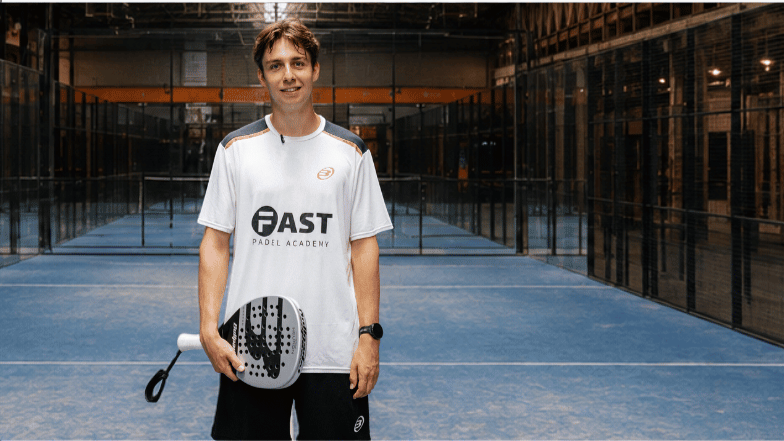 FAST Padel Academy continues its development and establishes itself in Liège.
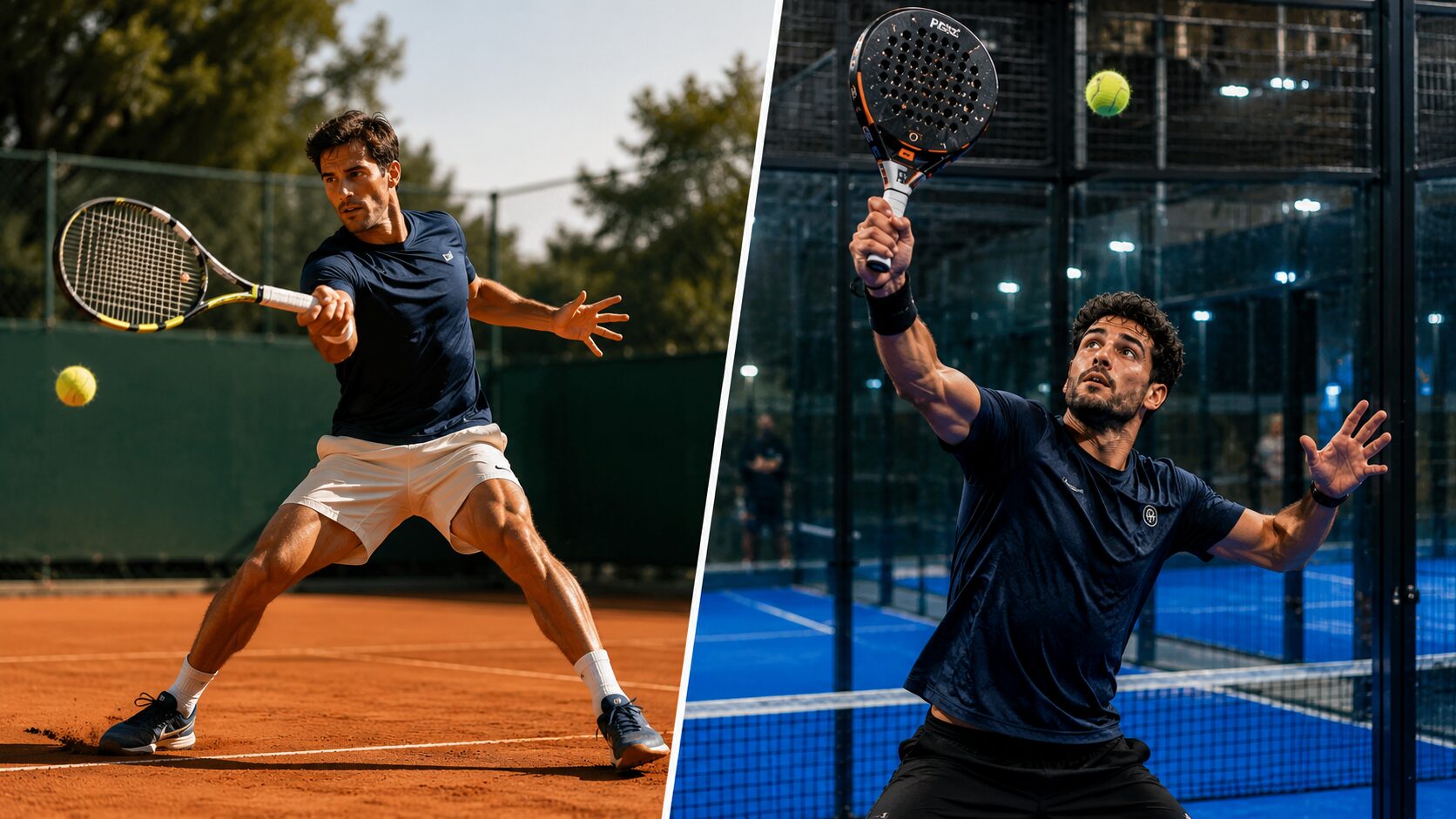 What the analysis of the stroke reveals: tennis forehand vs. padel bandeja
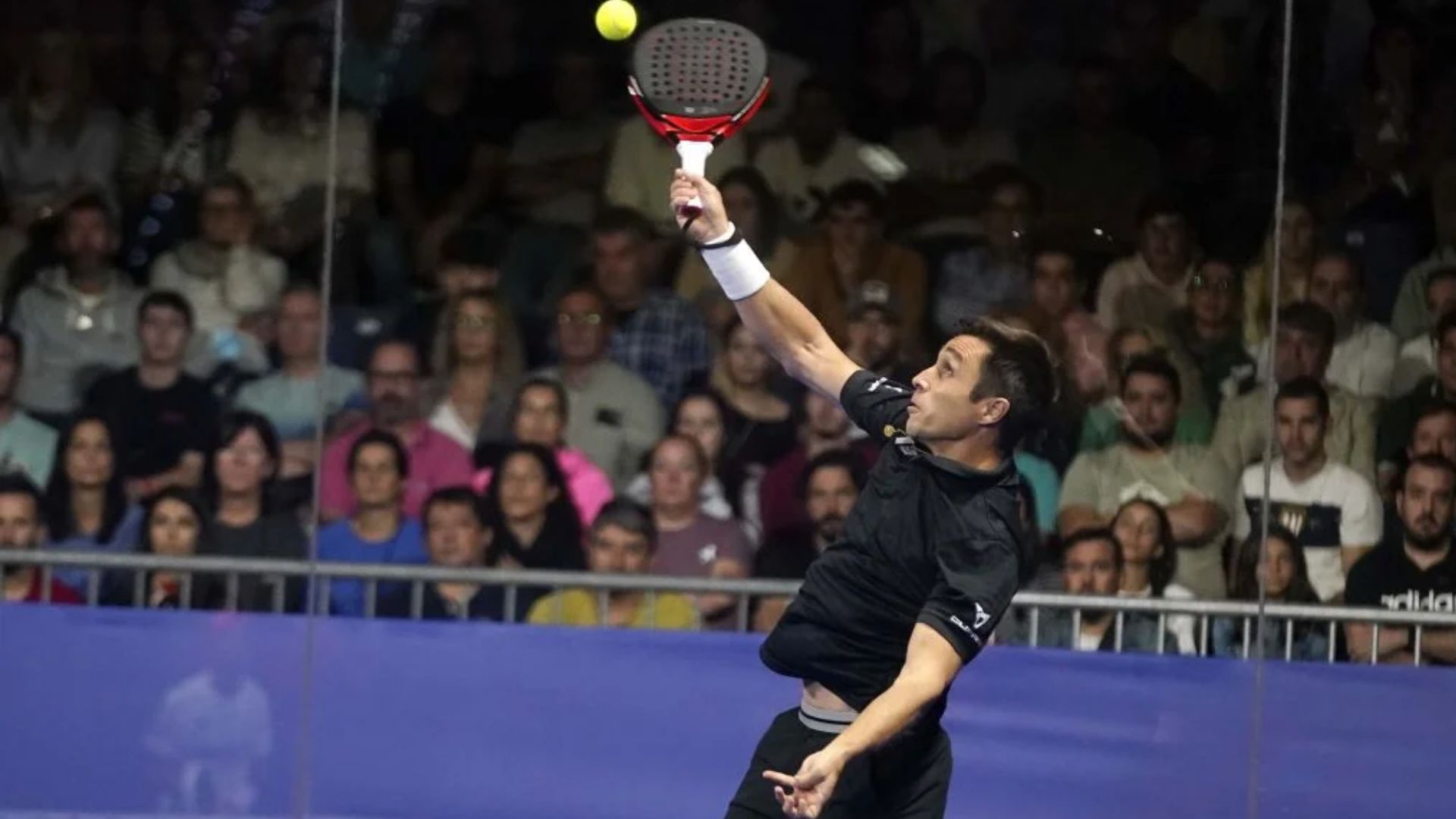 Has the bandeja disappeared from modern padel?
 Flat forehand in padel: 5 exercises from Cristian Álvarez to gain control and efficiency
 Why knowing how to play on the right and left can make all the difference
 Tapia reveals his recipe for beating Coello / Tapia: "I would bet everything on myself"
 How Coello defused Chingotto's game plan
 In padel, does the chemistry between a pair count as much as individual skill?
 Summer changes padel… but what if the real challenge wasn't hitting harder?
 Neither FIP Tour nor World Team Championship: the unique format of padel at the Mediterranean Games
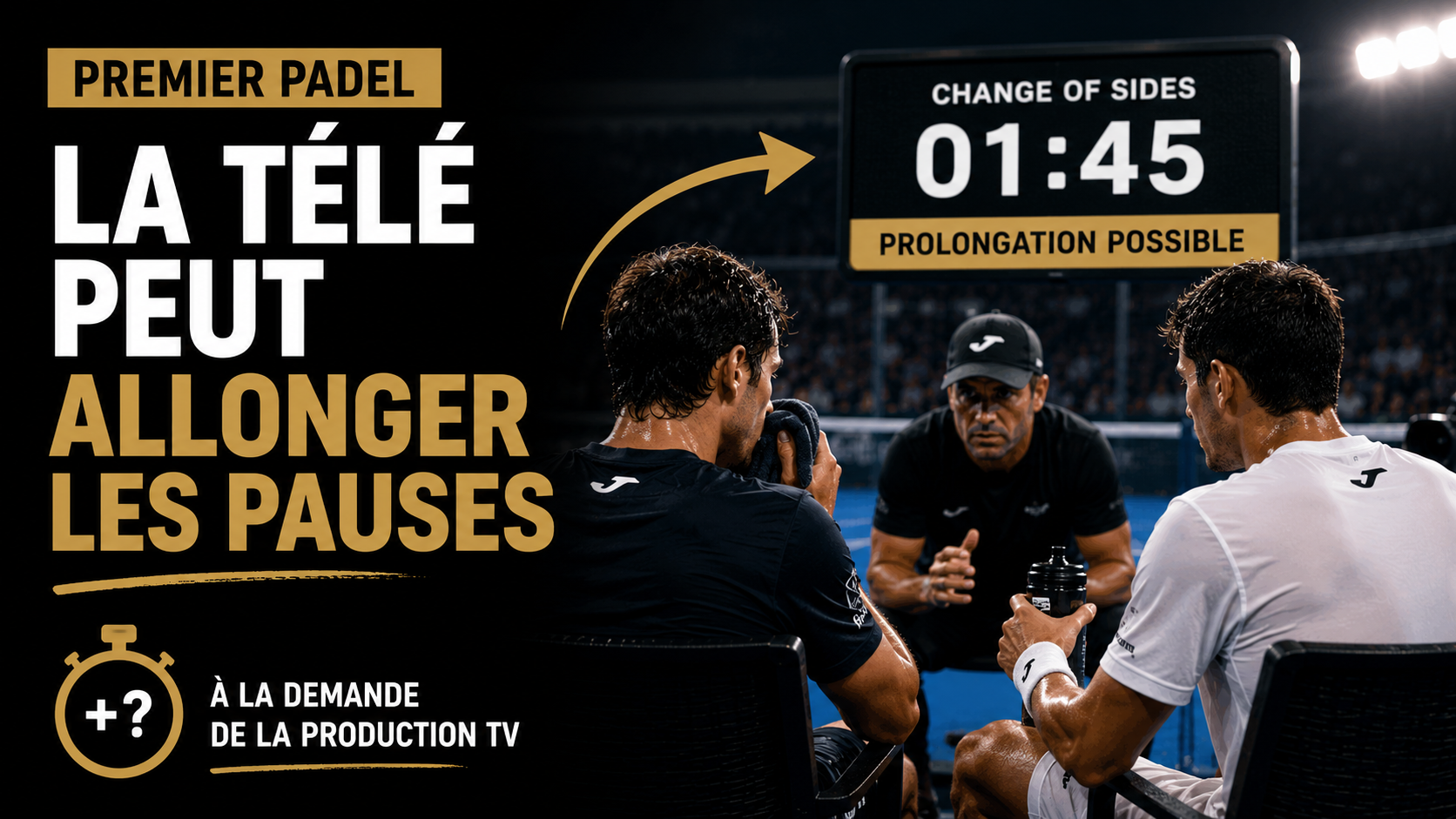 Premier Padel : when television can lengthen players' breaks
 Premier Padel Yes, a referee can refuse a player permission to go to the toilet
 Julien Seurin opens up about his mental state: "There are far more doubts than moments of happiness."
 More than a year later, Thomas Leygue is back in the top 150: behind the scenes of a comeback that's still unfinished
 Padel vs squash vs badminton: the scientific ranking of cardio intensity
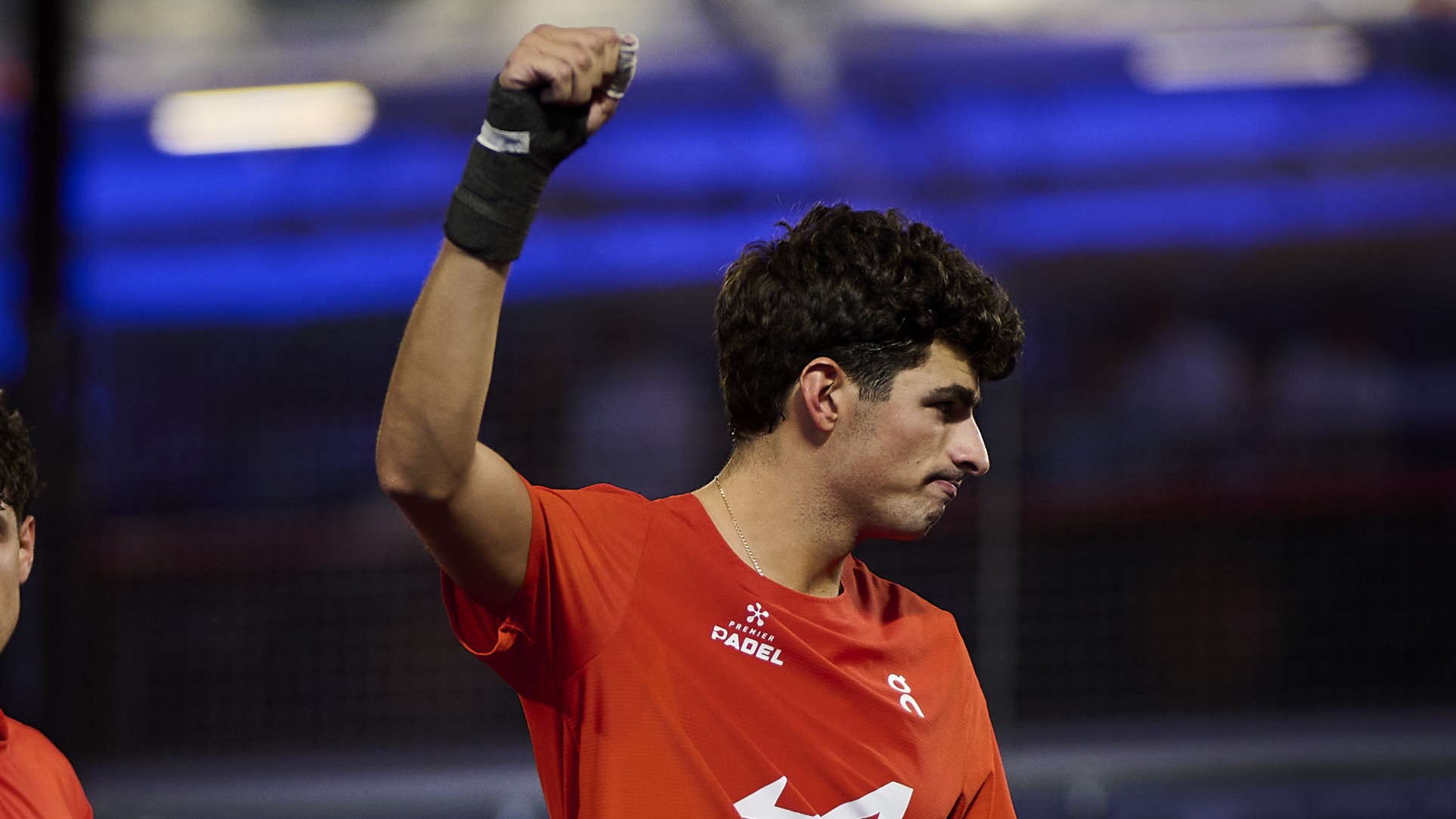 Why does Arturo Coello play with his right hand bandaged?
 What if your progress in padel depended on what nobody else is looking at?