










Confinement was a way of the cross for the Argentina . By more than 200 days of isolation forced, the albiceleste nation needed to let off steam and get back to sport. This is one of the reasons why the paddle knows a tree in his practice for several weeks.
A boom sparked by the pandemic
Argentina, these are 2 million practitioners, 2600 clubs and 4900 courts according to figures put forward by Lisandro Borges, president of the Argentine Association of Padel (APA) and organizer of Buenos Aires Padel Tower. The presence of Fernando Belasteguín or Sanyo Gutierrez , superstars of the discipline, at the top of the hierarchy of World Padel Tour for many, many years, has also been a powerful catalyst in attracting new players. Not to mention the ultra spectacular young people: Tapia, Tello, Chingotto, Stupaczuk…
In Argentina, as everywhere else, padel benefits from its fun and easy-to-access side. “In the 90s, padel was growing. Then it disappeared because it entered into a fierce war with tennis,” explains Lisandro Borges at infobae.com. But padel is much more inclusive because four people can play at different levels and still have fun, which is not the case in tennis, which requires greater technique. This leads to a exponential growth , not only in Argentina but all over the world ”.
Modernization of the offer
To keep all the new followers, Argentinian structures must be modernized. Indeed, of the 4900 courts in the country, only 10% have carpet and 5% windows . In other words, 85% of the tracks are concrete. It is therefore imperative to modernize the offer, not only to perpetuate this new base of practitioners, but also to prevent them from injuries to the knees and ankles. It is a snowball effect: when a club invests, it becomes more attractive, which pushes the competitors to equip themselves in turn. Therefore, the level increases.

From bankruptcy to full
Padel is therefore full and, finally, many complexes in edge of bankruptcy early 2020 are now at the center of sports practice in Argentina. “Since September, we have lived a moment like the 90s, notes Guillermo García Berro, owner of the Pasaje del Sol club in Buenos Aires and the first owner to offer grass courts in 2012. In the months which followed the reopening following an authorization from the city, we were able to pull ourselves together ”.
And to the extent that padel respects the barrier gestures, social distancing and that it allows to find sociability with matches in doubles, the moment is almost historic: “People come to play from 17 pm to midnight and there is also a lot of competition on the weekends”. Owner of the World Padel Club Padel Center, Félix Orsatti believes that football players have switched to padel because “It's a sport with few participants, which is more careful. You can stay in a smaller bubble ”.
Shortage of equipment
With this modernization of the offer, it is all padel business who leaves sharply . Guillermo García Berro assures us, the possibility of following the exploits of the players in streaming, in particular via YouTube, has boosted the sales: “Before, people would come and play with any pala, any shoes. Today, it is with top level rackets, specific shoes. They buy them all, those who play well as those who are just starting out ”.

Owner of the Tenis Hollywood store, Gustavo Olivera notes a buyer fever in practitioners who have been deprived of sport for a very long time : “It is part of the current boom. Before it was already nice to play, now it is even more so. It is not like in tennis where 85% of amateur players want the professional racket. In padel there are not so many. You can have 50% of players who buy for the price and quality and 50% who only buy high-end because that is what the professional player uses.”.
Balance sheet: sales have doubled in the past year . “There is a product crisis for all brands, supports Guillermo García Berro. There are few palas. Argentinian factories cannot cope with production and specialty shops have no stock. This is due to popular demand ”. Enough to ride the wave for many more months and ensure the sustainability of the practice in Argentina!

I am a sports journalist based in Barcelona and of course a padel fanatic.
RMC Sports, L'Equipe Magazine, Sport24, Infosport +, BeIN sports and now the icing on the cake: Padel Magazine ! ;)





























































 FIP Tour: Changes among the French national team: why are the French increasingly watching foreign football?
 FIP Tour: Seurin / Joris, Boronad, Bahurel… French artists are meeting up all over Europe
 Godallier / Touly: a title, confidences and announcements that change everything…
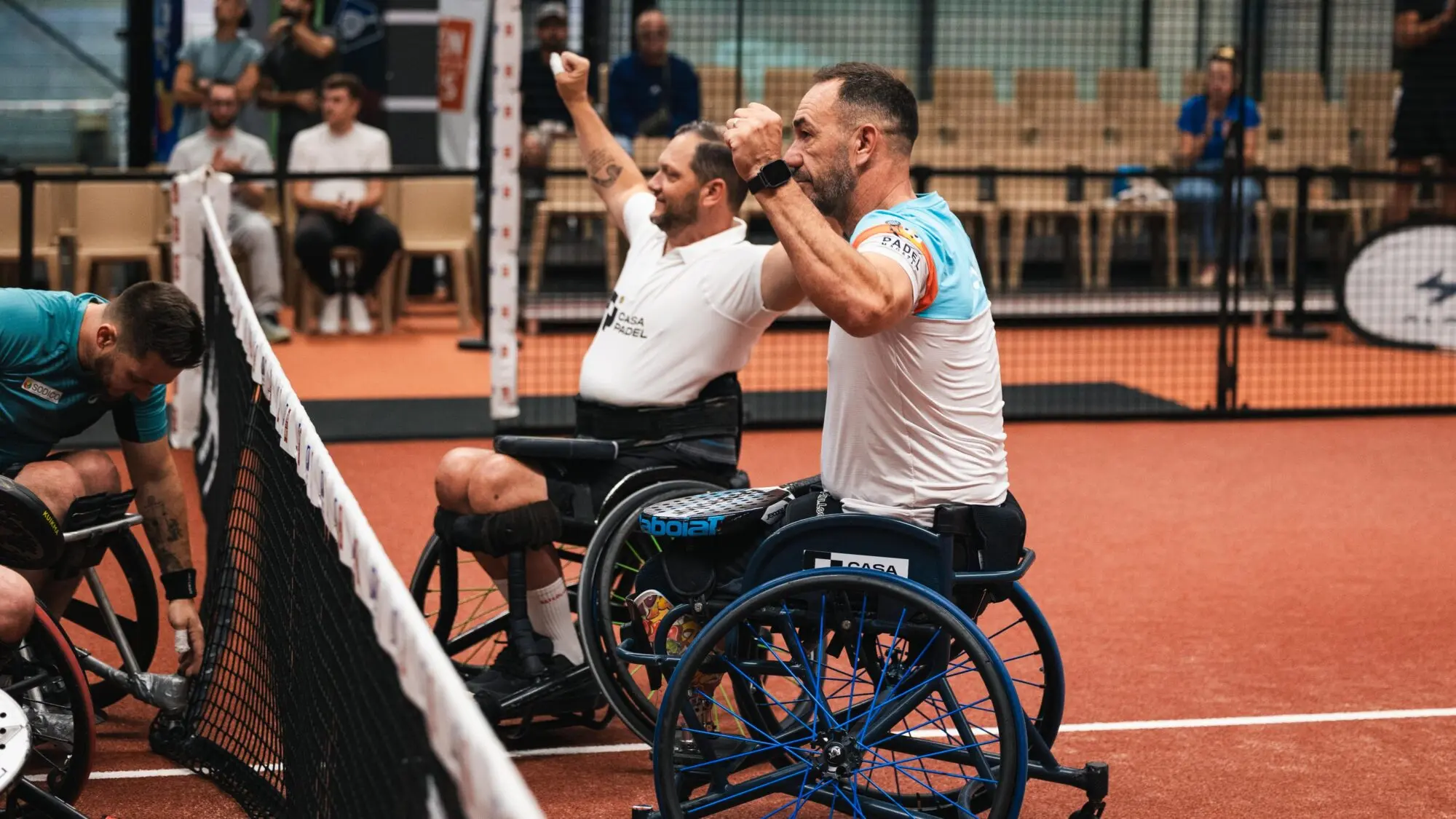 Sébastien Husser-Walther and Tony Boval: "The French are on the verge of reaching the Spanish level"
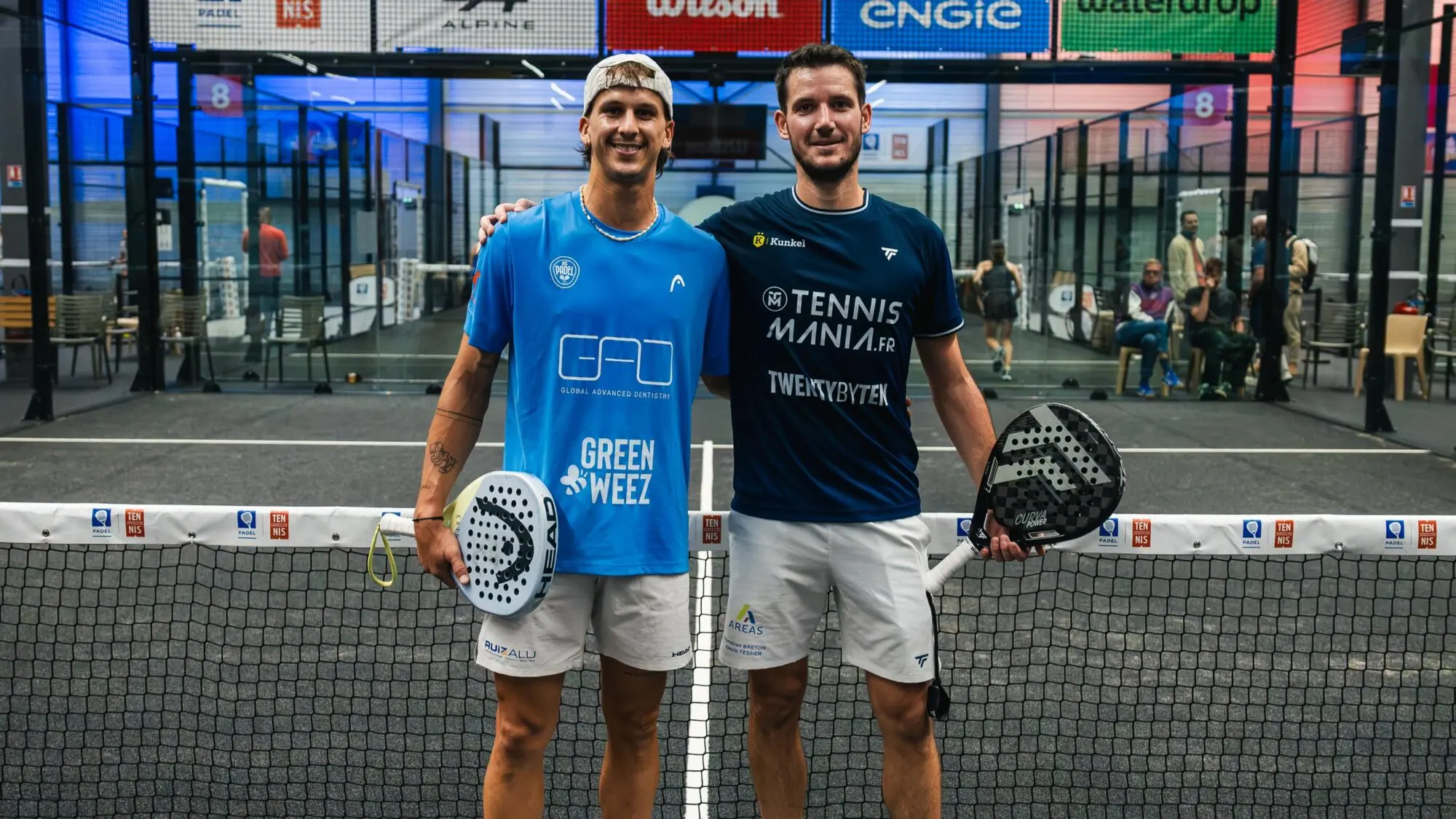 Forcin/Joris at the end of the suspense: "We win because we get along extremely well."
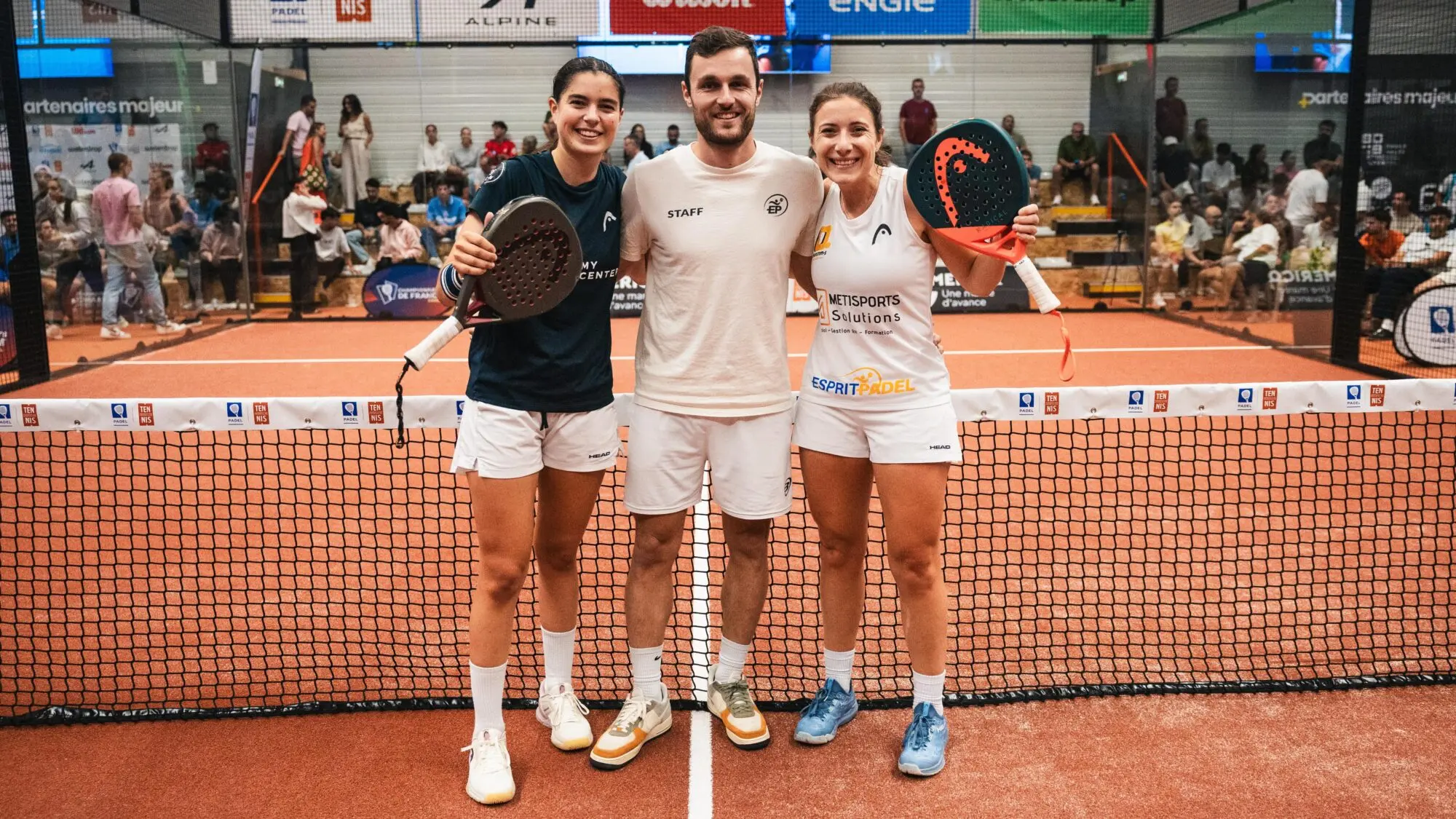 Bahurel/Pothier in the final: "Tomorrow, there will be an extra step up"
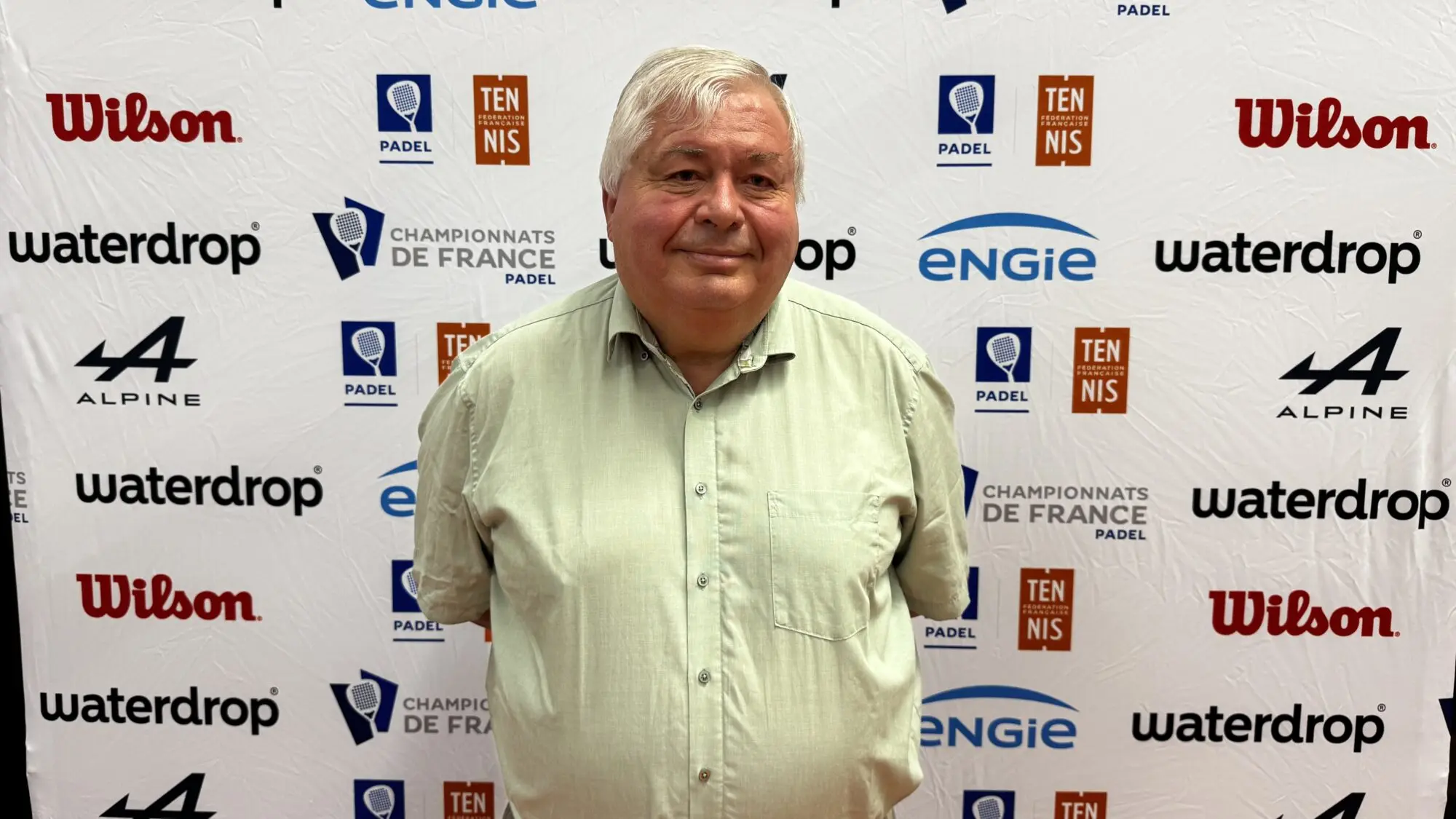 Eric Largeron: "In some places, there are too many tournaments and perhaps too many clubs..."
 French Championships 2026: The good deals and the disappointments compared to the starting ranking
 2026 French Padel Championships: Results and Standings
 Düsseldorf, a showcase of a Germany where padel is accelerating
 Sánchez/Ustero are only 160 points behind second place in the world: the end of the season could change everything
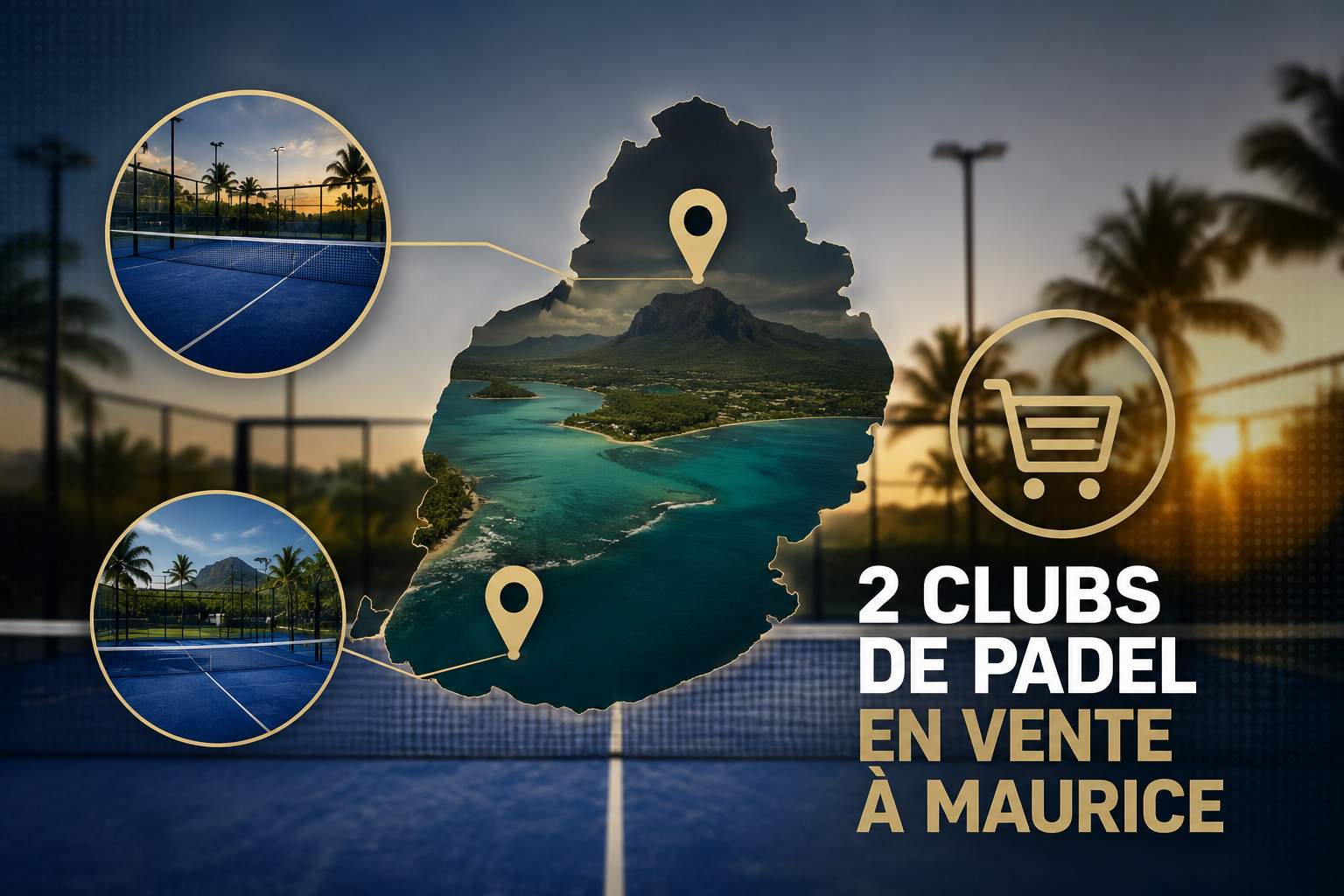 For sale: two padel clubs in Mauritius, starting from 330,000 euros
 How much does it actually cost to organize a FIP Bronze event?
 Padel How Lidl is transforming Crivit into a fully-fledged sports brand with Steffi Graf
 Compagnie des Alpes is accelerating its involvement in padel with PadelCity: a new step in its European strategy
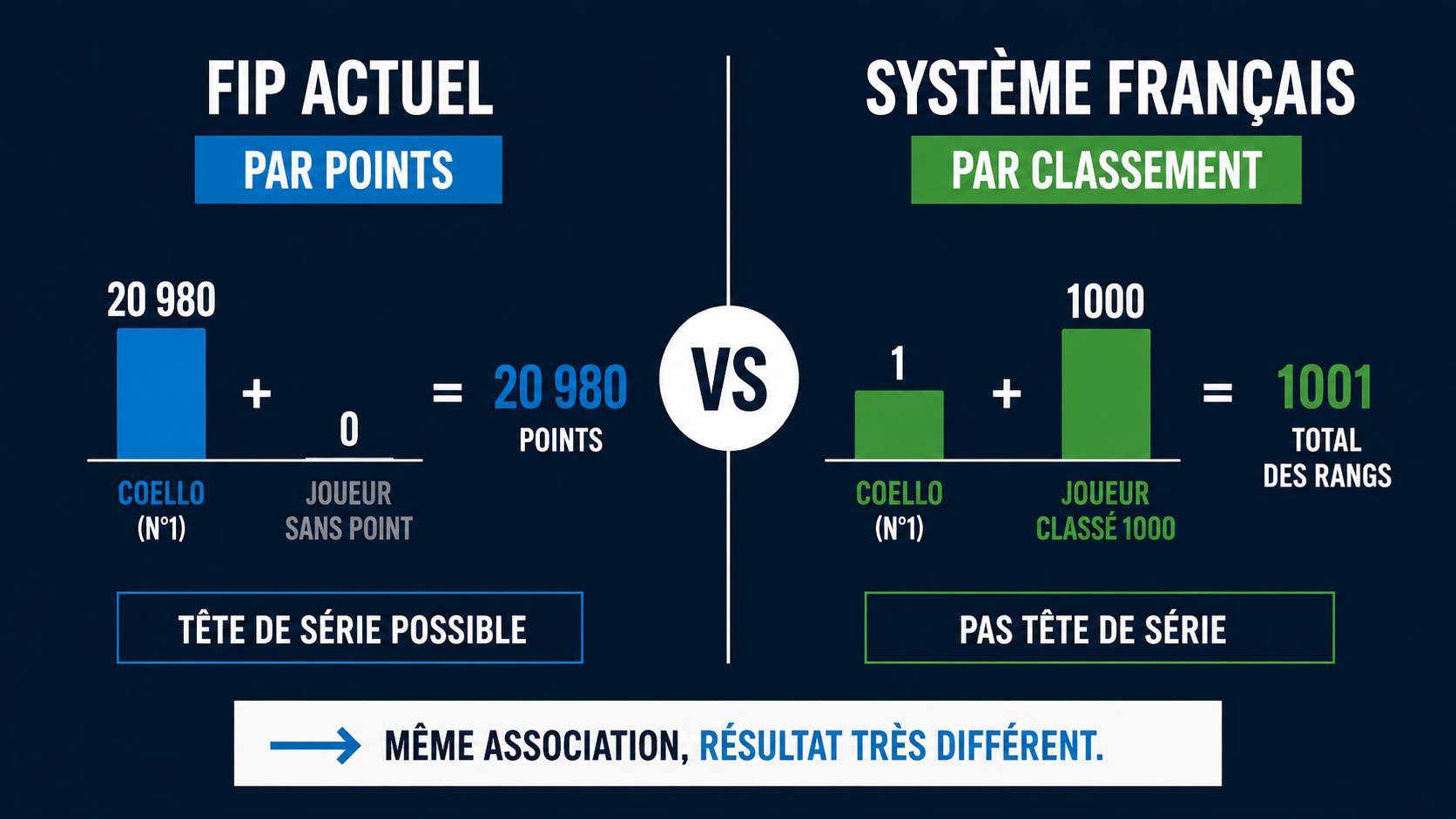 Coello with a player at 0 points ahead of two top 10 players: should the FIP ranking be reviewed?
 Les Pyramides: after 12 padel courts, the club is focusing on youth training
 Health Care Padel Tour 2026: What if your next padel tournament was played in Barcelona?
 FAST Padel Academy continues its development and establishes itself in Liège.
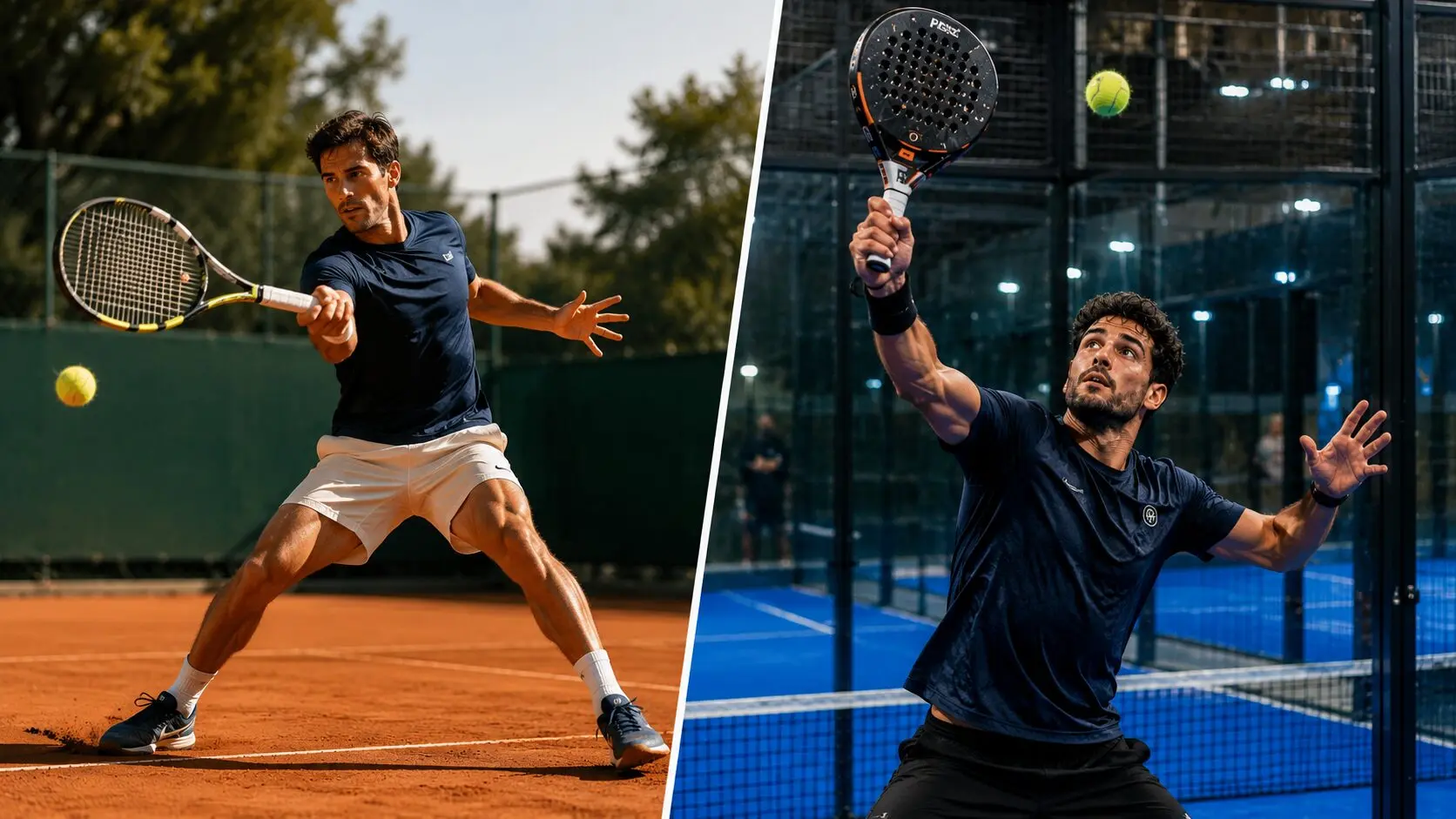 What the analysis of the stroke reveals: tennis forehand vs. padel bandeja
 Has the bandeja disappeared from modern padel?
 Flat forehand in padel: 5 exercises from Cristian Álvarez to gain control and efficiency
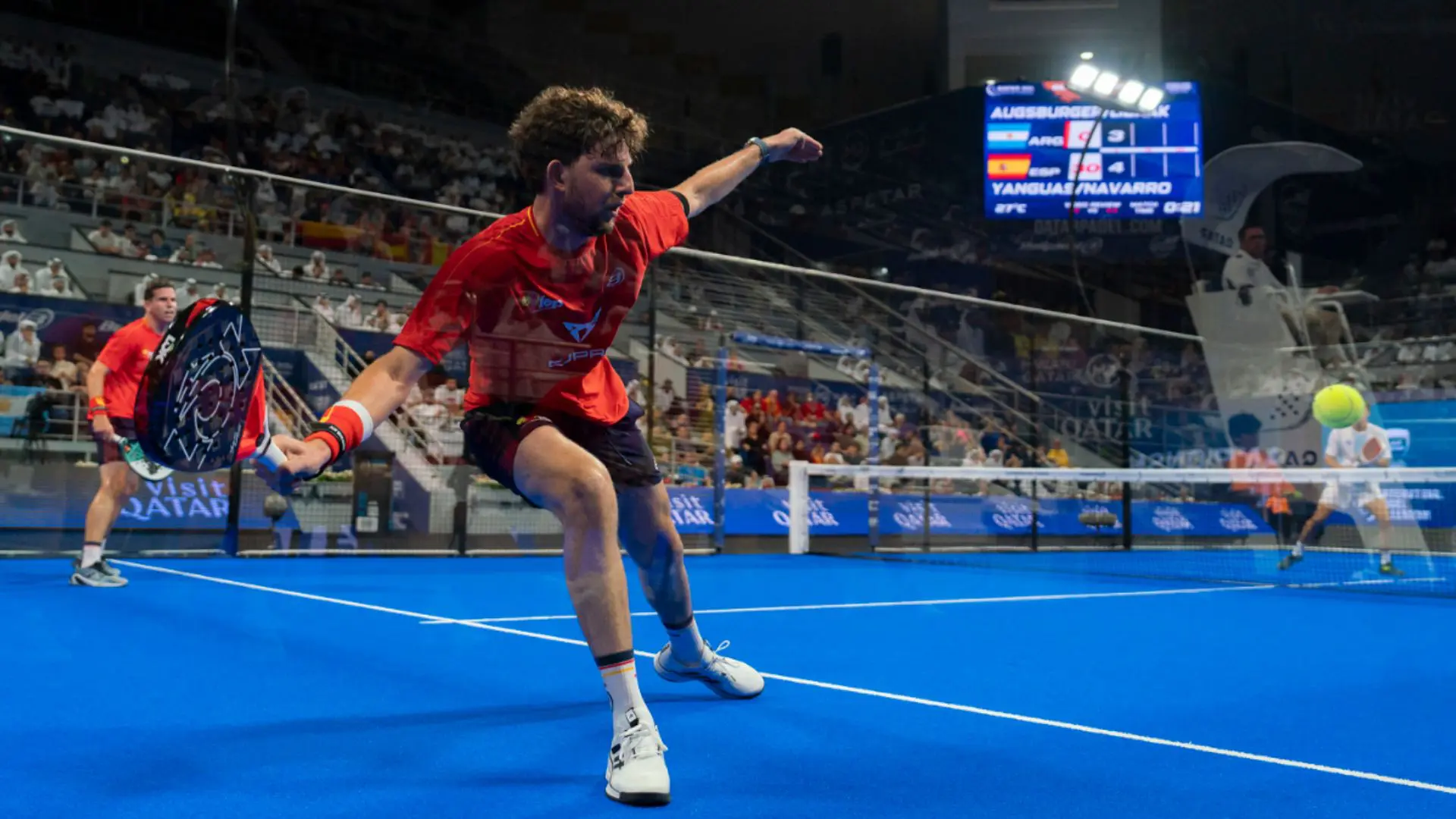 Why knowing how to play on the right and left can make all the difference
 Tapia reveals his recipe for beating Coello / Tapia: "I would bet everything on myself"
 How Coello defused Chingotto's game plan
 In padel, does the chemistry between a pair count as much as individual skill?
 Summer changes padel… but what if the real challenge wasn't hitting harder?
 Neither FIP Tour nor World Team Championship: the unique format of padel at the Mediterranean Games
 Premier Padel : when television can lengthen players' breaks
 Premier Padel Yes, a referee can refuse a player permission to go to the toilet
 Julien Seurin opens up about his mental state: "There are far more doubts than moments of happiness."
 More than a year later, Thomas Leygue is back in the top 150: behind the scenes of a comeback that's still unfinished
 Padel vs squash vs badminton: the scientific ranking of cardio intensity
 Why does Arturo Coello play with his right hand bandaged?
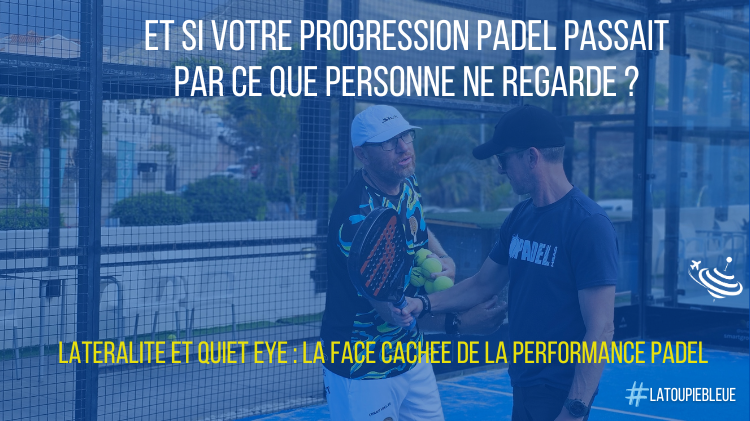 What if your progress in padel depended on what nobody else is looking at?