









Two matches, six days apart, and two scenarios that seem almost incompatible.
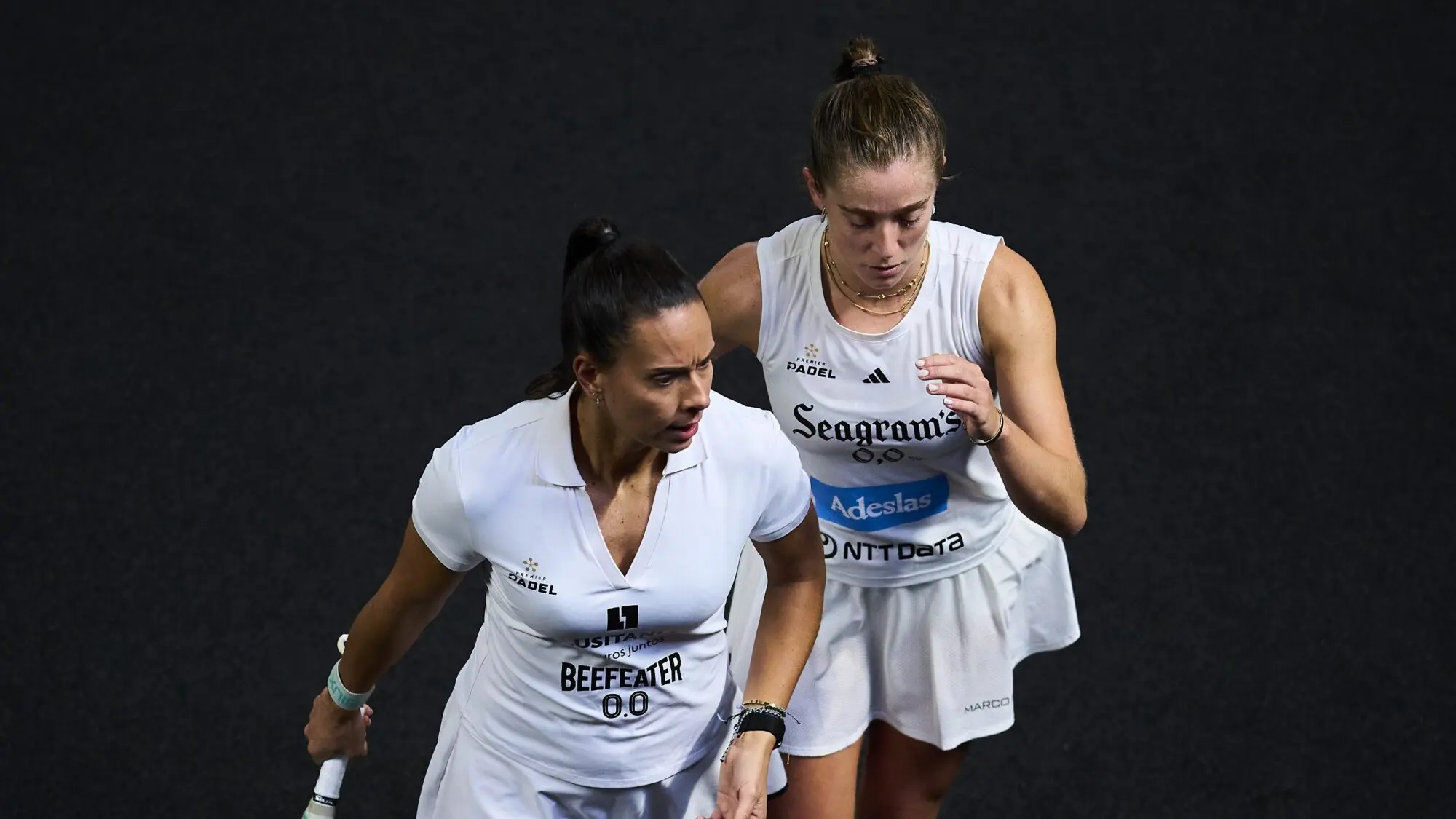
To Madrid, Paula Josemaría and Bea González swept Marta Ortega and Sofia Araújo 6/0 6/2 in the quarter-finals. A one-sided match, during which the Spanish pair immediately imposed their rhythm. Six days later, on Philippe-Chatrier court, the balance of power had completely shifted: Ortega and Araújo won 2/6 7/6 7/6 after a 3-hour and 15-minute battle and five saved match points. .
A simple consequence of the much slower conditions at Roland-Garros, or the first real tactical response found by the Spanish-Portuguese pair?
With Rotterdam approaching, where the four players could meet again, the question deserves to be asked.
Madrid: Impossible to escape the pressure
The 6/0 6/2 Madrid match first tells the story of Ortega and Araújo's inability to establish their own sequence of play.
Against Josemaría and González, the danger lies precisely there. When the Spanish pair can play close enough to the net and take the ball early, Paula Josemaría speeds up the tempo enormously , while Bea González has her full aerial repertoire at her disposal to close out the points.
Ortega and Araújo then find themselves in a difficult pattern to break: defend low, play a lob under pressure, suffer another shot over the head and start again.
Madrid almost never gave the number 5 pair time to set up anything else.
The problem, therefore, was not only to defend more, but to find how to transform a defense into a real opportunity to regain the net .
In Paris, the lob becomes much more important
This is probably one of the first things to look at in the Parisian revenge.
Against Bea González, not all lobs are created equal. A poorly executed lob that allows her to position herself under the ball often only delays the inevitable for a few seconds. The real objective is to force her to play the ball backward or to lengthen the trajectory enough to prevent Josemaría and González from maintaining an ideal offensive position.
At Roland-Garros, the slower conditions obviously helped.
The ball comes out less easily, the final smash is harder to find and a pair capable of defending several additional shots can gradually shift the rally.
But Ortega and Araújo were particularly successful in to prolong these sequences long enough to alter the balance of power .
The second set provides the best illustration of this. They begin to make the match much more physical, resist more in the rallies and even obtain four set points at 6/5 before finally snatching the set in the tie-break.
It is no longer Josemaría–González who systematically chooses the duration and rhythm of the point.
Pushing away Paula Josemaría before looking for Bea González
This is perhaps where the most interesting development lies. The danger would be to reduce the plan to: lobber Bea González .
The real issue is more global. We need to prevent Paula Josemaría from playing too often forward and too early in the rally.
When she can advance on the ball, take the center, or cut off a trajectory, her explosiveness immediately gives her partner a head start. Conversely, when she has to defend a few inches lower or play an extra ball from the back, the structure of the point changes.
Ortega possesses precisely the qualities needed to work this area: variation in height, precision and the ability to accept several shots without immediately seeking the winning shot.
The objective then becomes less about win the point directly than to gradually shift the average position of the opponents.
Once Josemaría is pushed back, Araújo can get further into the field.
Araújo: the difference when the point becomes neutral
This is probably Paris' second major key. Sofia Araújo finished the match with 33 winning shots to only eight unforced errors In a match where the pressure kept increasing, it's considerable.
Because Araújo doesn't need to dominate the point from the very first shot to be dangerous. If Ortega manages to prolong the rally and bring the pair back to a neutral position, the Portuguese player can then use her power to turn the point around.
The division of roles then becomes much clearer: Ortega stabilizes, builds and absorbs; Araújo can accelerate when a real window appears.
The center, another essential area of the duel
Facing Josemaría and González, the management of the center also becomes fundamental.
If Ortega and Araújo spread out too far to protect their diagonals, Paula can occupy that space and accelerate. But overly aggressive coverage immediately exposes the outside players.
The challenge, therefore, is to remain compact enough to prevent Josemaría from systematically taking the initiative between the two players, without giving up too much ground on the sides.
This is also what allows Ortega and Araújo, when they retrieve the net, to keep it a little longer .
And against such an explosive pair, a few extra shots played from an attacking position can completely change the complexion of a game.
But Paris does not yet constitute proof
This is where Rotterdam becomes interesting. Because the Parisian result remains extremely unusual.
Josemaría and González obtained five match balls , including three in the decisive tie-break when they were leading 6-3. They were therefore just a few points away from winning this match despite everything.
To say that Ortega and Araújo have now definitively found the solution would therefore be an exaggeration. Paris is demonstrating rather that they have found a configuration in which the duel becomes playable .
And the conditions at Roland-Garros probably accentuated the effectiveness of this strategy: more time to defend, fewer immediately decisive aerial shots and more opportunities to rebuild the point.
On a faster track, will the same quality of lob give Ortega enough time to get back to the front? Will Araújo be able to maintain the same performance when she has less time to prepare her accelerations? And above all, will Bea González regain her ability to finish points over the head?
Rotterdam as the third act
A third confrontation could allow us to distinguish two things.
So Paris will essentially remain the product of a very particular context: a slow track, an interminable match and five match points saved.
Either Ortega and Araújo manage to reproduce several elements — depth of lobs, ability to repel Josemaría, occupation of the center and better net retention — and then we will have to consider that something has really changed in this duel.
They may not have found it yet la key. But after Madrid, Paris at least showed that they had found a first one.

I discovered the Padel I stumbled into Spain at a campsite. I was instantly hooked; passionate about padel, I follow international and regional news with the same excitement as the sport itself.









































































 2026 World Cup – The lineups are out, Spain is trying a surprise with Goñi/Lebrón to get revenge on Argentina
 Paquito Navarro: "This is probably my last match with Spain."
 2026 World Championships – France finish on a high note and secure 9th place in the world rankings against Paraguay
 "I applied to become the coach of the French national team": an objective for Adrien Maigret
 Fonteny/Joris after their “almost” upset against Tapia/Libaak: “We believed until the very last point”
 2026 World Cup – Five players barred from World Cup with the United Arab Emirates: Íñigo Jofre denounces the situation
 Coello/Tapia ahead of the Kuwait Major final against Tello/Arce: “These are two players who cause us a lot of problems”
 2026 World Championships – No medal for the French women, beaten 2-0 by Italy in the bronze medal match
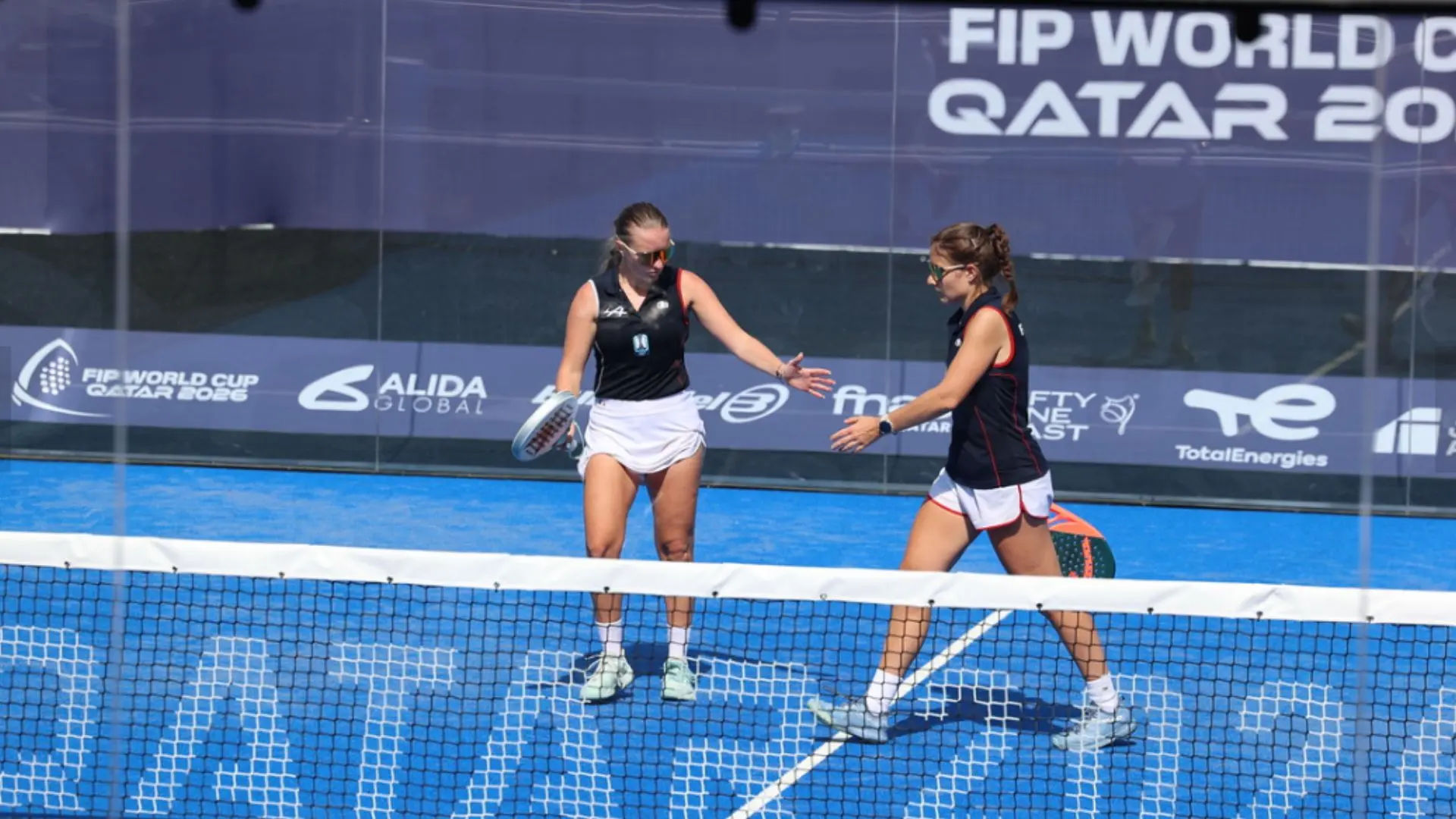 2026 World Championships – The French women's team loses their first point against Italy despite a strong performance from Touly/Pothier; Collombon/Bahurel can no longer afford any mistakes.
 Padel, weight training, and even HYROX: clubs are changing their model
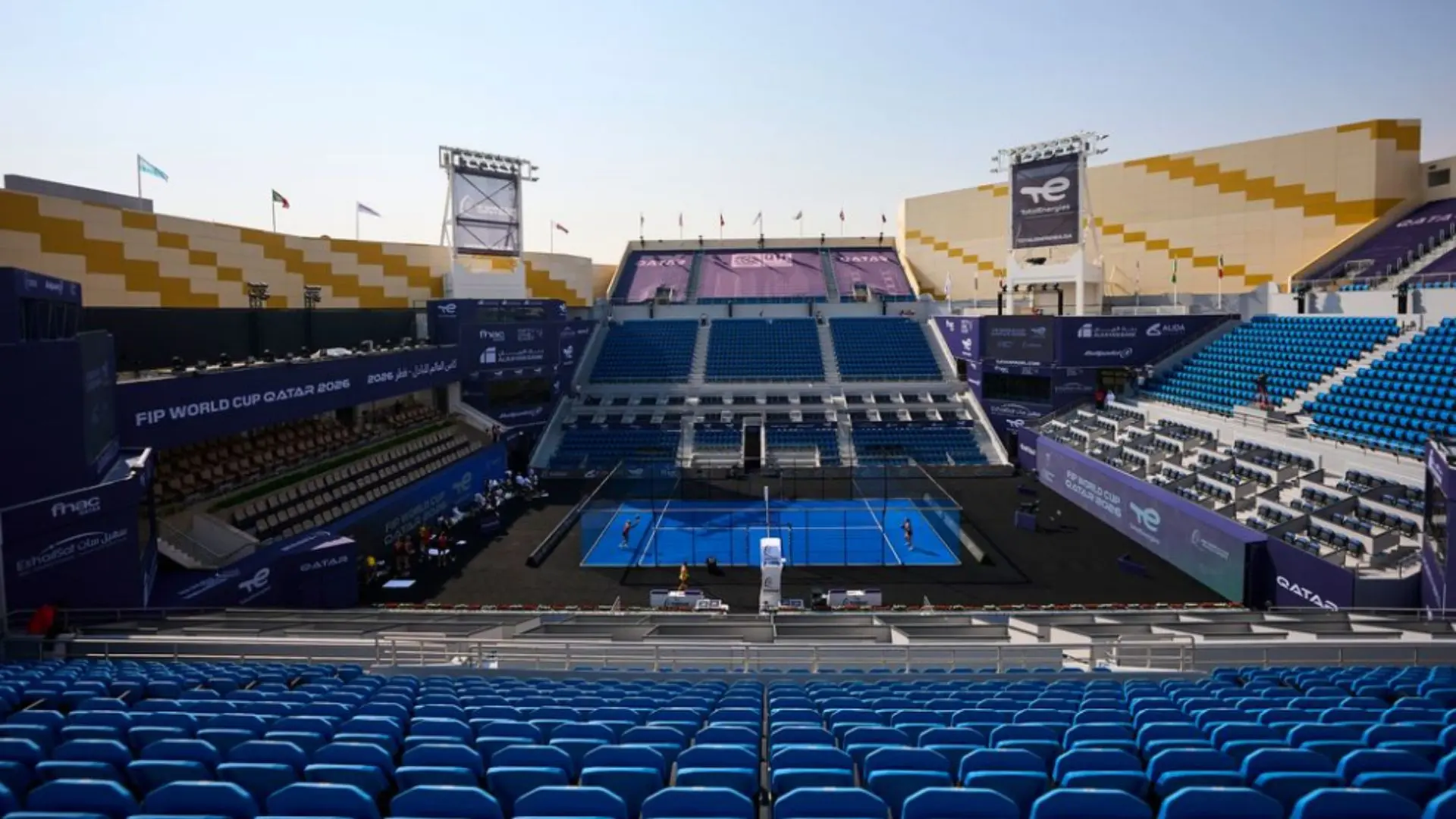 2026 World Championships – Where to watch the finals? Spain vs. Argentina, two clashes for the world titles
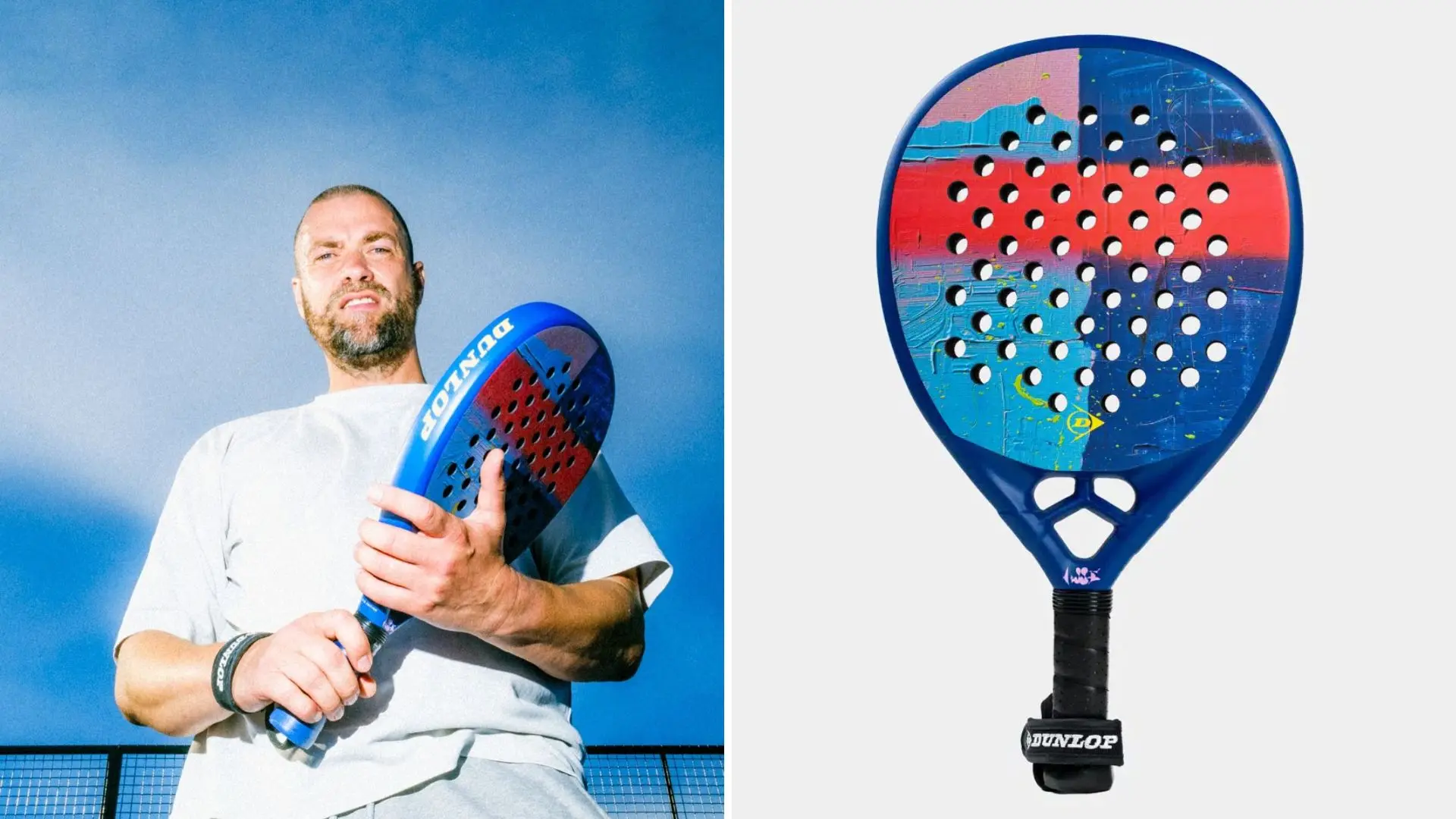 Dunlop unveils the Galactica Pro by Nisse, a limited edition of only 500 pieces worldwide
 2026 World Cup – Joris/Robert, the new addition to the French team for their final match against Paraguay
 Dubai P1 – Galán/Chingotto withdraw, Leal/Guerrero take advantage of their absence to directly enter the main draw
 Padel court rentals: a global market estimated at 4,6 billion euros
 FIP Beyond: the new global padel circuit for amateurs and seniors
 More than 6,300 FIP-ranked players: professional padel is becoming international, but Spain dominates
 Memory, reflexes, concentration: what happens in our brain when we play padel?
 P2000 or P3000: what are the differences in prize money, format and organization in 2028?
 Why can Libaak/Alfonso beat almost everyone… except Coello/Tapia?
 Could padel help the brain recover after chemotherapy?
 What the analysis of the stroke reveals: tennis forehand vs. padel bandeja
 Has the bandeja disappeared from modern padel?
 Flat forehand in padel: 5 exercises from Cristian Álvarez to gain control and efficiency
 Why knowing how to play on the right and left can make all the difference
 Tapia reveals his recipe for beating Coello / Tapia: "I would bet everything on myself"
 How Coello defused Chingotto's game plan
 In padel, does the chemistry between a pair count as much as individual skill?
 Organising a P2000 or a P3000: how much does it really cost clubs?
 Do you lose your ranking? Padel FFT after more than a year without a license / without competition?
 Coello with a player at 0 points ahead of two top 10 players: should the FIP ranking be reviewed?
 Kuwait Major: Chingotto/Galán out, Alejandro Galán injured, Coello/Tapia the only favorites?
 Julien Seurin opens up about his mental state: "There are far more doubts than moments of happiness."
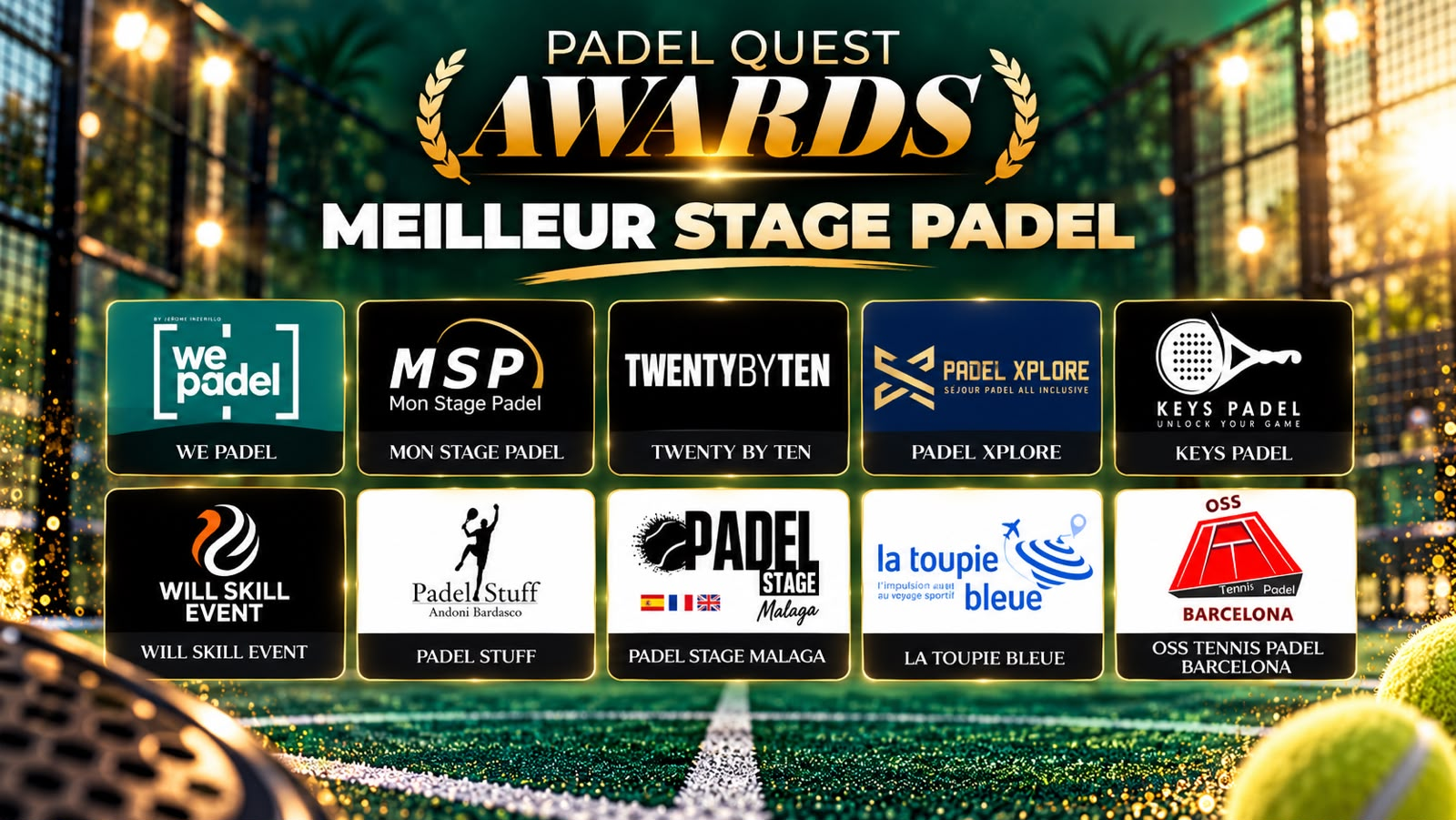 Padel Quest Awards: Ten specialists in the running for the title of best padel training camp of the year
 Padel Xperience: The Academy opens on November 2nd in Marcheprime, ahead of the complex's inauguration in 2027
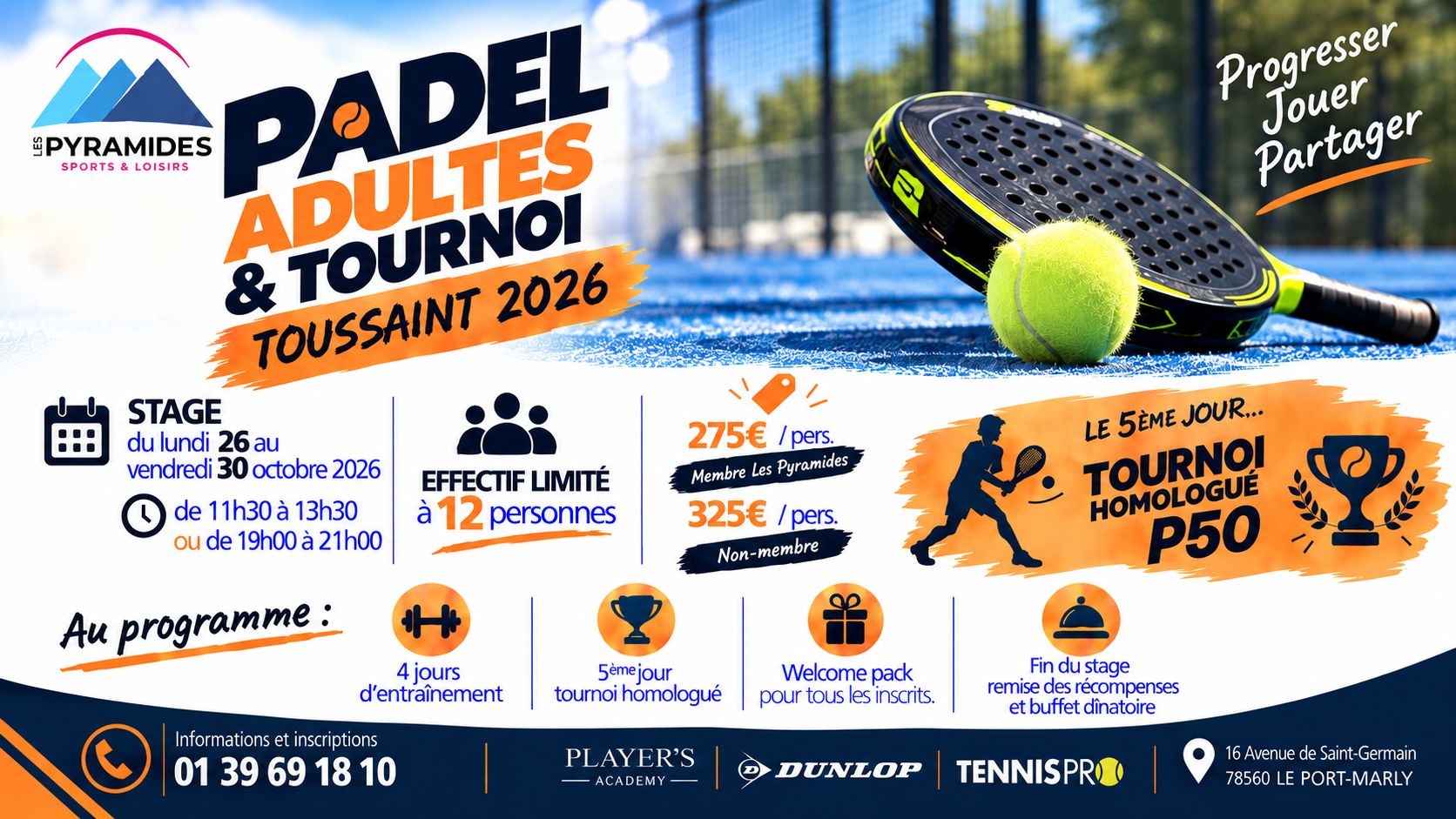 All Saints' Day – Les Pyramides are organizing a padel training camp for adults with a P50 tournament to close out the week
 Les Pyramides: after 12 padel courts, the club is focusing on youth training