

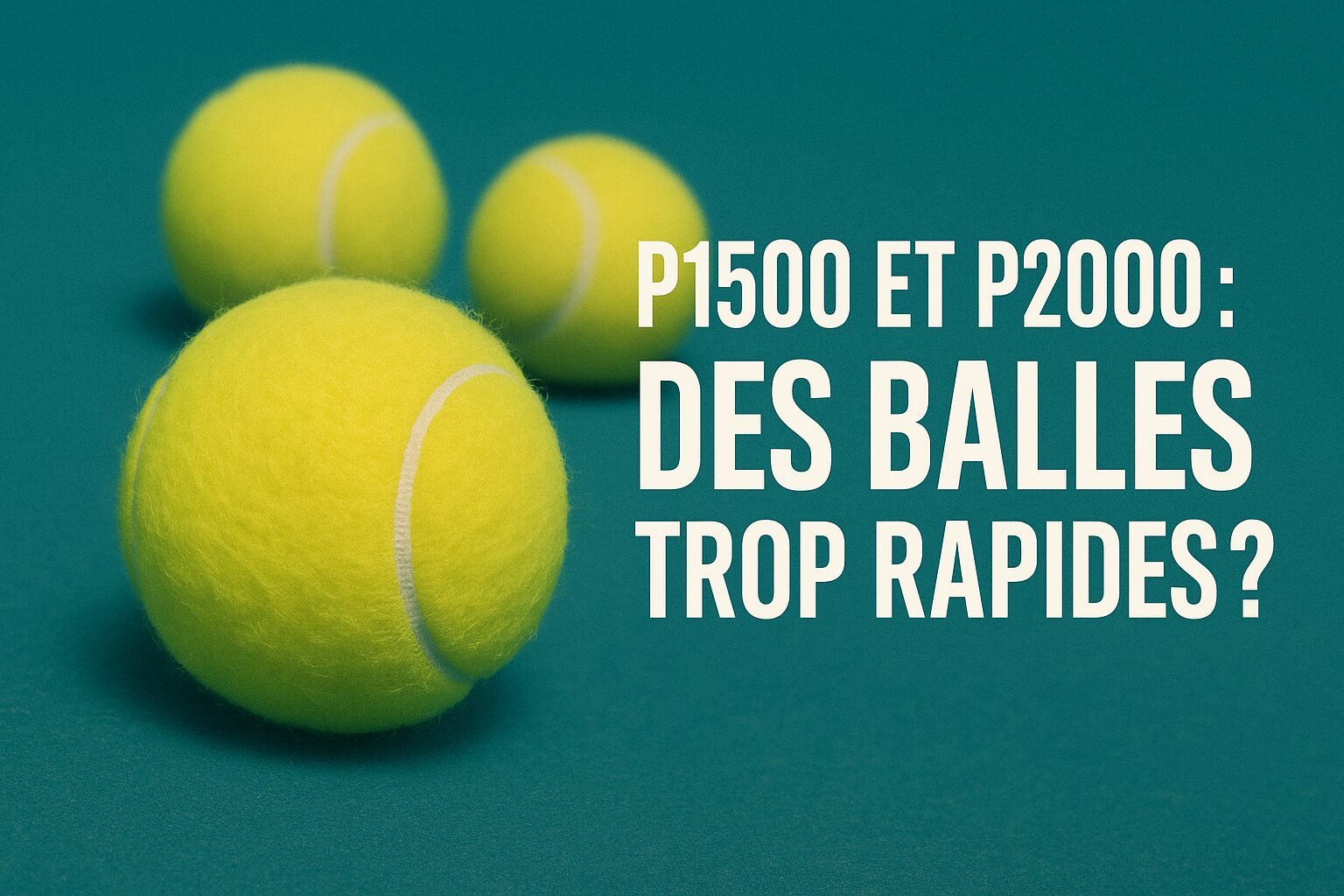








After the question of the multiplication of P1000s, another subject animates the French competitors: the speed of the balls used in P1500 et P2000 With the summer heat, some tournaments offer playing conditions that are considered too explosive, to the point of distorting the nature of padel.
“It’s not padel anymore”
For Thomas Cazes Carrère , a regular on the circuit, the observation is clear:
"In some tournaments, the balls are so lively that they come out everywhere. It doesn't feel like you're playing padel anymore. While the high international level tends to slow down conditions, in France things always go faster."
These conditions favor smashes and flashpoints, reducing the room left for strategy and building.
Adapt the choice of balls
On this point, Stéphane Penso , a recognized specialist in equipment and tester of numerous references, insists:
"Wilson has several ball models with different speeds. You can easily adapt your choice depending on the season and playing conditions."
He cites three main references:
- Wilson X3 : the slowest, suitable for high outdoor heat to reduce excessive liveliness. (NB: the ball will eventually no longer be on sale, as Wilson has decided to focus on the other two ranges)
- Wilson Premier Padel Classic : the intermediate reference, used in the majority of tournaments.
- Wilson Premier Padel Speed : the most dynamic, recommended indoors or in winter.
In other words, it is not about changing brands, but about intelligently using the available models to maintain a balanced game that is faithful to the spirit of padel.
A complete study to come
In order to objectify the debate, Stéphane Penso is preparing an in-depth study on no less than 33 different balls , with precise comparative tests. The objective: to give players, organizers and clubs a clear vision of the performance of each ball in different conditions.
Find the right compromise
For Cazes Carrère, the challenge is simple:
“Padel isn’t just about hitting hard. It’s about strategy and construction. If the balls are too fast, you lose part of the essence of the game.”
So the debate is on: should we introduce a logic of adapting balls to weather conditions and surfaces, in order to preserve the tactical richness of padel? And above all, can balls really drastically slow down the game when it's very hot on fast courts?

Franck Binisti discovered padel at the Club des Pyramides in 2009 in the Paris region. Since then, padel has been part of his life. You often see him touring France to cover major French padel events.































































 Paquito Navarro: "This is probably my last match with Spain."
 2026 World Championships – France finish on a high note and secure 9th place in the world rankings against Paraguay
 2026 World Cup – Andrea Ustero transforms into a singer and makes the Spanish team laugh
 "I applied to become the coach of the French national team": an objective for Adrien Maigret
 Fonteny/Joris after their “almost” upset against Tapia/Libaak: “We believed until the very last point”
 2026 World Cup – Five players barred from World Cup with the United Arab Emirates: Íñigo Jofre denounces the situation
 Coello/Tapia ahead of the Kuwait Major final against Tello/Arce: “These are two players who cause us a lot of problems”
 2026 World Championships – No medal for the French women, beaten 2-0 by Italy in the bronze medal match
 2026 World Championships – The French women's team loses their first point against Italy despite a strong performance from Touly/Pothier; Collombon/Bahurel can no longer afford any mistakes.
 Padel, weight training, and even HYROX: clubs are changing their model
 2026 World Championships – Where to watch the finals? Spain vs. Argentina, two clashes for the world titles
 Dunlop unveils the Galactica Pro by Nisse, a limited edition of only 500 pieces worldwide
 2026 World Cup – Joris/Robert, the new addition to the French team for their final match against Paraguay
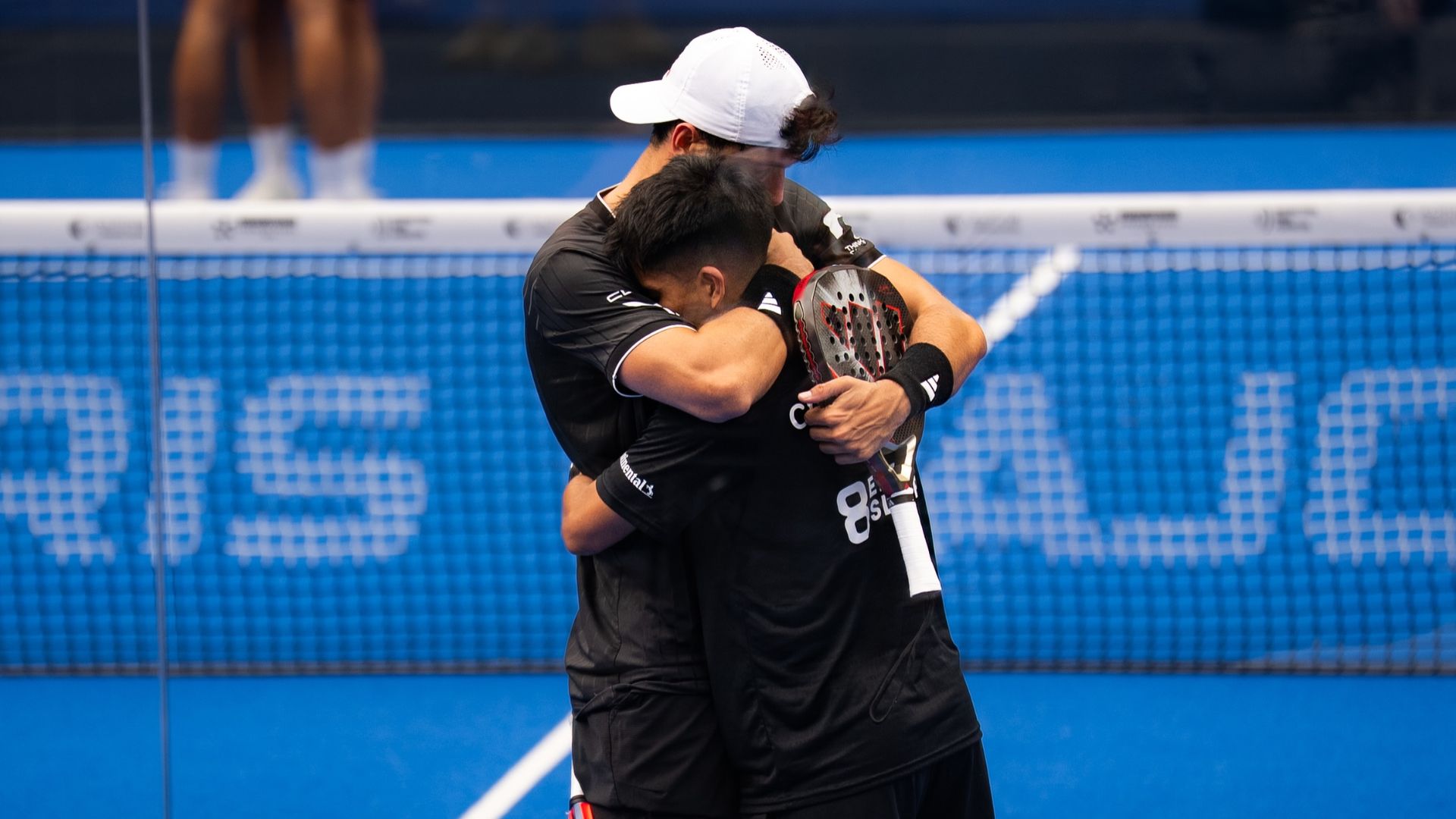 Dubai P1 – Galán/Chingotto withdraw, Leal/Guerrero take advantage of their absence to directly enter the main draw
 Padel court rentals: a global market estimated at 4,6 billion euros
 FIP Beyond: the new global padel circuit for amateurs and seniors
 More than 6,300 FIP-ranked players: professional padel is becoming international, but Spain dominates
 Memory, reflexes, concentration: what happens in our brain when we play padel?
 P2000 or P3000: what are the differences in prize money, format and organization in 2028?
 Why can Libaak/Alfonso beat almost everyone… except Coello/Tapia?
 Could padel help the brain recover after chemotherapy?
 What the analysis of the stroke reveals: tennis forehand vs. padel bandeja
 Has the bandeja disappeared from modern padel?
 Flat forehand in padel: 5 exercises from Cristian Álvarez to gain control and efficiency
 Why knowing how to play on the right and left can make all the difference
 Tapia reveals his recipe for beating Coello / Tapia: "I would bet everything on myself"
 How Coello defused Chingotto's game plan
 In padel, does the chemistry between a pair count as much as individual skill?
 Organising a P2000 or a P3000: how much does it really cost clubs?
 Do you lose your ranking? Padel FFT after more than a year without a license / without competition?
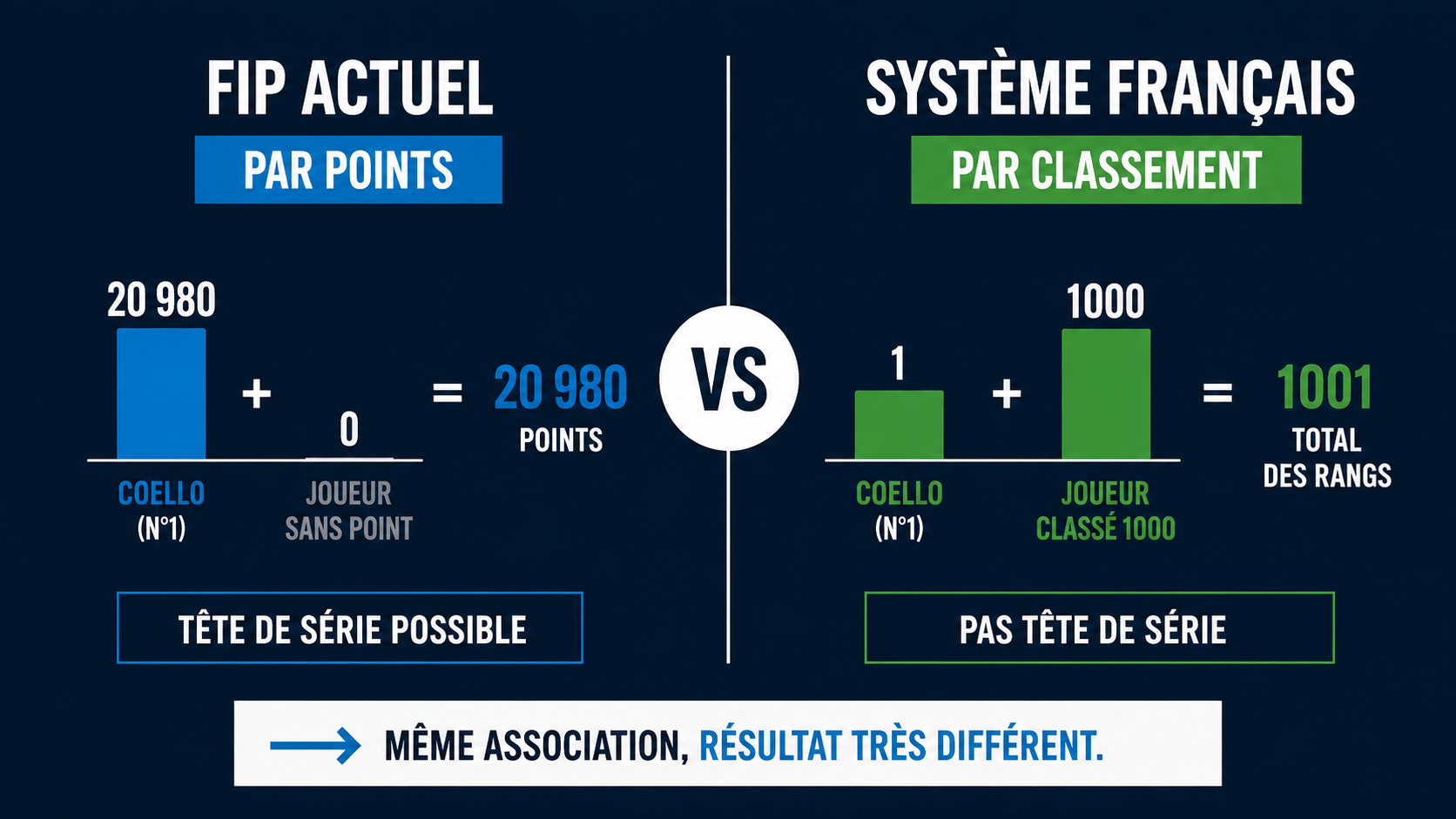 Coello with a player at 0 points ahead of two top 10 players: should the FIP ranking be reviewed?
 Kuwait Major: Chingotto/Galán out, Alejandro Galán injured, Coello/Tapia the only favorites?
 Julien Seurin opens up about his mental state: "There are far more doubts than moments of happiness."
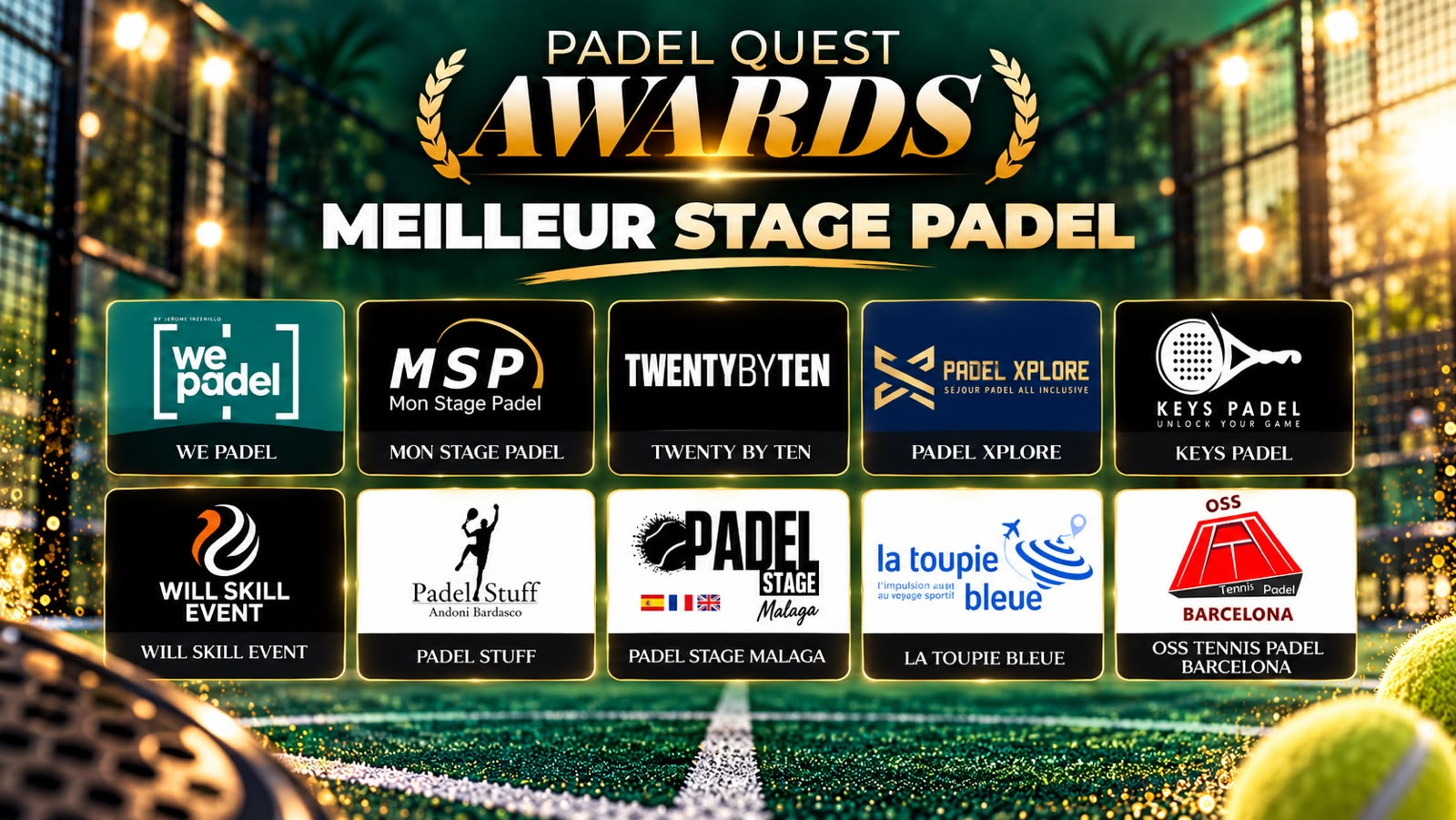 Padel Quest Awards: Ten specialists in the running for the title of best padel training camp of the year
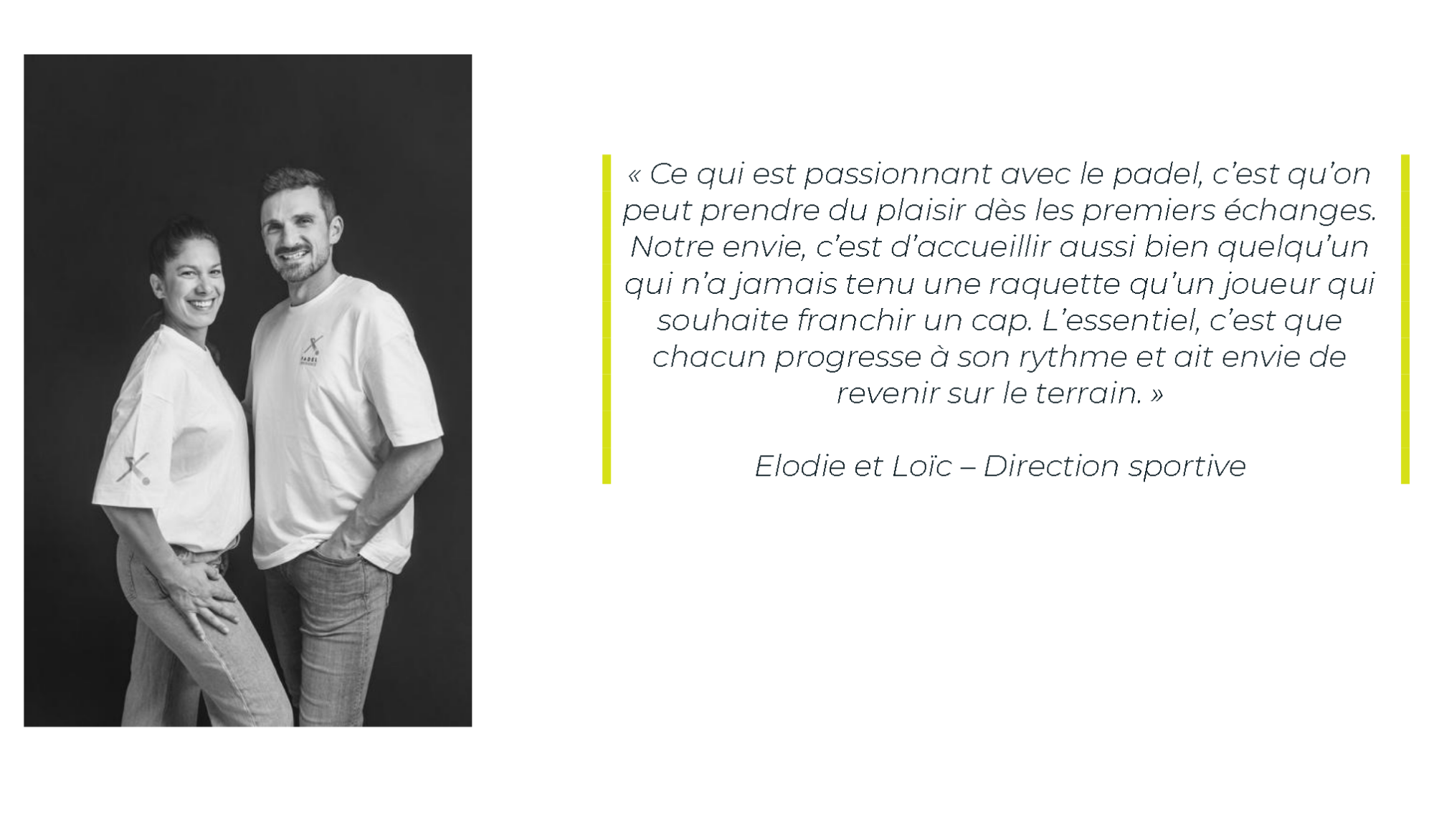 Padel Xperience: The Academy opens on November 2nd in Marcheprime, ahead of the complex's inauguration in 2027
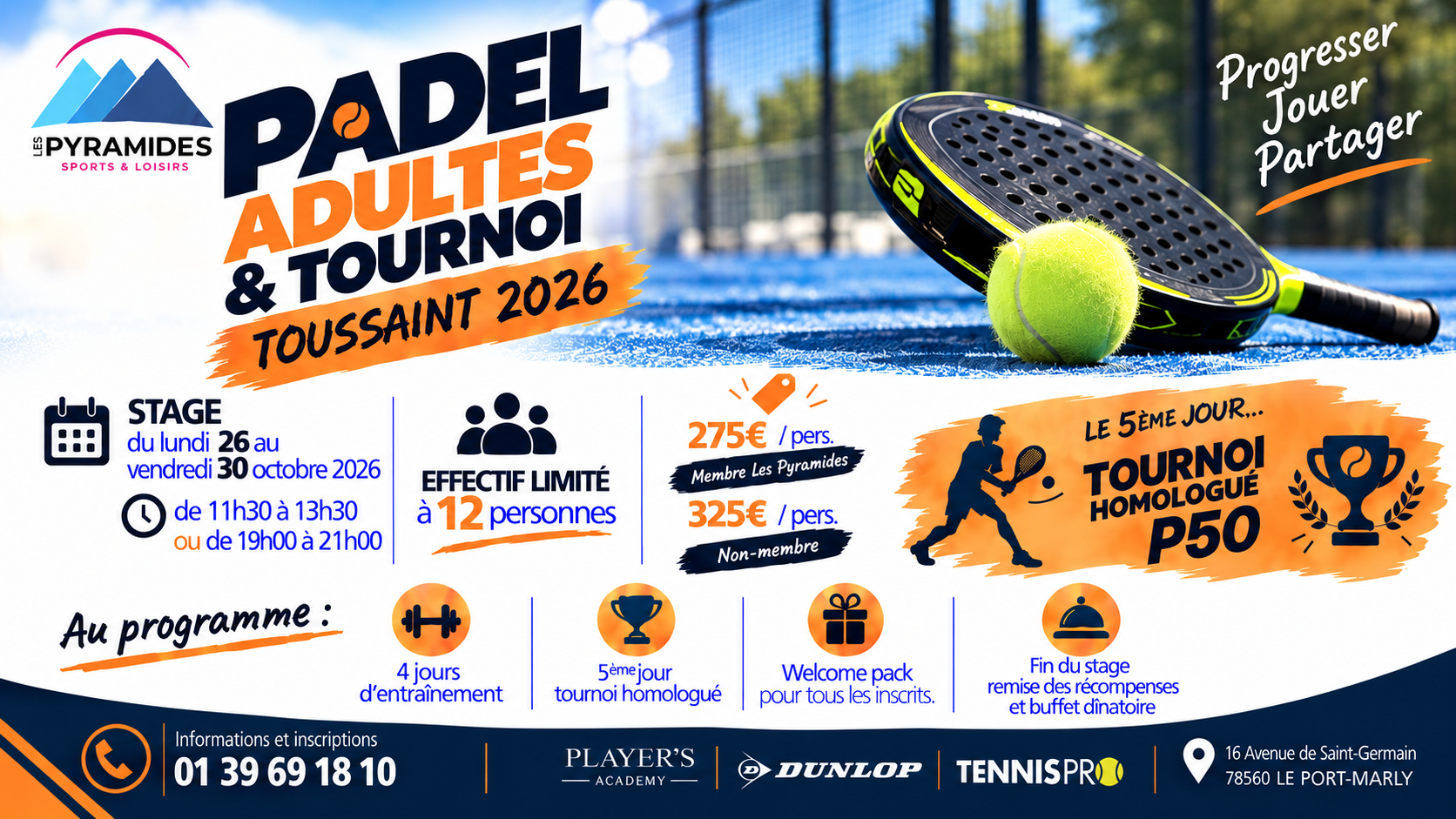 All Saints' Day – Les Pyramides are organizing a padel training camp for adults with a P50 tournament to close out the week
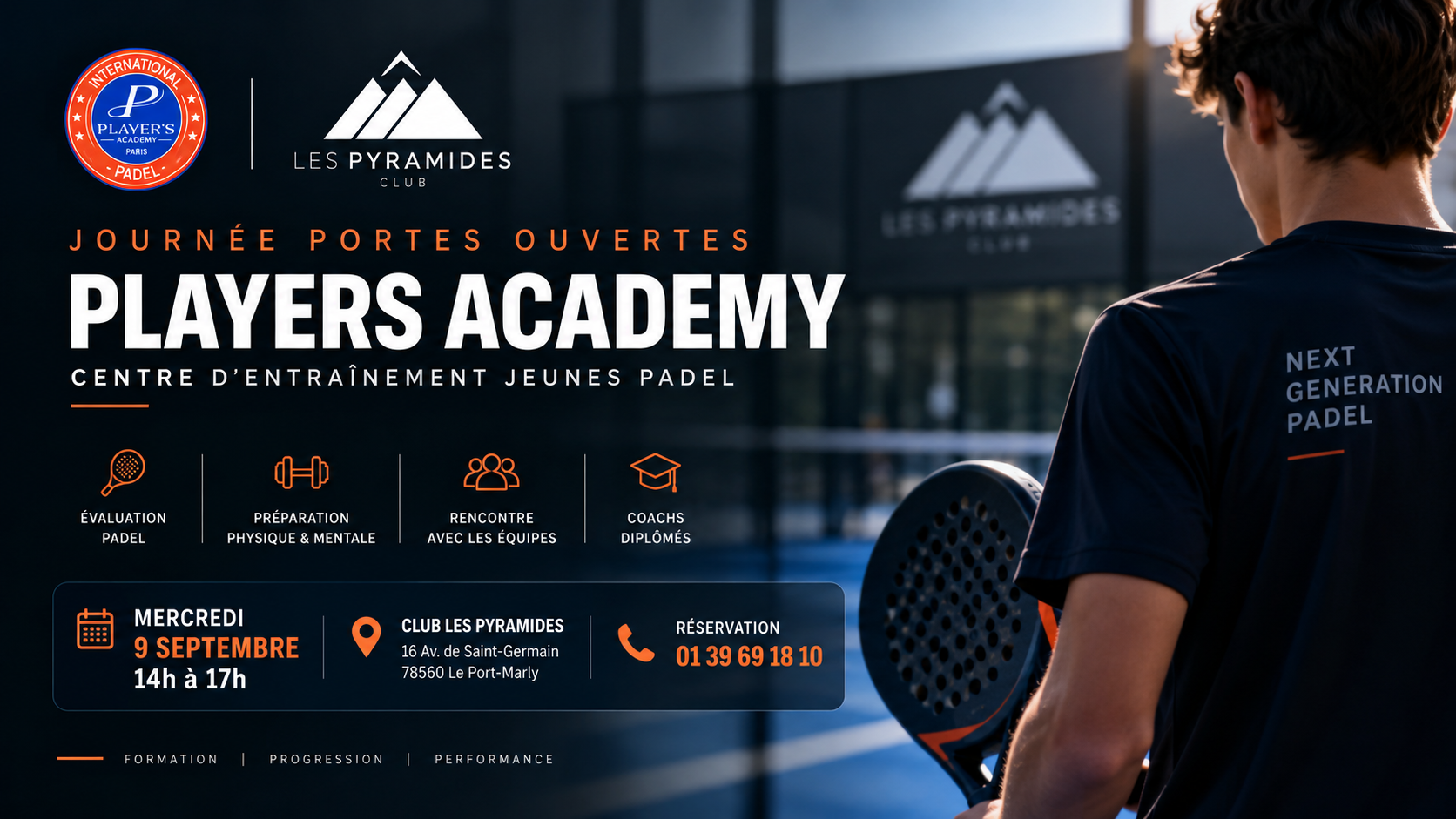 Les Pyramides: after 12 padel courts, the club is focusing on youth training