









A few weeks after the elimination of the French men's team at the 2025 European Padel Championships in Spain, Pablo Ayma The captain of the French national team, looks back in detail on a complicated campaign. France finished third in its group at La Línea de la Conception, thus missing out on direct qualification for the semi-finals .
The coach gives an exceptional interview with his characteristic candor. He addresses the criticisms, questions, doubts, his choices, and outlines the lessons learned for the future.
“With Leygue, things would certainly have been different.”
Pablo, what is your overall feeling after this elimination in the group stage?
“It’s obviously no secret: we were very disappointed with the performance and the final result. We’re competitors, and it’s hard to be satisfied with that. There’s also a lot of pride in this team. That’s an important driving force to keep fighting, even when things get tough. I think the group stayed very united when the boat was rocking. That’s a strength, and we shouldn’t underestimate it.”
Now, several things have gone wrong. We knew we would miss Thomas Leygue: he's a key player for the team. With him, I think we would not only have made it through the group stage, but also fielded a stronger team to aim for the podium.
France hoped at least to qualify for the semi-finals…
“Of course. And the whole group was very disappointed. That third loss against the Netherlands changed everything. The Dutch fielded a solid team. Their first pair, who beat us, also won their match against Italy. So we shouldn't consider them a small nation, contrary to what was said before and after the match.”
I would also like to commend the work of Padel Magazine"In particular, the article published before our match against the Dutch. Almost alone in pointing it out, you warned of the true level of this team, which should absolutely not be underestimated. Unfortunately for us, these warnings were not enough to avoid the outcome we all know."
It's clear that the other nations are also getting stronger and that the competition is tougher. Even more so with this new format (the Final 8, which now only includes the 8 best European nations) implemented by the International Federation of Padel.
The second confrontation was very long: Jo (Bergeron) and Bastien (Blanqué) had to fight for almost three hours to win the second point.

And for the third match, I fielded the French champion pair, Dylan (guichard) and Manu (Vives).
I'm not going to lie. Yes, honestly, I thought we would win. But that's sport. And we didn't play well. Our opponents capitalized on our mistakes and ended up being better, which practically eliminated us. We needed to beat Italy 3-0 to have any hope of advancing.
Against Italy, we played better, but it was too late and it wasn't enough.
“To what extent do naturalizations influence European competitions?”
Beyond this third match against the Netherlands, are there perhaps other regrets?
"Against the Netherlands, Timéo (Fonteny) and Ben (Tison) ran into a tough opponent in match 1. There's a bit of regret, of course, because we weren't able to break free and implement our tactics. But it's worth noting that they were up against the best Dutch pair." Richters / Roper They played a great match. They even beat Italy, which was also a surprise.
Regarding Italy, they have good Italian players but also an experienced Spaniard (Alvaro Montiel, ranked 92nd in the world) and an experienced Argentinian (Aris Patiniotis, ranked 54th in the world). One day, we will have to consider to what extent naturalization or recruitment regulations can influence competitions like the European or World Championships.
What positive aspects do you remember despite everything?
"The group is very united, really close-knit. It's a 100% French team (of players), who help each other a lot on and off the field. We've also integrated very young players like Yoan, who, along with Timéo, symbolize a very promising future."

Joris, Vives, Guichard, and Leygue also have a lot of potential. Their youth, combined with the experience of other players, guarantees an excellent future for the French national team. I'm very happy with this foundation.
“We were missing a player on the left”
Was the preparation sufficient, particularly in terms of cohesion and team training?
“The training camp in Perpignan (Club du Mas) was very productive. Arriving at the competition on Saturday allowed us to train until Tuesday.”
The only difficulty: the training tracks were in very poor condition. But all the teams had to make do.
Regarding preparation, it's clear that the more time you invest in group training, the more automatic responses are developed. This helps you make better decisions and adapt to changes.
The team sometimes seemed to lack cohesion during matches. Was this due to a lack of playing time together before the championship?
“We were missing a player on the left. Before his injury, Leygue had agreed to play on the left if necessary, and that position is crucial.”
Bastien wasn't at his best before the competition. Timéo plays very well, but he's still too young to have the experience that comes with time, although I have no doubt he'll become a representative player for France.
And Manu, even though he had won the French Championship, was just returning from an injury, which always creates doubts when it comes to forming pairs.
“Max Joris was a surprise to me”
Could/should we have done things differently during these Euros?
"In hindsight, everything seems simpler. But at the time, I thought these were the best formations against Germany, then the Netherlands, then Italy.
These choices were made in consultation with the most experienced players. We were all in agreement, knowing the advantages and disadvantages of each combination.

If you had to do it again, would you make the same decisions?
"One surprise for me was Max Joris, incredible on the left, first with Ben against Germany, then with Dylan against Italy, where they beat Patiniotis/Cassetta, a very solid pair.
Joris adapted perfectly to the outdoor and very fast conditions.
Dylan too: even though he lost the day before with Manu in a match that cost us qualification, he had a tremendous game the next day with Joris. Really well done to him, because I know how much he was affected against the Netherlands.
Perhaps if they had played together against the Netherlands, we would have won that important point. But Manu had been very good with Dylan against Germany, so the choice was justifiable. And hindsight is always 20/20.
Which pair left the best impression on you?
"Without a doubt, Dylan and Joris against Italy."
And Timéo and Johan have shown that they can play very well together, but this meant separating Blanqué and Bergeron, who were originally our strongest pairing.
Timéo was sick just before the championship. Should he still have played?
"He was ill, which is why I preferred that he not play the first match against Germany. Joris replaced him and played very well. This gave Timéo an extra day of recovery."
"Joris replaced him, and it was a good decision."
"Decisions must be made based on each player's condition: level of play, confidence, physical fitness, and the profile of the future opponent."
“Constructive criticism is always interesting, but sometimes, we don't know everything…”
The women's captain was accompanied by an assistant. Would you like the same for the World Cup?
“Yes, an assistant helps enormously, especially with managing training schedules, meetings, meals, and travel. If the assistant is also a coach, it allows for the sharing of analyses.”
This tournament was a bit chaotic: the players were in one hotel, I was in another, the training tracks were a 20-minute walk away due to insufficient transfers, and the competition venue was somewhere else entirely.
Everything is simpler when training grounds, competition venues, and hotels are all close together.
After this elimination, some believe a change of coach is necessary. How do you respond to these criticisms?
“That’s a perfectly legitimate and interesting question. It will allow me to respond to some comments. I’ll try to give an answer, even if it might seem, in a way, presumptuous. Of course, in the heat of the moment, everything is up in your mind. I wondered if I could have done better to help the team. You can always find ways to adjust. However, with hindsight, and without sounding arrogant, I think my work on the bench is good, whether it’s analyzing opponents or building lineups. My experience as a coach can greatly help players develop their potential.”
I believe that my vision of padel can contribute as much to the present as to the future of the team.
I understand the reactions, but I think they're unfair. First, we only needed one match to reach the semi-finals… it's both a lot and so little. Second, if we'd had Thomas, the result would probably have been different. And then, unfortunately, there was a confluence of circumstances with some unusual lapses from certain key players; Manu was just coming back from an injury; and Timéo fell ill. All of that destabilizes a team. Let's be clear: it's a defeat for a group just as it's a victory for a group.

"What I mean is that when you don't have all the information, it's difficult to make an objective assessment from the outside. And you shouldn't underestimate other countries. Sweden, for example, with a very good team, also got knocked out in the group stage."
"I am convinced that we will come back to fight for the podium. This defeat will make us stronger."
"Together with the FFT, we are analyzing the changes needed to build our team. I am sure we will succeed."
Objective: to reclaim the World Cup title in 2026
What lessons have you learned from this Euro to prepare for the next World Cup in 2026?
“We often learn much more from defeats than from victories. With the necessary changes, we will arrive at the World Championships stronger, more solid, more efficient, and with very clear values. We want to be an example on and off the court. That is the objective we will work towards with the entire FFT.”
What will be the priority lines of work?
“Following players in competition, giving them feedback, making them even more competitive, but also reinforcing essential values: humility, effort, discipline, cohesion.
The French team is already very united, and that must remain a cornerstone.
Should the group be changed?
“Yes, without a doubt. My goal is to assemble the best possible team, thinking not only about the short term, but also the medium and long term. I am convinced that we will succeed.”

Franck Binisti discovered padel at the Club des Pyramides in 2009 in the Paris region. Since then, padel has been part of his life. You often see him touring France to cover major French padel events.









































 Padel Quest Awards: Which is the best padel app in France? Voting opens at 18 PM
 Paquito Navarro wants to leave at the top: "I'm giving myself until the end of 2028"
 At just 16 years old, Victoria Vílchez will play in the World Cup with Argentina: who is this young prodigy?
 France or Portugal, Spain or Argentina: Miguel Lamperti ranks the best padel nations
 Cédric Lavoye: "Hard work pays off" and a first FIP tournament in Guadeloupe is in his sights
 Nicolas Rouanet is preparing his return in 2027: “With Bastien Blanqué, I would never say no”
 Leygue/Blanqué respond bluntly to the criticism: "You can say what you want... We're putting all our money and our lives into this."
 Doinsport and PISTA join forces: padel is finally coming alive!
 P1000 4Padel Limoges: Sarrat/Fabre favorites, Bernard/Peloux and Henrion/Mitjana ready to play spoiler
 P1000 Drag'N Ball Draguignan: Biron / Tullou and Gourre / Vial, a duel for the title?
 Milan P1 – The journey ends for Alix Collombon and Léa Godallier, defeated in two sets in the first round
 Düsseldorf P2: Sanz runs more than anyone else, Fernández and Calvo dominate the numbers… what the finals statistics reveal
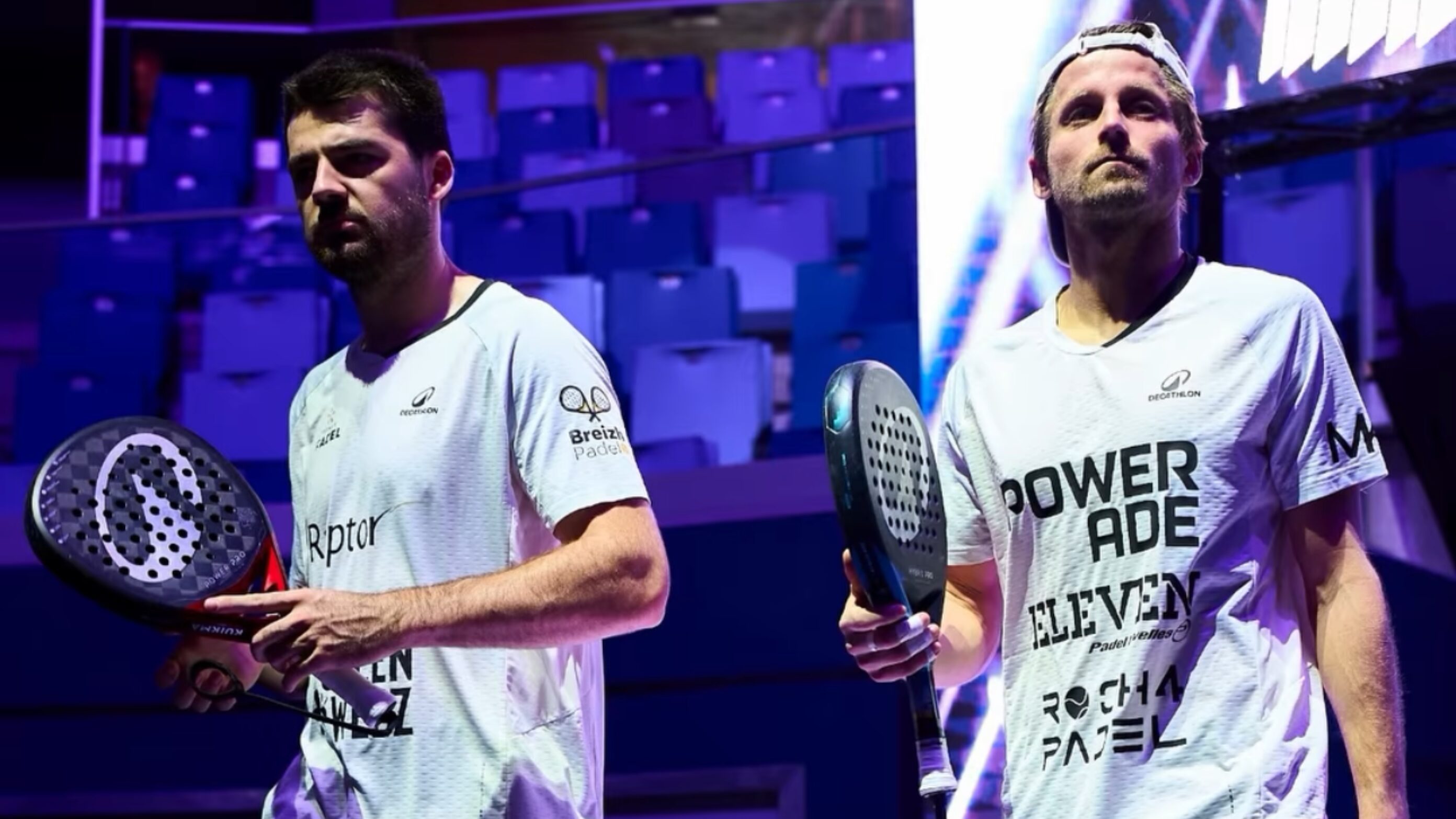 Milan P1 – Can Guichard and Geens repeat Leygue and Moya's feat against Goñi / Alonso?
 Leo Augsburger launches his own brand: a burger as the logo for the new Argentinian star
 Milan P1 – Guichard/Geens face a tough challenge, the favorites take to the court: Wednesday's schedule
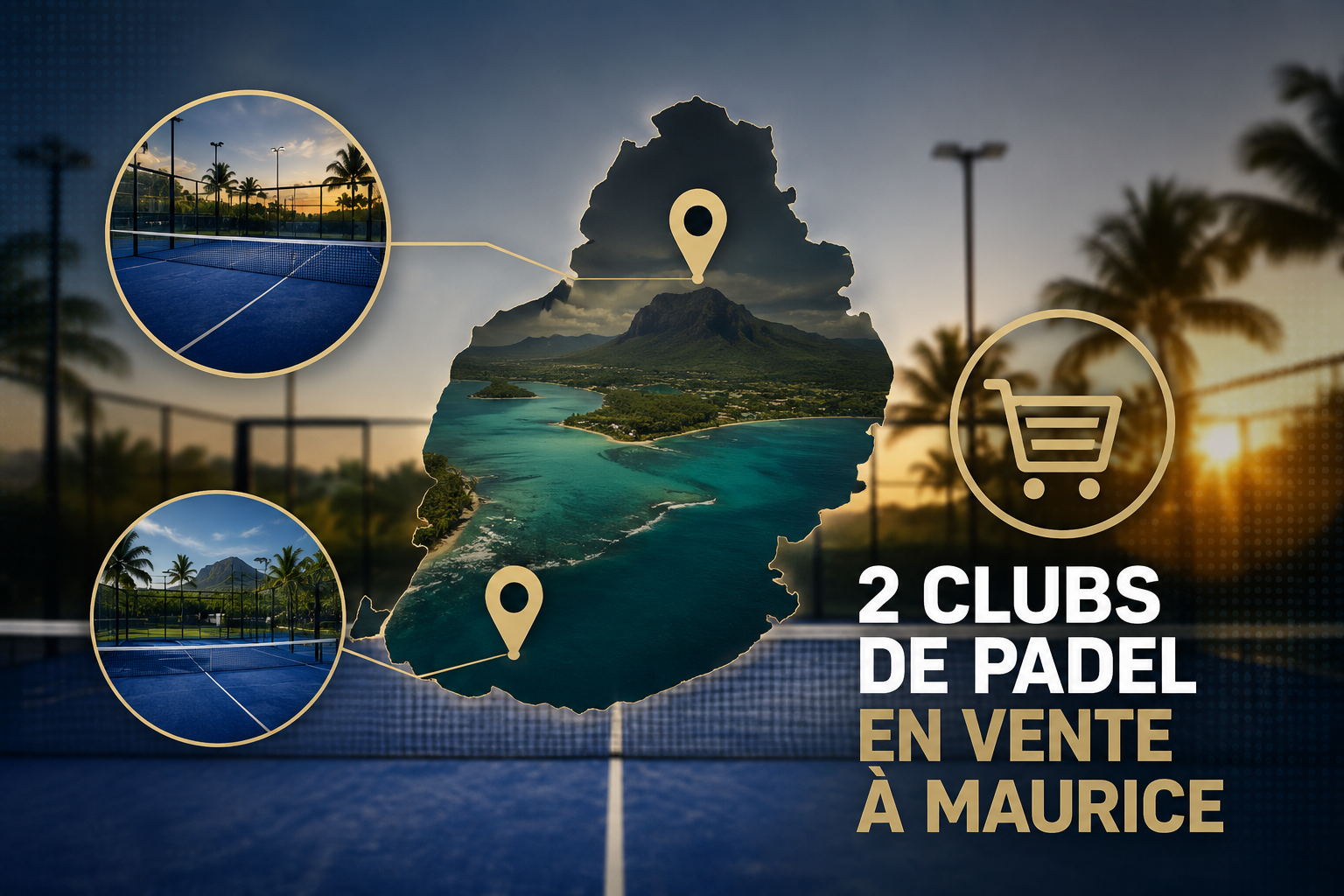 For sale: two padel clubs in Mauritius, starting from 330,000 euros
 How much does it actually cost to organize a FIP Bronze event?
 Padel How Lidl is transforming Crivit into a fully-fledged sports brand with Steffi Graf
 Compagnie des Alpes is accelerating its involvement in padel with PadelCity: a new step in its European strategy
 Coello with a player at 0 points ahead of two top 10 players: should the FIP ranking be reviewed?
 Les Pyramides: after 12 padel courts, the club is focusing on youth training
 Health Care Padel Tour 2026: What if your next padel tournament was played in Barcelona?
 FAST Padel Academy continues its development and establishes itself in Liège.
 What the analysis of the stroke reveals: tennis forehand vs. padel bandeja
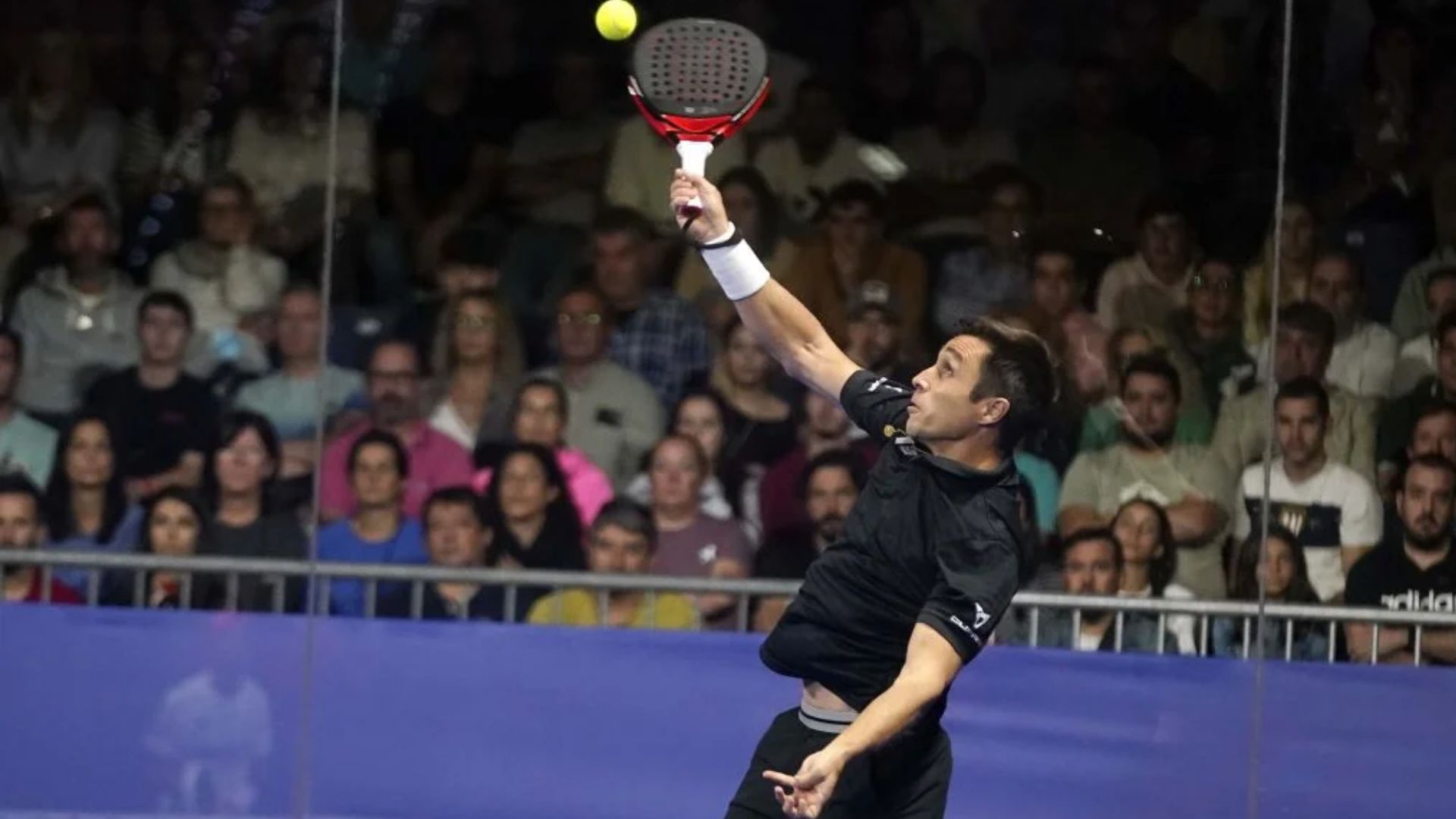 Has the bandeja disappeared from modern padel?
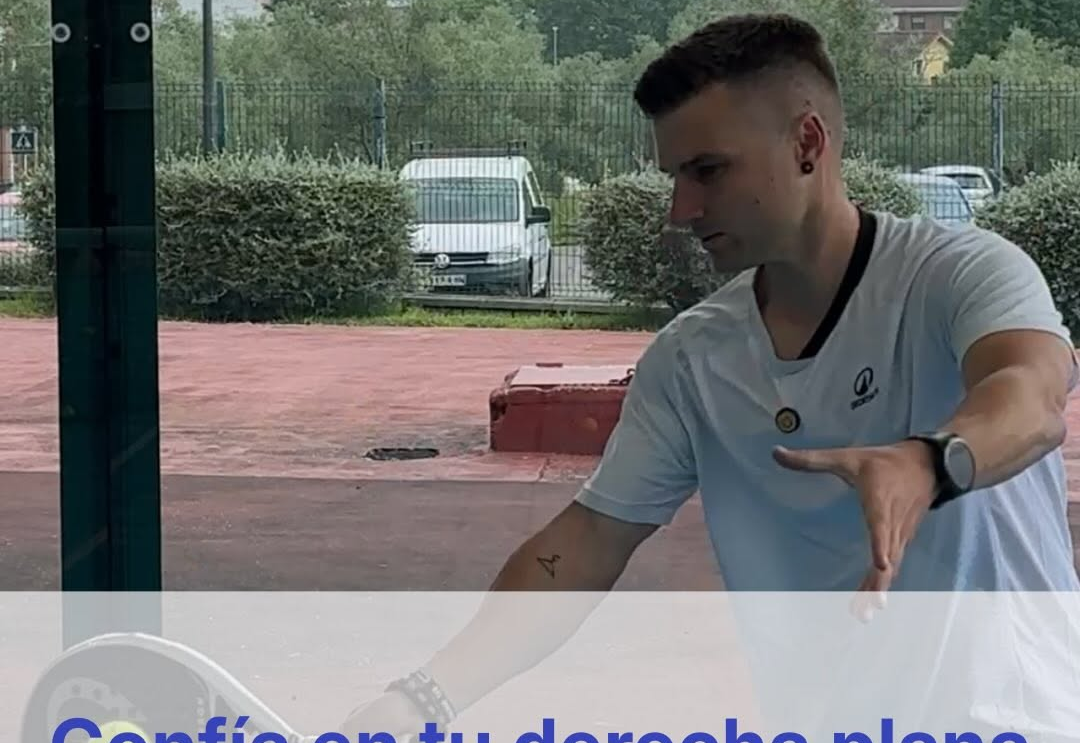 Flat forehand in padel: 5 exercises from Cristian Álvarez to gain control and efficiency
 Why knowing how to play on the right and left can make all the difference
 Tapia reveals his recipe for beating Coello / Tapia: "I would bet everything on myself"
 How Coello defused Chingotto's game plan
 In padel, does the chemistry between a pair count as much as individual skill?
 Summer changes padel… but what if the real challenge wasn't hitting harder?
 Neither FIP Tour nor World Team Championship: the unique format of padel at the Mediterranean Games
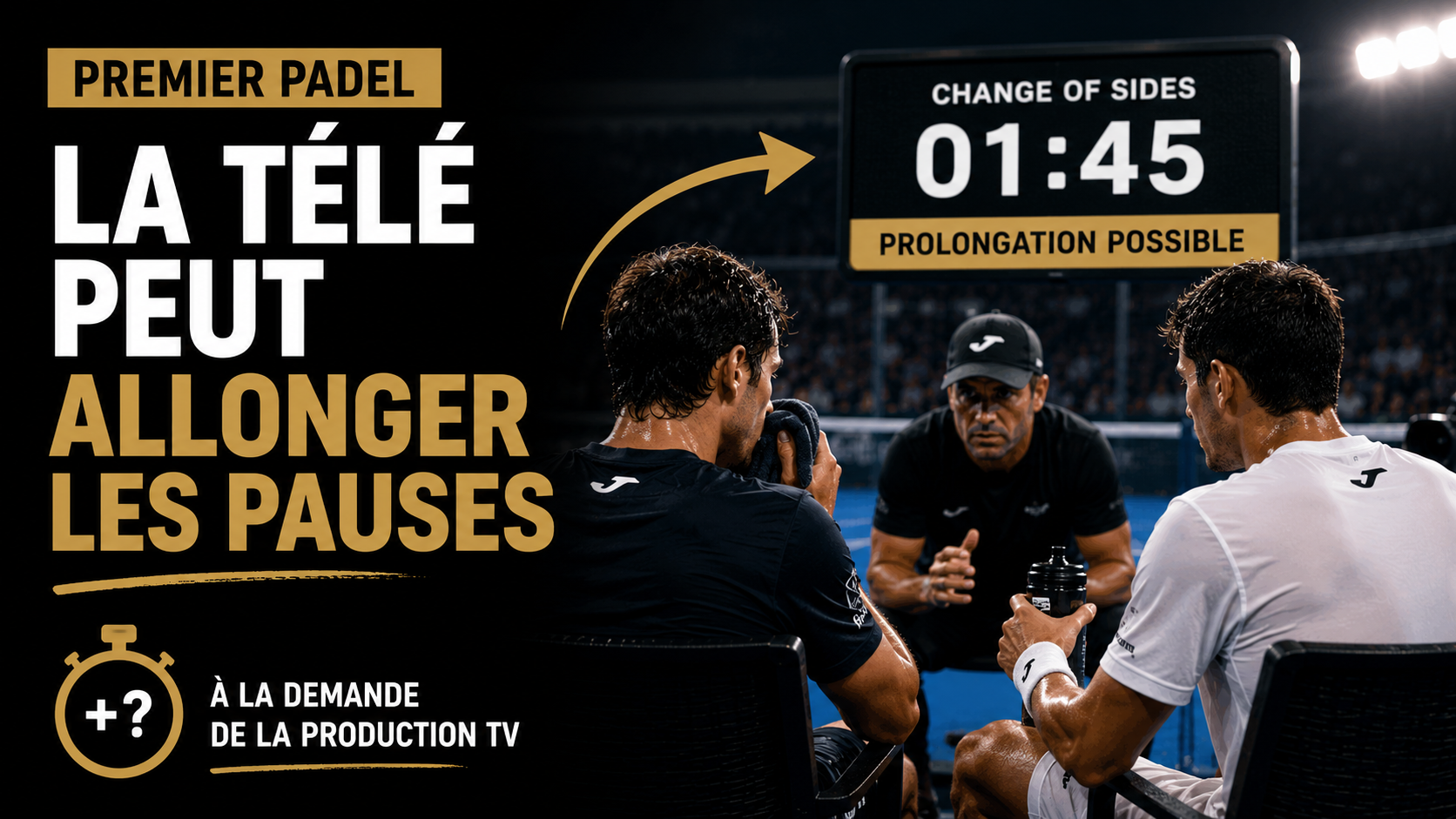 Premier Padel : when television can lengthen players' breaks
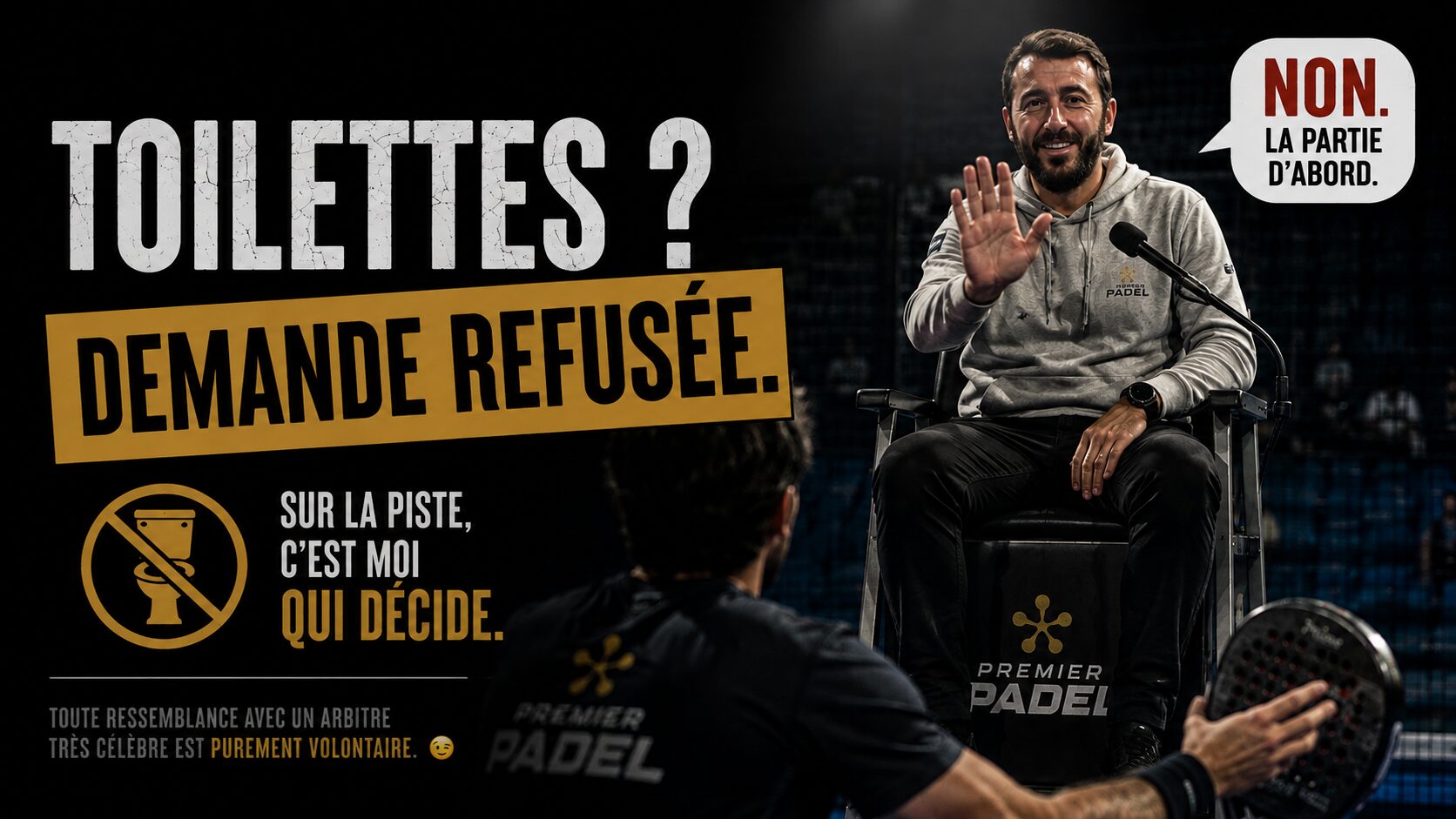 Premier Padel Yes, a referee can refuse a player permission to go to the toilet
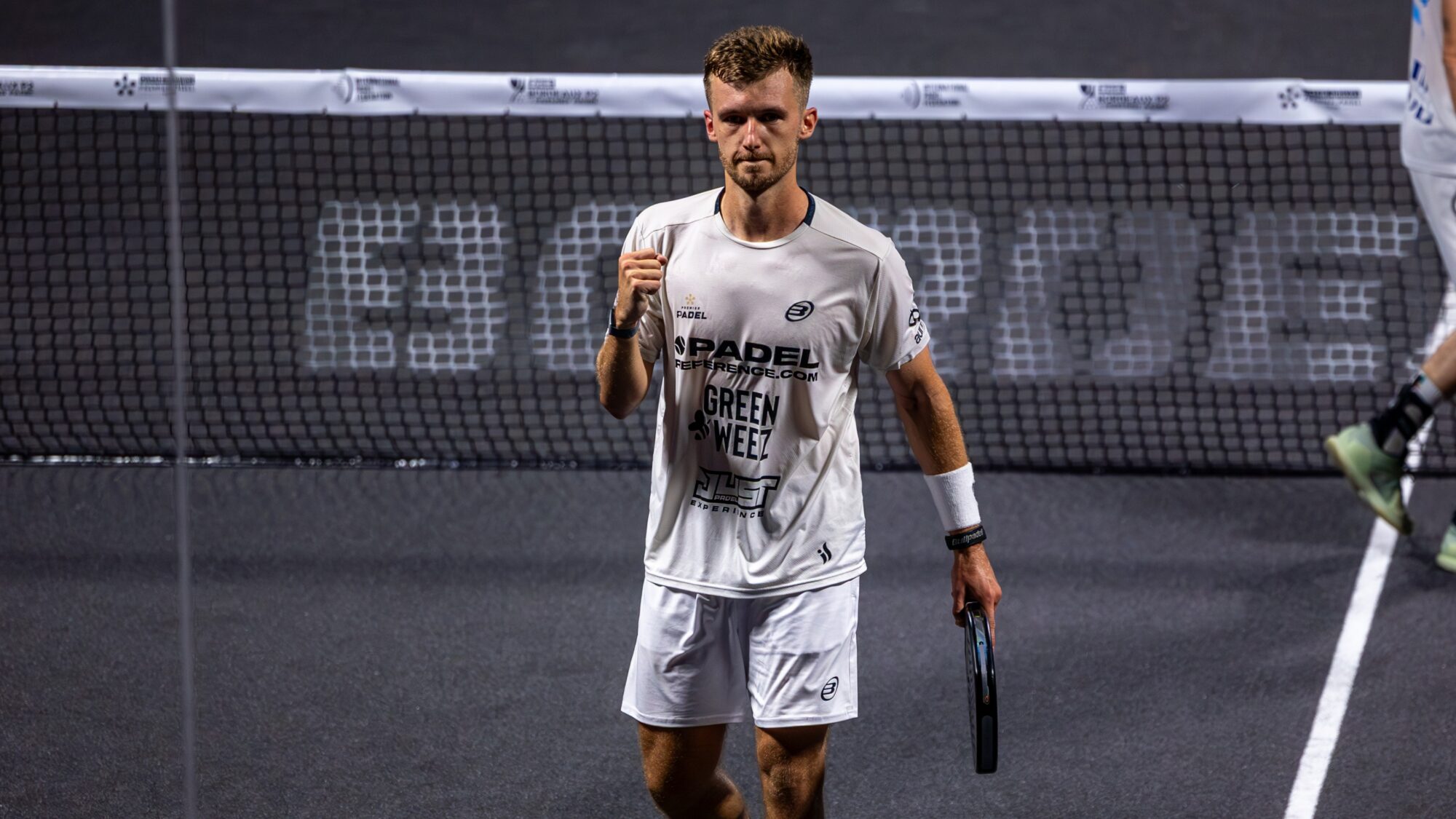 Julien Seurin opens up about his mental state: "There are far more doubts than moments of happiness."
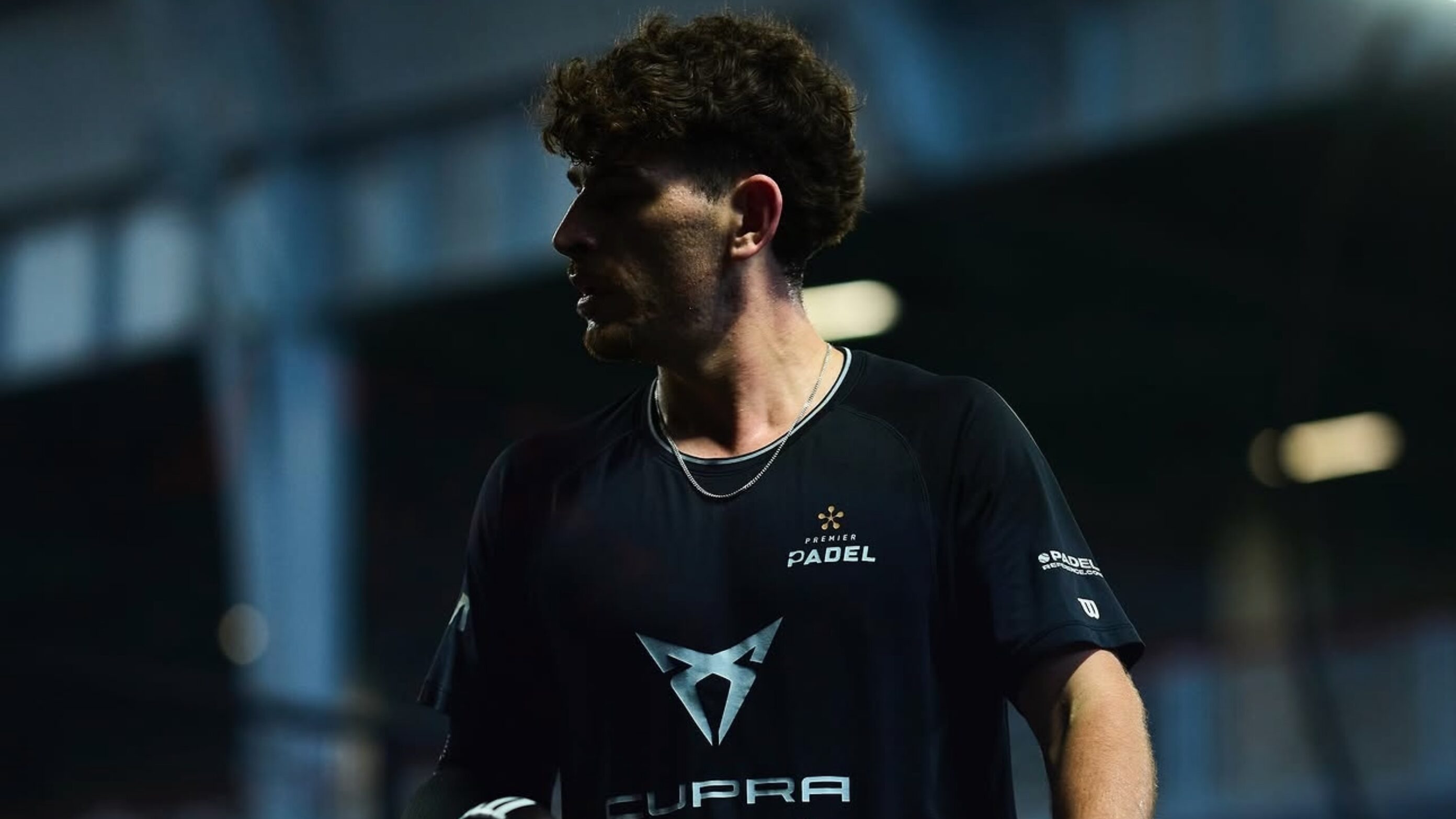 More than a year later, Thomas Leygue is back in the top 150: behind the scenes of a comeback that's still unfinished
 Padel vs squash vs badminton: the scientific ranking of cardio intensity
 Why does Arturo Coello play with his right hand bandaged?
 What if your progress in padel depended on what nobody else is looking at?