

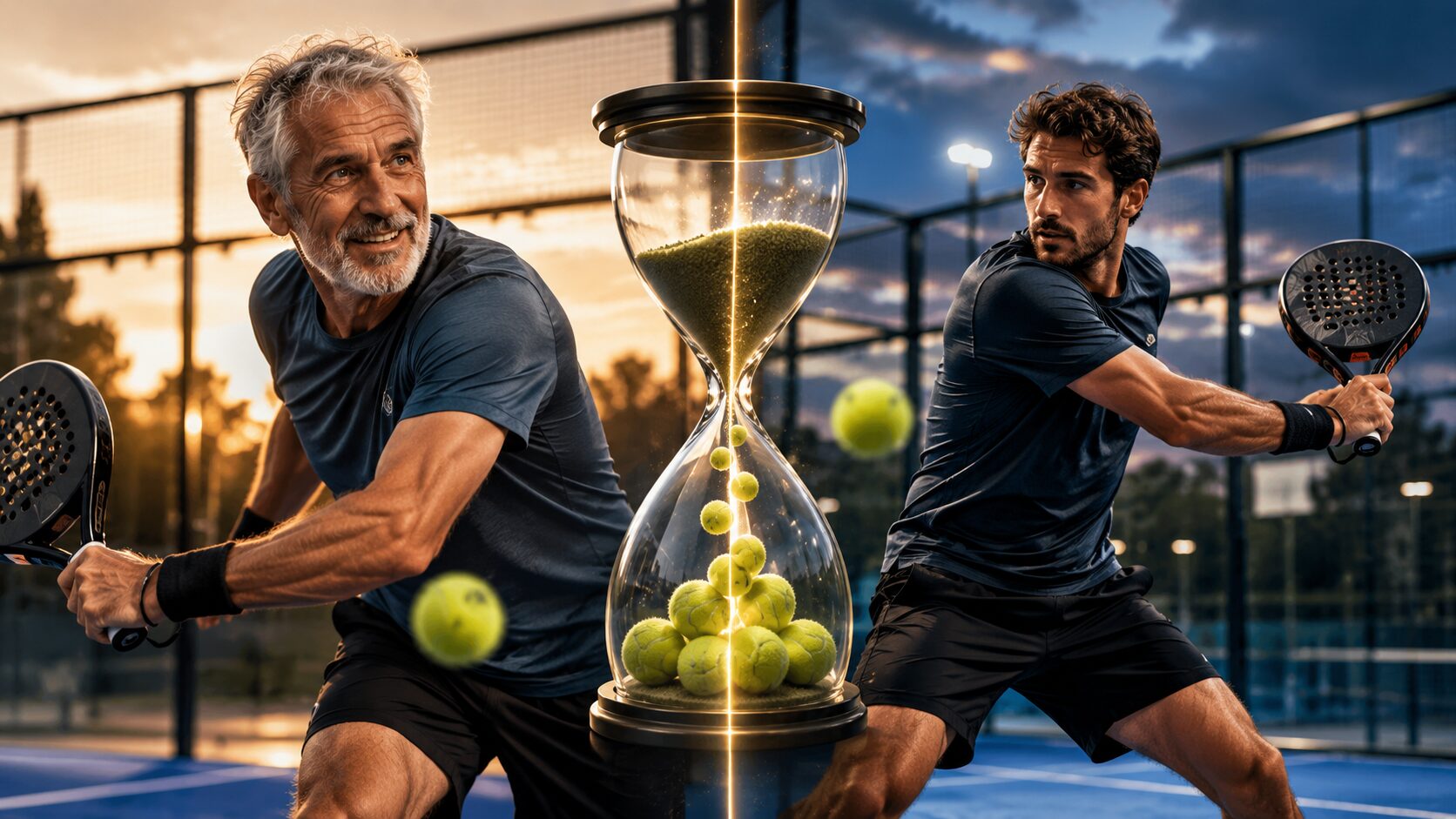







A large Danish study that followed more than 8,500 people for 25 years showed that racquet sports players gain on average almost 10 years of life expectancy compared to sedentary people — and padel, with its low joint impact, ticks almost all the boxes to enjoy it at any age.
Taking up sports again after 40 or 50 is often associated with simply being about body shape or fitness. But science tells a much broader story: the choice of sport we practice as we age could literally change the number of years we have left to live — and not in a trivial way.
A large-scale Danish study, the Copenhagen City Heart Study , followed more than 8,500 people for 25 years to compare the effect of different recreational sports on longevity. The result, published in the journal Mayo Clinic Procedures in 2018, it surprised even the researchers themselves: it wasn't the most intense sports that came out on top, but the racket sports played in groups .
So, what does the aging body really look like, and why does padel – often presented as THE sport “easy to take up again after 40” – seem to fit so well with the physiological needs of this stage of life? Here’s what the studies reveal.
1. What really happens in the body after 40
Before understanding why padel (or tennis) is recommended as we age, we need to understand what the body actually goes through. Three main phenomena come into play, and they begin much earlier than we think.
The heart is losing capacity, slowly but surely
From the age of 30-40, the capacity of the heart and lungs to supply oxygen to the muscles during exertion — what scientists call the VO2max One of the best existing indicators of cardiovascular health — begins to decline. According to available data, this capacity decreases by approximately 1% per year and the decline can even accelerate after a certain age. In other words, by age 60, one can theoretically have lost up to a third of their cardiorespiratory capacity compared to age 30 — if no physical activity counteracts this natural tendency.
The good news? Studies show that Training can compensate for a good part of this loss, regardless of age. This includes people over 70 or 80 years old who resume regular physical activity. The body retains a remarkable capacity for adaptation, provided it is challenged.
Muscle wasting: sarcopenia
From the age of fifty onwards, another phenomenon gradually takes hold: the sarcopenia Sarcopenia, or the natural loss of muscle mass and strength associated with age, primarily affects the leg and pelvic muscles—the very muscles that allow us to run after a ball, brake, or regain our balance. Left untreated, sarcopenia can lead to a loss of up to 30% of muscle mass over the decades, with tangible consequences: increased fatigue, a doubled risk of falls, and a progressive loss of independence.
However, studies are unanimous on one point: Regular physical activity, especially sports that combine cardiovascular effort and muscular exertion, is the best tool to slow down this process — much more effective than rest, which on the contrary tends to accelerate it.
Bones that become brittle
Finally, bone density also decreases with age, increasing the risk of osteoporosis, particularly in postmenopausal women. Here again, the science is clear: it is the mechanical constraints of movement (The small, repeated impacts and stresses during exercise) stimulate bone cells and slow down this loss of density. Conversely, a sedentary lifestyle accelerates the weakening of the skeleton. And since approximately half of all osteoporosis-related fractures occur due to a fall rather than bone fragility alone, working on balance becomes just as important as strengthening the bones themselves.
In short: as we age, our bodies need a sport that works the heart, muscles, and balance—without putting violent impacts on the joints. This is precisely what racket sports seem to fulfill.
2. Tennis adds (really) almost 10 years to life expectancy: what does the study say?
This is undoubtedly the most striking finding in recent years regarding sport and health. The Copenhagen City Heart Study compared, over 25 years, the mortality rates of people who practiced different recreational sports with those of sedentary individuals. The ranking of life expectancy gains associated with each sport is as follows:
| Sports | Estimated life expectancy gain |
|---|---|
| Tennis | + 9,7 years |
| badminton | + 6,2 years |
| Football | + 4,7 years |
| Cycling | + 3,7 years |
| Swimming | + 3,4 years |
| Running | + 3,2 years |
| Bodyweight training | + 3,1 years |
| Indoor fitness | +1,5 year |
Tennis, therefore, comes out on top by a wide margin—ahead of sports generally considered very good for the heart, such as running or swimming. How can this be explained? Researchers suggest several complementary explanations:
- Social connection. Tennis (and even more so padel, which is always played with four people) involves playing regularly with others. However, a large-scale analysis combining numerous studies has shown that The quality of social relationships offers greater protection against premature mortality than quitting smoking, weight control, or blood pressure control. This figure puts things into perspective regarding the importance of teamwork in sport.
- Cognitive stimulation. Unlike running or swimming, where the movement is repetitive and predictable, a racket sport requires making split-second decisions constantly: where to place the ball, when to approach the net, how to cover the court with your partner. This constant mental stimulation may help maintain cognitive abilities with age.
- Interval training. As we have seen in our previous articles on effective playing time, tennis and padel naturally alternate short, intense efforts with recovery phases — a training format recognized as particularly effective for cardiovascular health, including in older people.
It is important to note a significant distinction: this is an observational study, not a controlled experiment. Therefore, the researchers cannot definitively state that it is tennis itself What causes this increase in longevity? It's possible, for example, that people who play tennis over a long period also have a generally healthier lifestyle. That said, the consistency of this result with several other large studies (notably a British study of over 80,000 adults, which found a marked benefit of racket sports on cardiovascular mortality) makes the hypothesis difficult to ignore.
3. And what about padel in all of this? What the specific data shows
Padel, being a more recent sport, does not yet benefit from the same long-term scientific data as tennis (25 years of follow-up, as in the Danish study). However, the available physiological data on padel practice among seniors are very encouraging and consistent with the mechanisms identified above:
An ideal heart rate zone, neither too easy nor too dangerous
During a padel match, the heart beats on average between 120 and 150 beats per minute For senior players, the intensity is what sports specialists describe as the "moderate to fundamental endurance zone," meaning it's stimulating enough to strengthen the heart muscle without putting it at risk. It's comparable to a moderate-paced jog, but made much more fun and social by the game format.
Measurable benefits in just a few months
Several field studies conducted with regular practitioners (two sessions per week) report, after approximately three months of practice:
- a decrease in resting heart rate 5 to 10 beats per minute (a classic sign of improved cardiac efficiency),
- a reduction in systolic blood pressure 5 to 7 mmHg in hypertensive individuals, a result consistent with studies published in the British Journal of Sports Medicine.
Sufficient energy expenditure without excess
An hour of padel burns on average 400 to 700 calories , a level of effort sufficient to have a real impact on overall physical condition, without exposing one to the overload that more intense sports can represent for a body resuming activity after several years of break.
Reduced joint impact, a real advantage after 50
On a court smaller than a tennis court (20 x 10 m), with walls that return the ball to play and a much less powerful serve, padel generally requires less strenuous movements on the joints. This is an argument regularly put forward by health and fitness practitioners to explain why this sport is particularly well tolerated when resuming physical activity, including for people with a history of joint problems—although, as mentioned in our previous article, direct comparative studies on injury rates between tennis and padel are still lacking to fully substantiate this difference.
4. Why padel ticks (almost) all the boxes for healthy aging
By combining the physiological needs identified by the science of aging and the characteristics of padel, the correlation is striking:
| Physiological need after 40-50 years | What padel brings |
|---|---|
| Maintaining cardiovascular capacity (VO2max) | Heart rate in a moderate-to-sustained zone for 45 to 60 minutes |
| Slowing down muscle loss (sarcopenia) | Constant use of the legs, torso and arms through movement and striking. |
| Preserve bone density | Moderate and repeated mechanical stresses, without violent impact |
| Working on balance and preventing falls | Frequent changes of direction, lateral support, responsiveness |
| Stimulate the brain | Constant decision-making, anticipation, two-person tactical game |
| Maintaining social connections (a major factor in longevity) | Sport must be played in doubles, friendly format |
The only point of caution concerns, as with any return to sport after a period of inactivity: the need for a prior medical assessment , particularly in cases of cardiovascular history, as well as a cautious progression (duration of play, intensity) during the first few weeks of practice.
5. The recommendations that come up most often among sports and health specialists
- Undergo a cardiac and joint assessment before resuming intense physical activity after several years of sedentary lifestyle, especially after age 50.
- Start gradually : sessions of 30 to 45 minutes at the beginning, before increasing the duration and intensity.
- Equip yourself properly : a light and forgiving racket (around 340-360 g, round shape rather than teardrop, to absorb off-center shots) and shoes specifically designed for padel, offering good lateral support — an important point given the significant stress on the ankles mentioned above.
- Play regularly rather than intensely : two sessions per week come up as a consistent rhythm in most feedback and available studies, for a measurable cardiovascular benefit without risk of overtraining.
Conclusion
The science of aging converges on a simple conclusion: it's not necessarily the most intense sport that offers the best protection as we age, but rather the one that combines cardiovascular effort, muscle engagement, cognitive stimulation, and social interaction—without placing excessive stress on the joints. Tennis, with nearly 10 years of life expectancy gained over 25 years of follow-up in a landmark study, illustrates just how much this type of activity can impact long-term health. Padel, more recent and therefore less documented over such long periods, presents very similar physiological characteristics on paper—with the advantage of reduced joint impact, making it a particularly suitable option for resuming serious physical activity after 40, 50, or 60 years of age.
F.A.Q
Is padel really suitable for people over 60? The available data strongly suggest this: moderate heart rate, reduced joint impact compared to tennis, and a strong social dimension—a set of factors identified as beneficial to healthy aging. A prior medical check-up is still recommended, especially in cases of cardiovascular history.
Does tennis really make you live almost 10 years longer? This is the result observed in the Copenhagen City Heart Study, a study that followed more than 8,500 people for 25 years. It is an observational study: it shows a strong association, but cannot by itself prove a direct and exclusive cause-and-effect relationship.
Is it still possible to make physical progress after 50 or 60 years of age by taking up sport again? Yes: studies show that the gains in cardiovascular capacity linked to training remain similar in magnitude, regardless of age, including in people over 70-80 years old. The body retains a real capacity for adaptation provided it is challenged gradually and regularly.
Why does social connection matter so much in the health benefits of a sport? Because several major studies converge on this finding: the quality of social relationships appears to be a protective factor against premature mortality at least as powerful as more traditional factors such as quitting smoking or weight management. Sports played in groups, like padel or tennis, directly benefit from this.
Sources and methodology
- Schnohr, P., O'Keefe, JH, Holtermann, A. et al. (2018). Various leisure-time physical activities associated with widely divergent life expectations: The Copenhagen City Heart Study. Mayo Clinic Proceedings, 93(12), 1775-1785.
- Oja, P., Kelly, P., Pedisic, Z. et al. Associations of specific types of sports and exercise with all-cause and cardiovascular-disease mortality: a cohort study of 80,306 British adults. British Journal of Sports Medicine.
- Holt-Lunstad, J., Smith, T.B., Baker, M., Harris, T., Stephenson, D. (2015). Loneliness and social isolation as risk factors for mortality: a meta-analytic review. Perspectives on Psychological Science, 10(2), 227-237.
- Data on the decline of VO2max and maximum heart rate with age, and on the benefits of training at any age (literature reviews in exercise physiology).
- Reference work on sarcopenia and its link with the risk of falls and loss of autonomy in seniors.
- Data on bone density, bone remodeling and fall prevention (INSERM, GRIO — Research and Information Group on Osteoporosis).
- Field studies on heart rate, blood pressure and caloric expenditure of senior padel players (data relayed in particular via the British Journal of Sports Medicine).
This article was written using publicly available scientific sources as of August 2026. As always when resuming physical activity, individualized medical advice is still recommended, especially after a long period of sedentary behavior or in the case of a history of health problems.

Franck Binisti discovered padel at the Club des Pyramides in 2009 in the Paris region. Since then, padel has been part of his life. You often see him touring France to cover major French padel events.







































































 Padel Quest Awards: Which is the best padel app in France? Voting opens at 18 PM
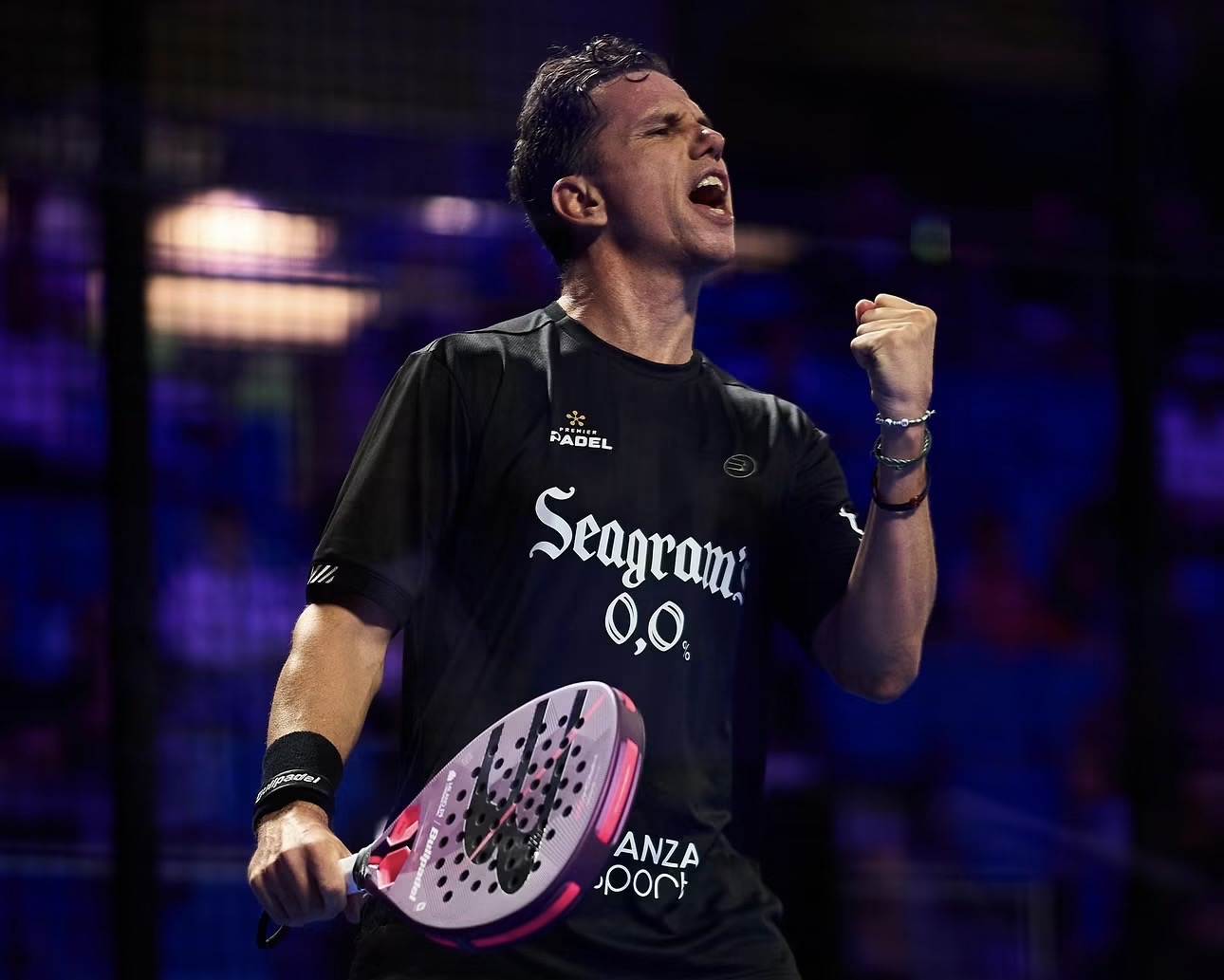 Paquito Navarro wants to leave at the top: "I'm giving myself until the end of 2028"
 At just 16 years old, Victoria Vílchez will play in the World Cup with Argentina: who is this young prodigy?
 France or Portugal, Spain or Argentina: Miguel Lamperti ranks the best padel nations
 Cédric Lavoye: "Hard work pays off" and a first FIP tournament in Guadeloupe is in his sights
 Nicolas Rouanet is preparing his return in 2027: “With Bastien Blanqué, I would never say no”
 Leygue/Blanqué respond bluntly to the criticism: "You can say what you want... We're putting all our money and our lives into this."
 Doinsport and PISTA join forces: padel is finally coming alive!
 P1000 4Padel Limoges: Sarrat/Fabre favorites, Bernard/Peloux and Henrion/Mitjana ready to play spoiler
 P1000 Drag'N Ball Draguignan: Biron / Tullou and Gourre / Vial, a duel for the title?
 Milan P1 – The journey ends for Alix Collombon and Léa Godallier, defeated in two sets in the first round
 Düsseldorf P2: Sanz runs more than anyone else, Fernández and Calvo dominate the numbers… what the finals statistics reveal
 Milan P1 – Can Guichard and Geens repeat Leygue and Moya's feat against Goñi / Alonso?
 Leo Augsburger launches his own brand: a burger as the logo for the new Argentinian star
 Milan P1 – Guichard/Geens face a tough challenge, the favorites take to the court: Wednesday's schedule
 For sale: two padel clubs in Mauritius, starting from 330,000 euros
 How much does it actually cost to organize a FIP Bronze event?
 Padel How Lidl is transforming Crivit into a fully-fledged sports brand with Steffi Graf
 Compagnie des Alpes is accelerating its involvement in padel with PadelCity: a new step in its European strategy
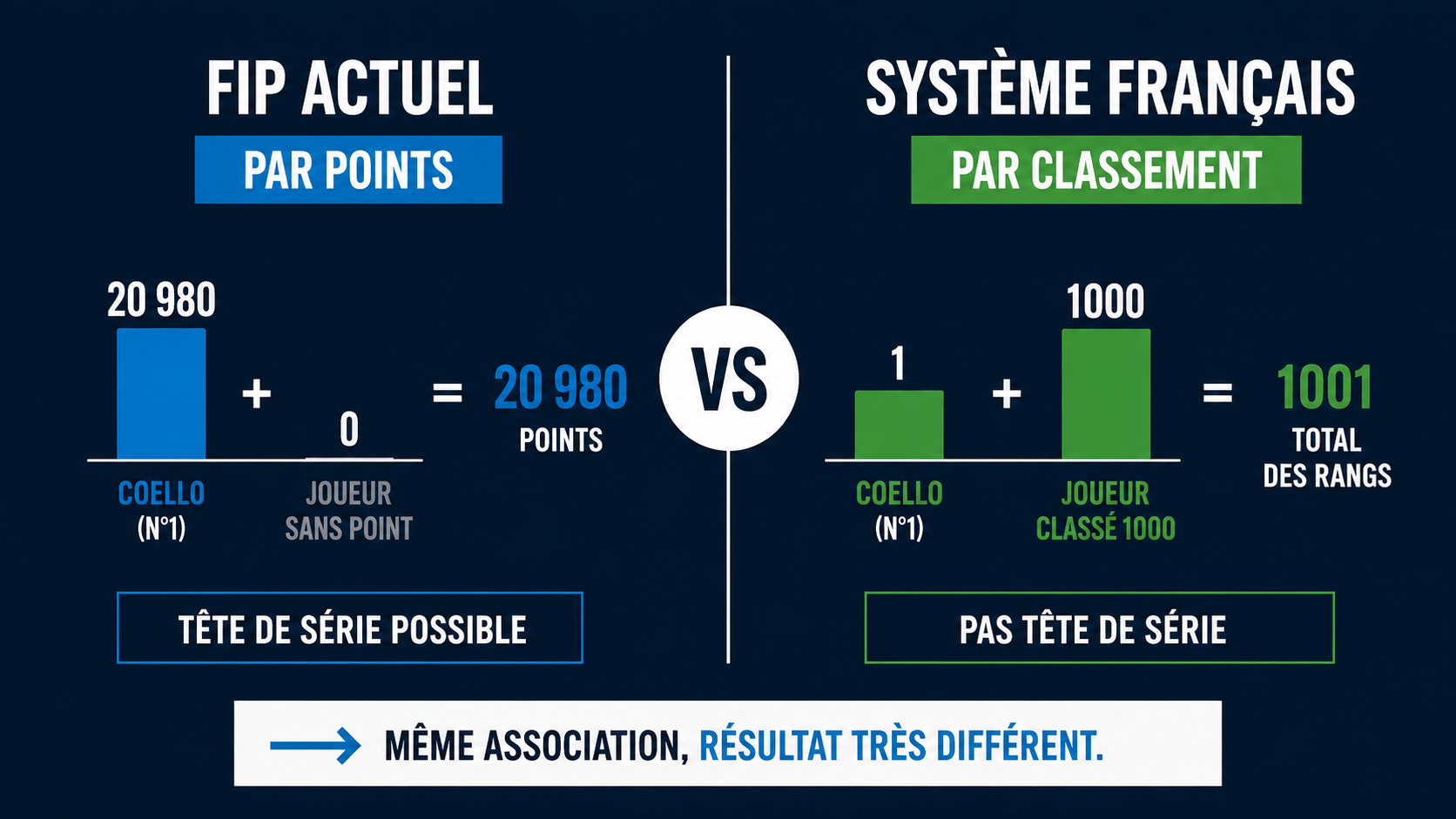 Coello with a player at 0 points ahead of two top 10 players: should the FIP ranking be reviewed?
 Les Pyramides: after 12 padel courts, the club is focusing on youth training
 Health Care Padel Tour 2026: What if your next padel tournament was played in Barcelona?
 FAST Padel Academy continues its development and establishes itself in Liège.
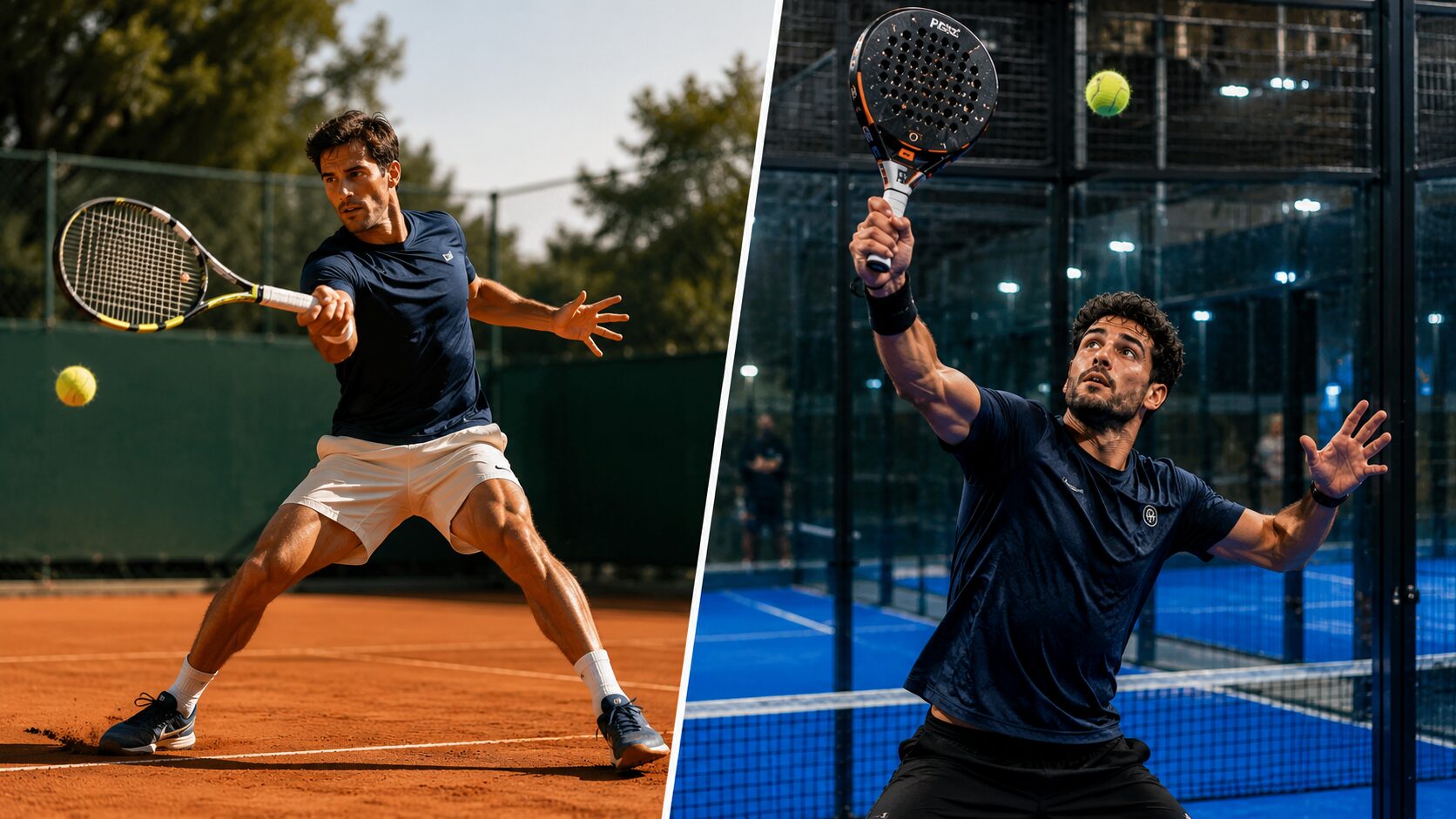 What the analysis of the stroke reveals: tennis forehand vs. padel bandeja
 Has the bandeja disappeared from modern padel?
 Flat forehand in padel: 5 exercises from Cristian Álvarez to gain control and efficiency
 Why knowing how to play on the right and left can make all the difference
 Tapia reveals his recipe for beating Coello / Tapia: "I would bet everything on myself"
 How Coello defused Chingotto's game plan
 In padel, does the chemistry between a pair count as much as individual skill?
 Summer changes padel… but what if the real challenge wasn't hitting harder?
 Neither FIP Tour nor World Team Championship: the unique format of padel at the Mediterranean Games
 Premier Padel : when television can lengthen players' breaks
 Premier Padel Yes, a referee can refuse a player permission to go to the toilet
 Julien Seurin opens up about his mental state: "There are far more doubts than moments of happiness."
 More than a year later, Thomas Leygue is back in the top 150: behind the scenes of a comeback that's still unfinished
 Padel vs squash vs badminton: the scientific ranking of cardio intensity
 Why does Arturo Coello play with his right hand bandaged?
 What if your progress in padel depended on what nobody else is looking at?