The development of padel in France It is no longer simply a matter of building new tracks. As clubs become more structured and the number of pitches increases, another issue is gaining importance: better utilize existing infrastructure , extending opening hours and allowing players access to the courts without requiring a constant human presence. This is the area in which [the company] is positioning itself. neop , specialist in connected access control and automated lighting management for sports infrastructure.
For several years, the growth of padel was primarily measured by the number of new courts built. This trend remains strong: the World Padel Report 2026lists more than 58,000 tracks worldwide by the end of 2025 and places France among the markets that continue to grow rapidly.
But as the sector matures, the issues are evolving. For operators, the question is no longer simply: "How many tracks can we build?" It also becomes: "How can we make the best use of every available hour?"
It is precisely on this second problem that he is working neop .
Every hour of available field time becomes a stake
A track available ten hours a day and at 70% occupancy represents seven hours of actual play. The same track, accessible sixteen hours daily, can generate more playtime even with a lower occupancy rate.
On paper, the reasoning is simple. However, in the day-to-day operations of a club, it raises several questions: Who opens the site at 8 a.m.? How does a player enter when reception is closed? How can they be given access only to the necessary areas? Who turns the relevant court on and off?
And most importantly: is it necessary to allocate an employee solely to open a door or manage the lighting?
For Neop, it is precisely on these tasks that automation can be beneficial.
"The goal is not to eliminate the human element in clubs. The reception, the activities, the coaching, and the relationship with the players have real value. However, opening a door at 8 a.m. or turning on a lane doesn't necessarily require human intervention. It's this part that we're trying to automate." explains Jean-Baptiste Sagot at Neop.
From online booking to accessing the field
The player's journey now very often begins on their smartphone: choosing a time slot, booking, and paying. But the digital experience must then be extended physically in the club.
Once there, The player must be able to enter, access the correct area, and find their track ready to play. .
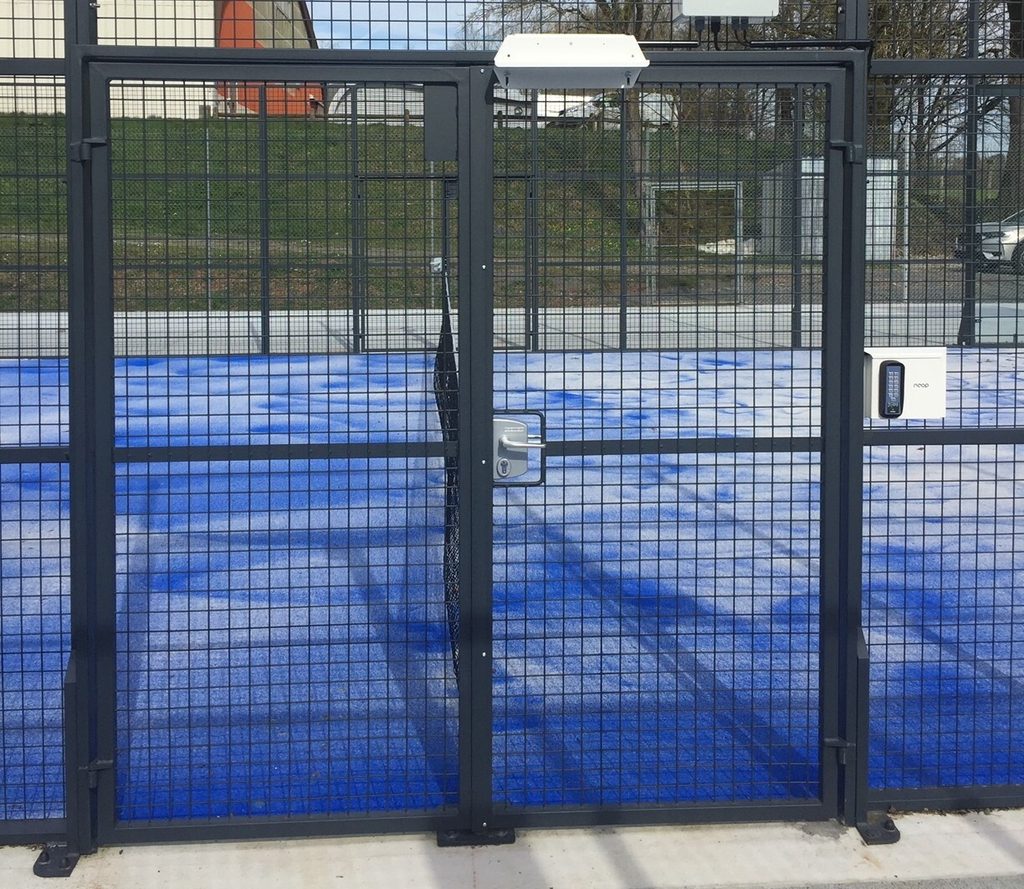
Neop intervenes precisely at this stage, by making the link between the booking software and the club's physical infrastructure. Depending on the chosen configuration, the solution can manage access to the site and different zones, as well as the lighting associated with the reserved time slot.
The idea can ultimately be summed up in one sentence: A reservation should be able to automatically become a pitch ready to play.
The system put in place at TSB Jarville allows us to illustrate this logic concretely.
TSB Jarville: Doinsport, Anybuddy and Neop on the same channel
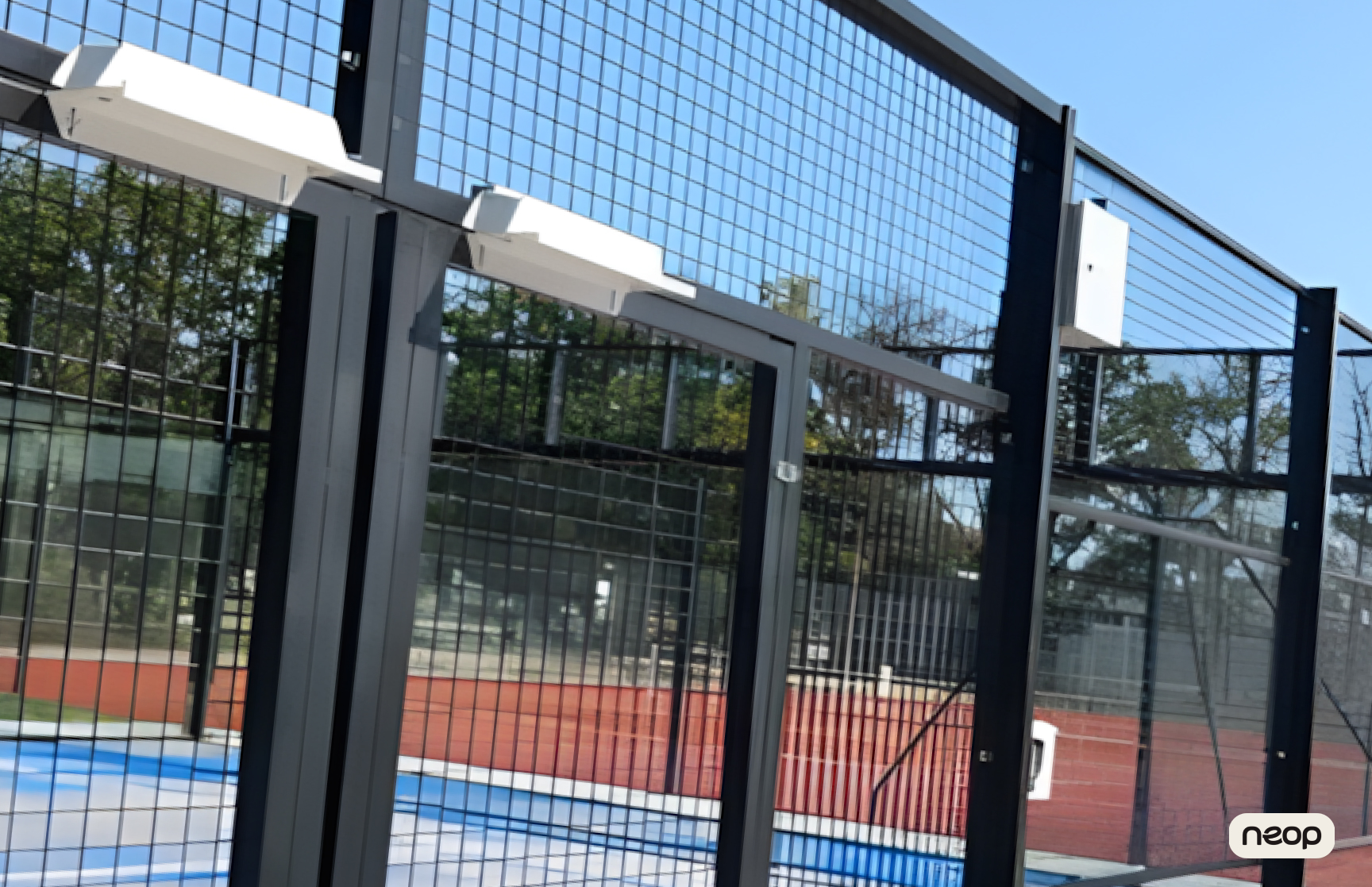
Source: TSB Jarville website
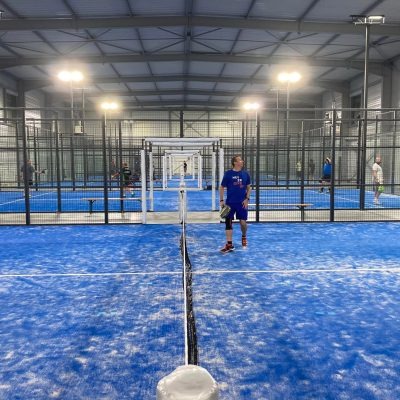
Au TSB Jarville The four tracks are accessible from 8am to midnight on weekdays and until 23pm on weekends . A significant range which does not mean that the reception is present at all times, especially early in the morning, during certain holiday periods or during less busy times.
The club therefore relies on several complementary tools.
Doinsportmanages the club's scheduling and bookings.
AnybuddyThis initiative serves as a complementary tool to increase the visibility of available time slots and generate additional bookings from its community. In just a few weeks, several dozen bookings have already been recorded through this channel.
Finally neopintervenes after booking to ensure the physical part of the journey: management of the main access, access to the slopes and lighting.
The player can therefore come and play even when the club reception is not open.
For Julien Muller, director of TSB Jarville It is precisely this continuity between the different tools that is of interest:
"The advantage for us is being able to maintain a wide booking window, even when reception staff are not required to be present at all times. Doinsport allows us to manage our schedule, Anybuddy helps us find additional bookings during certain time slots, and Neop then ensures continuity all the way to the field with access and lighting."
The chain can thus be summarized simply: Doinsport organizes, Anybuddy provides additional bookings and Neop ensures access to the field.
Automating a padel club without losing control
Giving players more autonomy does not mean relinquishing control of the site.
Access rights remain subject to the rules defined by the club, while lighting can be adjusted according to scheduled usage periods. The principle is to adapt the building's operation to the actual activity.
For example, an unused dance floor has no reason to remain lit. Similarly, a club wishing to open early in the morning or close late at night does not necessarily need to maintain a human presence throughout its entire opening hours.
Automation therefore does not necessarily replace teams: it mainly aims to avoid mobilizing them for operations that can be triggered automatically.
Think about how the club will be run even before it opens
This logic can be applied to clubs already in operation, but it takes on an additional dimension within the framework of new padel projects .
Access control, door locking, power supply, accessible areas, lighting management: these topics are sometimes addressed late in the design of a complex.
Neop suggests starting from a much more concrete situation:
"What should happen when a player makes a reservation on Sunday morning at 8 a.m. when no one is yet present at the club?"
This question requires us to consider the entire process: reservation, access to the building, movement within the club, opening of the area concerned, use of the field and lighting.
Neop thus works with operators but also with the Booking software, installers, electricians and builders so that these issues can be integrated early enough into the projects.
After the construction of the runways, the challenge lies in their operation.
French padel is expected to continue welcoming new facilities. But as the number of courts grows, The exploitation of existing runways is also becoming an economic and organizational issue. .
Opening up more hours, better marketing of available slots, limiting periods during which a track remains inaccessible due to lack of staff and automating low value-added tasks are all levers for operators.
It is on this part of the chain that Neop intends to find its place in the French padel ecosystem .
Because after building a track, finding the players and registering their booking, one crucial step remains: to allow them access to the field and to play at the scheduled time.













































































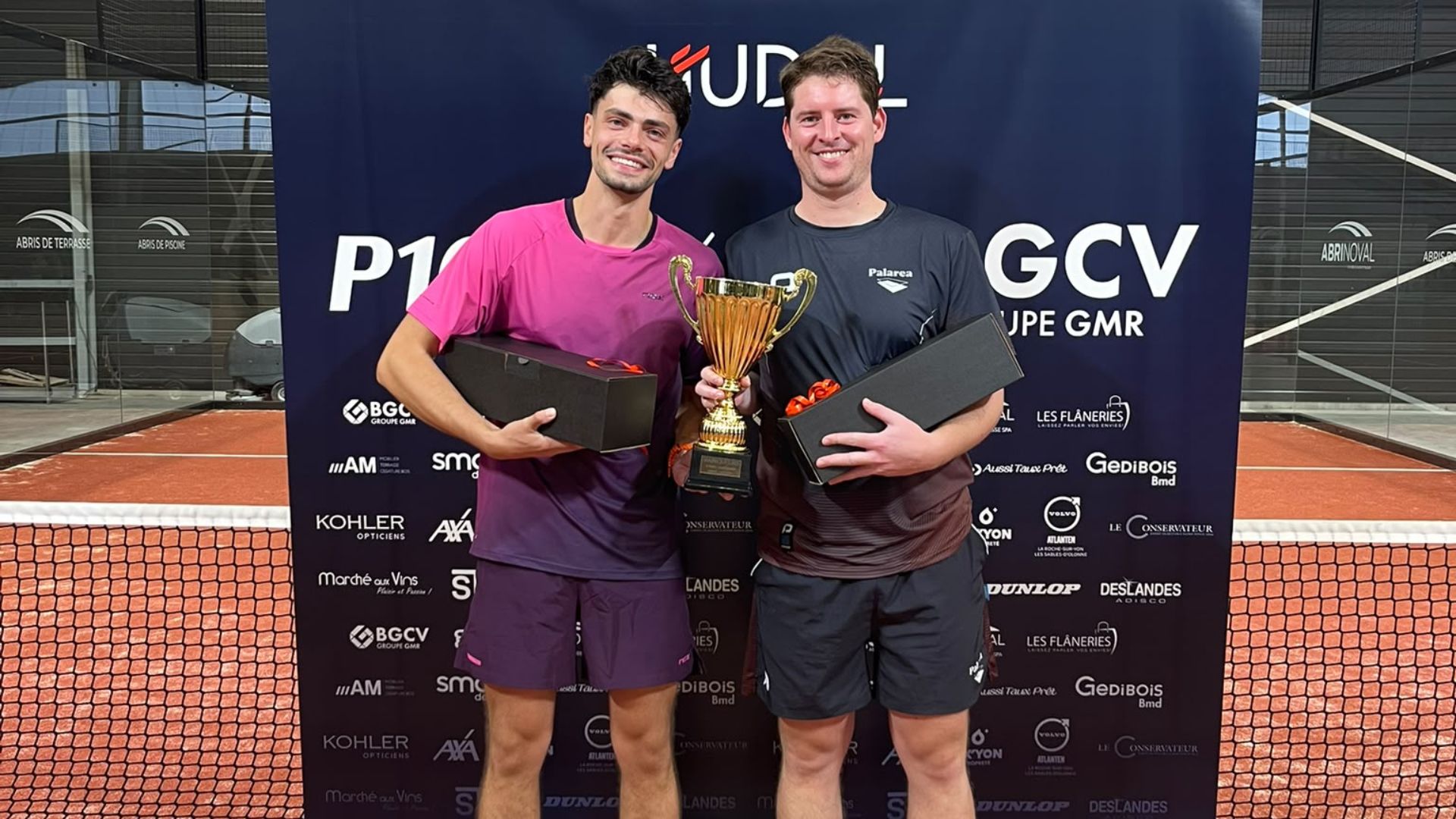 Prod'homme and Marin defeat Mitjana/Henrion to win the P1000 HUDDL Aizenay
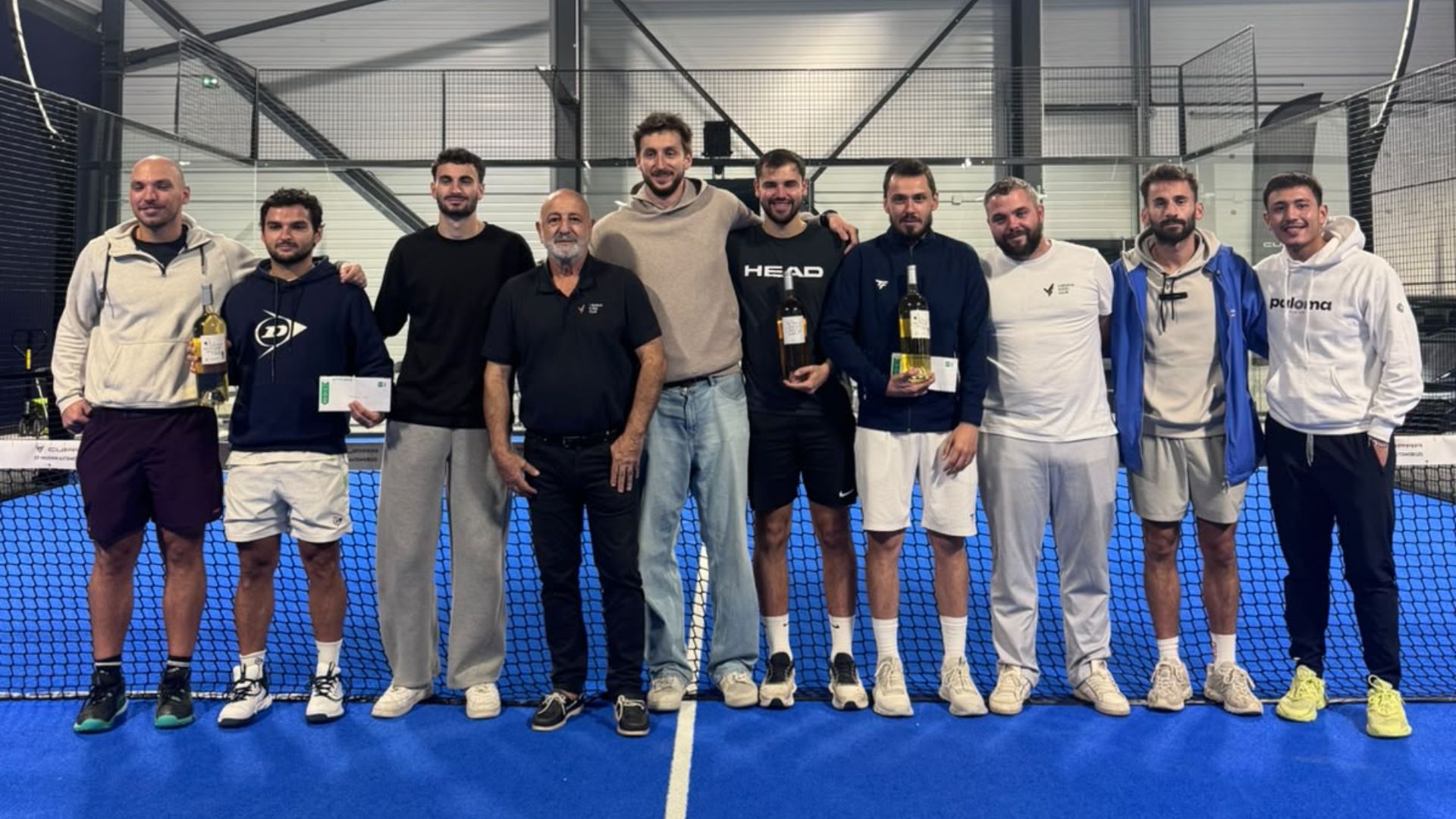 A perfect tournament for Gortzounian and Vignat who take the title at the P1000 Verneuil Padel Club
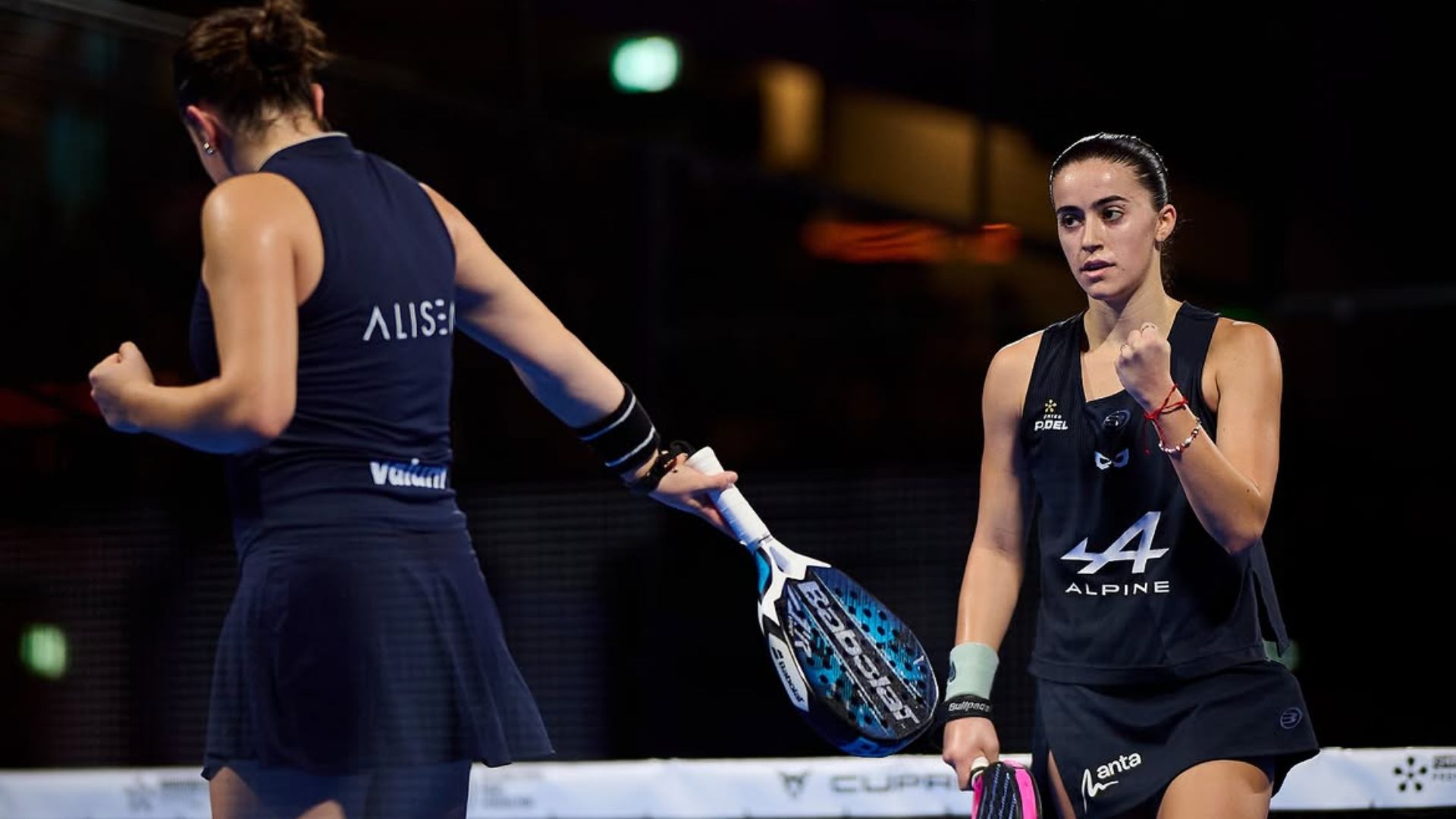 In a demonstration of skill, Fernández and Calvo took their revenge on Sánchez/Ustero and secured the title at Düsseldorf P2
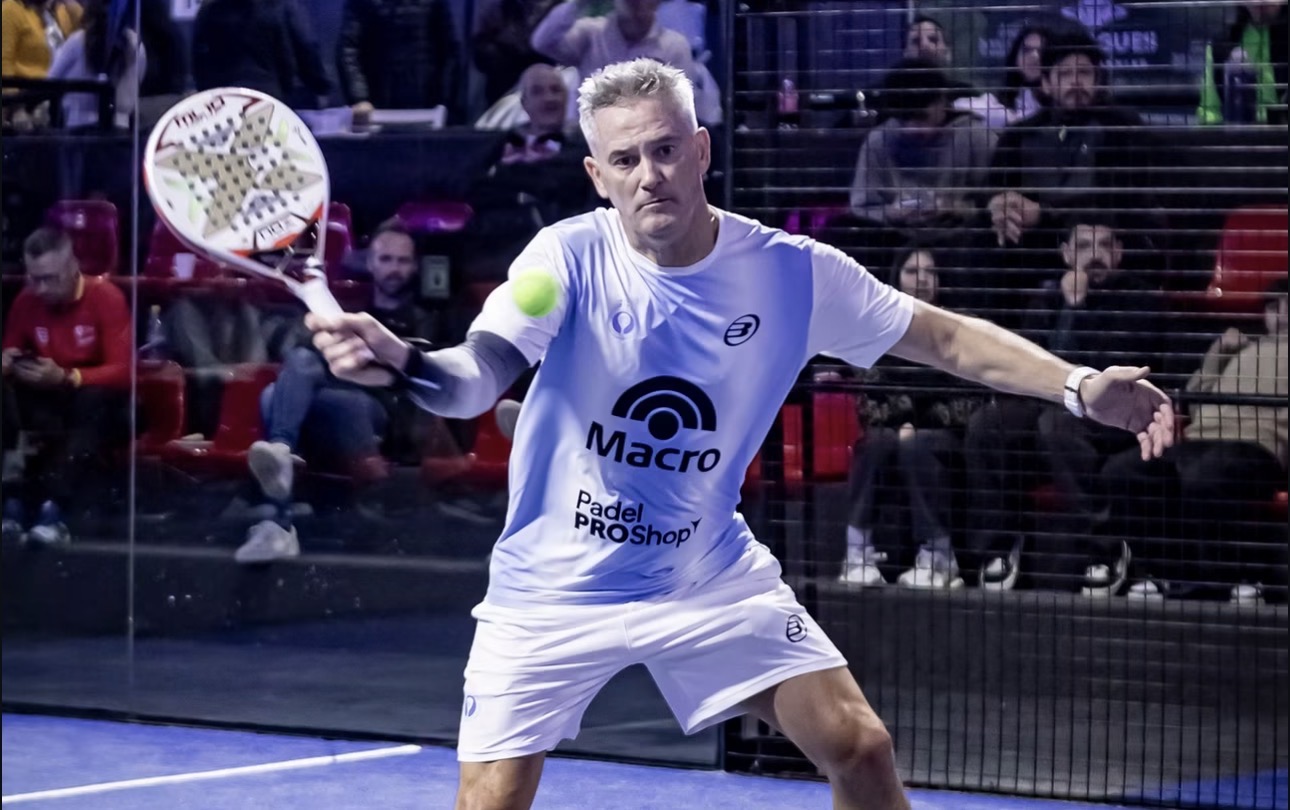 France or Portugal, Spain or Argentina: Miguel Lamperti ranks the best padel nations
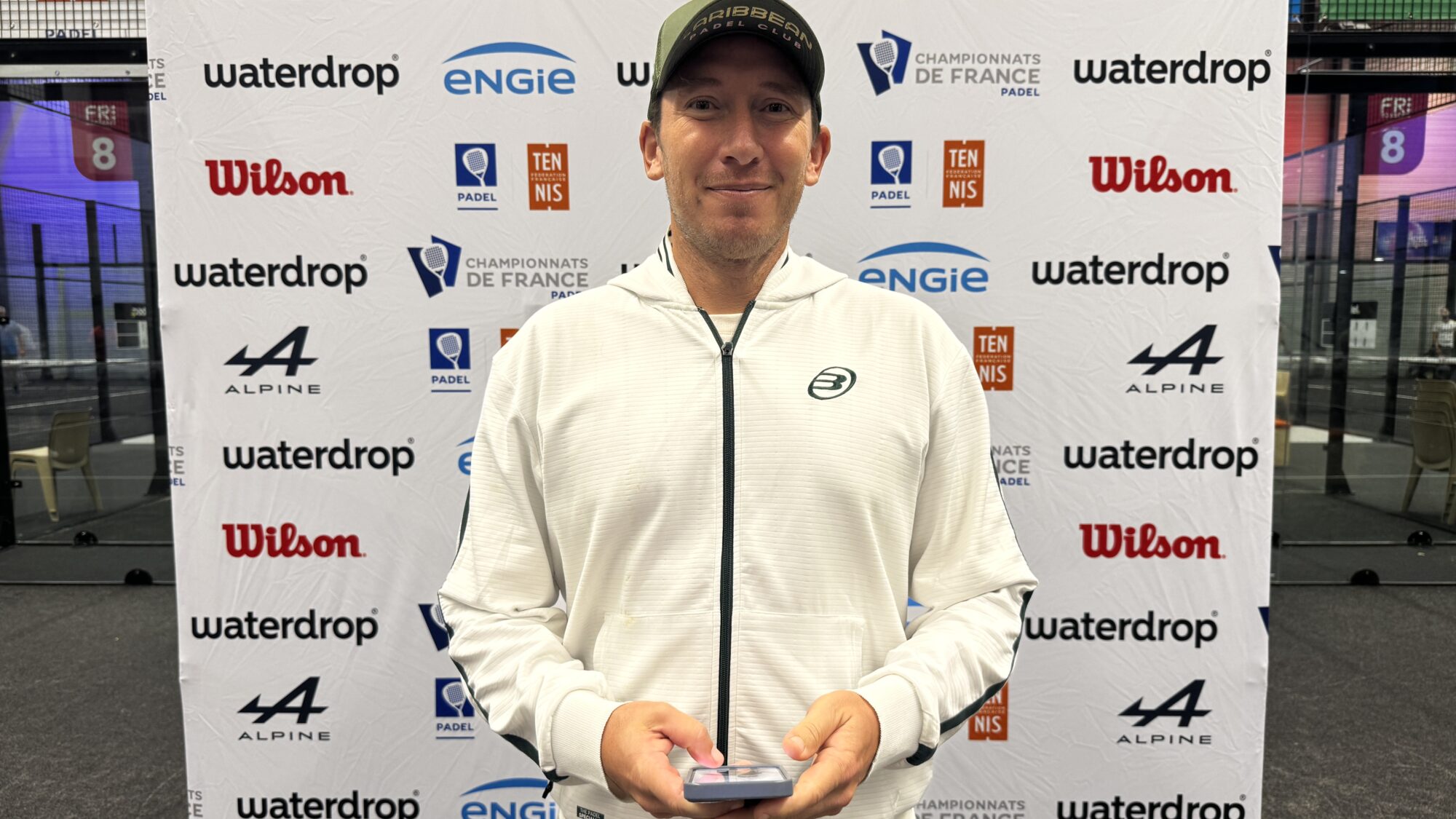 Cédric Lavoye: "Hard work pays off" and a first FIP tournament in Guadeloupe is in his sights
 Nicolas Rouanet is preparing his return in 2027: “With Bastien Blanqué, I would never say no”
 Leygue/Blanqué respond bluntly to the criticism: "You can say what you want... We're putting all our money and our lives into this."
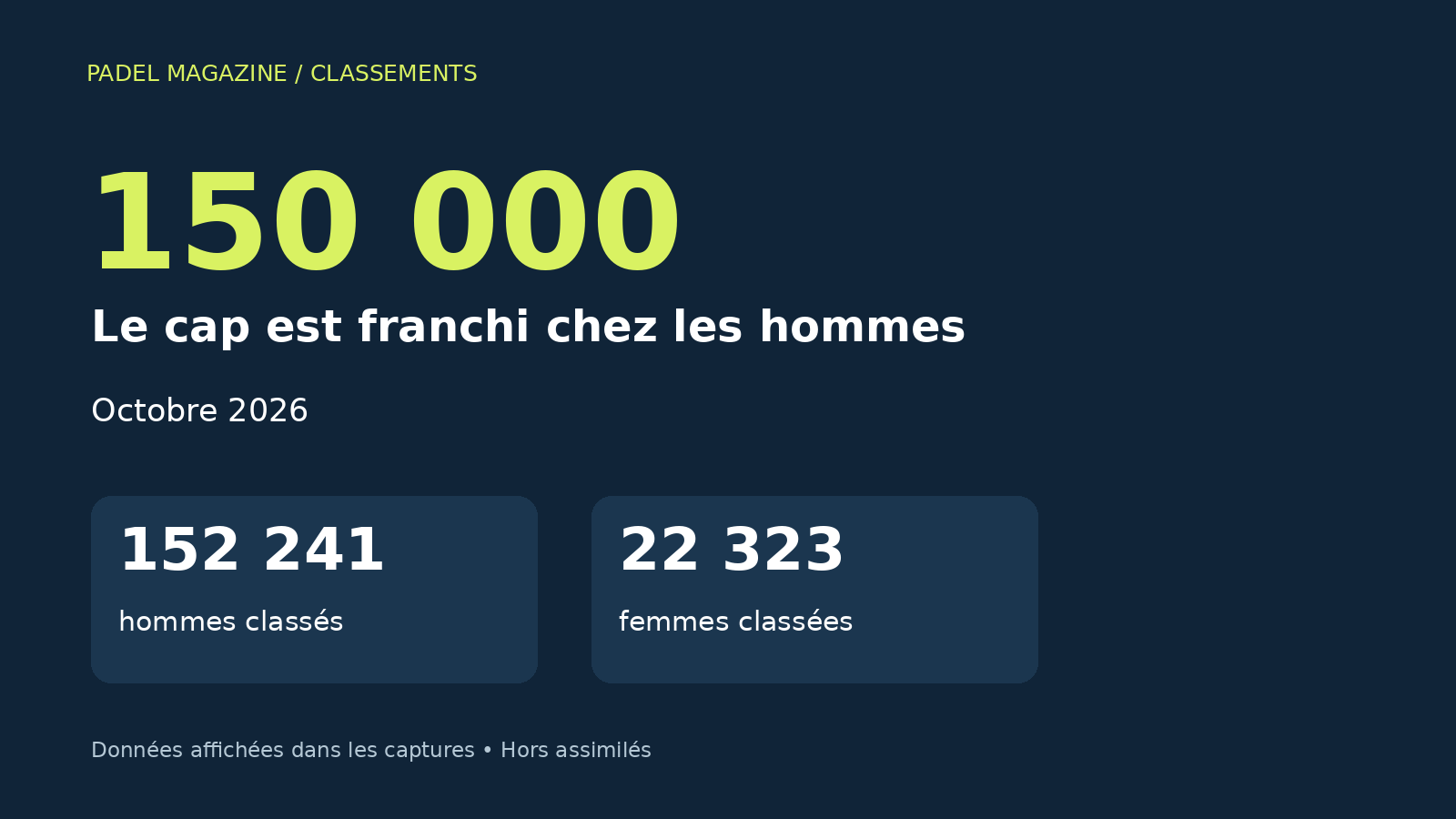 Padel rankings October 2026: more than 150,000 men ranked in France
 P1000 Verneuil Padel Club – Results / Live / Schedule
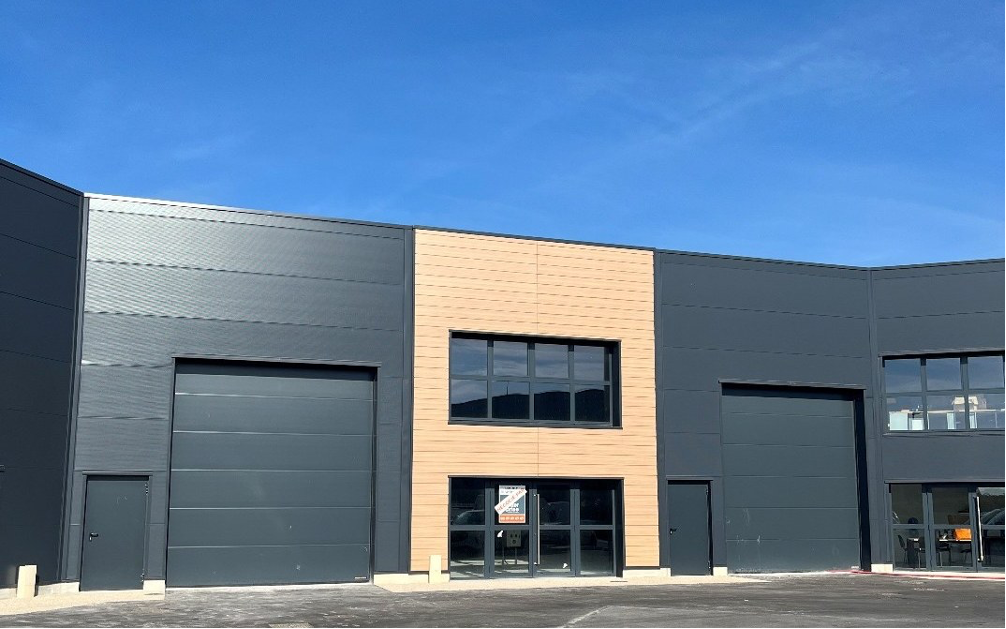 West Padel opens its 4 indoor courts in Montivilliers on November 5th
 With Galán tired and Coki Nieto sidelined, is the infernal pace of the circuit starting to take its toll on the players?
 Milan P1: Thomas Leygue launches his qualifying campaign with Jesús Moya
 Germany P2: The fastest quarter-finals in history Premier Padel
 Zidane and Galán reunited on the track to launch the Metalbone ZZ
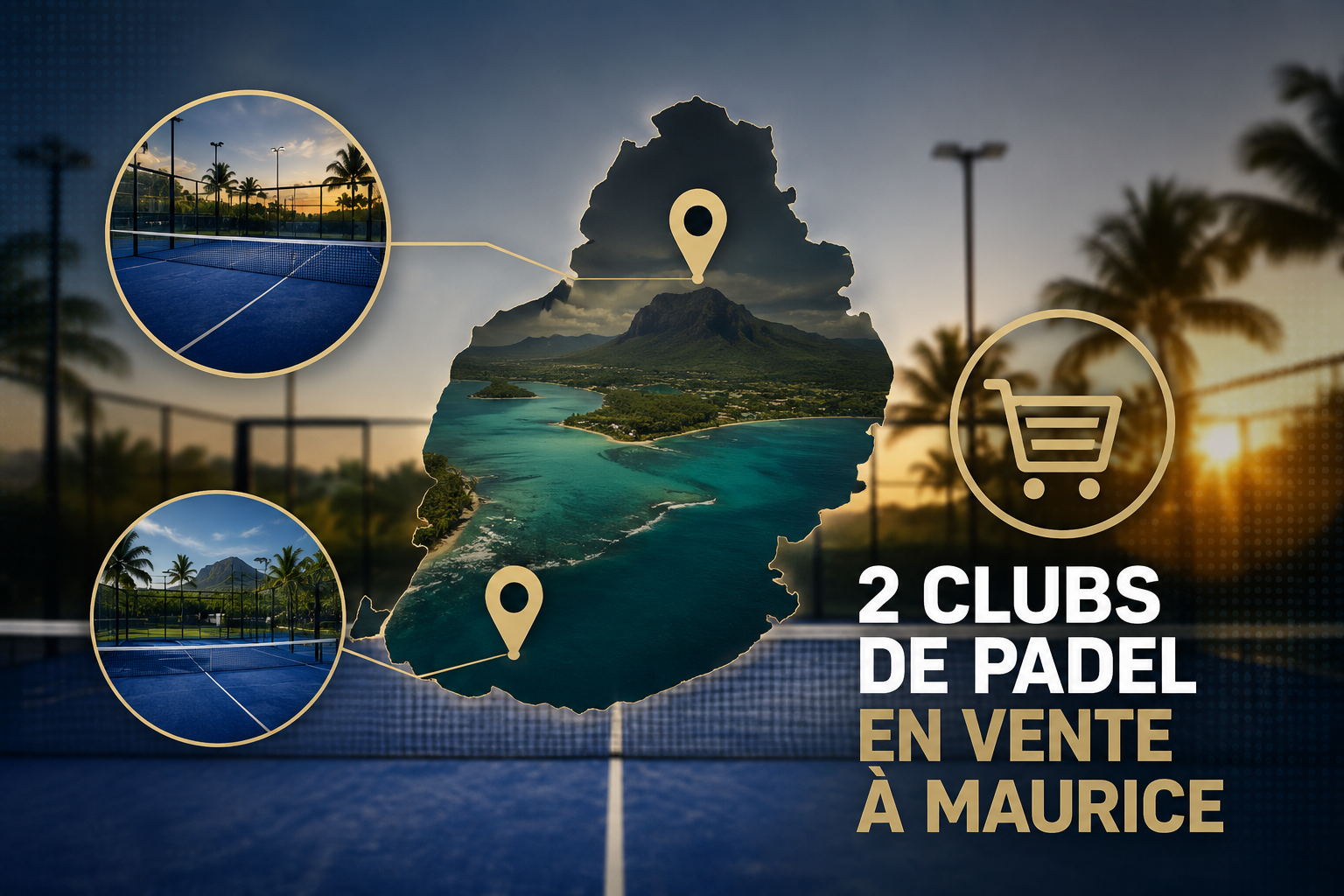 For sale: two padel clubs in Mauritius, starting from 330,000 euros
 How much does it actually cost to organize a FIP Bronze event?
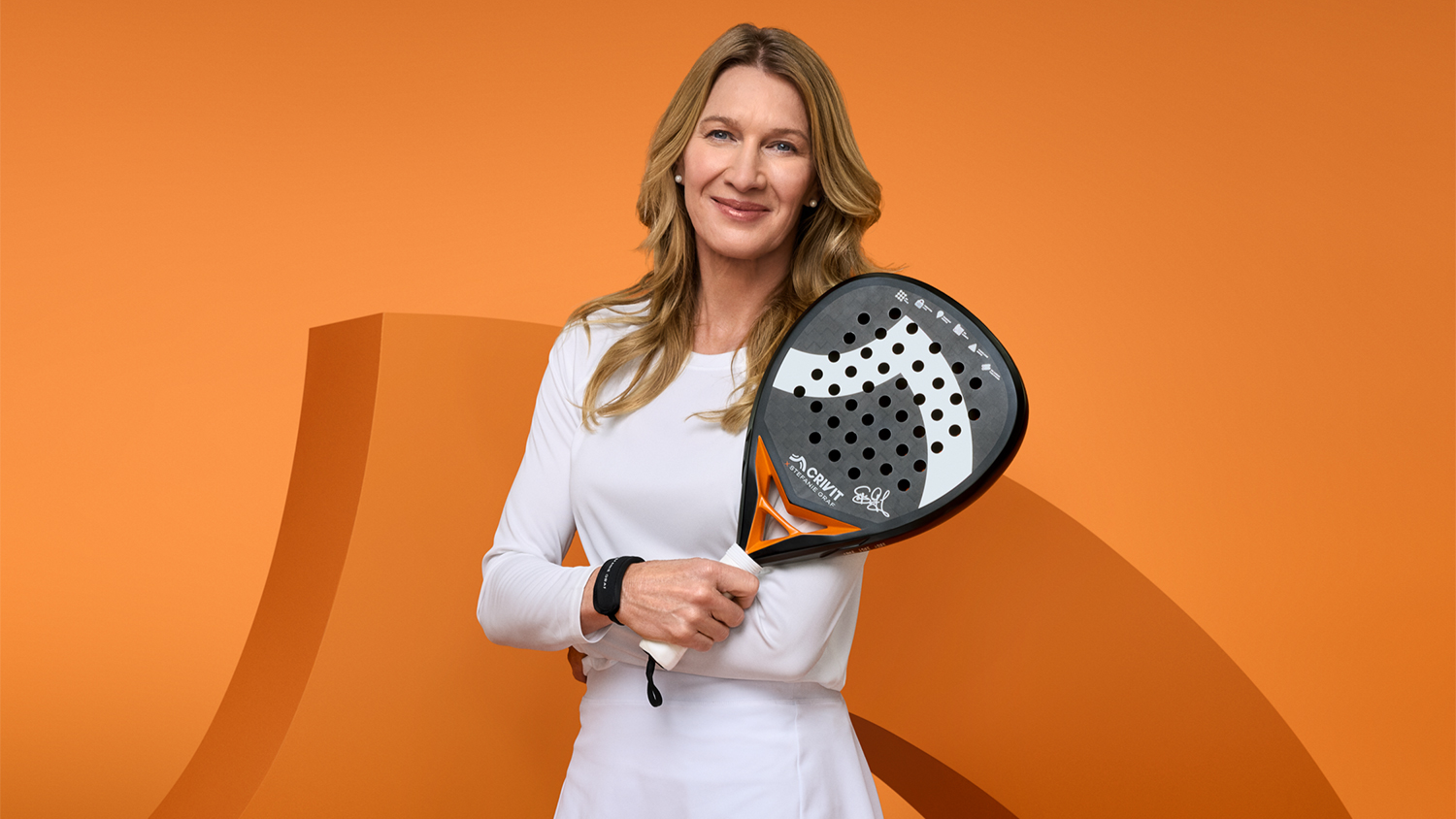 Padel How Lidl is transforming Crivit into a fully-fledged sports brand with Steffi Graf
 Compagnie des Alpes is accelerating its involvement in padel with PadelCity: a new step in its European strategy
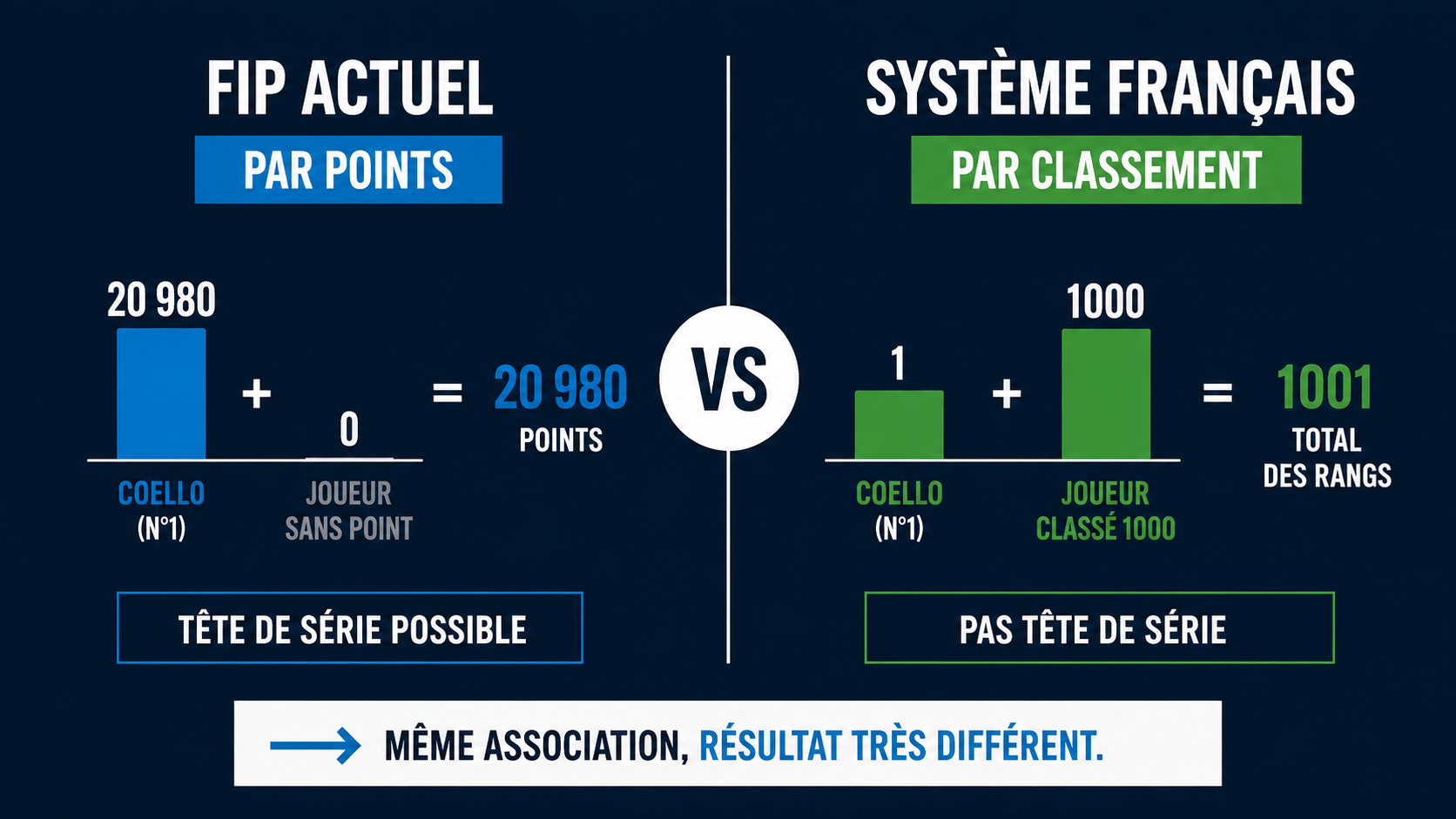 Coello with a player at 0 points ahead of two top 10 players: should the FIP ranking be reviewed?
 Les Pyramides: after 12 padel courts, the club is focusing on youth training
 Health Care Padel Tour 2026: What if your next padel tournament was played in Barcelona?
 FAST Padel Academy continues its development and establishes itself in Liège.
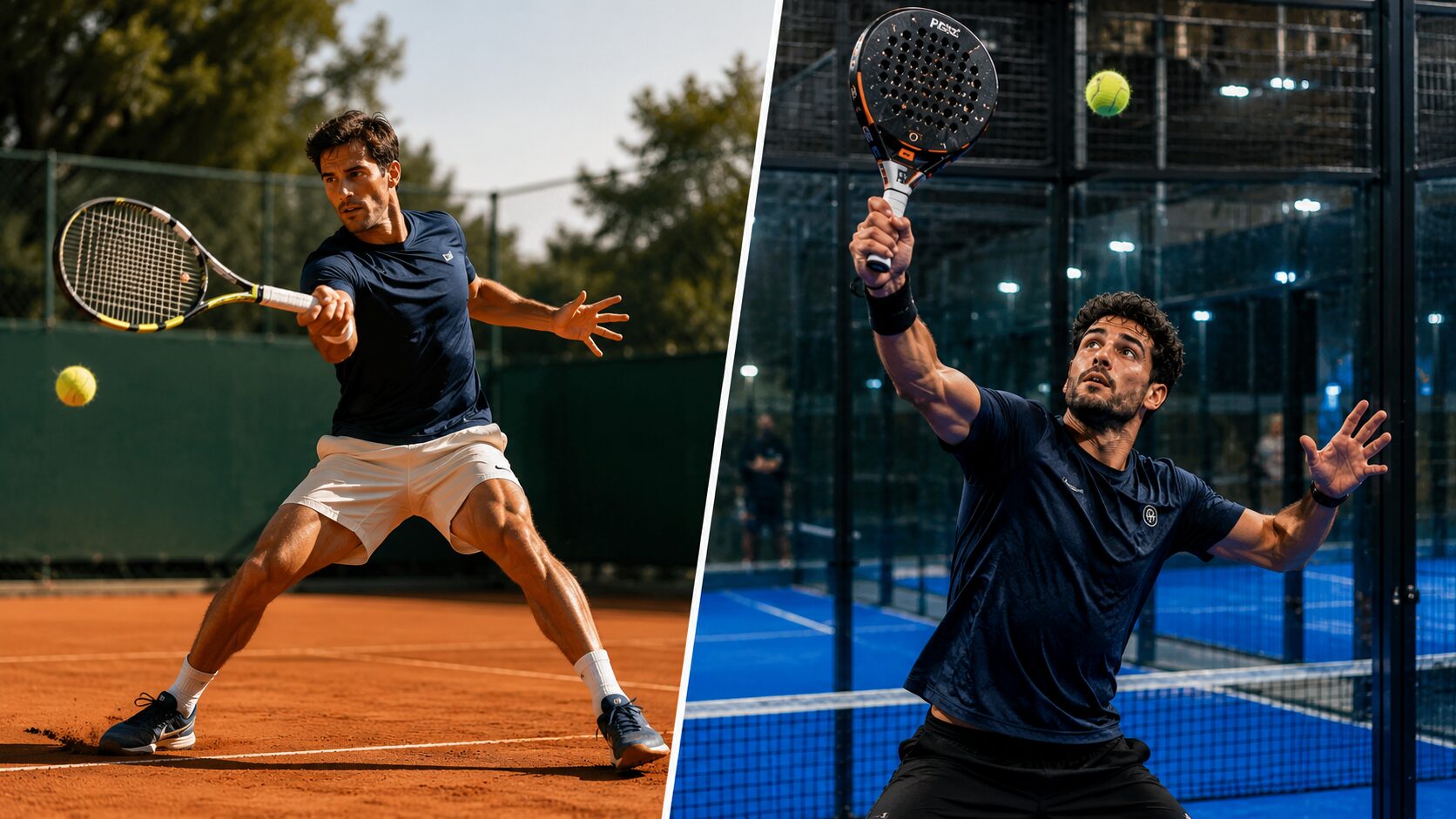 What the analysis of the stroke reveals: tennis forehand vs. padel bandeja
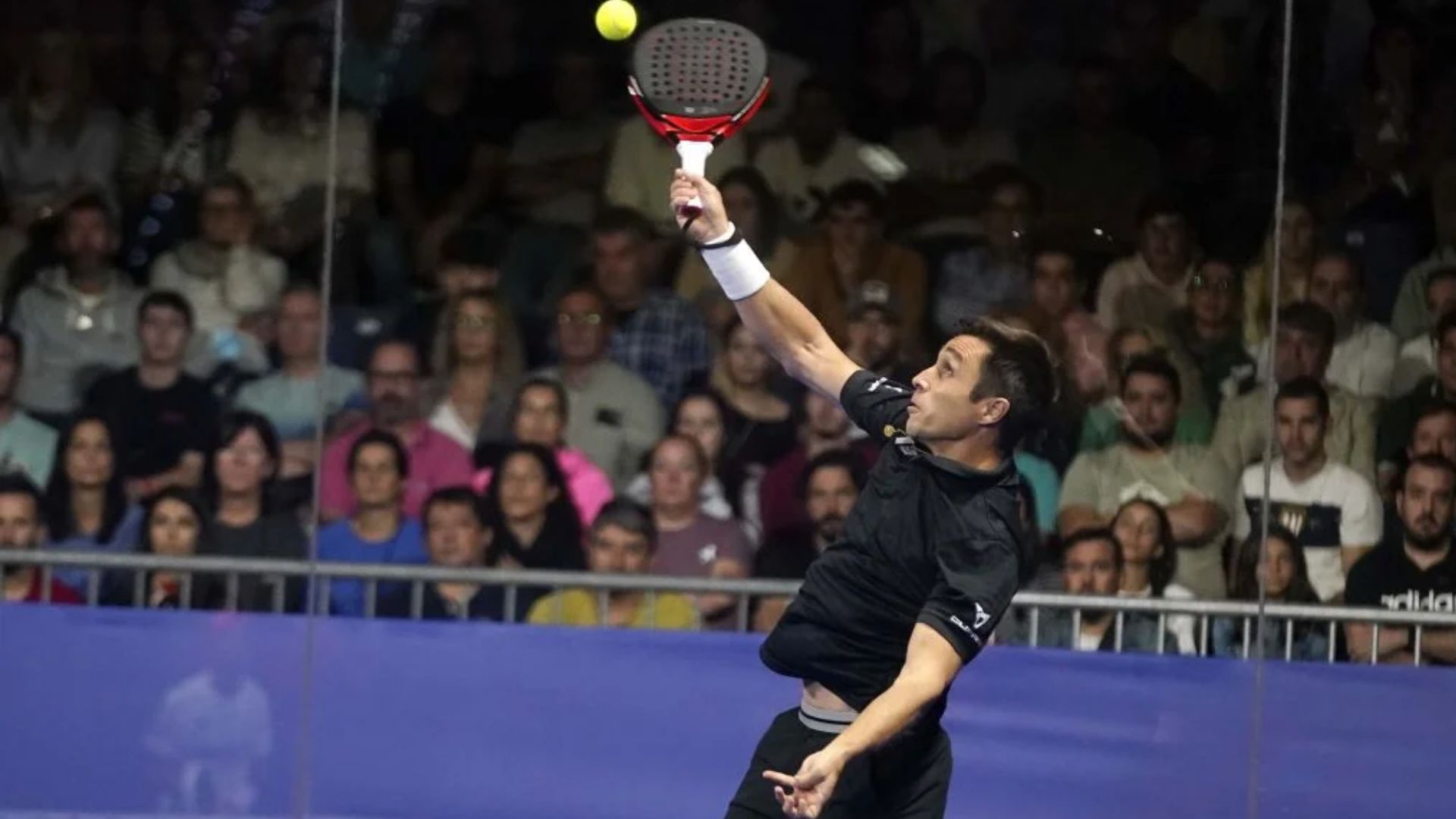 Has the bandeja disappeared from modern padel?
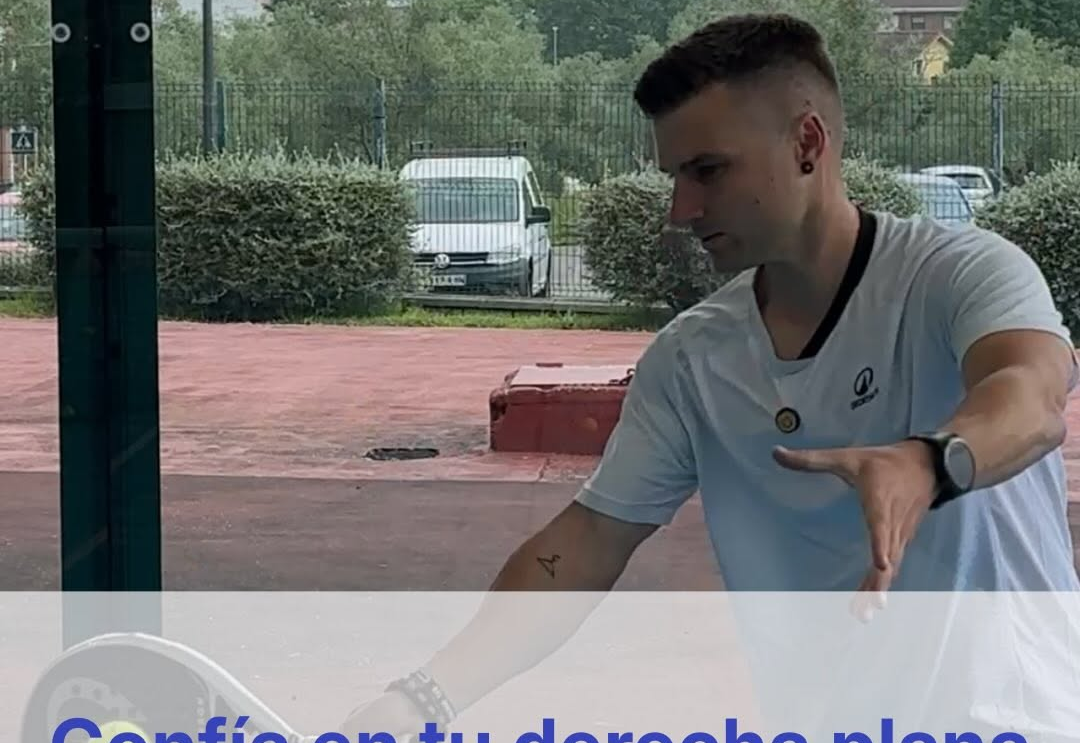 Flat forehand in padel: 5 exercises from Cristian Álvarez to gain control and efficiency
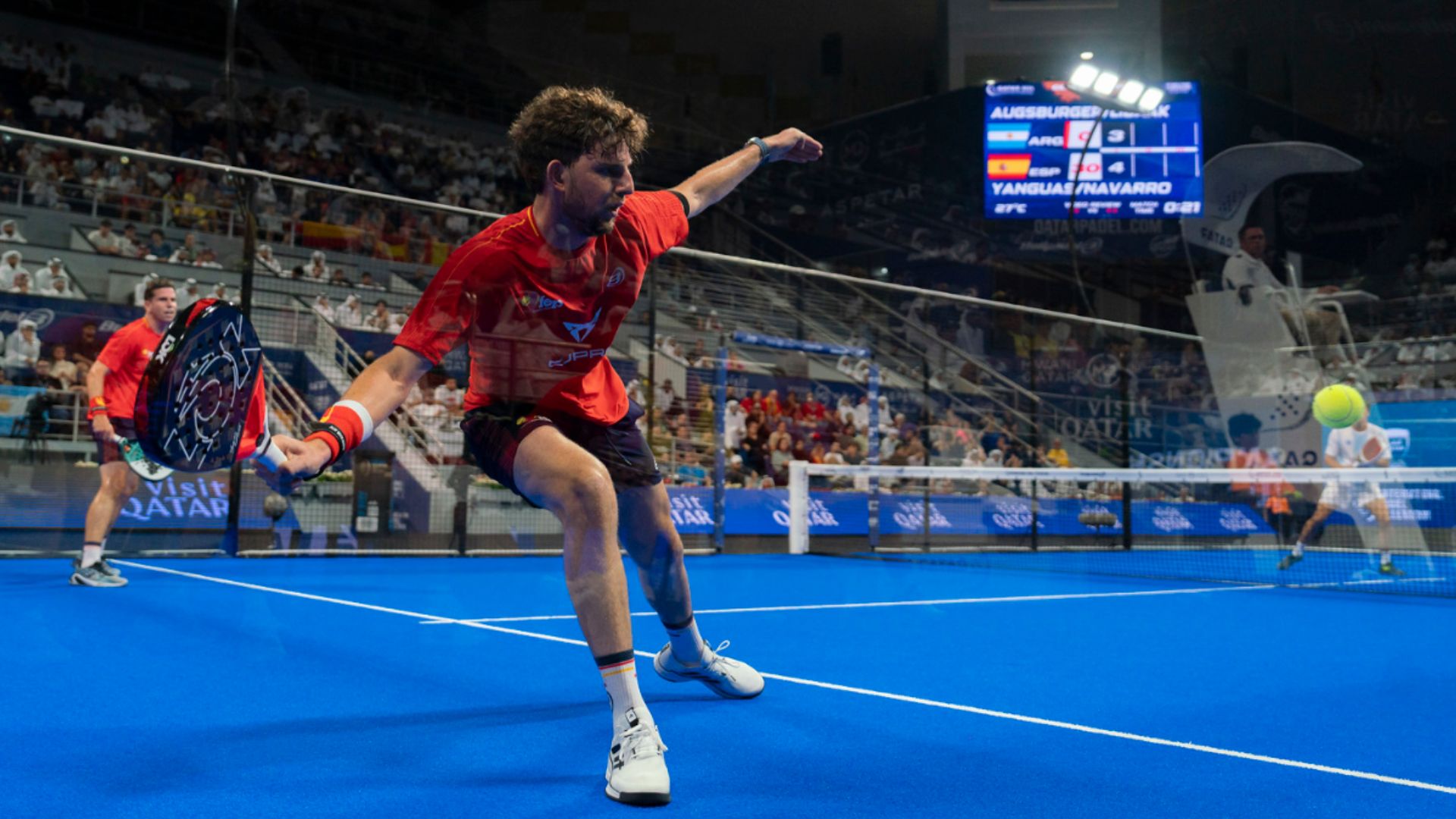 Why knowing how to play on the right and left can make all the difference
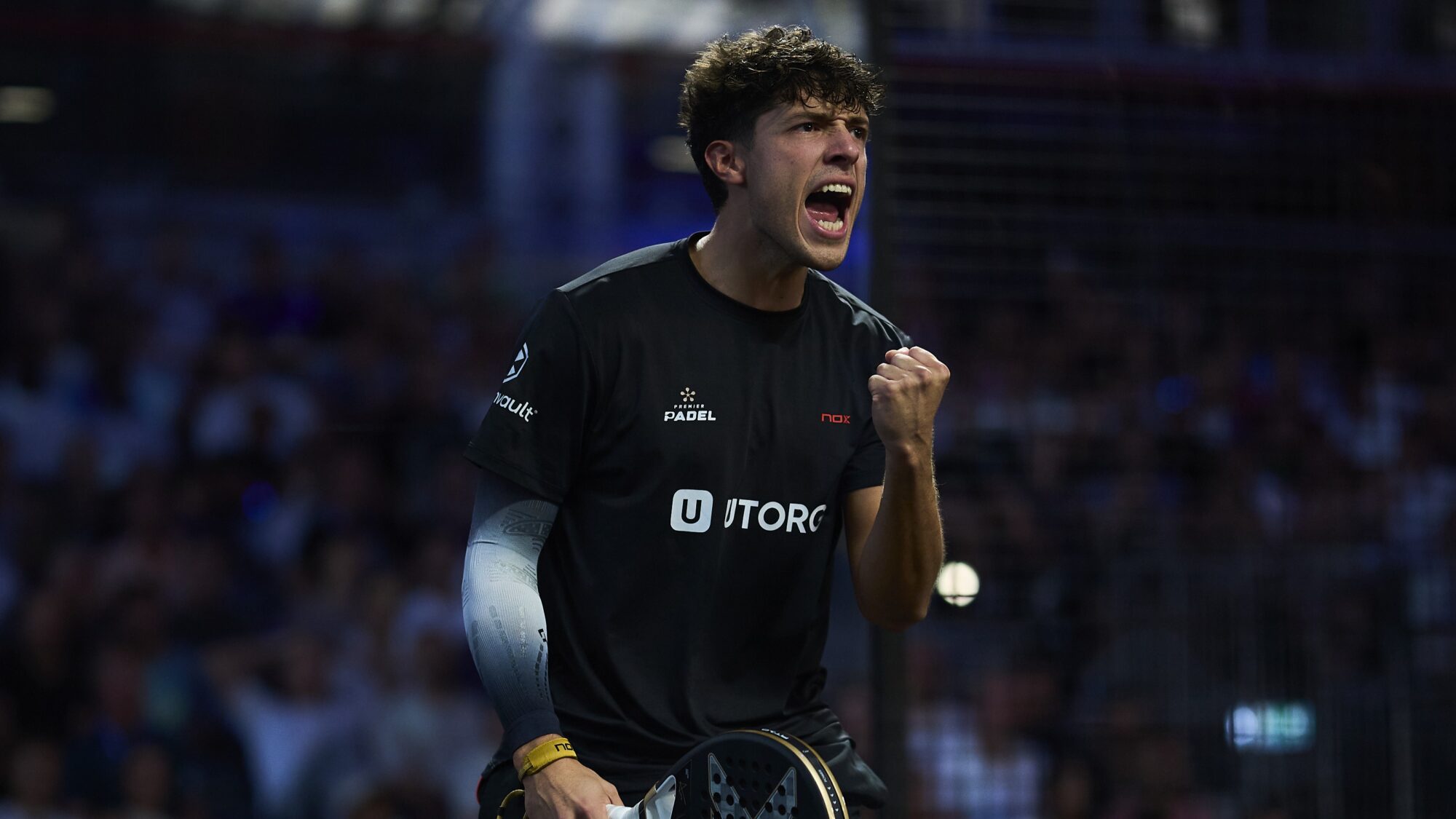 Tapia reveals his recipe for beating Coello / Tapia: "I would bet everything on myself"
 How Coello defused Chingotto's game plan
 In padel, does the chemistry between a pair count as much as individual skill?
 Summer changes padel… but what if the real challenge wasn't hitting harder?
 Neither FIP Tour nor World Team Championship: the unique format of padel at the Mediterranean Games
 Premier Padel : when television can lengthen players' breaks
 Premier Padel Yes, a referee can refuse a player permission to go to the toilet
 Julien Seurin opens up about his mental state: "There are far more doubts than moments of happiness."
 More than a year later, Thomas Leygue is back in the top 150: behind the scenes of a comeback that's still unfinished
 Padel vs squash vs badminton: the scientific ranking of cardio intensity
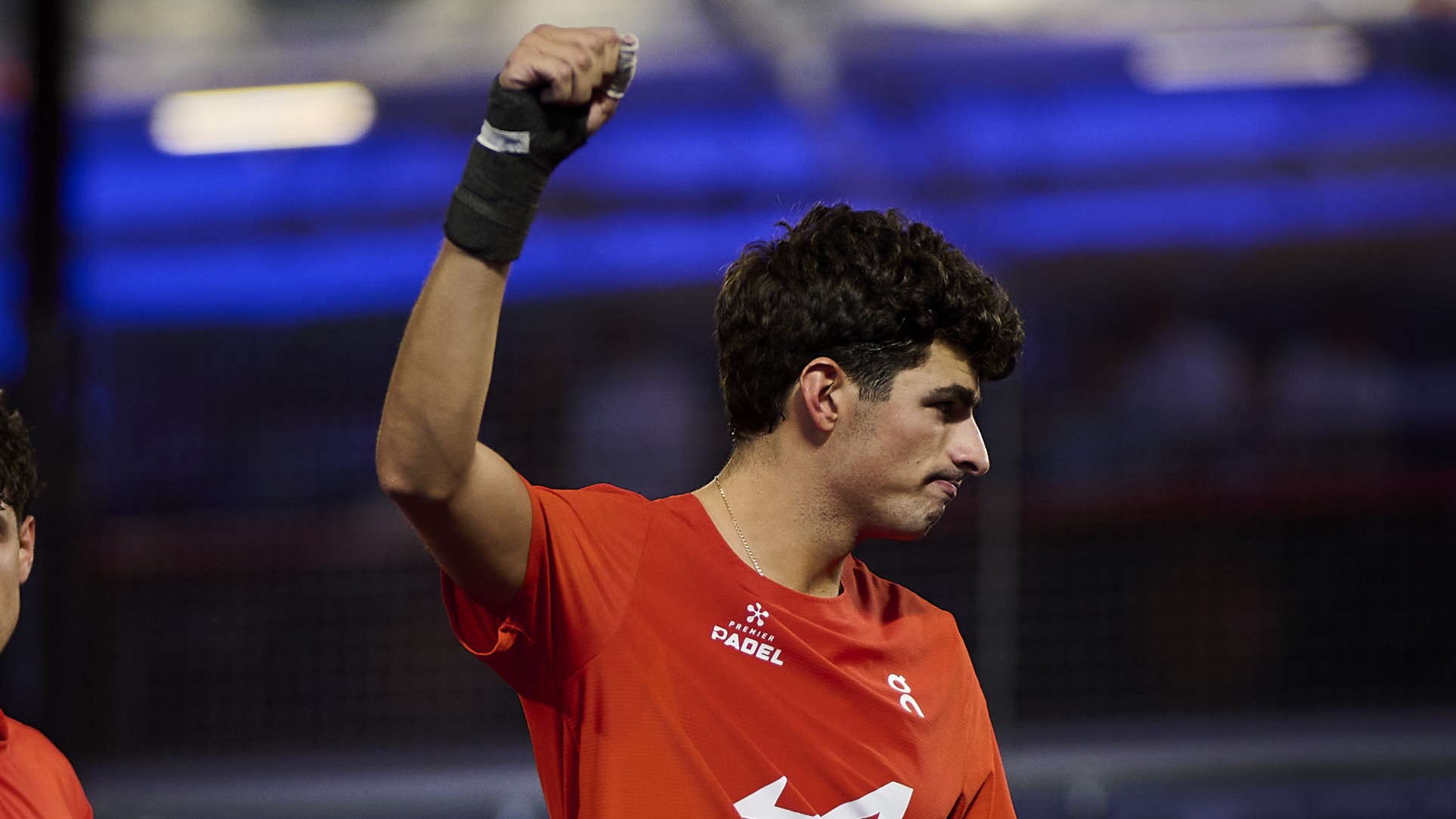 Why does Arturo Coello play with his right hand bandaged?
 What if your progress in padel depended on what nobody else is looking at?