


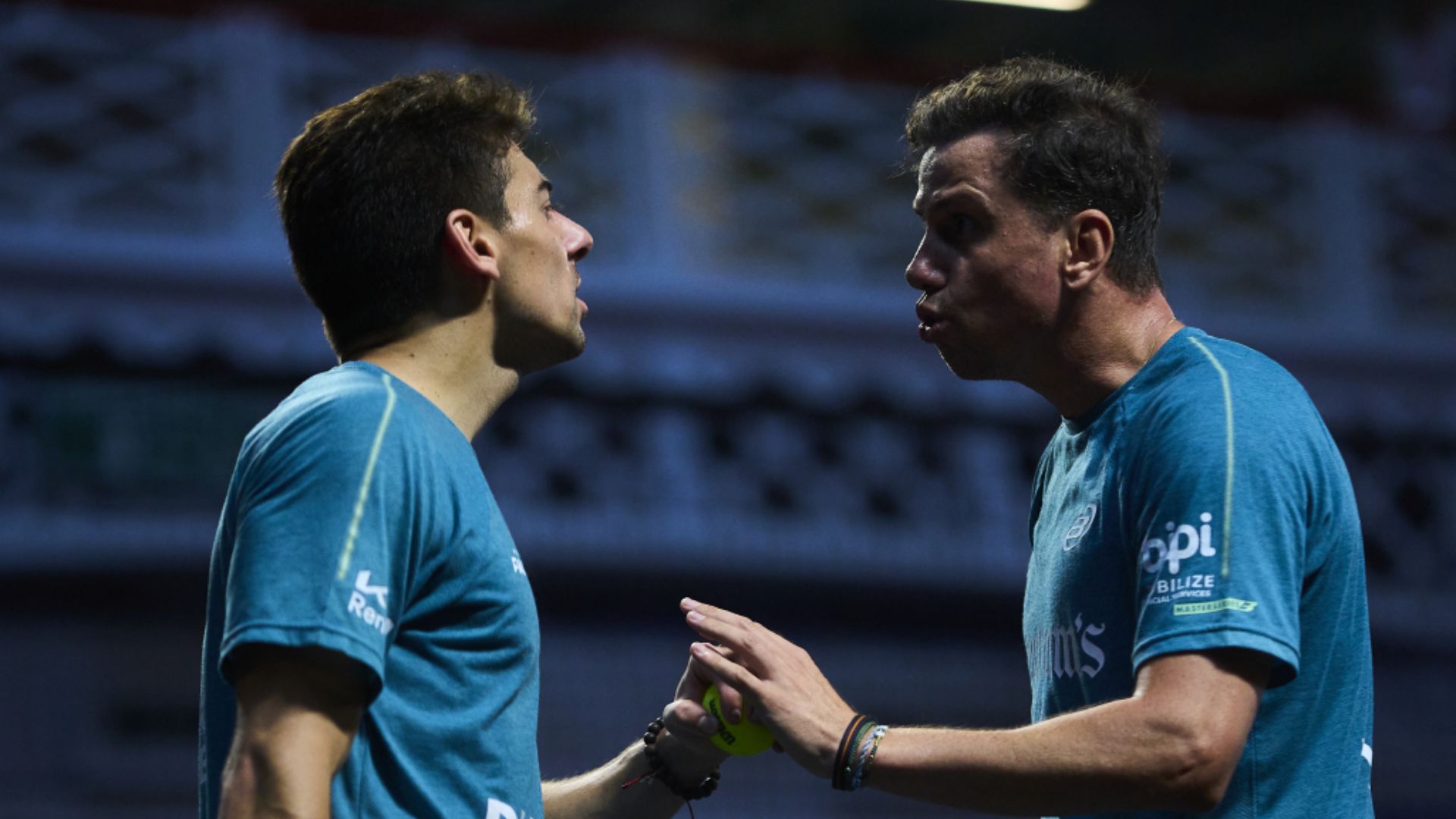







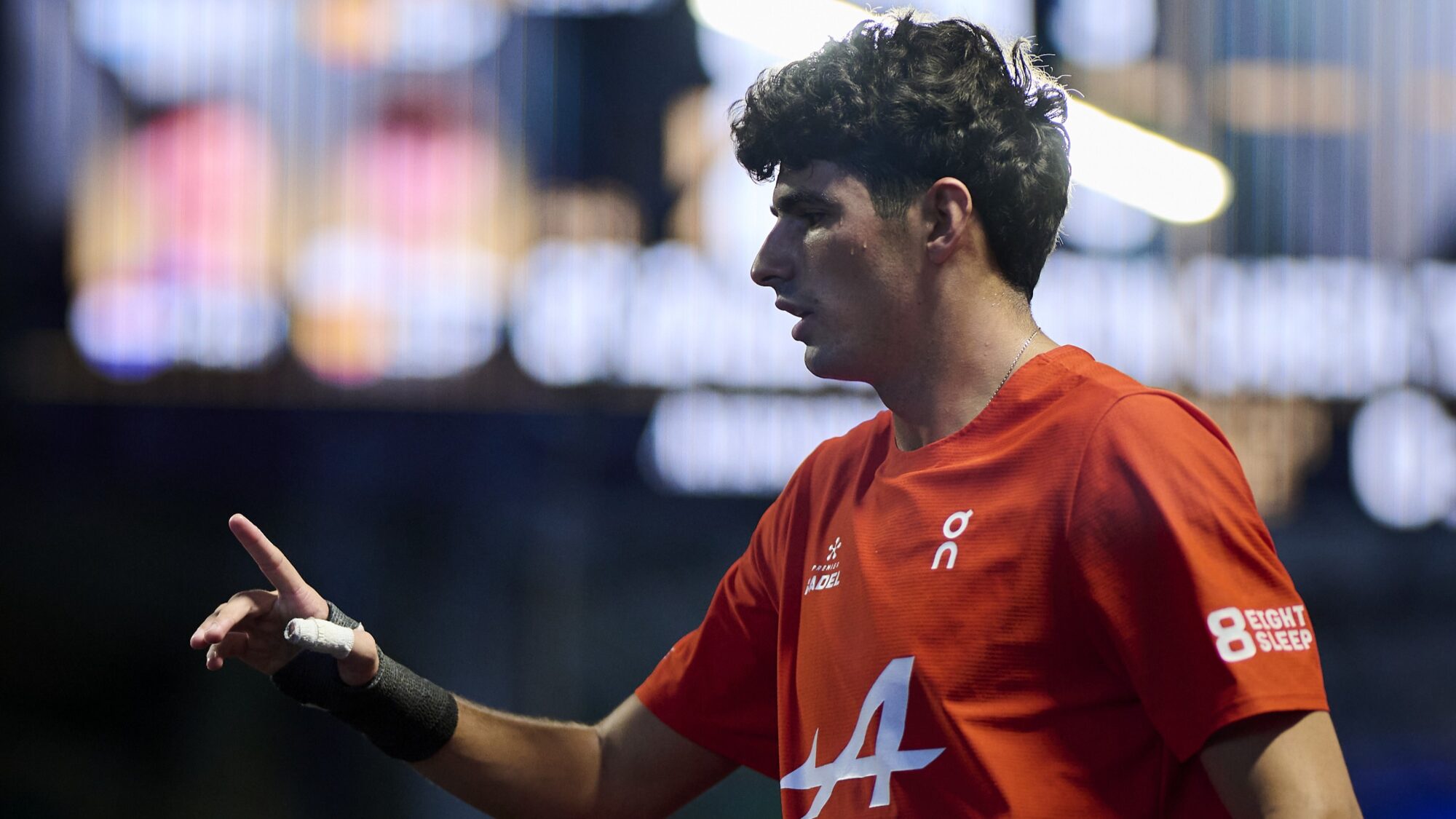
Paquito Navarro and Martín Di Nenno will leave Paris having moved up in the rankings, but also with an unresolved issue. Against Alejandro Galán and Federico Chingotto, they led in both sets before ultimately losing 7-5, 6-2. Their problem is no longer getting into the match; it now lies in maintaining the momentum they manage to establish.
Two successful starts, then thirteen out of fifteen games lost.
The final score gives the impression of a semi-final controlled by the number 2s. Its unfolding was less linear.
Paquito and Di Nenno initially led 3-0 in the first set. They then immediately broke their opponent's serve in the second to take a 2-0 lead. However, in both sets, their advantage amounted to only one break.
The rest of the match highlights the difference between building an advantage and maintaining it. After going up 3-0, Galán and Chingotto won seven of the next nine games to take the first set 7-5. From 0-2 down in the second, they reeled off six consecutive games.
By combining the two sequences that followed Paquito and Di Nenno's favorable starts, the number 2 players won thirteen out of fifteen games. This goes beyond a simple slump.
Galán–Chingotto did not need to completely reverse their plan
It would be tempting to explain these shifts by a radical change of target or by Paquito being sidelined. The reality on the field is quite different: Galán and Chingotto gradually deprived their opponents of the fast break situations that had fueled their early innings.
When Paquito and Di Nenno can move forward, play close to the net, and get involved early in the rally, their complementary skills work. Di Nenno brings speed and pressure to his crosscourt game. Paquito can then close down the middle, vary his shots, and use his reading of the game.
But when the point has to be rebuilt several times, the balance of power shifts. Chingotto accepts this volume of play without trying to accelerate too early. Galán can wait for a shallower ball to gain more ground in the middle. The Spanish-Argentine pair is then forced to win an extra ball before achieving a truly offensive position.
The change isn't necessarily dramatic. It's based on repetition: one more lob to play, one more volley to control, another net return to organize. It's precisely in this continuity that Galán–Chingotto still maintain an edge.
A problem with net control rather than power
This semi-final does not show a pair incapable of hurting the number 2s. It shows a pair that is not yet able to maintain the conditions long enough to do so.
Paquito and Di Nenno secured a break in each set. They thus found, at least temporarily, answers to the return. However, their own serves gradually ceased to produce comfortable service games. In the second set, they failed to win a single game after leading 2-0.
The issue isn't just the quality of the serve. The serve must allow the pair to establish themselves at the net and then defend that position. Galán and Chingotto excel at hitting a low first volley, pushing back their opponents, or using the center to create hesitation.
In this situation, Di Nenno has to cover a lot of ground diagonally to Chingotto. Paquito faces a difficult choice: stay in his zone, risking fewer interventions, or tighten up his cover and open up his flank more. The longer the rally lasts, the more often this decision needs to be made.
The difficulty therefore stems less from a lack of power than from the impossibility, for the moment, of maintaining the initiative in the long term.
Fourth place validates the project, but not yet its ability to beat the Top 2
The defeat does not jeopardize Paquito and Di Nenno's progress. Their quarter-final victory against Franco Stupaczuk and Jon Sanz, 4-6, 6-1, 6-4, will allow them to become the world's fourth-ranked pair starting with Rotterdam P2. A week earlier, they had already pushed Galán–Chingotto to a third-set tiebreak in Madrid.
The repetition of these results confirms their place among the top four associations at the moment. It also highlights their next project.
Paquito and Di Nenno have a game plan capable of surprising even the best pairs and taking a set, a break, or several consecutive games from them. Against Galán and Chingotto, however, this initial plan is not yet accompanied by such a reliable solution when the opponent slows the match down, increases the intensity, and gradually regains control of the middle.
Their rise to fourth place rewards their newfound consistency. To close the gap with the top two pairs, they will now need to translate their strong starts into a level playing field capable of withstanding their opponents' adjustments.

I discovered the Padel I stumbled into Spain at a campsite. I was instantly hooked; passionate about padel, I follow international and regional news with the same excitement as the sport itself.

















































































 FIP Tour: Changes among the French national team: why are the French increasingly watching foreign football?
 FIP Tour: Seurin / Joris, Boronad, Bahurel… French artists are meeting up all over Europe
 Godallier / Touly: a title, confidences and announcements that change everything…
 Sébastien Husser-Walther and Tony Boval: "The French are on the verge of reaching the Spanish level"
 Forcin/Joris at the end of the suspense: "We win because we get along extremely well."
 Bahurel/Pothier in the final: "Tomorrow, there will be an extra step up"
 Eric Largeron: "In some places, there are too many tournaments and perhaps too many clubs..."
 French Championships 2026: The good deals and the disappointments compared to the starting ranking
 2026 French Padel Championships: Results and Standings
 Düsseldorf, a showcase of a Germany where padel is accelerating
 Sánchez/Ustero are only 160 points behind second place in the world: the end of the season could change everything
 For sale: two padel clubs in Mauritius, starting from 330,000 euros
 How much does it actually cost to organize a FIP Bronze event?
 Padel How Lidl is transforming Crivit into a fully-fledged sports brand with Steffi Graf
 Compagnie des Alpes is accelerating its involvement in padel with PadelCity: a new step in its European strategy
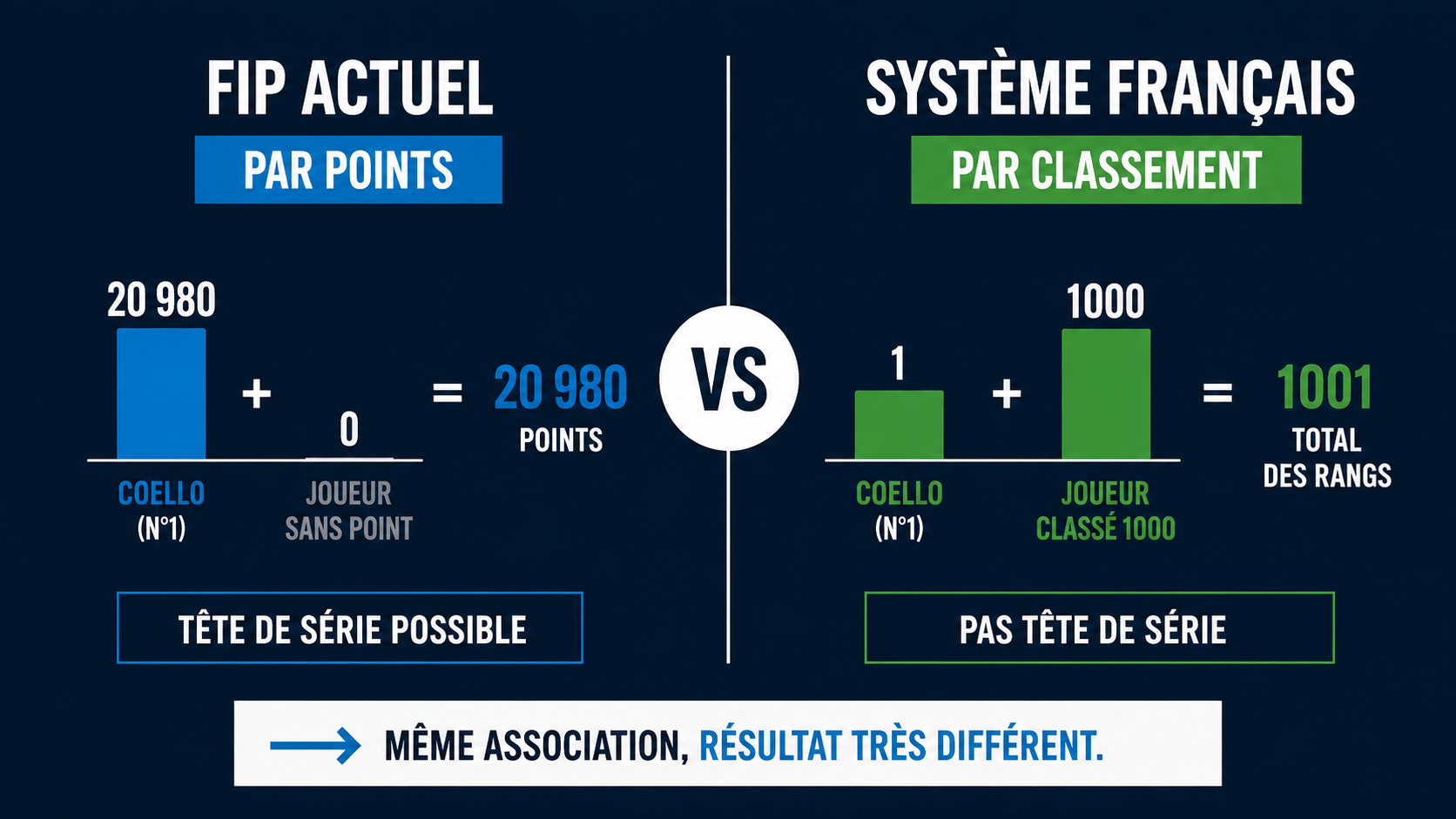 Coello with a player at 0 points ahead of two top 10 players: should the FIP ranking be reviewed?
 Les Pyramides: after 12 padel courts, the club is focusing on youth training
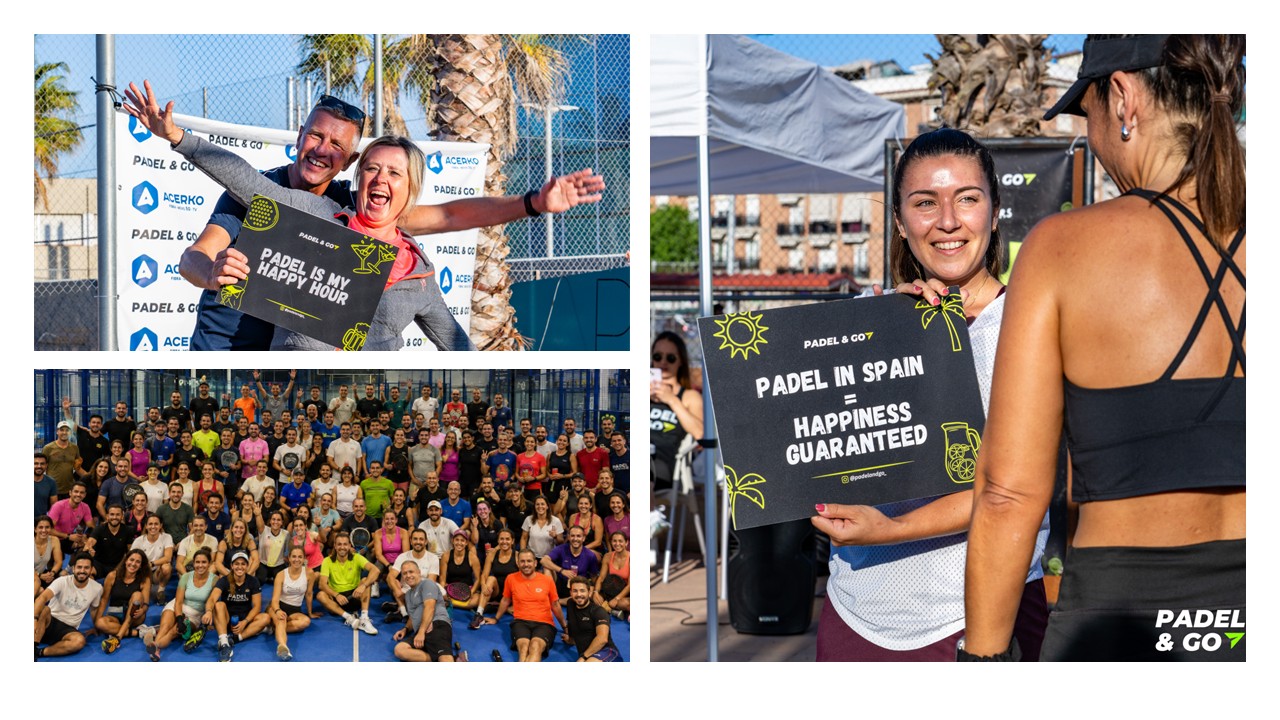 Health Care Padel Tour 2026: What if your next padel tournament was played in Barcelona?
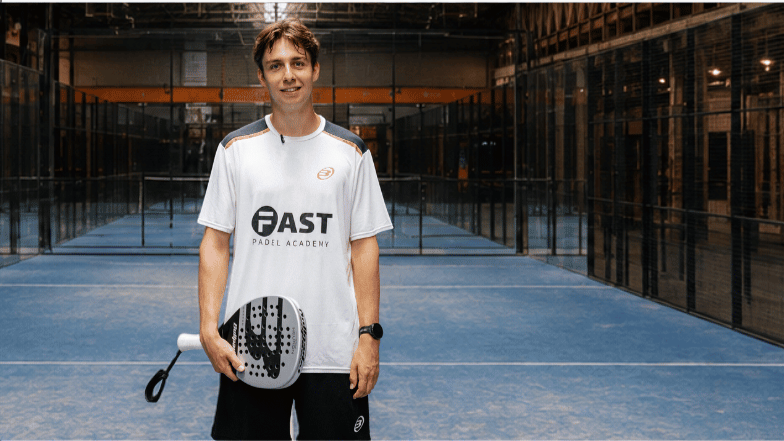 FAST Padel Academy continues its development and establishes itself in Liège.
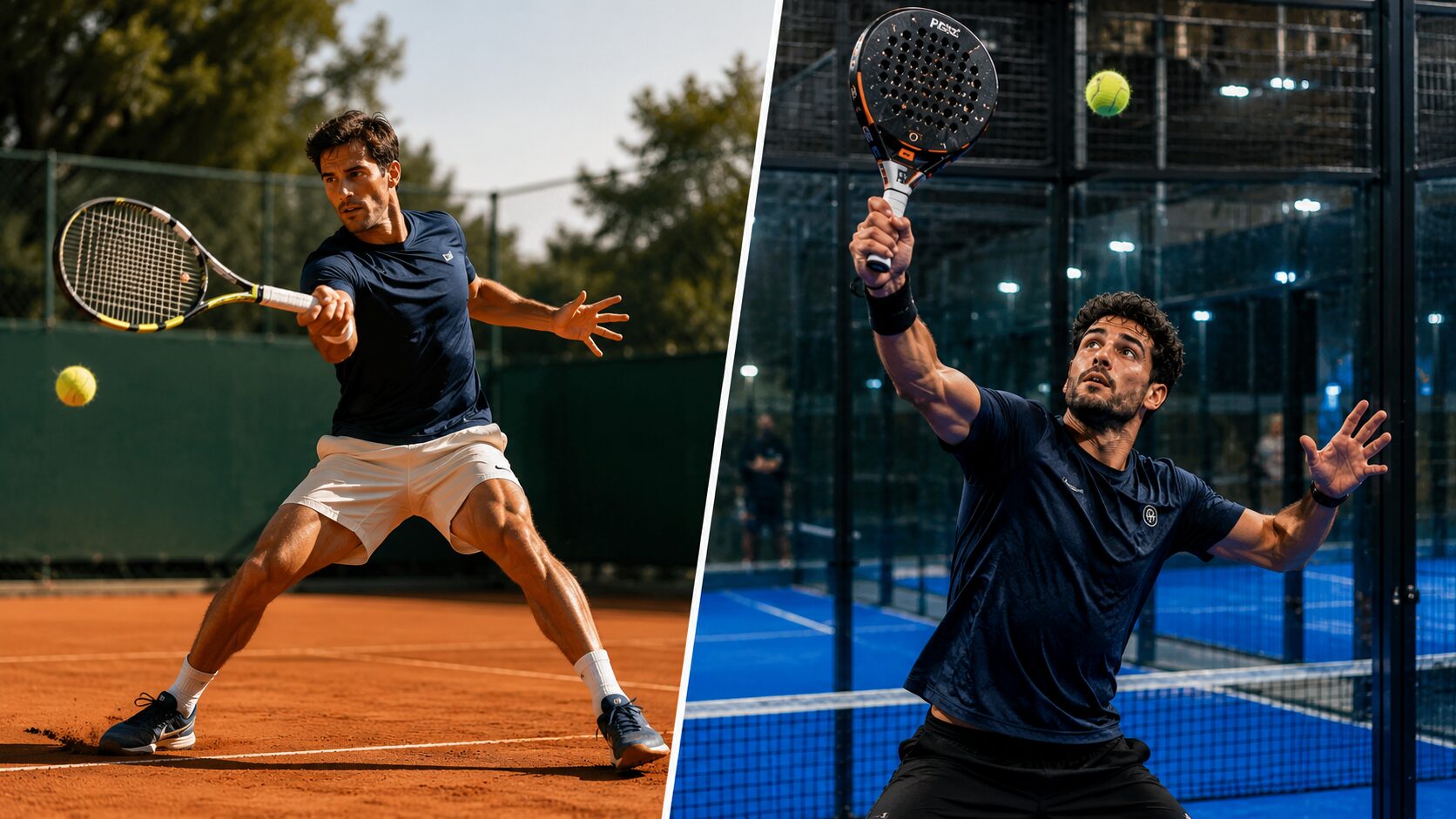 What the analysis of the stroke reveals: tennis forehand vs. padel bandeja
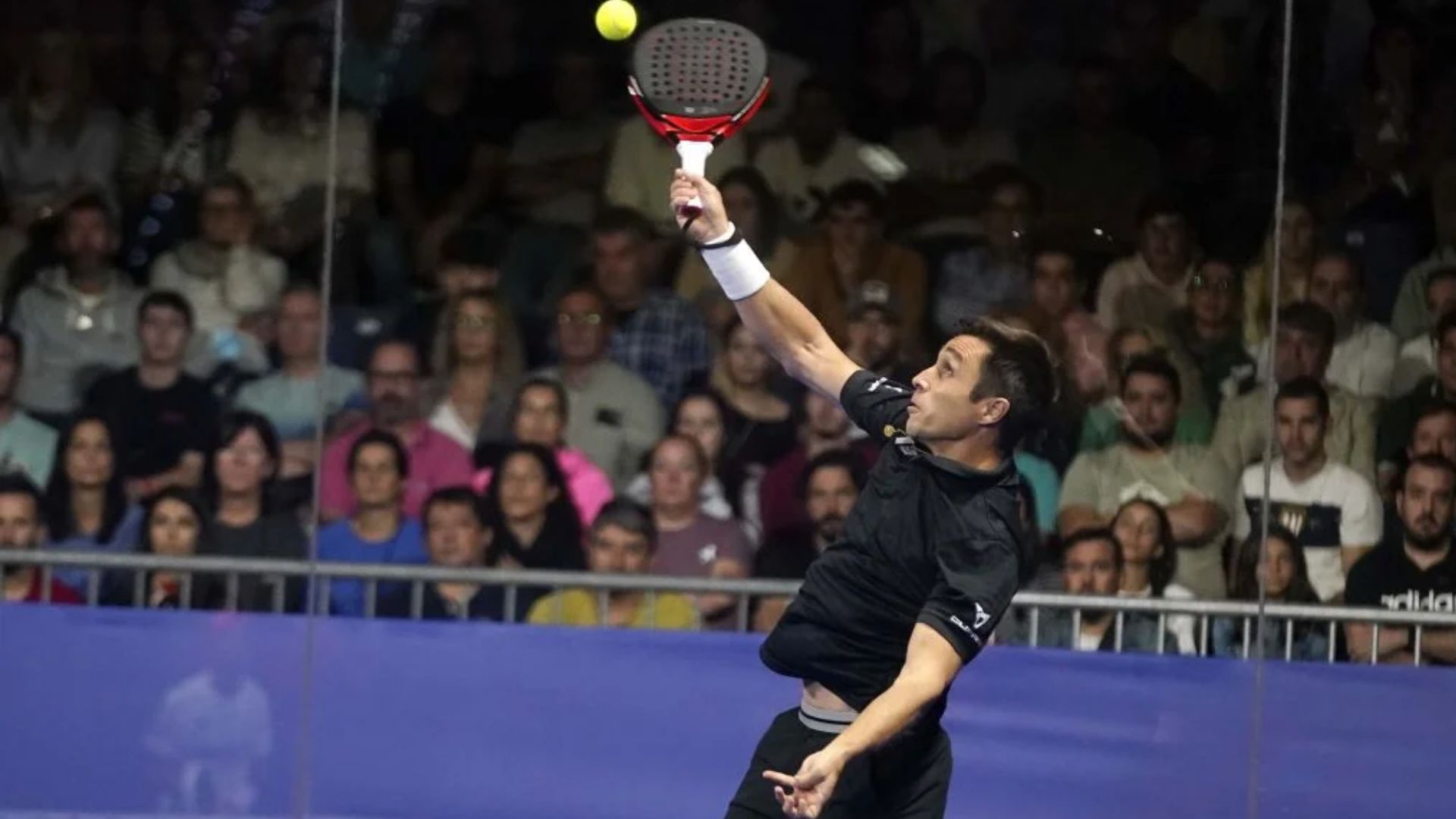 Has the bandeja disappeared from modern padel?
 Flat forehand in padel: 5 exercises from Cristian Álvarez to gain control and efficiency
 Why knowing how to play on the right and left can make all the difference
 Tapia reveals his recipe for beating Coello / Tapia: "I would bet everything on myself"
 How Coello defused Chingotto's game plan
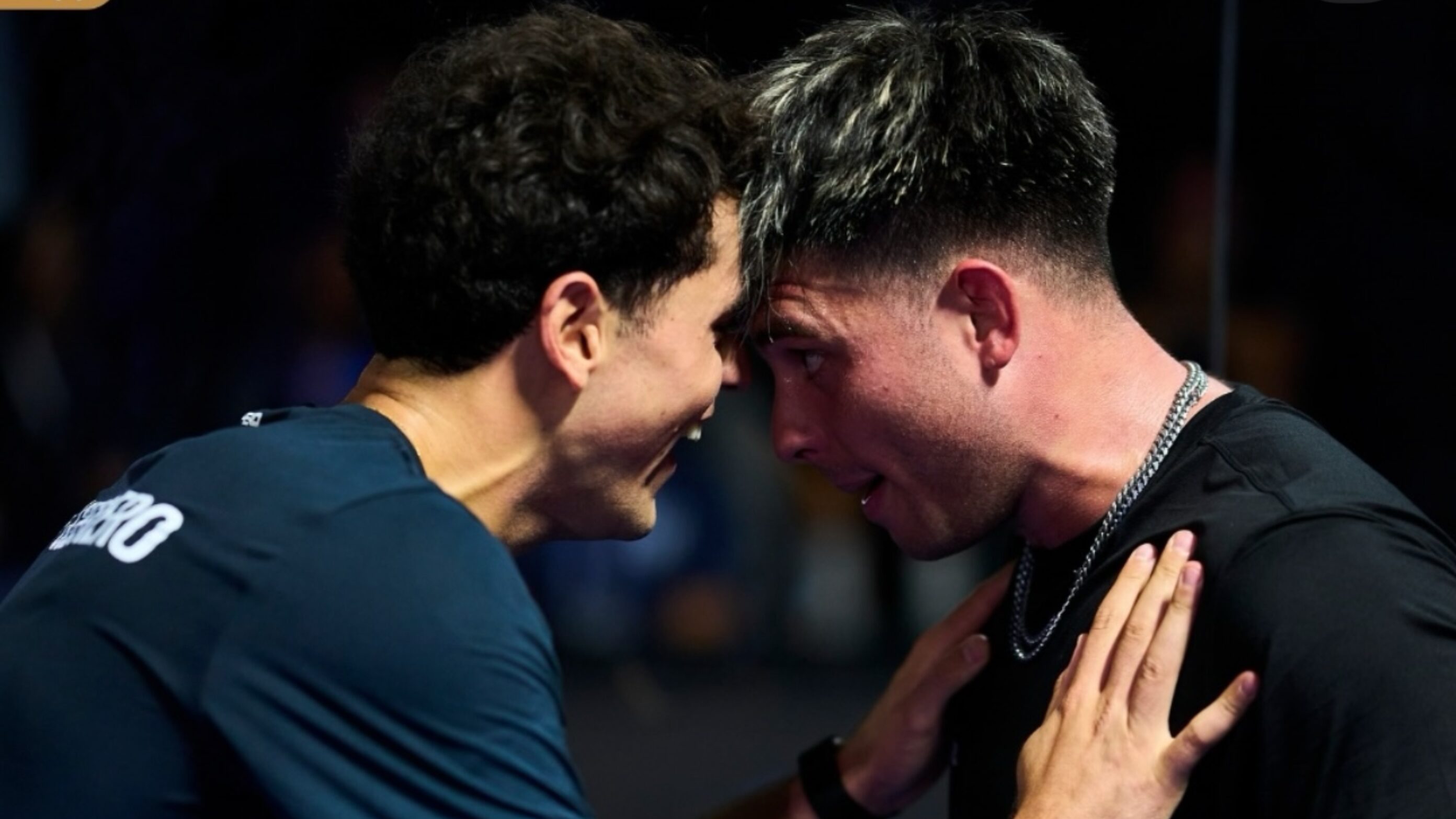 In padel, does the chemistry between a pair count as much as individual skill?
 Summer changes padel… but what if the real challenge wasn't hitting harder?
 Neither FIP Tour nor World Team Championship: the unique format of padel at the Mediterranean Games
 Premier Padel : when television can lengthen players' breaks
 Premier Padel Yes, a referee can refuse a player permission to go to the toilet
 Julien Seurin opens up about his mental state: "There are far more doubts than moments of happiness."
 More than a year later, Thomas Leygue is back in the top 150: behind the scenes of a comeback that's still unfinished
 Padel vs squash vs badminton: the scientific ranking of cardio intensity
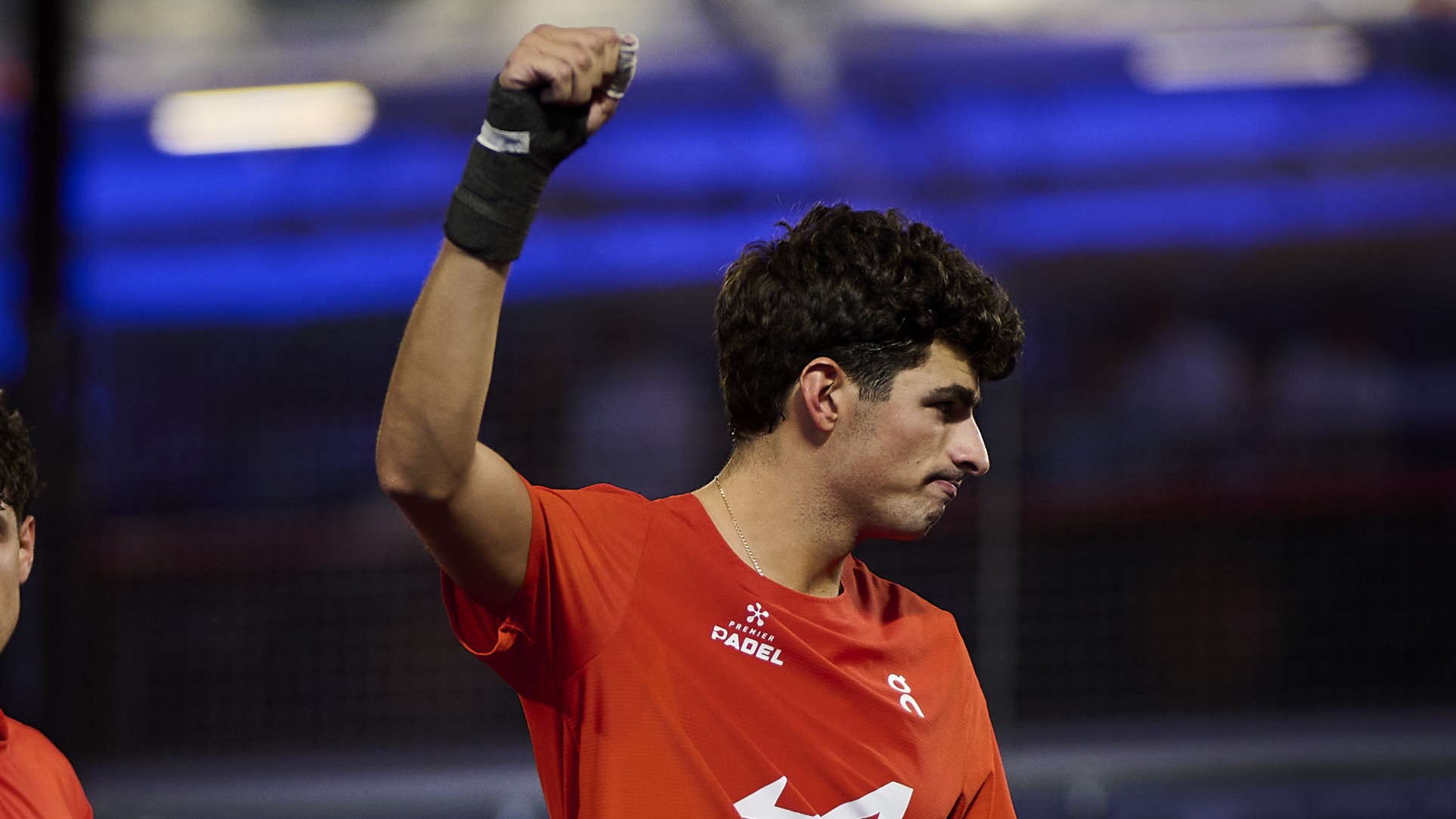 Why does Arturo Coello play with his right hand bandaged?
 What if your progress in padel depended on what nobody else is looking at?