








Padel has established itself as one of the most popular racket sports in France, driven by rapid growth in the number of players and facilities. However, behind this positive momentum, a recurring observation among sports health professionals is: Injuries in padel are increasing at the same rate as the sport itself. Calves, Achilles tendons, elbows, shoulders and lower back are now among the most frequently affected areas among padel players, especially amateur players.
Contrary to popular belief, these injuries are not due to bad luck or simply aging. They most often result from avoidable errors in training management, recovery, and physical preparation. Understanding how to prevent padel injuries is therefore crucial for anyone who wants to improve their game. play for a long time, progress and preserve their health .
In this final episode dedicated to the risks of padel, we revisit the five fundamental pillars of prevention validated by scientific literature and field experience, to help each player build a more sustainable, more effective and pain-free practice.
1. Gradual progress, the foundation of a sustainable practice
Too rapid an increase in the volume or intensity of play is now the leading cause of injury among padel players. Padel places significant stress on tendon structures, particularly in the calf, Achilles tendon, elbow, and shoulder, which adapt more slowly than muscles.
The 10% weekly increase rule is now widely accepted in the scientific literature. It stipulates that playing time, the number of matches, or overall intensity should not be increased by more than 10% from one week to the next. This rule also applies to returns to play after a break, even a short one. A return to play too quickly significantly increases the risk of injury in the following weeks.
The fun and social aspect of padel often pushes players beyond their limits without them realizing it. The first signs then appear late, when the pain has already set in.
2. Recovery, the invisible training of the padel player
Recovery remains largely underestimated by amateur players, even though it plays a central role in injury prevention. It allows muscle, tendon, and ligament tissues to absorb the stresses accumulated during play.
Thorough rest is essential after an intense match or a series of games. Sleep is the primary factor in neuromuscular recovery, thanks to the hormonal mechanisms it activates. Insufficient sleep disrupts tissue repair processes and increases central fatigue.
Managing your weekly training load is also essential. Accumulating padel sessions without recovery periods promotes overtraining and chronic pain. Added to this is the impact of alcohol, whose pro-inflammatory and sleep-disrupting effects are now well-documented.
3. Muscle strengthening, an essential preventative measure
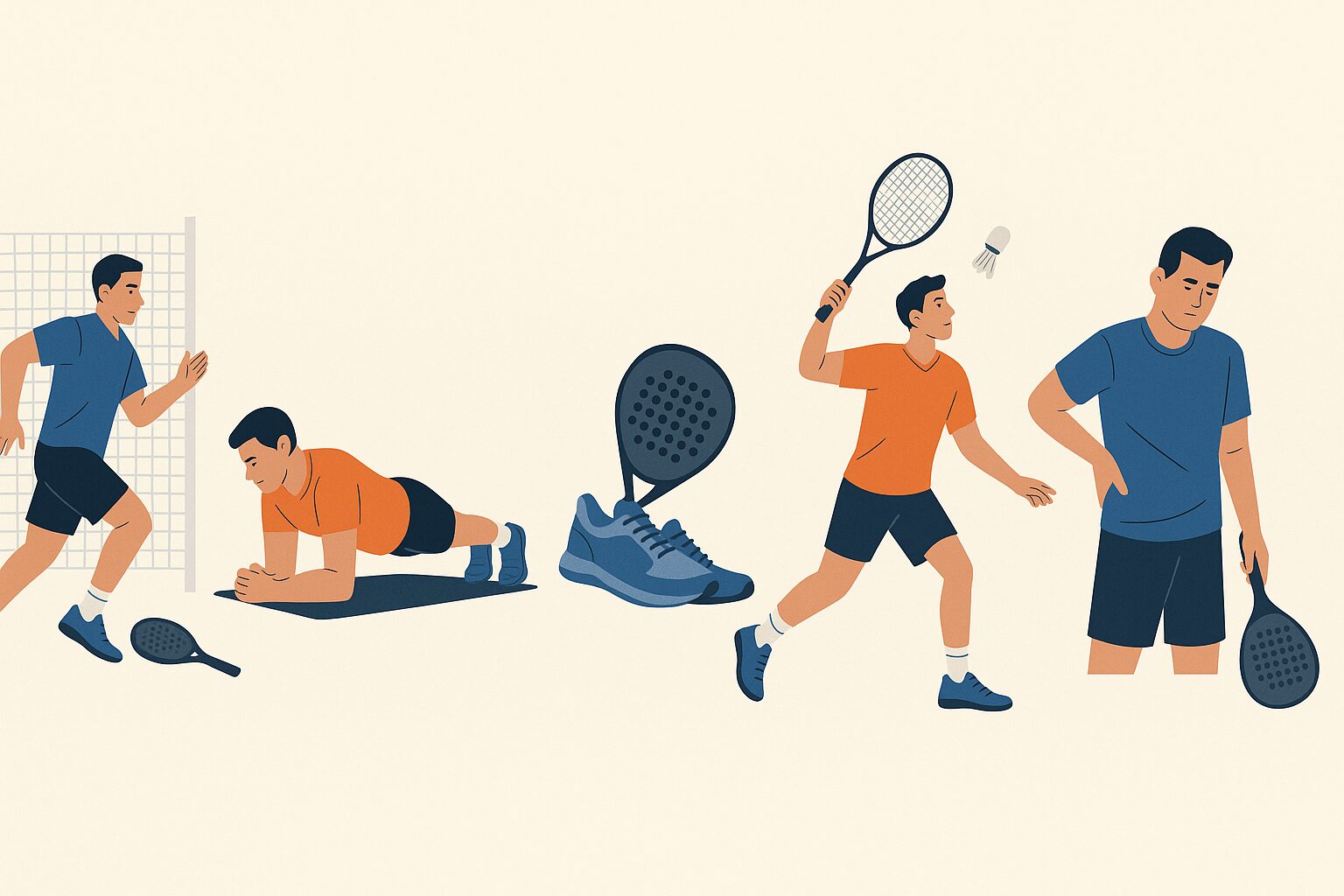
Padel-specific strength training is one of the most effective ways to reduce the incidence of injuries, although it is still too rarely integrated into players' routines. Two weekly sessions are sufficient when they are targeted and adapted to the demands of the sport.
The calves play a fundamental role in acceleration and lateral movement. Weakness in calf muscles is directly associated with muscle and tendon injuries. Proprioceptive ankle training significantly reduces the risk of sprains, which are common on synthetic surfaces.
Core strength is essential to protect the lumbar region, which is heavily stressed by repeated trunk rotations. A lack of core strength increases the stress on the passive structures of the spine, contributing to the development of lower back pain. Shoulder stability is also crucial for protecting the rotator cuff during smashes and overhead shots.
This work must remain functional, progressive and oriented towards the movements of padel.
4. Equipment: A determining but often overlooked factor
The choice of equipment directly influences the mechanical stresses experienced by the body. Specific padel shoes allow for secure lateral movements while limiting stress on the ankles, knees, and tendons.
Using a racket that is too heavy or too stiff increases the transmission of vibrations to the forearm and shoulder. Clinical data shows that a weight of less than 350 grams, combined with moderate stiffness and a balance adapted to the player's skill level, reduces the risk of chronic pain, particularly in the elbow.
5. Multisport, a valuable ally for longevity
Exclusively playing padel can lead to muscle imbalances and excessive repetition of the same stresses. Conversely, players who regularly engage in a complementary activity have a lower injury rate over the year.
Badminton is an excellent complement, improving coordination, shoulder mobility, and aerial play. Cross-training provides overall strengthening and improved core stability. Gentle endurance sports, such as cycling or swimming, promote active recovery without putting stress on the joints.
Diversifying physical activity improves the body's ability to adapt and reduces the risk of chronic injuries.
What to do in case of pain during padel
Playing through pain remains a common mistake. Persistent pain is always a warning sign of overuse or imbalance. Continuing to play despite pain increases the risk of serious injury, recurrence, and long-term consequences.
A quick consultation with a healthcare professional makes it possible to identify the mechanism involved and to put in place early treatment, which is often simpler and more effective than late treatment.
Padel is a particularly rich, accessible, and unifying sport. But its long-term practice relies on a thorough understanding of its physical demands. Succeeding on the courts depends neither on luck nor genetics, but on knowledge, anticipation, and consistency in practice.
Gradual progression, recovery, muscle strengthening, suitable equipment and diversification of activities form the foundations of padel practiced intelligently, respecting the body and the pleasure of playing.

Physiotherapist, Training Manager at the Vichy Physiotherapy Training Institute, but above all a padel fanatic!
























































 FIP Tour: Changes among the French national team: why are the French increasingly watching foreign football?
 FIP Tour: Seurin / Joris, Boronad, Bahurel… French artists are meeting up all over Europe
 Godallier / Touly: a title, confidences and announcements that change everything…
 Sébastien Husser-Walther and Tony Boval: "The French are on the verge of reaching the Spanish level"
 Forcin/Joris at the end of the suspense: "We win because we get along extremely well."
 Bahurel/Pothier in the final: "Tomorrow, there will be an extra step up"
 Eric Largeron: "In some places, there are too many tournaments and perhaps too many clubs..."
 French Championships 2026: The good deals and the disappointments compared to the starting ranking
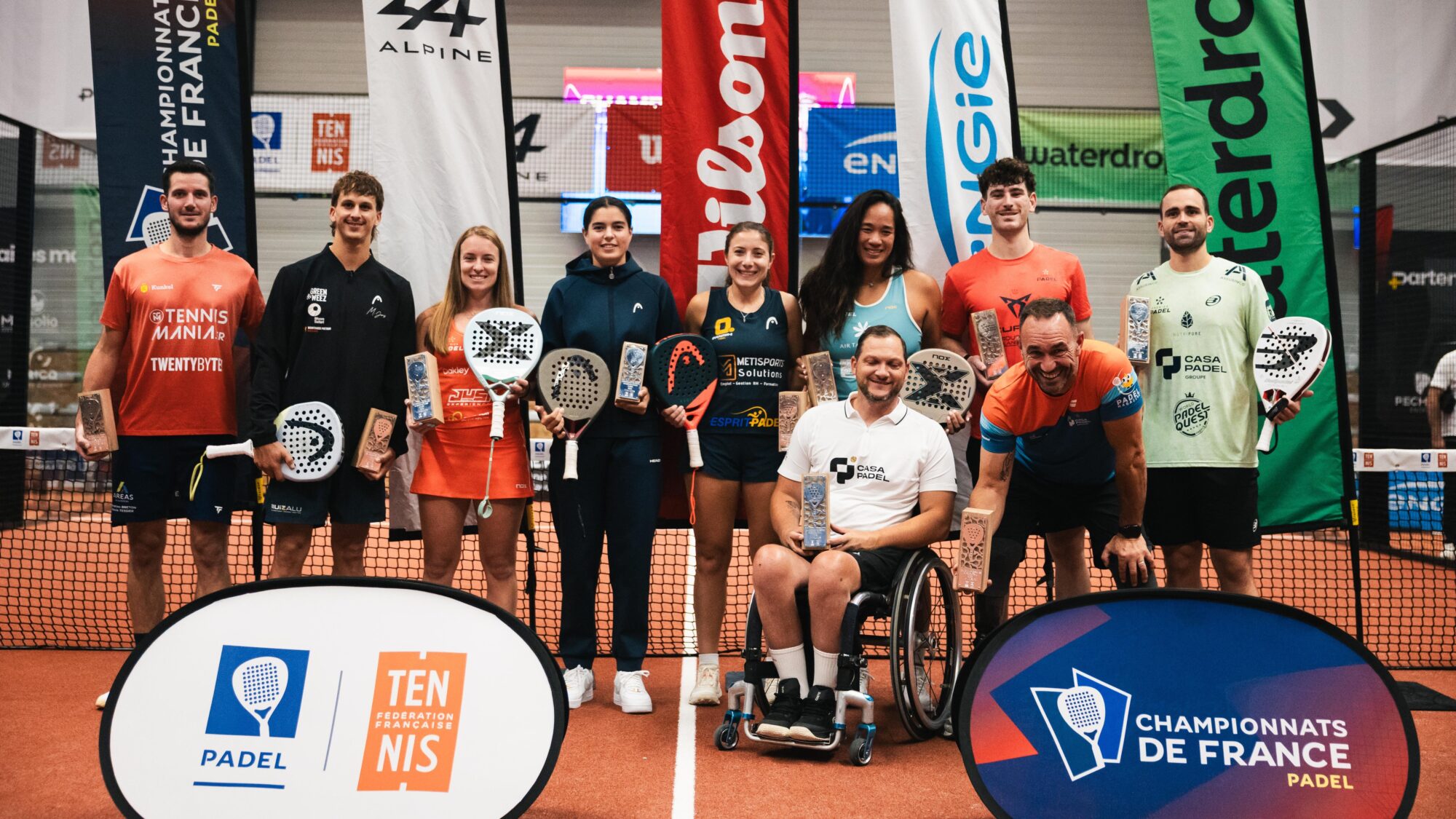 2026 French Padel Championships: Results and Standings
 Düsseldorf, a showcase of a Germany where padel is accelerating
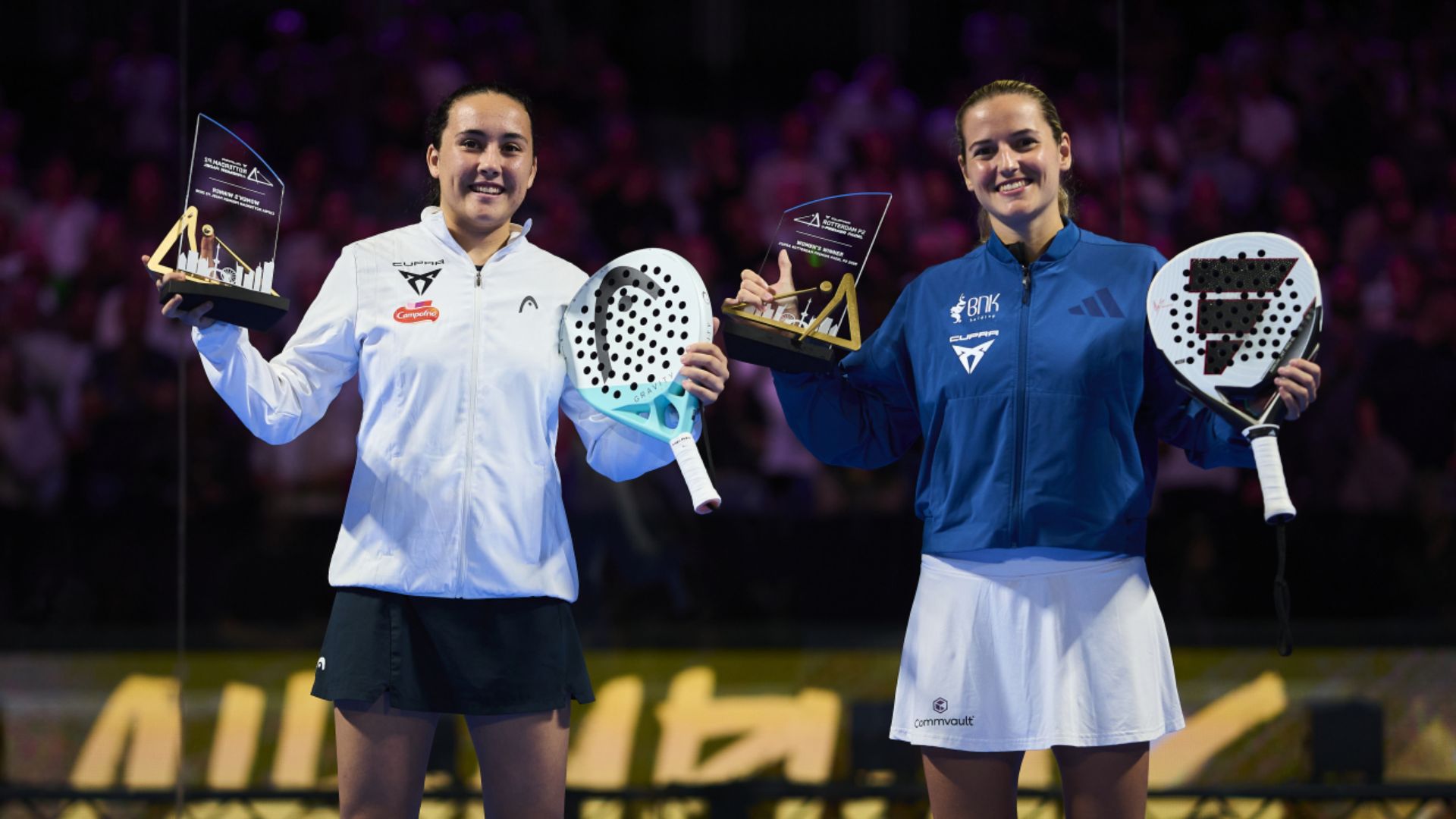 Sánchez/Ustero are only 160 points behind second place in the world: the end of the season could change everything
 For sale: two padel clubs in Mauritius, starting from 330,000 euros
 How much does it actually cost to organize a FIP Bronze event?
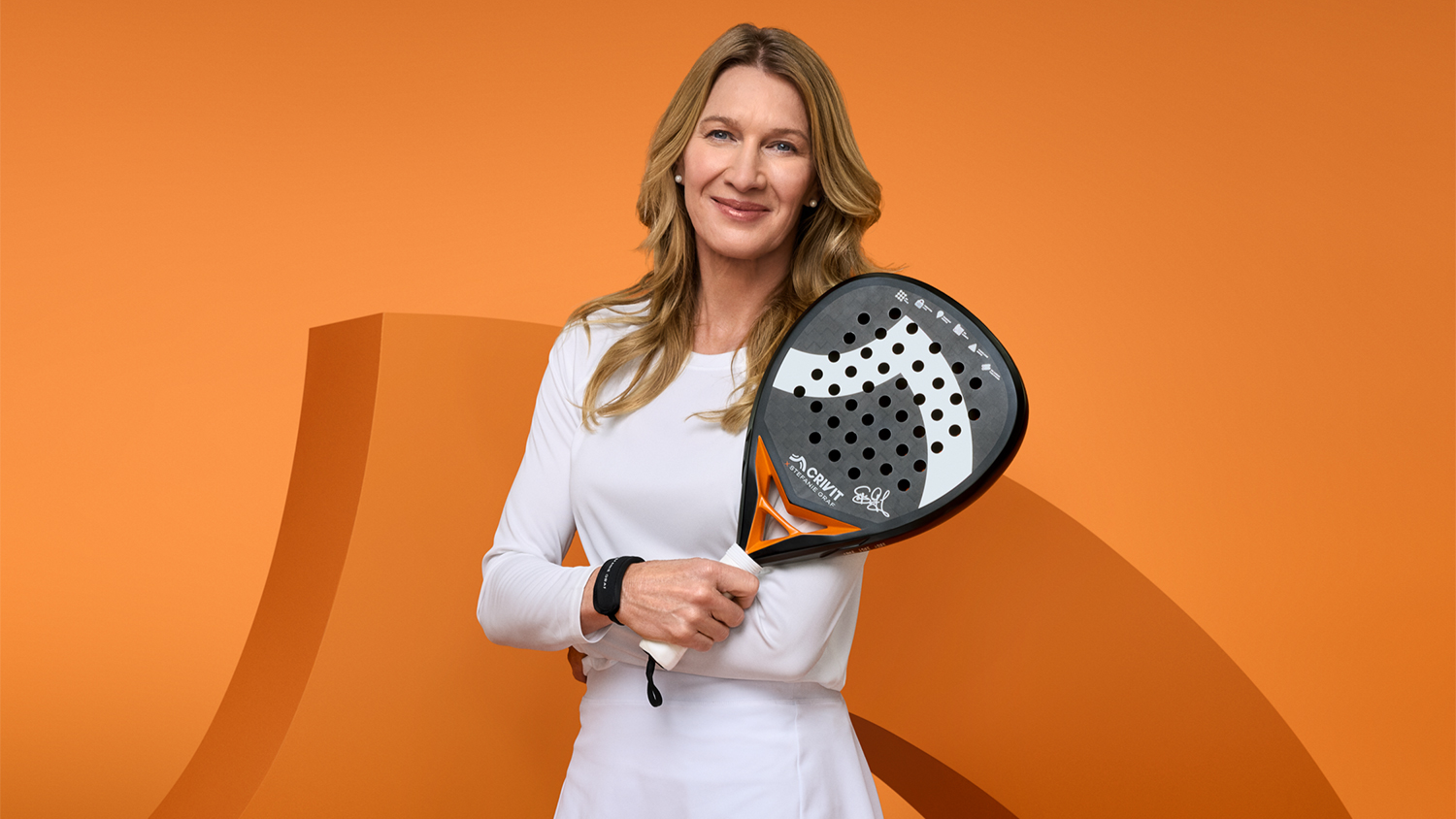 Padel How Lidl is transforming Crivit into a fully-fledged sports brand with Steffi Graf
 Compagnie des Alpes is accelerating its involvement in padel with PadelCity: a new step in its European strategy
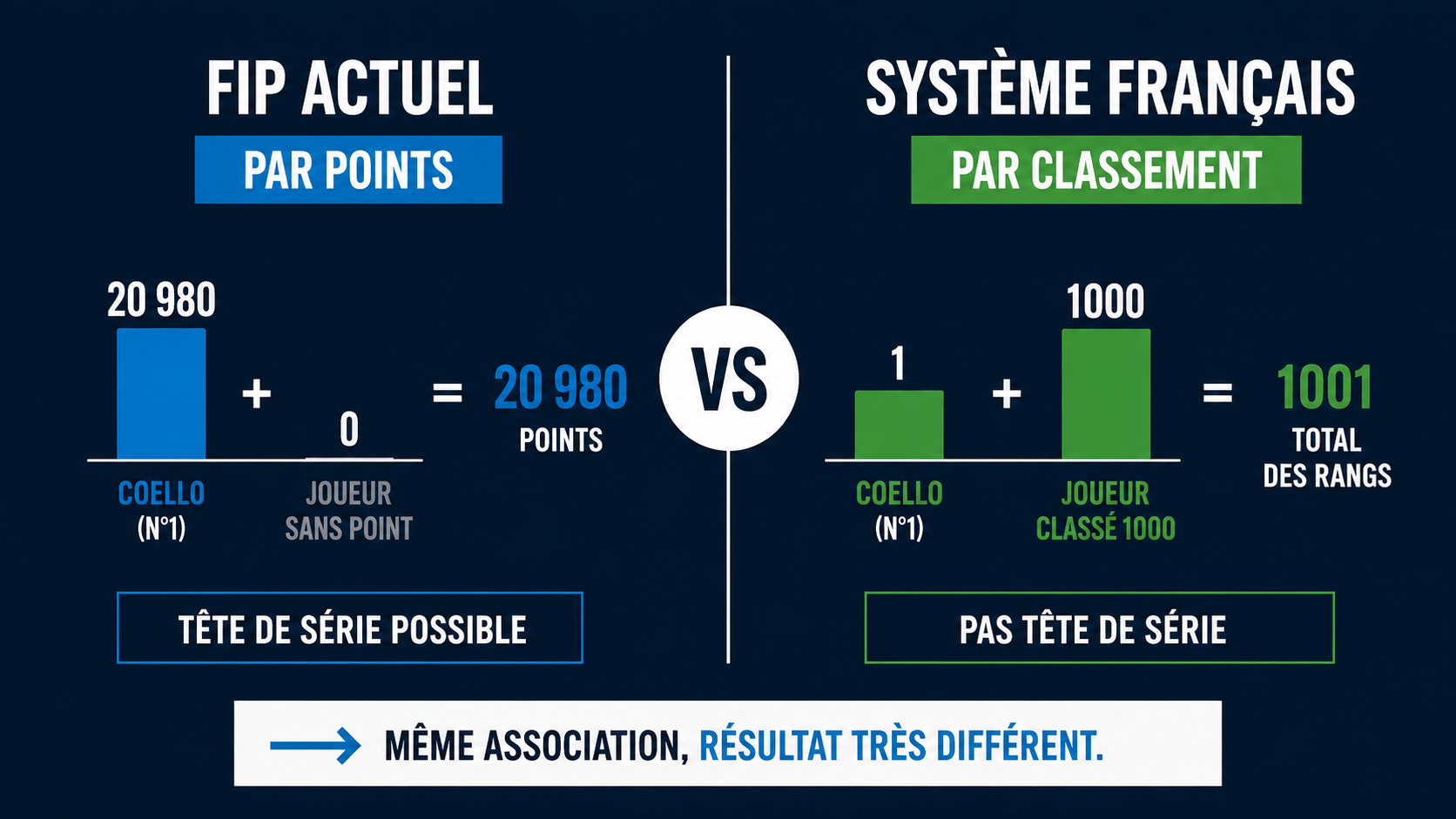 Coello with a player at 0 points ahead of two top 10 players: should the FIP ranking be reviewed?
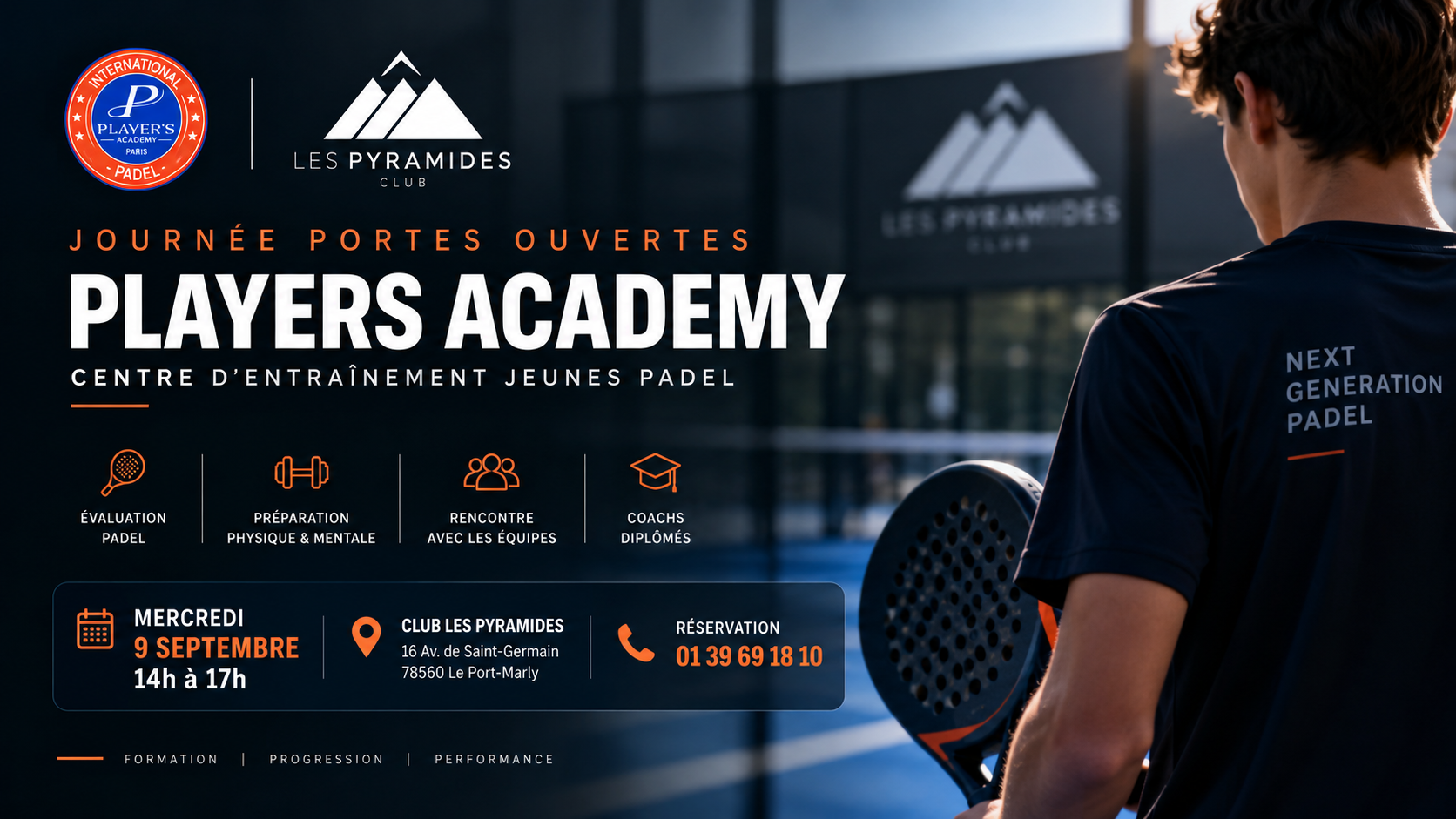 Les Pyramides: after 12 padel courts, the club is focusing on youth training
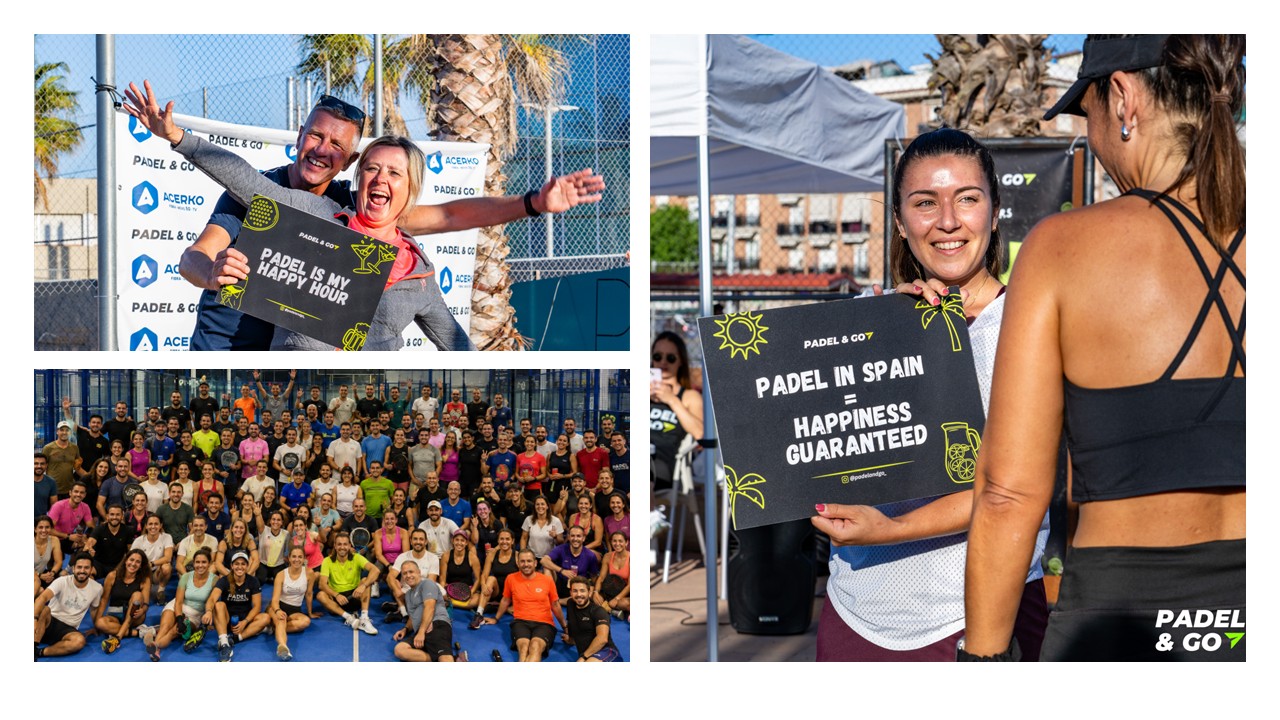 Health Care Padel Tour 2026: What if your next padel tournament was played in Barcelona?
 FAST Padel Academy continues its development and establishes itself in Liège.
 What the analysis of the stroke reveals: tennis forehand vs. padel bandeja
 Has the bandeja disappeared from modern padel?
 Flat forehand in padel: 5 exercises from Cristian Álvarez to gain control and efficiency
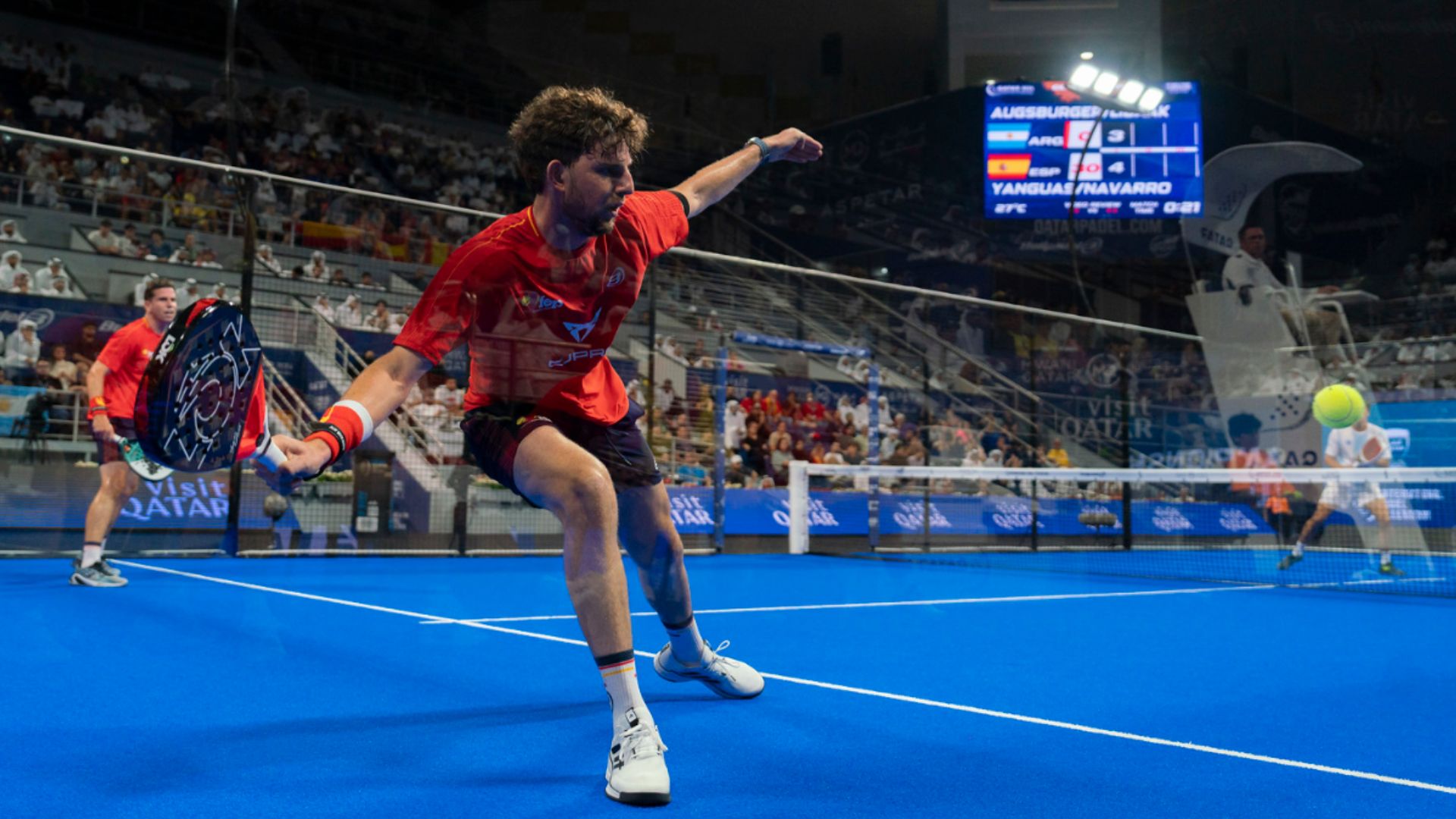 Why knowing how to play on the right and left can make all the difference
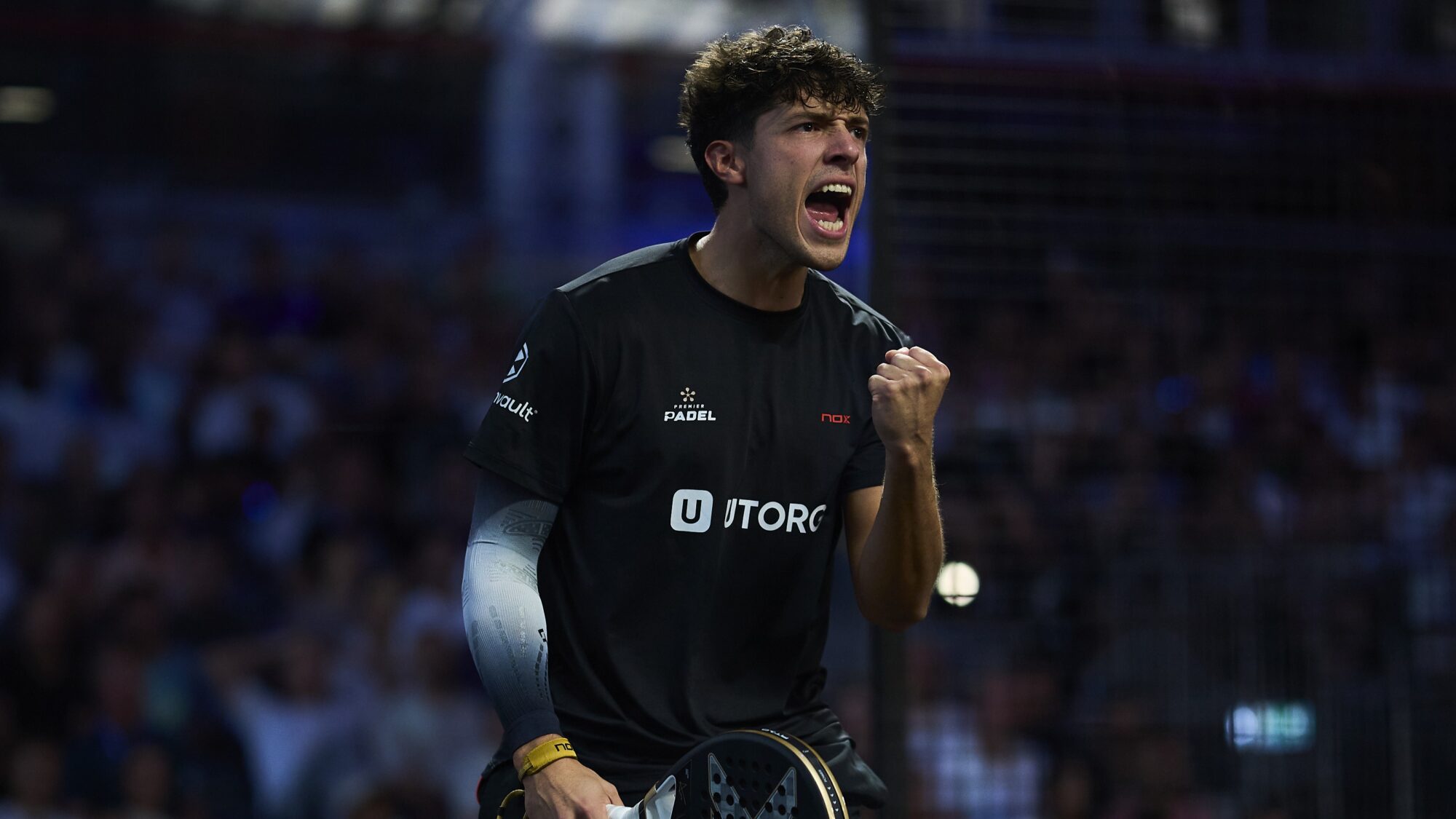 Tapia reveals his recipe for beating Coello / Tapia: "I would bet everything on myself"
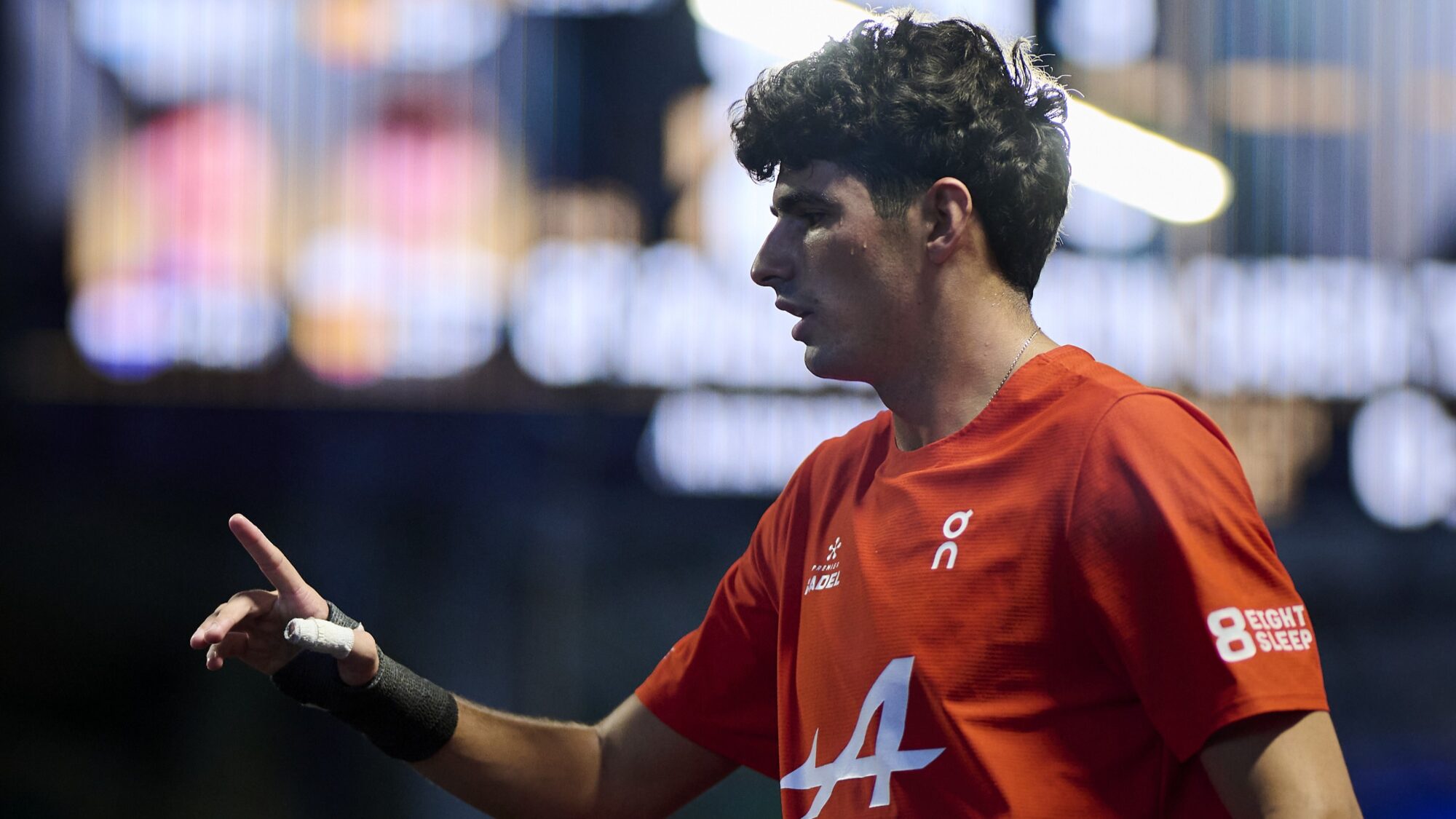 How Coello defused Chingotto's game plan
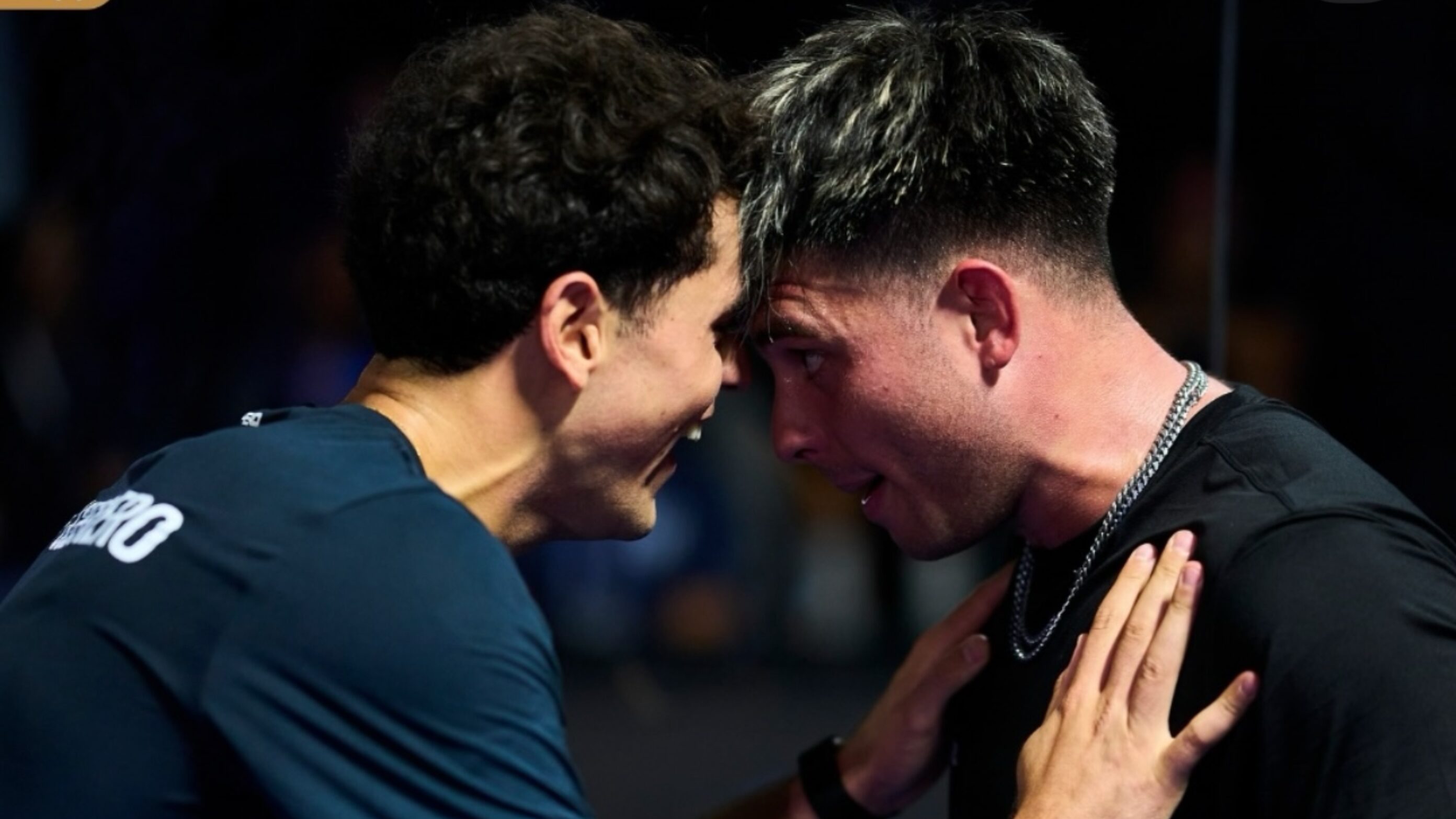 In padel, does the chemistry between a pair count as much as individual skill?
 Summer changes padel… but what if the real challenge wasn't hitting harder?
 Neither FIP Tour nor World Team Championship: the unique format of padel at the Mediterranean Games
 Premier Padel : when television can lengthen players' breaks
 Premier Padel Yes, a referee can refuse a player permission to go to the toilet
 Julien Seurin opens up about his mental state: "There are far more doubts than moments of happiness."
 More than a year later, Thomas Leygue is back in the top 150: behind the scenes of a comeback that's still unfinished
 Padel vs squash vs badminton: the scientific ranking of cardio intensity
 Why does Arturo Coello play with his right hand bandaged?
 What if your progress in padel depended on what nobody else is looking at?