

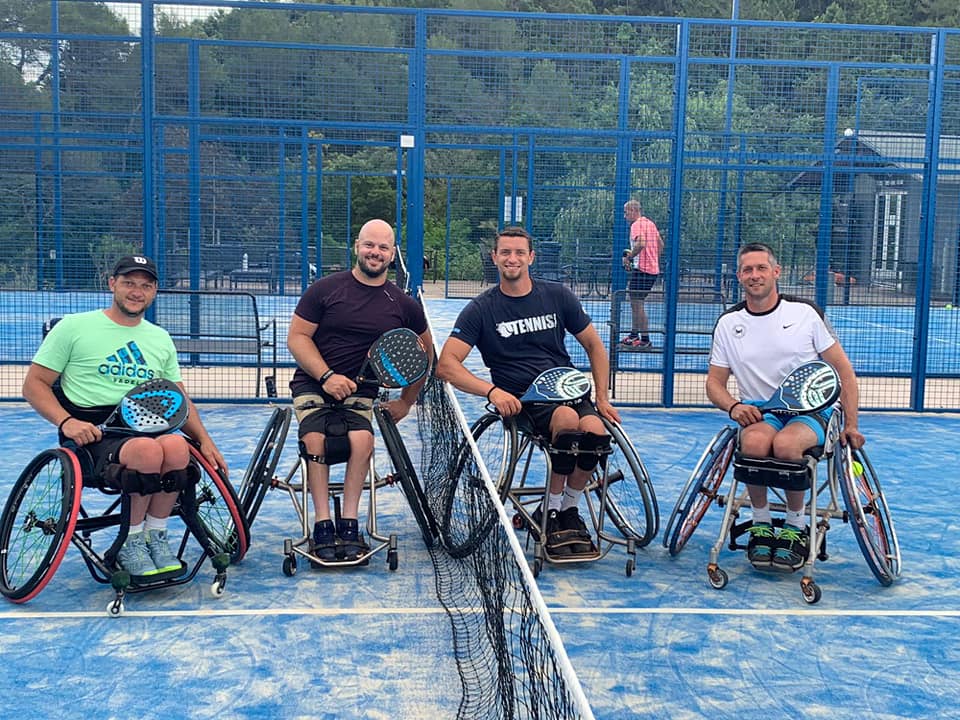











As we told you a few weeks ago, the tournaments of padel armchair are now approved by the FFT. Thus, it is possible to organize tournaments of padel women's, men's or mixed wheelchairs in the P25 and P100 categories. However, it is necessary to have at least 4 pairs entered per event.
In order to best adapt the practice, there are some specific rules.
In the game
- Two rebounds are allowed before each strike
- Side changes are made at the end of each set or at the discretion of the referee depending on playing conditions
- If, after hitting the ball, one of the pair touches the player himself, his partner or any object they are carrying, the point is lost. The wheelchair is considered part of the player's body, so it cannot be touched either.
For the service
The player must keep the front wheel(s) behind the service line and not cross the imaginary line which follows the center line. It is possible for the server to use the racket to bounce the ball when serving, if he has difficulty doing it by hand. When serving, the player must hit the ball below the shoulders.
During the service, the player cannot change his position by moving or turning. However, there is a tolerance in the event of slight movements of the wheels that do not affect the position initially adopted. Wheelchair players may not serve while moving.
The server scores a point if he directly touches the receiver who is inside the service zone. In the opposite case where, on the service, the ball touches a receiver who is outside the service square, the ball is considered fault. The returning player must wait for the ball to bounce in the service receiving area and hit the ball before it bounces to the ground for the third time.
Finally, the ball is considered fault if it rebounds in the opponent's service box and touches the fence before the third rebound. It is also a fault if the ball bounces once or twice in the service receiving square and goes directly out the door.
The service is considered as a let and therefore to be redone if:
- the ball does not touch the racket or if the ball touches the server's legs or chair before being hit by the racket.
- the ball hits the net or the posts and then falls into the receiver's service box, provided it does not hit the fence before the third bounce.
Special rules
It is forbidden for the player to lose contact with the wheelchair. From the start, it is mandatory to anchor the player's feet and waist with belts, straps or rails. It is therefore not permitted to rub the foot against the ground of the court with the intention of braking or propelling oneself voluntarily.
It is not possible for a player in a wheelchair to leave the field. This is explained by the impossibility of passing if the access to the land respects the conventional standard of 0,82 m maximum opening. On the other hand, it would be practically impossible for the player not to hit the post or the net on the way out, so he would lose the point.
However, an outing on a track with special characteristics can still be considered. In this case, it would still be necessary to respect the rule of the “third bounce”.
For those who would like to find these FIP rules in their original version, this happens HERE !

After being rocked by tennis for nearly 15 years, I became an absolute fan of its cousin, the padel. For nearly a year now, I've been chasing the little yellow ball with another racquet, but with just as much passion! Based in Lyon, I intend to make you better acquainted with the padel in the region and at the national level.










































































 World Seniors Plus 2024 Open (M): four French pairs in the semi-finals, and the psychological advantage gained against the Italians!
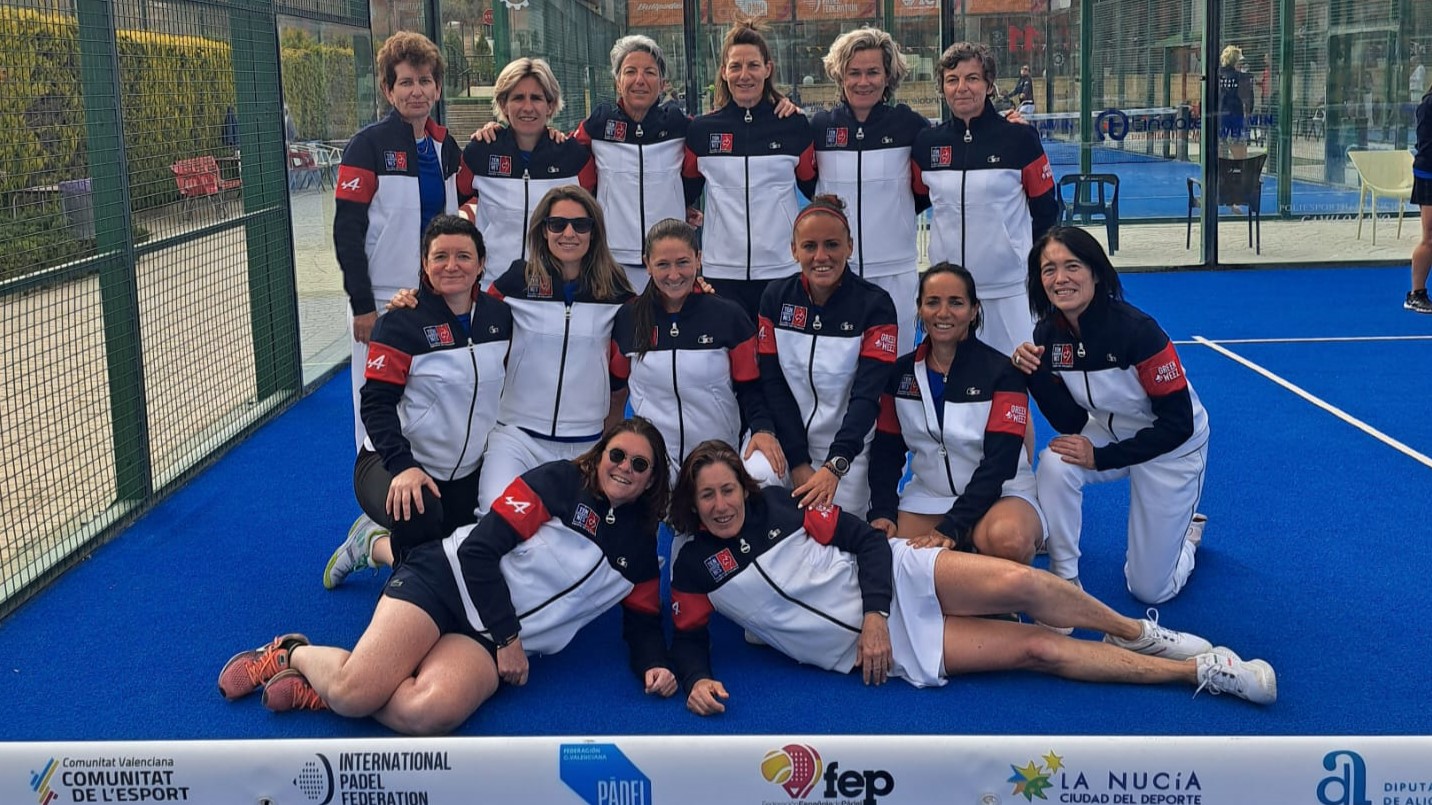 World Seniors Plus 2024 – The French women’s team in the final four!
 How to effectively test a racket padel ?
 World Seniors Plus 2024 Open (F): heading to the quarter-finals for five French pairs!
 Manuel Vives: “It’s extremely difficult to get by financially”
 And 4 for Frederick and Mehdy with network 4Padel !
 Benoît Letourneau (GM Squash & Padel): “Have a hundred young people in multi-snowshoes within three years”
 World Senior Plus – Simon Boissé: “Be in the first five places”
 Padel 95: a brand new complex in Pontoise!
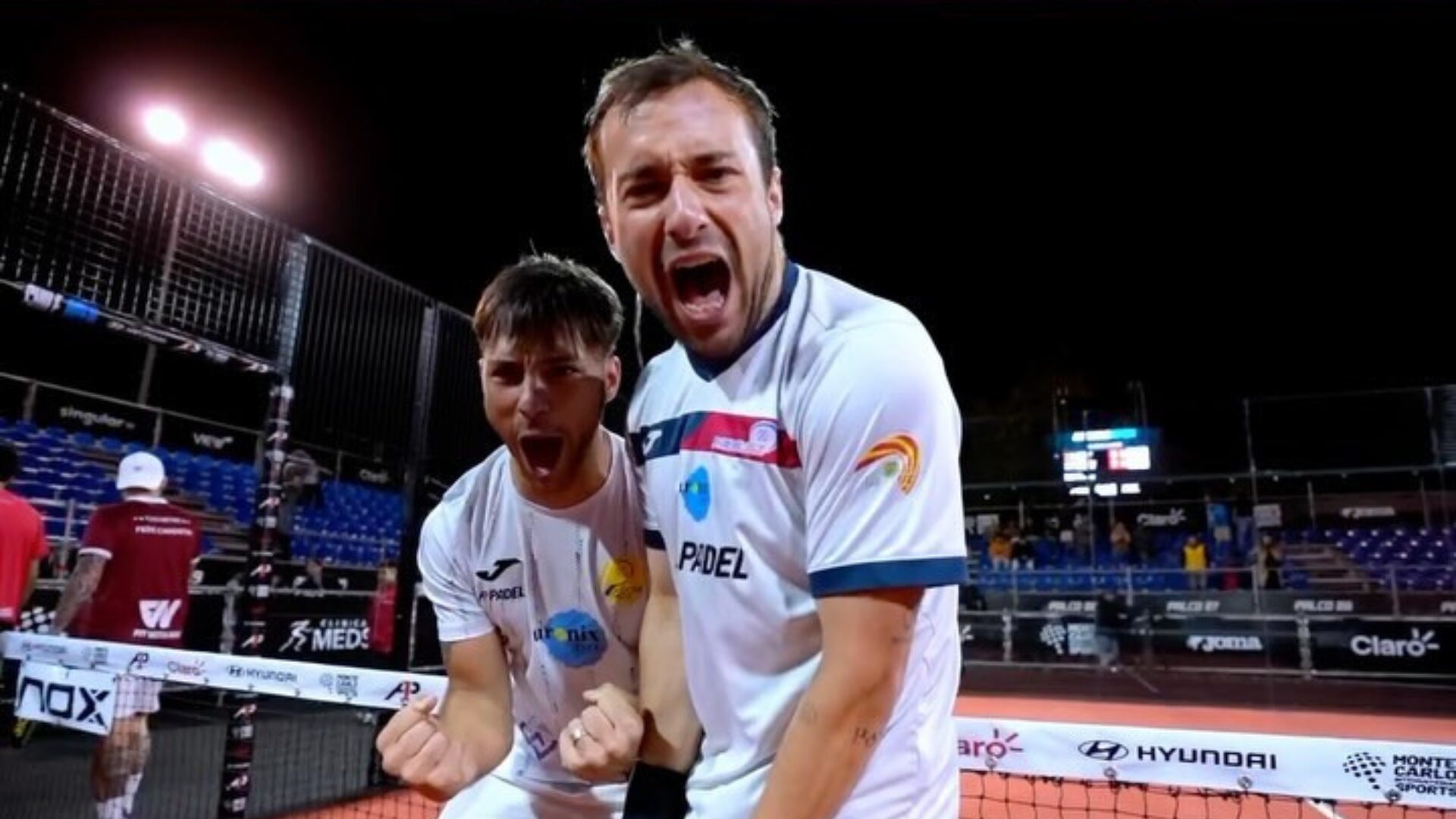 A1 Padel Chile Open – Chiostri and Sanchez eliminated, the eighths start strong!
 Play at padel on his yacht? Possible for €233.000!
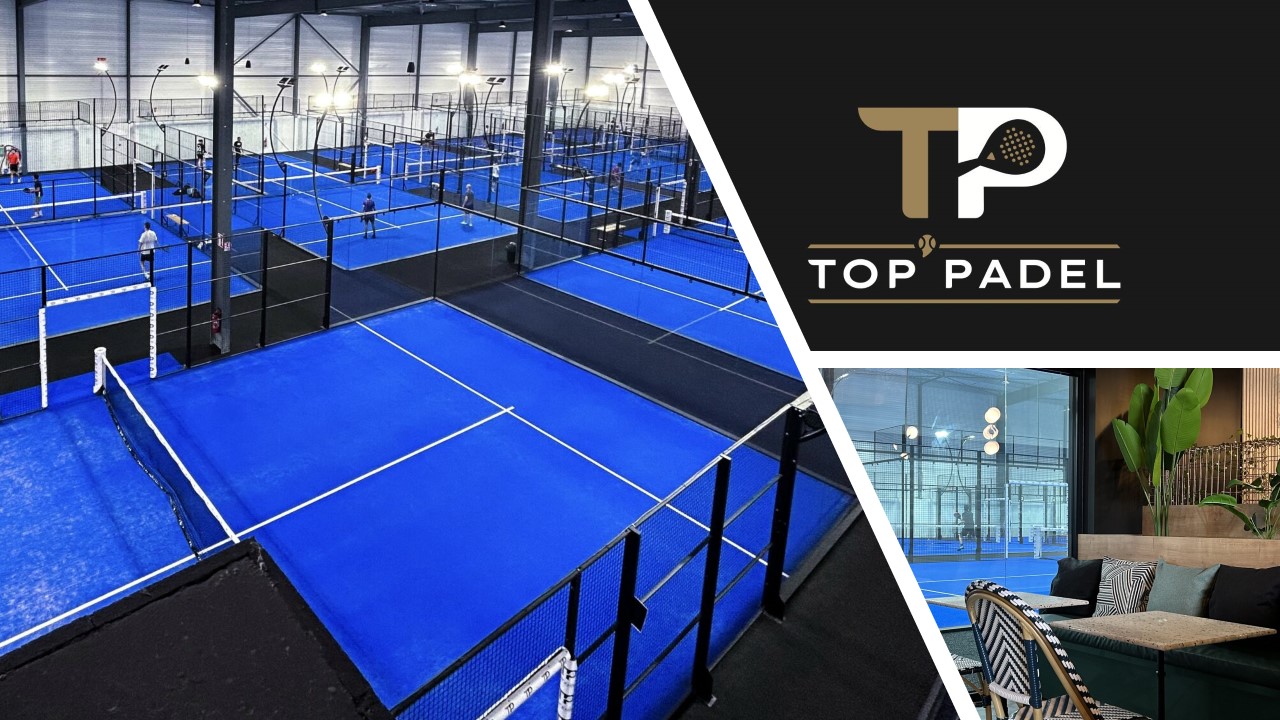 TOP Padel : “A premium club with 10 slopes in Toulouse”
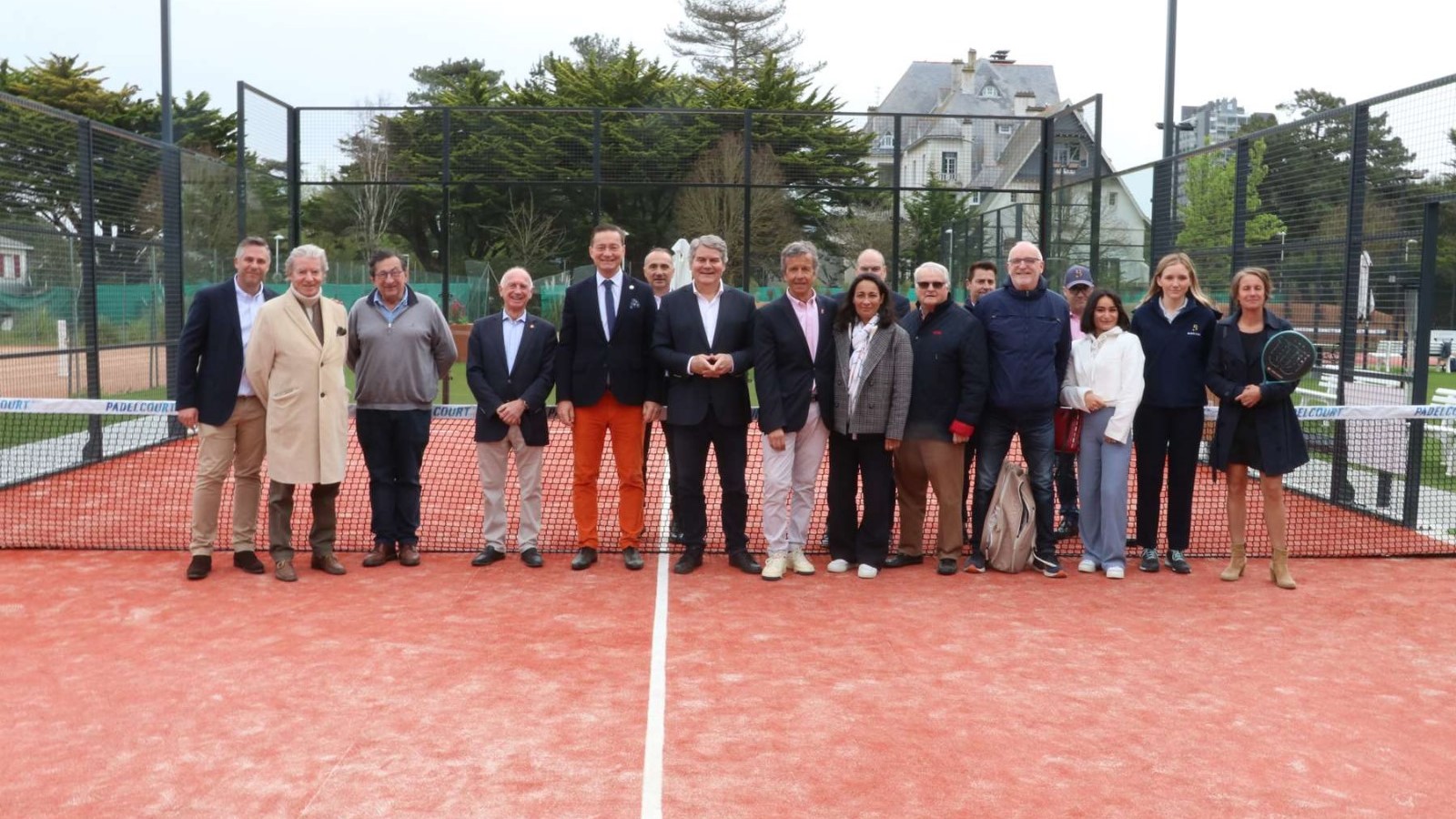 The padel of the Barrière Country Club are born in La Baule
 Why clubs padel do they close?
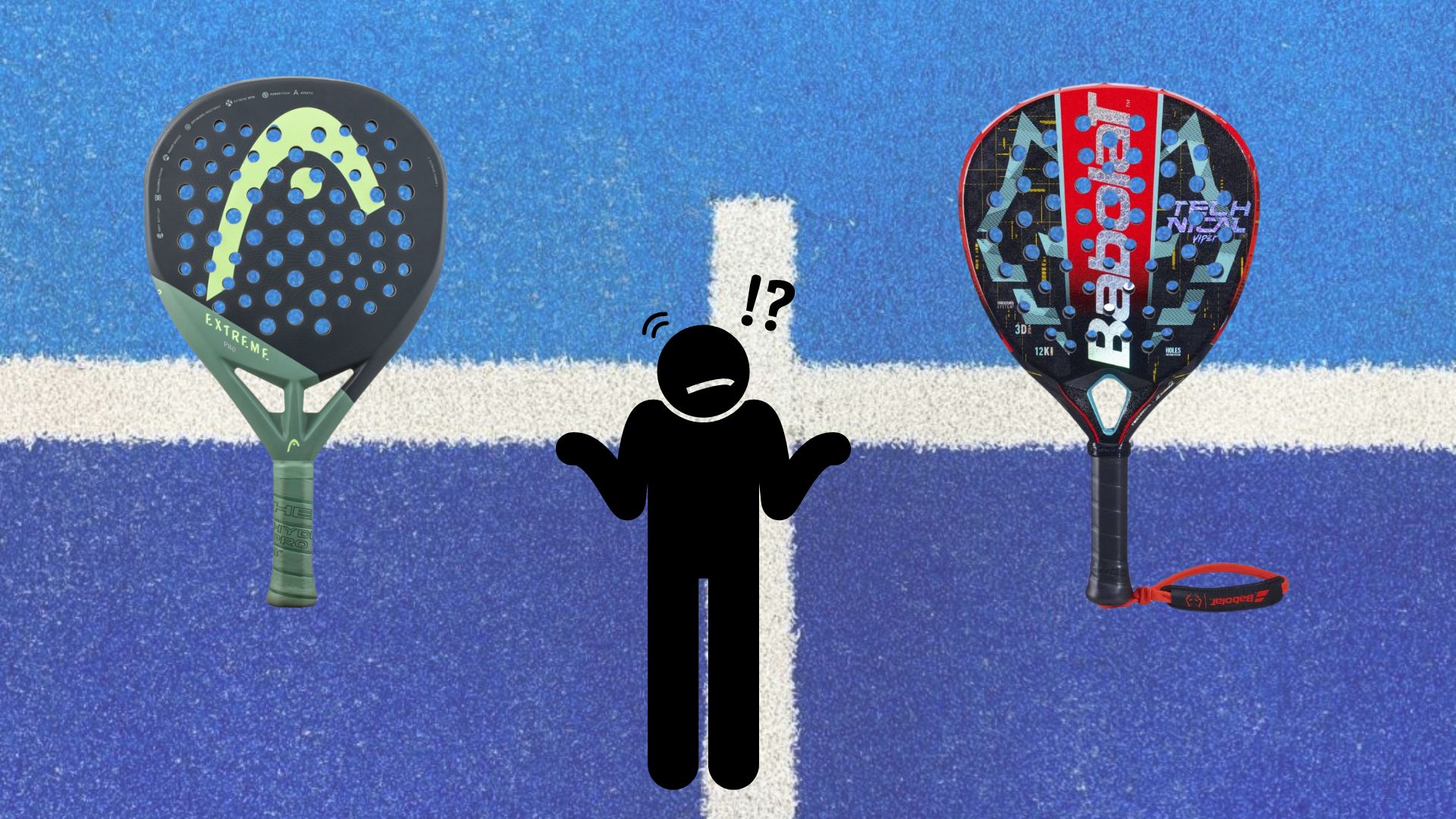 Which high-end racket to choose in 2024?
 At the heart of padel – Episode 24: Paul Daulan shares the evolution of his bandeja
 Why choose a track padel new?
 At the heart of padel – Episode 23: defend the window well
 Prohibition on playing topless Padel : the reasons
 What is the difference between a dormilona, a dejada and a cushioned puerta?
 FIP Tour – Going far from Europe, THE strategy to earn points!
 What is a good football player? padel ?
 “Lefties give me headaches when I play against them!”
 At the heart of padel – Episode 14: how to earn points in winter?
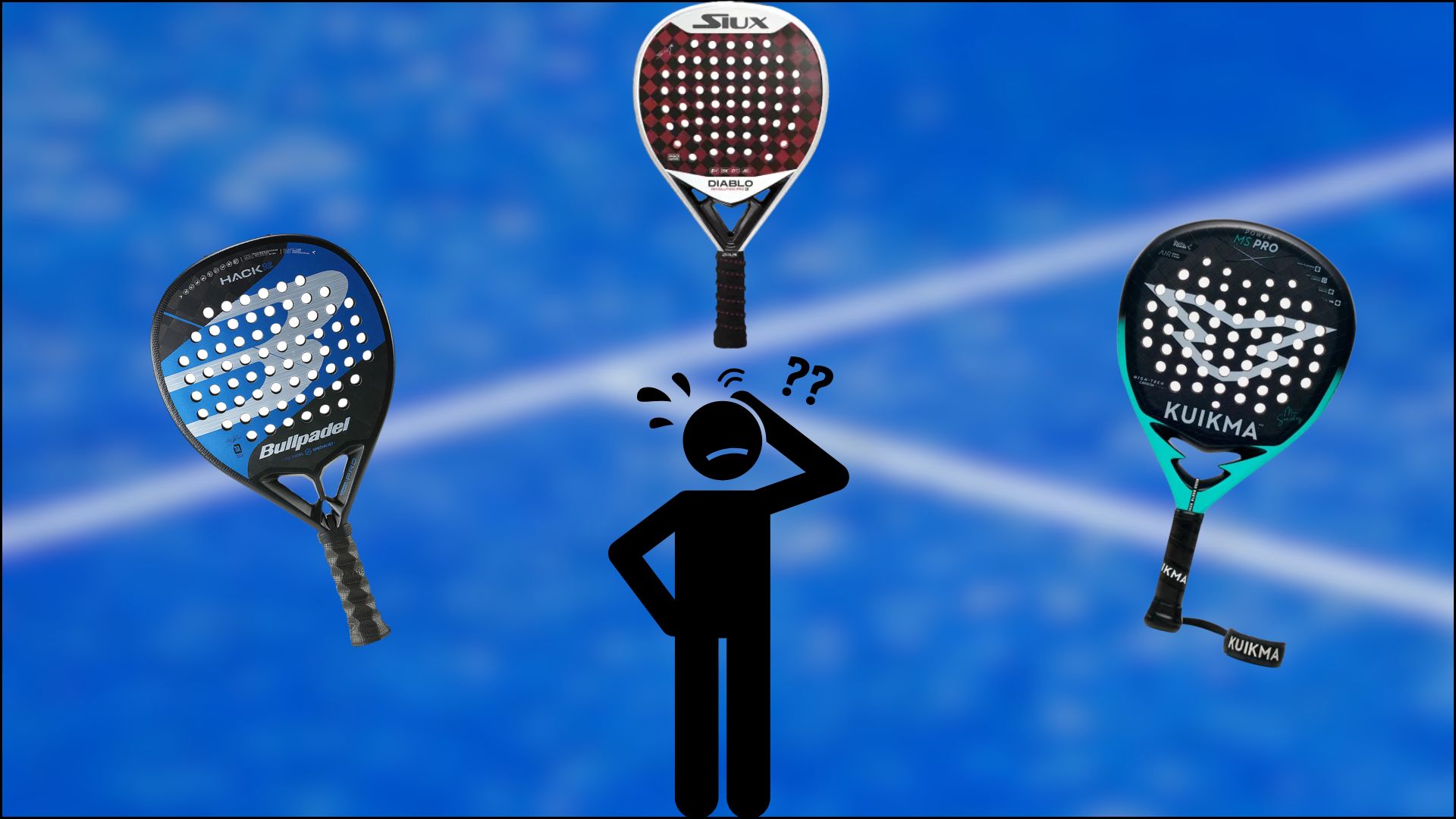 Choose your racquet padel in 3 steps
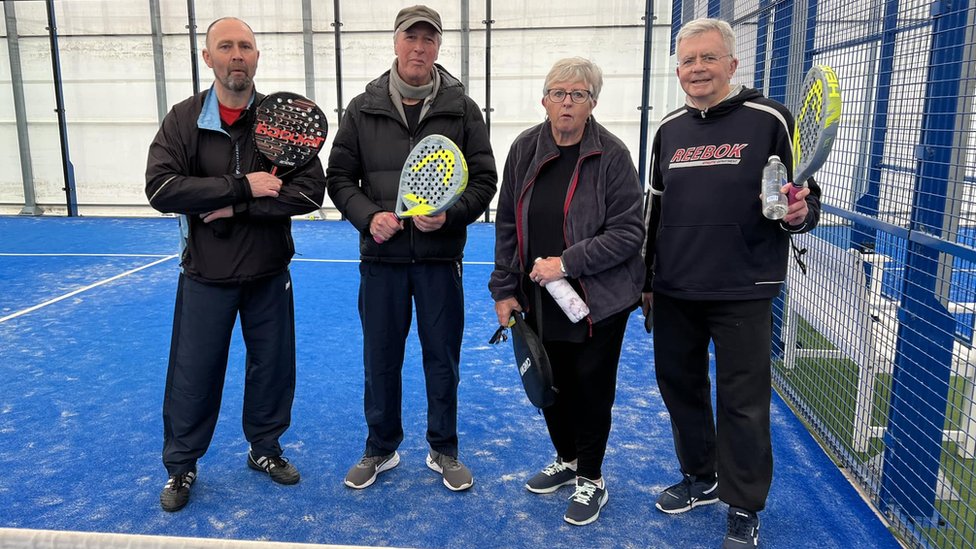 La padel to fight Parkinson's disease
 Don't play with a cracked or broken racket, your body will thank you!
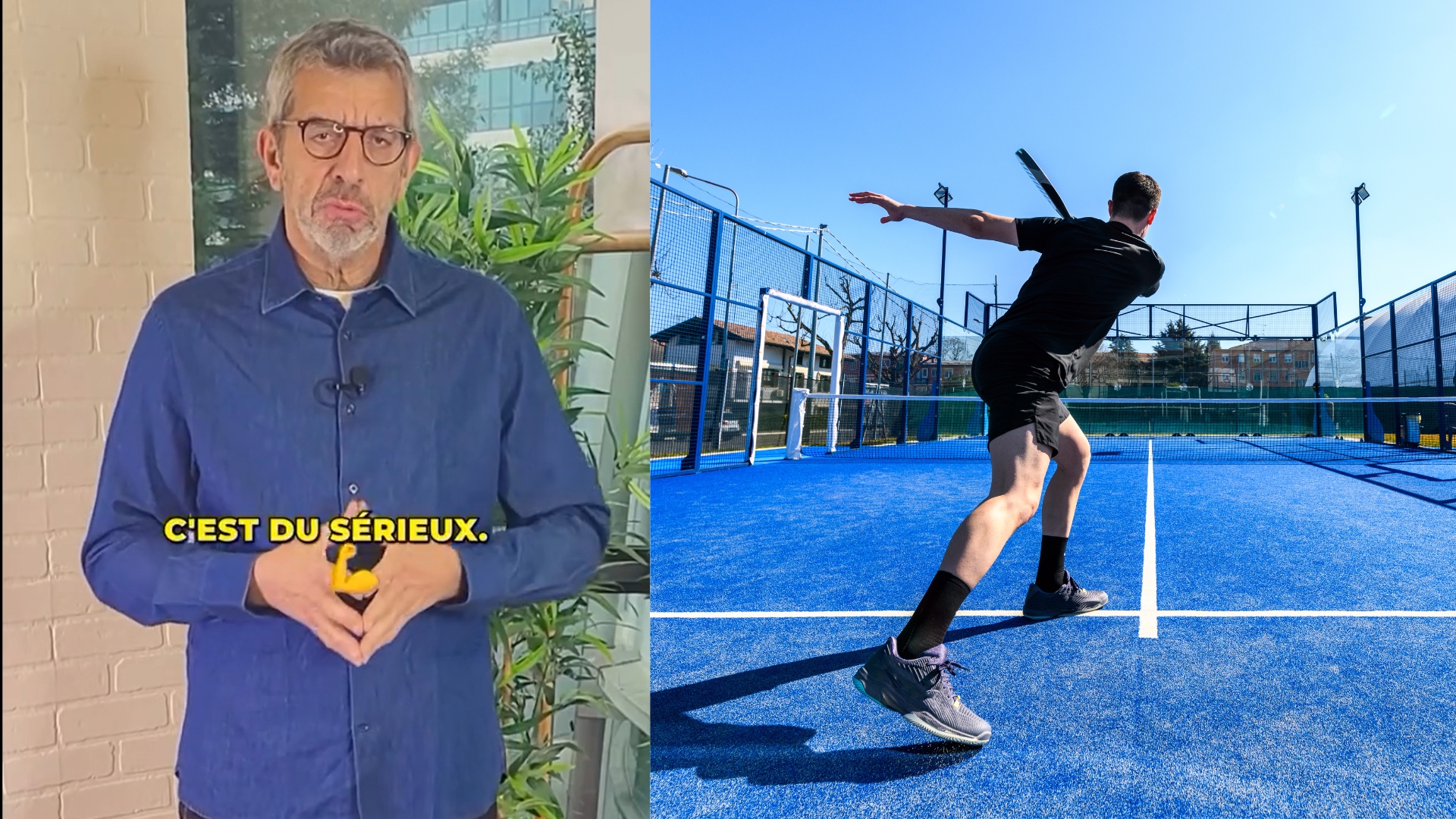 Michel Cymes: “The padel, physically, it’s serious!”
 Jeremy Gala: “Promote the padel among young people in Belgium remains a challenge”
 The French Touch Academy organizes its selection day Padel-Study
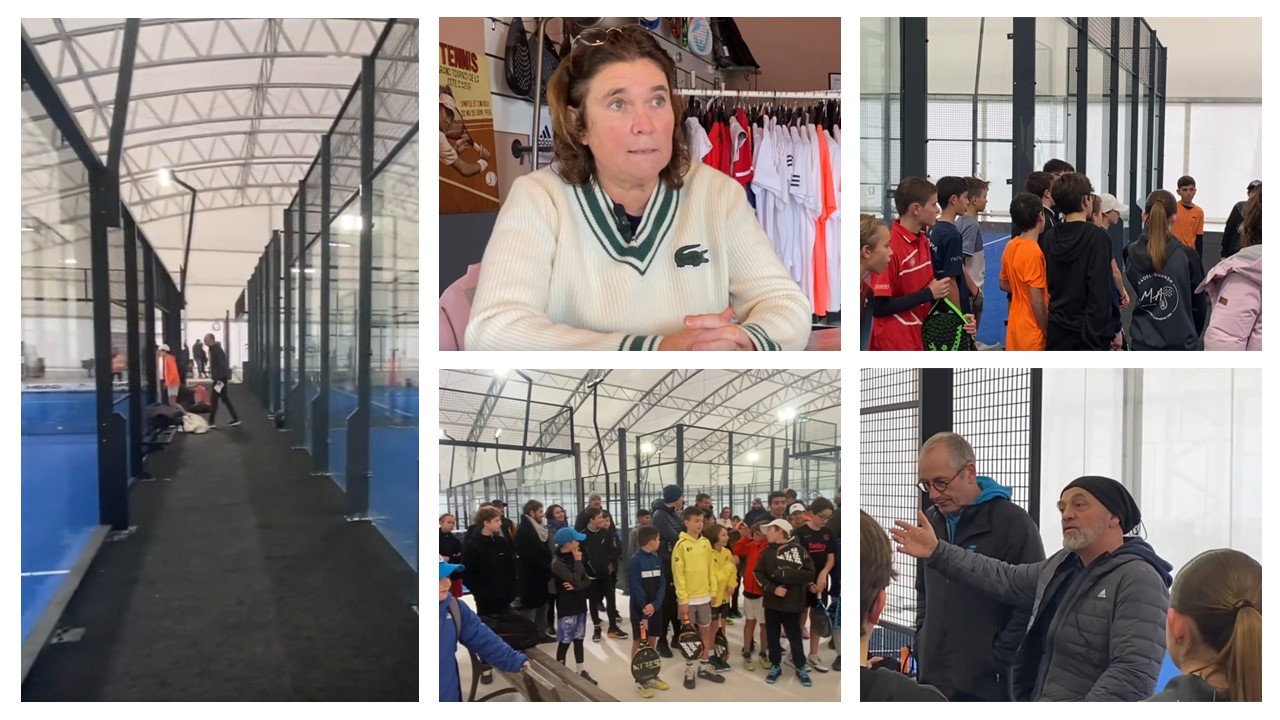 Report on the detection and training of younger generations
 Player's adult courses from April 8 to 21, 2024!